Infrared Cameras
Capture every detail with our wide selection of infrared cameras. Whether you're a professional photographer, a nature enthusiast, or a security-conscious homeowner, these cutting-edge devices are designed to provide exceptional image quality and enhanced visibility in low-light conditions. From capturing stunning landscapes to monitoring your property, our range of infrared cameras offers unparalleled versatility and performance. Explore our collection today and discover the power of infrared technology for capturing moments that matter.
Sort



































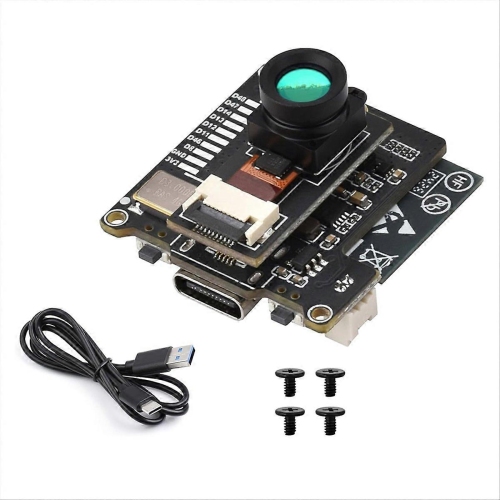
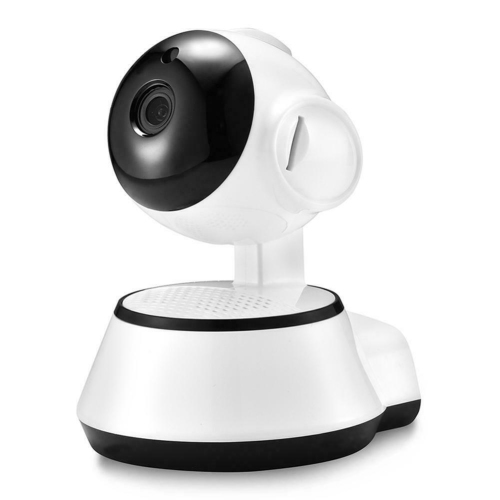

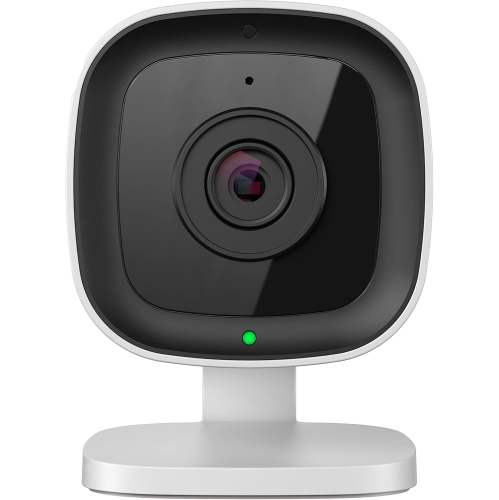
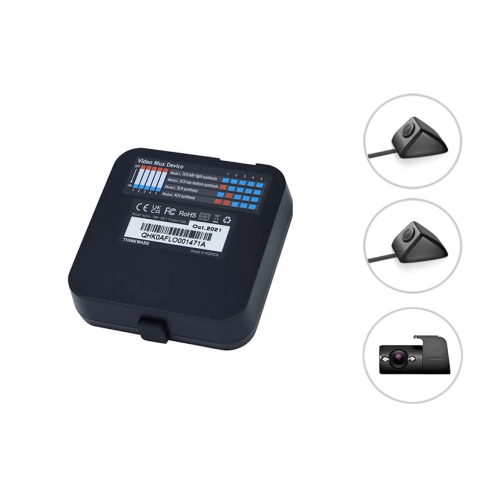













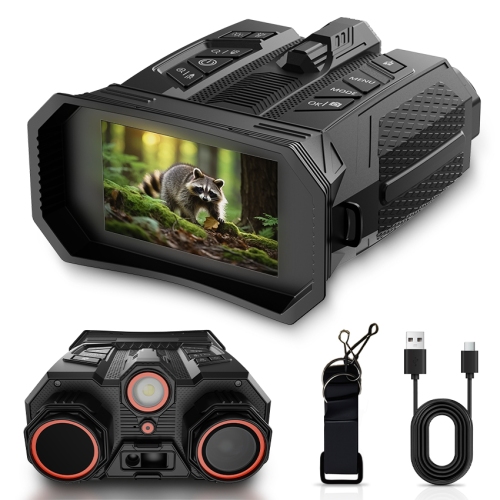
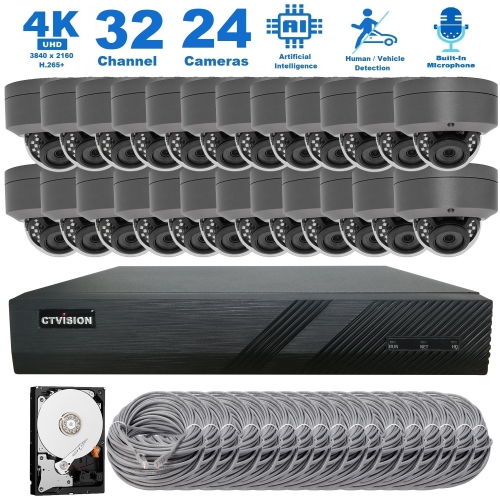
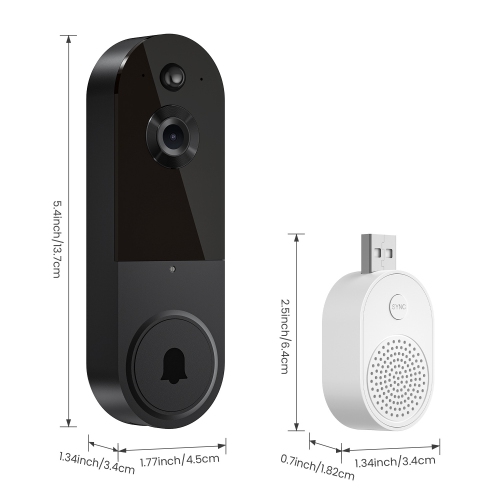
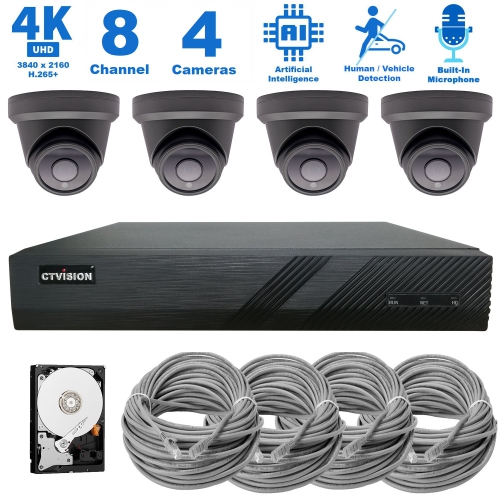



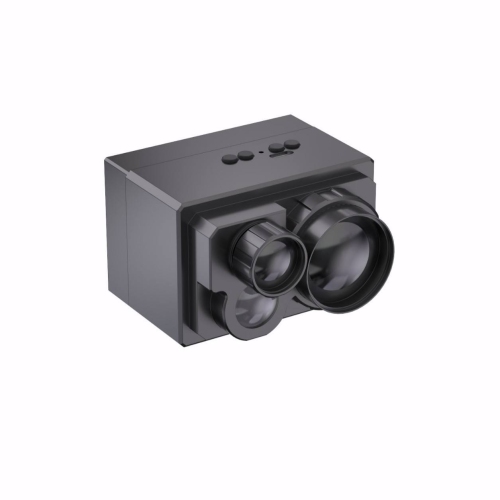
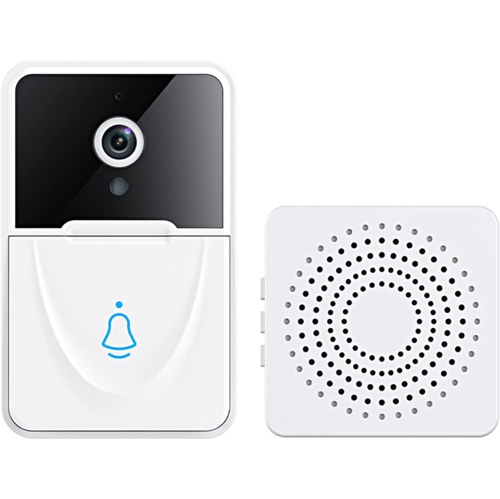
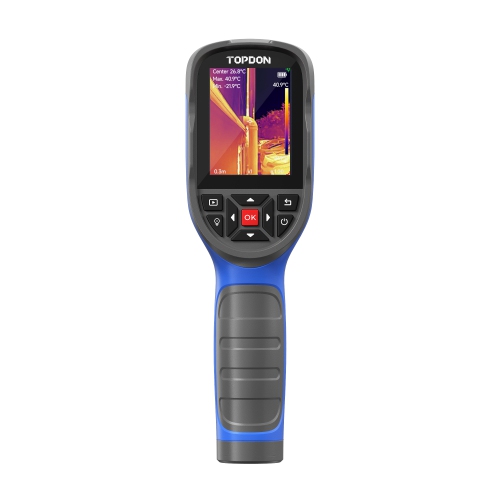


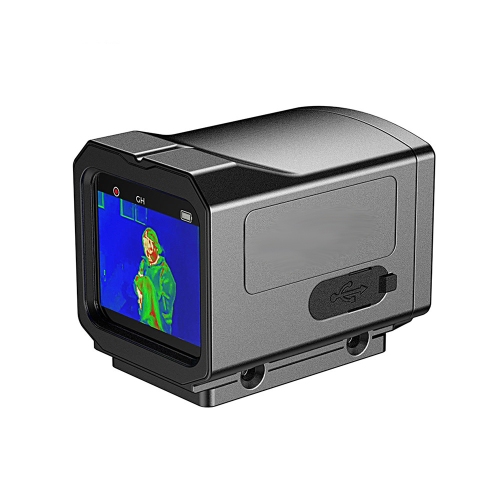







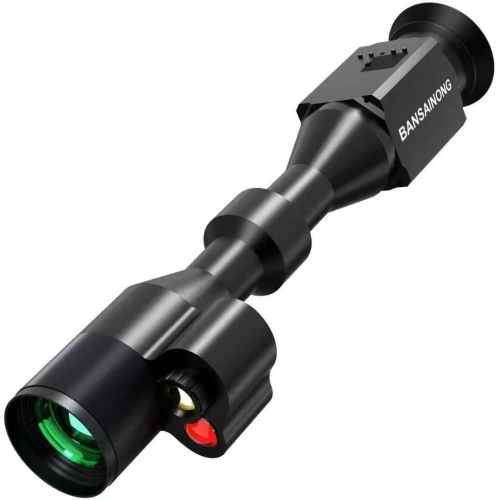
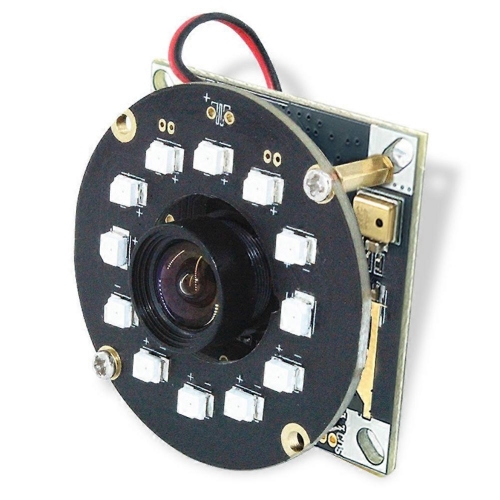
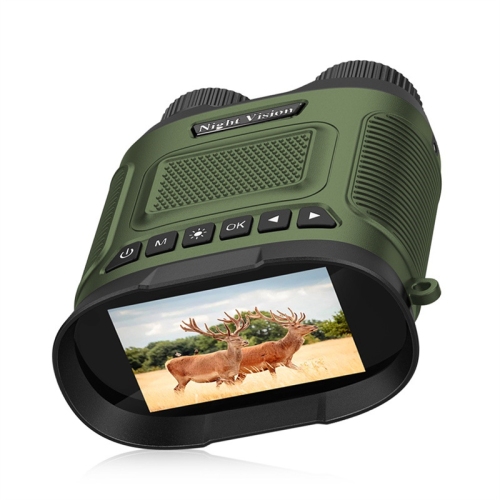
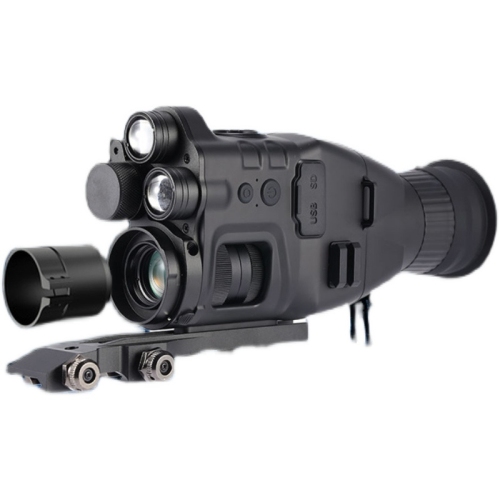


How thermal imaging differs from infrared night vision
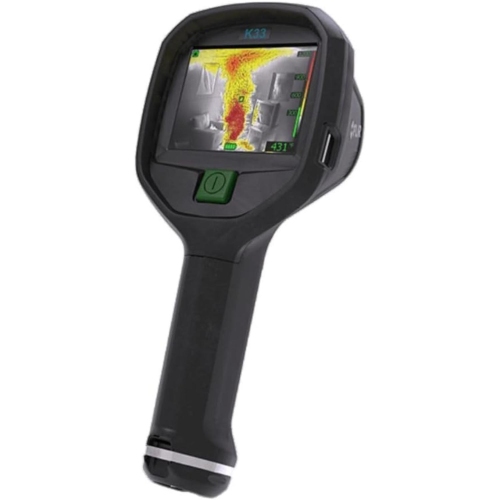
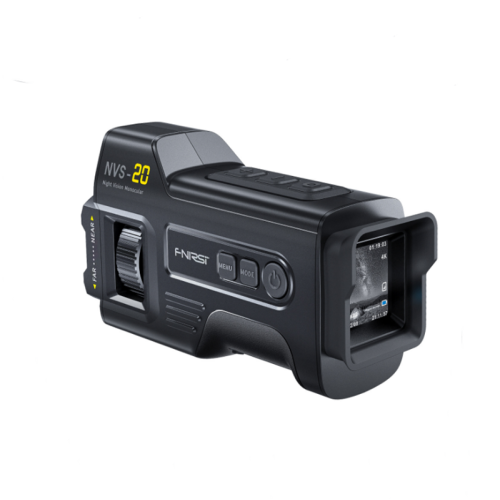
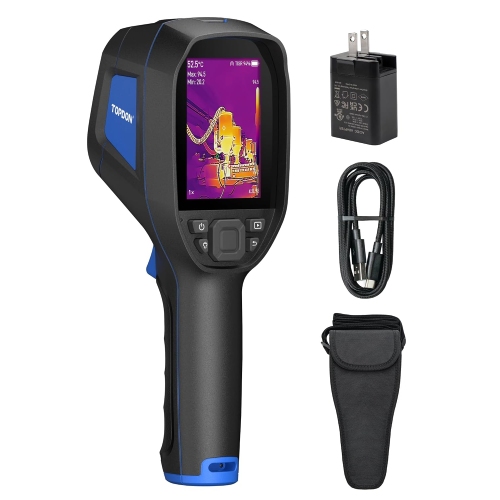
Infrared cameras capture infrared radiation, which is invisible to the human eye, and turn it into a viewable image. Thermal imaging cameras detect infrared energy emitted by surfaces and display differences in apparent surface temperature as a thermal image, also called a thermogram. Colours or shades represent different readings, making patterns easier to spot than they would be in an ordinary photograph. Infrared night vision cameras work differently: they typically use near-infrared light, often supplied by built-in illuminators, to record a scene in darkness. This distinction matters because seeing a person at a doorway and locating an unusually warm electrical connection are two very different tasks. Thermal cameras are useful for inspecting buildings, troubleshooting equipment, and identifying areas that deserve a closer look. A homeowner might notice a patch on a ceiling that warrants further investigation, while a technician might compare similar components to find one operating differently from the rest. For renovation work, thermal imaging can help reveal patterns associated with missing insulation, air leakage, or concealed heating pipes when conditions create a measurable difference at the surface. These images are clues rather than a complete diagnosis: a camera cannot confirm moisture on its own, and it does not see through walls. It measures radiation reaching its sensor from visible surfaces, so interpretation depends on the material, viewing angle, distance, and surrounding conditions. Shiny metal can reflect radiation from nearby objects, creating a misleading reading, and ordinary window glass generally blocks the wavelengths used by common thermal imaging cameras. Clear observations come from combining the image with knowledge of the space or equipment being examined. For electrical inspections, keep covers in place unless a qualified professional can safely perform the work; a thermal camera does not make energized equipment safe to approach. Used with these limits in mind, infrared imaging offers a practical way to document patterns that are difficult to notice by sight alone and decide where a more detailed inspection may be worthwhile.
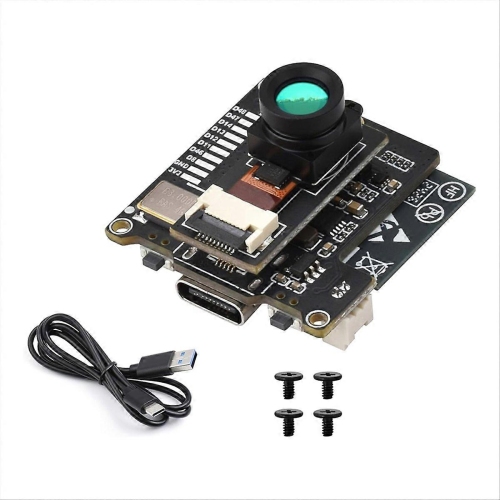
The most useful camera features depend on what needs to appear clearly in the image and how the results will be used. Thermal resolution describes the number of temperature-sensing pixels, not necessarily the resolution of the display or a separate visible-light camera. Higher thermal resolution can make small details easier to distinguish, particularly when inspecting a larger area or viewing a target from farther away. Field of view matters just as much: a wide view helps capture a wall or a room, while a narrower view can make a distant target occupy more of the image. Minimum focus distance is important for close work, such as examining small mechanical parts, because a sharp-looking screen does not guarantee that a nearby target is properly resolved. Thermal sensitivity describes how well a camera distinguishes small temperature differences; measurement accuracy describes how closely its readings match the actual surface temperature under specified conditions. Those specifications serve different purposes. A suitable measurement range is also essential when moving between building inspections and higher-temperature machinery. Adjustable emissivity settings help account for how different materials emit infrared energy, although reflective surfaces still require care and appropriate technique. Visible-light photos, image overlays, and adjustable colour palettes can make findings easier to recognize and explain, especially when several similar components appear in one frame. For documentation, check whether saved files retain temperature data or simply store a picture of the screen. Files that preserve measurement information can support later analysis in compatible software, while ordinary images may be sufficient for basic records. Handheld designs suit repeated spot checks, and compatible phone-connected cameras can offer a compact option when device support, connector fit, and app requirements line up. Consider whether a phone case interferes with the connection and whether the camera can be used comfortably with one hand. Battery runtime, charging method, storage capacity, and clearly readable controls all affect how smoothly an inspection goes, particularly when moving between several locations or working where stopping to recharge is inconvenient.
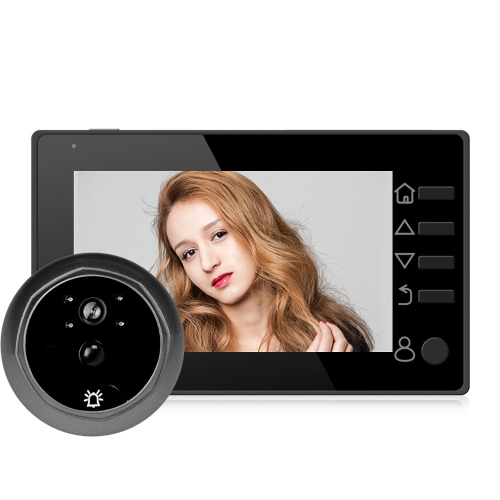
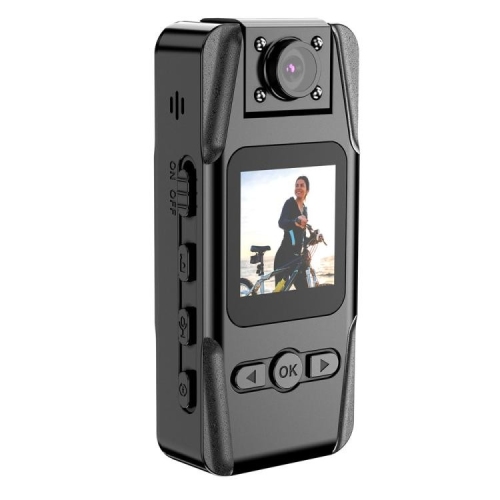
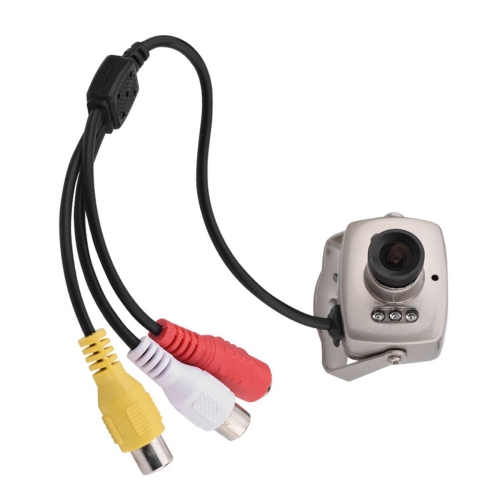
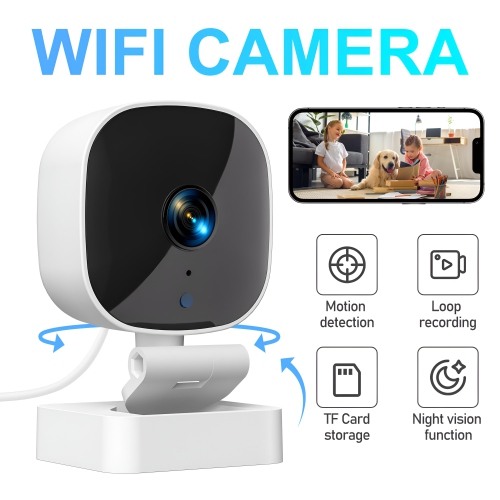
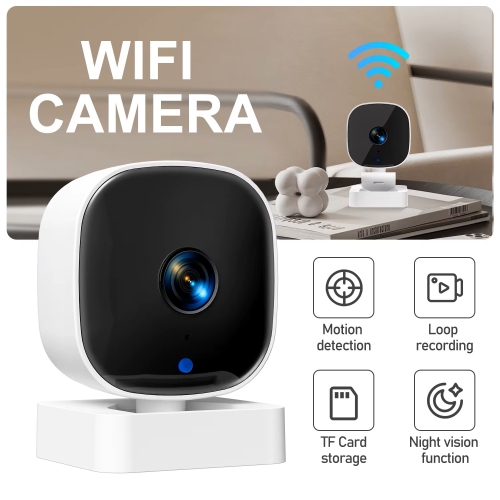
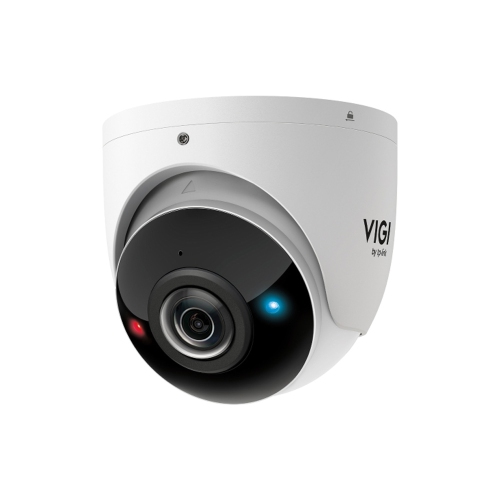
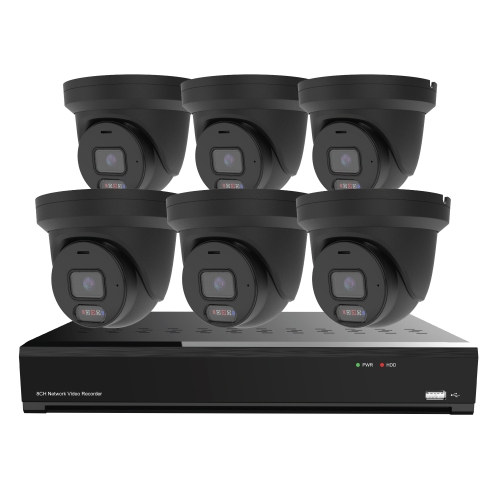
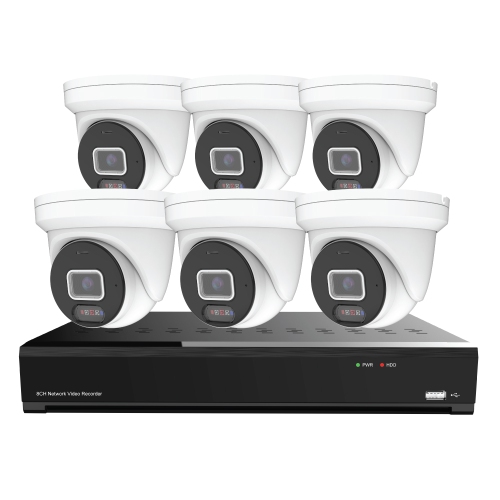
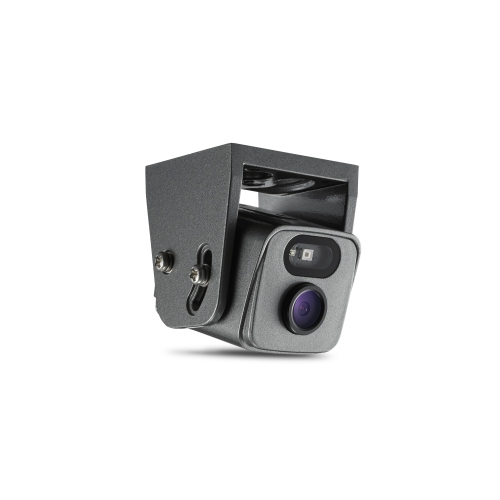
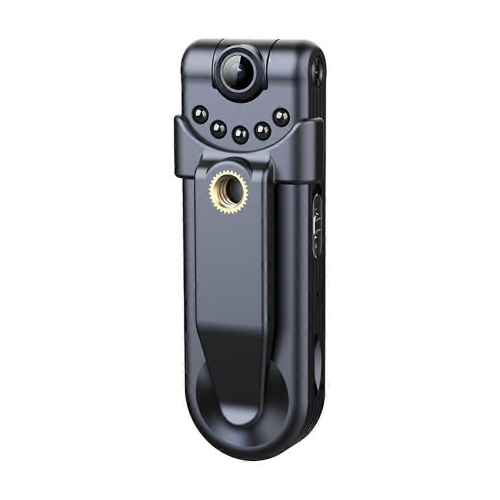
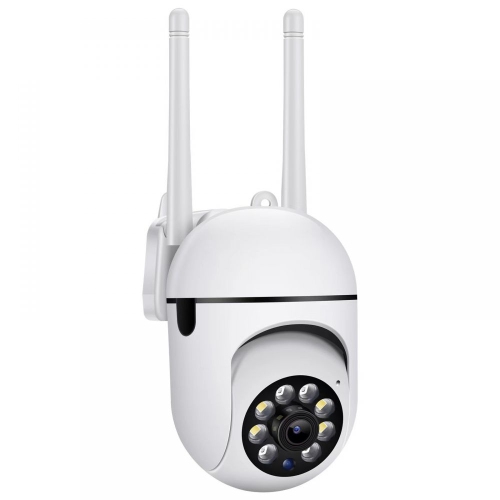
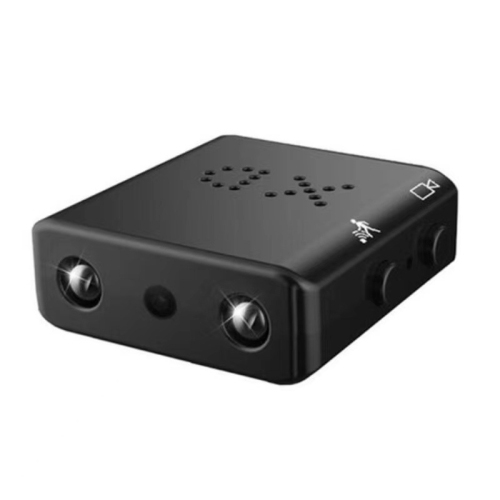
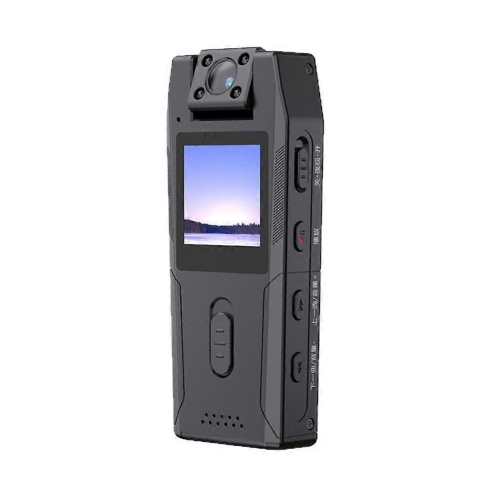
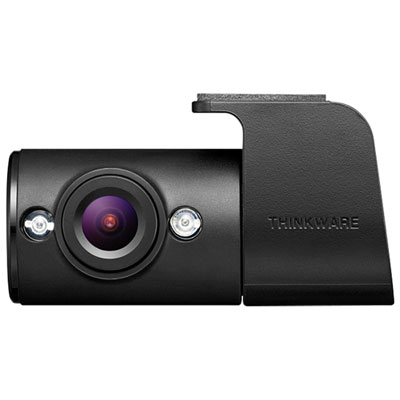
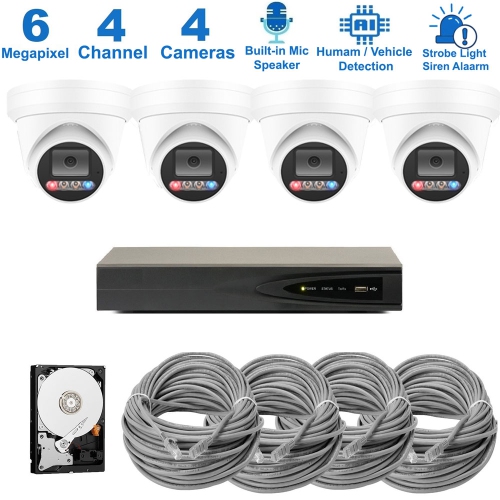
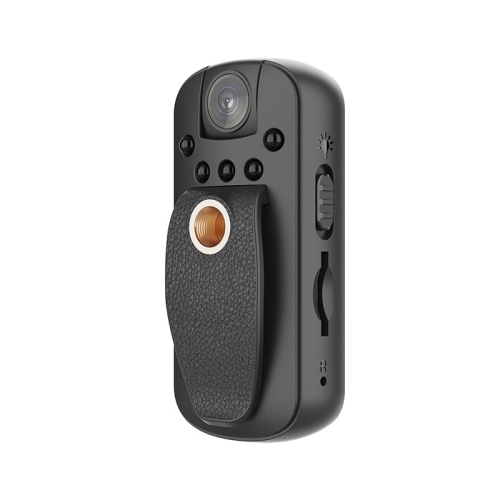
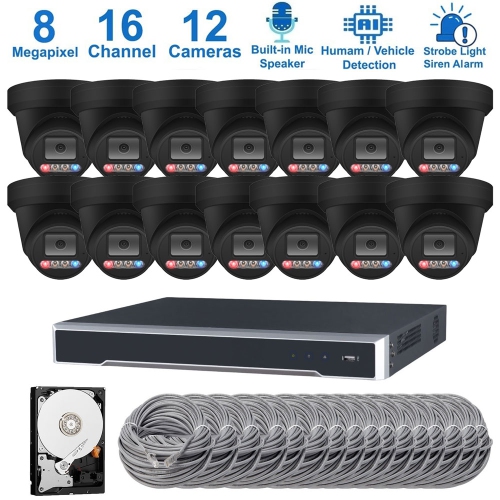
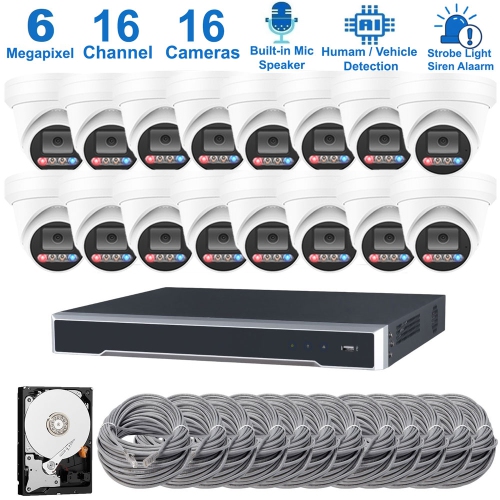
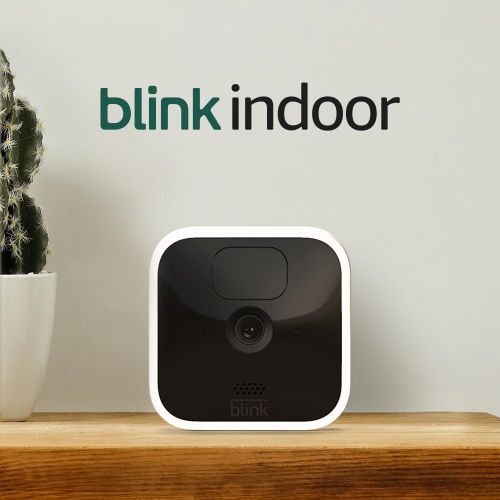
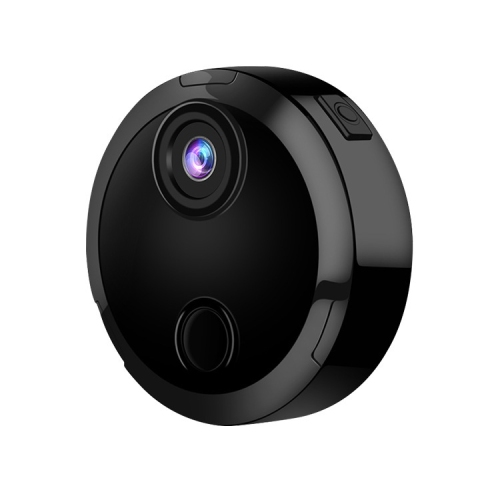
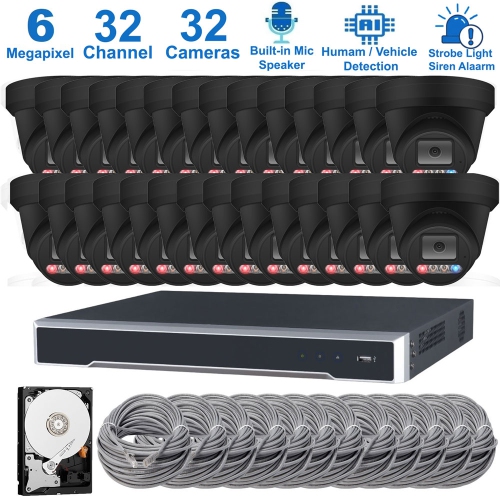
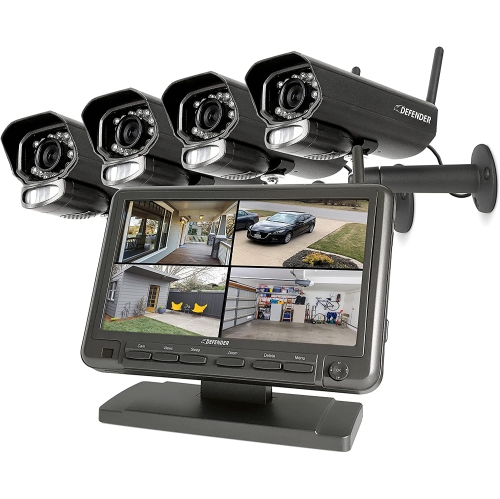
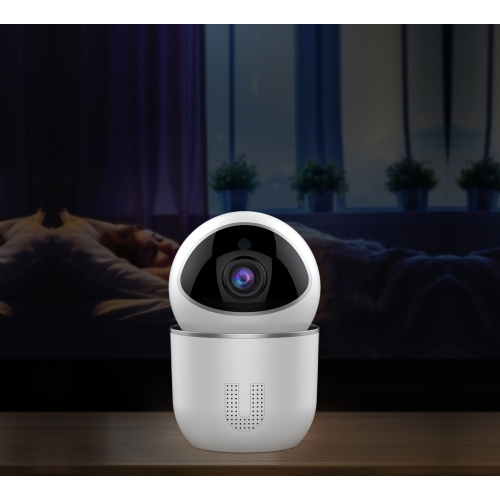
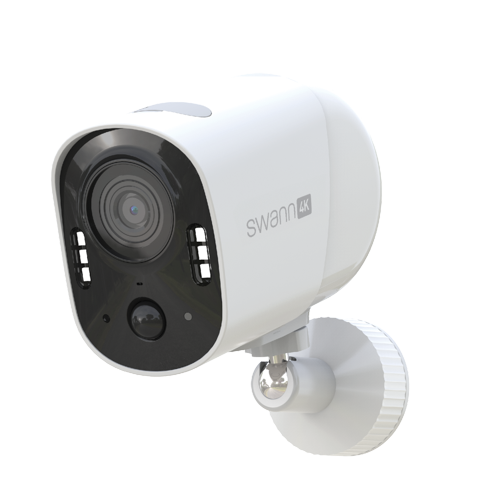
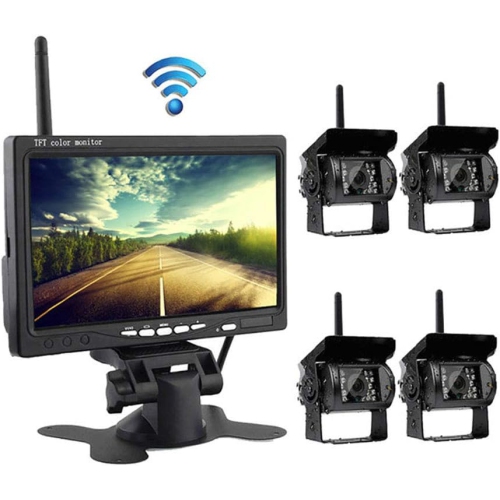
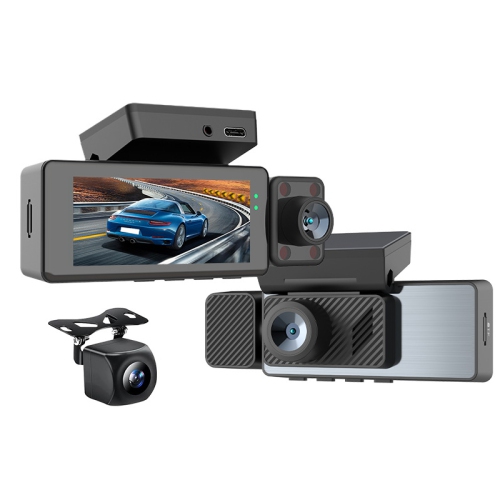
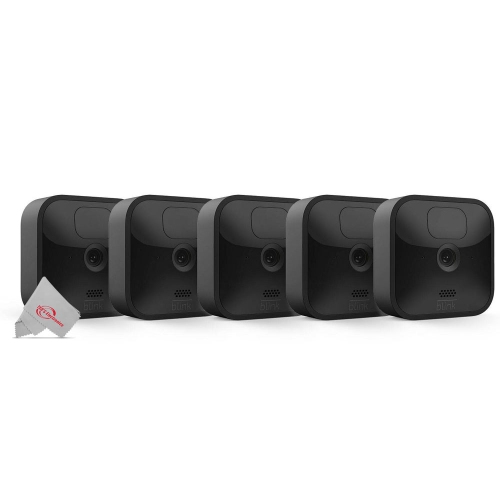
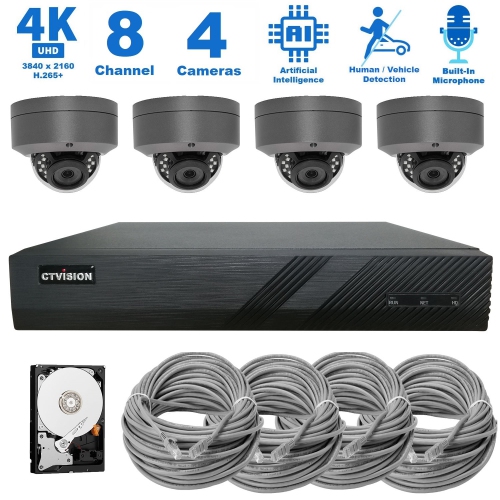
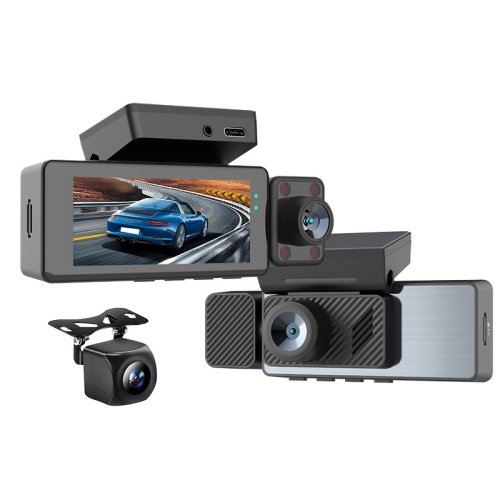
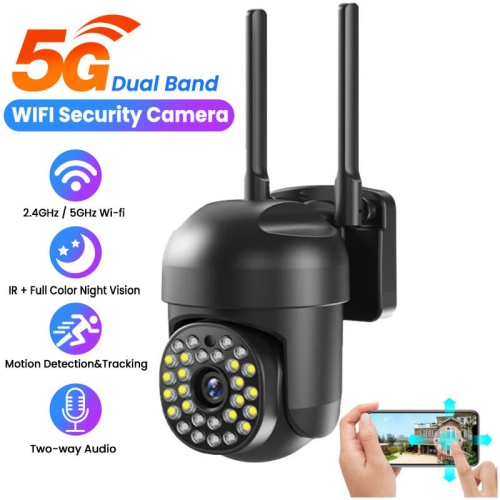
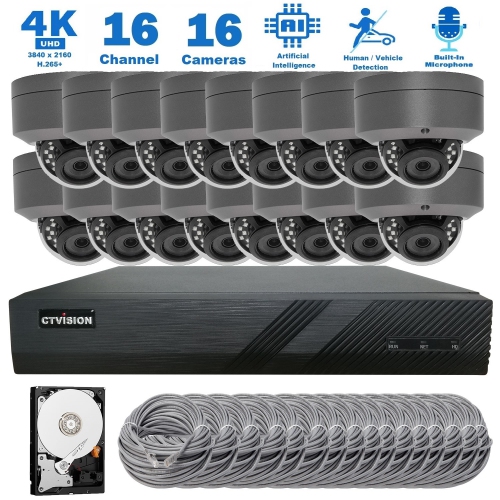
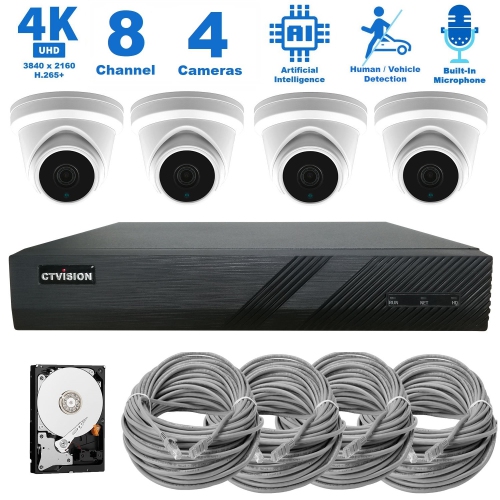
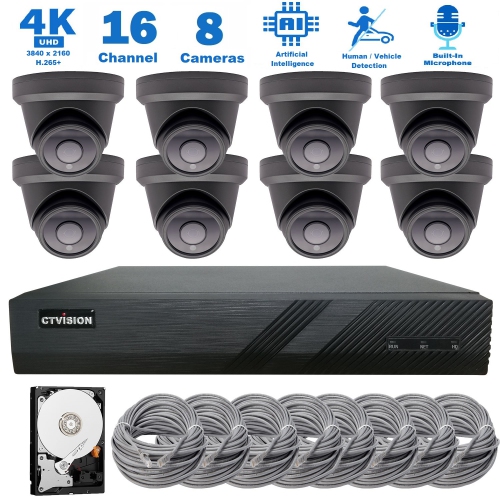
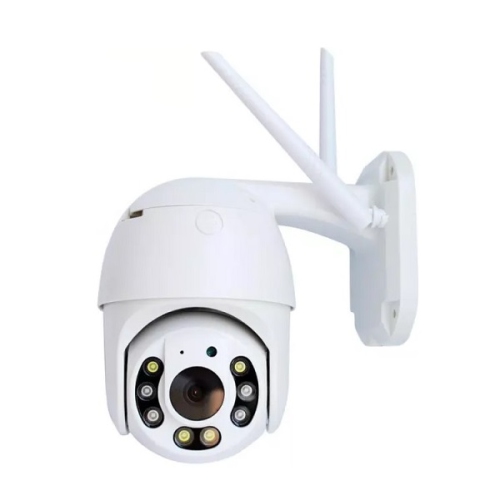
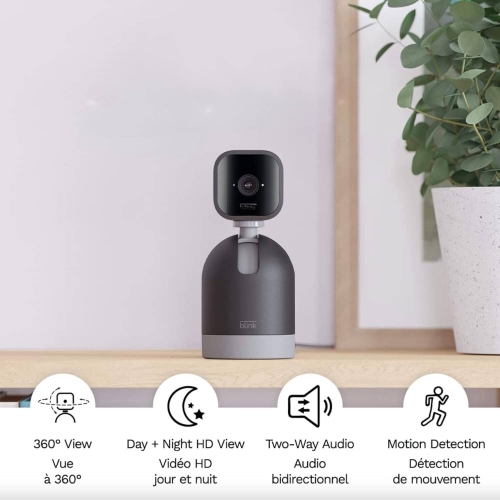
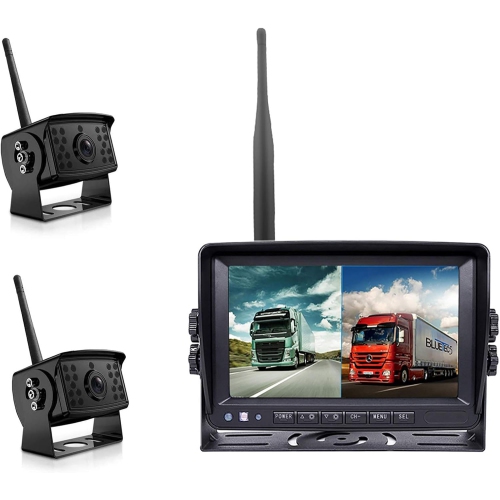
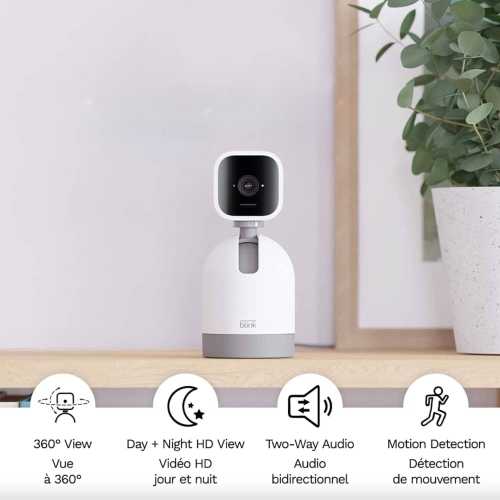
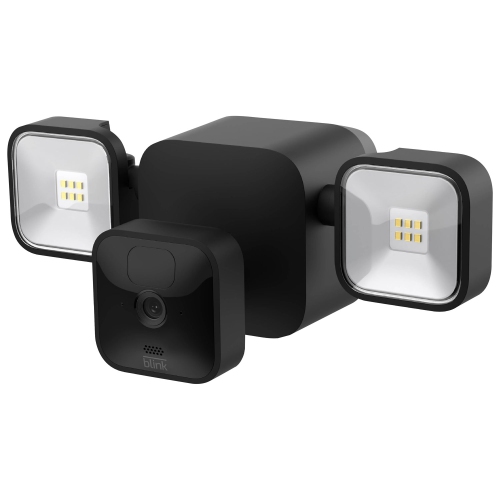
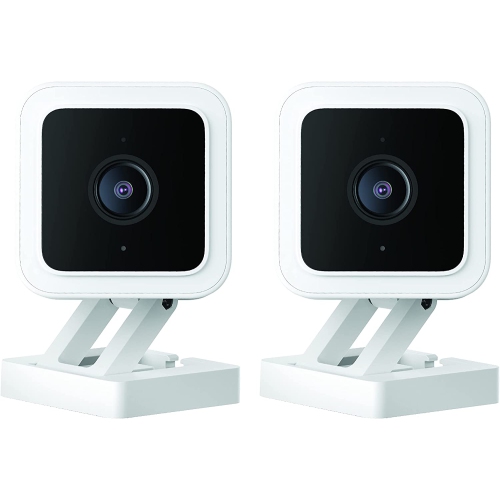
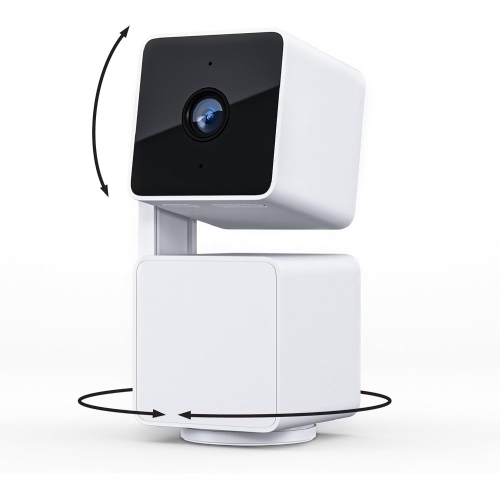
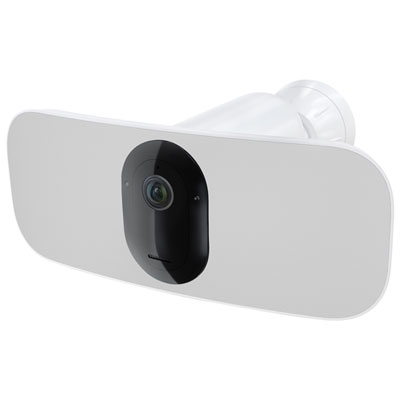
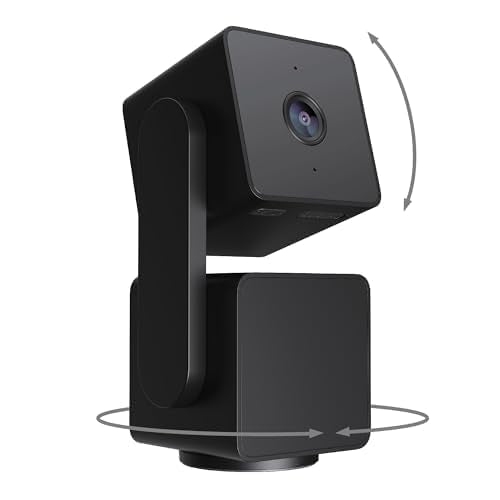
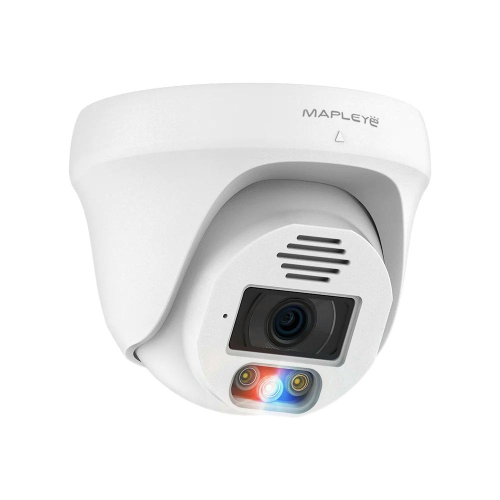
For monitoring entrances, driveways, and other areas after dark, Infrared Security Cameras typically use infrared illumination to produce night vision footage rather than a map of surface temperatures. Image clarity depends on more than the stated viewing distance. Camera placement, lens angle, illumination coverage, and the distance to a face or other important detail all influence what can be seen. A camera facing a nearby wall, roof edge, or reflective surface may capture glare from its own infrared lights, leaving more distant areas harder to distinguish. Placing an infrared-illuminated camera behind a window can cause similar reflections, so an installation designed for the intended location is generally more effective. For connected cameras, check recording options, power requirements, network compatibility, and whether the planned mounting point has a dependable connection. Wi-Fi coverage at a front entrance may differ from coverage inside the home, especially when the signal must pass through several walls. Across both security and thermal imaging designs, durability should match the job. Housing materials, a secure grip, protected controls, and a suitable carrying case matter for equipment that travels between sites. An ingress protection rating indicates tested resistance to dust and water under defined conditions; it should not be treated as permission to immerse or pressure-wash a camera. Outdoor installations also need compatible mounts, secure cable routing, and protection appropriate to the location. Keep lenses clean using the method specified by the manufacturer, since thermal optics may have specialized coatings that ordinary cleaners can damage. Avoid pointing a thermal camera at the sun or other intense radiation sources unless its instructions explicitly permit it. After use, store the camera with its lens protected and check batteries, mounts, and connectors before the next job. Whether the intended user is a homeowner documenting repairs, a tradesperson checking equipment, or someone setting up property monitoring, matching the imaging technology to the task is more valuable than choosing by appearance alone.
Top selling and popular products
-
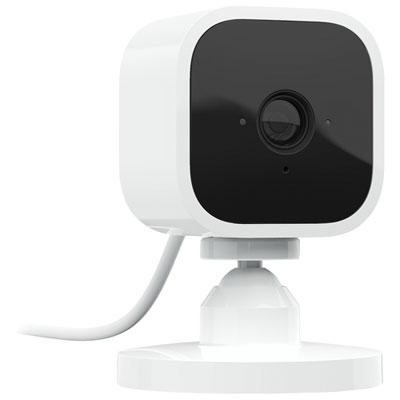 Your price for this item is $14.97
-
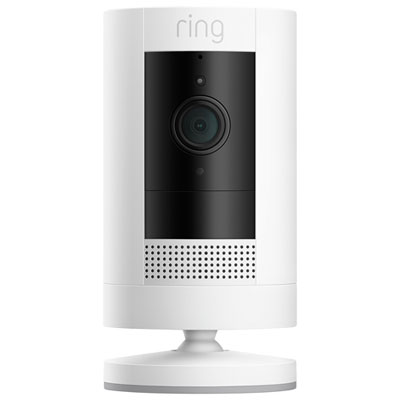 Your price for this item is $109.99
-
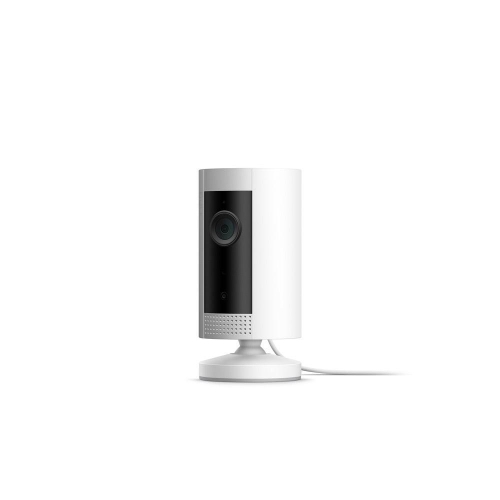 Your price for this item is $79.25
-
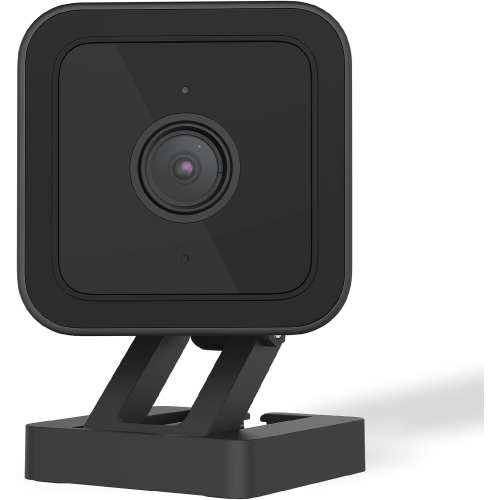 Your price for this item is $95.99
-
 Your price for this item is $110.48
-
 Your price for this item is $110.99
-
 Your price for this item is $329.95
-
 Your price for this item is $105.99
Discover more categories related to Infrared Cameras
Top Collections:
Pokemon Centers, Kindle Devices, Best Cameras for Sports Photography, Pokémon 30th Celebration Cards, Apple iPhones 16, Canon G7X Cameras, iPhone 15 Apple, Flip Phones, Samsung Galaxy Phones, Alarm Clock
Some products may be subject to Environmental Handling Fees
(EHF) depending on your province.
Learn more about EHFs.