Night Vision Game Cameras
Capture every moment, day or night, with these night vision game cameras. Whether you're a nature enthusiast, a hunting aficionado, or simply want to keep an eye on your property, these high-quality cameras are designed to provide clear and detailed images in low-light conditions. With advanced technology and impressive features, these night vision game cameras ensure that nothing goes unseen. From capturing wildlife in their natural habitat to monitoring your surroundings for added security, these cameras offer unmatched performance and reliability.
Sort
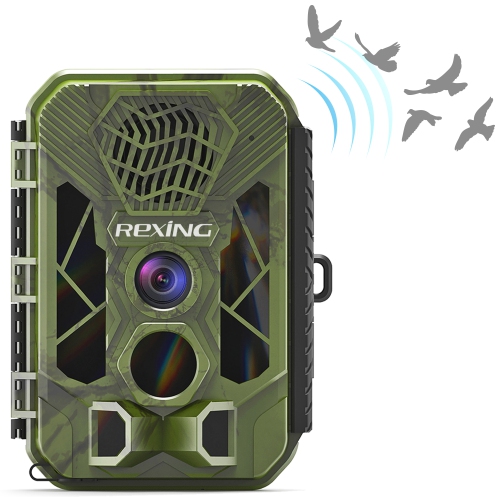
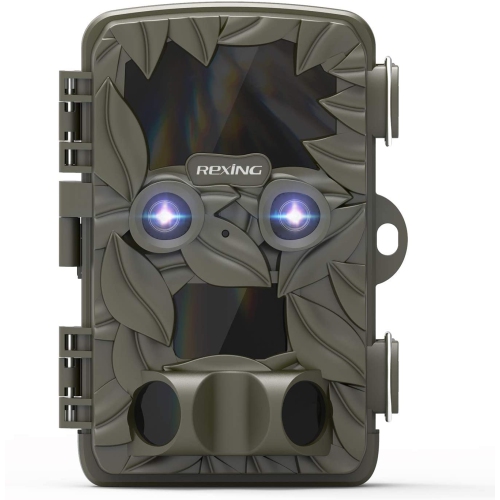

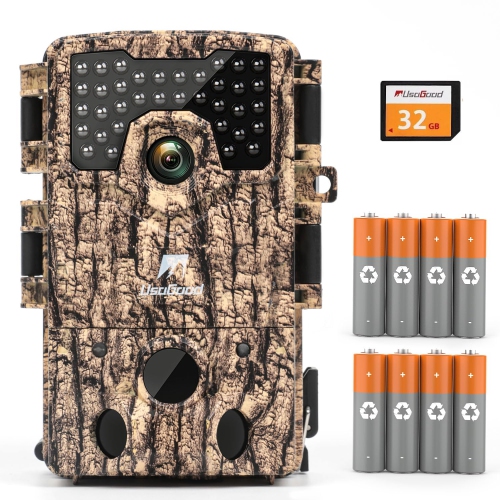
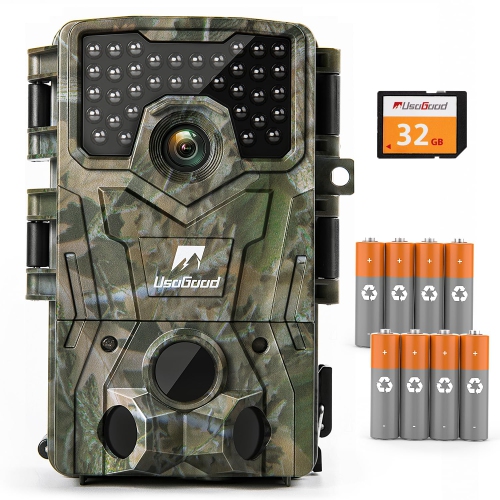
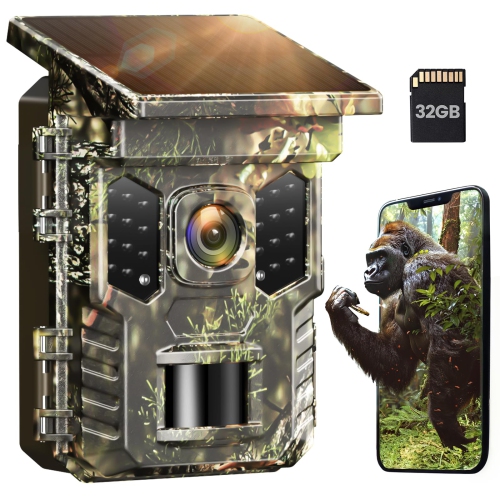
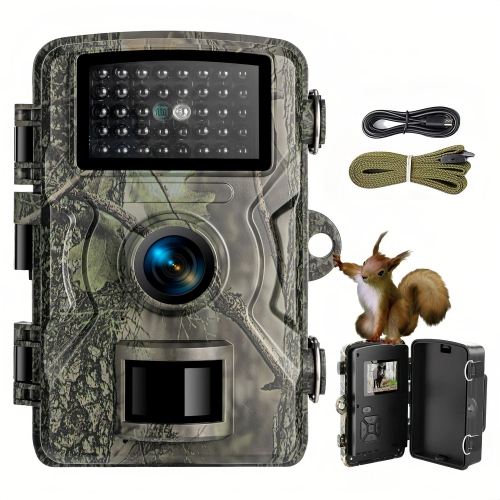
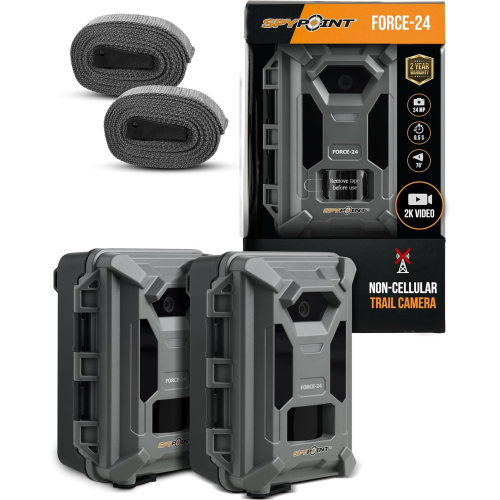
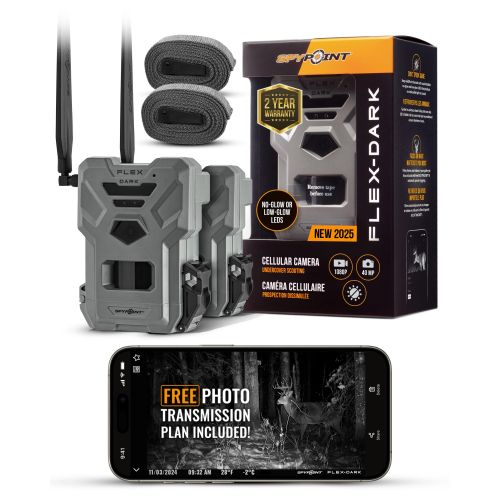
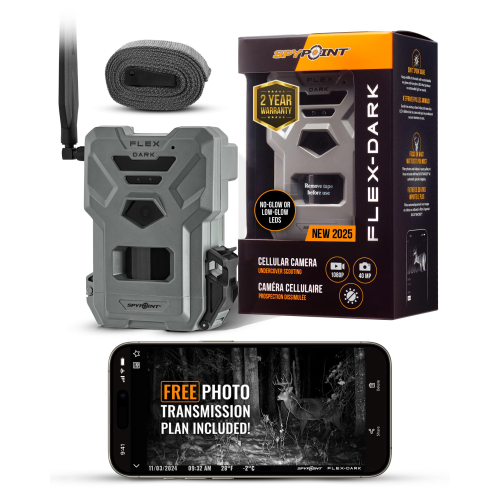
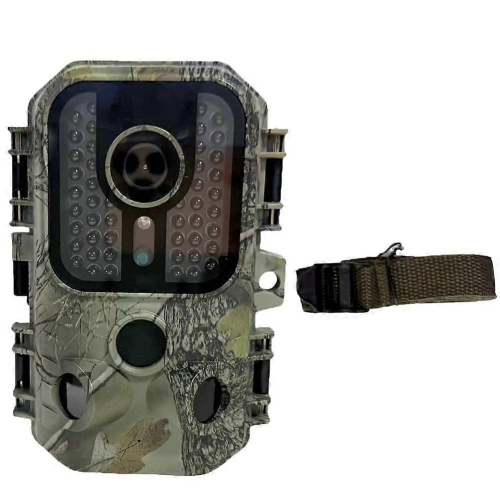
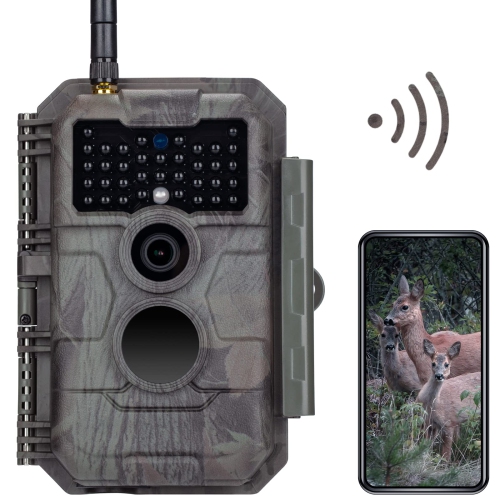
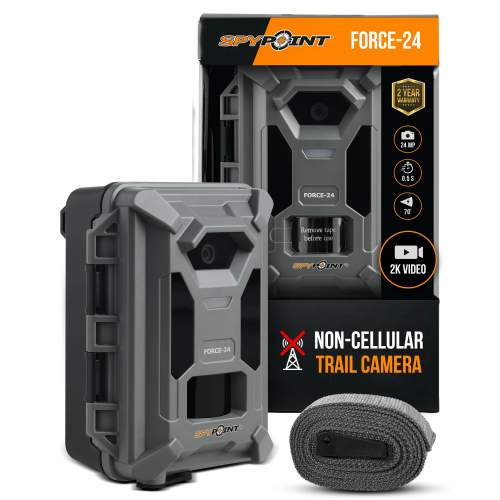
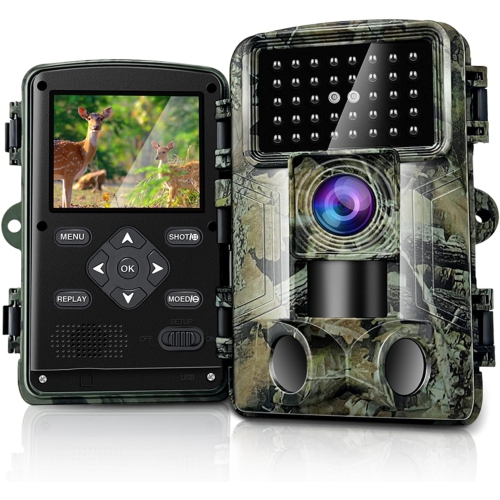
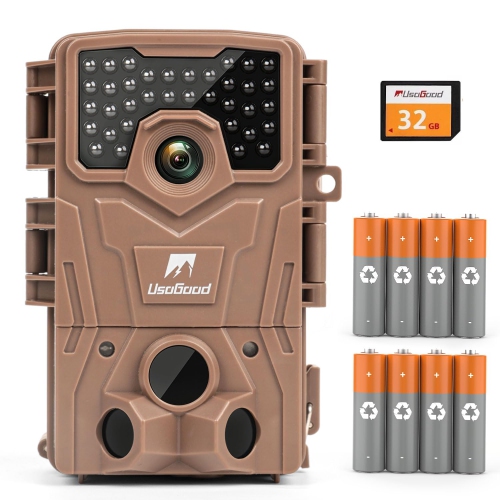
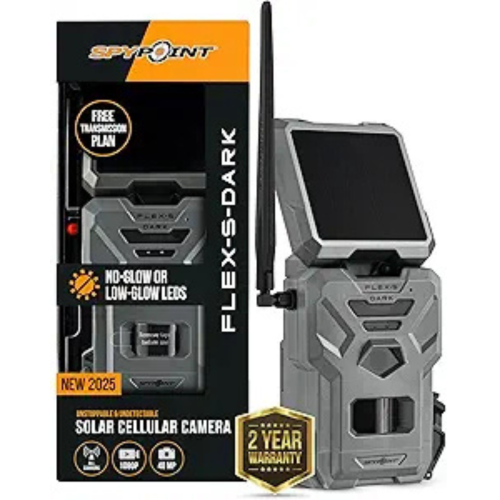


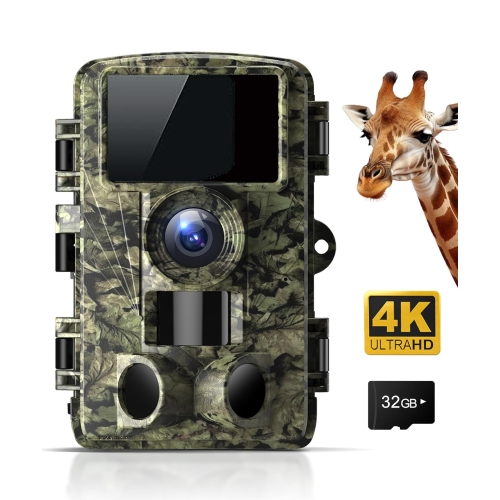
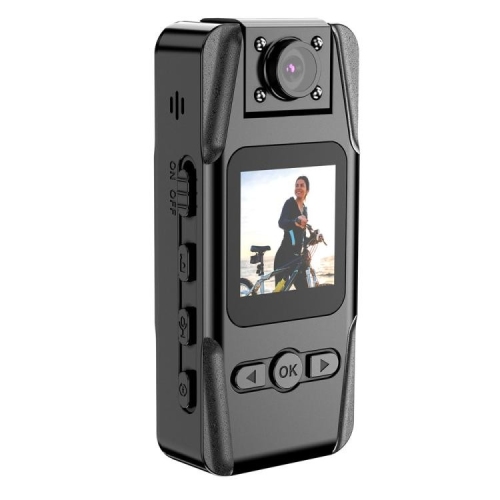
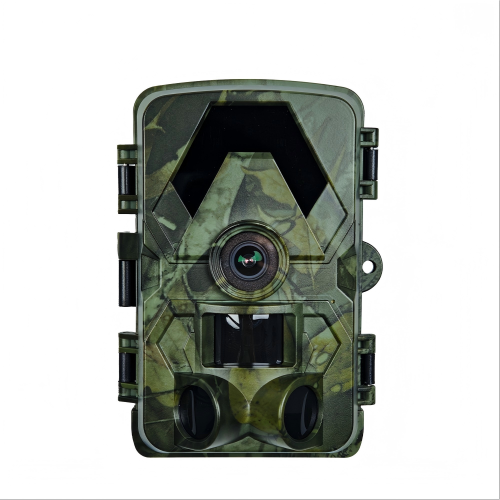
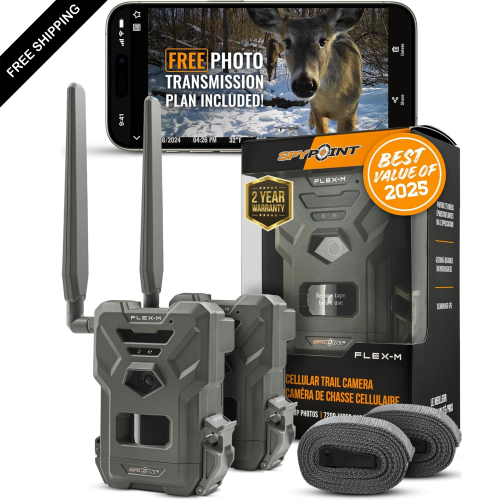
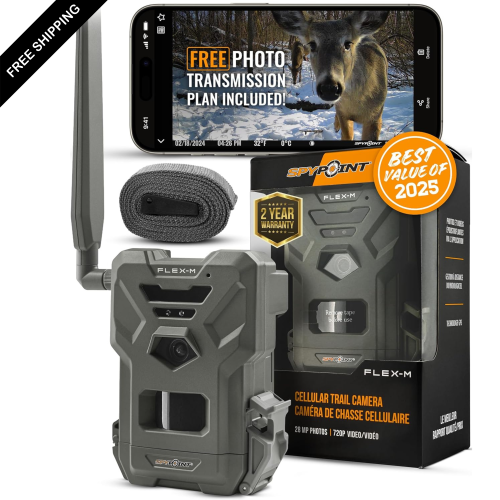

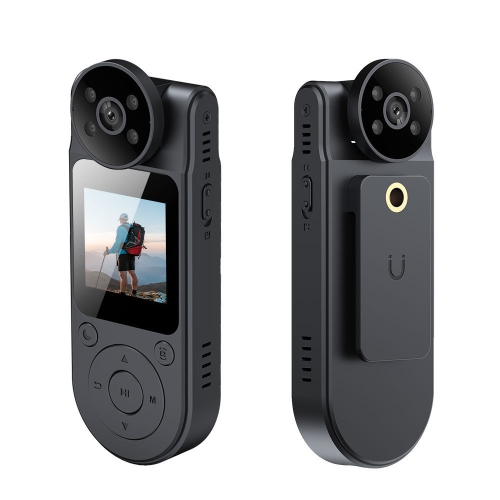
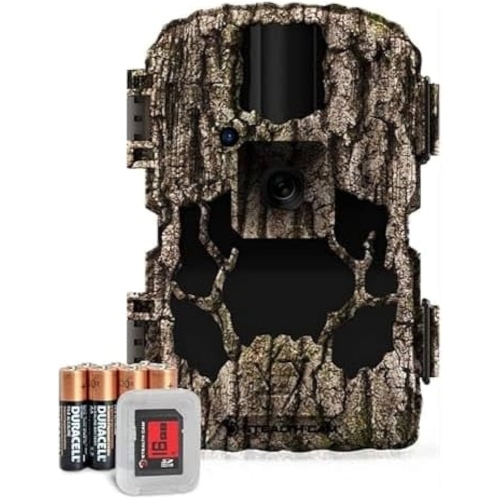
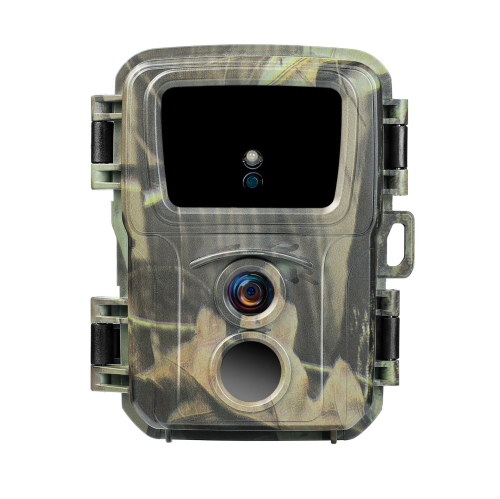


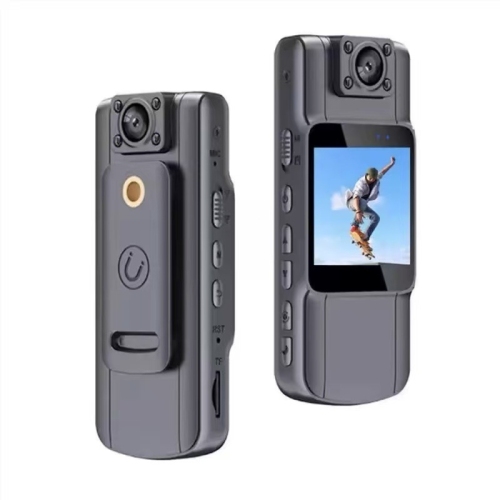
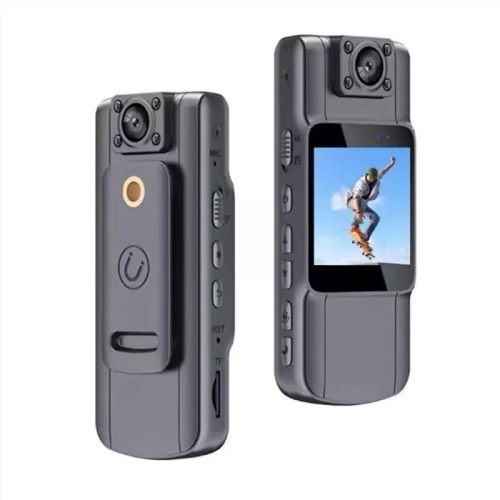
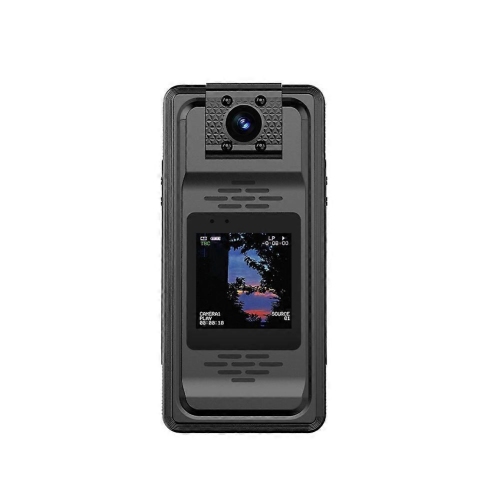
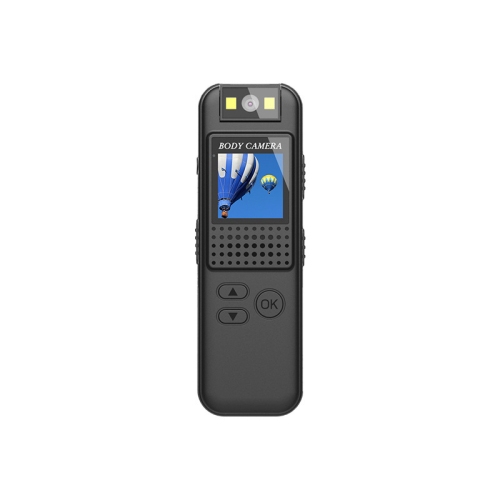
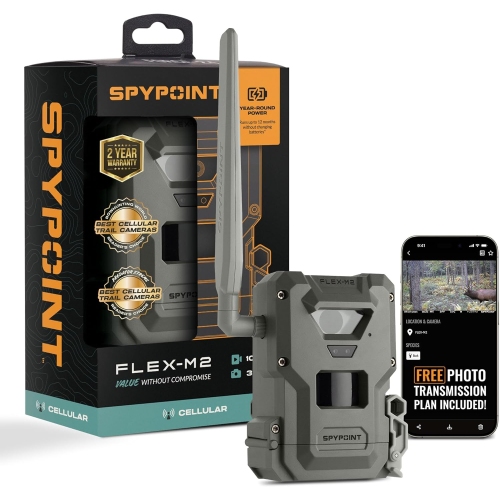


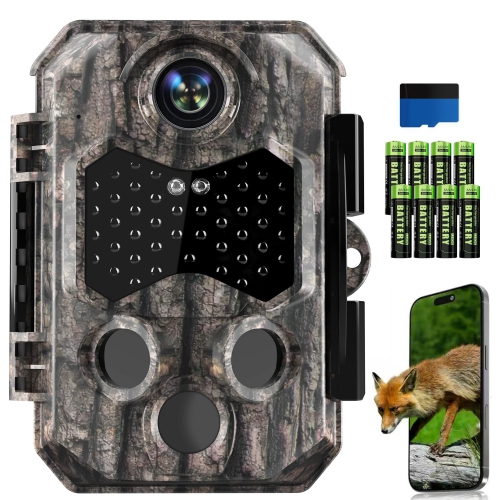
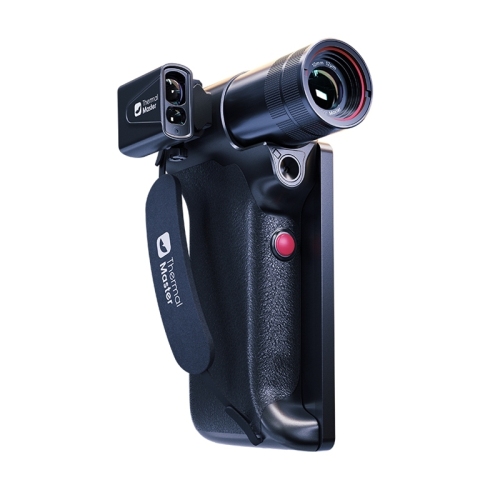
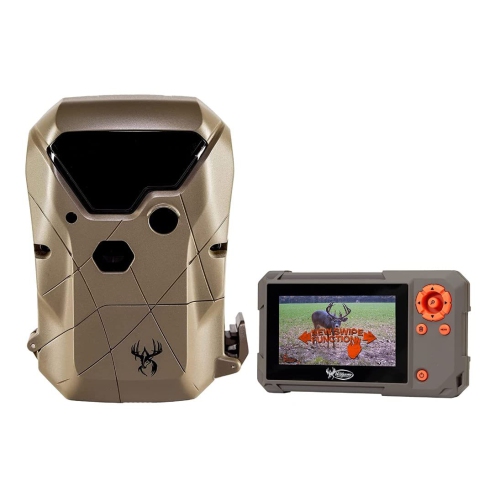
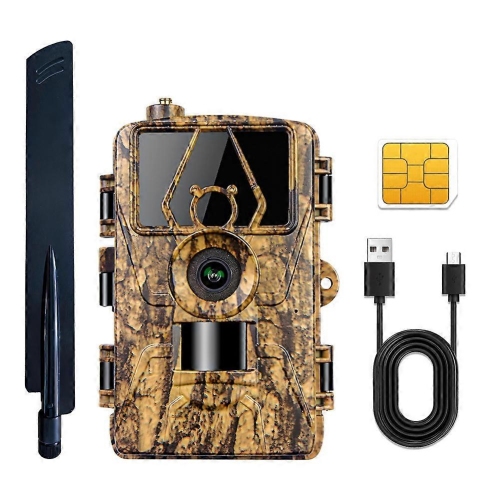
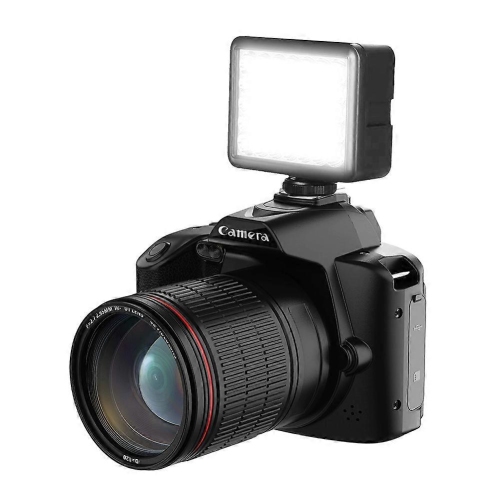
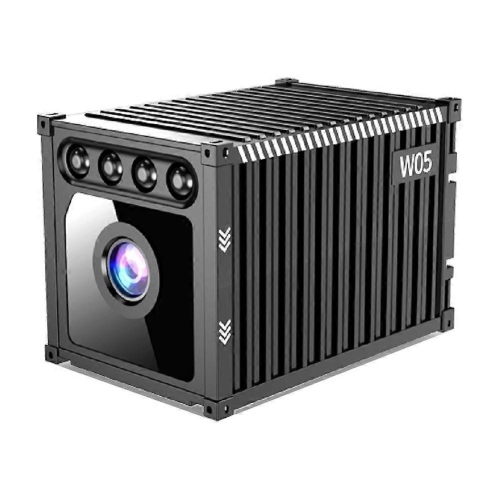
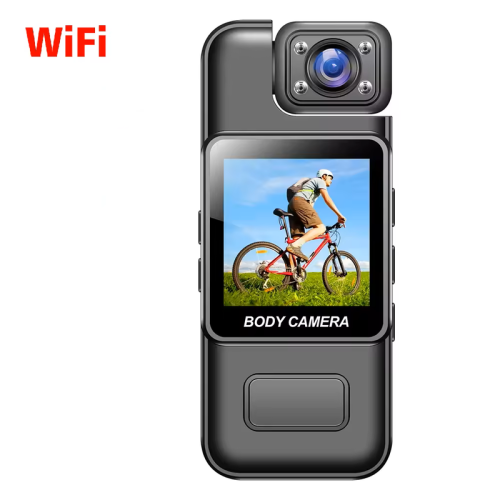
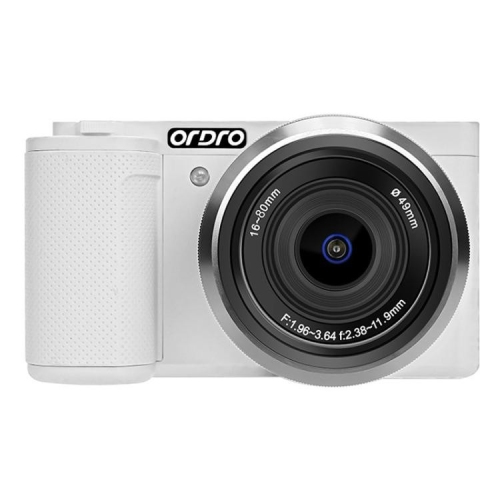
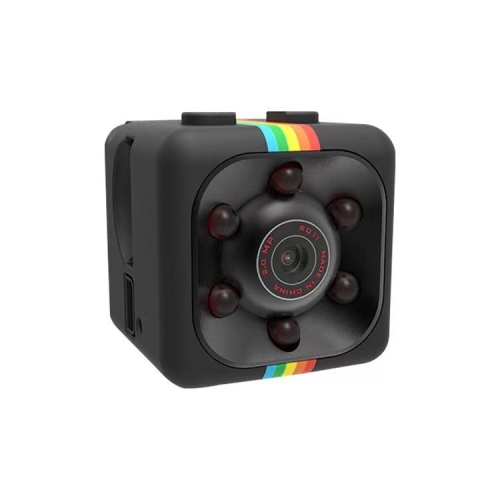
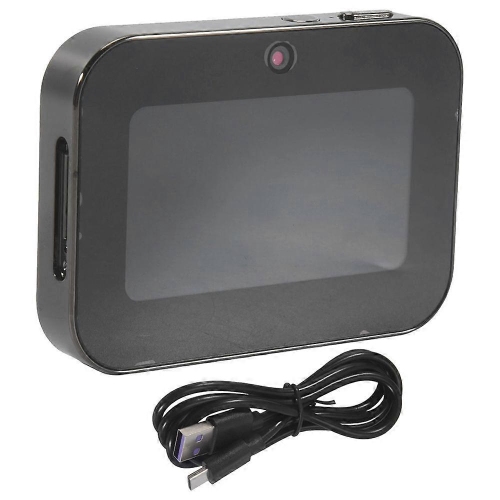

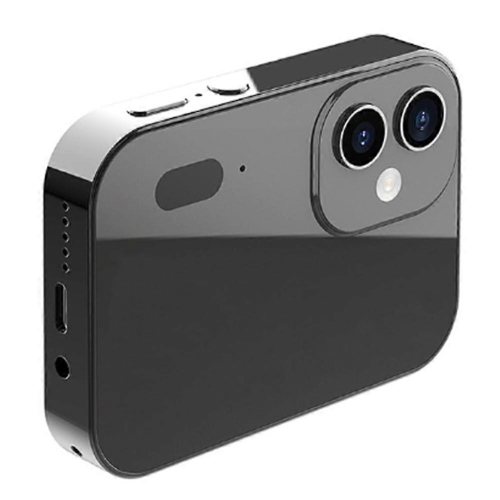
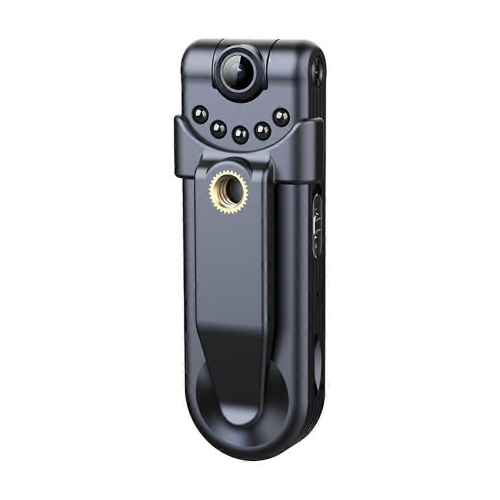
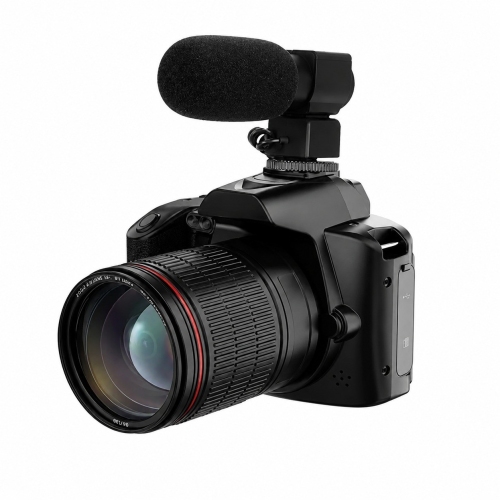

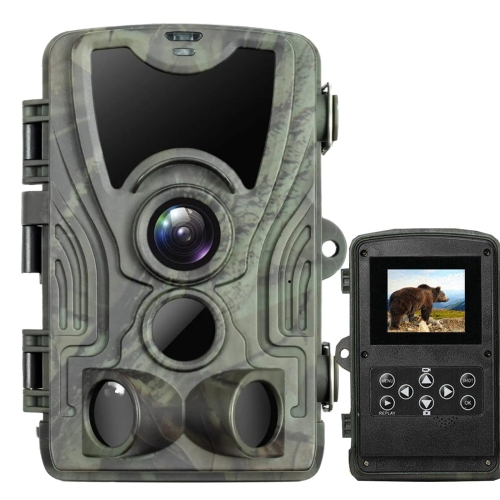
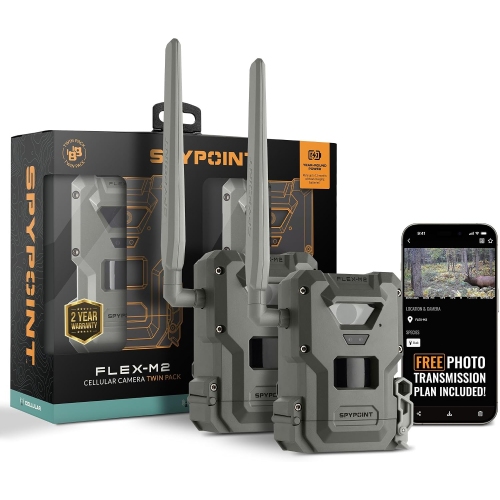


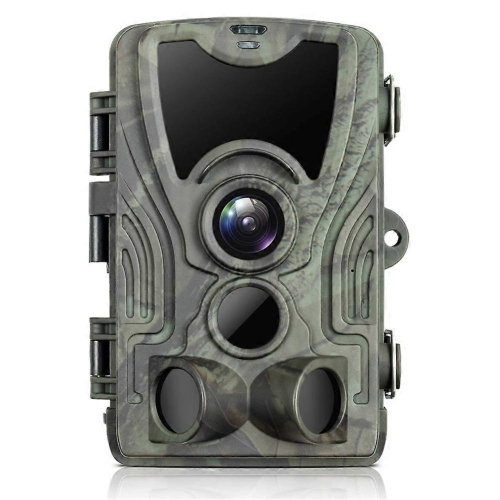
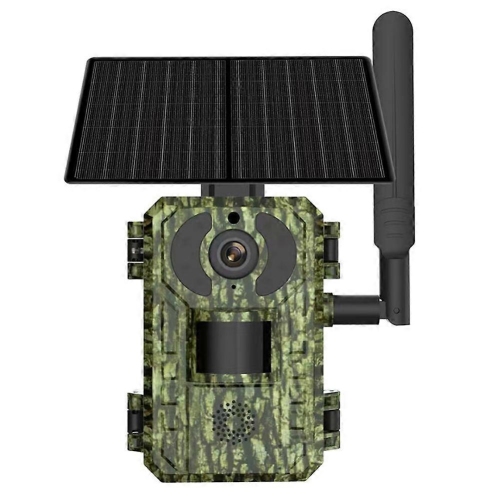
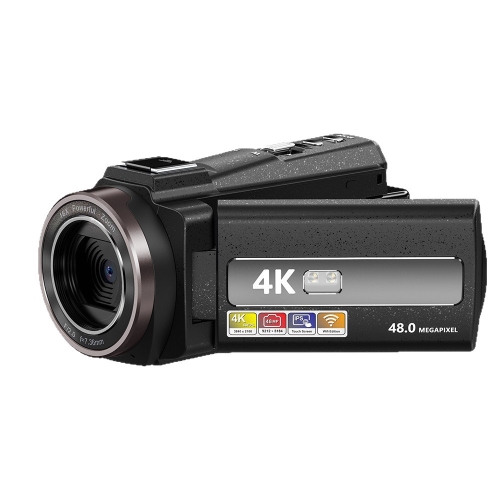
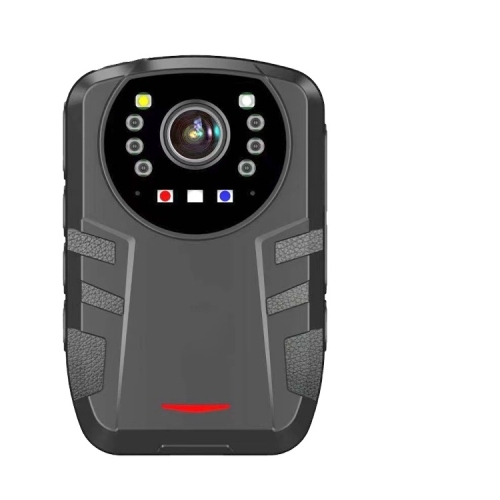
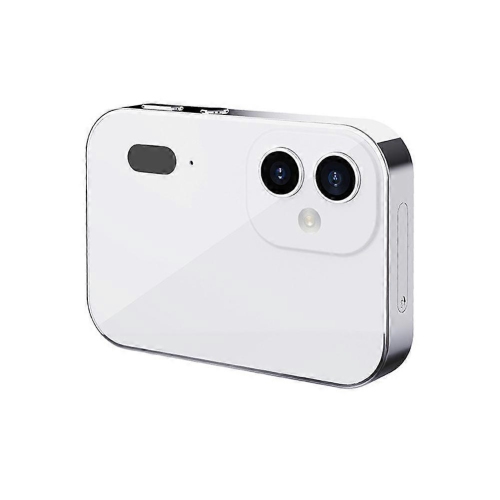
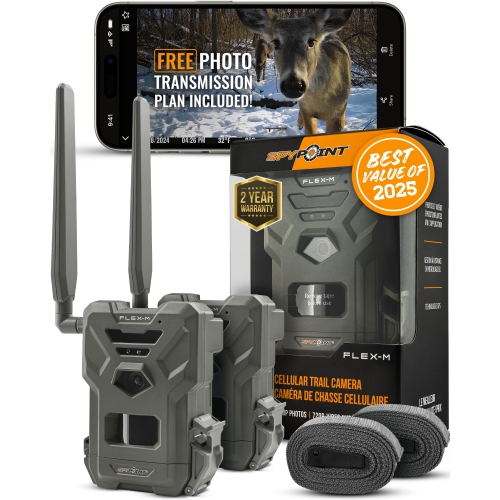
Clearer wildlife footage starts with more than megapixels
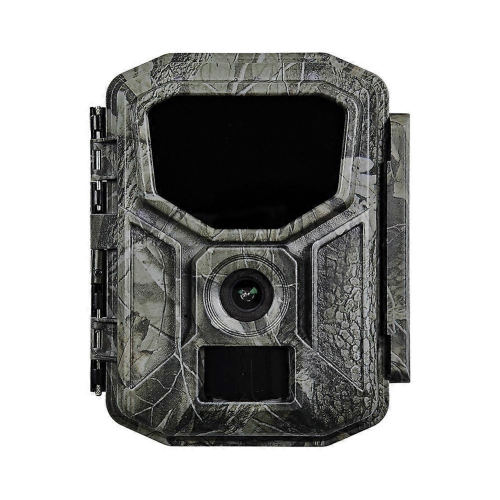
Night vision game cameras capture wildlife activity after dark, making it possible to see what passes along a woodland trail, visits a feeding area, or moves through a rural property when nobody is nearby. Also called trail cameras, these motion-activated devices typically combine a passive infrared sensor with a digital camera and infrared illumination. The sensor detects changes in infrared energy as an animal moves across its field of view, then triggers a photograph or video. Infrared LEDs illuminate the scene for the camera without the bright burst of a conventional flash. Most infrared night images are black and white, while daytime images are generally in colour. This combination suits hunters scouting animal movement, wildlife enthusiasts observing familiar paths, and landowners checking activity around outbuildings or remote access points. A deer pausing beside a fence and a fox crossing a narrow opening present different imaging challenges, so useful performance involves more than a high advertised megapixel count. Trigger speed describes the delay between motion detection and image capture; a shorter delay can help catch an animal before it leaves the frame. The interval before the camera can capture another event also matters when several animals follow the same route. Burst photography can show multiple moments from a single visit, while video reveals behaviour that a still image may miss, such as the direction an animal approached from or how long it stayed. Detection range and flash range describe different capabilities: the first concerns how far away motion can trigger the camera, and the second concerns how far its illumination can reach. A distant animal may trigger a capture without appearing clearly lit. Lens coverage, subject distance, movement, and illumination all influence detail, so image quality is best understood as the combined result of the sensor, lens, lighting, and processing rather than resolution alone. A clear view of the crossing point often provides more useful information than a wider scene filled with branches and empty space.
The type of night vision affects both image appearance and how noticeable a game camera may be. Low-glow infrared illumination can produce a faint red glow at the LEDs during a capture. No-glow infrared uses longer wavelengths to reduce visible illumination, making it a useful consideration where discretion matters, although it does not guarantee that every animal will ignore the camera. Housing shape, placement, sound, and scent can still attract attention. Illumination strength and exposure settings influence whether a moving animal appears sharply defined or blurred, and the brightest night image is not necessarily the most detailed. Animals passing very close to the lens may appear washed out, while those near the edge of the illuminated area may show less detail. Some cameras use low-light sensors capable of colour imaging when sufficient light is present; that capability should not be confused with guaranteed colour footage in complete darkness. Storage and connectivity shape everyday use just as much as night vision. Standard trail cameras generally save captures to a compatible memory card that is retrieved for viewing. This straightforward arrangement suits locations visited regularly and areas without cellular coverage. Wi-Fi-equipped cameras may allow nearby transfers or settings adjustments through a compatible device, but Wi-Fi alone does not mean that images can be received from a distant property. Cellular game cameras use a supported mobile network to transmit images or notifications, with coverage, activation requirements, and transmission features varying by camera and service. Remote image delivery is separate from live viewing, which is not supported by every cellular model. For a camera positioned along a distant trail, receiving captures remotely can reduce unnecessary trips and disturbance around the site. For one mounted a short walk from a cottage or workshop, local storage may be entirely practical. Memory card capacity, supported card type, file size, video length, and overwrite settings all affect how much activity can be saved between visits. Accurate date and time stamps also make repeated appearances easier to compare.
Physical construction and mounting deserve attention because a game camera is designed to remain unattended outdoors. Tough moulded housings, secure latches, protected ports, and well-fitted seals help shield the electronics from dust and moisture, but an outdoor rating does not automatically mean a camera can be submerged. Materials and finish also influence placement: muted colours and textured surfaces can be less conspicuous against bark than a smooth, reflective case. Fit means more than whether a strap reaches around a tree. The mounting arrangement needs to hold the camera steady, provide a clear view of the likely crossing point, and leave enough access to open the case or change batteries. Adjustable brackets can make aiming easier on posts or uneven surfaces, while compatible lock boxes and cable locks offer an added deterrent against tampering without making a setup theft-proof. A camera aimed across a path may capture movement more reliably than one facing directly along it, although the most effective angle depends on its detection pattern and the site. Nearby leaves, tall grass, and obstructions can cause unwanted triggers or interfere with illumination. Routine care includes gently cleaning the lens and infrared window, checking seals for debris, inspecting battery contacts, and following the manufacturer’s instructions for storage and maintenance. Battery life varies with the number of triggers, video duration, illumination use, transmission frequency, and battery type; stated maximum runtimes should not be treated as a promise for every placement. Compatible external power options can extend unattended operation where the setup permits. Night vision game cameras can also make thoughtful gifts for a wildlife photographer interested in scouting locations, a hunter tracking movement, or a family curious about animal visitors on their property. They serve a different purpose from cameras intended for continuous building surveillance. For monitoring entrances or occupied spaces, Night Vision Security Cameras may be a closer match. Responsible placement keeps the view on the intended wildlife area, respects neighbouring properties, and follows applicable rules for land access, privacy, and hunting-related camera use.
Top selling and popular products
-
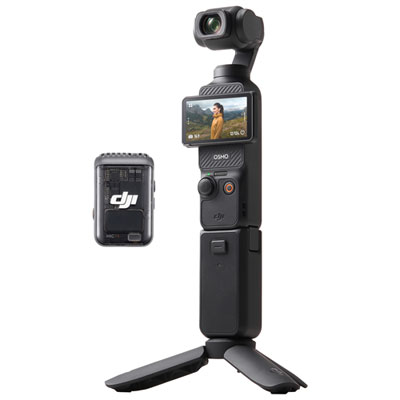 Your price for this item is $649.99
-
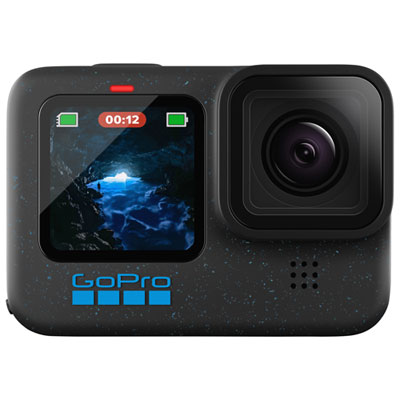 Your price for this item is $429.97
-
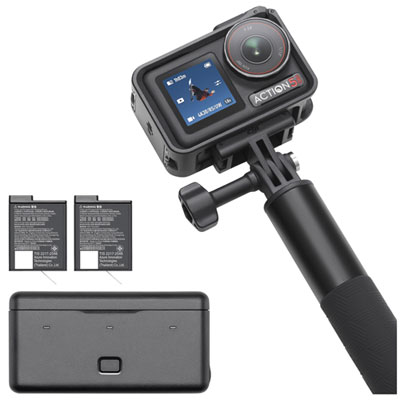 Your price for this item is $585.99
-
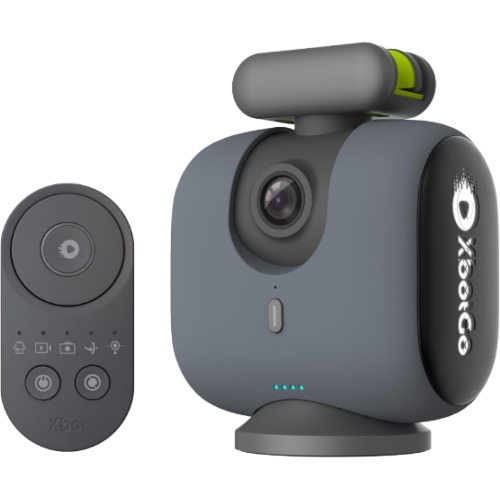 Your price for this item is $519.99
-
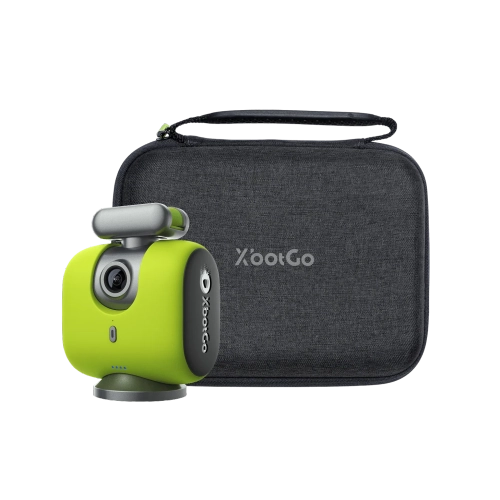 Your price for this item is $519.99
-
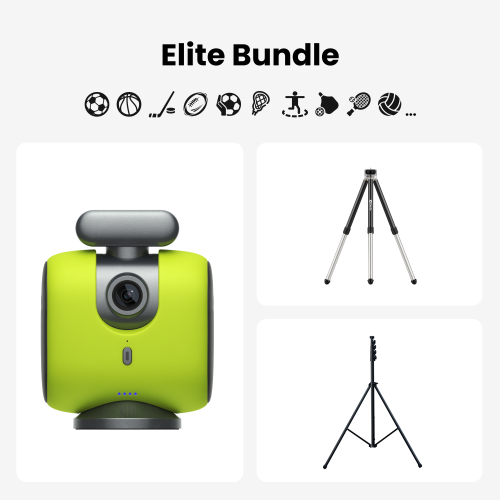 Your price for this item is $719.99
-
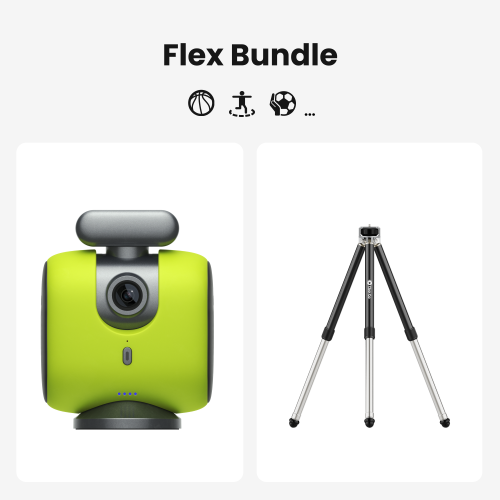 Your price for this item is $499.99
-
 Your price for this item is $859.99
Discover more categories related to Night Vision Game Cameras
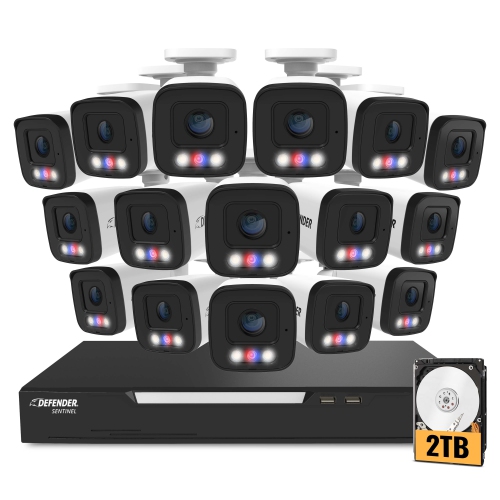
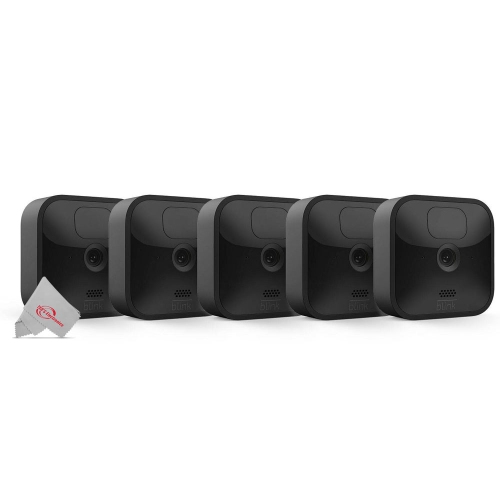
Top Collections:
Pokemon Centers, Kindle Devices, Best Cameras for Sports Photography, Pokémon 30th Celebration Cards, Apple iPhones 16, Canon G7X Cameras, iPhone 15 Apple, Flip Phones, Samsung Galaxy Phones, Alarm Clock
Some products may be subject to Environmental Handling Fees
(EHF) depending on your province.
Learn more about EHFs.