Low Voltage Programmable Thermostats
Looking to optimize energy efficiency and control the temperature of your home? Look no further than our selection of low voltage programmable thermostats. These cutting-edge devices are designed to seamlessly integrate into your heating and cooling system, allowing you to easily program and adjust the temperature settings according to your preferences. With advanced features such as customizable schedules, remote access, and energy-saving modes, these thermostats offer convenience, comfort, and cost savings. Explore our range of low voltage programmable thermostats and take control of your home's climate today.
Sort
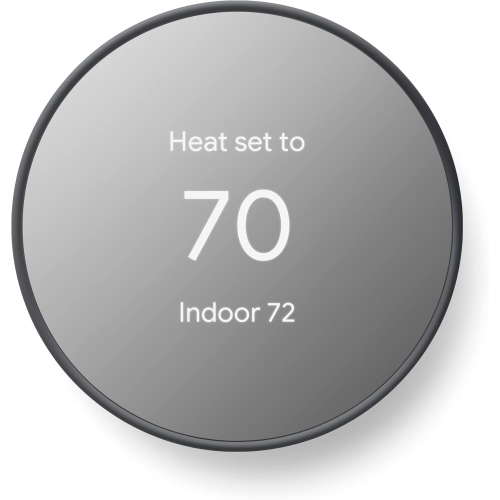
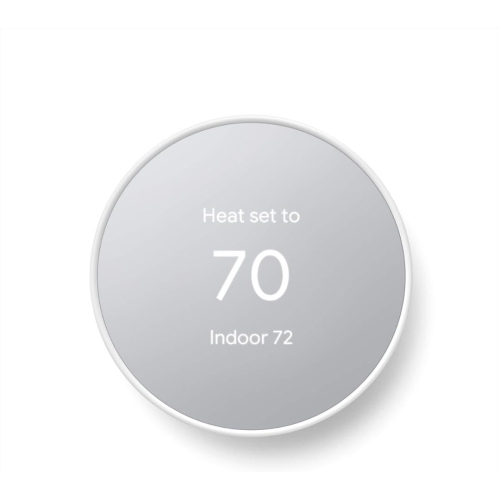

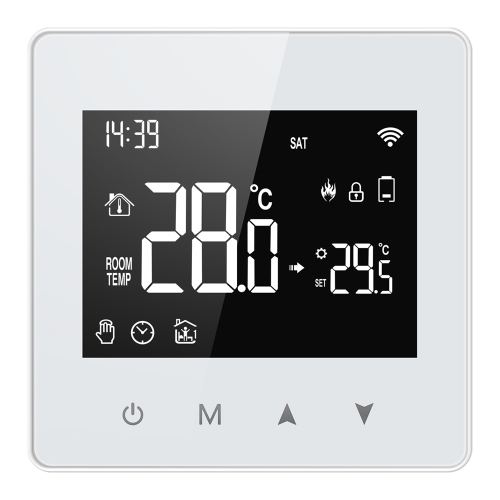
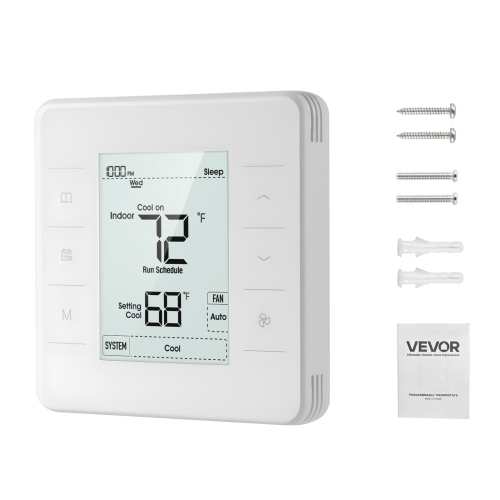

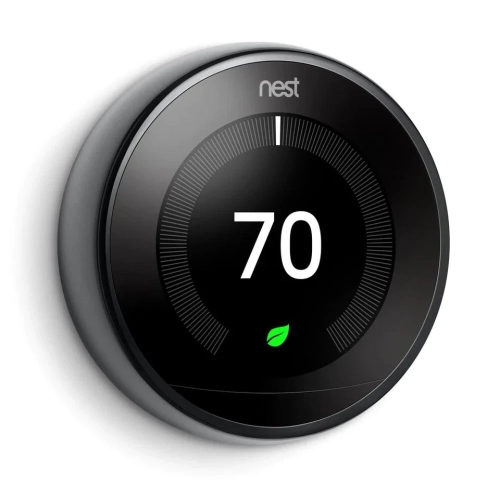
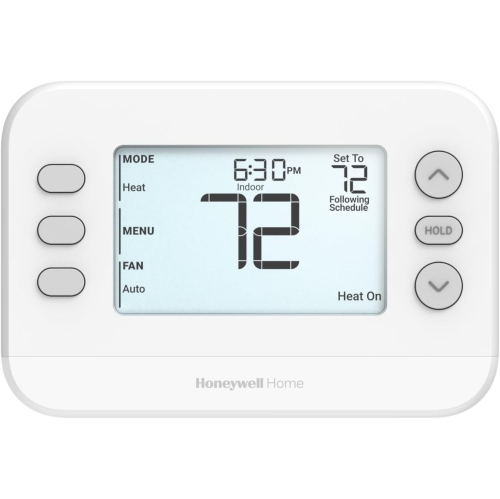
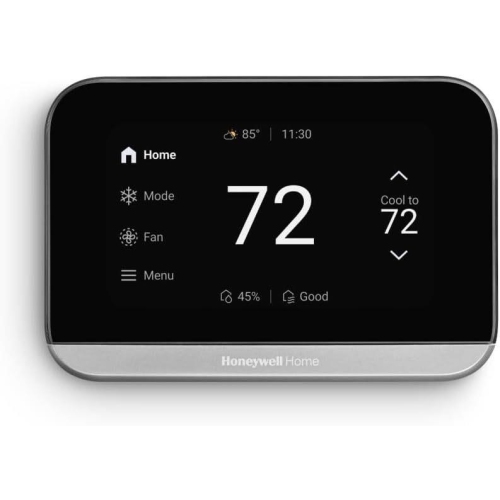
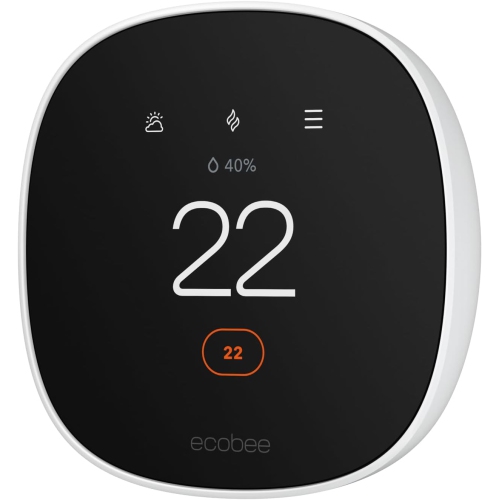
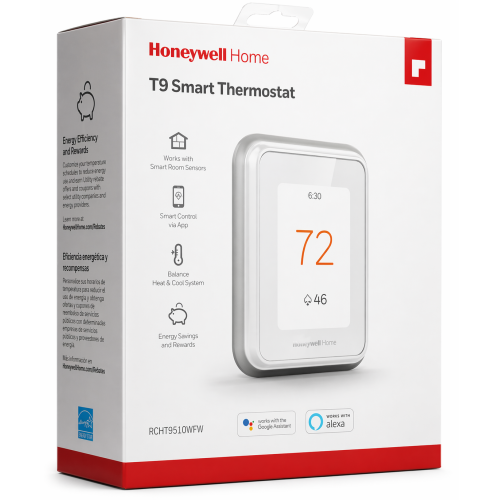
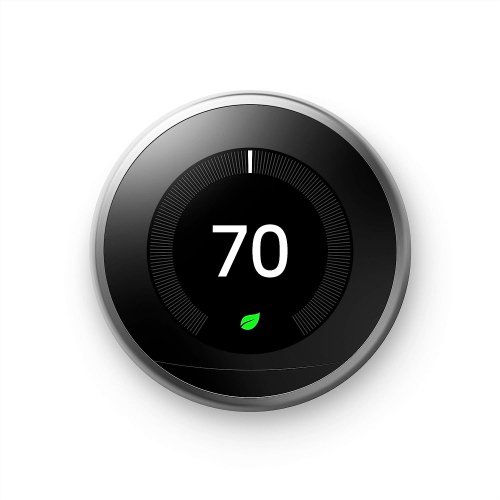
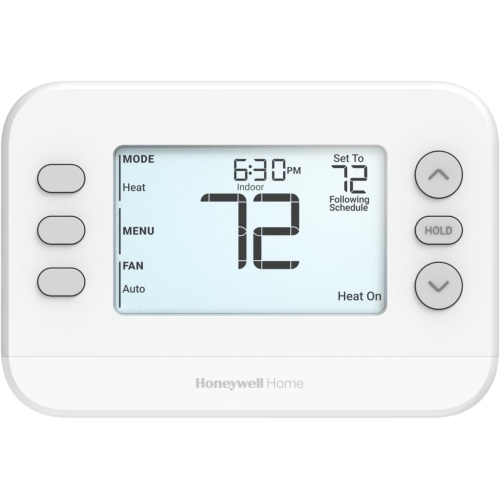
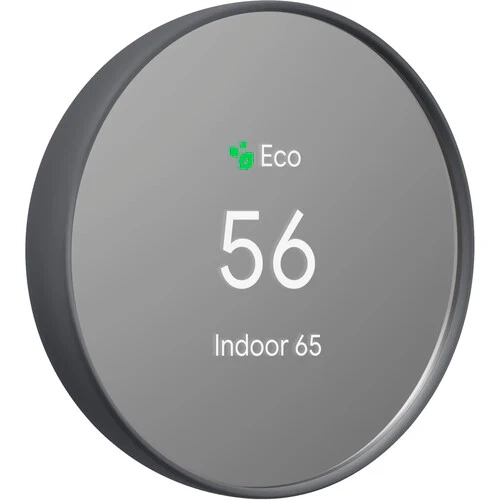
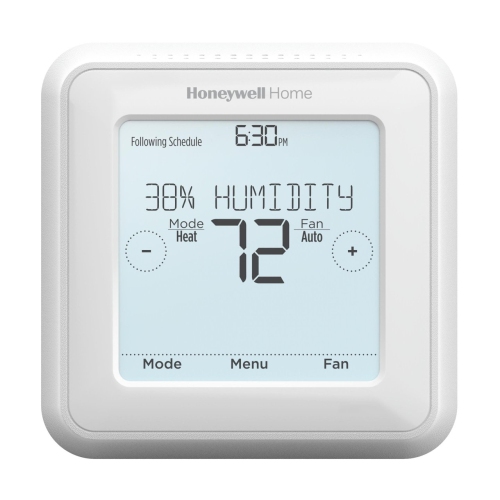

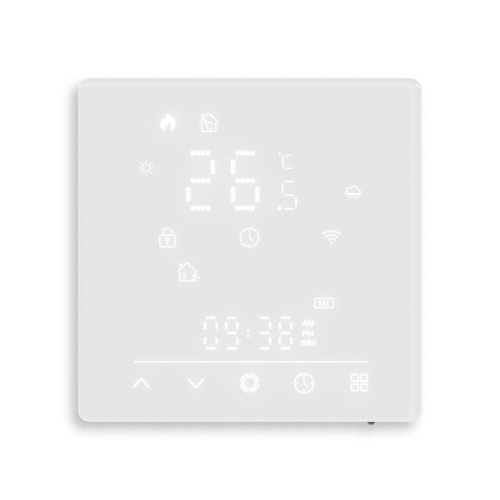
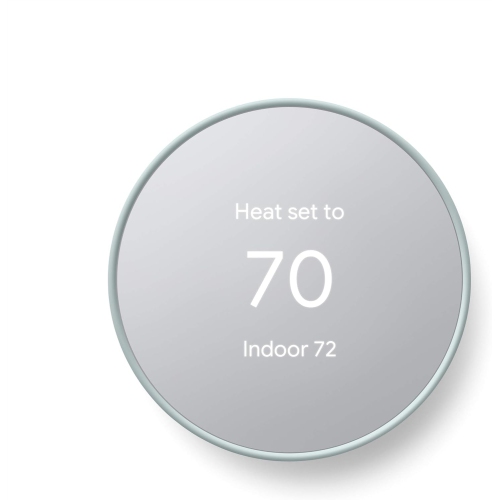
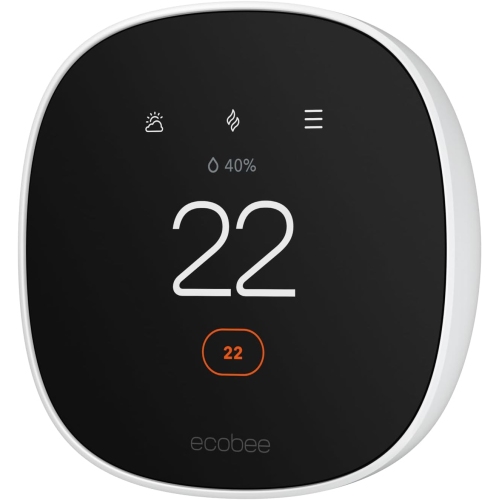

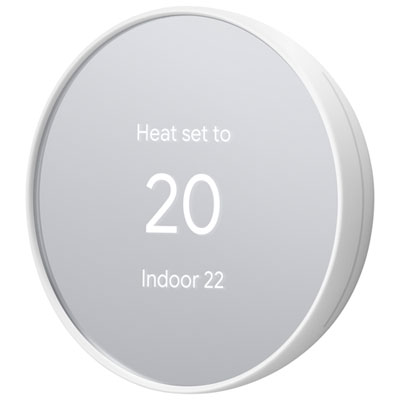
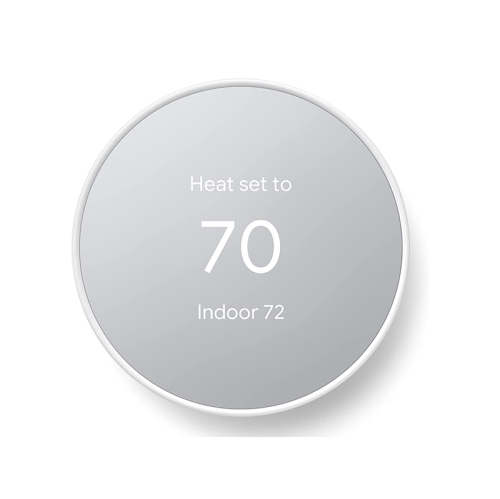
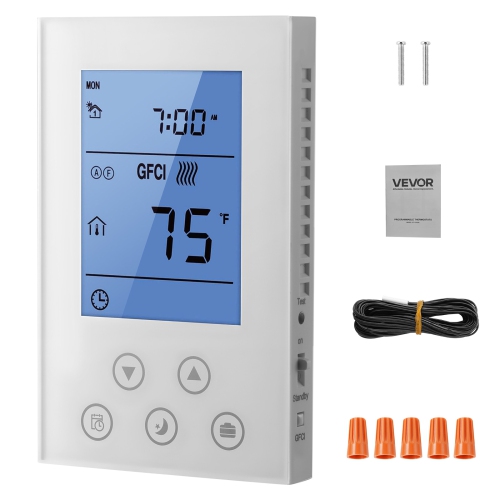
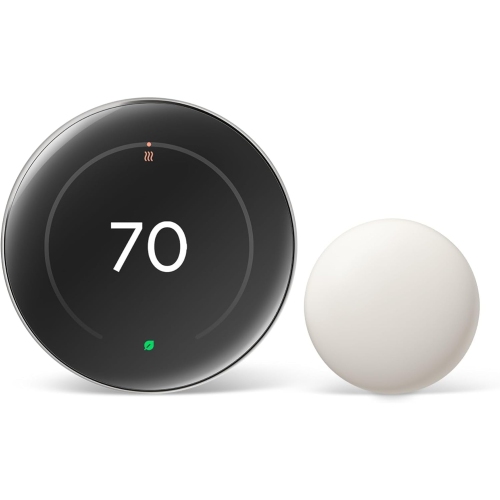
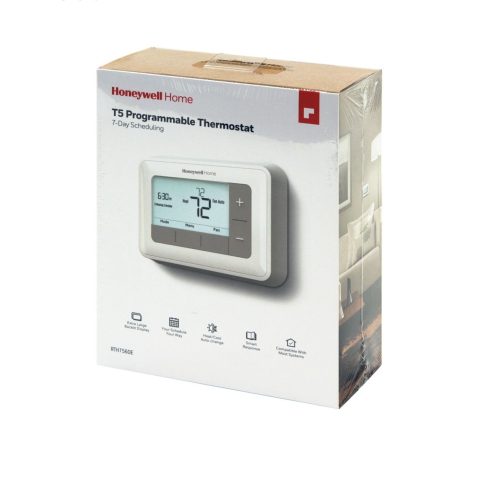
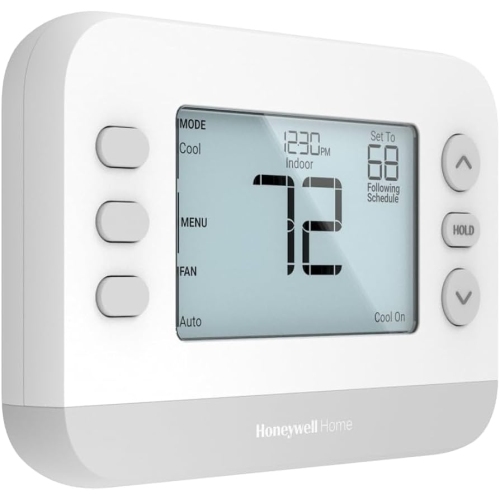
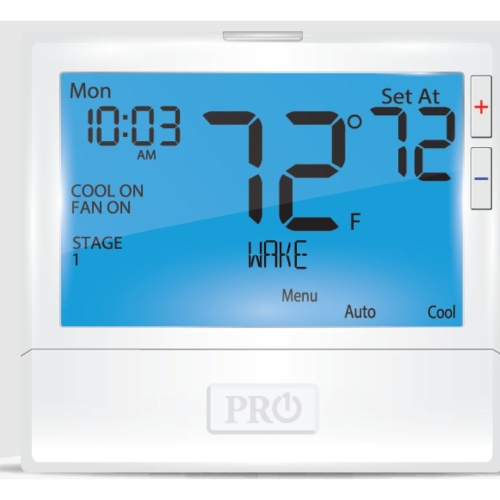
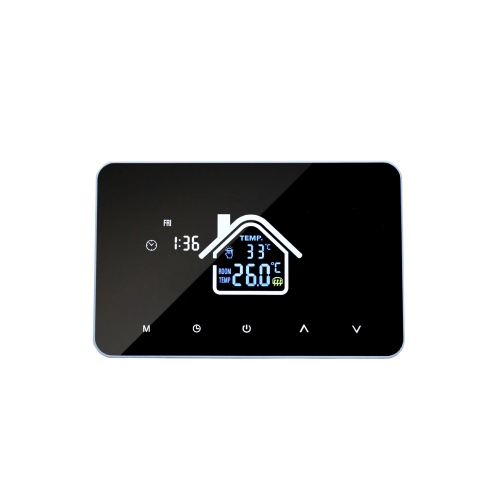
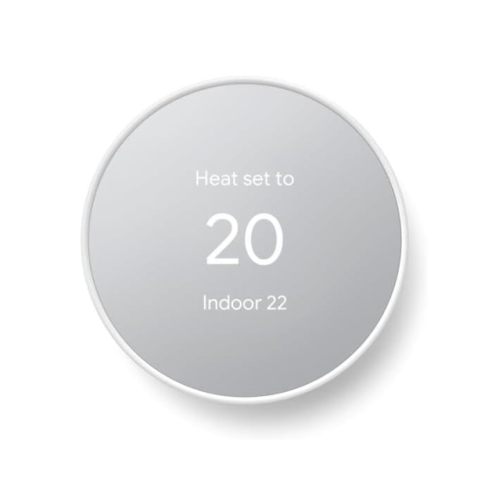
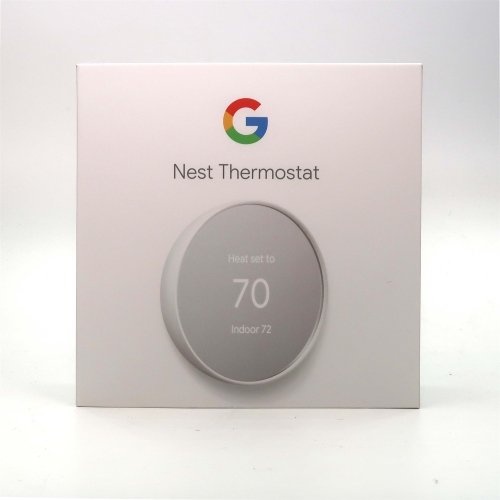
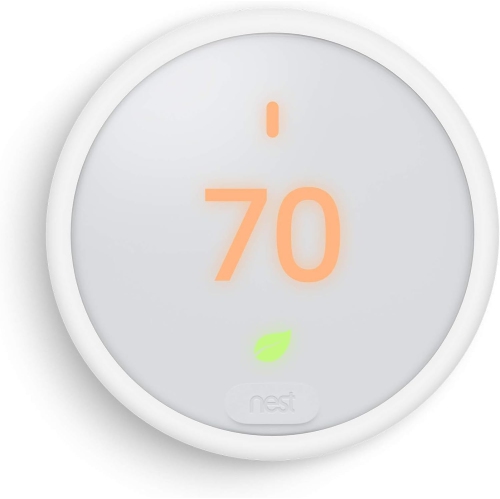


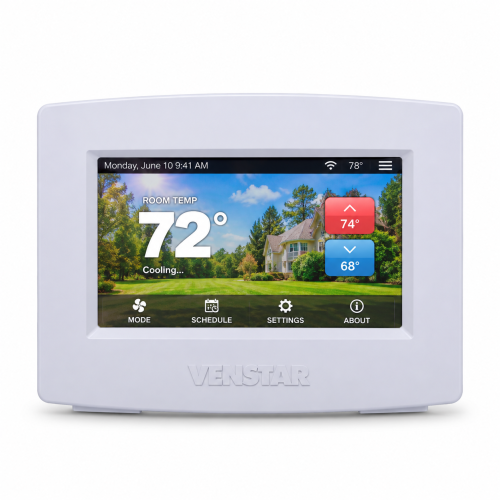


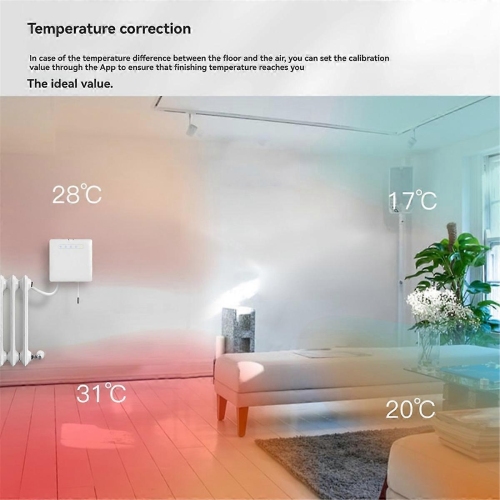
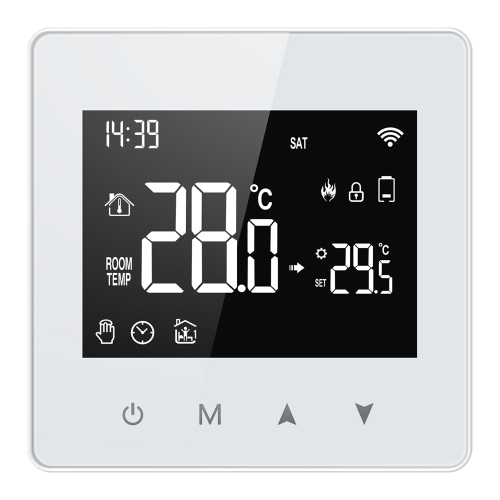
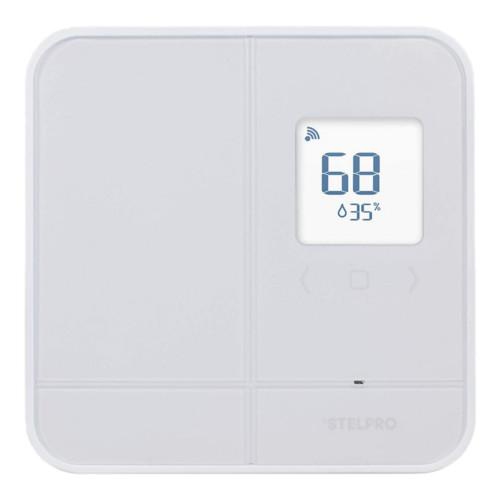
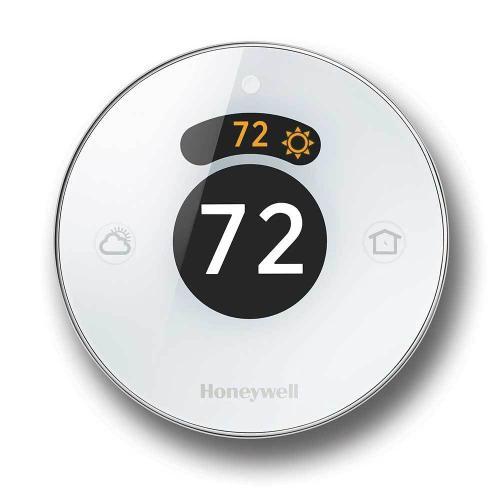
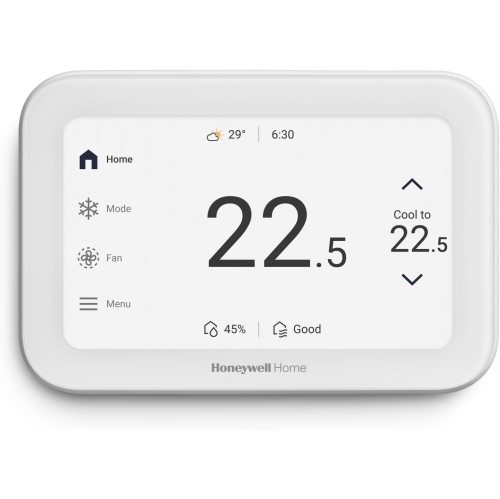
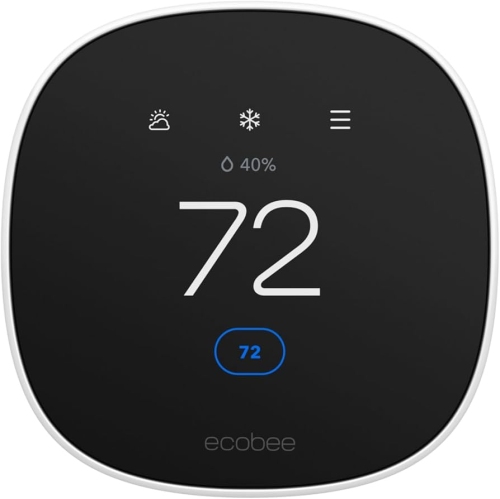
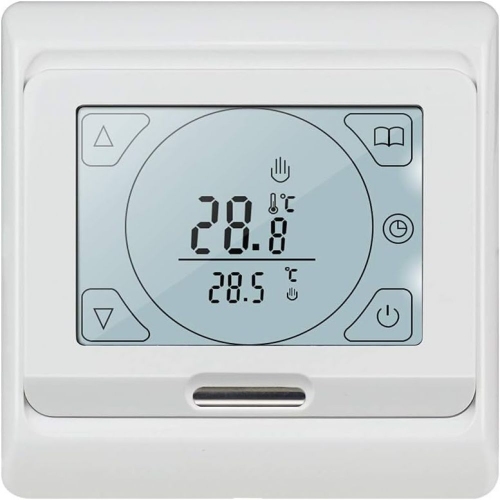
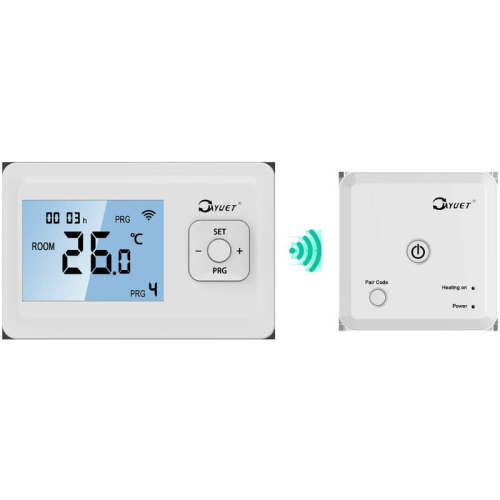
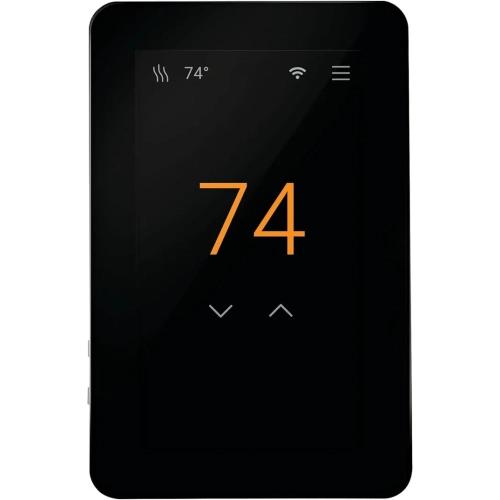
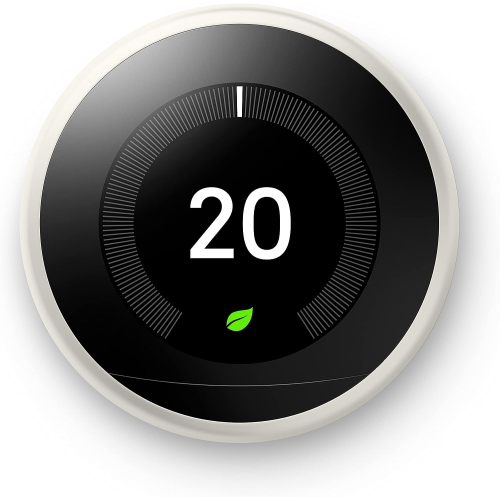
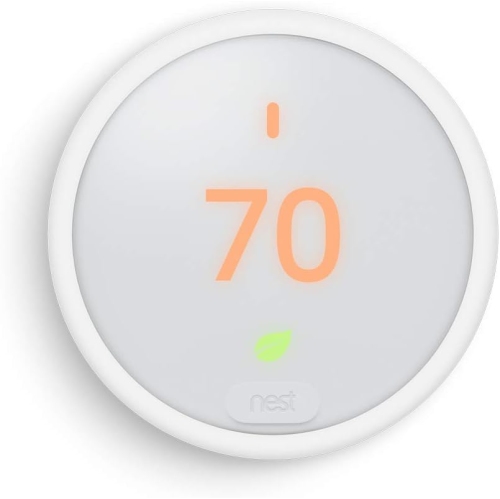
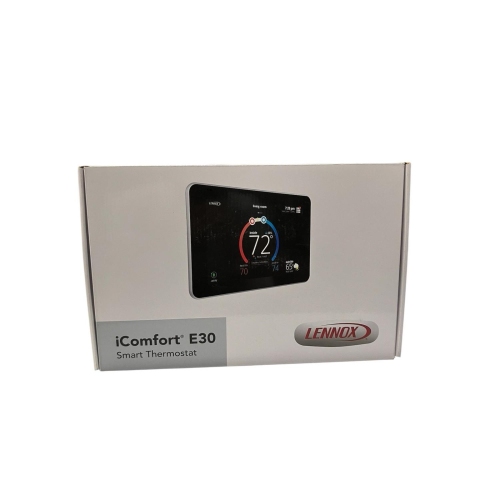
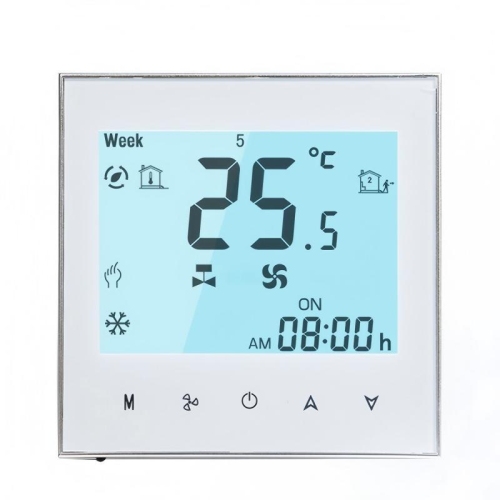
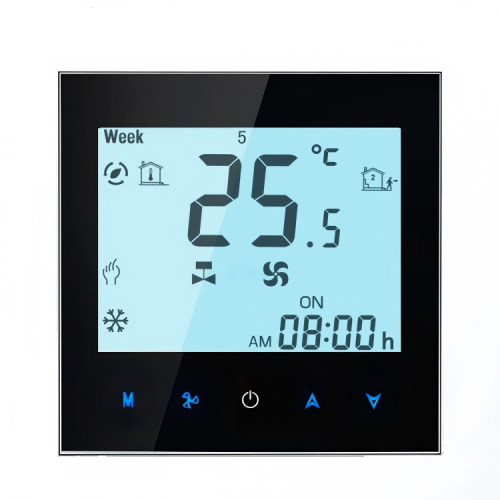

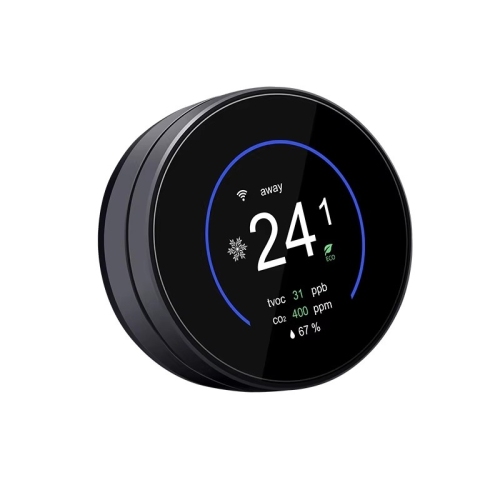
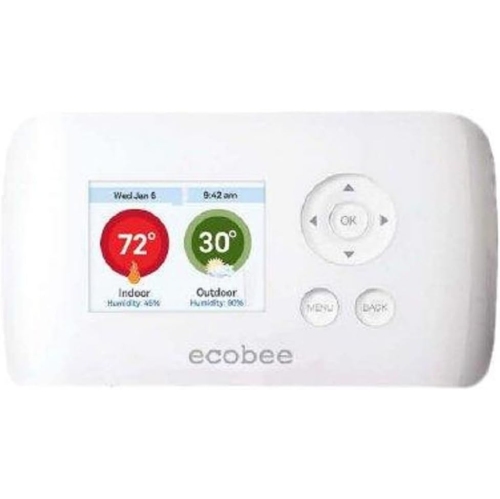
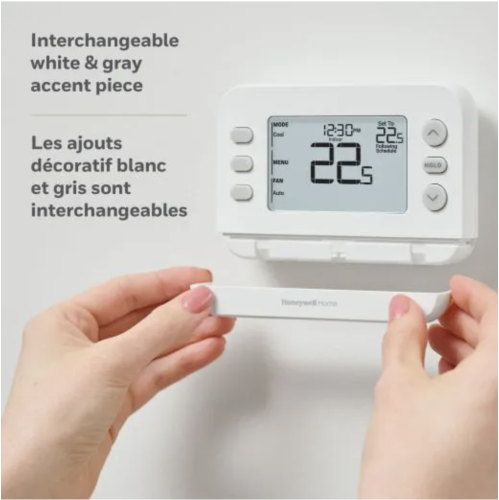
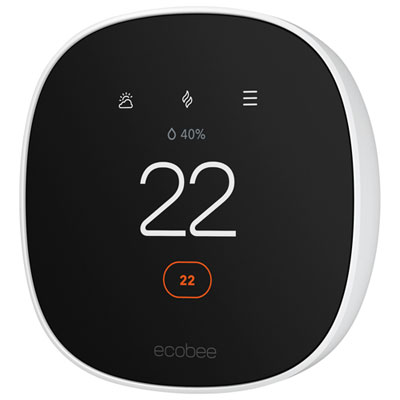
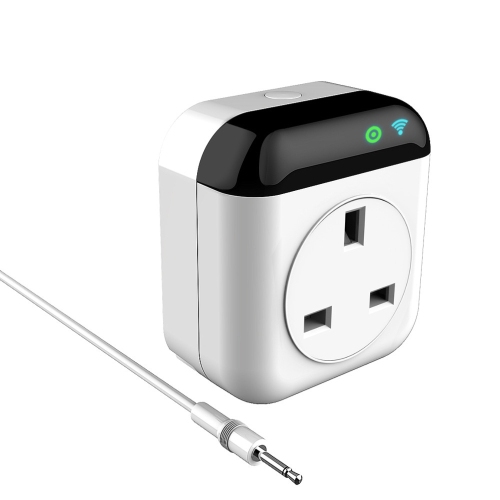
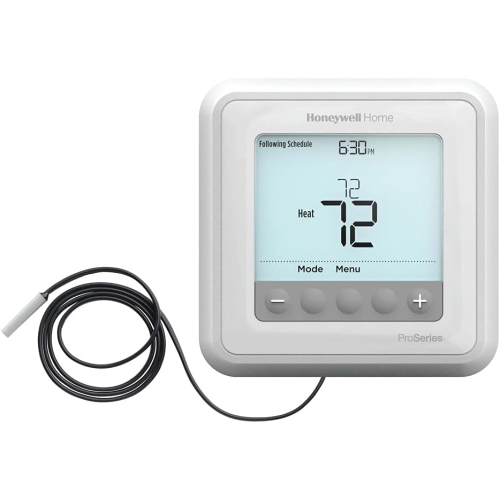
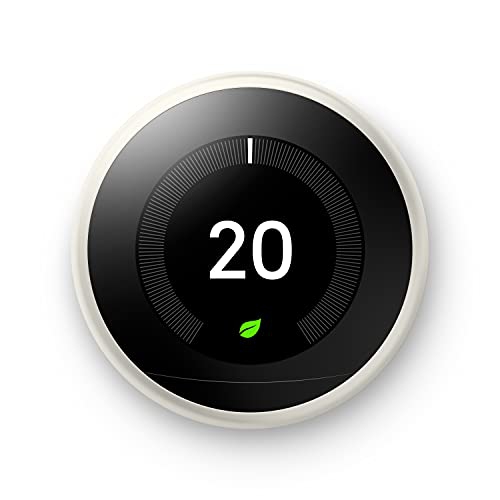
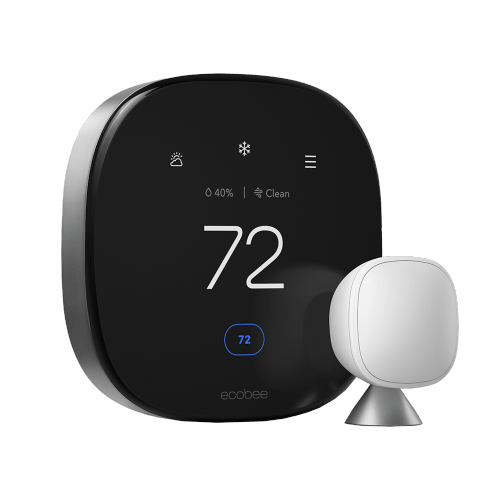
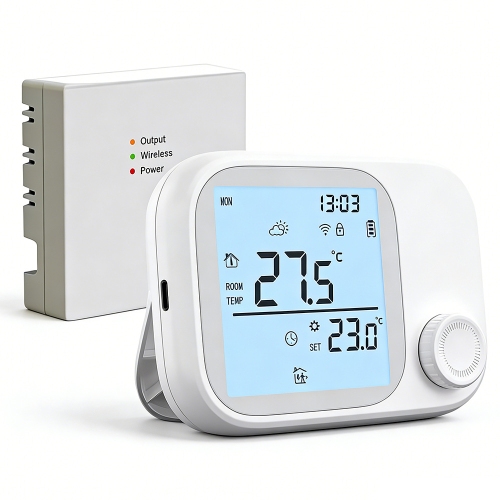
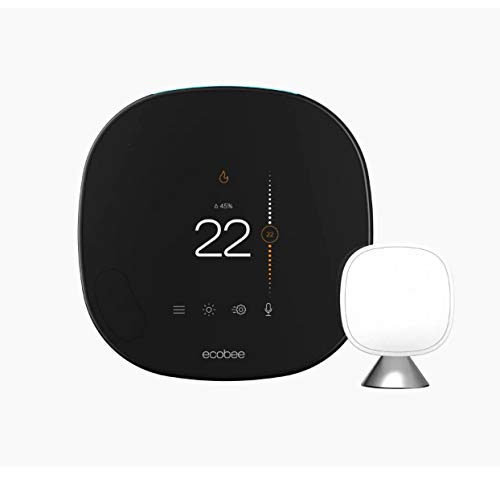
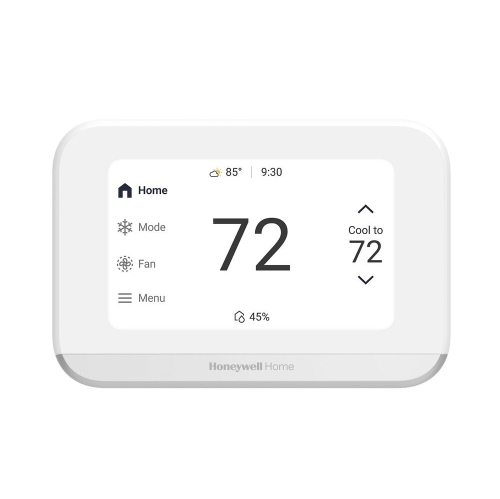
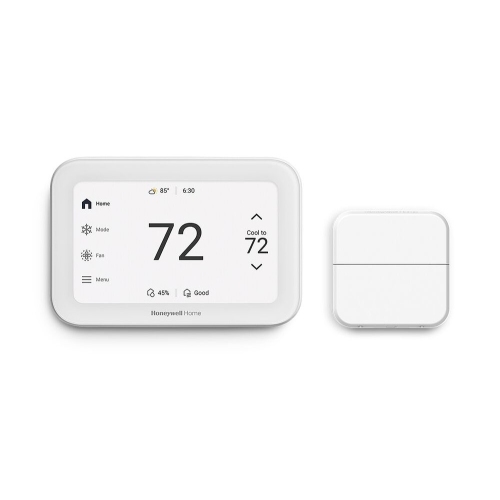
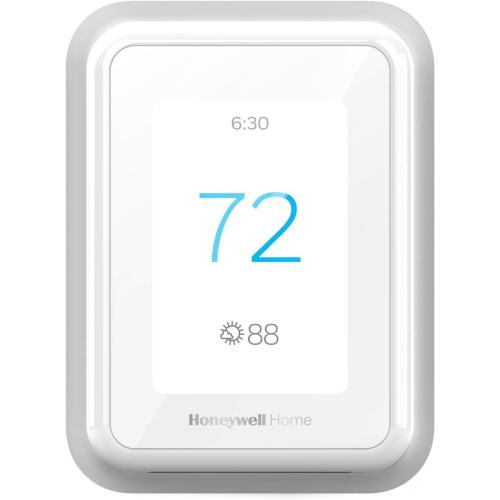
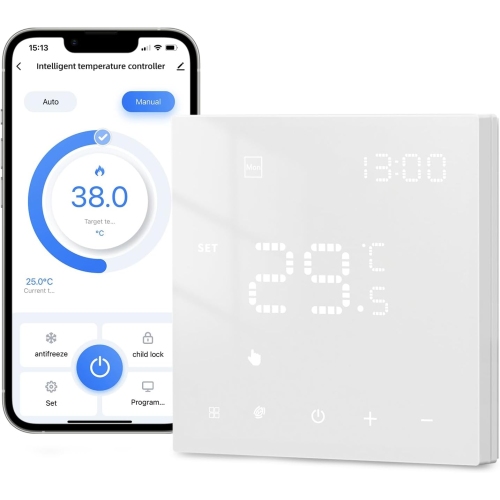
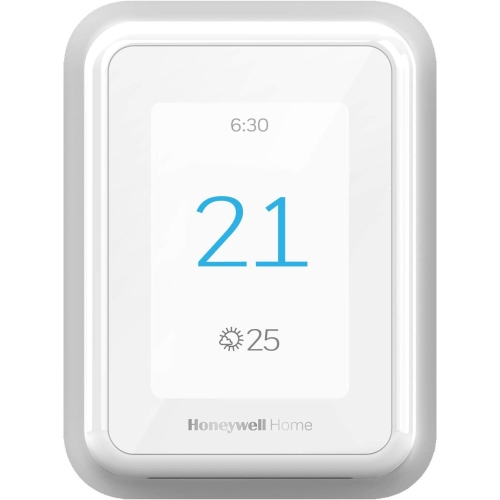
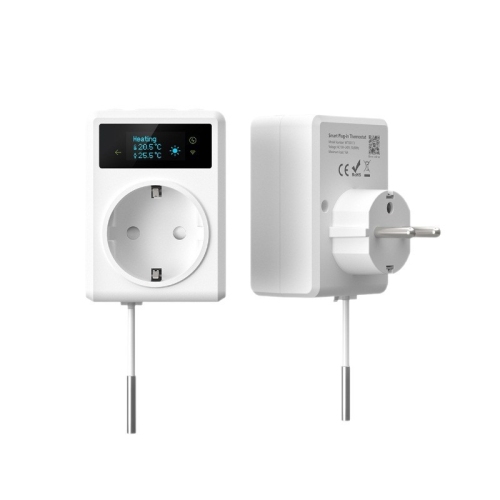
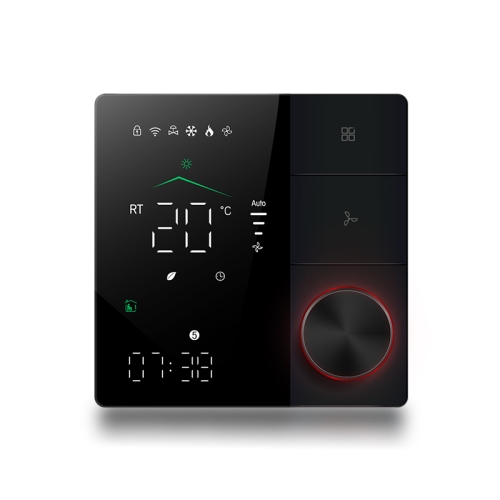
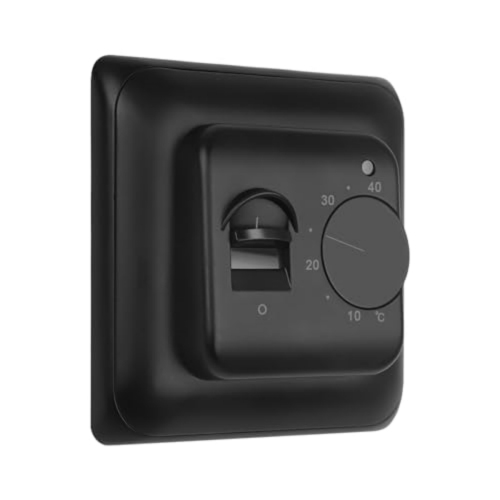

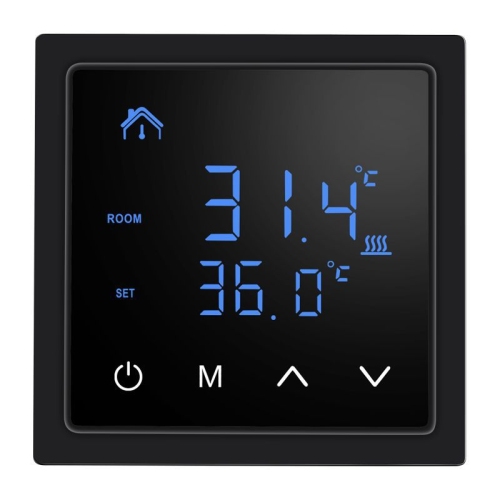
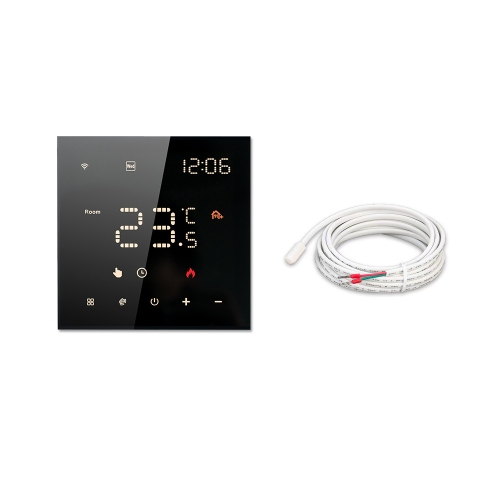
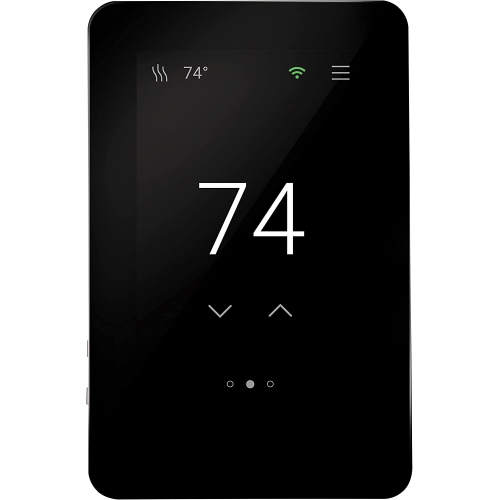
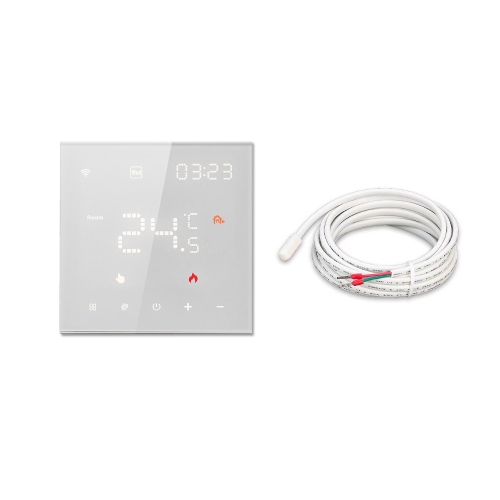
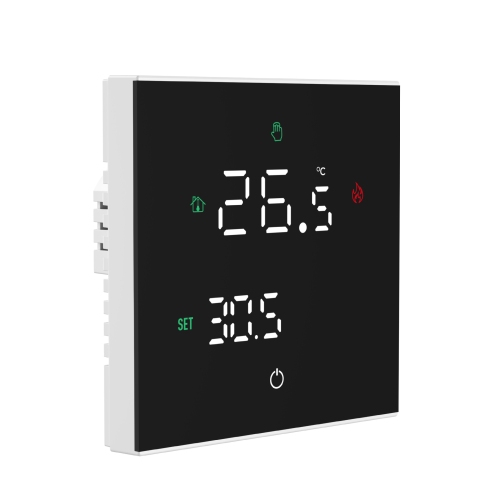
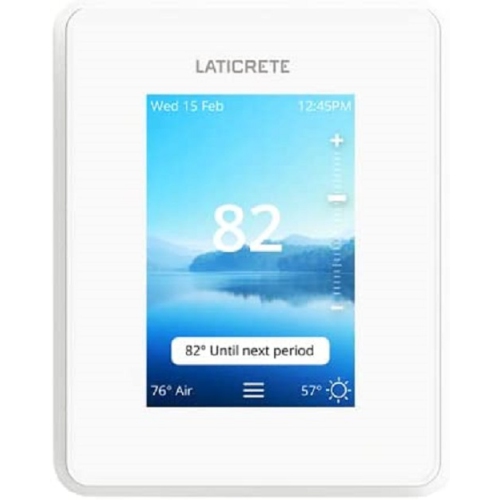
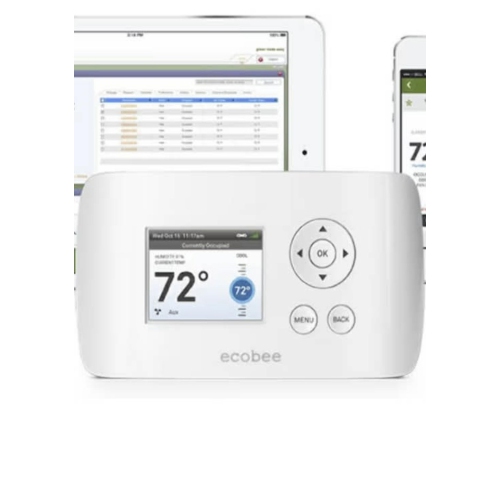
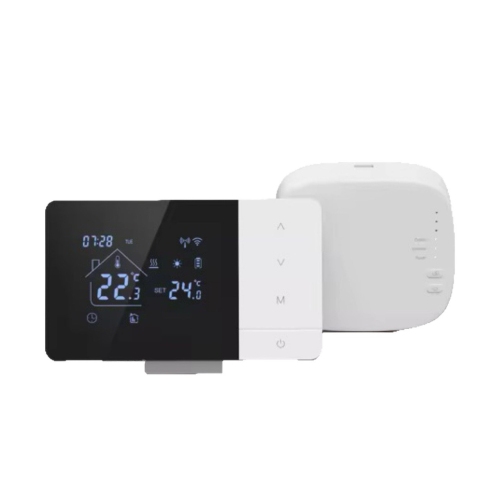
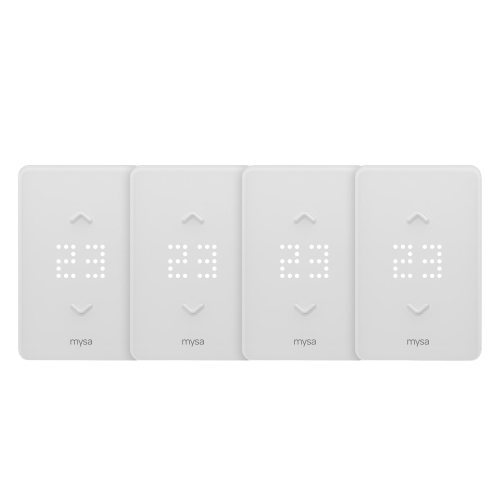
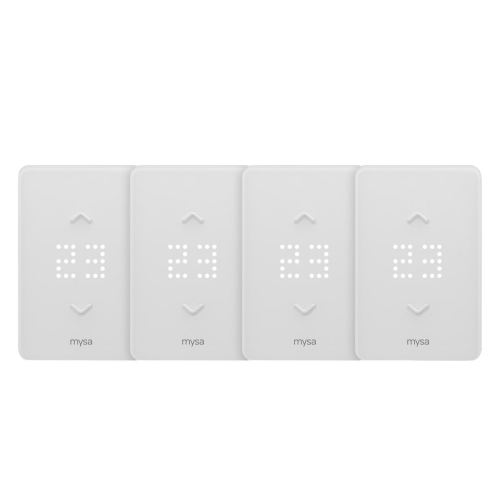
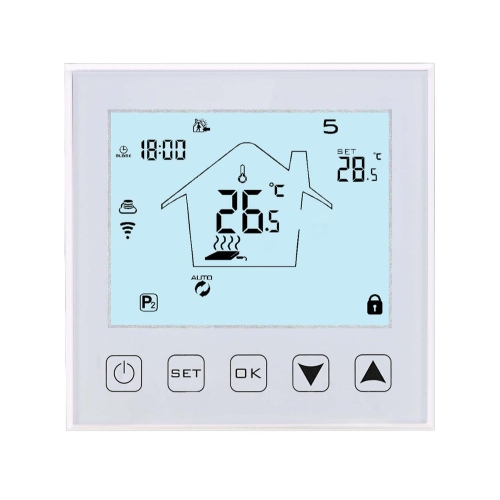
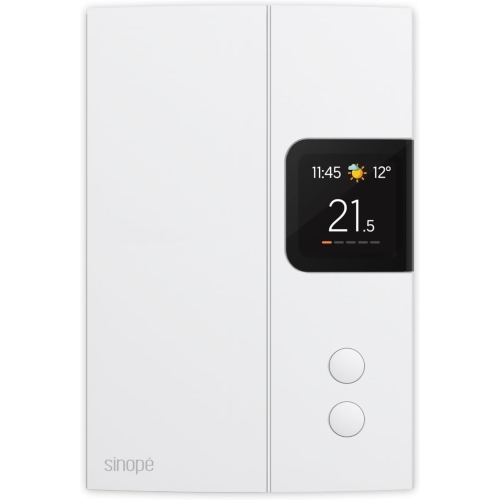
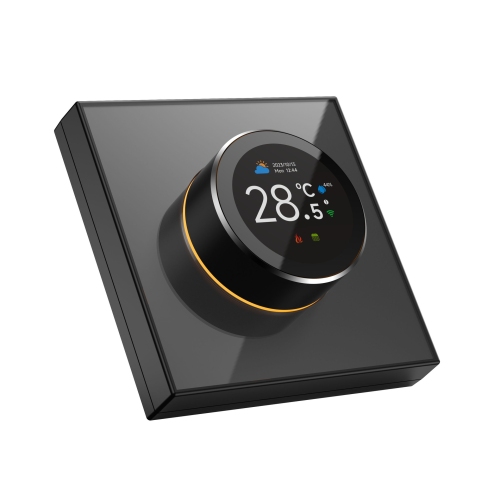
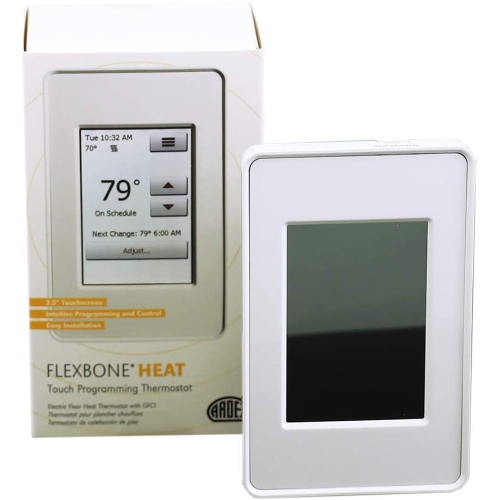
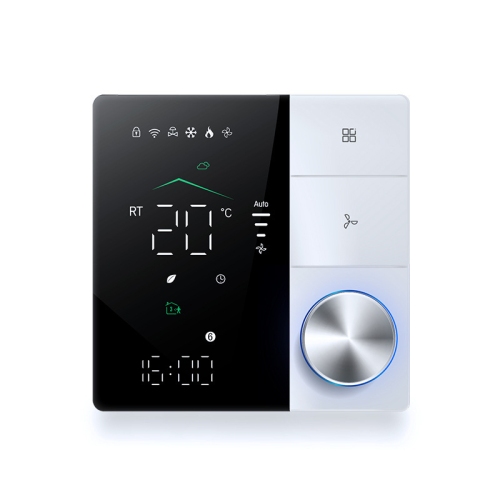
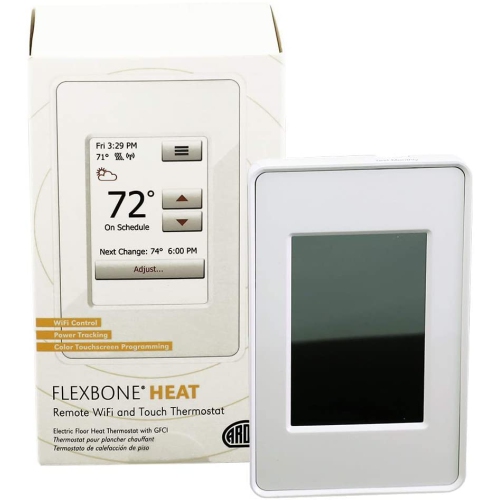
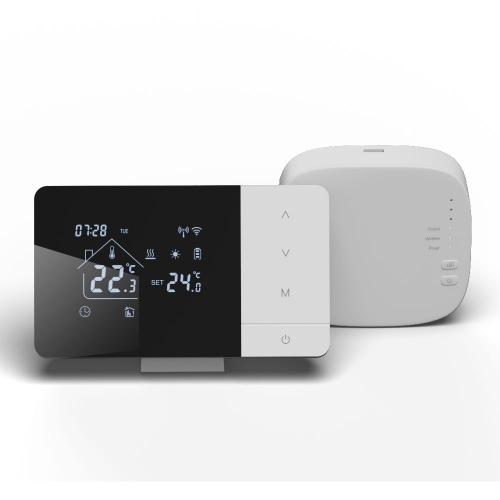
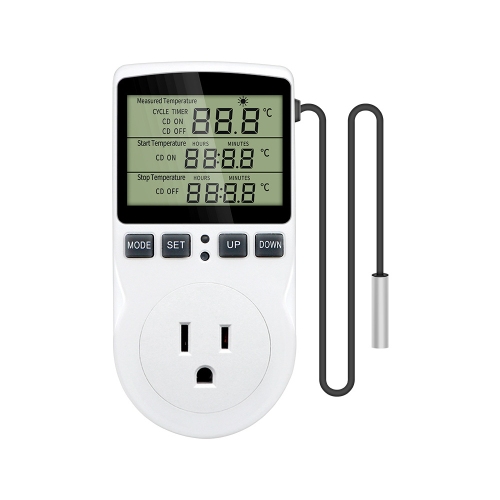
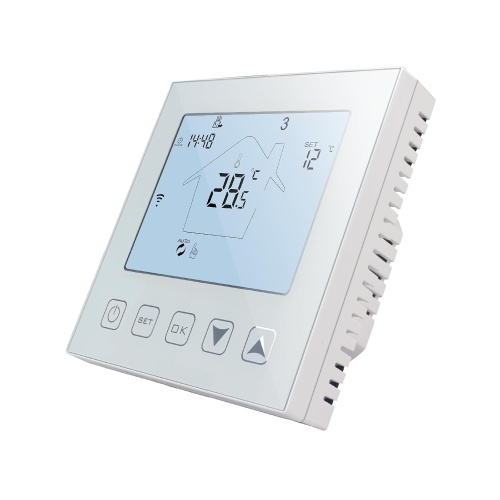
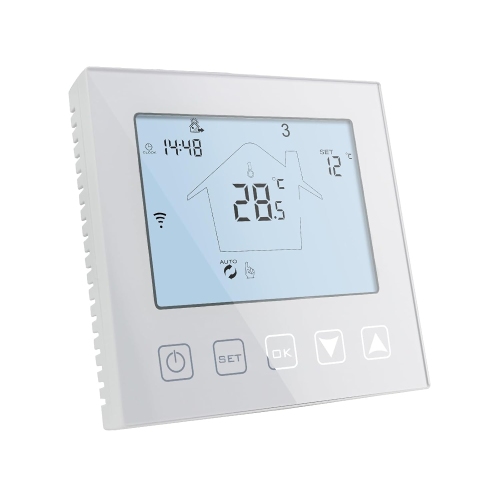
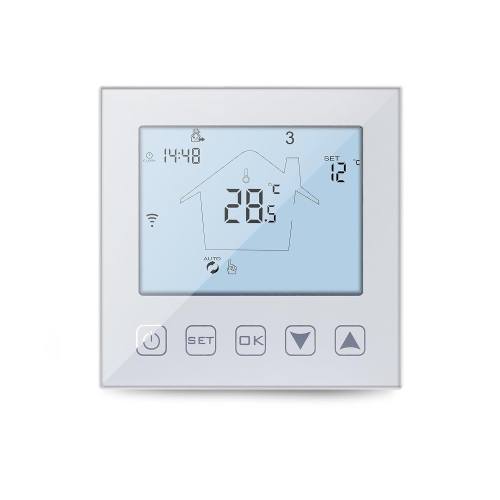
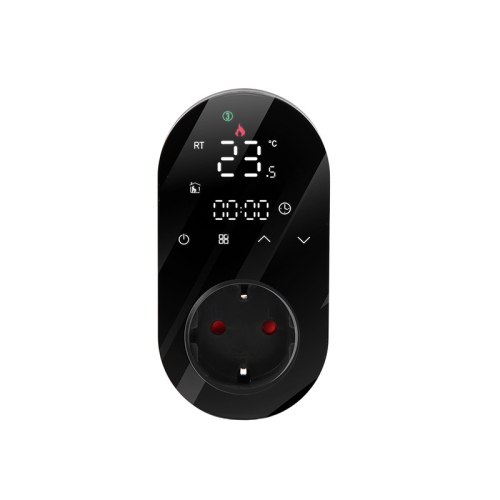
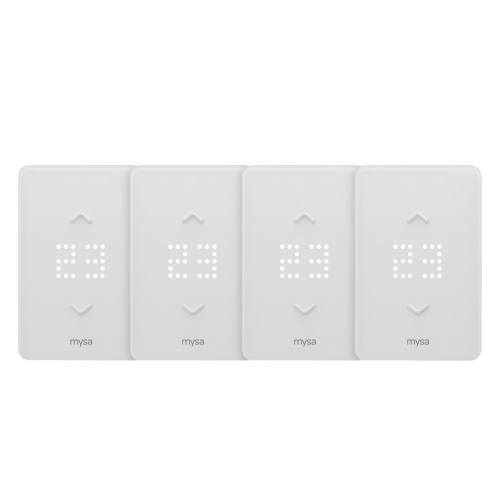
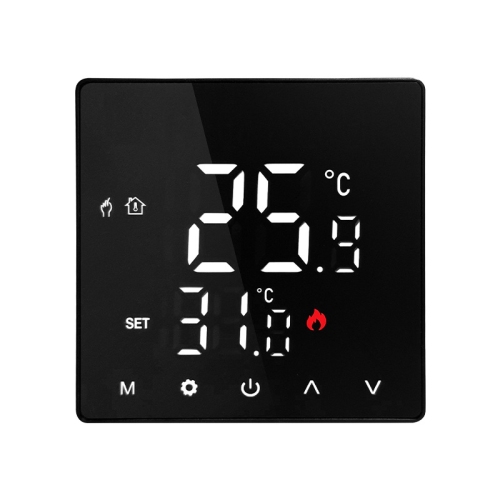
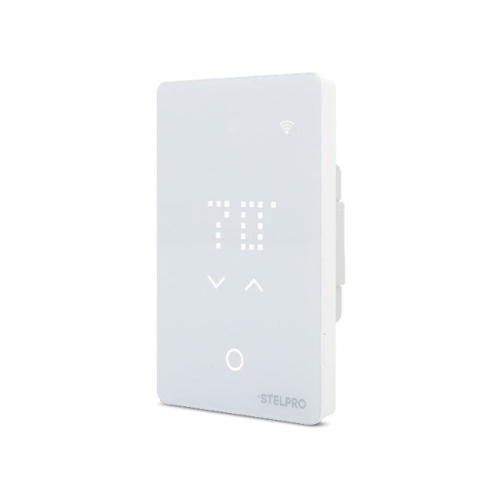
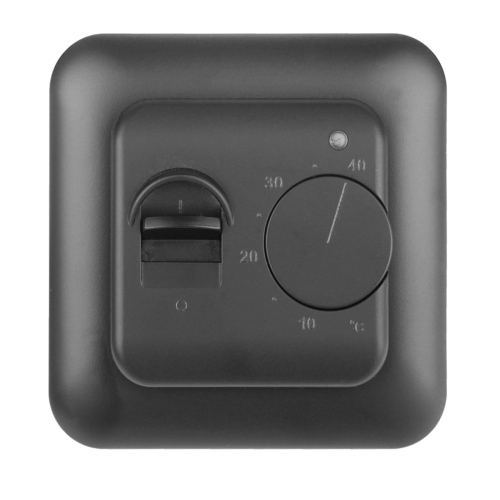
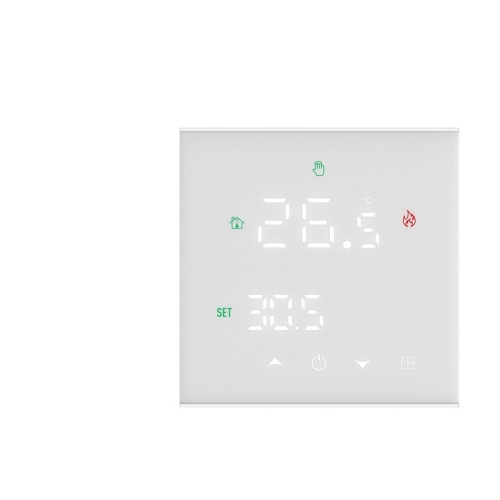
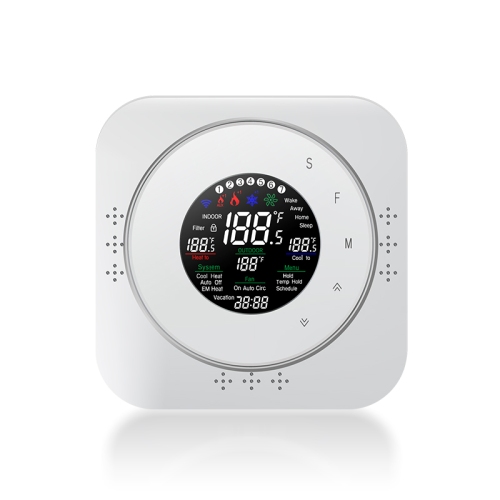
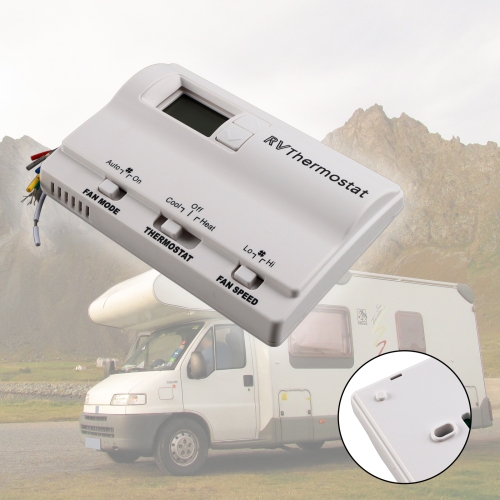
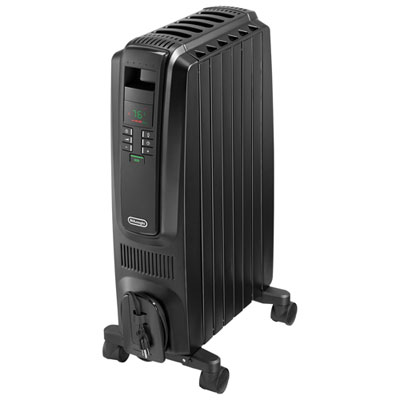
Comfort on your schedule starts with system compatibility
Low voltage programmable thermostats use a low voltage control circuit, commonly 24 V AC, to signal compatible heating and cooling equipment. Rather than switching the full electrical load of a heater, they tell a furnace, air conditioner, heat pump, or compatible boiler control when heating or cooling is needed. Their programmable schedules allow different temperature settings at different times of day, making them useful for households with regular routines as well as spaces occupied only during certain hours. The important distinction is between the thermostat’s control voltage and the power supply used by the equipment itself: a furnace can use household electrical power while receiving commands through a 24 V thermostat circuit. Low voltage thermostats are not interchangeable with line voltage thermostats, which commonly control electric baseboard heaters through 120 V or 240 V circuits. Some heating systems use separate relays or control panels, so compatibility depends on the complete control arrangement rather than the heater type alone. Within low voltage systems, the number of heating and cooling stages also matters. A single-stage furnace has different control requirements from equipment with multiple heating stages, while a heat pump may need support for a reversing valve and auxiliary or emergency heat. Boiler and radiant heating systems can have their own switching and cycle requirements, particularly where pumps, zone valves, or relay panels are involved. Even a simple two-wire connection does not establish compatibility, because some equipment requires a millivolt-rated control rather than a standard 24 V thermostat. Manufacturer specifications and the existing system’s documentation provide the basis for matching these details. For homeowners replacing an older control, the best fit is a thermostat that supports the equipment already installed and offers a schedule that suits daily life. In a zoned home, each thermostat must also work with the zoning controls; replacing one wall control does not, by itself, create separate temperature control for every room.
Programming options shape how a thermostat fits into a household’s routine. A seven-day schedule allows a different pattern for each day, while a weekday-and-weekend schedule suits homes where working days follow one rhythm and days off follow another. Some controls offer separate Saturday and Sunday settings, which can be useful when a quiet morning at home and an early departure require different arrangements. Multiple daily periods can align heating or cooling with waking, leaving, returning, and sleeping, without repeated manual adjustments. For someone who works from home on selected days, independent daily programming offers more flexibility than a single repeating schedule. A temporary hold can accommodate an unexpected afternoon at home, while a longer hold may suit an extended absence; the way a thermostat resumes its schedule varies by design. Clear indications of the active setting, measured room temperature, operating mode, and next scheduled change make everyday operation easier to understand. Physical buttons provide a familiar feel, while touchscreens can place more settings on the display without crowding the wall with controls. A backlit screen is useful in a dim hallway, and readable numbers matter when the control is viewed from a comfortable standing position. Programmable operation does not necessarily include internet connectivity. Wi-Fi capability is a separate feature that may add remote adjustments, app-based scheduling, alerts, or integration with a compatible smart home platform. Those functions depend on the thermostat’s specifications and may also depend on an internet connection, an account, or other supported equipment. Similarly, remote room sensors are available only with certain compatible controls. They can help a system respond to conditions in a frequently used room, but they do not turn a single-zone heating system into independently controlled rooms. The practical value of scheduling comes from matching settings to actual occupancy while keeping the home comfortable for children, older adults, pets, and anyone whose needs call for steadier conditions.
Physical fit, power requirements, and day-to-day upkeep are just as relevant as scheduling features. Thermostat housings commonly use rigid plastic with a smooth face that can be kept clean, while button size, screen contrast, and the arrangement of controls affect ease of use over time. A compact housing can look unobtrusive on a wall, but its footprint may not cover the paint outline or mounting marks left by an older thermostat. A compatible trim plate can provide a neater finish where coverage is needed. Placement also affects performance: direct sunlight, nearby appliances, supply vents, draughts, and enclosed corners can make a wall-mounted sensor read differently from the occupied area. A suitable location allows the thermostat to sense representative room conditions rather than a local hot or cold spot. Power arrangements vary across low voltage designs. Some use replaceable batteries, some draw power from the heating and cooling system, and others use both for different functions. A common wire, often labelled C, supplies a continuous power path for thermostats designed to require one; its presence and suitability cannot be assumed from the age or appearance of the existing control. Certain installations may support a manufacturer-approved power accessory, but that compatibility needs to be established for the particular system. A qualified HVAC professional can assess wiring, control requirements, and installation details, especially where heat pumps, zoning panels, or older equipment are involved. For routine care, a soft, dry cloth helps remove dust and fingerprints without allowing liquid into openings, and battery replacement should follow the manufacturer’s directions. Schedule retention and operation during a power interruption also vary, so battery backup should not be assumed to keep heating equipment running. Within the broader category of Programmable Thermostats, low voltage controls suit compatible systems where scheduled comfort, readable settings, and dependable everyday operation matter most. Matching those practical details creates a control that feels straightforward for everyone who uses it.
Top selling and popular products
-
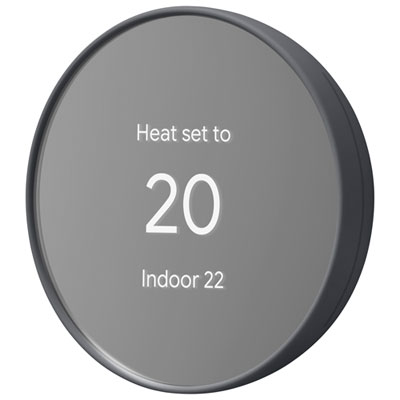 Your price for this item is $179.99
-
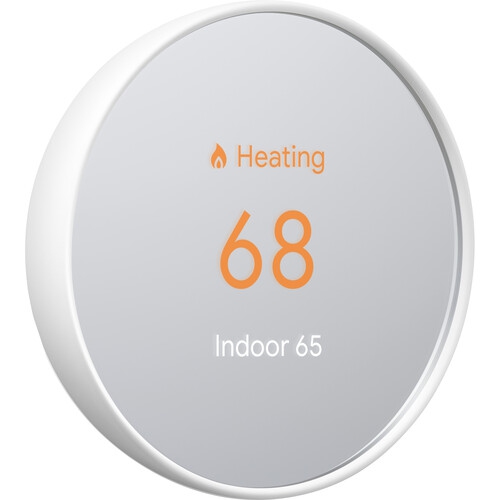 Your price for this item is $249.99
-
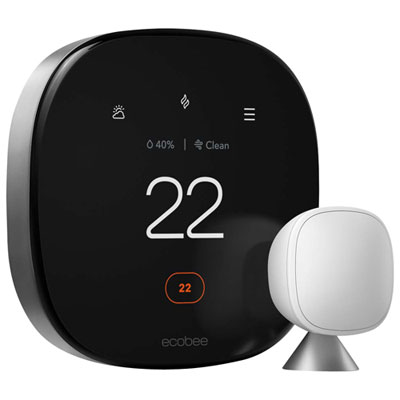 Your price for this item is $329.99
-
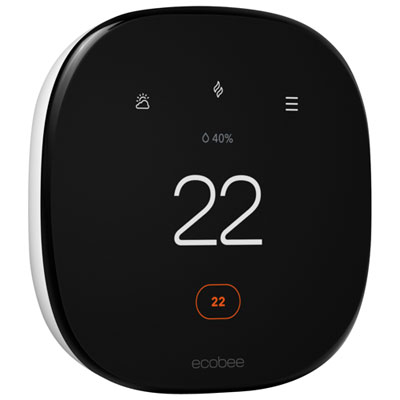 Your price for this item is $198.98
-
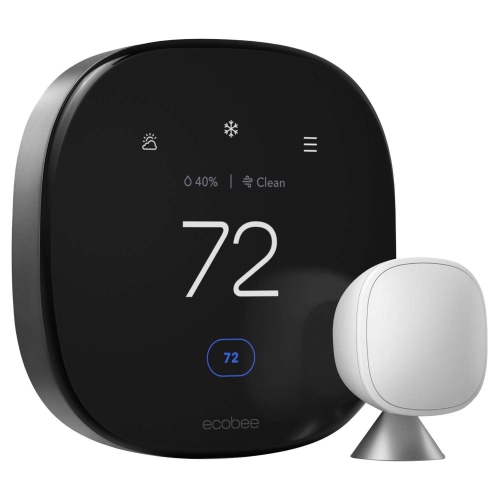 Your price for this item is $229.99
-
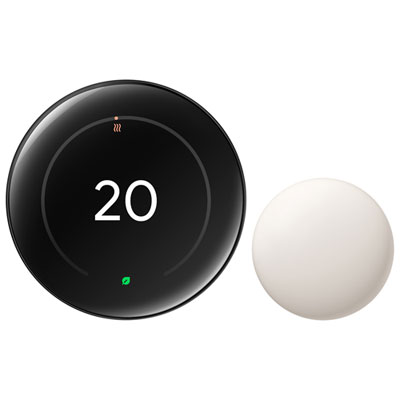 Your price for this item is $379.99
-
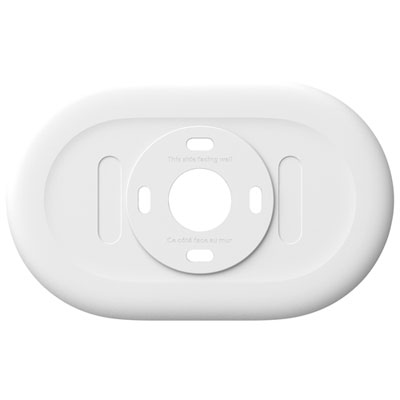 Your price for this item is $19.99
-
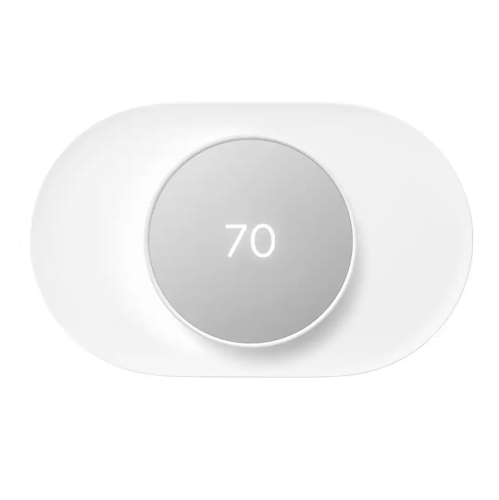 Your price for this item is $18.98
Discover more categories related to Low Voltage Programmable Thermostats
Top Collections:
Best Black Friday Deals This Year, Best Black Friday Deals On Electronics, Kindle Devices, Pokemon Centers, Best Black Friday Deals On Apple Products, Best Cameras for Sports Photography, Dyson Airwrap, Pokémon 30th Celebration Cards, Apple iPhone 17 Pro, Canon G7X Cameras
Some products may be subject to Environmental Handling Fees
(EHF) depending on your province.
Learn more about EHFs.