Security Cameras With Alarm
Enhance your home security with our selection of state-of-the-art security cameras equipped with built-in alarms. Whether you want to keep an eye on your property while you're away or simply want added peace of mind, these advanced surveillance systems offer a powerful combination of video monitoring and audible alerts. Shop from our wide range of options and find the perfect camera to suit your needs and budget.
Sort

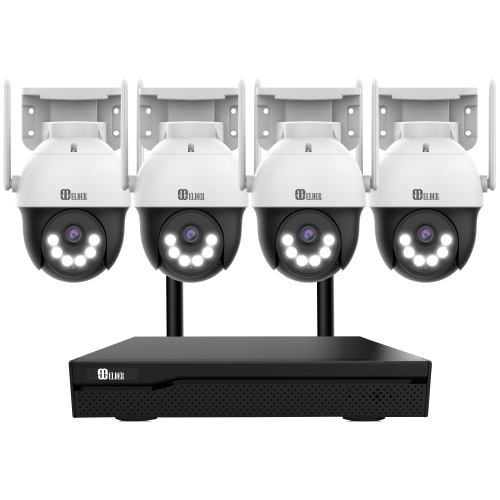
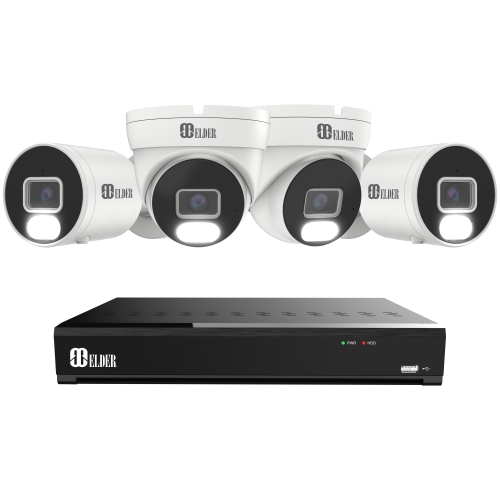
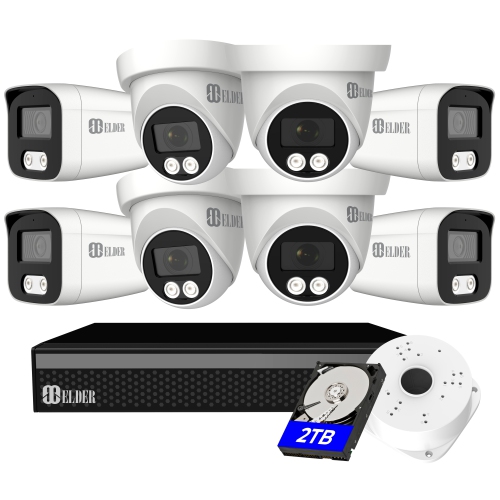
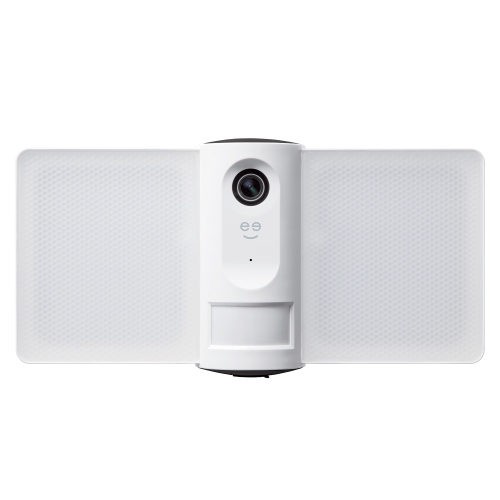
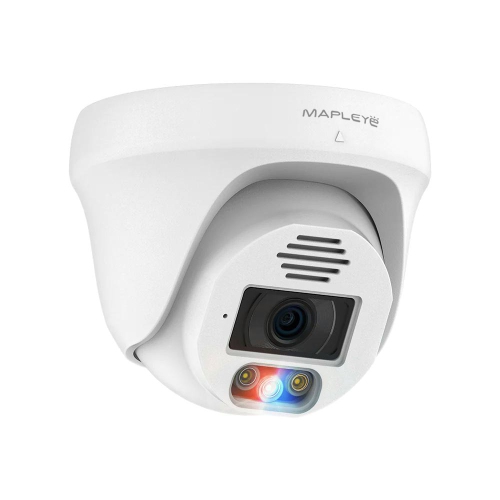
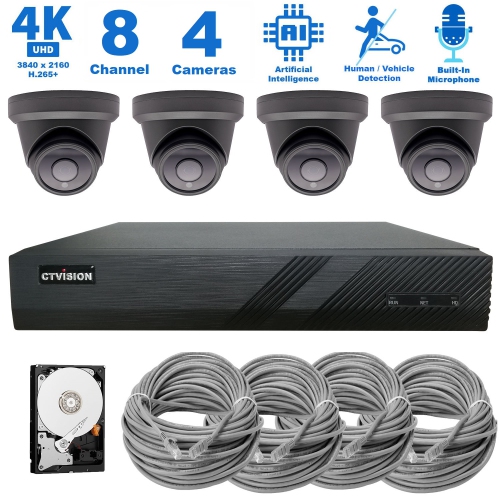
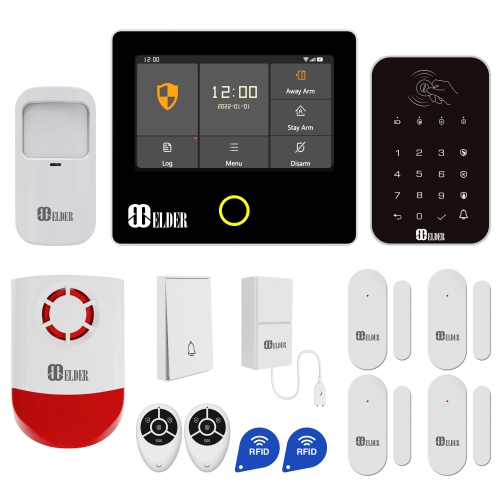
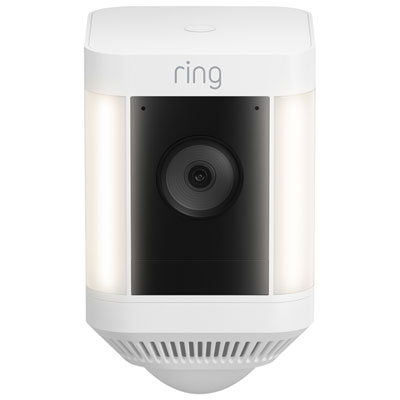
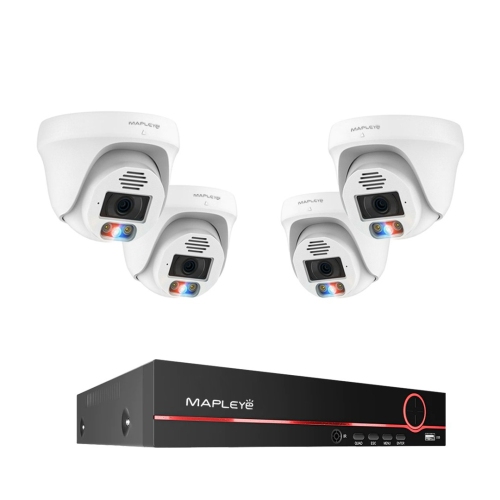
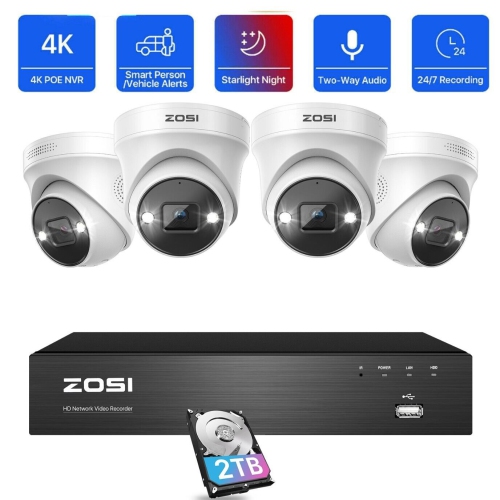
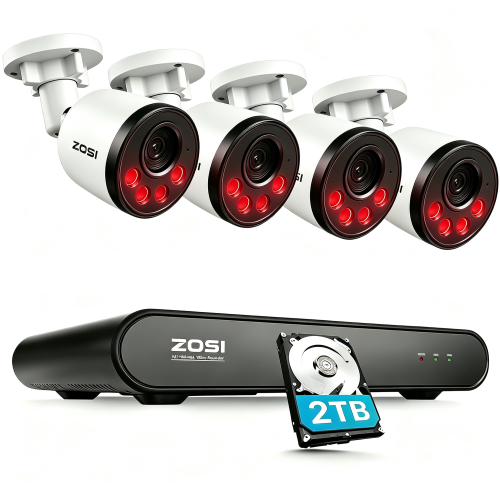

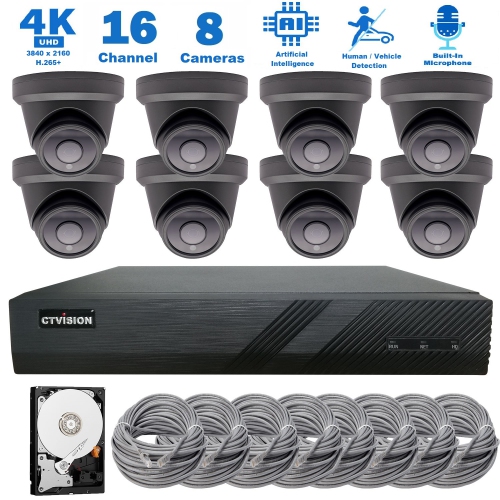
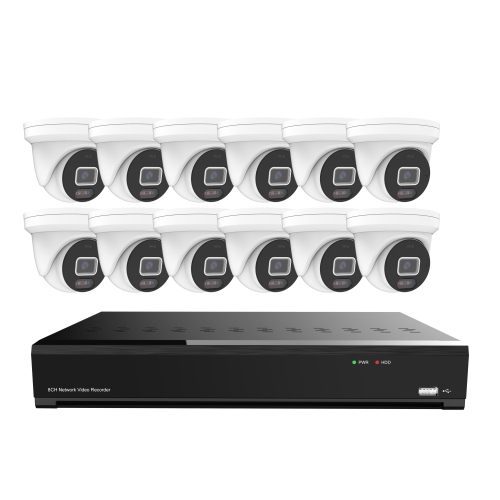
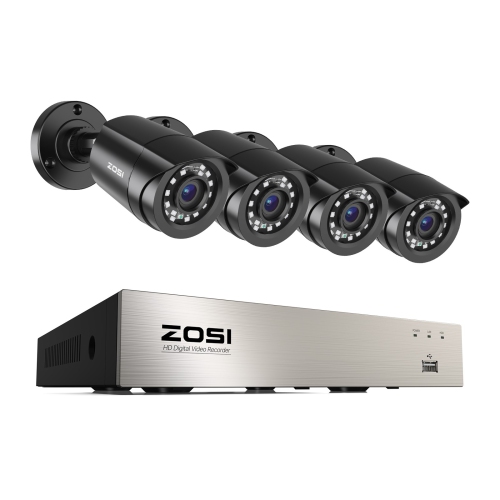
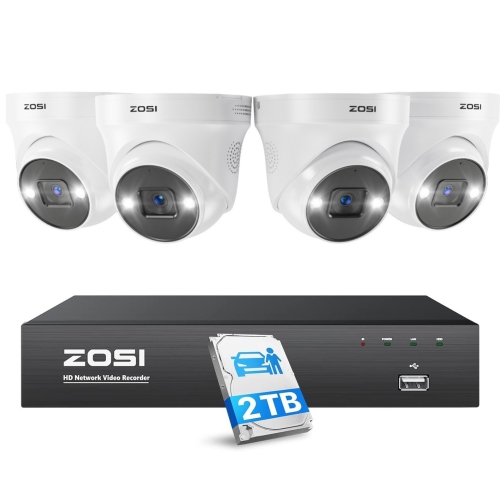
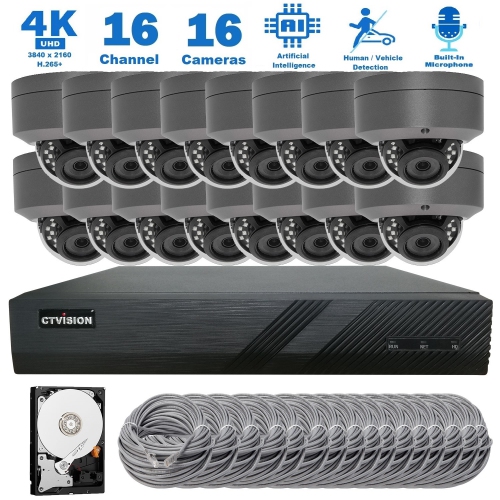
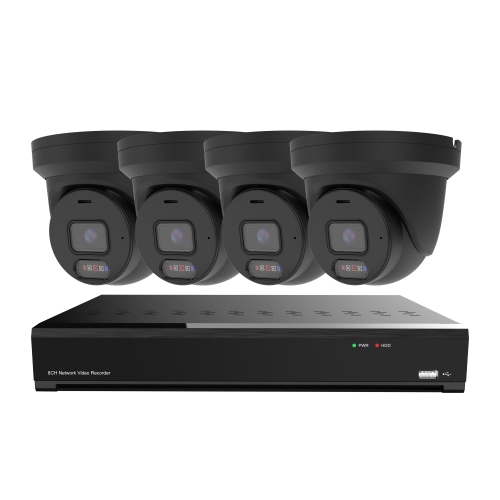
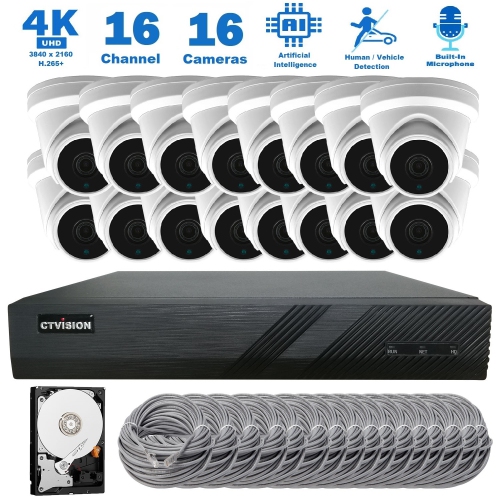
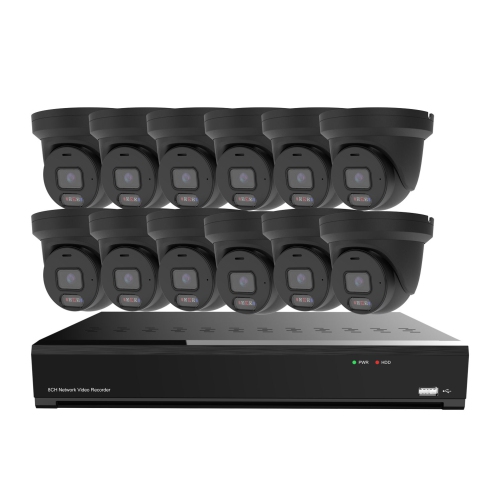
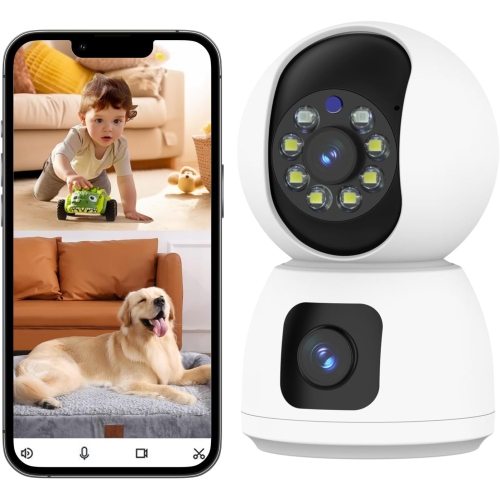
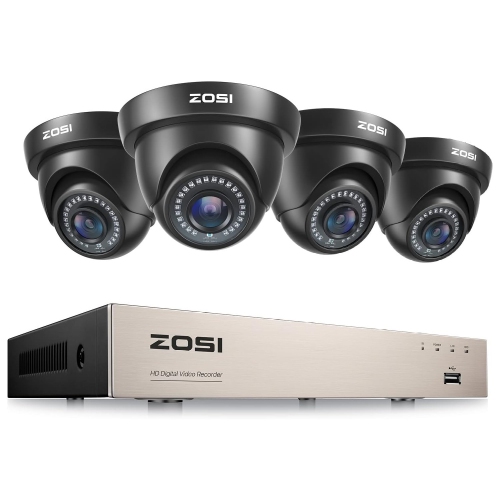

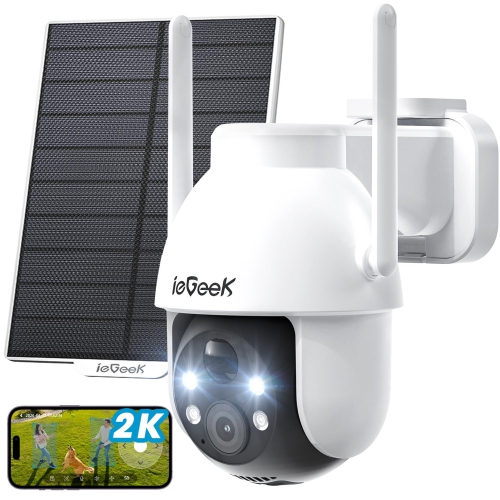
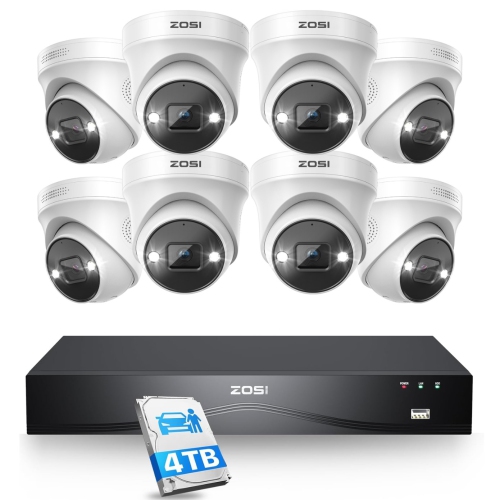
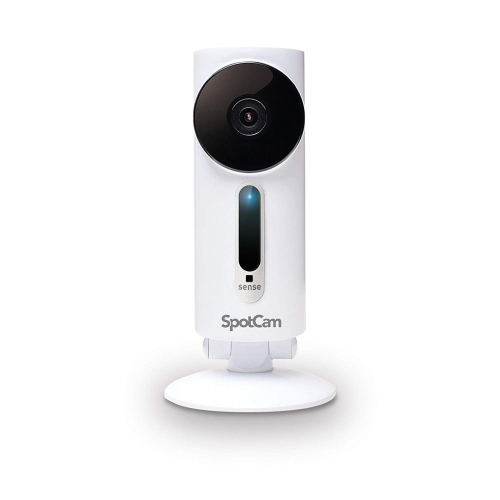
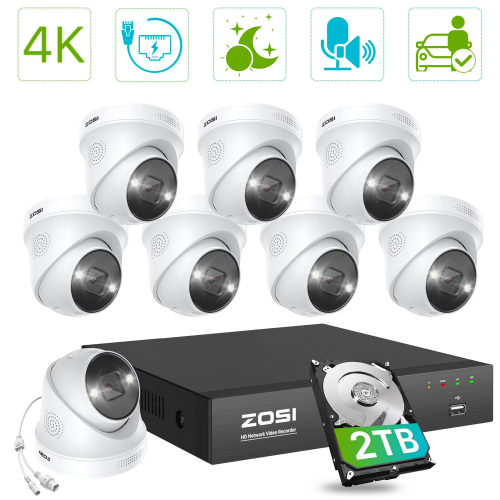
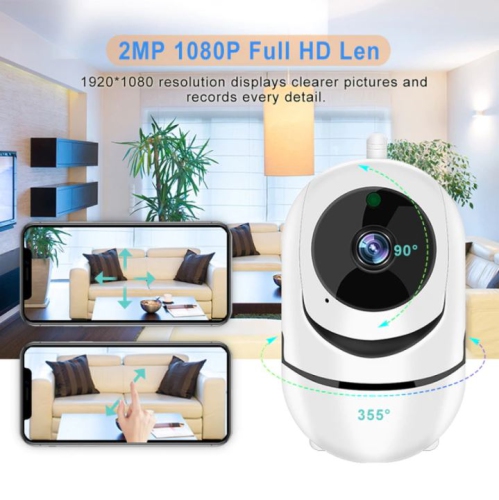
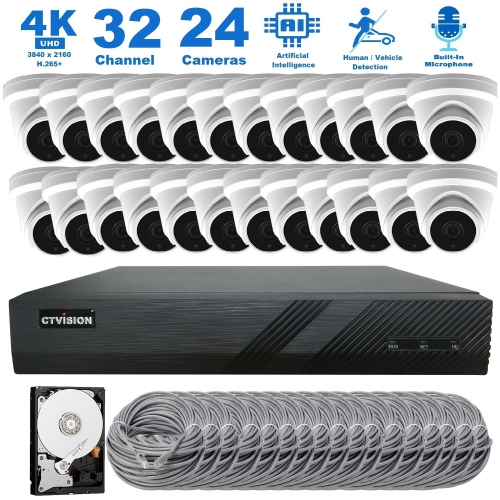
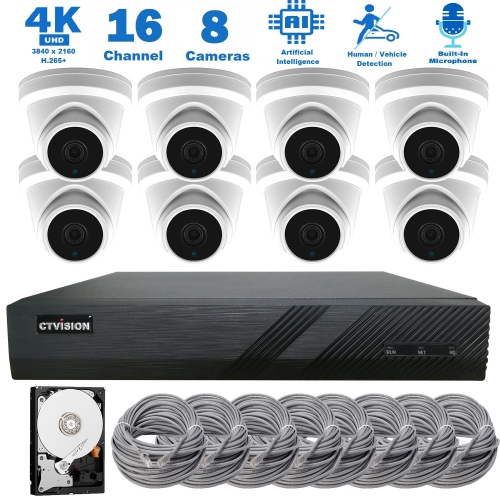
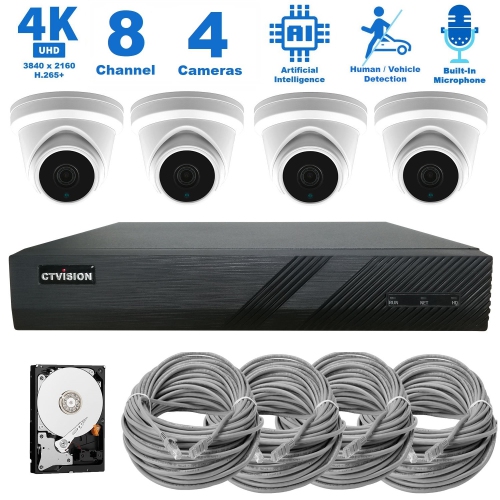
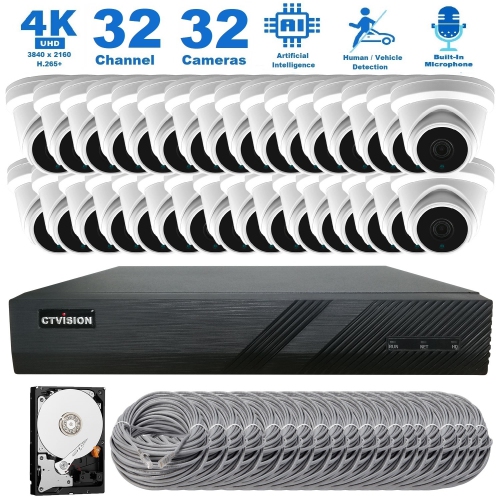
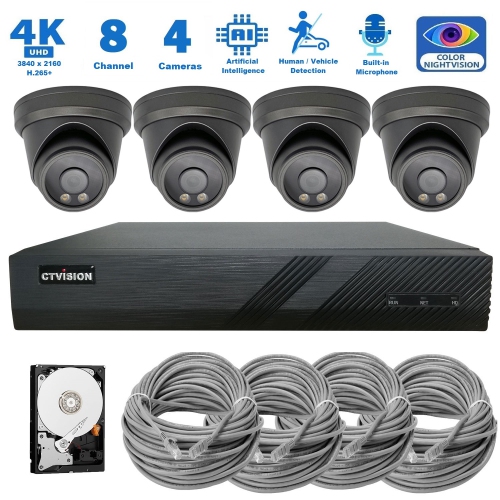
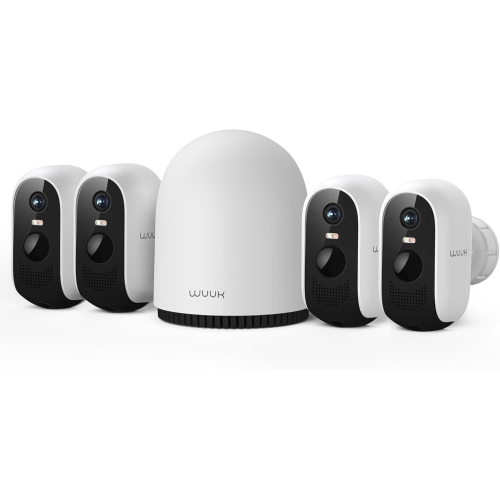
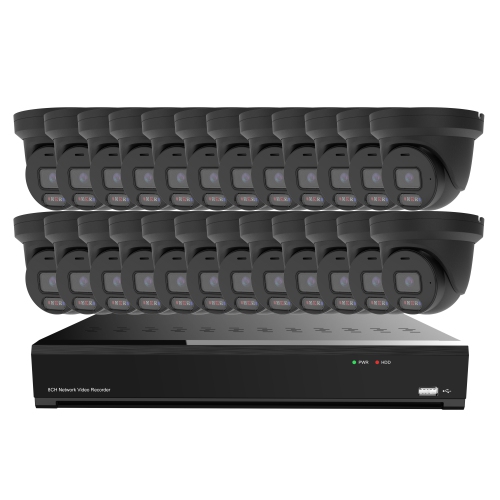
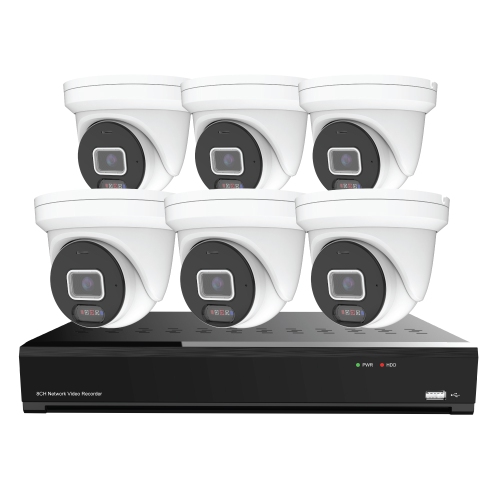
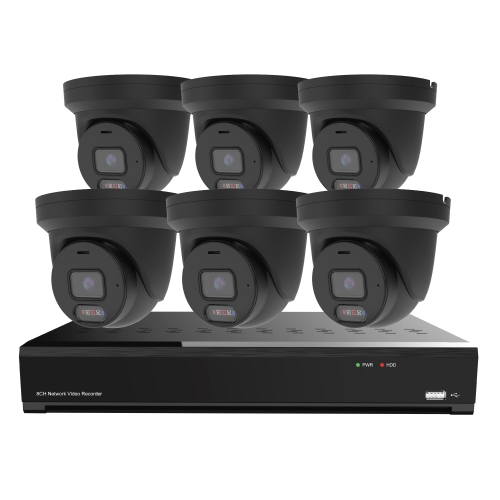
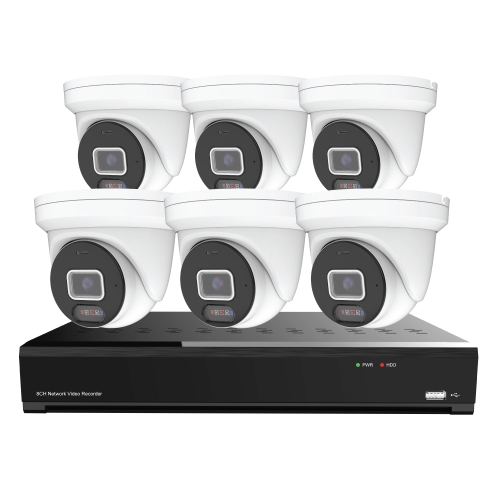
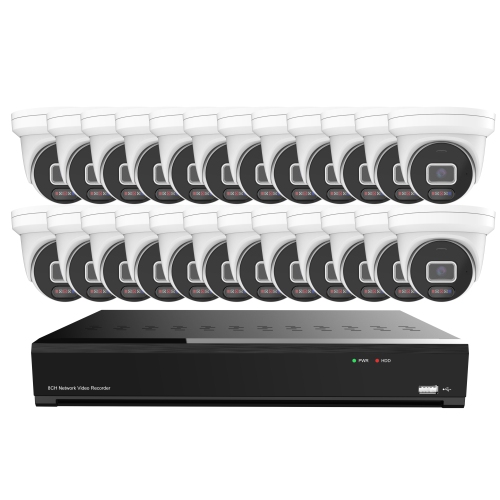
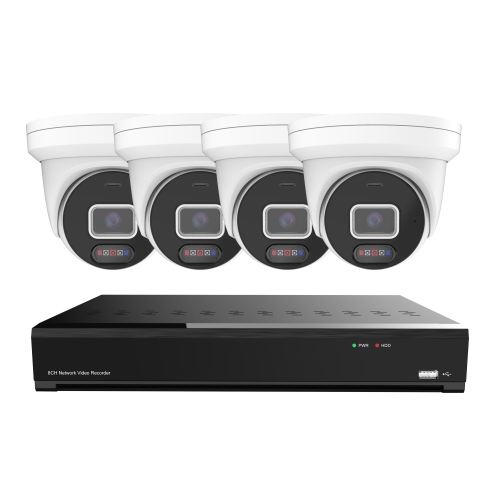
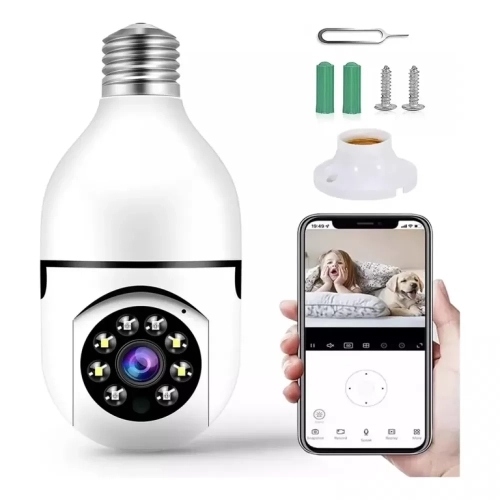
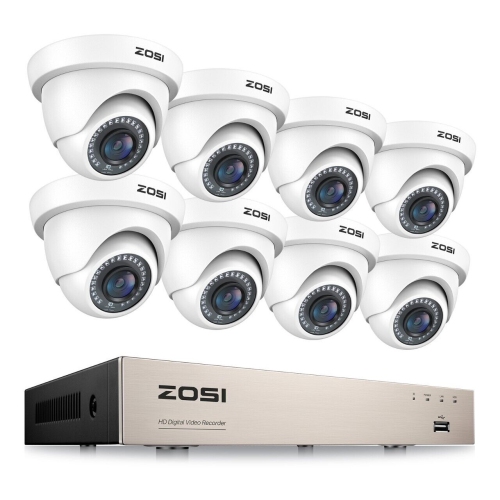
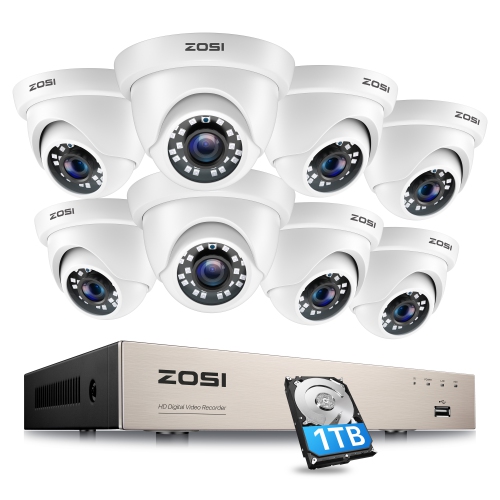
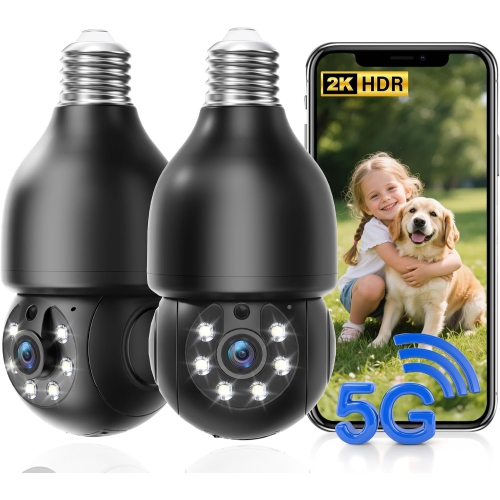
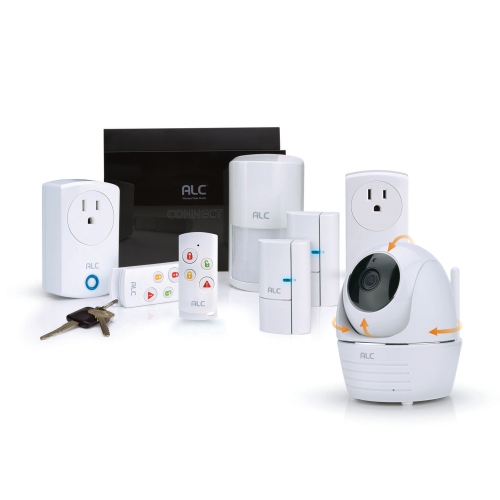
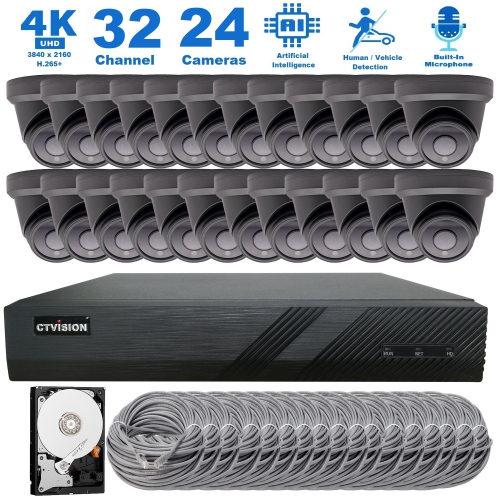
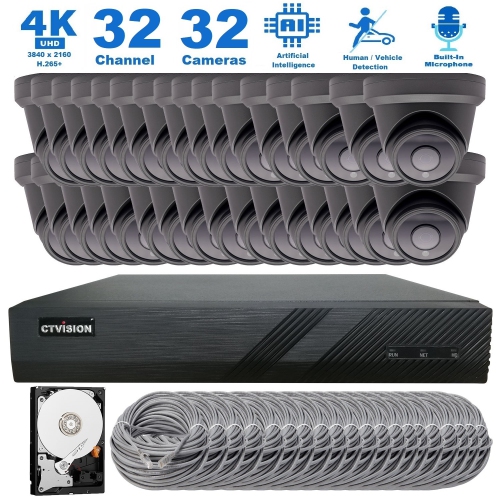
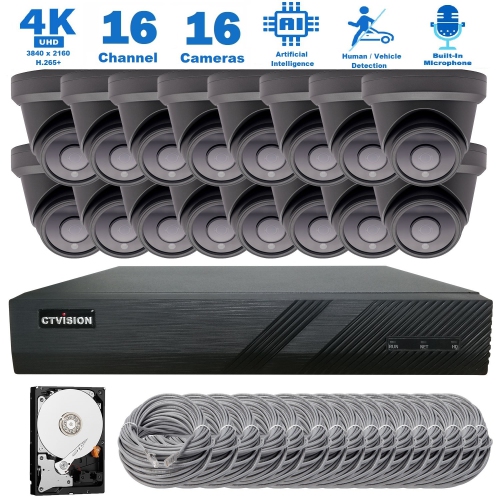
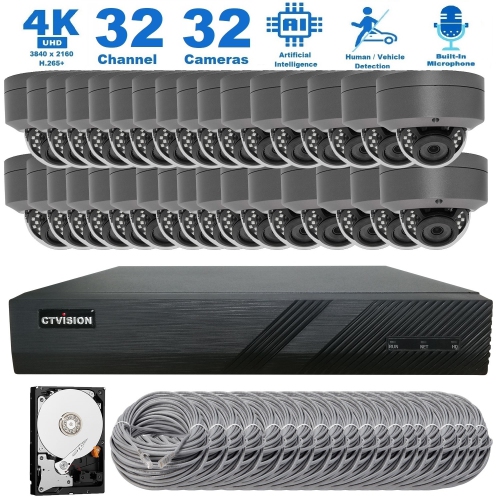
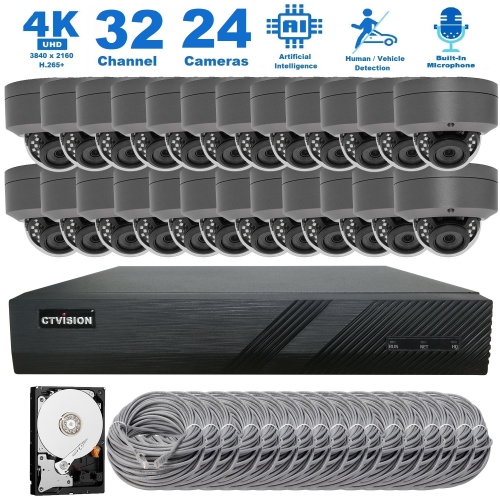
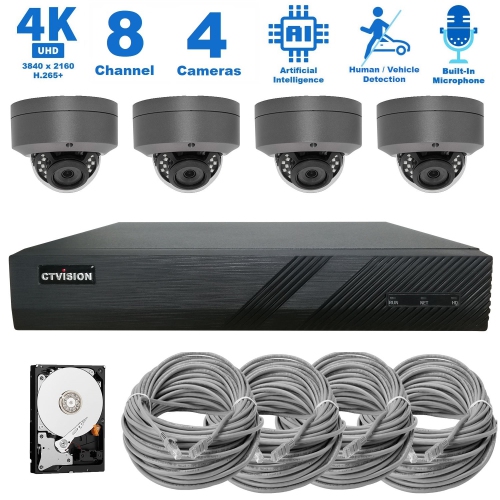
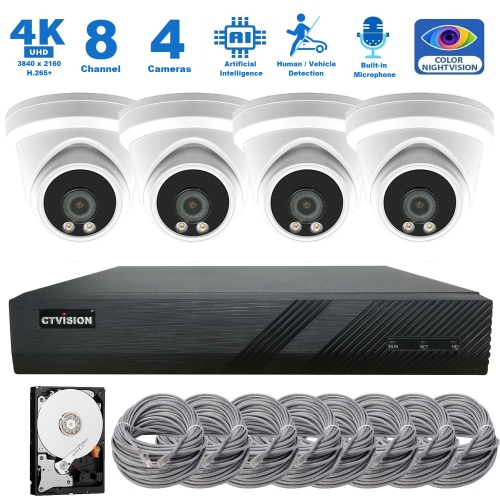
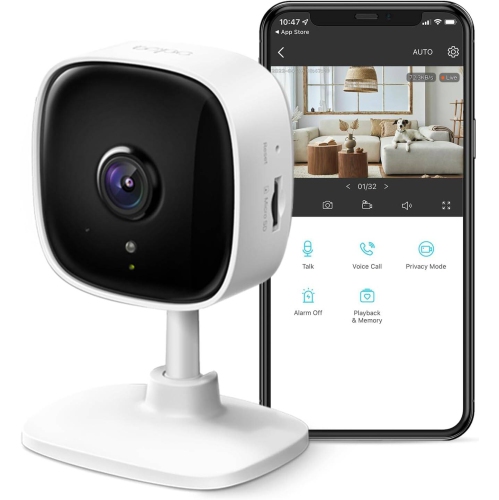
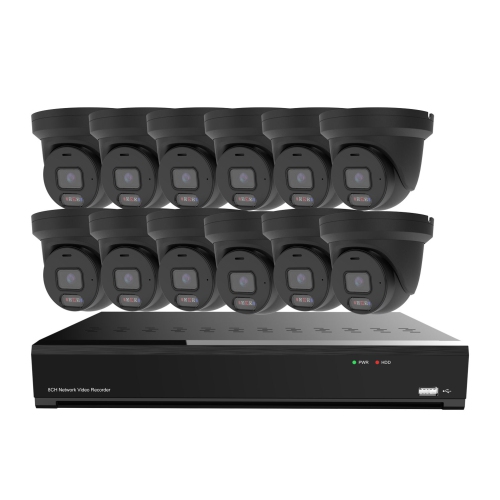
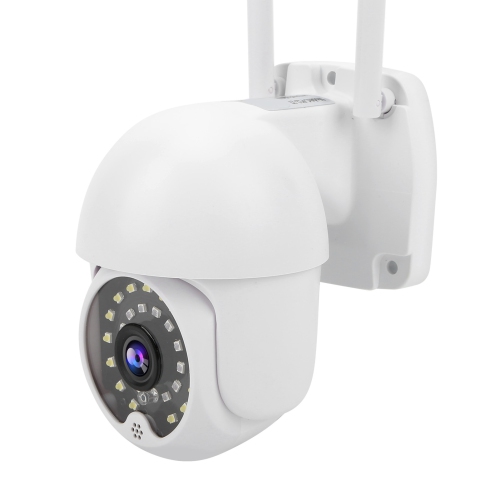
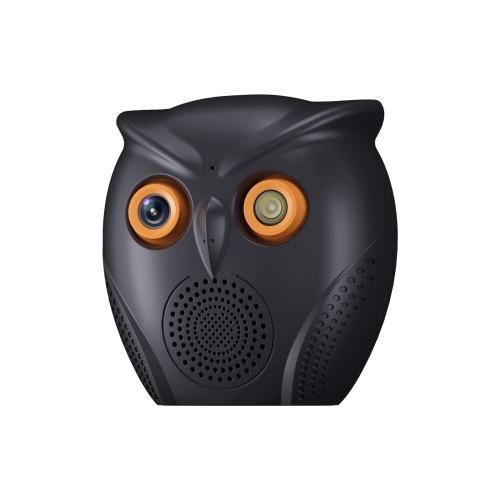
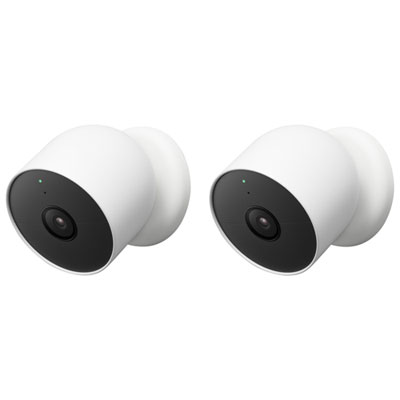
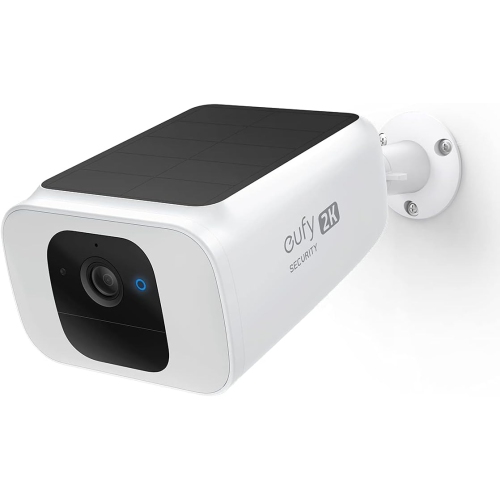
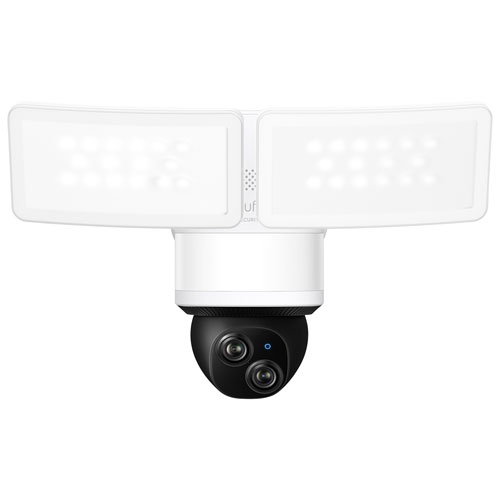
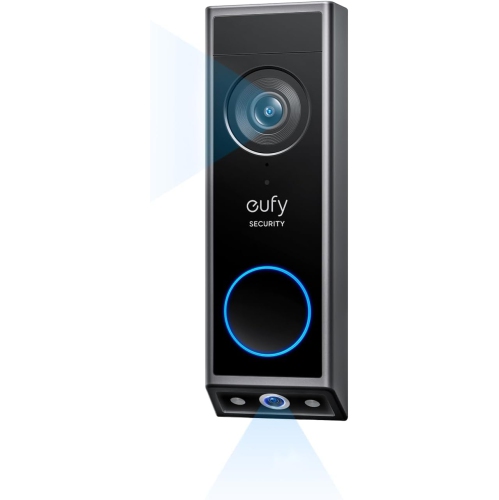
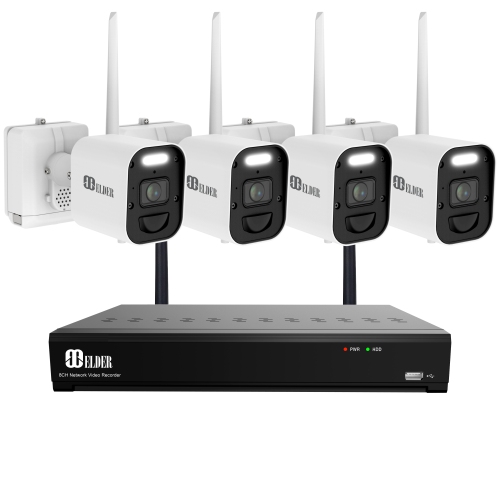

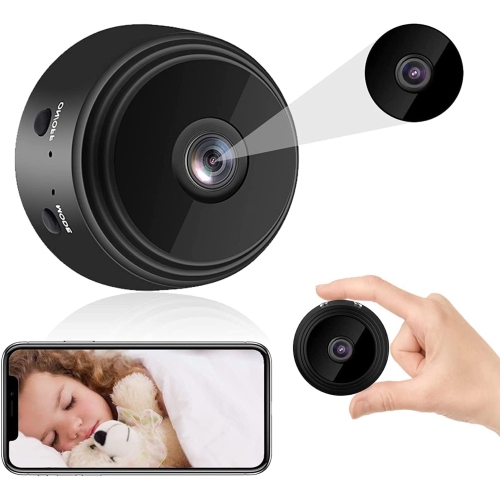
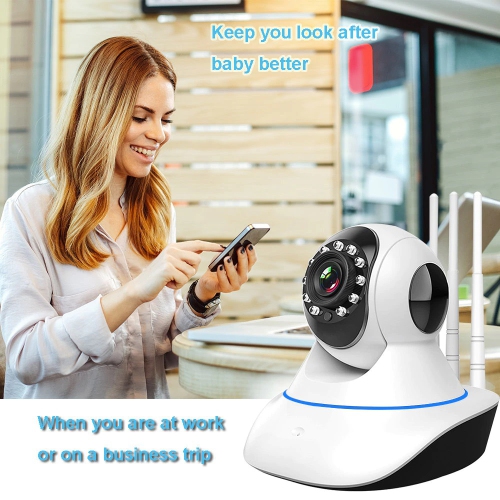
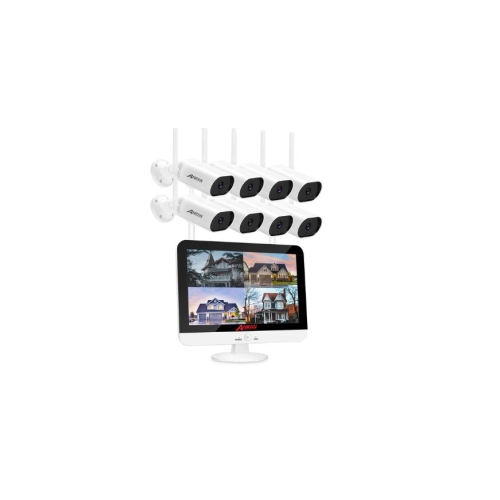
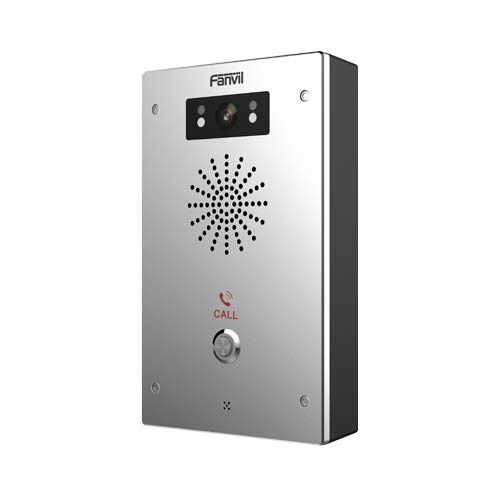
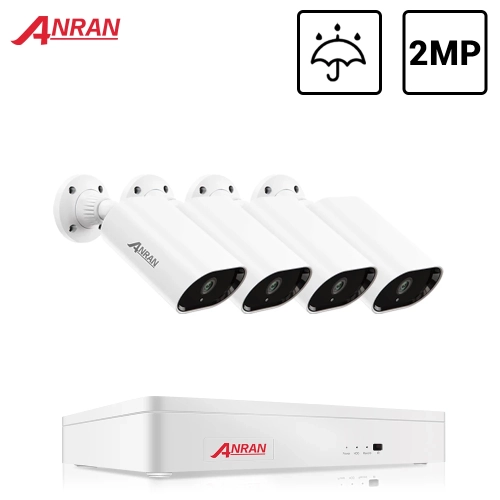

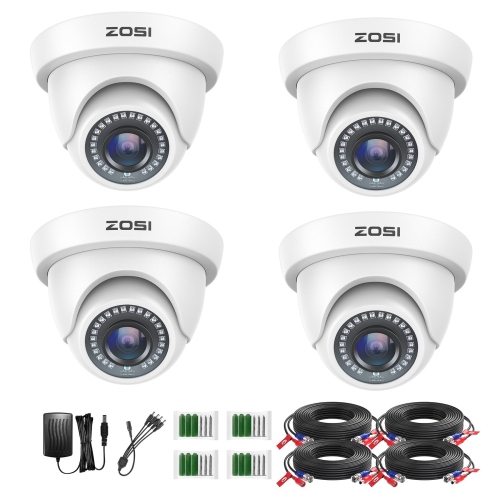
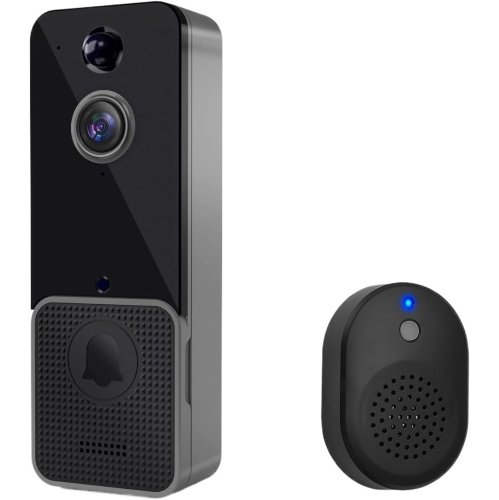
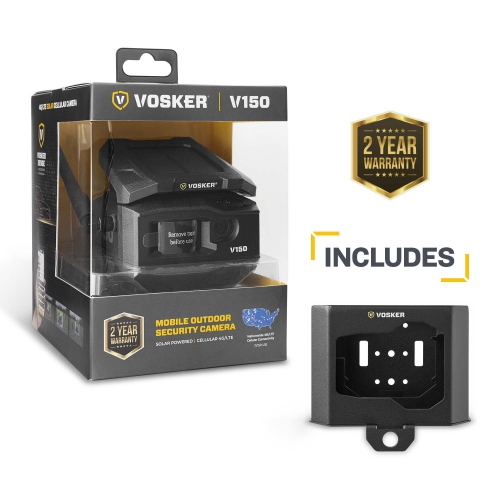
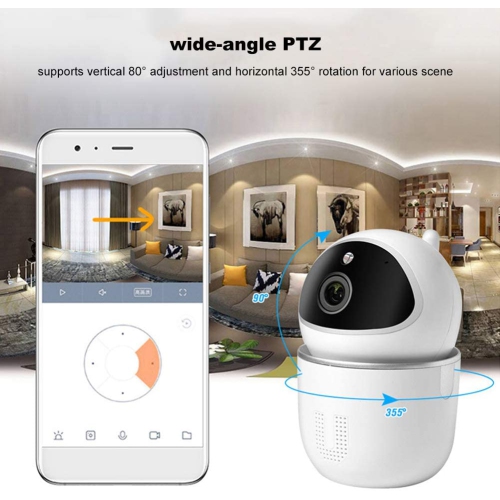
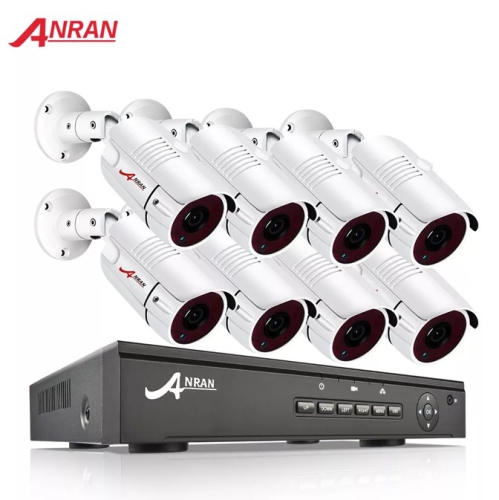
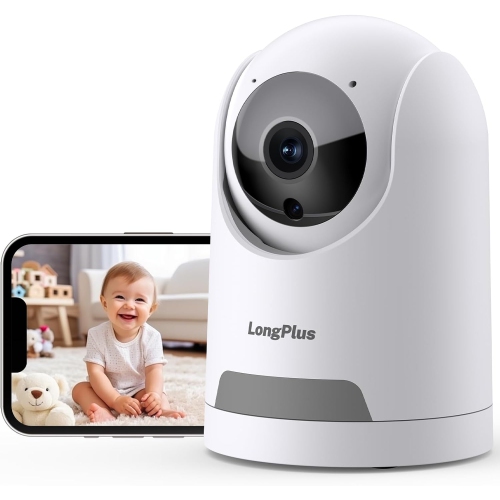
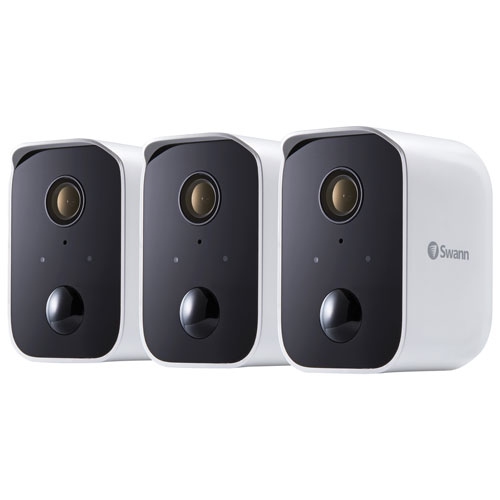
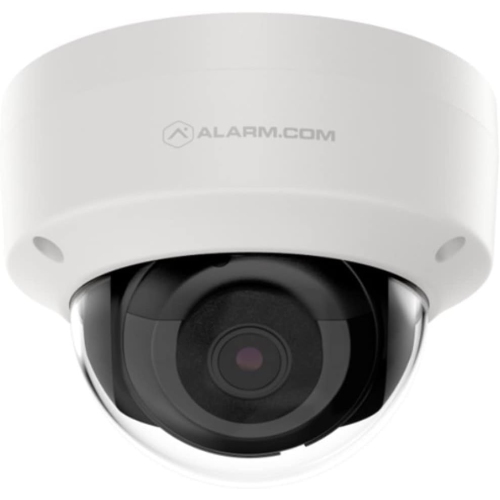
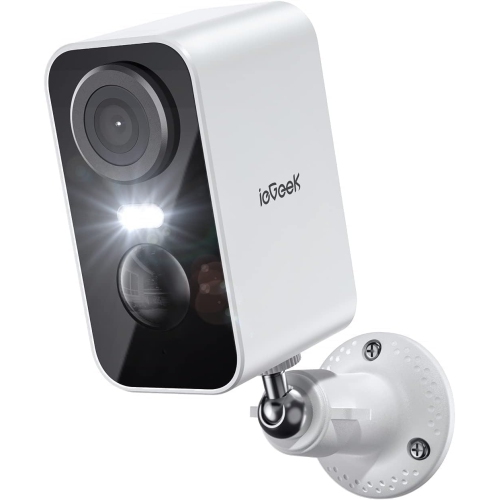
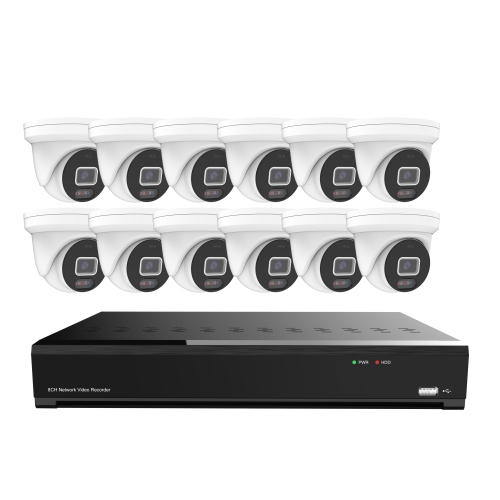
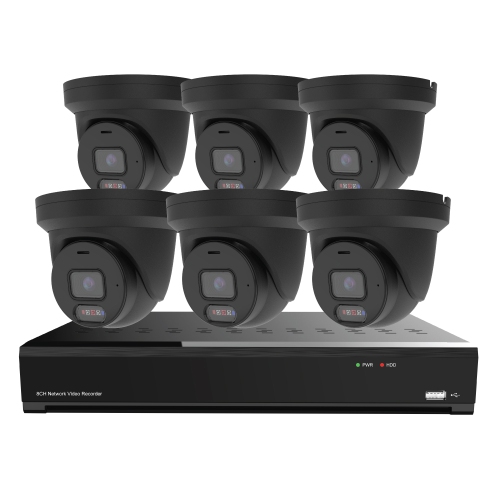
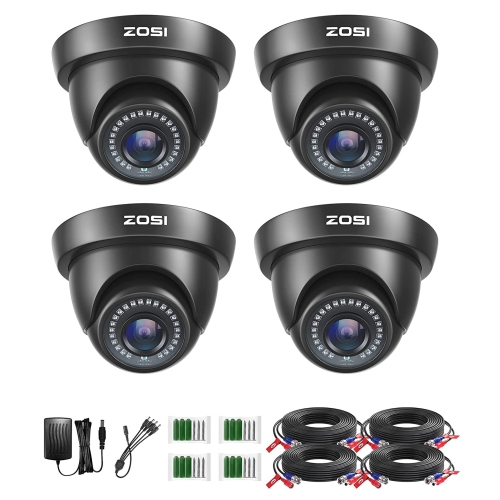
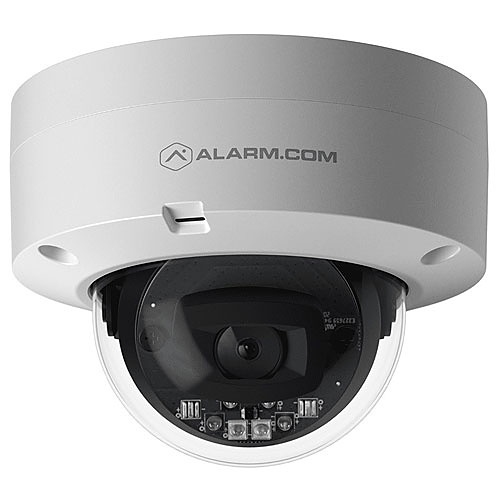
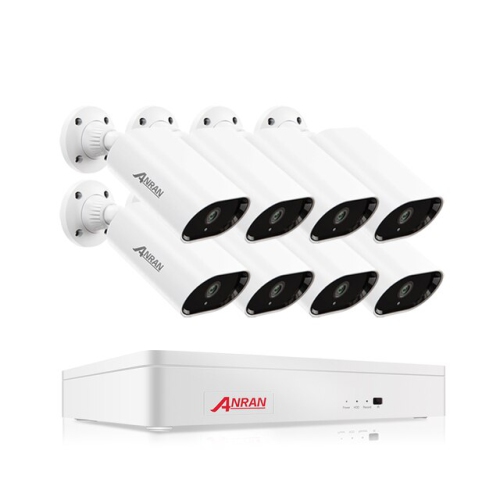
How alarms and alerts support more informed property monitoring
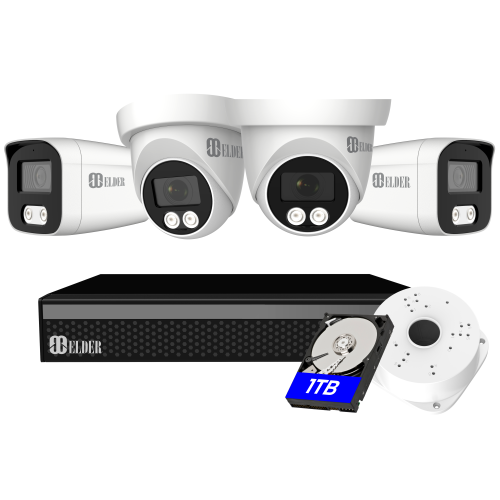
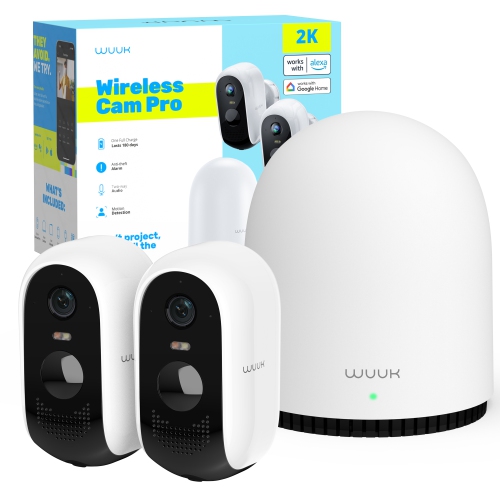
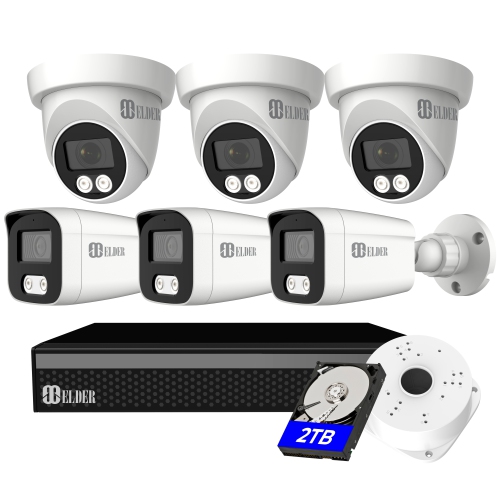
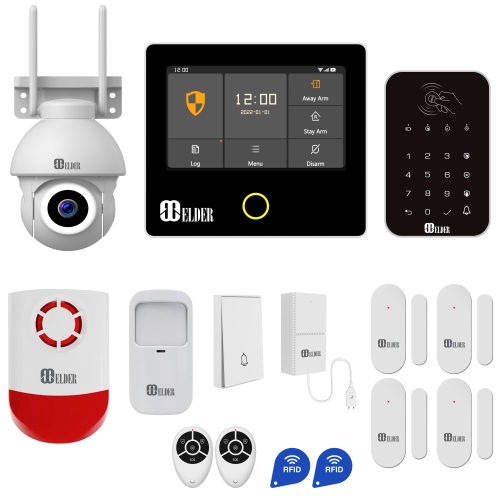
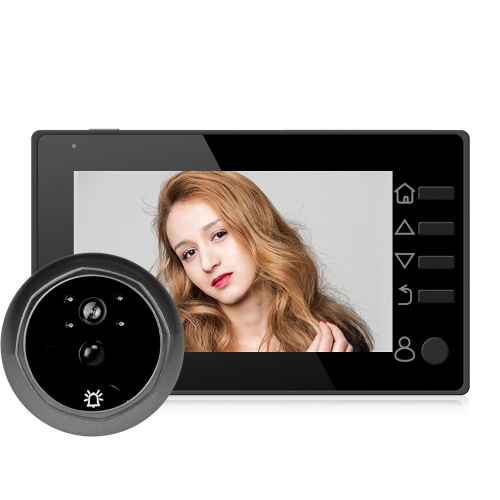
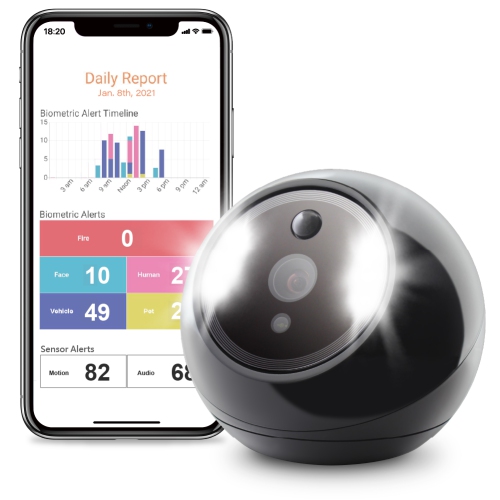
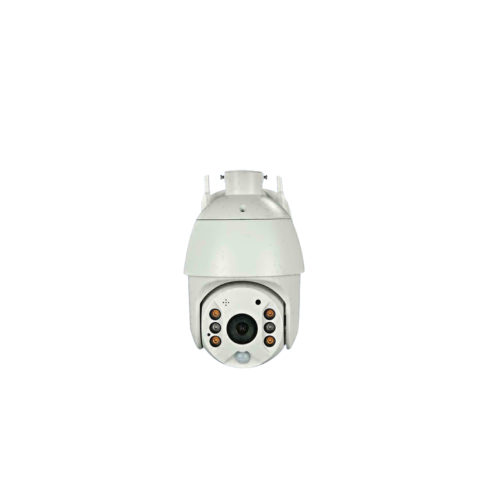
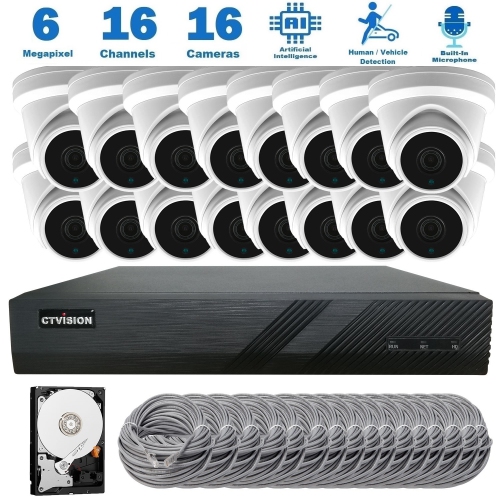
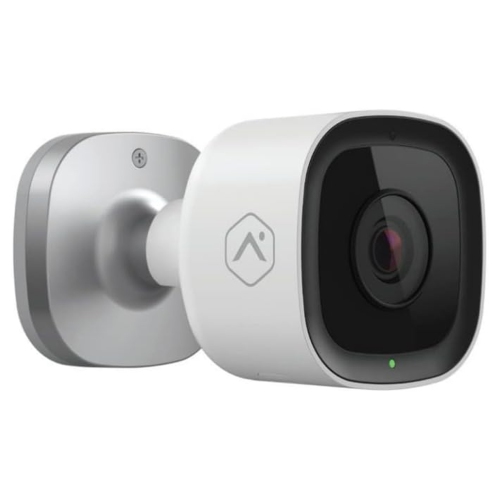
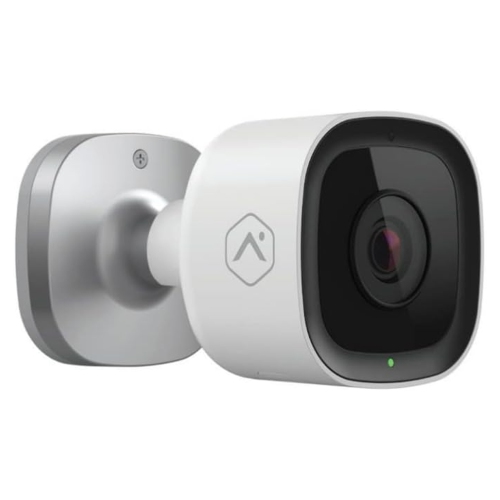
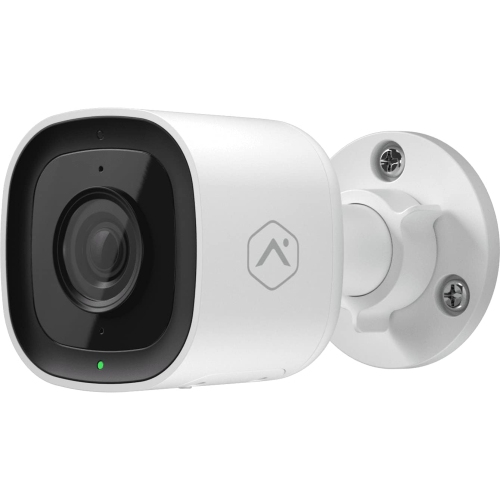
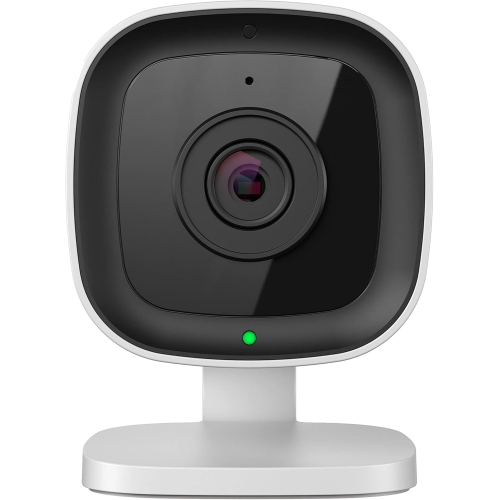
Security cameras with alarm combine visual monitoring with an active deterrent, giving you more ways to respond when movement is detected around your home, cottage, garage, workshop, apartment entrance, or small business. Instead of relying on video footage after an incident, a camera with an integrated siren can sound a loud warning when its sensors identify possible activity, while a bright spotlight or flashing light can draw attention to the area. Many models also let you trigger the alarm manually from a mobile app, making it possible to respond when you are away, speak through the camera using two-way audio, or play a pre-recorded warning. This combination can be especially useful near a side gate, driveway, porch, shed, or other location that is not always visible from inside the building. During the warmer months, a camera can help keep an eye on outdoor spaces, deliveries, and open windows, while during the cooler months it can provide added awareness around darker driveways, snow-covered walkways, and entrances that see less foot traffic. A security camera with alarm may also be a thoughtful gift for someone moving into a first home, setting up a home office, managing a rental property, or spending more time at a seasonal residence. It offers a practical way to check in on a property without requiring the recipient to install a complete professional security system, although it should be viewed as one part of a broader approach to home safety rather than a replacement for locks, lighting, or emergency services.
When comparing security cameras with alarm, start by considering where the camera will be installed and the kind of activity you need it to monitor. Indoor cameras are suited to rooms, hallways, entry areas, and home offices, while outdoor models should be designed to handle changing temperatures, moisture, dust, and exposure to the elements. Check the product’s weather-resistance rating and recommended operating range, particularly if it will be mounted under an eave or in a fully exposed location. A wide viewing angle can cover more of a yard or entrance, but placement still matters: mounting the camera too high may make faces difficult to identify, while positioning it too close to a light source can create glare at night. Night vision helps capture movement in low-light conditions, and colour night vision or integrated spotlights may provide additional detail when there is enough ambient or supplemental light. Resolution is another consideration, especially if you want to distinguish a person approaching a door or read details on a vehicle from a reasonable distance. Smart detection features can help separate people from pets, vehicles, or general movement, reducing unnecessary siren activations caused by a passing animal, swaying branches, or changing shadows. Look for adjustable activity zones, sensitivity controls, and detection schedules so the camera can focus on the areas that matter most. Some households may prefer alerts for people only, while others may want notifications whenever a vehicle enters a driveway or movement is detected near a back door. A camera with two-way audio can be useful for everyday situations as well as security concerns, such as telling a courier where to leave a parcel, greeting a family member, or warning an unfamiliar visitor that the area is being monitored. Keep in mind that an alarm is most effective when its sound and light can reach the surrounding area without disturbing every room in the home, and review local rules or building policies before using a loud siren in a shared residential setting.
Power, connectivity, storage, and privacy can have just as much impact on everyday use as image quality. Battery-powered cameras are convenient for locations without a nearby outlet and may be easier to install without running cable through walls, although the battery will need to be recharged and performance can vary with temperature, activity levels, and the frequency of live viewing. Plug-in or wired cameras can provide dependable continuous power and may be a better fit for a high-traffic entrance or a camera that needs to remain active for long periods. Some wired installations may require more planning, particularly when routing cable outdoors or through finished walls. Wi-Fi connectivity makes setup and remote access straightforward in many homes, but the camera should be placed within a reliable signal range; a weak connection can delay notifications, interrupt live video, or prevent an alarm command from reaching the device promptly. Local storage, such as a supported memory card, can allow recordings to be saved at home, while cloud storage may make it easier to review footage remotely or preserve clips if the camera is damaged or removed. Storage plans, recording length, video quality, and subscription requirements vary, so check whether essential features such as motion alerts, alarm controls, and recorded clips are included without an ongoing fee. It is also worth reviewing account security, encryption, privacy settings, user permissions, and options for disabling audio or masking parts of the image. Position cameras to monitor your own property while respecting neighbours and shared spaces, and use strong, unique account credentials with multi-factor authentication when available. Before choosing a camera, consider the routine around the property: a family with pets may benefit from more precise detection settings, a frequent traveller may value dependable remote alerts and cloud access, and someone who prefers minimal ongoing costs may favour local recording. The right security cameras with alarm should fit the property, power arrangement, internet connection, viewing needs, and comfort level with alerts, creating a practical layer of awareness that is easy to use day after day. For shoppers comparing related features, Security Cameras With Motion Detection can help broaden the options to include cameras focused on activity alerts and automated monitoring.
When comparing security cameras with alarm, start by considering where the camera will be installed and the kind of activity you need it to monitor. Indoor cameras are suited to rooms, hallways, entry areas, and home offices, while outdoor models should be designed to handle changing temperatures, moisture, dust, and exposure to the elements. Check the product’s weather-resistance rating and recommended operating range, particularly if it will be mounted under an eave or in a fully exposed location. A wide viewing angle can cover more of a yard or entrance, but placement still matters: mounting the camera too high may make faces difficult to identify, while positioning it too close to a light source can create glare at night. Night vision helps capture movement in low-light conditions, and colour night vision or integrated spotlights may provide additional detail when there is enough ambient or supplemental light. Resolution is another consideration, especially if you want to distinguish a person approaching a door or read details on a vehicle from a reasonable distance. Smart detection features can help separate people from pets, vehicles, or general movement, reducing unnecessary siren activations caused by a passing animal, swaying branches, or changing shadows. Look for adjustable activity zones, sensitivity controls, and detection schedules so the camera can focus on the areas that matter most. Some households may prefer alerts for people only, while others may want notifications whenever a vehicle enters a driveway or movement is detected near a back door. A camera with two-way audio can be useful for everyday situations as well as security concerns, such as telling a courier where to leave a parcel, greeting a family member, or warning an unfamiliar visitor that the area is being monitored. Keep in mind that an alarm is most effective when its sound and light can reach the surrounding area without disturbing every room in the home, and review local rules or building policies before using a loud siren in a shared residential setting.
Power, connectivity, storage, and privacy can have just as much impact on everyday use as image quality. Battery-powered cameras are convenient for locations without a nearby outlet and may be easier to install without running cable through walls, although the battery will need to be recharged and performance can vary with temperature, activity levels, and the frequency of live viewing. Plug-in or wired cameras can provide dependable continuous power and may be a better fit for a high-traffic entrance or a camera that needs to remain active for long periods. Some wired installations may require more planning, particularly when routing cable outdoors or through finished walls. Wi-Fi connectivity makes setup and remote access straightforward in many homes, but the camera should be placed within a reliable signal range; a weak connection can delay notifications, interrupt live video, or prevent an alarm command from reaching the device promptly. Local storage, such as a supported memory card, can allow recordings to be saved at home, while cloud storage may make it easier to review footage remotely or preserve clips if the camera is damaged or removed. Storage plans, recording length, video quality, and subscription requirements vary, so check whether essential features such as motion alerts, alarm controls, and recorded clips are included without an ongoing fee. It is also worth reviewing account security, encryption, privacy settings, user permissions, and options for disabling audio or masking parts of the image. Position cameras to monitor your own property while respecting neighbours and shared spaces, and use strong, unique account credentials with multi-factor authentication when available. Before choosing a camera, consider the routine around the property: a family with pets may benefit from more precise detection settings, a frequent traveller may value dependable remote alerts and cloud access, and someone who prefers minimal ongoing costs may favour local recording. The right security cameras with alarm should fit the property, power arrangement, internet connection, viewing needs, and comfort level with alerts, creating a practical layer of awareness that is easy to use day after day. For shoppers comparing related features, Security Cameras With Motion Detection can help broaden the options to include cameras focused on activity alerts and automated monitoring.
Top selling and popular products
-
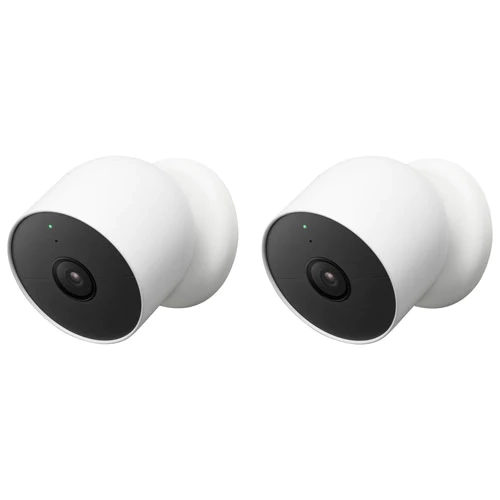 Your price for this item is $389.99
 -
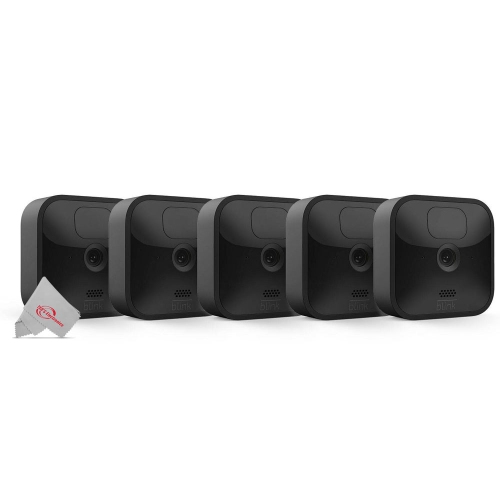 Your price for this item is $659.99
 -
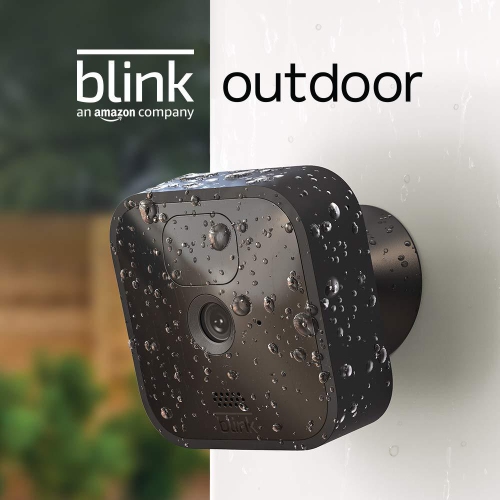 Your price for this item is $439.99
 -
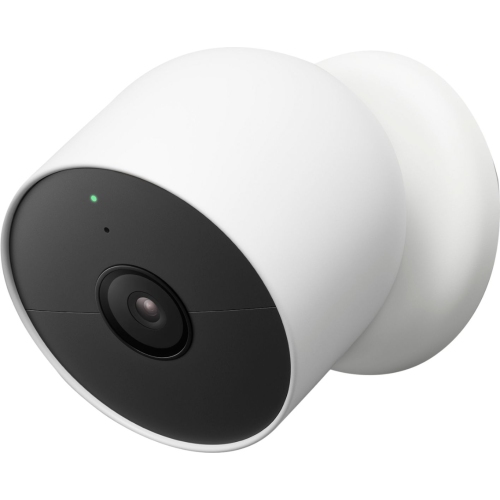 Your price for this item is $249.99
 -
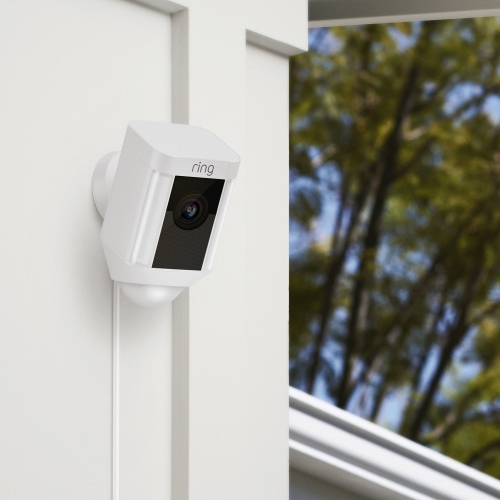 Your price for this item is $399.99
 -
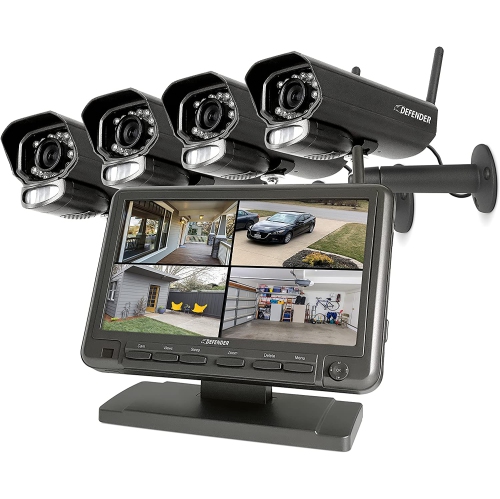 Your price for this item is $449.99
 -
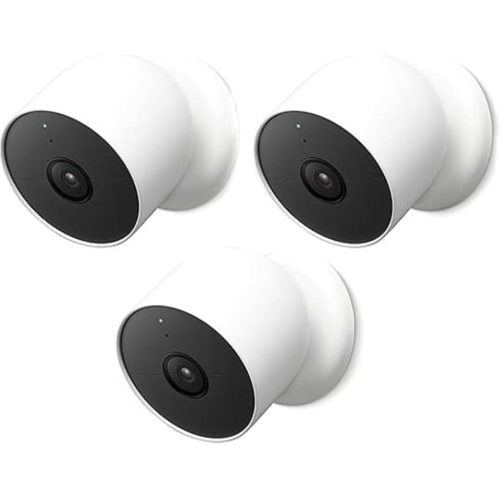 Your price for this item is $579.99
 -
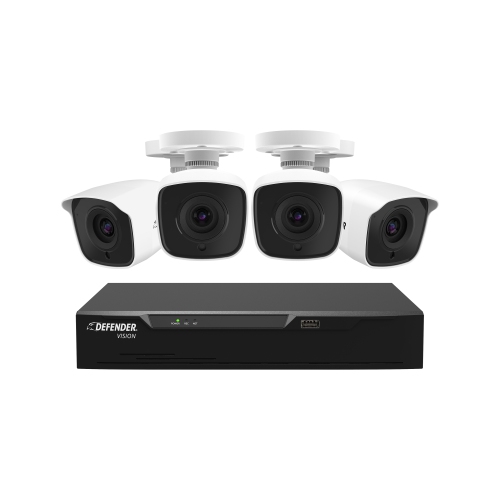 Your price for this item is $790.99
Discover more categories related to Security Cameras With Alarm
Top Collections:
Pokemon Centers, Kindle Devices, Best Budget Office Chairs, Apple iPhones 16, Best Laptops for Writers, iPhone 15 Apple, Canon G7X Cameras, Refurbished Apple Laptops, Alarm Clock, Motorola Razr Phones
Some products may be subject to Environmental Handling Fees
(EHF) depending on your province.
Learn more about EHFs.