Smart Home Devices for Dorm
Smart Home Devices For Dorm offer convenient solutions to enhance your college living space. Whether you’re looking to streamline daily routines, manage your room’s ambiance, or add a layer of security, these devices are designed with dorm life in mind. Explore a range of options that help create a comfortable and efficient space, making it easier to focus on studying, relaxing, or connecting with friends. With Smart Home Devices For Dorm, transforming your room into a personalized and tech-savvy retreat is easier than ever.
Sort
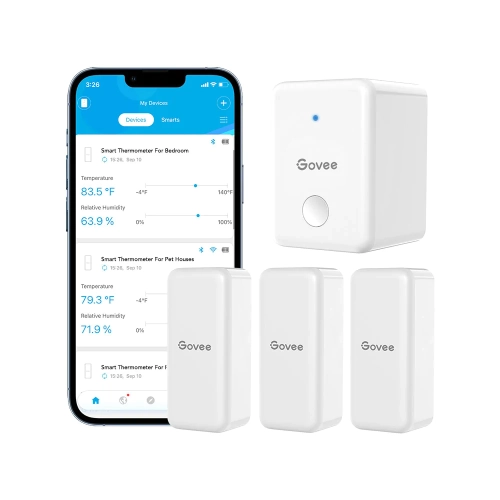
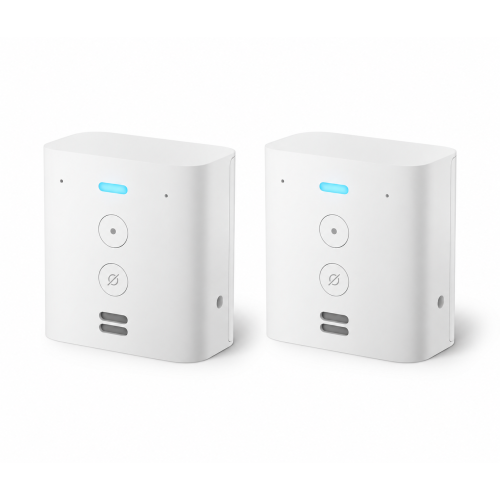
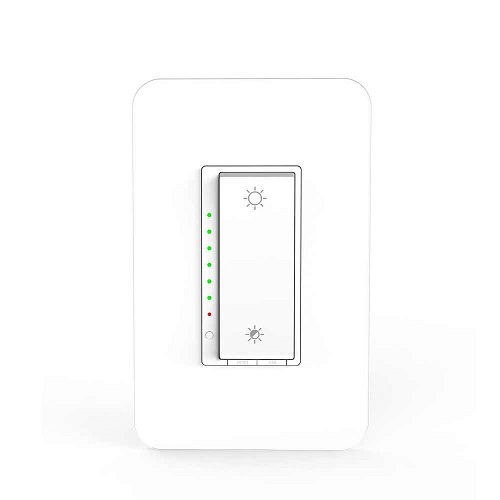

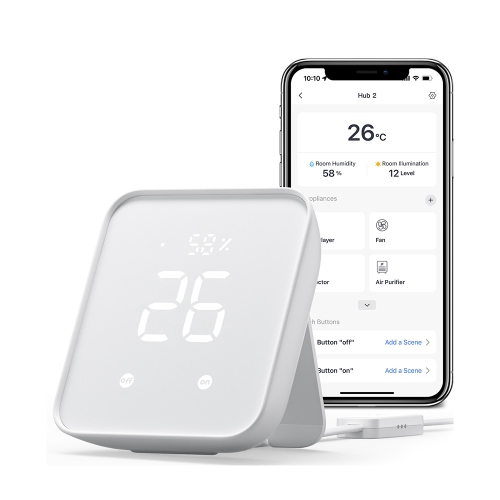
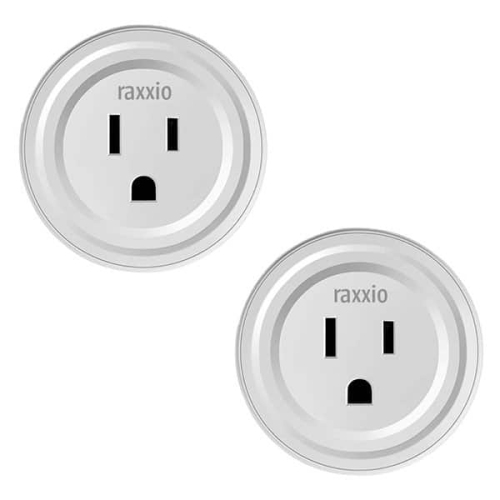
Dorm convenience depends on more than a Wi-Fi connection
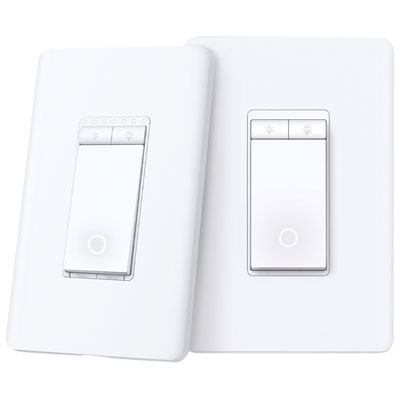
Smart home devices for dorm rooms bring connected lighting, audio, and everyday controls into compact spaces where a desk, bed, and storage often share just a few square metres. For students balancing classes, assignments, and a roommate’s schedule, useful features can be as simple as dimming a bedside light without leaving bed, setting a hands-free study timer, or switching off a desk lamp from a phone. Compatibility with the residence network is one of the most important considerations. Campus Wi-Fi may require a browser sign-in, use authentication that some connected devices cannot support, or keep devices from communicating with one another. A phone connecting successfully does not necessarily mean a smart speaker, bulb, or plug will work on the same network. Some accessories also require a 2.4 GHz connection for setup, even when a phone normally uses a different band. Residence technology policies, supported connection types, and any device registration requirements help determine which features will be usable. Bluetooth controls, physical buttons, and other supported local controls can be valuable when internet access is interrupted, although their capabilities vary by device. Accessories that depend on a hub need space and power for that hub, along with any required network connection. A personal router is not automatically a solution, since some residences restrict additional networking equipment. Beyond the connection itself, the control method should suit daily life: voice commands are handy while getting ready, while a quiet button press or phone control makes more sense when a roommate is asleep. Compatibility with an existing phone and preferred smart home platform can also reduce the number of apps and accounts involved. A straightforward setup with a few genuinely useful functions often fits dorm life better than a complicated collection of accessories that each need a different connection, subscription, or control method.
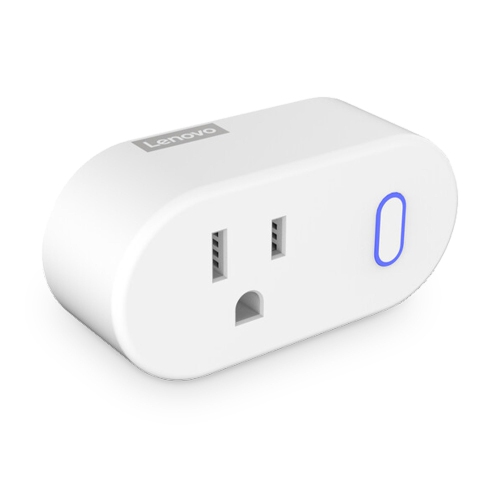
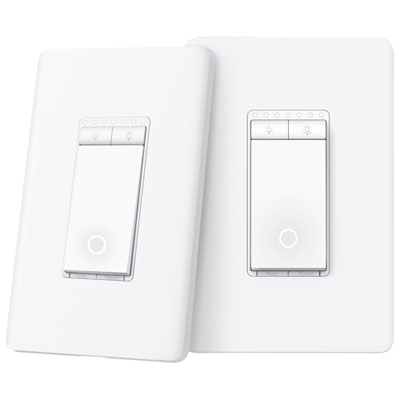
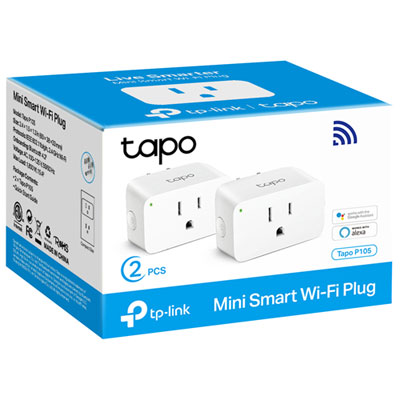
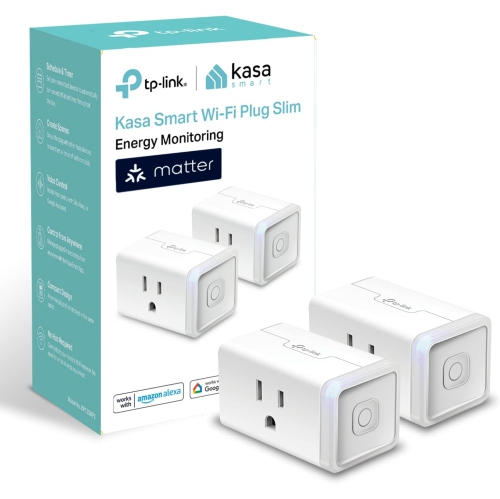
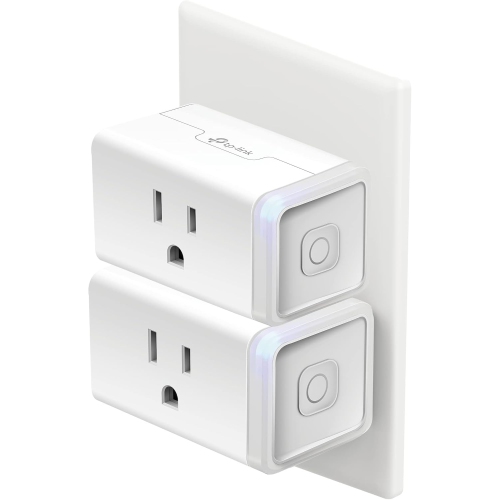
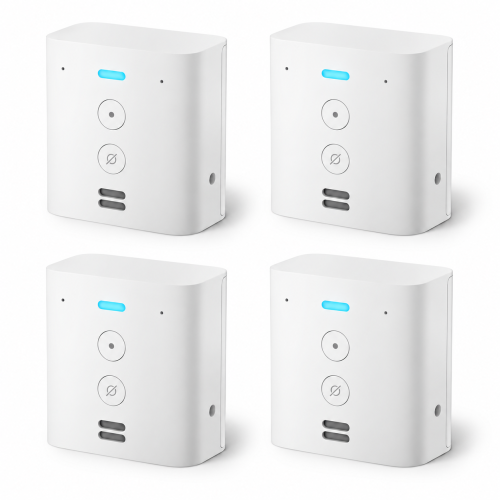
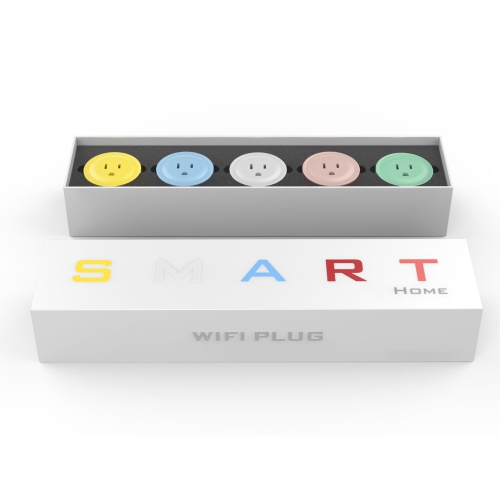
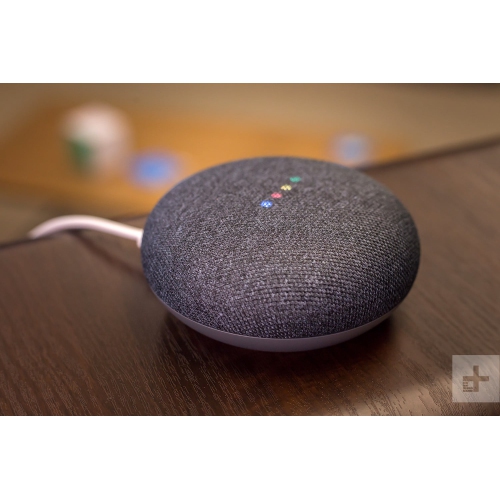
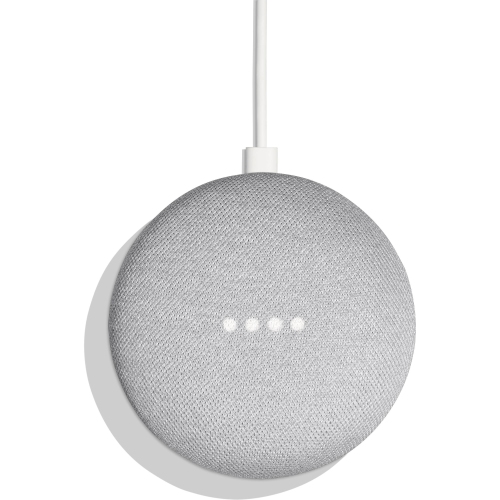
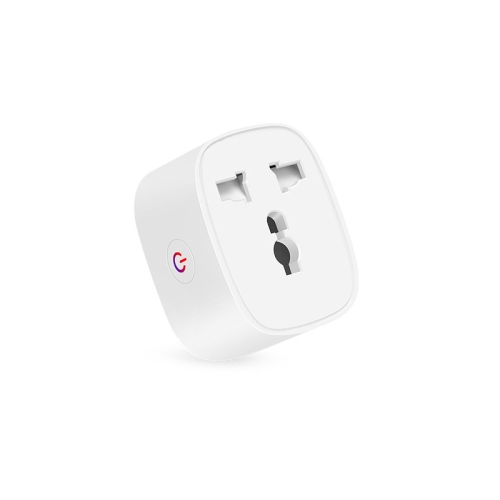
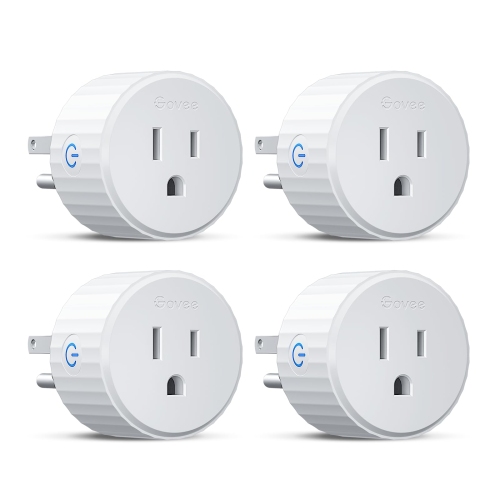
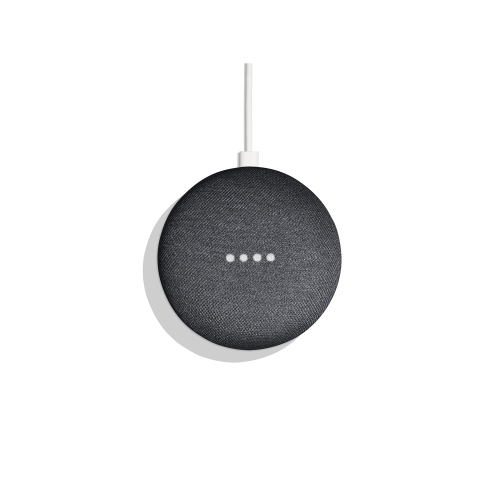
Physical fit matters just as much as wireless compatibility in a room with limited outlets and little spare surface space. Compact smart speakers can provide timers, reminders, and audio without taking over a desktop, while connected lamps can place adjustable light beside a textbook or laptop. Dimming and adjustable colour settings offer different ways to personalize a space, but brightness and light placement remain important for comfortable reading. A soft bedside glow and a focused work light serve different purposes, especially when two people keep different hours. Smart bulbs need the correct base, dimensions, and fixture compatibility; a bulb that fits the socket may still be unsuitable for an enclosed fixture or an existing dimmer. Freestanding lighting can be practical where residence rules prohibit changing fixtures, drilling holes, or attaching accessories to painted walls. For smart plugs, the housing shape and orientation can determine whether the neighbouring outlet stays accessible. The plug’s electrical rating must match the intended load, and connected controls do not make a prohibited appliance acceptable in residence. Many plugs provide basic on-and-off control rather than full control of an appliance’s settings, and an appliance with electronic buttons may not resume operation when power returns. Physical switches and manual controls are helpful backups. Materials and construction also deserve attention when accessories will be packed, moved, and handled frequently. Sturdy bases, well-fitted housings, and accessible controls tend to be more useful than decorative details that crowd a narrow shelf. Plastic housings, metal lamp bodies, and fabric speaker coverings have different cleaning needs, so care should follow the manufacturer’s directions. Keeping liquids away from electrical accessories, disconnecting power before cleaning where directed, and avoiding loose cords across walkways are practical considerations in tight quarters. Cable length and power adapter size can make a noticeable difference around a crowded desk or bedside outlet.
Shared-room use adds another layer to choosing smart home devices for a dorm. A speaker placed between two beds may pick up requests from either person, and spoken reminders or notification sounds can interrupt a lecture recording, a call home, or an afternoon nap. Accessible volume controls, microphone mute options, and adjustable notifications help make connected accessories easier to share. Voice purchasing, linked calendars, and personal messages deserve particular attention when an account is used within earshot of other people. A connected camera is rarely a neutral addition to a shared sleeping or changing space; residence rules, privacy, and everyone’s informed consent matter before any camera or recording feature is introduced. For many students, lighting and simple controls offer useful convenience without adding that concern. Account security is equally relevant on a busy campus. Unique passwords, supported security updates, and multi-factor authentication where offered help protect access, while clear ownership of each device makes it easier to manage a move or a change of roommate. Shared control is most useful when it can be granted deliberately and removed later, rather than relying on a shared password. Everyday routines should also leave room for changing schedules. A light set to brighten before an early class may be welcome on one morning and disruptive on another, so easy adjustments and manual overrides have real value. Timers can help mark a focused reading session, while a bedside control can keep someone from crossing a dark room to reach a switch. Similar considerations apply to Smart Home Devices for Students used in shared apartments and other small living spaces. As a gift, a compact accessory is most useful when it matches the recipient’s phone, residence permissions, and preferred way of controlling it. Portable designs that require no permanent installation are easier to take along when room assignments change. The strongest fit is a setup that respects shared space and earns its place beside the books, chargers, and other daily essentials.
Top selling and popular products
-
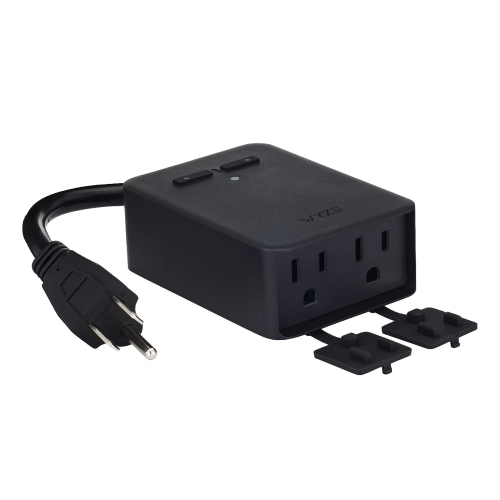 Your price for this item is $72.49
-
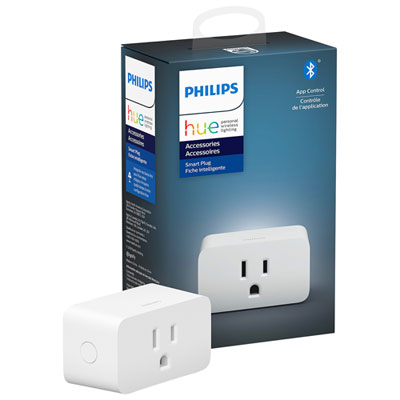 Your price for this item is $31.98
-
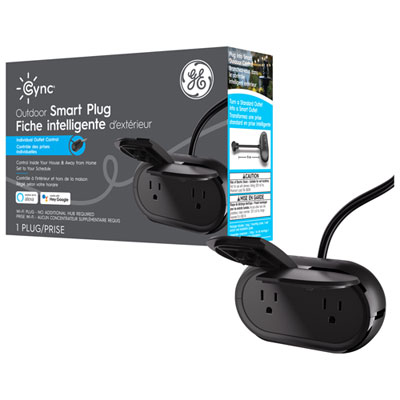 Your price for this item is $36.97
-
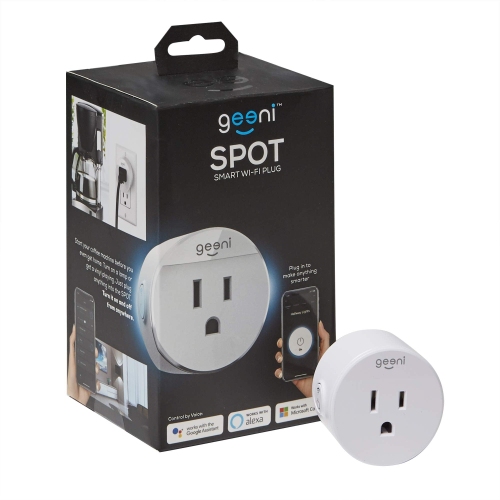 Your price for this item is $62.99
-
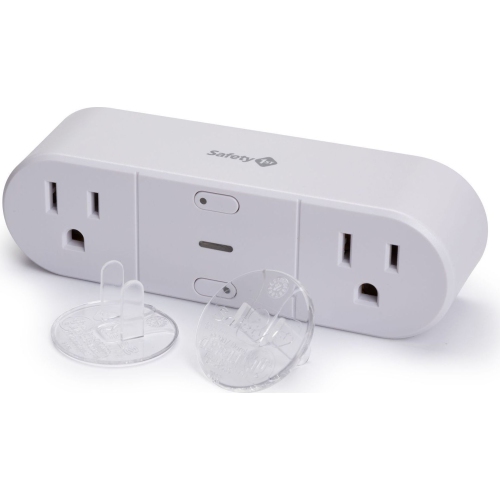 Your price for this item is $24.98
-
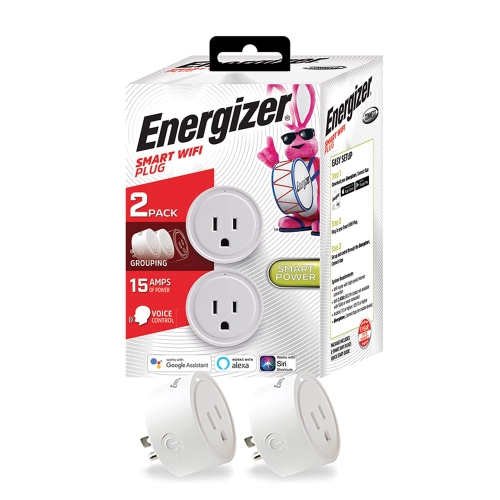 Your price for this item is $45.37
-
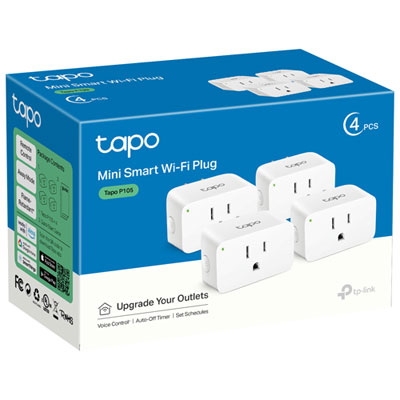 Your price for this item is $34.99
-
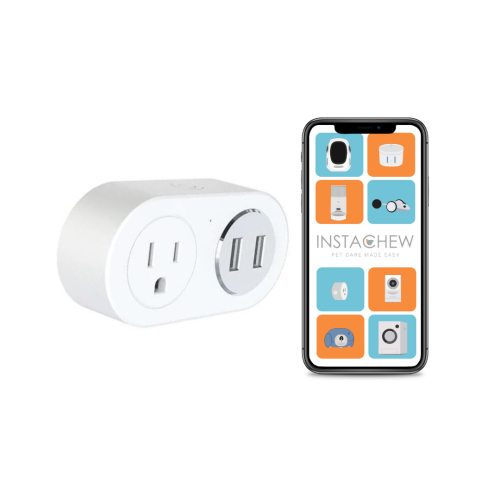 Your price for this item is $24.99
Discover more categories related to Smart Home Devices for Dorm

Top Collections:
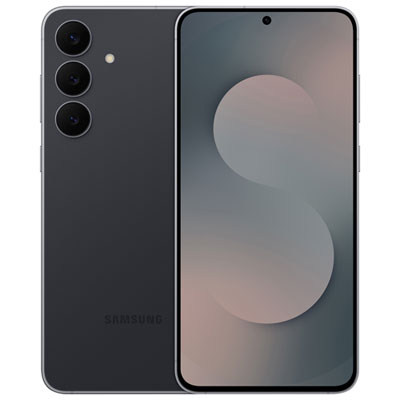
Best Black Friday Deals This Year, Best Black Friday Deals On Electronics, Kindle Devices, Best Black Friday Deals On Apple Products, Best Budget Office Chairs, Best Cameras for Sports Photography, Dyson Airwrap, Canon G7X Cameras, Best Laptops for Writers, Samsung Galaxy Phones
Some products may be subject to Environmental Handling Fees
(EHF) depending on your province.
Learn more about EHFs.