Temperature Sensor Electronics
A temperature sensor is a device that senses the temperature of its surroundings and reports the value to the user. Temperature sensors are used in a wide variety of applications, such as home heating and cooling systems and others. Here are some of the best options available.
Sort



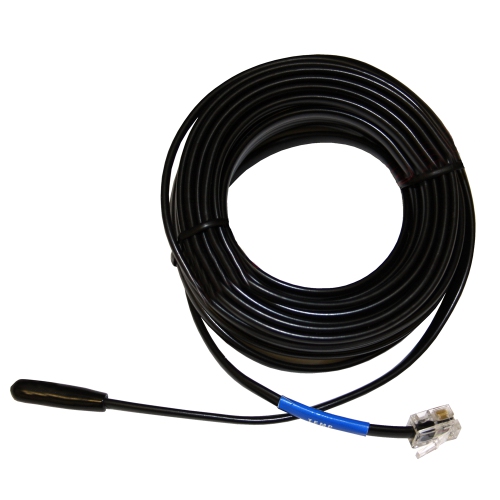

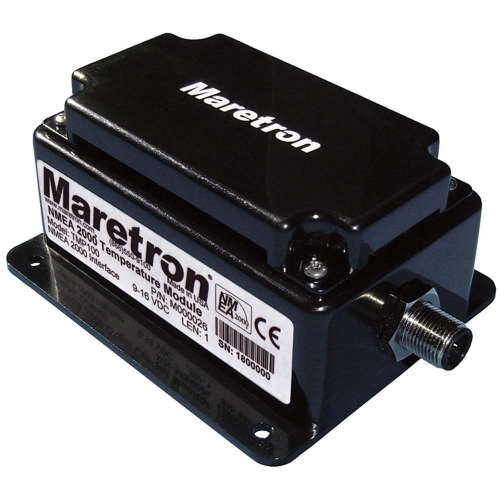
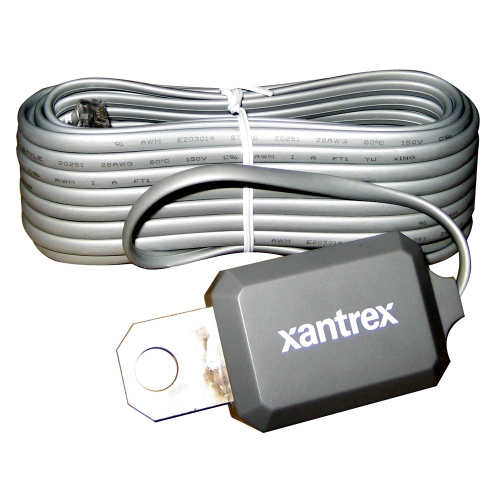
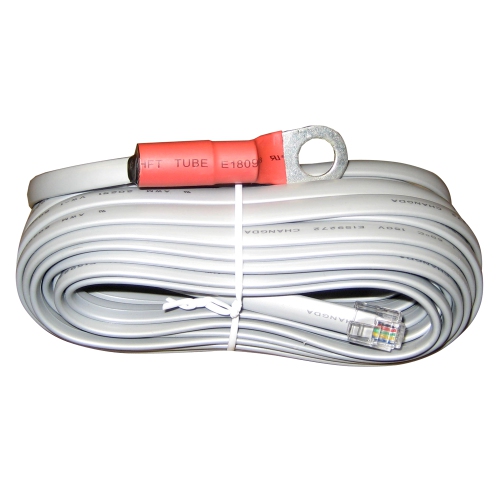

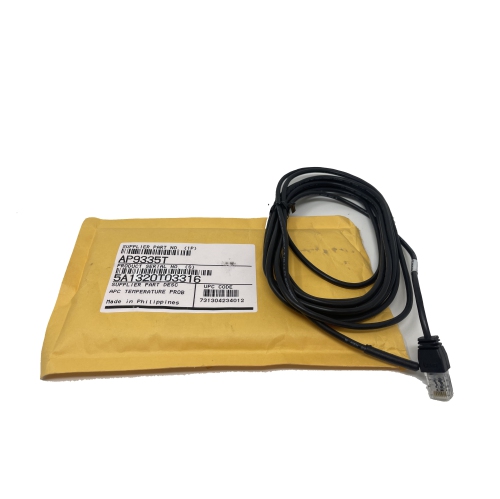
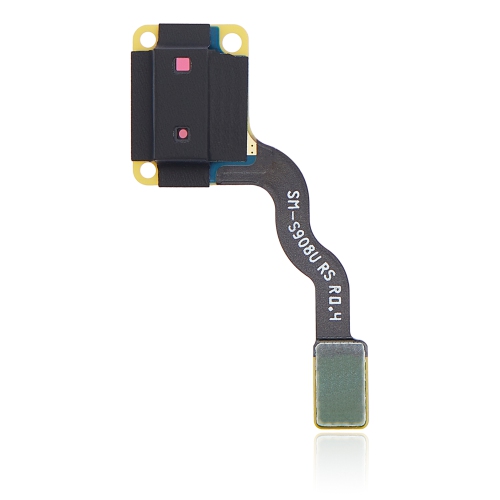
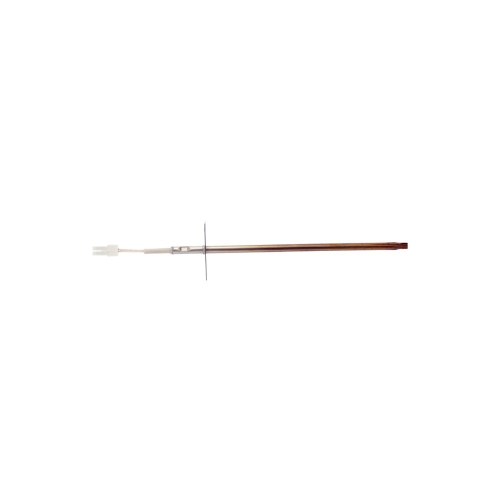
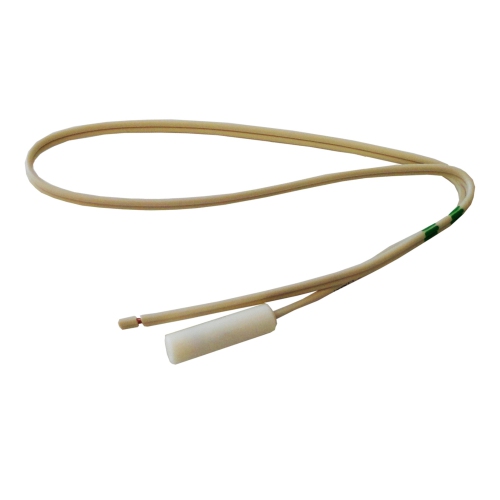
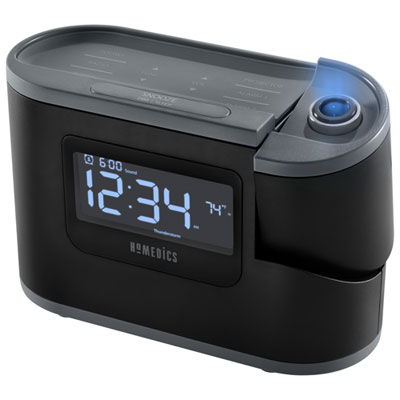
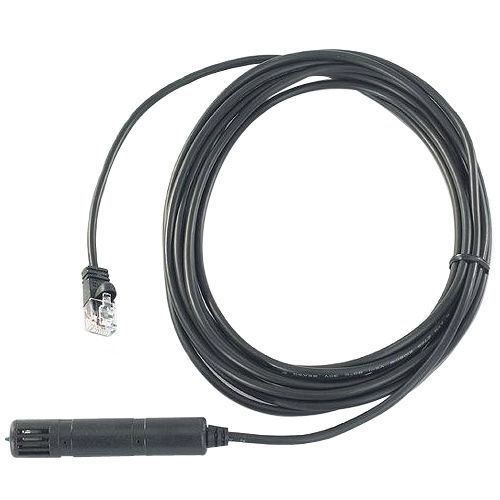
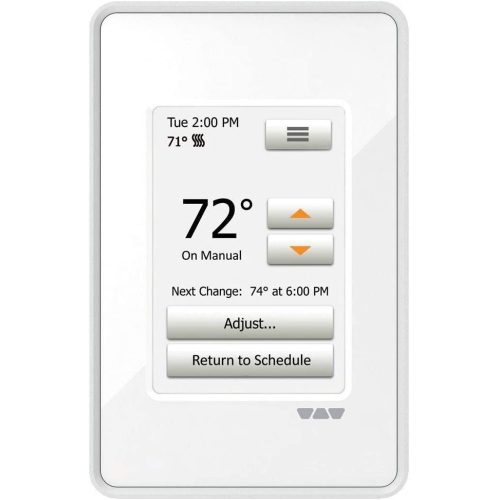

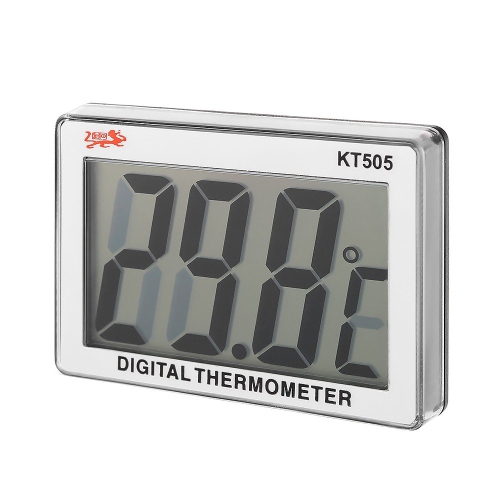
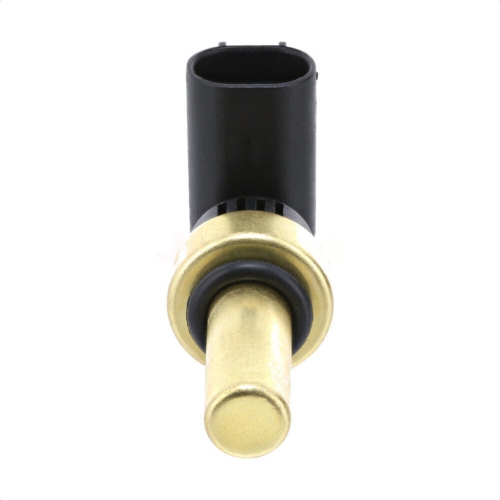
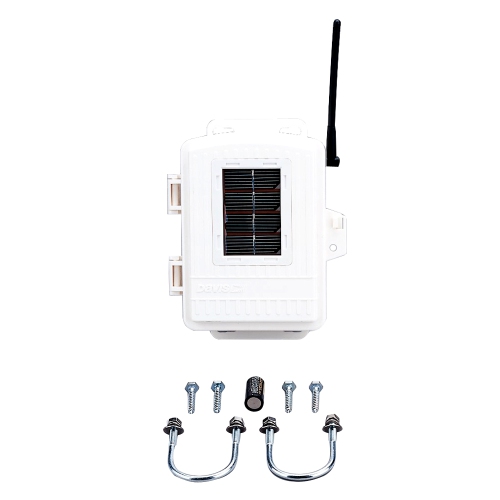
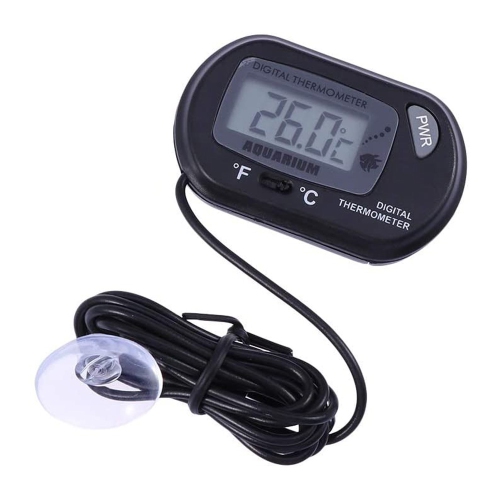
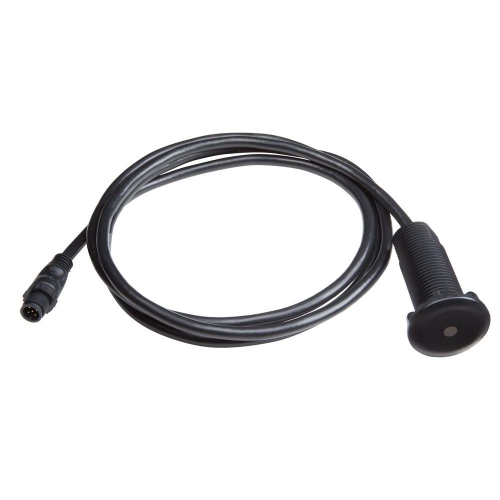

How changing heat becomes useful readings and automated actions
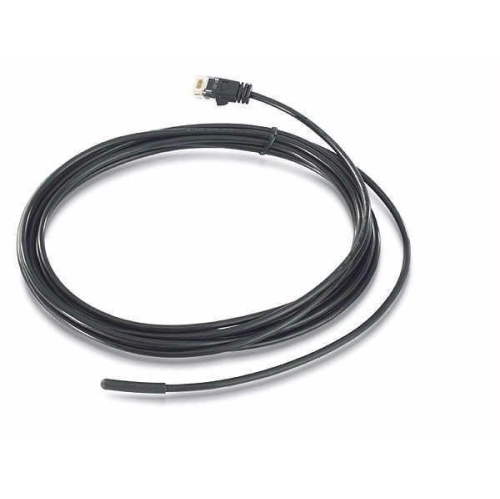
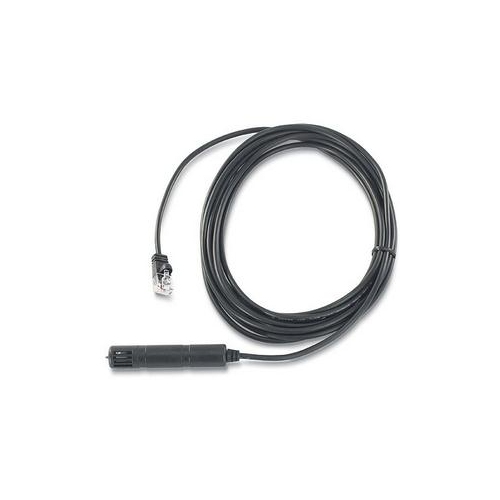
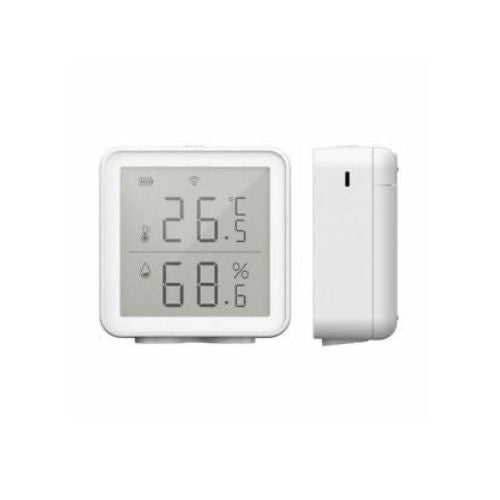
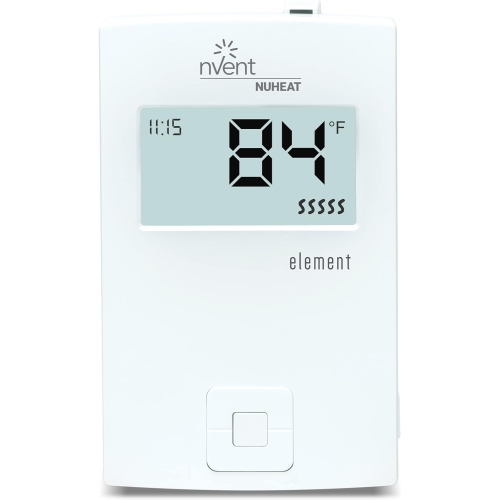
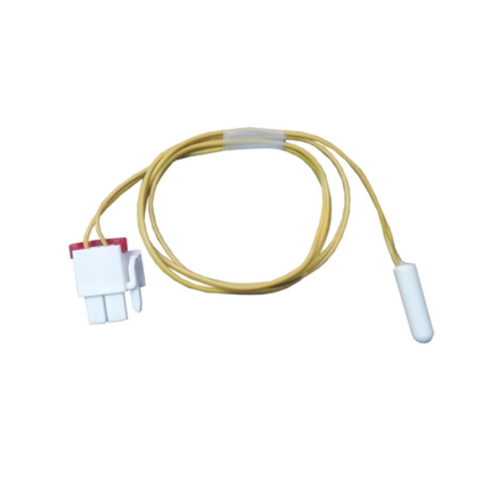
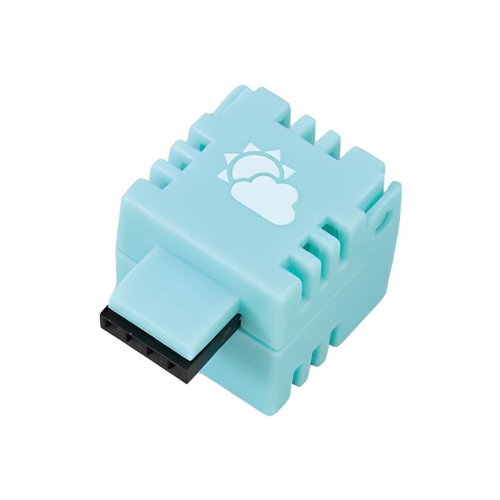
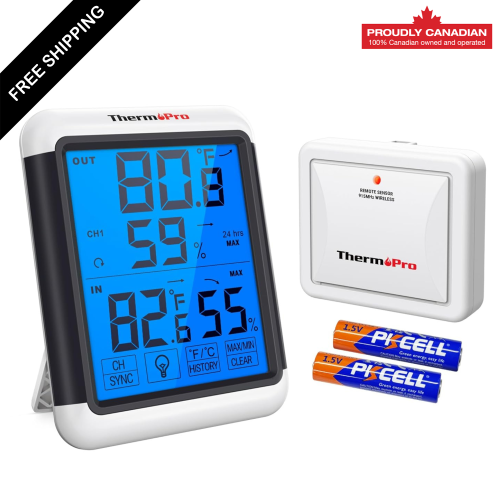
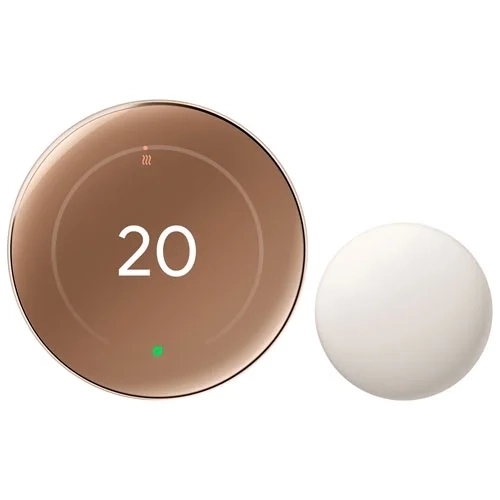
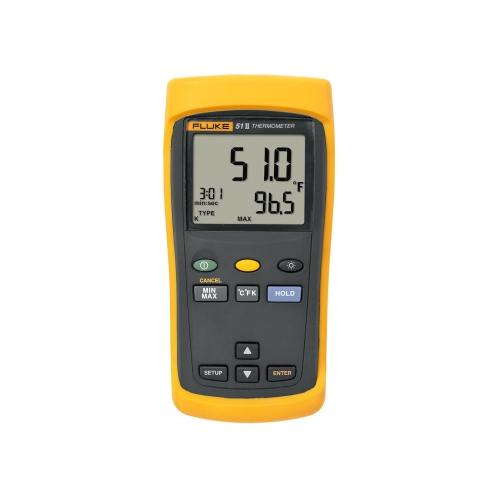
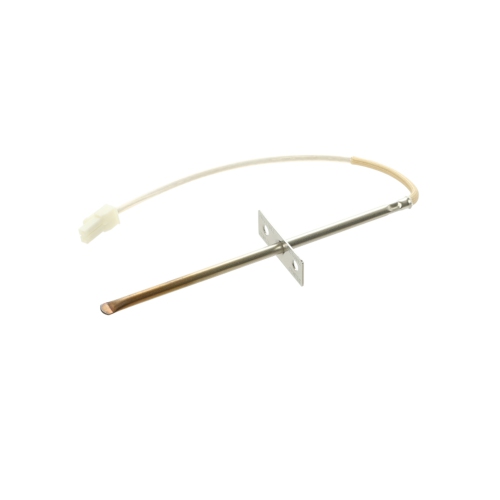
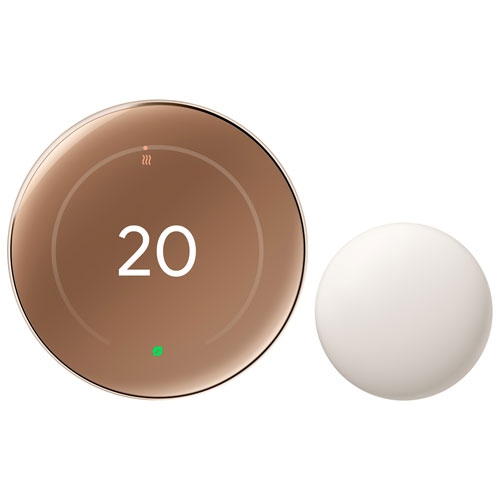
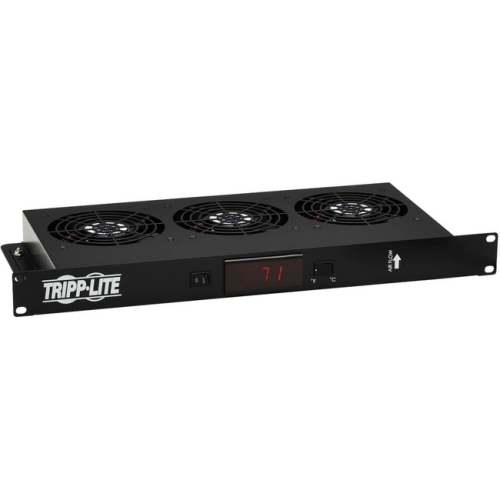
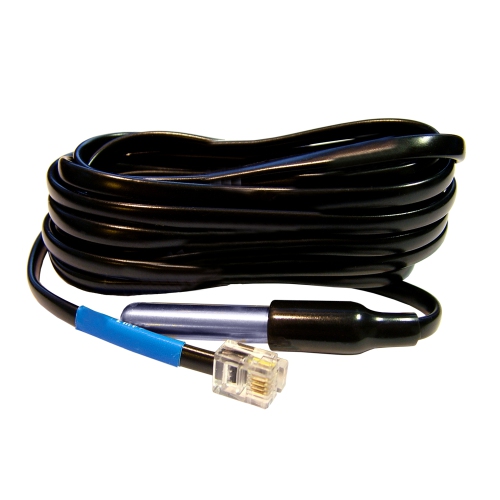
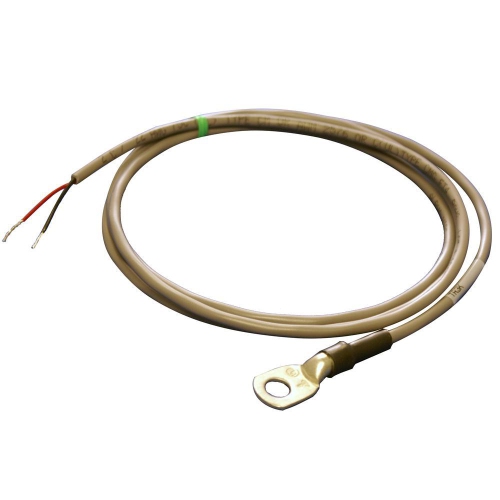
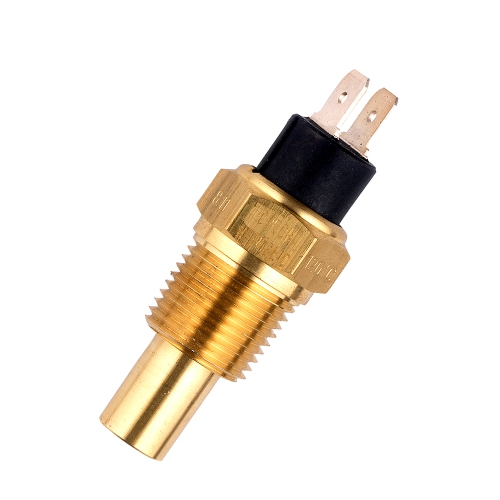
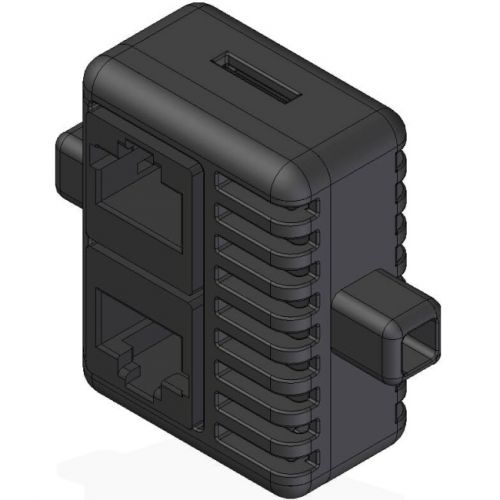
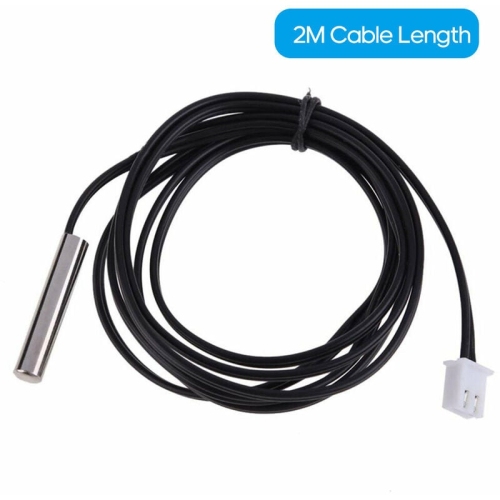
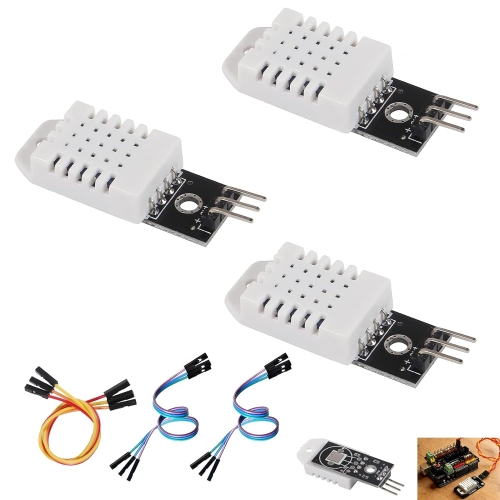
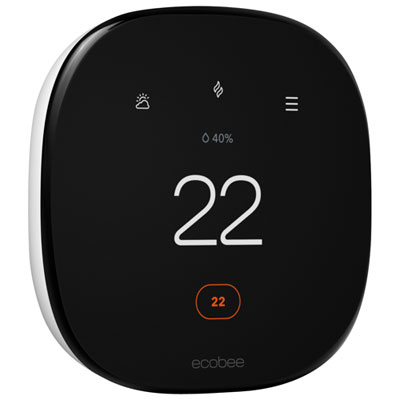
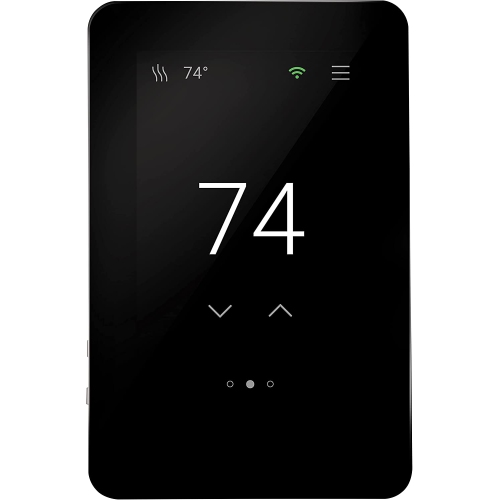
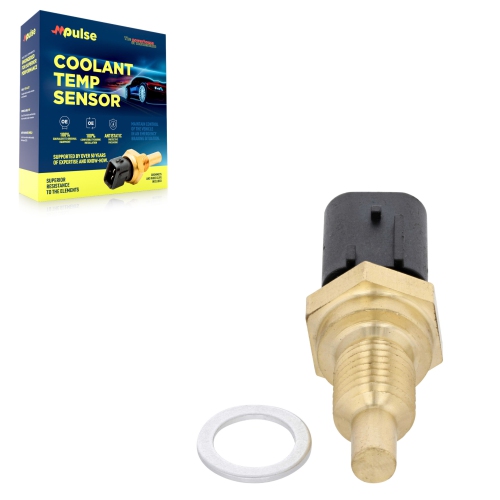
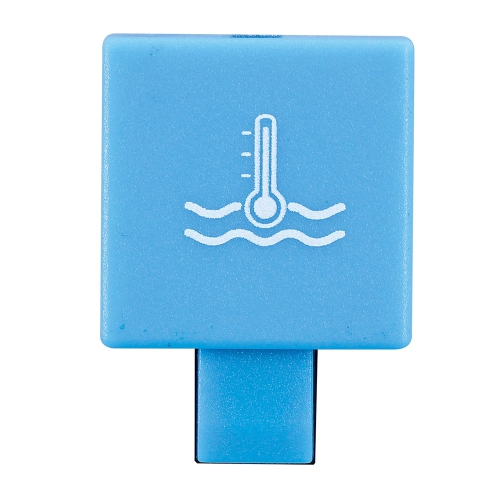
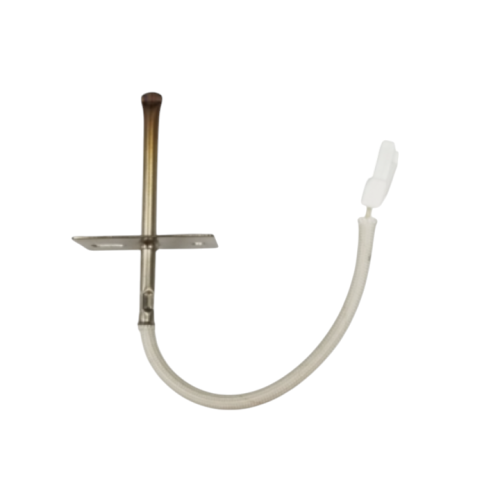
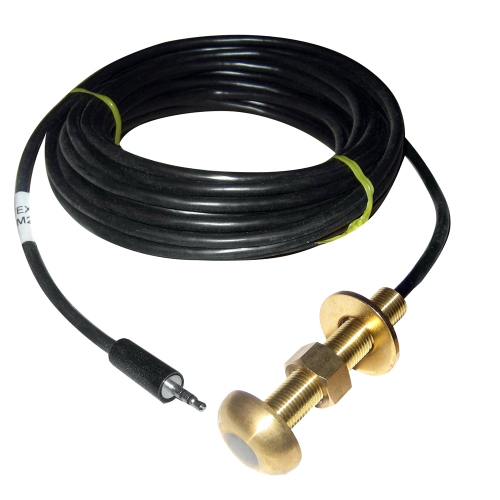
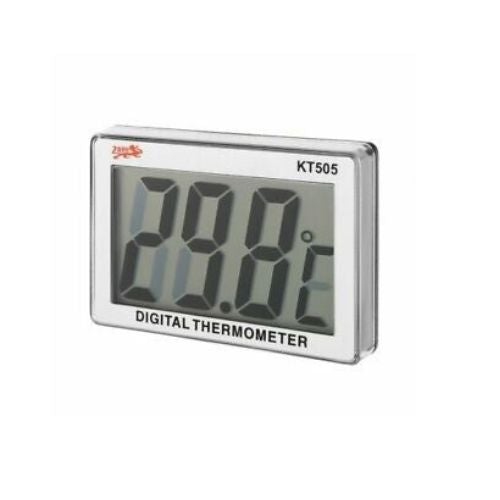
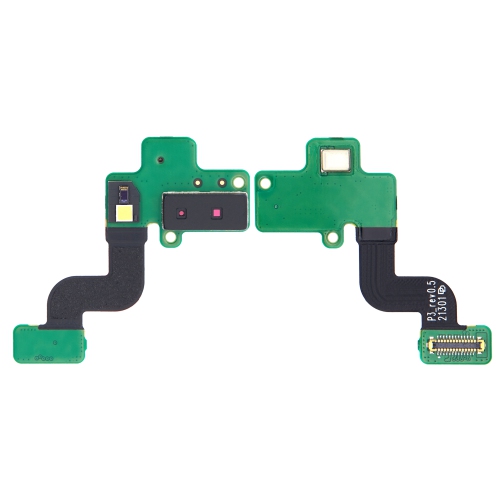
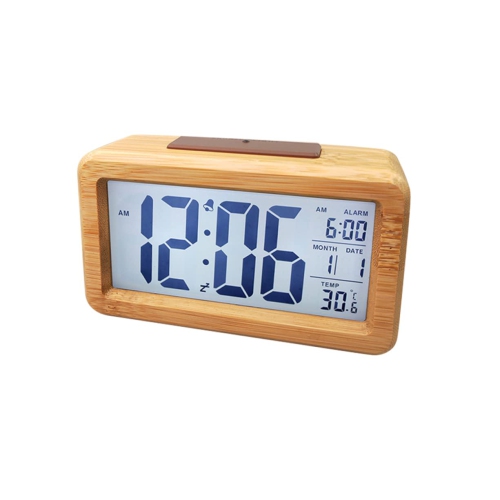
Temperature sensor electronics detect changes in heat and convert them into an electrical signal that can be measured, displayed, recorded, or used to trigger an action. They are found in everyday systems such as home heating controls, refrigerators, ovens, vehicles, computers, battery packs, workshop equipment, and connected home projects. Depending on the design, a sensor may report temperature by changing its resistance, producing a small voltage, or sending an analogue or digital signal to a controller. This makes temperature sensors useful for far more than simply checking whether a room feels comfortable. They can help monitor a brewing process, protect electronics from excessive heat, track the temperature inside a greenhouse, manage a heating element, or provide readings for a custom project built around a microcontroller. When browsing Temperature Sensors, begin by considering the environment and the measurement range rather than choosing based only on appearance or price. A sensor intended for gentle indoor monitoring may not be suitable for a hot appliance, a vehicle compartment, a damp location, or a project exposed to rapid temperature changes. Check the lowest and highest temperatures it can measure, the expected accuracy, the response time, and whether the sensing element is designed for contact, immersion, or air measurement. A probe with a cable can be positioned away from the control board, while a compact board-mounted sensor may be more convenient for room readings or enclosed electronics. Housing, probe material, cable length, and resistance to moisture can also make a noticeable difference when a sensor is installed in a busy workshop, near cooking equipment, or in a space that becomes much cooler during the cooler months.
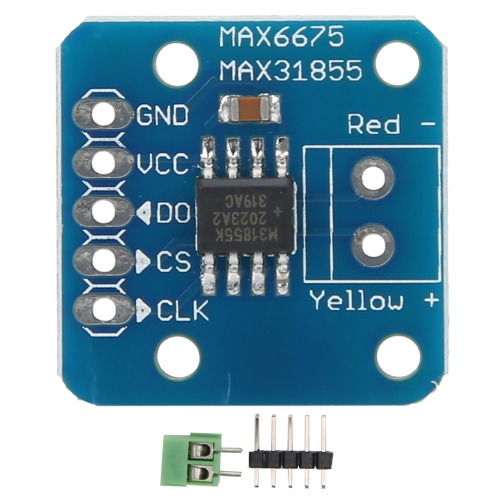
The main sensor technologies each suit different types of work. Thermistors are resistive components whose resistance changes with temperature. NTC thermistors decrease in resistance as they become warmer and are widely used when a practical, responsive reading is needed over a defined range. PTC thermistors increase in resistance as temperature rises and can be useful for protective or limiting functions. RTDs, or resistance temperature detectors, use the predictable change in resistance of a metal element to provide stable, precise measurements; they are often considered when repeatability and accuracy matter more than a very fast response. Thermocouples use two joined metals to generate a small voltage related to the temperature difference between the sensing junction and the reference point. They are well suited to broad temperature ranges and demanding heat-monitoring applications, but the accompanying controller must be compatible with the particular thermocouple type. IC temperature sensors use semiconductor circuitry to provide an analogue voltage or a digital data output, making them convenient for electronics projects and automated monitoring. Before purchasing, confirm how the sensor communicates with the intended equipment. An analogue sensor may require a compatible input and suitable calculation or calibration, while a digital model may use a specific interface and address configuration. Also check operating voltage, connector style, wiring requirements, and whether any supporting components are needed. A sensor that fits neatly into one control system may not connect directly to another, even if both devices display temperature readings. For a first project, clear documentation, an uncomplicated connection method, and an easy-to-read output can be just as valuable as a tighter accuracy specification.
Temperature sensor electronics can be used by homeowners, students, makers, technicians, cooks, gardeners, and anyone who needs dependable information about heat. A home user might place a sensor near a drafty window to compare room temperatures or use one to monitor a storage area that varies sharply between daytime and nighttime. A hobbyist may attach a probe to a microcontroller to create an alert when a fan should start, a component is becoming too warm, or a container reaches a chosen temperature. Students can use sensors to explore resistance, voltage, data logging, and feedback systems in practical experiments. They can also make thoughtful gifts for someone who enjoys building electronics, repairing equipment, automating a workspace, or learning how connected devices work. For gift giving, consider the recipient’s experience level and the type of project they are likely to attempt. A beginner may appreciate a clearly documented sensor with simple connections, while an experienced builder may value a particular probe format, broader operating range, faster response, or compatibility with existing tools. Installation details deserve attention as well. The sensing tip should be placed where it can accurately represent the temperature being measured, without being affected by a nearby heat source, poor airflow, or direct contact with a surface that does not reflect the surrounding conditions. Allow time for the sensor to respond, especially when moving it between environments, and compare its reading with a trusted reference when accuracy is important. In applications involving high heat, mains-powered equipment, vehicles, food, or critical protection systems, follow the manufacturer’s specifications and use appropriate insulation, mounting, and safety procedures. With the right combination of sensor type, range, connection, and placement, temperature sensor electronics can turn an invisible change in heat into useful information that supports comfort, troubleshooting, automation, and creative projects throughout the changing seasons.
The main sensor technologies each suit different types of work. Thermistors are resistive components whose resistance changes with temperature. NTC thermistors decrease in resistance as they become warmer and are widely used when a practical, responsive reading is needed over a defined range. PTC thermistors increase in resistance as temperature rises and can be useful for protective or limiting functions. RTDs, or resistance temperature detectors, use the predictable change in resistance of a metal element to provide stable, precise measurements; they are often considered when repeatability and accuracy matter more than a very fast response. Thermocouples use two joined metals to generate a small voltage related to the temperature difference between the sensing junction and the reference point. They are well suited to broad temperature ranges and demanding heat-monitoring applications, but the accompanying controller must be compatible with the particular thermocouple type. IC temperature sensors use semiconductor circuitry to provide an analogue voltage or a digital data output, making them convenient for electronics projects and automated monitoring. Before purchasing, confirm how the sensor communicates with the intended equipment. An analogue sensor may require a compatible input and suitable calculation or calibration, while a digital model may use a specific interface and address configuration. Also check operating voltage, connector style, wiring requirements, and whether any supporting components are needed. A sensor that fits neatly into one control system may not connect directly to another, even if both devices display temperature readings. For a first project, clear documentation, an uncomplicated connection method, and an easy-to-read output can be just as valuable as a tighter accuracy specification.
Temperature sensor electronics can be used by homeowners, students, makers, technicians, cooks, gardeners, and anyone who needs dependable information about heat. A home user might place a sensor near a drafty window to compare room temperatures or use one to monitor a storage area that varies sharply between daytime and nighttime. A hobbyist may attach a probe to a microcontroller to create an alert when a fan should start, a component is becoming too warm, or a container reaches a chosen temperature. Students can use sensors to explore resistance, voltage, data logging, and feedback systems in practical experiments. They can also make thoughtful gifts for someone who enjoys building electronics, repairing equipment, automating a workspace, or learning how connected devices work. For gift giving, consider the recipient’s experience level and the type of project they are likely to attempt. A beginner may appreciate a clearly documented sensor with simple connections, while an experienced builder may value a particular probe format, broader operating range, faster response, or compatibility with existing tools. Installation details deserve attention as well. The sensing tip should be placed where it can accurately represent the temperature being measured, without being affected by a nearby heat source, poor airflow, or direct contact with a surface that does not reflect the surrounding conditions. Allow time for the sensor to respond, especially when moving it between environments, and compare its reading with a trusted reference when accuracy is important. In applications involving high heat, mains-powered equipment, vehicles, food, or critical protection systems, follow the manufacturer’s specifications and use appropriate insulation, mounting, and safety procedures. With the right combination of sensor type, range, connection, and placement, temperature sensor electronics can turn an invisible change in heat into useful information that supports comfort, troubleshooting, automation, and creative projects throughout the changing seasons.
Top selling and popular products
-
 Your price for this item is $30.59
 -
 Your price for this item is $30.54
 -
 Your price for this item is $38.85
 -
 Your price for this item is $92.99
 -
 Your price for this item is $844.91
 -
 Your price for this item is $909.33
 -
 Your price for this item is $30.62
 -
 Your price for this item is $34.93
Discover more categories related to Temperature Sensor Electronics
Top Collections:
Pokemon Centers, Kindle Devices, Best Budget Office Chairs, Apple iPhones 16, Best Laptops for Writers, iPhone 15 Apple, Canon G7X Cameras, Refurbished Apple Laptops, Alarm Clock, Motorola Razr Phones
Some products may be subject to Environmental Handling Fees
(EHF) depending on your province.
Learn more about EHFs.