Thermostats for Apartments
Thermostats for Apartments offer a convenient way to manage indoor temperatures and create a comfortable living space year-round. With a variety of options designed to fit apartment settings, these thermostats make it easy to adjust heating and cooling preferences to suit your lifestyle. Explore user-friendly controls and sleek designs that blend seamlessly into any apartment décor. Find the perfect solution to enhance comfort and efficiency with Thermostats for Apartments.
Sort
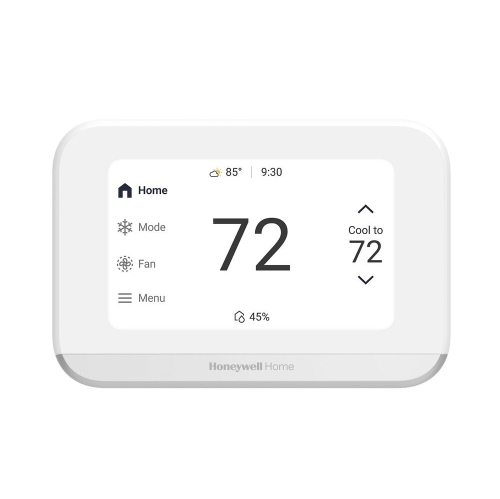
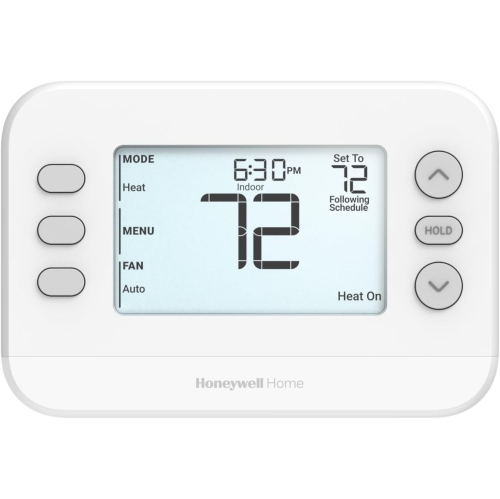
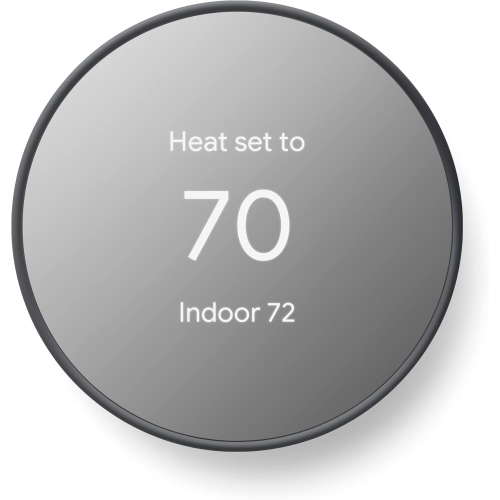

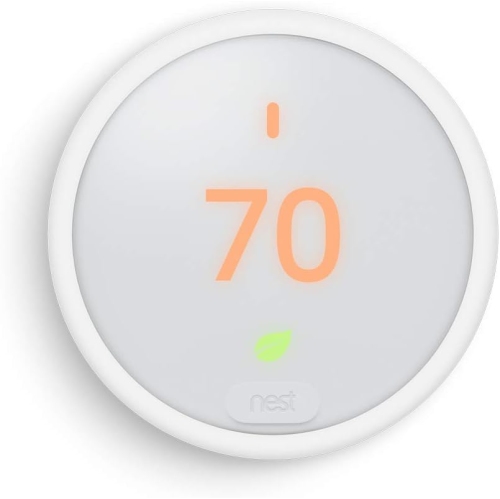
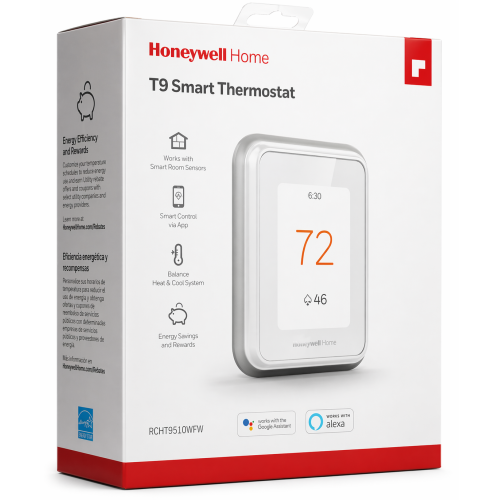
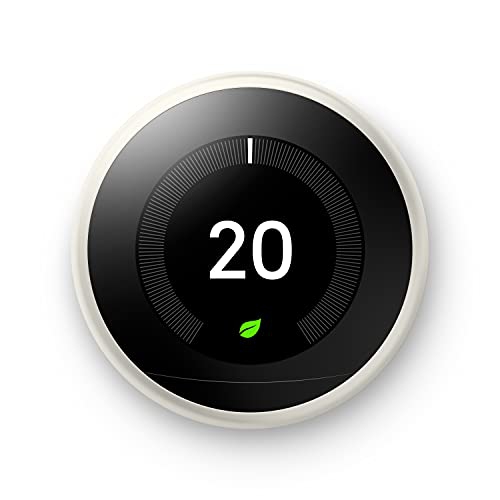
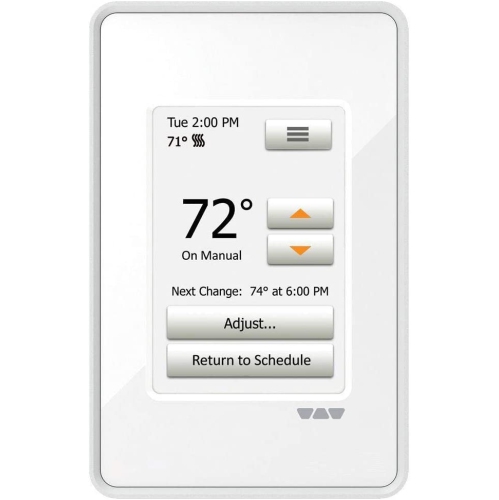
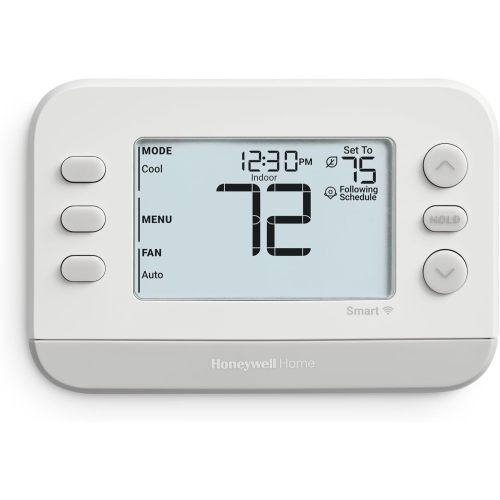
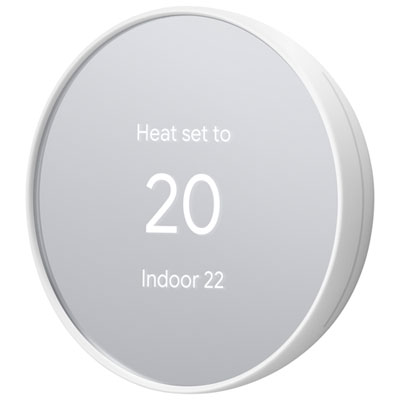
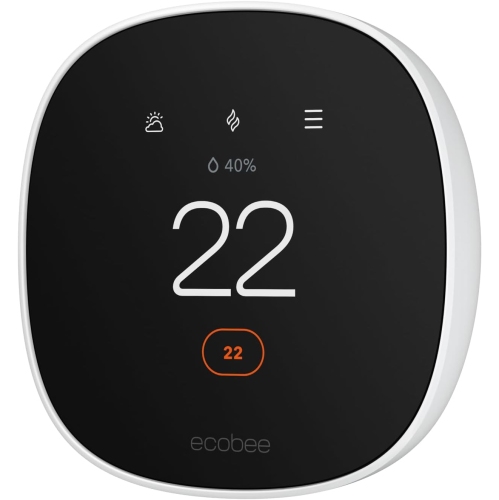
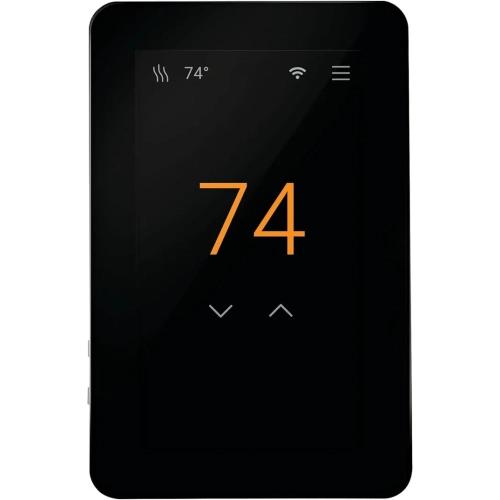
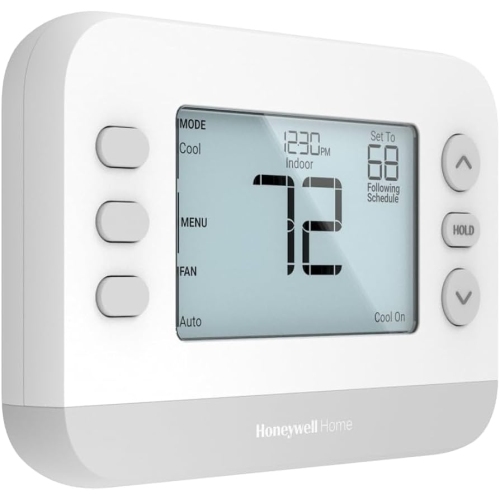
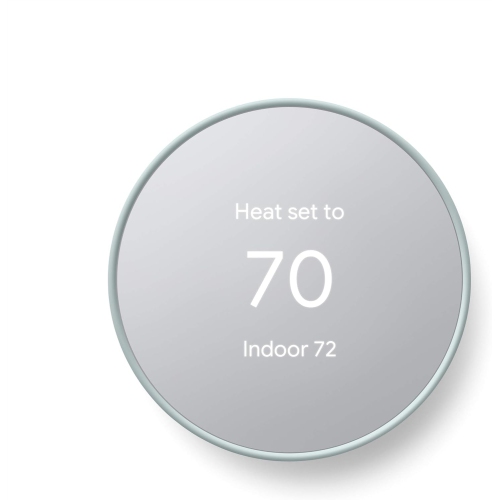

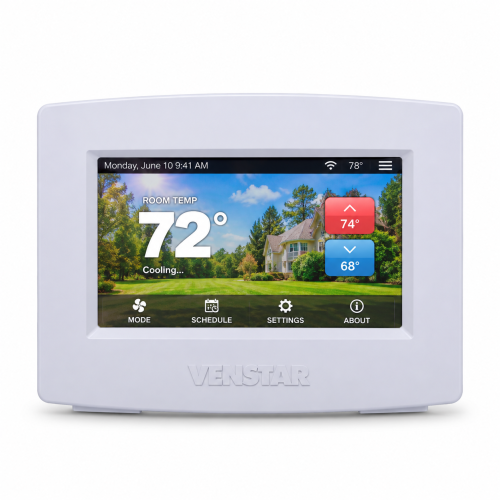
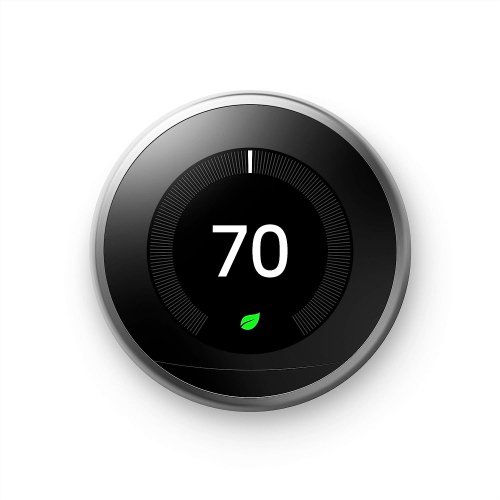
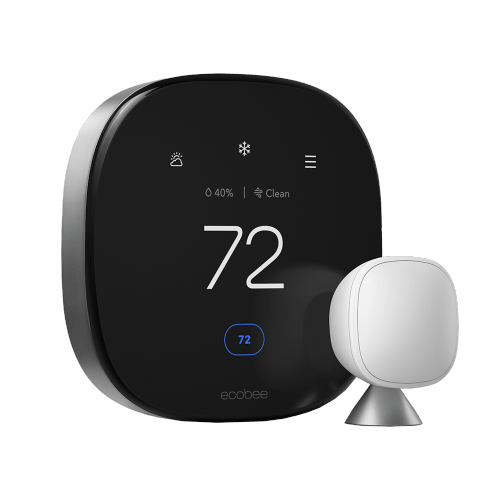
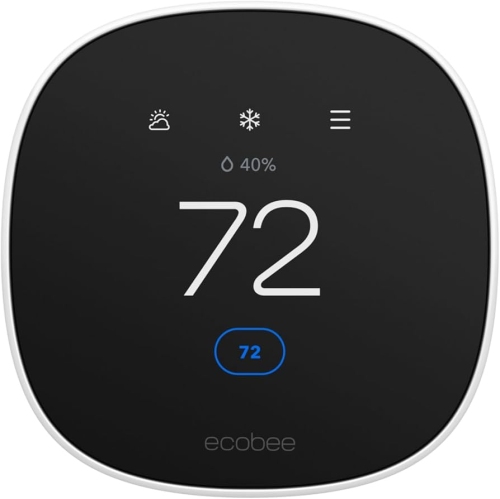
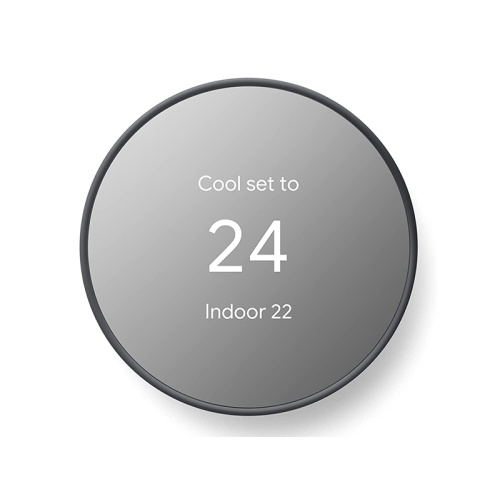
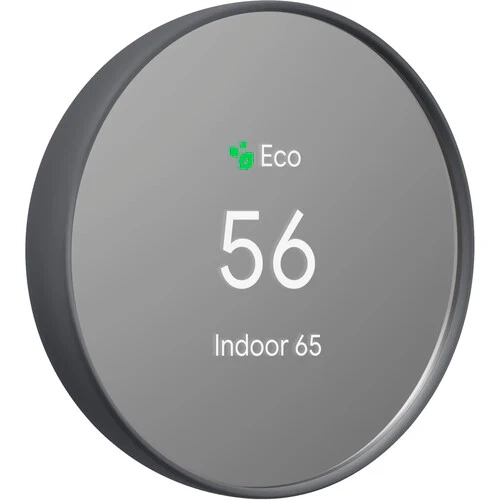
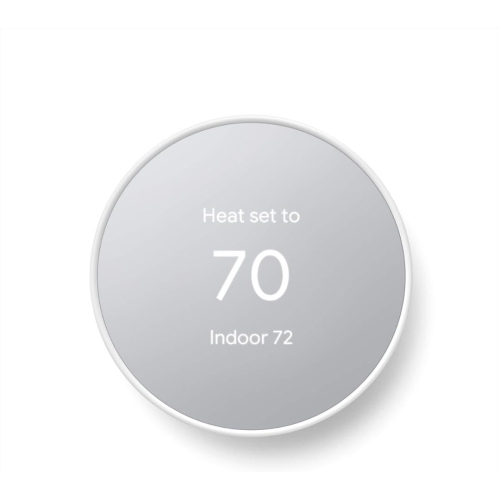
Heating systems and building rules shape thermostat options
Thermostats for apartments need to match the heating or cooling system in the suite, as well as the level of control permitted by the building. Many central heating and air conditioning systems use low-voltage controls, often 24 V, while electric baseboard heaters commonly require line-voltage thermostats rated for 120 V or 240 V. These thermostat types are not interchangeable. Apartments with fan-coil units, heat pumps, hydronic heating, or building-managed equipment can have additional requirements that make compatibility more involved than matching the shape of the existing wall control. Equipment documentation, the existing thermostat’s model information, and confirmation from building management provide useful context when comparing options. A thermostat cannot add cooling to a heat-only system or unlock individual control over equipment managed centrally by the building. Renters generally need permission from their landlord or property manager before replacing a thermostat, while condo owners may also face rules covering equipment connected to shared services. In a suite with electric baseboard heating, separate thermostats may control individual rooms rather than the entire apartment. Where one thermostat controls multiple heaters, its electrical rating must support their combined load. Compatibility also includes the functions a system needs: a heat pump may require support for specific heating stages, while a fan-coil system may need controls for fan speeds and valves. For that reason, a thermostat described as suitable for apartments is not automatically suitable for every apartment. The best fit is a control designed for the installed equipment, with features that suit the household’s routine. A compact studio with one heating zone has different needs from a two-bedroom suite with independently controlled bedrooms and living space. Understanding those differences helps keep the selection focused on useful control rather than features the building’s system cannot support. It also helps set realistic expectations: replacing a wall control may improve scheduling or ease of use, but it will not resolve every issue caused by the heating equipment, airflow, or building-wide operating settings.
Everyday usability is often what separates a suitable apartment thermostat from one that feels frustrating to live with. A straightforward manual control can suit someone who prefers a clear display and simple adjustments, while a programmable thermostat can accommodate recurring work hours, sleep schedules, and time away from home. Flexible daily scheduling is particularly useful in a shared apartment where one resident works regular hours and another has rotating shifts. Easy temporary overrides let someone make an adjustment without having to rebuild the entire schedule. Smart thermostats add connected features that may include app-based adjustments, alerts, voice control, or occupancy-based settings, depending on the model and compatible system. These functions require a closer look at both wiring and connectivity. Some low-voltage smart thermostats need a common wire, often called a C-wire, for continuous power; others use an approved alternative that must also suit the equipment. A Wi-Fi connection alone does not establish compatibility, and some connected controls require a particular network band or cannot work with certain managed building networks. For apartment residents who travel or keep irregular hours, remote access can make it easier to check settings without standing at the wall. For someone who rarely uses an app, large physical buttons and an easy-to-read screen may be more valuable. Display brightness also matters when a thermostat sits near a sleeping area, especially in an open-plan suite where light from the hallway reaches the bed. Supported remote sensors can help certain systems respond to readings from another room, but they do not create separate heating zones or correct uneven airflow by themselves. An apartment resident furnishing a dedicated work area can also explore Thermostats for Office, keeping the suite’s equipment and permitted controls in mind. Across these options, clear scheduling, accessible controls, and predictable operation tend to matter more than a long feature list.
Physical fit, installation, and care deserve as much attention as connected functions. Apartment thermostats often use plastic housings, sometimes paired with glass-faced displays or touch-sensitive controls. A smooth surface is easy to wipe clean, while clearly separated buttons can be easier to use by touch than a flat screen. Someone with reduced vision may prefer large numerals and strong contrast; someone with limited hand dexterity may find a larger dial or well-spaced buttons more comfortable. The thermostat’s footprint also affects how neatly it replaces an older control. A smaller faceplate can reveal unpainted wall, old screw holes, or marks around the previous unit, while a compatible trim plate may help cover them. Behind the faceplate, the mounting arrangement, electrical box, wiring, and available space must suit the replacement. Line-voltage installation should be handled by a qualified electrical professional, with all work meeting applicable local requirements and building rules. Placement affects performance, too: direct sunlight, nearby appliances, a draught from a doorway, or furniture blocking air movement can influence the reading at the thermostat. A control tucked behind a tall bookcase may not reflect how the seating area actually feels. Where relocation is permitted, an installer can assess a more representative position rather than treating a new thermostat as a cure for a poor location. Routine care is generally simple: gentle dusting and cleaning according to the manufacturer’s directions help keep the screen and controls usable, without spraying liquid into openings. Battery-powered models also need periodic battery replacement as specified. For connected thermostats, account security and household access are practical considerations, particularly in shared rentals. When moving out, residents should follow the agreed arrangements for the installed control and remove personal account access where appropriate. A well-matched apartment thermostat should feel unobtrusive in daily life: readable at a glance, comfortable to adjust, and dependable within the limits of the system it controls.
Top selling and popular products
-
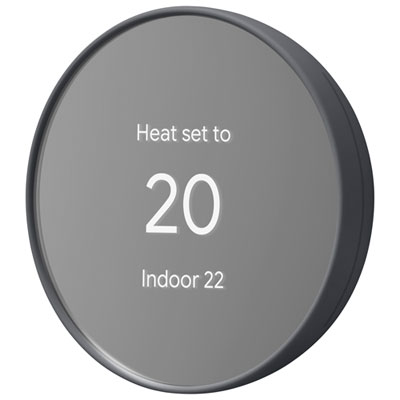 Your price for this item is $125.99
-
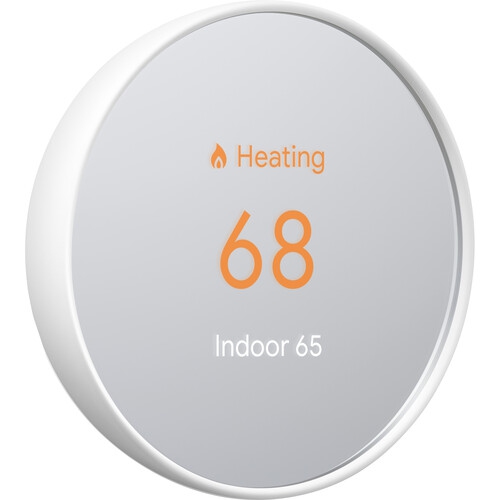 Your price for this item is $249.99
-
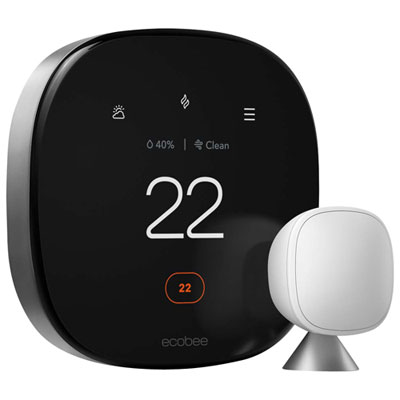 Your price for this item is $249.98
-
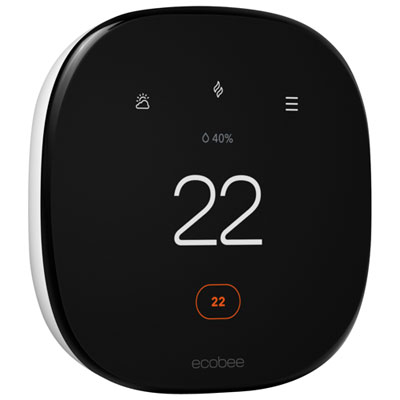 Your price for this item is $188.98
-
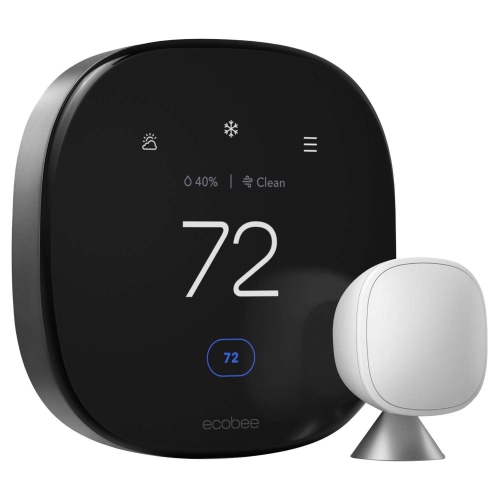 Your price for this item is $229.99
-
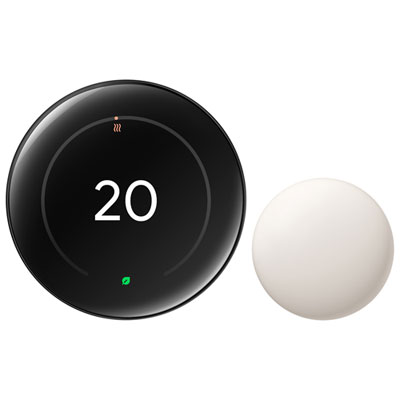 Your price for this item is $299.99
-
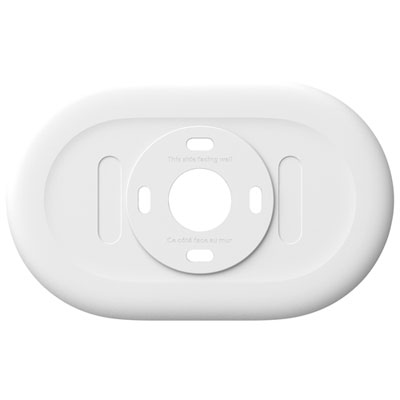 Your price for this item is $19.99
-
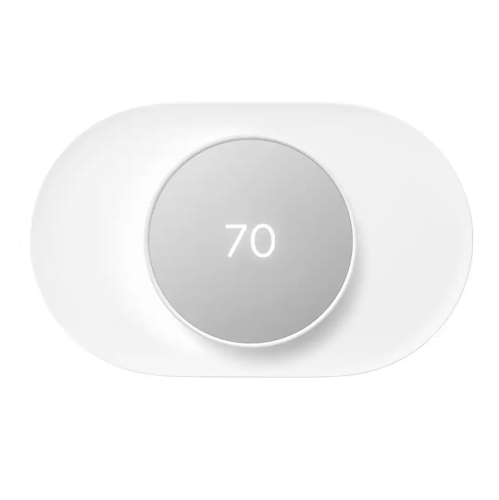 Your price for this item is $18.98
Discover more categories related to Thermostats for Apartments
Top Collections:
Best Black Friday Deals This Year, Best Black Friday Deals On Electronics, Kindle Devices, Best Black Friday Deals On Apple Products, Best Budget Office Chairs, Best Cameras for Sports Photography, Dyson Airwrap, Canon G7X Cameras, Best Laptops for Writers, Samsung Galaxy Phones
Some products may be subject to Environmental Handling Fees
(EHF) depending on your province.
Learn more about EHFs.