Light Bulb 2700k
A light bulb 2700k is one of the most common household items, and it's also one of the most important. A good light bulb can last for years, so it's worth spending some time and energy to find the right one for your needs. These also give warmer colors of light because of their 2700k indicator. Here are some of the best options for light bulbs 2700k on the market today.
Sort


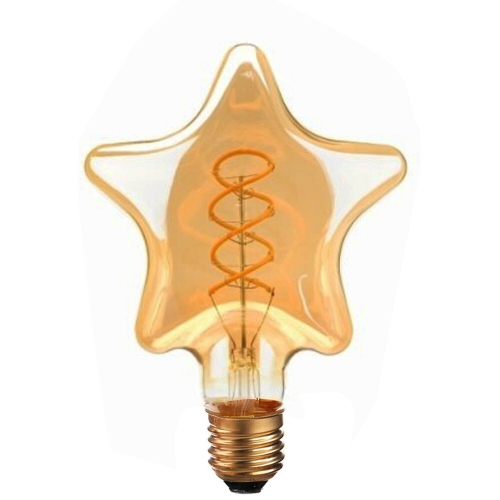

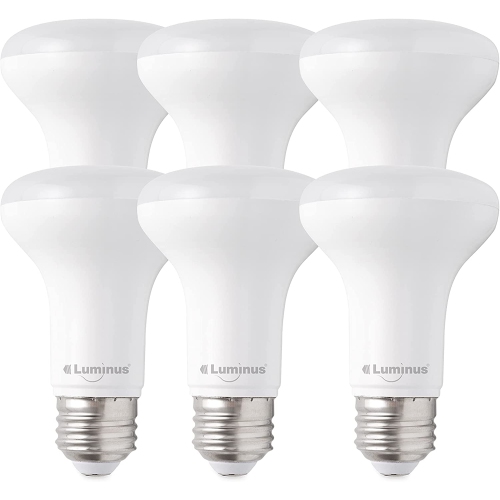
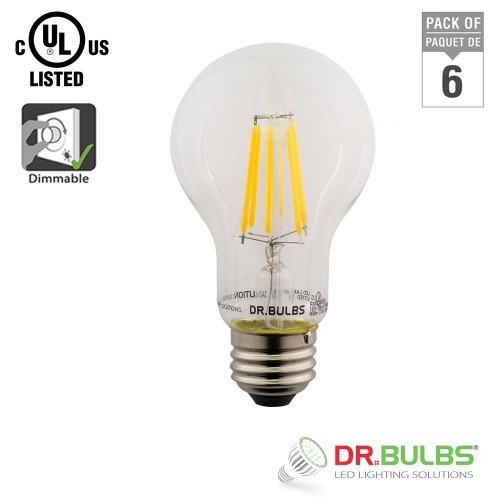

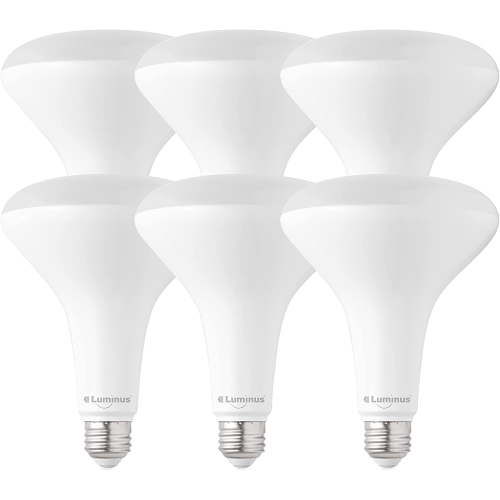
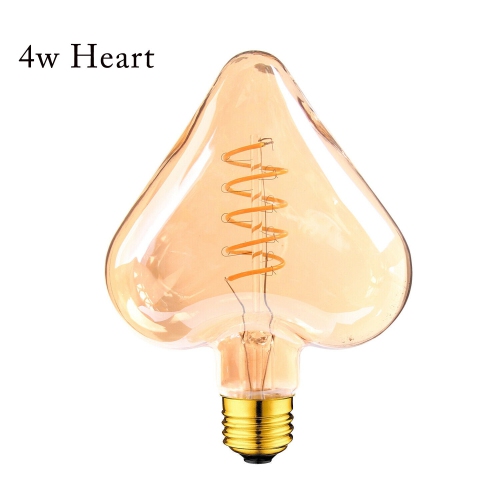


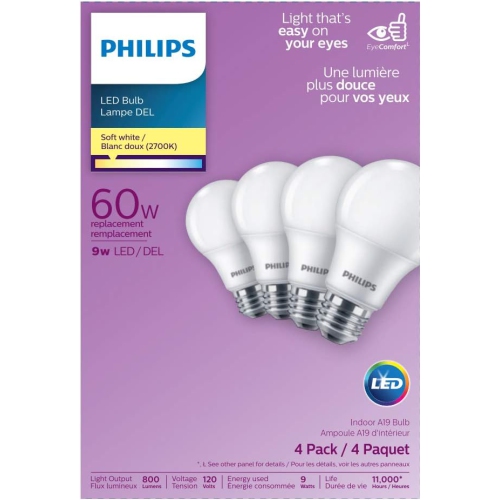
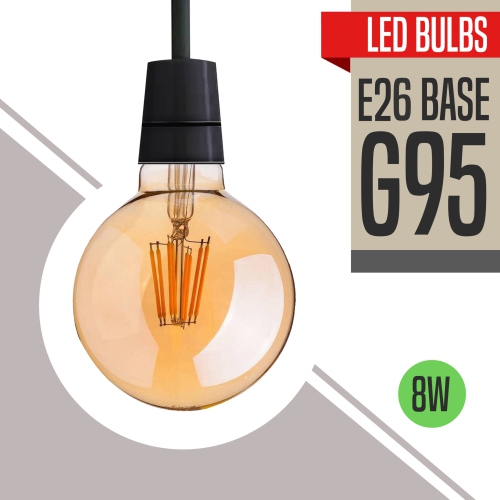

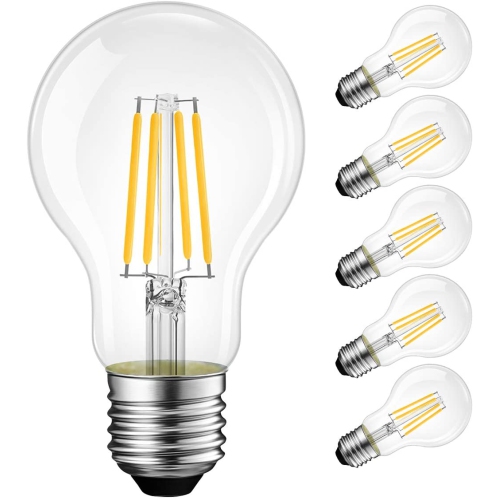


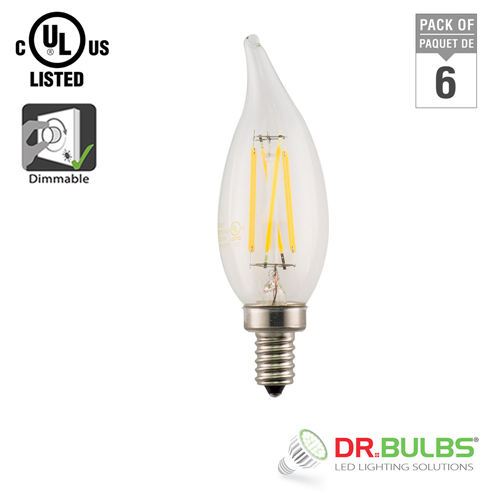


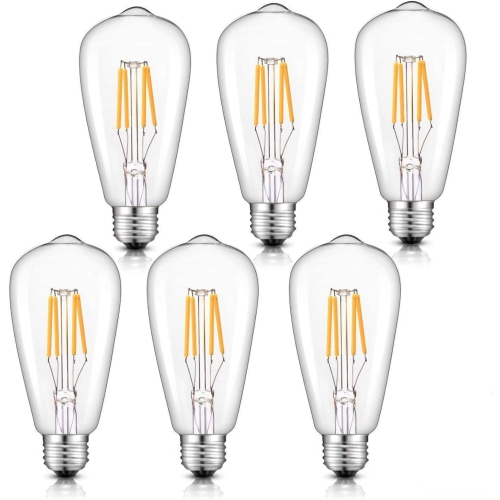


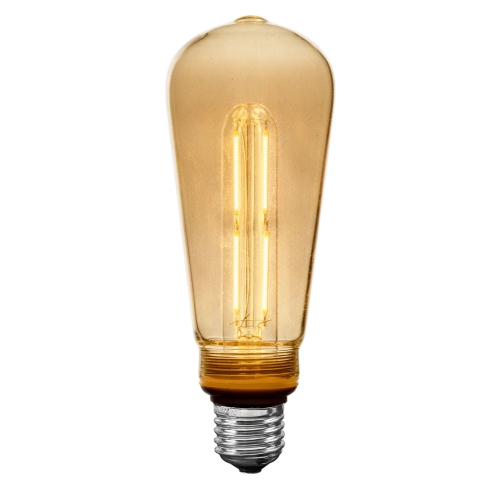


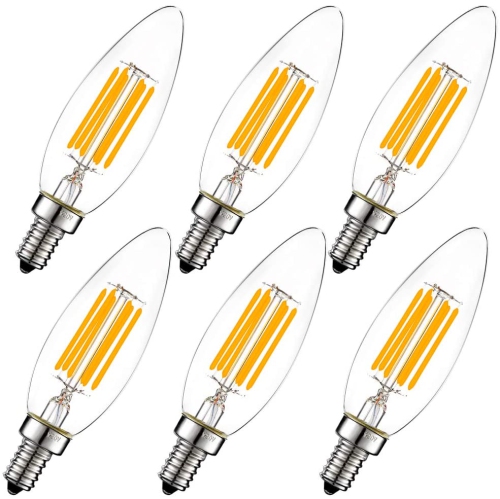

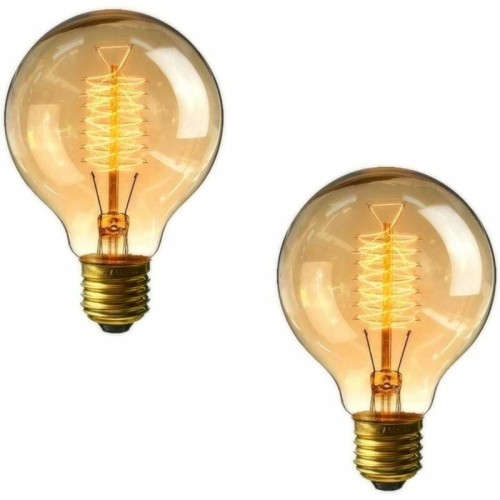
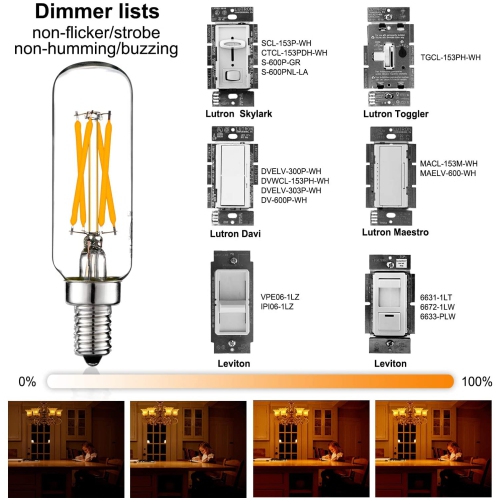

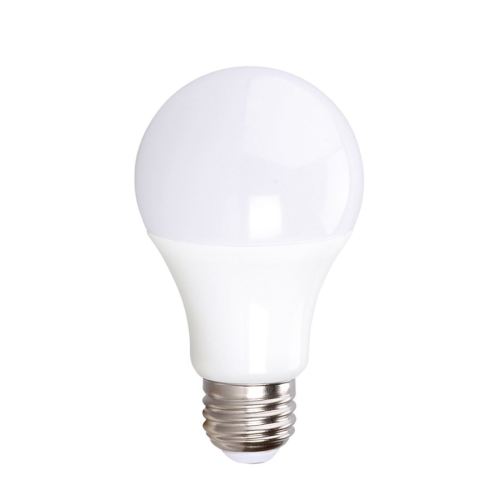

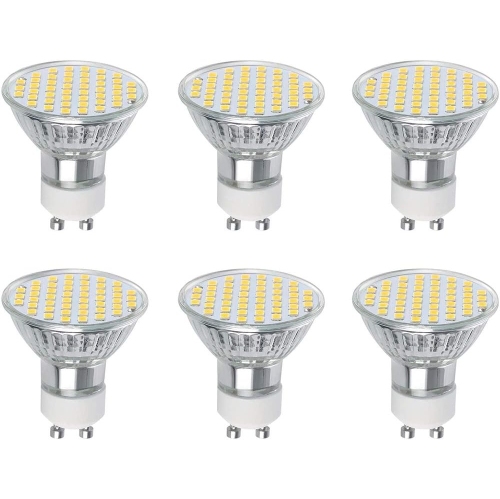

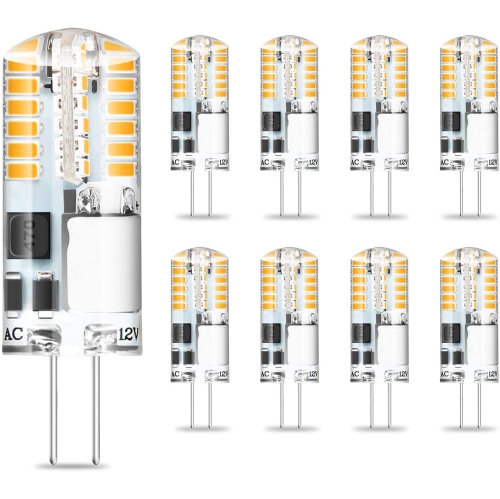

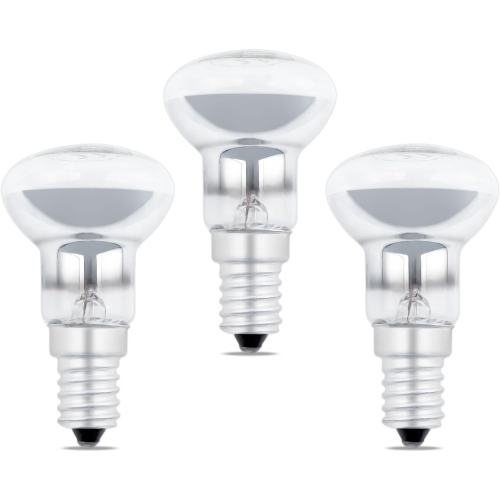


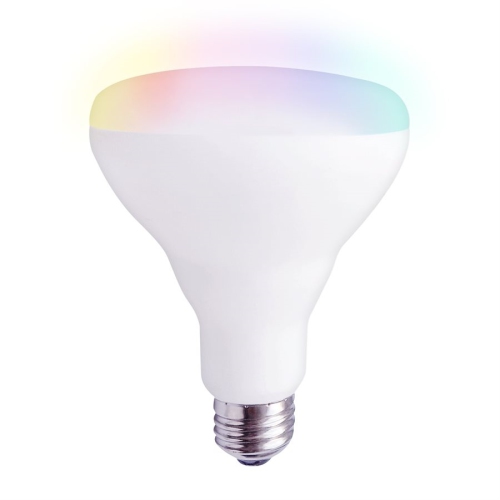
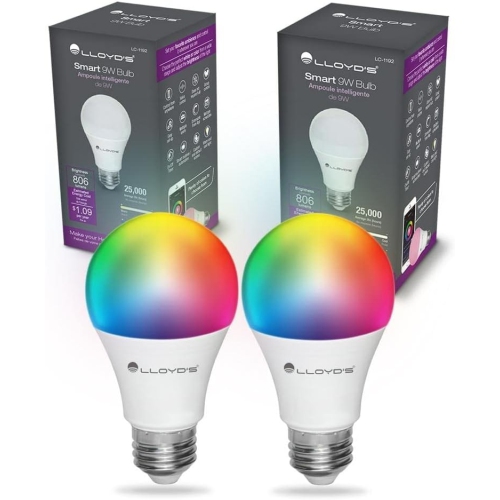
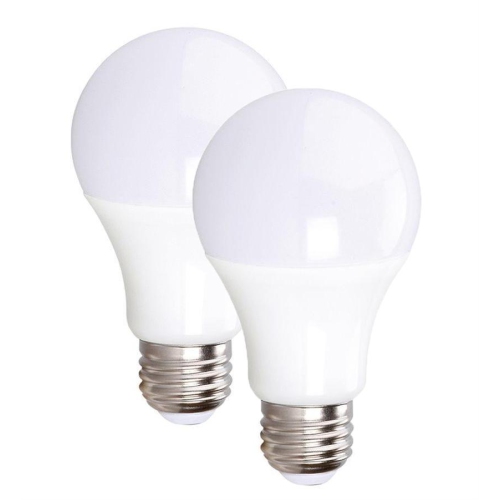

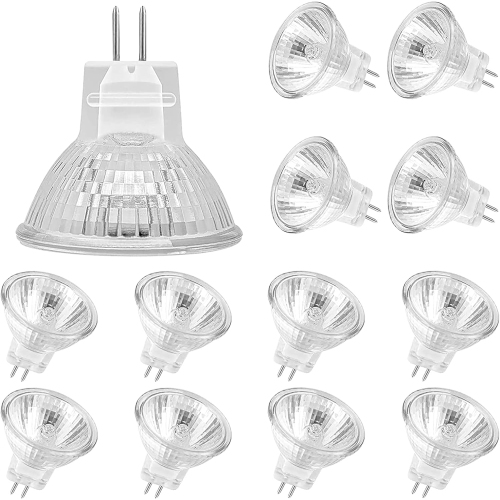

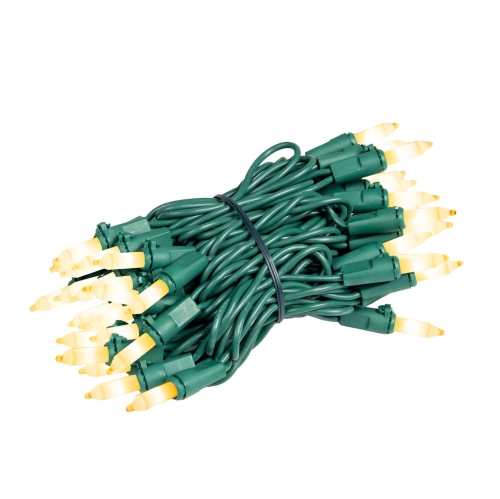
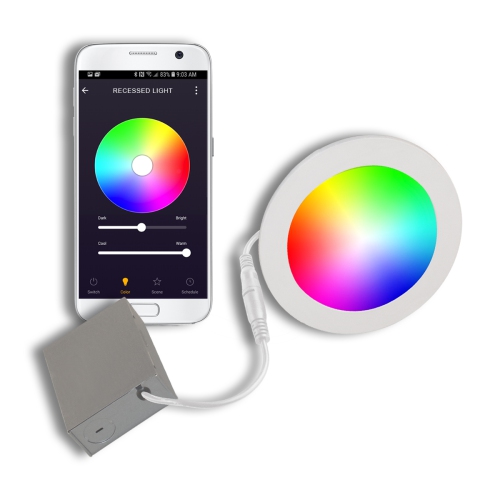


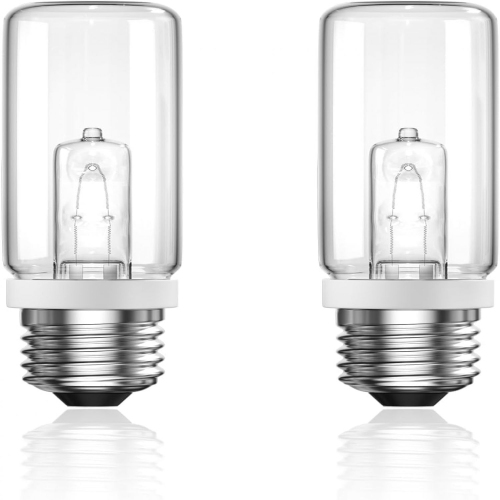


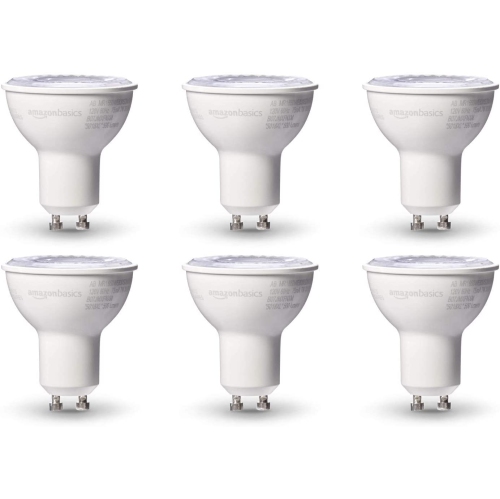


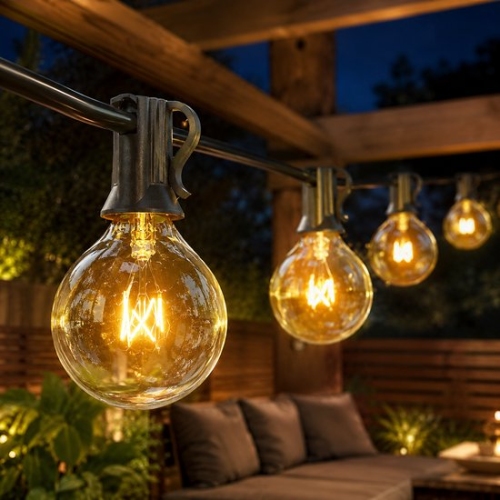

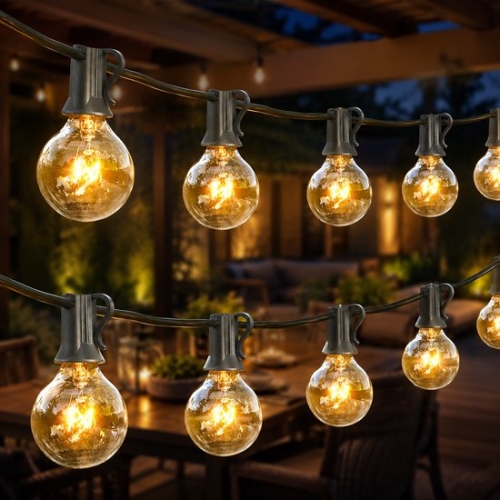
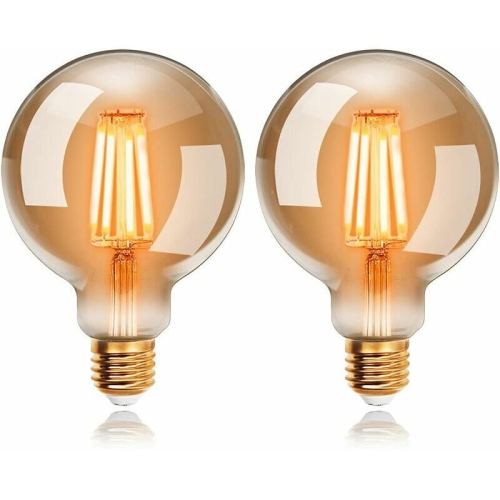


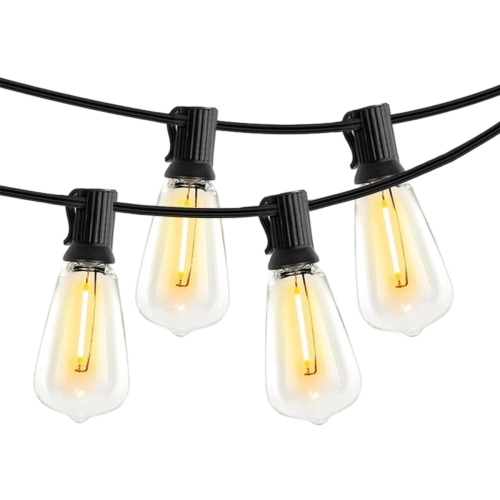


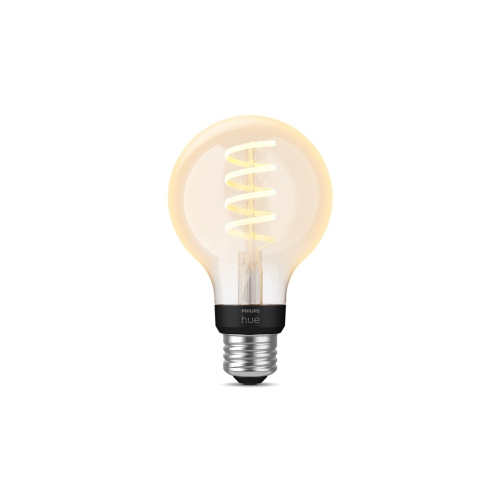

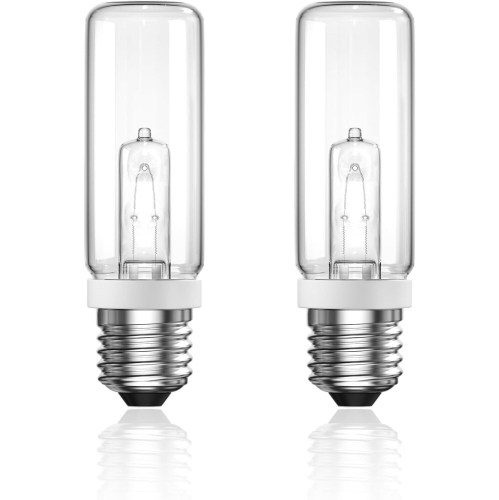

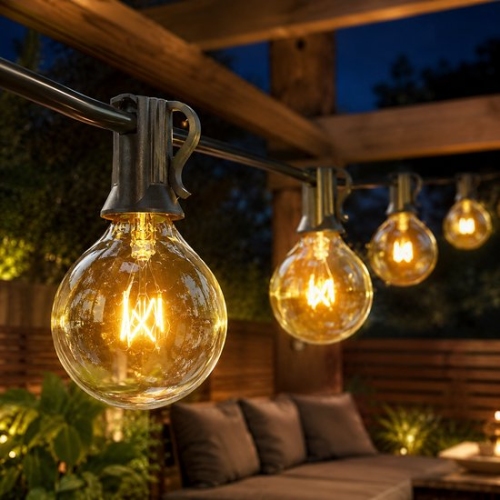
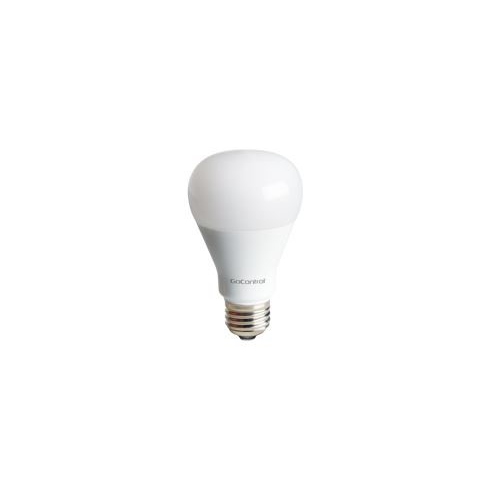
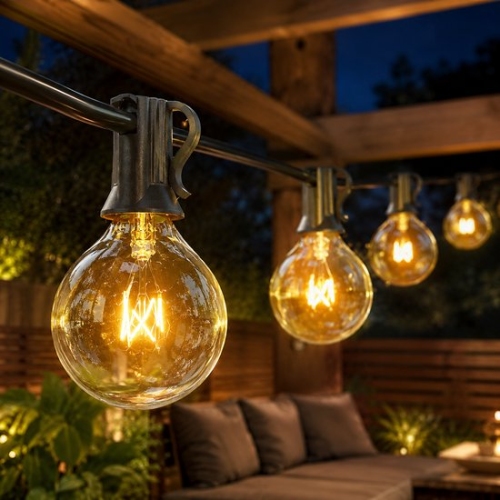
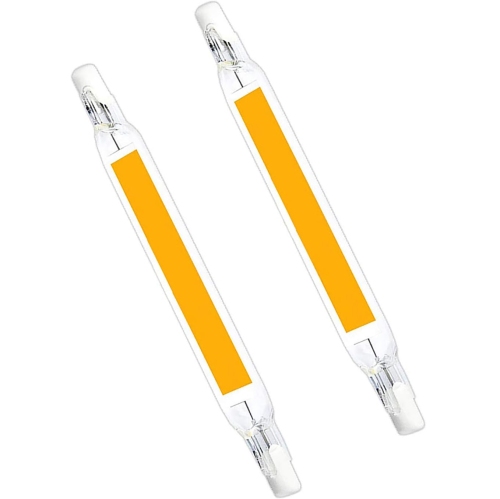


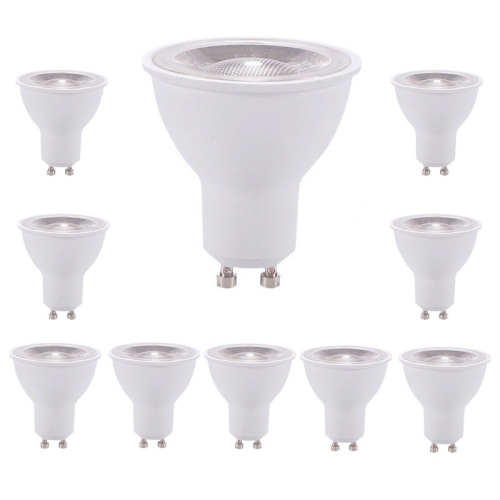


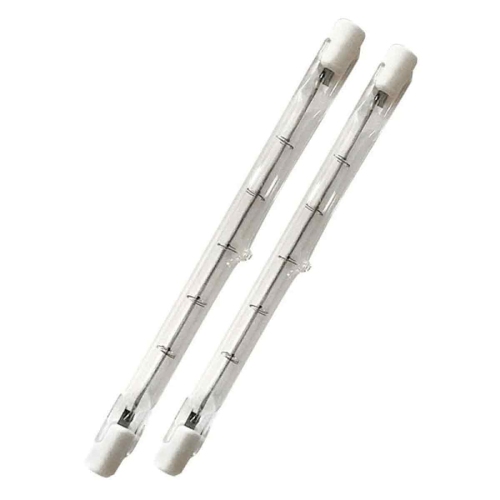
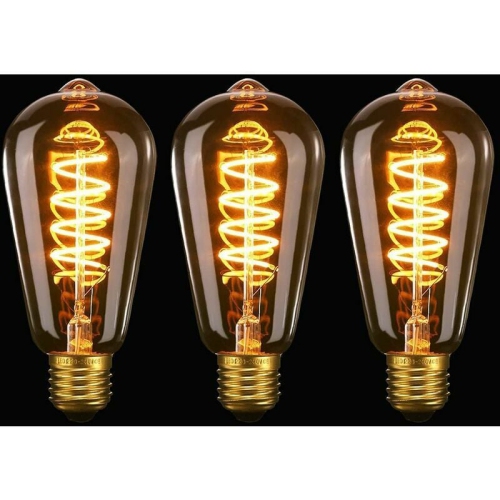


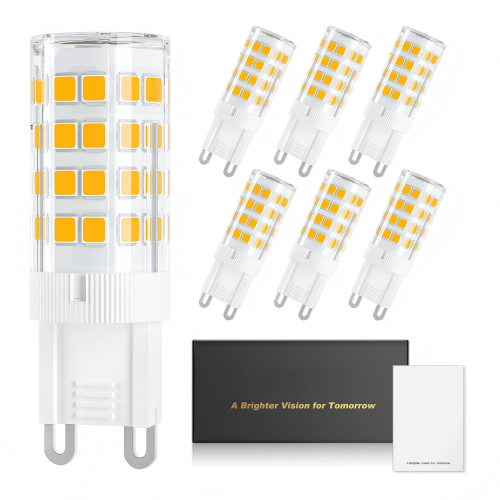
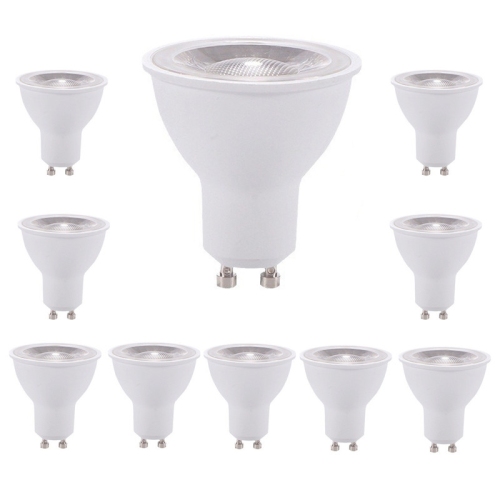

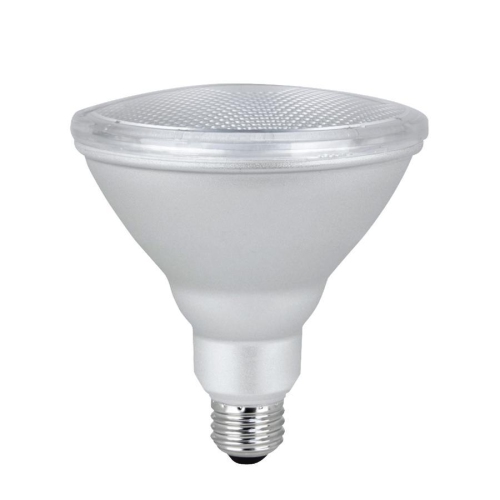

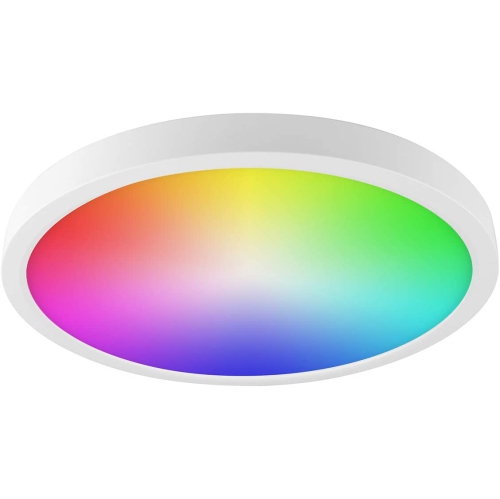
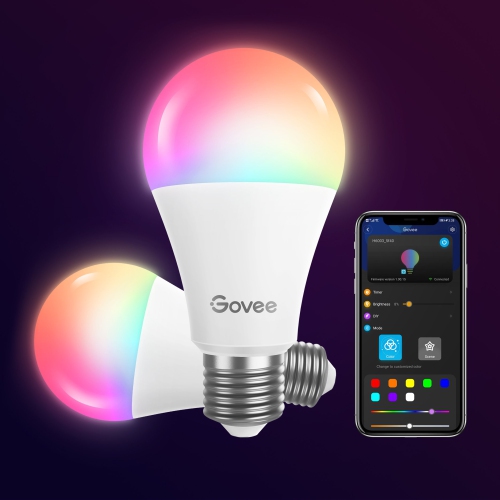
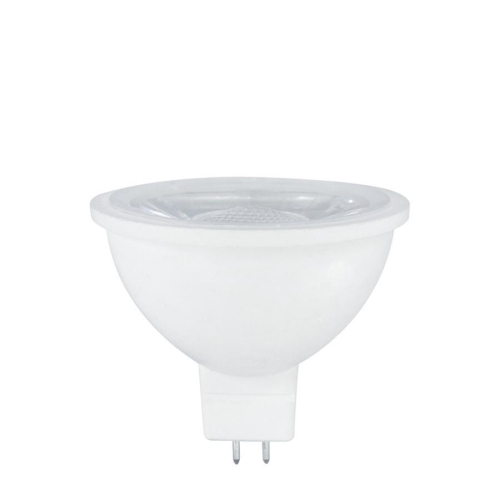


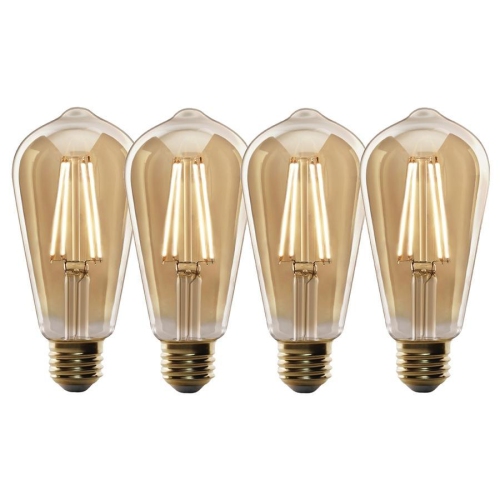

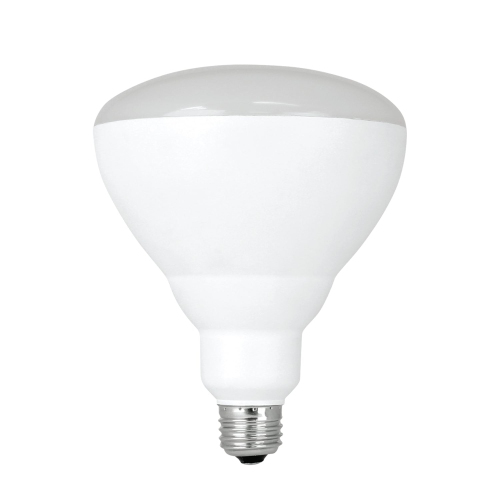


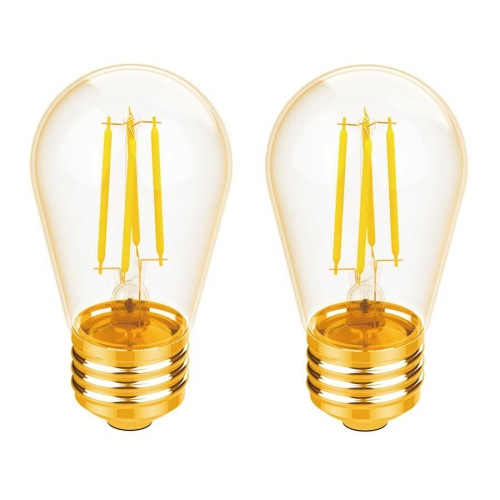
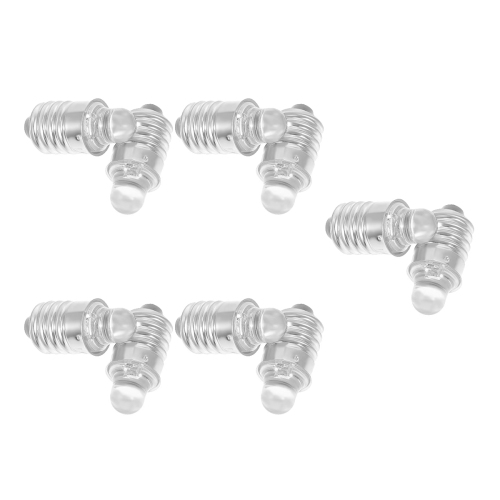

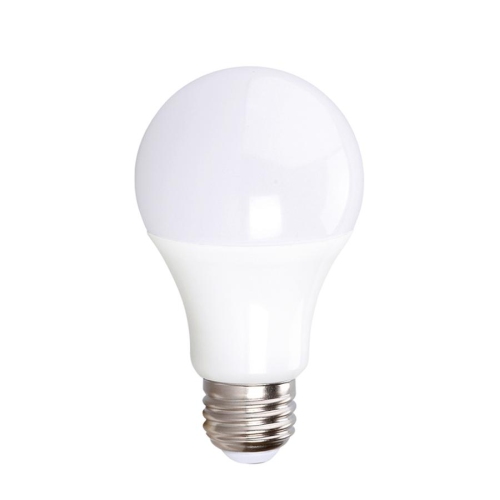

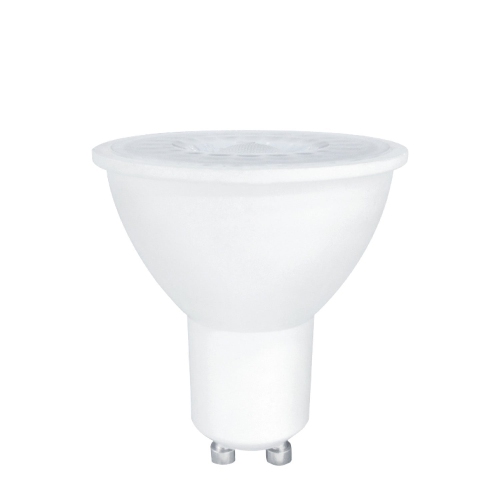
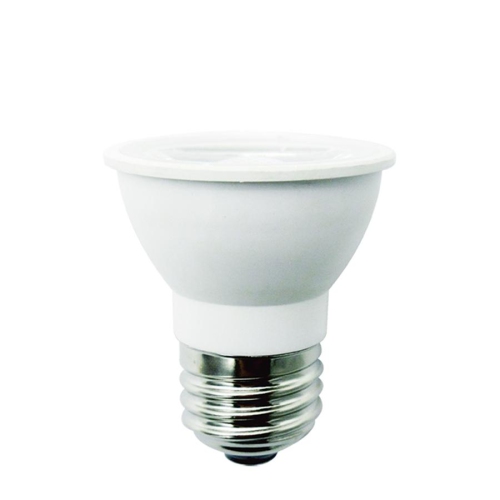
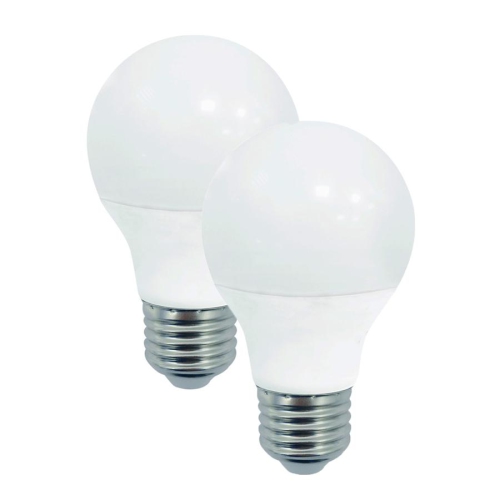

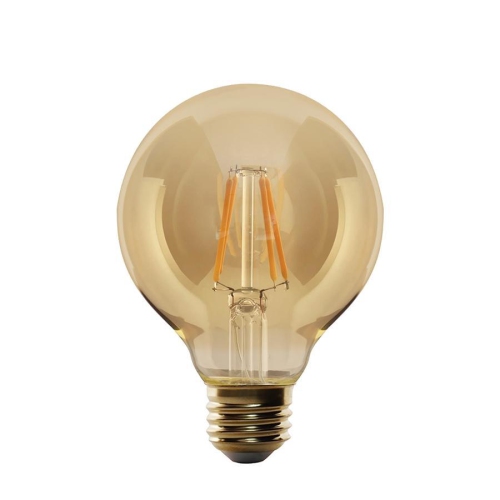
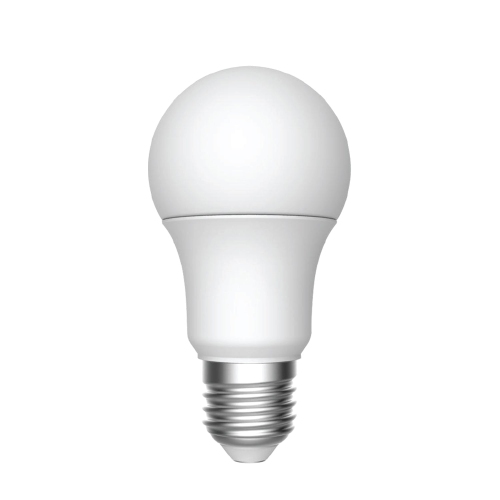

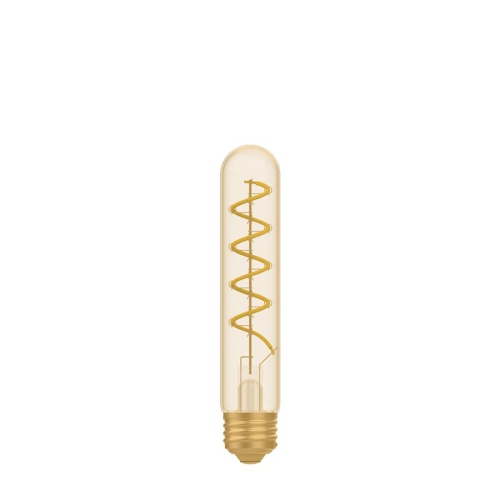
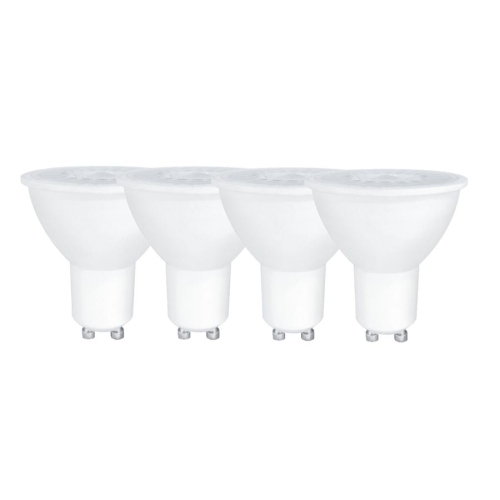
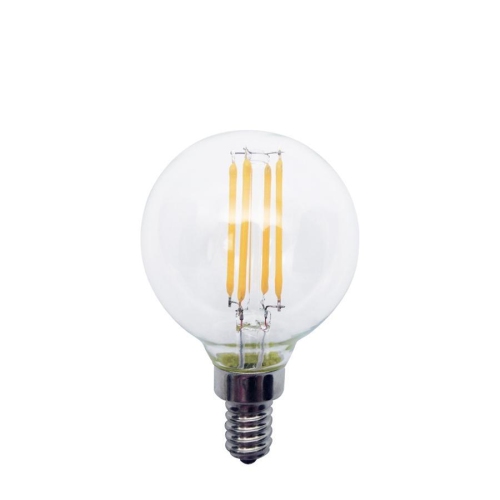

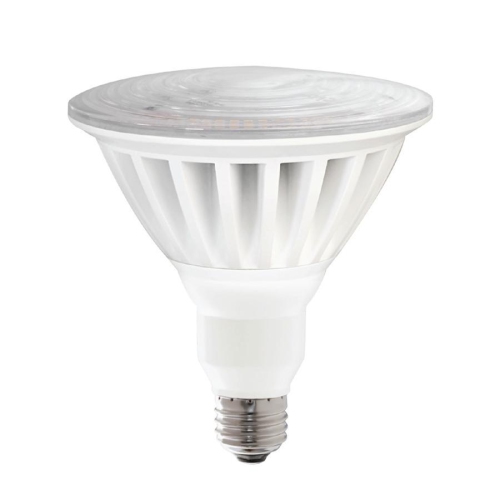
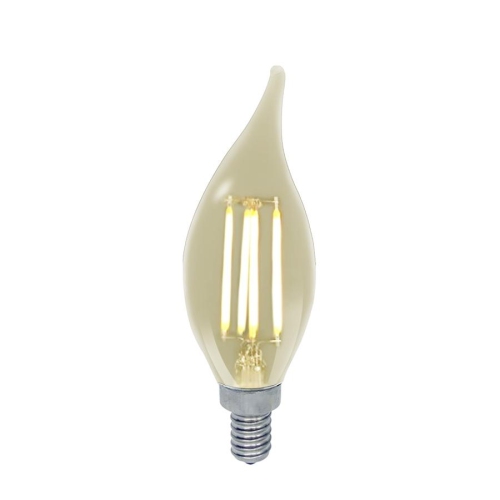

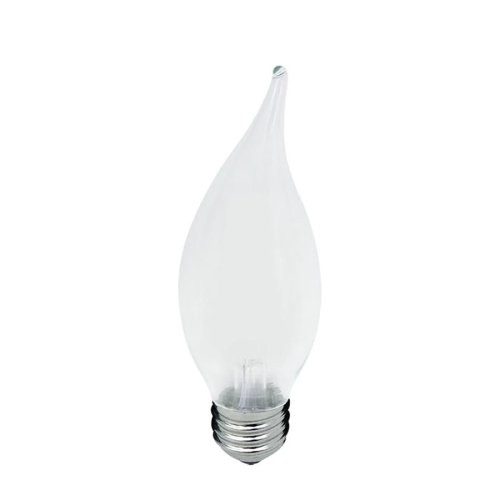
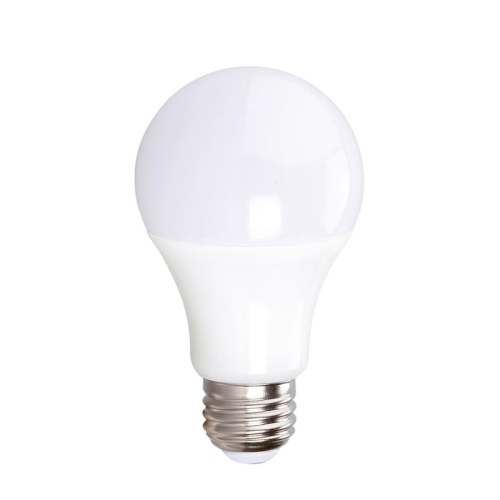
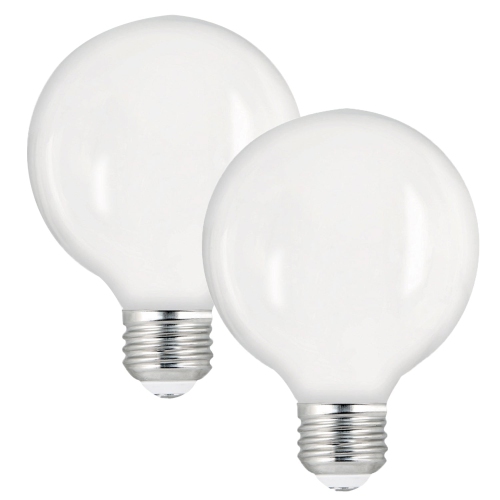

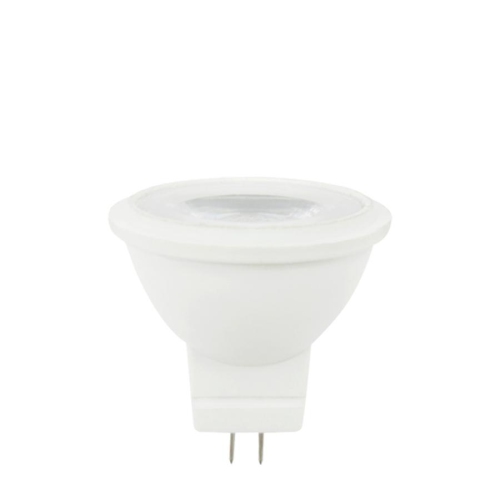
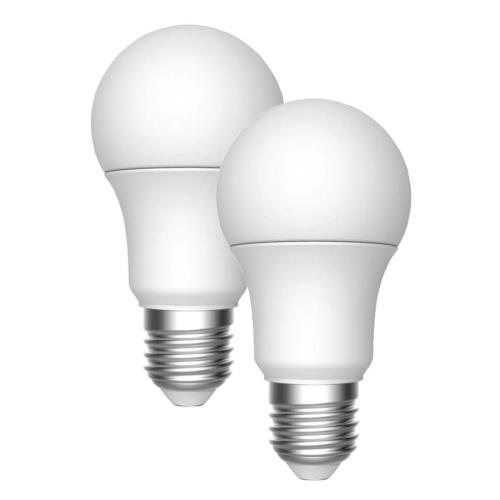
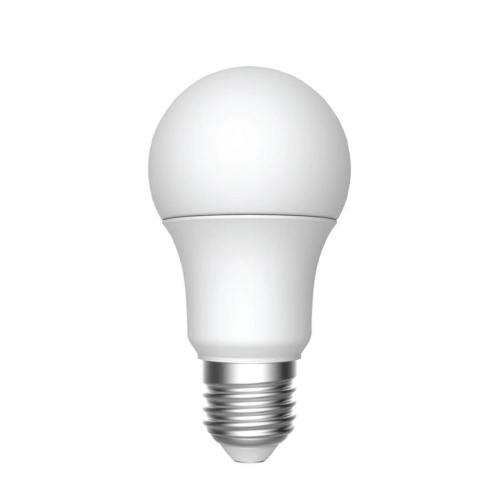
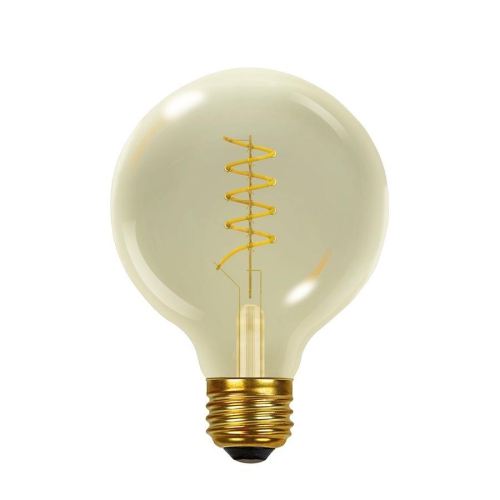
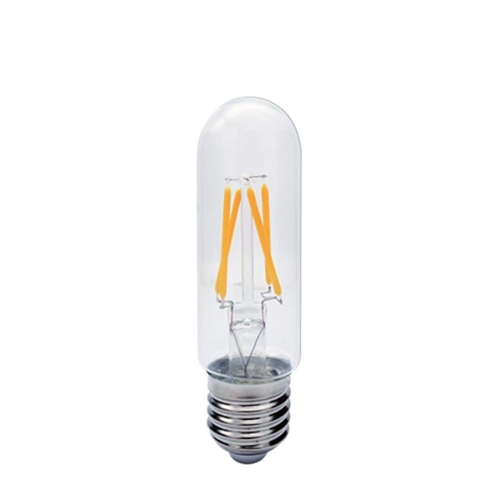
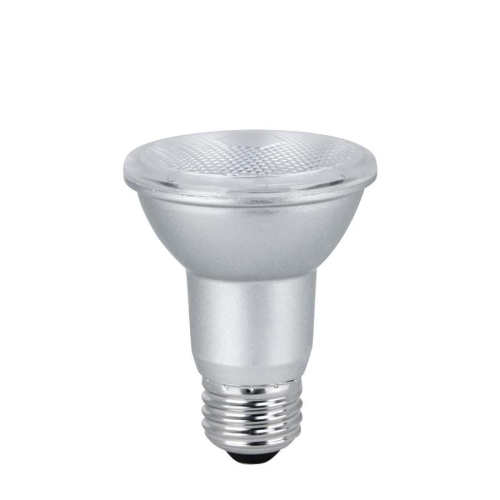
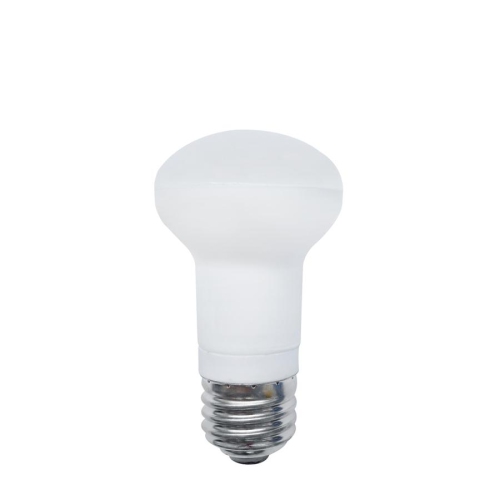
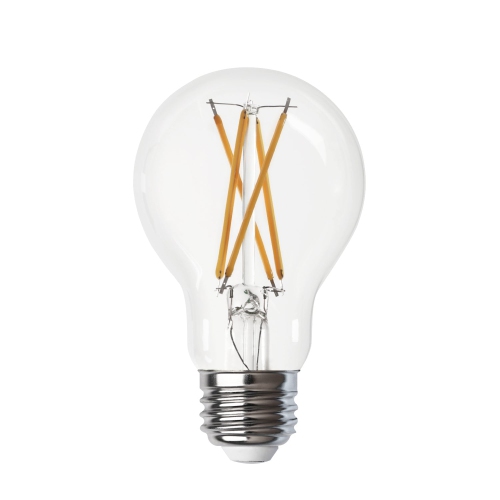
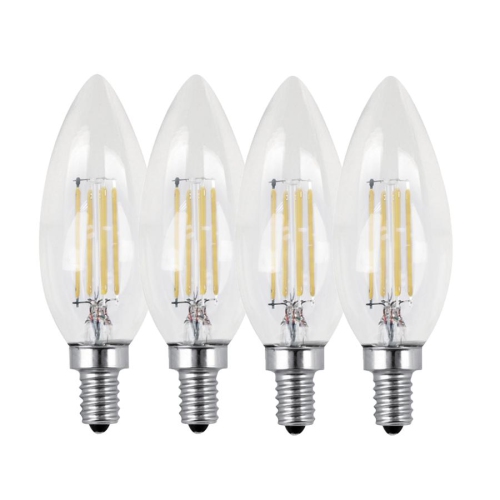
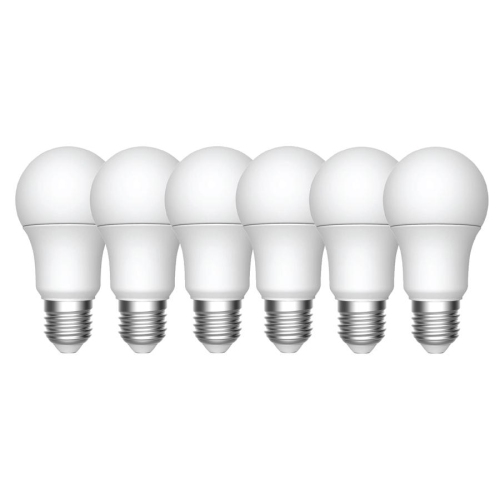


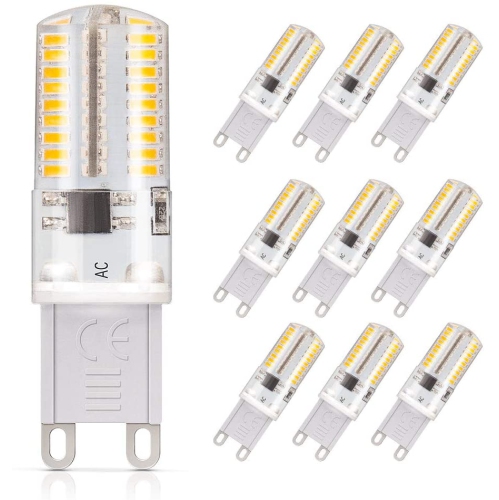


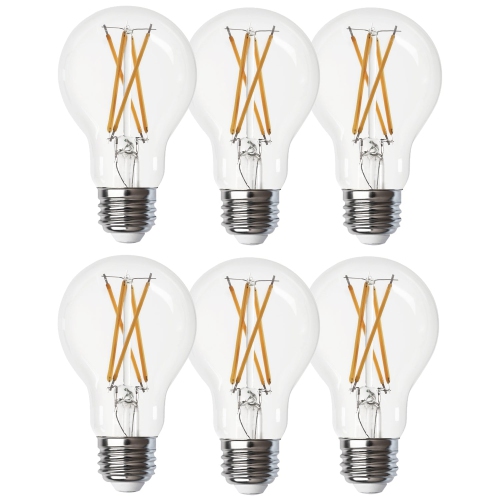
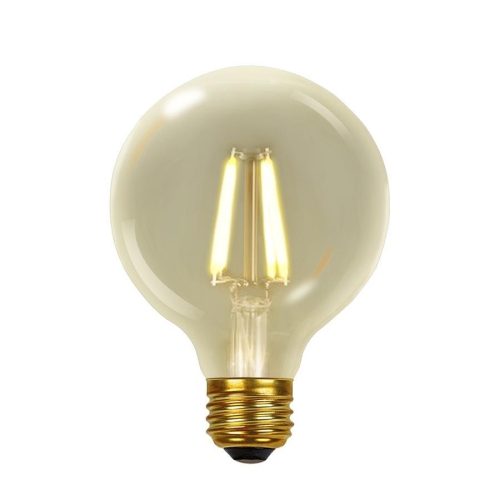


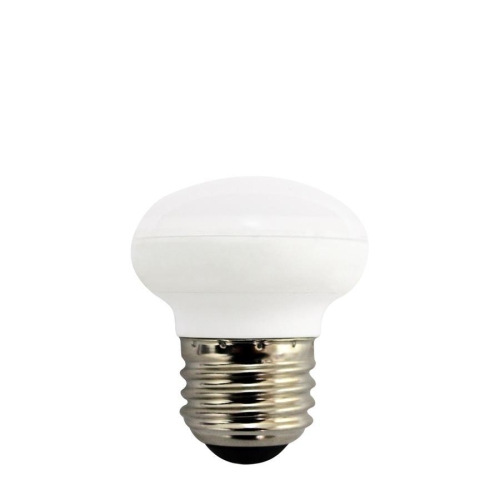
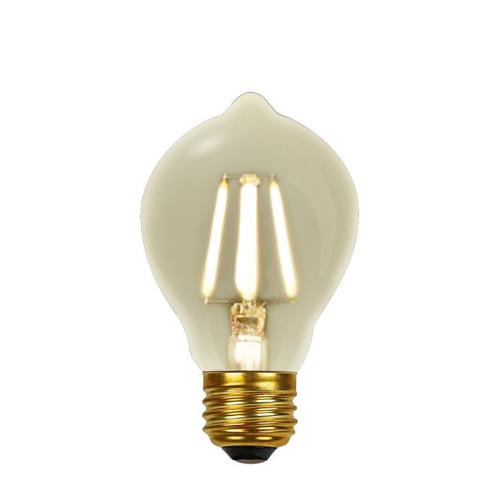


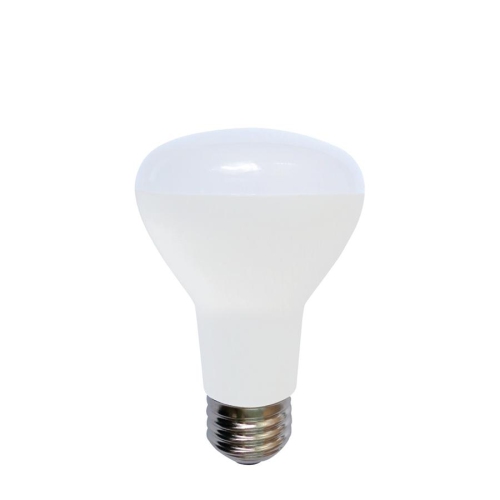


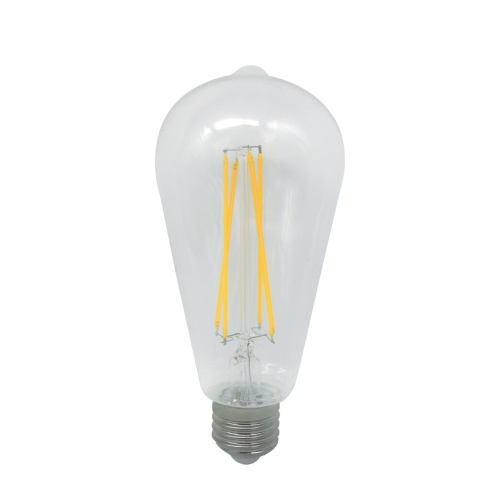

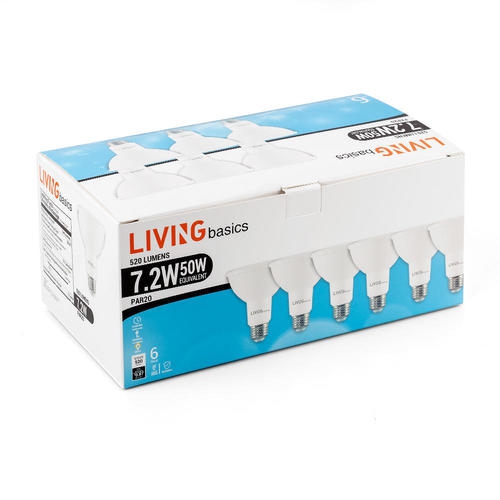
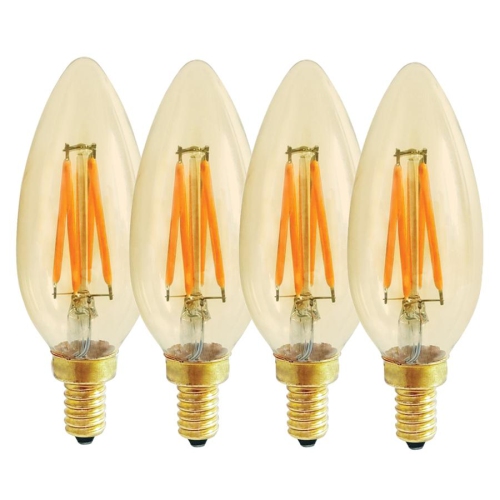

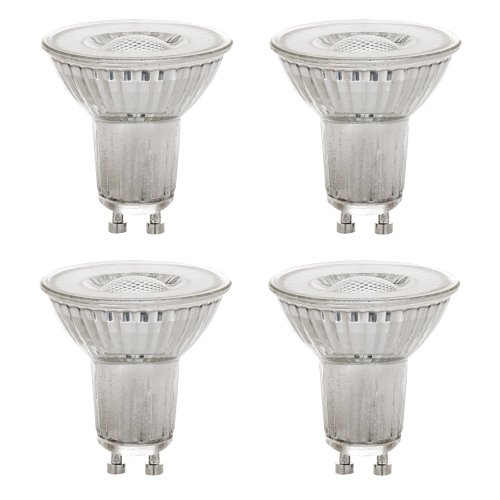
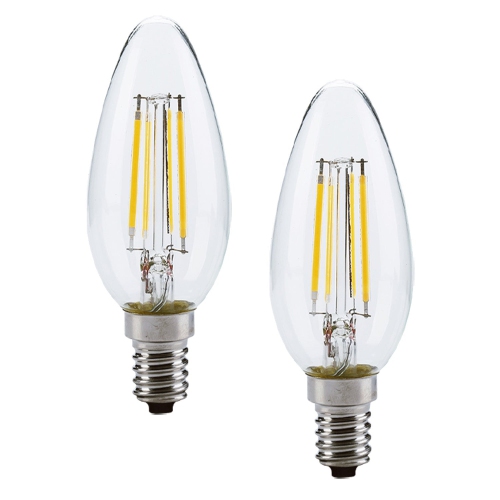
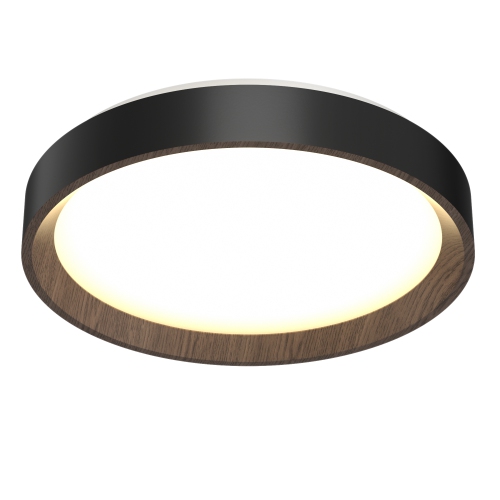
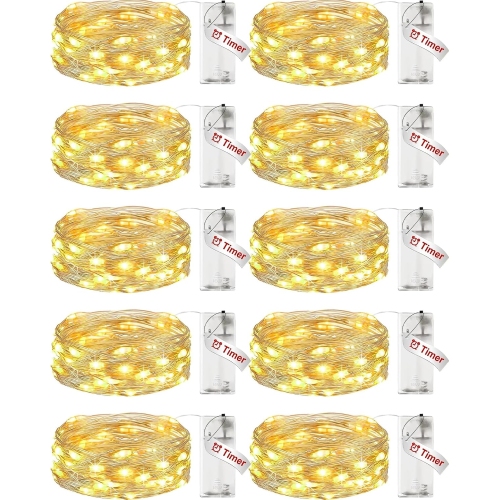

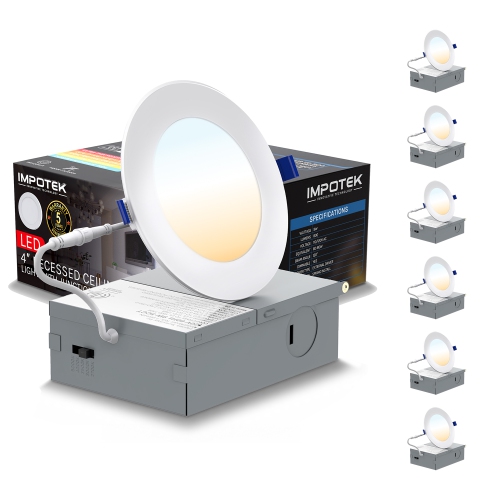
Warm light that makes everyday rooms feel inviting
A 2700K light bulb produces a warm white glow with a soft golden or slightly yellow tone, similar to the familiar light from traditional incandescent bulbs. The “K” refers to kelvins, the unit used to describe colour temperature, and 2700K is positioned at the warmer end of the everyday household lighting range. Rather than appearing crisp, blue, or daylight-like, this light has a gentle quality that can make a room feel comfortable and inviting. It is a popular choice for living rooms, bedrooms, dining areas, hallways, reading corners, bedside lamps, and other spaces where people tend to relax. In a living room, 2700K lighting can bring out the warmth of wood furniture, soften the appearance of neutral walls, and create a welcoming glow around seating areas. In a bedroom, it can provide enough illumination for moving around or settling in with a book without making the room feel stark. Dining rooms and kitchen eating areas can also benefit from its intimate tone, particularly when the fixture is positioned over a table or used as part of layered lighting. During the cooler months, warm light can make evenings at home feel especially comfortable, whether it is shining through a fabric lampshade, reflecting off a wall, or adding a quiet pool of light beside a sofa. A 2700K bulb may also be a thoughtful choice for a housewarming gift, a first-apartment essentials collection, or anyone refreshing a room with lighting that feels familiar and easy to live with.
When selecting a 2700K light bulb, start by checking the fixture’s socket size and bulb shape so the replacement fits securely and looks appropriate in the space. Common household bases include medium screw bases, while smaller fixtures may use candelabra or specialty bases; the fixture label or existing bulb can provide a useful reference. Shape matters as well. A standard A-shape bulb works well in many table and floor lamps, while globe, candle, reflector, tubular, and decorative filament-style shapes may be better suited to exposed sockets, bathroom fixtures, ceiling lights, or pendant shades. Brightness is measured in lumens, not watts. A bulb producing around 800 lumens is generally comparable to the brightness traditionally associated with a 60-watt incandescent bulb, although the actual wattage used can be much lower with LED technology. Lower-lumen bulbs may suit accent lamps, nightstands, and small decorative fixtures, while higher-lumen options can provide more practical illumination in a larger room. Check the fixture’s maximum wattage and physical clearance before installing a bulb, and make sure the bulb is approved for enclosed fixtures if it will be used inside a fully enclosed shade. Dimmability is another important consideration. If a lamp or ceiling fixture is connected to a dimmer, choose a bulb marked as dimmable and confirm that the dimmer is compatible with that bulb type. Otherwise, the light may flicker, buzz, or fail to adjust smoothly. For spaces used for grooming, cooking, crafts, or detailed work, consider the bulb’s colour rendering information as well as its brightness. A high colour rendering index can help colours and materials appear more natural, while 2700K maintains the warmer atmosphere that makes the room feel relaxed. When a space needs a slightly cleaner or more neutral appearance for daytime tasks, 3000k Lights may be worth considering alongside warmer lighting in nearby living areas.
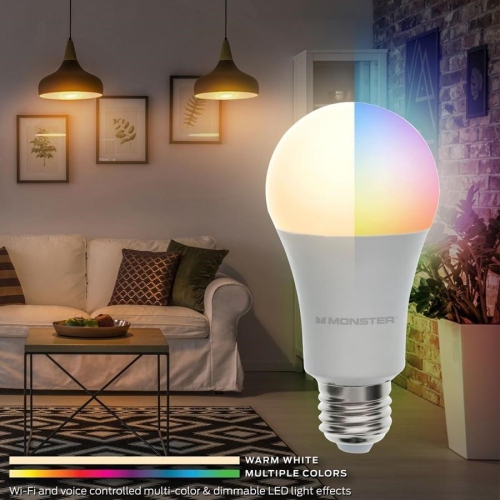
The best 2700K light bulb depends on how the room is used, the fixture it will occupy, and the mood you want the lighting to create. A bedside lamp may call for a modest brightness and a fully diffused bulb that spreads light gently across a nightstand, while a reading lamp may need more lumens and a carefully aimed shade. In a dining room, the bulb should work comfortably with the height and style of the fixture, and a dimmable option can make it easier to shift from bright meal preparation to a softer setting for dinner. In a hallway or entryway, warm white light can make the transition into the home feel pleasant without overwhelming a narrow space. Multiple bulbs in one chandelier or ceiling fixture should have a consistent colour temperature so the light does not look uneven from one socket to another. It is also helpful to consider whether the bulb will be viewed directly; exposed bulbs are often chosen for their shape and appearance, while bulbs behind opaque or frosted shades are selected primarily for their light distribution. Smart 2700K bulbs can add adjustable scheduling, app control, or voice control where those features are useful, while straightforward non-connected bulbs remain a practical choice for lamps and fixtures operated by a standard switch. Keeping spare bulbs that match the colour temperature of the main rooms can make future replacements easier and preserve a consistent look throughout the home. Whether you are brightening a reading nook, adding warmth to a dining space, replacing bulbs in a bedroom, or preparing a welcoming room for visiting family and friends, 2700K lighting offers a familiar, relaxed glow that suits everyday living from early fall through the colder season.
Top selling and popular products
-
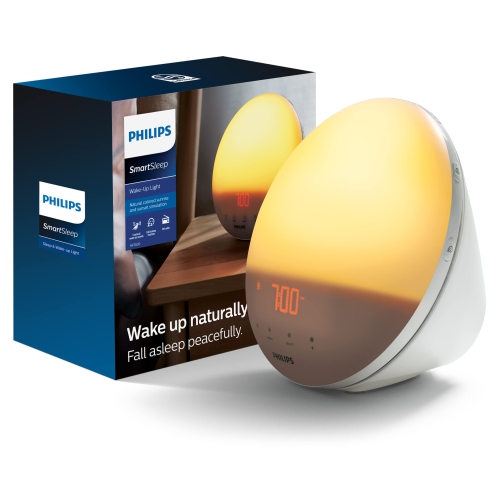 Your price for this item is $269.98
-
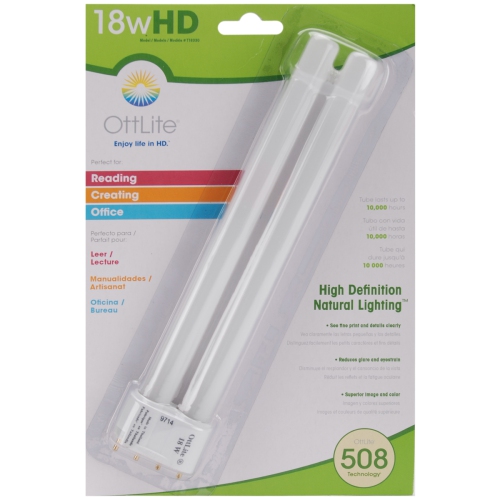 Your price for this item is $55
-
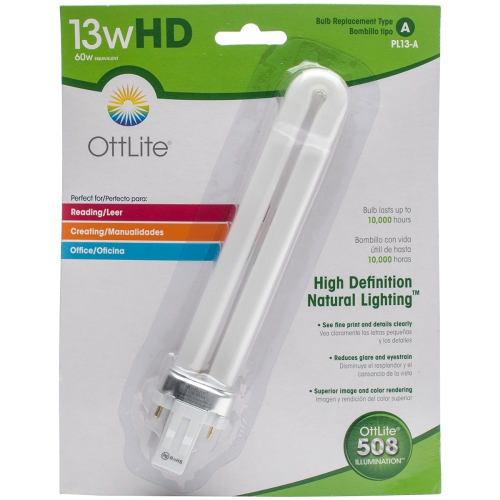 Your price for this item is $55
-
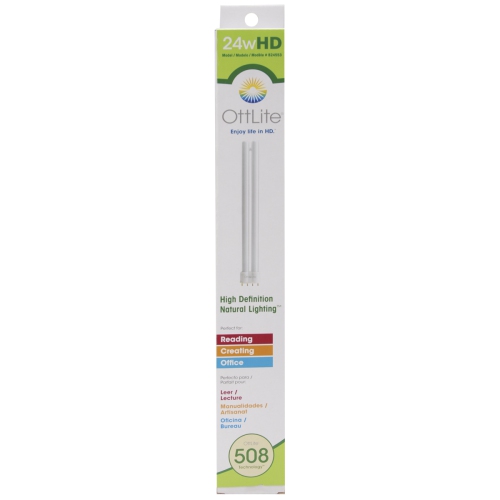 Your price for this item is $55
-
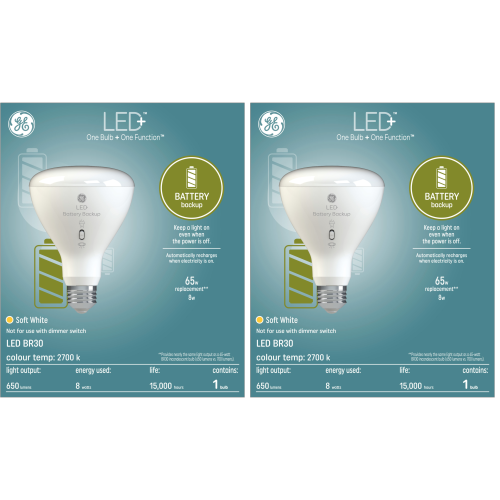 Your price for this item is $45.98
-
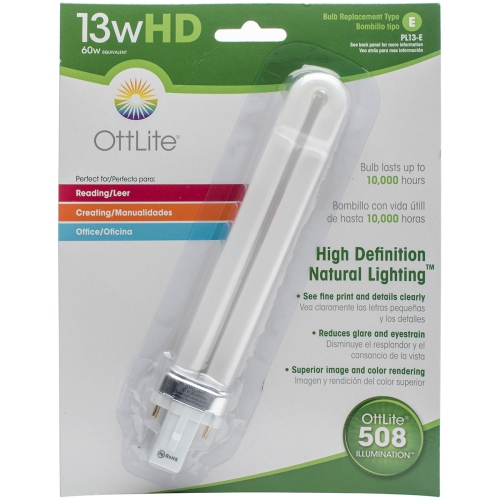 Your price for this item is $55
-
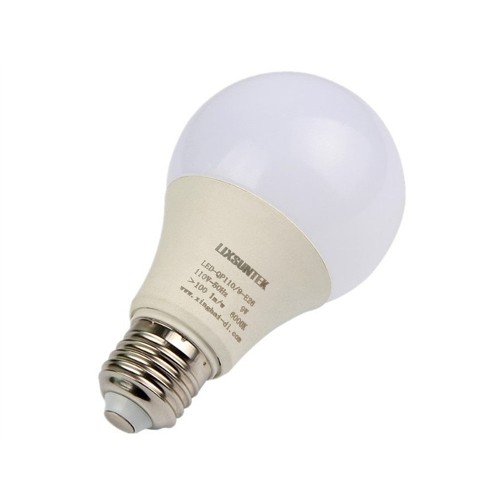 Your price for this item is $9.99
-
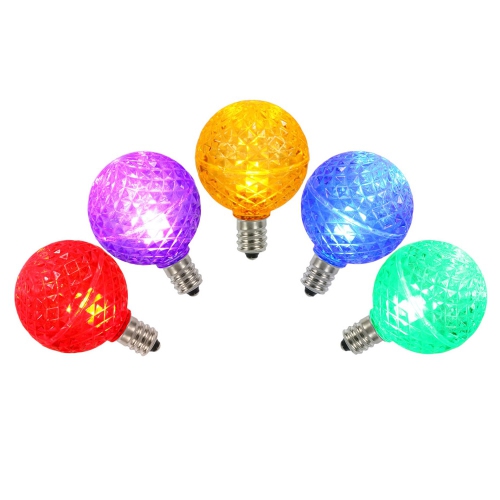 Your price for this item is $74.99
Discover more categories related to Light Bulb 2700k
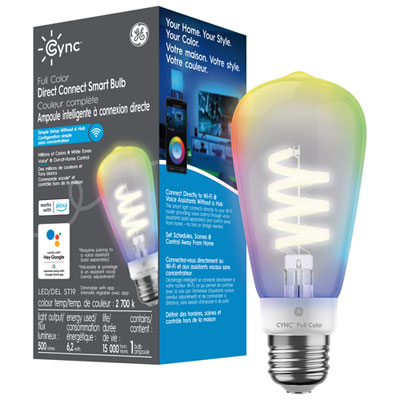

Top Collections:
Pokemon Centers, Kindle Devices, Best Cameras for Sports Photography, Samsung Galaxy Phones, Laptops for Business Work, Canon G7X Cameras, Pokémon 30th Celebration Cards, Refurbished Apple Laptops, iPhone 15 Apple, Cordless Dyson Vacuums
Some products may be subject to Environmental Handling Fees
(EHF) depending on your province.
Learn more about EHFs.