Solder Paste
Find the right solution for your electronics projects with our selection of Solder Paste. Whether you're assembling circuit boards, repairing devices, or tackling DIY tasks, Solder Paste is an essential tool for achieving precise and reliable connections. Explore a variety of options designed to support different applications and skill levels, making it easy to get professional results every time. Shop Solder Paste to keep your projects running smoothly and efficiently.
Sort
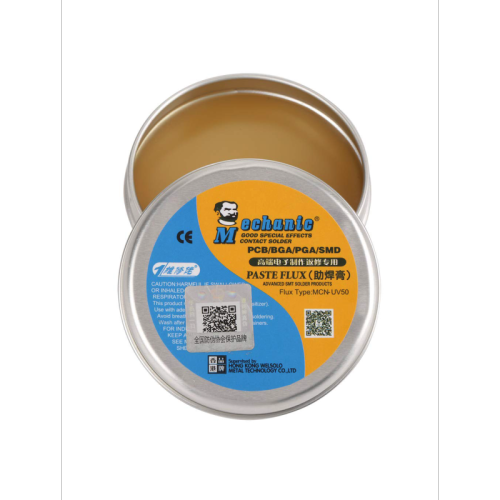
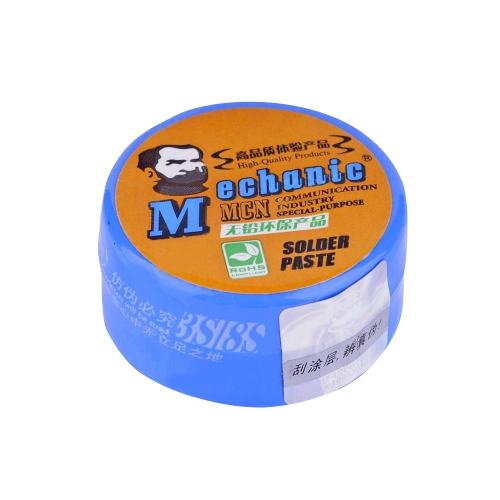
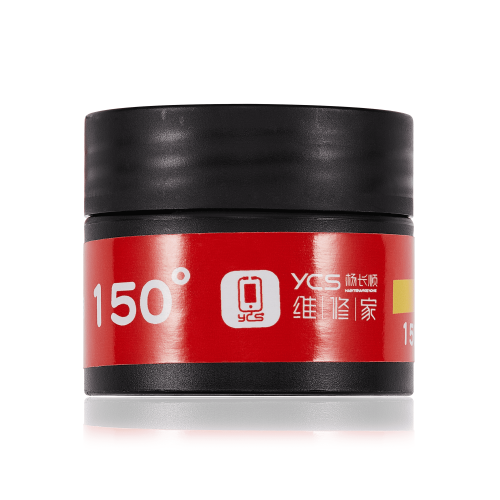
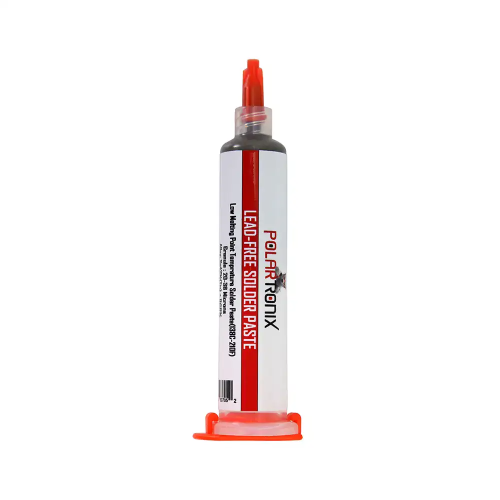
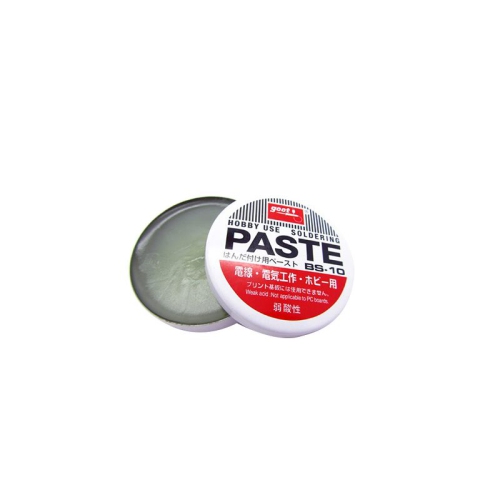
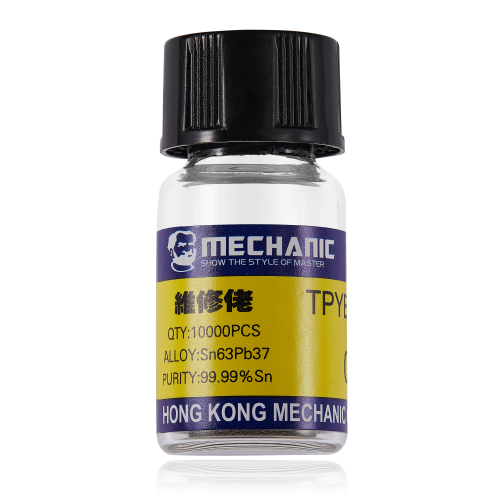
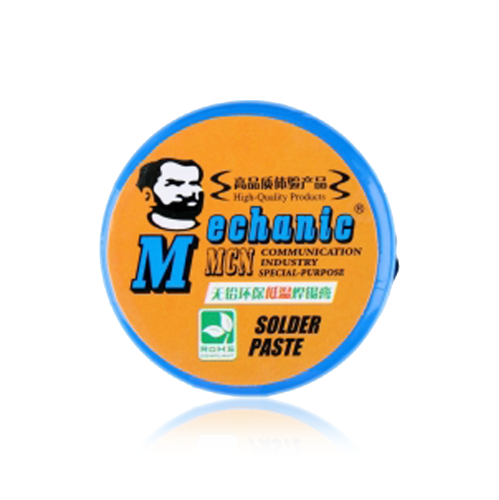
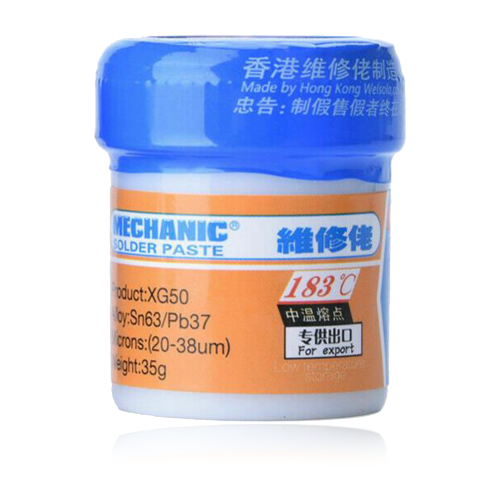

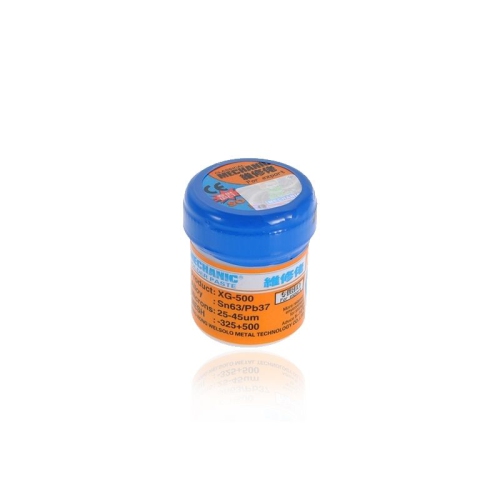
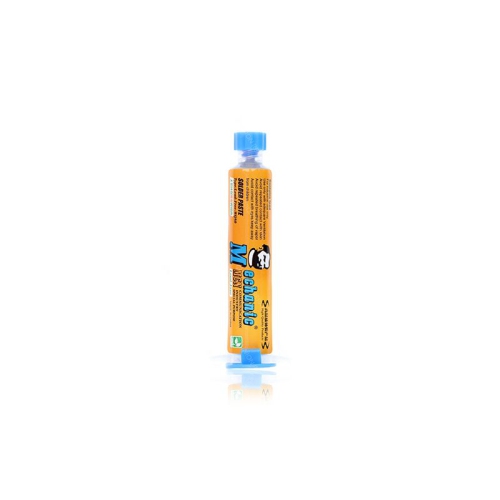
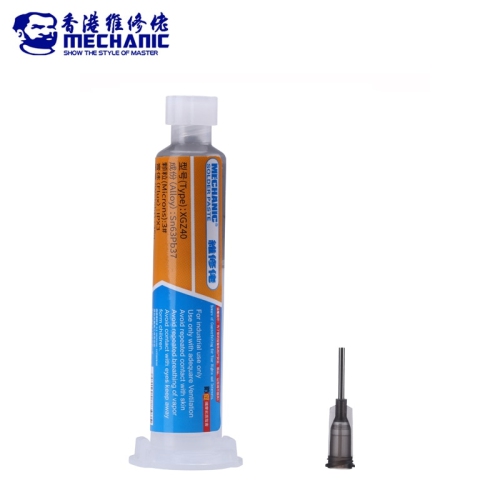
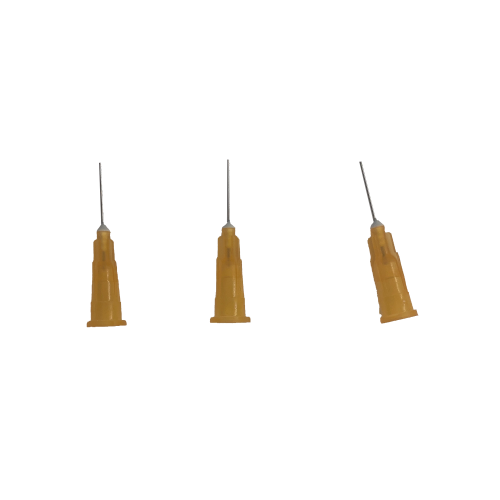

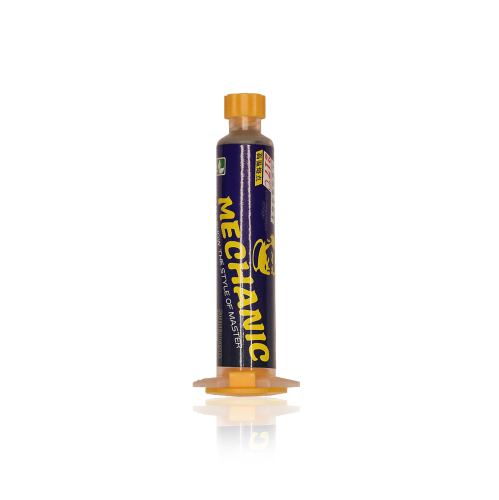
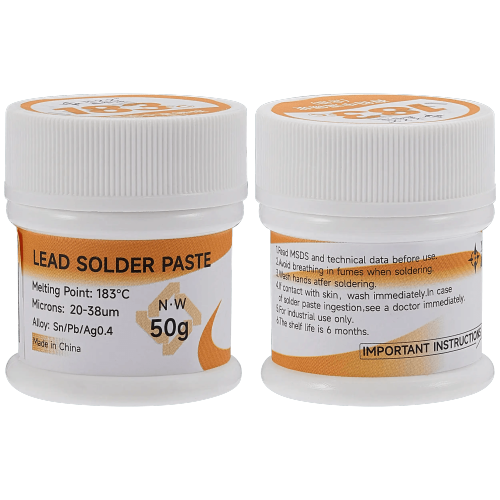
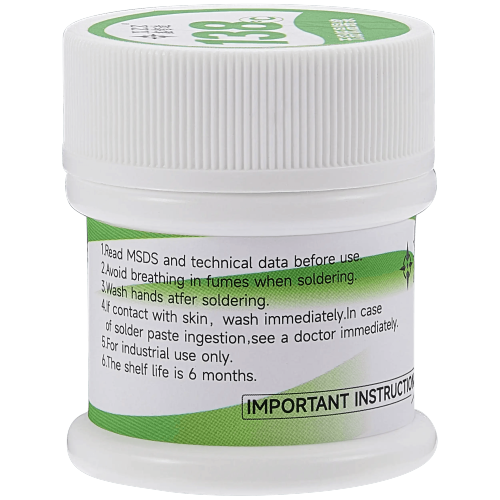
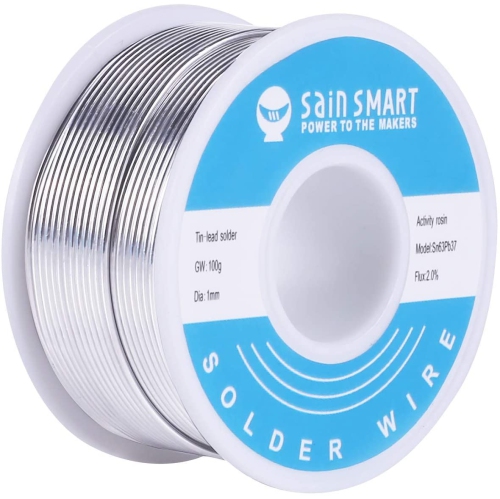
Solder Paste
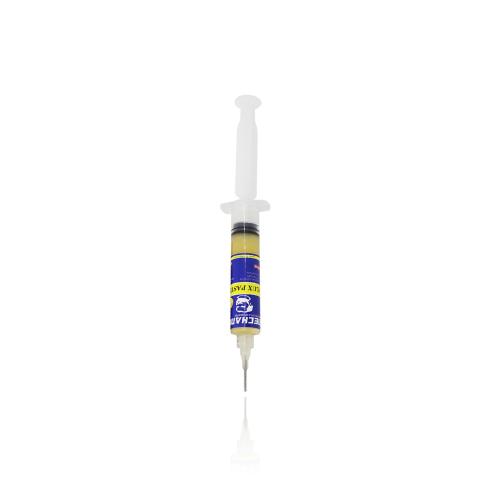
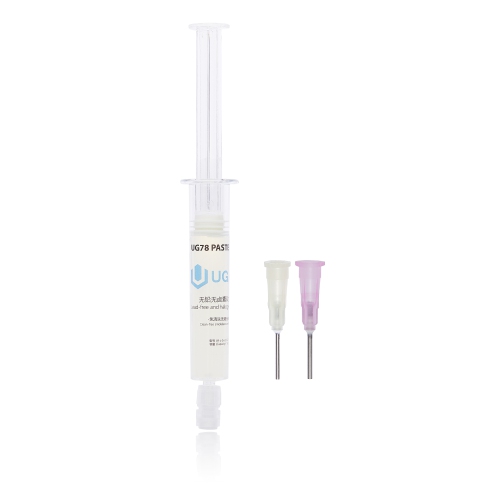
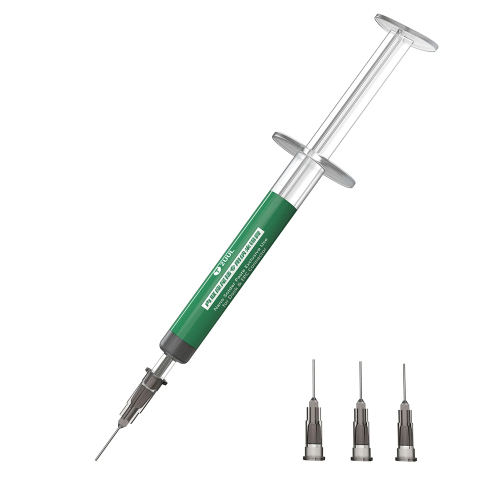
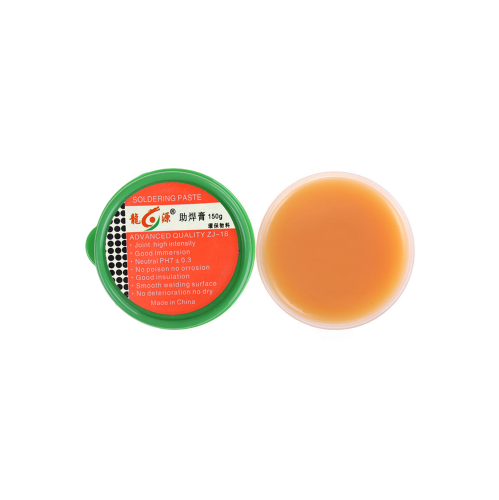
Solder paste plays a fundamental role in electronics assembly, especially when working with surface-mount technology (SMT) and printed circuit boards (PCBs). This paste is made from a blend of fine powdered metal alloys—commonly tin/lead or tin/silver—suspended in a flux medium, giving it a thick, spreadable consistency. The flux is more than just a binder; it actively cleans metal surfaces, promotes smooth solder flow, and prevents oxidation during the soldering process. Whether you’re an experienced electronics technician, a hobbyist building custom circuits at home, or a student learning the basics of PCB assembly, solder paste is an essential tool for achieving precise, reliable connections. In the winter months, when indoor projects become more appealing, many enthusiasts find themselves at the workbench, carefully applying solder paste to intricate components. The ability to stencil or dispense the paste with accuracy allows for the placement of even the smallest, fine-pitch components, making it possible to tackle high-density assemblies with confidence.
When considering which solder paste to choose, it’s important to think about the specific requirements of your project. Particle size is a key factor—grades like T3, T4, and T5 correspond to the fineness of the metal powder, with higher numbers indicating smaller particles suitable for detailed, miniature work. The composition of the paste also matters; options include traditional tin/lead blends, lead-free alternatives for those who require them, and low-temperature formulations for sensitive components. Flux type is another consideration: no-clean pastes are convenient for quick jobs or prototypes, while water-soluble varieties allow for thorough post-soldering cleanup. For those new to electronics, solder paste can be a thoughtful gift, providing the foundation for creative projects ranging from DIY repair jobs to custom electronics builds. It’s also a staple in professional settings, where efficiency and precision are paramount. The right amount of solder paste is crucial—too much can cause bridging and shorts, while too little leads to weak or unreliable joints. Many users pair their solder paste with quality tools like Soldering Pens for controlled heating and accurate application, ensuring every connection is solid and durable.
Across Canada, solder paste finds its place in a variety of applications beyond standard electronics. It’s often used in jewellery repair, small appliance fixes, and even creative maker projects that require robust, conductive joins. The versatility of solder paste, combined with its ability to streamline the assembly process by merging solder and flux into a single step, makes it a go-to solution for both professionals and hobbyists. In January, as colder weather encourages more time indoors, it’s the perfect season to refine your skills or tackle those long-awaited repair and upgrade projects. Whether you’re assembling a new circuit, repairing a cherished device, or exploring the world of surface-mount technology for the first time, choosing the right solder paste helps ensure your work is precise, efficient, and built to last.
When considering which solder paste to choose, it’s important to think about the specific requirements of your project. Particle size is a key factor—grades like T3, T4, and T5 correspond to the fineness of the metal powder, with higher numbers indicating smaller particles suitable for detailed, miniature work. The composition of the paste also matters; options include traditional tin/lead blends, lead-free alternatives for those who require them, and low-temperature formulations for sensitive components. Flux type is another consideration: no-clean pastes are convenient for quick jobs or prototypes, while water-soluble varieties allow for thorough post-soldering cleanup. For those new to electronics, solder paste can be a thoughtful gift, providing the foundation for creative projects ranging from DIY repair jobs to custom electronics builds. It’s also a staple in professional settings, where efficiency and precision are paramount. The right amount of solder paste is crucial—too much can cause bridging and shorts, while too little leads to weak or unreliable joints. Many users pair their solder paste with quality tools like Soldering Pens for controlled heating and accurate application, ensuring every connection is solid and durable.
Across Canada, solder paste finds its place in a variety of applications beyond standard electronics. It’s often used in jewellery repair, small appliance fixes, and even creative maker projects that require robust, conductive joins. The versatility of solder paste, combined with its ability to streamline the assembly process by merging solder and flux into a single step, makes it a go-to solution for both professionals and hobbyists. In January, as colder weather encourages more time indoors, it’s the perfect season to refine your skills or tackle those long-awaited repair and upgrade projects. Whether you’re assembling a new circuit, repairing a cherished device, or exploring the world of surface-mount technology for the first time, choosing the right solder paste helps ensure your work is precise, efficient, and built to last.
Discover more categories related to Solder Paste
-
Best Thermal Paste
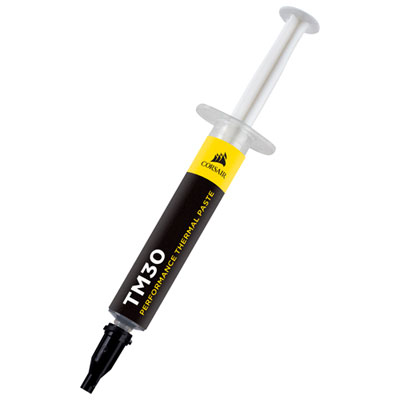
"Great product at a great price. Love best buy"
-
Adhesive Products
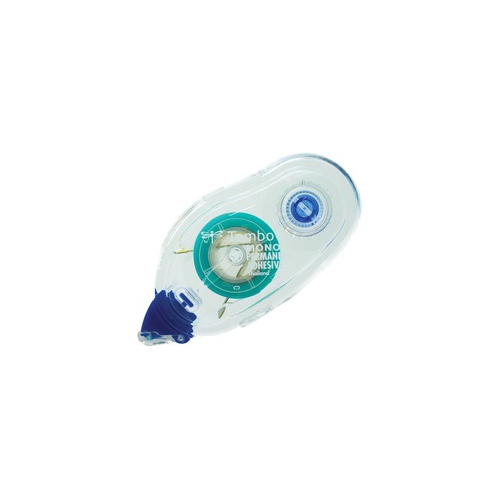
"My favorite adhesive and such a great and easy way to get more of the roll without purchasing an entirely"
-
Liquid Glues
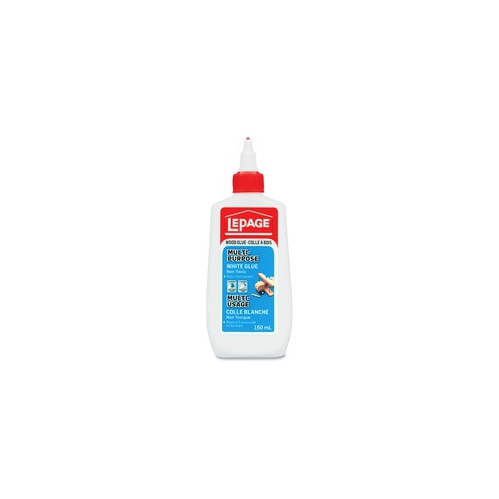
"It is truly a great glue to use for child or adults. He loves using it for his school assignments"
-
Heavy Duty Tapes
Top Collections:
Affordable Laptops For Students, Best Cell Phone Under $500, Best Laptops Under $1000, Budget Smartphones, Best Laptop For Video Editing, Laptop Computers Under $200, Kindle Devices, Top Laptops for University Students, Dyson Airwrap, NVMe Solid State Drives
Some products may be subject to Environmental Handling Fees
(EHF) depending on your province.
Learn more about EHFs.