Audiophile Soundbars
If you're looking for a way to improve the sound of your TV or any audio setup without adding a lot of bulk, or if you want to add a new dimension to your music listening experience, an audiophile-quality soundbar might be just what you need. Here are of the best audiophile soundbars available today.
Sort


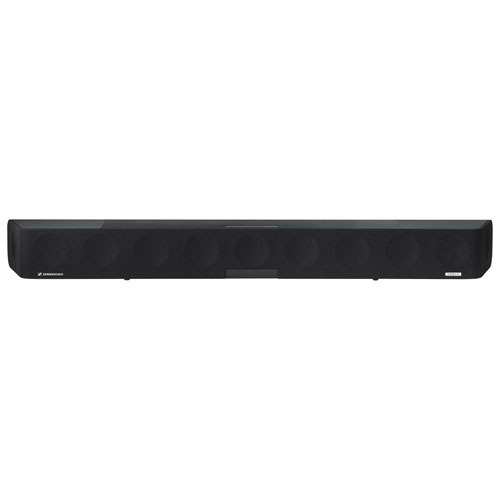

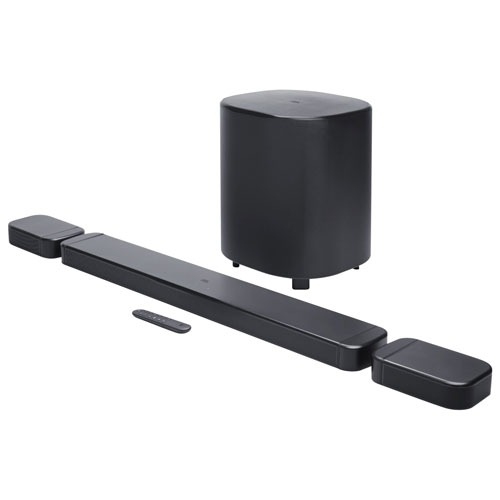

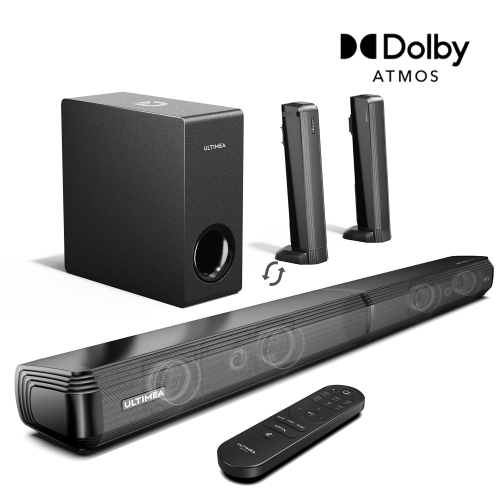
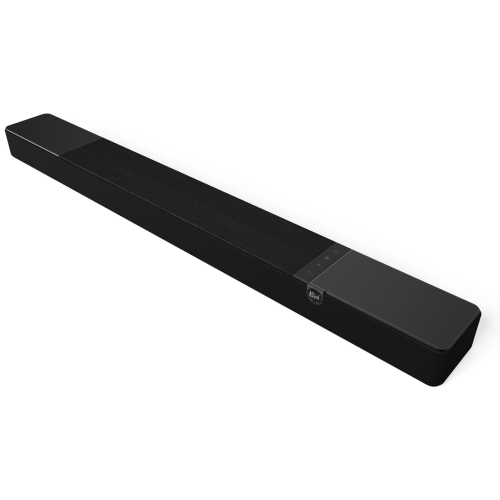
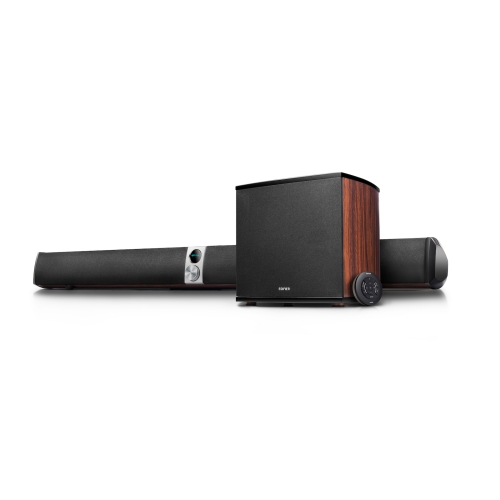
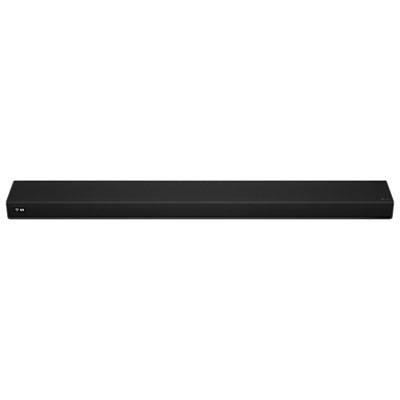
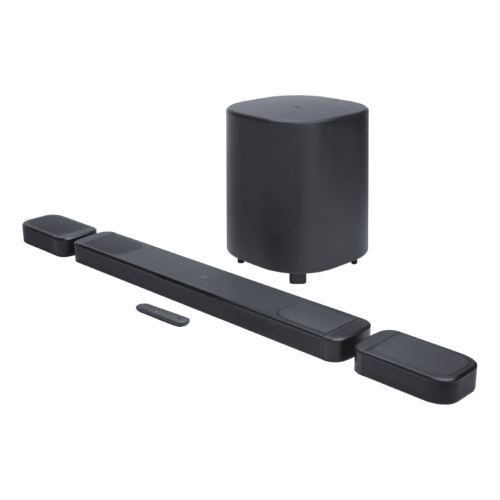
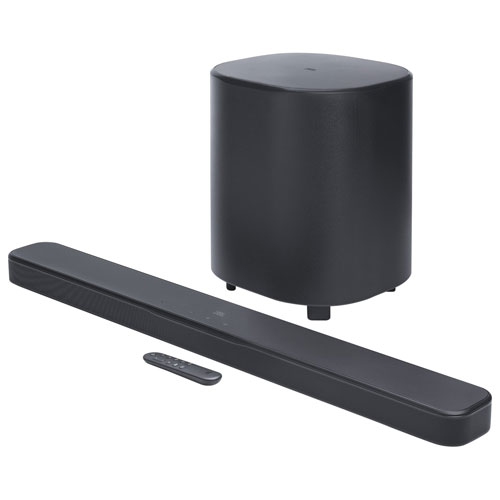
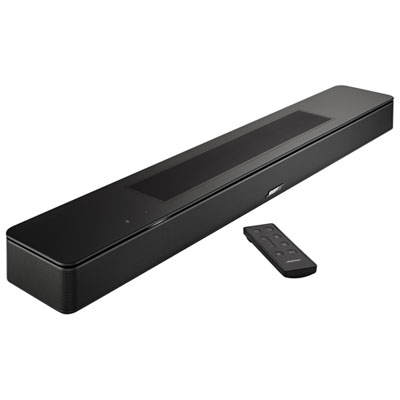
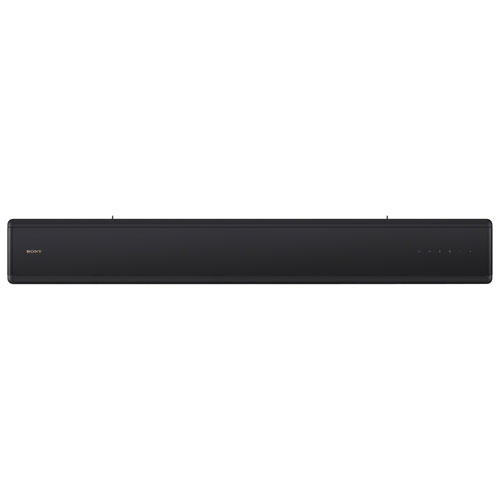

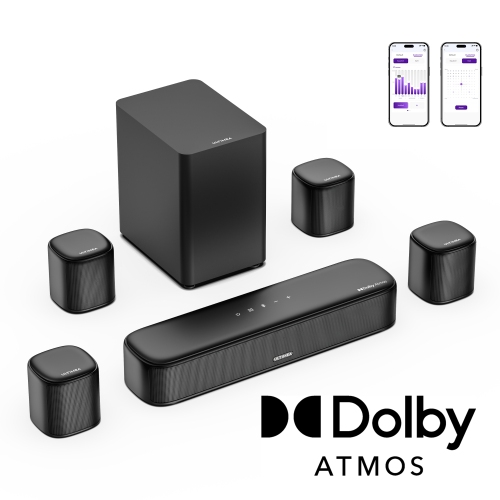
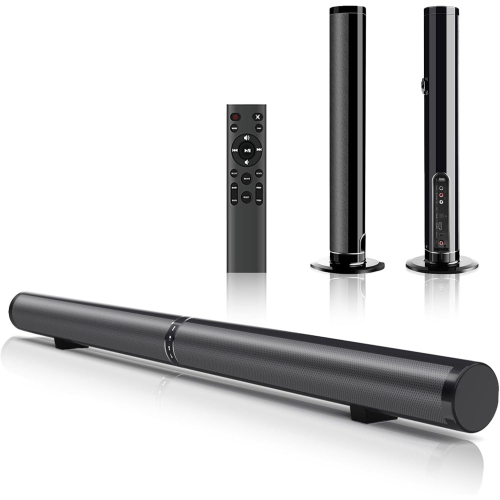
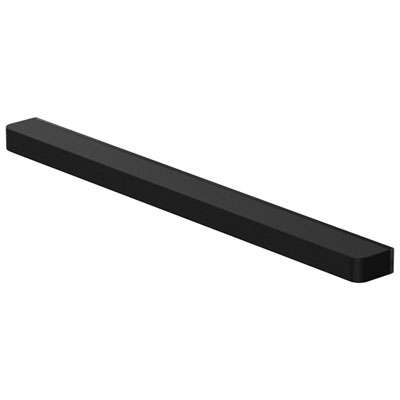
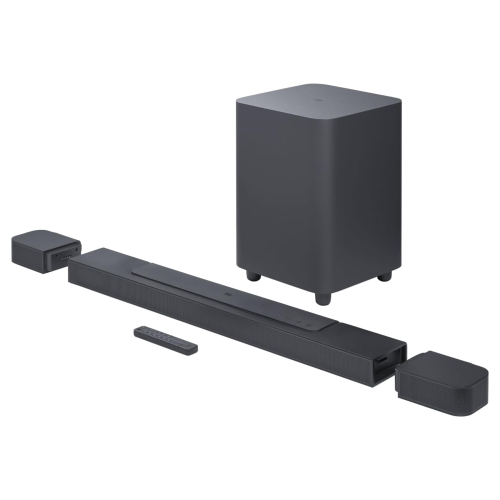
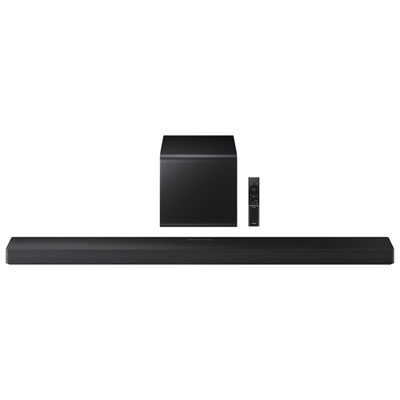
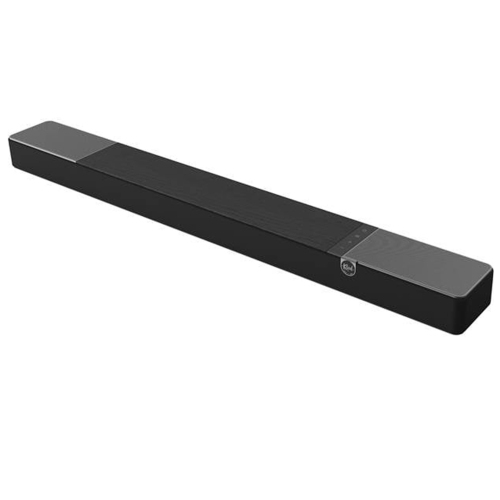

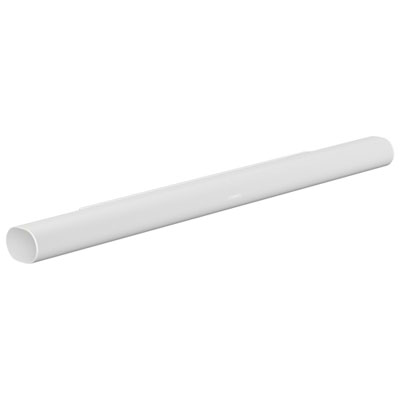
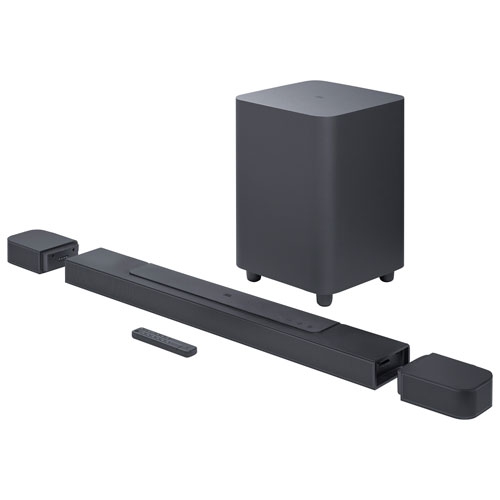


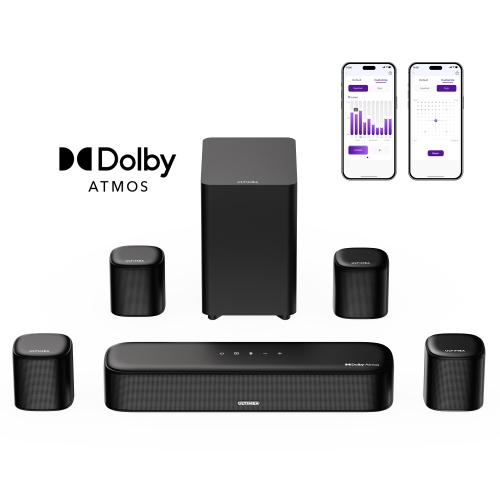

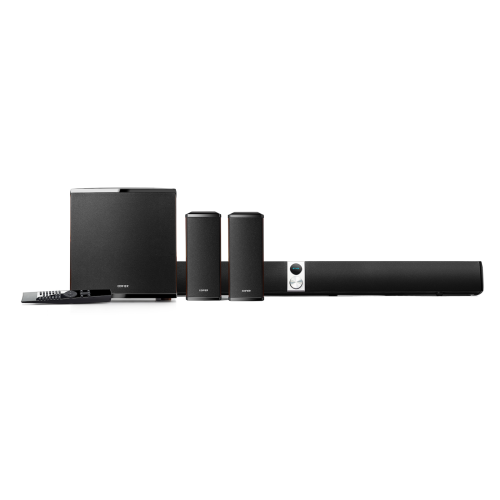
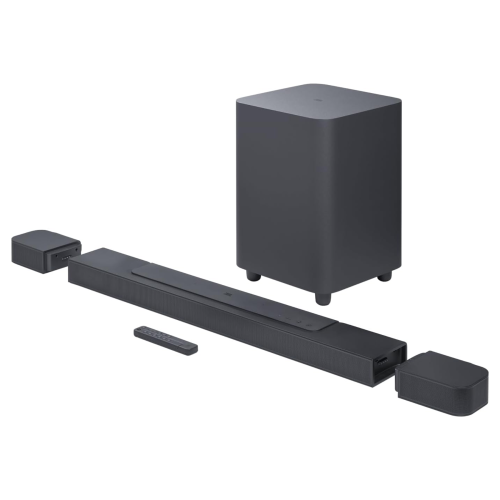


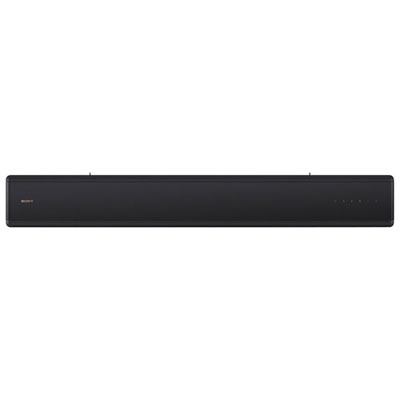

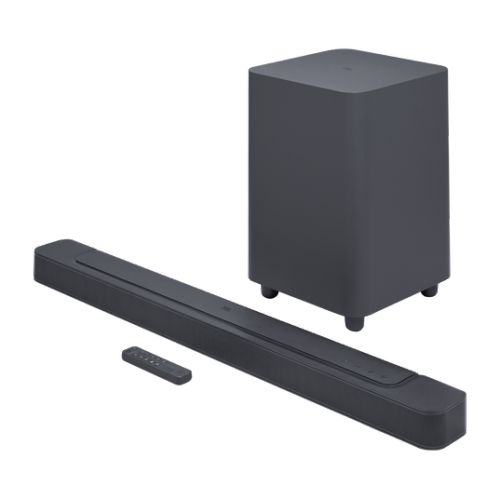
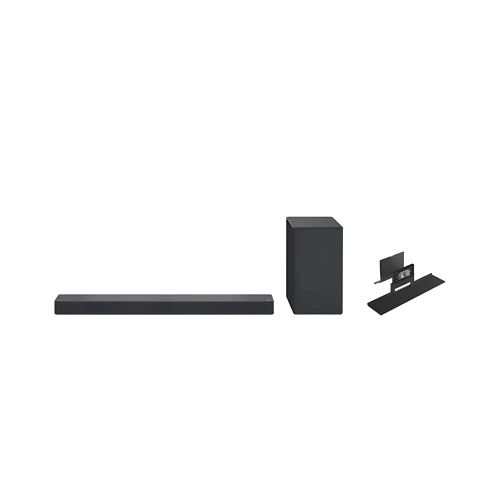


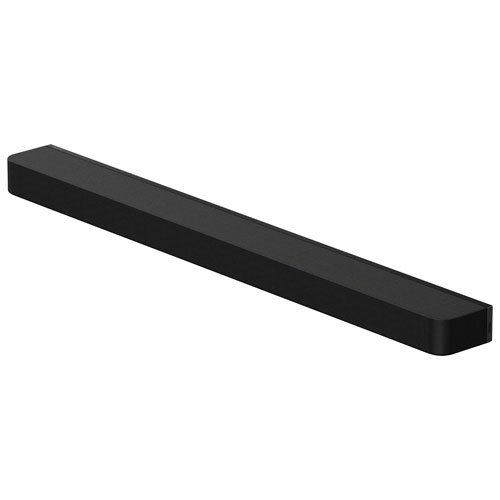
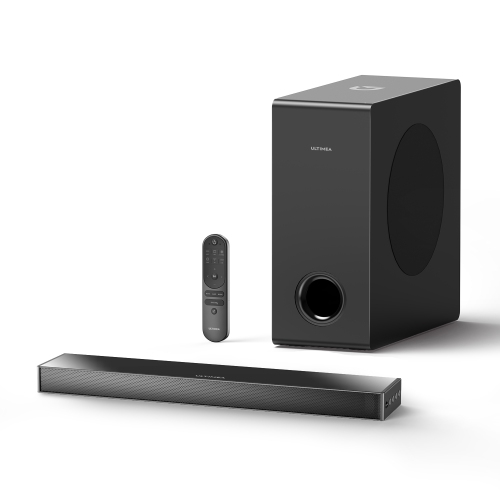


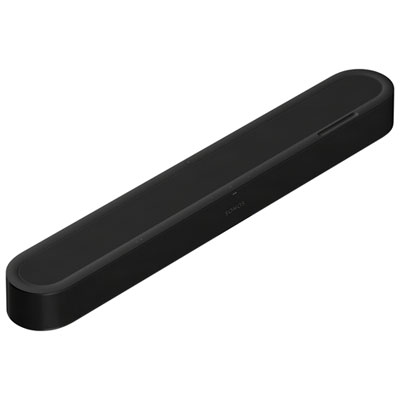


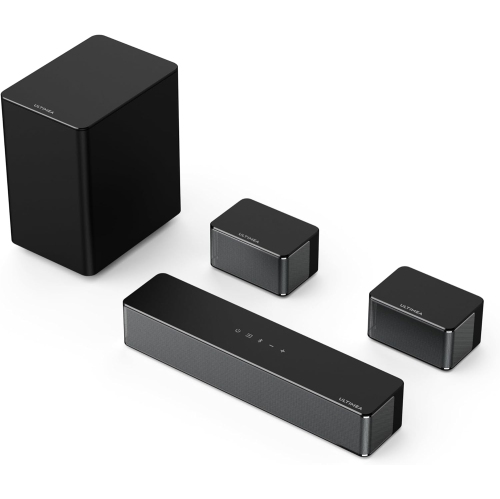


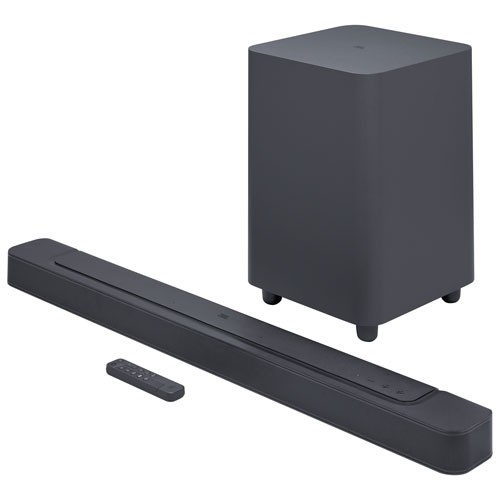
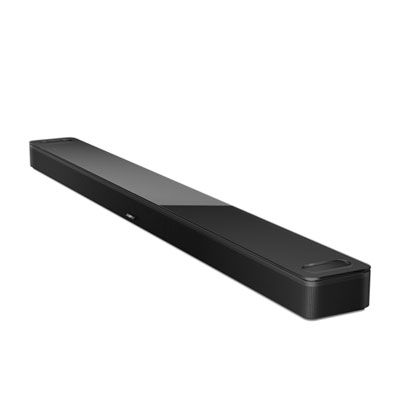

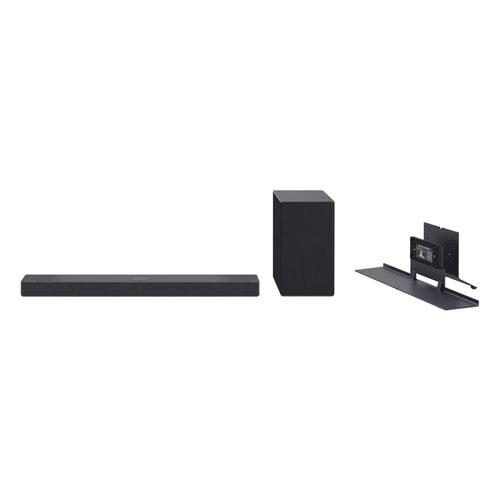
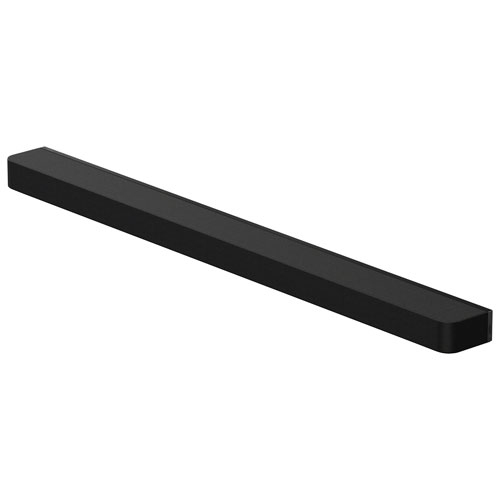
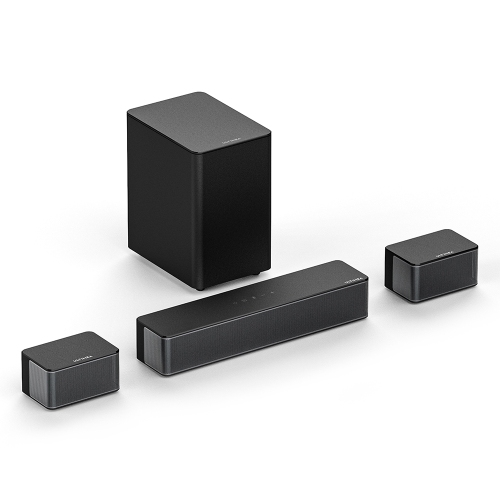

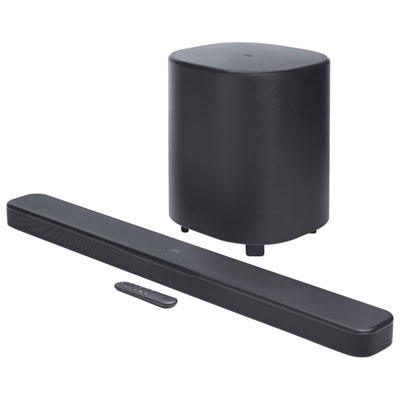

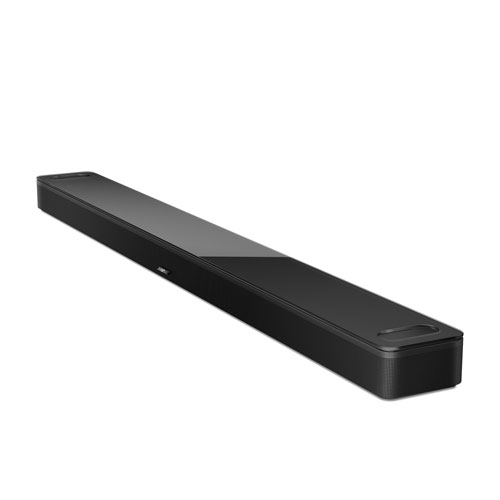
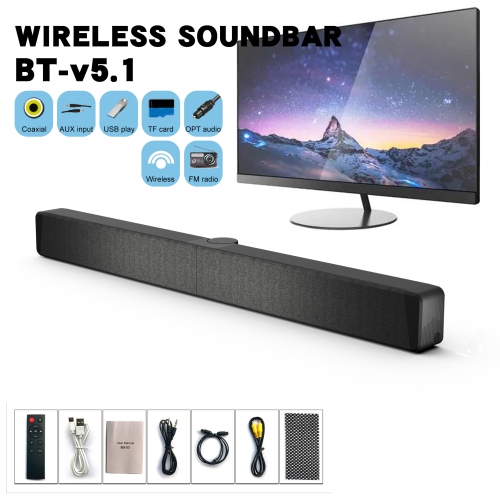
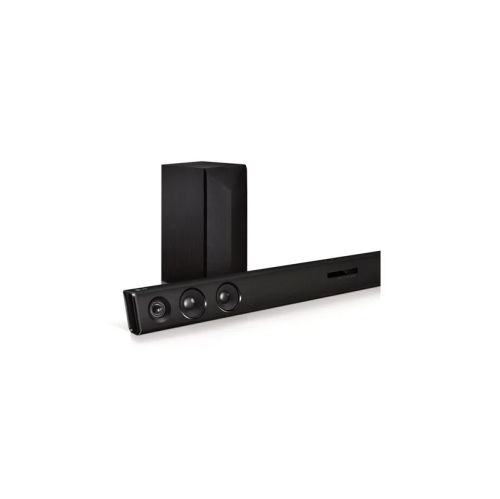


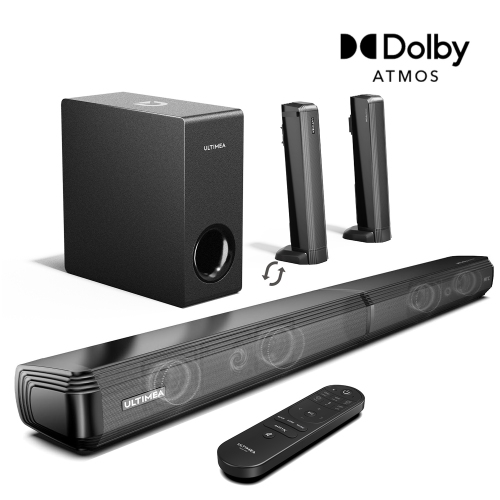
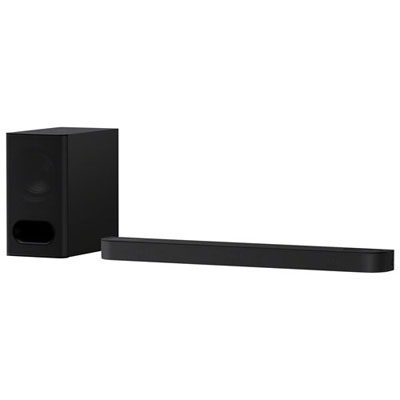
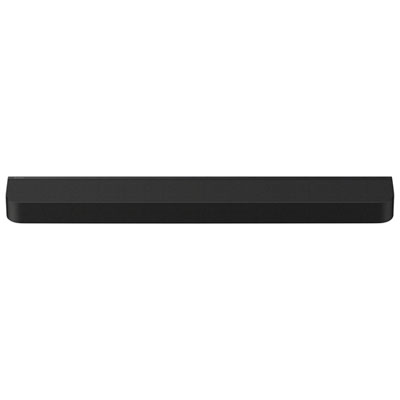
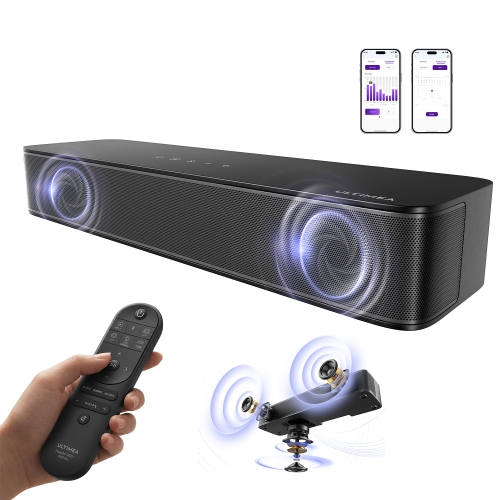

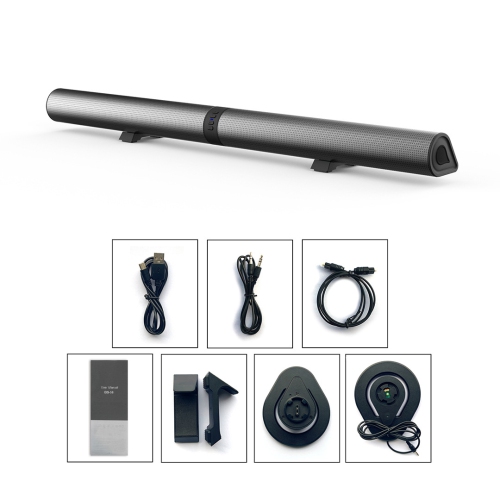
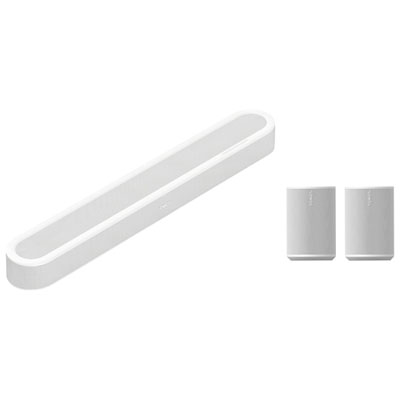
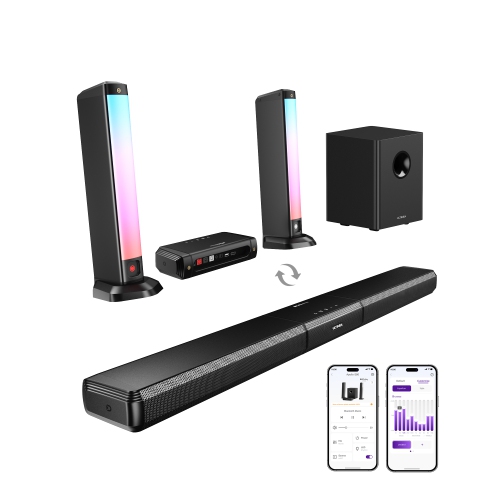
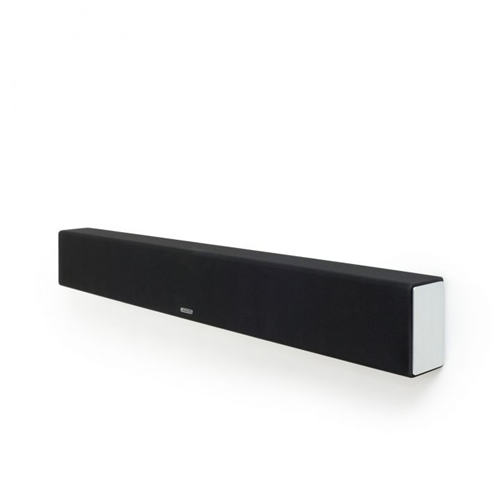

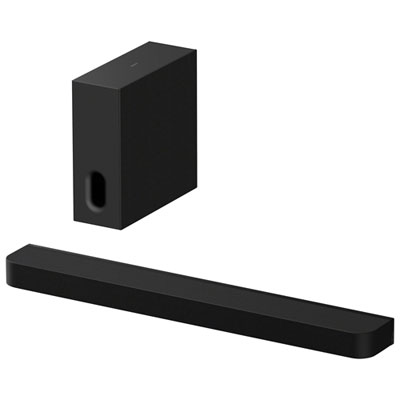
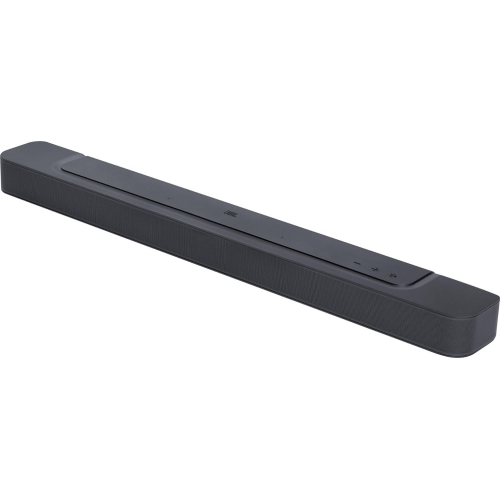
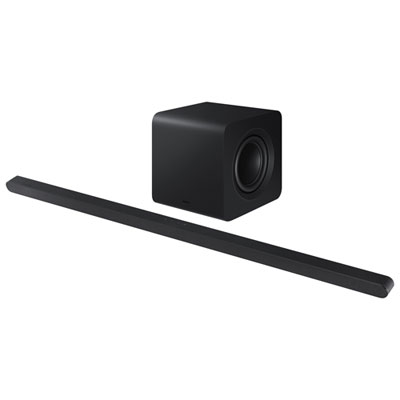

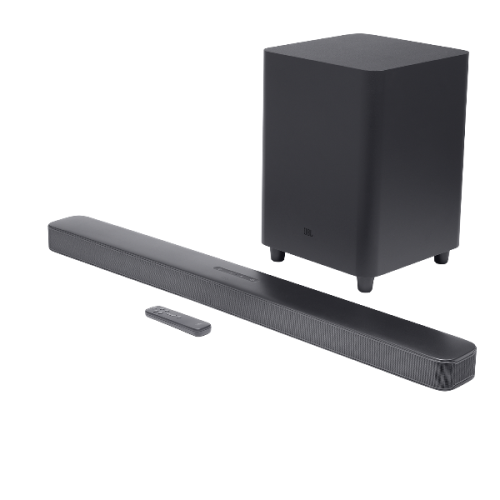

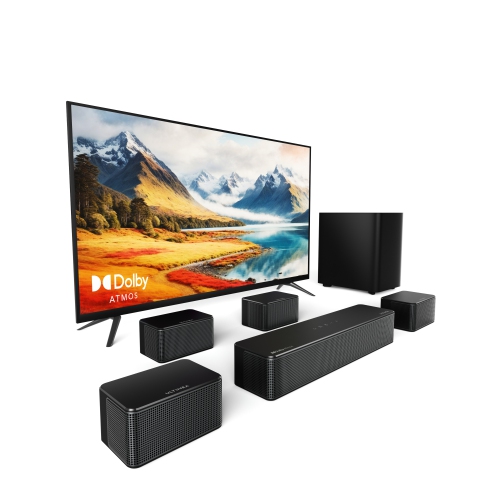
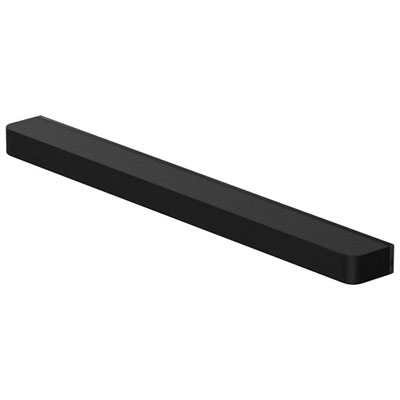


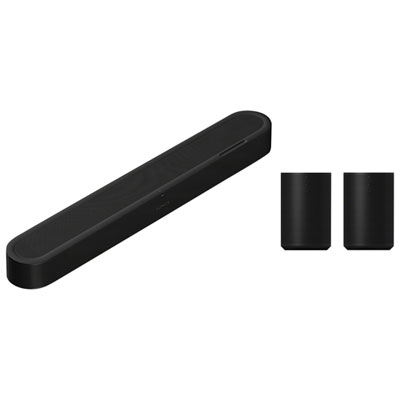

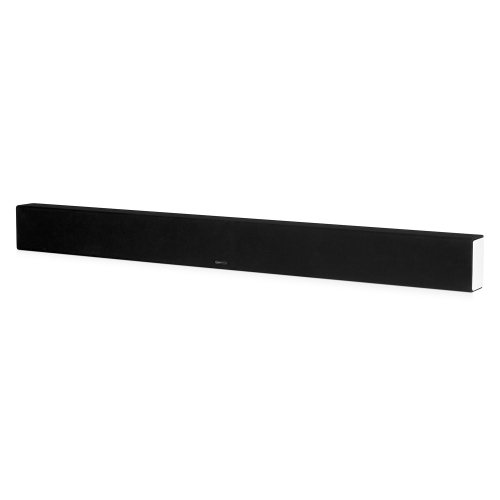
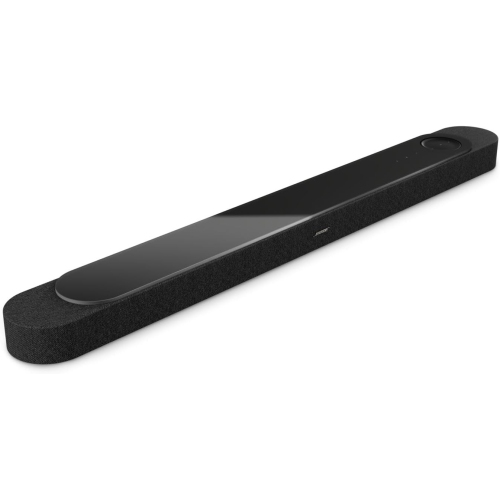

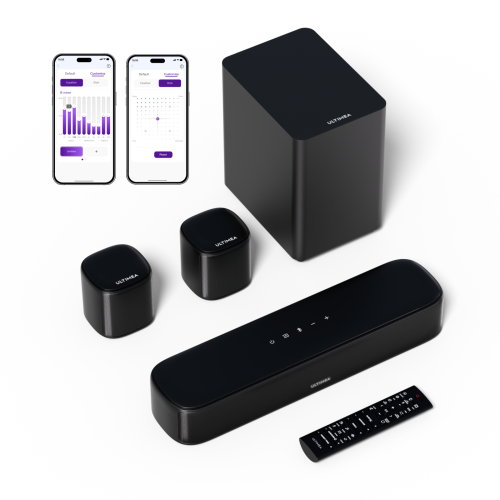
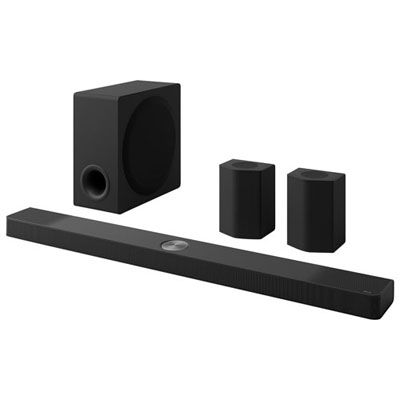

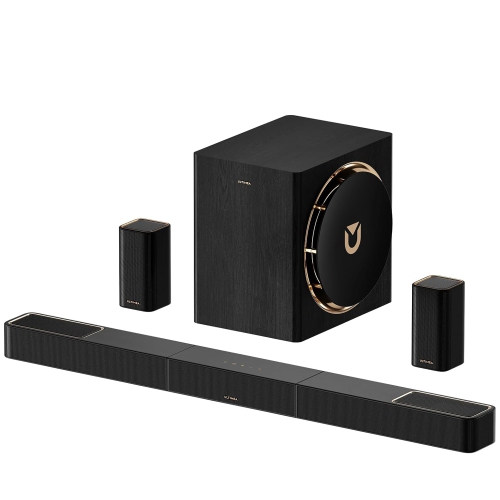

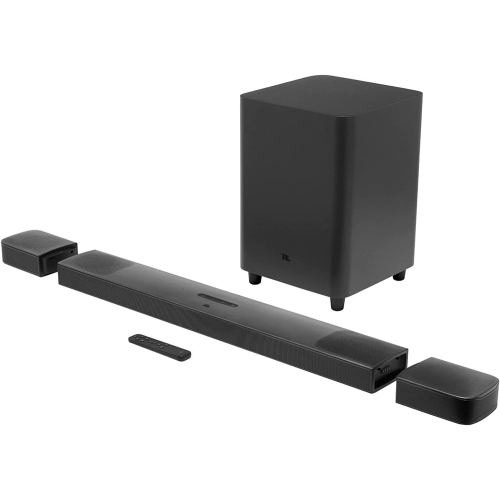
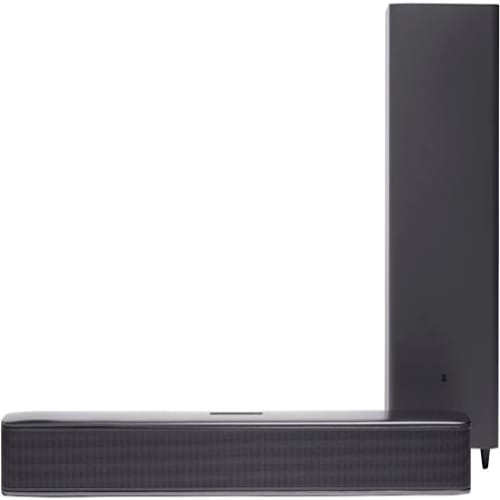
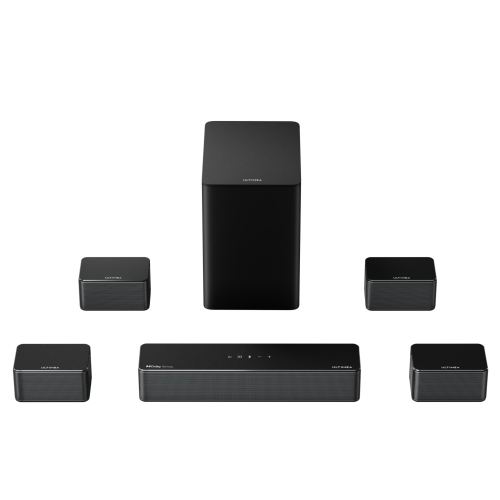
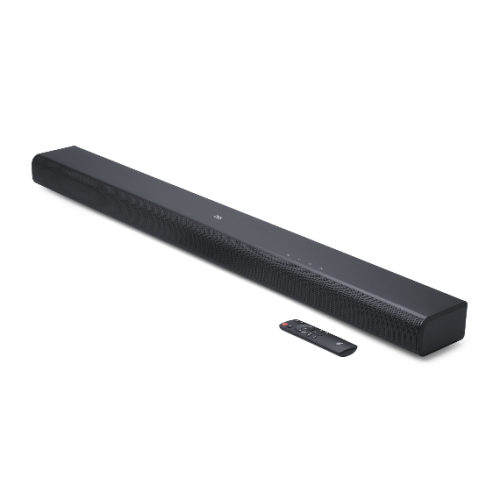
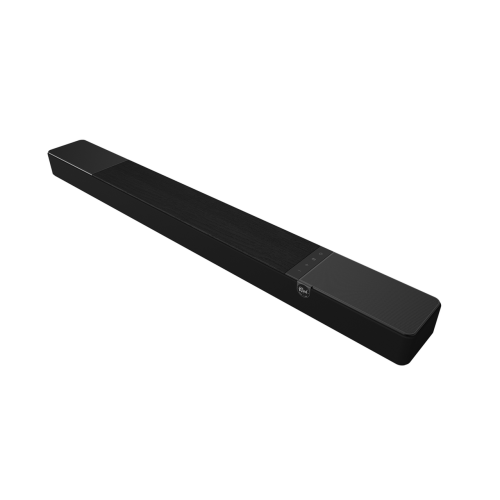
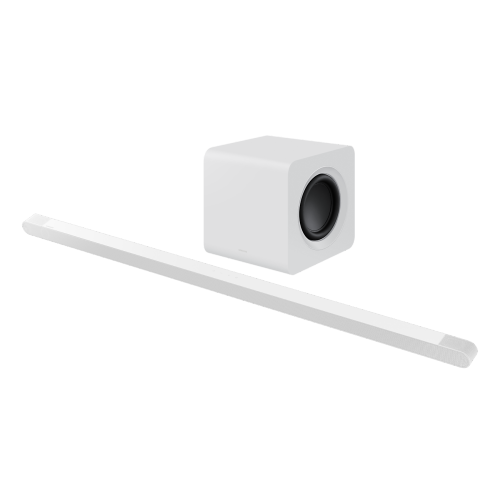


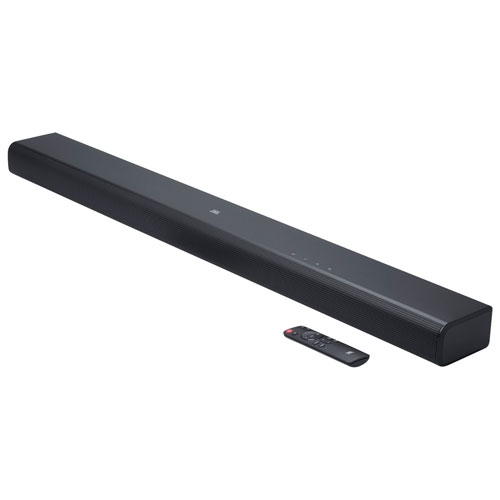
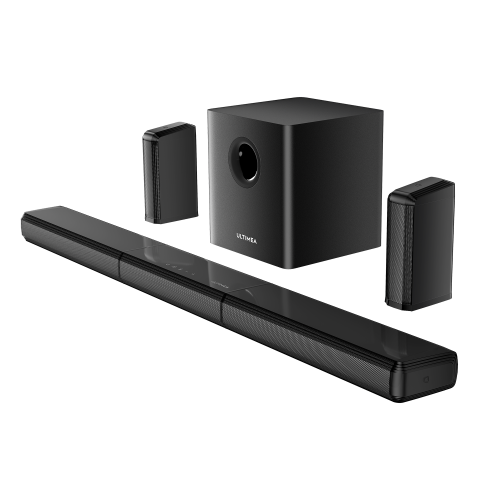
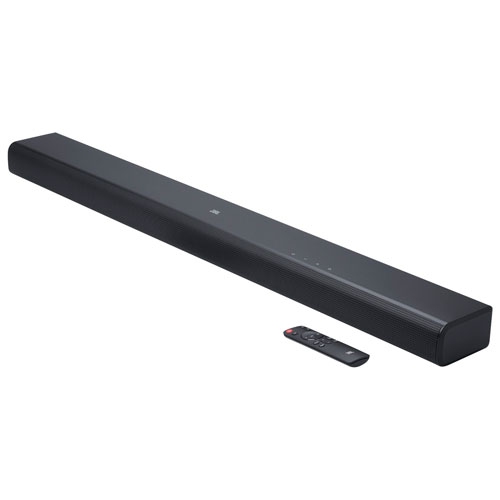
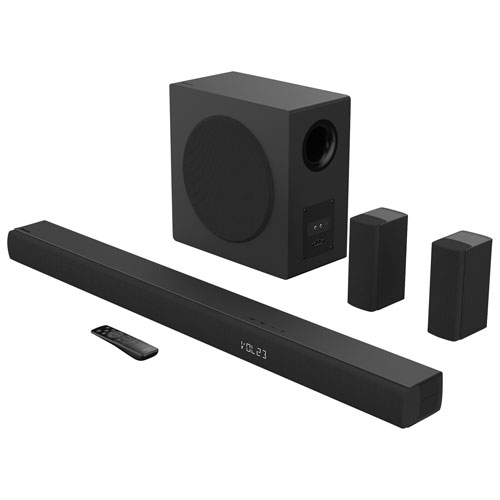


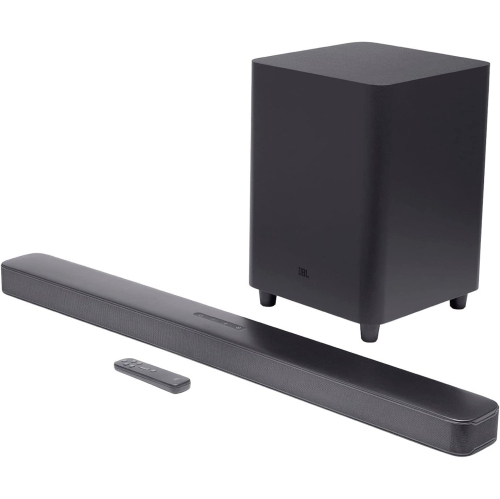
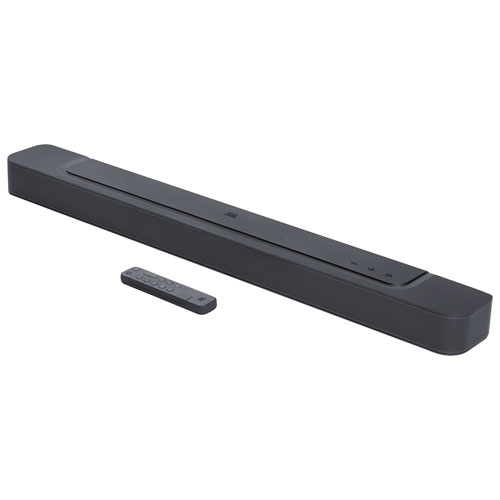
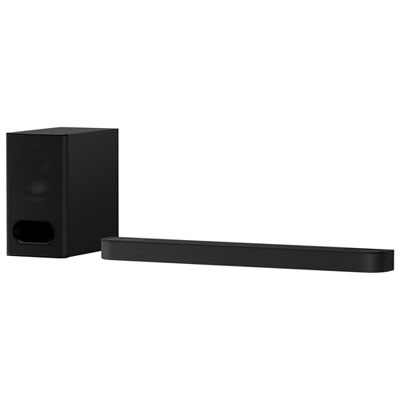

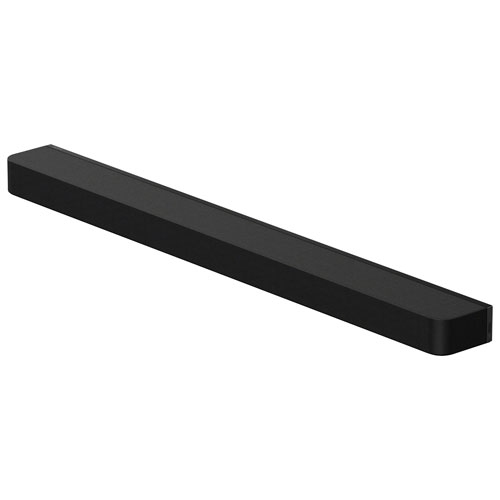

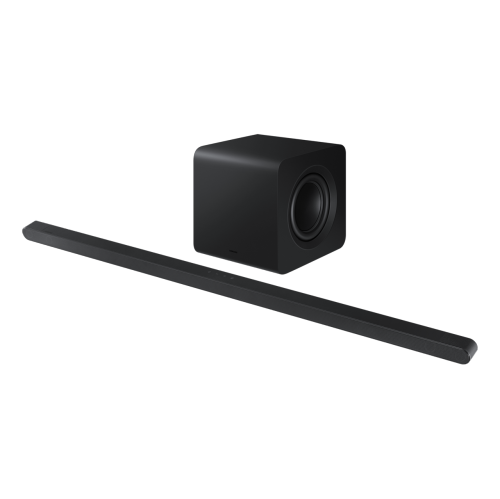

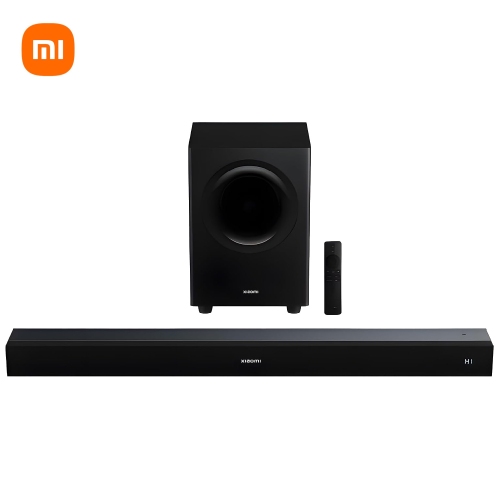

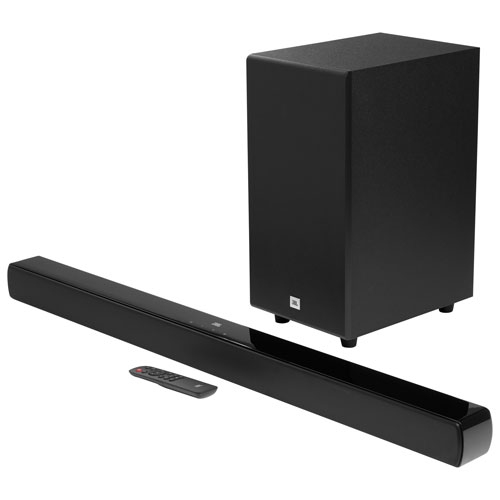
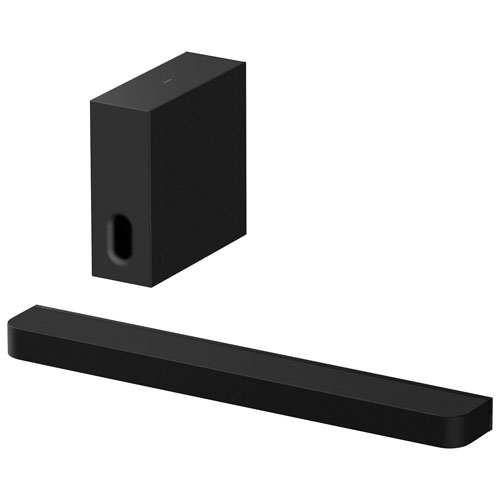
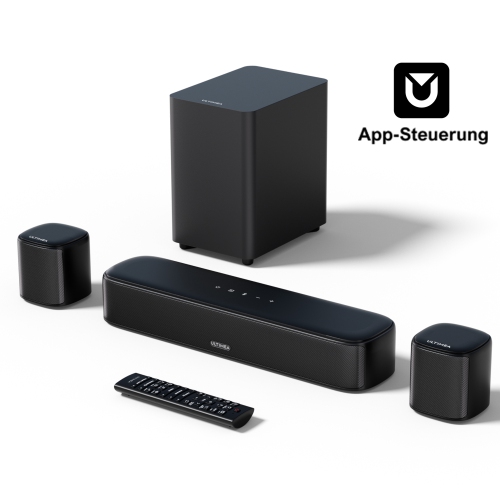

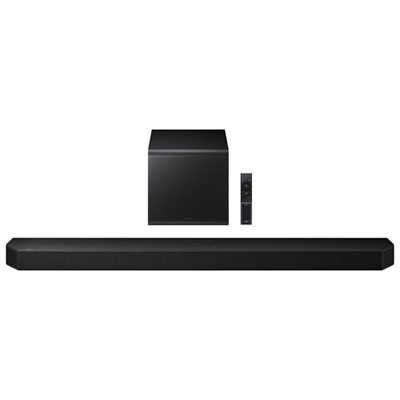
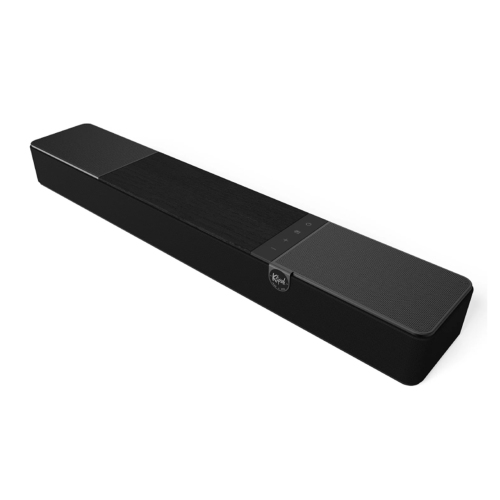
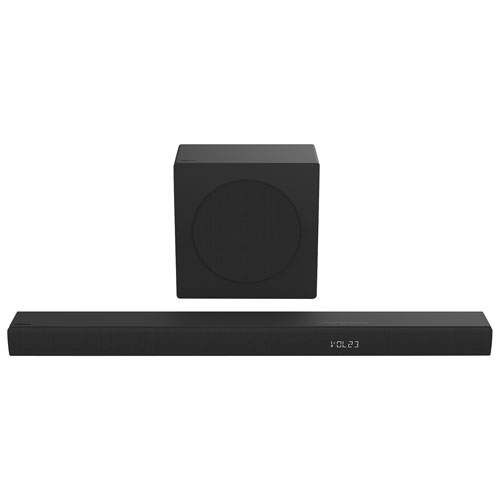

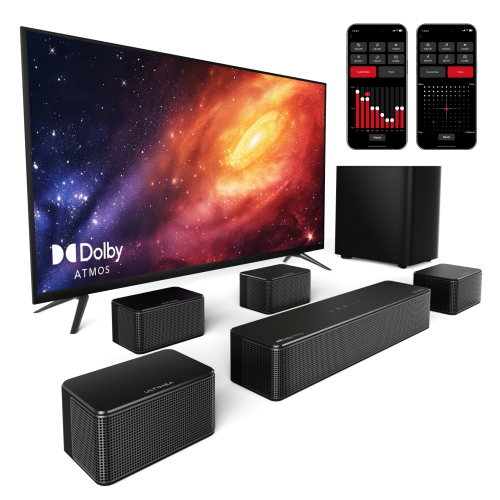
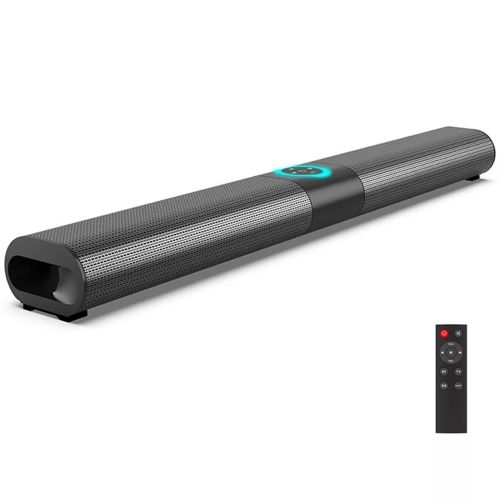
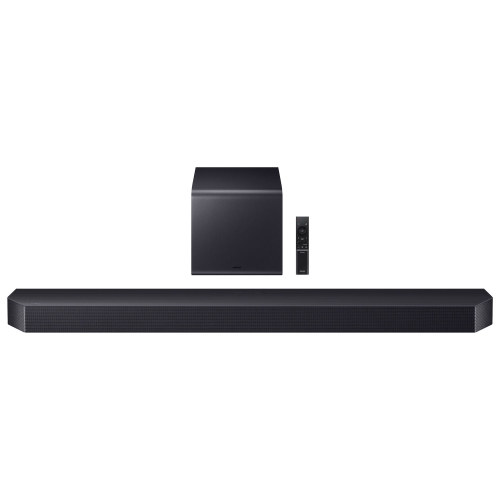
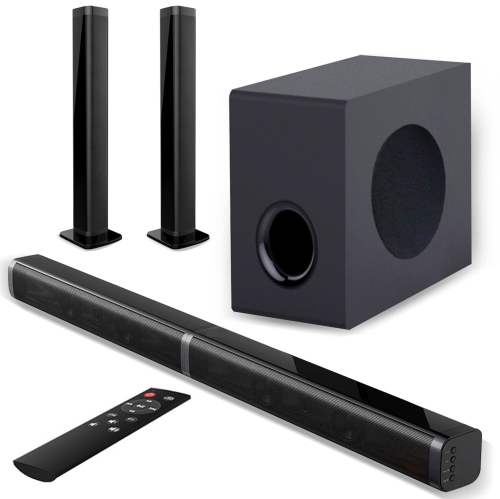
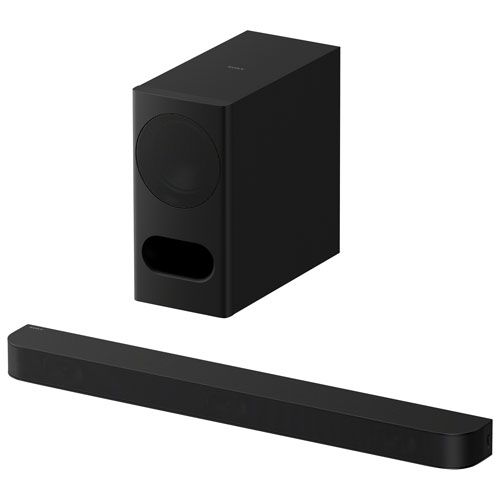

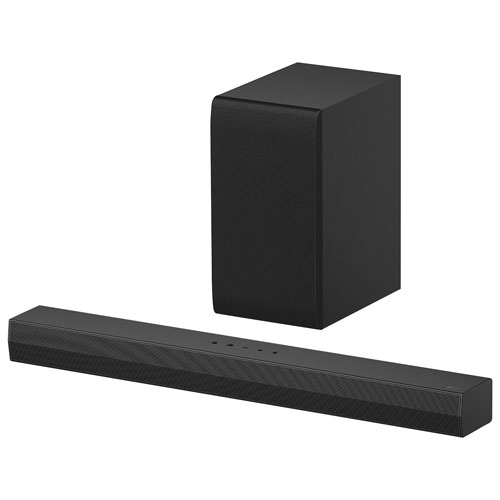


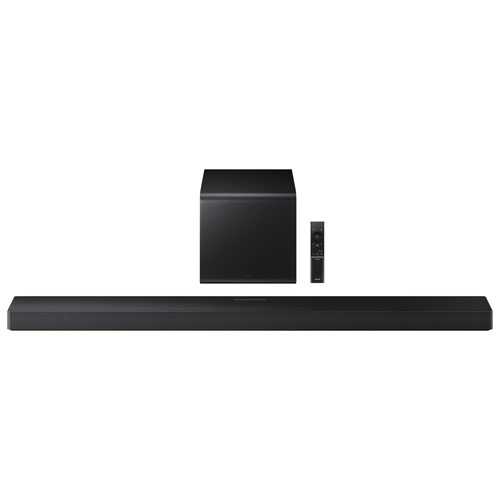

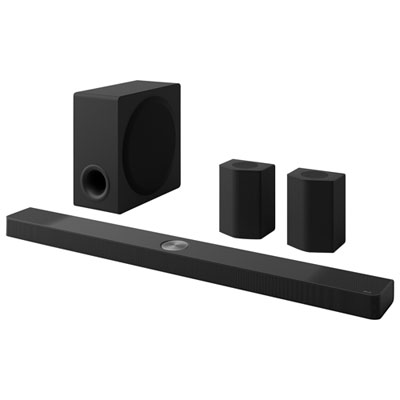
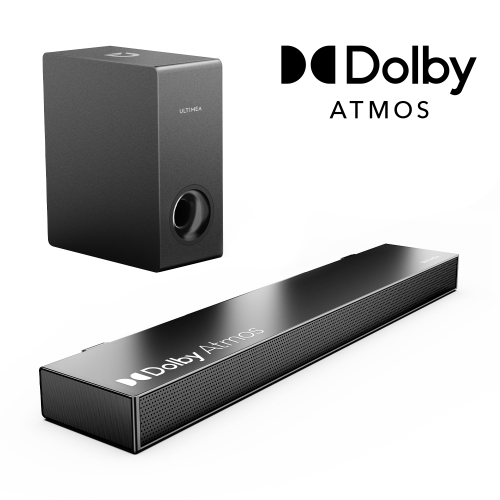

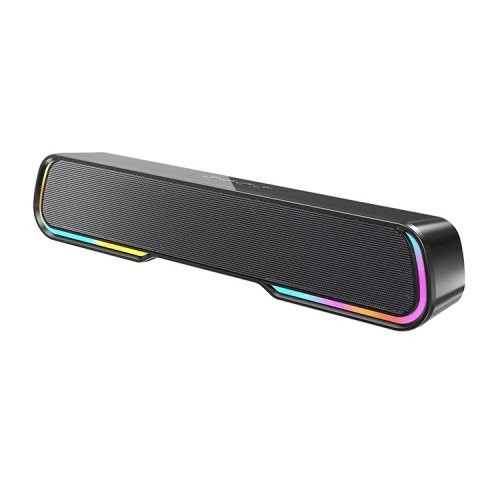
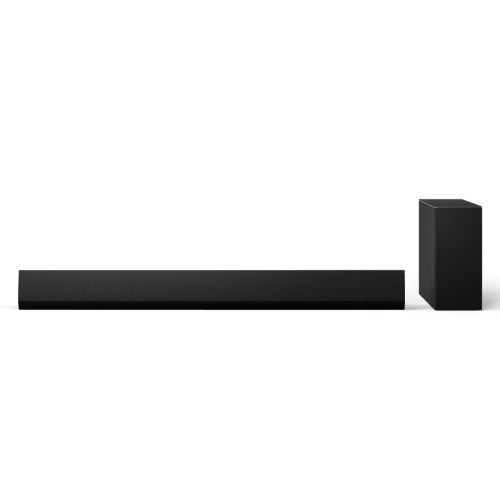
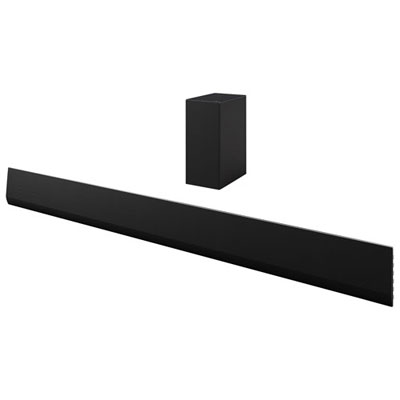
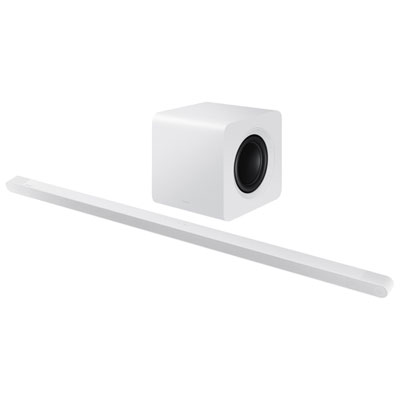
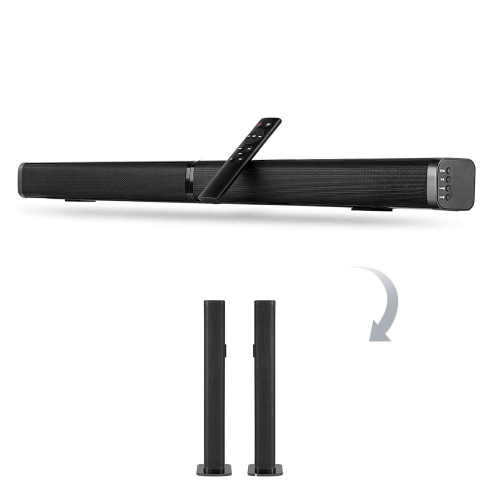

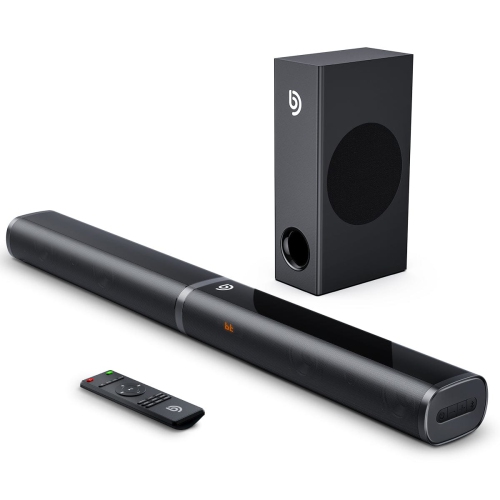
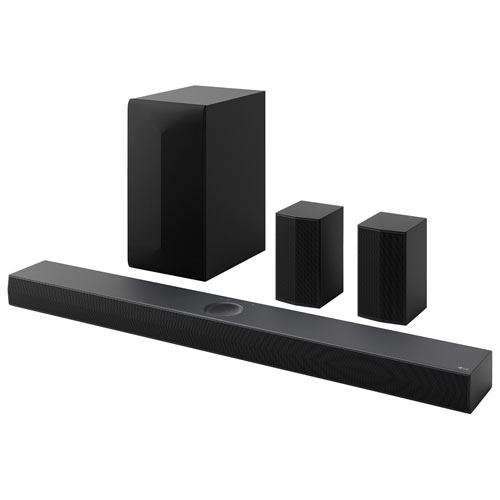
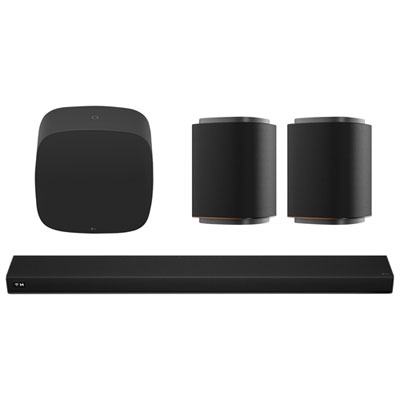

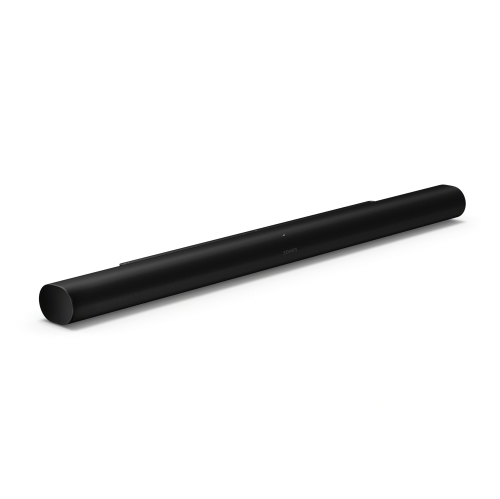
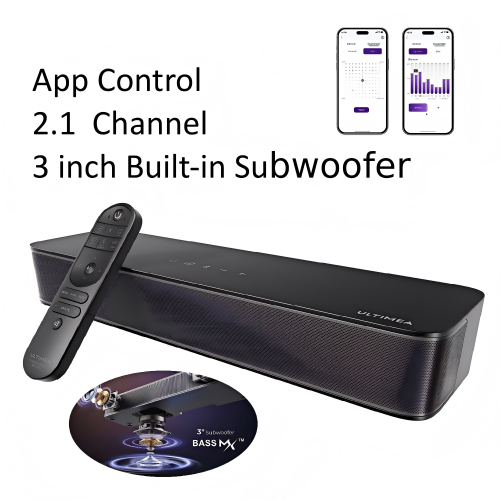

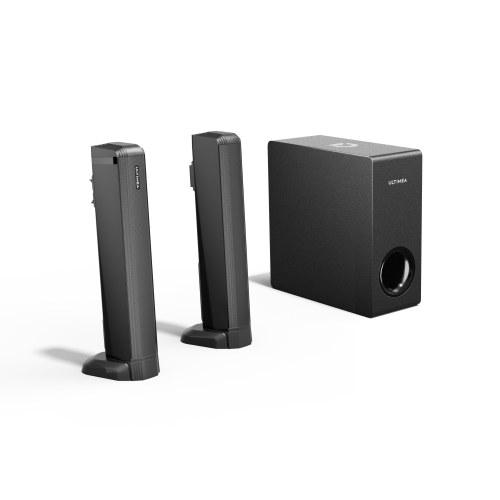

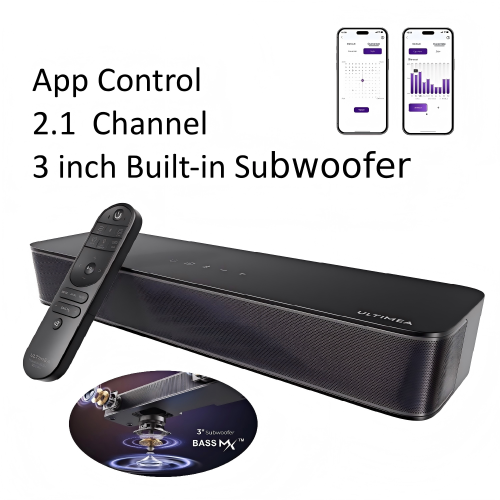

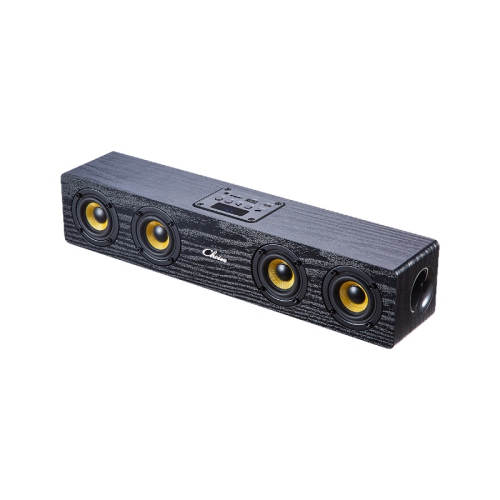
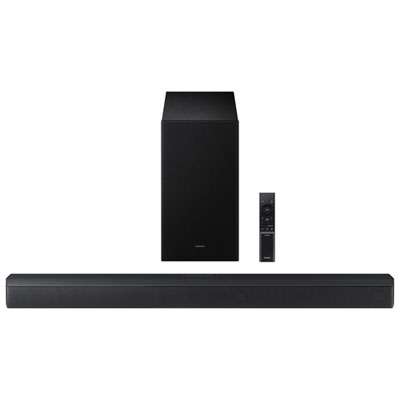
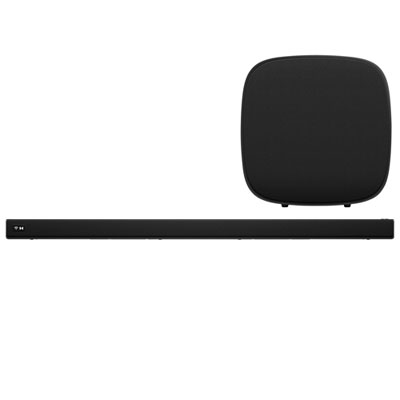

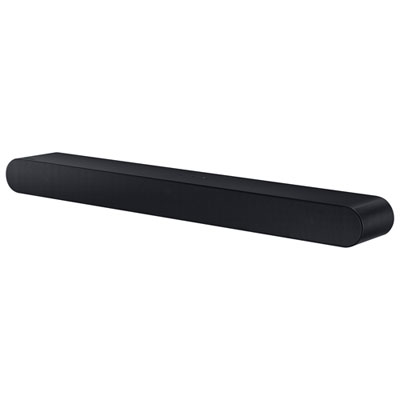

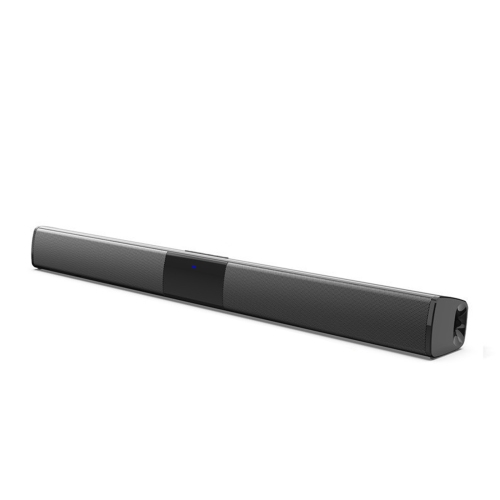
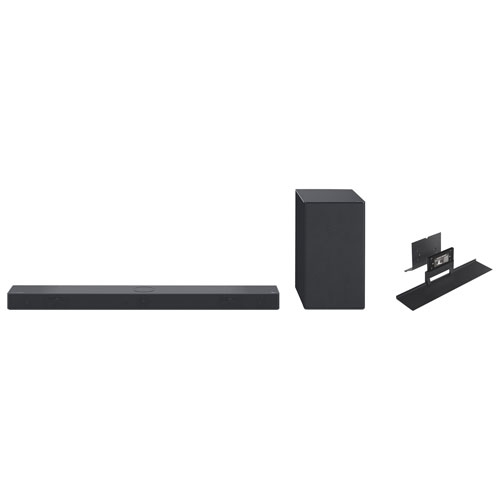
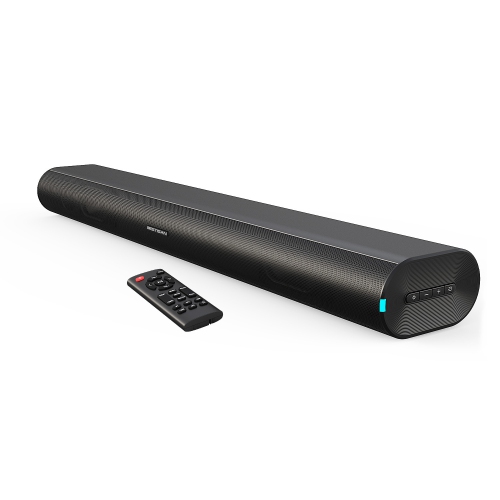
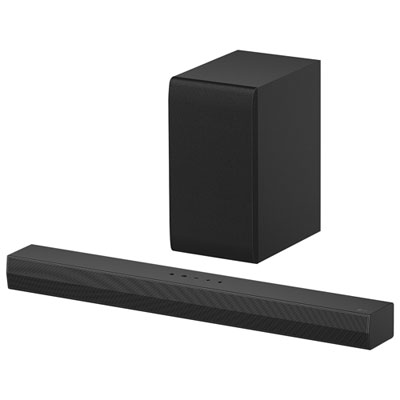
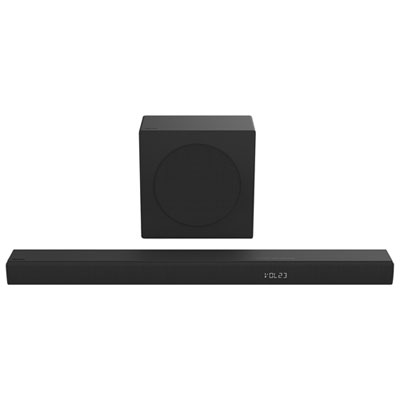
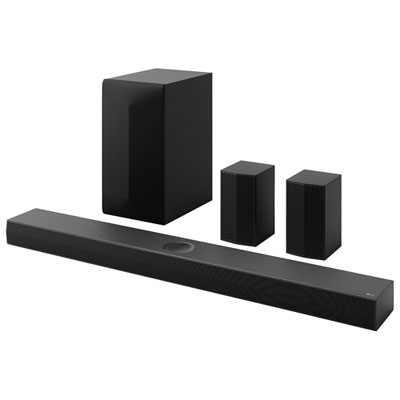

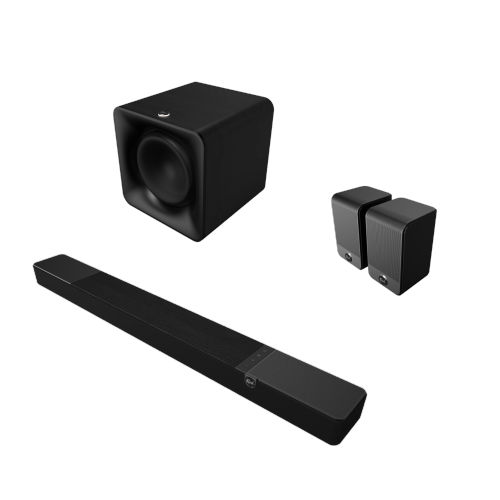
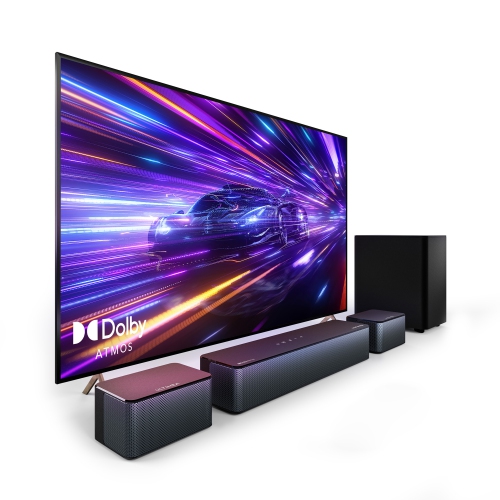
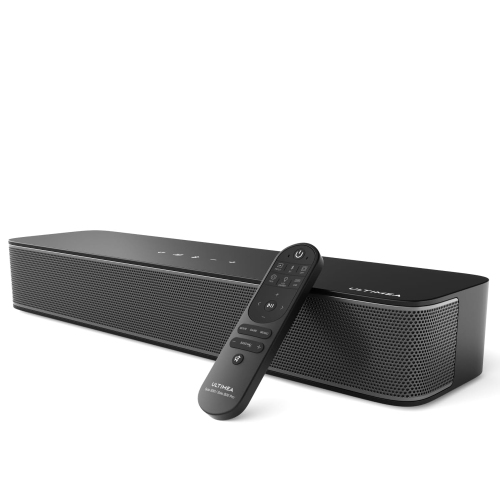
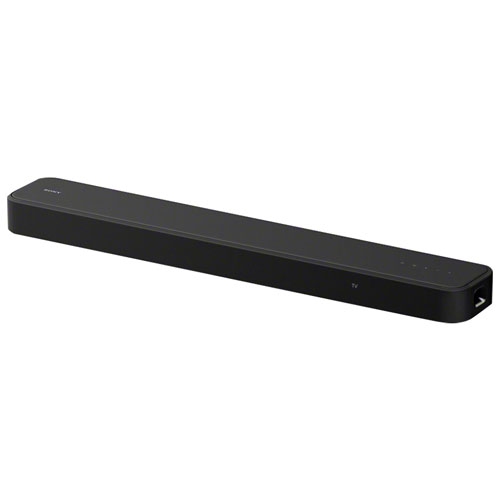
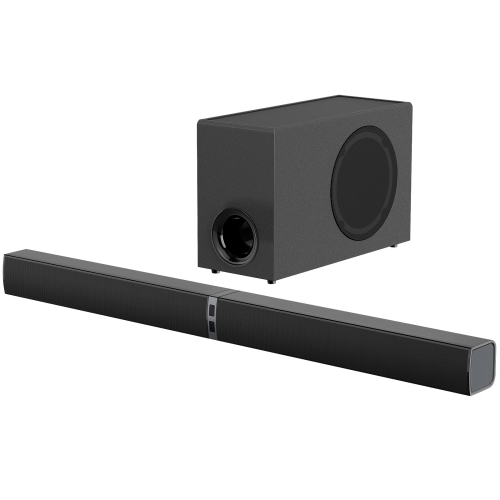
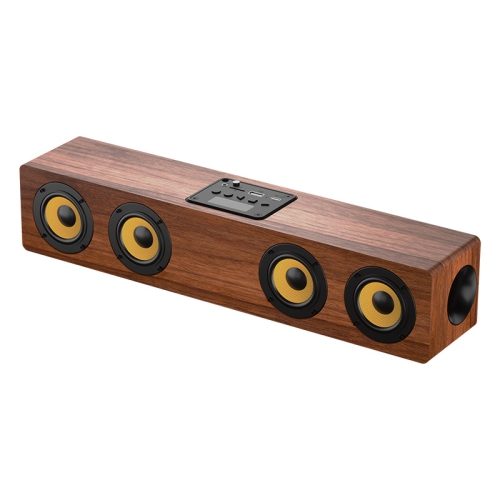
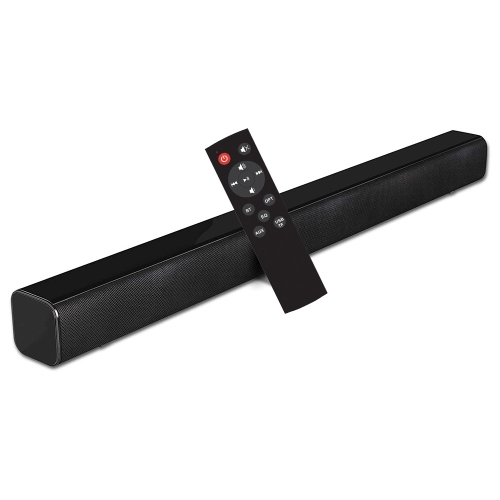
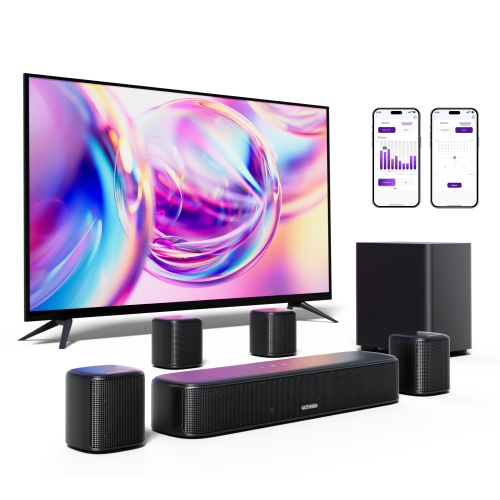
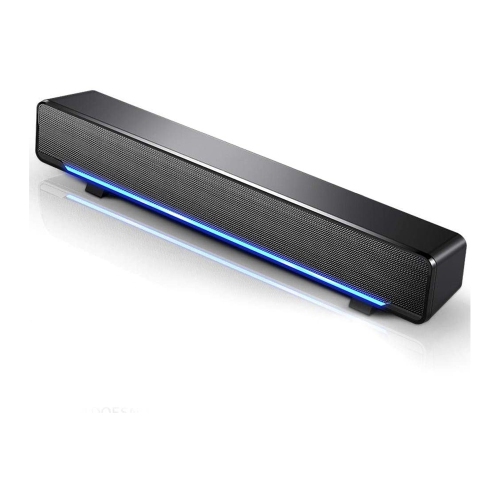

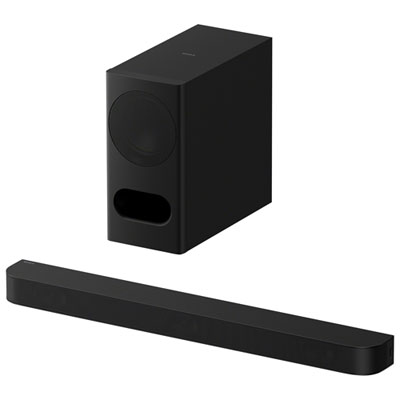

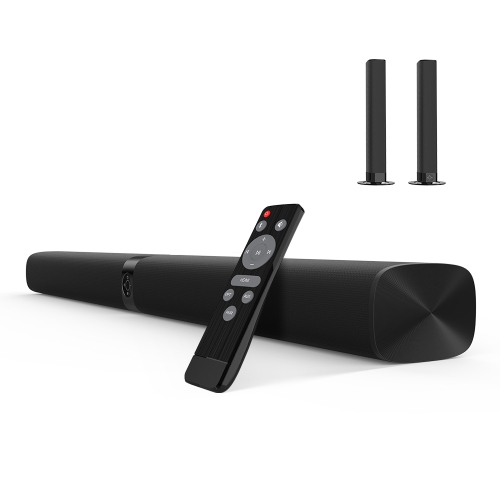
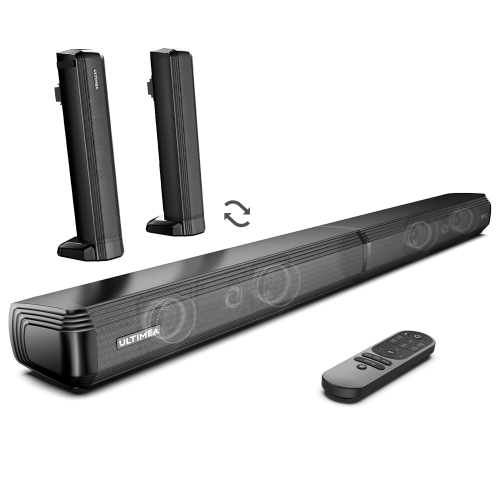
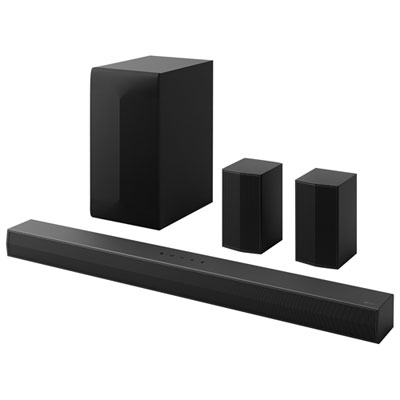
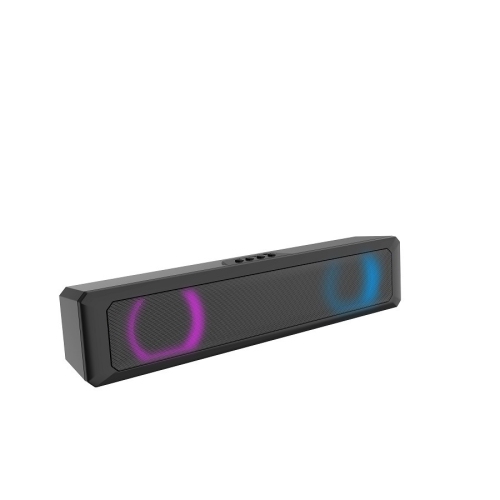
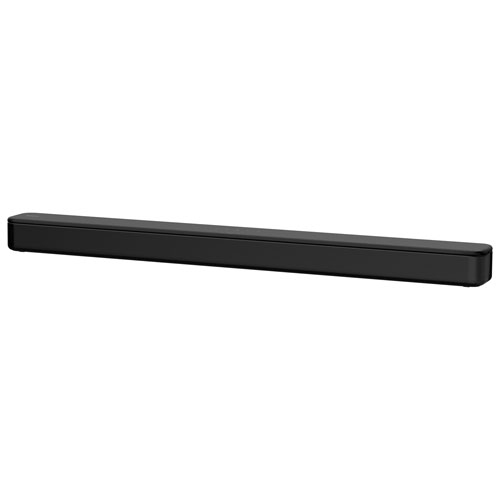
The musical details that matter beyond powerful bass
Audiophile soundbars bring a focus on musical fidelity to the compact format of a television speaker system, combining amplification, multiple drivers and audio processing within a streamlined cabinet. Their appeal lies in reproducing the character of a recording: the woody resonance of an acoustic guitar, the breath behind a vocal, the crisp attack of a snare drum and the decay of a piano note. For listeners who enjoy albums as much as films, convincing sound depends on more than strong bass or impressive volume. A balanced tonal response, low distortion, clear separation between instruments and the ability to follow quiet details through louder passages all contribute to an engaging listening experience. Dialogue should sound natural rather than thin or overly sharp, while bass should support the performance without obscuring voices. Construction plays a part in that presentation. A rigid, well-damped cabinet helps limit unwanted vibration, and carefully integrated drivers and amplification can support cleaner playback as volume increases. Dedicated tweeters, midrange drivers and bass drivers may divide the frequency range, although driver count alone does not establish sound quality. Metal grilles, fabric coverings and cabinet finishes also affect how a soundbar fits visually into a living room, media unit or wall-mounted television setup. A restrained design can keep attention on the screen while still giving music a more substantial presence than built-in television speakers typically provide. The compact form involves acoustic trade-offs, however. A soundbar has less physical separation between its left and right channels than a pair of widely spaced speakers, so stereo imaging depends on its width, driver layout, processing and position in the room. Some listeners prefer a direct stereo presentation for music; others enjoy processing that creates a wider sense of space. Neither a high wattage figure nor support for high-resolution files guarantees faithful sound on its own. The most useful qualities are audible ones: instruments that retain their texture, voices that remain intelligible and dynamics that feel expressive at everyday listening levels.
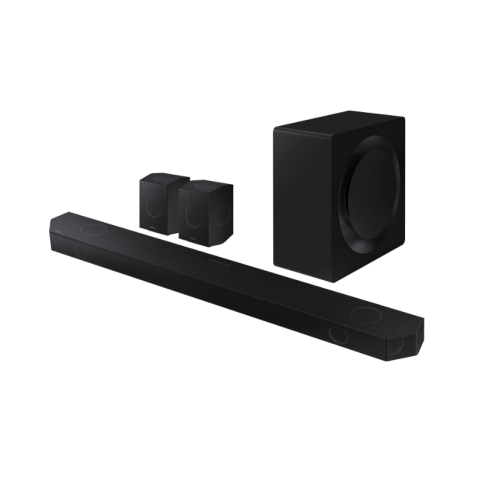
Room size and placement shape how an audiophile soundbar performs just as much as its internal design. In a smaller sitting room, an integrated system may provide satisfying weight and clarity without additional speakers, while a larger, open-plan space can place greater demands on bass output and sound coverage. For a broader emphasis on projection across a living area, Room-Filling Soundbars provide a related point of comparison. A separate subwoofer can extend low-frequency output and reduce the bass demands placed on the soundbar, giving a film score more scale or adding foundation to a double bass line. Its placement matters: a corner can reinforce bass, but it can also make particular notes sound disproportionately loud. Optional rear speakers add physical separation for surround effects, although their usefulness depends on seating positions, room layout and access to power. Channel descriptions help explain the intended presentation. A designation such as 5.1.2 typically refers to five ear-level channels, one low-frequency effects channel and two height channels, rather than a promise of that many separate speaker cabinets. Height effects may use upward-firing drivers, virtual processing or a combination of techniques, with results influenced by ceiling height, ceiling shape and the listening position. A flat ceiling can support reflected height effects more predictably than a steeply sloped or unusually high one. Shelves above the soundbar and enclosed media cabinets can obstruct sound, particularly from upward- or side-firing drivers. The bar also needs enough clearance to avoid covering the television screen or blocking its remote-control receiver. Room calibration, when included, can adjust aspects of the response to suit the space, but it cannot fully overcome poor placement or strong echoes. Rugs, upholstered seating and curtains can help soften excessive reflections without turning the living room into a dedicated listening room. For shared homes and apartments, controlled bass and good clarity at modest volume can be more valuable than maximum output. Dialogue enhancement and night listening modes may also suit late viewing, though reducing dynamic range changes the contrast between quiet and loud moments.
Connections and everyday operation determine whether a soundbar’s audio capabilities translate smoothly into regular use. HDMI eARC can carry compatible lossless multichannel audio from a television, but the television, soundbar and source must support the intended format. An optical connection can still be useful for stereo and certain compressed surround formats, although it does not carry the newer lossless immersive formats supported through suitable HDMI connections. For music, Wi-Fi streaming may offer access to higher-quality audio than some Bluetooth connections, depending on the service, file format and device support. High-resolution compatibility describes the ability to handle particular audio files; it does not automatically improve a recording or ensure that every streaming session uses that quality. A well-recorded album in a standard lossless format can sound excellent, and careful tuning often matters more than chasing the largest specification. Practical compatibility includes reliable volume control from the television remote, straightforward input switching and convenient playback from the devices already used at home. A household that moves between television programmes, concert recordings and playlists may appreciate an interface that makes those changes feel effortless. Wireless subwoofers and rear speakers still generally require power, so socket locations and cable routing remain part of a tidy installation. For wall mounting, suitable brackets, secure fixing points and the manufacturer’s clearance requirements help protect both the equipment and its performance. Routine care is usually uncomplicated: a soft, dry cloth for the cabinet, gentle dust removal around grilles and ventilation openings, and no liquid sprayed directly onto the unit. Fabric coverings need particular care to avoid snags, while ventilation should remain unobstructed during use. Durable finishes and secure placement are useful considerations in busy households with children or pets. As a gift, an audiophile soundbar can suit a music enthusiast who also loves cinema, or someone who wants a simpler alternative to a system of separate components. Matching the recipient’s television connections, available space and listening habits makes that gift more practical than choosing by size or output alone. The strongest fit is a system that brings satisfying detail to familiar music and clear, convincing sound to everyday viewing without making the room harder to use.
Top selling and popular products
-
 Your price for this item is $1379.99
-
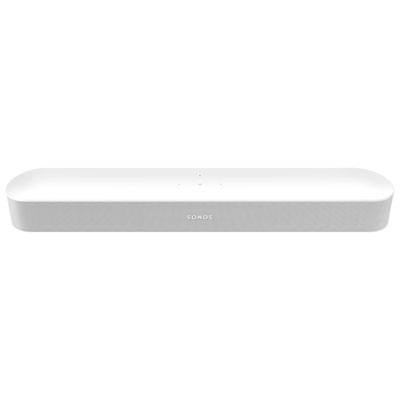 Your price for this item is $649.99
-
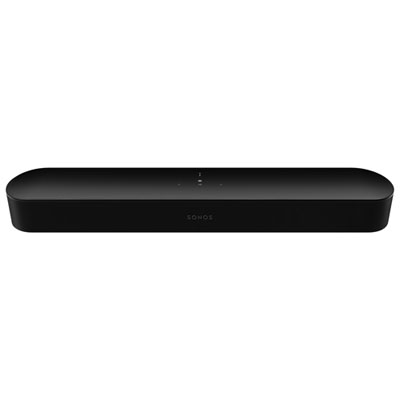 Your price for this item is $649.99
-
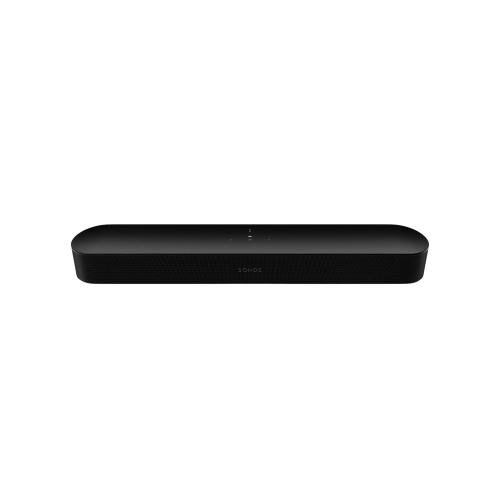 Your price for this item is $649.99
-
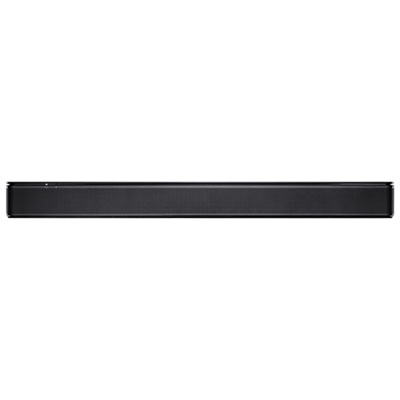 Your price for this item is $329.99
-
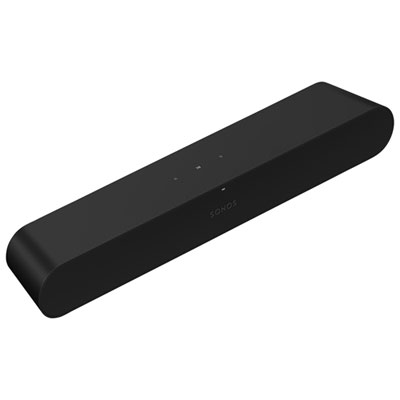 Your price for this item is $289.99
-
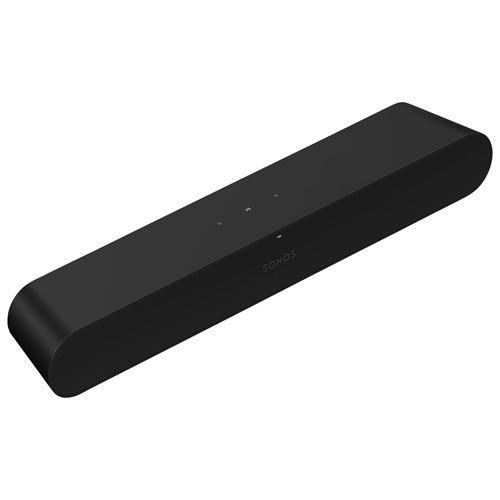 Your price for this item is $224.99
-
 Your price for this item is $839.99
Discover more categories related to Audiophile Soundbars
Top Collections:
Pokemon Centers, Best Budget Office Chairs, Kindle Devices, Best Laptops for Writers, Apple iPhones 16, Canon G7X Cameras, Best Cell Phones Under $300, Samsung Galaxy Phones, iPhone 15 Apple, Flip Phones
Some products may be subject to Environmental Handling Fees
(EHF) depending on your province.
Learn more about EHFs.