Good Speakers for Music
If you're a music lover, you probably have a lot of songs on your computer or phone. And if you're listening to those songs on your computer or phone, you probably want to hear them as best as possible. That's where a good speaker comes in. A good speaker will make your music sound better, and it will make it easier to enjoy your favorite tunes. Here are some of the best speakers on the market.
Sort
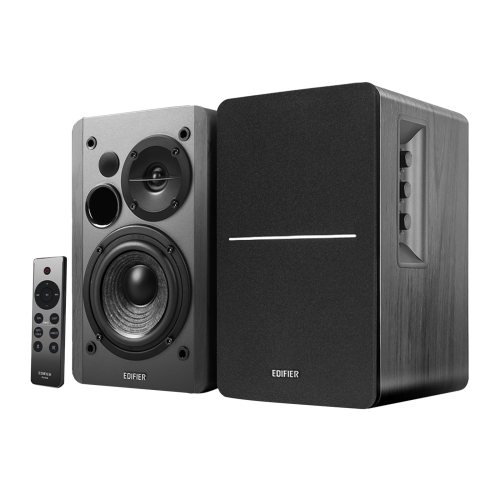
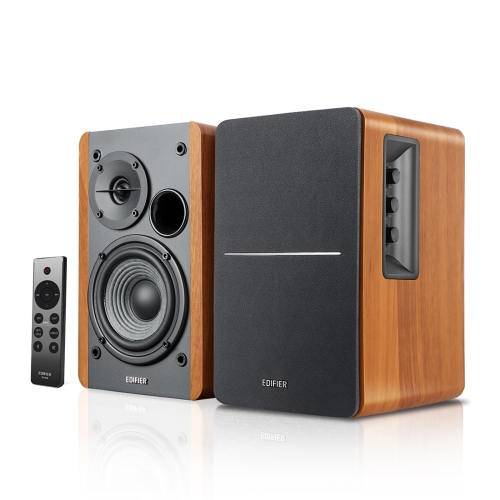
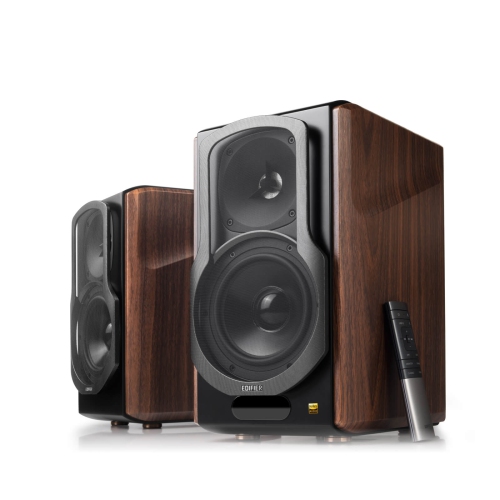
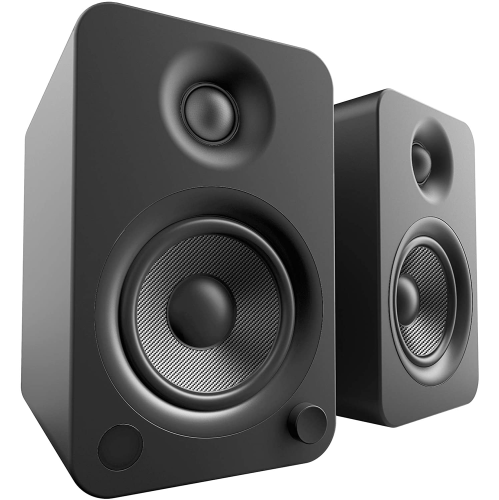
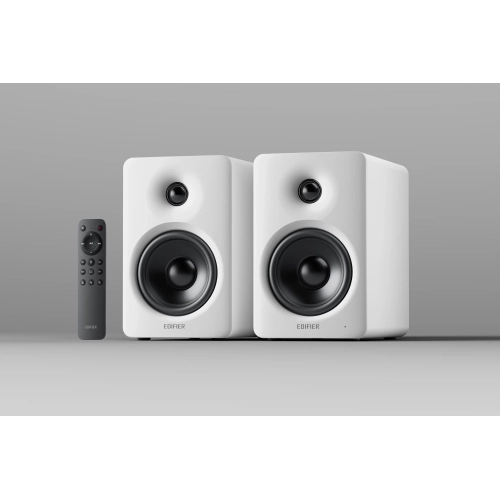
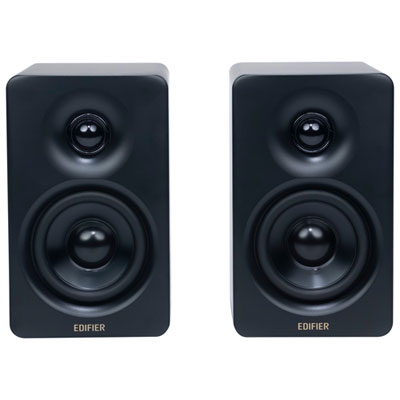
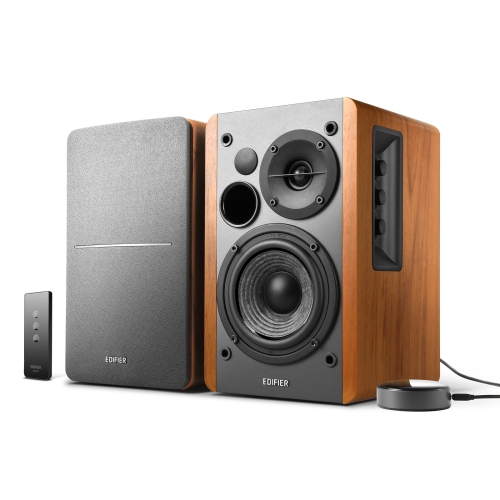

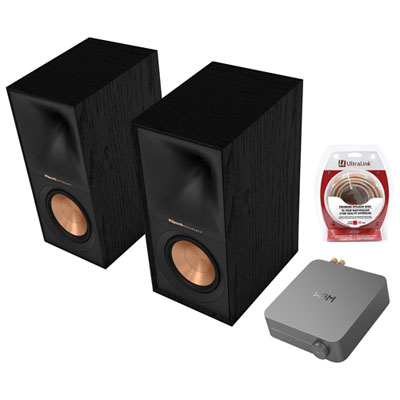
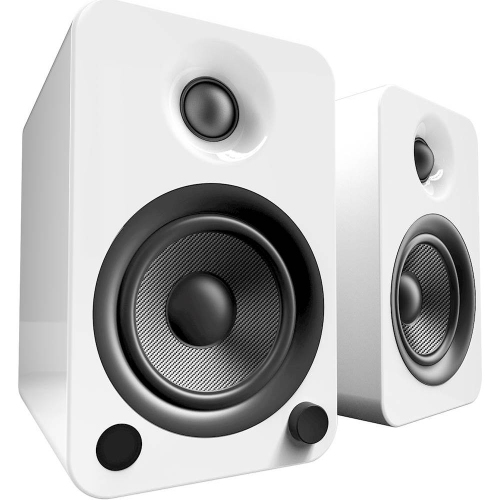
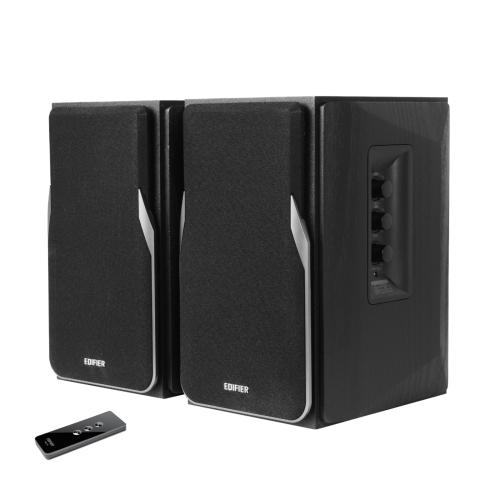
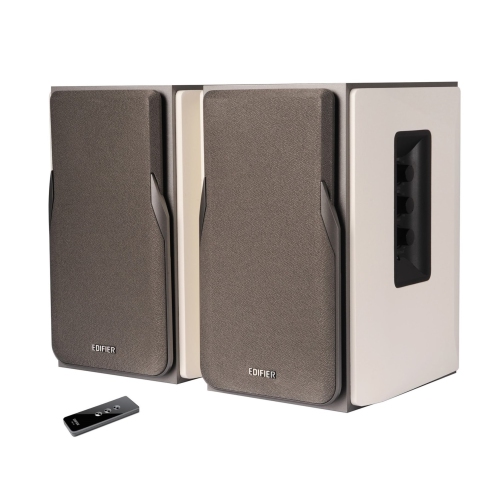
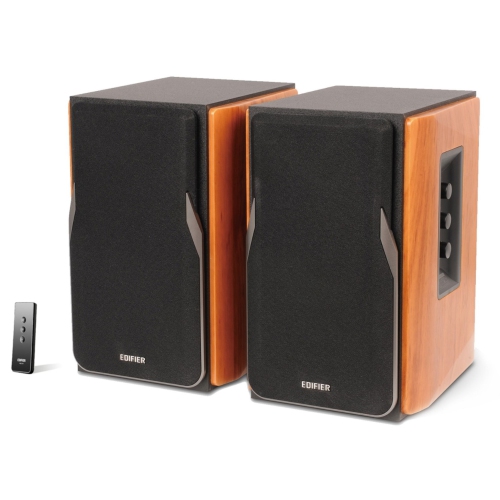
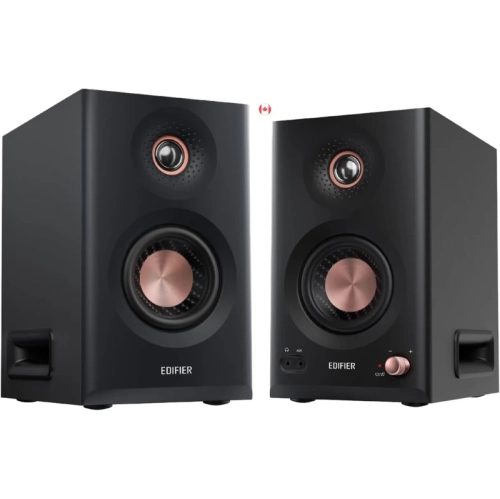
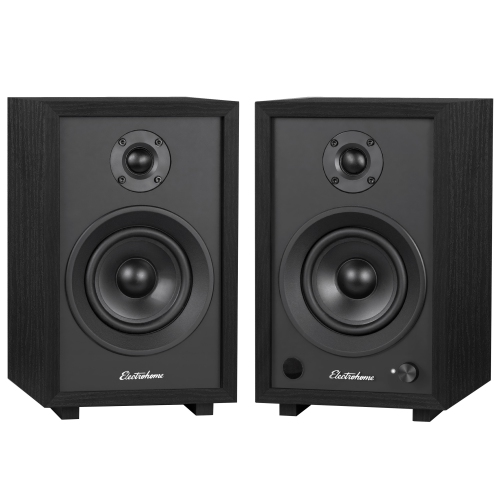
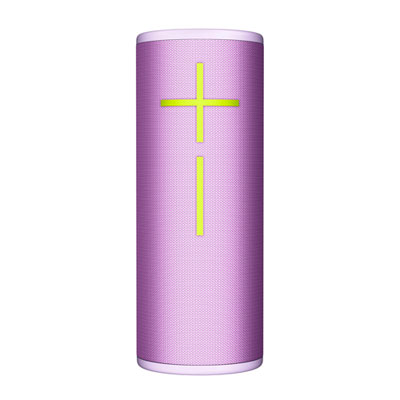

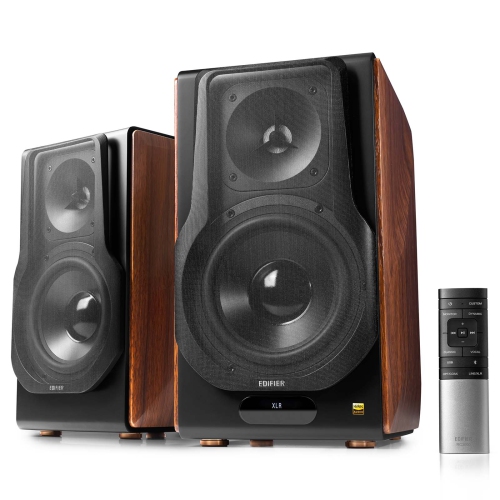
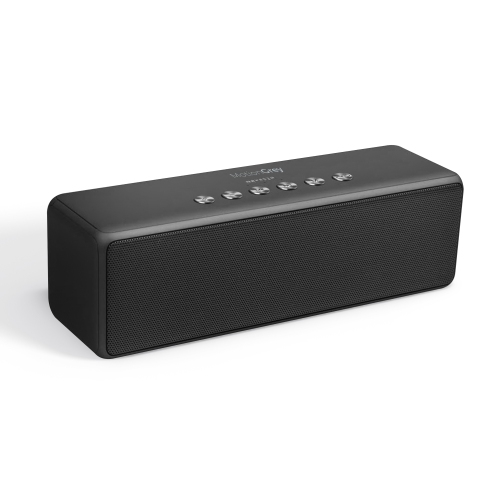

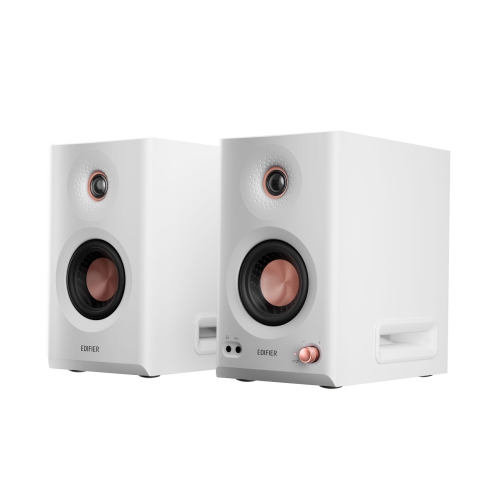
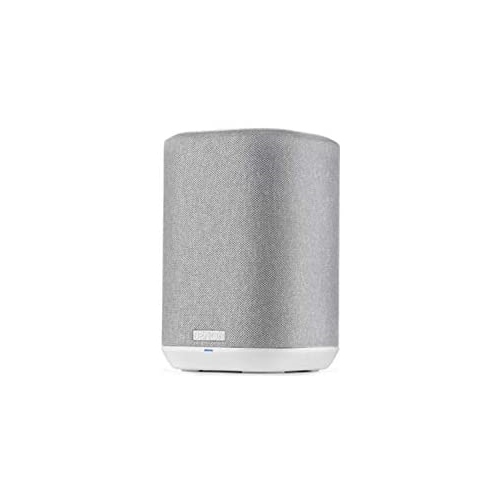

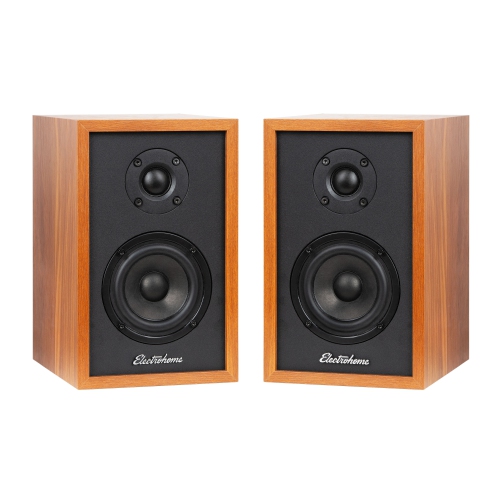
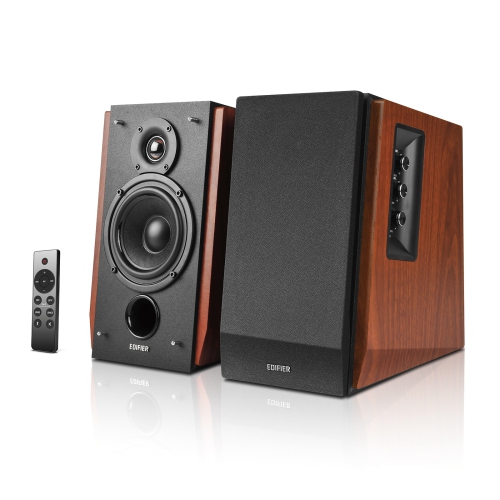
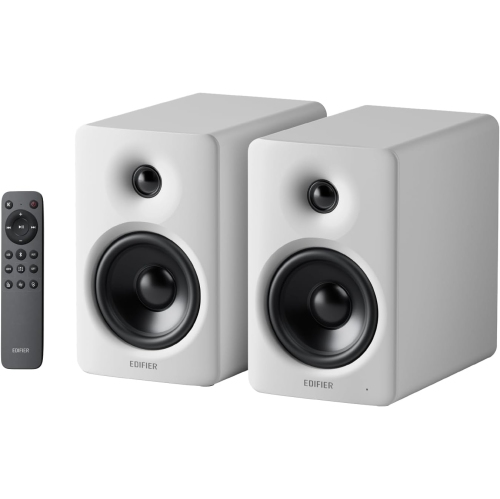
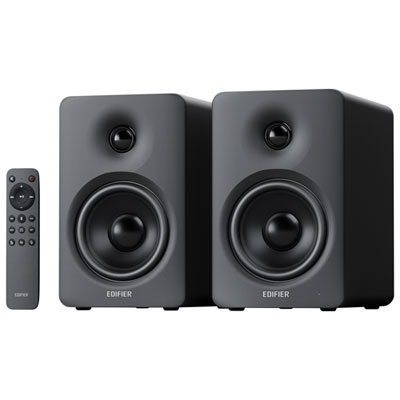
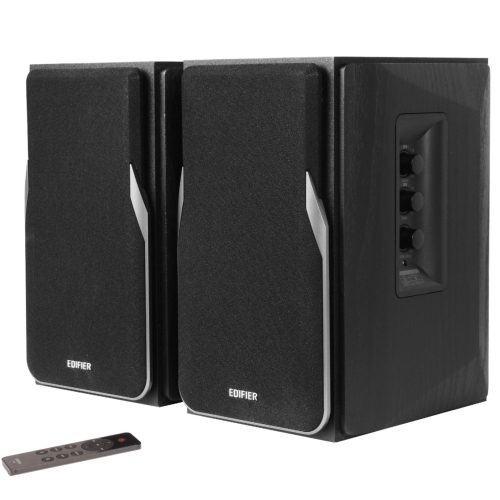
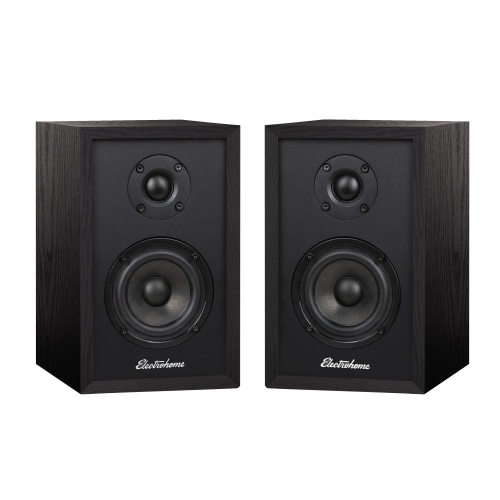
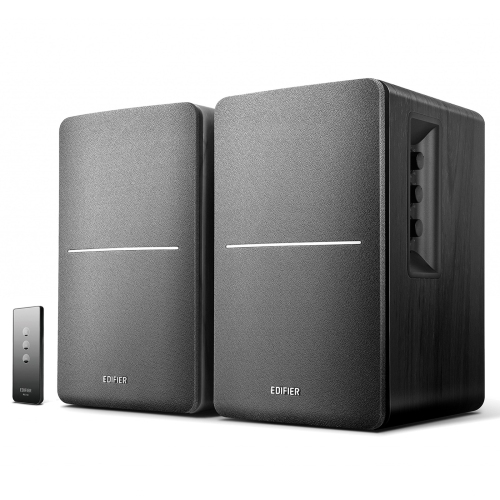
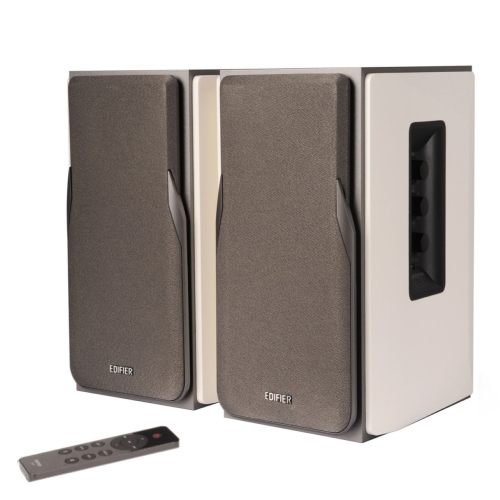

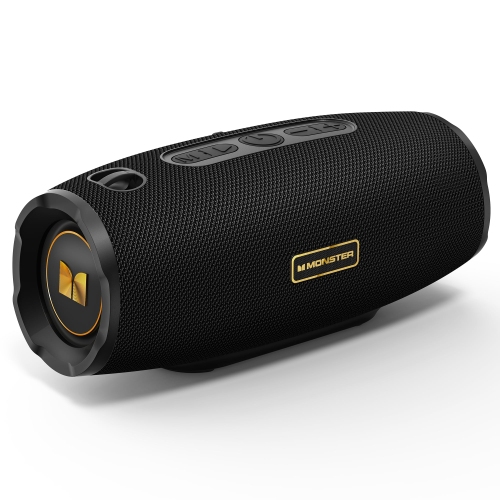
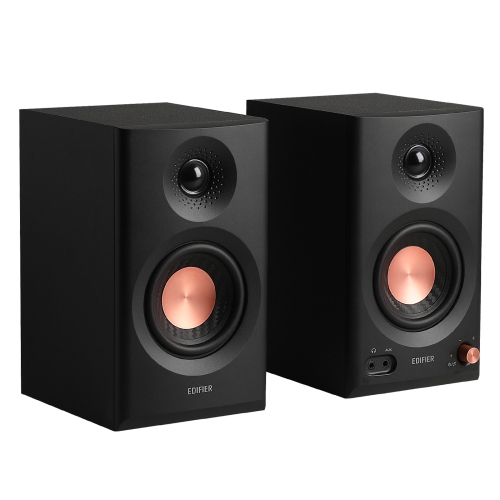
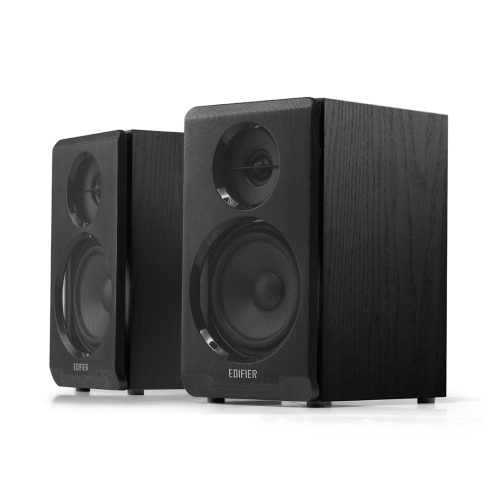
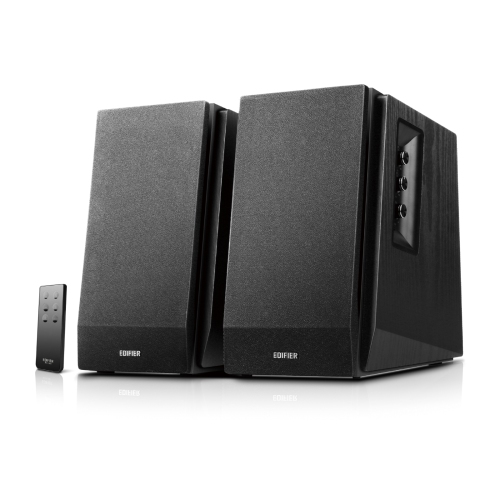
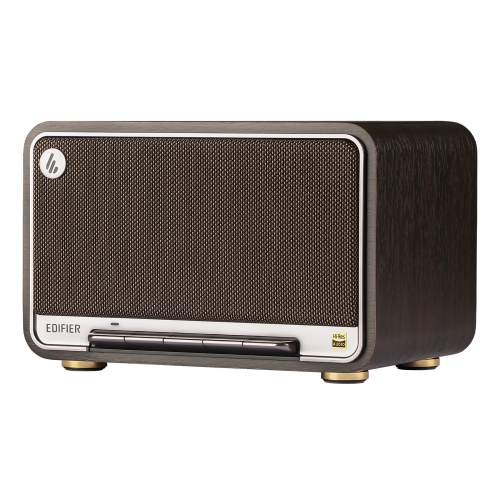
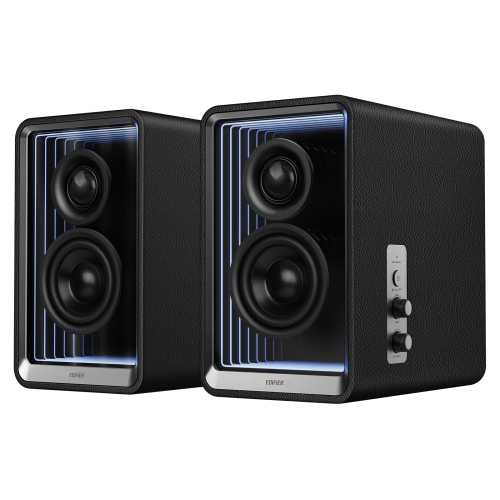
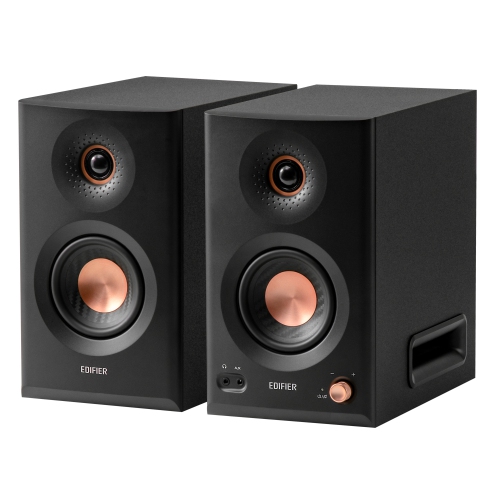
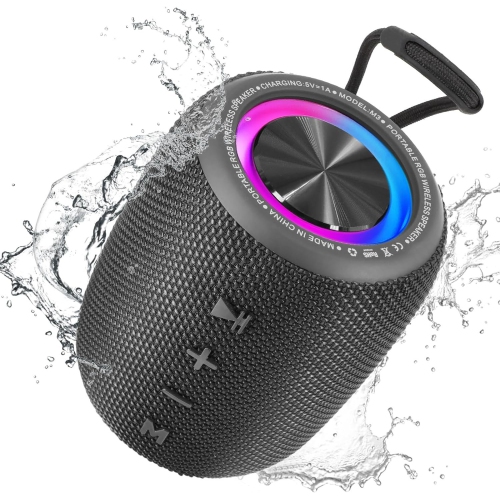
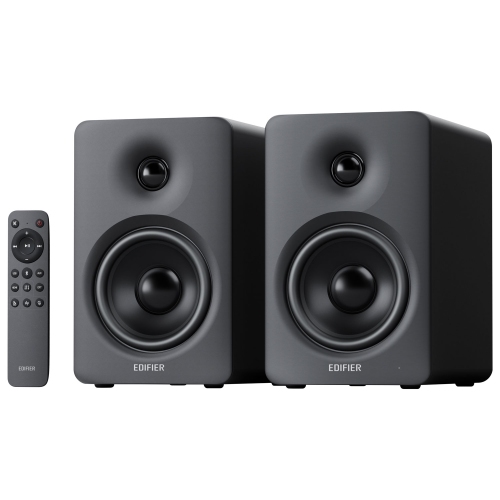
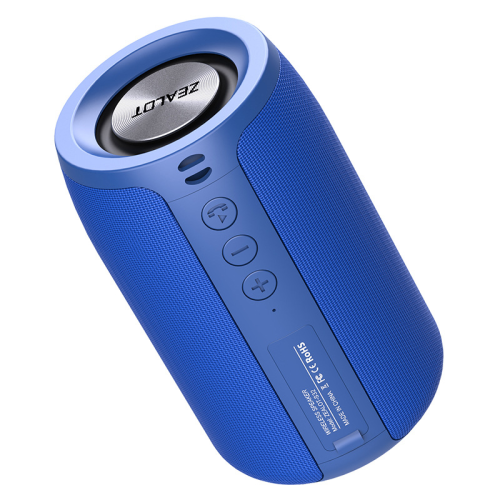
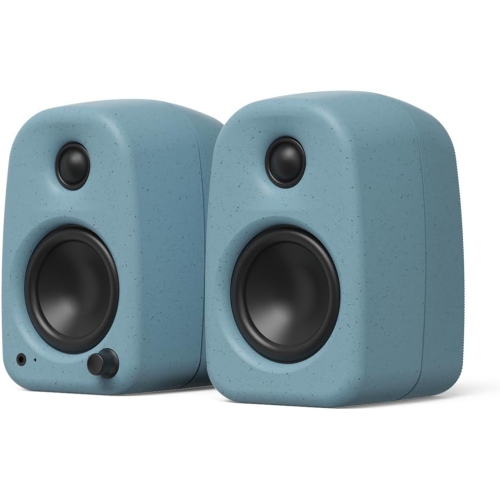
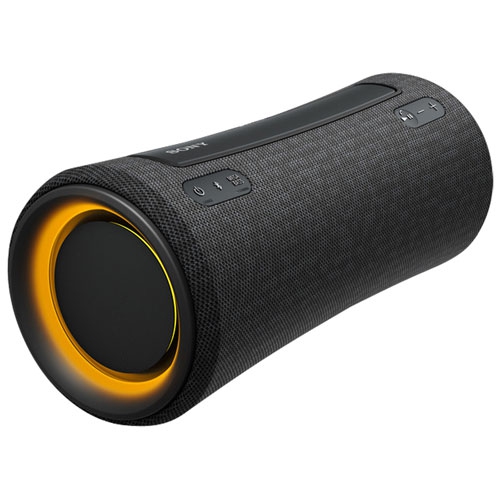
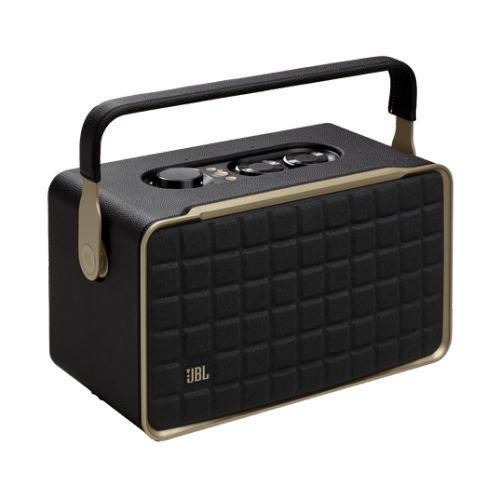
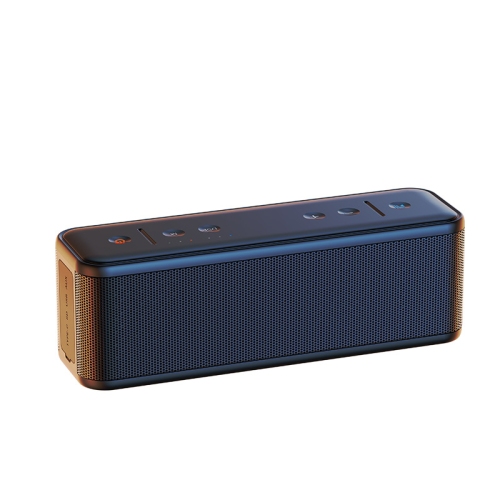
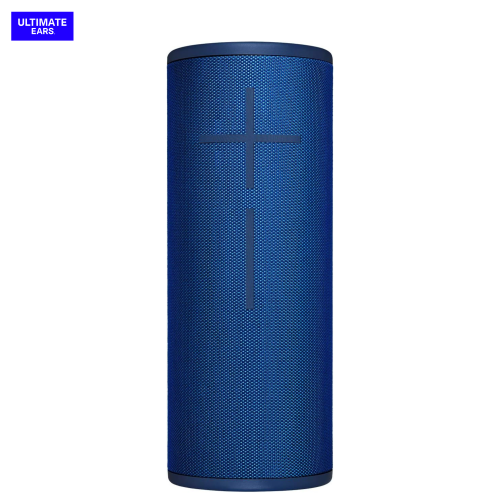
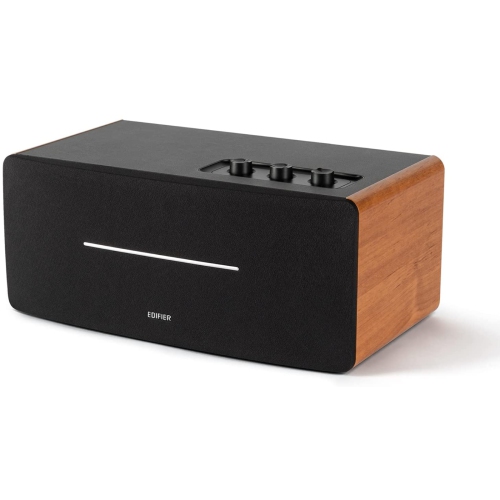
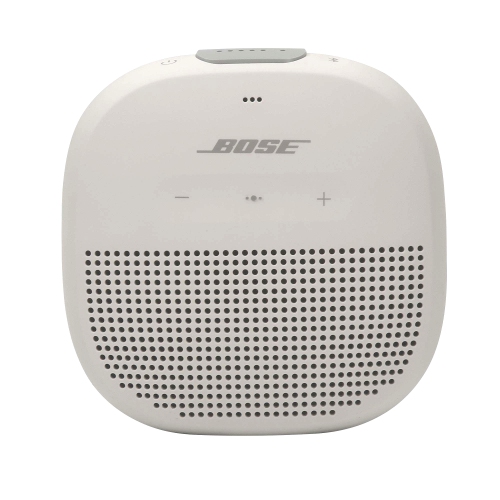
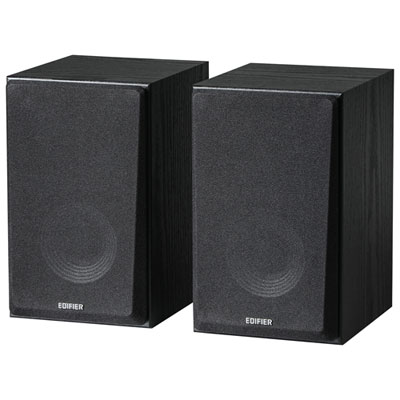

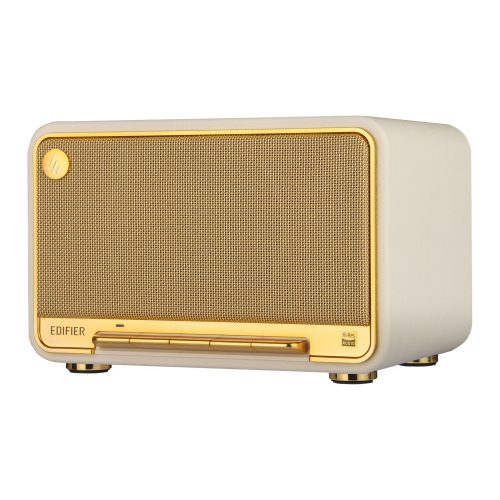
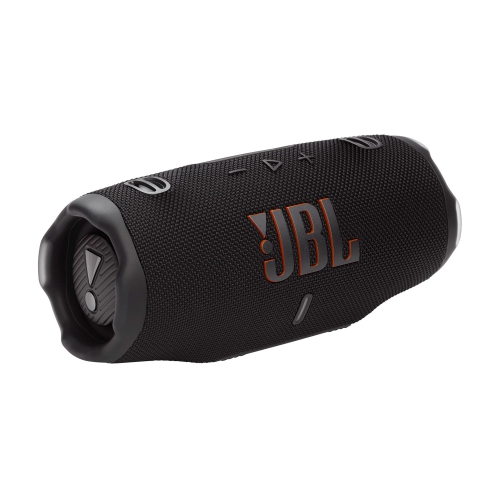
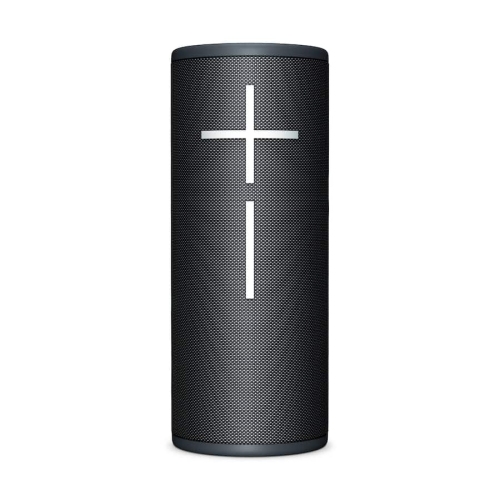
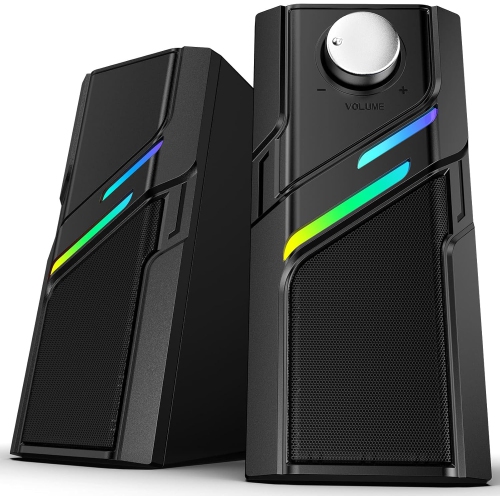
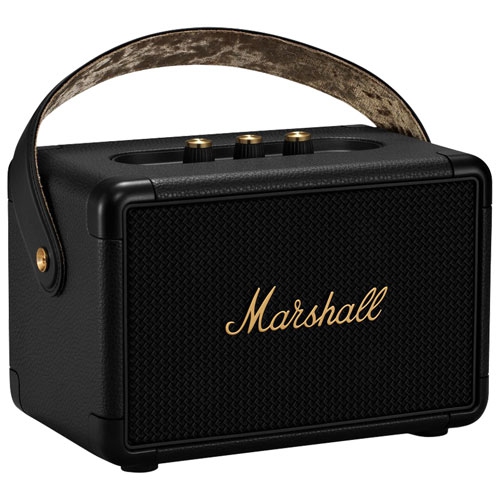
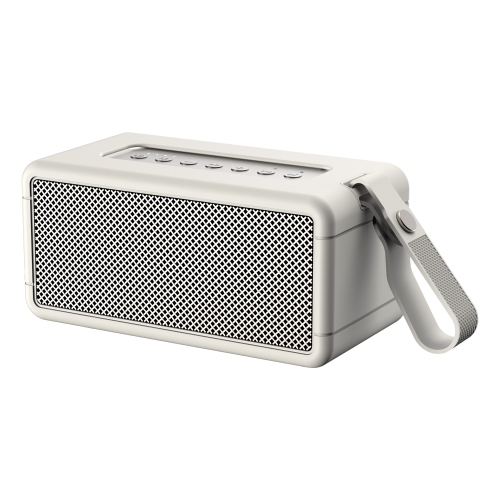
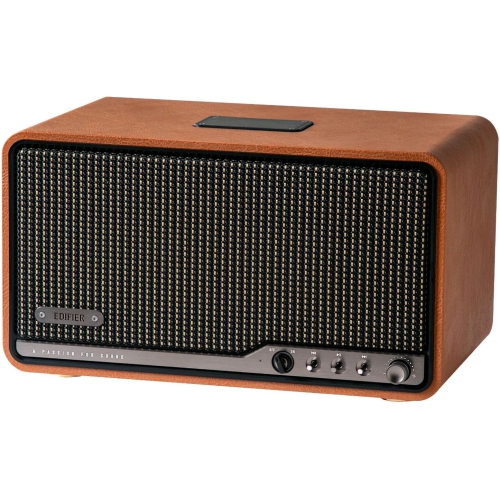
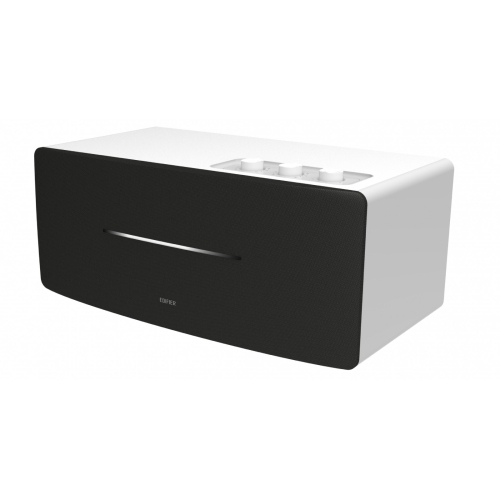
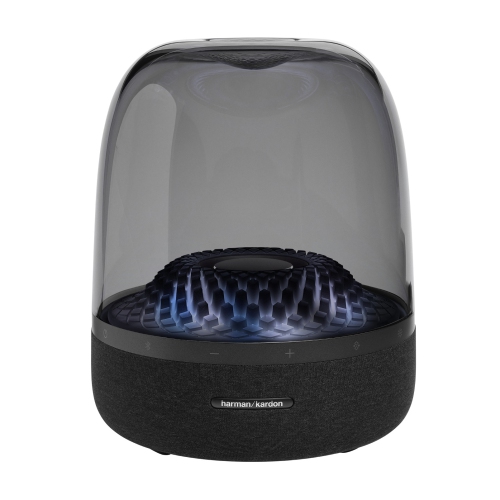
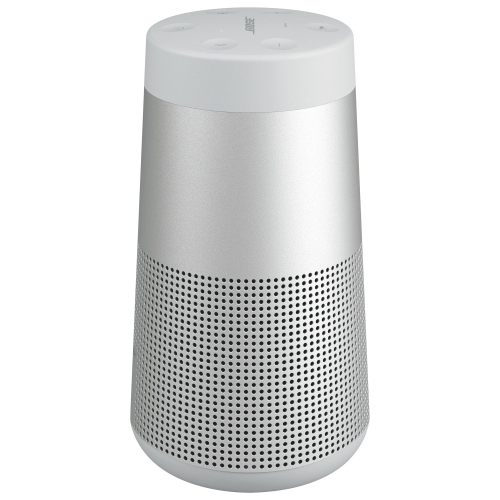
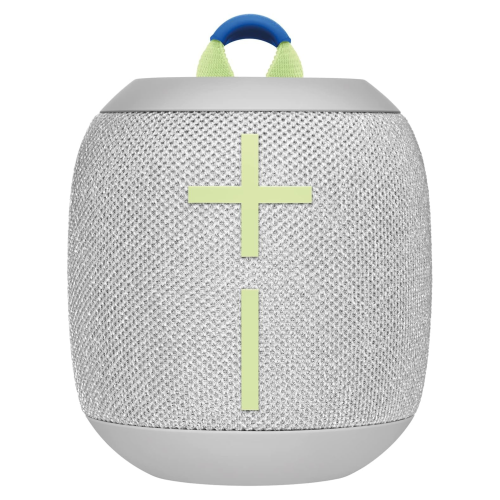
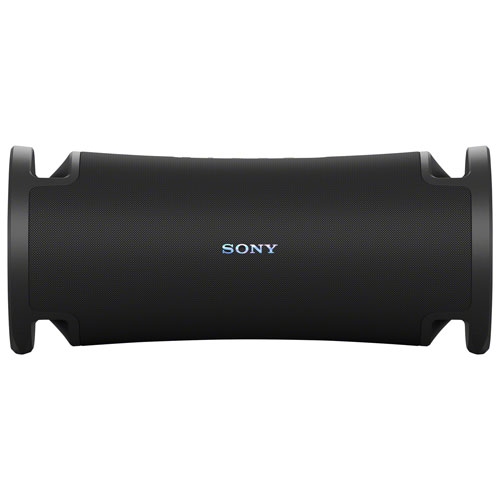
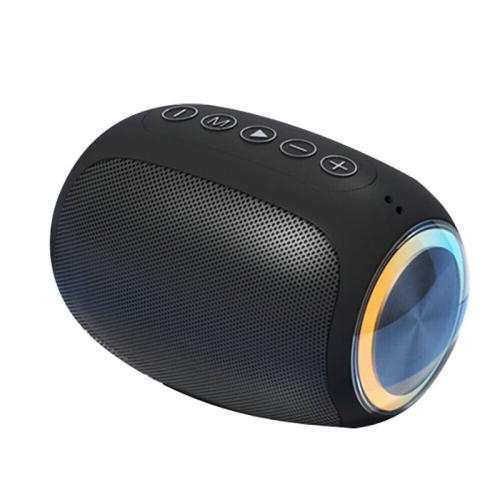
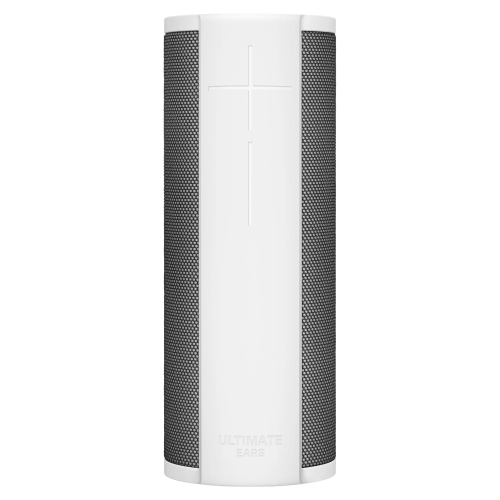
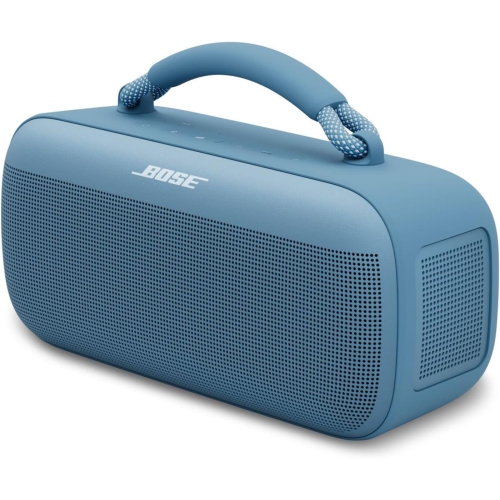
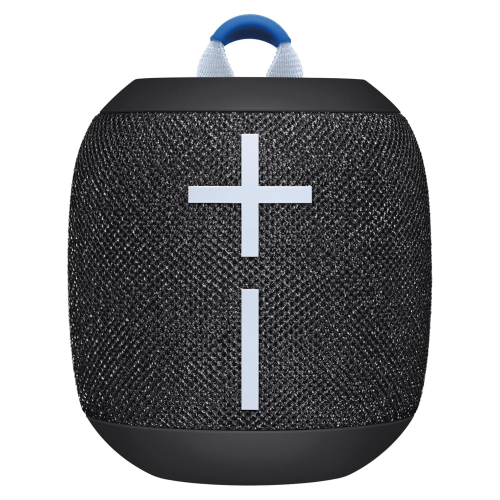
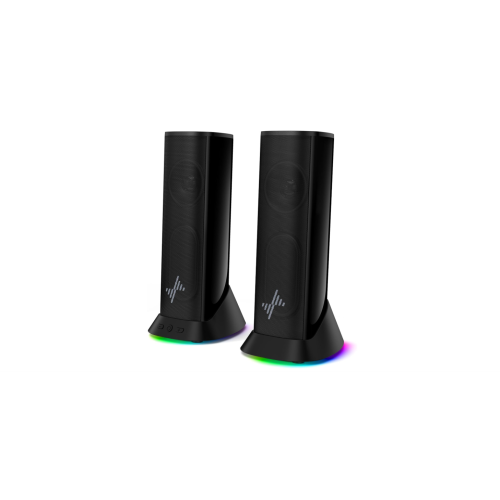
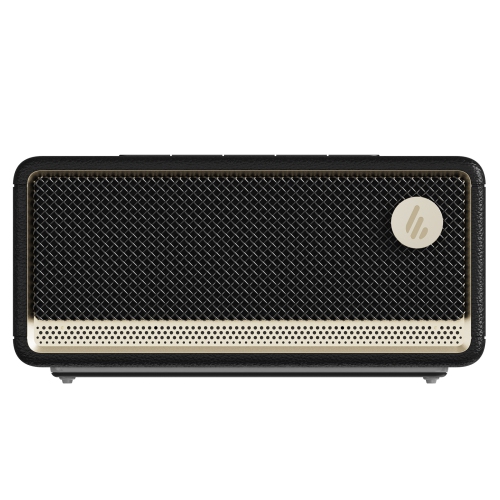
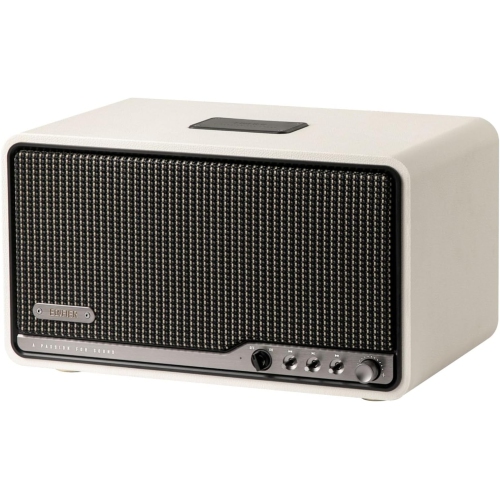
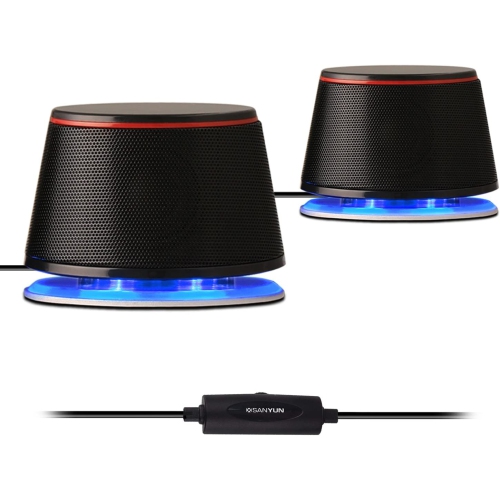
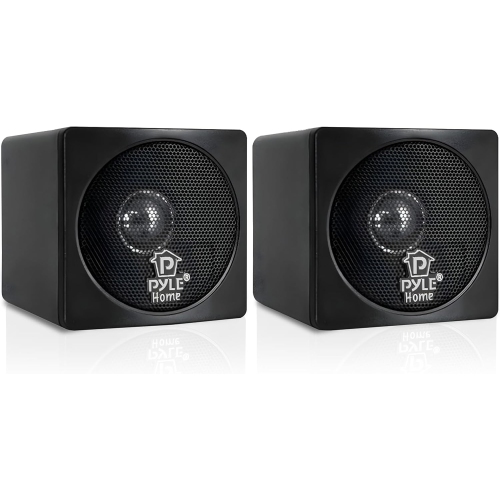
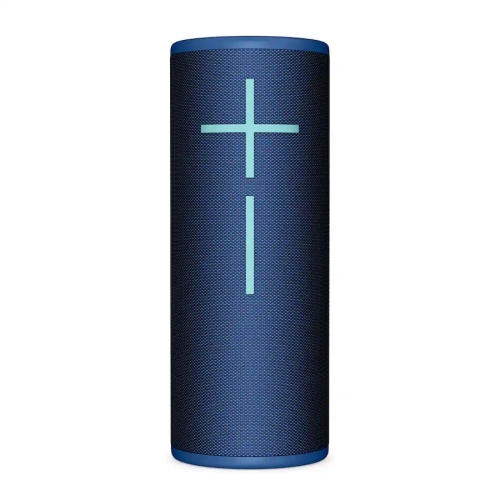
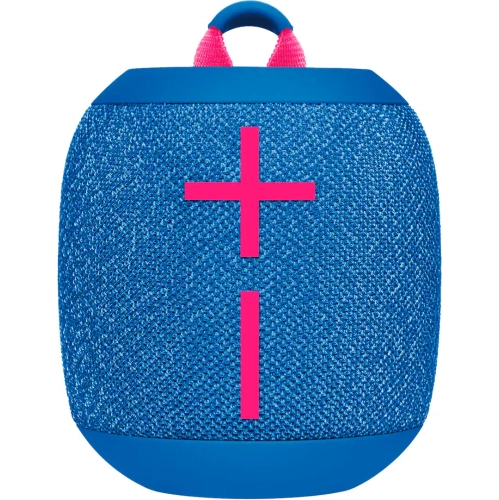
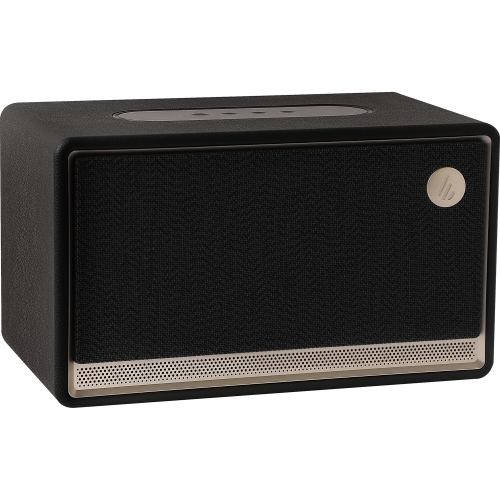
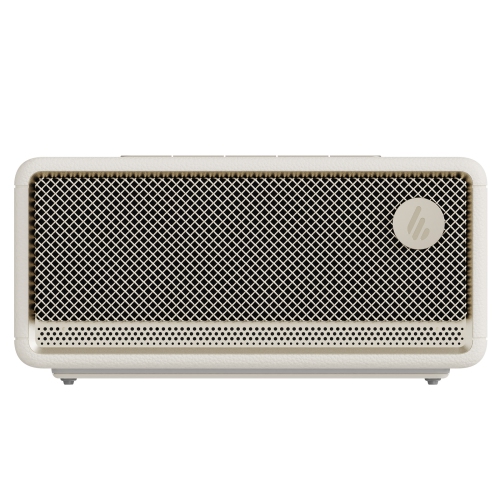
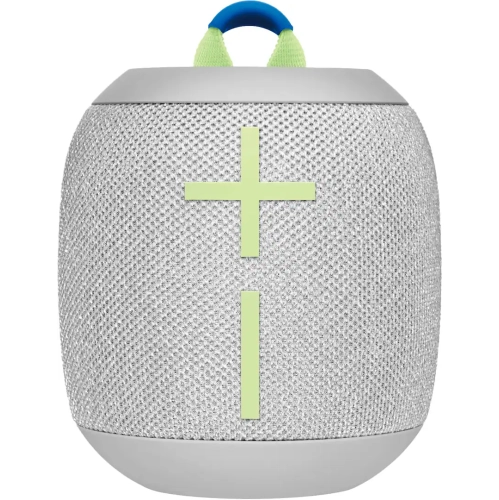
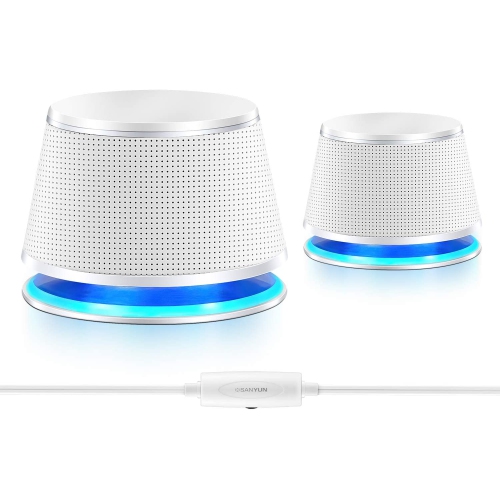
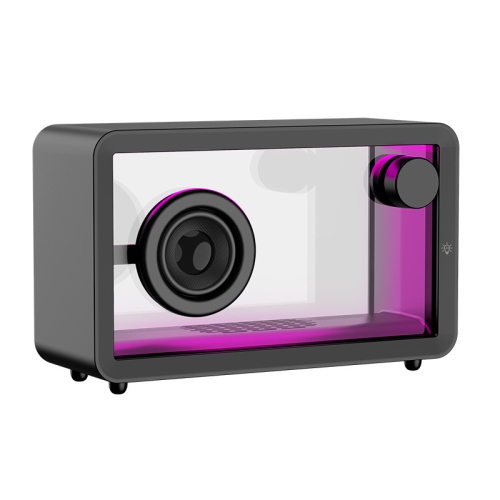
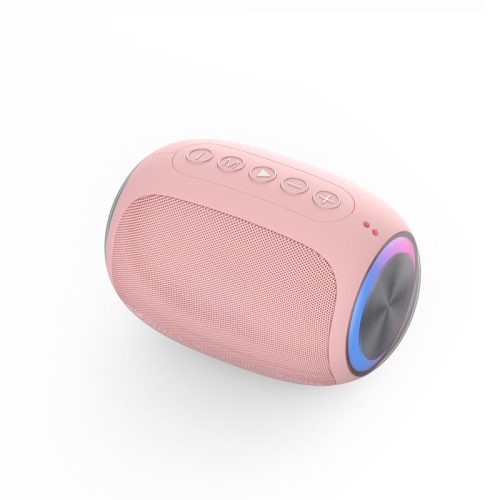
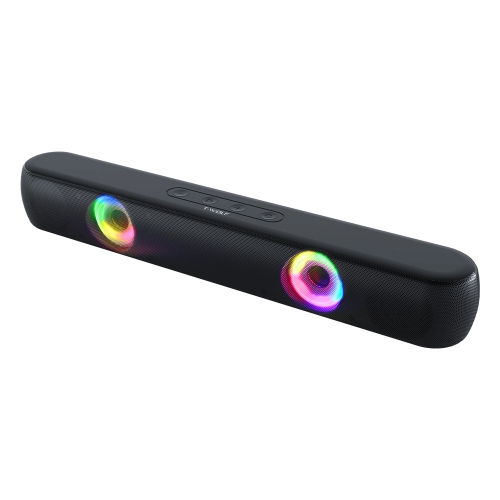
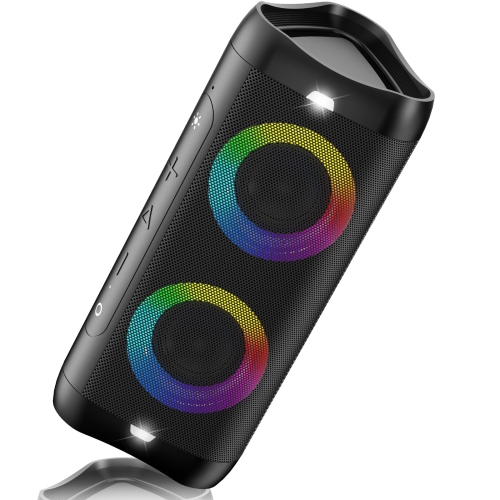

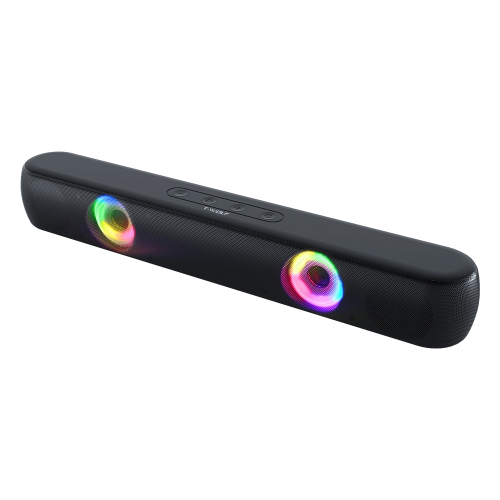

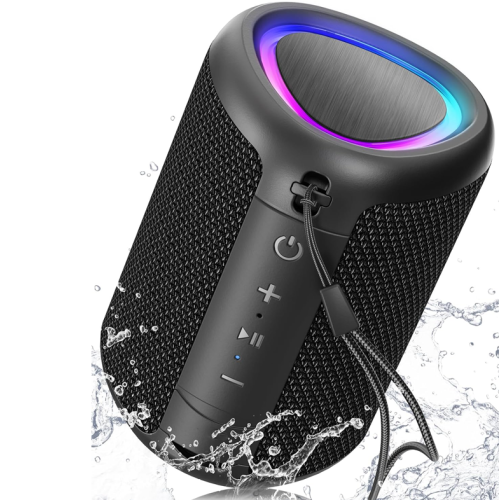
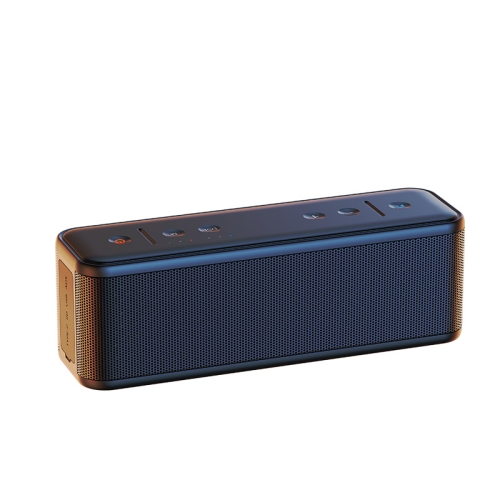
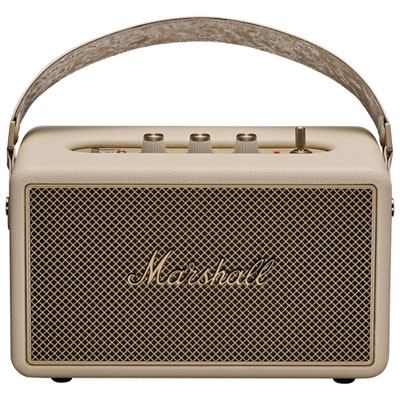
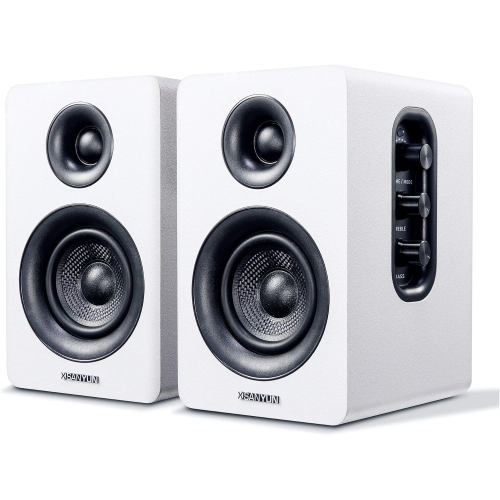
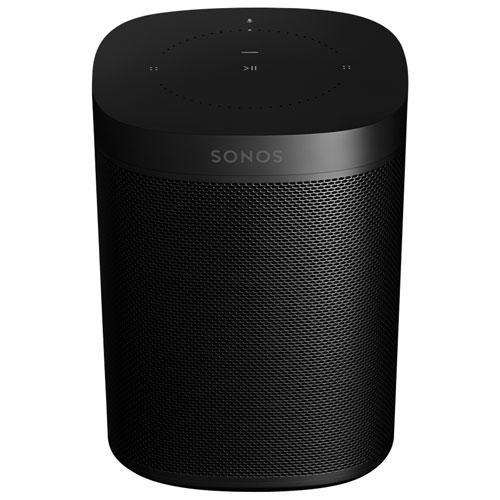
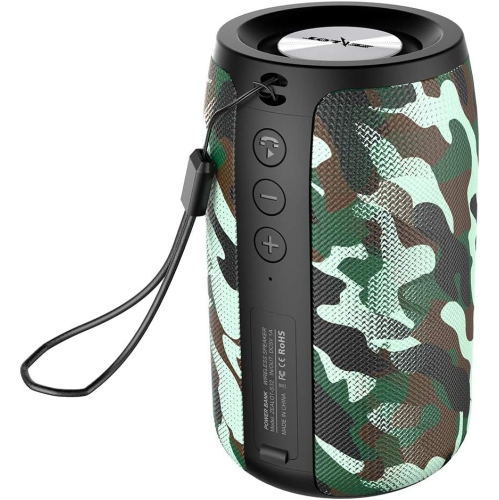

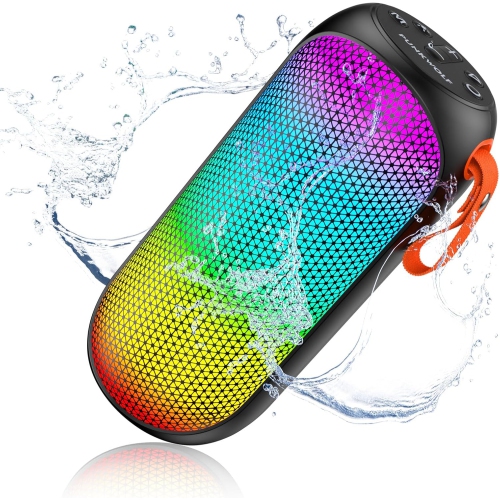
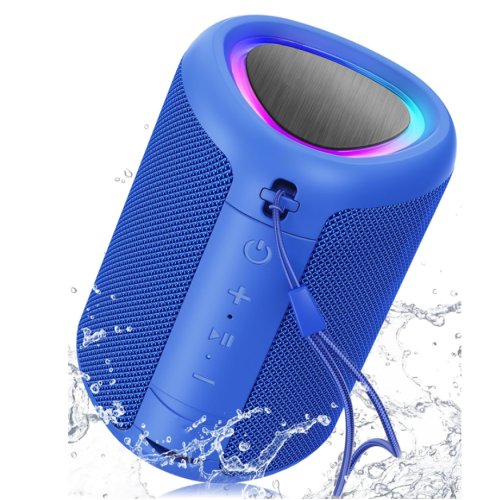
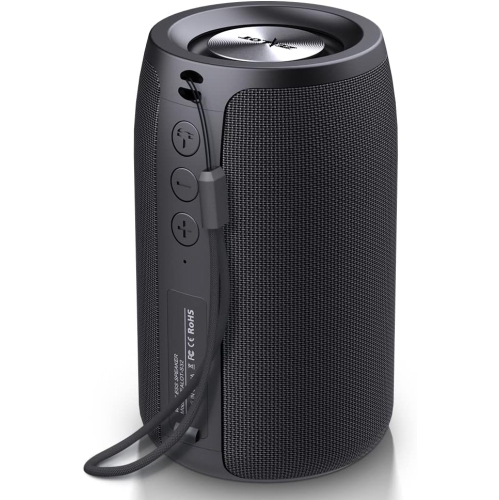
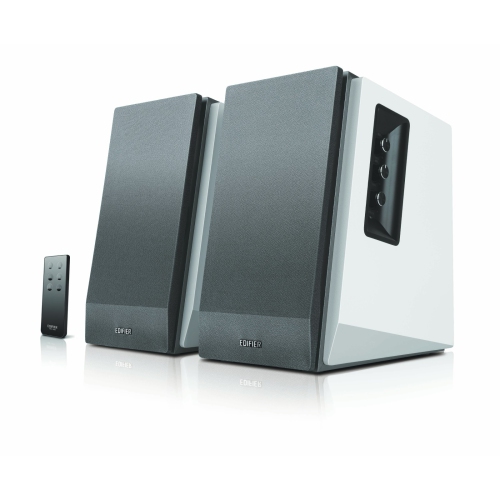
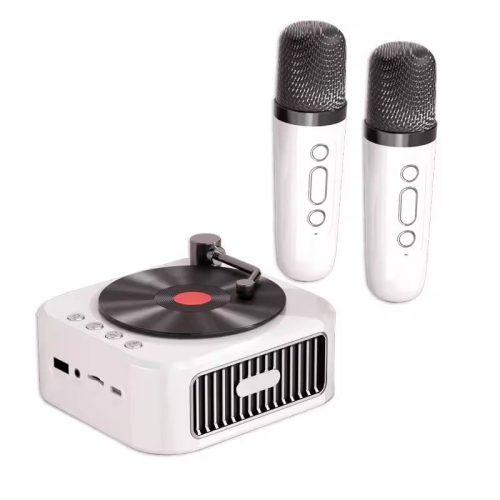
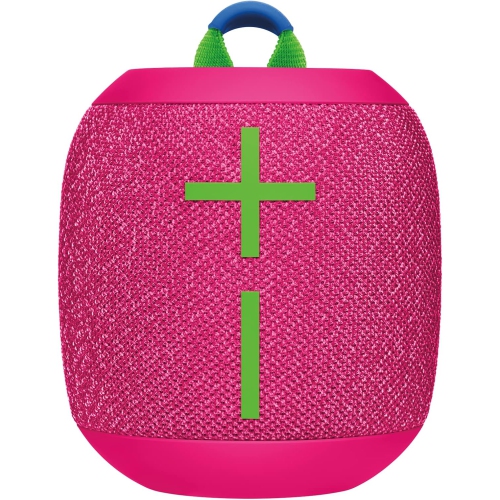
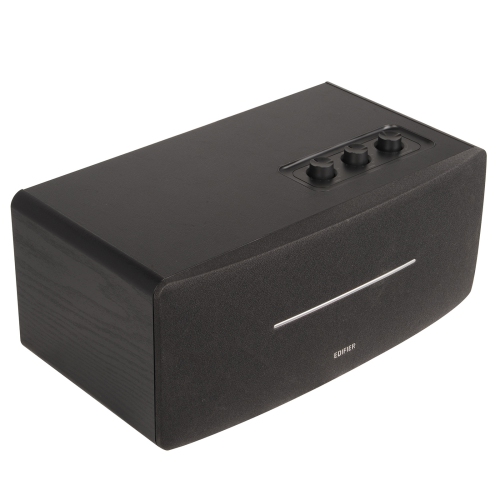
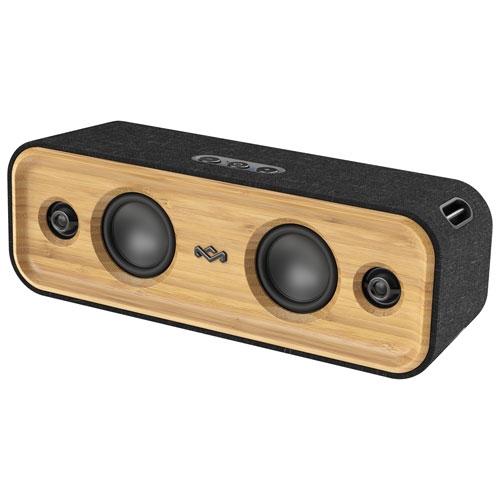

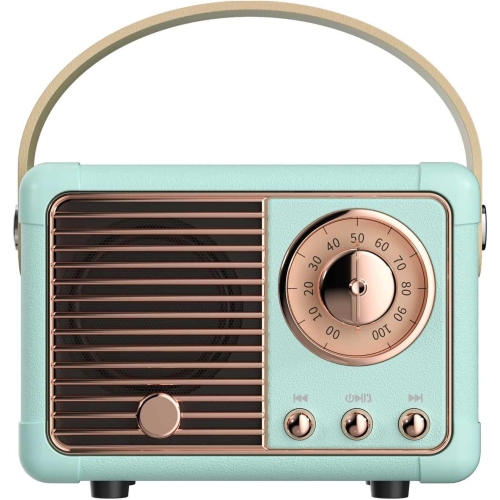
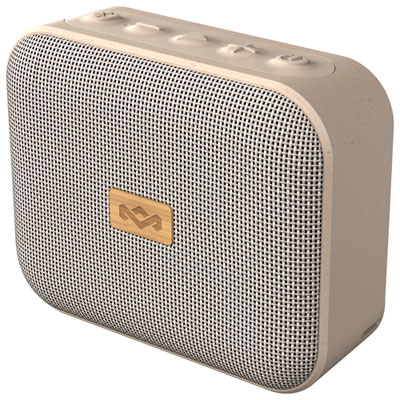
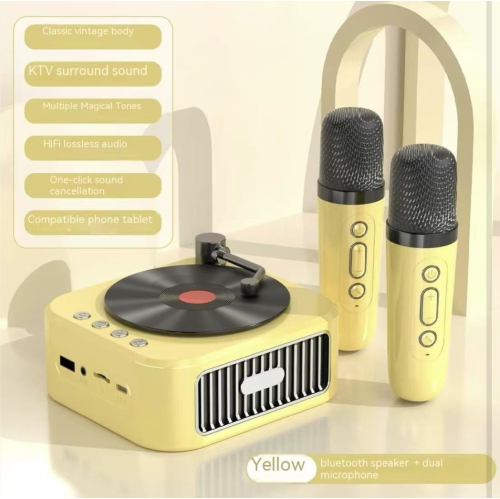
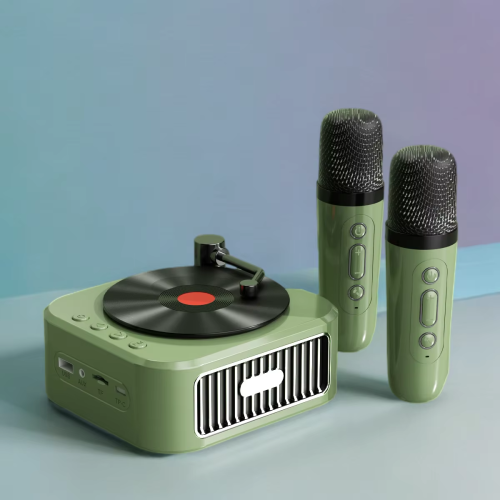
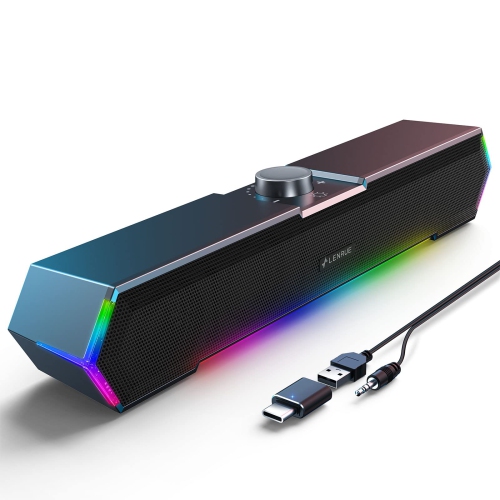
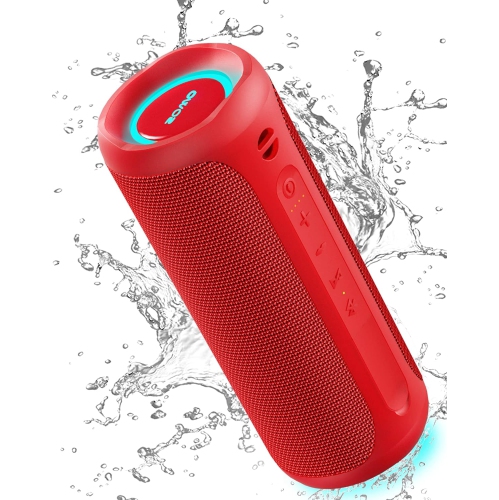
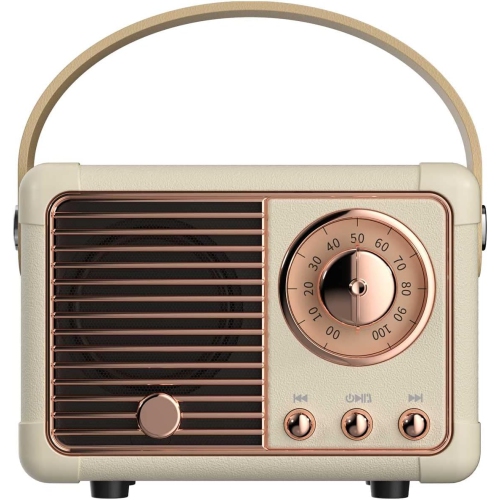

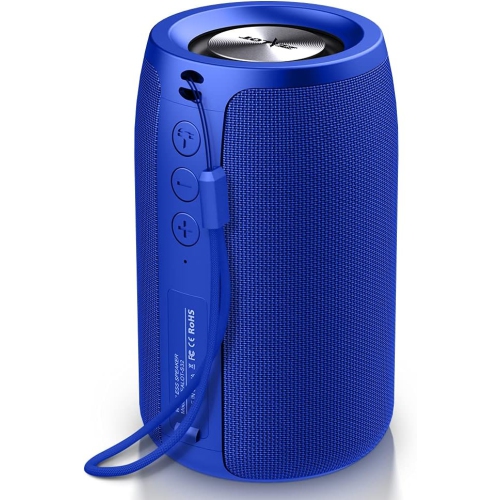
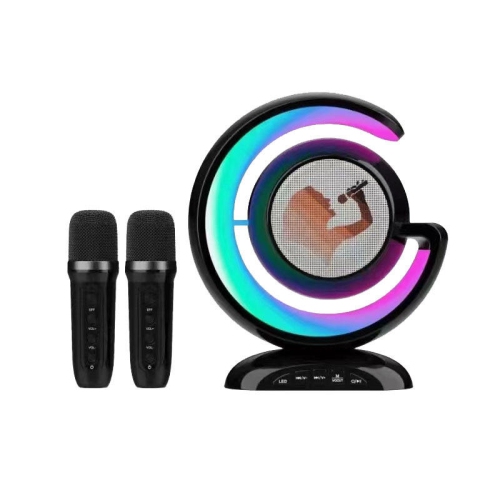
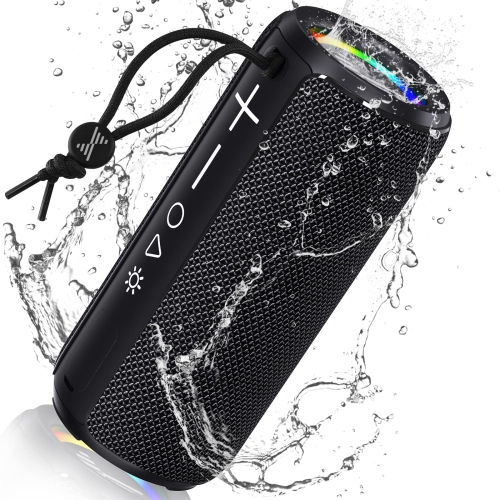
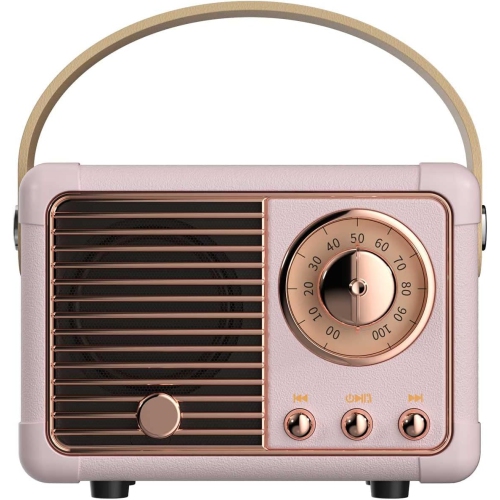

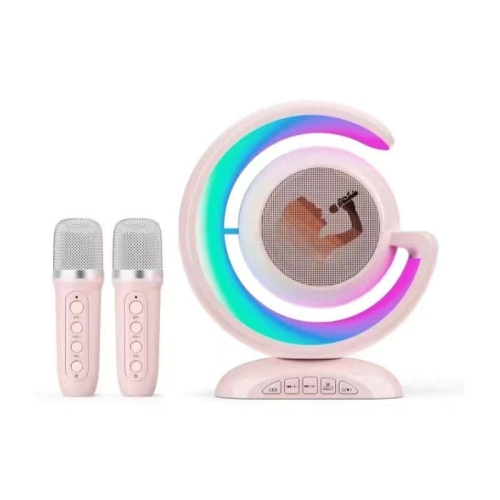

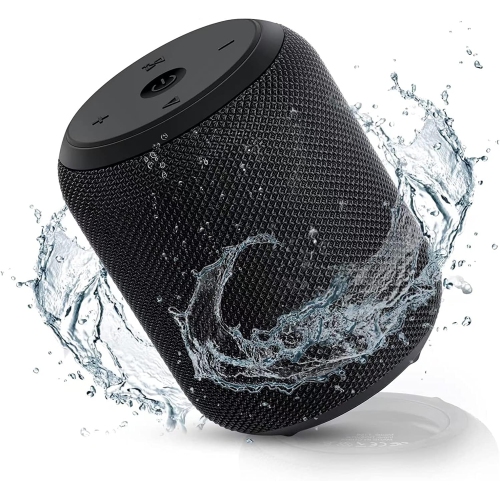
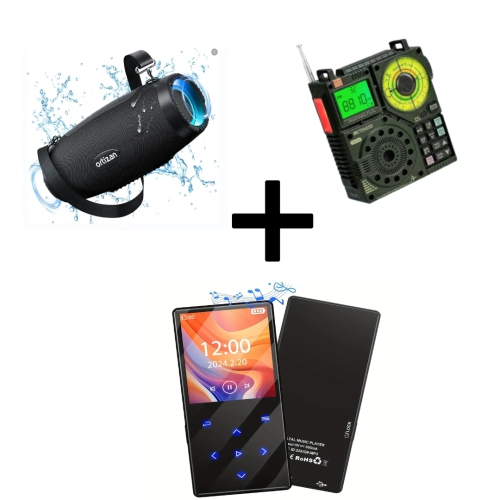
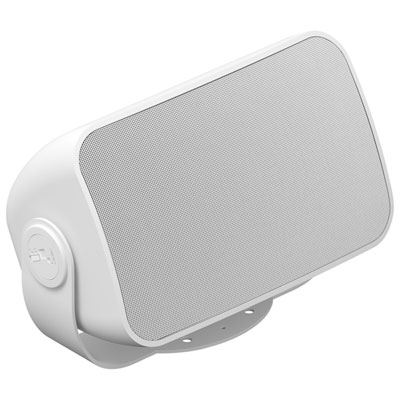
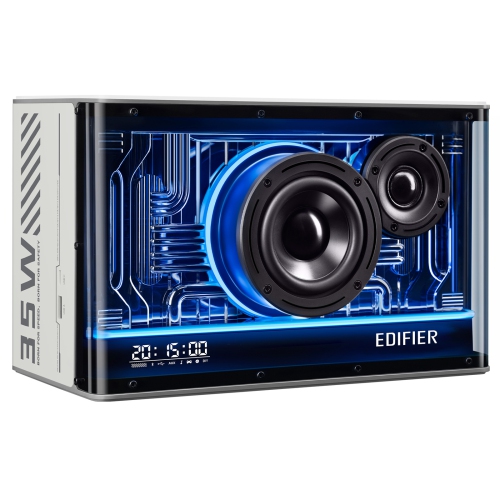
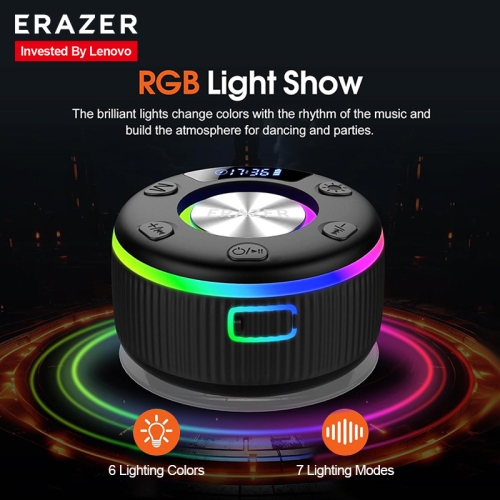
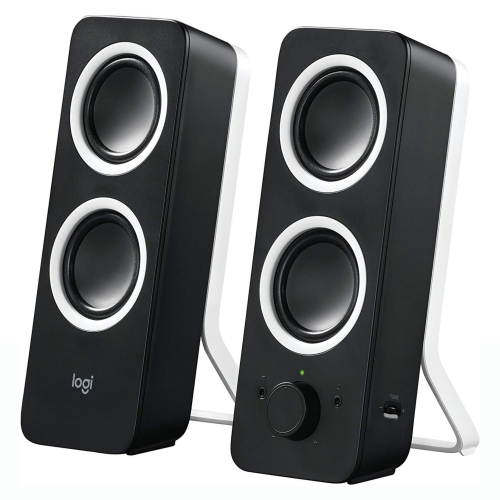
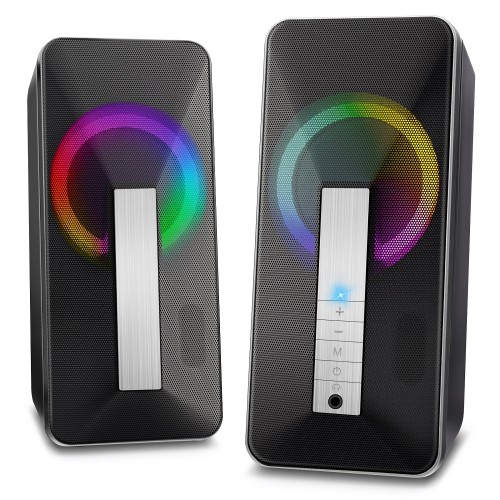
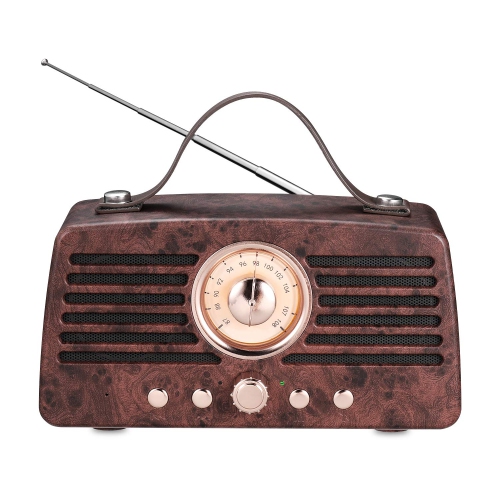
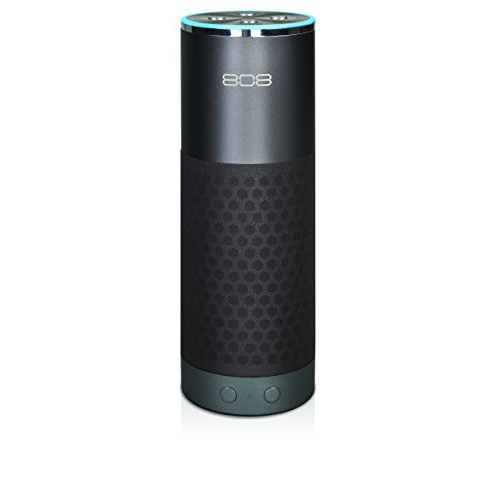
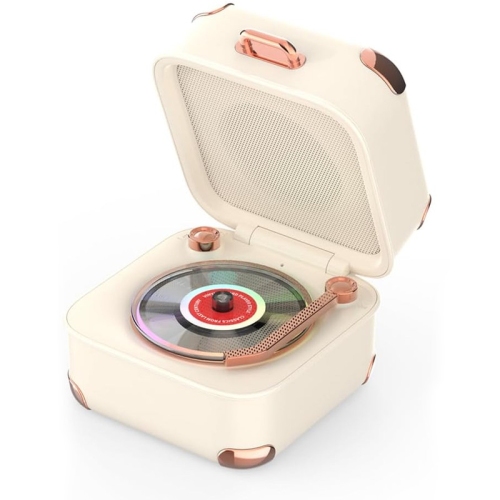
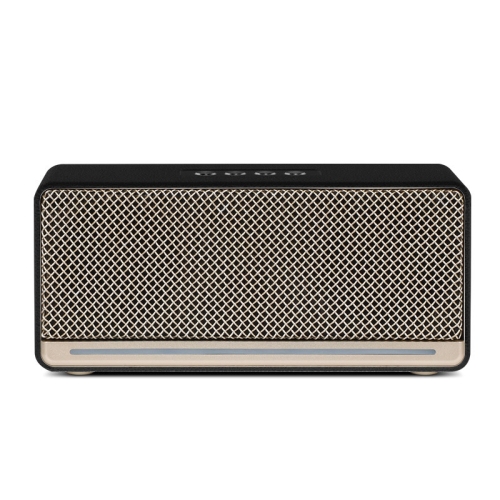


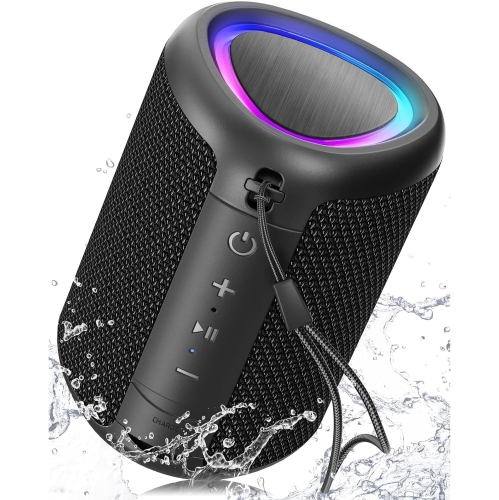
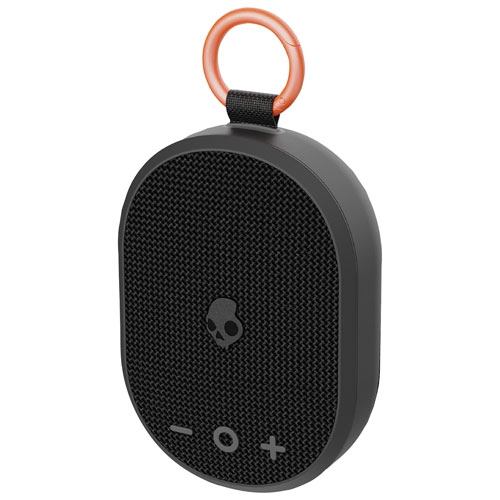
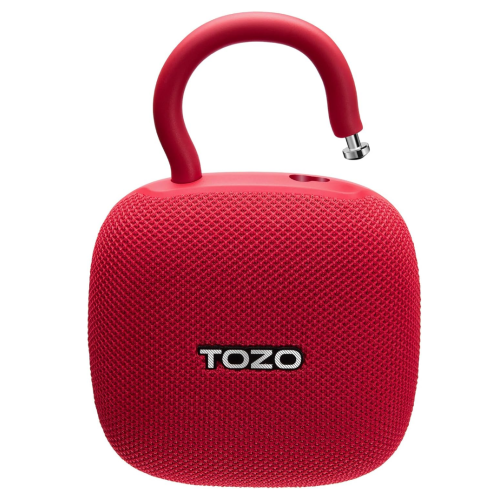
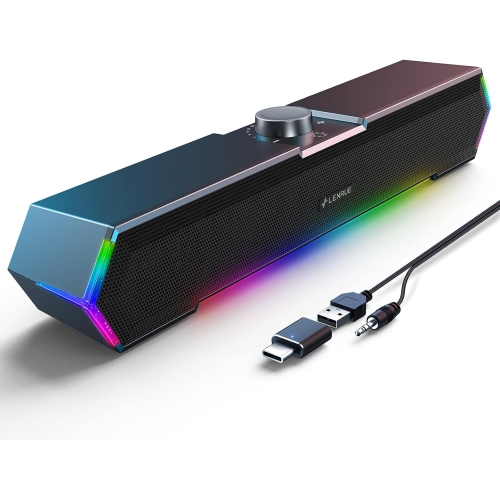

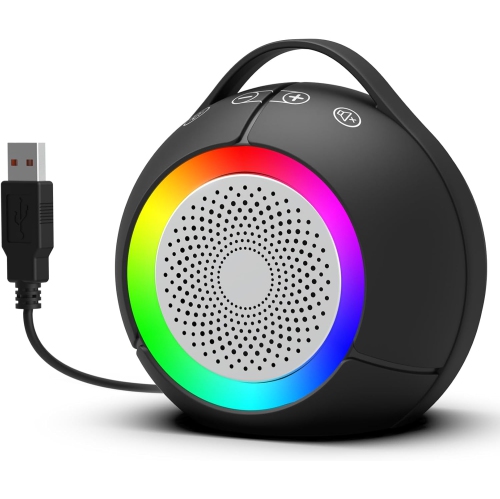

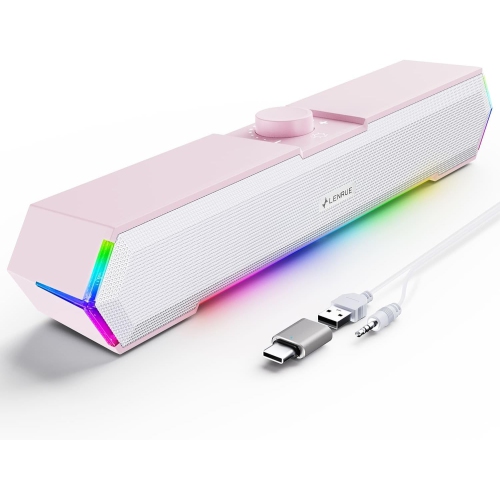
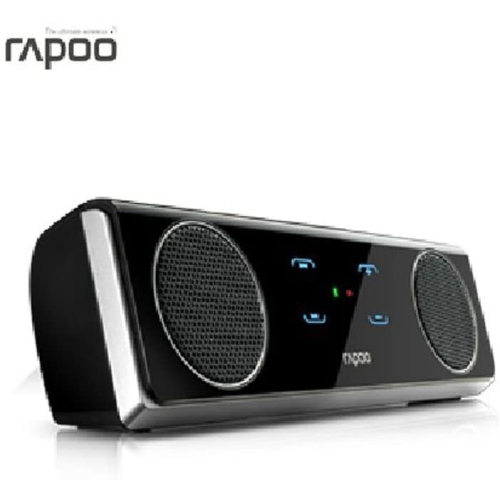
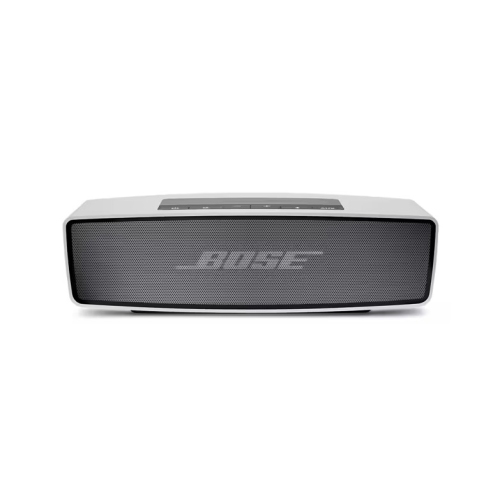
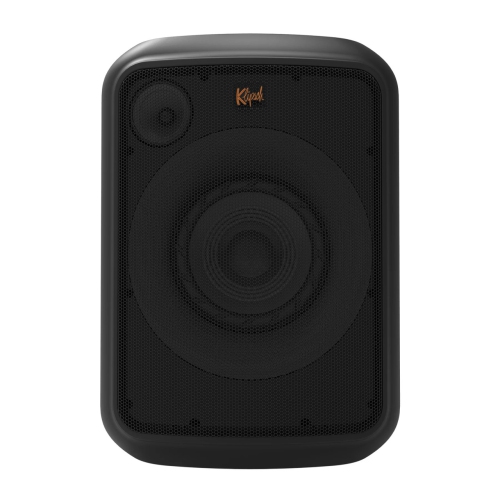
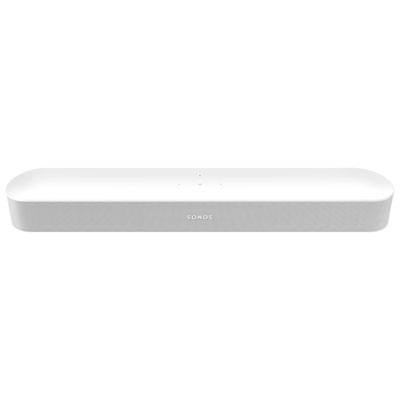
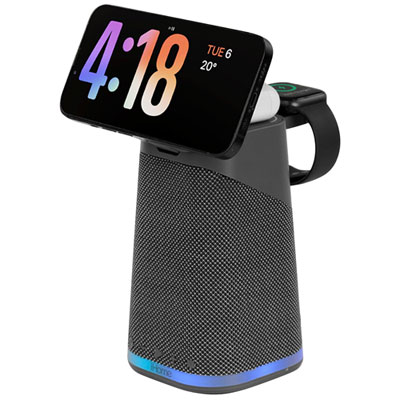
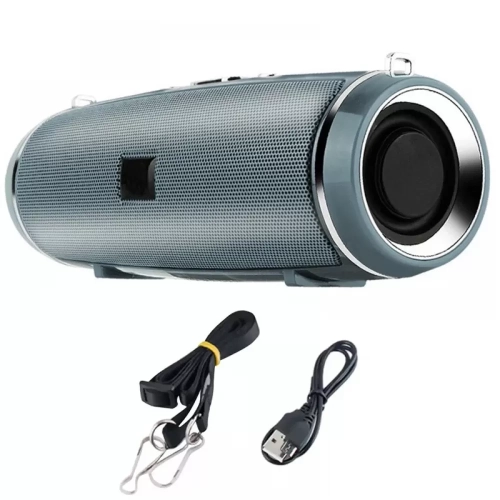

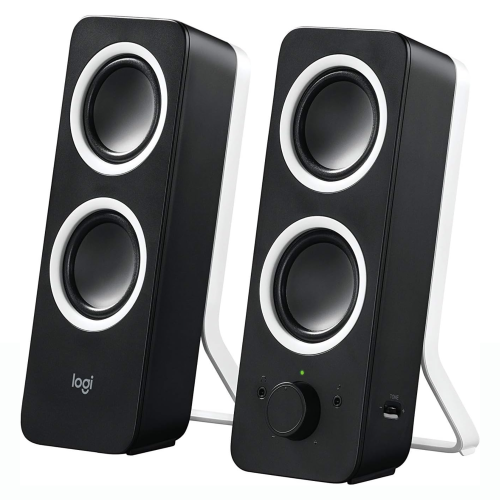
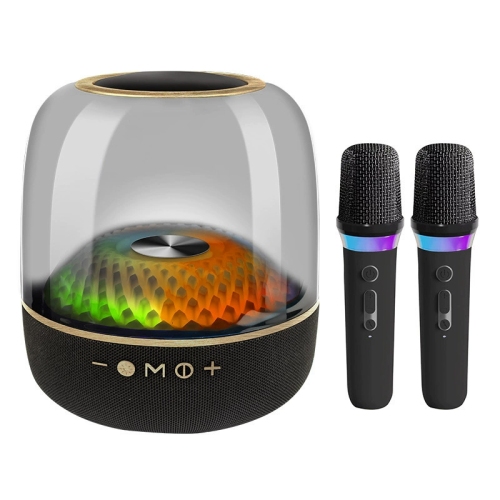
Balanced sound depends on more than speaker size
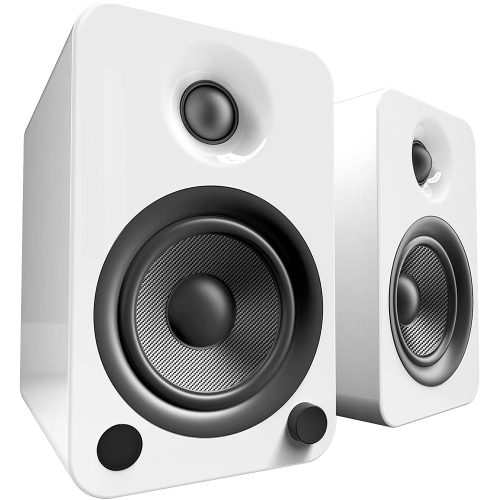
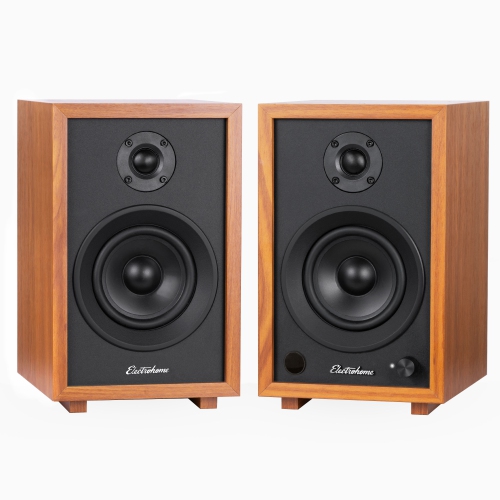
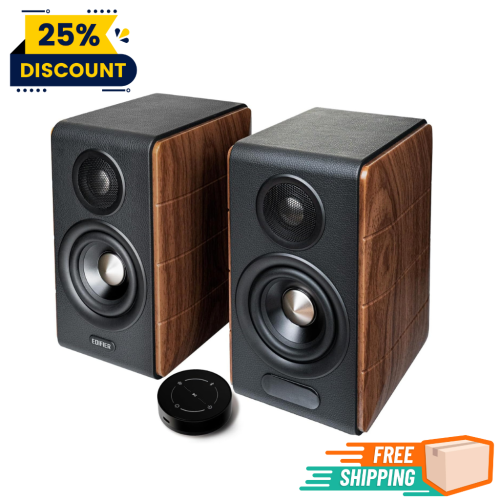
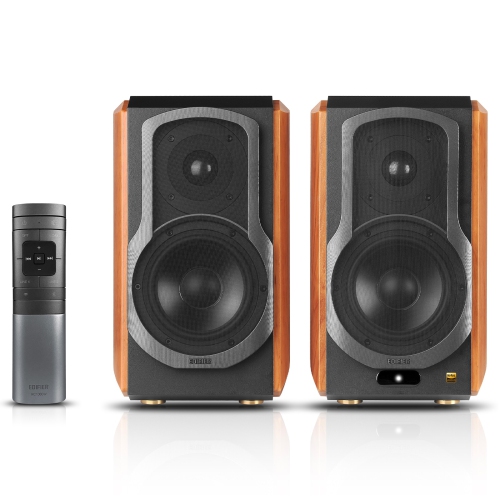
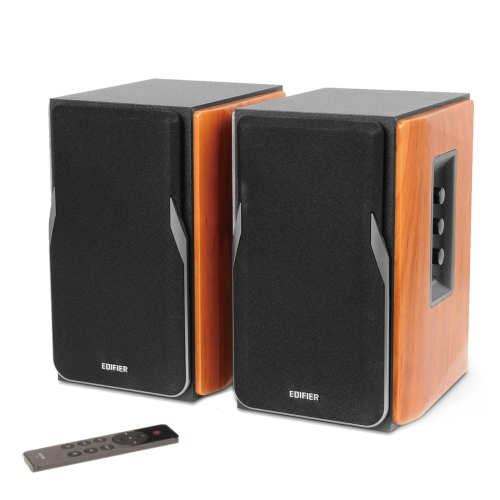
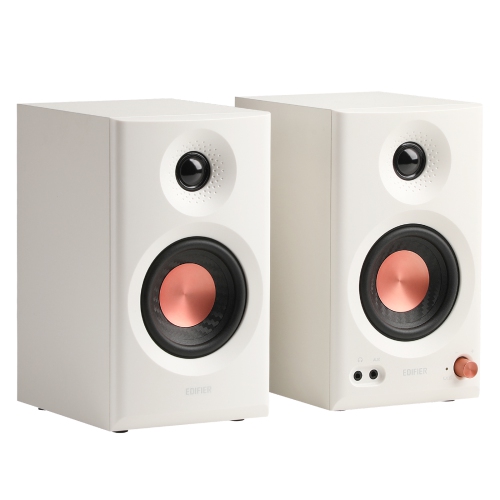
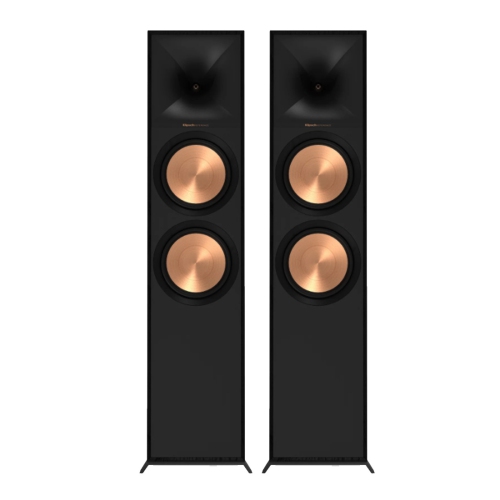
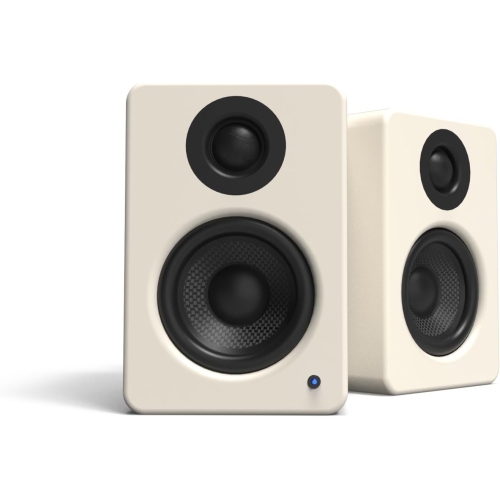
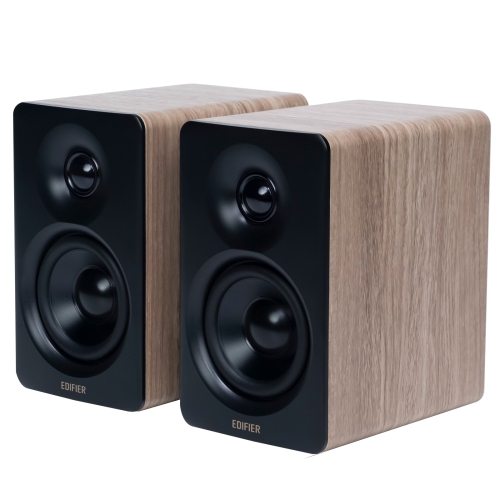
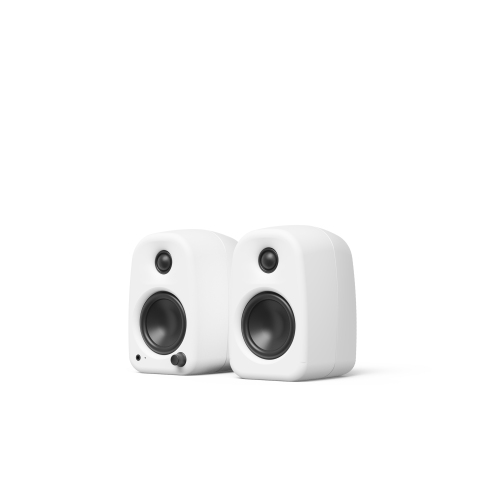
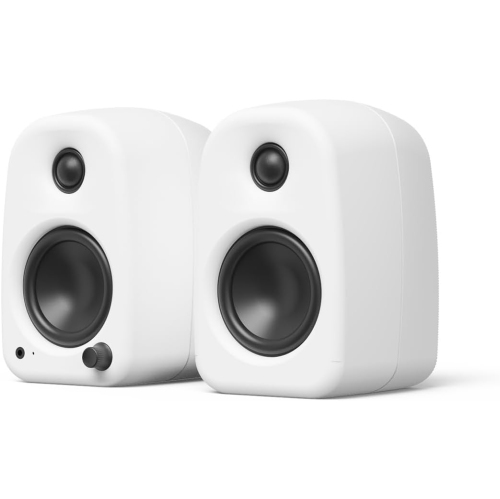
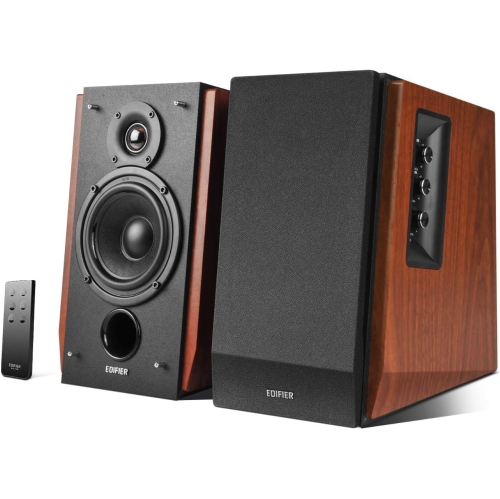
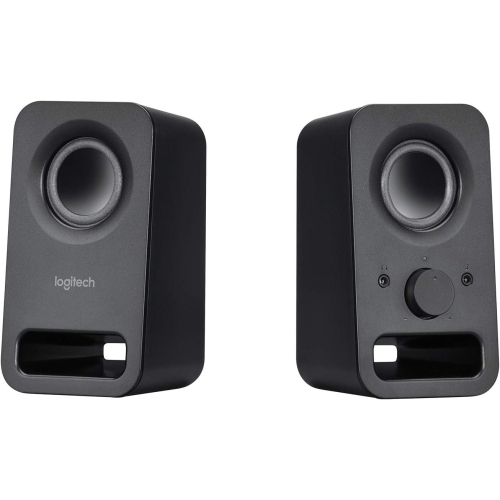
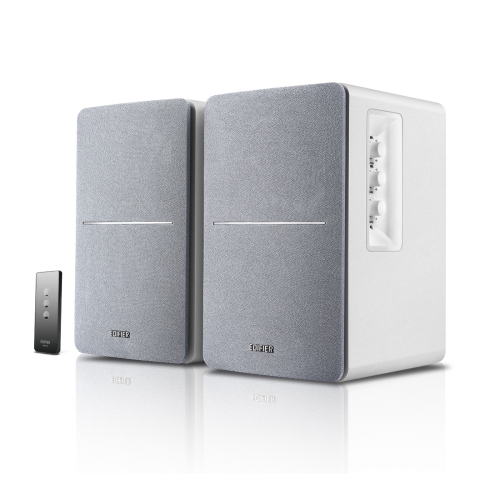
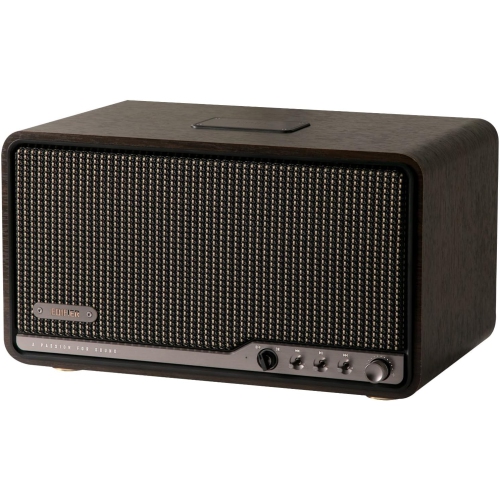
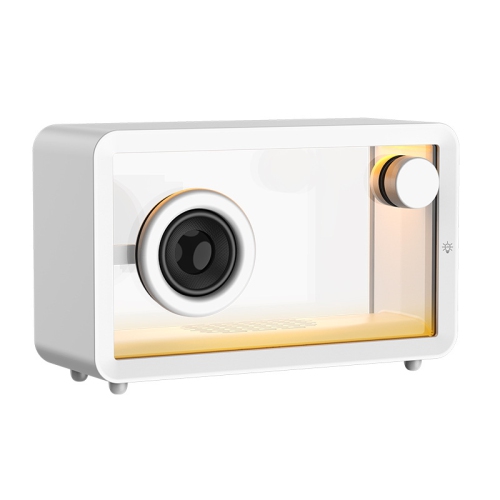
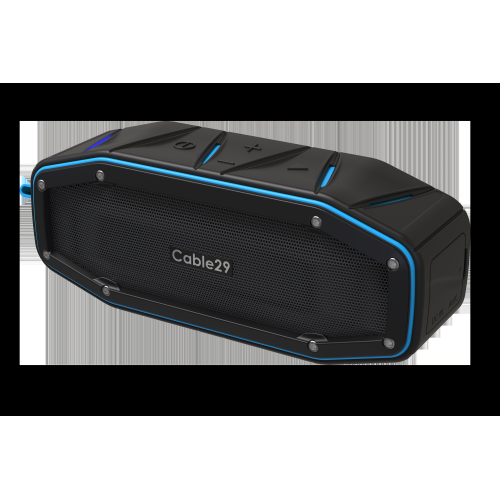
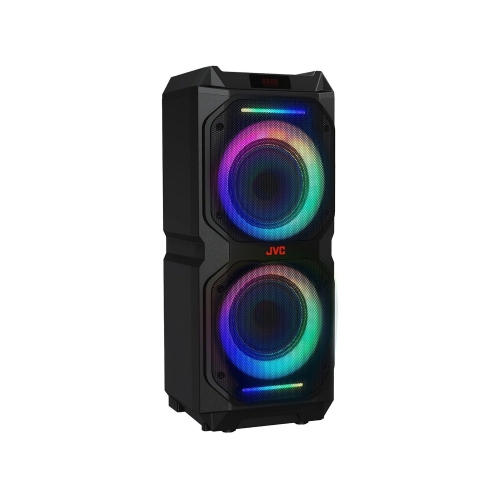
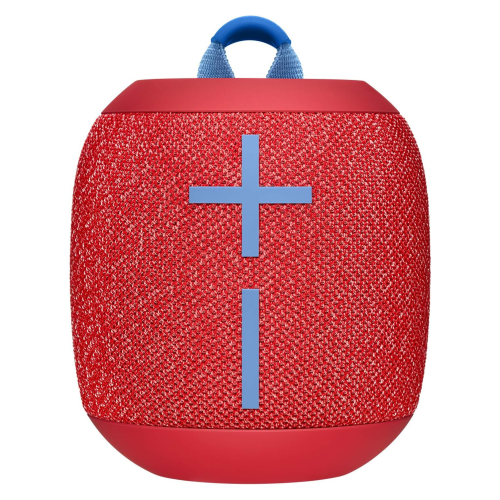
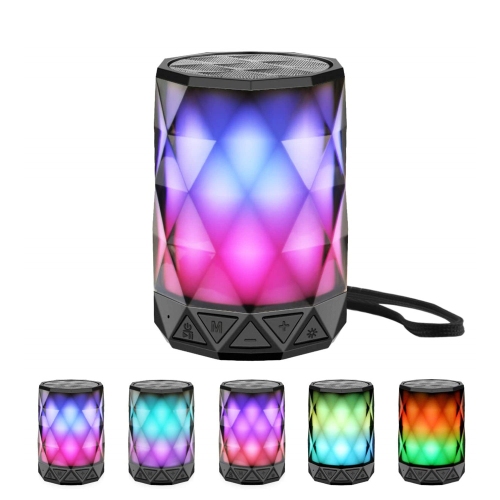
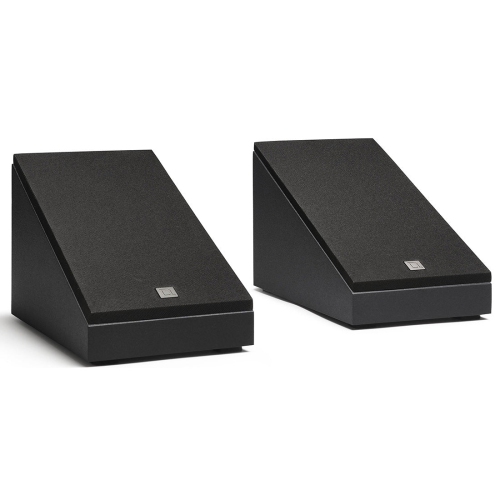
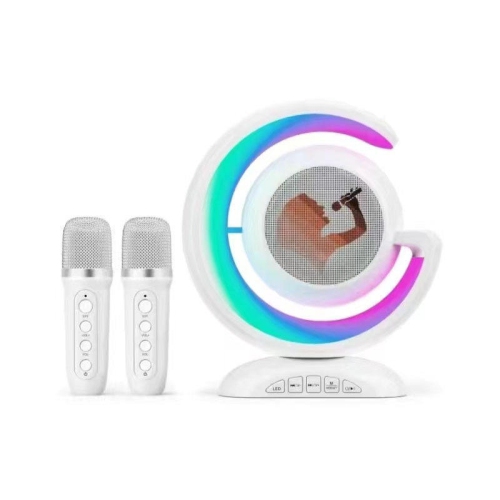
Good speakers for music bring out clear vocals, controlled bass, and the small details that make a familiar song feel fresh again. The right format depends on where the music plays, how the source connects, and whether listening is a shared activity or a moment of quiet concentration. A compact speaker can suit a kitchen counter or bedside table, while a pair of bookshelf speakers can give a living room or desk a more defined stereo image. Floor-standing speakers generally offer more cabinet space for drivers and may deliver greater bass extension and output, although size alone does not determine sound quality. Balanced sound keeps a singer’s voice distinct from the instruments, gives a bass line weight without a lingering boom, and lets cymbals sound crisp rather than harsh. Acoustic recordings benefit from convincing instrument tone and subtle detail; dance music and hip-hop put more emphasis on bass depth and rhythmic impact. Speakers that handle changes in volume cleanly can preserve both a soft piano passage and the energy of a full band. For focused listening, two properly positioned speakers can place vocals near the centre and spread instruments across the space between them. A single speaker with wide sound dispersion serves a different purpose, making music easier to hear from several seats or while moving around a room. Neither approach suits every setting, and the distinction matters more than a long list of features. Powered speakers have amplification built in, which can simplify a desktop or small home setup. Passive speakers need a compatible amplifier or receiver and speaker cables, but allow the components of a stereo system to be selected separately. Compact cabinets are often easier to fit beside a monitor or on dedicated stands, while larger speakers need enough floor space to sit securely without crowding furniture or walkways. For everyday listening, an even tonal balance and clean performance at comfortable volume levels can be more satisfying than sheer loudness, especially when music plays for hours during work, cooking, or conversation.
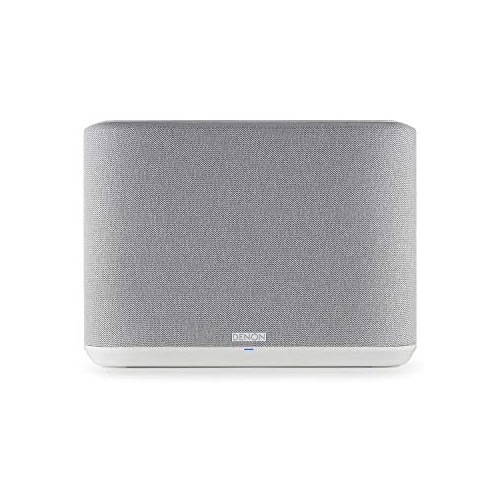
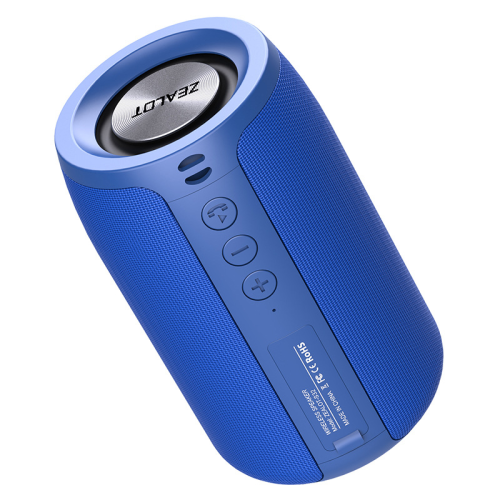
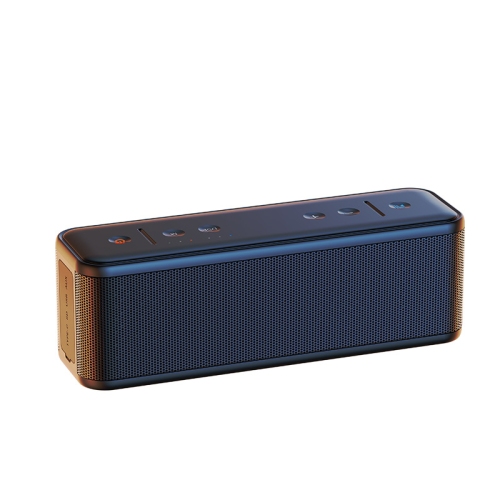
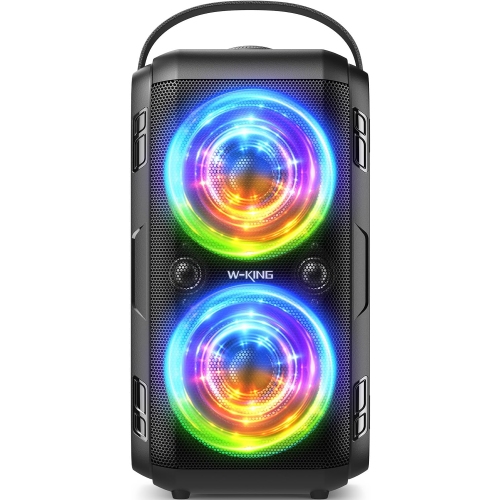
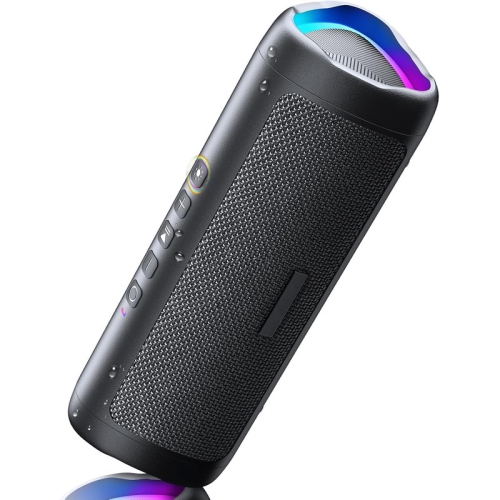
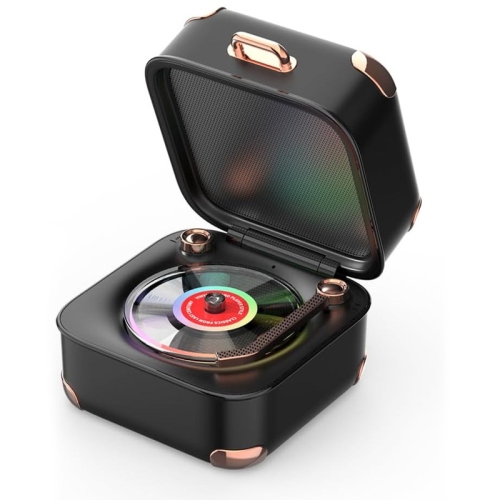
Connections shape how naturally speakers fit into daily routines. Bluetooth speakers offer a direct wireless connection to a compatible phone, tablet, or computer, making them convenient for podcasts, playlists, and music shared between friends. Their portability varies: some are small enough to slip into a bag, while others are better suited to moving between rooms than carrying on a commute. Battery life depends on volume, settings, and use, so a stated maximum is not a guarantee for every listening session. Charging connections, the weight of the speaker, and the usefulness of its handle or controls all affect day-to-day convenience. Some Bluetooth speakers can pair with a second compatible unit for stereo playback or shared audio, but these features depend on the supported pairing system and should not be assumed to work across unrelated speakers. Listeners who prefer this kind of direct wireless connection can also explore Best Bluetooth Speakers for Music. Wi-Fi speakers can suit a more permanent home setup, with supported systems offering playback in multiple rooms, streaming-service integration, or control through an app. A compatible network and supported services are essential, and voice control is a separate feature rather than something every wireless speaker includes. Wired connections remain useful for a desk, television area, or stereo system where the source stays in one place. Depending on the speaker, inputs may include analogue audio, optical, USB audio, or HDMI; the source device and speaker need matching connection types. A turntable also needs the correct signal path, including a phono stage where required, rather than simply any available audio socket. For a home office, accessible volume controls and suitable connections can make switching between work audio and music less awkward. In a shared living space, the ability to play music without repeatedly changing cables may matter more. These practical details help distinguish speakers intended for casual background listening, portable use, or a dedicated music setup without treating one format as the answer for everyone.
The room and the speaker’s construction both influence the listening experience. Hard floors, bare walls, and large windows can make sound more reflective, while rugs, upholstered furniture, and curtains can soften some reflections. Speakers placed close to a wall or tucked into a corner may produce stronger bass, but that extra emphasis can also obscure voices and instruments. Suitable spacing, stable support, and placement that follows the speaker’s recommendations help keep the presentation balanced. For a stereo pair, similar positioning on either side of the listening area and tweeters near seated ear height can make the sound easier to follow. Bookshelf speakers still benefit from a firm surface or suitable stands; an enclosed shelf may leave too little clearance or exaggerate bass. Cabinet materials range from moulded plastics and metal to engineered wood with painted or veneered finishes. A well-braced cabinet helps limit unwanted vibration, while grilles protect drivers from accidental contact. Fabric coverings can blend into a furnished room, though they need care to avoid snags and accumulated dust. Portable designs may use protective rubber trim, sturdy handles, or rated resistance to water and dust. Those ratings describe particular tested conditions, not unlimited protection, and a speaker should only be exposed to conditions covered by its specifications. Routine care is straightforward: a soft, dry cloth is suitable for many exterior surfaces, while cleaning liquids, direct pressure on drivers, and blocked ventilation can cause problems. Following the manufacturer’s cleaning and charging recommendations helps preserve both the finish and reliable operation. Speakers can also make thoughtful gifts for someone setting up a first apartment, improving a workspace, or spending more time listening to favourite albums. A compact wireless speaker may suit someone who moves music between rooms, while a stereo pair can appeal to a listener with a regular seat and a growing music collection. Compatibility with the recipient’s devices, available space, and preferred listening habits makes the gift more useful than choosing by appearance alone. The most rewarding setup fits comfortably into its surroundings and makes returning to a favourite song feel effortless.
Top selling and popular products
-
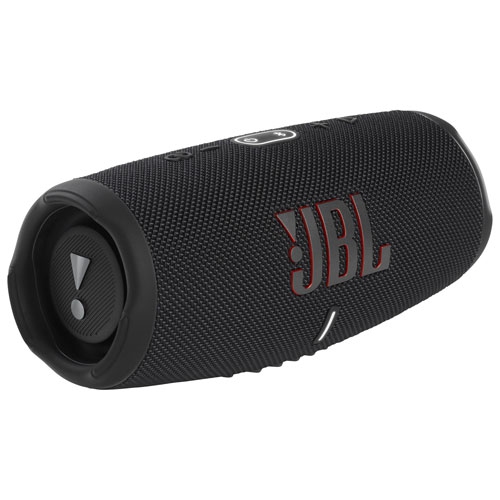 Your price for this item is $239.98
-
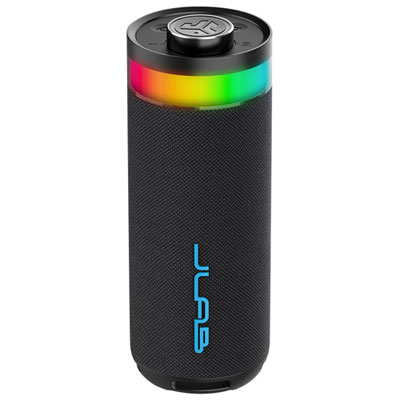 Your price for this item is $39.99
-
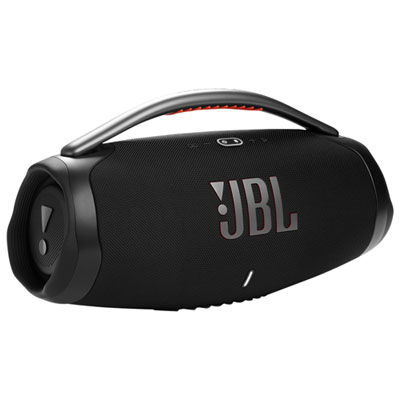 Your price for this item is $349.99
-
 Your price for this item is $399
-
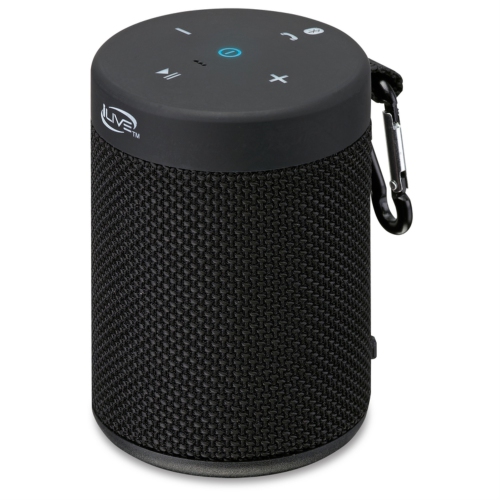 Your price for this item is $28.68
-
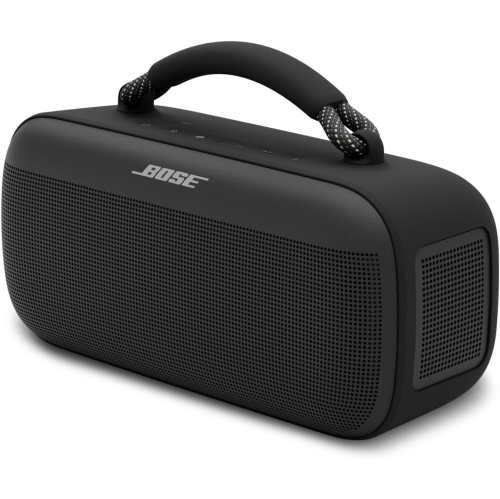 Your price for this item is $539
-
 Your price for this item is $344.99
-
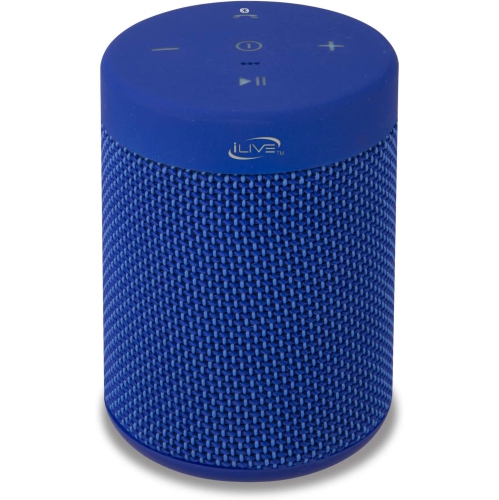 Your price for this item is $31.68
Discover more categories related to Good Speakers for Music

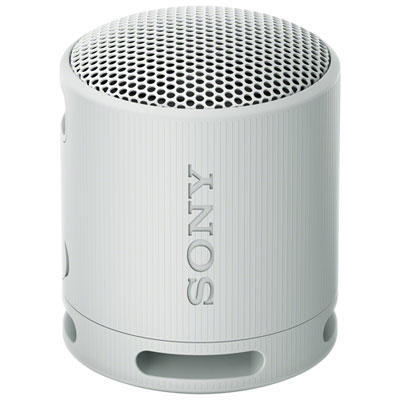
Top Collections:
Best Black Friday Deals This Year, Best Black Friday Deals On Electronics, Kindle Devices, Dyson Airwrap, Best Cameras for Sports Photography, Best Black Friday Deals On Apple Products, PS5 Pro Consoles, Portable Snow Blowers, Canon G7X Cameras, Pokémon 30th Celebration Cards
Some products may be subject to Environmental Handling Fees
(EHF) depending on your province.
Learn more about EHFs.