26 Inch Bikes
Explore our selection of 26-inch bikes, designed to cater to a wide range of riders and preferences. Whether you're commuting to work, cruising around the neighborhood, or hitting the trails for an outdoor adventure, a 26-inch bike offers the perfect balance of speed, comfort, and durability. With various styles and features to choose from, finding the ideal bike to suit your needs has never been easier.
Sort






























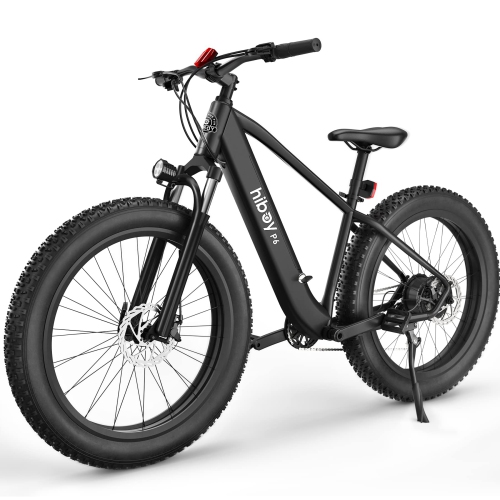
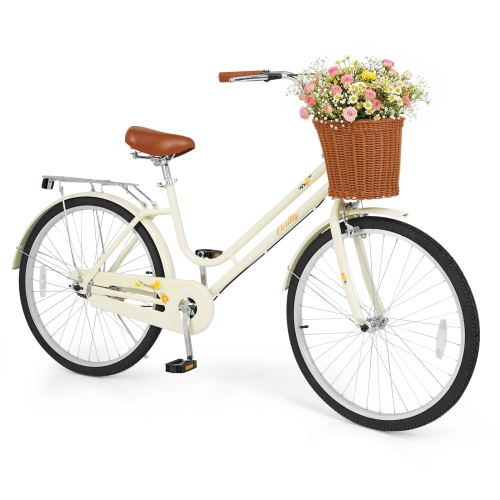


Why bike fit goes beyond wheel size
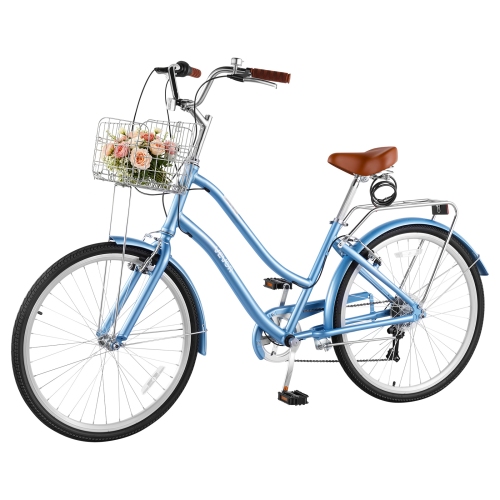
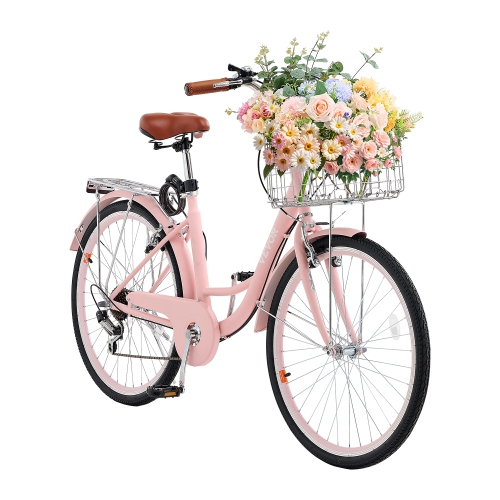
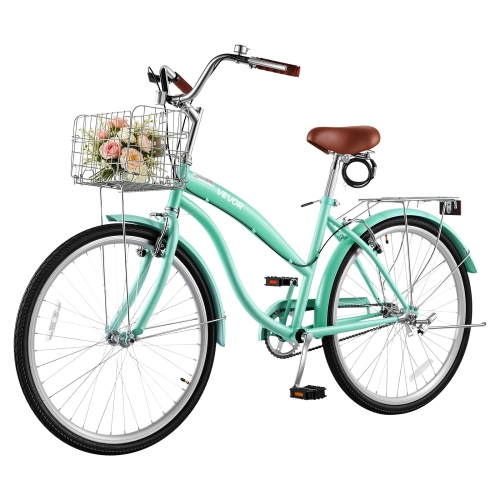
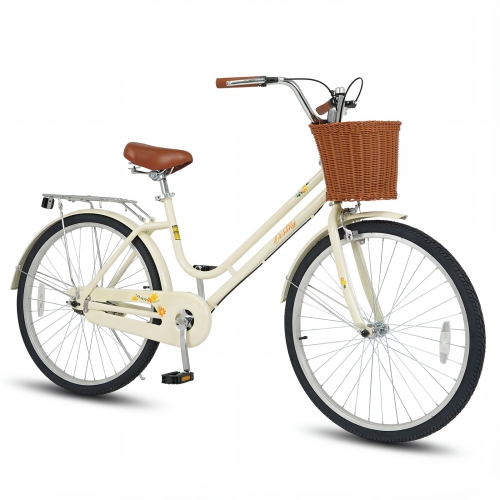
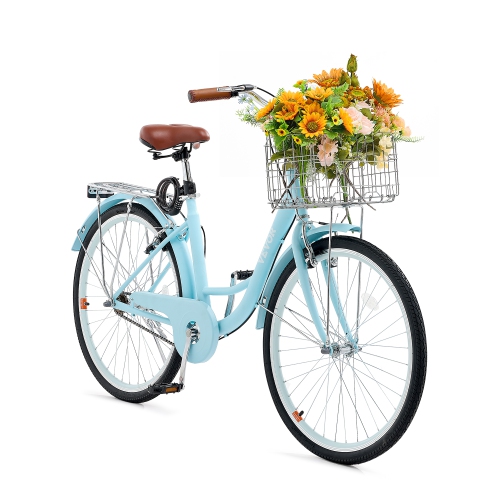
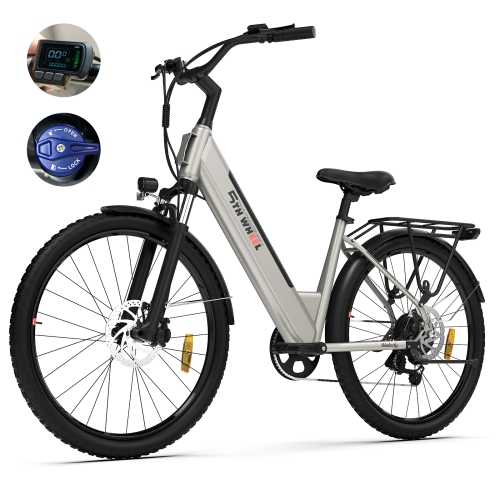
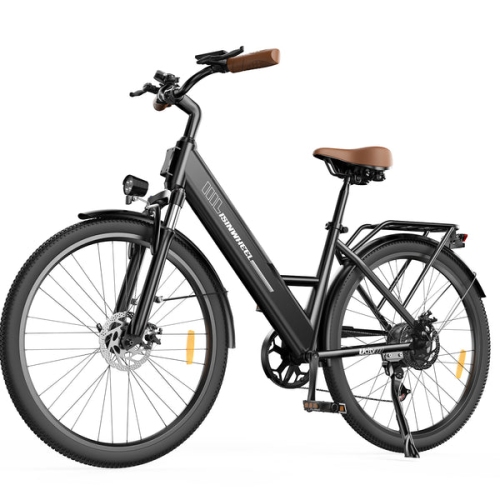
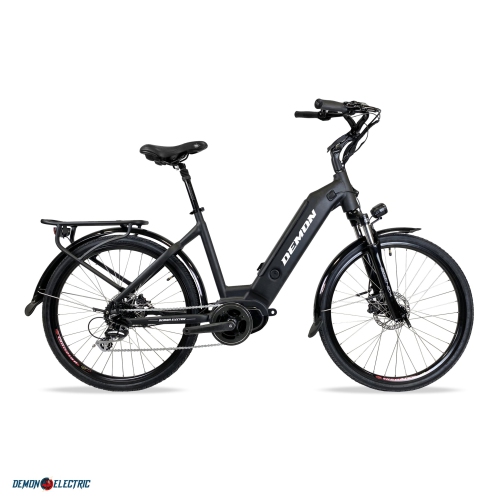
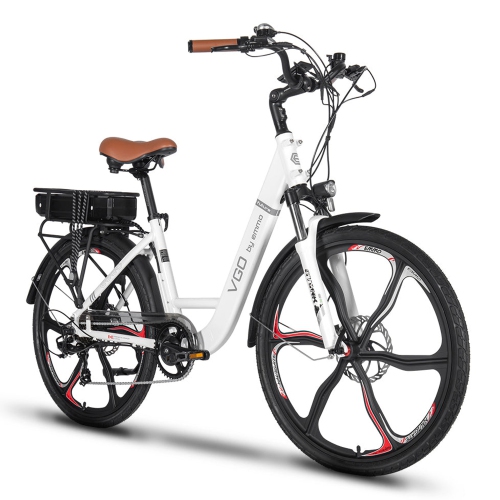
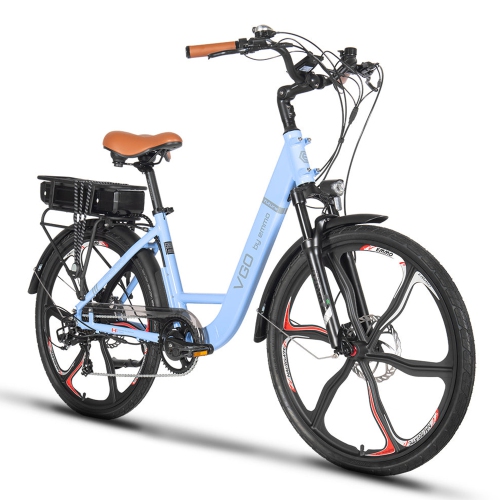
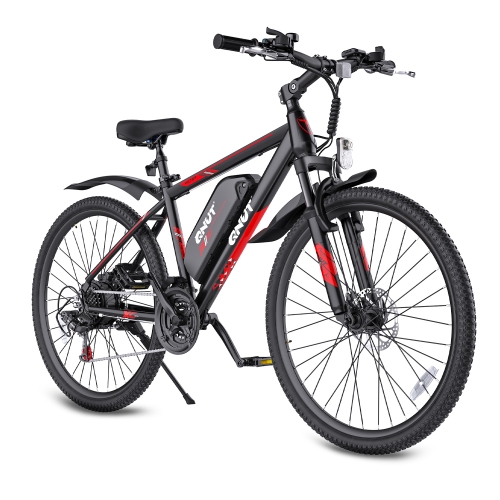
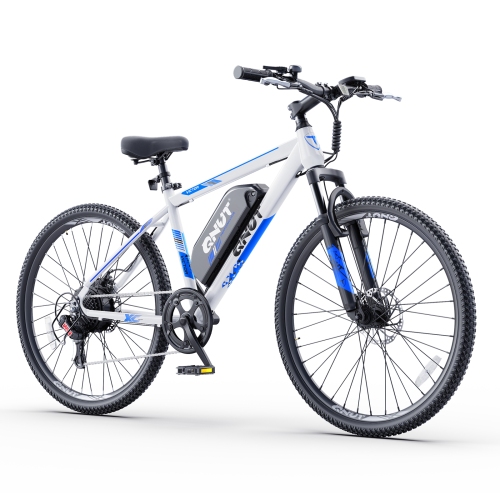
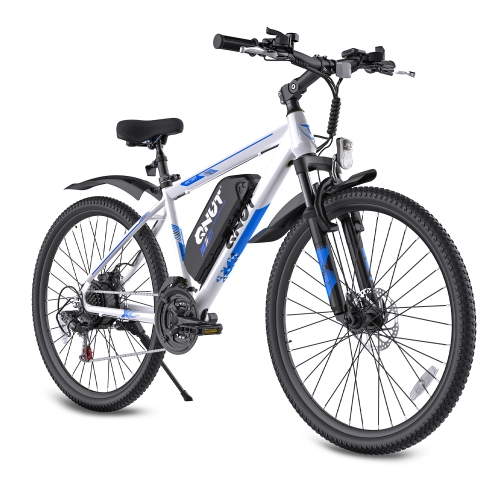
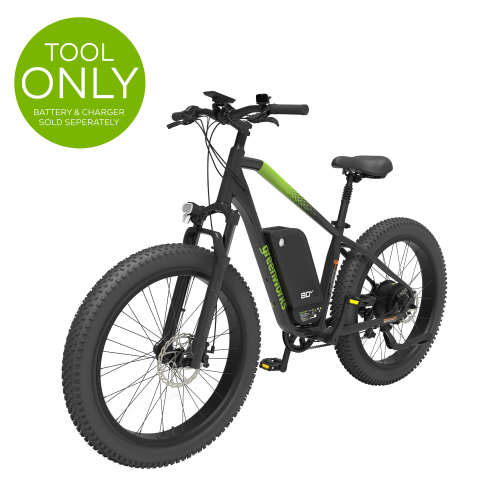
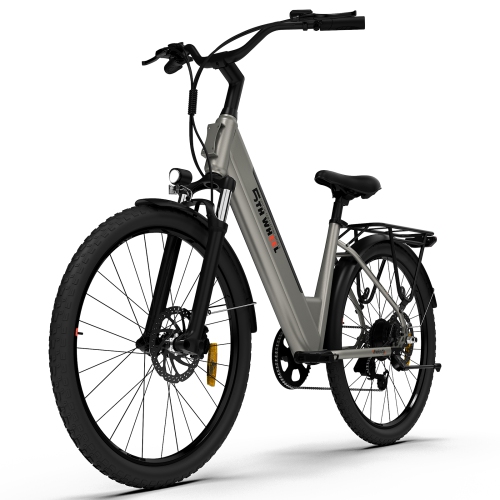
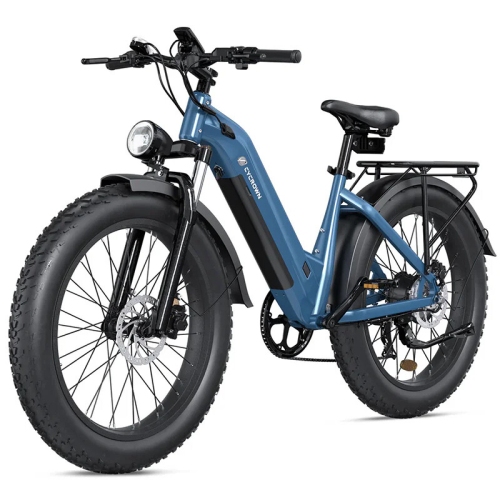
A 26 inch bike is a bicycle with a nominal wheel size of 26 inches, a measurement that describes the wheel category rather than the frame size or the rider’s height. These bikes include mountain bikes, cruisers, and some hybrid and everyday riding designs, so the wheel size alone does not tell the whole story about how a bike fits or handles. A compact frame with 26 inch wheels can suit some teens and shorter adults, while a larger frame with the same wheel size may fit a taller adult. There is no single height range that applies to every 26 inch bike: the manufacturer’s sizing chart, frame geometry, and the rider’s inseam are more useful than wheel diameter by itself. For an older child moving up from a smaller bicycle, the transition should depend on confident handling and proper fit rather than age alone. Comparing 24 inch bikes can help put that next step in context when a rider is between sizes. A suitable bike leaves enough clearance to stand over the frame comfortably, allows the rider to reach the handlebars without stretching, and puts the brake levers within easy reach. Saddle height should permit a slight bend in the knee at the bottom of the pedal stroke; a frame that requires an awkward reach cannot usually be corrected by lowering the saddle. Step-through frames can make mounting and dismounting easier, particularly for riders who prefer not to swing a leg over a high top tube. Frame weight also matters in everyday situations, from lifting a bicycle onto a rack to manoeuvring it through a doorway. For a teen receiving a bike as a gift or an adult returning to riding, a manageable frame and accessible controls are more meaningful than choosing a wheel size on its own.
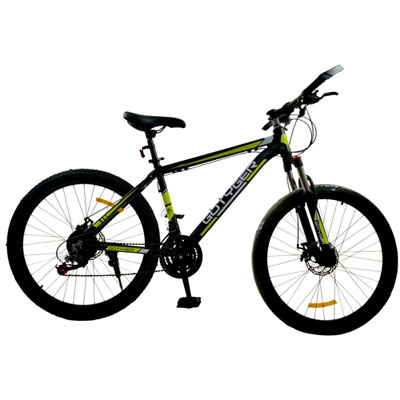
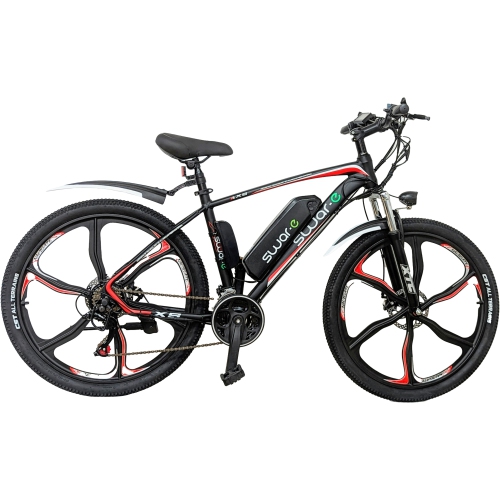
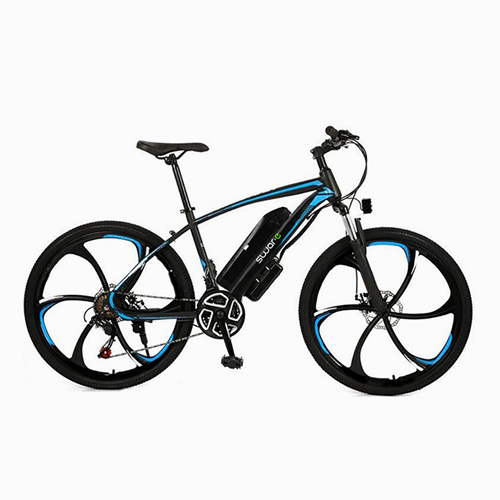
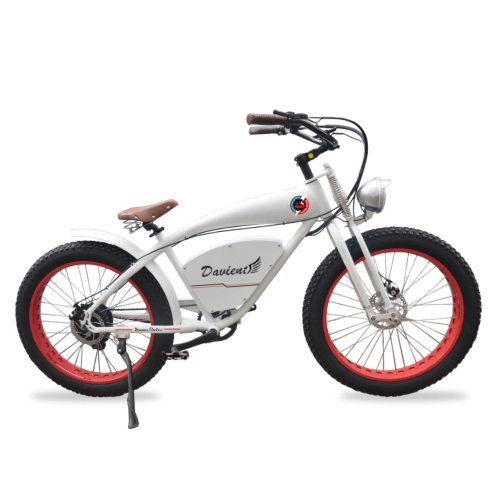
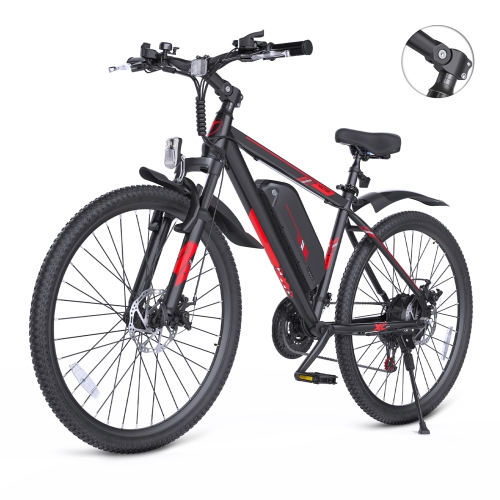
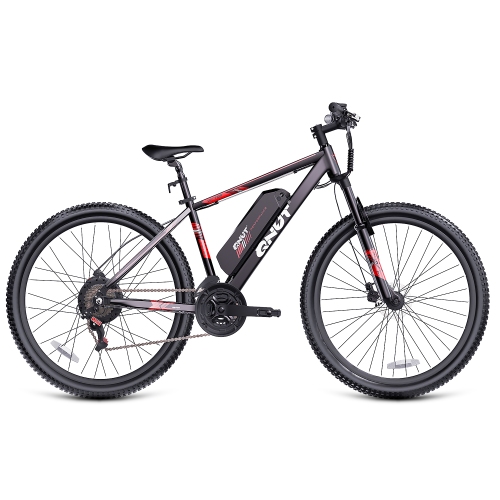
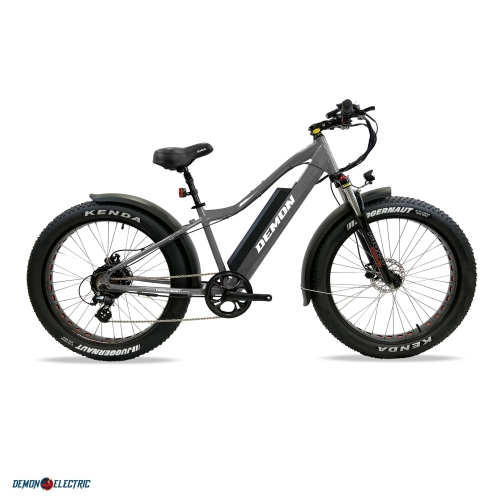
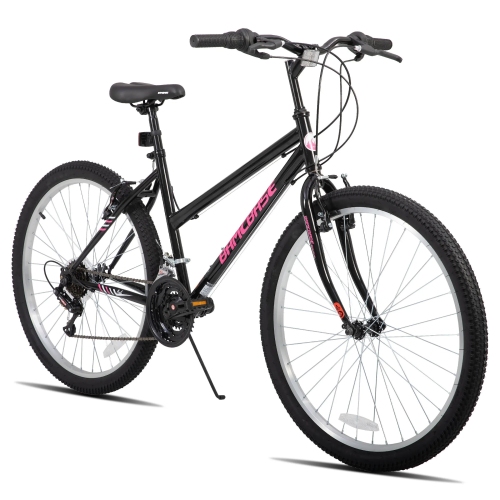
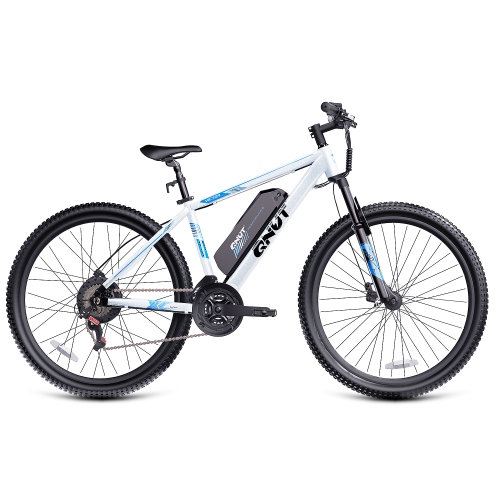
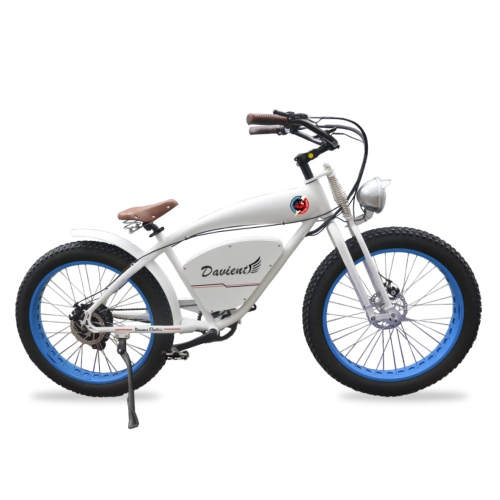
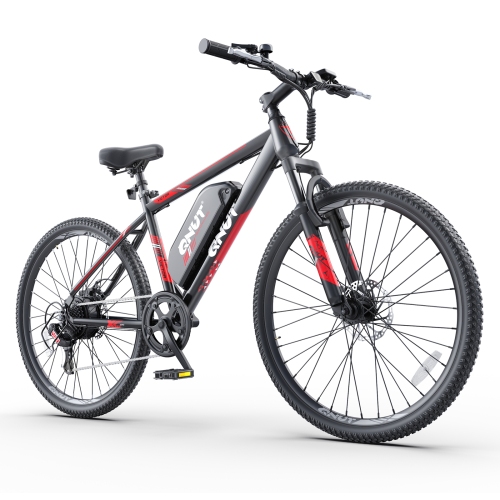
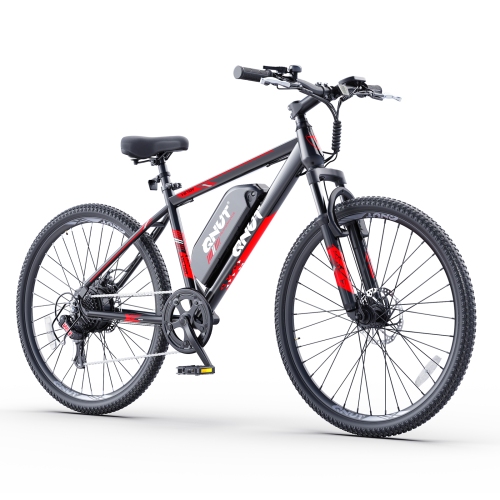
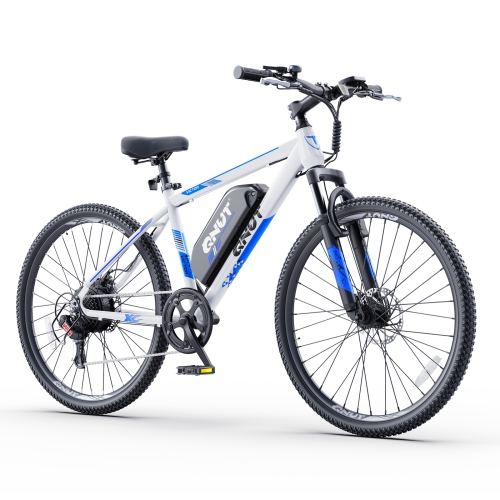
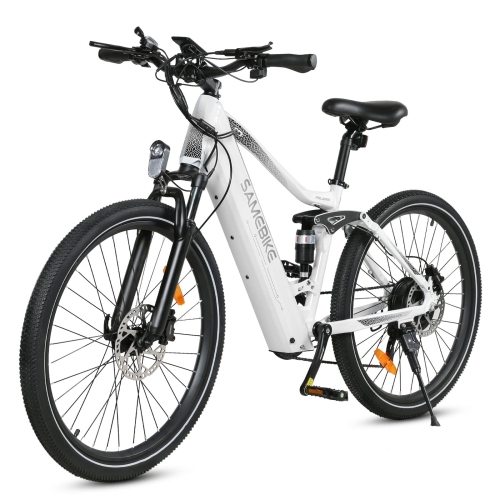
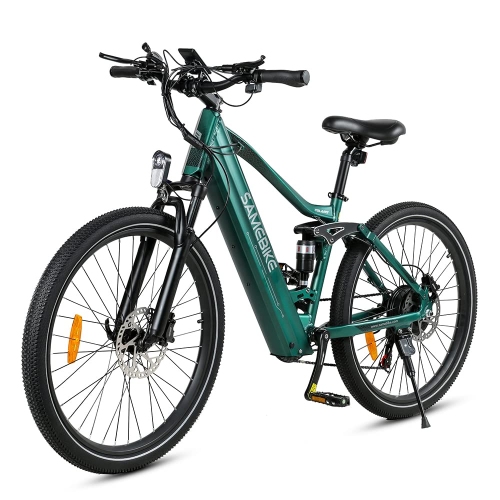
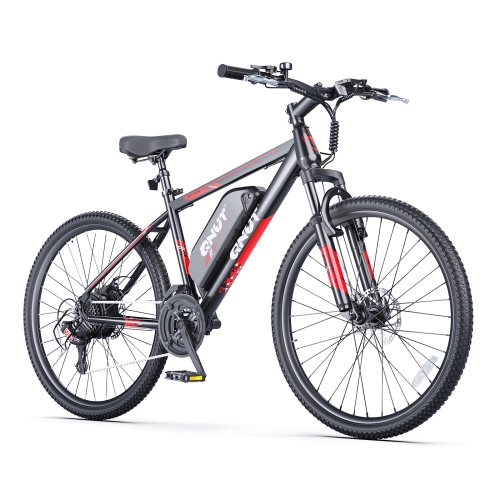
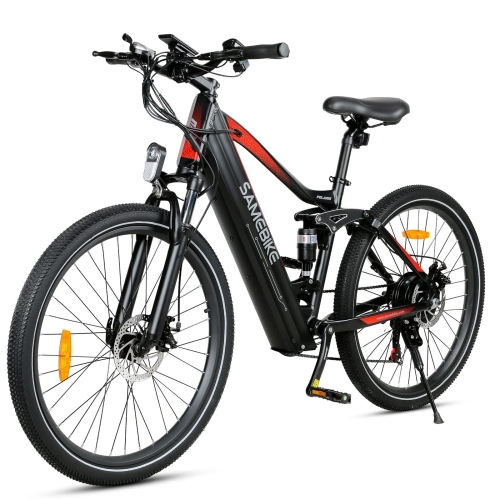
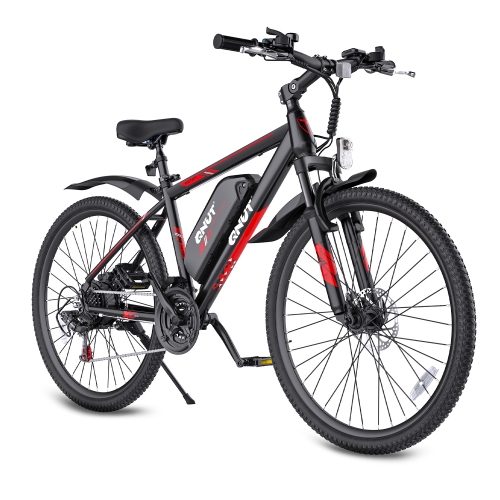
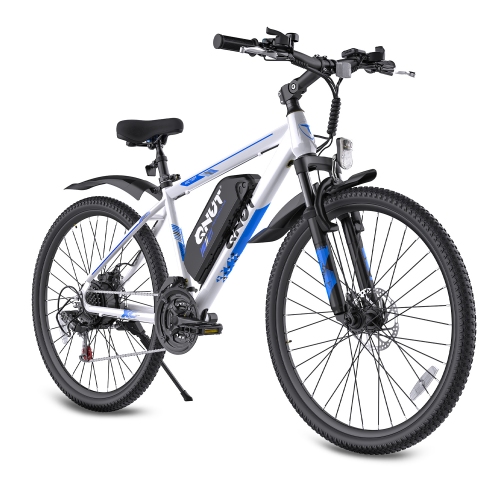
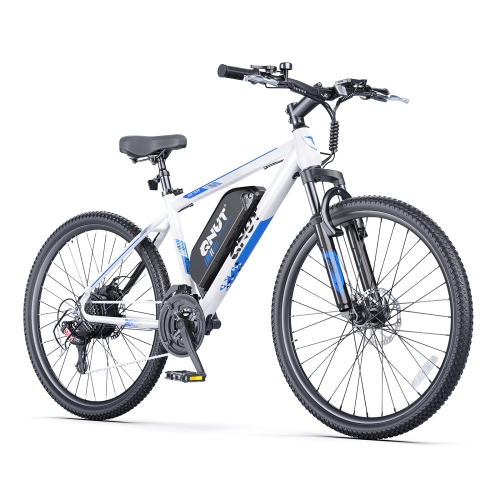
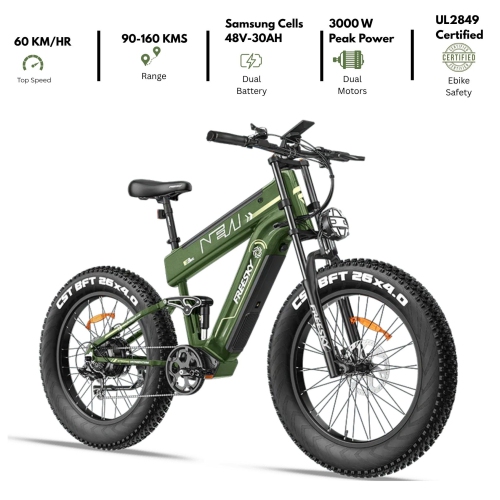
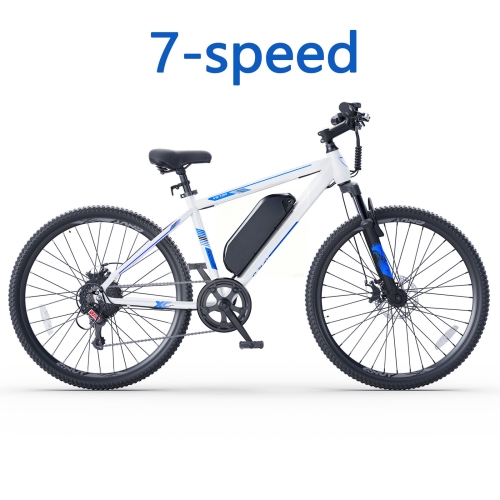
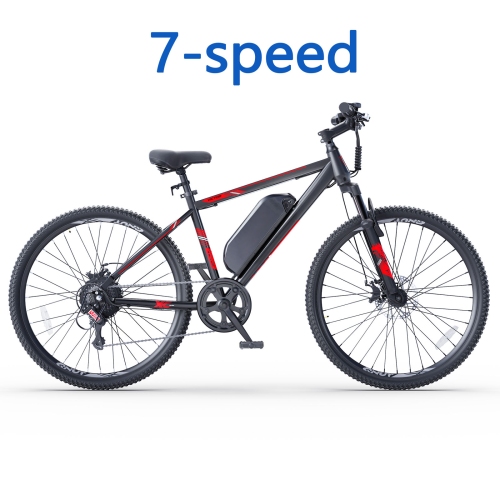
The appeal of 26 inch bikes lies partly in the variety of riding styles they accommodate. A mountain-style bike typically pairs a more active riding position with wider, treaded tyres for grip on loose surfaces, while a cruiser generally emphasizes an upright posture, relaxed steering, and comfortable trips along paved paths. Hybrid designs can bridge those uses, with a riding position and tyre tread intended for a mix of streets and maintained recreational routes. For someone riding to a community centre, meeting friends across the neighbourhood, or carrying a few essentials on a short commute, practical details such as rack mounts, bottle-cage fittings, and kickstand compatibility can make a noticeable difference. A bike intended for trail riding needs components and a frame rated for that use; a rugged appearance or wide tyres do not establish suitability for jumps or technical terrain. Suspension forks can help absorb bumps, but they also add weight and require maintenance. A rigid fork offers a simpler setup for riders who spend most of their time on smooth paths. Tyre choice changes the feel of the ride as well: smoother tread generally rolls more easily on pavement, while pronounced knobs are intended to find traction on loose ground. Gearing should reflect the route. Multiple gears help riders maintain a comfortable pedalling rhythm on climbs, whereas a single-speed setup can keep operation straightforward on flatter journeys. Braking systems also differ. Rim brakes are relatively simple to inspect, while disc brakes apply stopping force at a rotor near the wheel hub; either system needs correct adjustment and controls the rider can operate comfortably. Some casual bikes use a coaster brake activated by pedalling backwards, which has a different feel from hand-operated brakes. A familiar, predictable braking setup is especially important for a rider changing bike styles. Across these designs, the best match comes from the combination of fit, terrain, riding distance, and how confidently the rider can start, steer, and stop.
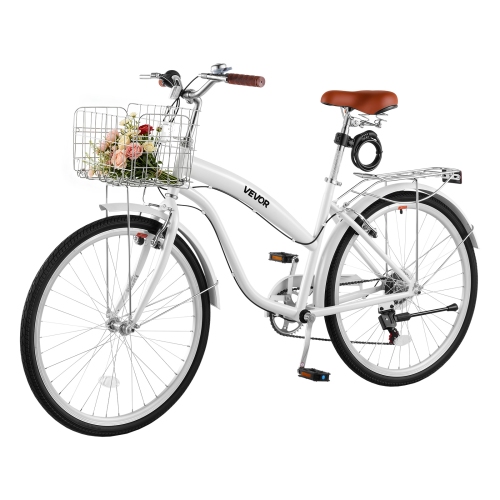
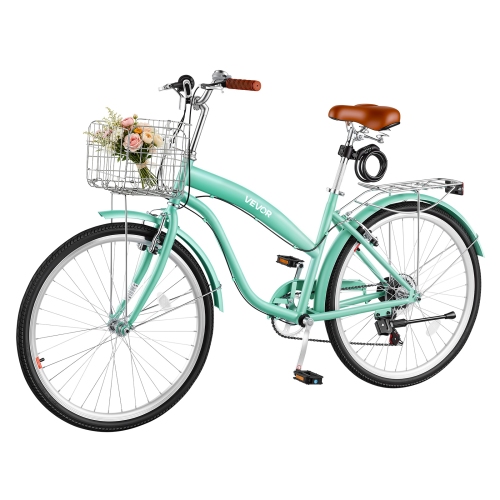
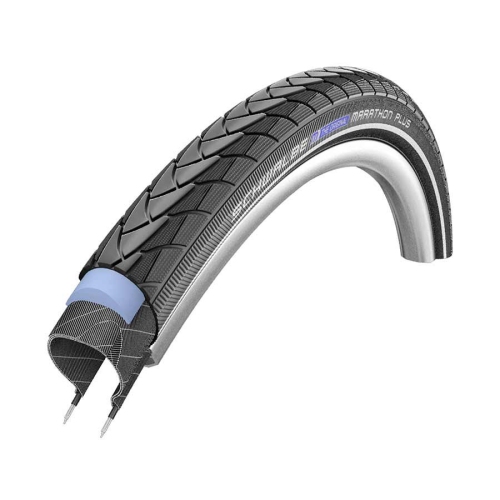
Materials, construction, and routine care all contribute to how a 26 inch bicycle holds up over time. Aluminum frames are often chosen for their relatively low weight and resistance to rust, while steel frames can provide a sturdy structure but may need attention wherever protective paint is chipped. The complete bicycle’s weight depends on more than the frame: wheels, suspension, tyres, and accessories all contribute to what a rider lifts and pedals. Durability also relies on respecting the stated weight limit, including any carried load, and using the bicycle within its intended riding category. A basket or rear rack can be useful for a bag or small errands, provided the frame supports the accessory and its load rating is followed. Carrying weight securely helps keep it away from spokes, cables, and moving parts. Routine checks are straightforward but worthwhile: tyres need pressure within the manufacturer’s recommendations, wheels should be securely attached, and brakes should engage predictably before a ride. A chain that is cleaned and lubricated as directed runs more smoothly, while lubricant must be kept off braking surfaces. Wiping away grit and storing the bicycle in a dry, secure place helps protect moving parts and finishes. Replacement tyres and tubes deserve particular attention because “26 inch” is a nominal label shared by wheel standards that are not all interchangeable. Matching the size markings on the existing tyre, including the ISO diameter and suitable width, is more reliable than choosing by the inch description alone. Assembly quality matters just as much as ongoing upkeep: handlebars, pedals, brakes, and wheel attachments need to be correctly installed and checked before use. A qualified bicycle technician can assess anything unfamiliar or uncertain. A properly fitted cycling helmet, suitable lights and reflectors, and a secure lock round out an everyday riding setup. With comfortable contact points, dependable controls, and care suited to its components, a well-fitting 26 inch bike can be a practical companion for regular rides, relaxed outings, and growing riding confidence.
Top selling and popular products
-
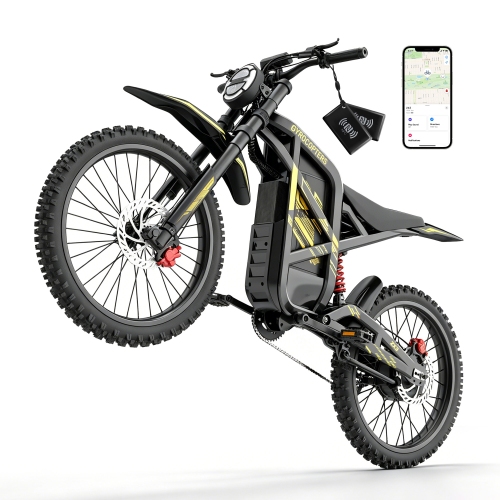 Your price for this item is $2199.97
-
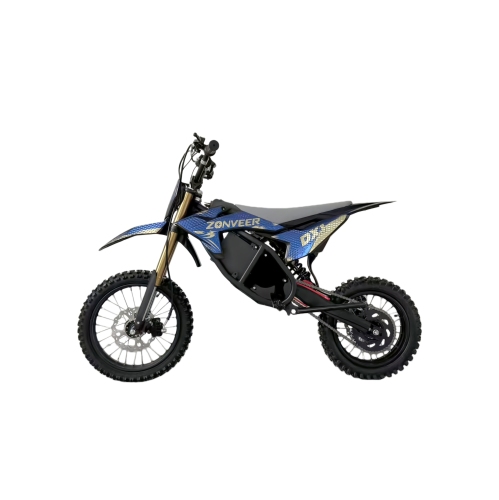 Your price for this item is $1999.97
-
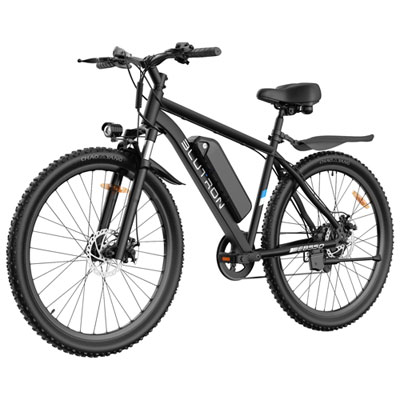 Your price for this item is $799.99
-
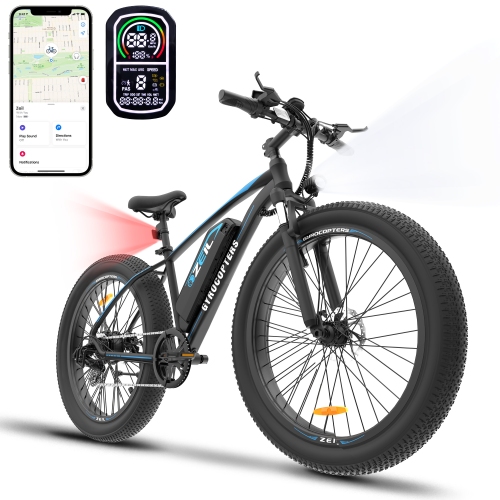 Your price for this item is $799.97
-
 Your price for this item is $1399.97
-
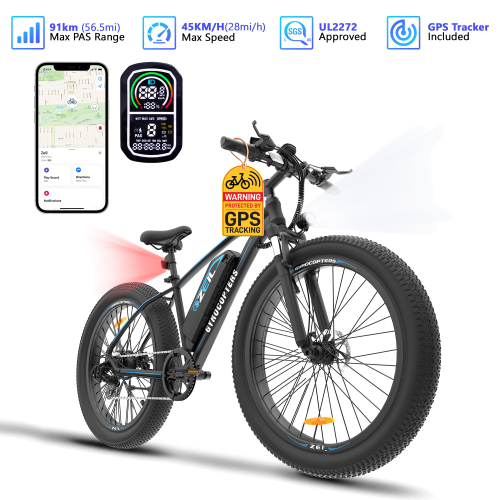 Your price for this item is $1099.97
-
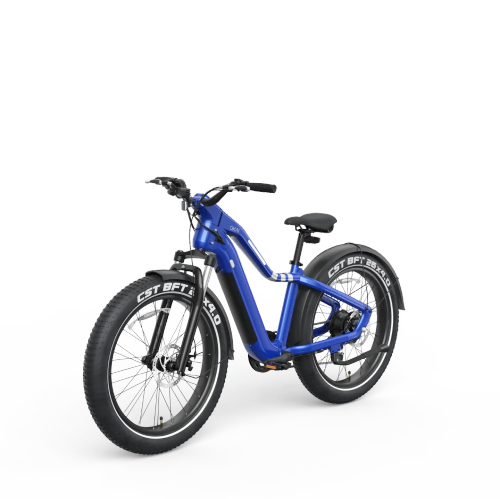 Your price for this item is $1499.99
-
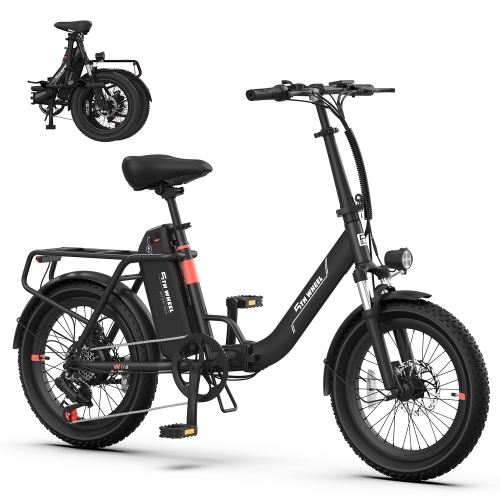 Your price for this item is $649.99
Discover more categories related to 26 Inch Bikes

Top Collections:
Pokemon Centers, Best Cameras for Sports Photography, Kindle Devices, Samsung Galaxy Phones, Canon G7X Cameras, Pokémon 30th Celebration Cards, Refurbished Apple Laptops, iPhone 15 Apple, Laptops for Students, Budget Smartphones
Some products may be subject to Environmental Handling Fees
(EHF) depending on your province.
Learn more about EHFs.