26 Inch Mountain Bikes
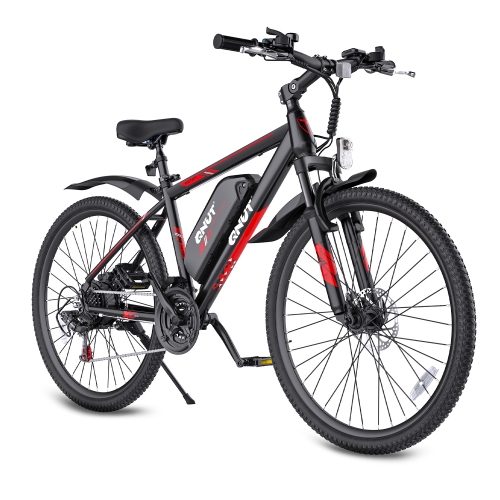
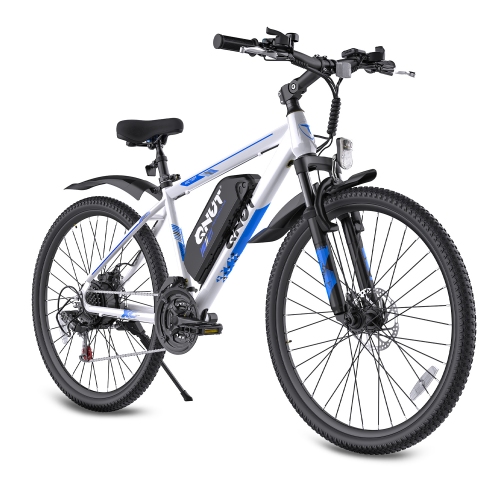
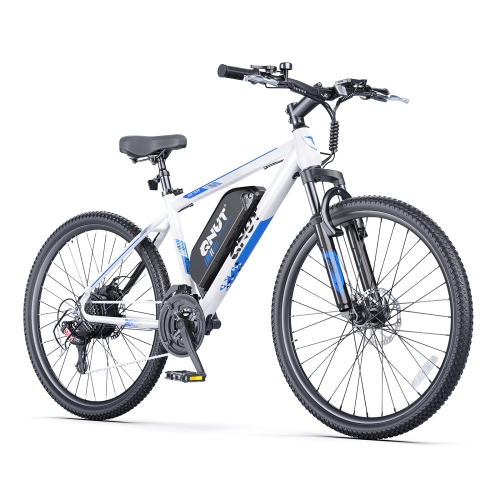
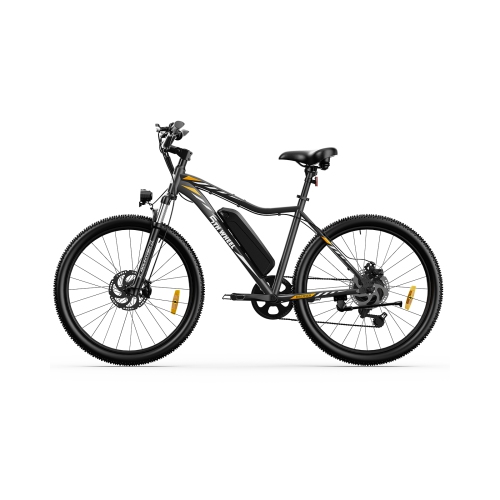
If you're looking to hit the trails and explore the great outdoors, look no further than these 26-inch mountain bikes. These versatile and rugged bikes are designed to handle the toughest terrain, whether you're tackling steep hills or navigating through rocky paths. With their sturdy frames, responsive brakes, and reliable suspension systems, our 26-inch mountain bikes provide the perfect balance of stability and agility.
Sort
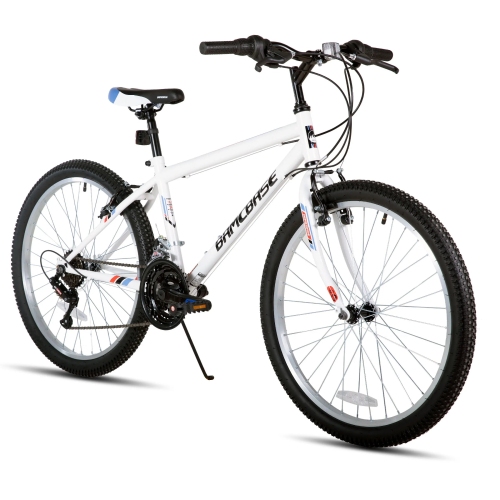
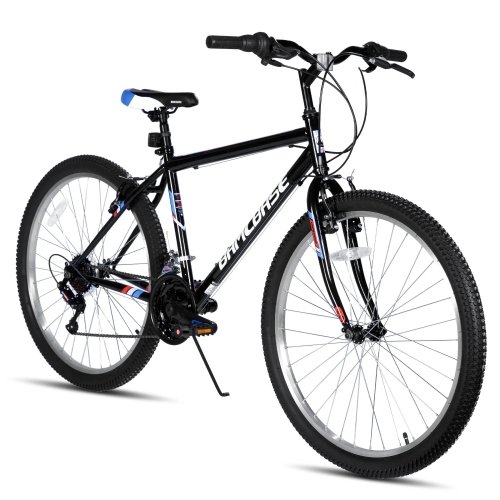
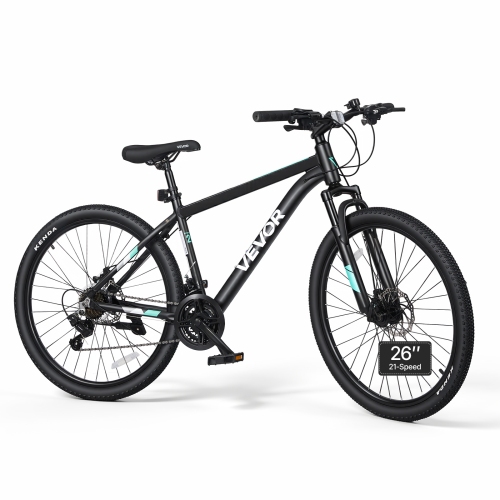
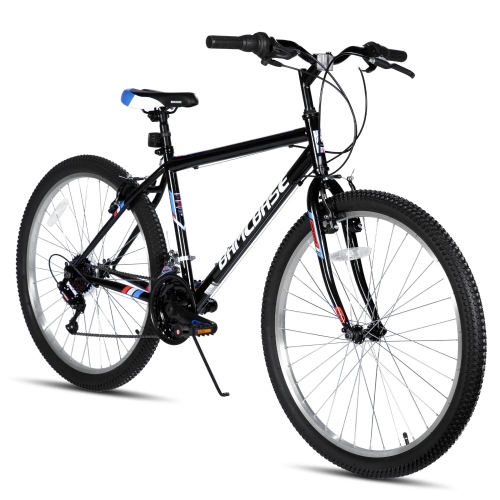





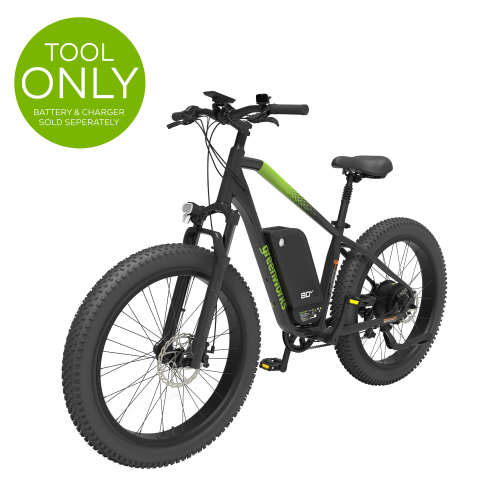
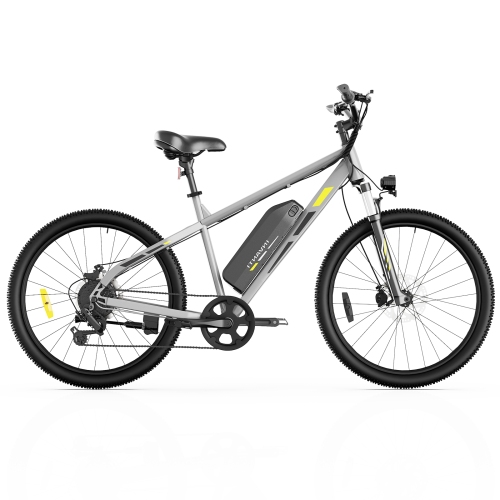
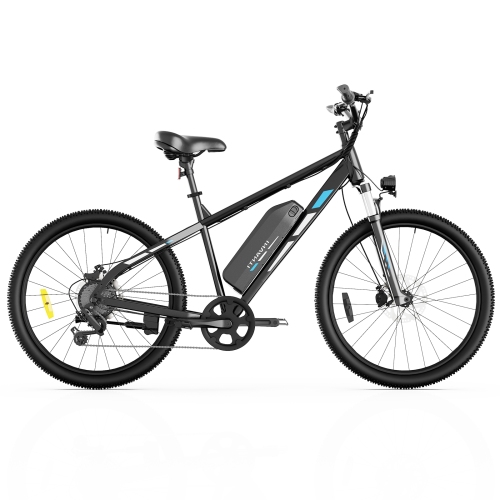
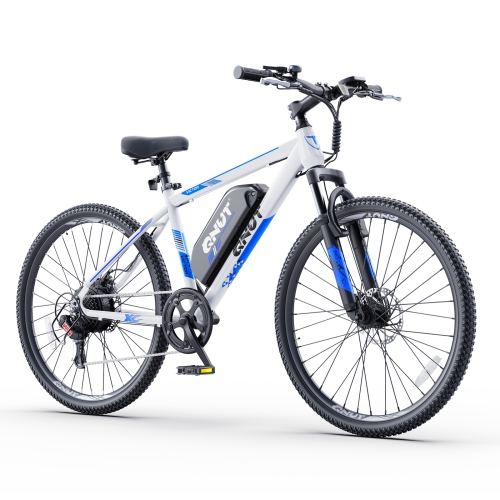
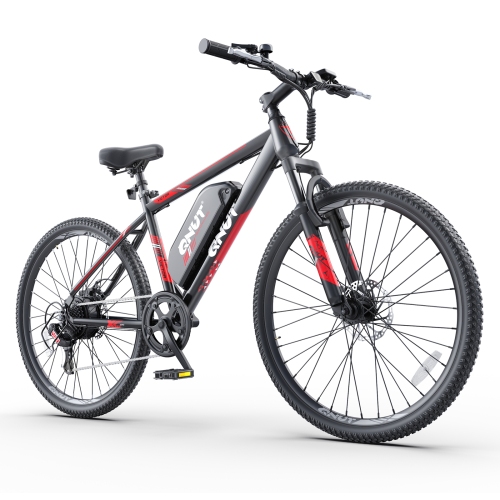
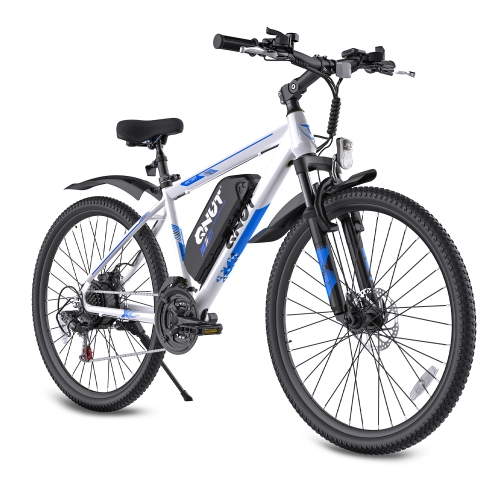
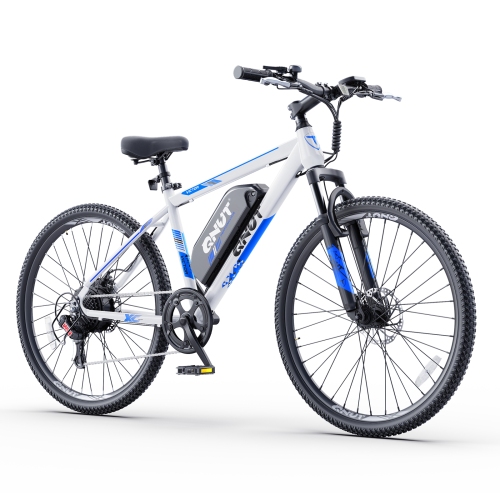
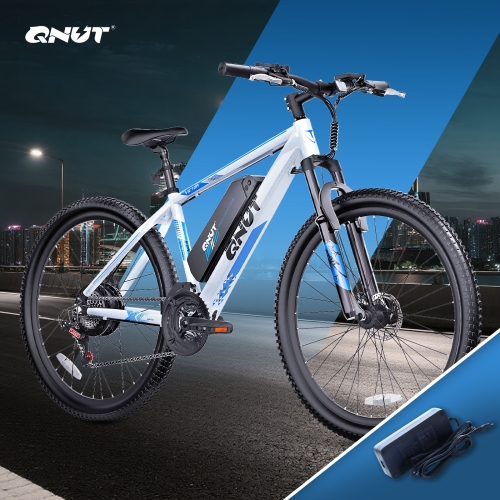





Why bike fit goes beyond wheel size
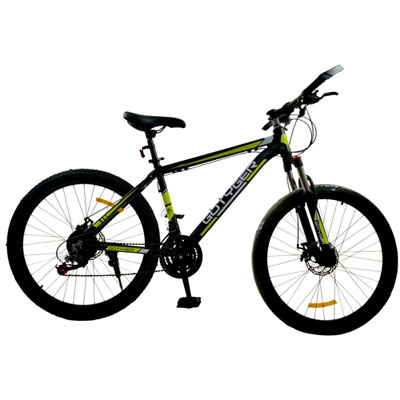
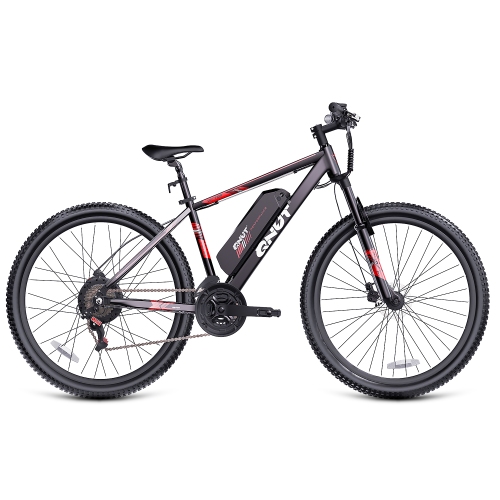
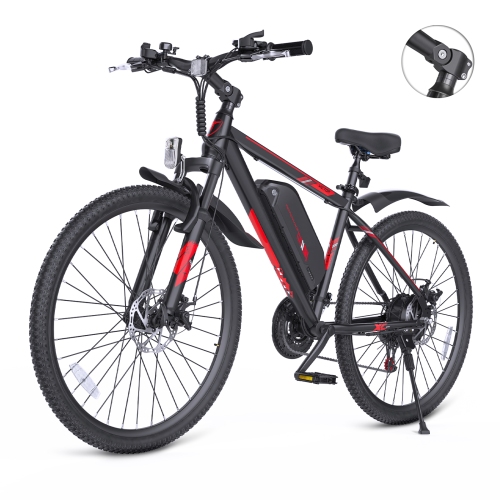
26-inch mountain bikes pair a familiar wheel size with the upright control, wide tyres, and sturdy construction associated with off-road riding. The 26-inch measurement refers to the nominal wheel size, not the frame size, so two bikes with these wheels can fit very different riders. This distinction matters for adults choosing a compact bike, teens moving beyond a smaller bicycle, and families looking for a comfortable option for shared recreational outings. Although larger wheels are common on modern adult trail bikes, 26-inch wheels remain useful for casual trail rides, neighbourhood routes, and riders who prefer a more compact feel. Their smaller diameter can make a bike feel easier to move through tight turns, though handling also depends on frame geometry, tyre choice, and overall weight. Larger wheels generally roll over roots and uneven ground more readily, while a well-fitted 26-inch bike can feel manageable on winding paths and gentle trails. Intended use is just as important as wheel size: a mountain-style bicycle designed for park paths is not necessarily built for jumps, steep descents, or technical singletrack. Frame construction, suspension, brakes, and the manufacturer’s riding classification establish those limits. For someone whose usual outing combines a paved connection, a packed-gravel path, and a few gentle climbs, predictable steering and comfortable gearing may matter more than long suspension travel. Riders spending more time on rough trails need components designed for the added loads and repeated impacts. Wide handlebars can provide leverage when steering around stones or through a bend, while treaded tyres help provide grip on loose surfaces. More aggressive tread is not automatically better for every route; deep knobs can feel slower and noisier on pavement. The most suitable 26-inch mountain bike is one whose fit, tyres, and construction match the routes it will actually travel, whether that means an easy ride through a local park or regular outings on designated beginner mountain bike trails.
Fit starts with the frame rather than the number printed on the tyre. Rider height is a useful starting point, but inseam, torso length, arm reach, and mobility all affect comfort. A rider should be able to stand over the bike with appropriate clearance, reach the handlebars without stretching, and operate both brake levers confidently. Saddle height should allow efficient pedalling with a slight bend in the knee near the bottom of the pedal stroke, within the adjustment limits specified for the seatpost. Lowering a saddle does not make an oversized frame suitable, particularly if the handlebars remain too far away or the top tube interferes with getting on and off. For younger riders, brake-lever reach and bike weight deserve particular attention: a bicycle that looks proportionate can still be difficult to stop, steer, or lift over a curb. A smaller adult may suit a small-frame 26-inch mountain bike, while a taller rider may need a larger frame with the same wheel diameter. Children who are not ready for that combination of reach and height may find a more suitable fit among 24 inch bikes, with sizing still checked against the individual bicycle’s geometry. Frame material also influences the experience. Aluminum is common because it offers a useful balance of weight and corrosion resistance; steel is often heavier but can provide durable construction. Neither material alone determines quality, comfort, or the bike’s permitted use. A hardtail has front suspension and a rigid rear frame, offering a relatively straightforward setup for many recreational riders. Full-suspension designs add rear-wheel movement but also bring more pivots, moving parts, and maintenance requirements. Rigid designs have no suspension and can suit smoother routes where simplicity is a priority. Suspension performs best when adjusted for rider weight and use, where adjustment is supported. For a birthday or milestone gift, confirming the recipient’s measurements and intended riding routes helps make the bicycle a comfortable match rather than choosing by colour or wheel size alone.
Components shape how a 26-inch mountain bike feels once the route starts climbing, turning, or getting uneven. Low gears help riders pedal up inclines at a manageable effort, while higher gears support faster riding on flatter stretches. The total number of speeds tells only part of the story; the usable gear range and ease of shifting matter more than a large count. A single front chainring simplifies the controls, whereas multiple front chainrings can provide a broad range with an additional shifter to manage. Mechanical disc brakes use cables, hydraulic disc brakes use fluid, and rim brakes apply their pads to the wheel rim. Each system needs correct adjustment and compatible replacement parts, and stopping performance also depends on tyre grip, pad condition, and rider technique. Before an outing, a quick check of brake operation, tyre pressure, wheel security, and steering can catch problems before they interrupt the ride. Tyre pressure should stay within the tyre and rim manufacturers’ limits, with adjustments for rider load and terrain rather than one fixed setting for every bike. The 26-inch label alone is not enough when choosing replacement tyres or tubes; the tyre’s ISO size, width, and valve type help establish compatibility. Routine care is straightforward but important. Removing grit from the drivetrain, lubricating the chain appropriately, and wiping away excess lubricant help reduce wear and keep shifting smooth. Brake rotors, rims used for braking, and pads should remain free of lubricant. Suspension components need the servicing specified by their manufacturer, and persistent clicking, loose bearings, or changes in braking deserve attention rather than being treated as normal wear. Storage in a dry, secure location helps protect the frame and components between rides. Accessories also need to suit the bicycle: a bottle cage, rack, kickstand, or child seat requires suitable mounts, clearances, and load ratings. A properly fitted cycling helmet and suitable visibility equipment complete the setup for the intended route. With sensible fit, compatible components, and consistent care, a 26-inch mountain bike can be a practical companion for recreational exercise, family rides, and developing confidence on appropriate off-road terrain.
Top selling and popular products
-
 Your price for this item is $2199.97
-
 Your price for this item is $1999.97
-
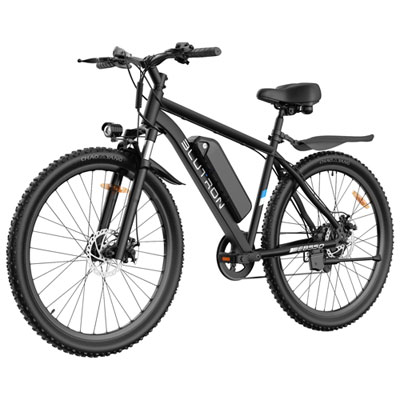 Your price for this item is $799.99
-
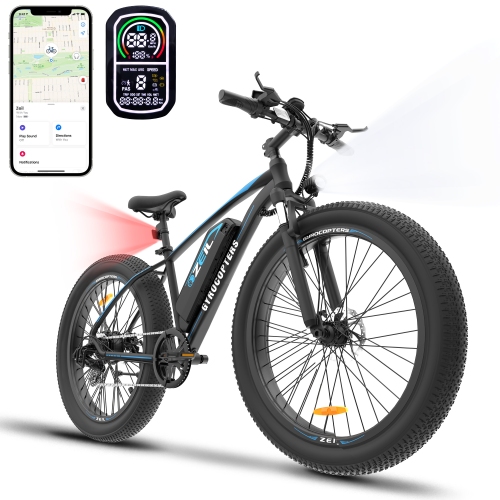 Your price for this item is $799.97
-
 Your price for this item is $1399.97
-
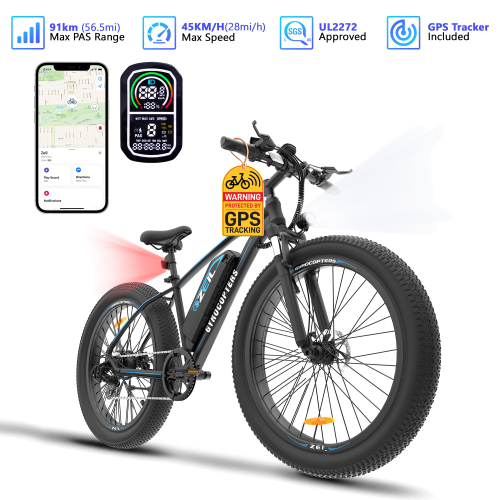 Your price for this item is $1099.97
-
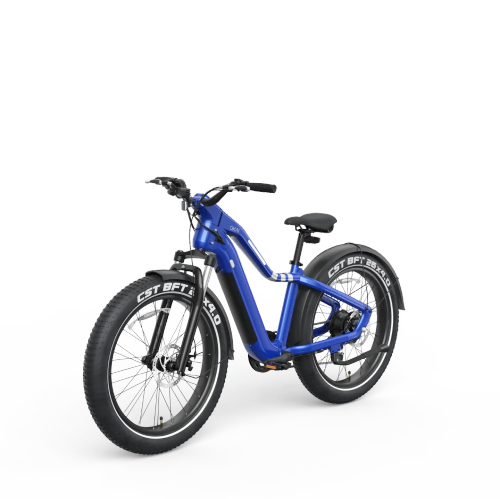 Your price for this item is $1499.99
-
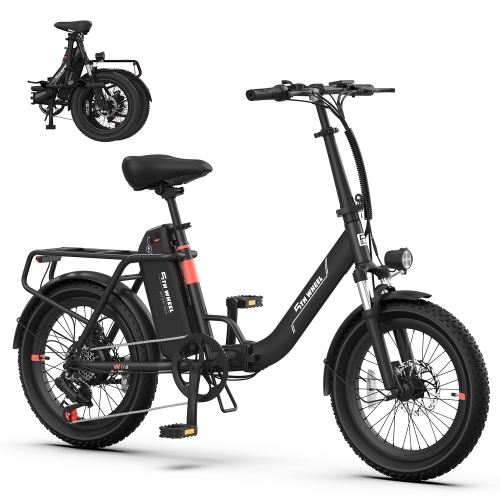 Your price for this item is $649.99
Discover more categories related to 26 Inch Mountain Bikes
Top Collections:
Pokemon Centers, Best Cameras for Sports Photography, Kindle Devices, Samsung Galaxy Phones, Canon G7X Cameras, Pokémon 30th Celebration Cards, Refurbished Apple Laptops, iPhone 15 Apple, Laptops for Students, Budget Smartphones
Some products may be subject to Environmental Handling Fees
(EHF) depending on your province.
Learn more about EHFs.