Accessories for Small Boats
Enhance your time on the water with a wide selection of accessories for small boats. Whether you're preparing for a relaxing day of fishing, family outings, or solo adventures, the right accessories can make every trip more enjoyable and convenient. Explore options designed to help you organize your gear, improve comfort, and keep your boat running smoothly. Find everything you need to outfit your small boat for safety, functionality, and fun on every journey.
Sort





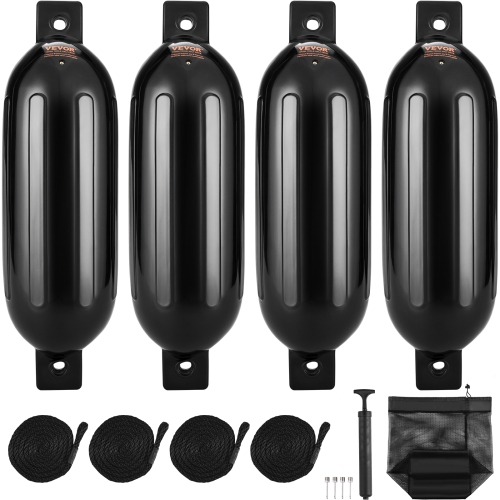

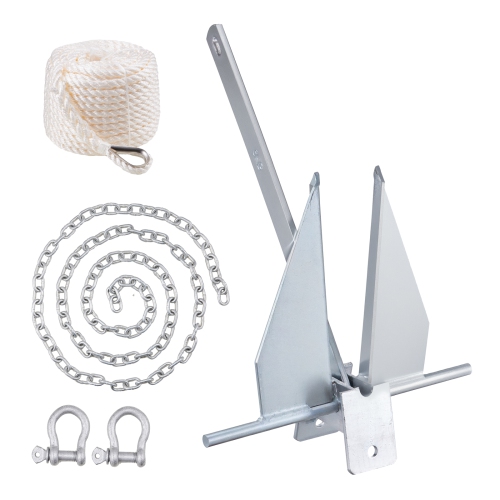

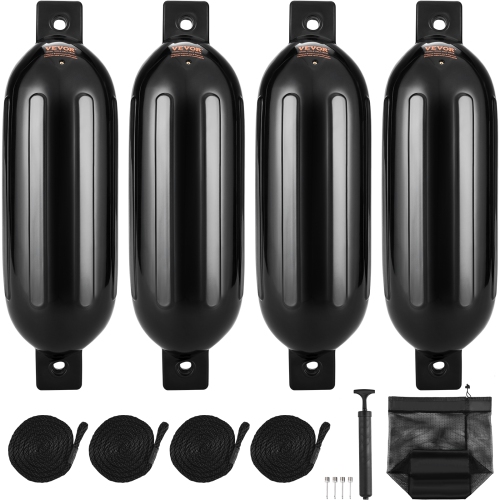
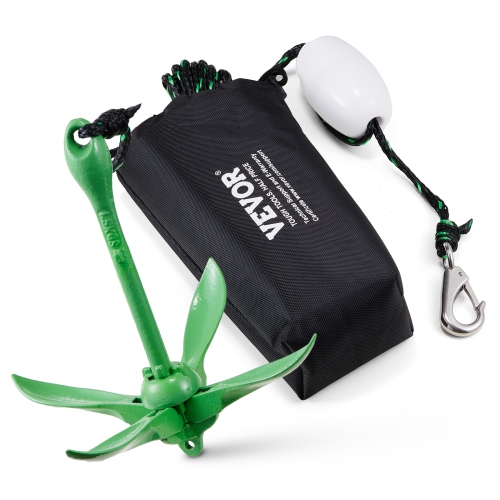
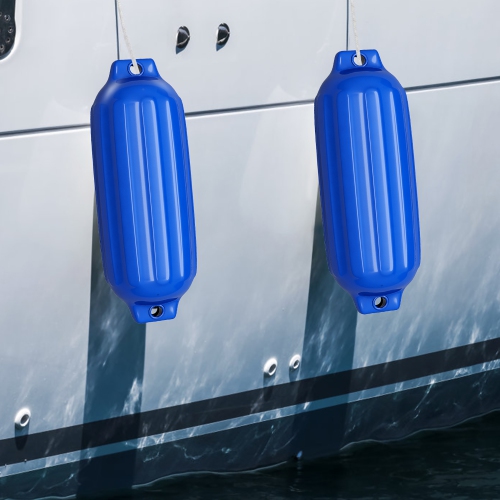
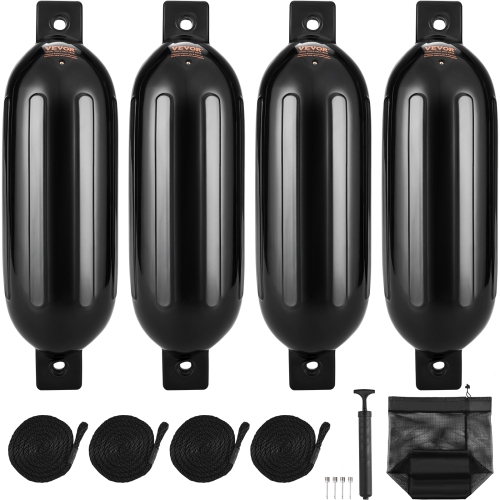
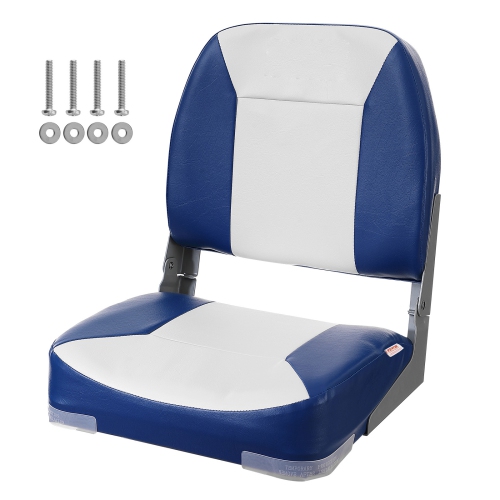

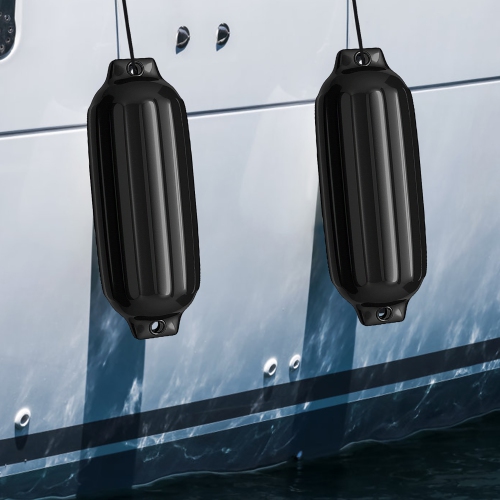


Compact gear that earns its place on board
Accessories for small boats help make limited onboard space safer, more comfortable, and easier to use. On a compact fishing boat, skiff, tender, or inflatable, even a modest addition can make a noticeable difference when it keeps equipment within reach or clears a walking area. The wider range of Boat Accessories includes options for securing gear, organizing storage, supporting seating, and managing everyday tasks around the dock and on the water. Small-craft accessories are particularly useful when they serve a clear purpose without adding unnecessary bulk. A tidy arrangement leaves room for passengers to move, provides access to essential equipment, and reduces the need to shift bags whenever someone changes seats. Anglers may value organized tackle storage and secure places for rods, while families may place greater emphasis on comfortable seating and somewhere to keep personal belongings dry. Owners who use a small boat for short trips between shore and a larger vessel often need compact equipment that is easy to carry aboard and remove again. Safety equipment remains a separate priority from convenience features: lifejackets and personal flotation devices need to fit their wearers and have appropriate Canadian approval, and required onboard equipment varies with the vessel and its use. Accessible storage for emergency equipment matters just as much as space for snacks or fishing gear. A compartment that cannot be reached without unloading the boat offers little convenience when something is needed quickly. For compact craft, the most useful arrangement balances access, visibility, and secure placement rather than filling every open surface. Equipment that stays put during normal boat movement can also help prevent loose objects from becoming trip hazards. The result is a more orderly space for everyday activities, whether that means preparing a fishing line, helping a passenger aboard, or finding a dock line without searching beneath a seat.
Fit and construction are especially important on smaller vessels because mounting space, load capacity, and access are often limited. A fitting designed for a rigid gunwale may not suit an inflatable tube, and a seat attachment intended for one bench shape may not sit securely on another. Useful fit details include mounting dimensions, attachment style, required clearance, and the strength of the surface supporting the accessory. Removable clamps can suit owners who want a flexible layout, provided the clamp is compatible with the mounting surface and intended load. Permanent fittings involve different considerations, particularly where drilling could affect buoyancy chambers, concealed wiring, or the integrity of the hull. Inflatable boats also require materials and attachment methods compatible with their tube fabric; an adhesive or fitting suitable for one construction is not automatically suitable for another. Weight deserves attention alongside size. Several compact additions can collectively take up meaningful carrying capacity, and heavy equipment can affect balance when concentrated at one end or side. Materials influence both durability and ongoing care. Marine-grade stainless steel offers strength and corrosion resistance, although its grade, finish, and exposure still matter. Anodized aluminum can provide a lighter structure, while suitable moulded plastics offer practical storage and protective housings without the same weight as metal. Smooth edges, rounded corners, and non-marking contact points are useful around inflatable tubes, painted surfaces, and frequently handled equipment. Where different metals meet, compatible fasteners and appropriate isolation can help reduce corrosion. Saltwater use places additional demands on hardware, hinges, and closures, making corrosion-resistant construction particularly relevant. For electrical accessories, voltage compatibility, suitable circuit protection, and connections rated for the installation location are important considerations. A water-resistant enclosure is not necessarily designed for immersion, so protection ratings and manufacturer specifications have a direct bearing on intended use. Thoughtful construction is often apparent in details such as reinforced attachment points, replaceable components, closures that operate smoothly, and mounting hardware that remains accessible for inspection.
Comfort, storage, and straightforward care also shape how well accessories work in daily use. Seating additions need to suit the boat’s layout as well as the passenger, with enough support for the intended activity and enough clearance to move without stepping over equipment. A comfortable position for a short transfer may feel quite different during a longer fishing outing. Upholstery with durable seams and an easy-clean surface can simplify upkeep, while removable cushions need secure attachment rather than relying on their weight alone. Storage benefits from the same attention to real onboard routines. A narrow compartment beside a bench may be useful for small essentials, but frequently handled belongings are better suited to an accessible position that does not obstruct boarding or controls. Soft-sided storage can fit irregular spaces and be easier to carry ashore, while rigid storage offers more structure for contents that need protection from knocks. Secure closures help contain loose gear, and clearly separated compartments make it easier to distinguish personal belongings from maintenance supplies. Water-resistant and waterproof descriptions are not interchangeable; the intended level of splash or immersion protection matters when storing a phone, documents, or spare clothing. Care requirements vary by material, but removing grit, rinsing salt residue with fresh water where appropriate, and allowing equipment to dry before enclosed storage can help preserve finishes and reduce odours. Fasteners, straps, stitching, and attachment points benefit from regular inspection, particularly on accessories that are repeatedly installed and removed. Cushions and fabric components also need cleaning methods that suit their coatings and fillings. For boat owners who transport equipment between home, vehicle, and launch point, manageable carrying weight and uncomplicated removal can be as valuable as onboard performance. These practical qualities also matter when accessories are gifts for anglers, recreational boaters, or owners of compact tenders. Gifts that depend on precise hull dimensions, electrical connections, or mounting compatibility require more knowledge of the recipient’s setup than portable storage does. Across different boating routines, lasting usefulness comes from a suitable fit, dependable materials, and a purpose that earns its place aboard.
Top selling and popular products
-
 Your price for this item is $30.82
-
 Your price for this item is $180.99
-
 Your price for this item is $38.85
-
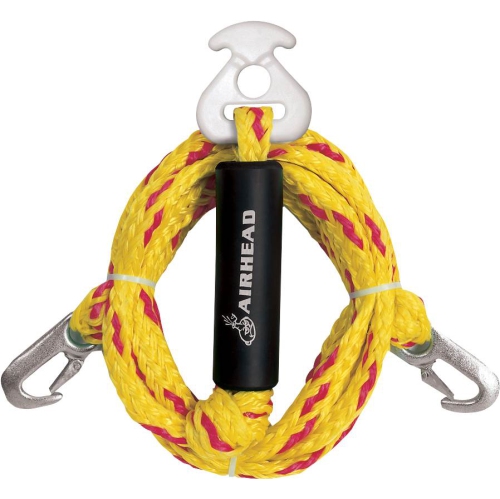 Your price for this item is $82.99
-
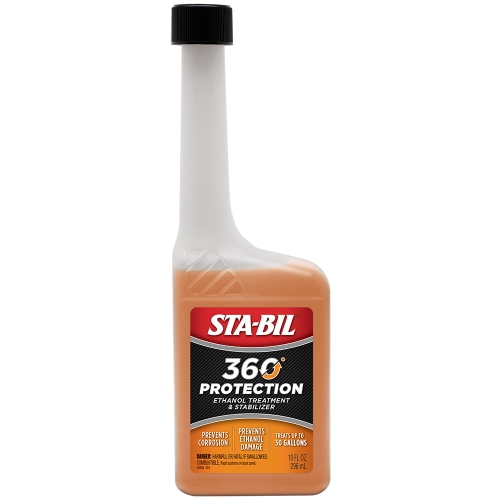 Your price for this item is $30.85
-
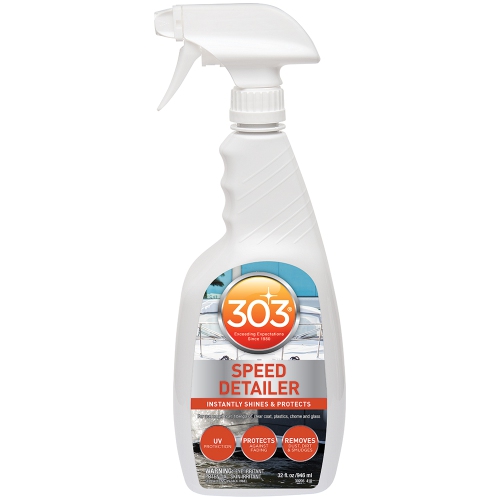 Your price for this item is $35.35
-
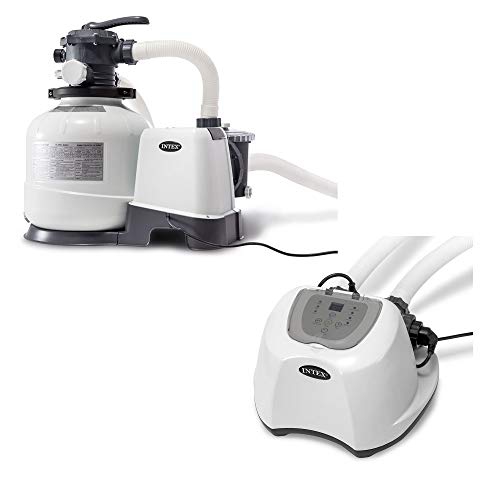 Your price for this item is $852.99
-
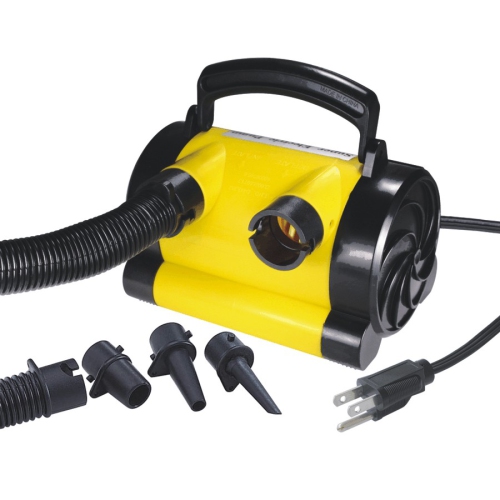 Your price for this item is $64.17
Discover more categories related to Accessories for Small Boats


Top Collections:
Pokemon Centers, Pokémon 30th Celebration Cards, Best Budget Office Chairs, Kindle Devices, Best Cameras for Sports Photography, Canon G7X Cameras, Best Black Friday Deals On Electronics, Best Laptops for Writers, iPhone 15 Apple, Jackery Power Stations
Some products may be subject to Environmental Handling Fees
(EHF) depending on your province.
Learn more about EHFs.