Boating Accessories for Men
Boating accessories for men are essential for maximizing comfort, convenience, and enjoyment on the water. Whether preparing for a weekend fishing trip or a day of cruising, the right gear can make every moment more memorable. Explore a wide selection of boating accessories for men designed to enhance every outing, from practical essentials to stylish additions. Discover options that fit your needs and help you make the most of your boating adventures.
Sort

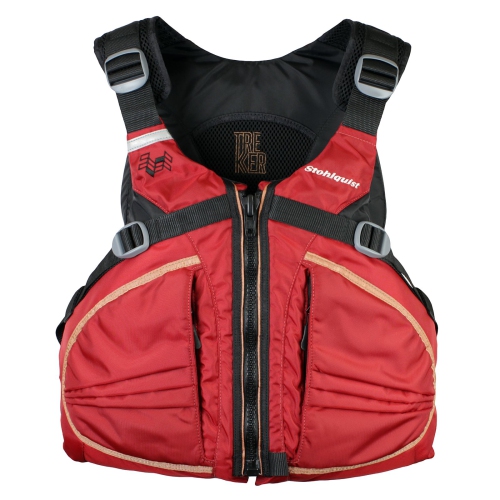
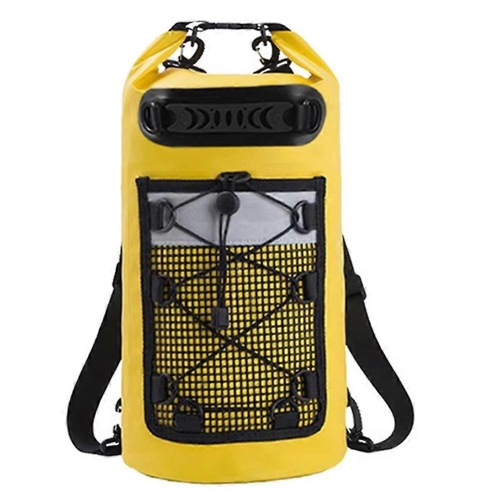

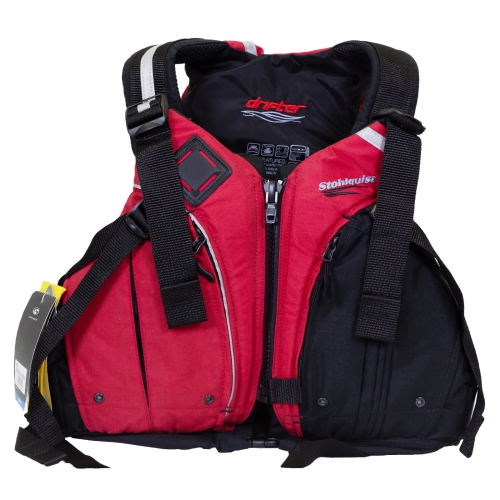


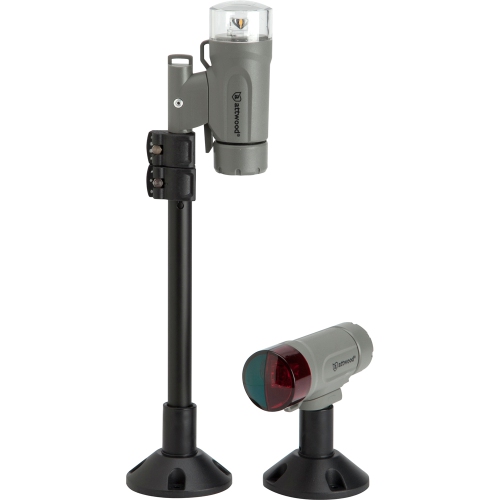



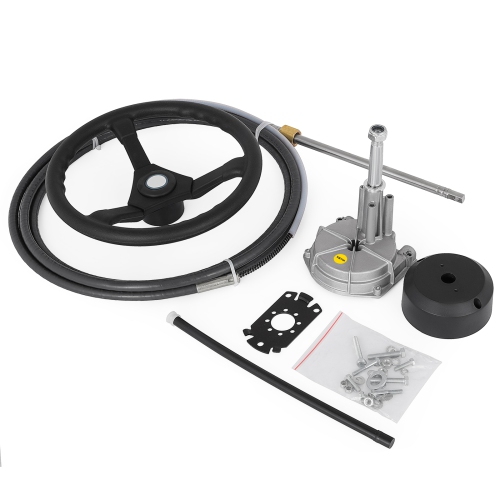
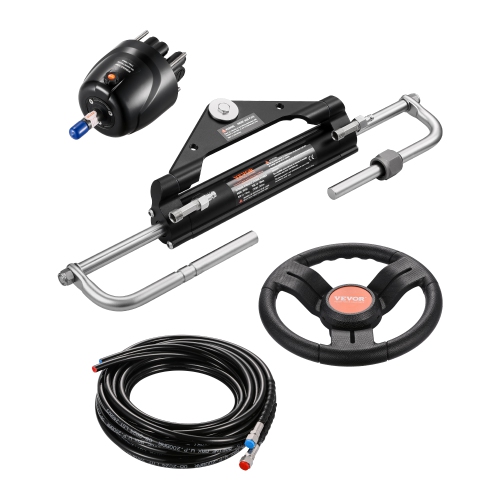
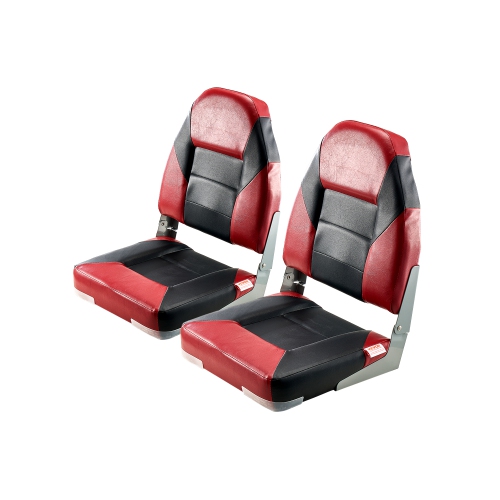
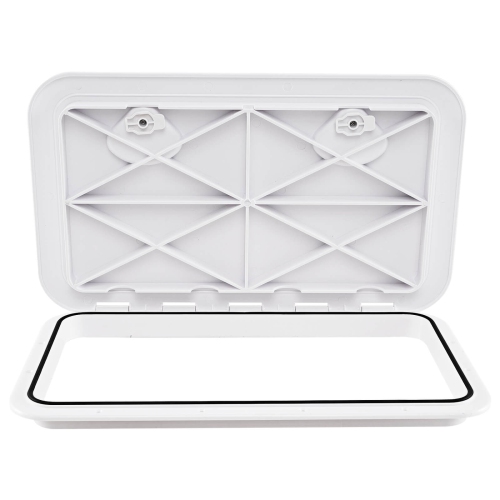

Small details that make boating gear more useful
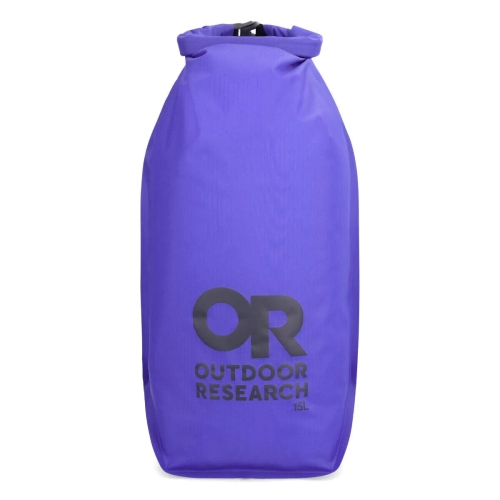
Boating accessories for men bring together practical gear, wearable essentials, and personal comforts for time aboard a sailboat, fishing boat, or recreational powerboat. Their value often comes down to a simple detail: a secure grip when handling a line, a dry place for a phone, or a fastening that keeps belongings within reach rather than sliding across a seat. The most useful accessories suit both the person and the boat. Someone who regularly manages sails may appreciate flexible hand protection and compact equipment that leaves room to move, while a passenger on relaxed lake outings may place more importance on comfortable accessories and organized storage. Sailing gloves, waterproof bags, marine binoculars, insulated drinkware, and floating key holders represent different kinds of utility rather than interchangeable boating essentials. Gloves intended for line handling should allow the fingers to bend easily and provide reinforcement where ropes contact the palm. Fingerless styles offer dexterity for smaller tasks, while full-finger designs provide more coverage; neither should bunch up or interfere with a secure hold. Bags and protective cases need closures that match their intended exposure to water, along with attachment points suited to the space aboard. A bag tucked under a console has different requirements from one carried between a dock and a tender. For wearable accessories, measurements matter more than a general size label. Palm circumference, finger length, head circumference, and adjustable straps can all affect comfort during extended use. Accessories marketed for men are not necessarily limited to male users, and the best fit depends on individual proportions and preferences. On a boat with narrow walkways and limited storage, low-profile shapes and neatly secured straps can make a meaningful difference. A useful accessory should support familiar routines, whether that means keeping personal belongings together during boarding, protecting hands during docking, or making frequently used gear easier to find without emptying an entire storage compartment.
Materials and construction help distinguish accessories designed for repeated use aboard from those better suited to occasional outings. Marine use exposes equipment to splashes, abrasion, movement, and, on coastal trips, saltwater. Stainless steel hardware can offer corrosion resistance, but the grade, finish, and care requirements still matter; the material name alone does not guarantee that every component is equally suitable for saltwater exposure. Anodized aluminium can provide a lighter alternative for some hardware, while reinforced synthetic fabrics offer a practical balance of flexibility and resistance to wear. High-contact areas deserve particular attention. A sturdy bag fabric is only part of the picture if its seams, strap anchors, or closure cannot withstand repeated lifting. Smooth edges, secure stitching, and fasteners that can be operated comfortably all contribute to everyday usability. Water-resistant and waterproof are also different claims. Water resistance may cover incidental splashes, whereas waterproof protection depends on the stated test conditions, closure design, and correct use. A roll-top closure needs to be folded and secured as directed, and an electronic accessory’s water-protection rating should be checked for limits on depth, duration, and water type. Floating designs have similar qualifications: a key holder may support only a stated load, and a pouch may behave differently once filled. Care is usually straightforward but should follow the manufacturer’s directions. After saltwater exposure, suitable equipment may need a fresh-water rinse, followed by thorough drying before storage. Sand and grit should be removed from moving parts and closures rather than forced farther inside. Fabric accessories benefit from being stored clean and dry, while lenses need an appropriate cloth to avoid scratches. Leather or leather-trimmed accessories may require different treatment from synthetic materials. Periodic checks of stitching, seals, clips, and straps can reveal wear before it interrupts an outing. Keeping accessories in a dedicated storage space also helps prevent crushing, tangled straps, and accidental damage from heavier equipment. These small habits support durability and keep well-used gear ready for its next trip.
Intended use is especially important when choosing boating accessories as gifts. A boat owner who has spent years arranging equipment around a particular layout may be quite selective about anything that attaches to rails, occupies console space, or becomes part of a docking routine. Compatibility can involve more than physical dimensions: mounting style, attachment strength, power requirements, and access to existing controls may all matter. Personal accessories can be easier to match to an individual, provided they suit that person’s habits. Someone who spends much of an outing watching shorelines may value comfortable optics with straightforward controls, while an angler moving between fishing spots may appreciate compact organization that keeps personal belongings separate from tackle. For marine binoculars, magnification, field of view, weight, and eye relief affect usability; higher magnification is not automatically better on a moving boat. Eyeglass wearers may find adjustable eyecups and suitable eye relief particularly helpful. Drinkware is more convenient when its base fits the boat’s cup holders and its lid is easy to clean, with any leak-resistance claim checked separately from its insulating performance. Small tools should be appropriate for the tasks involved and stored securely, without exposed edges or loose attachments. For related gift ideas, Boating Gifts for Men offers another way to approach a birthday, retirement, or thank-you for a regular boating host. Thoughtful selection starts with noticing what the recipient actually does aboard, not simply choosing a nautical appearance. Preferred colours, ease of cleaning, hand comfort, and the amount of space in a personal gear bag can make a gift feel well matched. Practical accessories also have a clear place alongside, rather than in place of, required safety equipment. Personal flotation devices and other mandatory equipment must meet applicable requirements and suit the vessel and activity. Comfort, storage, and convenience accessories serve a different purpose: helping familiar tasks feel more organized and keeping personal gear suited to life on the water.
Top selling and popular products
-
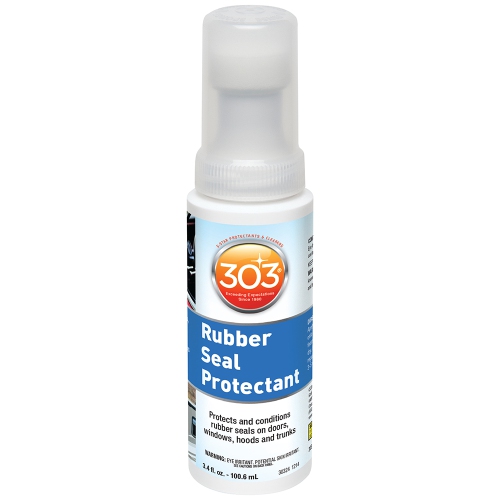 Your price for this item is $30.82
-
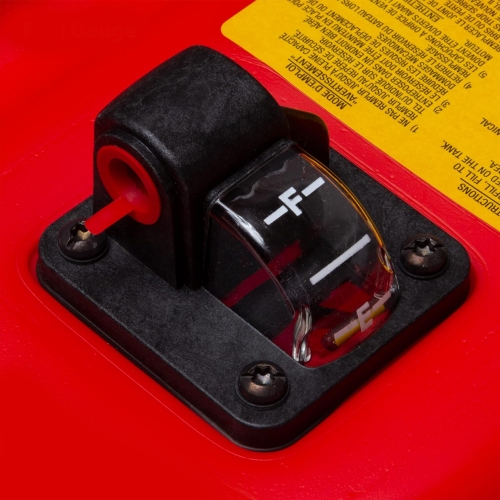 Your price for this item is $180.99
-
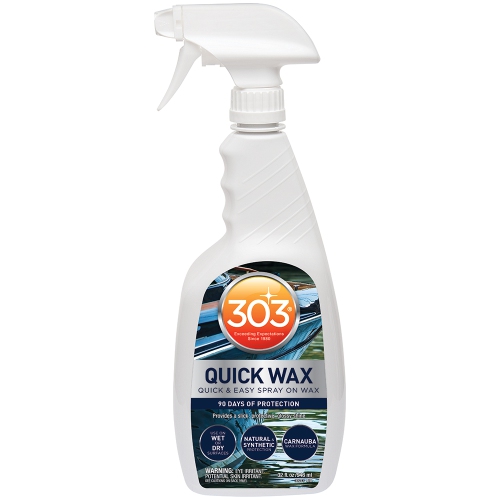 Your price for this item is $38.85
-
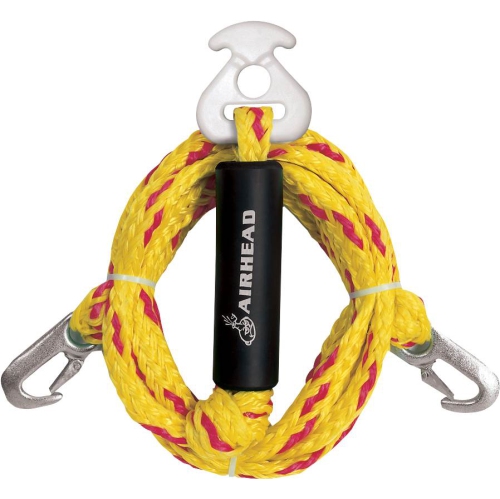 Your price for this item is $82.99
-
 Your price for this item is $30.85
-
 Your price for this item is $35.35
-
 Your price for this item is $852.99
-
 Your price for this item is $64.17
Discover more categories related to Boating Accessories for Men

Top Collections:
Pokemon Centers, Pokémon 30th Celebration Cards, Best Budget Office Chairs, Kindle Devices, Best Cameras for Sports Photography, Canon G7X Cameras, Best Black Friday Deals On Electronics, Best Laptops for Writers, iPhone 15 Apple, Jackery Power Stations
Some products may be subject to Environmental Handling Fees
(EHF) depending on your province.
Learn more about EHFs.