Anti-Theft Bike Locks
Protect your bike from theft with our selection of anti-theft bike locks. Whether you're a casual rider or a seasoned cyclist, keeping your bike secure is essential for peace of mind. With a variety of options available, you can find the perfect lock to suit your needs and help deter potential thieves. From sturdy U-locks to versatile cable locks, our collection offers reliable solutions to safeguard your valuable investment. Explore our range of anti-theft bike locks and ride with confidence knowing that your bike is protected wherever you go.
Sort




Why lock design and parking habits matter for bike security
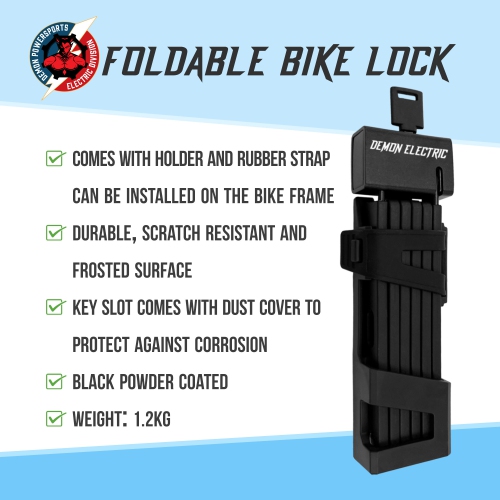
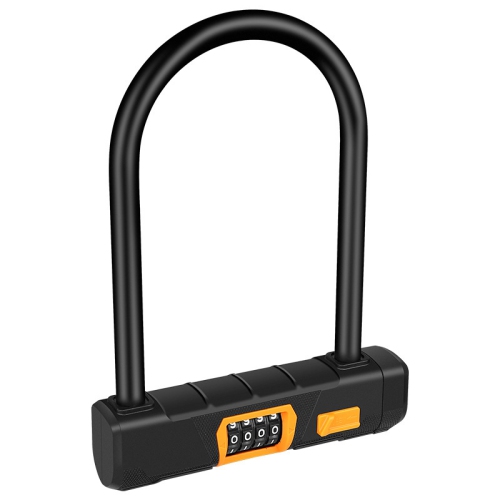
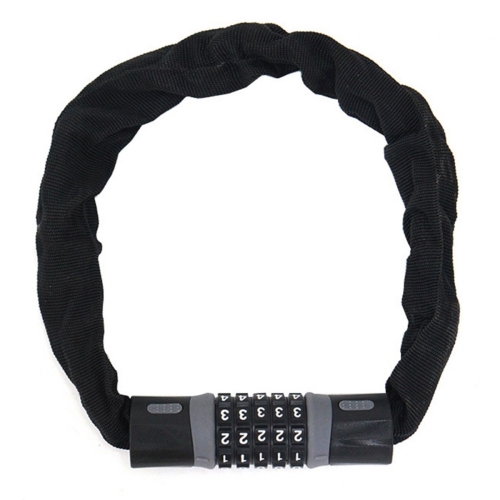
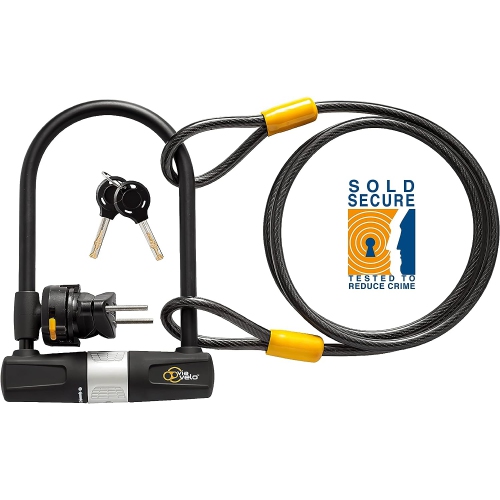
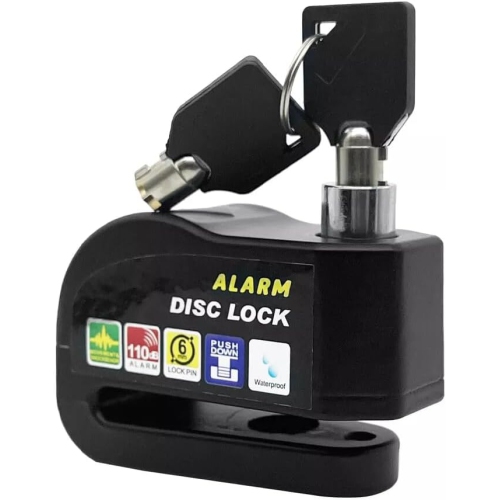
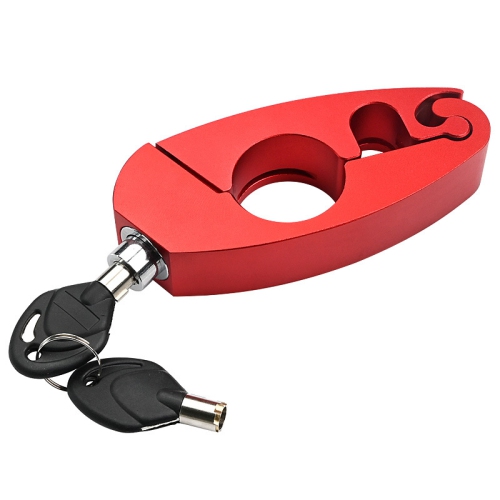
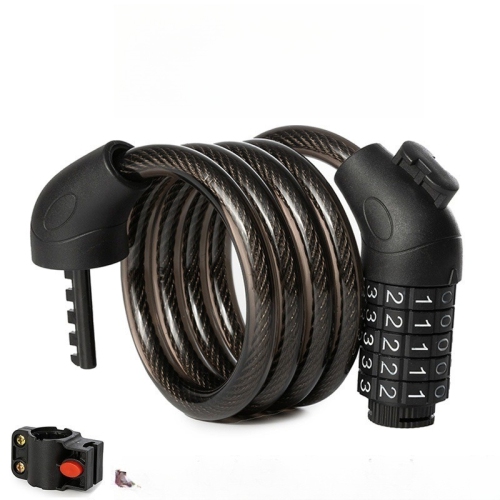
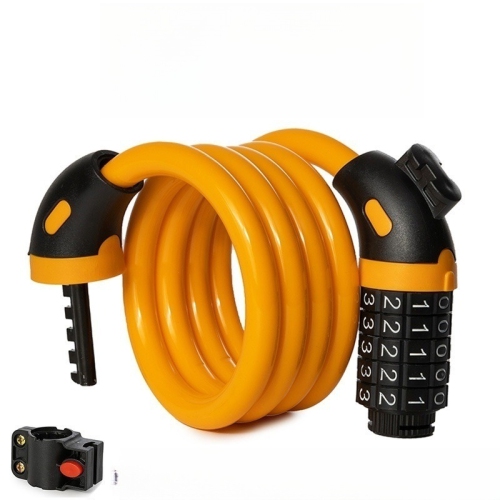
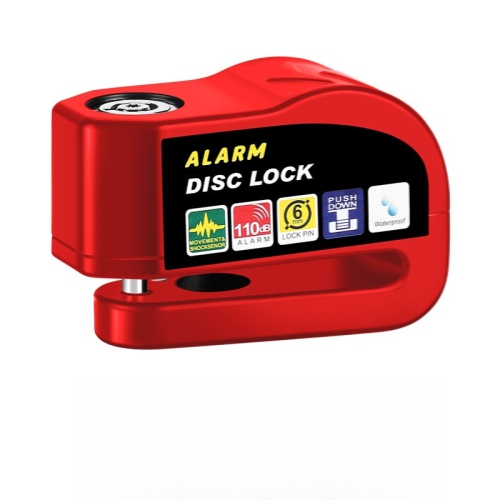
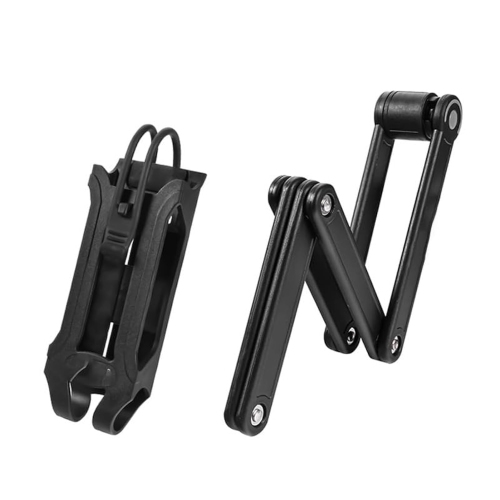
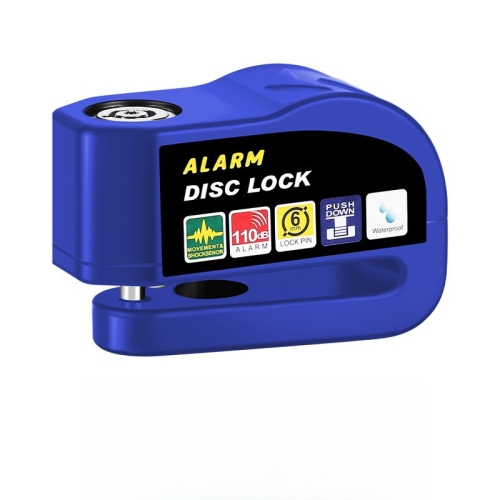
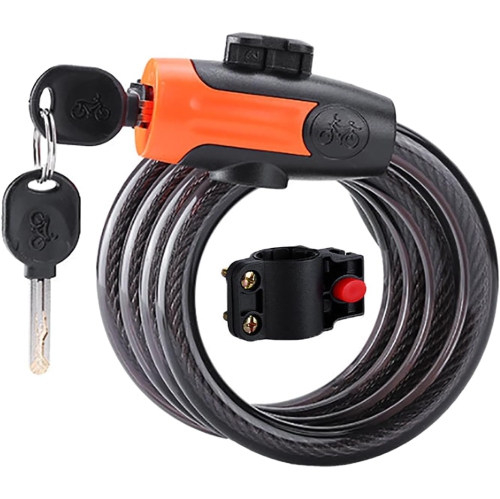
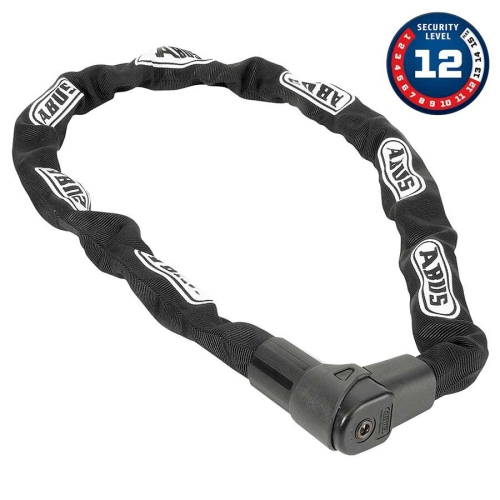
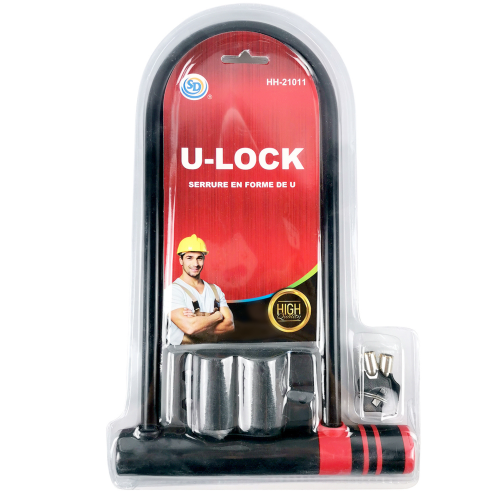
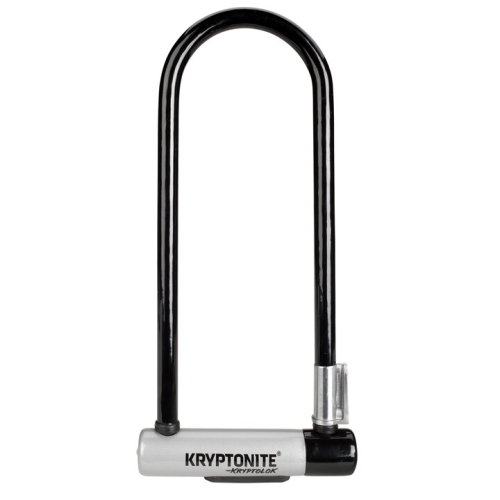
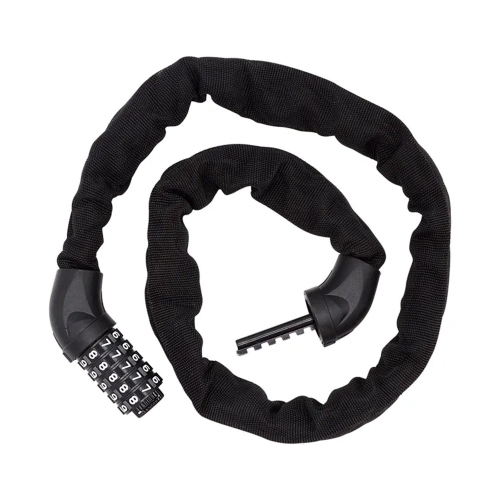
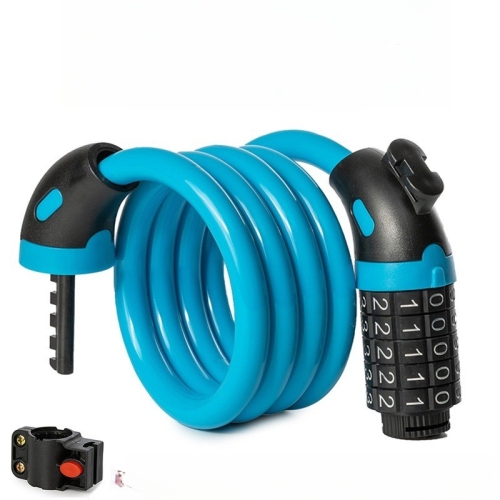
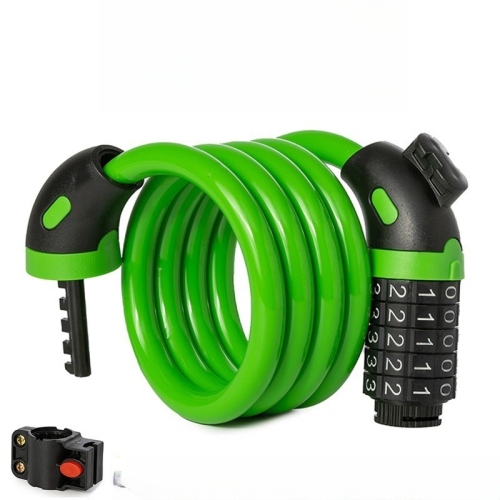
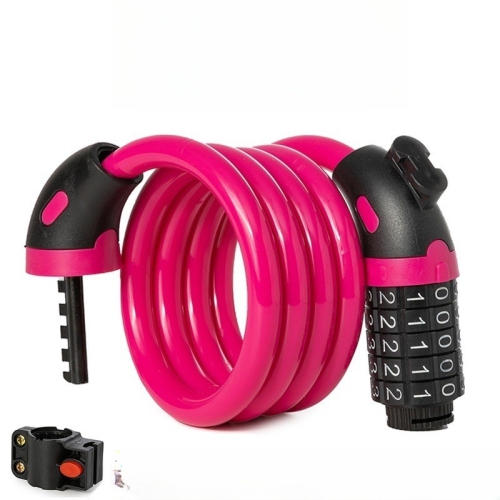
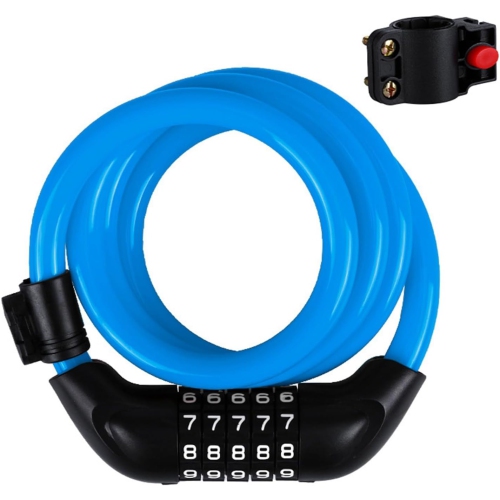
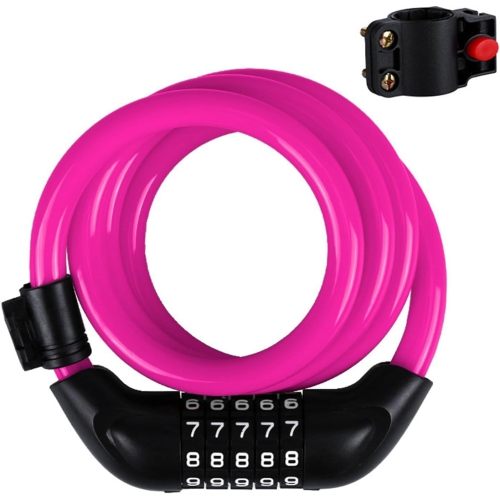
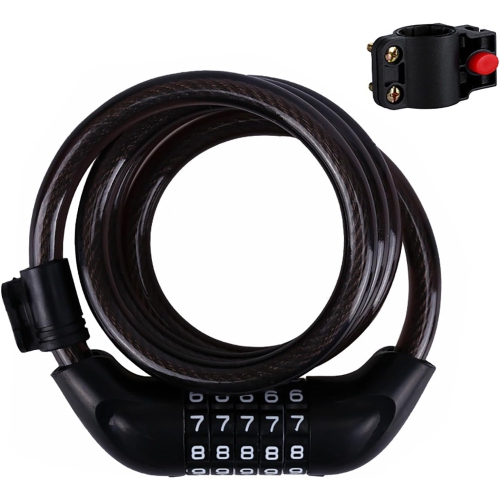
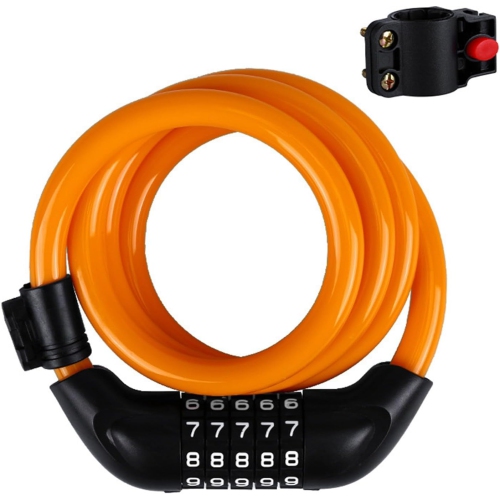
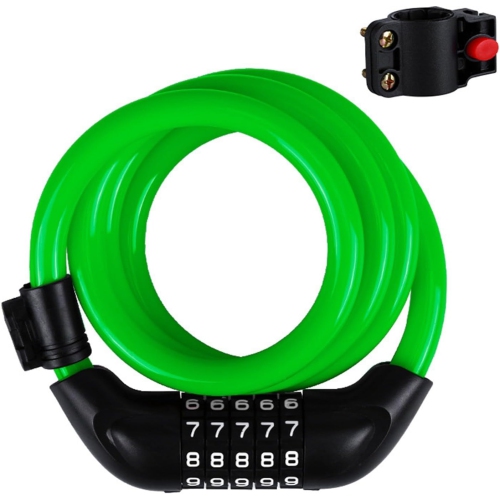
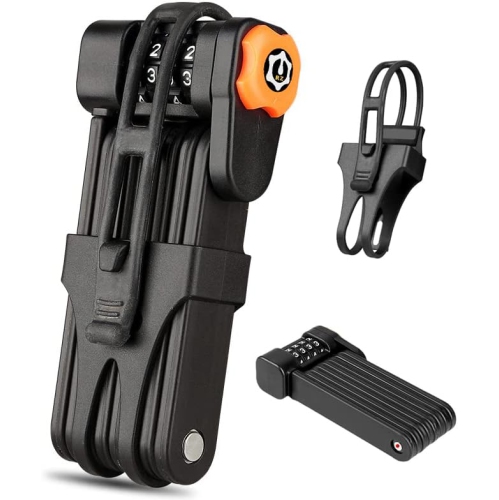
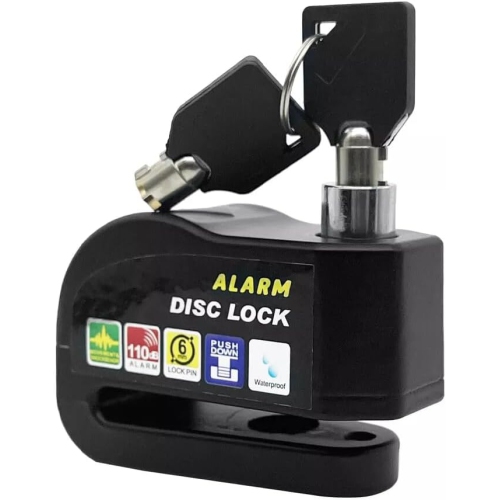
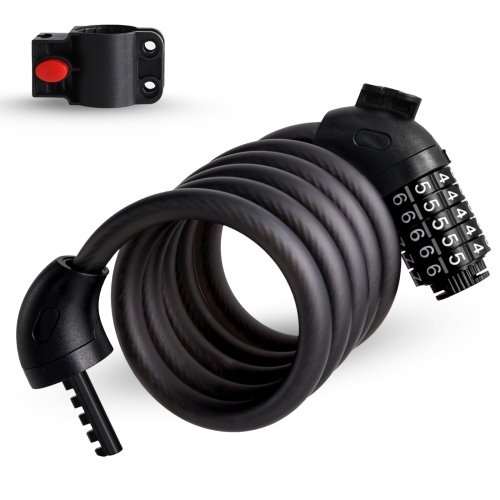
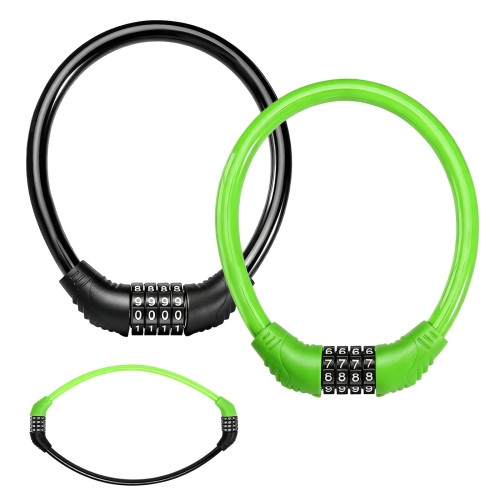
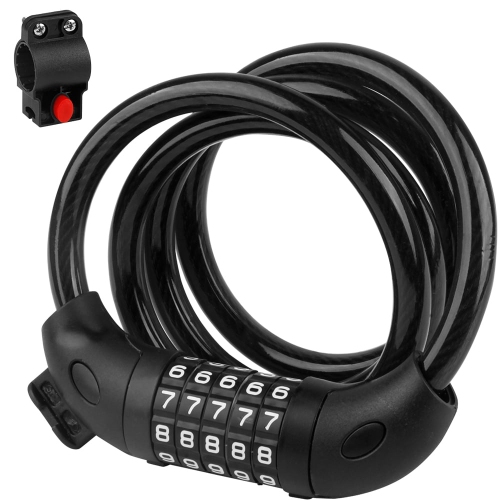
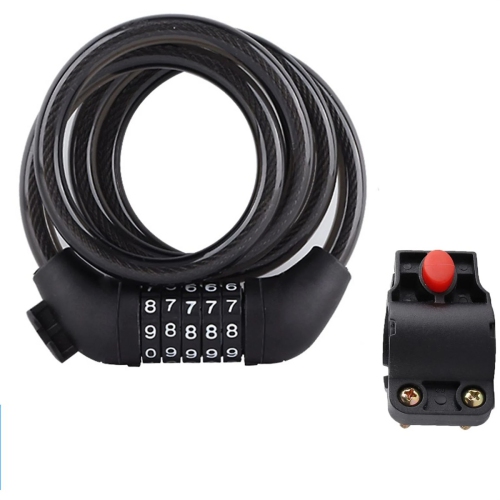
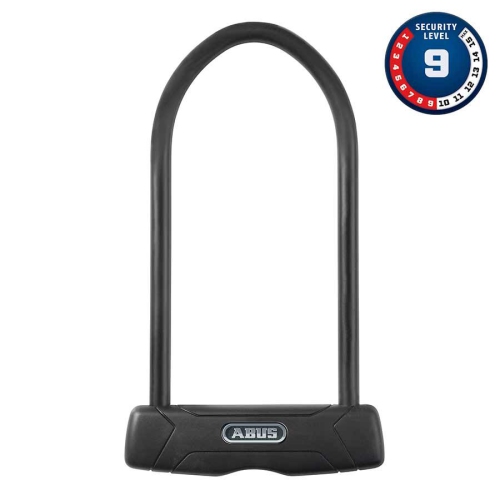
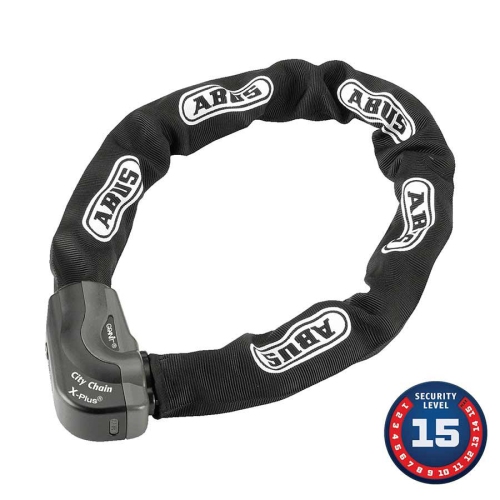
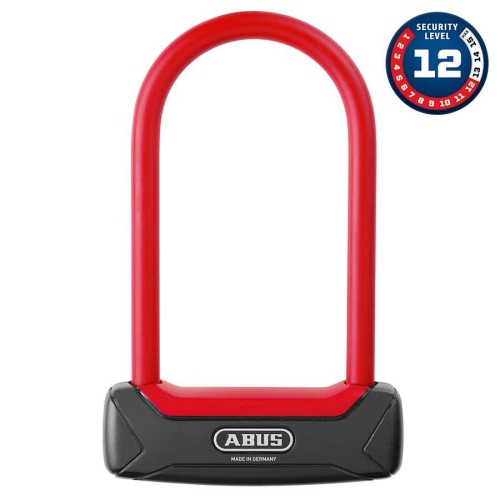
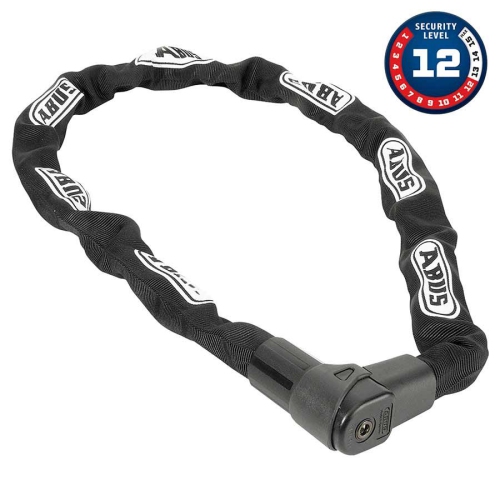
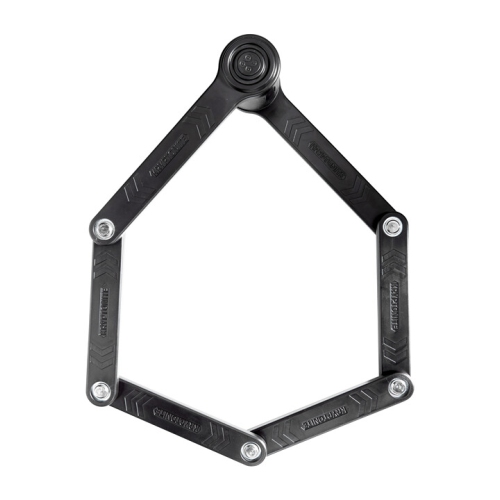
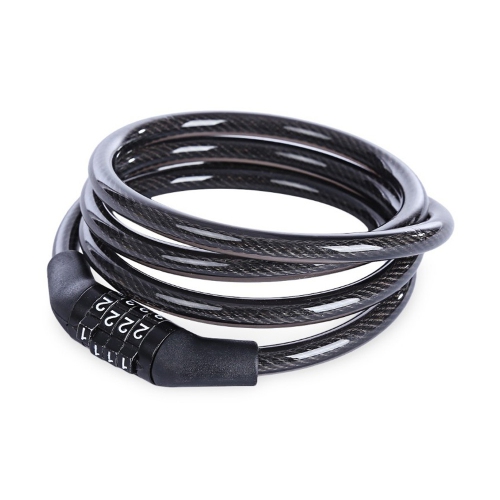
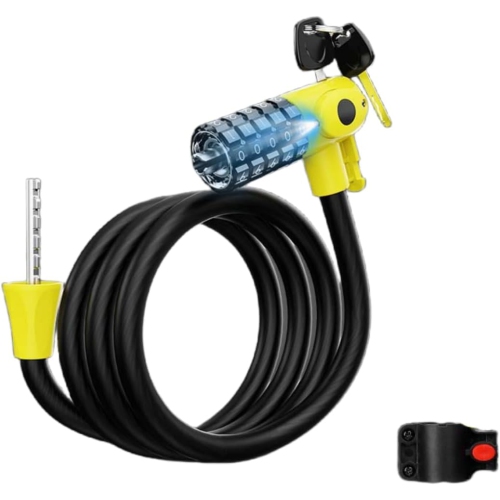
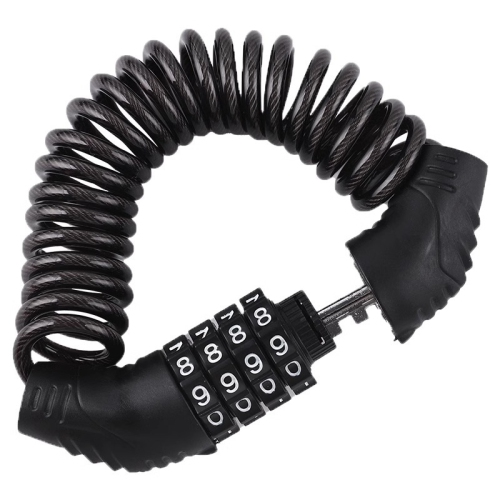
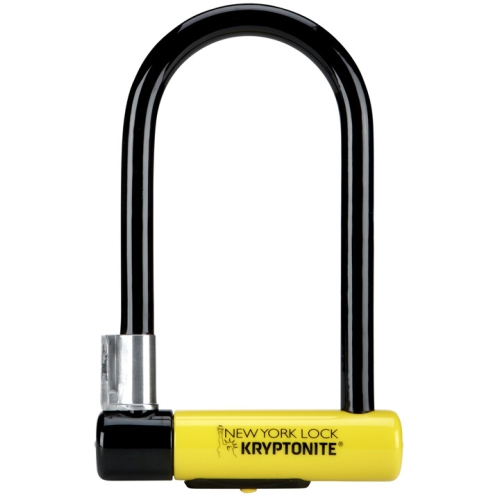
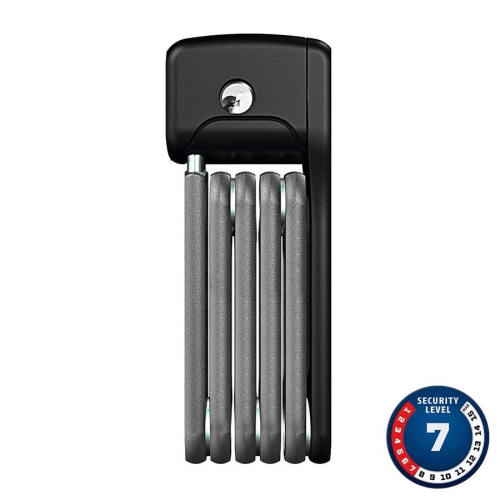
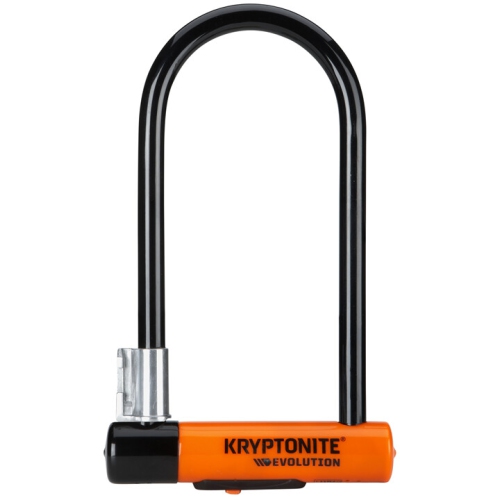
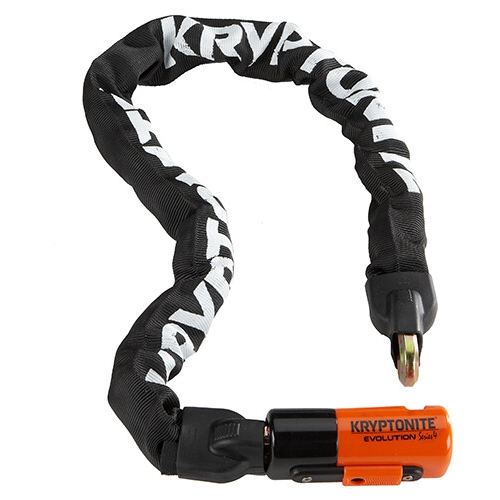
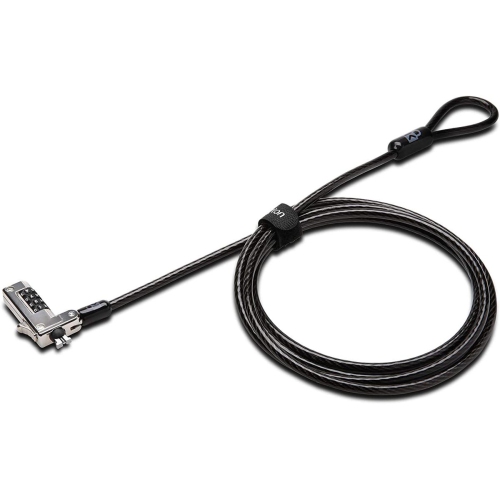
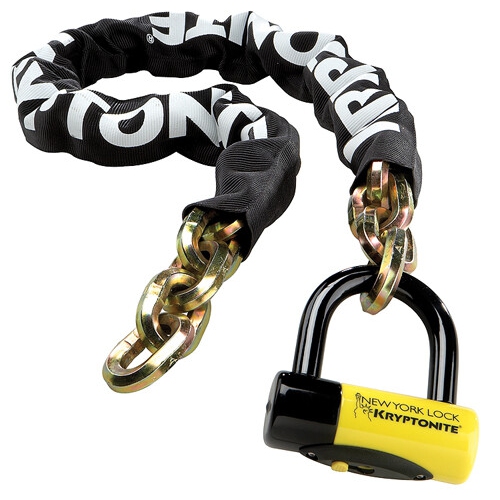
An anti-theft bike lock is an important part of a complete cycling setup, whether your bicycle is parked outside a café, secured at a transit station, left near a campus building, or stored in a shared bike room. The right lock helps create a physical barrier between your bike and an opportunistic thief, while making it easier to secure the frame to a fixed object. When comparing options, consider the value of your bicycle, the places where you typically leave it, how long it will be unattended, and how much weight you are comfortable carrying. A compact U-lock, also called a D-lock, uses a rigid steel shackle that can limit leverage and leave less room for cutting tools. Its compact shape is often convenient for commuters who keep a lock in a backpack, pannier, or frame mount. A chain lock offers more length and flexibility, making it useful when you need to reach around wider posts, railings, or multiple bicycles. Heavier chain links can provide added resistance, although that extra protection may be noticeable on longer rides. Cable locks are generally light and easy to handle, and they can be useful as a secondary lock or for securing accessories, helmets, and wheels. Since cable construction and thickness vary, check the stated security rating and intended use rather than choosing by appearance alone. Browsing Anti Theft Locks can help you compare different formats, locking mechanisms, mounting options, and security features in one place.
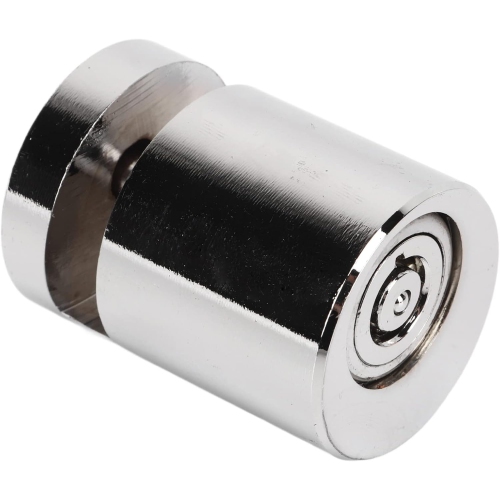
Security ratings, construction, and locking design all deserve attention before making a purchase. Look for hardened steel or other purpose-built materials, a shackle or chain size suited to your risk level, and a mechanism that is straightforward to operate even when you are wearing gloves. Some high-security designs are made to slow down power-tool attacks, including models with specialized materials or coatings intended to wear down cutting discs. These locks can be a practical choice for bicycles that are expensive, frequently parked in busy urban areas, or left unattended for extended periods. No lock can make a bicycle impossible to steal, so good locking technique remains essential. Secure the frame, rather than only the front wheel, to an immovable rack or post, and keep the lock close to the frame to reduce the space available for tools. If the lock has enough room, pass it through the frame and rear wheel, or pair a main U-lock or chain with a secondary cable for added coverage. Avoid securing a bike to temporary signs, thin poles, or objects that can be lifted over. It is also worth checking whether a rack is firmly anchored and whether the locking area is well lit and visible. A short pause at the end of a ride to position the bike carefully can make a meaningful difference, especially when parking in an unfamiliar neighbourhood. During cooler months, choose a lock with a smooth, dependable cylinder or a keyless mechanism that is easy to use with cold fingers, and keep the lock protected from road spray, grit, and standing moisture when it is not in use.
Anti-theft bike locks suit daily riders, students, delivery workers, recreational cyclists, and households that want dependable security for more than one bicycle. They can also make a thoughtful gift for someone commuting to work, heading to college, exploring local trails, or preparing for a new cycling routine. A commuter who rides before sunrise may appreciate a sturdy lock that fits neatly into a frame bracket, while a family cyclist may prefer a longer chain that can secure several bikes together at a rack. For a rider who travels by train or bus, low weight and compact storage may matter as much as maximum security. For someone who leaves a bicycle outside for hours, a heavier, higher-rated design may be a better match. Think about the bicycle’s frame shape as well: large tubes, rear racks, baskets, and full fenders can affect how easily a lock reaches both the frame and a fixed anchor. Keyed locks are familiar and do not require remembering a combination, while combination locks can be convenient for shared use or households where several people need access. Keeping the key or combination details in a safe, accessible place can prevent a secure lock from becoming a source of frustration. As the weather shifts from mild riding conditions to colder days, store the lock indoors when possible, wipe away dirt after wet rides, and follow the manufacturer’s care instructions for the cylinder and moving parts. With the right balance of strength, portability, flexibility, and everyday usability, an anti-theft bike lock becomes a simple habit that supports safer, more confident bicycle parking.
Security ratings, construction, and locking design all deserve attention before making a purchase. Look for hardened steel or other purpose-built materials, a shackle or chain size suited to your risk level, and a mechanism that is straightforward to operate even when you are wearing gloves. Some high-security designs are made to slow down power-tool attacks, including models with specialized materials or coatings intended to wear down cutting discs. These locks can be a practical choice for bicycles that are expensive, frequently parked in busy urban areas, or left unattended for extended periods. No lock can make a bicycle impossible to steal, so good locking technique remains essential. Secure the frame, rather than only the front wheel, to an immovable rack or post, and keep the lock close to the frame to reduce the space available for tools. If the lock has enough room, pass it through the frame and rear wheel, or pair a main U-lock or chain with a secondary cable for added coverage. Avoid securing a bike to temporary signs, thin poles, or objects that can be lifted over. It is also worth checking whether a rack is firmly anchored and whether the locking area is well lit and visible. A short pause at the end of a ride to position the bike carefully can make a meaningful difference, especially when parking in an unfamiliar neighbourhood. During cooler months, choose a lock with a smooth, dependable cylinder or a keyless mechanism that is easy to use with cold fingers, and keep the lock protected from road spray, grit, and standing moisture when it is not in use.
Anti-theft bike locks suit daily riders, students, delivery workers, recreational cyclists, and households that want dependable security for more than one bicycle. They can also make a thoughtful gift for someone commuting to work, heading to college, exploring local trails, or preparing for a new cycling routine. A commuter who rides before sunrise may appreciate a sturdy lock that fits neatly into a frame bracket, while a family cyclist may prefer a longer chain that can secure several bikes together at a rack. For a rider who travels by train or bus, low weight and compact storage may matter as much as maximum security. For someone who leaves a bicycle outside for hours, a heavier, higher-rated design may be a better match. Think about the bicycle’s frame shape as well: large tubes, rear racks, baskets, and full fenders can affect how easily a lock reaches both the frame and a fixed anchor. Keyed locks are familiar and do not require remembering a combination, while combination locks can be convenient for shared use or households where several people need access. Keeping the key or combination details in a safe, accessible place can prevent a secure lock from becoming a source of frustration. As the weather shifts from mild riding conditions to colder days, store the lock indoors when possible, wipe away dirt after wet rides, and follow the manufacturer’s care instructions for the cylinder and moving parts. With the right balance of strength, portability, flexibility, and everyday usability, an anti-theft bike lock becomes a simple habit that supports safer, more confident bicycle parking.
Top selling and popular products
-
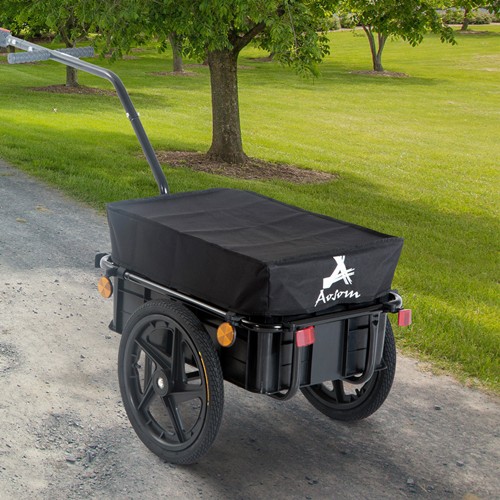 Your price for this item is $155.44
 -
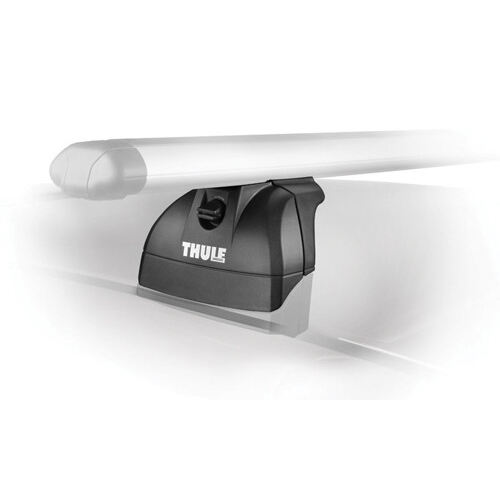 Your price for this item is $285
 -
 Your price for this item is $499
 -
 Your price for this item is $209.99
 -
 Your price for this item is $199.99
 -
 Your price for this item is $134.99
 -
 Your price for this item is $96.99
 -
 Your price for this item is $120.99
Discover more categories related to Anti-Theft Bike Locks
Top Collections:
Pokemon Centers, Kindle Devices, Best Budget Office Chairs, Apple iPhones 16, Best Laptops for Writers, iPhone 15 Apple, Canon G7X Cameras, Refurbished Apple Laptops, Alarm Clock, Motorola Razr Phones
Some products may be subject to Environmental Handling Fees
(EHF) depending on your province.
Learn more about EHFs.