Bike Locks
Bike locks are an essential tool for protecting your bicycle from theft. These locks are designed to secure your bike to a stationary object, making it difficult for a thief to take your bike without the proper key or combination. Here are some great options available.
Sort






Why bicycle security takes more than a strong lock
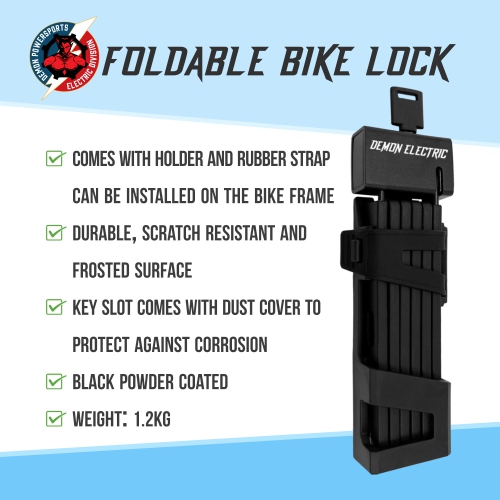
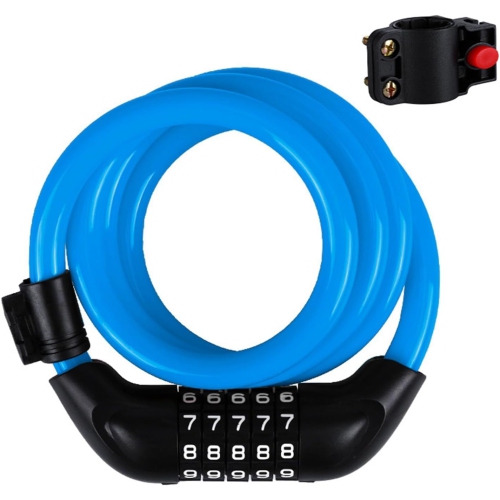
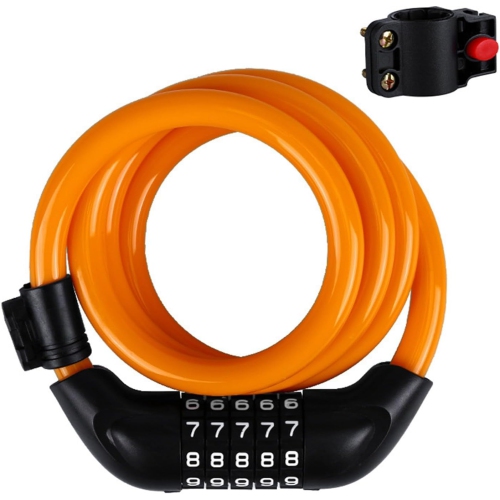
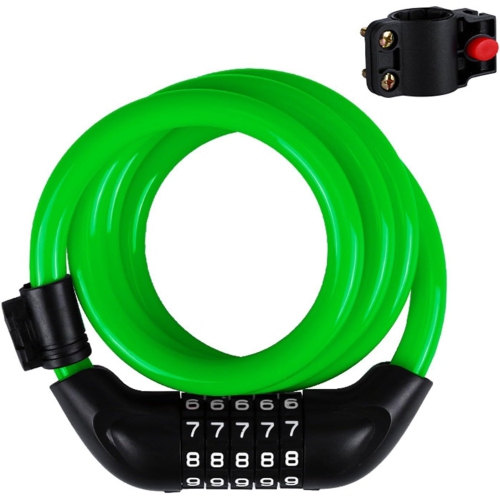
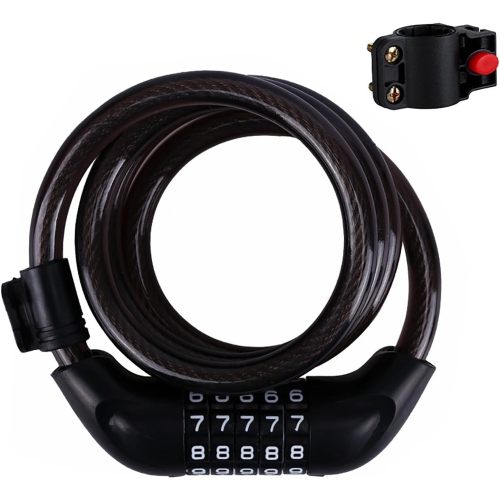
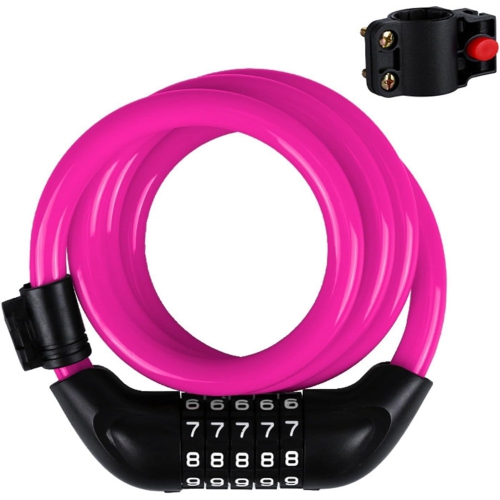
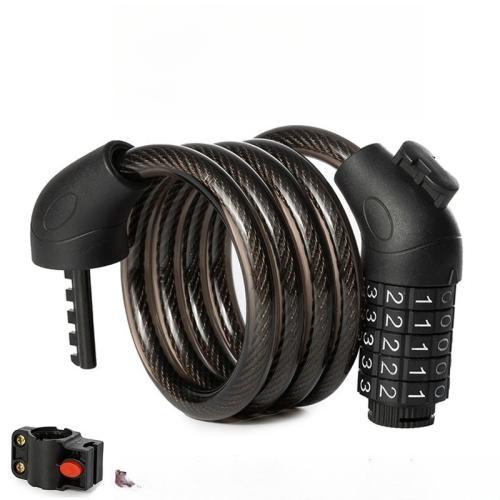
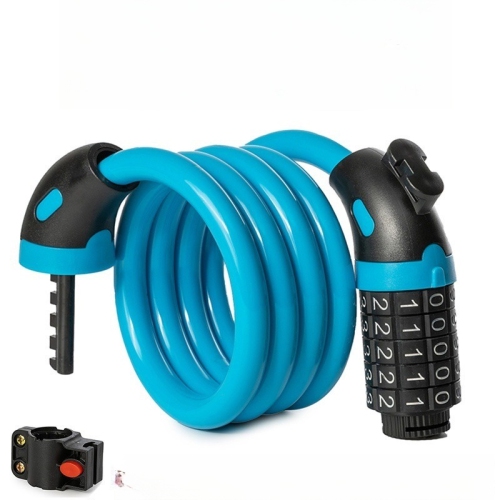
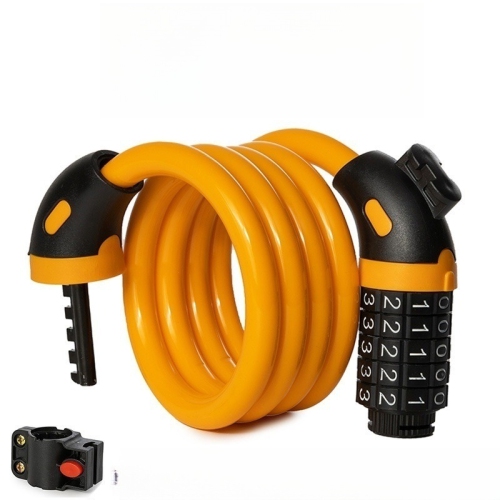
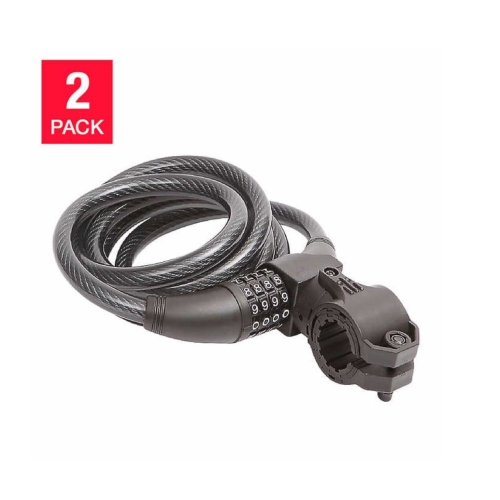
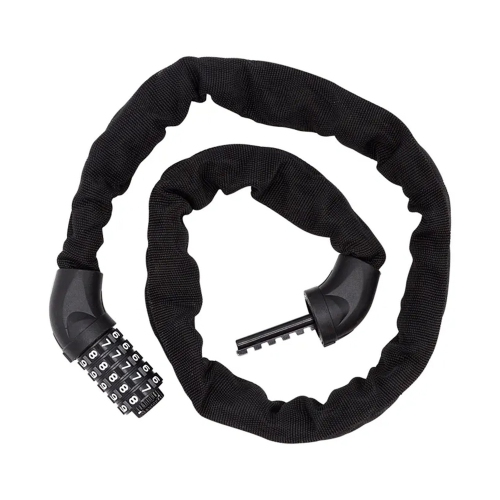
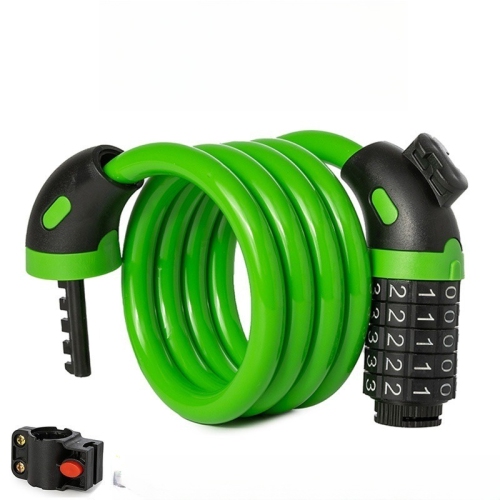
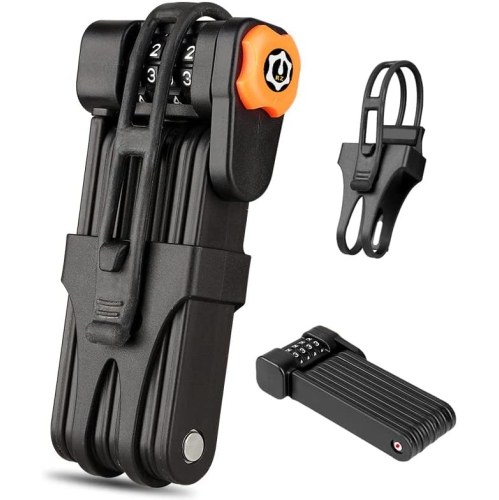
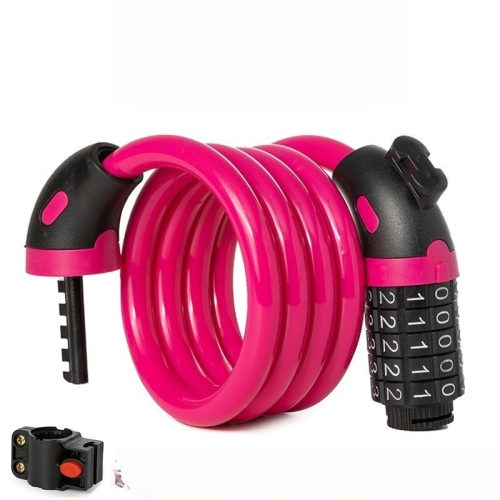
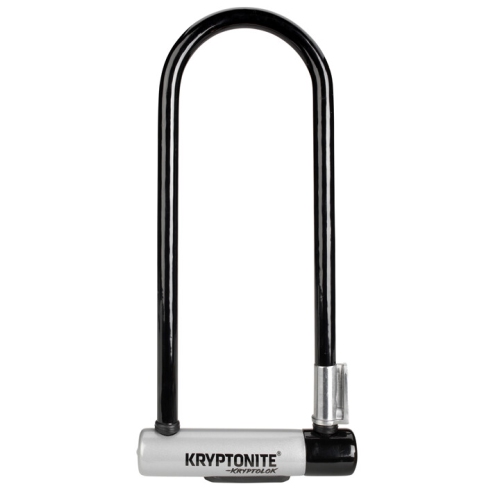
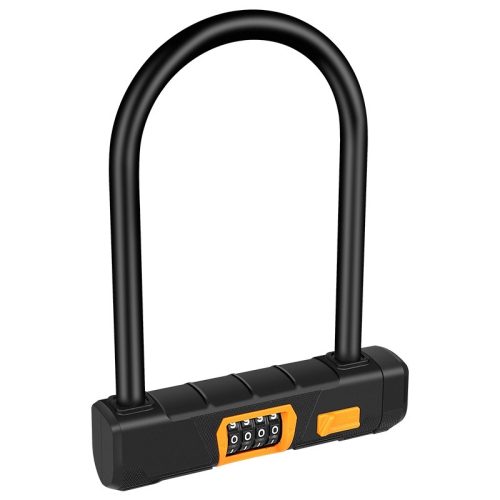
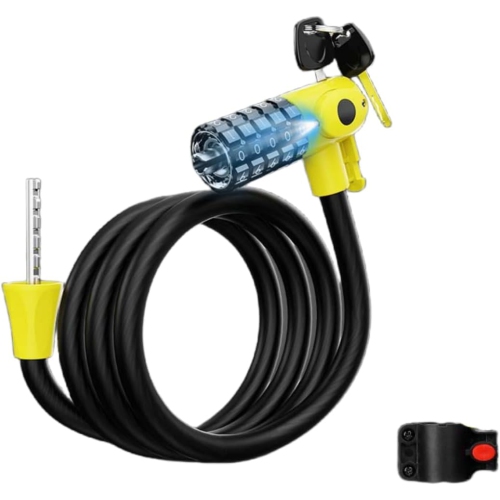
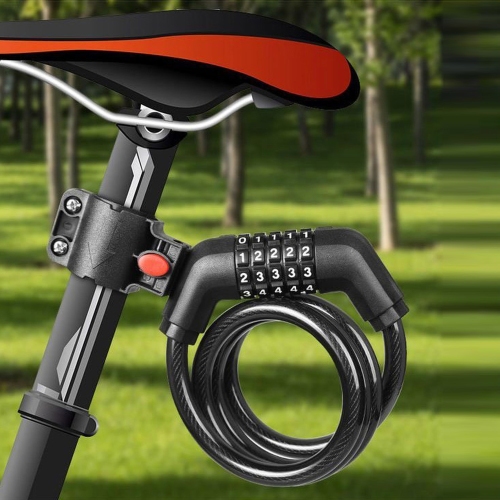
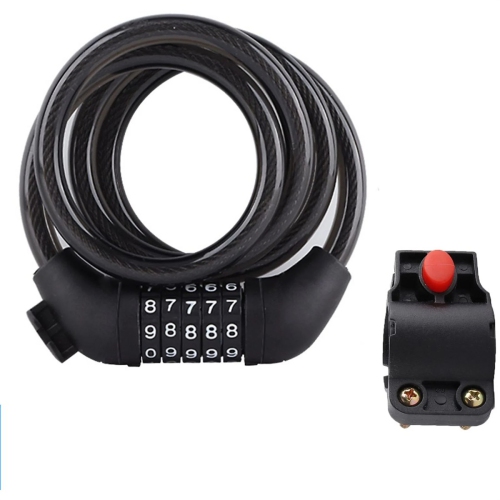
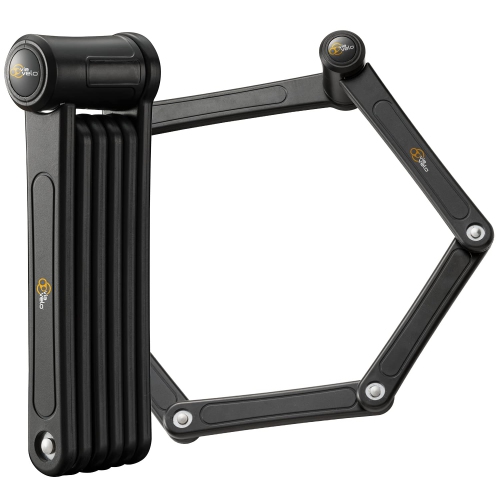
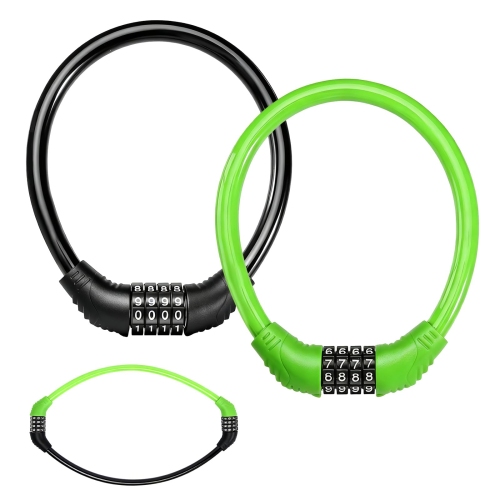
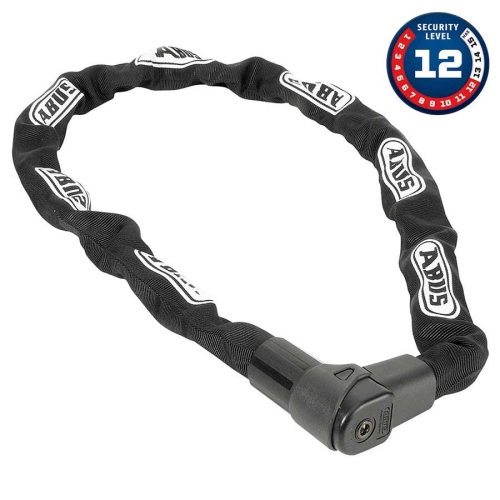
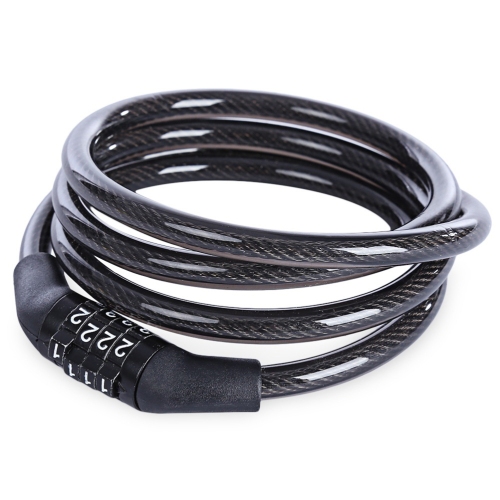
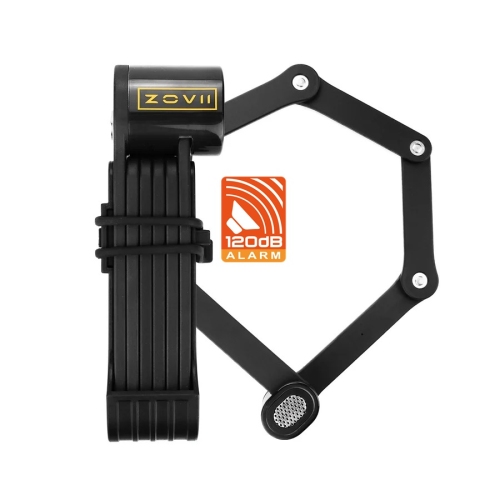
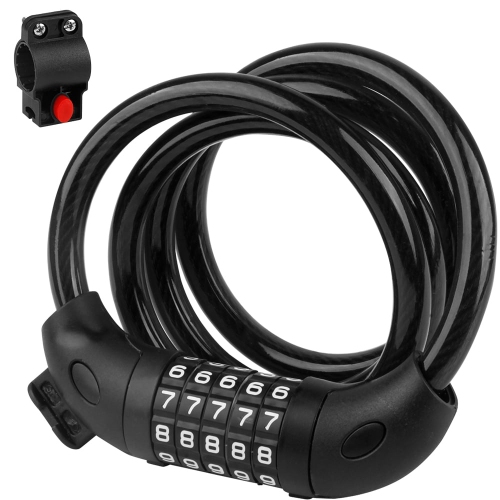
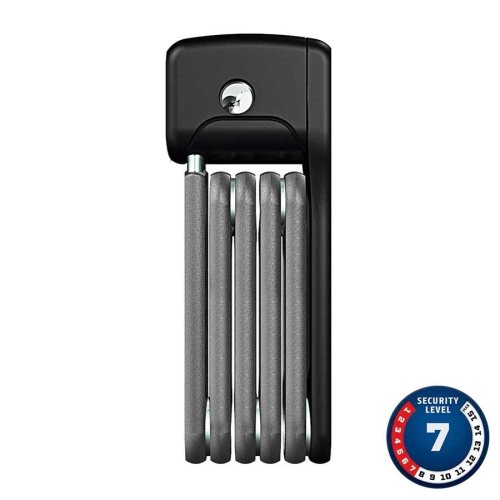
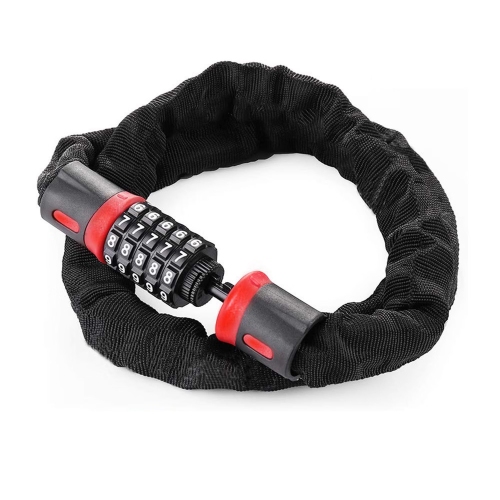
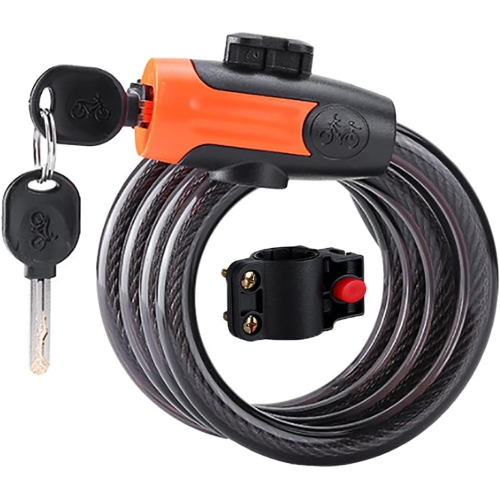
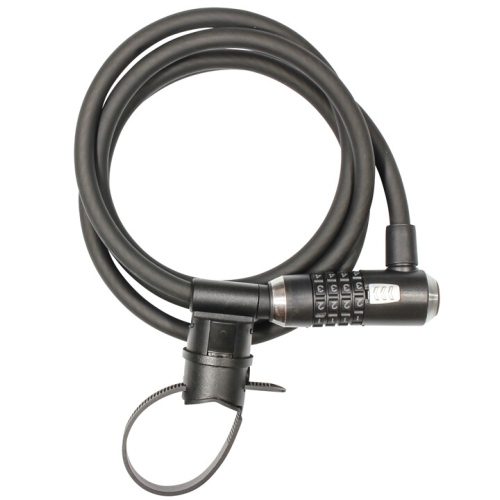
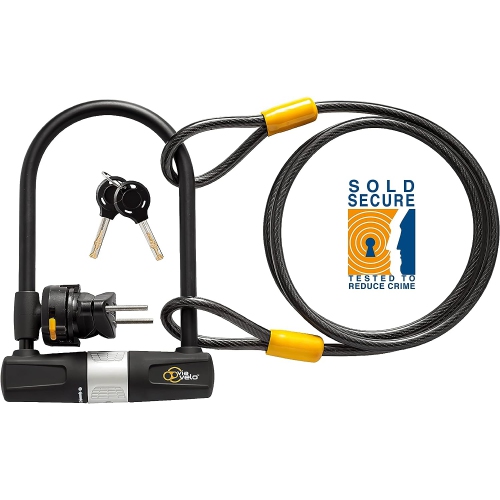
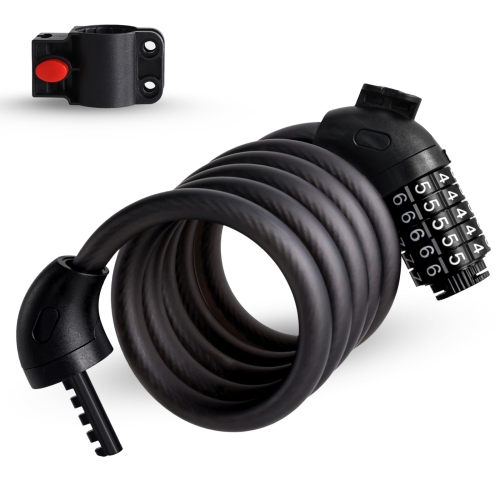
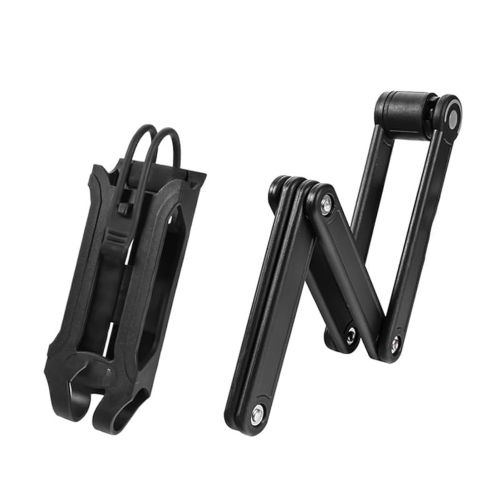
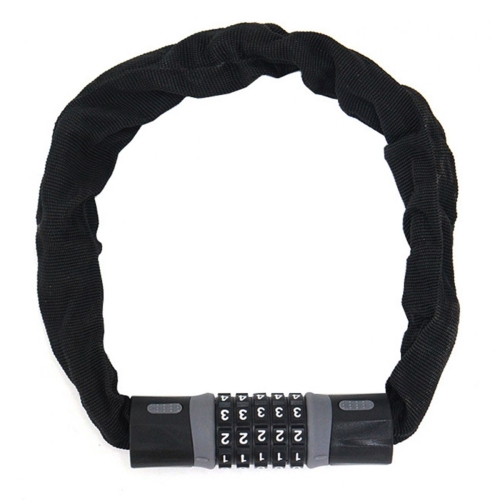
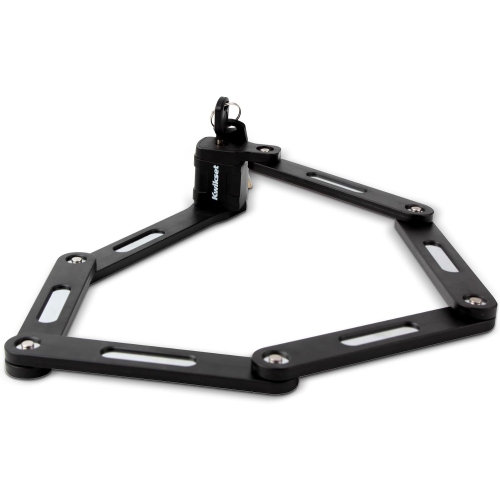
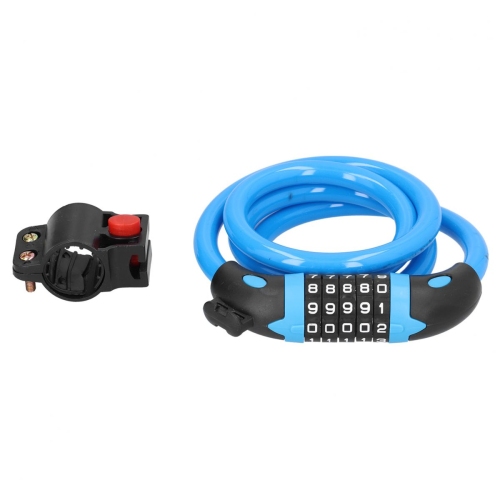
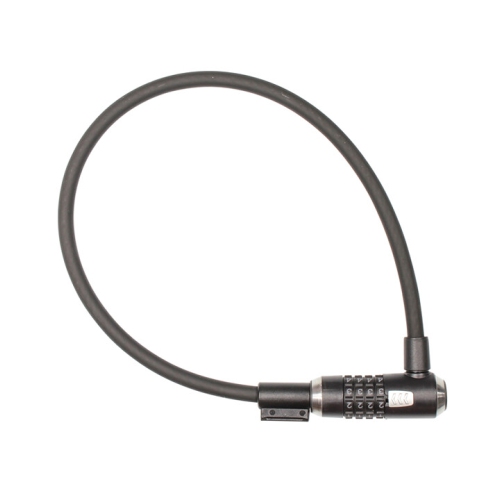
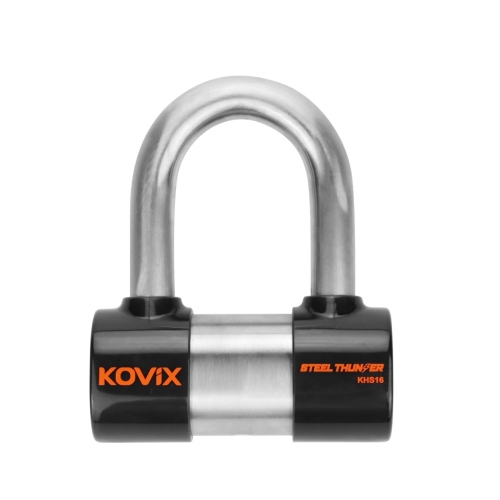
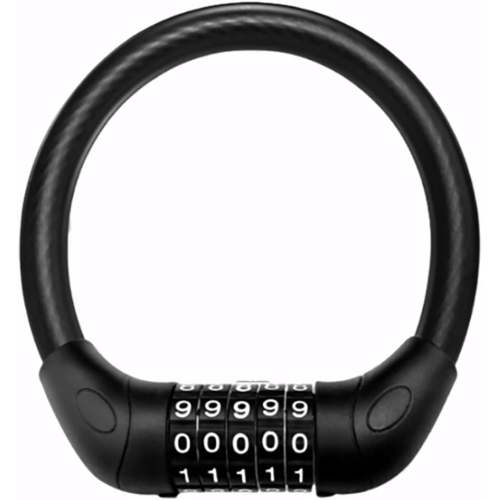
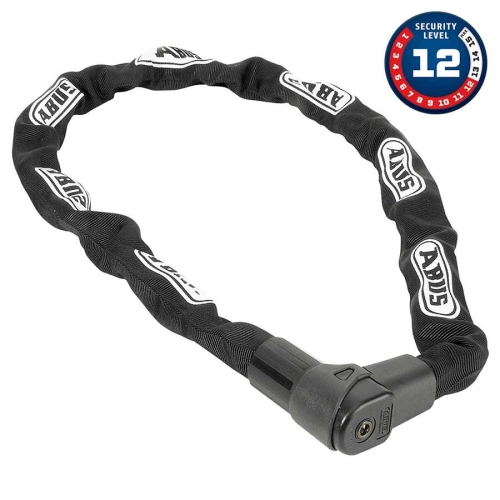
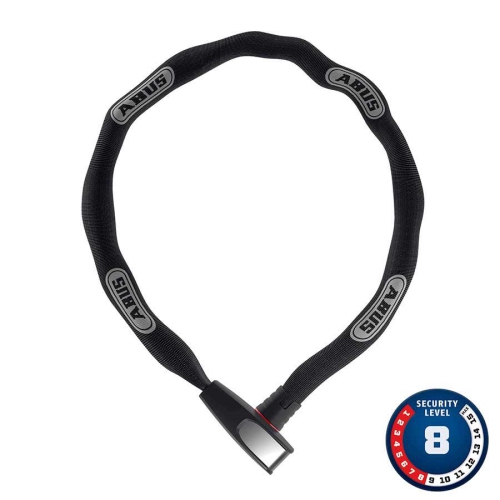
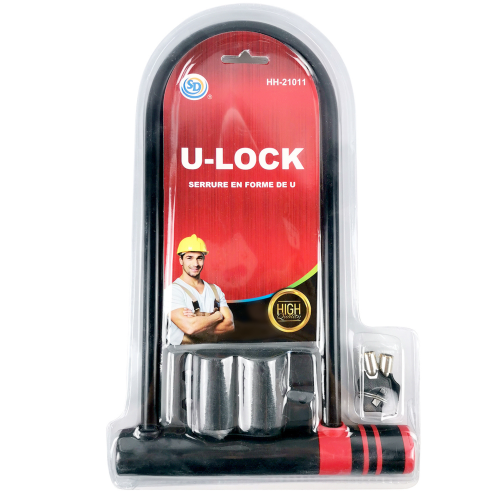
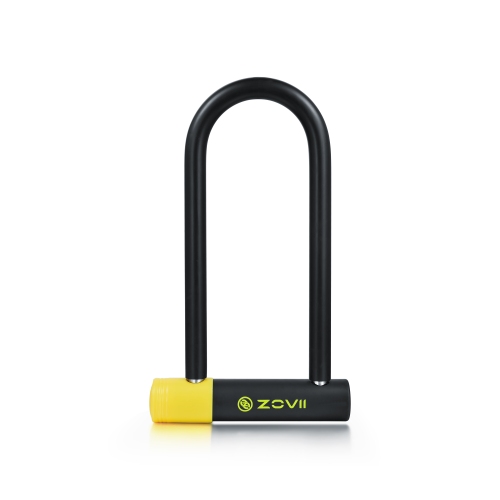
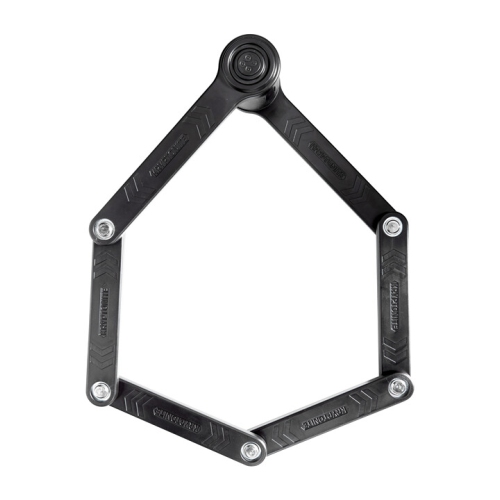
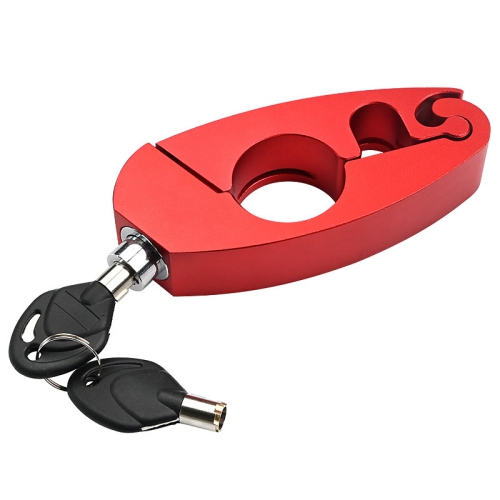
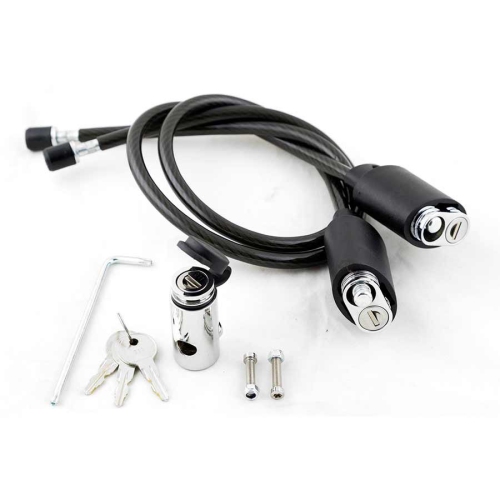
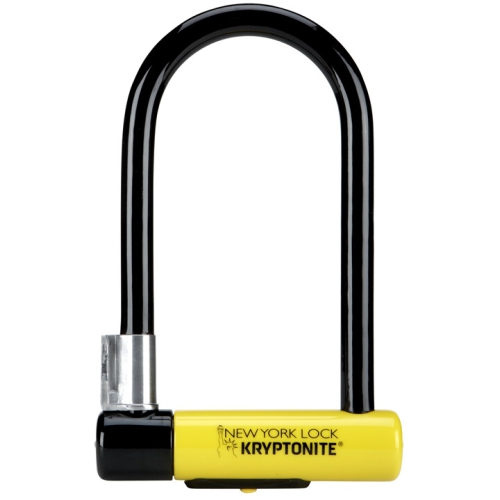
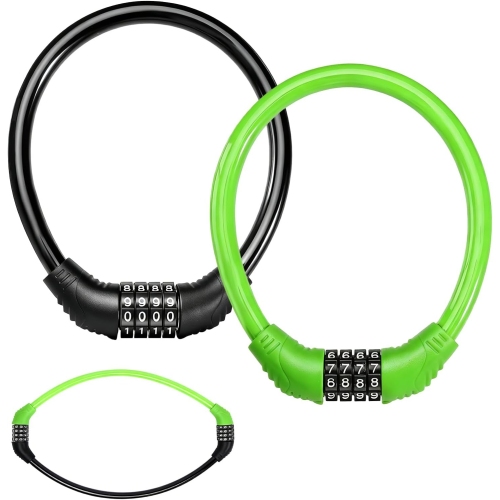
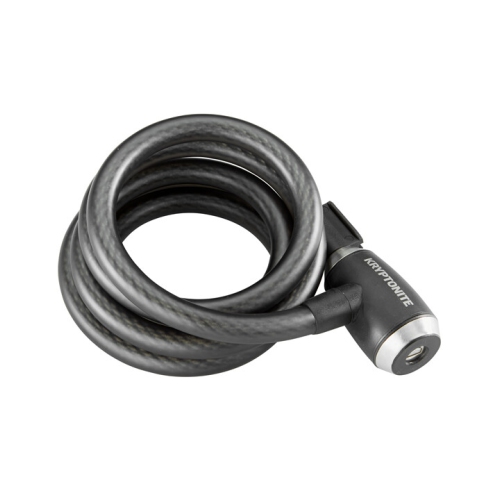
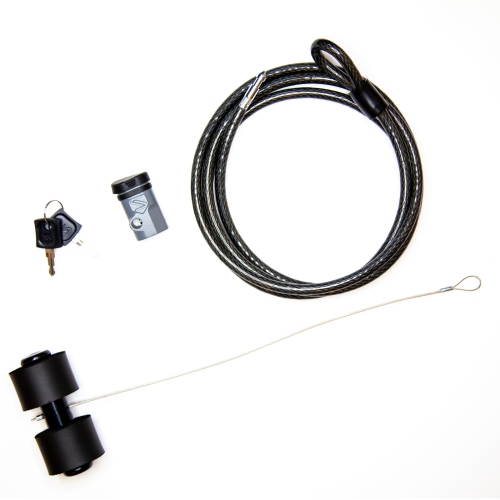
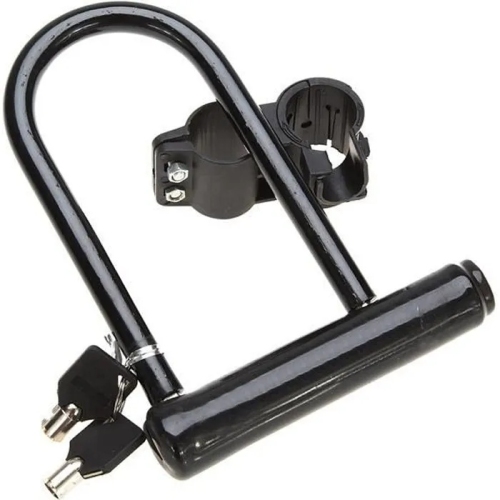
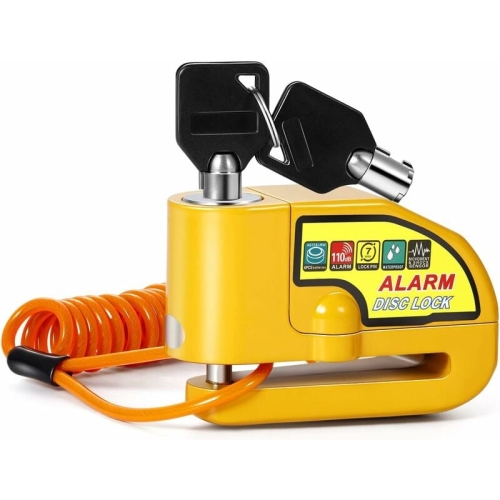
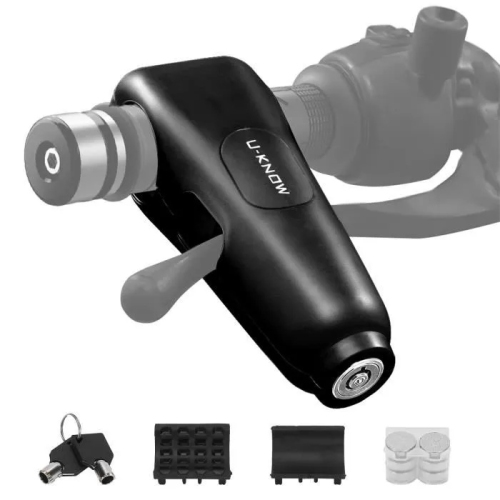
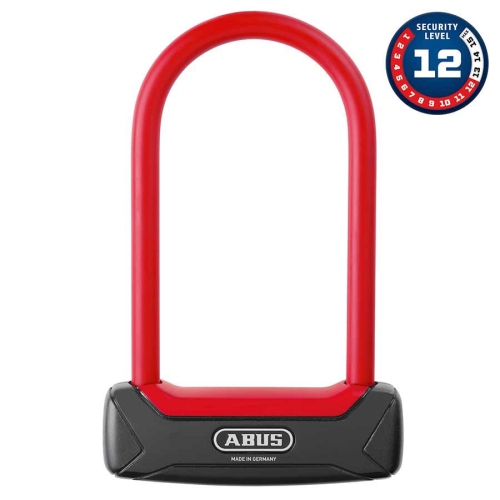
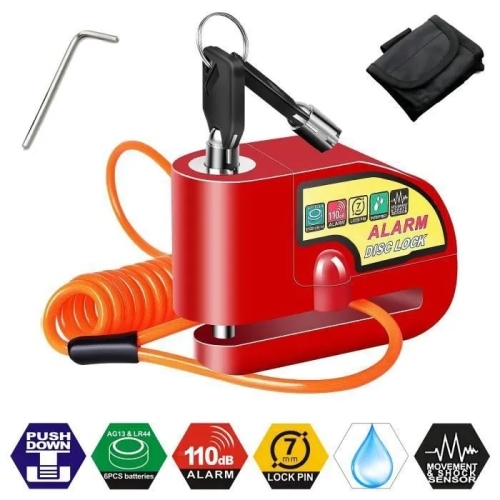
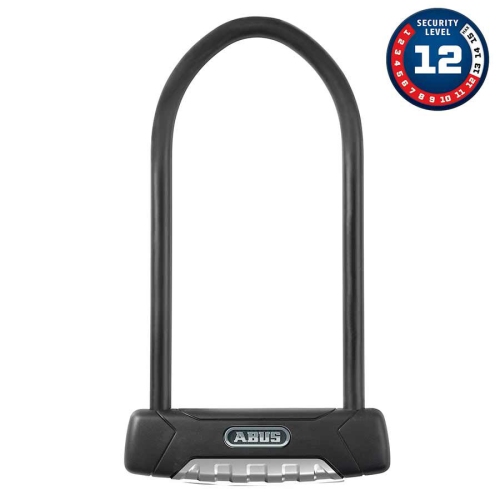
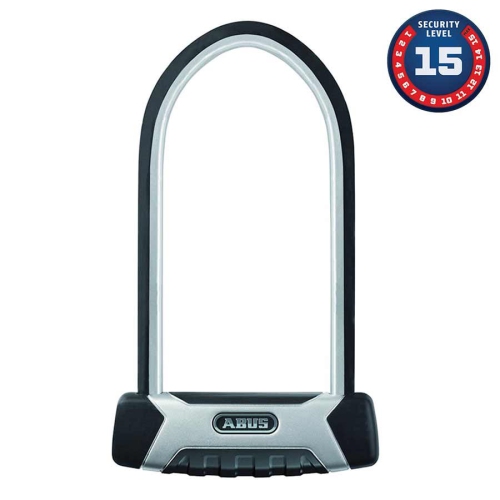
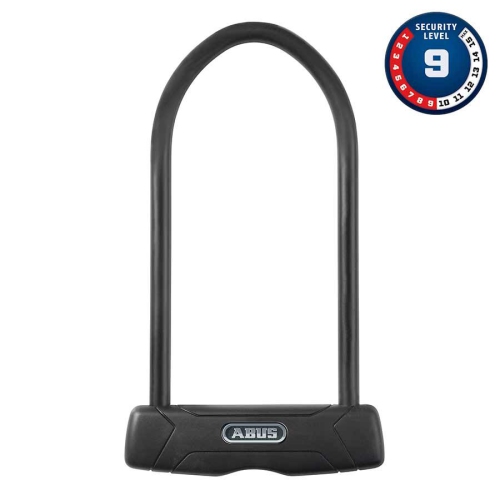
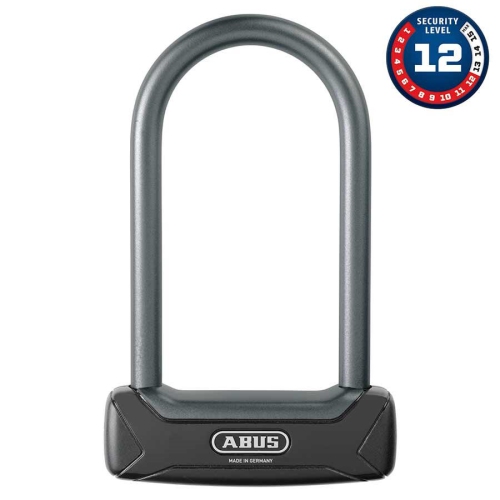
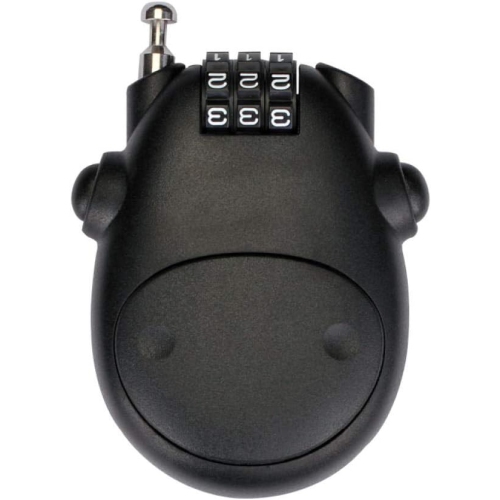
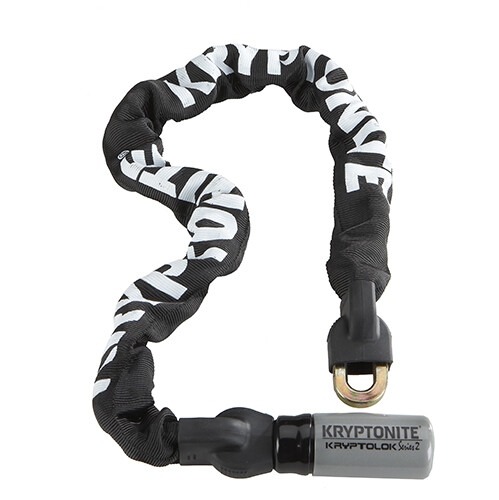
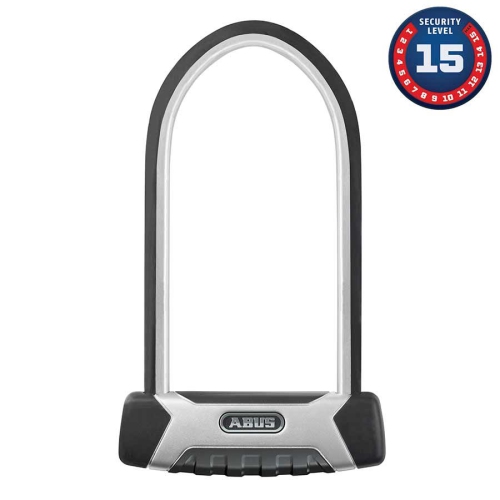
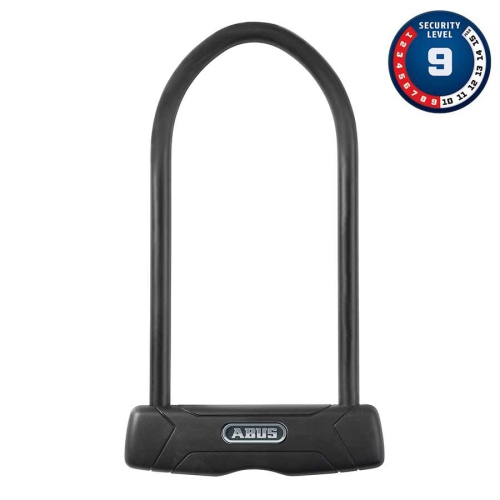
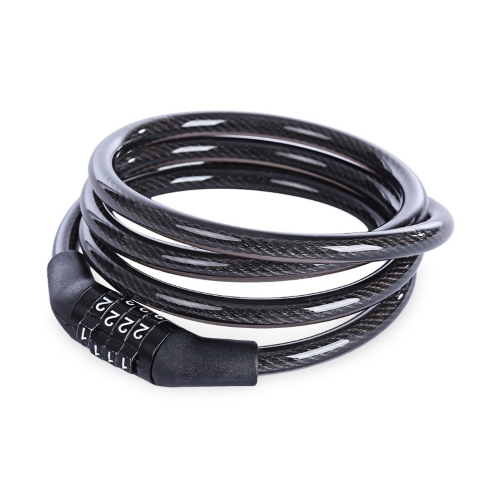
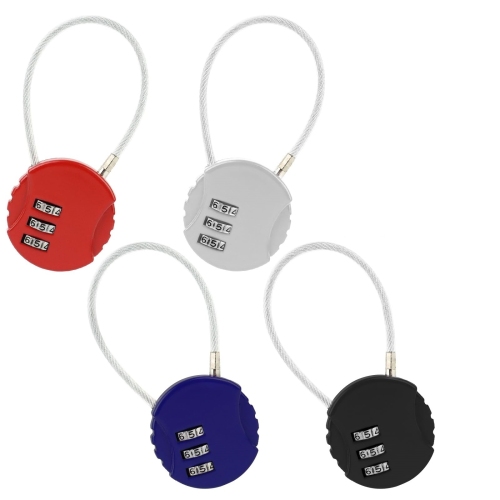
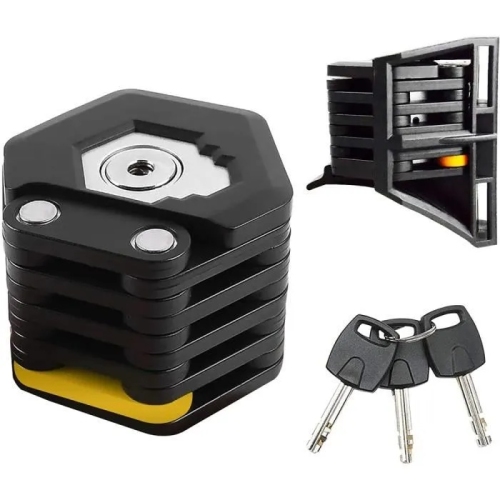
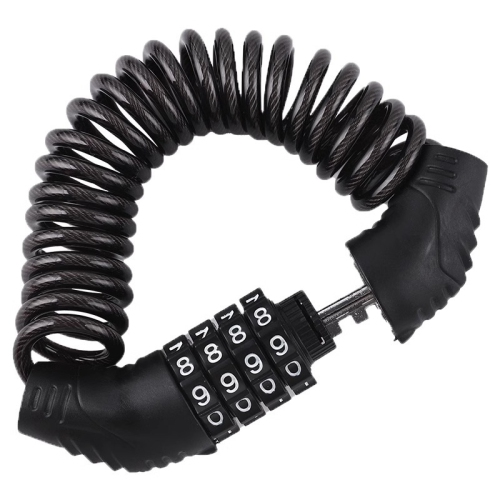
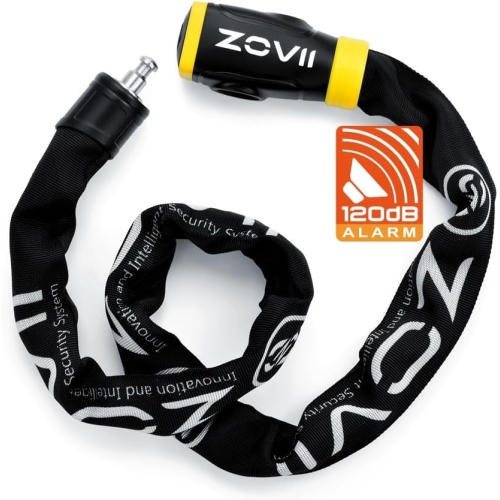
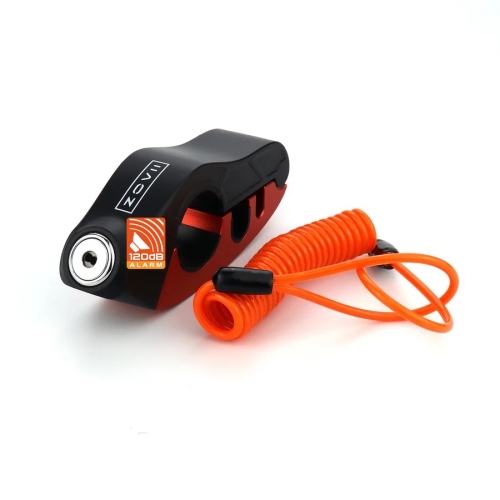
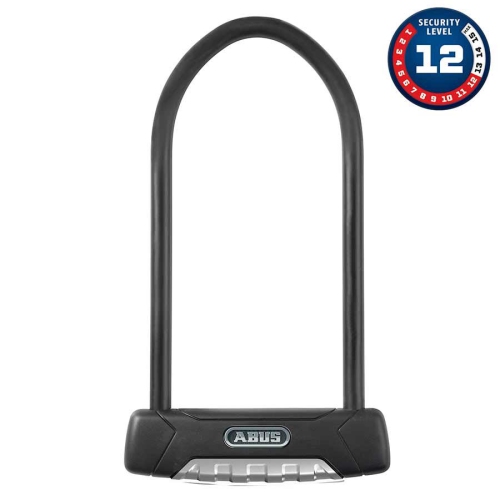
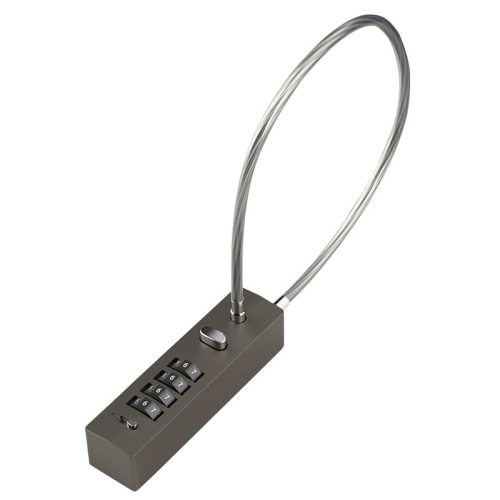
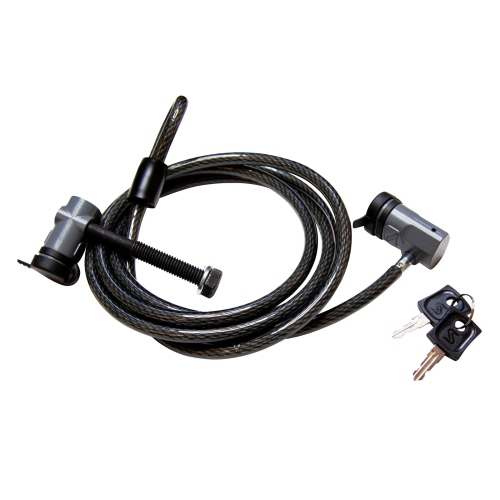
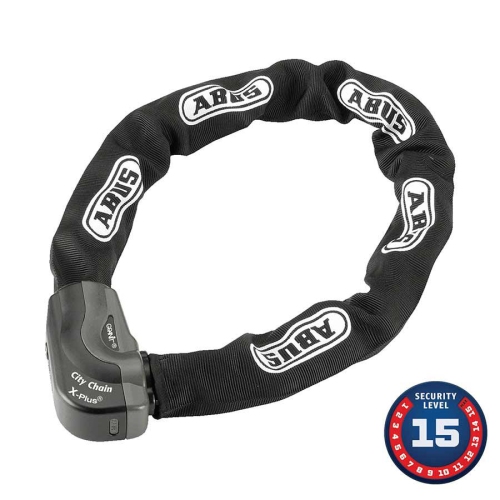
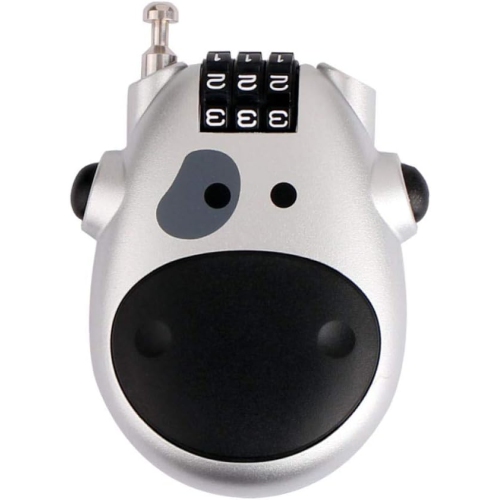
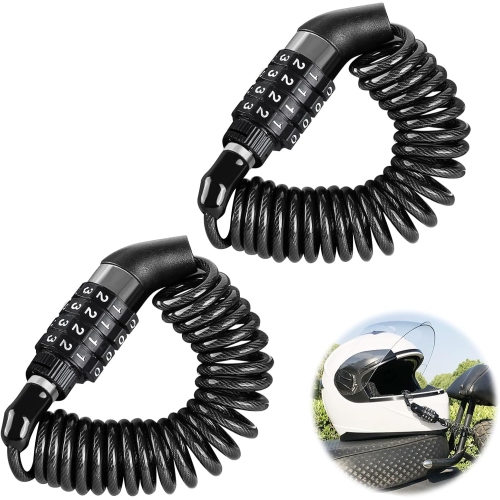
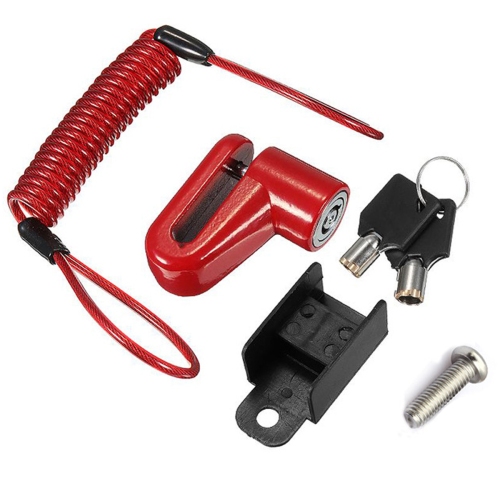
Bike locks help secure bicycles to a fixed anchor, with designs that balance resistance to attack, carrying weight, reach, and everyday convenience. The most suitable type depends on where a bike is parked, how long it is left unattended, and what parts need securing. A bicycle outside an office for several hours calls for a different level of protection than one kept within sight during a brief stop. U-locks, also called D-locks, use a rigid shackle that closes into a crossbar. Their compact shape and hardened steel construction can provide strong resistance to cutting and leverage, although performance varies with the materials, locking mechanism, and overall design. A double-locking shackle secures both ends, making it harder to defeat by cutting one side and twisting the shackle open, but this feature alone does not establish a lock’s security level. Chain locks offer more reach around substantial bike racks and accommodate bicycles with unusual frame shapes. Their linked construction is flexible, while thicker hardened steel links generally add considerable weight. Folding locks use connected metal plates that collapse into a compact shape, often making them convenient to carry on a frame. Their protection depends on the strength of the plates, joints, and locking body, rather than their folded size. For supplementary protection, Cable Locks for Bikes offer flexible reach around a front wheel or other removable component. Cables are generally more vulnerable to cutting than substantial hardened steel shackles or chains, so they should not be treated as equivalent primary protection for an unattended bicycle. No bike lock is theft-proof, and a brief stop does not eliminate the risk of theft. Independent security ratings can help distinguish tested resistance from appearance alone, particularly for bicycles regularly parked in public spaces. Ratings should be checked against the relevant testing organization’s scale, since different systems and attack categories are not directly interchangeable.
Fit is as important as lock type because a strong lock is only useful when it can connect the bicycle to a suitable anchor. With a U-lock, the usable internal height and width determine whether the shackle can pass around the frame, a rack, and a wheel. A narrow opening can limit space for leverage tools, but an opening that is too small may leave the rider securing only a wheel rather than the frame. Thick frame tubes, wide tyres, integrated battery housings, and closely spaced rack bars can all affect clearance. Electric bikes, cargo bikes, and bicycles fitted with baskets or panniers may need a different shape or reach than a conventional city bicycle. Chain and cable lengths also need to account for the full route around the frame and anchor, not simply the straight-line distance between them. A longer lock offers flexibility, though excess length adds bulk and can make it harder to keep the locking assembly away from the ground. Hardened steel is common in security-focused locks because its treatment can improve resistance to cutting; thickness alone is not a reliable comparison between different materials and constructions. Fabric sleeves, vinyl coatings, and covered locking bodies help reduce contact between metal surfaces and painted frames, but they do not replace the structural strength underneath. Carrying arrangements matter during repeated use. A frame bracket should match the bicycle’s mounting points and leave room for pedalling, steering, bottle access, and any cables routed along the frame. Compact folding designs can suit riders with limited bag space, while a substantial chain may be more practical at a regular destination than carried on every trip. Any lock transported on the bicycle should be firmly secured so it cannot swing into a wheel or interfere with braking. These details make the difference between a lock that fits a routine and one that is awkward enough to be left behind.
Everyday use also brings the key system, finish, and moving parts into focus. Keyed bike locks avoid the need to remember a code, while combination locks remove the need to carry a separate key. Neither format is inherently more secure: the mechanism, construction, and resistance to manipulation all matter. Large, clearly marked combination dials may be easier to operate, and a key that turns smoothly without excessive force makes frequent locking less frustrating. Keeping a spare key separate from the everyday set can prevent an inconvenient lockout; recording a key code, where provided, may also help with replacement. For commuters, students, and riders who leave a bicycle at a transit station, a dependable primary lock and a convenient carrying method support repeated daily use. Recreational riders may place more emphasis on portability, while households securing several bicycles need enough reach without relying on a single easily removed component. A bike lock can also be a practical gift for someone starting a cycling commute or taking a bicycle to campus, provided its dimensions, weight, and operating style suit the recipient. At the parking location, protection depends on both the lock and the anchor. A firmly installed bike rack is preferable to a loose fixture or a post from which a locked bicycle could be lifted. Securing the main frame is essential; including a wheel where the lock’s dimensions permit, or adding separate wheel protection, helps address removable parts. Shared storage rooms and garages still benefit from a sound anchor rather than a lock passed only through the bicycle itself. Routine care helps preserve operation: wipe away grit, keep contact surfaces clean, and use only a lubricant suitable for the mechanism according to the manufacturer’s directions. Protective sleeves and mounting brackets deserve periodic checks for wear or looseness, while bent shackles, damaged links, or a sticking mechanism warrant attention before the lock is relied upon again.
Top selling and popular products
-
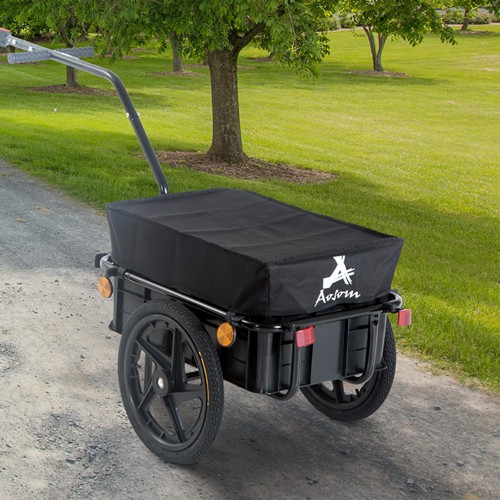 Your price for this item is $139.97
-
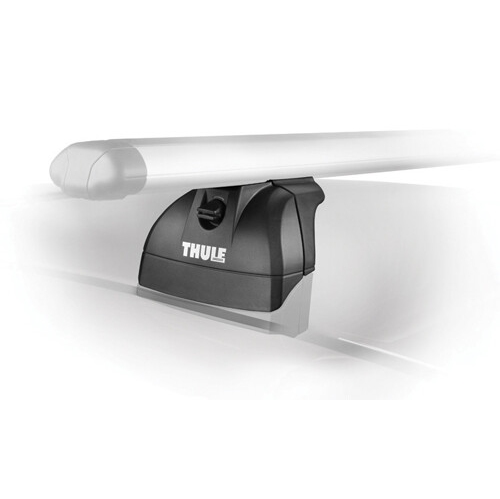 Your price for this item is $285
-
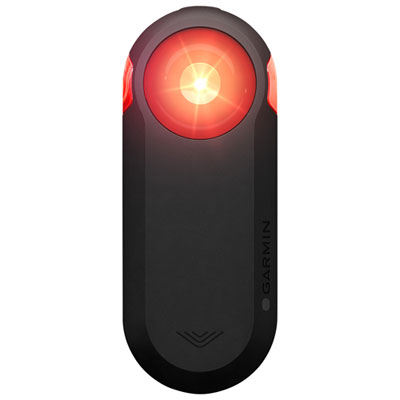 Your price for this item is $199.99
-
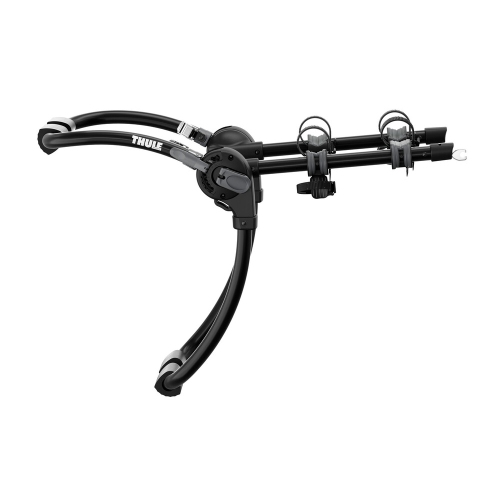 Your price for this item is $499
-
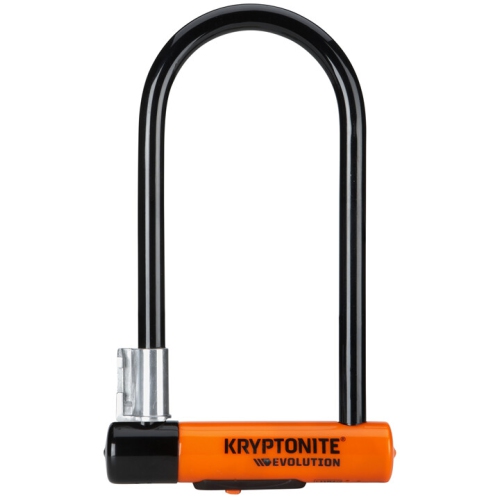 Your price for this item is $209.99
-
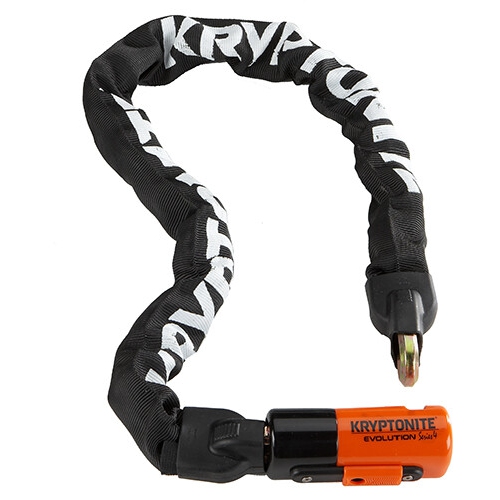 Your price for this item is $199.99
-
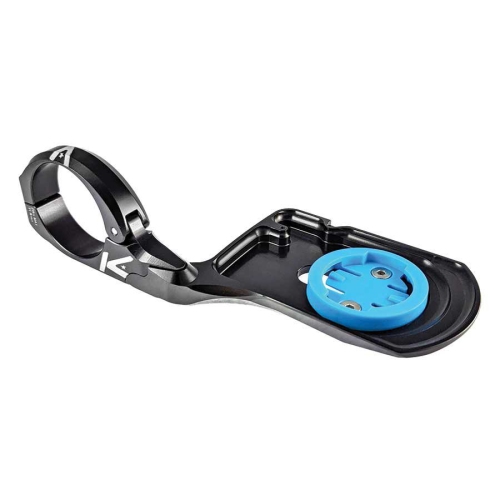 Your price for this item is $134.99
-
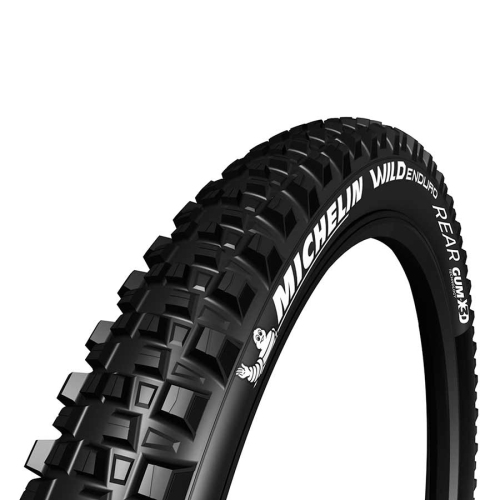 Your price for this item is $120.99
Discover more categories related to Bike Locks
Top Collections:
Best Black Friday Deals This Year, Best Black Friday Deals On Electronics, Kindle Devices, Pokemon Centers, Best Black Friday Deals On Apple Products, Best Cameras for Sports Photography, Dyson Airwrap, Pokémon 30th Celebration Cards, Apple iPhone 17 Pro, Canon G7X Cameras
Some products may be subject to Environmental Handling Fees
(EHF) depending on your province.
Learn more about EHFs.