Automotive Switches
Looking to upgrade your vehicle's functionality and convenience? Explore our wide selection of automotive switches designed to enhance your driving experience. From toggle switches to push-button switches, find the perfect solution to control various functions in your car with ease. Whether you're looking to customize your interior lighting or improve your overall driving comfort, our range of automotive switches offers versatility and quality. Discover the possibilities and take your driving experience to the next level with our collection of innovative automotive switches.
Sort


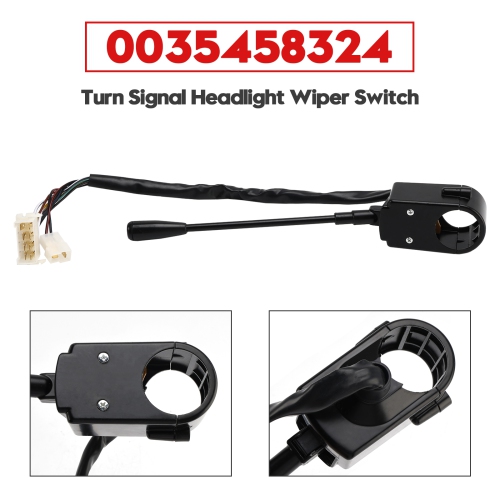

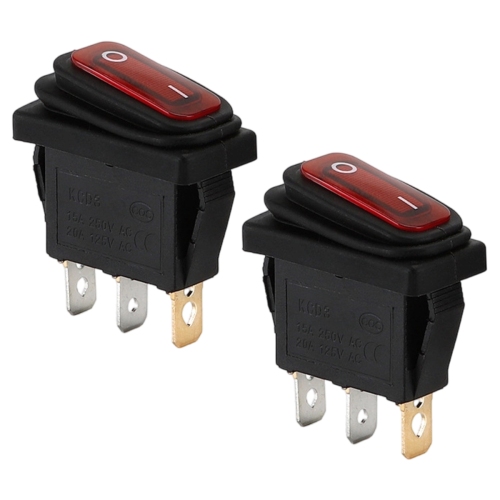


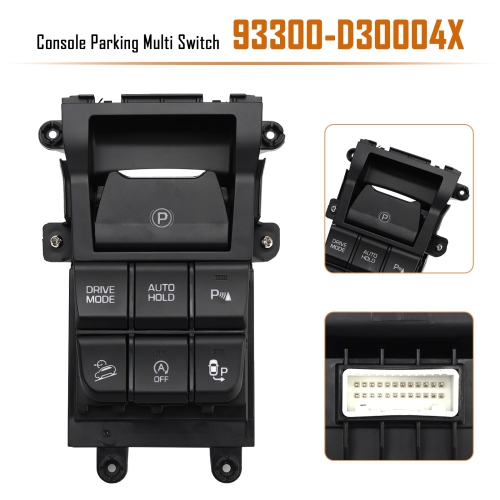
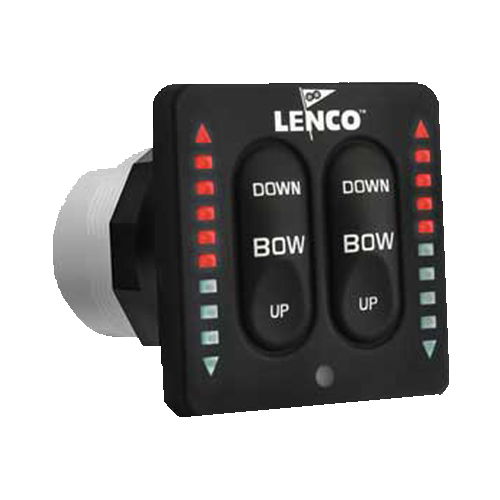
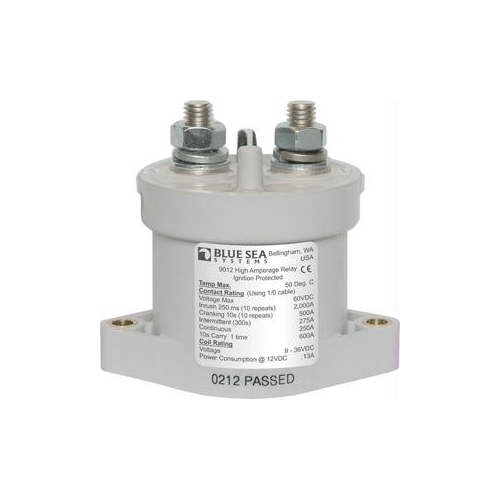


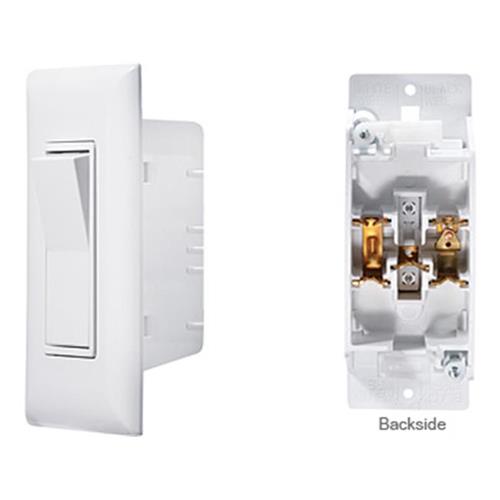
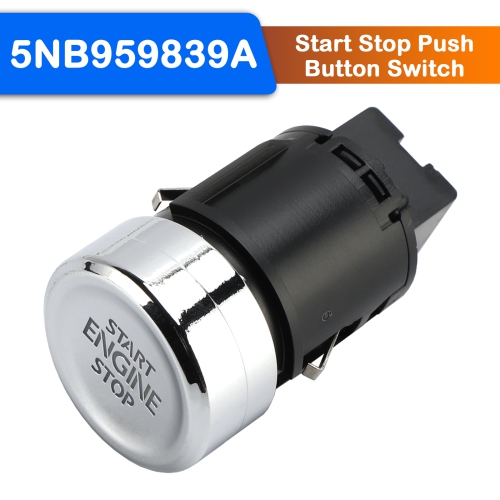
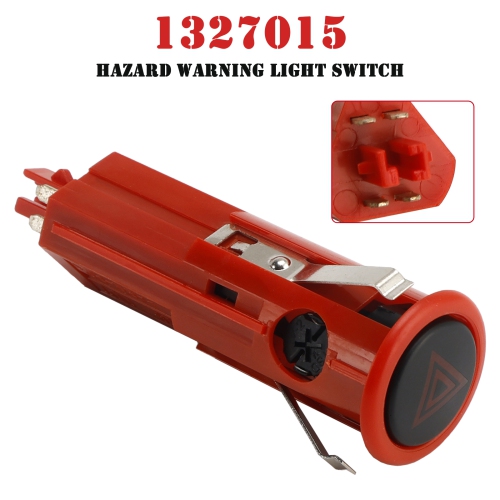


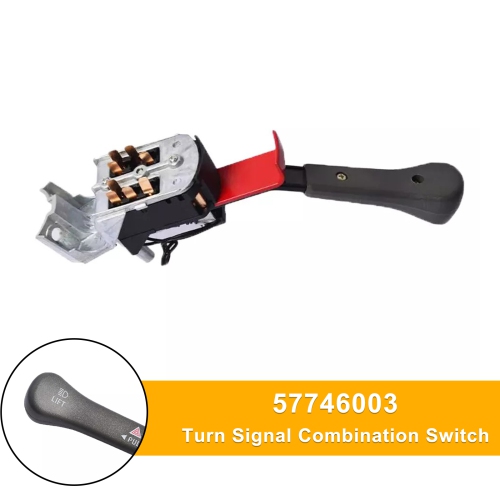

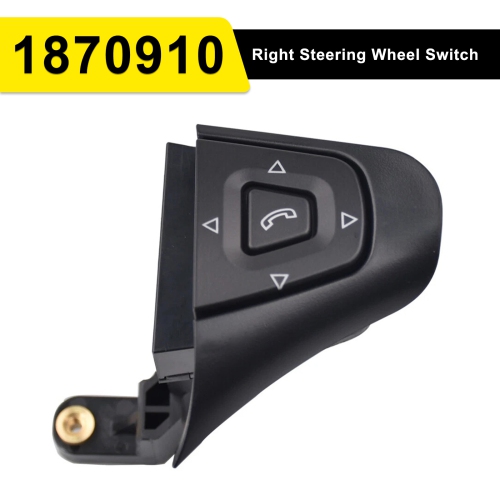
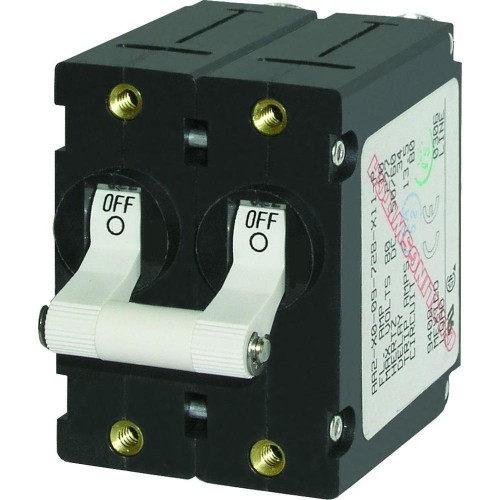
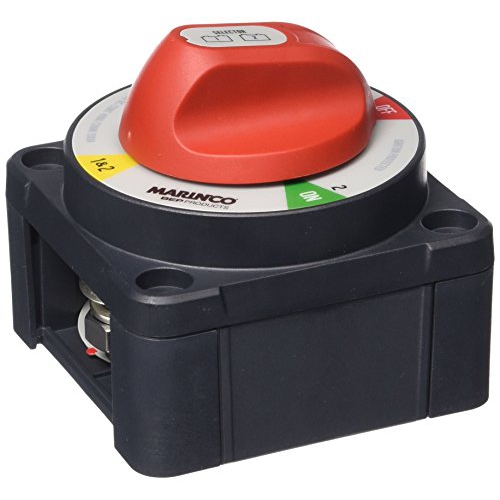


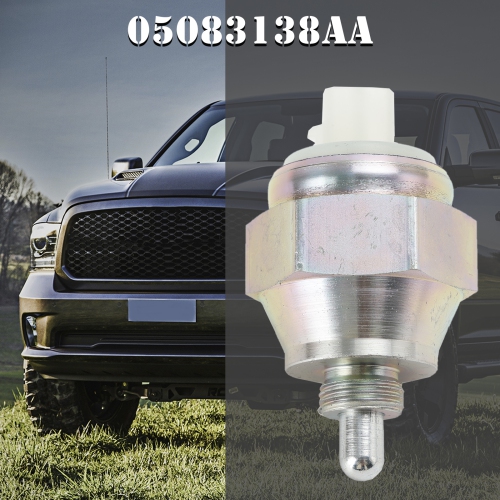
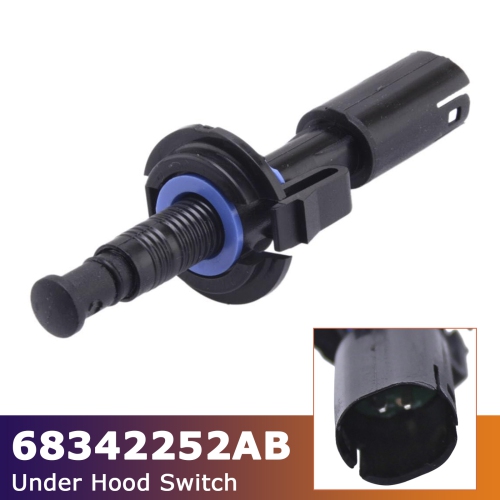
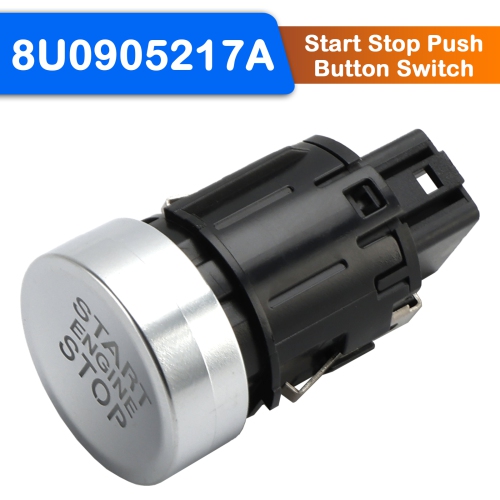

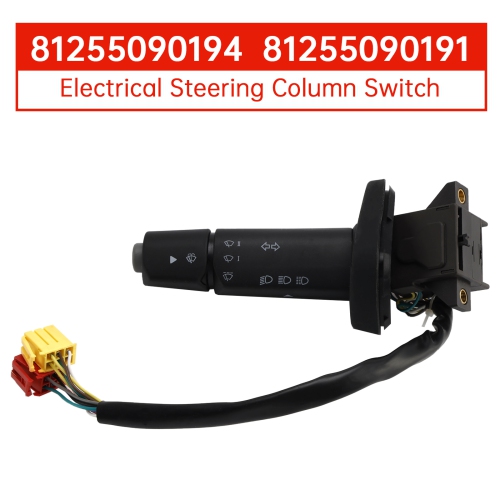

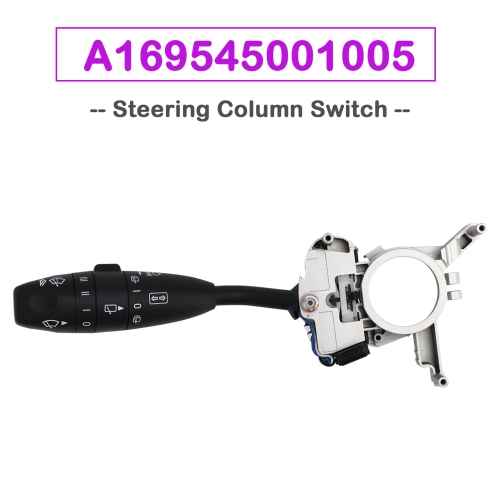
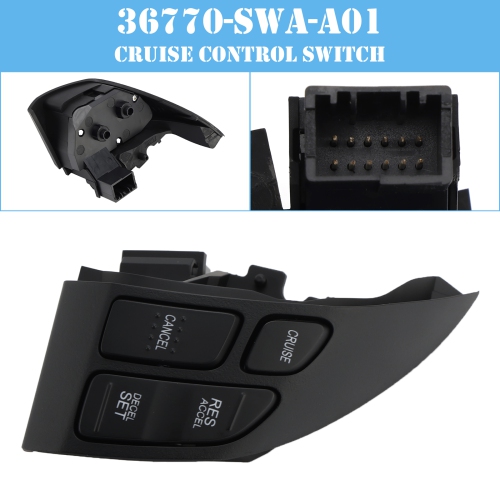

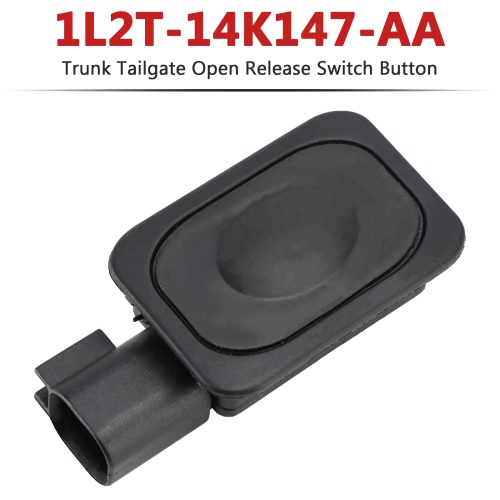


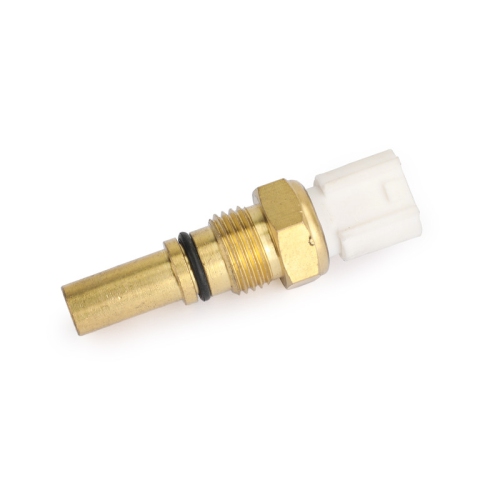
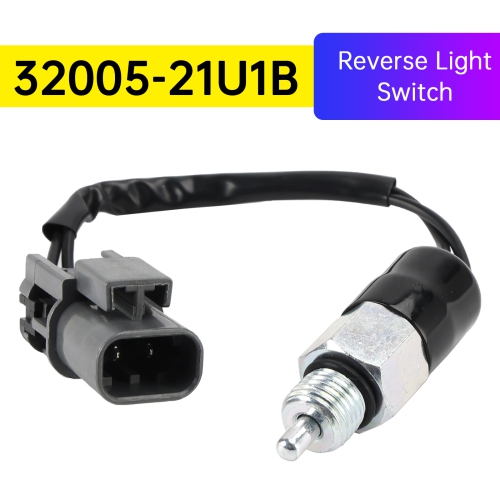
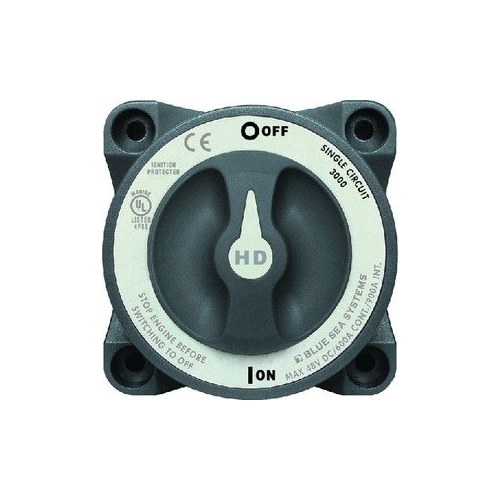
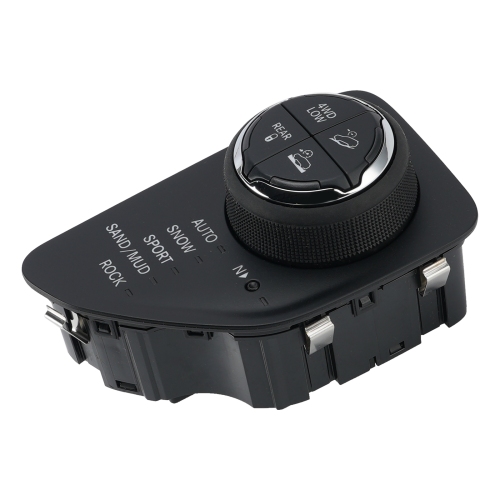


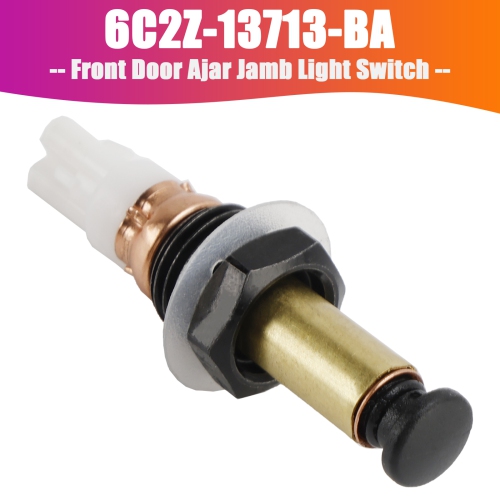

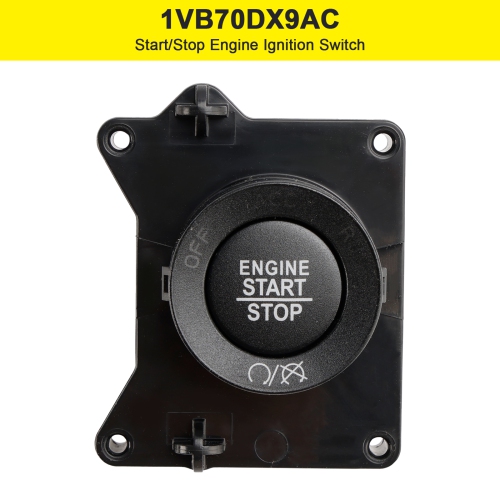


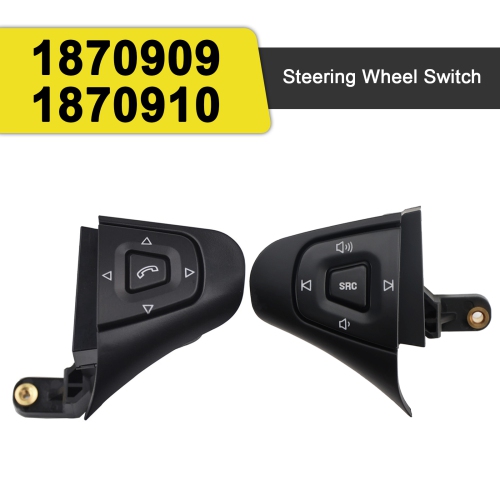


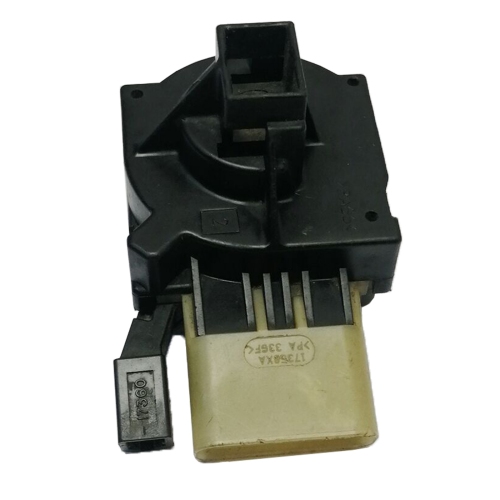

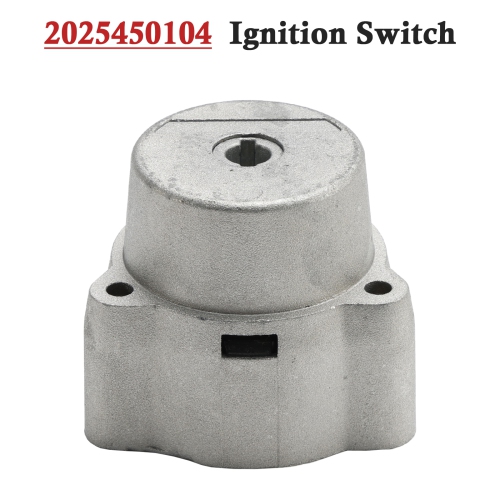

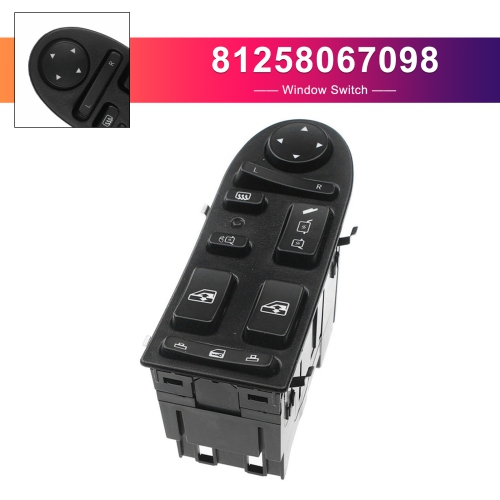
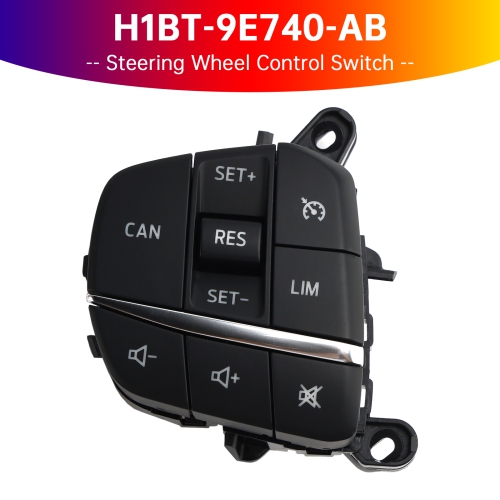

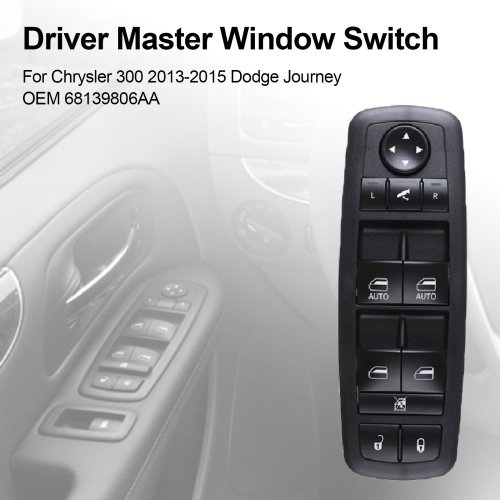


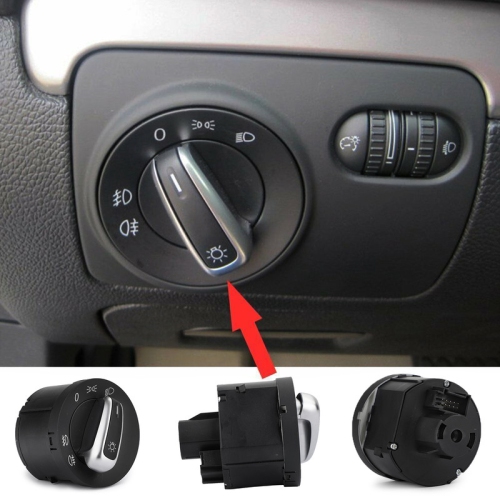


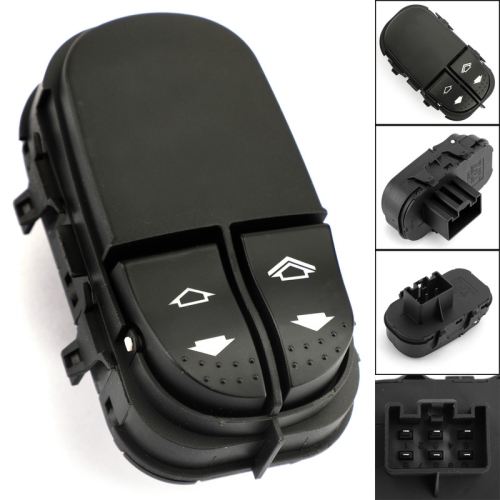


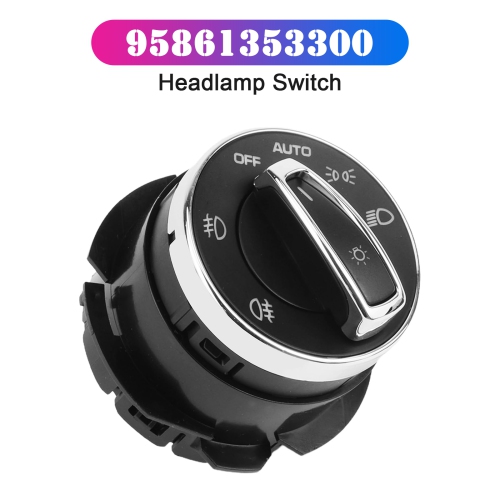

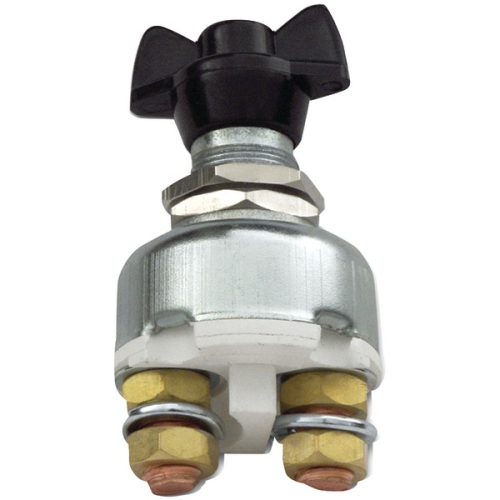


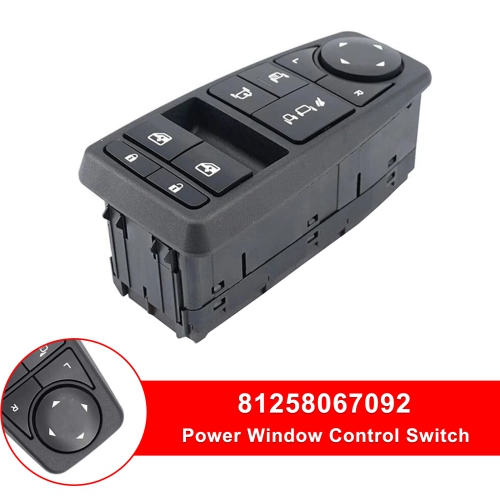


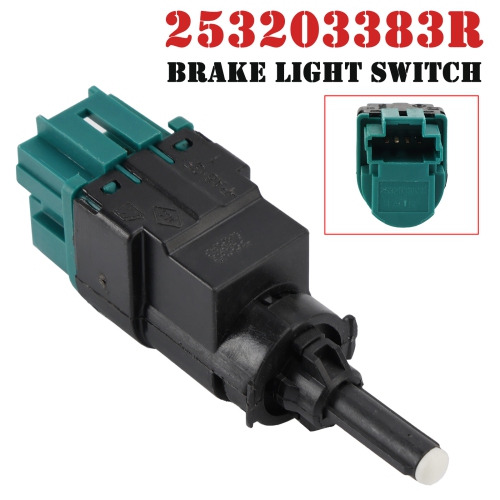
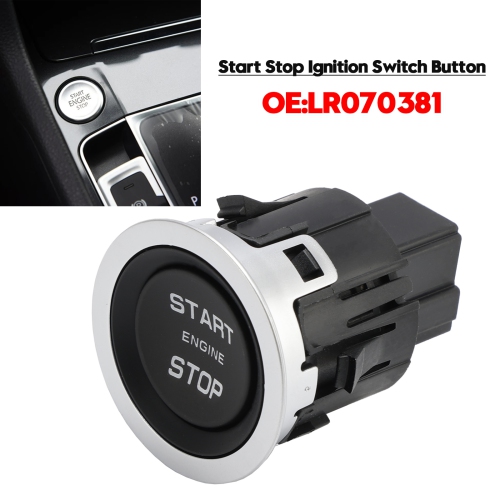

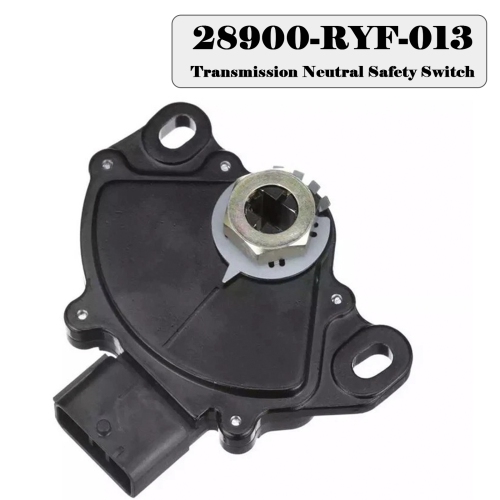
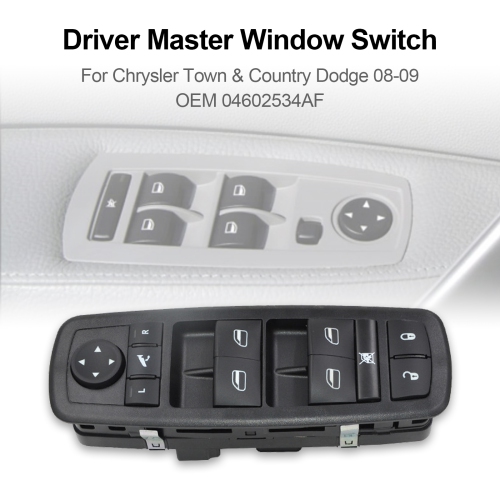
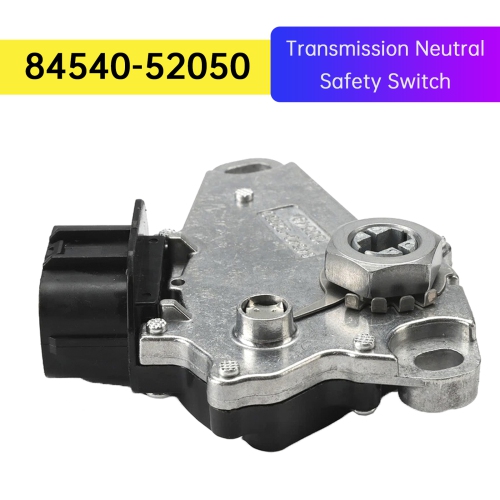
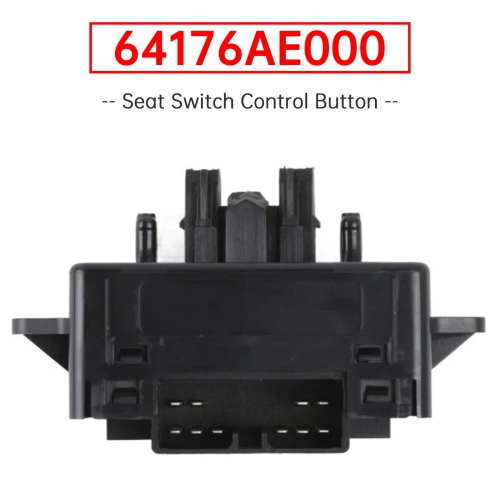
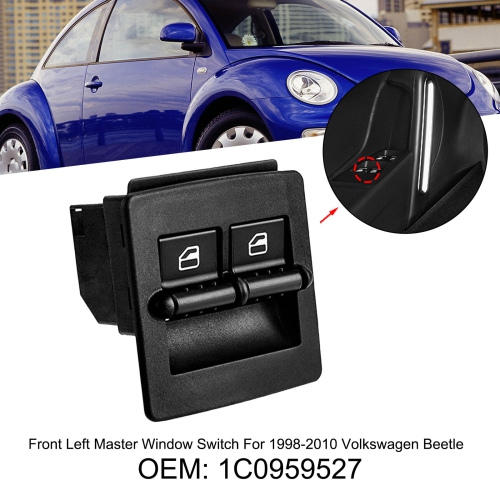

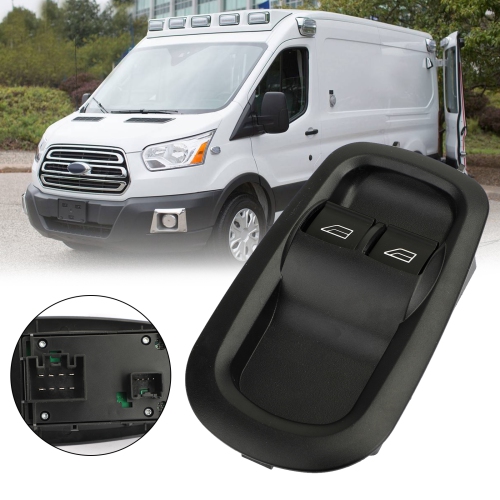


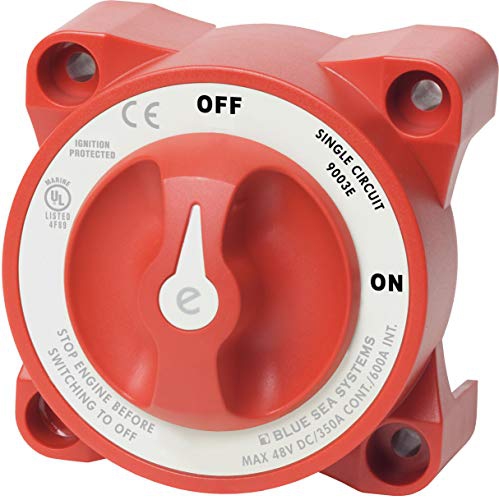
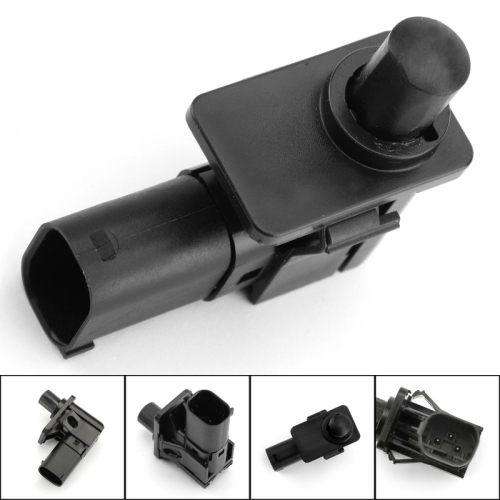

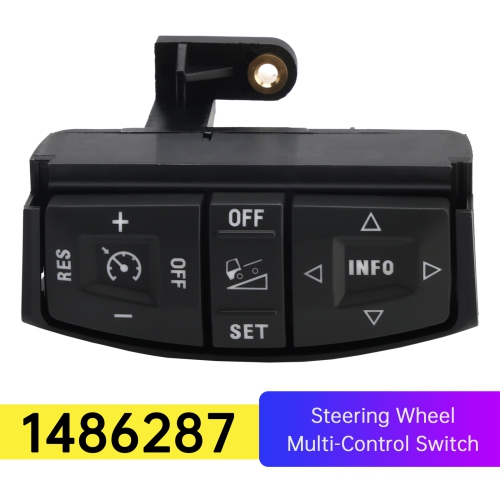
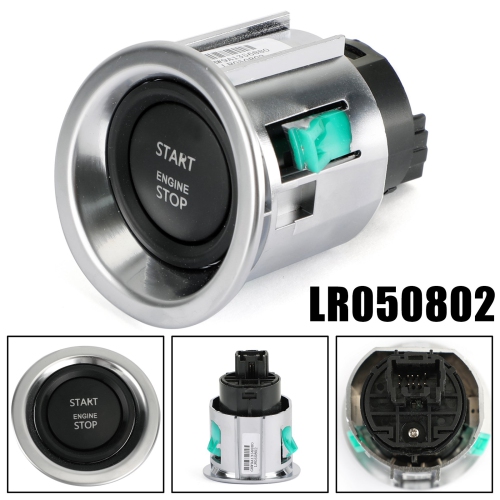
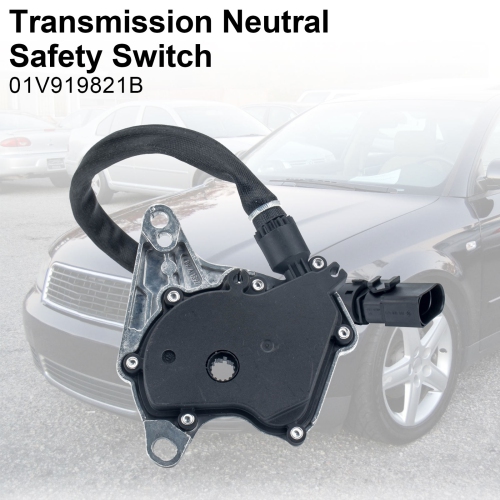
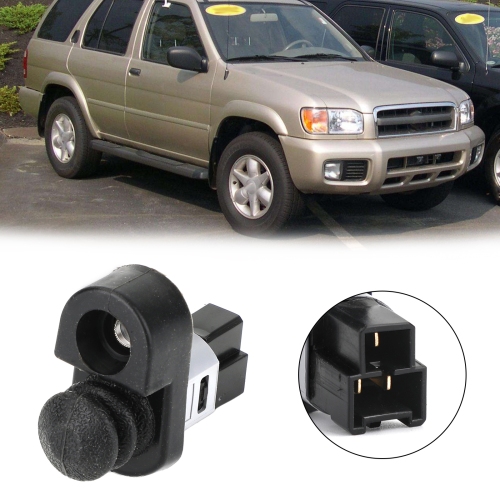

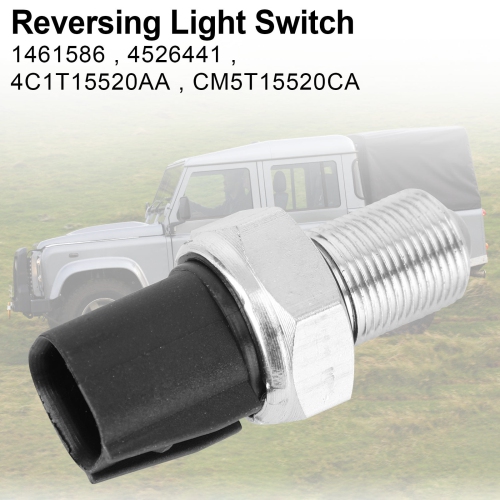


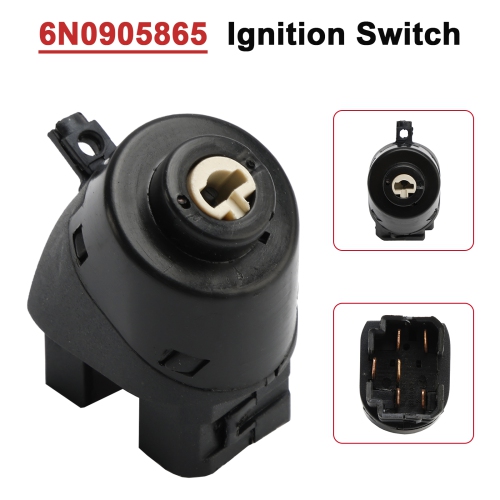


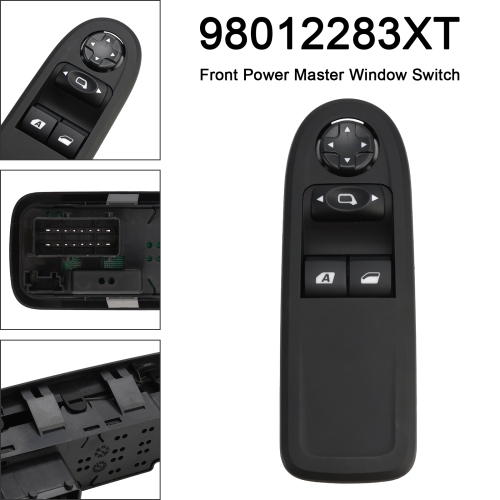
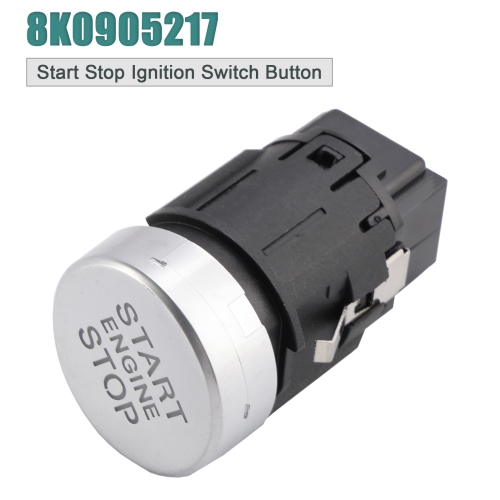
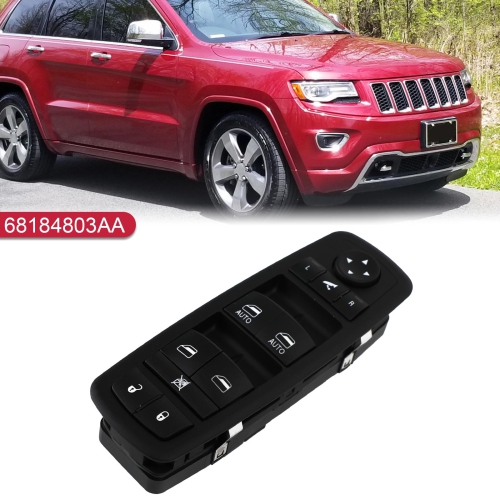

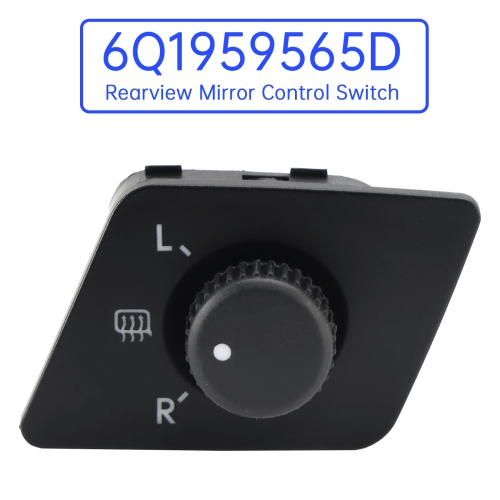
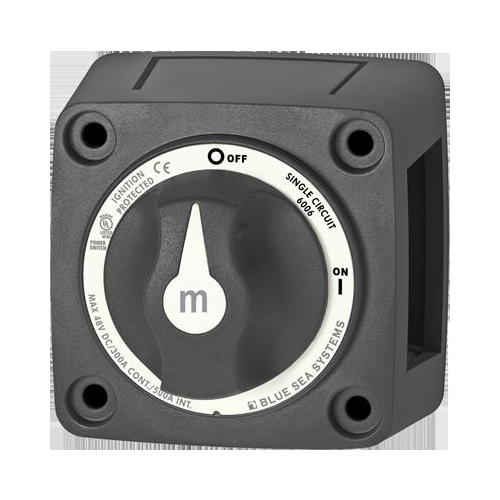

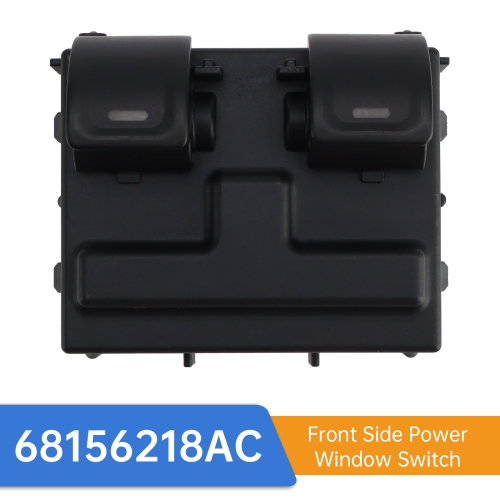
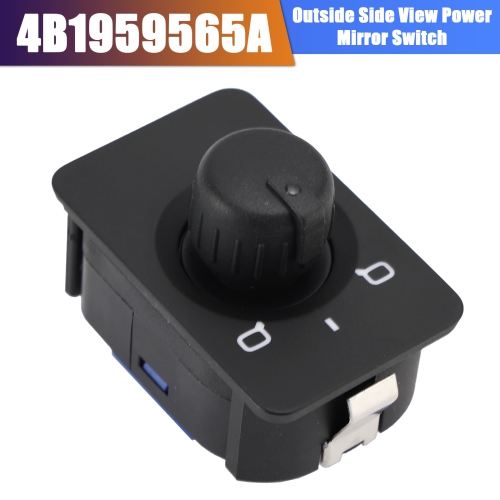
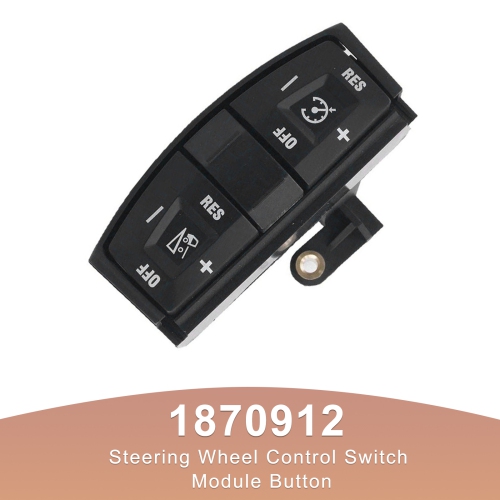

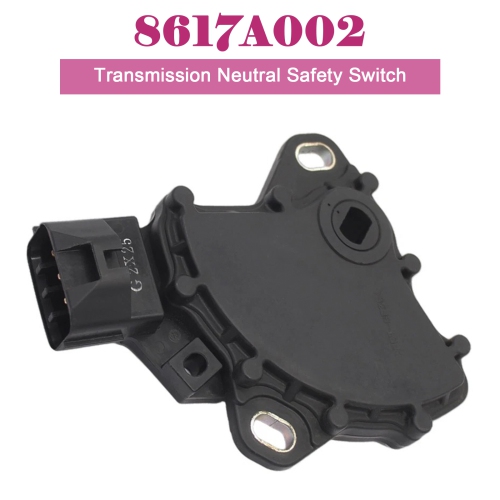


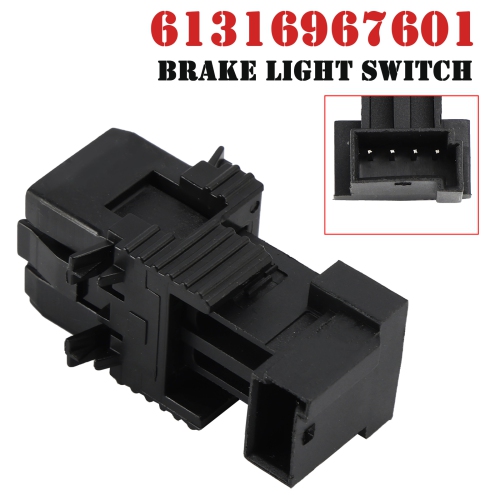
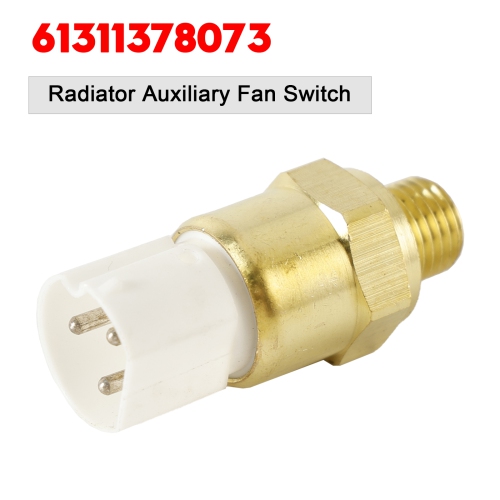
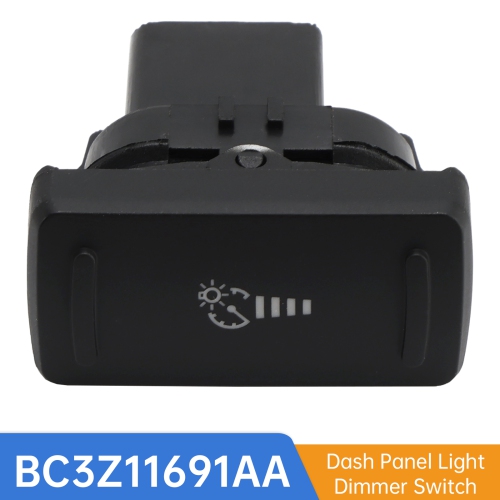
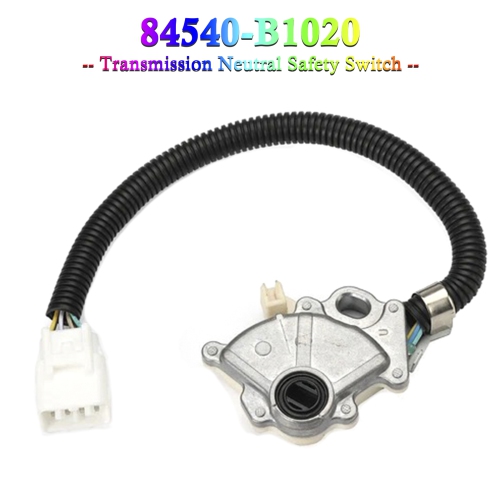
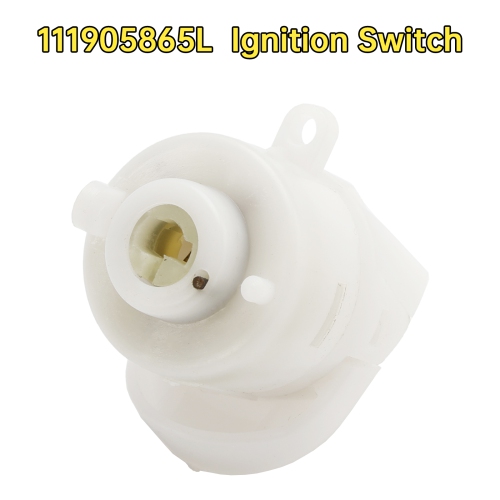
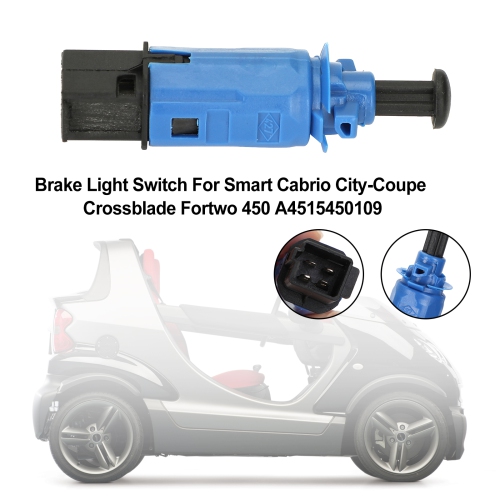


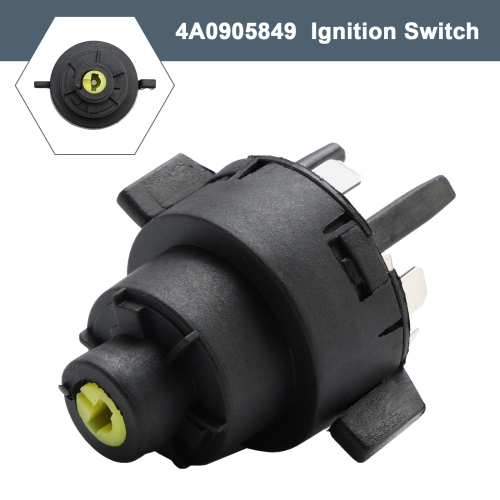
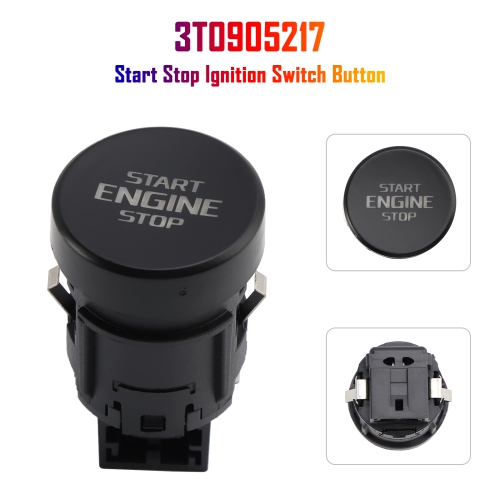
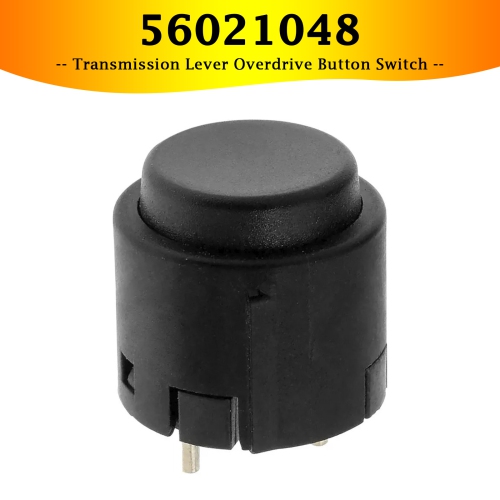
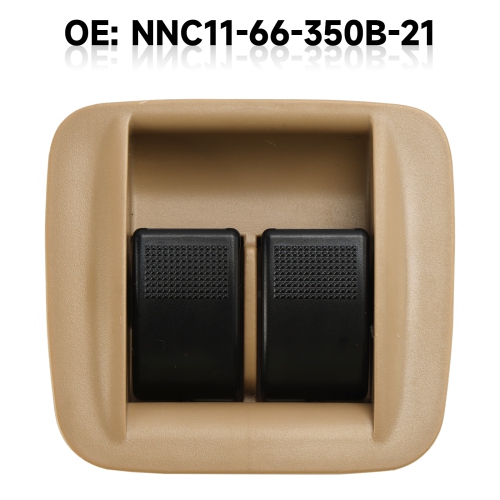

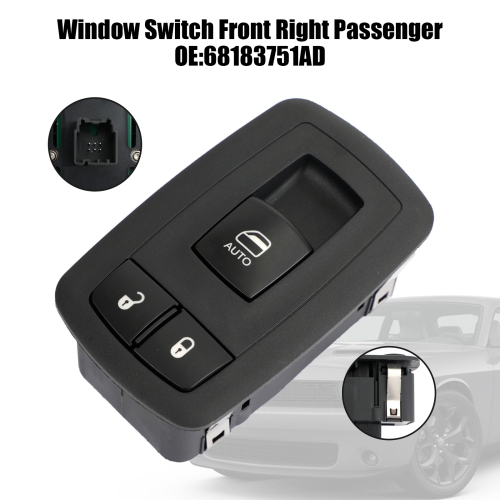


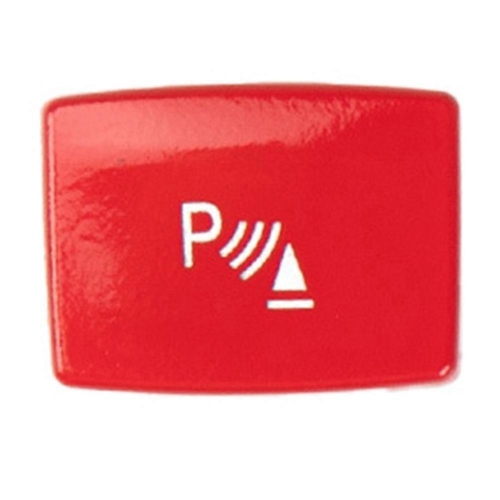
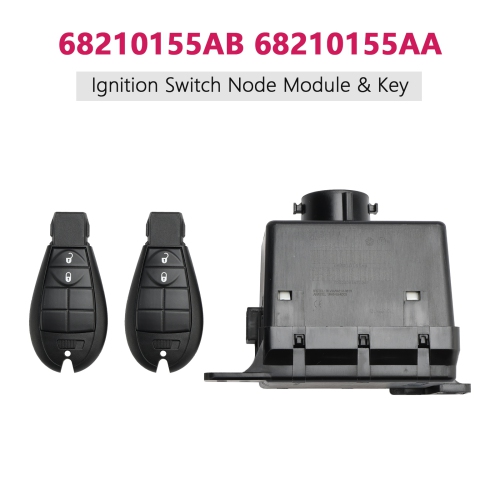


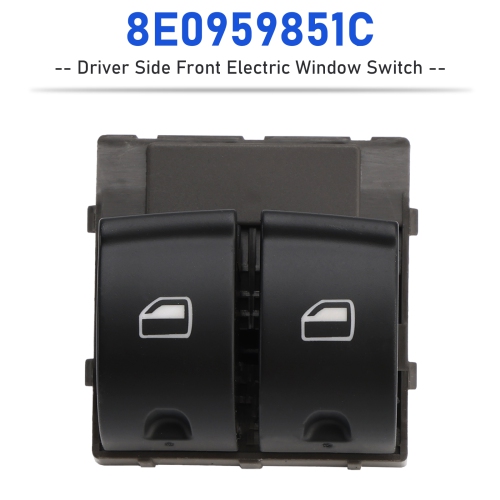
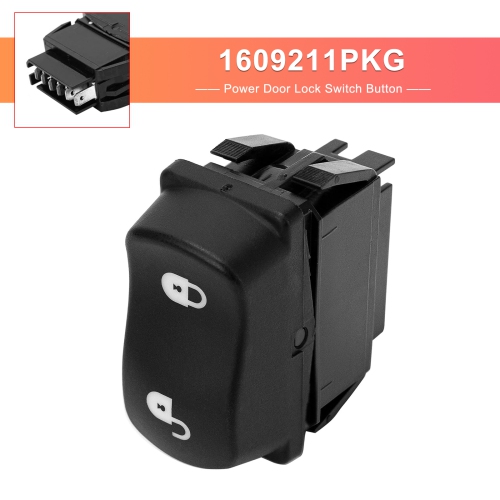

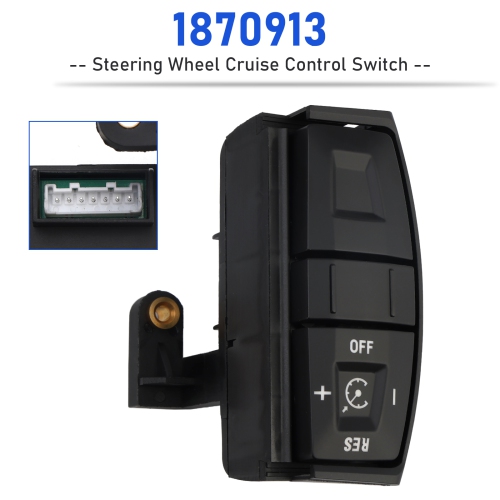

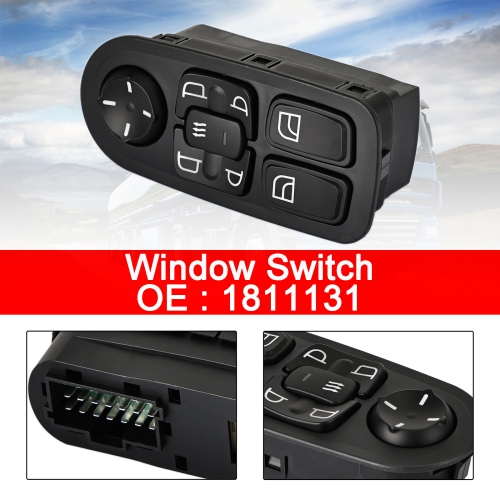
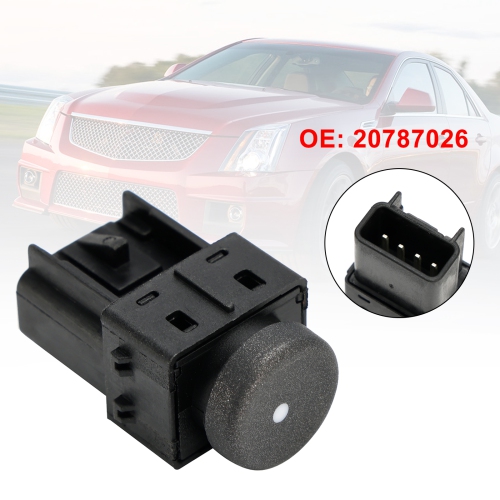
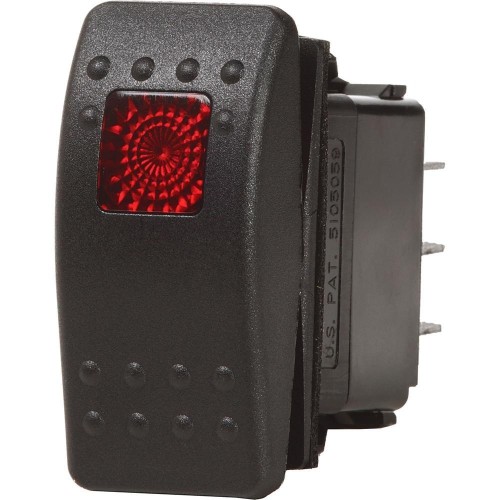
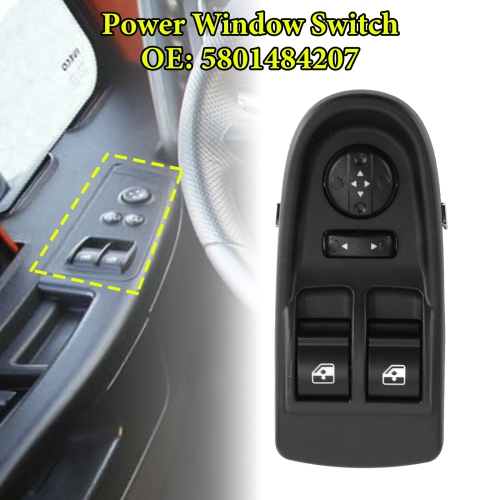

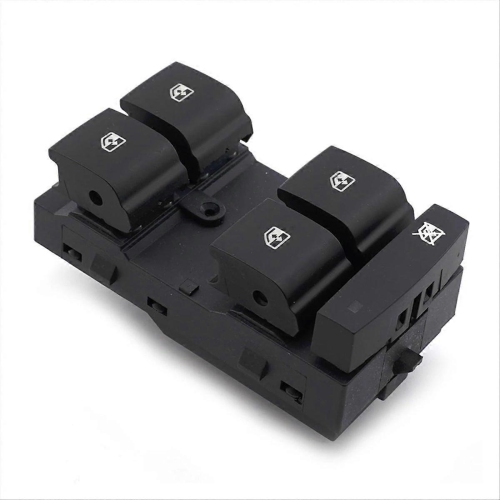

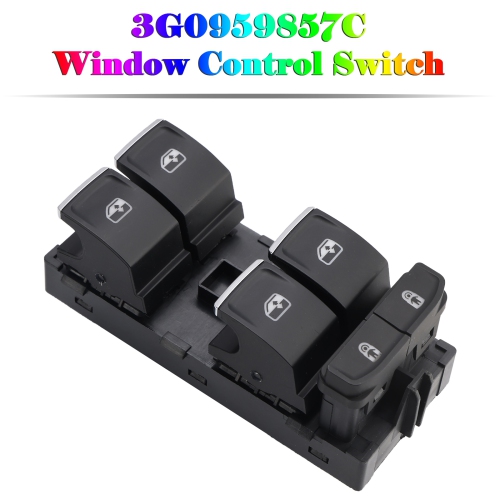
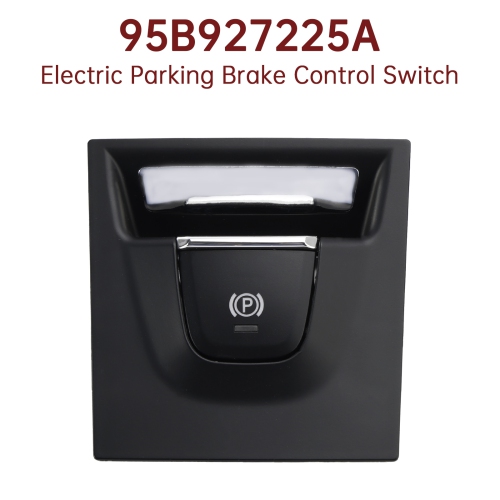


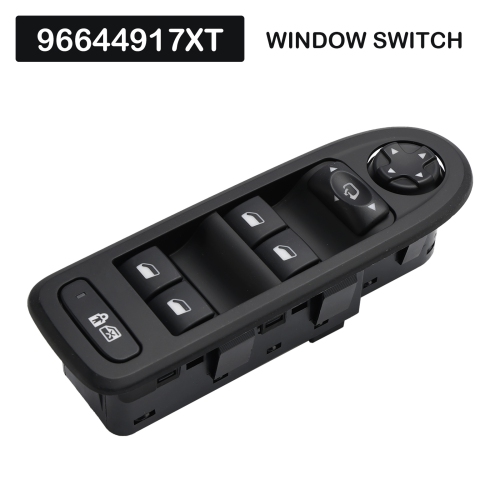
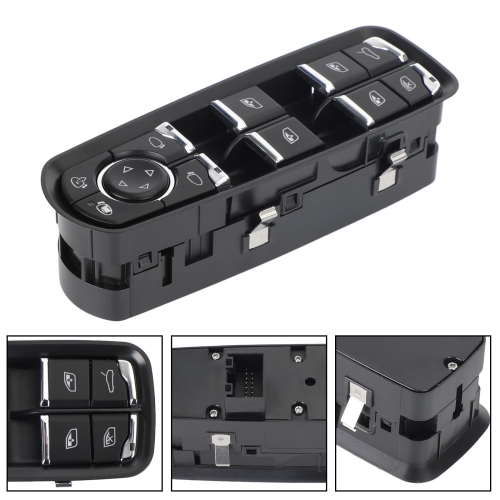

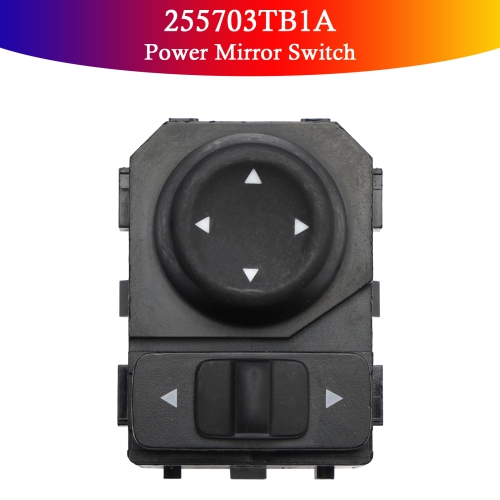
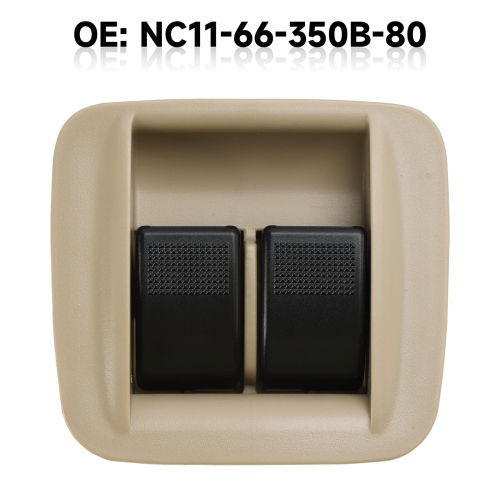
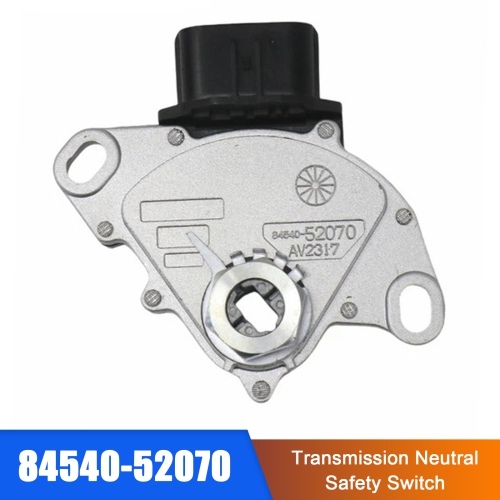
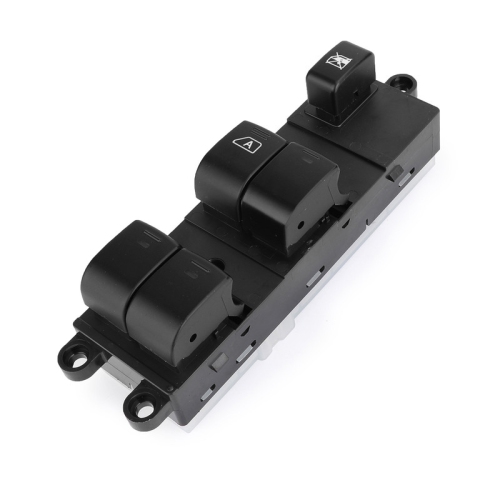

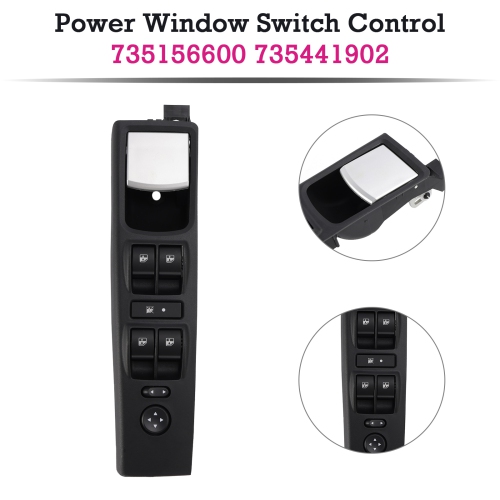


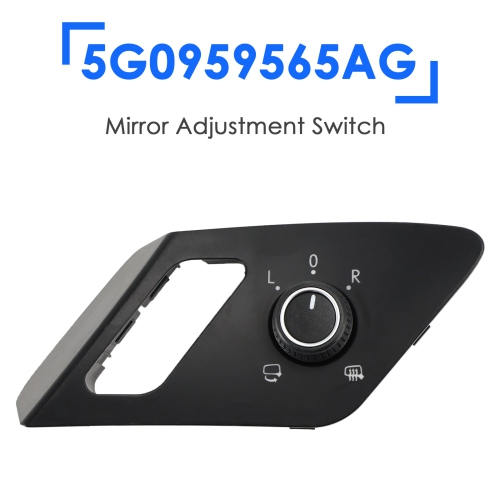

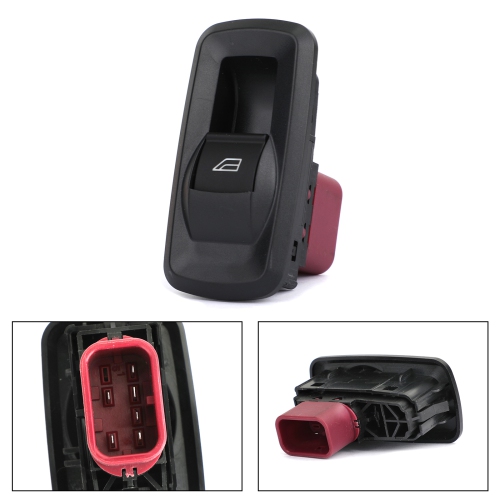


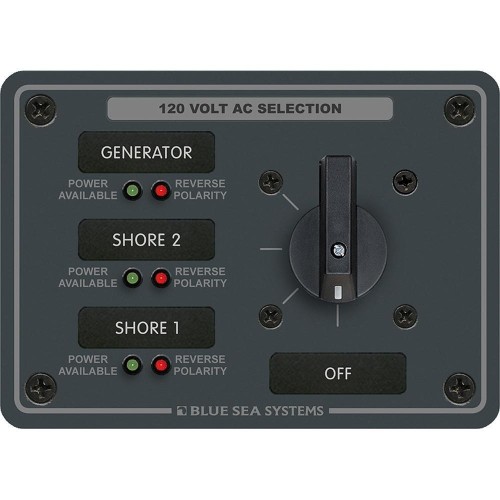
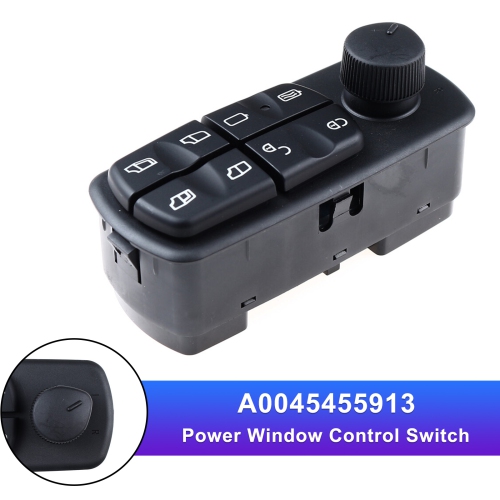
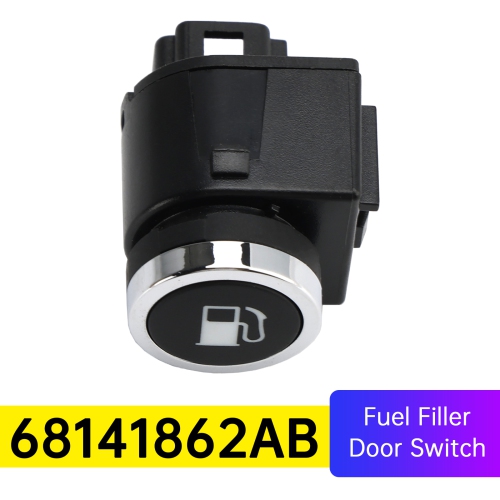
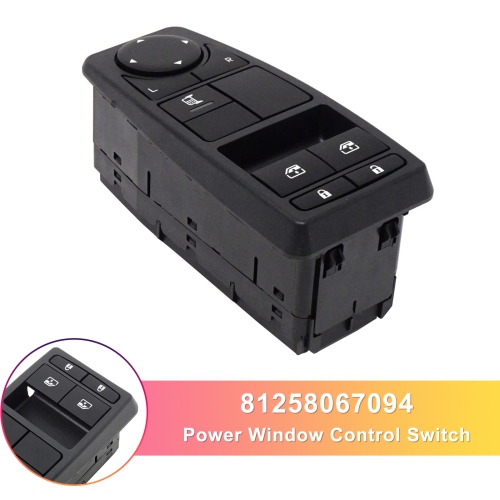


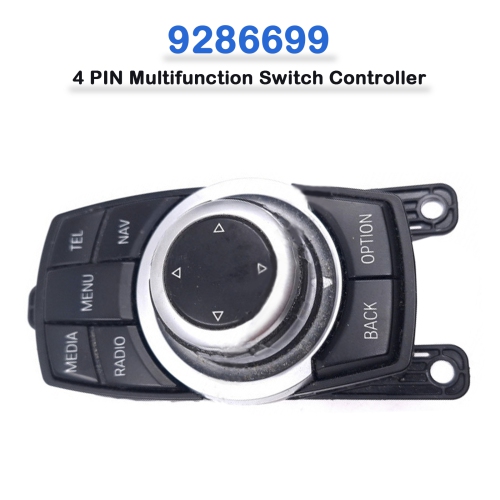
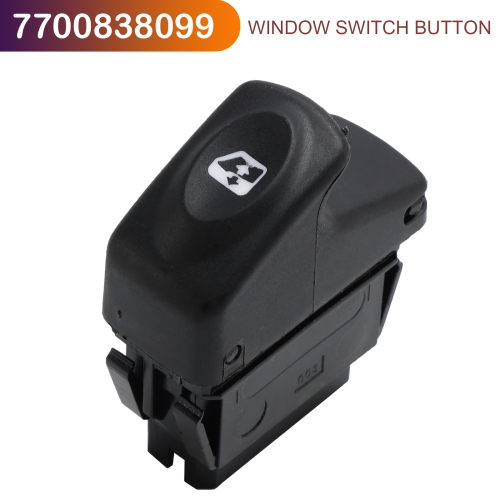
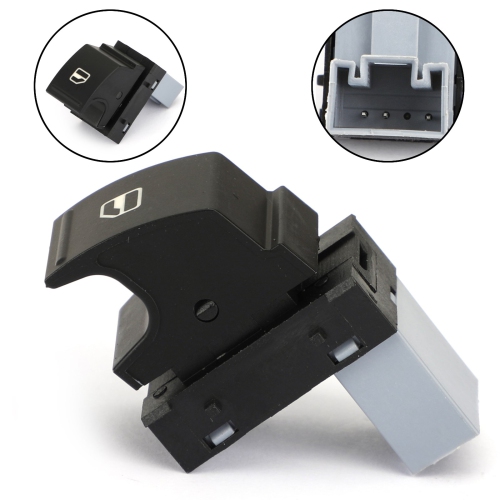
Why similar-looking switches can serve very different functions
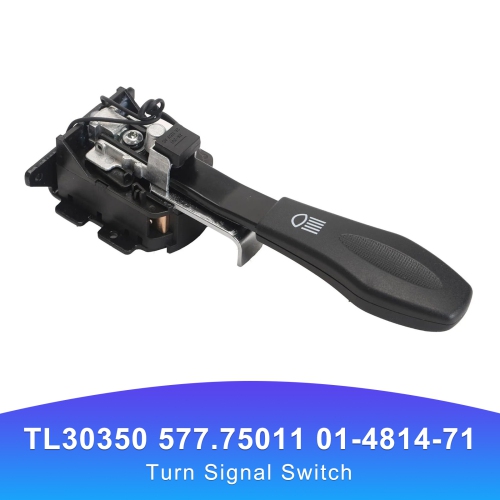
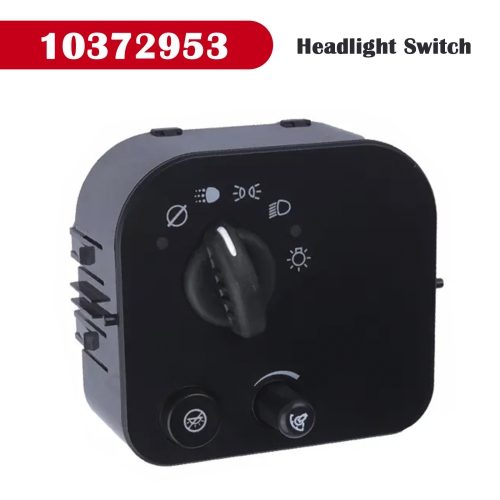
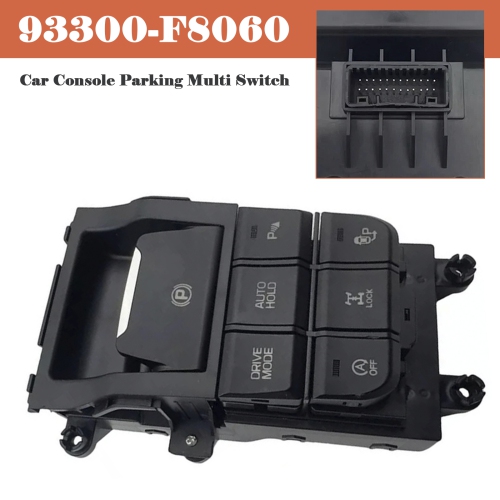
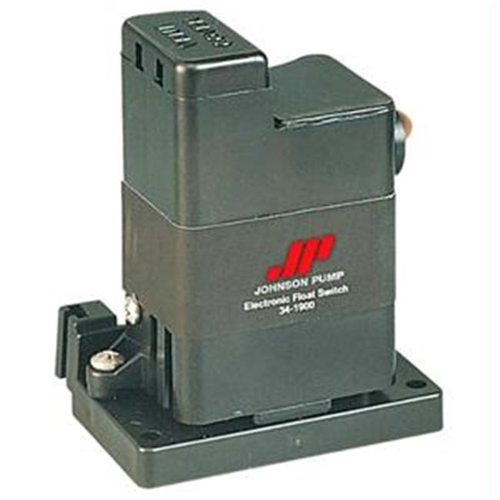
Automotive switches open, close, or redirect electrical circuits in vehicles, allowing drivers and passengers to control lighting, windows, mirrors, ignition functions, fans, and accessories. They provide the physical connection between an action at the dashboard, door panel, or centre console and an electrical response elsewhere in the vehicle. Some switches carry power directly to a component, while others send a signal to a relay or electronic control module. That distinction helps explain why switches with similar appearances may serve very different purposes. A rocker switch offers a broad surface that tilts between positions, while a toggle switch uses a projecting lever with a clearly defined movement. Push-button switches can provide either a temporary command or an on-and-off function, depending on their internal design. Rotary switches allow selection among several positions, making them suitable for functions with multiple settings. Momentary switches return to their resting position when released, whereas maintained switches stay in the selected position until operated again. In everyday use, these differences affect how naturally a control fits its task: a power-window control may need to respond only while held, while an auxiliary lighting control may need to remain on without continued pressure. Automotive switches can support replacement work, interior repairs, and properly planned accessory installations in cars, trucks, and other vehicles. Their purpose ranges from restoring a familiar factory control to providing a clearly labelled way to operate an added accessory. The right style depends on the function, the electrical system, and the space available, rather than appearance alone. Controls that sit beside one another should also be easy to distinguish by position, shape, or labelling. A switch used frequently from the driver’s seat benefits from a clear tactile response and a location that does not interfere with steering, gear selection, or other essential controls. For passenger-operated features, intuitive movement and accessible placement help preserve the straightforward operation expected from the original vehicle layout.
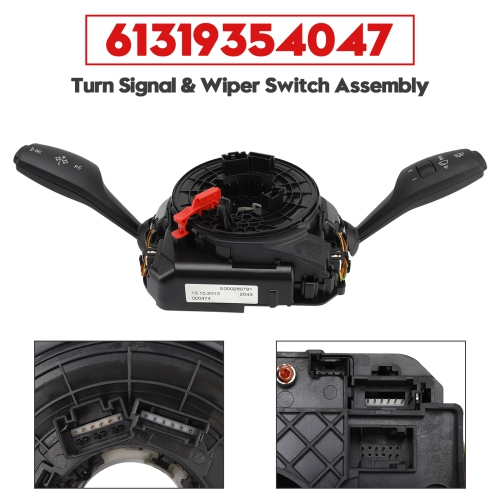
Fit involves more than finding a switch that looks right on the dashboard. Vehicle-specific replacements may depend on the make, model, model year, trim, and equipment originally installed, with differences in connector shape, mounting tabs, pin assignments, and control-module compatibility. Two housings can appear nearly identical while using different internal connections, so appearance and terminal count alone do not establish interchangeability. For panel-mounted accessory switches, the cutout shape, panel thickness, mounting depth, and clearance behind the panel all affect whether the assembly will sit securely without pressing against nearby wiring. A flush-looking face can conceal a relatively deep body or connector, particularly where a console has limited room beneath its surface. Electrical ratings are equally important. A switch must be suitable for the circuit’s voltage, direct-current application, and electrical load; an alternating-current rating should not be treated as an equivalent direct-current rating. Motors and some lighting equipment can draw a higher current at startup than during steady operation, which makes the type of load relevant as well as its normal operating demand. In a relay-controlled arrangement, the dashboard switch operates the relay’s control circuit rather than carrying the accessory’s full load. Appropriate circuit protection and correctly sized wiring remain necessary, regardless of how substantial the switch feels. Illuminated designs introduce further distinctions: some lighting identifies the control, some indicates a selected position, and some depends on a separate circuit connection. An illuminated symbol does not necessarily confirm that the connected accessory is functioning. Symbol placement, light colour, and brightness can affect readability, especially beside existing dashboard controls. Matching the intended function with clear labelling reduces ambiguity when several accessories are grouped together. Replacement work involving ignition, steering-column controls, or vehicle electronics may require professional installation or configuration to retain the intended operation. A qualified automotive technician can also assess an unfamiliar circuit before an accessory control is added, particularly when the wiring history is unclear or previous modifications are present.
Materials and construction influence how automotive switches feel, how securely they mount, and how well they tolerate repeated use. Moulded plastic housings are common because they provide electrical insulation and can incorporate clips, guides, and protective surrounds. Metal levers, bezels, and mounting hardware may provide a different tactile feel or suit particular panel designs, but an exposed metal finish alone does not establish electrical capacity or overall durability. Inside the switch, contact materials, contact pressure, and the operating mechanism help determine dependable performance over repeated cycles. Mechanical life and electrical life describe different aspects of that performance: a mechanism may continue moving even after its contacts no longer conduct reliably. Where a switch may encounter dust, moisture, or cleaning splashes, a documented ingress-protection rating provides more useful information than a general claim of ruggedness. Protection can also apply only to the front face or depend on the supplied seal being installed correctly, so the rating needs to match the intended location. Routine care is generally centred on keeping the control clean without forcing liquid into gaps, disturbing seals, or using a cleaner that could damage markings and finishes. A loose mounting, sticking action, intermittent response, or discolouration around a terminal warrants attention rather than repeated operation in the hope that the fault will disappear. These details matter to owners restoring dependable everyday controls, enthusiasts organizing an accessory panel, and technicians carrying out electrical repairs. A replacement that restores the original feel of a window switch can make a familiar cabin easier to use, while a well-positioned auxiliary control can keep an added function separate from factory equipment. For projects involving broader circuit-control needs, Electronic Switches provides a related category to explore, although suitability for automotive use still depends on the component’s specifications. Across these applications, reliable switching comes from a combination of correct fit, suitable electrical ratings, sound installation, and an operating style that makes sense for the task.
Top selling and popular products
-
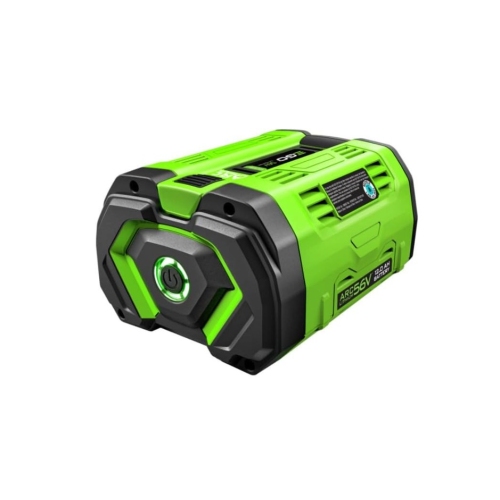 Your price for this item is $674.99
-
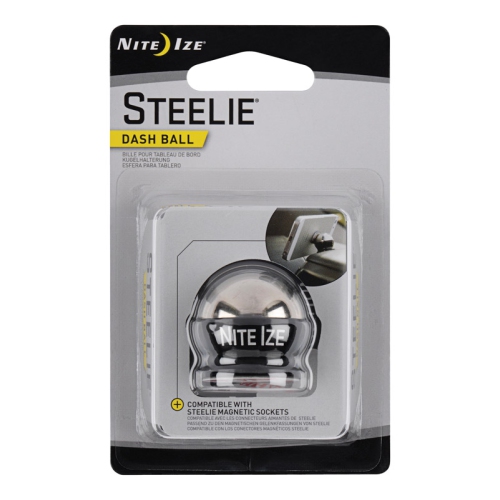 Your price for this item is $39.99
-
 Your price for this item is $91.99
-
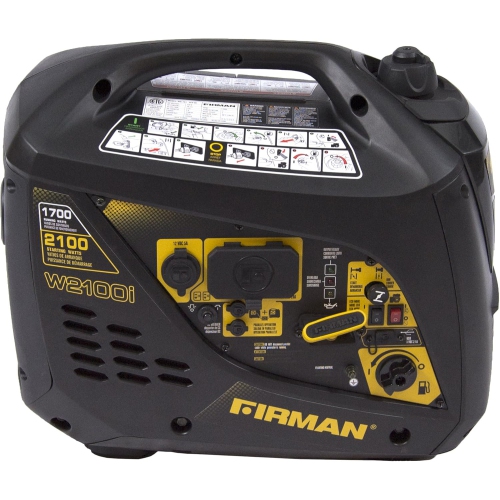 Your price for this item is $854.05
-
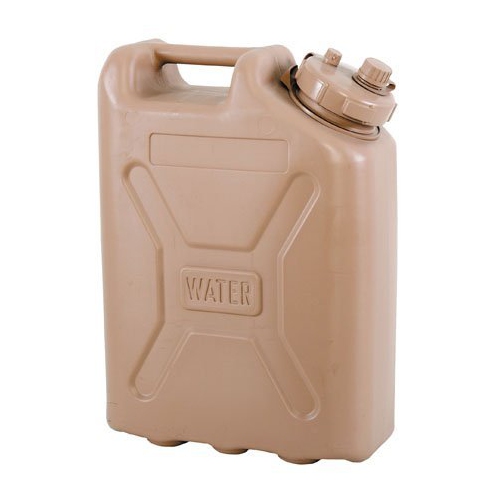 Your price for this item is $116.99
-
 Your price for this item is $939.99
-
 Your price for this item is $99.99
-
 Your price for this item is $201.99
Discover more categories related to Automotive Switches
Top Collections:
Pokemon Centers, Best Cameras for Sports Photography, Kindle Devices, Samsung Galaxy Phones, Canon G7X Cameras, Pokémon 30th Celebration Cards, Refurbished Apple Laptops, iPhone 15 Apple, Laptops for Students, Budget Smartphones
Some products may be subject to Environmental Handling Fees
(EHF) depending on your province.
Learn more about EHFs.