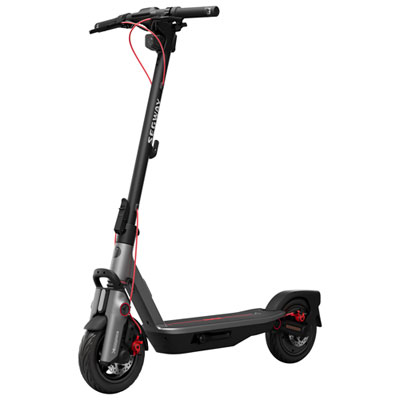
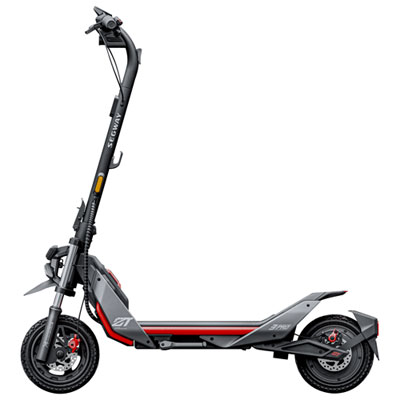
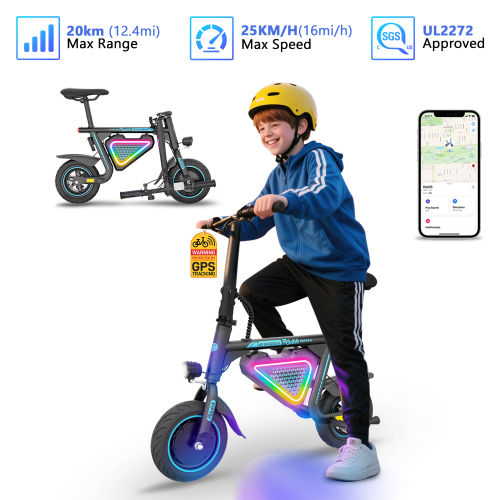
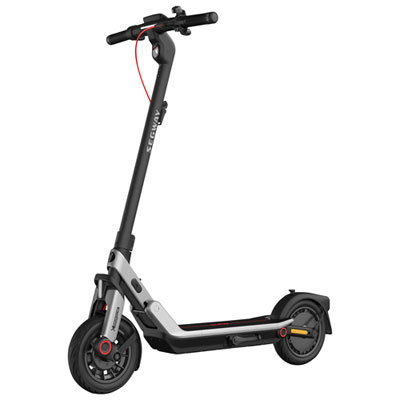
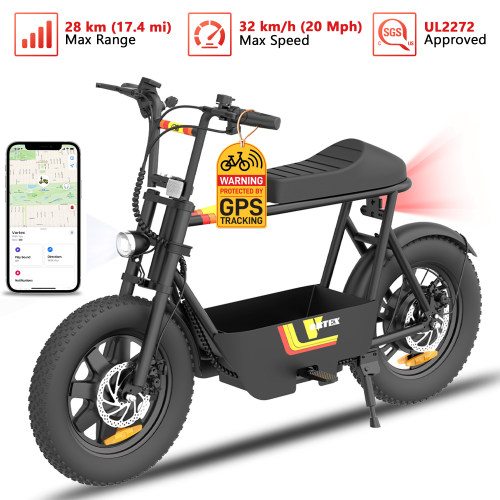
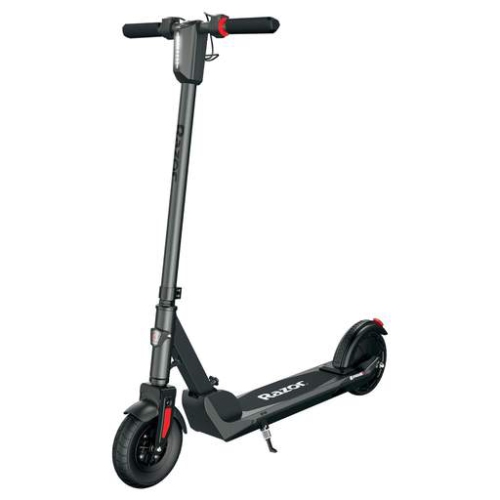
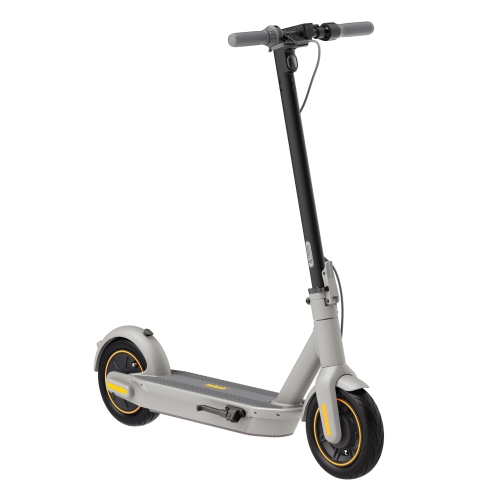
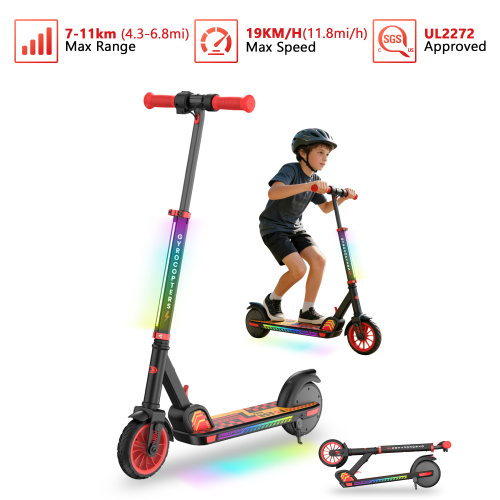
Back To School Electric Scooters

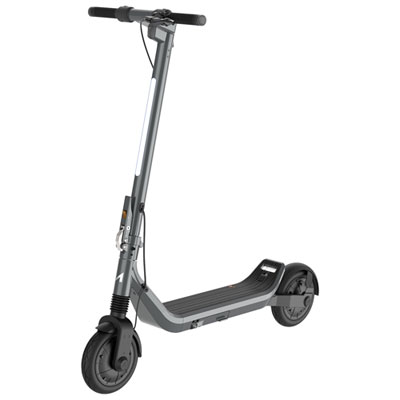
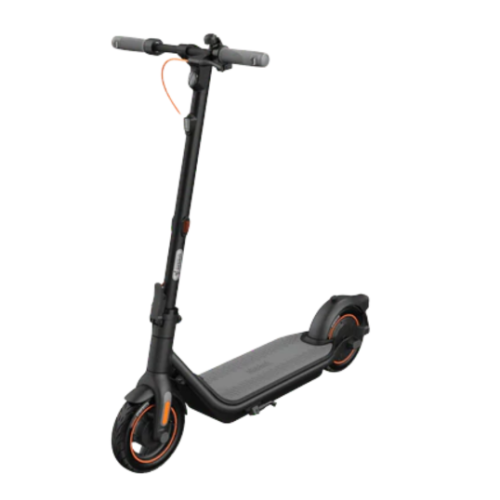
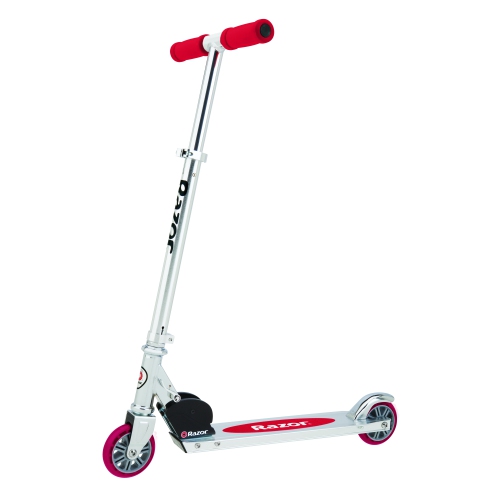
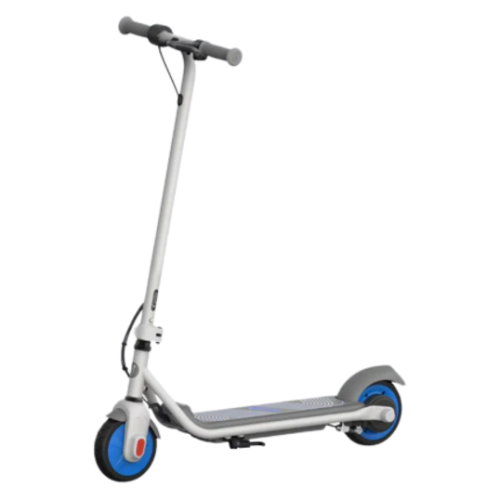
Find back-to-school electric scooters for trips to class and getting around campus. Compare models by range, weight, and portability to suit your route and storage space, and check local riding rules and campus policies before choosing.
Read More

Sort

Back To School Electric Scooters

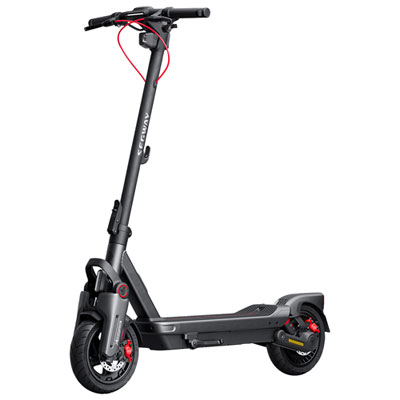
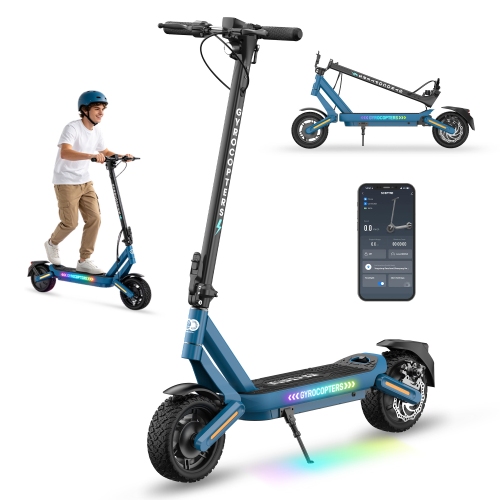
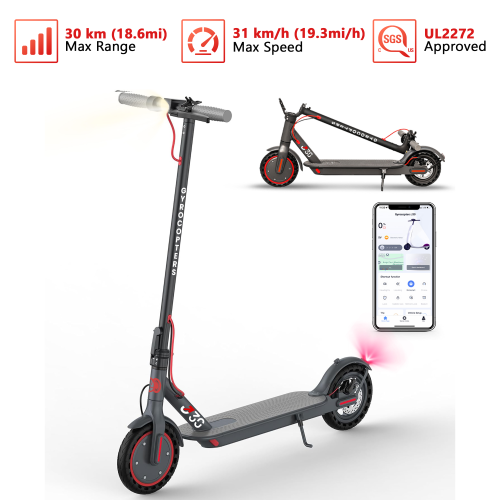
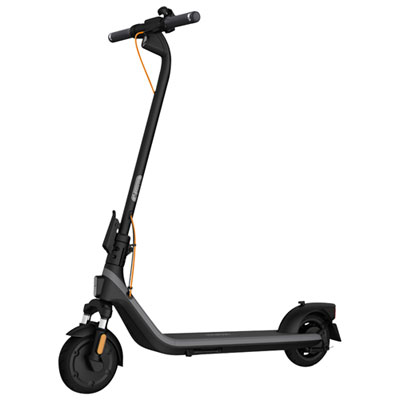
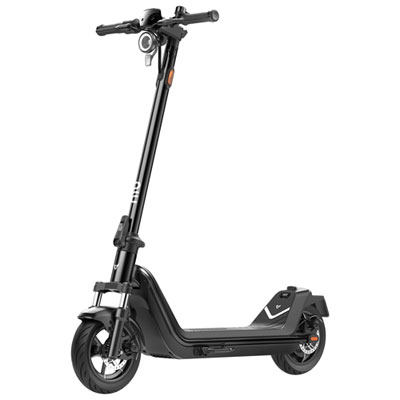
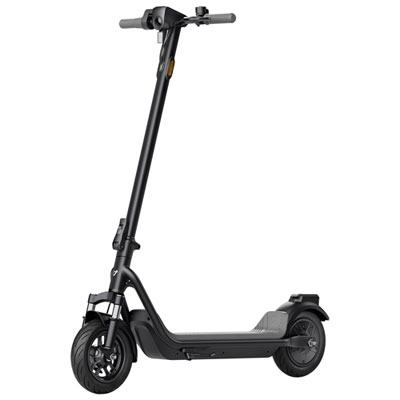
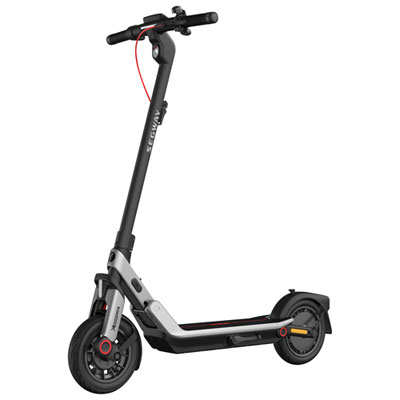
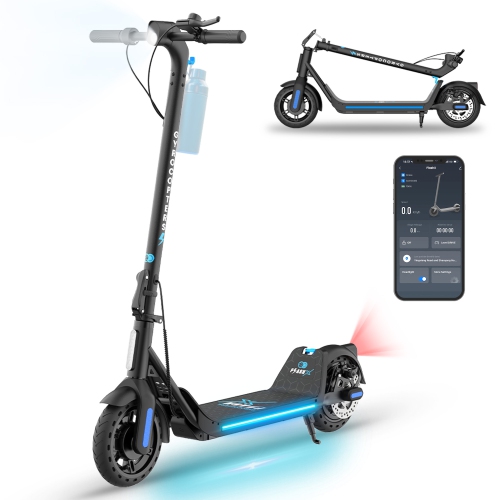
Back to School Electric Scooters bring a practical option to the everyday journey between home, transit stops, and campus. For eligible students, faculty, and staff, an electric scooter can make a familiar trip feel a little more manageable, especially when the distance is too far for a quick walk but short enough that driving seems unnecessary. Picture an early lecture, a packed backpack, and a route that includes a few quiet streets before the morning rush: the right scooter starts with how well it fits that actual routine. Think about the surfaces you travel on, the hills along the way, and where you’ll keep it once you arrive. Before choosing, check provincial and municipal rules, minimum rider ages, helmet requirements, and campus policies, since electric scooters are not permitted everywhere and riding or parking restrictions may apply. A model that suits your route and offers a convenient place to park or store it is a better fit than one chosen for speed alone.

Range, rider weight capacity, and hill-climbing capability are useful starting points when comparing electric scooters for school commuting. Published range figures are typically measured under particular test conditions, so leave room for the effects of hills, cooler temperatures, frequent stops, and the combined weight of the rider and their belongings. A return trip after an afternoon lab matters just as much as getting to class in the morning. Look at charging time alongside range, and confirm that you have access to a permitted charging location using the manufacturer-approved charger. For routes with uneven pavement, tyre size, tyre type, and suspension can make a noticeable difference to comfort. Air-filled tyres can help soften bumps but need pressure checks and may puncture; solid tyres avoid punctures but can feel firmer underfoot. Braking performance, dependable controls, a comfortable deck, and a suitable handlebar height also deserve attention. Built-in lights and reflectors can improve visibility, but they do not replace attentive riding, a properly fitted helmet, or any additional safety equipment required where you ride.

Portability often becomes the deciding factor once you imagine carrying a scooter up a flight of stairs or taking it onto transit. Compare the scooter’s weight and folded dimensions, not just whether it folds, and check that its folding mechanism is straightforward to operate and secure when locked in place. Transit agencies and school buildings may have restrictions on bringing scooters or their batteries indoors, so confirm those details before planning a mixed-mode commute. A suitable lock and an approved parking spot are worth considering, too. If you’re buying an electric scooter as a back-to-school gift, involve the recipient in choosing the fit, carrying weight, and features rather than treating it as a one-size-fits-all surprise. Leave room in the budget for protective equipment and routine upkeep, and review warranty coverage, replacement-part availability, and service options. As autumn approaches, follow the manufacturer’s guidance on water exposure, operating temperatures, and battery storage; wet leaves, frost, and snow can turn an otherwise familiar route into a reason to leave the scooter at home. The most useful choice is one that fits comfortably into the school week, with realistic expectations about where, when, and how it will be used.

Read More

FAQ

Some products may be subject to Environmental Handling Fees (EHF) depending on your province. Learn more about EHFs.