Back To School Electric Scooters for Campus Commuting
Find back-to-school electric scooters for campus commuting to help you get between classes and nearby stops. Compare models by range, scooter weight, folding design, and braking features to find an option that suits your route and storage space. Check campus rules and local riding requirements before choosing your ride.
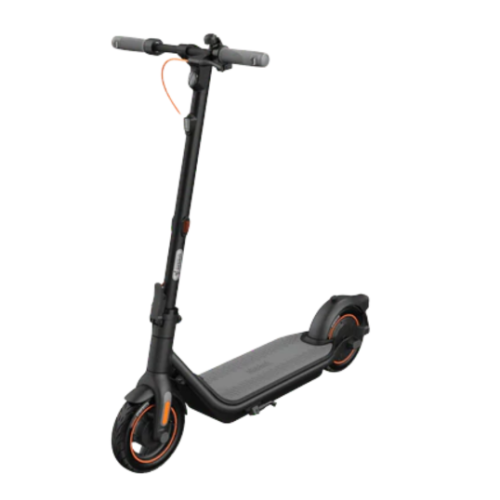
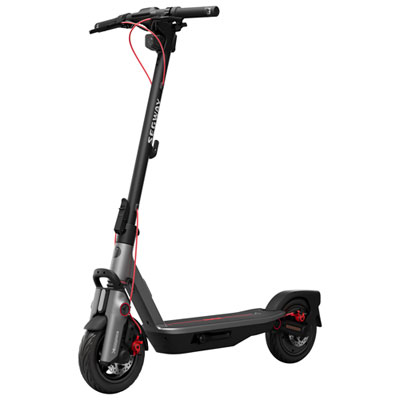
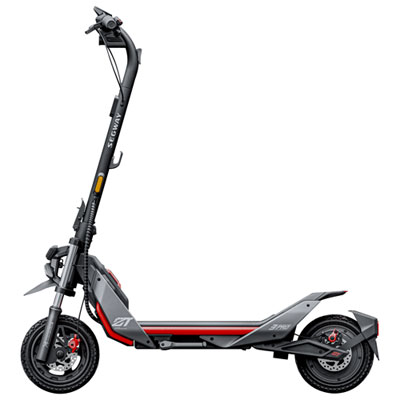
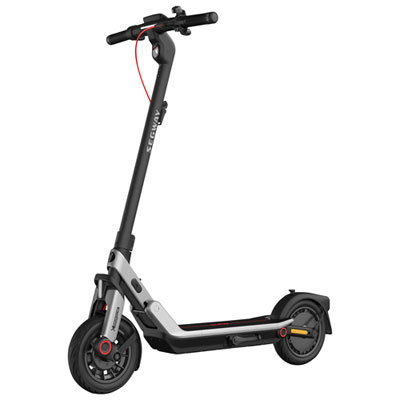
FAQ
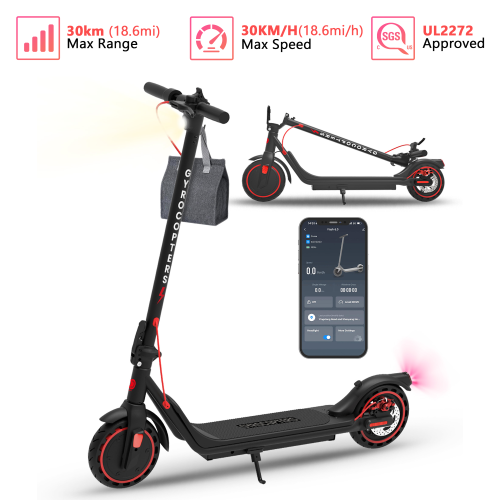
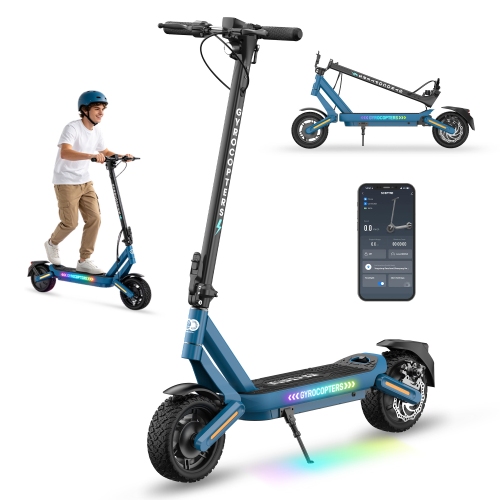
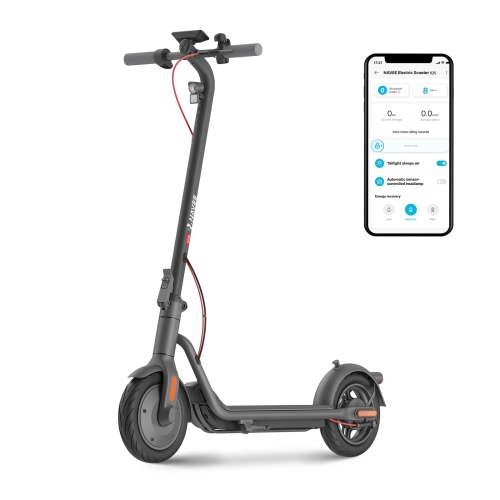
Common controls include a thumb or twist throttle, a power button, and buttons for selecting riding modes. Many electric scooters also have a display showing battery level, speed, and trip information. Some offer app connectivity for viewing settings and ride history.
Electric scooters typically charge through a dedicated port using a compatible charger. Some have removable batteries that can be charged separately, while others require the scooter to be near an outlet. Charging times vary by model, so check the manufacturer's specifications and your campus's charging policies.
Common accessories include handlebar bags, phone mounts, carrying straps, and storage covers. Students may also want a separate bag for their charger. Check the scooter's attachment points and accessory compatibility before choosing add-ons.
Storage arrangements vary by institution and building. Check whether your campus offers designated scooter parking and whether scooters are permitted in classrooms, libraries, or residences. Folding models have a mechanism that lets the stem fold down for carrying or storage.
Routine cleaning usually involves wiping the frame, deck, and handlebars with a soft cloth and removing accumulated dirt with a soft brush. Follow the manufacturer's care instructions for suitable cleaning products and methods, particularly around the display, charging port, and other electrical components.
Top selling and popular products
Discover more categories related to Back To School Electric Scooters for Campus Commuting
Some products may be subject to Environmental Handling Fees (EHF) depending on your province. Learn more about EHFs.