Balance Scooters
Looking for a fun and efficient way to get around town? Look no further than balance scooters. These sleek and stylish devices are perfect for anyone looking to add a touch of excitement to their daily commute or leisurely rides. With their compact design and intuitive controls, balance scooters offer a convenient and eco-friendly alternative to traditional modes of transportation.
Sort
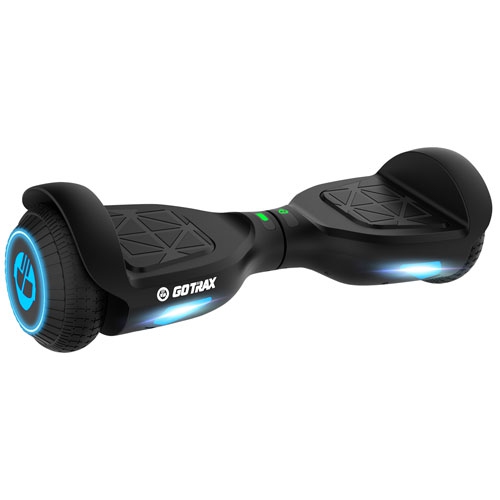
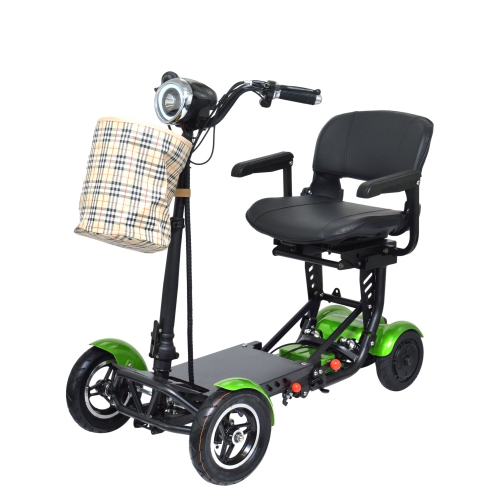
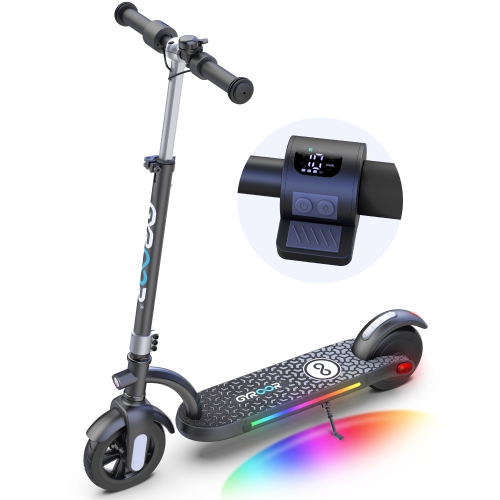
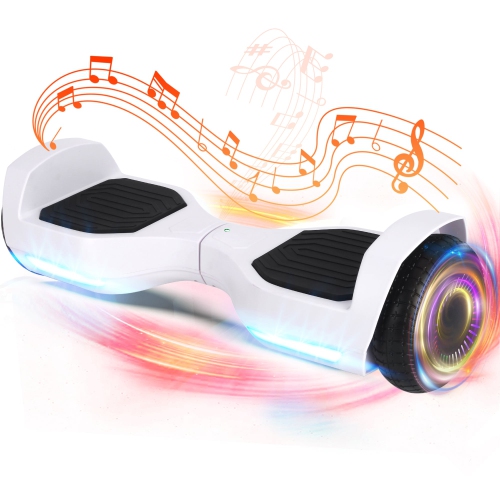
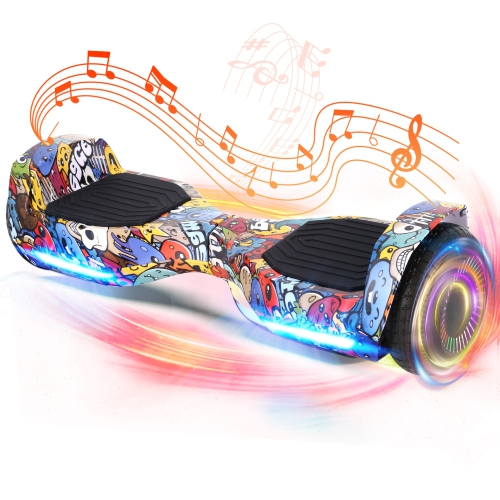
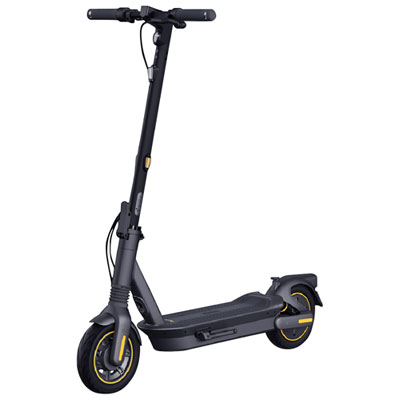
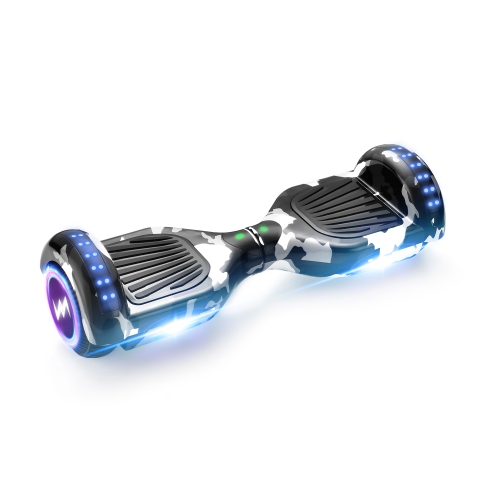
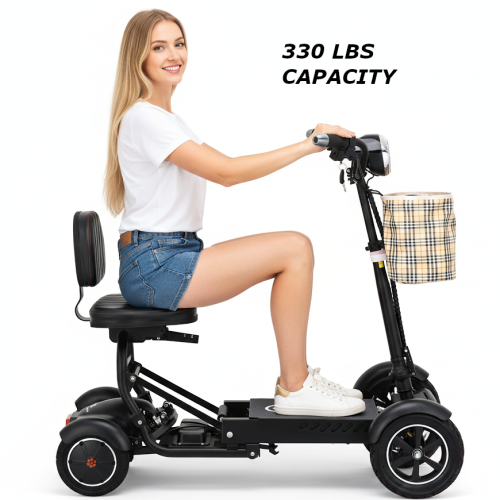
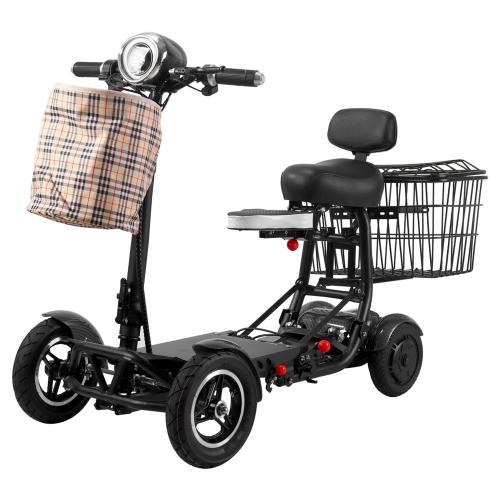
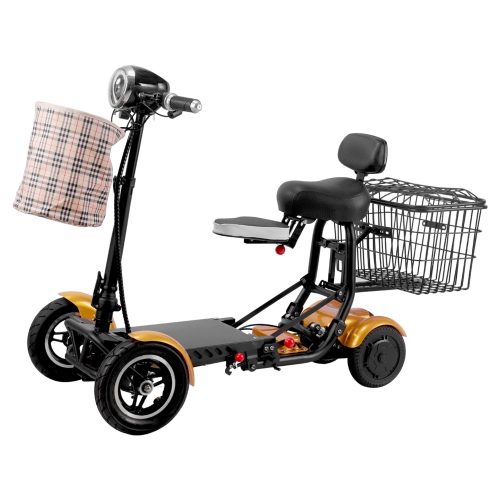
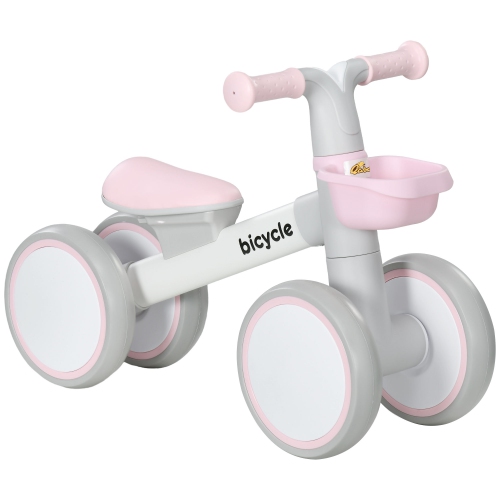
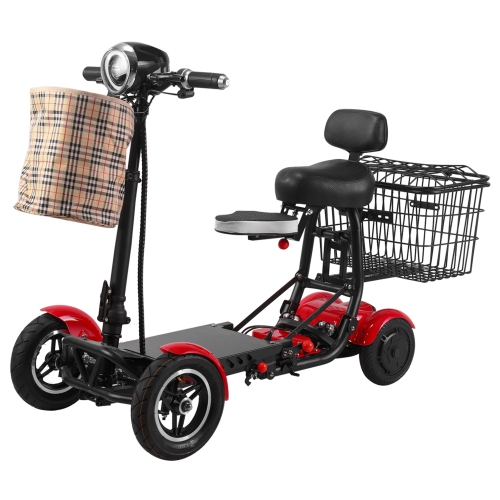


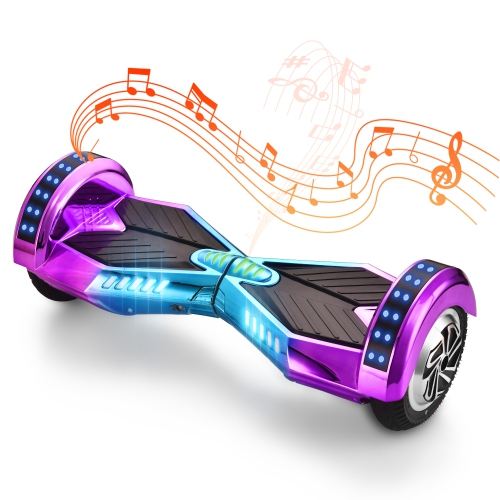
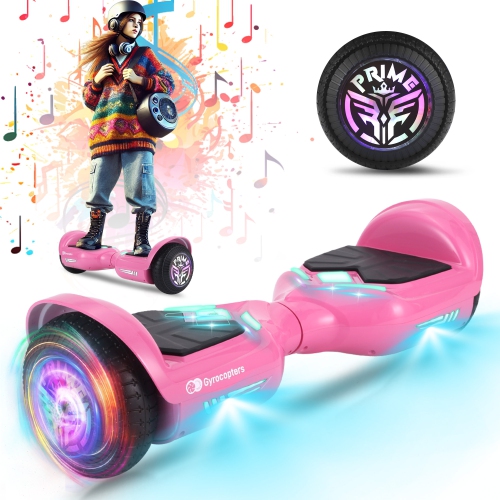
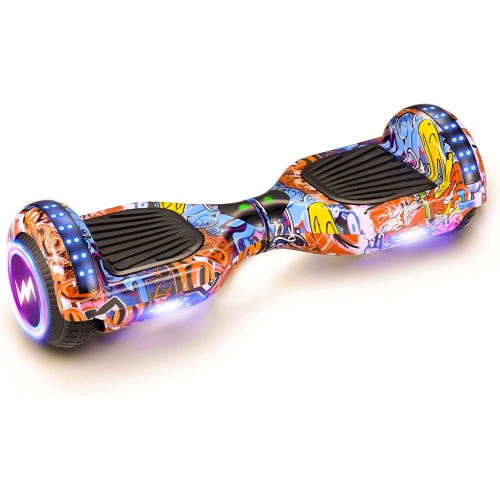
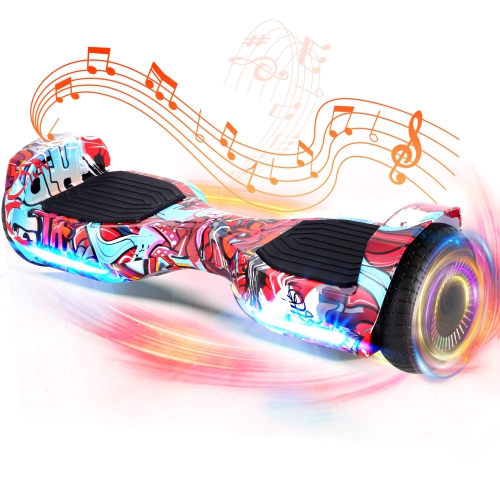
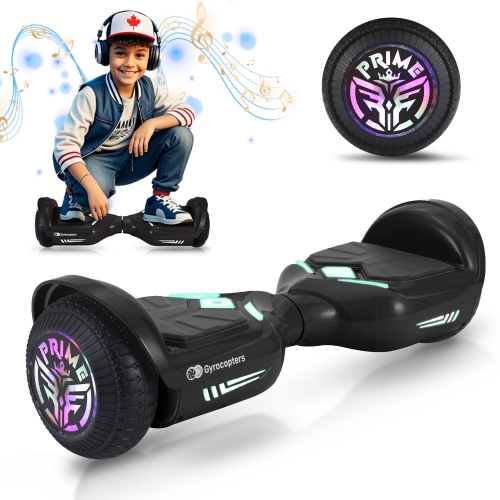
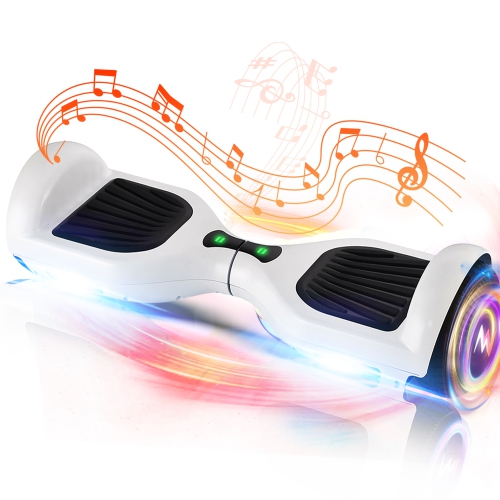
Two balance scooter styles suit different riders and stages
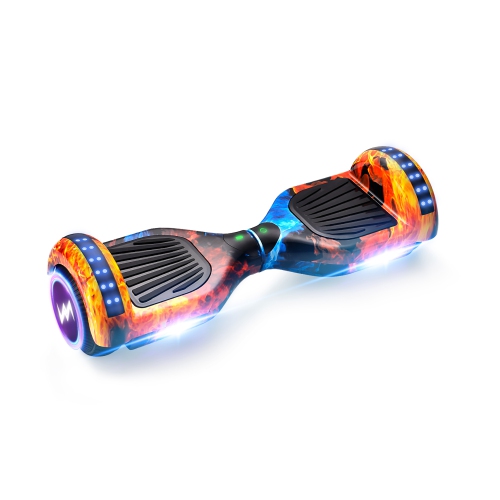
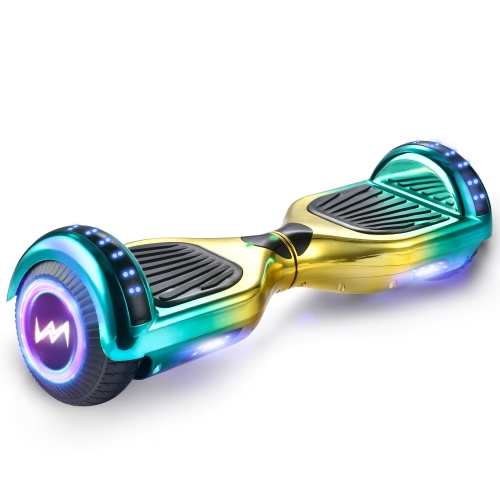
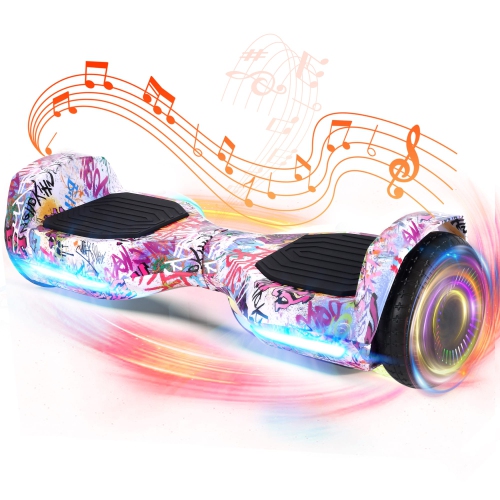
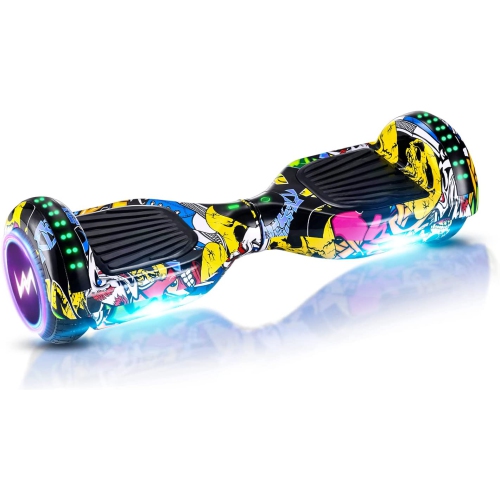
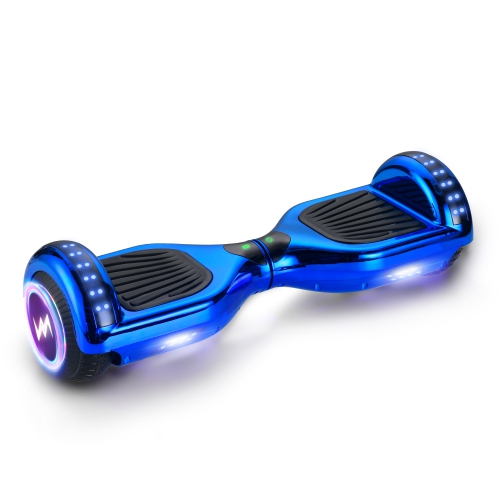
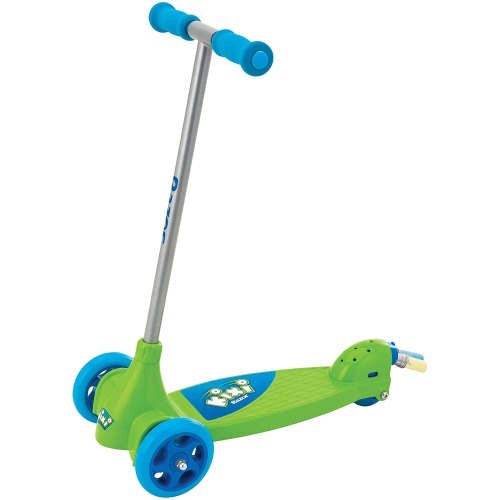
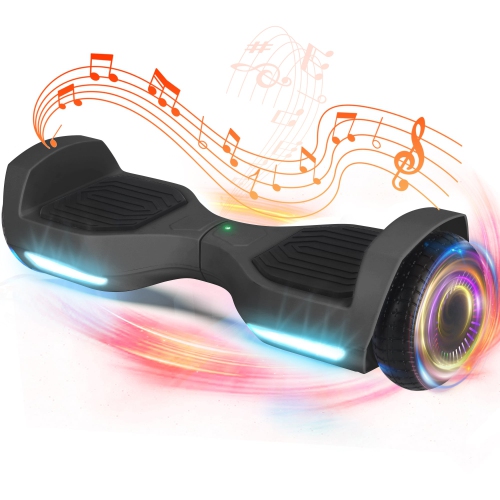
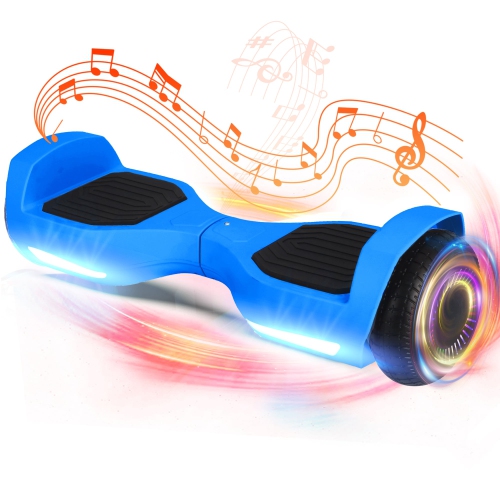
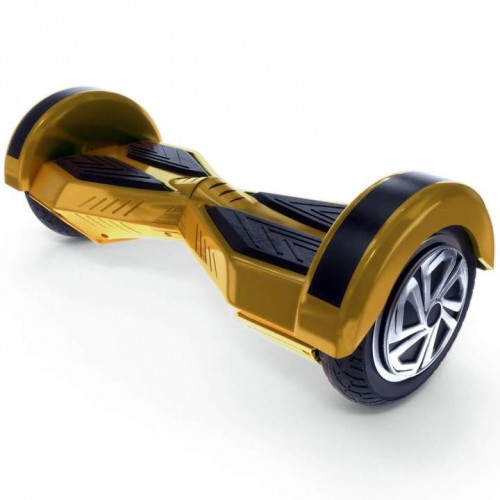
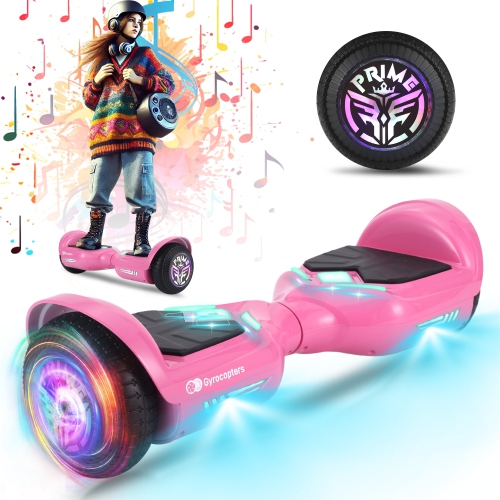
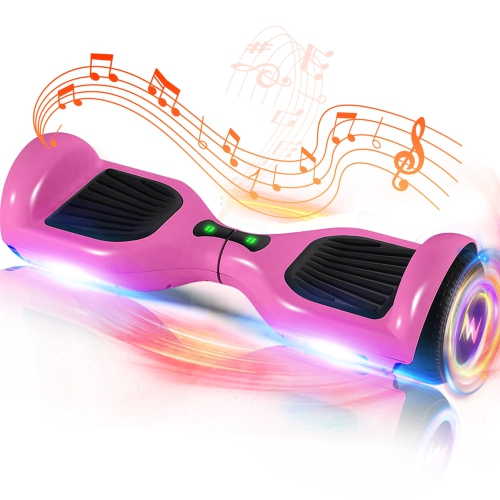
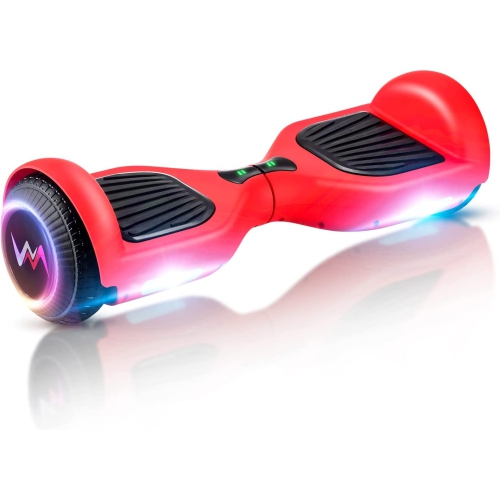
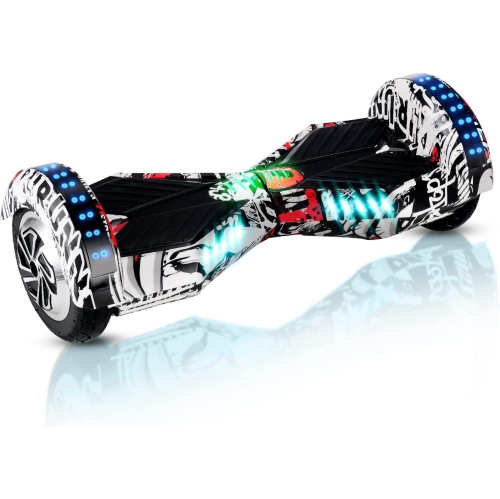
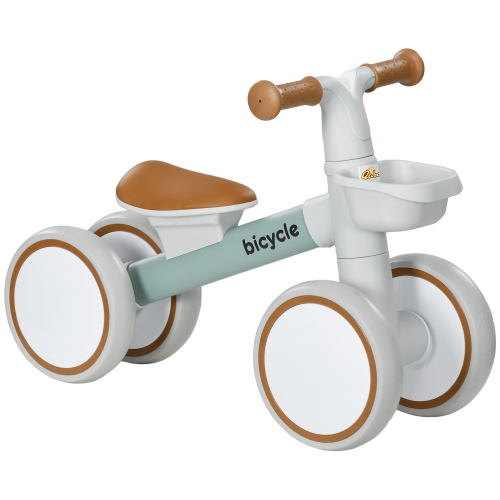
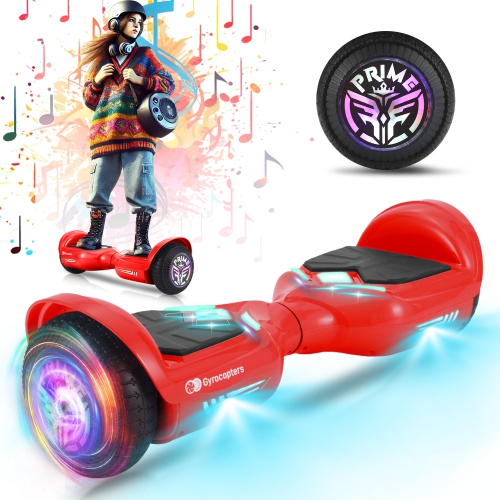
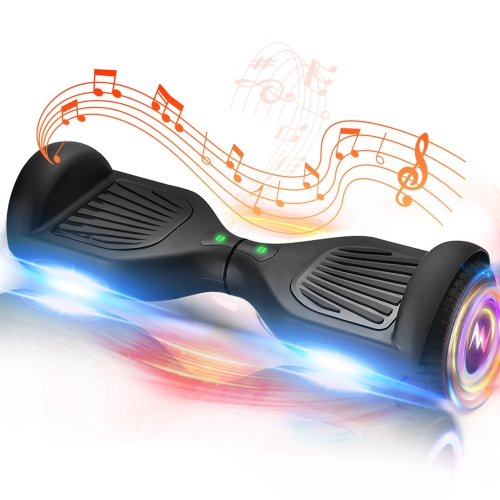
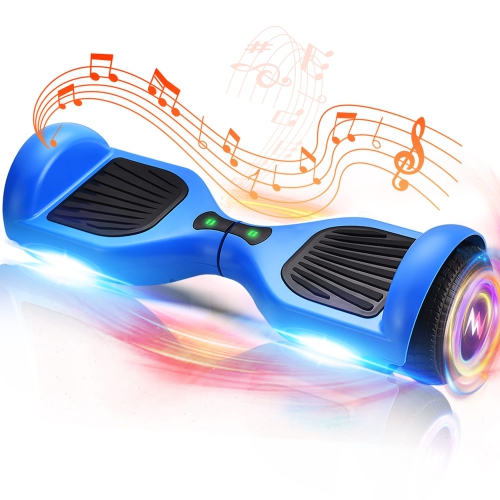
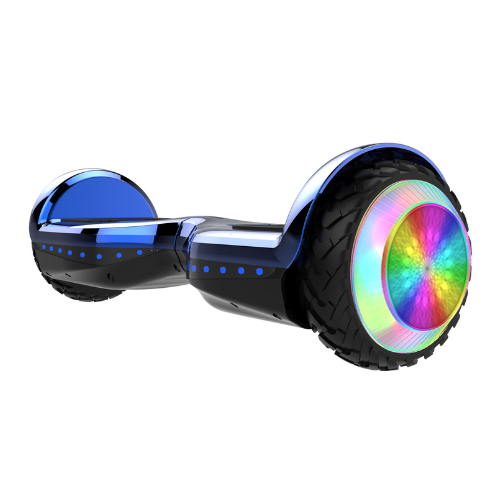
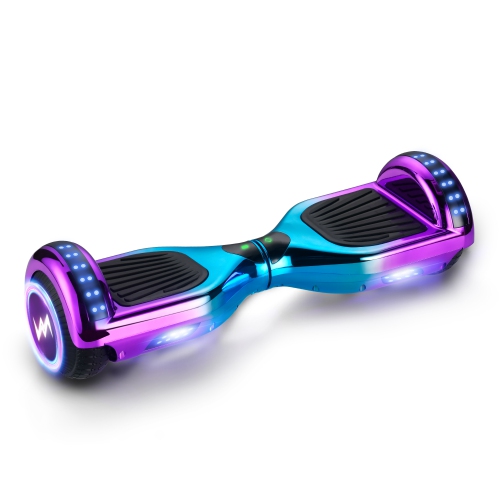
Balance scooters can refer to two different types of ride-on products, so identifying the right style is an important first step. Self-balancing electric scooters, often called hoverboards or self-balancing personal transporters, have two motorized wheels connected by a central platform. Riders stand with one foot over each wheel and guide the device by shifting their body weight: leaning slightly forward generally moves the scooter ahead, easing back slows it down or can engage reverse, and applying different pressure to each foot helps with steering. Internal gyroscopes and sensors constantly detect the rider’s tilt and adjust the independent wheel motors to help maintain balance. Some models are designed as compact standing boards for recreational riding, while others include a handlebar or knee-control bar that gives the rider an additional point of contact and may feel more reassuring during the learning process. Balance scooters for younger children are a separate category. These non-electric products commonly combine a low seated balance bike with a three-wheel scooter, allowing a child to begin with a seat and gradually transition to standing and gliding as coordination develops. The wide base, low centre of gravity and simple foot-powered design can make this type suitable for early practice, although the recommended age, height and weight range should always be checked before purchase. Because the phrase “balance scooter” covers both electronic transporters and toddler balance hybrids, consider who will use the product, where it will be ridden and what type of experience is intended before comparing features. A child may benefit from a lightweight convertible design for short rides along a smooth driveway or sidewalk, while an older rider may be looking for an electric model that is easy to carry between rides and offers a more engaging recreational experience. These products can make memorable gifts for birthdays or other occasions, particularly when the recipient enjoys active outdoor play, but the best choice depends on physical size, confidence, supervision needs and familiarity with balancing equipment.
For a self-balancing electric scooter, pay close attention to rider capacity, dimensions, wheel size, maximum speed, riding modes and the surface for which it is intended. Smaller wheels and a compact platform can be easier to store and carry, while larger wheels may roll more comfortably over minor imperfections on suitable paved surfaces. Product descriptions may distinguish between models intended for smooth indoor floors, sidewalks or more varied outdoor terrain, but no balance scooter should be treated as suitable for every surface. Uneven pavement, gravel, wet ground, steep slopes and loose debris can affect traction and stability, especially for a new rider. Battery specifications also matter. Charging time, estimated riding range, battery indicators and the availability of a suitable charger can influence how conveniently the scooter fits into a routine. Range estimates are affected by rider weight, speed, temperature, terrain and riding style, so they are best viewed as general guidance rather than a guarantee. Look for practical details such as built-in lights, audible alerts, non-slip footpads, water-resistance information and a clear instruction manual. Some electric models pair with a mobile app for settings, diagnostics or rider modes; these extras can be useful, but straightforward controls and a stable learning mode may be more valuable for a first-time user. Before riding, review the manufacturer’s directions, charge the battery using the supplied equipment and keep the device away from water unless it is specifically rated for those conditions. Protective equipment should include a properly fitted helmet, with knee and elbow protection adding useful coverage during practice. New riders should begin in a clear, level area away from traffic, pedestrians and obstacles, with an experienced adult nearby when appropriate. Gradual movements are easier to control than sudden shifts, and learning to stop, dismount and respond to alerts should come before attempting longer rides. Additional guidance is available in Safe Self-Balancing Scooters, particularly for shoppers comparing stability features and safety-focused considerations.
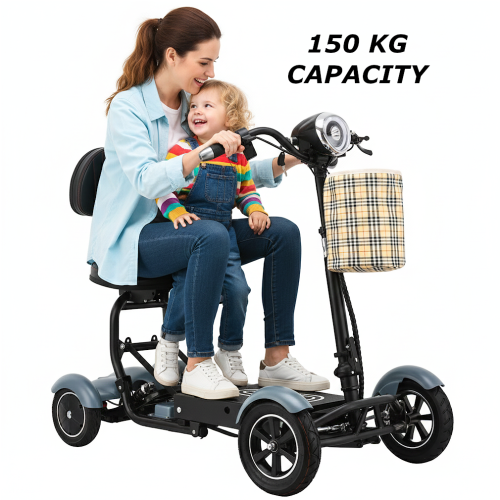
For younger children using a balance scooter hybrid, fit and adjustability are usually more important than speed or electronic features. Check the minimum and maximum height, weight limit, seat position, handlebar adjustment and transition process between seated and standing configurations. A child should be able to sit comfortably with secure footing during the balance-bike stage and later place both hands naturally on the handlebar while standing. Three wheels can provide a steadier platform for beginning riders, while a light frame makes it easier for a child or caregiver to manoeuvre the scooter, lift it into storage or bring it along on a family outing. Smooth, enclosed surfaces such as a quiet sidewalk, paved pathway or driveway are practical places to practise, with close supervision and a helmet worn every time. Young riders may spend only a few minutes at first, learning to push, coast, turn and stop; short, positive sessions often build confidence more effectively than a long outing. During the cooler months, families may use balance scooters during clear breaks in the weather, but cold temperatures, damp pavement, ice, snow and reduced daylight can create additional hazards and may not be covered by the product’s intended use. Storing the scooter indoors and keeping an electric model’s battery within the manufacturer’s recommended temperature range can help support reliable operation. For any balance scooter, think about storage space, transport and the availability of replacement parts or support before completing a purchase. A compact model may fit easily in a closet or vehicle, whereas a transporter with a control bar may offer a more upright riding experience but require more room. Matching the product to the rider’s age, body size, skill level and regular environment helps make each outing feel controlled and enjoyable, whether the scooter is used for active play, supervised practice or relaxed recreation on suitable paths.
For a self-balancing electric scooter, pay close attention to rider capacity, dimensions, wheel size, maximum speed, riding modes and the surface for which it is intended. Smaller wheels and a compact platform can be easier to store and carry, while larger wheels may roll more comfortably over minor imperfections on suitable paved surfaces. Product descriptions may distinguish between models intended for smooth indoor floors, sidewalks or more varied outdoor terrain, but no balance scooter should be treated as suitable for every surface. Uneven pavement, gravel, wet ground, steep slopes and loose debris can affect traction and stability, especially for a new rider. Battery specifications also matter. Charging time, estimated riding range, battery indicators and the availability of a suitable charger can influence how conveniently the scooter fits into a routine. Range estimates are affected by rider weight, speed, temperature, terrain and riding style, so they are best viewed as general guidance rather than a guarantee. Look for practical details such as built-in lights, audible alerts, non-slip footpads, water-resistance information and a clear instruction manual. Some electric models pair with a mobile app for settings, diagnostics or rider modes; these extras can be useful, but straightforward controls and a stable learning mode may be more valuable for a first-time user. Before riding, review the manufacturer’s directions, charge the battery using the supplied equipment and keep the device away from water unless it is specifically rated for those conditions. Protective equipment should include a properly fitted helmet, with knee and elbow protection adding useful coverage during practice. New riders should begin in a clear, level area away from traffic, pedestrians and obstacles, with an experienced adult nearby when appropriate. Gradual movements are easier to control than sudden shifts, and learning to stop, dismount and respond to alerts should come before attempting longer rides. Additional guidance is available in Safe Self-Balancing Scooters, particularly for shoppers comparing stability features and safety-focused considerations.
For younger children using a balance scooter hybrid, fit and adjustability are usually more important than speed or electronic features. Check the minimum and maximum height, weight limit, seat position, handlebar adjustment and transition process between seated and standing configurations. A child should be able to sit comfortably with secure footing during the balance-bike stage and later place both hands naturally on the handlebar while standing. Three wheels can provide a steadier platform for beginning riders, while a light frame makes it easier for a child or caregiver to manoeuvre the scooter, lift it into storage or bring it along on a family outing. Smooth, enclosed surfaces such as a quiet sidewalk, paved pathway or driveway are practical places to practise, with close supervision and a helmet worn every time. Young riders may spend only a few minutes at first, learning to push, coast, turn and stop; short, positive sessions often build confidence more effectively than a long outing. During the cooler months, families may use balance scooters during clear breaks in the weather, but cold temperatures, damp pavement, ice, snow and reduced daylight can create additional hazards and may not be covered by the product’s intended use. Storing the scooter indoors and keeping an electric model’s battery within the manufacturer’s recommended temperature range can help support reliable operation. For any balance scooter, think about storage space, transport and the availability of replacement parts or support before completing a purchase. A compact model may fit easily in a closet or vehicle, whereas a transporter with a control bar may offer a more upright riding experience but require more room. Matching the product to the rider’s age, body size, skill level and regular environment helps make each outing feel controlled and enjoyable, whether the scooter is used for active play, supervised practice or relaxed recreation on suitable paths.
Top selling and popular products
-
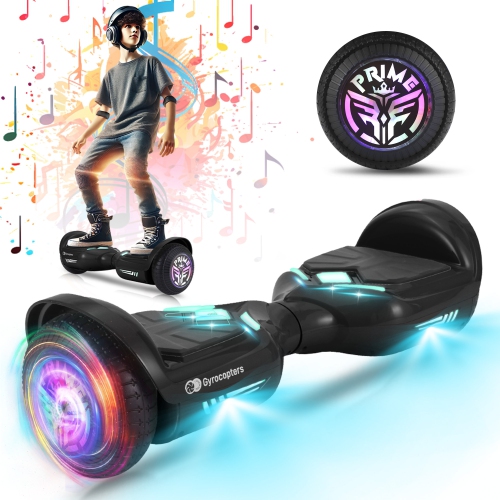 Your price for this item is $159.97
 -
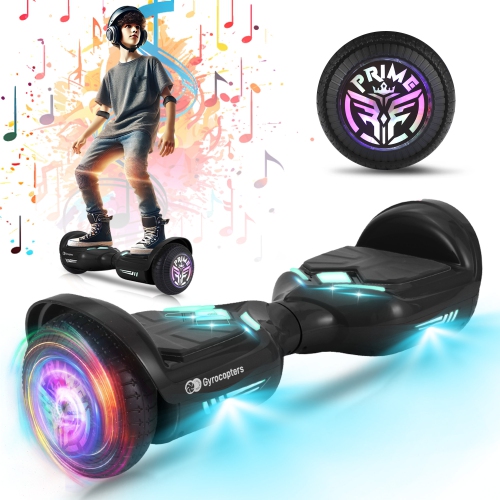 Your price for this item is $159.87
 -
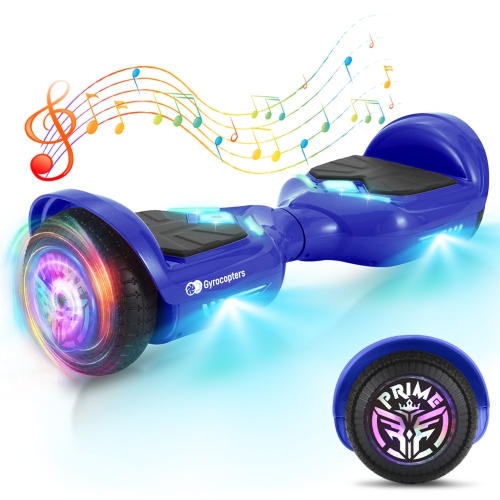 Your price for this item is $219.97
 -
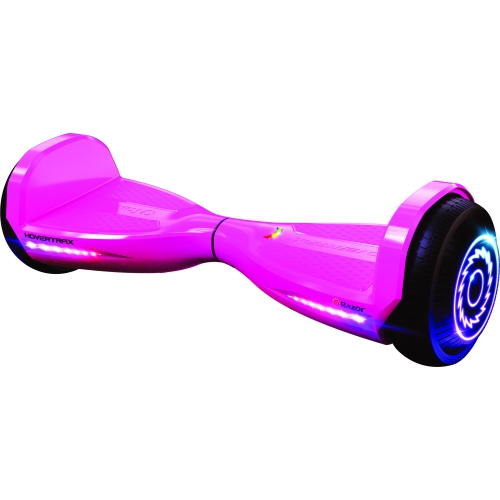 Your price for this item is $239.99
 -
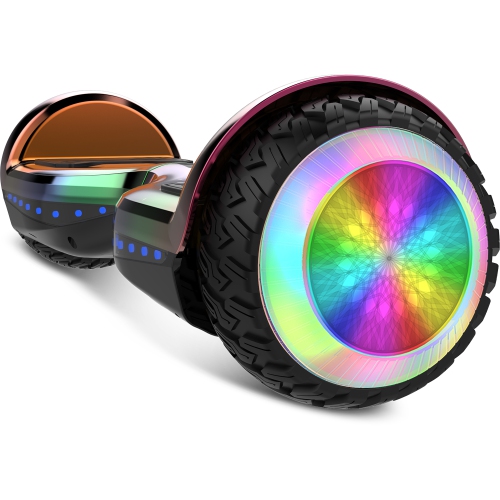 Your price for this item is $229.97
 -
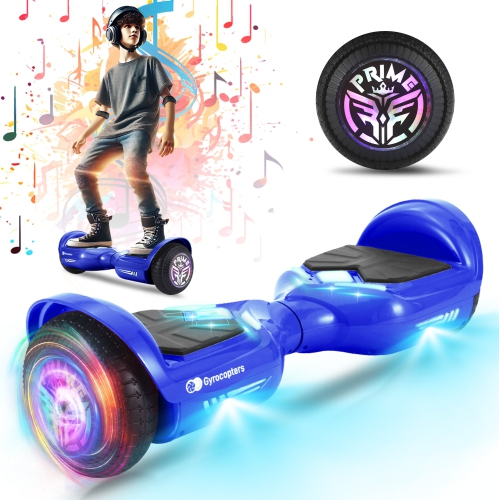 Your price for this item is $159.97
 -
 Your price for this item is $99.99
 -
 Your price for this item is $159.99
Discover more categories related to Balance Scooters
Top Collections:
Pokemon Centers, Kindle Devices, Best Budget Office Chairs, Apple iPhones 16, Canon G7X Cameras, iPhone 15 Apple, Alarm Clock, Refurbished Apple Laptops, Flip Phones, Best Laptops for Writers
Some products may be subject to Environmental Handling Fees
(EHF) depending on your province.
Learn more about EHFs.