Bluetooth Self-Balancing Scooters
Bluetooth Self-Balancing Scooters bring fun and convenience to personal transportation, offering a modern way to glide through your neighborhood or cruise around the park. Designed for riders of various ages, these scooters combine innovative technology with easy maneuverability for a smooth riding experience. Whether you're looking to upgrade your daily commute or add excitement to your weekend adventures, a Bluetooth Self-Balancing Scooter can make getting around both enjoyable and efficient. Explore a range of options to find the perfect fit for your lifestyle and riding preferences.
Sort
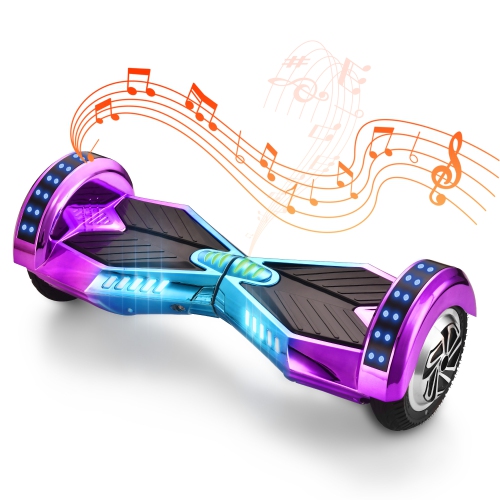
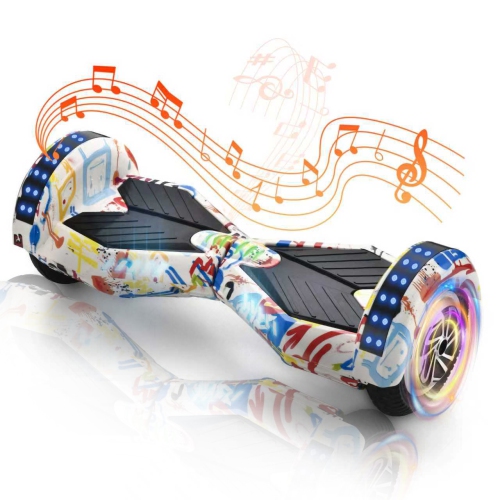
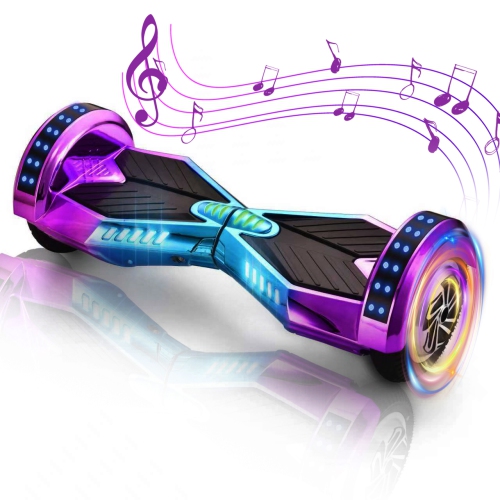
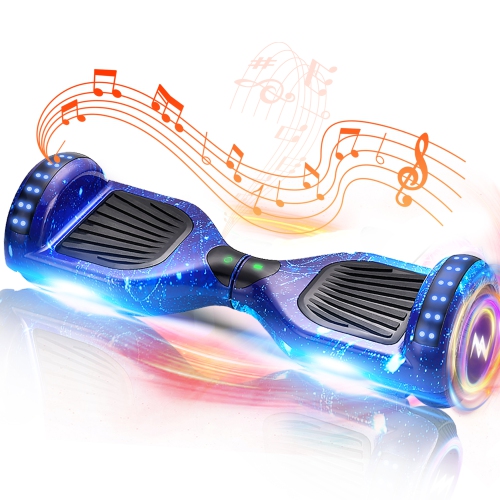
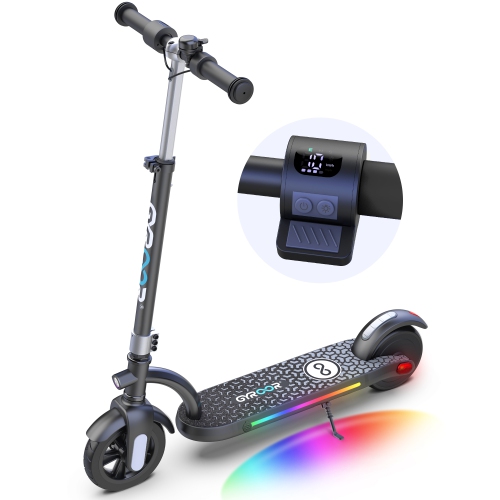
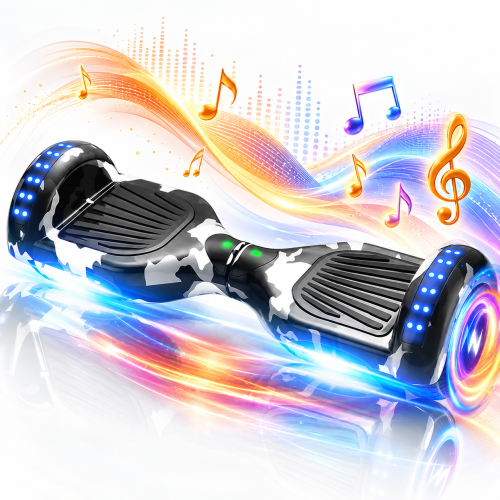
There’s more to the ride than Bluetooth
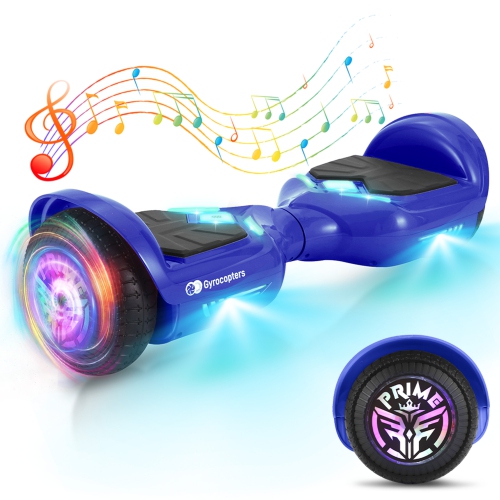
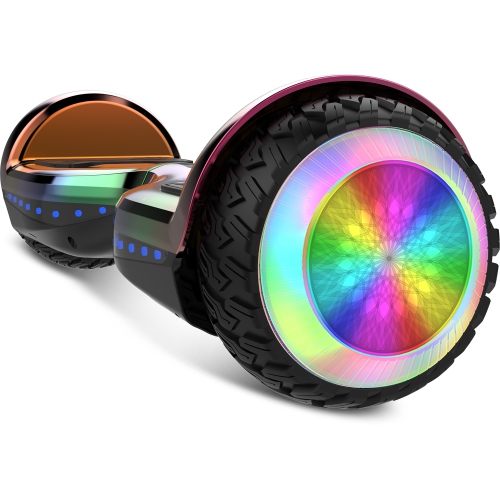
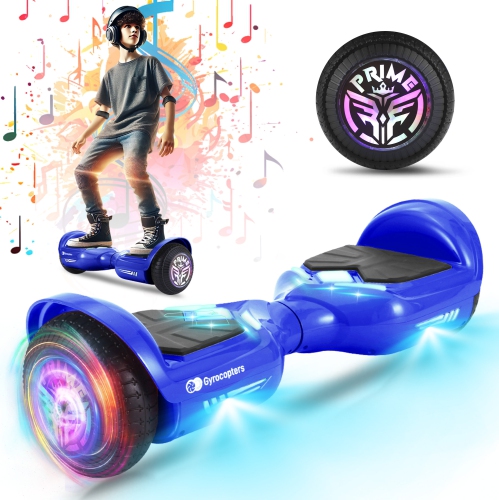
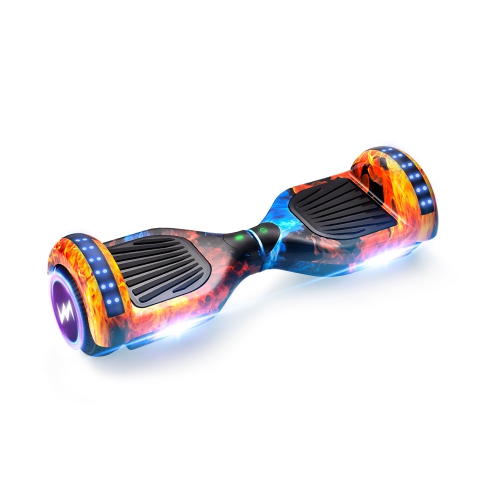
Bluetooth self-balancing scooters, often called hoverboards, are battery-powered rideables that use sensors, electronic controls, and electric motors to help riders balance on two side-by-side wheels. Bluetooth adds wireless connectivity, typically for built-in speakers and, on some models, a compatible mobile app. It is separate from the balancing system: a scooter does not need a Bluetooth connection to respond to a rider’s movements. Riders stand on two foot platforms and use controlled shifts in weight to move forward, slow down, and turn. Although the hoverboard name suggests floating, the wheels remain in contact with the ground. These scooters are generally intended for short recreational rides on suitable surfaces rather than as replacements for bicycles or road-going vehicles. Their compact shape appeals to riders who enjoy practising controlled turns and getting comfortable with a different style of movement in a clear, permitted riding area. Connected features vary, so Bluetooth audio and app support are worth treating as separate specifications. A scooter with a speaker may play audio from a paired phone without offering an app, while an app-enabled design may display battery status, riding information, or adjustable settings. Some apps provide learning modes or speed settings, but those functions depend on the scooter and its supported software. Phone compatibility, account requirements, and the functions accessible without an app can all affect everyday convenience. Clearly labelled controls and readable battery indicators are useful when a phone is put away. Music can add another dimension to a recreational ride, provided the volume stays low enough for the rider to hear people and activity nearby. For shared spaces, the option to leave the speaker off is just as practical as wireless playback. Bluetooth is best understood as an added entertainment or information feature, not a measure of how easy a scooter is to ride.
Rider fit and construction have a more direct effect on the riding experience than connected extras. Manufacturer age recommendations, minimum and maximum rider weights, and platform dimensions help establish whether a self-balancing scooter is appropriate for its intended user. Minimum weight matters because the foot sensors must detect the rider properly; a scooter with a high maximum capacity is not automatically suitable for a smaller child. Footwear should sit securely on the textured foot platforms without crowding the wheels or leaving an awkward stance. For a younger rider, the ability to follow instructions and step on and off with control matters alongside age, with adult supervision remaining important. Wheel diameter, tire construction, and ground clearance also influence where a scooter can comfortably travel. Smaller wheels generally suit smooth, level surfaces, while larger wheels may handle minor surface irregularities more comfortably when the manufacturer permits that use. Chunky tire tread alone does not establish suitability for gravel, grass, steep slopes, or rough trails. Solid tires avoid punctures and inflation checks, while air-filled tires can offer more cushioning but need pressure checks and can develop punctures. A rigid frame, secure wheel housings, and grippy foot pads contribute to a sturdy feel, although no shell material makes a scooter immune to damage from impacts. Built-in carrying handles can be helpful because even a compact scooter may be awkward to lift between riding areas. Motor output and battery capacity are useful specifications, but they do not tell the whole story. Range and performance vary with rider weight, surface, slope, speed, and battery condition, so advertised maximums are better treated as reference points than guarantees. A broad, open practice area places different demands on a scooter than a route with repeated inclines. Charging time, charger storage, and the scooter’s weight also shape how easily it fits into a household routine. For occasional recreational use, straightforward controls and manageable handling may matter more than extra lighting effects or an extensive list of app functions.
Safety, care, and appropriate riding locations remain central considerations for Bluetooth self-balancing scooters. Self-balancing technology helps the scooter respond to movement, but it cannot prevent every fall or compensate for abrupt turns, obstacles, or loss of attention. A properly fitted helmet and suitable wrist, knee, and elbow protection are important parts of riding preparation. Clear space away from stairs, traffic, pets, and pedestrians gives a beginner room to practise starting, stopping, and stepping off according to the manufacturer’s instructions. Local rules and property restrictions can limit where these scooters may be used; a paved path or sidewalk should not be assumed to permit them. Shoppers exploring Safe Self-Balancing Scooters can compare documented electrical certification, rider requirements, and protective features alongside Bluetooth functions. Verifiable certification to UL 2272 addresses electrical-system safety, not a rider’s ability to avoid collisions or falls. The supplied or manufacturer-approved charger, an undamaged charging port, and adherence to charging instructions are important regardless of connected features. Routine care includes checking tires, foot pads, wheel housings, and visible cables for damage, then wiping the scooter clean as directed without allowing water into openings. Water resistance, where specified, should not be confused with permission to submerge the scooter or wash it with a hose. Storage and battery maintenance should follow the manual, particularly when the scooter will sit unused for an extended period. For gifting, these rideables are most appropriate when the recipient’s age, size, interest, and access to a suitable riding space are known. A young rider may value colourful lighting and music, while an adult recreational rider may care more about platform comfort, carrying weight, and clear battery information. In either case, a thoughtful match includes protective equipment, a suitable charging location, and time to become familiar with the controls before adding audio or exploring optional app settings.
Top selling and popular products
-
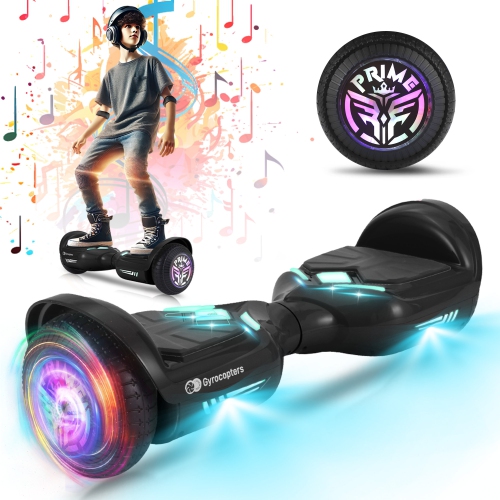 Your price for this item is $219.97
-
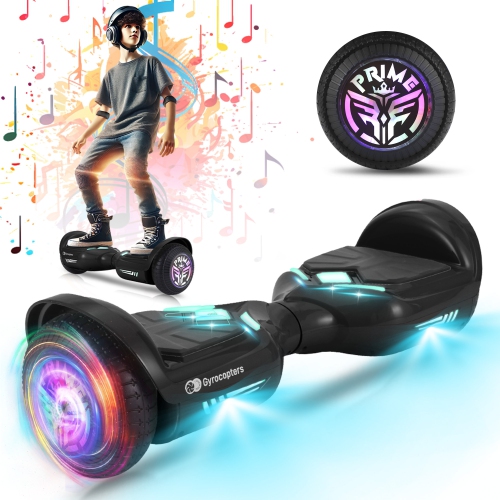 Your price for this item is $159.87
-
 Your price for this item is $219.97
-
 Your price for this item is $229.97
-
 Your price for this item is $129.97
-
 Your price for this item is $139.99
-
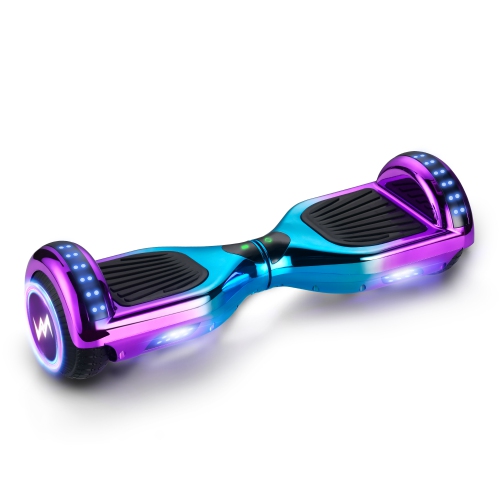 Your price for this item is $169.99
-
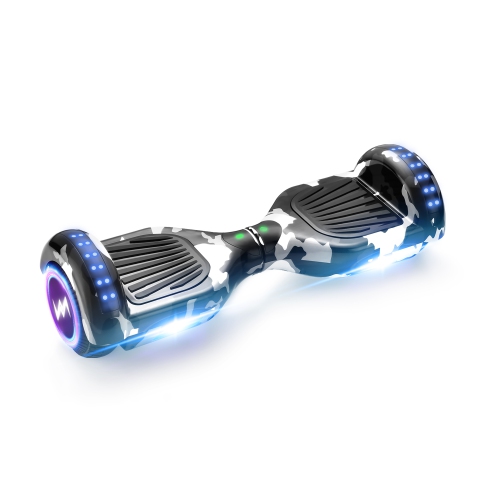 Your price for this item is $299.99
Discover more categories related to Bluetooth Self-Balancing Scooters
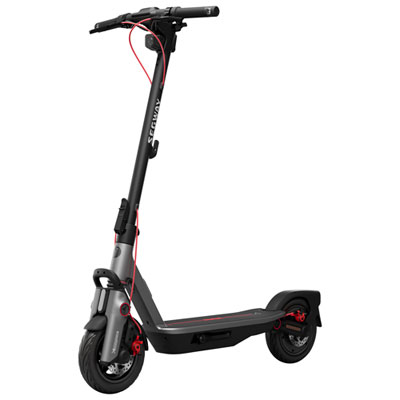
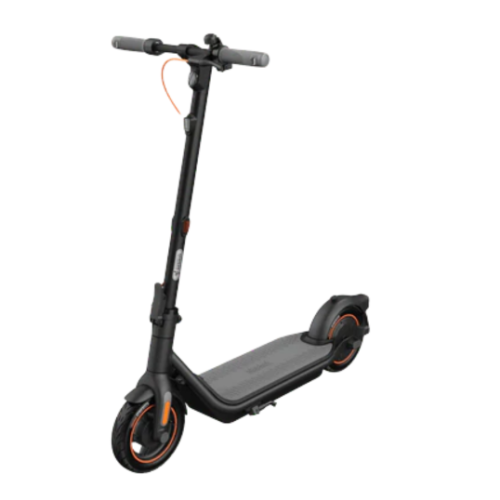
Top Collections:
Best Black Friday Deals This Year, Best Black Friday Deals On Electronics, Kindle Devices, Pokemon Centers, Best Black Friday Deals On Apple Products, Best Cameras for Sports Photography, Dyson Airwrap, Pokémon 30th Celebration Cards, Apple iPhone 17 Pro, Canon G7X Cameras
Some products may be subject to Environmental Handling Fees
(EHF) depending on your province.
Learn more about EHFs.