Self Balancing Electric Scooters
Looking for a fun and convenient way to get around town? Look no further than self-balancing electric scooters! These sleek and innovative devices are taking the transportation world by storm, offering a smooth and effortless ride that will have you zipping through the streets with style. Whether you're commuting to work, exploring your neighborhood, or simply enjoying a leisurely ride, self-balancing electric scooters provide an eco-friendly and efficient mode of transportation.
Sort
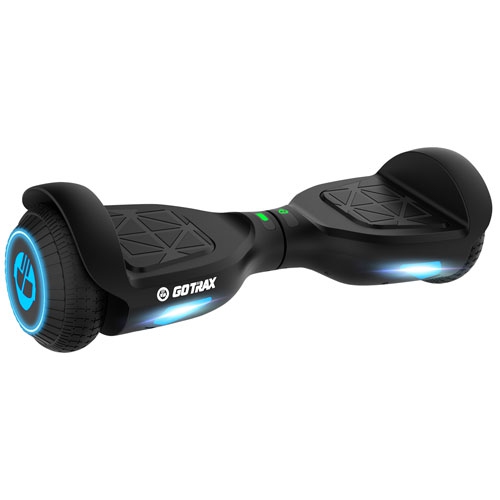
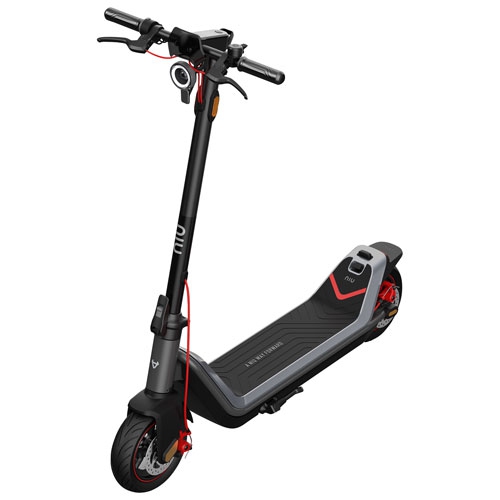
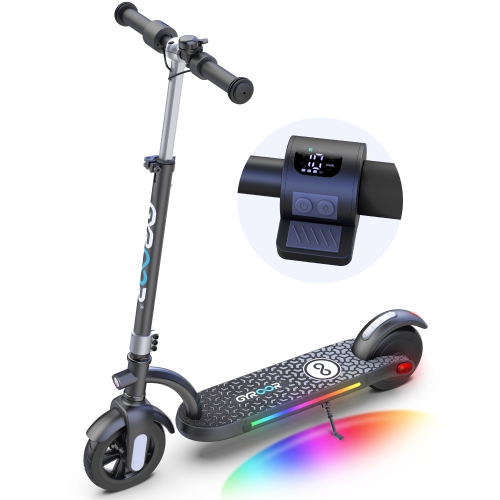
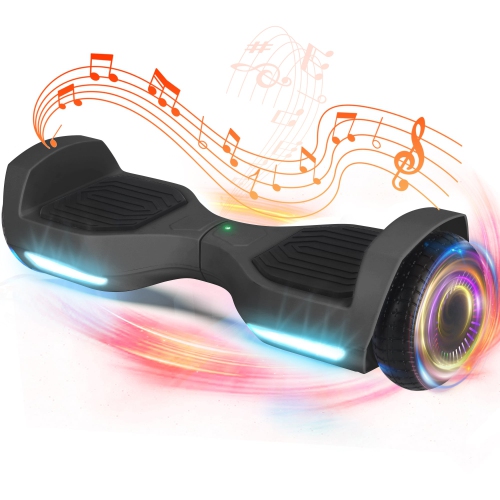
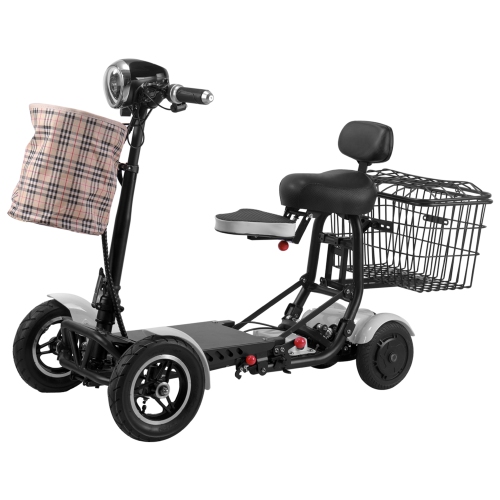
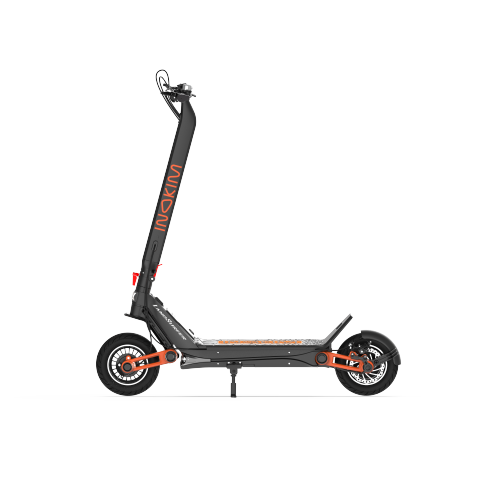
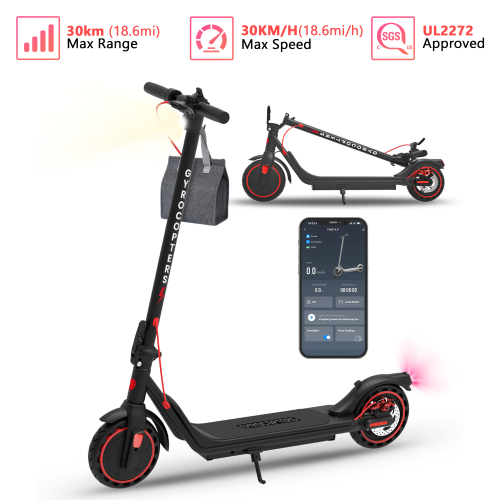
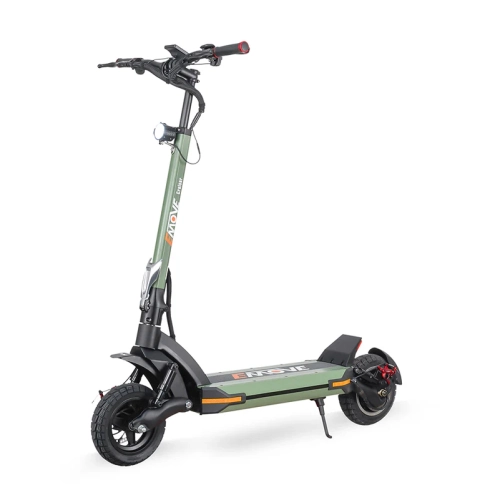
What to know about balance, safety, range, and control
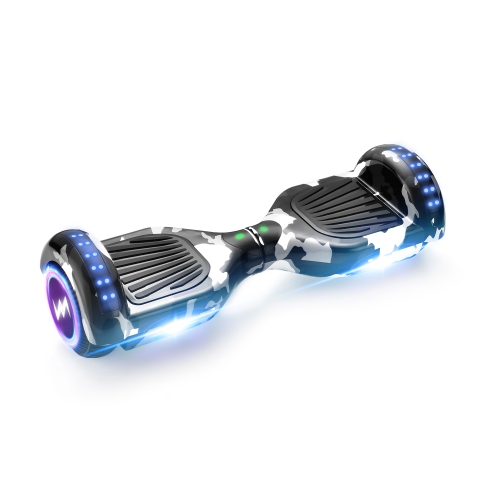
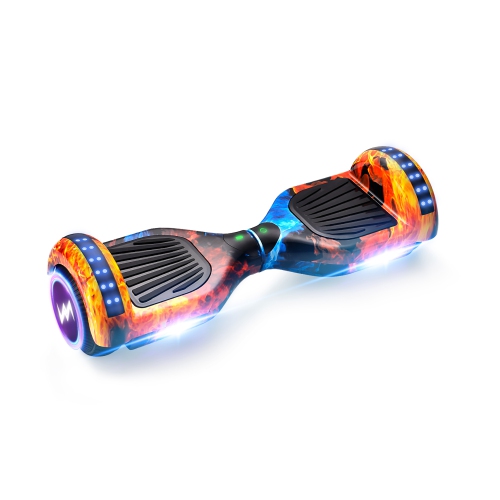
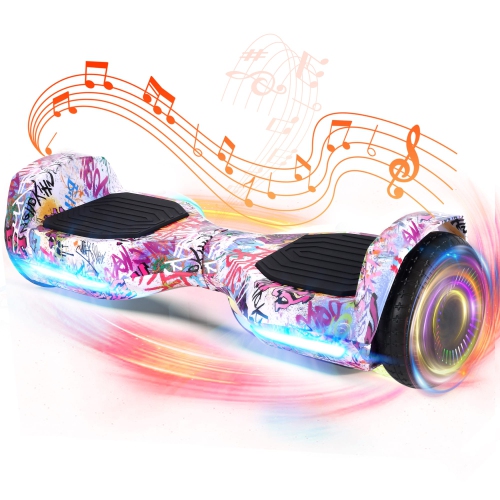
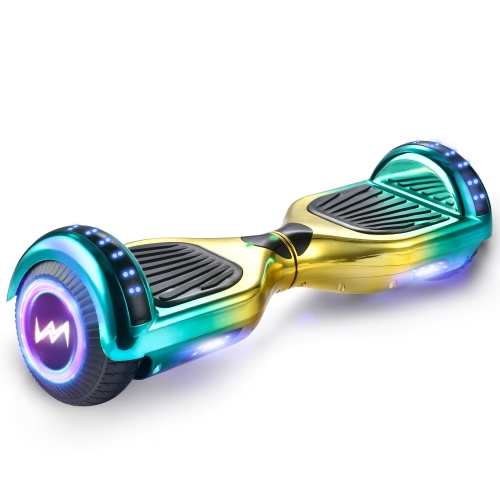
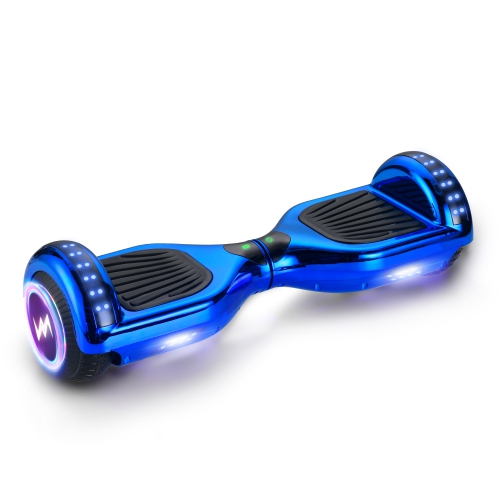
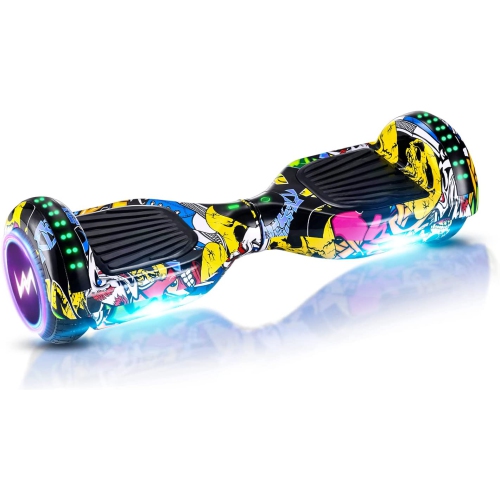
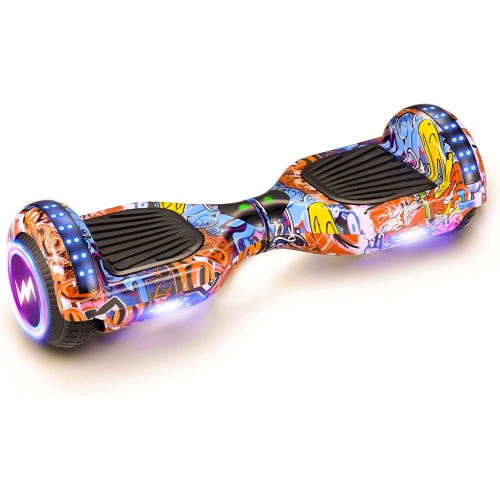
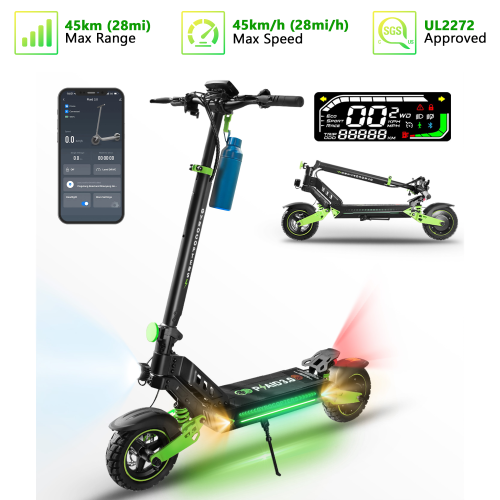
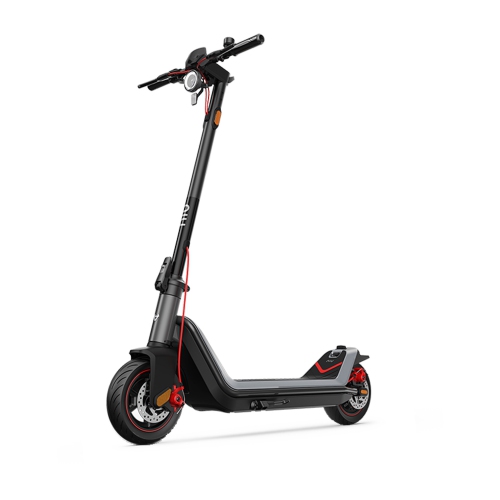
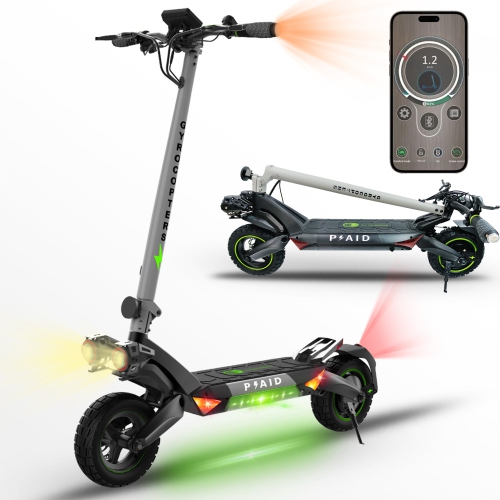
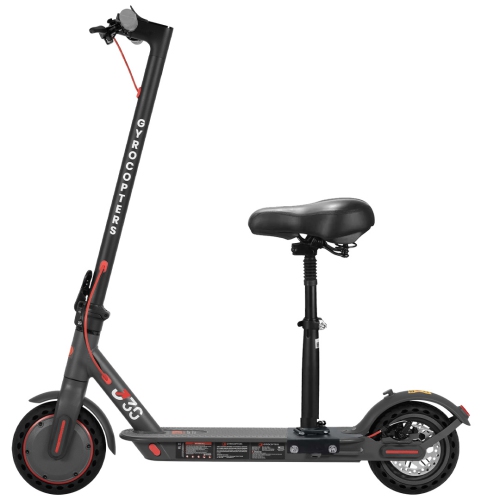
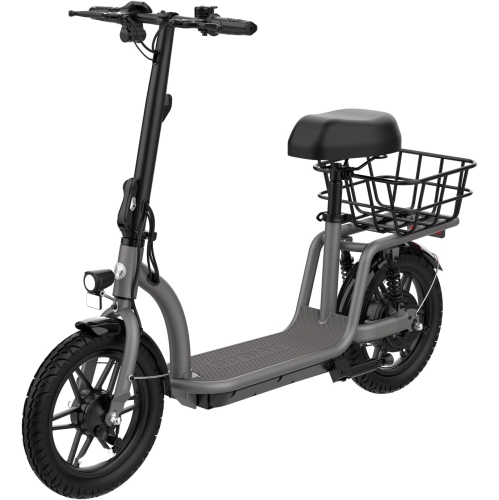
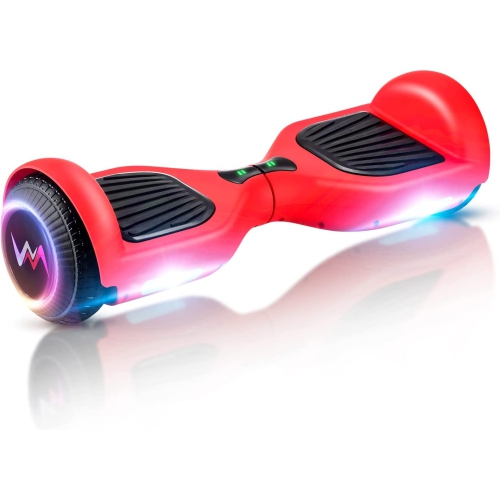
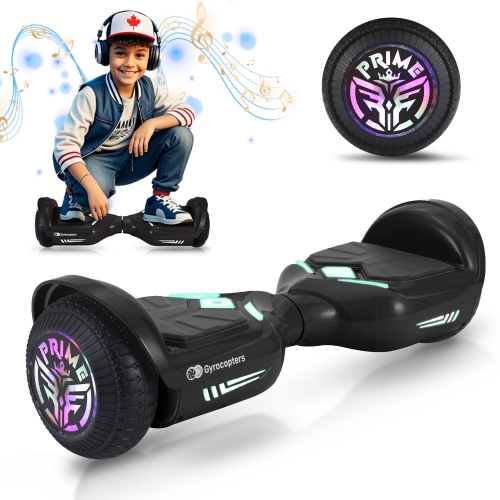
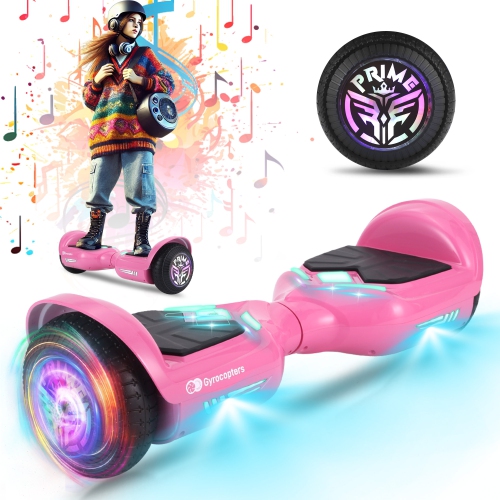
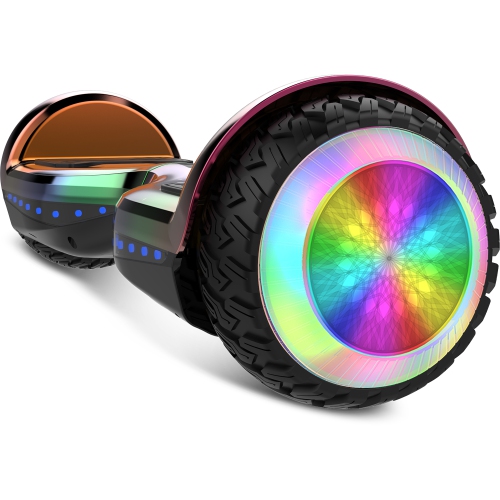
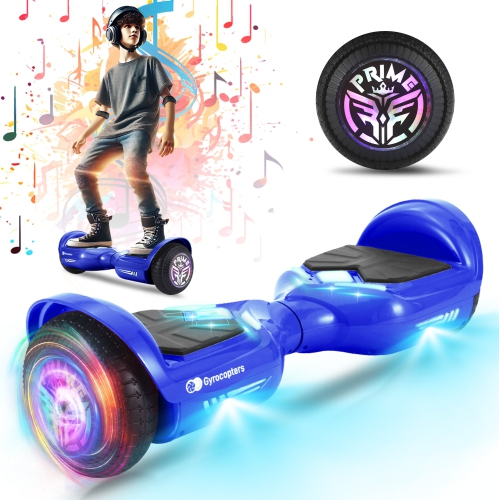
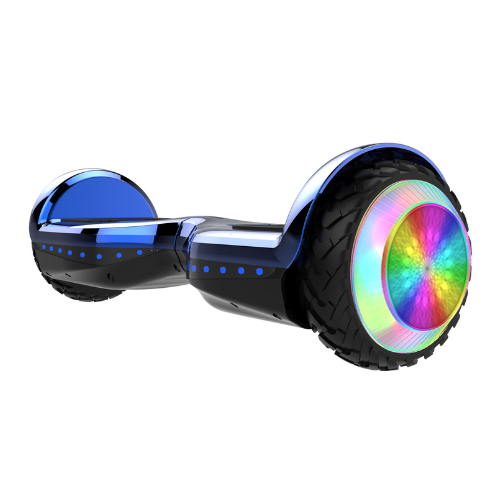
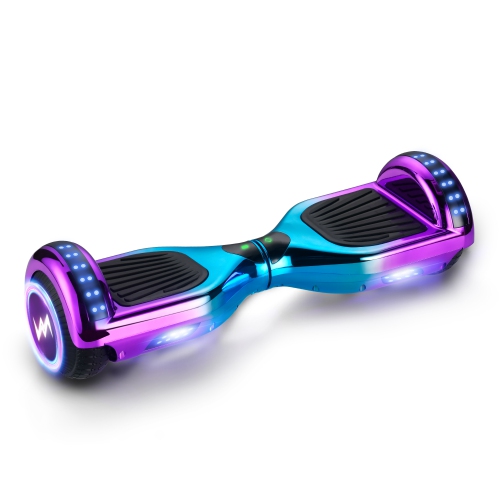
Self-balancing electric scooters are compact personal transporters designed to move with the rider’s body rather than a traditional throttle and handlebar. Built-in gyroscopes, balance sensors, and processors monitor small shifts in weight and adjust the motors in real time, helping the rider move forward, slow down, stop, and turn. Depending on the design, control may come through a knee-control bar, a steering column, or foot platforms that respond to leaning and weight distribution. This makes them distinct from conventional stand-up electric scooters, which typically use handlebars and a hand-operated accelerator. Browse the selection of Balance Scooters to compare styles suited to different riders, routines, and comfort preferences. Some self-balancing models are made for relaxed recreational riding, while others are designed with a more substantial frame, higher motor output, longer riding range, or additional steering support. Features such as built-in Bluetooth speakers, app connectivity, LED lighting, carrying handles, and retractable controls can add convenience, but the most important choice is finding a model that feels stable and manageable. Before purchasing, check the recommended rider age, maximum weight, product dimensions, and intended terrain. A lighter scooter may be easier to carry between rides or store in a closet, whereas a larger model may offer a more planted feel beneath the rider. Range claims are generally based on ideal conditions and can vary with rider weight, speed, hills, surface type, temperature, and battery age, so it is helpful to choose a range that leaves room for real-world use rather than planning to ride until the battery is nearly empty.
For many riders, learning begins in an open, level area with plenty of space and a smooth surface. A quiet driveway, paved court, or empty section of a park can give a beginner room to practise stepping on, standing upright, shifting weight gently, turning, and stopping without the pressure of navigating around people or traffic. The first few sessions often feel unusual because the scooter responds to movements that are almost too small to notice; stiffening the legs or leaning sharply can make the ride less comfortable, while a relaxed stance and gradual motions are easier to control. A helmet should be worn every time, along with wrist guards and knee pads during the learning period or whenever riding in unfamiliar surroundings. Closed-toe shoes with a secure fit can also provide better footing than loose footwear. Riders should stay on smooth pavement or packed, even ground and avoid wet, slick, gravel-covered, heavily cracked, or steep surfaces unless the manufacturer specifically indicates otherwise. Water can affect traction and may damage electrical components, while uneven ground can make it harder for the sensors and rider to maintain a steady line. Self-balancing electric scooters are generally best used in appropriate recreational areas or for short private-property trips, not as a substitute for a road-legal vehicle. Local rules can differ by province, municipality, trail system, and property owner, so confirm where this type of personal transporter is permitted before riding. Keep a safe distance from pedestrians, cyclists, vehicles, stairs, curbs, and obstacles, and avoid using a scooter while distracted, carrying a passenger, or listening at a volume that prevents awareness of the surroundings. The battery and charging system deserve careful attention as well. Look for UL 2272 certification, which indicates that the scooter’s electrical and battery systems have undergone testing against recognized safety requirements. Charge the scooter with the supplied charger in a dry, well-ventilated area, follow the recommended charging instructions, and unplug it when the charging cycle is complete. Do not use a battery that is swollen, cracked, unusually hot, leaking, or showing other signs of damage.
A self-balancing electric scooter can be an engaging gift for a teen or adult who enjoys trying new ways to get around, practising balance, or spending time outdoors. It may suit someone who wants a playful way to cruise along a smooth path, explore a private driveway, or add variety to a weekend routine. It can also be a practical choice for families looking for an activity that encourages time away from screens, provided the rider meets the manufacturer’s requirements and an experienced adult is available to supervise early practice. When choosing a gift, consider the recipient’s height, weight, confidence level, and available riding space instead of focusing only on top speed or maximum range. A rider who is new to self-balancing transport may appreciate a knee-control or hand-steering design that provides an additional point of control, while an experienced rider may prefer a more responsive foot-controlled layout. Storage is another everyday consideration: measure the available space and remember that a scooter may need to be carried up steps or moved in a vehicle. During the cooler months, battery performance may be affected by low temperatures, so storing the scooter indoors and allowing it to return to room temperature before charging can be a sensible part of regular care. Inspect the tires, foot platforms, controls, lights, and charging connection periodically, and keep firmware or companion-app features updated when applicable. With the right fit, protective equipment, suitable riding surface, and consistent charging habits, a self-balancing electric scooter can provide a memorable way to enjoy short rides and build confidence at a comfortable pace.
For many riders, learning begins in an open, level area with plenty of space and a smooth surface. A quiet driveway, paved court, or empty section of a park can give a beginner room to practise stepping on, standing upright, shifting weight gently, turning, and stopping without the pressure of navigating around people or traffic. The first few sessions often feel unusual because the scooter responds to movements that are almost too small to notice; stiffening the legs or leaning sharply can make the ride less comfortable, while a relaxed stance and gradual motions are easier to control. A helmet should be worn every time, along with wrist guards and knee pads during the learning period or whenever riding in unfamiliar surroundings. Closed-toe shoes with a secure fit can also provide better footing than loose footwear. Riders should stay on smooth pavement or packed, even ground and avoid wet, slick, gravel-covered, heavily cracked, or steep surfaces unless the manufacturer specifically indicates otherwise. Water can affect traction and may damage electrical components, while uneven ground can make it harder for the sensors and rider to maintain a steady line. Self-balancing electric scooters are generally best used in appropriate recreational areas or for short private-property trips, not as a substitute for a road-legal vehicle. Local rules can differ by province, municipality, trail system, and property owner, so confirm where this type of personal transporter is permitted before riding. Keep a safe distance from pedestrians, cyclists, vehicles, stairs, curbs, and obstacles, and avoid using a scooter while distracted, carrying a passenger, or listening at a volume that prevents awareness of the surroundings. The battery and charging system deserve careful attention as well. Look for UL 2272 certification, which indicates that the scooter’s electrical and battery systems have undergone testing against recognized safety requirements. Charge the scooter with the supplied charger in a dry, well-ventilated area, follow the recommended charging instructions, and unplug it when the charging cycle is complete. Do not use a battery that is swollen, cracked, unusually hot, leaking, or showing other signs of damage.
A self-balancing electric scooter can be an engaging gift for a teen or adult who enjoys trying new ways to get around, practising balance, or spending time outdoors. It may suit someone who wants a playful way to cruise along a smooth path, explore a private driveway, or add variety to a weekend routine. It can also be a practical choice for families looking for an activity that encourages time away from screens, provided the rider meets the manufacturer’s requirements and an experienced adult is available to supervise early practice. When choosing a gift, consider the recipient’s height, weight, confidence level, and available riding space instead of focusing only on top speed or maximum range. A rider who is new to self-balancing transport may appreciate a knee-control or hand-steering design that provides an additional point of control, while an experienced rider may prefer a more responsive foot-controlled layout. Storage is another everyday consideration: measure the available space and remember that a scooter may need to be carried up steps or moved in a vehicle. During the cooler months, battery performance may be affected by low temperatures, so storing the scooter indoors and allowing it to return to room temperature before charging can be a sensible part of regular care. Inspect the tires, foot platforms, controls, lights, and charging connection periodically, and keep firmware or companion-app features updated when applicable. With the right fit, protective equipment, suitable riding surface, and consistent charging habits, a self-balancing electric scooter can provide a memorable way to enjoy short rides and build confidence at a comfortable pace.
Top selling and popular products
-
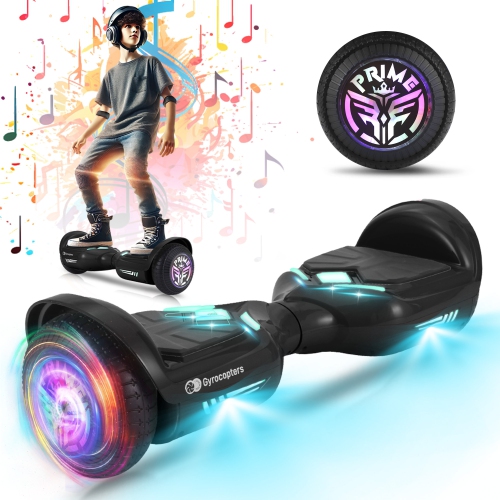 Your price for this item is $159.97
 -
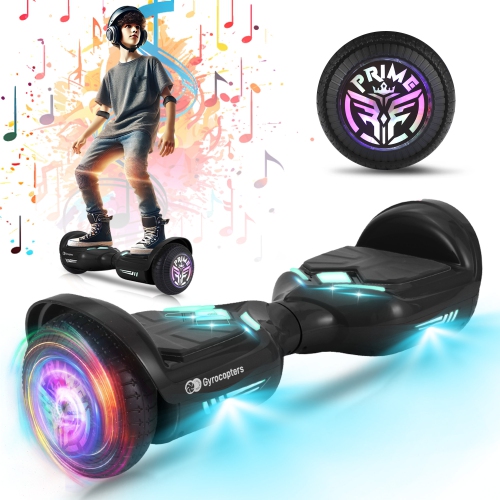 Your price for this item is $159.87
 -
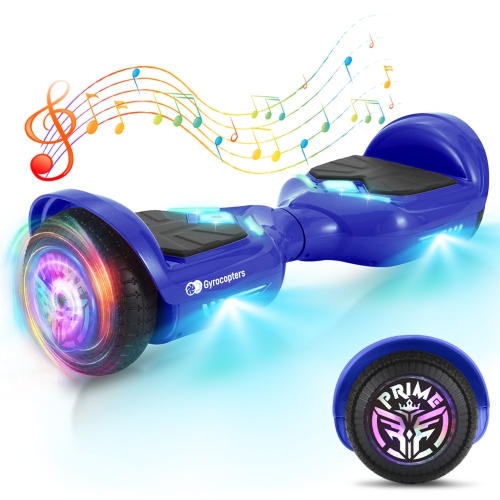 Your price for this item is $219.97
 -
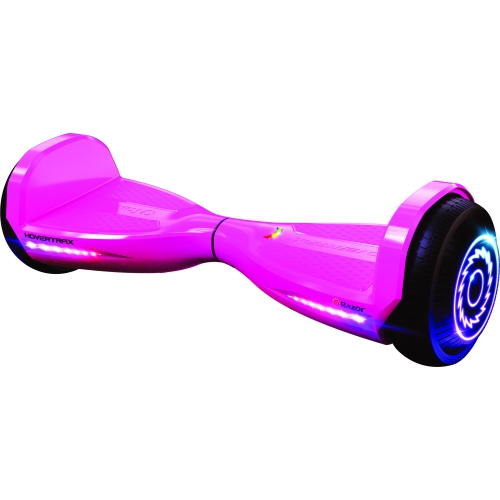 Your price for this item is $239.99
 -
 Your price for this item is $229.97
 -
 Your price for this item is $159.97
 -
 Your price for this item is $99.99
 -
 Your price for this item is $159.99
Discover more categories related to Self Balancing Electric Scooters
Top Collections:
Pokemon Centers, Kindle Devices, Best Budget Office Chairs, Apple iPhones 16, Canon G7X Cameras, iPhone 15 Apple, Alarm Clock, Refurbished Apple Laptops, Flip Phones, Best Laptops for Writers
Some products may be subject to Environmental Handling Fees
(EHF) depending on your province.
Learn more about EHFs.