Beach Metal Detectors
Whether you're a seasoned treasure hunter or just starting out, these innovative devices are designed to help you find coins, jewelry, and other valuable items buried beneath the sand. With their advanced features and durable construction, our beach metal detectors are the perfect companions for your next seaside expedition. So grab your sunscreen, put on your detective hat, and get ready to embark on an exciting journey of discovery with our range of beach metal detectors.
Sort
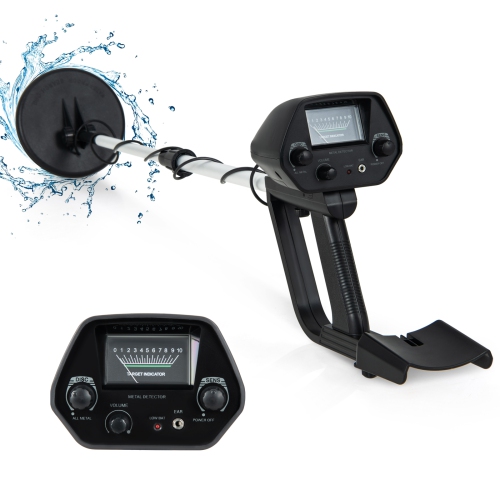
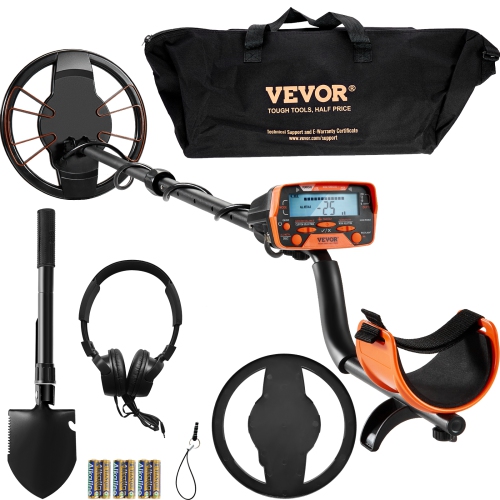
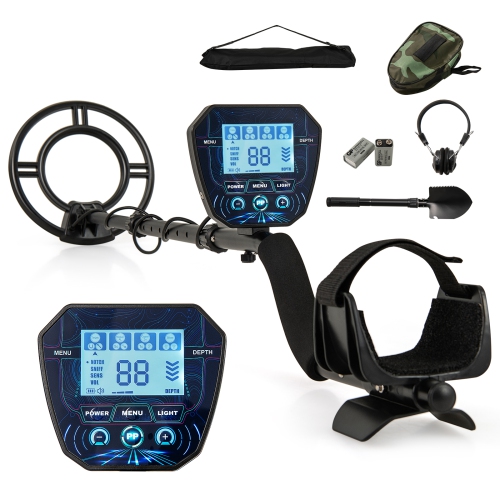
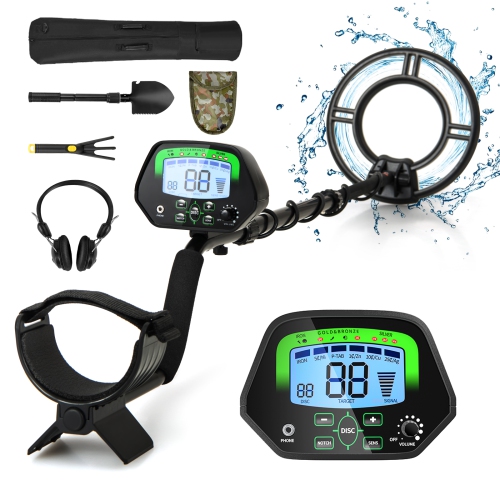
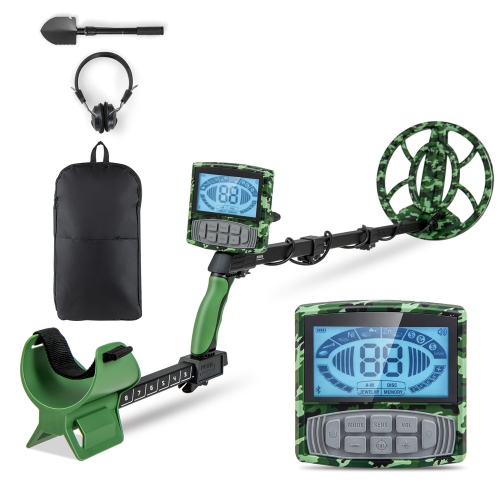
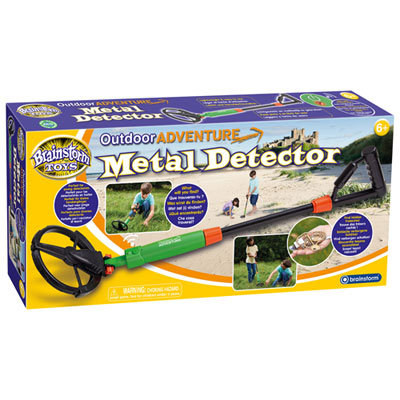
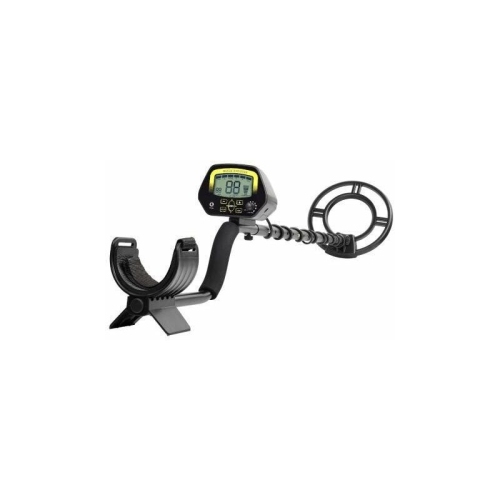
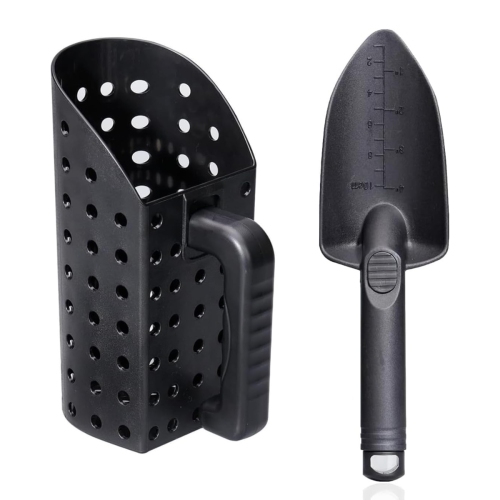
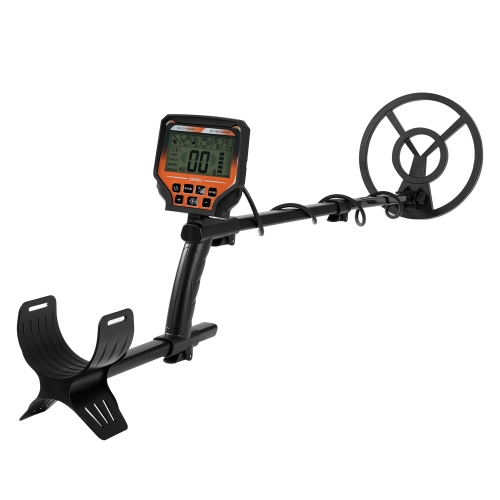
Key features for stable detection on wet sand
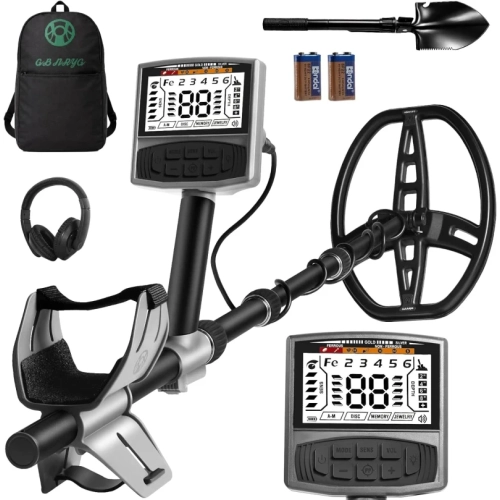
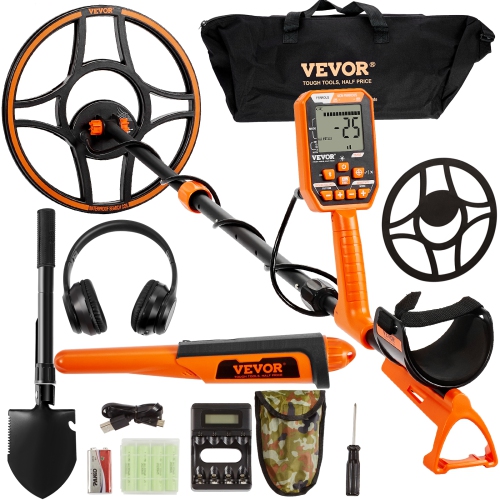
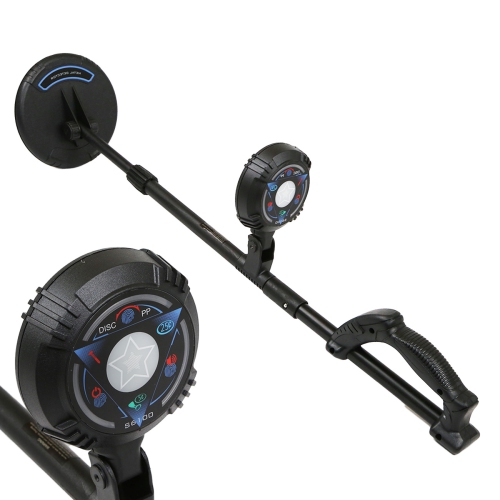
Beach metal detectors are designed for searching the varied ground found along a shoreline, where dry sand, damp sand, saltwater, shells, stones, and shifting surf can all affect detection performance. The right detector can help locate lost jewellery, coins, fishing tackle, and other metal objects beneath the sand, whether you are spending a quiet morning walking the waterline or exploring a busy stretch of beach after a day of swimming and recreation. For beaches with saltwater, simultaneous multi-frequency technology or pulse induction (PI) technology is an important consideration. These systems are generally better equipped to handle the mineral content and electrical conductivity of wet salt sand, while some single-frequency detectors may produce frequent false signals or unstable readings in the same conditions. A detector that performs smoothly on dry sand may not deliver the same results close to the surf, so consider where you expect to search most often before choosing a model. Waterproof construction is equally important. A waterproof search coil is useful for damp sand and shallow water, while a fully waterproof housing provides greater confidence when waves splash over the detector or when you want to wade into the shallows. Check the manufacturer’s stated depth rating carefully, as “waterproof” can refer to different levels of protection and may not mean that every detector is intended for prolonged submersion. For additional options suited to deeper water searches, explore Metal Detectors for Underwater.
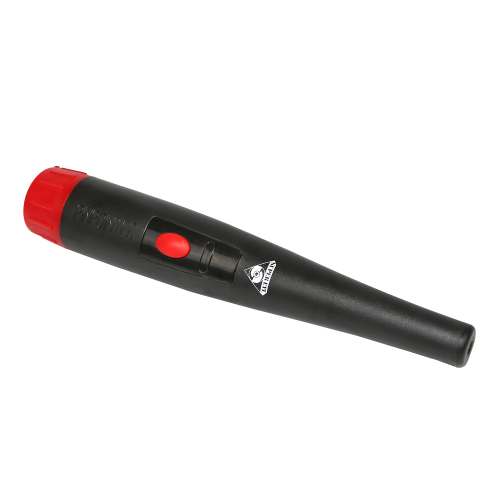
Beach conditions can change considerably over the course of a walk, so useful controls include ground balance, sensitivity adjustment, target identification, and discrimination settings. Ground balance helps the detector account for the natural minerals in the sand, which can be especially helpful where dry sand meets damp sand or where black mineral-rich sand is present. Sensitivity can improve depth and responsiveness, but turning it up too far may create distracting signals in challenging ground; a practical detector lets you adjust it for calmer, more reliable operation. Target identification features can provide an audio tone, visual number, or other indication that helps distinguish likely iron from more desirable targets, although no detector can identify every object with complete certainty. A good beach detector should also be comfortable to carry for long stretches. Look for a balanced shaft, manageable weight, an adjustable length, and controls that are easy to reach while wearing gloves. A clear display can be helpful in bright daylight, while responsive audio allows you to keep your eyes on the coil and the sand. Rechargeable or replaceable battery options, simple charging, and a battery life suited to extended outings can make a noticeable difference when a short search turns into an afternoon along the shore. Coil size is another consideration: a larger coil may cover more ground and offer useful depth in suitable conditions, while a smaller coil can be easier to manoeuvre around rocks, posts, driftwood, and crowded areas. For recovery, pair the detector with a long-handled sand scoop, preferably one made with corrosion-resistant materials, so targets can be retrieved efficiently without repeatedly kneeling in loose sand. A handheld pinpointer can help locate a small object in a pile of sand, particularly when searching for a thin ring or a coin that has shifted deeper into a freshly opened hole.
These detectors can suit a range of users, from someone trying beach detecting as a new outdoor pastime to experienced hobbyists who want a reliable machine for changing shoreline conditions. They can also make a thoughtful gift for a person who enjoys walking, local history, collecting, camping, fishing, or spending time near the water. A beginner may appreciate straightforward controls, preset search modes, a comfortable design, and clear target feedback, while a more experienced detectorist may prefer detailed adjustments for frequency response, recovery speed, tone settings, and wet-sand performance. As the weather warms, early-morning searches can be especially inviting, with firm sand underfoot and long stretches of shoreline before the busiest part of the day. During the cooler months, the same hobby can offer a peaceful reason to get outside, with a jacket, gloves, and footwear suited to changing conditions. High-traffic areas such as towel lines, entrances, picnic spaces, and volleyball courts may be worth scanning, while the low-tide wet-sand line can be productive because moving water continually exposes and covers different areas. Search slowly, keep the coil close and level with the sand, and overlap each sweep rather than rushing from one spot to the next. Always follow local rules and posted permissions, respect restricted areas, and fill every hole completely so the surface remains safe for other beachgoers. Carry recovered items and discarded metal away from the shoreline, and avoid disturbing wildlife, personal belongings, or active recreation areas. With the right combination of saltwater stability, waterproof protection, comfortable handling, and recovery gear, a beach metal detector can turn an ordinary walk beside the water into a focused, rewarding way to explore the changing shoreline.
Beach conditions can change considerably over the course of a walk, so useful controls include ground balance, sensitivity adjustment, target identification, and discrimination settings. Ground balance helps the detector account for the natural minerals in the sand, which can be especially helpful where dry sand meets damp sand or where black mineral-rich sand is present. Sensitivity can improve depth and responsiveness, but turning it up too far may create distracting signals in challenging ground; a practical detector lets you adjust it for calmer, more reliable operation. Target identification features can provide an audio tone, visual number, or other indication that helps distinguish likely iron from more desirable targets, although no detector can identify every object with complete certainty. A good beach detector should also be comfortable to carry for long stretches. Look for a balanced shaft, manageable weight, an adjustable length, and controls that are easy to reach while wearing gloves. A clear display can be helpful in bright daylight, while responsive audio allows you to keep your eyes on the coil and the sand. Rechargeable or replaceable battery options, simple charging, and a battery life suited to extended outings can make a noticeable difference when a short search turns into an afternoon along the shore. Coil size is another consideration: a larger coil may cover more ground and offer useful depth in suitable conditions, while a smaller coil can be easier to manoeuvre around rocks, posts, driftwood, and crowded areas. For recovery, pair the detector with a long-handled sand scoop, preferably one made with corrosion-resistant materials, so targets can be retrieved efficiently without repeatedly kneeling in loose sand. A handheld pinpointer can help locate a small object in a pile of sand, particularly when searching for a thin ring or a coin that has shifted deeper into a freshly opened hole.
These detectors can suit a range of users, from someone trying beach detecting as a new outdoor pastime to experienced hobbyists who want a reliable machine for changing shoreline conditions. They can also make a thoughtful gift for a person who enjoys walking, local history, collecting, camping, fishing, or spending time near the water. A beginner may appreciate straightforward controls, preset search modes, a comfortable design, and clear target feedback, while a more experienced detectorist may prefer detailed adjustments for frequency response, recovery speed, tone settings, and wet-sand performance. As the weather warms, early-morning searches can be especially inviting, with firm sand underfoot and long stretches of shoreline before the busiest part of the day. During the cooler months, the same hobby can offer a peaceful reason to get outside, with a jacket, gloves, and footwear suited to changing conditions. High-traffic areas such as towel lines, entrances, picnic spaces, and volleyball courts may be worth scanning, while the low-tide wet-sand line can be productive because moving water continually exposes and covers different areas. Search slowly, keep the coil close and level with the sand, and overlap each sweep rather than rushing from one spot to the next. Always follow local rules and posted permissions, respect restricted areas, and fill every hole completely so the surface remains safe for other beachgoers. Carry recovered items and discarded metal away from the shoreline, and avoid disturbing wildlife, personal belongings, or active recreation areas. With the right combination of saltwater stability, waterproof protection, comfortable handling, and recovery gear, a beach metal detector can turn an ordinary walk beside the water into a focused, rewarding way to explore the changing shoreline.
Top selling and popular products
-
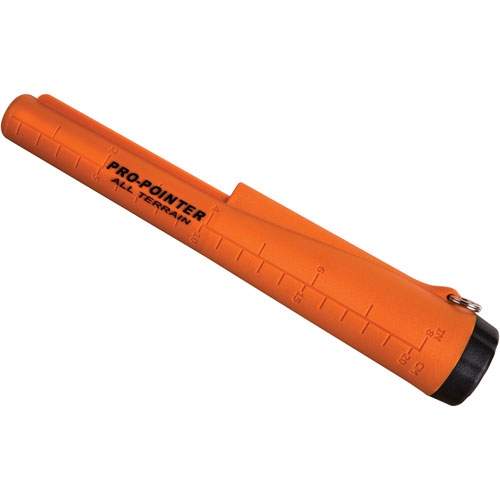 Your price for this item is $160.99
 -
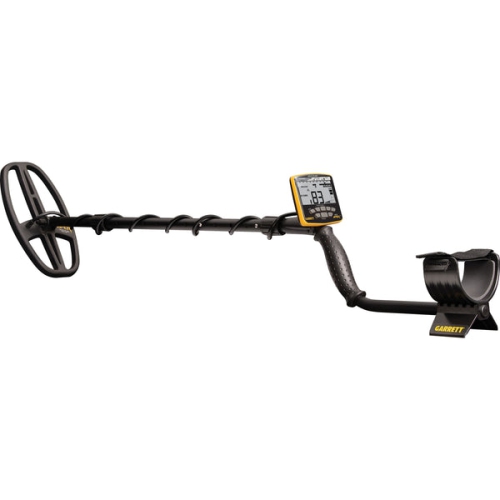 Your price for this item is $650.99
 -
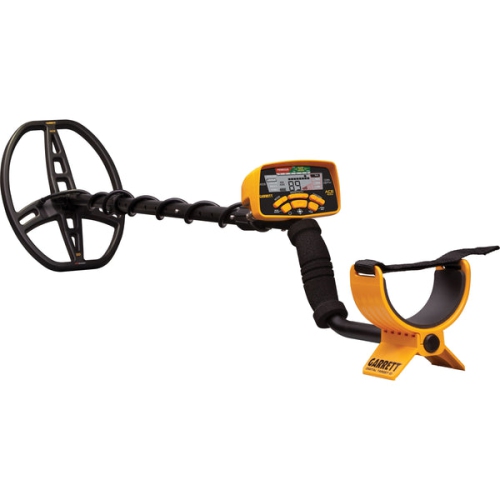 Your price for this item is $520.99
 -
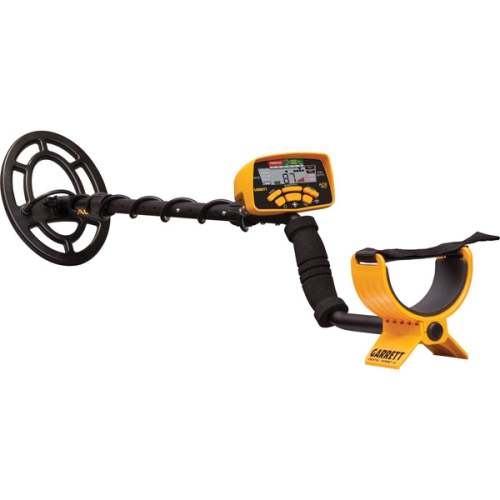 Your price for this item is $392.99
 -
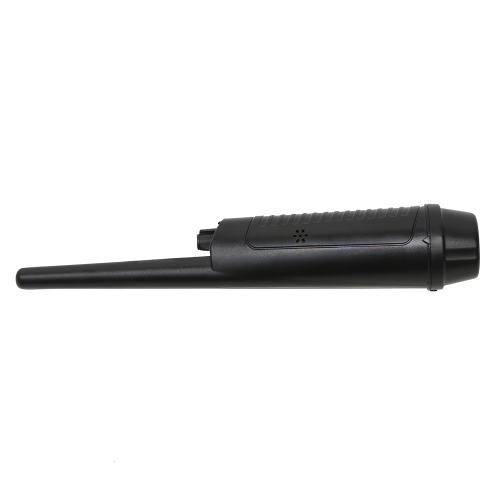 Your price for this item is $53.04
 -
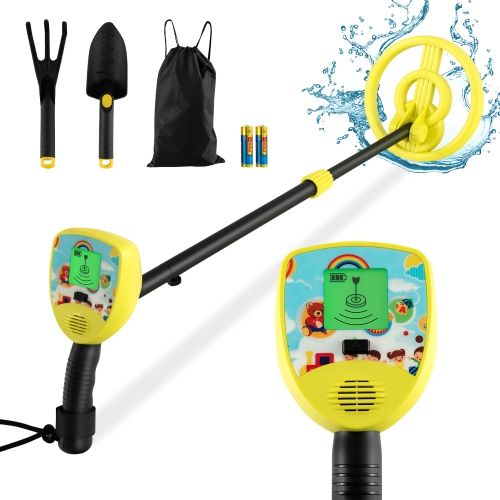 Your price for this item is $69.99
 -
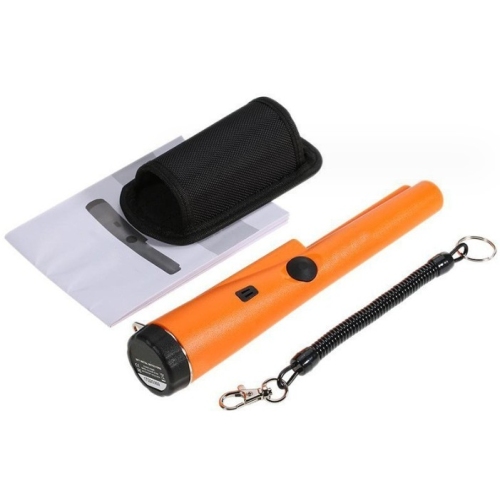 Your price for this item is $29.13
 -
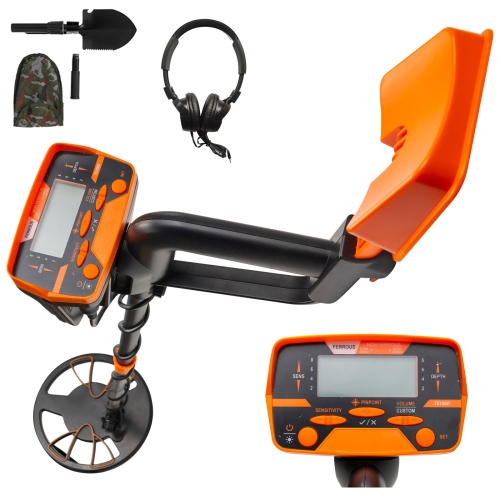 Your price for this item is $93.99
Discover more categories related to Beach Metal Detectors
Top Collections:
Pokemon Centers, Kindle Devices, Best Budget Office Chairs, Apple iPhones 16, Best Laptops for Writers, iPhone 15 Apple, Canon G7X Cameras, Refurbished Apple Laptops, Alarm Clock, Motorola Razr Phones
Some products may be subject to Environmental Handling Fees
(EHF) depending on your province.
Learn more about EHFs.