Beach Metal Detecting
Unveil hidden treasures buried beneath the sandy shores with our collection of beach metal detector equipment. Whether you're a seasoned detectorist or a novice explorer, these tools are designed to enhance your beachcombing adventures. From lightweight and waterproof metal detectors to durable digging tools and comfortable headphones, we have almost everything you need to make your next beach outing a memorable and rewarding experience. Gear up and get ready to uncover lost coins, jewelry, relics, and more along the coastline with our top-quality beach metal detecting gear.
Sort
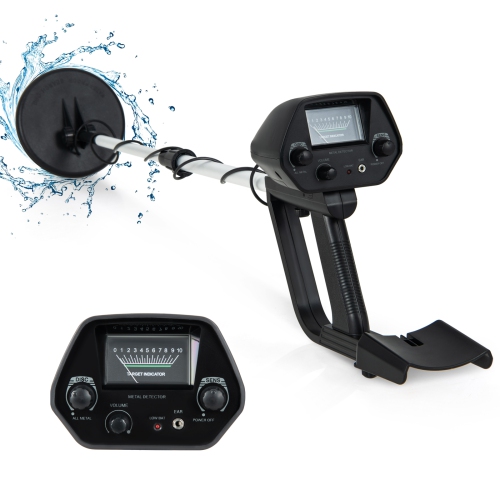
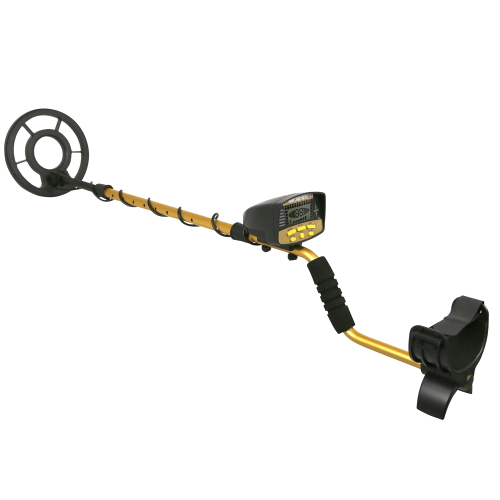
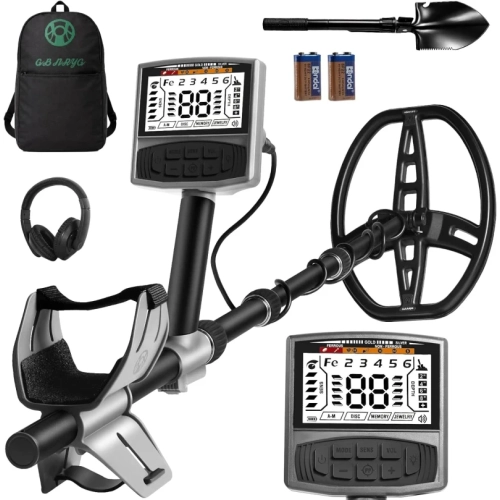
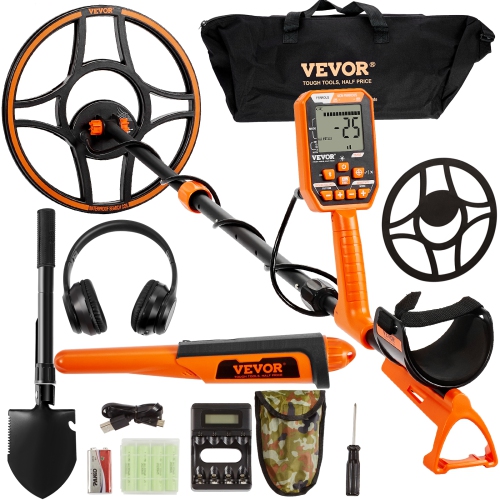
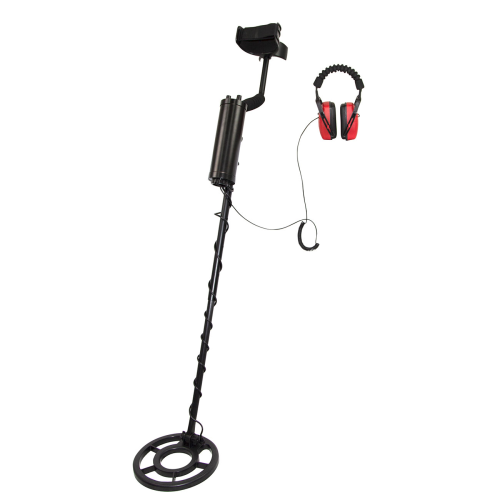
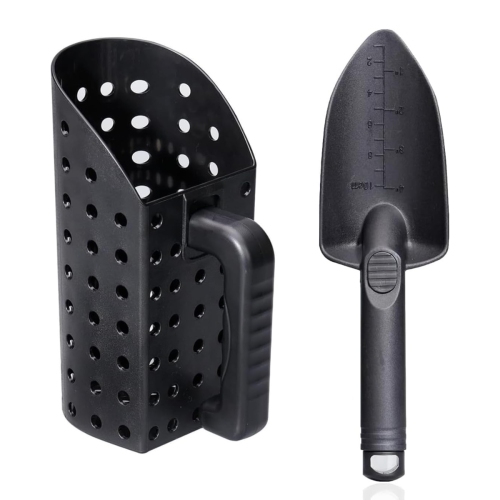
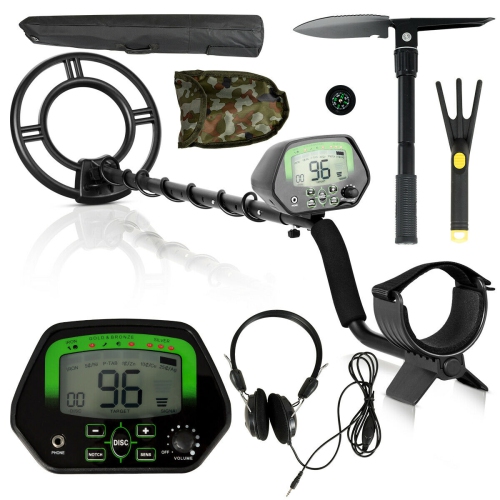
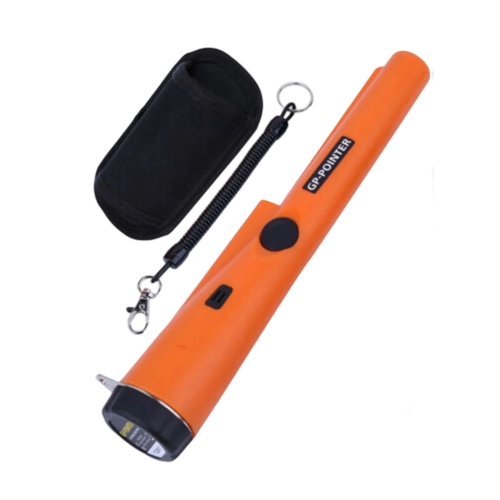
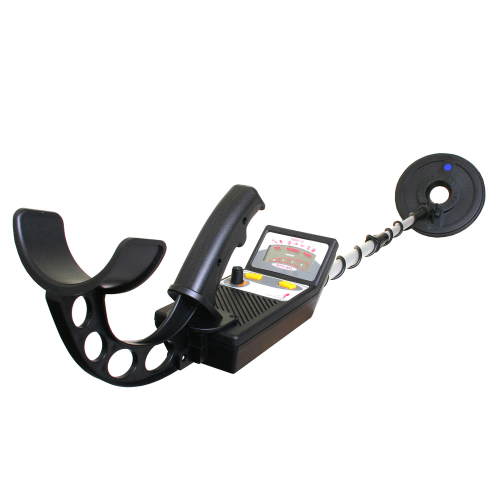
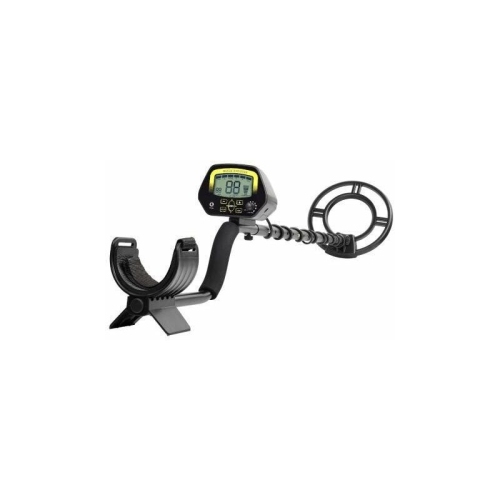
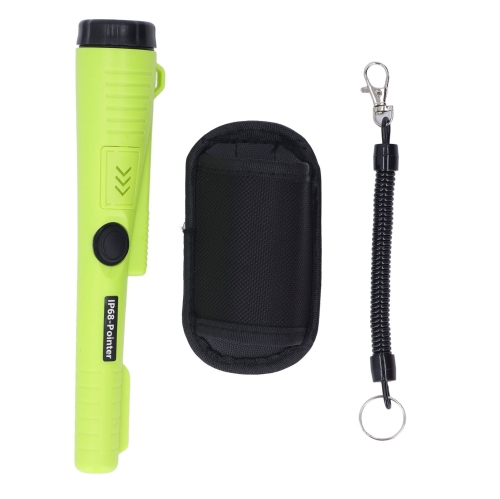
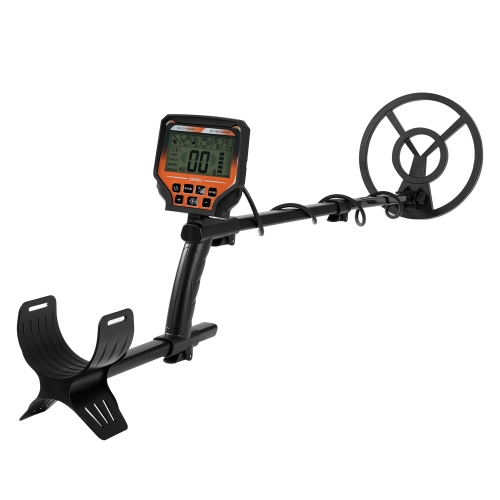
From shifting sand to surf, know your setup
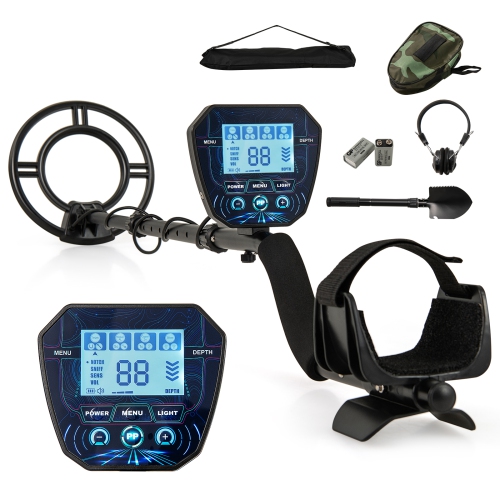
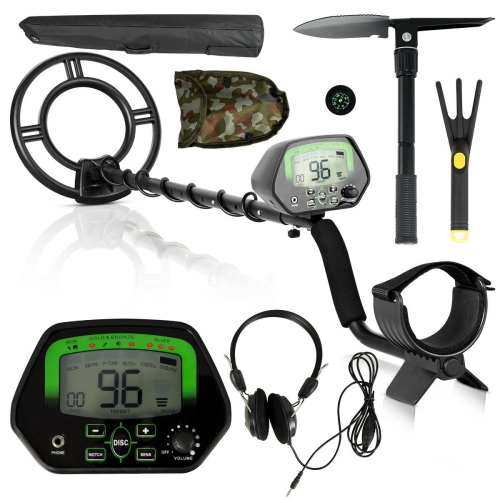
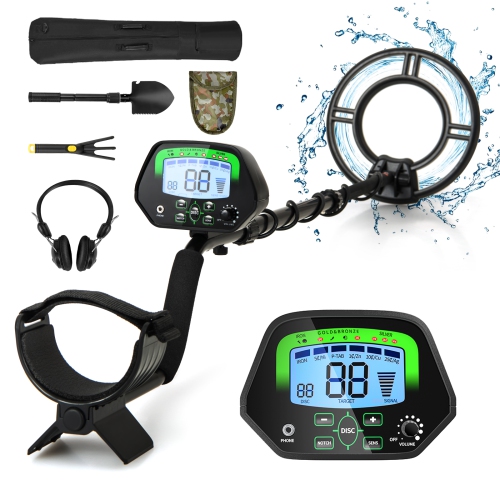
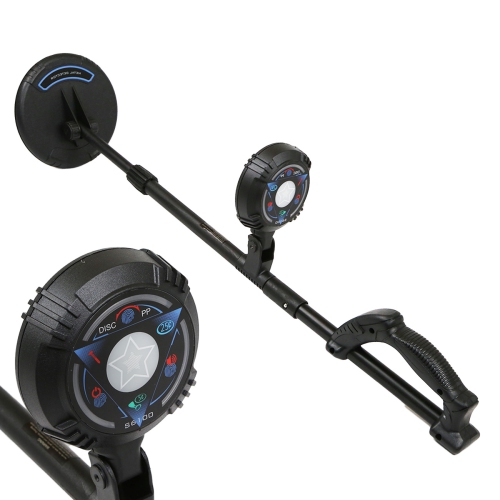
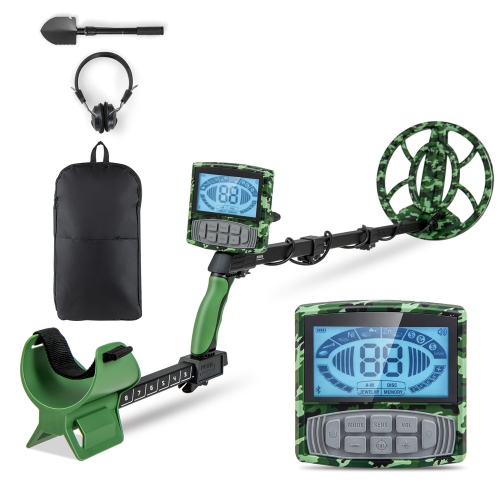
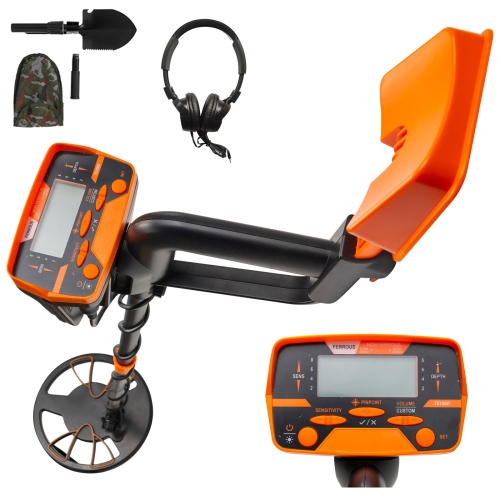
Beach metal detecting brings together the enjoyment of exploring the shoreline with the excitement of uncovering objects hidden beneath shifting sand. Search areas can include the dry sand around the towel line, damp sand closer to the water, and shallow surf where waves continually move and concentrate heavier items. Dry sand is generally the most approachable place to begin, since it is easier to dig and usually produces modern coins, keys, small personal items, and jewellery lost by beachgoers. Wet sand and the waterline can offer different targets, but salt and mineral content may cause ordinary detectors to produce unstable signals or false readings. For this reason, shoppers should consider where they expect to search most often before choosing equipment. A detector designed for beach use should offer effective ground balancing or salt compensation, adjustable sensitivity, and target identification that helps distinguish likely ferrous objects from non-ferrous finds. Multi-frequency and pulse induction technologies are often considered for wet, salty sand because they can provide more consistent operation in challenging conditions, while a conventional detector may be suitable for dry sand. Waterproof construction is also important, but the depth rating deserves careful attention: some models are protected against splashes and rain, while others are designed for complete submersion. Look for clear information about whether the control box, search coil, and connected accessories can be used in shallow water, and remember that waterproof does not necessarily mean suitable for every depth or duration. A lightweight shaft, comfortable grip, adjustable length, and well-balanced design can make a noticeable difference during long walks along the shore. Features such as a pinpoint mode, selectable search profiles, volume control, and a readable display can also make it easier to investigate a promising signal without constantly changing settings. Beach conditions can change quickly as wind, waves, and foot traffic rearrange the sand, so flexible controls are useful for adapting from firm dry sand to damp areas with a higher mineral content.
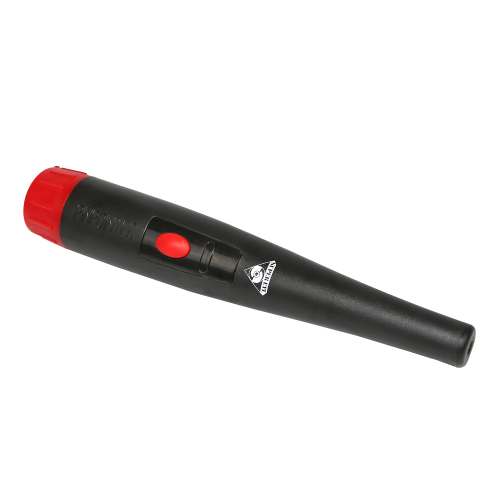
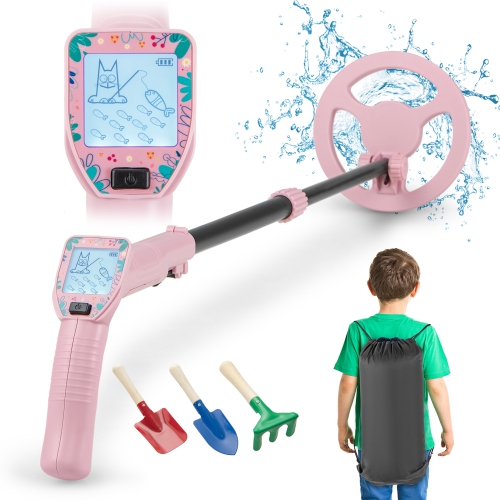
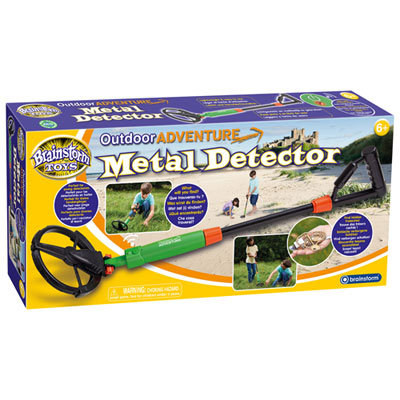
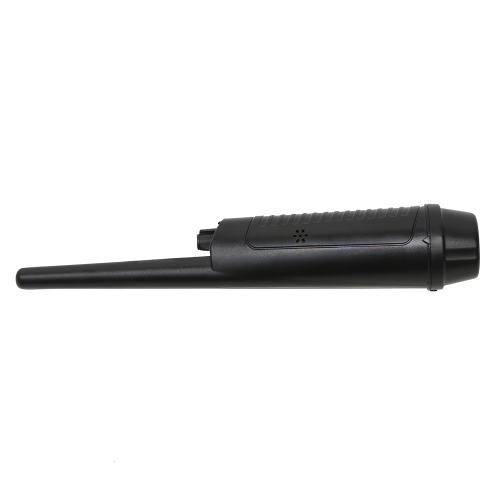
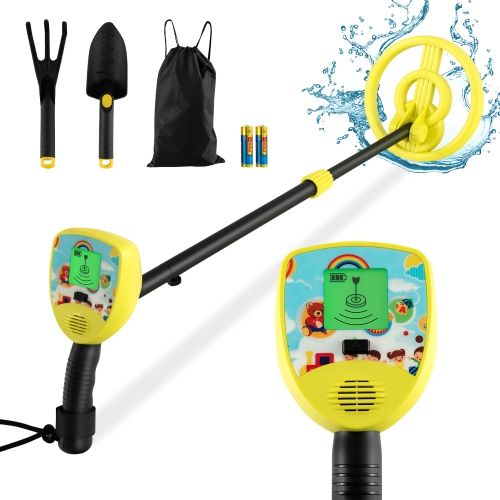
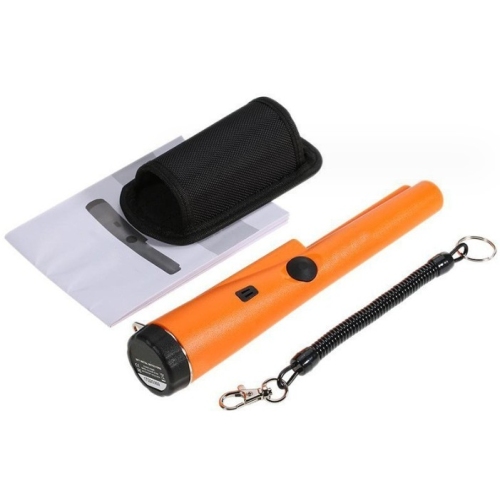
A beach metal detecting setup is usually more useful when paired with a few practical recovery tools. A sand scoop with a long handle helps lift and sift sand while reducing the need to kneel or bend repeatedly, which is especially helpful when searching a broad stretch of shoreline. Wire mesh or perforated scoops allow loose sand to pass through while retaining larger targets, although the ideal opening size depends on whether the search is focused on coins and larger objects or very small items. A handheld pinpointer can narrow down a target inside the scoop or a shallow hole, saving time when a signal is difficult to locate by touch. A finds pouch or secure waist bag keeps recovered objects separate from rubbish, while a compact digging tool can be useful in firmer sand above the waterline. Headphones may make faint signals easier to hear in wind and surf, and waterproof or water-resistant options can provide added peace of mind near the shoreline. Battery life, charging arrangements, replacement parts, and storage should also be part of the purchase decision, particularly for outings that last several hours. Beginners may appreciate automatic settings and straightforward controls that allow them to learn the difference between a clear repeatable signal and inconsistent interference. More experienced users may prefer manual ground balance, adjustable iron discrimination, multiple operating modes, or faster recovery between nearby targets. No detector can identify every object perfectly, and target ID numbers can shift with depth, orientation, moisture, and soil or sand conditions, so a clear signal is best treated as an indication rather than a guarantee. Beach detecting can be a rewarding shared activity for couples, families, and friends, offering a reason to walk slowly, notice changing shore conditions, and spend time outdoors during the cooler months or as the weather warms. It can also make a thoughtful gift for someone who enjoys outdoor hobbies, local history, treasure hunting, or hands-on activities. For younger hobbyists, appropriately sized equipment with manageable weight and simple controls can help make the experience more comfortable; shoppers exploring age-appropriate options can browse Youth Metal Detectors.
Responsible preparation helps keep a beach detecting outing enjoyable and respectful. Before searching, check local rules, park policies, and any requirements concerning permits, protected areas, archaeological sites, or the removal of objects from public beaches. Some locations restrict digging, metal detecting, or access to dunes and other sensitive zones, while private beaches may require permission from the owner. Tides are another practical consideration: the hours around low tide can reveal more exposed wet sand and shallow troughs, but shoreline conditions can change quickly, so leave a safe margin from incoming water and avoid entering surf that is beyond the equipment’s rated depth. Strong wind and storms may shift the upper layer of sand and expose previously buried objects, but rough water, lightning, unstable dunes, and poor visibility are reasons to postpone an outing. Comfortable clothing, suitable footwear, sun protection, drinking water, and a way to keep electronics dry are useful across changing conditions. When recovering a target, make the smallest practical opening, replace the sand, and leave the surface tidy. Separate modern rubbish from personal belongings, and make a reasonable effort to return identifiable items such as keys, cards, or engraved jewellery to their owner or the appropriate local authority. Search coils should be rinsed with fresh water after exposure to salt, and equipment should be dried and stored according to the manufacturer’s instructions. Whether the goal is finding a few coins near the towel line, testing a detector in damp sand, or learning how shifting shorelines affect buried targets, choosing equipment matched to the intended environment makes beach metal detecting more comfortable, efficient, and rewarding.
A beach metal detecting setup is usually more useful when paired with a few practical recovery tools. A sand scoop with a long handle helps lift and sift sand while reducing the need to kneel or bend repeatedly, which is especially helpful when searching a broad stretch of shoreline. Wire mesh or perforated scoops allow loose sand to pass through while retaining larger targets, although the ideal opening size depends on whether the search is focused on coins and larger objects or very small items. A handheld pinpointer can narrow down a target inside the scoop or a shallow hole, saving time when a signal is difficult to locate by touch. A finds pouch or secure waist bag keeps recovered objects separate from rubbish, while a compact digging tool can be useful in firmer sand above the waterline. Headphones may make faint signals easier to hear in wind and surf, and waterproof or water-resistant options can provide added peace of mind near the shoreline. Battery life, charging arrangements, replacement parts, and storage should also be part of the purchase decision, particularly for outings that last several hours. Beginners may appreciate automatic settings and straightforward controls that allow them to learn the difference between a clear repeatable signal and inconsistent interference. More experienced users may prefer manual ground balance, adjustable iron discrimination, multiple operating modes, or faster recovery between nearby targets. No detector can identify every object perfectly, and target ID numbers can shift with depth, orientation, moisture, and soil or sand conditions, so a clear signal is best treated as an indication rather than a guarantee. Beach detecting can be a rewarding shared activity for couples, families, and friends, offering a reason to walk slowly, notice changing shore conditions, and spend time outdoors during the cooler months or as the weather warms. It can also make a thoughtful gift for someone who enjoys outdoor hobbies, local history, treasure hunting, or hands-on activities. For younger hobbyists, appropriately sized equipment with manageable weight and simple controls can help make the experience more comfortable; shoppers exploring age-appropriate options can browse Youth Metal Detectors.
Responsible preparation helps keep a beach detecting outing enjoyable and respectful. Before searching, check local rules, park policies, and any requirements concerning permits, protected areas, archaeological sites, or the removal of objects from public beaches. Some locations restrict digging, metal detecting, or access to dunes and other sensitive zones, while private beaches may require permission from the owner. Tides are another practical consideration: the hours around low tide can reveal more exposed wet sand and shallow troughs, but shoreline conditions can change quickly, so leave a safe margin from incoming water and avoid entering surf that is beyond the equipment’s rated depth. Strong wind and storms may shift the upper layer of sand and expose previously buried objects, but rough water, lightning, unstable dunes, and poor visibility are reasons to postpone an outing. Comfortable clothing, suitable footwear, sun protection, drinking water, and a way to keep electronics dry are useful across changing conditions. When recovering a target, make the smallest practical opening, replace the sand, and leave the surface tidy. Separate modern rubbish from personal belongings, and make a reasonable effort to return identifiable items such as keys, cards, or engraved jewellery to their owner or the appropriate local authority. Search coils should be rinsed with fresh water after exposure to salt, and equipment should be dried and stored according to the manufacturer’s instructions. Whether the goal is finding a few coins near the towel line, testing a detector in damp sand, or learning how shifting shorelines affect buried targets, choosing equipment matched to the intended environment makes beach metal detecting more comfortable, efficient, and rewarding.
Top selling and popular products
-
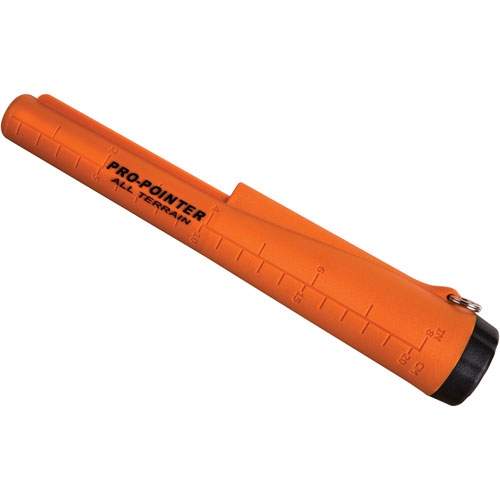 Your price for this item is $160.99
 -
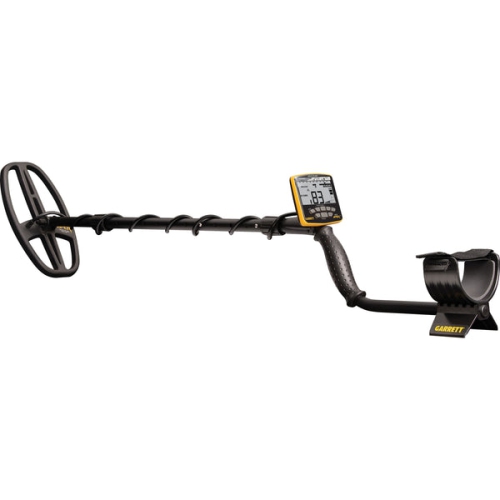 Your price for this item is $650.99
 -
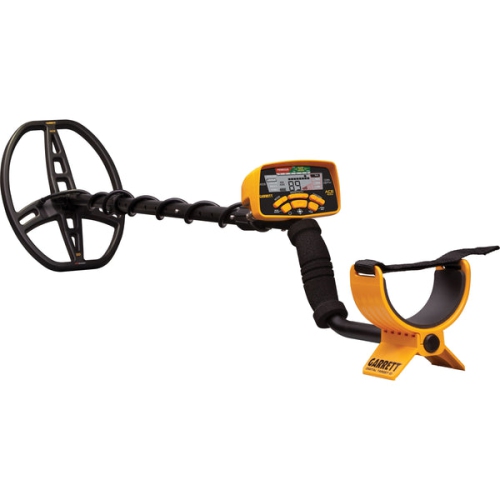 Your price for this item is $520.99
 -
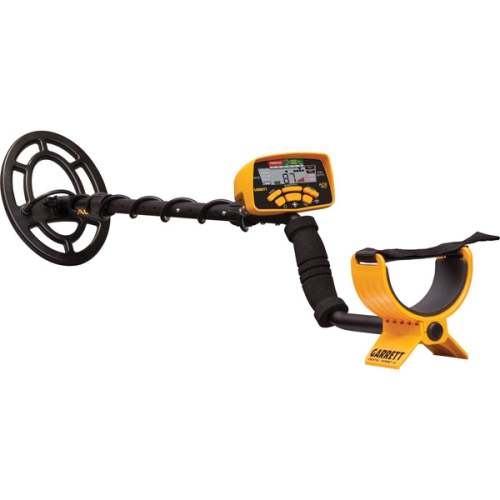 Your price for this item is $392.99
 -
 Your price for this item is $53.04
 -
 Your price for this item is $69.99
 -
 Your price for this item is $29.13
 -
 Your price for this item is $93.99
Discover more categories related to Beach Metal Detecting
Top Collections:
Pokemon Centers, Kindle Devices, Best Budget Office Chairs, Apple iPhones 16, Best Laptops for Writers, iPhone 15 Apple, Canon G7X Cameras, Refurbished Apple Laptops, Alarm Clock, Motorola Razr Phones
Some products may be subject to Environmental Handling Fees
(EHF) depending on your province.
Learn more about EHFs.