Blue Electric Scooters
If you're looking for a fun and eco-friendly way to zip around town, look no further than these blue electric scooters. Whether you're commuting to work, running errands, or simply exploring your neighborhood, these sleek and stylish scooters offer a convenient and efficient mode of transportation. With their electric-powered motors, you can enjoy a smooth and quiet ride while reducing your carbon footprint.
Sort










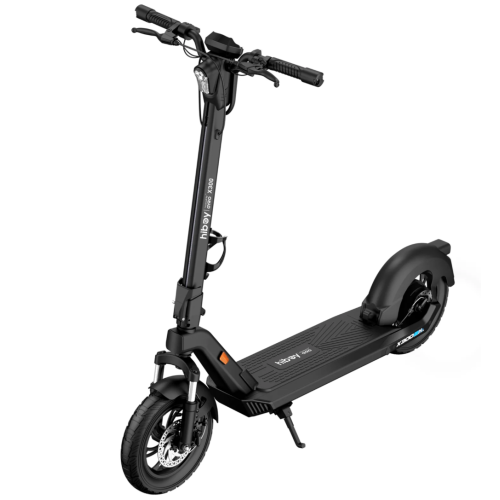
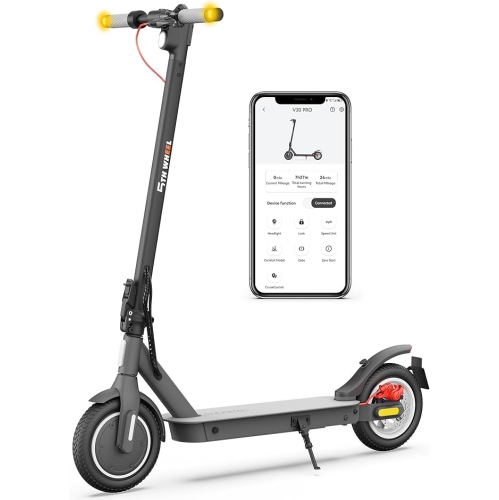

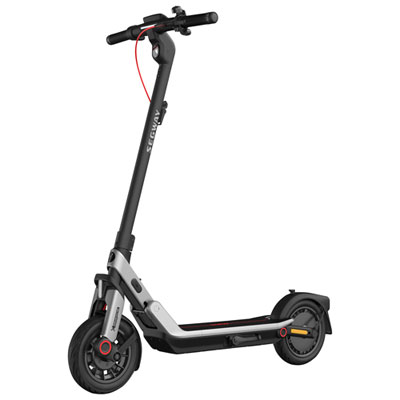
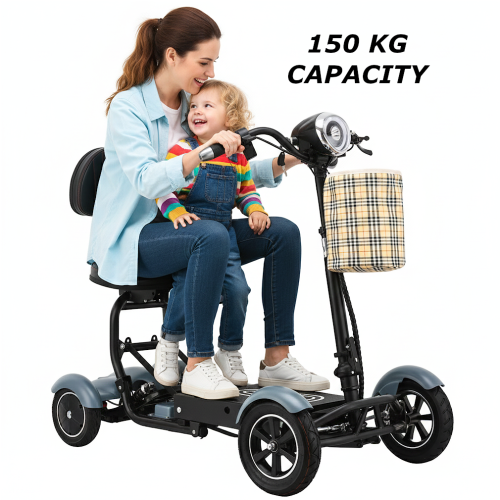


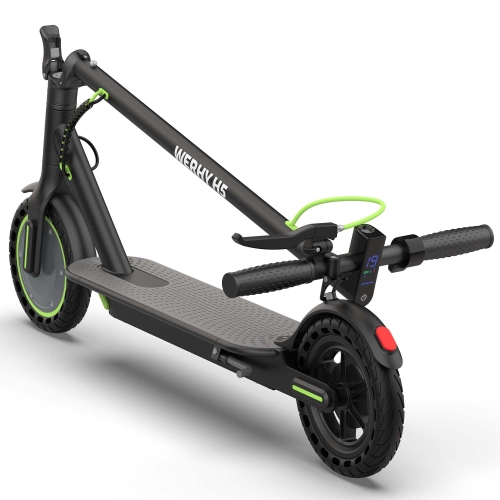
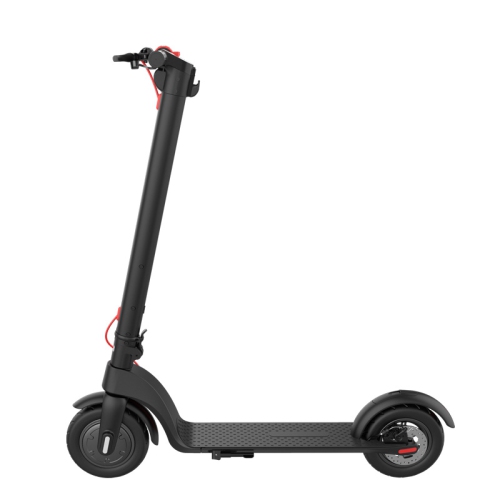
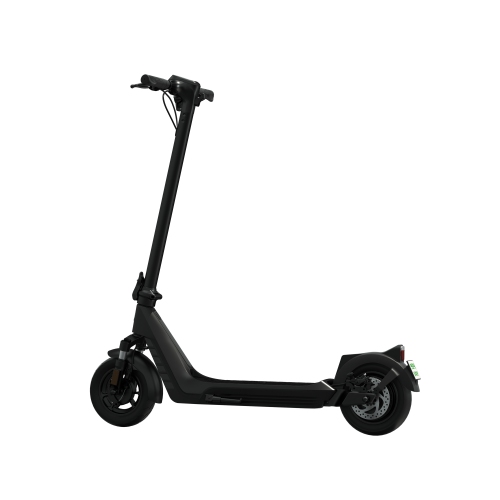
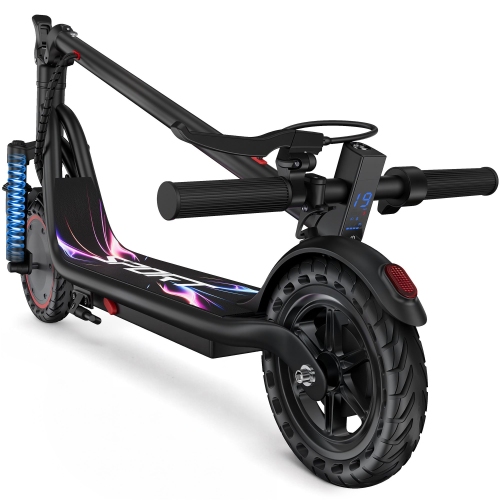
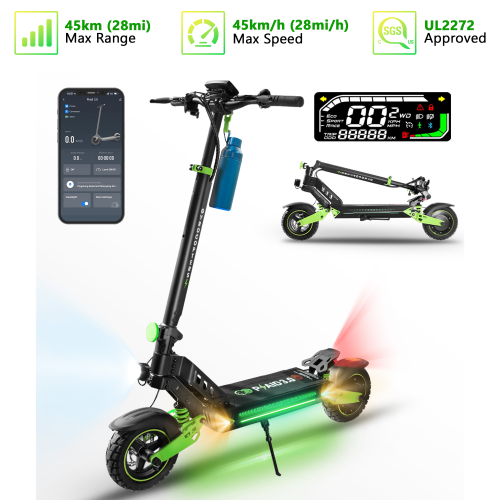
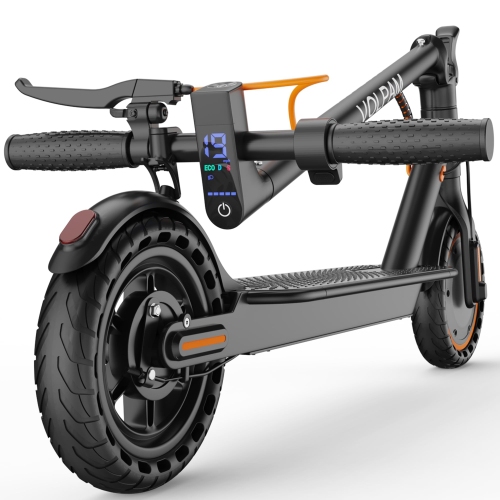
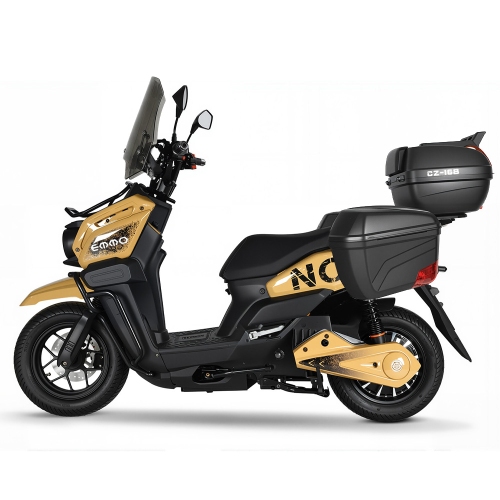
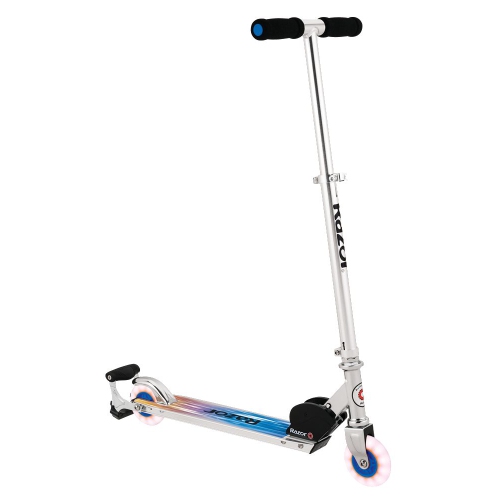

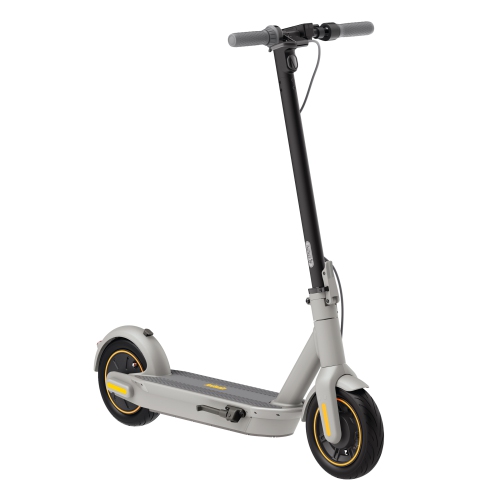
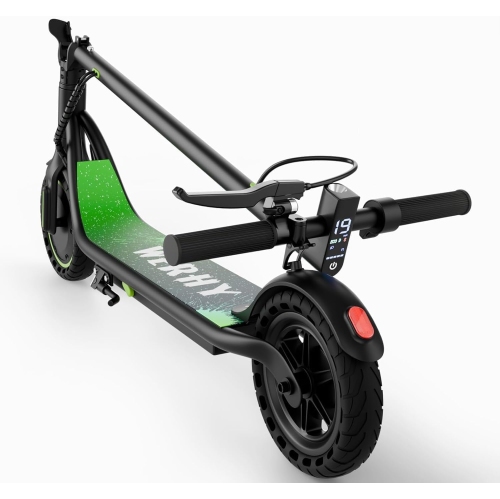
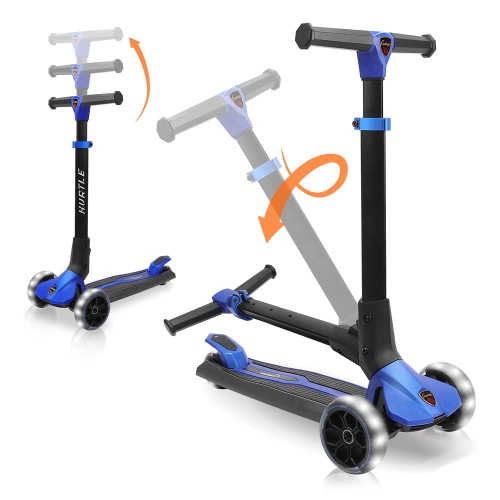
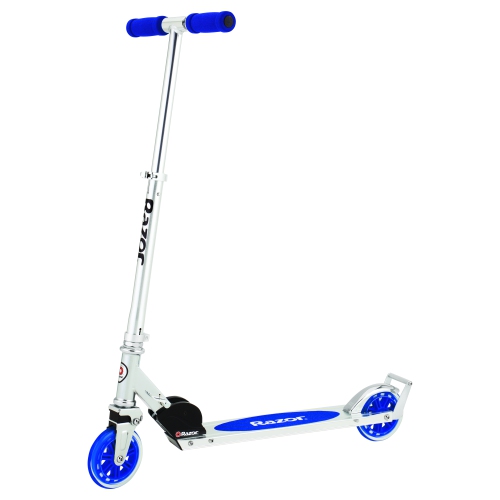

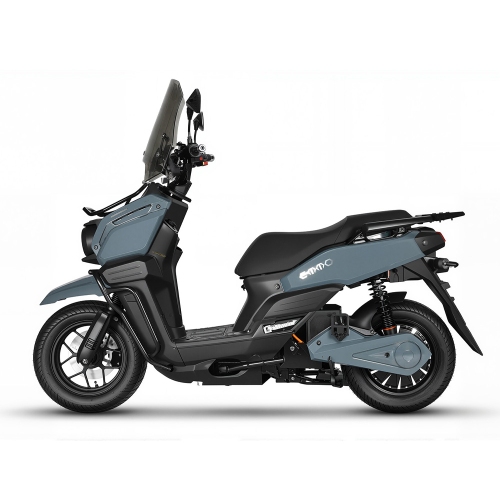
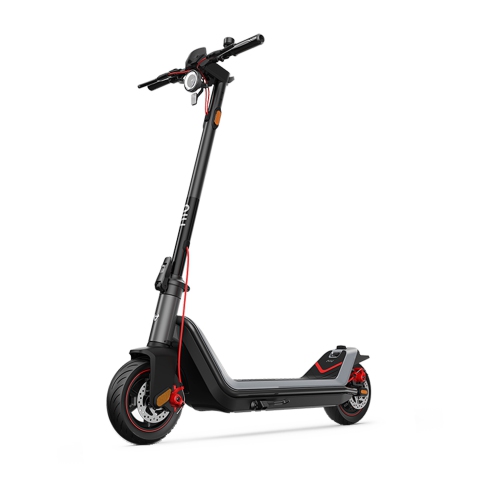

Beyond the blue finish, fit shapes every ride
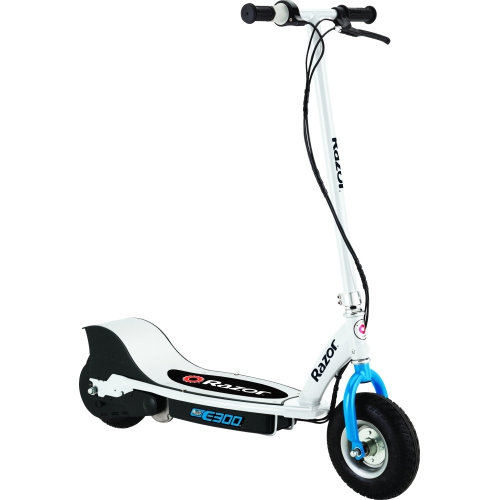
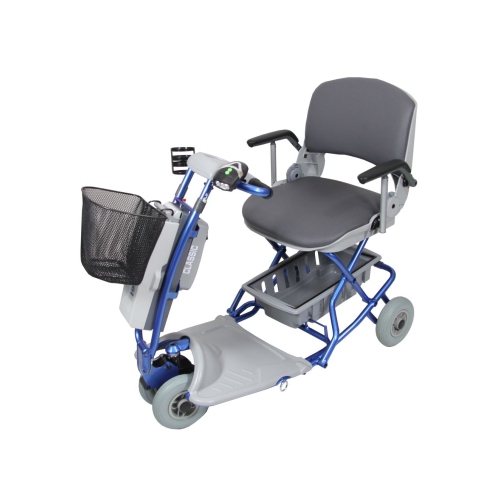
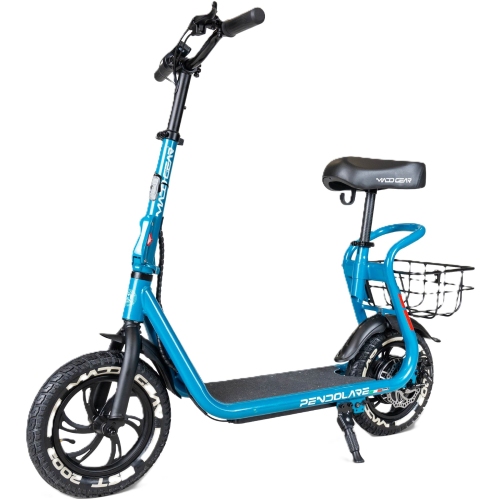
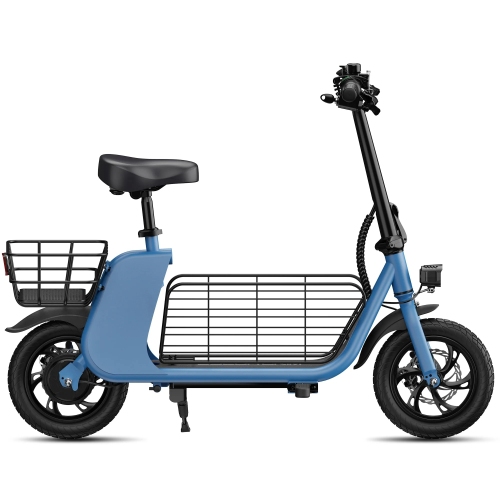
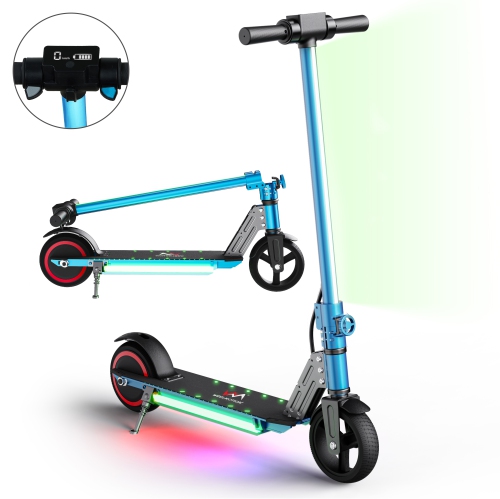
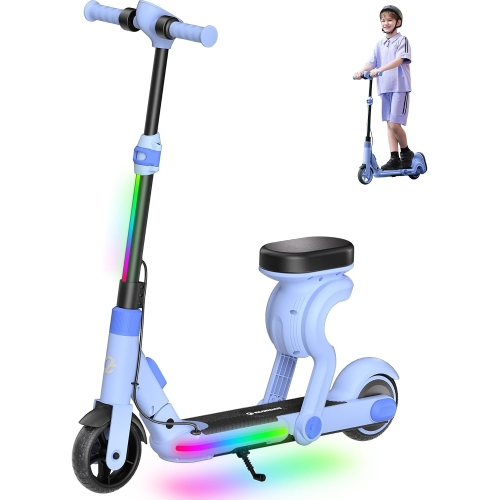
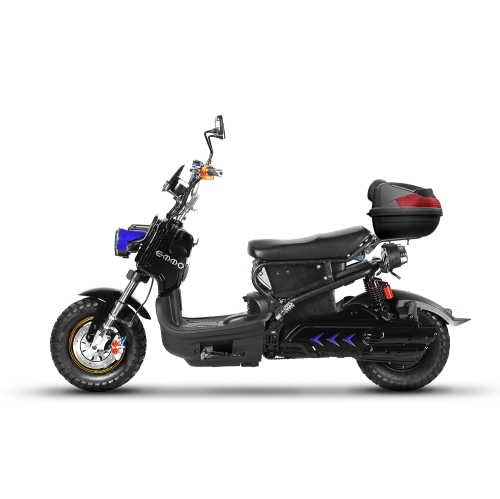
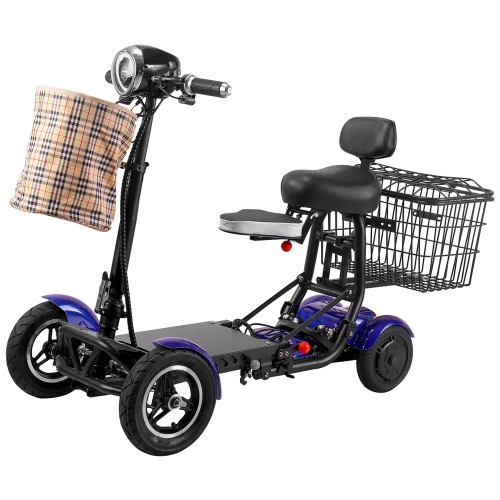
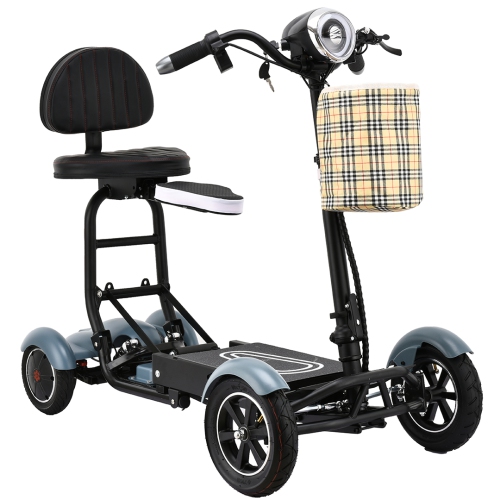
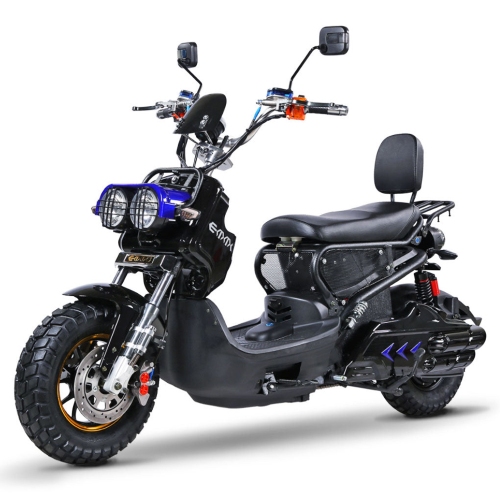
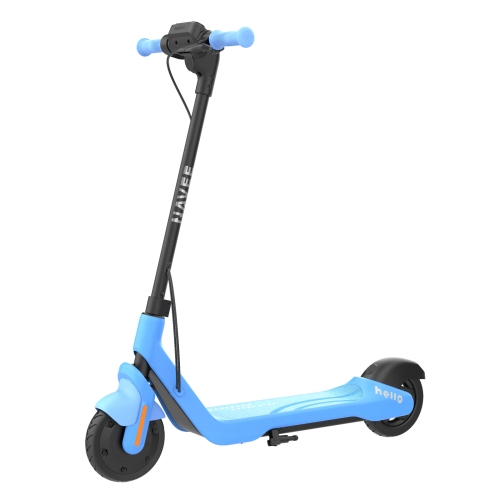
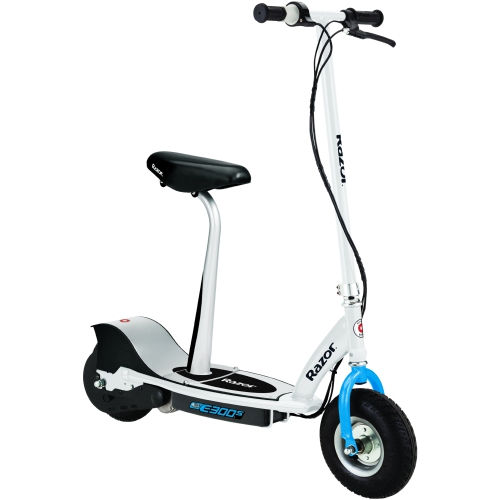
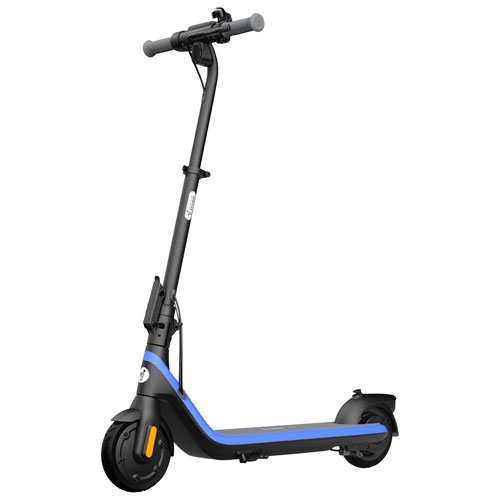
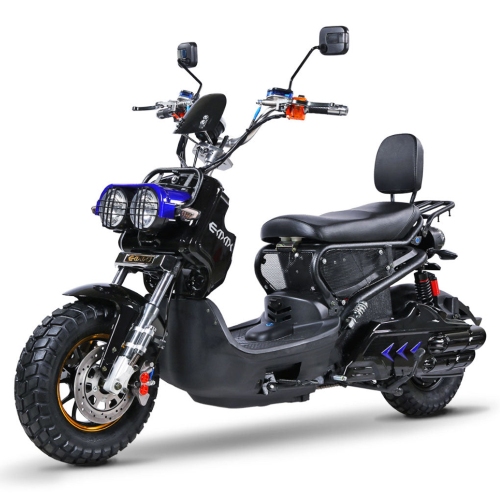
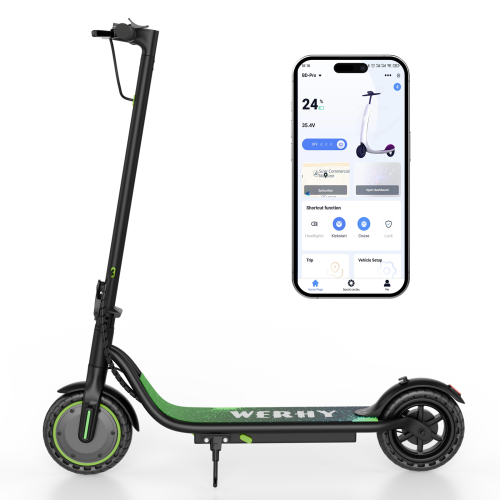
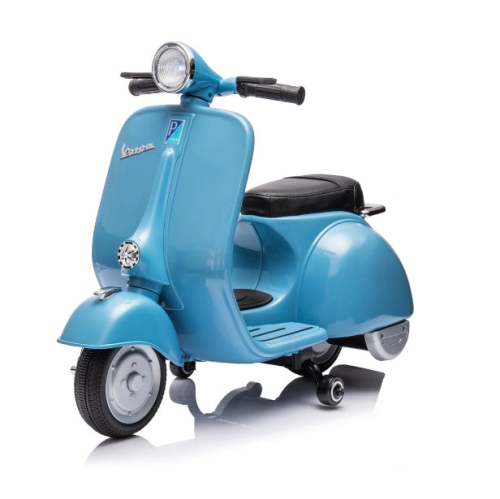
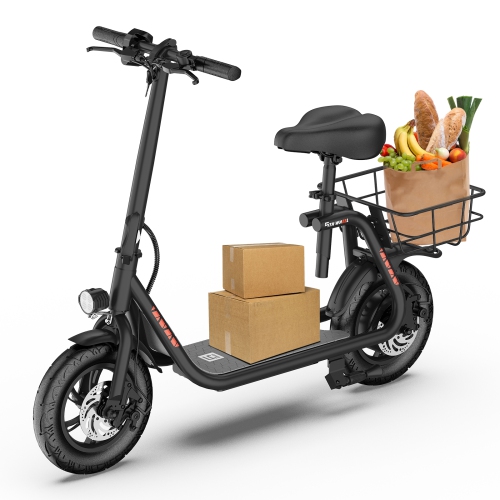
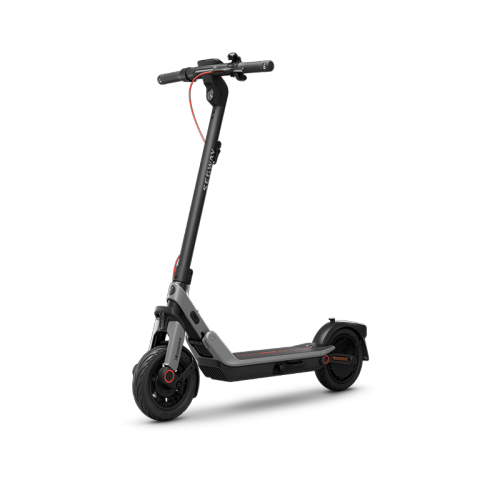
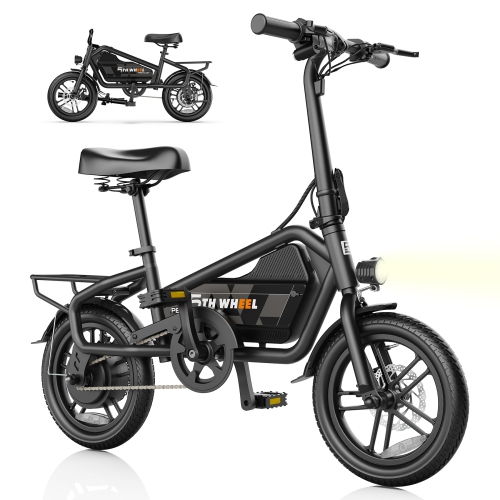
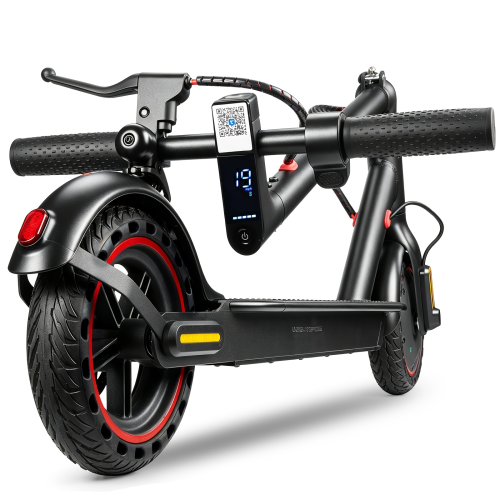
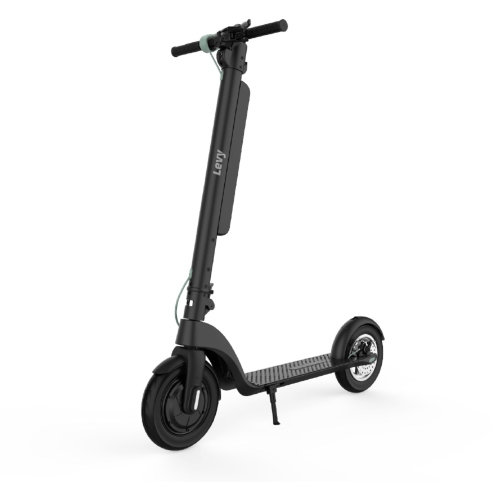
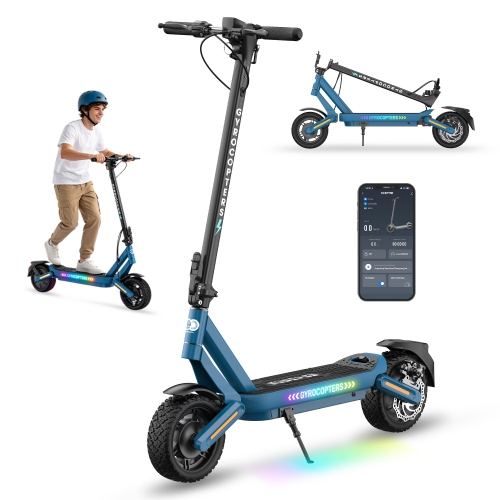
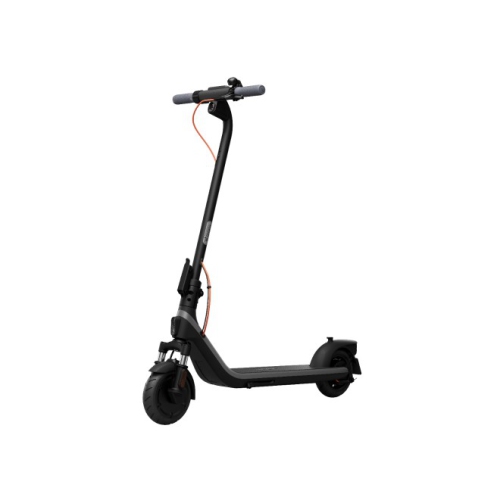
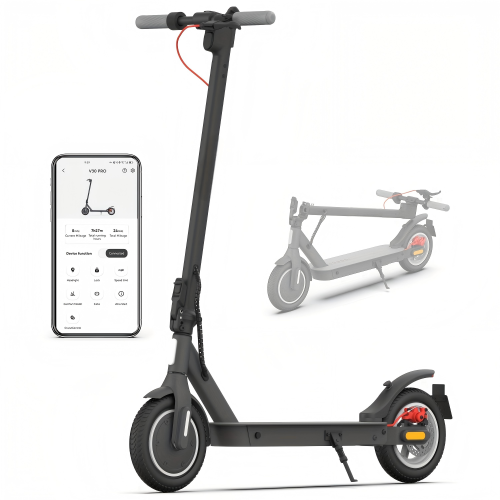
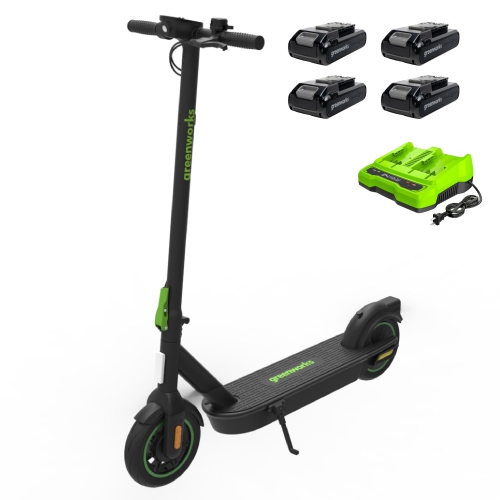
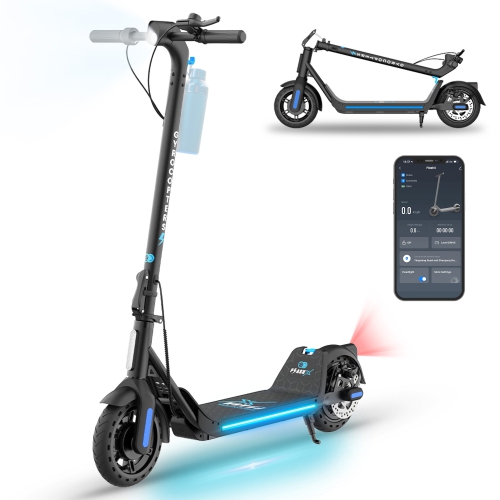
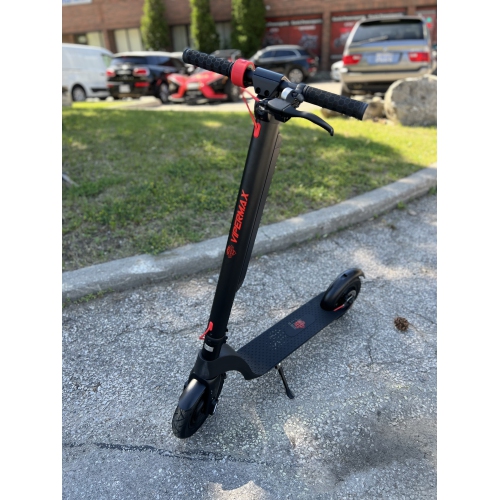
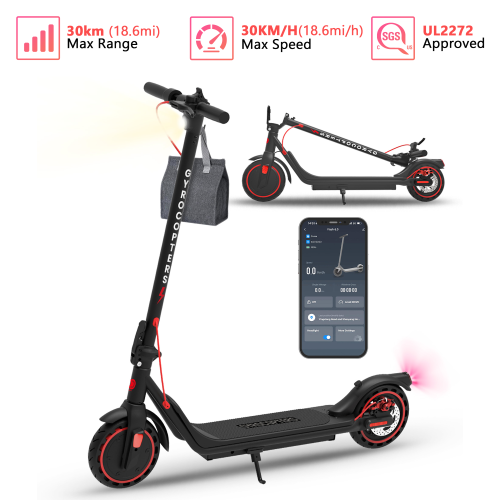
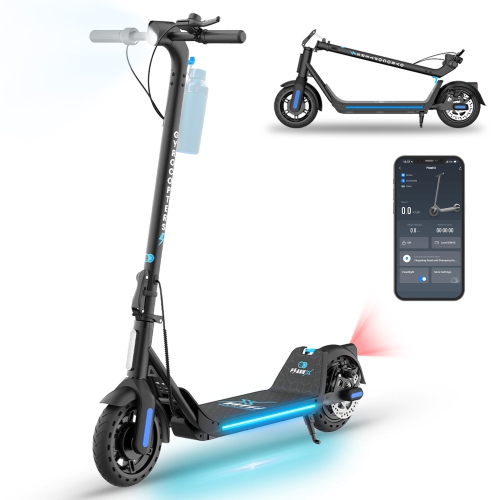
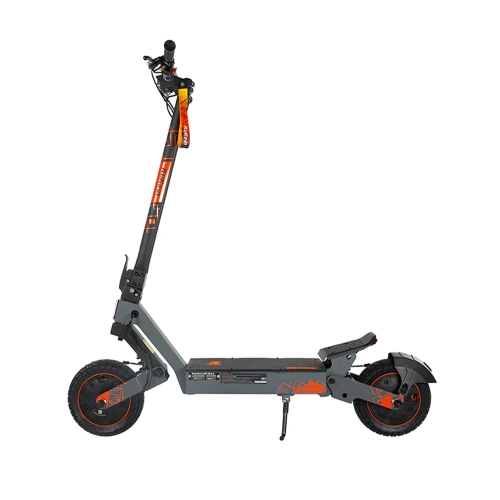
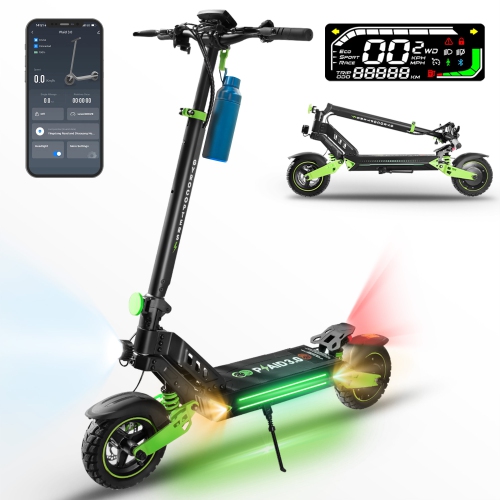
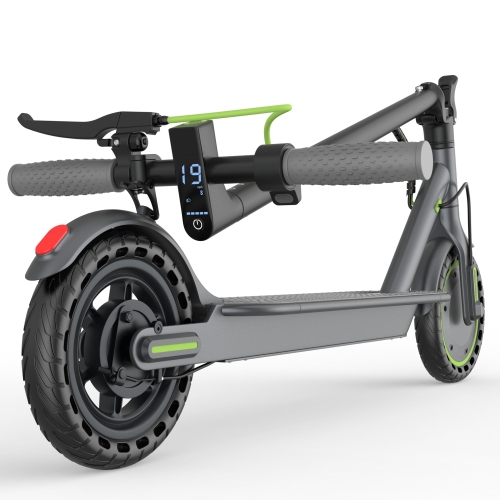
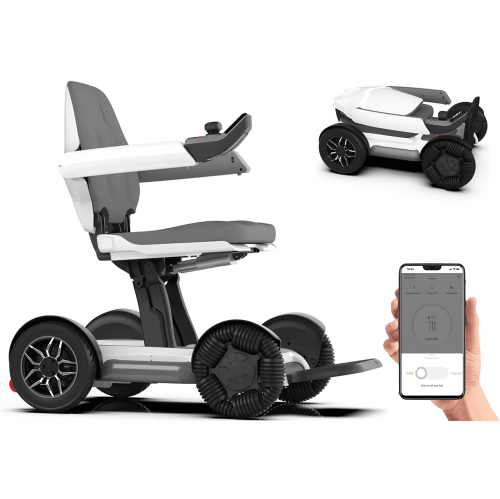
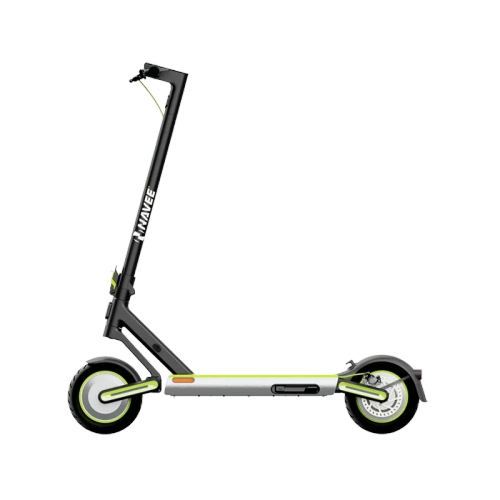
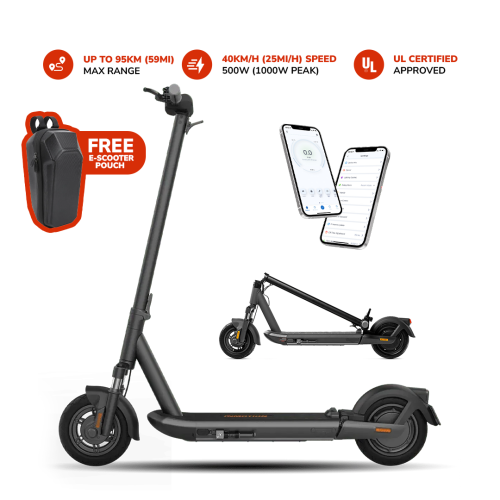
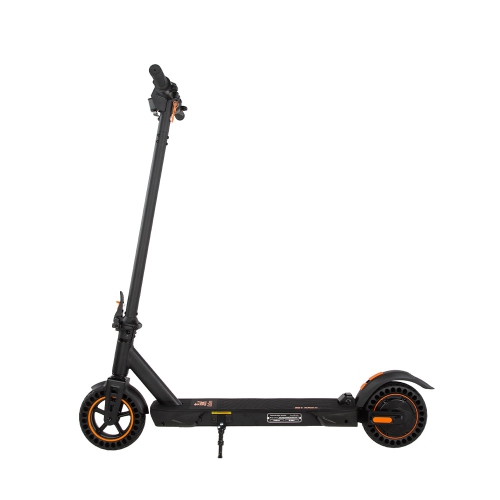
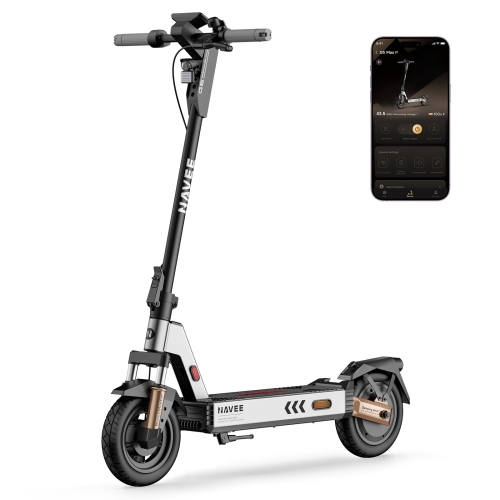
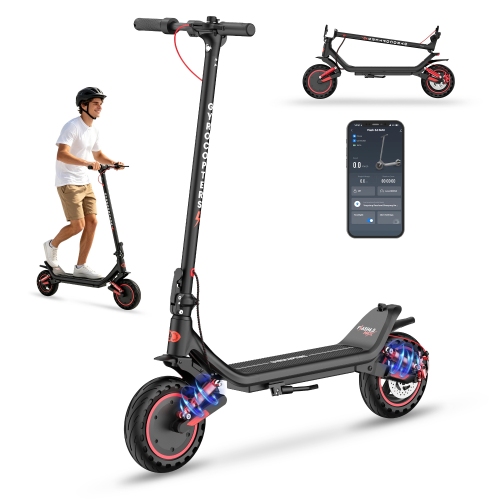
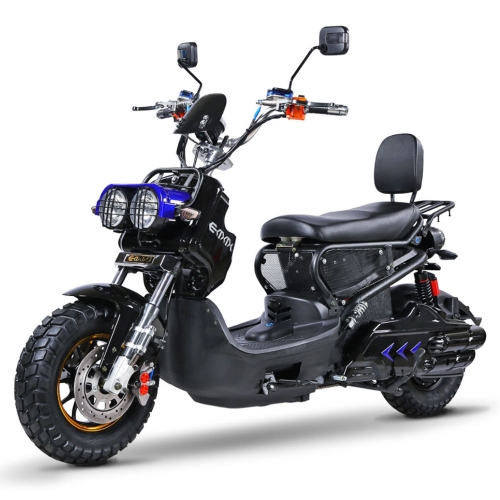
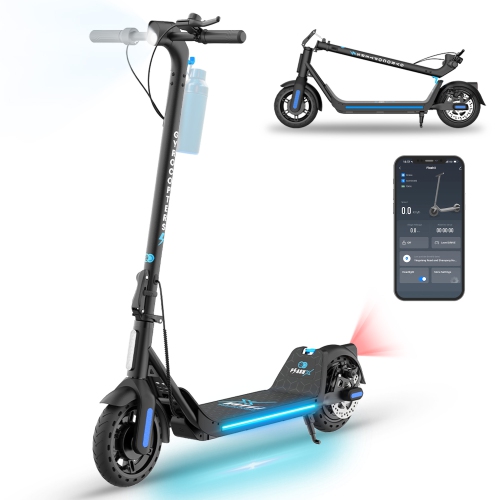
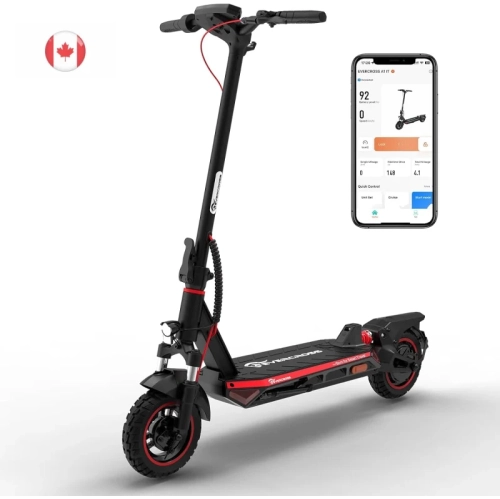
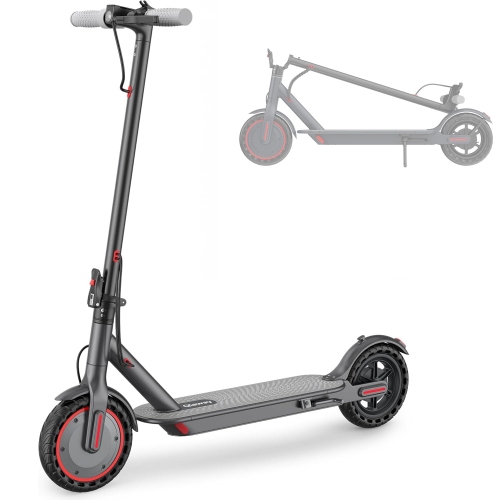
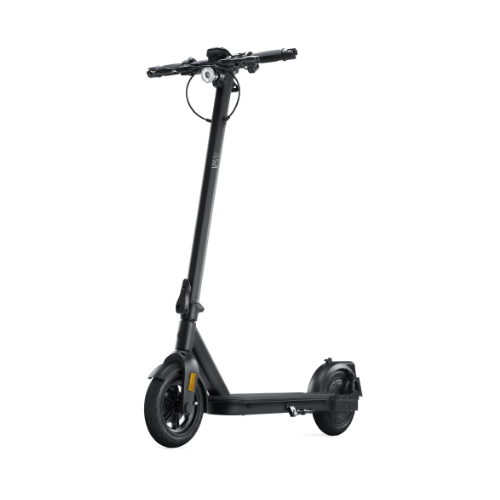
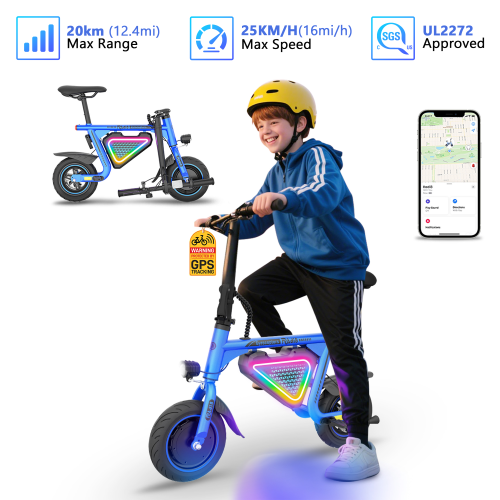
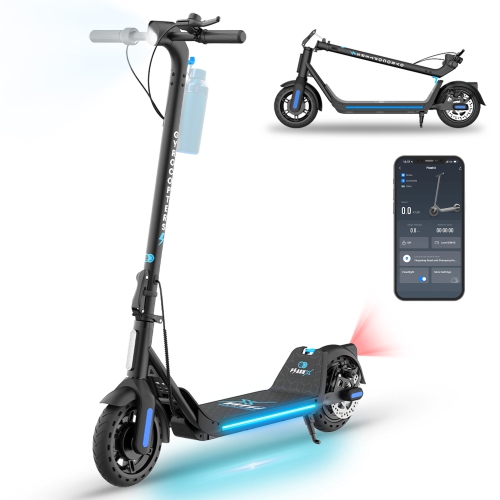
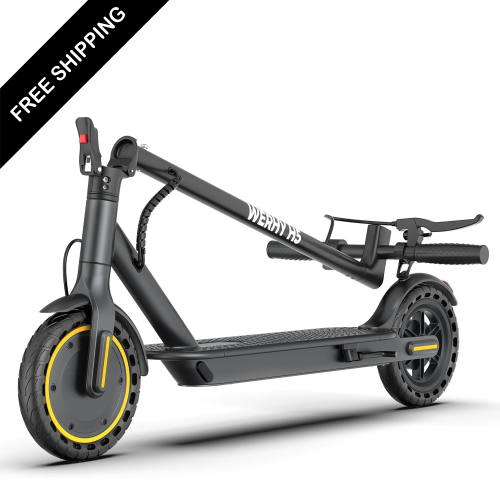
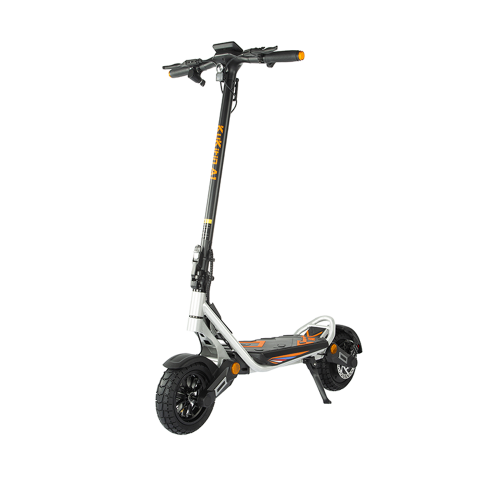
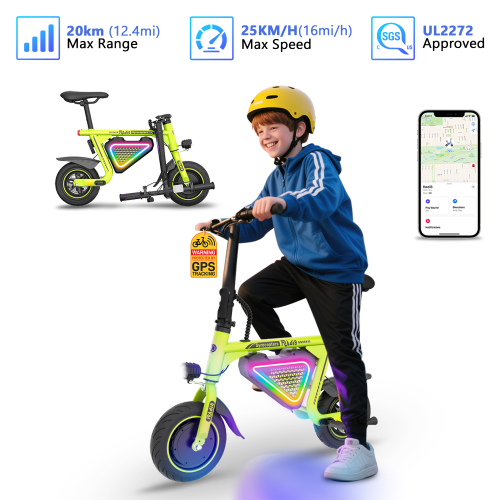
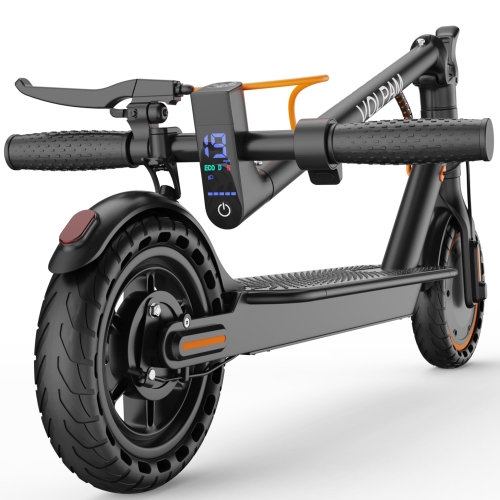
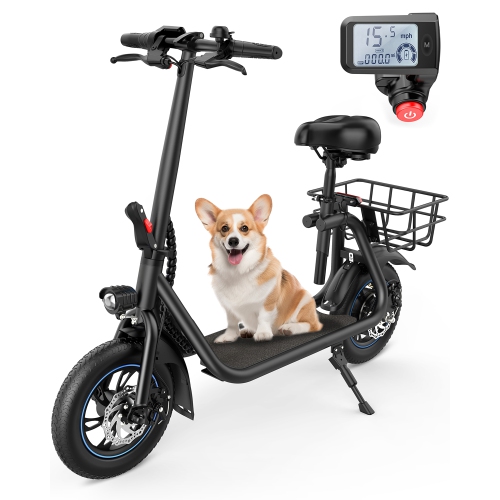
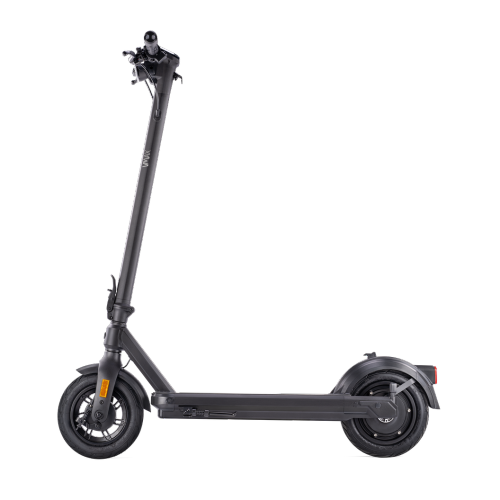
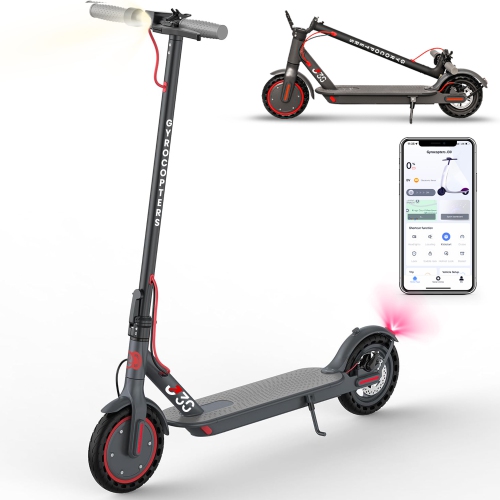
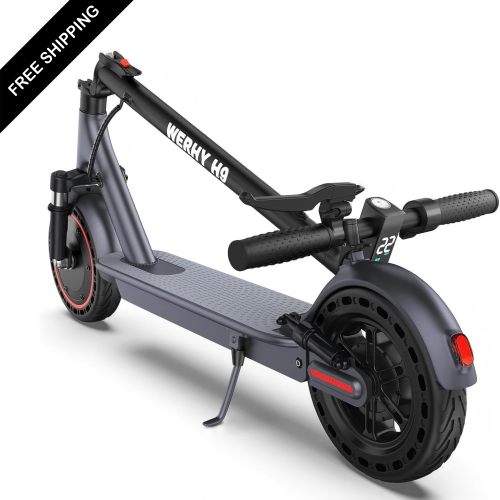
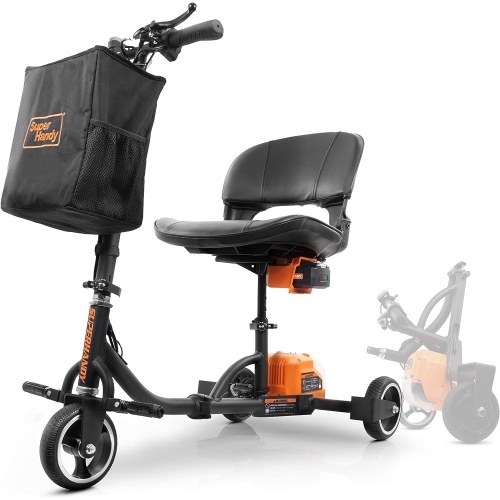
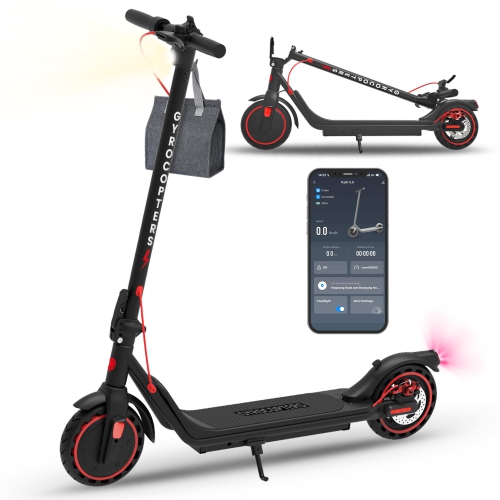
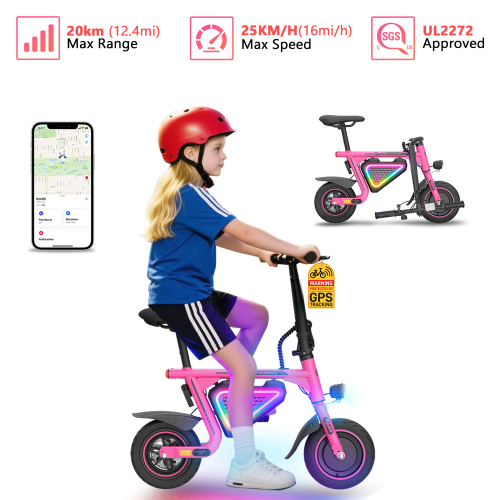
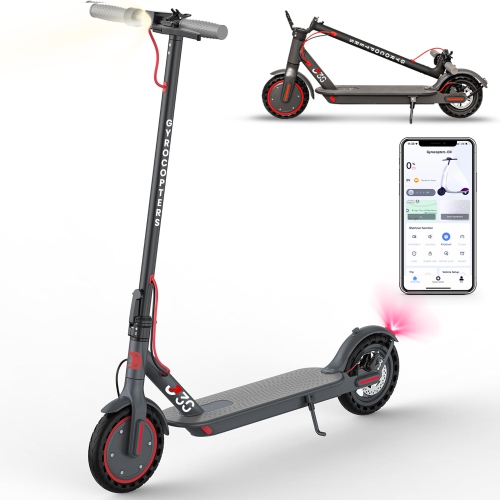
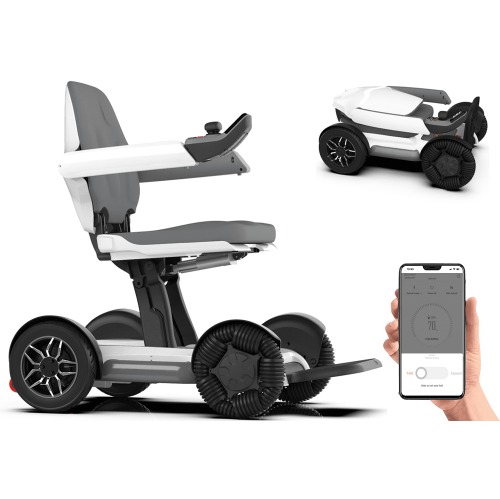
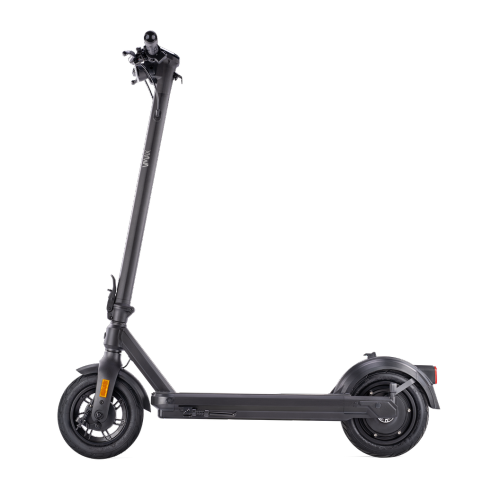
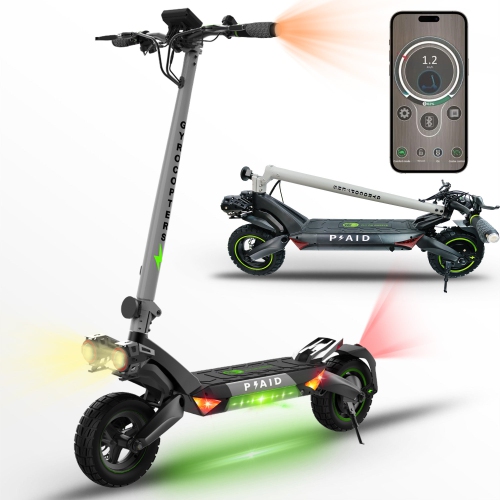
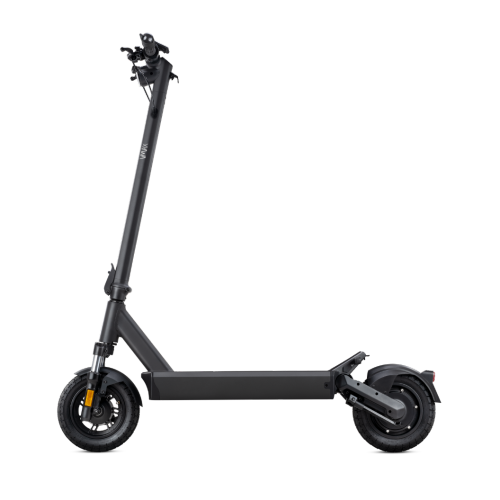
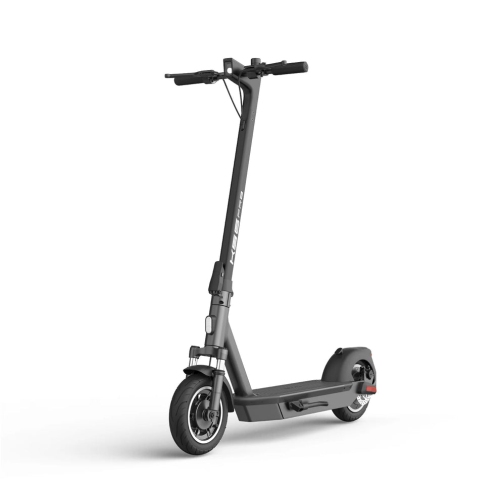
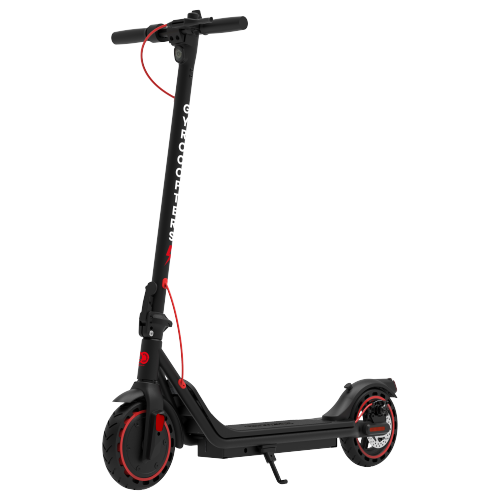
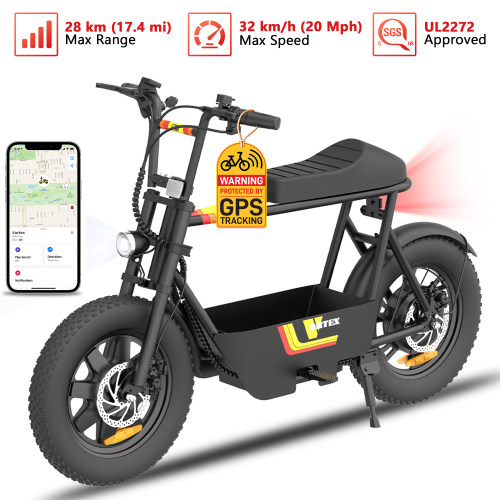
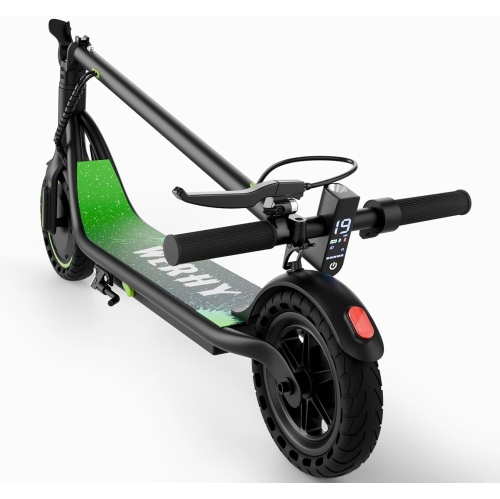
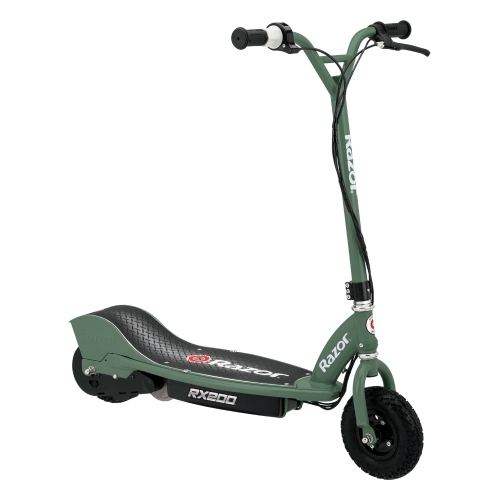
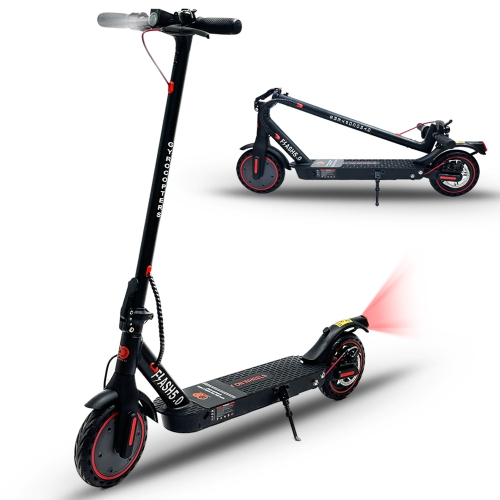
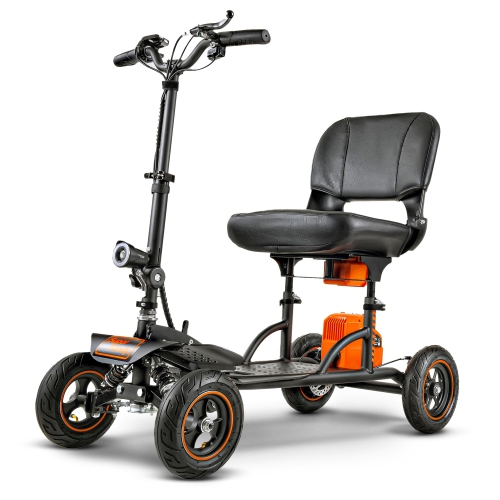
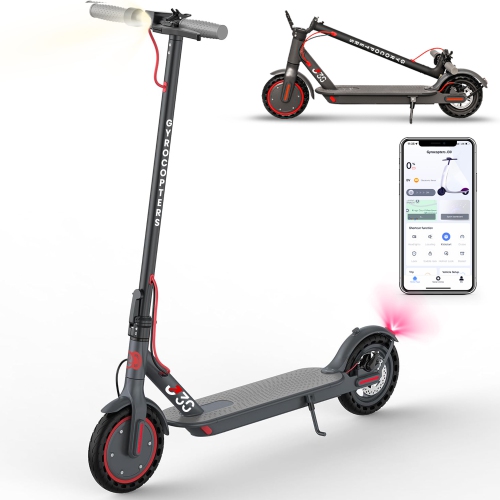
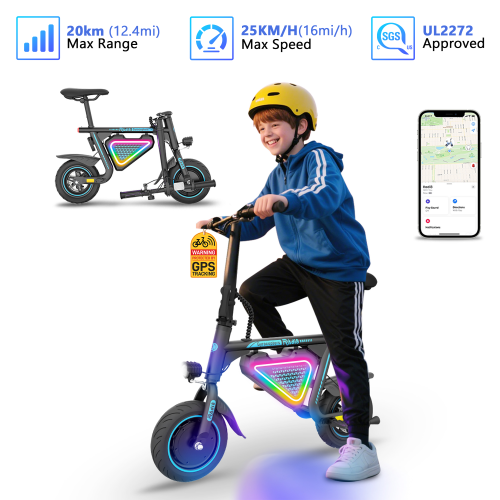
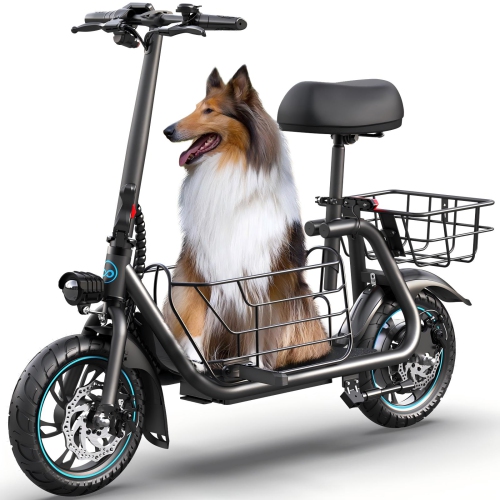
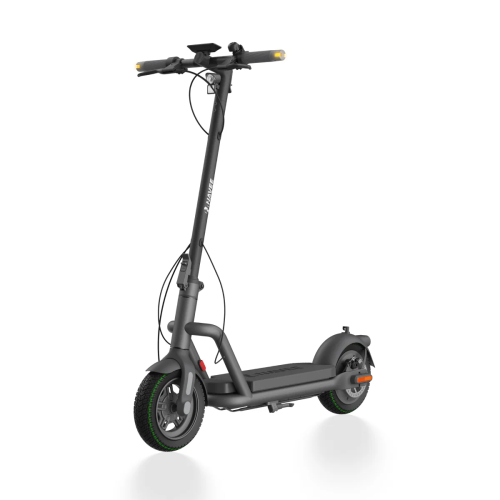
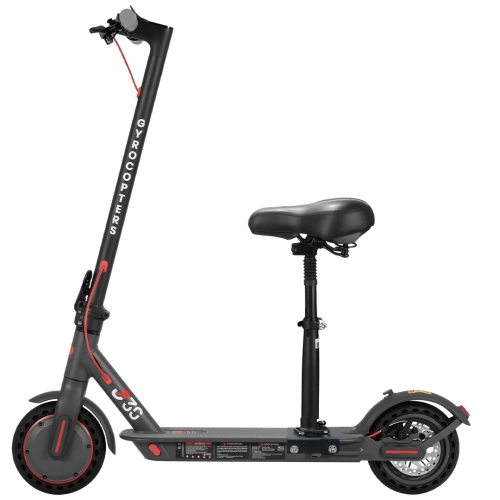
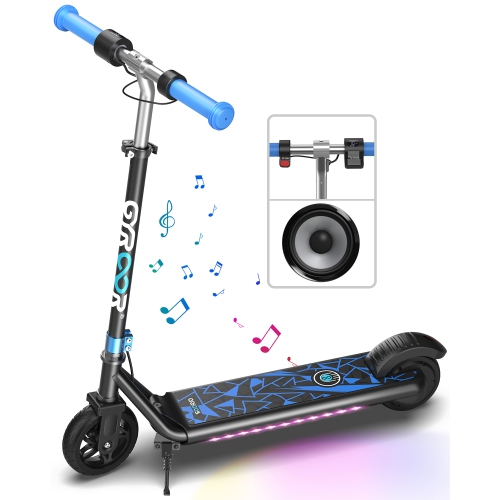
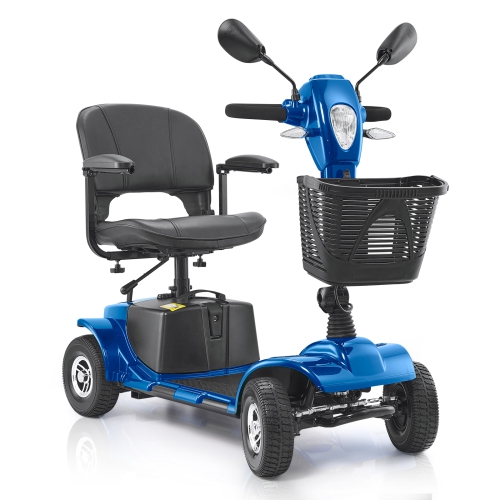
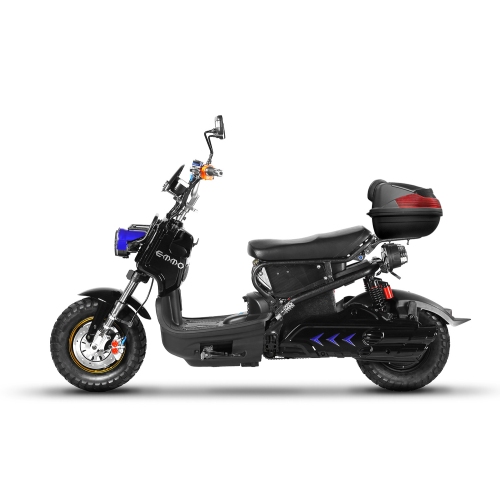
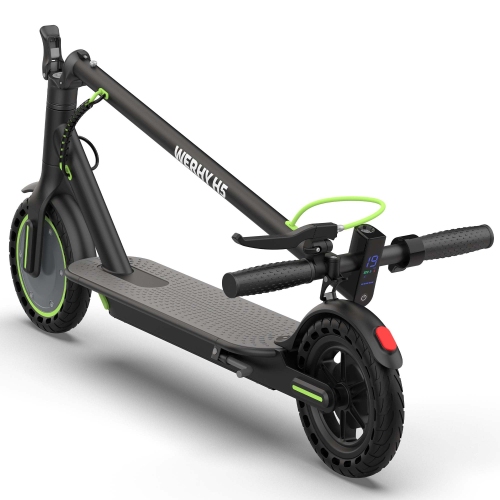
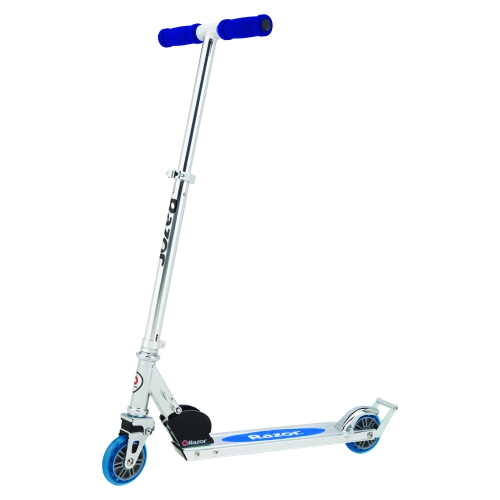
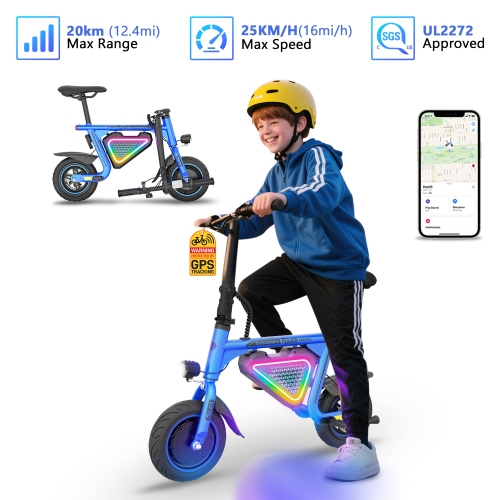
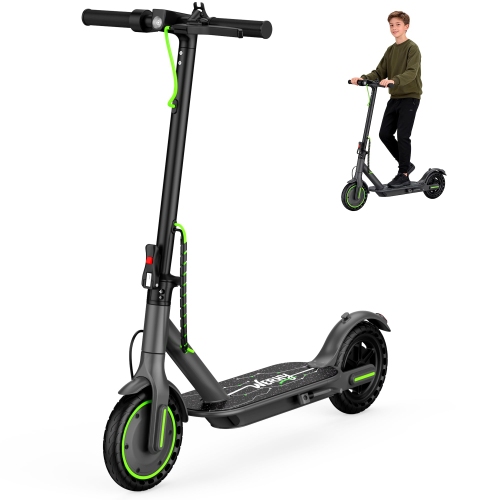
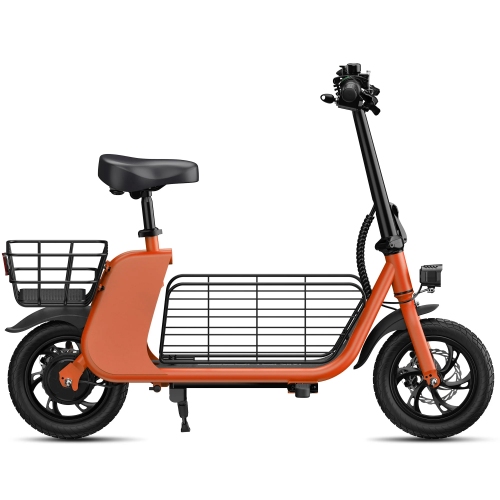
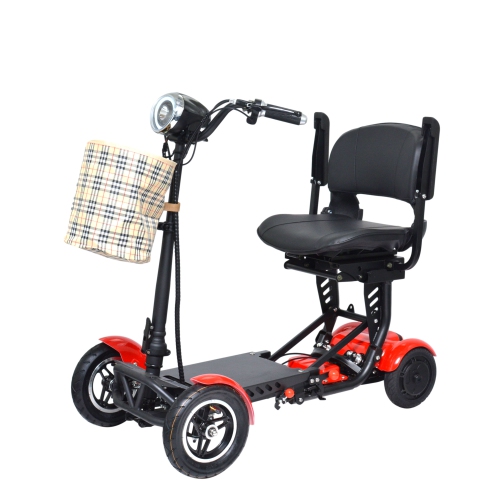
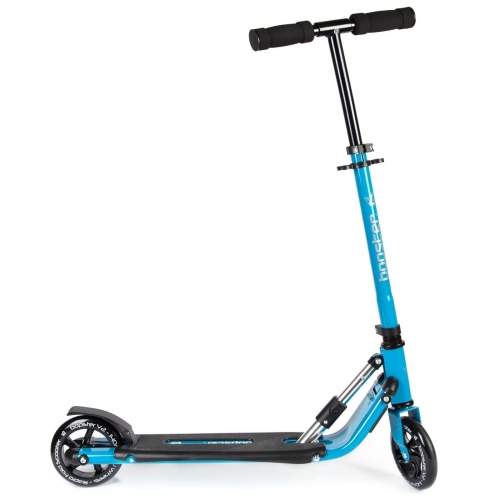
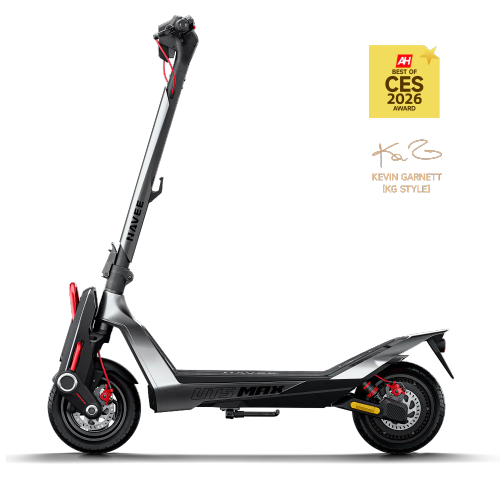
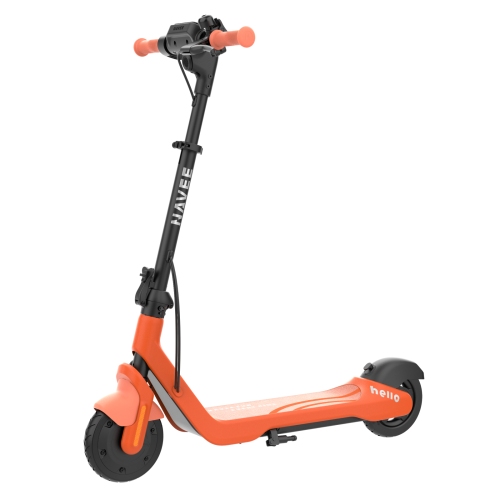
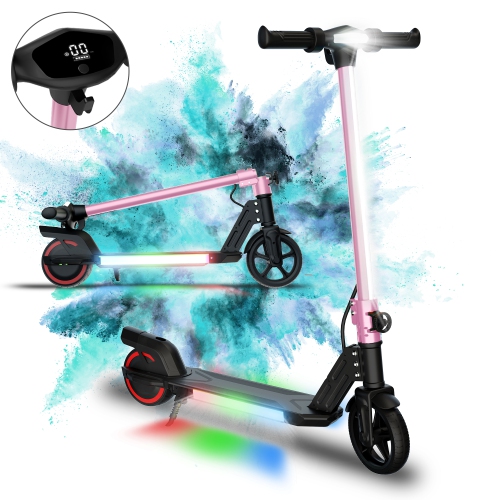
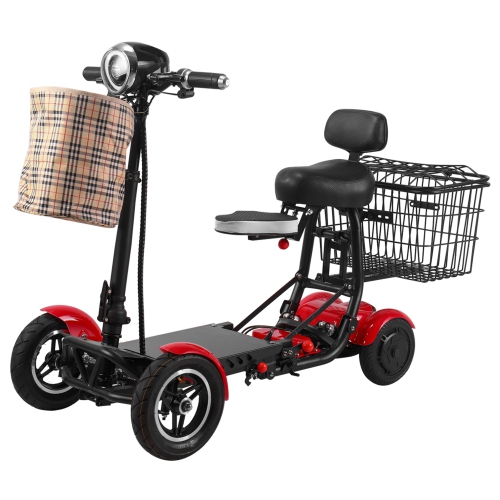
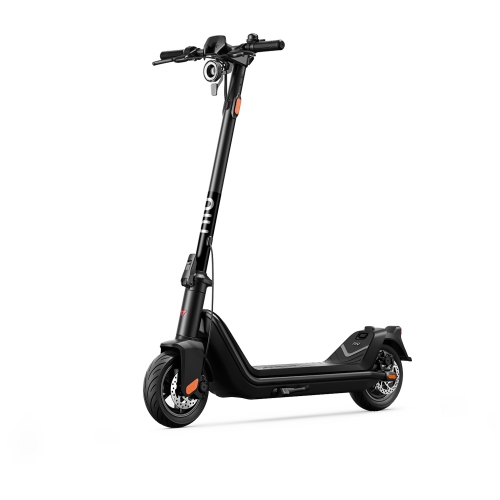
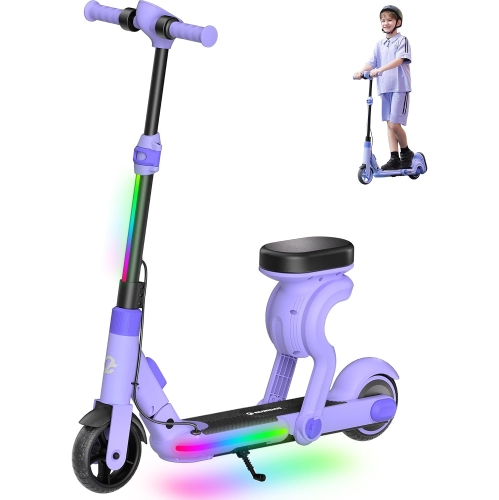
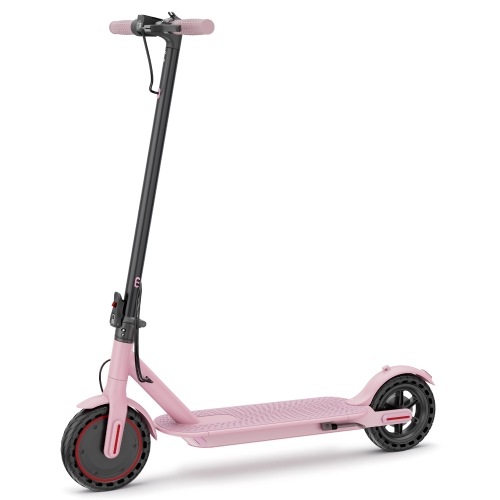
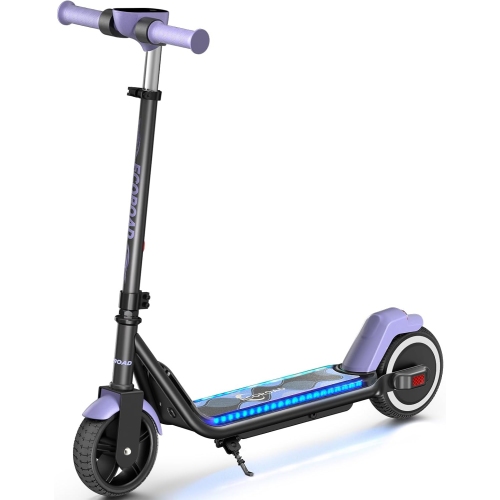
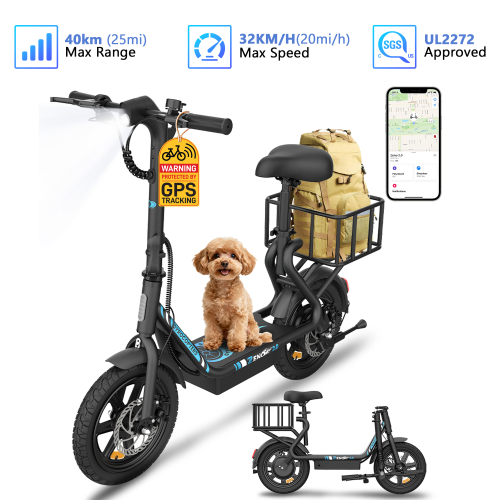
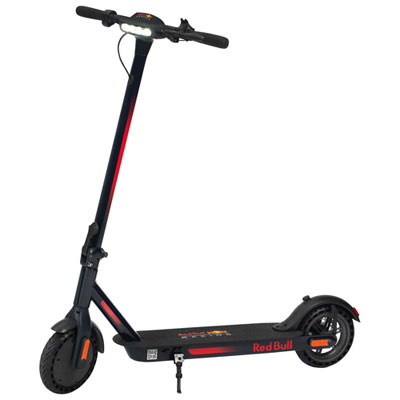
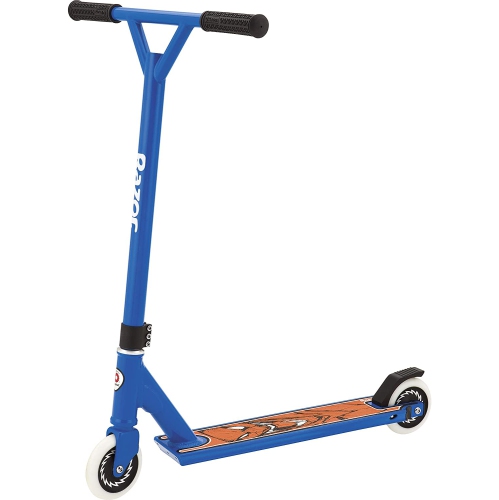
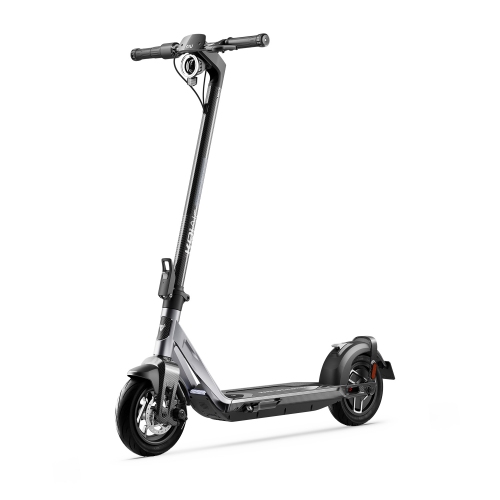
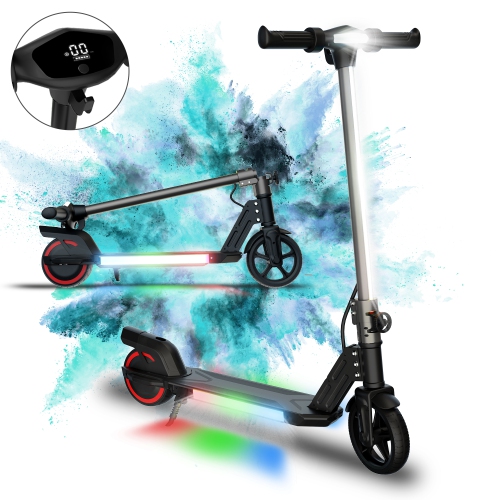
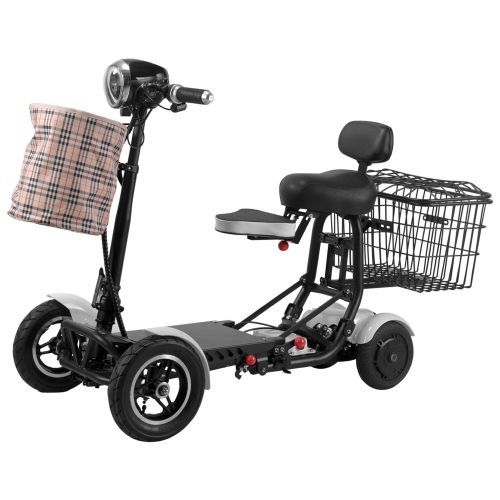
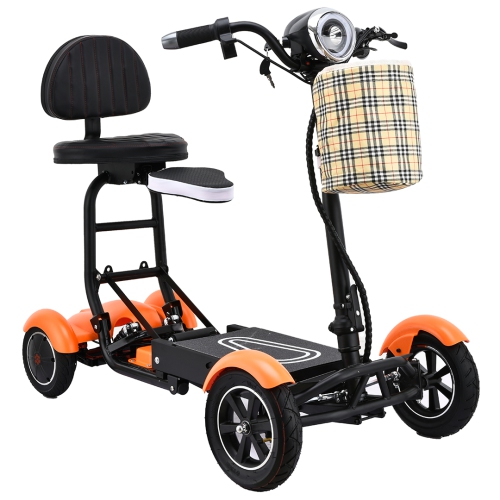
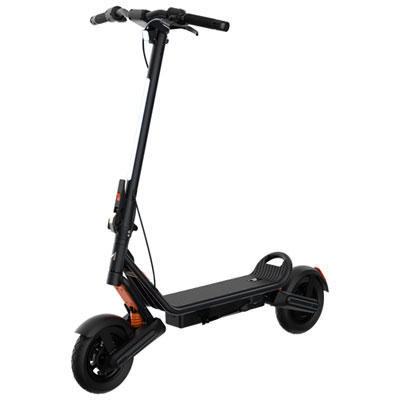
Blue electric scooters pair battery-powered travel with a colour that can feel understated or expressive, depending on the finish. Deep navy gives a scooter a more subdued look, while brighter blue shades stand out against black decks, handlebars, and wheels. The colour may cover much of the frame or appear only on the stem, fenders, or trim, so photographs and colour descriptions help distinguish a mostly blue scooter from one with blue accents. Beyond appearance, electric scooters differ in their intended rider, riding position, carrying weight, and everyday practicality. Standing models typically have a narrow deck and upright handlebar, while seated designs may offer a different riding position and additional storage features. A seat does not automatically make a scooter suitable for someone with balance or mobility needs; the design still needs to match the rider’s abilities and intended use. For short trips between home and a permitted destination, a compact folding design can make the transition from riding to carrying less awkward. Someone who needs to lift a scooter up apartment stairs may value manageable weight more than a larger battery, whereas a rider with ground-level storage may have more flexibility. Motor output, battery capacity, and supported rider weight all contribute to how a scooter performs, but no single specification tells the whole story. Rated motor power and peak motor power describe different measures, so a larger advertised figure does not necessarily mean stronger sustained performance. Published range is generally based on test conditions and can vary with rider weight, inclines, speed, tyre pressure, and repeated starts. A route with several hills or frequent stops may therefore use more charge than a flatter, uninterrupted trip of the same distance. Blue electric scooters can suit a range of personal styles, but the most useful differences are often the ones that affect the journey: how comfortably the scooter fits, how it handles, and how easily it can be stored once the ride is over.
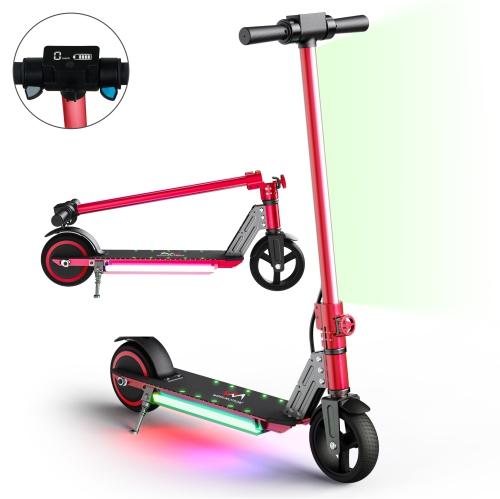
Fit and construction shape the experience from the first push-off. A deck needs enough usable space for a stable stance without forcing the rider’s feet into an awkward position, and a textured surface helps shoes maintain contact. Handlebar height influences posture and steering control; adjustable stems can accommodate different heights, but the manufacturer’s specified adjustment limits still apply. The maximum supported load includes the rider and anything carried, not just body weight. Scooters designed for children have their own age, height, weight, and supervision requirements, and an adult model does not become child-appropriate simply because it has a lower speed setting. Frame materials commonly include aluminium alloys, steel, or a combination of materials selected for different structural parts. Aluminium can help limit carrying weight, while steel components may add strength in particular areas, though overall durability depends on the design, assembly, and maintenance rather than the material name alone. On a folding scooter, the hinge and locking mechanism are especially important because they must hold the stem securely during use. A folded frame may fit beside a desk or inside a vehicle, but its dimensions and weight determine whether that move is genuinely convenient. Wheel size and tyre construction also affect comfort and upkeep. Air-filled tyres can cushion small surface irregularities, but they require pressure checks and can develop punctures. Solid tyres avoid air-pressure maintenance, although they may transmit more vibration through the deck and handlebar. Suspension can soften some bumps without making a scooter suitable for stairs, jumps, or rough trails. Braking systems may use mechanical components, electronic assistance, or a combination, with differences in lever feel and maintenance needs. Smooth, predictable braking matters when approaching a crossing or slowing on a shared route. Lights, reflectors, and an audible warning device can support visibility and awareness, but they do not replace attentive riding or a properly fitted helmet that meets applicable requirements. Blue paint is a style choice, not a substitute for visibility equipment.
Everyday ownership also involves charging, storage, and small maintenance tasks that help a scooter remain dependable. Charging time affects how comfortably it fits into a routine, especially when the same scooter is used for more than one trip in a day. Battery capacity is often expressed in watt-hours, a useful measure of stored energy, although it does not establish real-world range on its own. Some designs have removable batteries, while others require the whole scooter to be brought near a suitable outlet. Only manufacturer-approved batteries and chargers should be used, with charging and storage handled according to the supplied instructions. A clear charging area away from exits and combustible materials is preferable to a crowded hallway, and a battery showing damage, swelling, leakage, or unusual heat needs prompt attention rather than continued use. Routine care typically includes checking tyre condition, brake operation, fasteners, and the folding latch, along with cleaning the frame and deck as directed. A soft cloth and an appropriate mild cleaner can help preserve a blue finish without abrasive scrubbing; charging ports, bearings, and electrical components need particular care during cleaning. Grips, tyres, and brake components are wear parts, so access to compatible replacements and service information can matter as much as an appealing finish. For a commute that includes public transit, both the operator’s rules and the scooter’s folded footprint influence whether it can travel along. Workplace and building policies may also affect indoor storage and charging. Across Canada, electric scooter permissions vary by province and municipality, including where riding is allowed, minimum rider ages, helmet requirements, and permitted equipment or speeds. A scooter’s advertised capabilities do not establish that it is legal to use on a particular road or path. As a gift, a blue electric scooter is most thoughtful when the recipient’s preferred colour is considered alongside fit, riding experience, storage space, and local rules. If the colour choice is still open, Green Electric Scooters offer another direction to explore while keeping the same practical priorities in mind. A finish the rider enjoys adds personality, while suitable proportions, manageable handling, and straightforward care make the scooter easier to live with.
Top selling and popular products
-
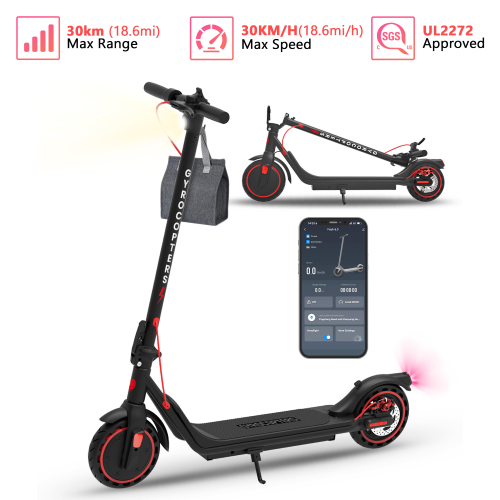 Your price for this item is $269.97
-
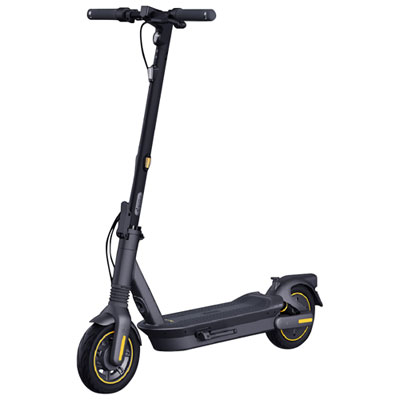 Your price for this item is $1199.99
-
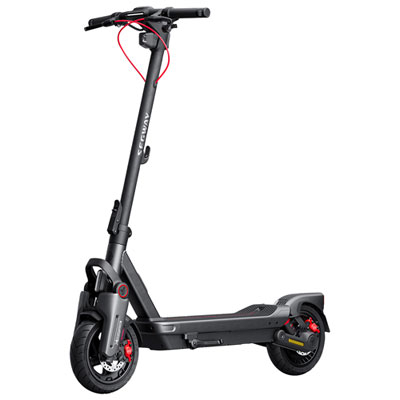 Your price for this item is $1599.99
-
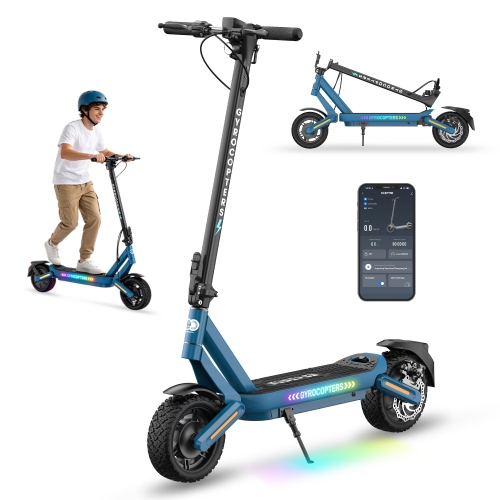 Your price for this item is $699.97
-
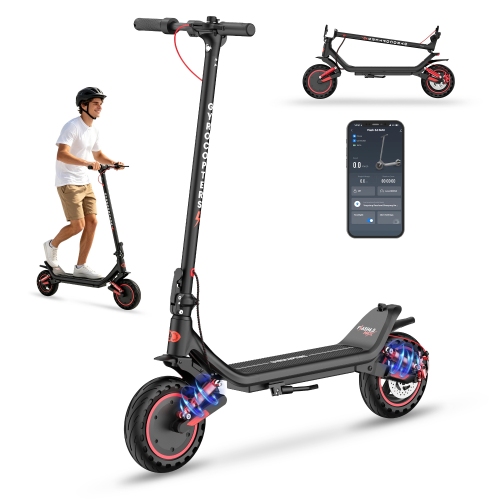 Your price for this item is $499.97
-
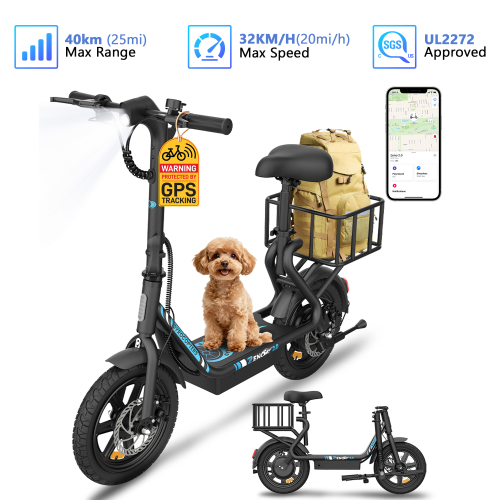 Your price for this item is $499.97
-
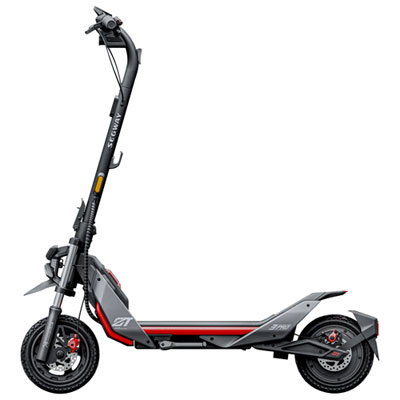 Your price for this item is $1599.99
-
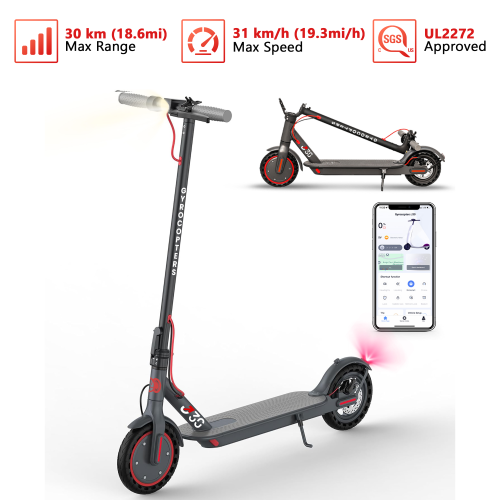 Your price for this item is $319.97
Discover more categories related to Blue Electric Scooters
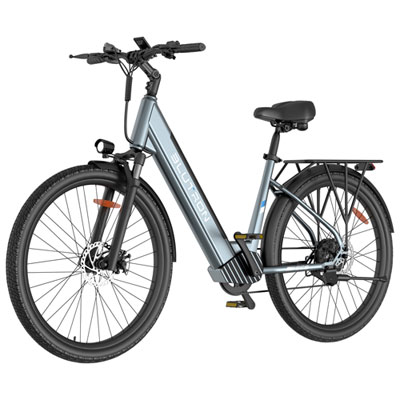
Top Collections:
Pokemon Centers, Best Cameras for Sports Photography, Kindle Devices, Samsung Galaxy Phones, Canon G7X Cameras, Pokémon 30th Celebration Cards, Refurbished Apple Laptops, iPhone 15 Apple, Laptops for Students, Budget Smartphones
Some products may be subject to Environmental Handling Fees
(EHF) depending on your province.
Learn more about EHFs.