Chirp Fishfinders
Looking to take your fishing game to the next level? Look no further than our collection of Chirp fishfinders. Whether you're a seasoned angler or just starting out, these innovative devices are designed to help you locate fish with unmatched precision and accuracy. With their advanced sonar technology and user-friendly interfaces, Chirp fishfinders provide real-time information about underwater terrain, fish activity, and more. Say goodbye to guesswork and hello to a more successful fishing experience with our extensive range of Chirp fishfinders.
Sort


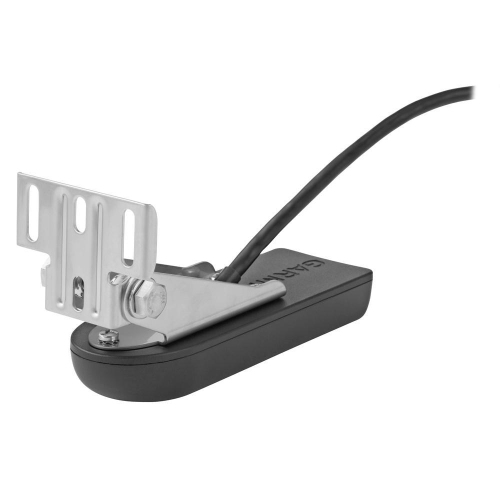
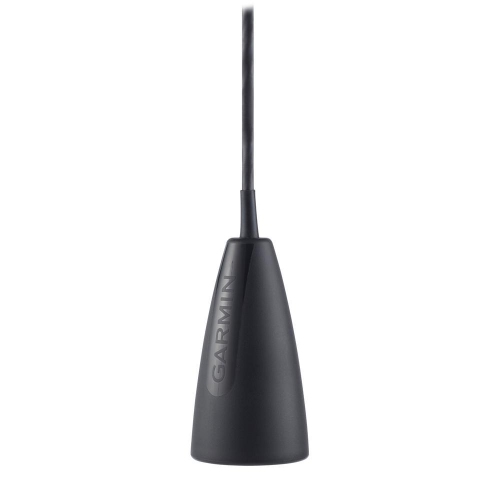
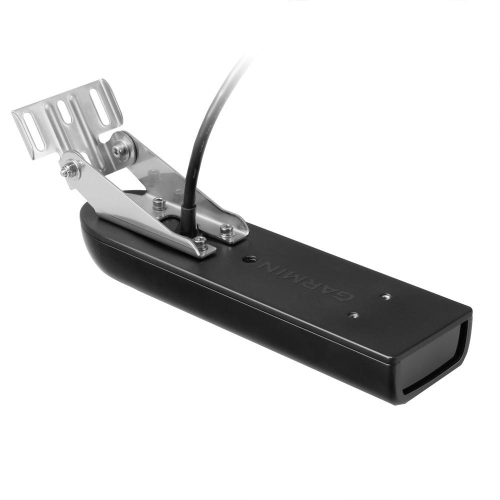
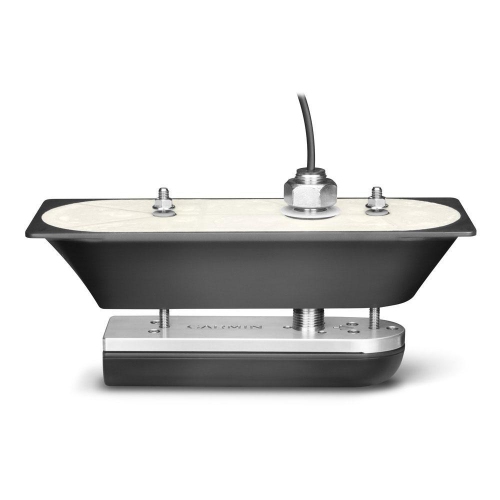
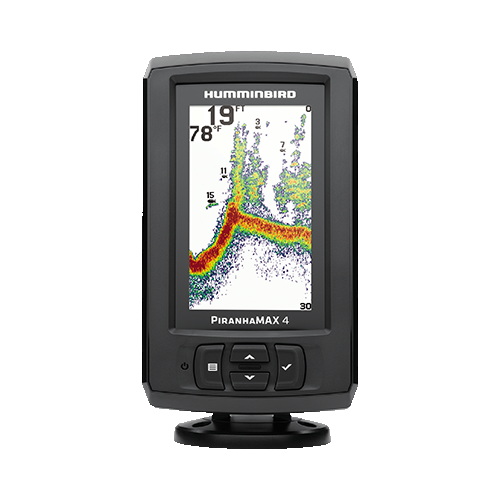
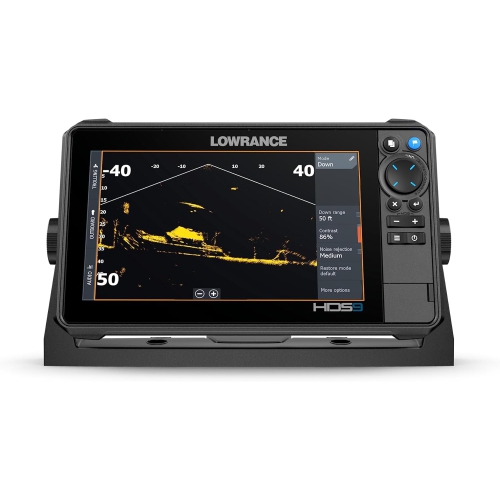
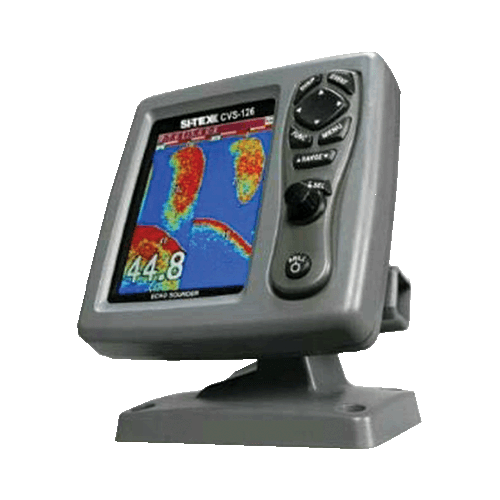
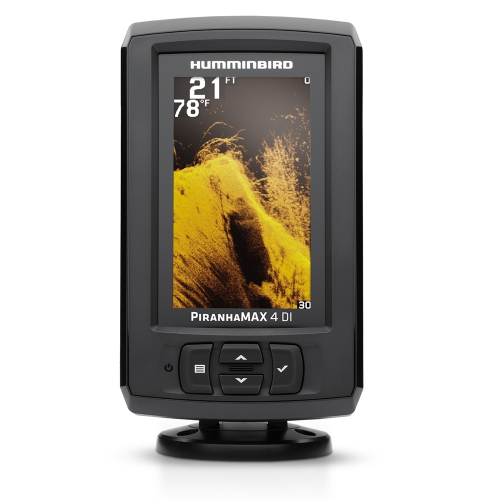


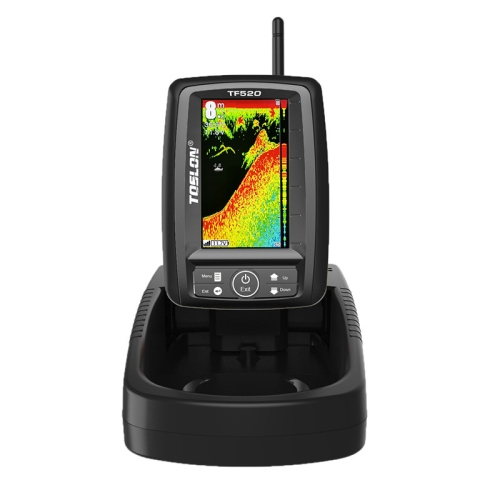
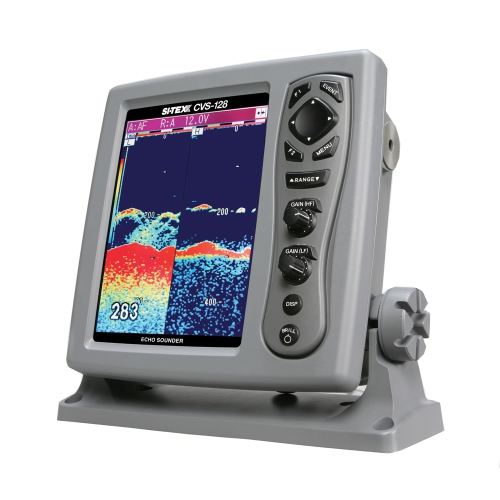
How sweeping sonar frequencies separate fish from structure
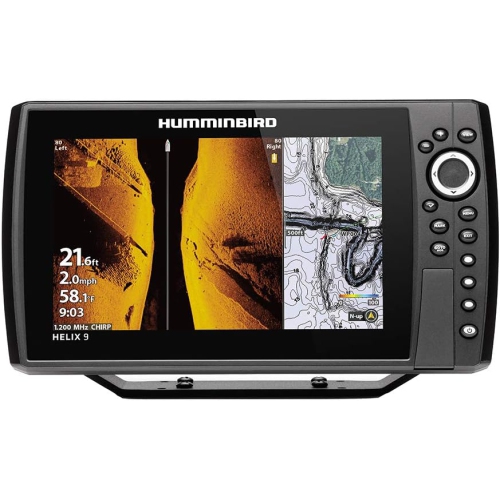
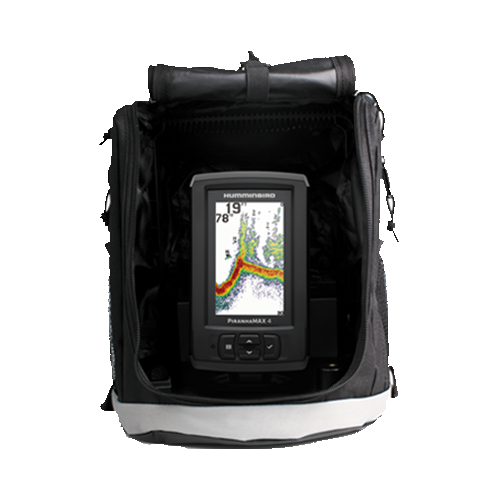
CHIRP fishfinders use sonar pulses that sweep through a range of frequencies, giving anglers a detailed picture of fish, bottom contours, and underwater structure. CHIRP stands for Compressed High-Intensity Radiated Pulse. Unlike conventional sonar operating at a single fixed frequency per pulse, CHIRP gathers information across a frequency band and processes the returning echoes to distinguish targets more clearly. That improved target separation can help reveal two fish swimming close together or show a fish holding just above the bottom rather than blending into it. The difference is especially useful around submerged timber, rocky ledges, and schools of baitfish, where several returns may otherwise appear as one indistinct mark. Low-, medium-, and high-frequency CHIRP options support different fishing situations, although their exact frequency ranges and capabilities depend on the fishfinder and transducer. Lower frequencies generally reach greater depths, while higher frequencies can provide finer detail over shorter distances. Beam coverage also matters: a wider beam surveys more water beneath the boat, while a narrower beam can help pinpoint targets within a smaller area. Frequency and beam width are related through transducer design, so the specifications of the complete setup matter more than a frequency label alone. On a traditional two-dimensional sonar display, fish may appear as arches, partial arches, or shorter marks, depending on movement, settings, and how a target passes through the beam. A strong return does not identify a fish species or guarantee a catch, but it can help an angler understand where to place a lure and how far off the bottom fish are holding. For example, a clearly defined group of marks above a drop-off can suggest a different presentation from scattered returns along a flat lakebed. CHIRP fishfinders suit recreational anglers, experienced boat owners, and paddlers who want more useful information about the water beneath them, whether the aim is exploring an unfamiliar lake or returning to a productive stretch of shoreline.
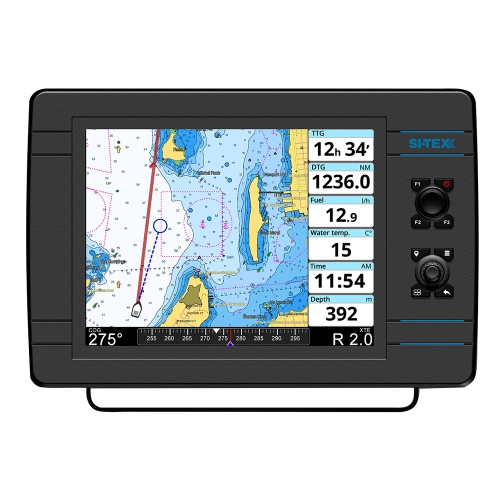
The right CHIRP fishfinder fits the fishing craft, the viewing position, and the way the angler uses sonar. A compact display can make sense on a kayak with limited mounting space, while a larger screen provides more room for split-screen views on a boat console or bow-mounted setup. Screen size alone does not determine readability: resolution, brightness, contrast, and the ability to distinguish returns all affect how easily information can be understood at a glance. A display mounted near the seat may be comfortable to read at close range, whereas one viewed from a standing position needs enough visible detail at that distance. Colour palettes can make stronger and weaker sonar returns easier to distinguish, and adjustable sensitivity helps balance useful detail against clutter. Physical buttons offer tactile control when hands are wet, while touchscreens can simplify menu navigation and chart interaction; some layouts combine both. Features also vary beyond sonar. Built-in GPS can support saved waypoints, position tracking, and routes back to marked locations, but GPS capability does not automatically include detailed lake charts or full mapping functions. Chart support, map coverage, storage, and software compatibility deserve separate consideration. A waypoint can be particularly helpful when a boat drifts away from a small rock pile or a narrow change in depth that is difficult to relocate by sight. Some CHIRP fishfinders also support down-looking or side-looking imaging, which can add views of structure alongside traditional sonar, provided the required transducer and features are supported. Power requirements matter for both fixed and portable installations. A kayak setup may use a dedicated battery, while a larger boat may supply power through its electrical system; voltage requirements, connections, and expected operating time should match the equipment. Durable housings, secure brackets, and clearly stated water-resistance ratings are practical considerations around spray and wet decks. Water-resistant construction should not be assumed to allow prolonged immersion. A well-positioned unit leaves room for paddling, casting, and moving around the boat without exposed cables or a display that obstructs the angler’s view.
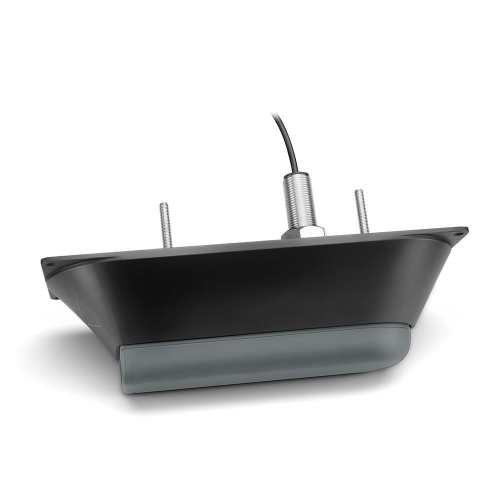
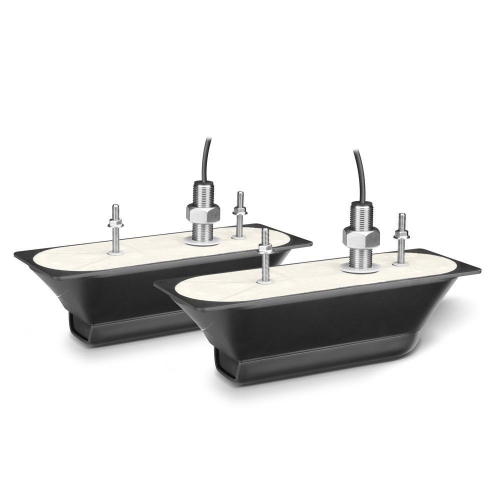
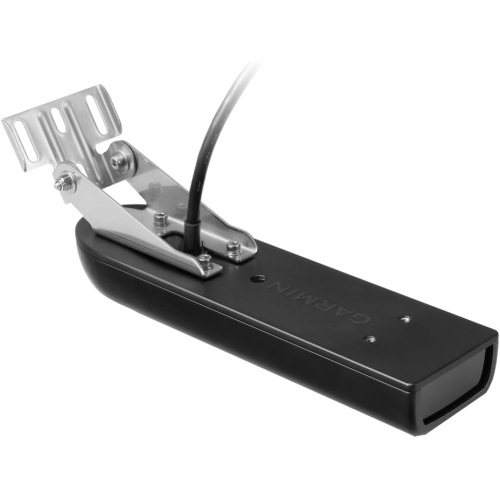
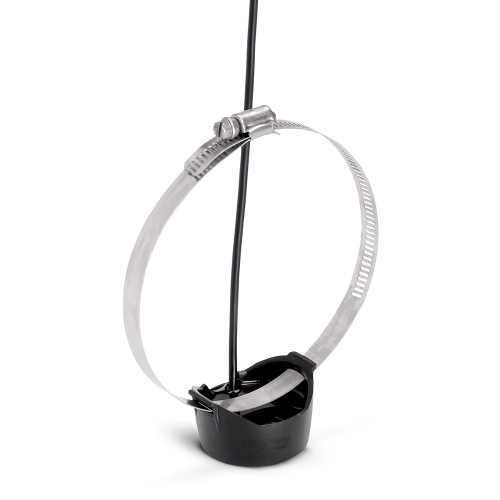
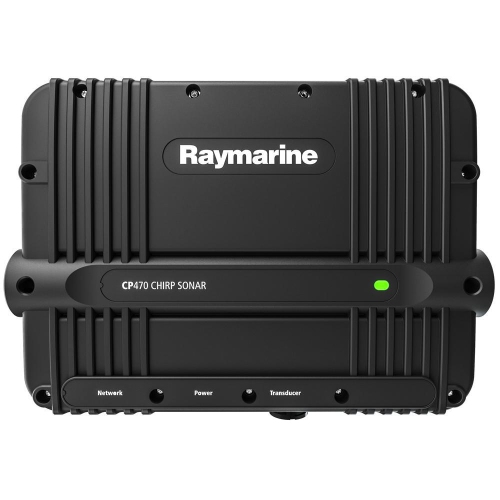
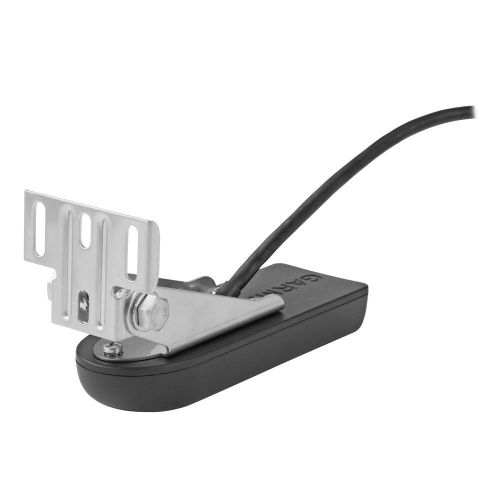
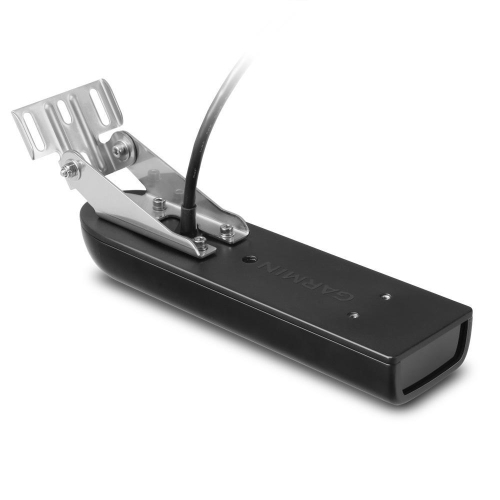
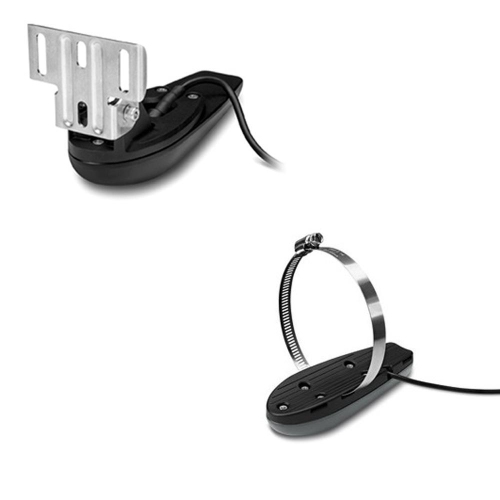
A CHIRP fishfinder’s performance depends heavily on its transducer, the component that sends sonar pulses into the water and receives the returning echoes. The display and transducer need to be compatible in frequency support, connector type, and supported sonar functions; a matching plug alone is not always enough. Transom-mounted transducers are common on boats with suitable mounting locations, while trolling-motor installations place the sonar source near the bow for fishing from that position. Anglers considering this mounting style can explore Spectrum Chirp Trolling Motor Transducers while checking compatibility with the fishfinder, motor, and mounting hardware. Portable arrangements may use a removable bracket or another supported mounting method, making them useful for anglers who move equipment between compatible craft. Placement affects the quality of sonar returns: turbulence, air bubbles, and obstructions near the transducer can interfere with the signal, particularly when the boat is moving. Routing the cable away from moving parts and securing it without sharp bends helps protect an installation from avoidable damage. Materials and mounting hardware should suit the intended use, especially where equipment will contact saltwater or be removed and reinstalled frequently. Ongoing care is straightforward but important. Following the manufacturer’s cleaning instructions, gently rinsing salt residue where appropriate, drying connections before storage, and protecting the screen from abrasive grit help keep the equipment in good condition. A display cover or padded carrying case can reduce scratches and knocks during transport, while periodic checks of brackets, cables, and connectors can catch wear before it disrupts a trip. For an angler receiving a CHIRP fishfinder as a gift, fit with existing equipment is more useful than choosing solely by screen size or the number of features. A complete setup may require a compatible transducer, mounting hardware, a suitable power source, and any necessary cables. Matching those essentials to the recipient’s boat or kayak creates a practical addition to their fishing routine: clearer views below the surface, repeatable waypoints where supported, and more confidence interpreting the places where fish may be holding.
Top selling and popular products
-
 Your price for this item is $234.55
-
 Your price for this item is $422.69
-
 Your price for this item is $93.99
-
 Your price for this item is $504.54
-
 Your price for this item is $107.99
-
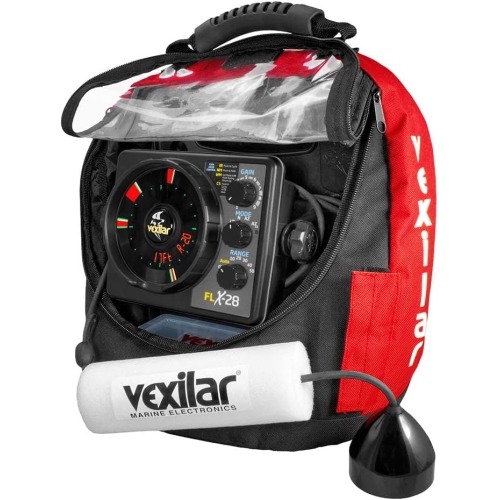 Your price for this item is $1099
-
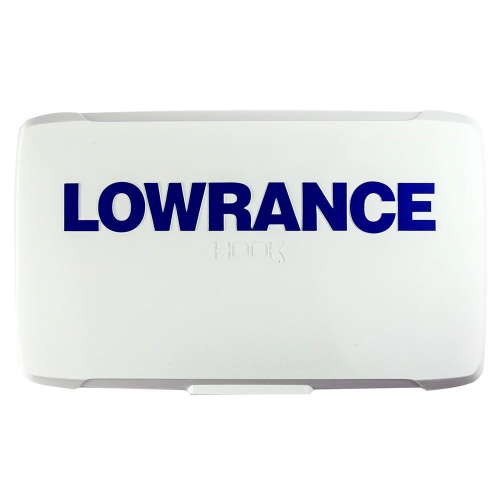 Your price for this item is $124.56
-
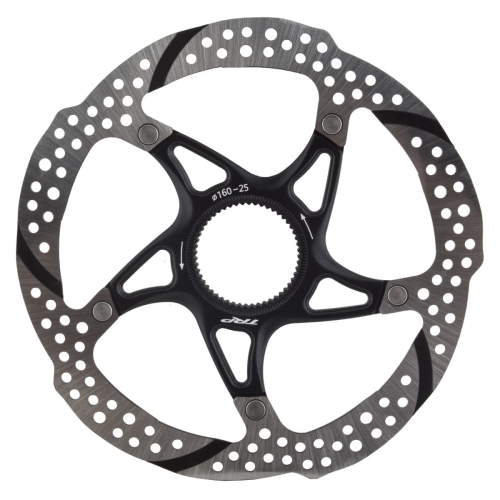 Your price for this item is $92.98
Discover more categories related to Chirp Fishfinders
Top Collections:
Pokemon Centers, Kindle Devices, Best Cameras for Sports Photography, Pokémon 30th Celebration Cards, Apple iPhones 16, Canon G7X Cameras, iPhone 15 Apple, Flip Phones, Samsung Galaxy Phones, Alarm Clock
Some products may be subject to Environmental Handling Fees
(EHF) depending on your province.
Learn more about EHFs.