Crimp Ring Terminals
Looking to secure your electrical connections with ease and efficiency? Look no further than our collection of crimp-ring terminals. These versatile connectors are designed to provide a reliable and durable connection for a wide range of applications. Whether you're working on automotive projects, electrical installations, or DIY repairs, our selection of crimp ring terminals has got you covered. With various sizes and configurations available, you can find the perfect fit for your needs. Say goodbye to loose connections and hello to peace of mind with our high-quality crimp ring terminals.
Sort
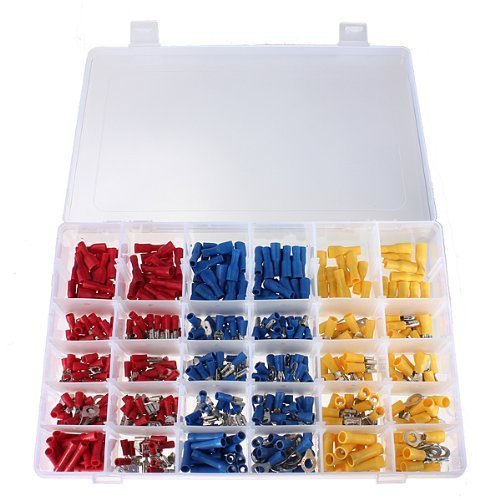
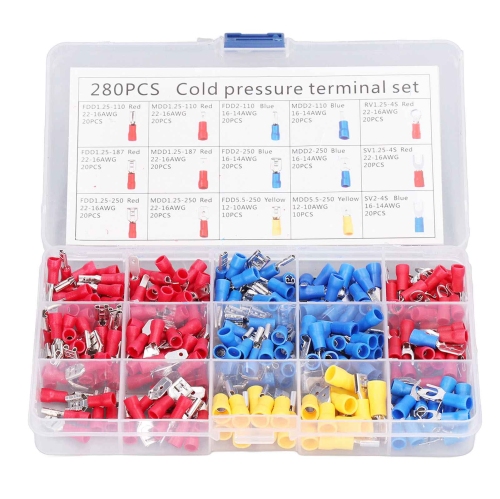
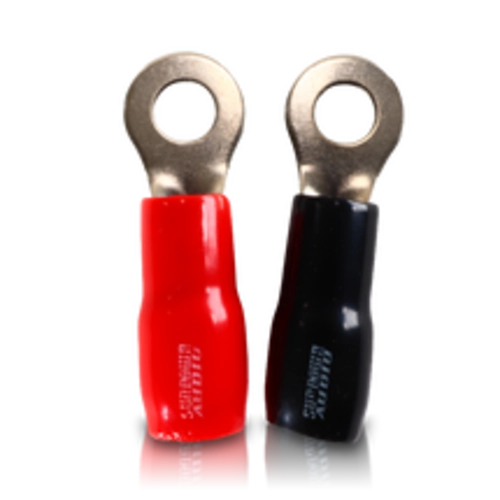
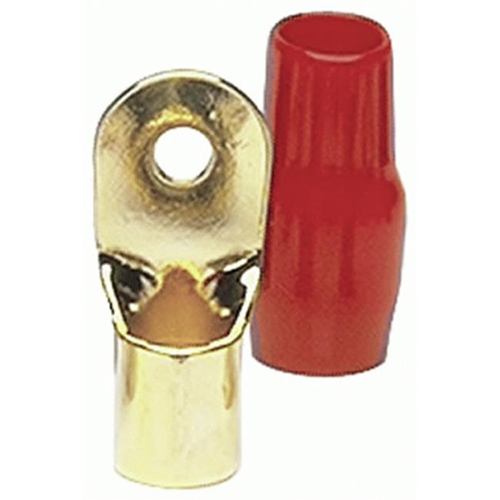
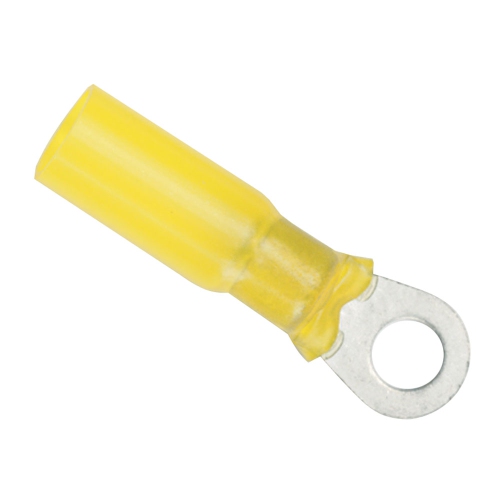
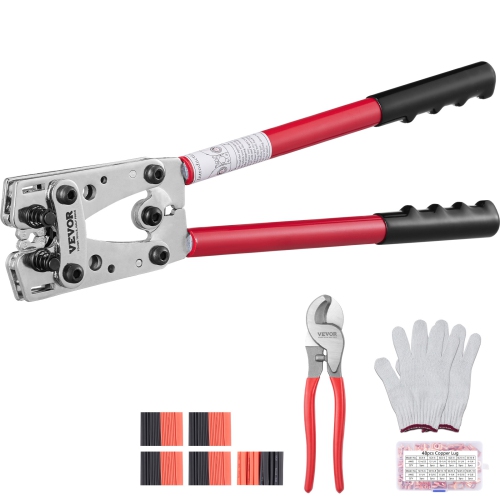
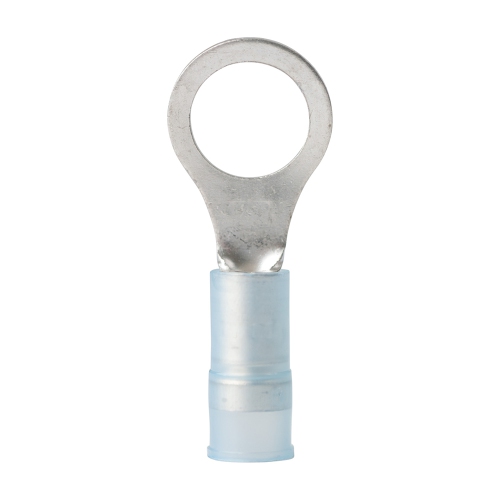
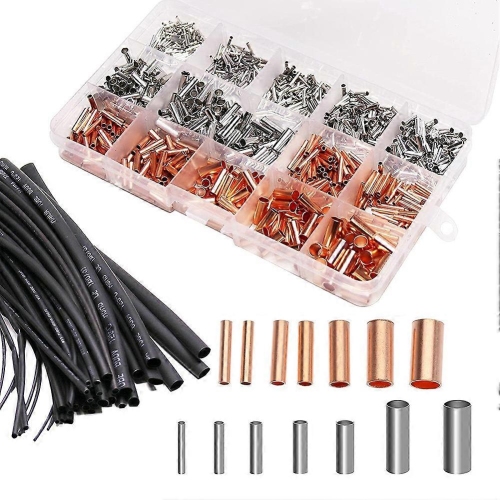
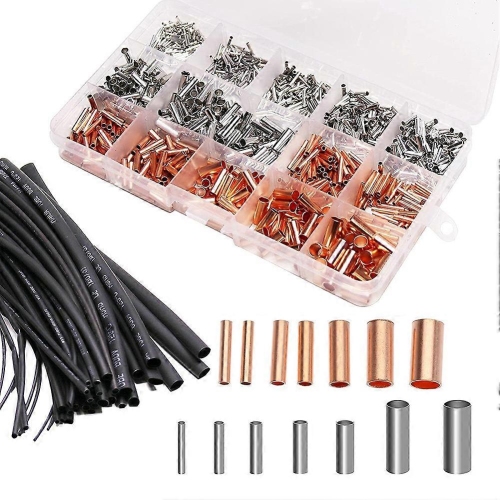
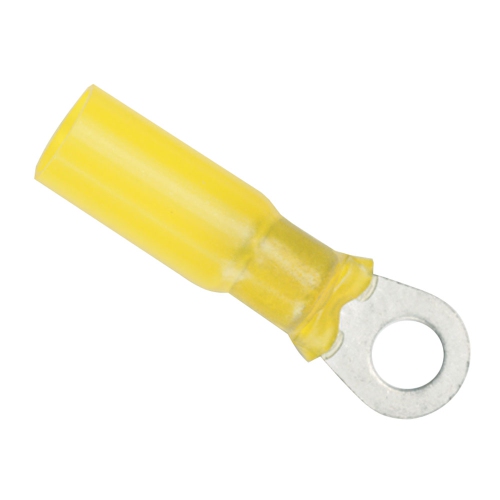
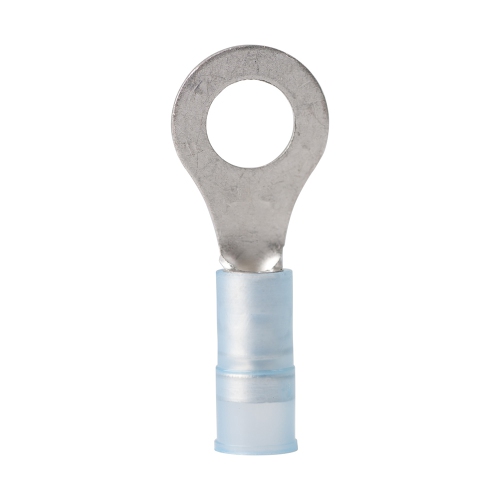
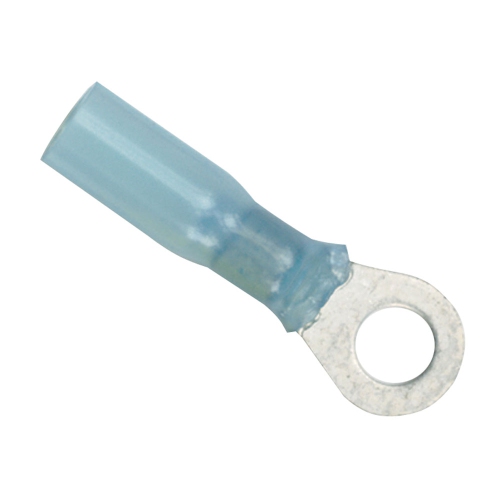
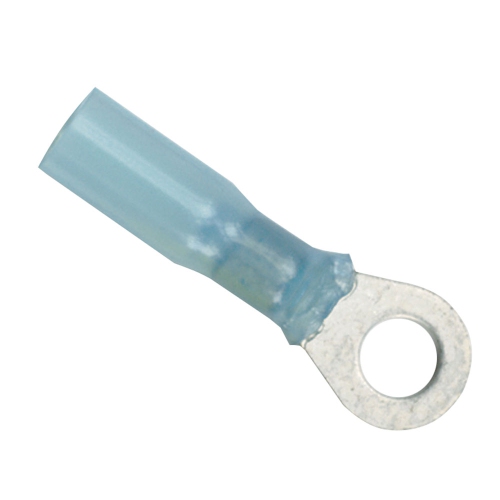
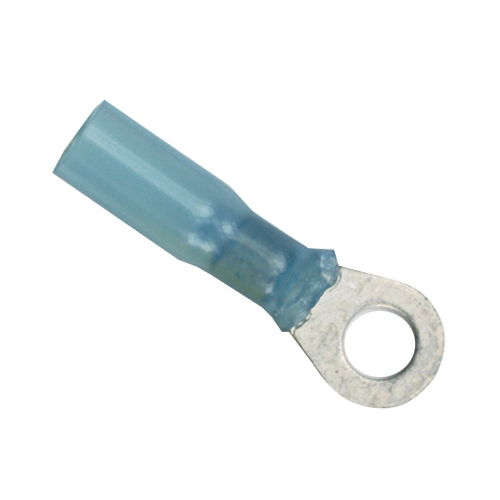
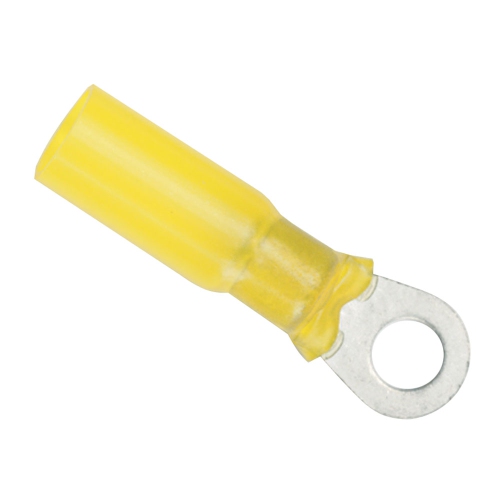
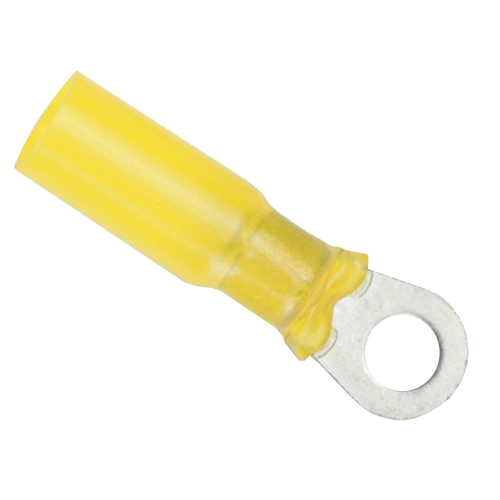
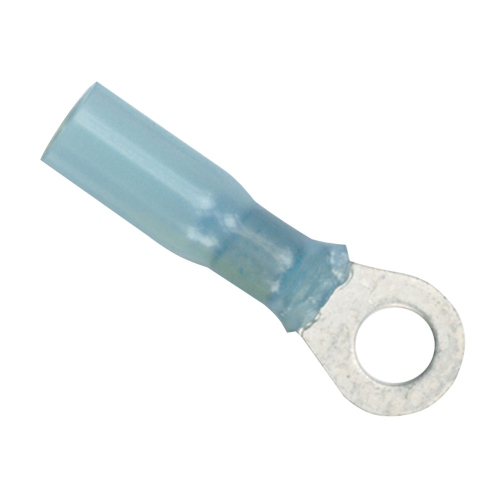
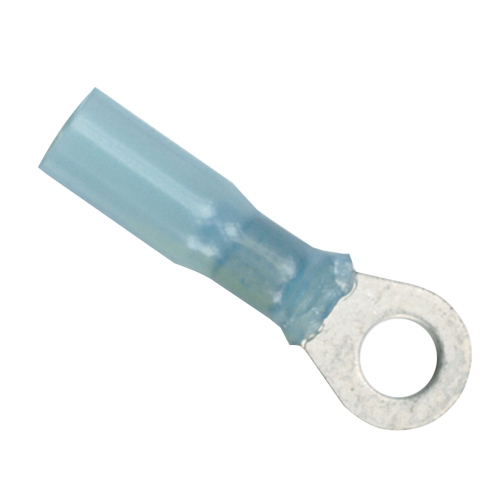
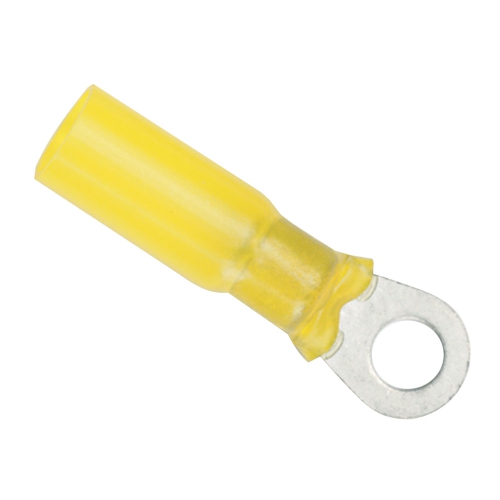
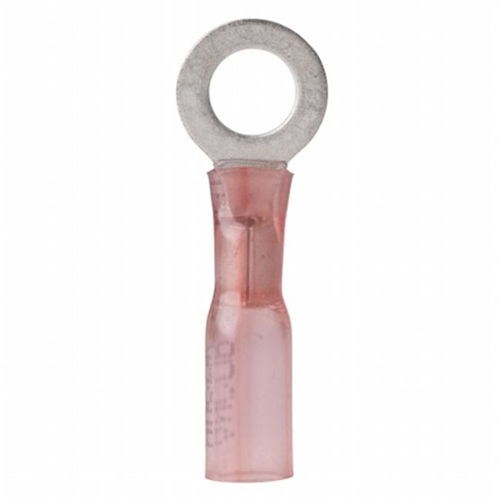
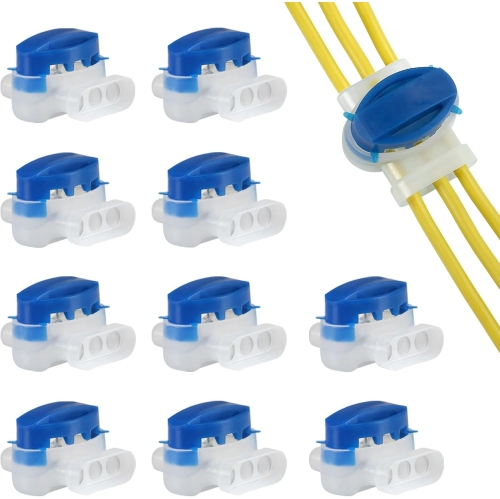
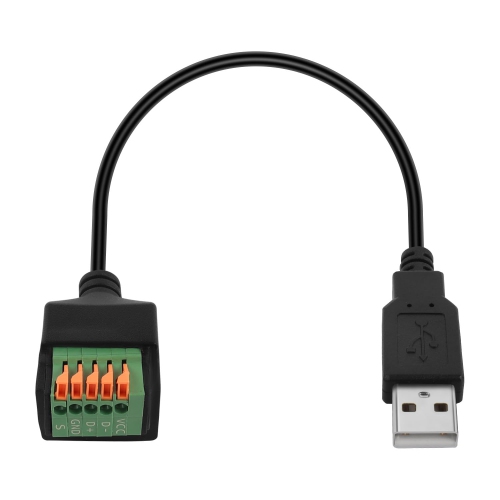
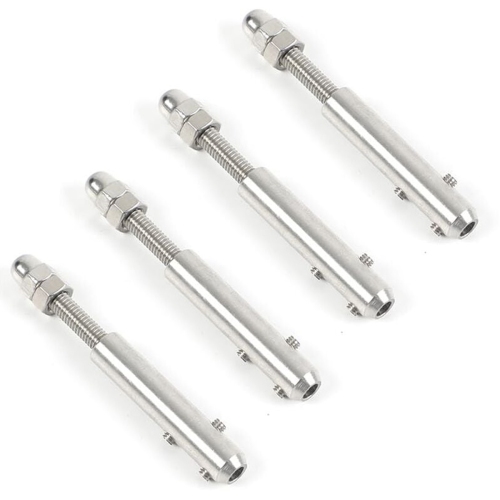
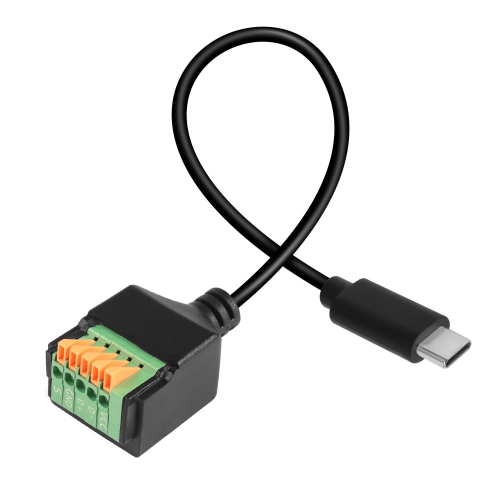
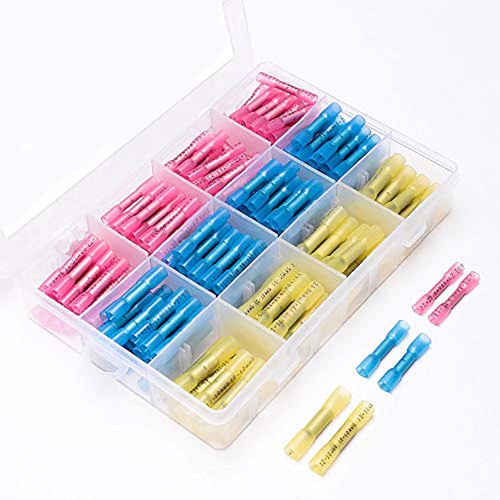
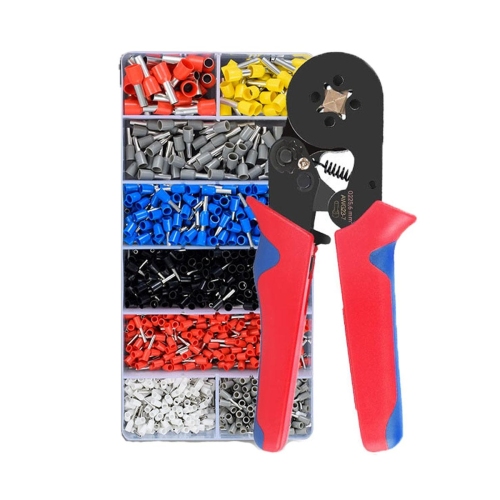
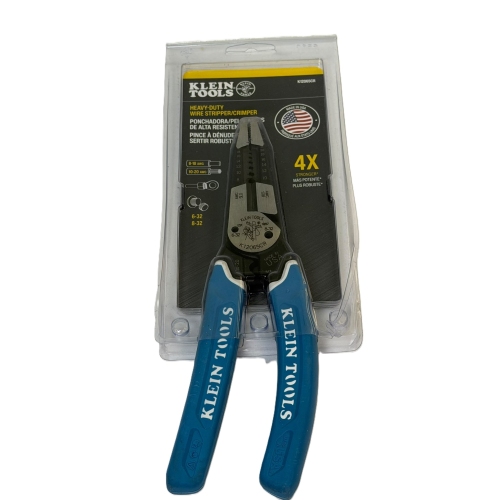
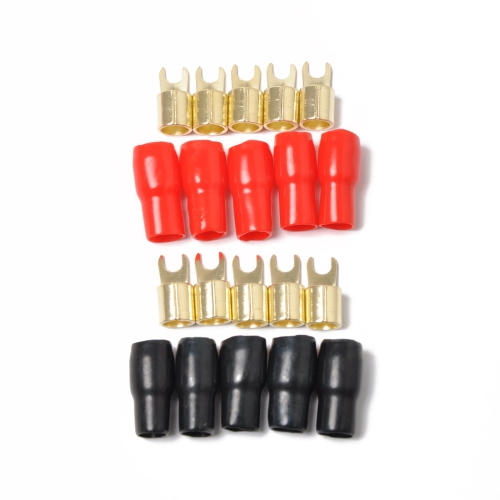
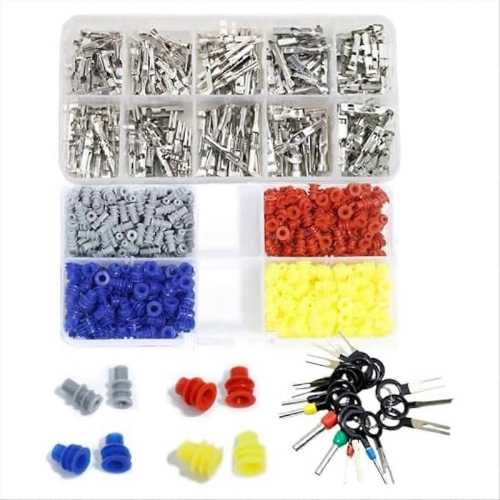
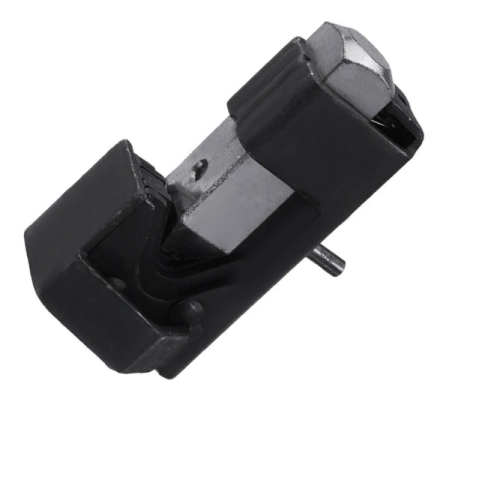
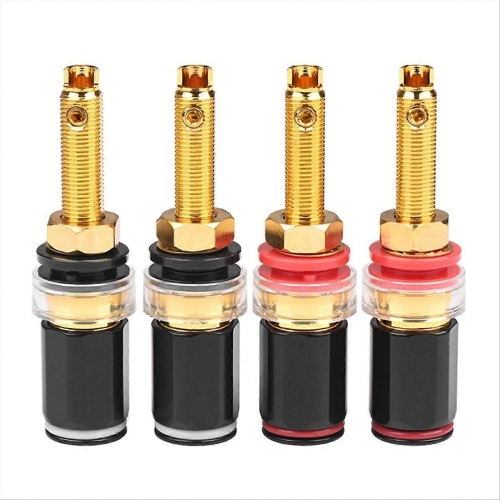
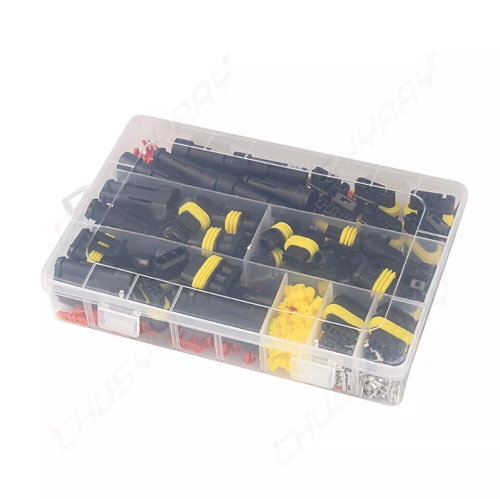
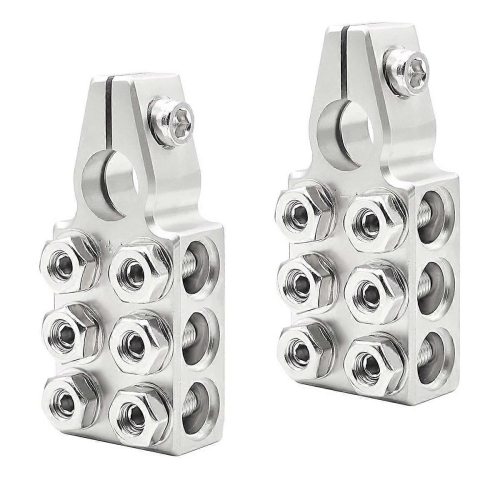
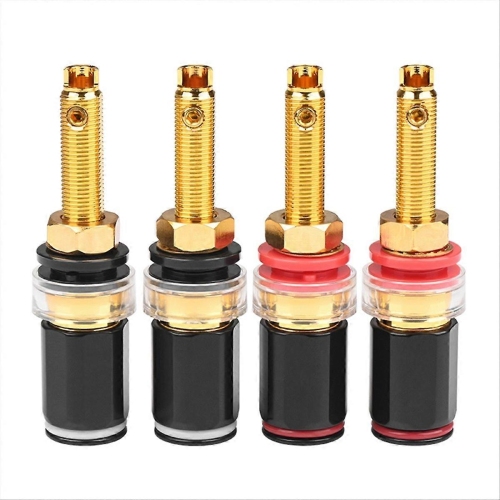
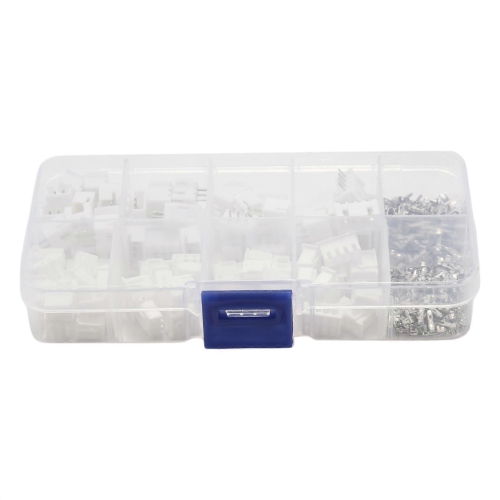
Reliable wire connections across vehicles, workshops, and outdoor equipment
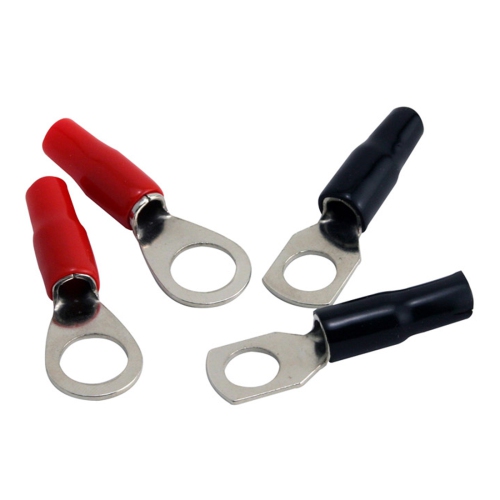
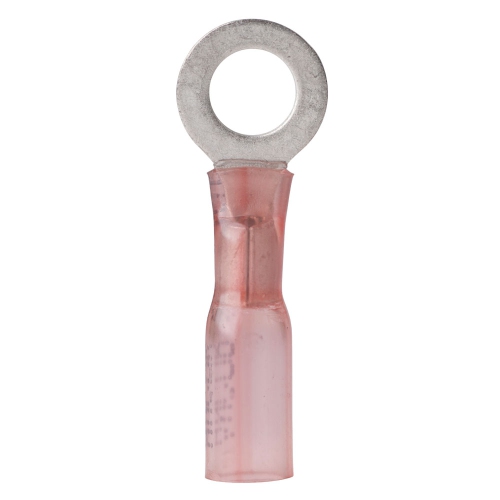
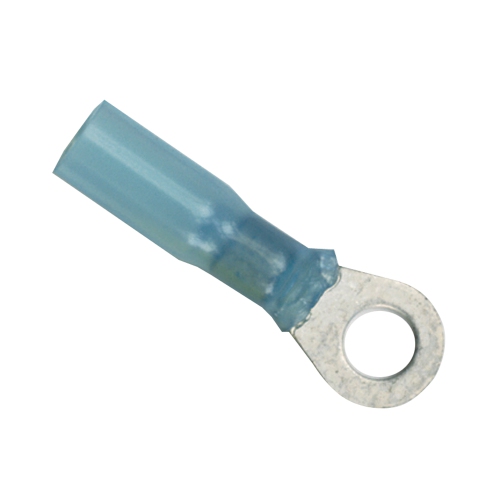
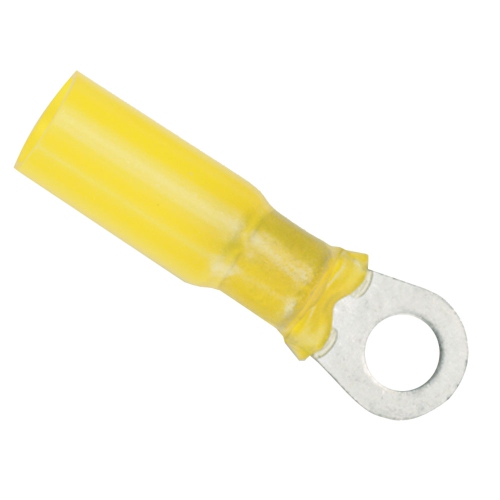
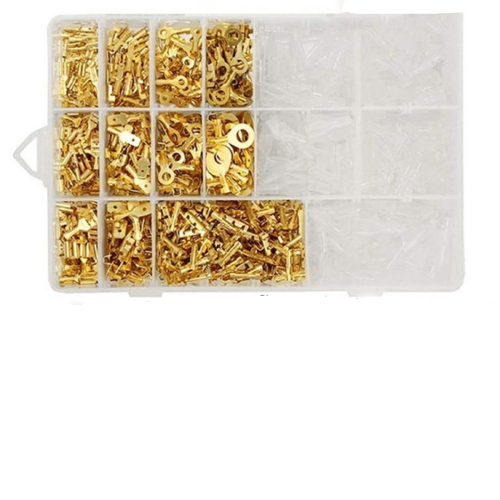
Crimp ring terminals are practical electrical connectors designed to create a secure, solderless connection between a stripped wire and a screw, bolt, or threaded stud. Each terminal has a cylindrical barrel that accepts the conductor and a flat, circular ring with an opening for fastening. Once the wire is inserted and compressed with a compatible crimping tool, the terminal provides a firm electrical and mechanical connection that is easy to inspect and maintain. This makes crimp ring terminals useful for automotive wiring, marine systems, recreational vehicles, trailers, battery connections, control panels, workshop equipment, and many household electrical projects. They are especially helpful where a wire needs to stay firmly attached even when exposed to vibration, movement, or repeated servicing. A ring terminal remains secured around the fastener rather than relying solely on pressure from a removable screw, making it a dependable choice for connections that may be accessed during repairs or upgrades. They can also be useful for hobbyists building low-voltage projects, maintaining outdoor equipment, or organizing wiring in a garage. During the warmer months, they may be used for vehicle accessories, trailer wiring, and recreational equipment, while cooler months often bring more indoor workshop, garage, and equipment-maintenance projects. For shoppers comparing options, the first details to confirm are the wire gauge and stud size. Wire gauge is commonly shown using American Wire Gauge, or AWG, with terminals designed for ranges such as 22–18 AWG, 16–14 AWG, or 12–10 AWG. The barrel should match the wire being used: a terminal that is too small may not accept the conductor properly, while one that is too large may produce a loose crimp. The ring opening must also fit the screw or stud, with common sizes identified by measurements such as #8, #10, M4, M6, or M8. Checking both specifications before purchasing helps ensure that the terminal will fit the hardware and form a reliable connection.
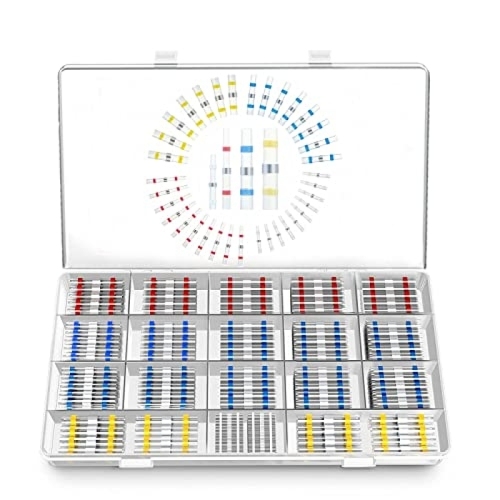
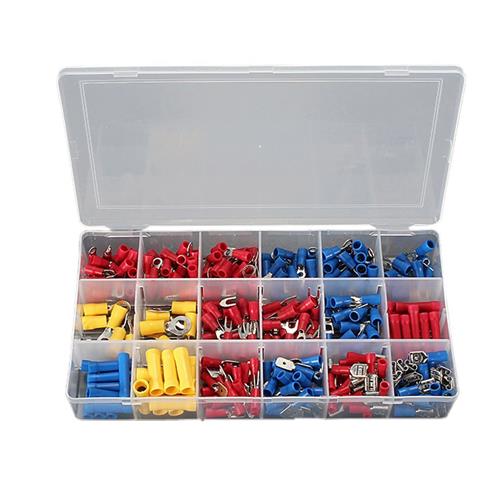
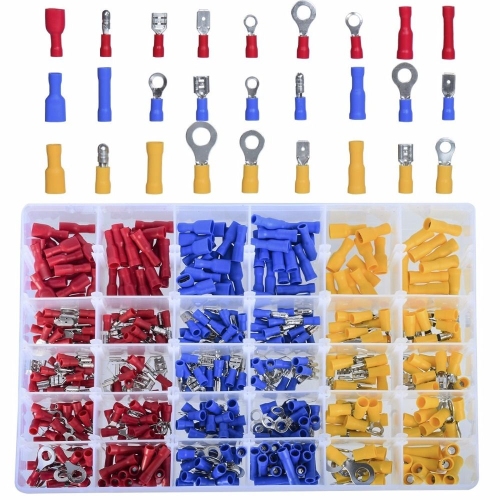
Insulation is another important consideration when selecting crimp ring terminals. Insulated versions are often colour-coded to indicate their intended wire range, with red, blue, and yellow commonly associated with different gauge groups. PVC or nylon insulation helps protect the crimped area from accidental contact with nearby metal and can make handling easier when several wires are installed close together. Heat-shrink ring terminals add another layer of protection, as the tubing contracts around the connection when warmed with an appropriate heat source. Some heat-shrink designs include adhesive lining that helps seal the joint against moisture after the tubing has formed around the wire and terminal. This can be a useful feature for wiring in areas exposed to splashes, condensation, road spray, or changing temperatures, including boat compartments, vehicle bays, trailer frames, and outdoor control boxes. Non-insulated terminals leave the metal barrel exposed and can be suitable for high-temperature applications, confined spaces, or installations where a separate sleeve or insulating material will be added. The choice depends on the environment, available clearance, and the type of protection required. It is also worth considering terminal material and construction, including the thickness and shape of the ring, the length of the barrel, and whether the terminal is intended for standard, heavy-duty, or fine-stranded wire. A terminal for a compact electronics project may have different proportions from one intended for a battery cable or larger power connection. For a broader selection of related options, browse Electrical Crimp Connectors to compare connector styles that may suit different wiring layouts and installation needs.
A proper fit and a suitable crimping tool are just as important as the terminal itself. Before making a connection, turn off the power and confirm that the circuit is not energized. Strip only the amount of insulation needed for the terminal barrel, taking care not to nick or cut the wire strands. Insert the conductor fully so the strands reach the end of the barrel without extending beyond the terminal’s ring or leaving a visible gap. Use a crimping tool designed for the terminal type and wire range, positioning the crimp in the marked area rather than crushing the ring portion. The completed connection should hold the wire securely when given a careful pull, with no loose strands, cracked insulation, or movement at the barrel. When working with heat-shrink terminals, apply heat evenly and avoid overheating the wire insulation or surrounding materials. In automotive, marine, and industrial settings, route finished wires away from sharp edges, hot surfaces, and moving parts, and use suitable fasteners, loom, or strain relief where needed. Crimp ring terminals can be a useful addition to a home repair kit, tool collection, or workshop supply box because they support small fixes as well as larger wiring projects. They may also be a thoughtful practical gift for someone who enjoys restoring vehicles, maintaining a boat, building off-grid equipment, working on trailers, or tackling hands-on projects at home. Keeping several wire ranges and ring sizes available can save time when a connection needs to be replaced, expanded, or repositioned, while choosing the right insulation and stud opening helps the finished installation remain neat, secure, and appropriate for its surroundings.
Insulation is another important consideration when selecting crimp ring terminals. Insulated versions are often colour-coded to indicate their intended wire range, with red, blue, and yellow commonly associated with different gauge groups. PVC or nylon insulation helps protect the crimped area from accidental contact with nearby metal and can make handling easier when several wires are installed close together. Heat-shrink ring terminals add another layer of protection, as the tubing contracts around the connection when warmed with an appropriate heat source. Some heat-shrink designs include adhesive lining that helps seal the joint against moisture after the tubing has formed around the wire and terminal. This can be a useful feature for wiring in areas exposed to splashes, condensation, road spray, or changing temperatures, including boat compartments, vehicle bays, trailer frames, and outdoor control boxes. Non-insulated terminals leave the metal barrel exposed and can be suitable for high-temperature applications, confined spaces, or installations where a separate sleeve or insulating material will be added. The choice depends on the environment, available clearance, and the type of protection required. It is also worth considering terminal material and construction, including the thickness and shape of the ring, the length of the barrel, and whether the terminal is intended for standard, heavy-duty, or fine-stranded wire. A terminal for a compact electronics project may have different proportions from one intended for a battery cable or larger power connection. For a broader selection of related options, browse Electrical Crimp Connectors to compare connector styles that may suit different wiring layouts and installation needs.
A proper fit and a suitable crimping tool are just as important as the terminal itself. Before making a connection, turn off the power and confirm that the circuit is not energized. Strip only the amount of insulation needed for the terminal barrel, taking care not to nick or cut the wire strands. Insert the conductor fully so the strands reach the end of the barrel without extending beyond the terminal’s ring or leaving a visible gap. Use a crimping tool designed for the terminal type and wire range, positioning the crimp in the marked area rather than crushing the ring portion. The completed connection should hold the wire securely when given a careful pull, with no loose strands, cracked insulation, or movement at the barrel. When working with heat-shrink terminals, apply heat evenly and avoid overheating the wire insulation or surrounding materials. In automotive, marine, and industrial settings, route finished wires away from sharp edges, hot surfaces, and moving parts, and use suitable fasteners, loom, or strain relief where needed. Crimp ring terminals can be a useful addition to a home repair kit, tool collection, or workshop supply box because they support small fixes as well as larger wiring projects. They may also be a thoughtful practical gift for someone who enjoys restoring vehicles, maintaining a boat, building off-grid equipment, working on trailers, or tackling hands-on projects at home. Keeping several wire ranges and ring sizes available can save time when a connection needs to be replaced, expanded, or repositioned, while choosing the right insulation and stud opening helps the finished installation remain neat, secure, and appropriate for its surroundings.
Top selling and popular products
-
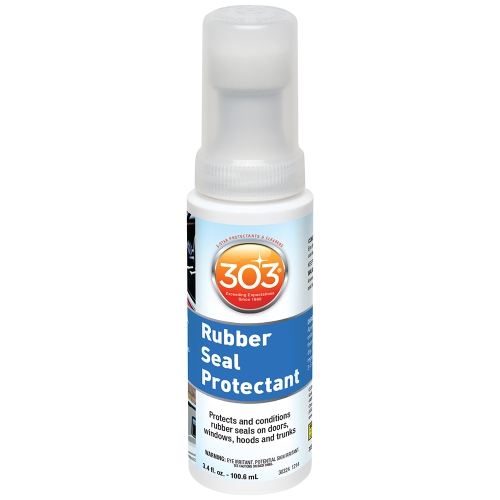 Your price for this item is $31.34
 -
 Your price for this item is $30.54
 -
 Your price for this item is $38.85
 -
 Your price for this item is $63.99
 -
 Your price for this item is $844.91
 -
 Your price for this item is $909.33
 -
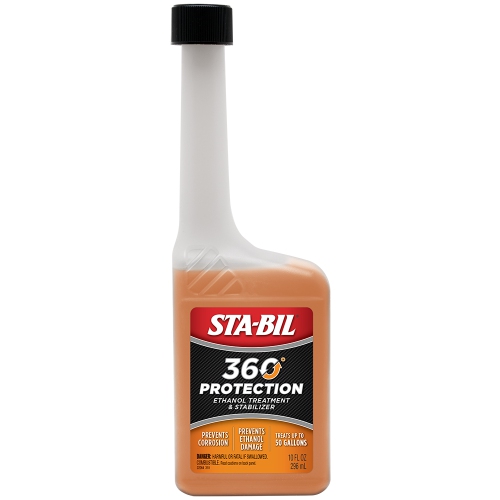 Your price for this item is $31.38
 -
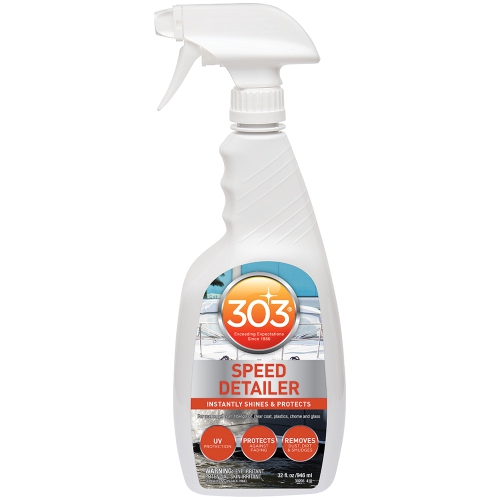 Your price for this item is $35.35
Discover more categories related to Crimp Ring Terminals
Top Collections:
Pokemon Centers, Best Cameras for Sports Photography, Kindle Devices, Samsung Galaxy Phones, Canon G7X Cameras, Pokémon 30th Celebration Cards, Refurbished Apple Laptops, iPhone 15 Apple, Laptops for Students, Budget Smartphones
Some products may be subject to Environmental Handling Fees
(EHF) depending on your province.
Learn more about EHFs.