Dome Tents
Whether you're a seasoned camper or a beginner exploring the great outdoors, dome tents are an essential piece of equipment for any adventure. Designed to provide comfort, protection, and easy setup, these versatile shelters offer a cozy home away from home. With their sturdy construction and spacious interiors, dome tents are perfect for accommodating families, groups of friends, or even solo travelers seeking solitude in nature. Discover the wide range of dome tents available at Best Buy and embark on your next camping trip with confidence.
Sort

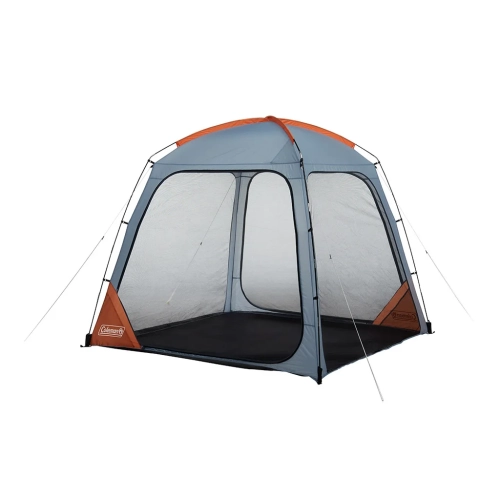
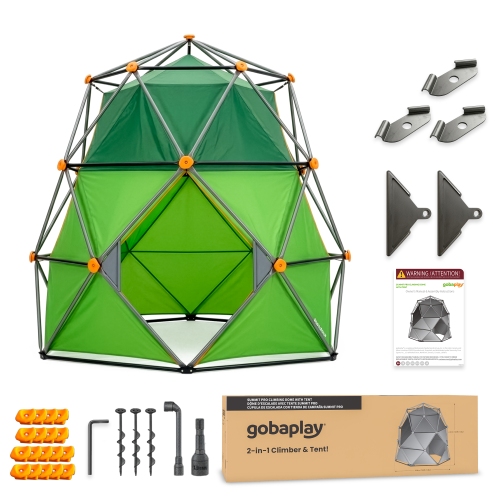
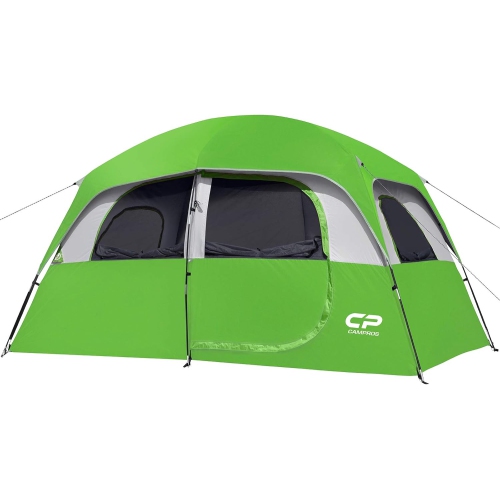
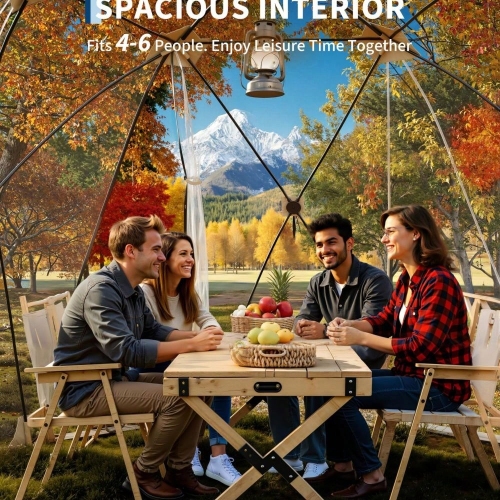
A versatile shelter for comfortable camping in changing conditions
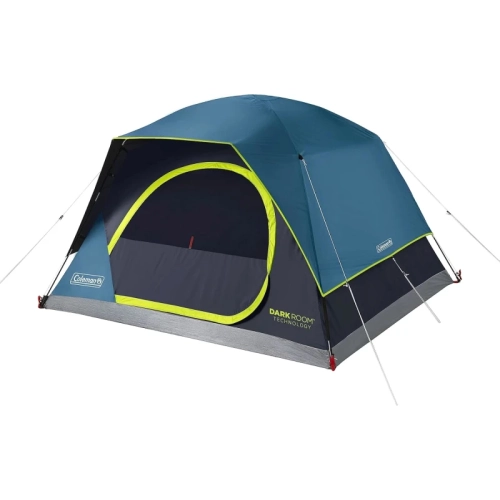
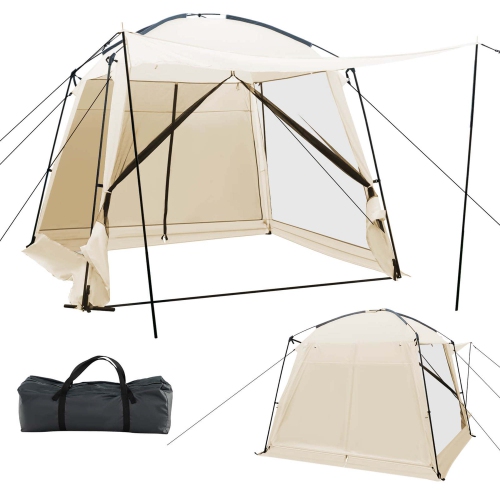
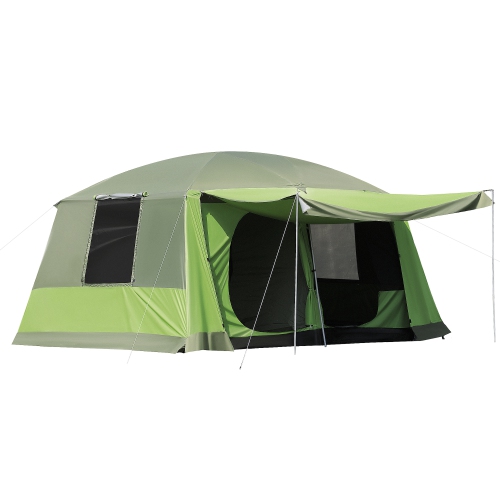
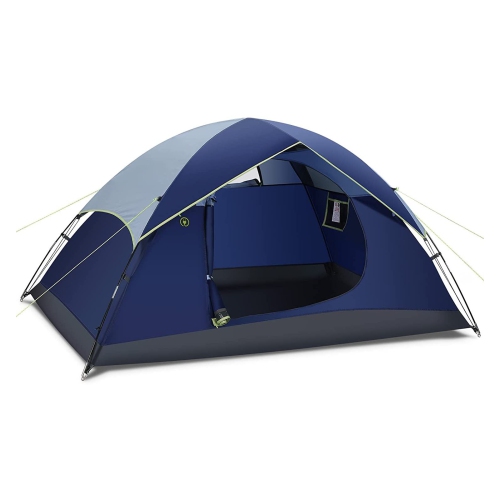
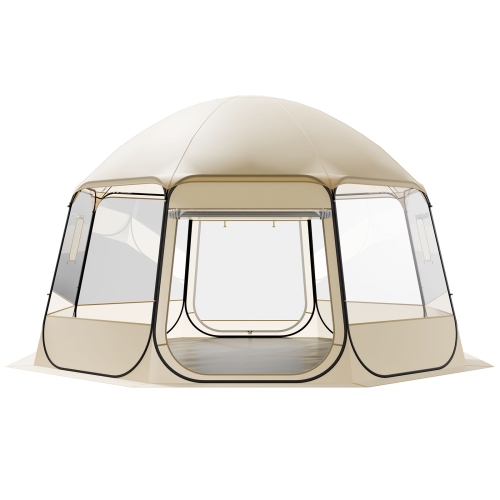
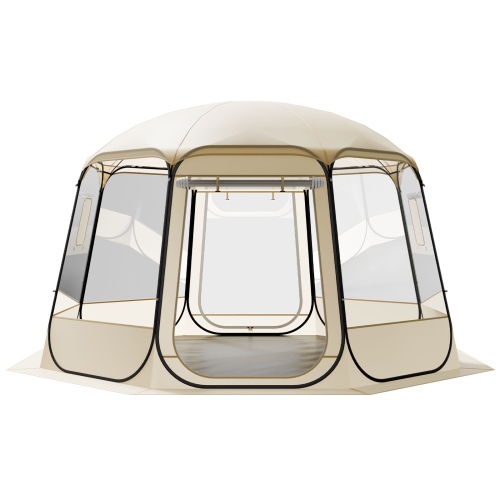
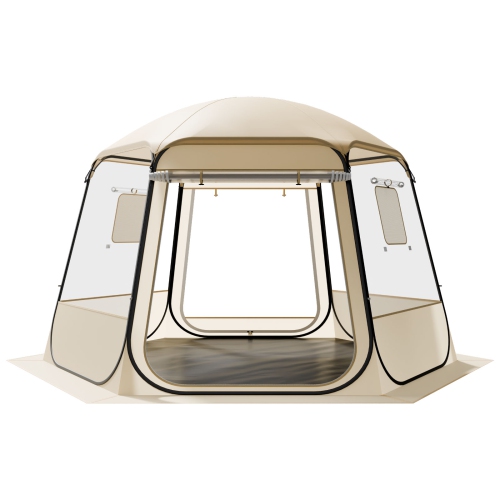
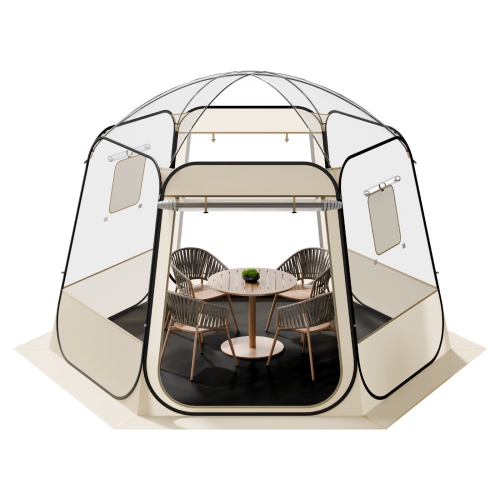
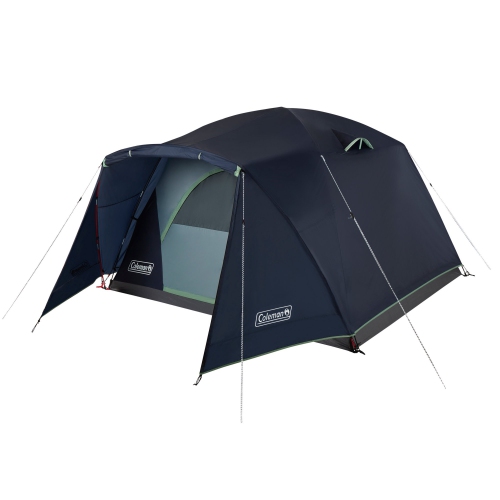
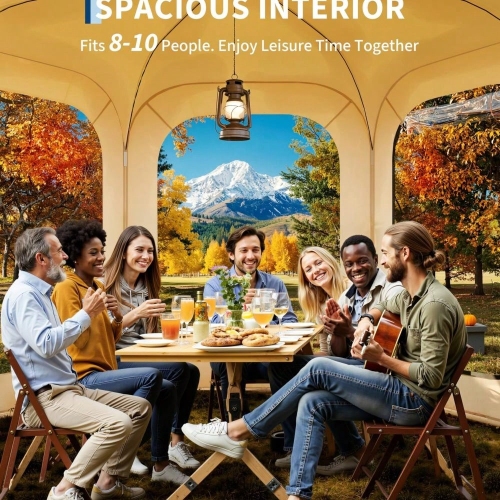
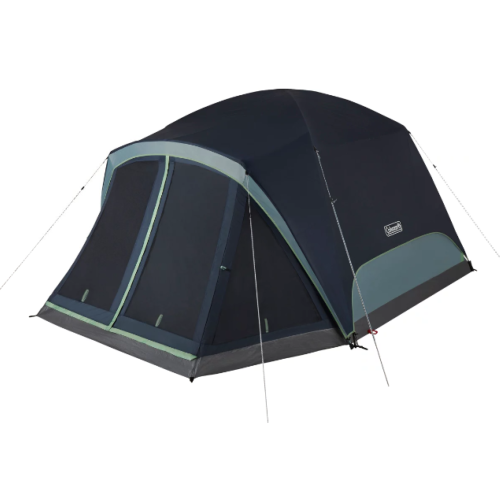
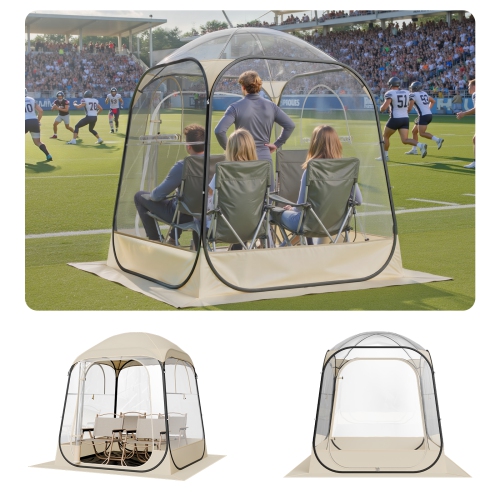
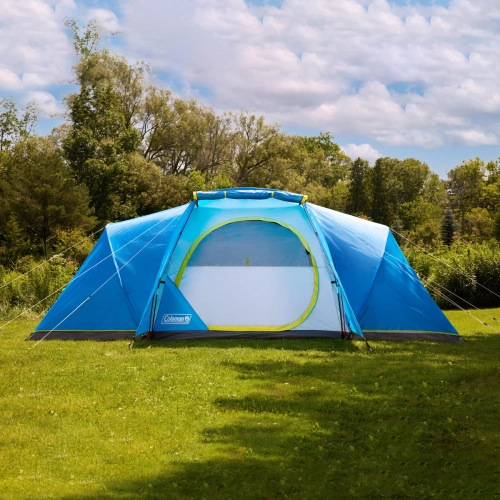
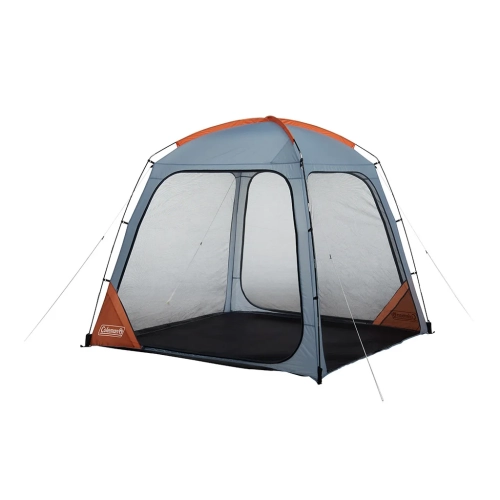
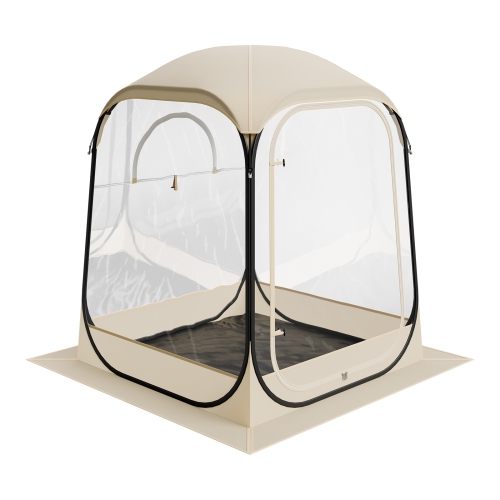
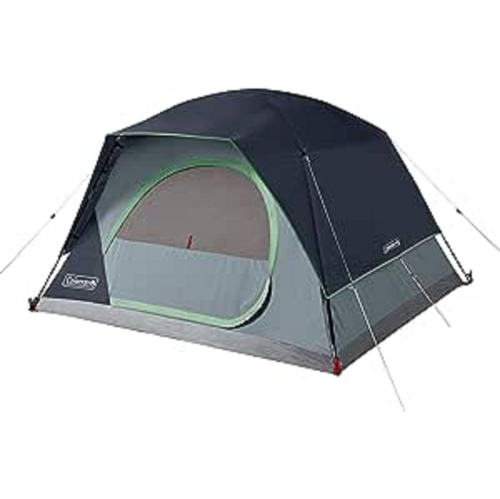
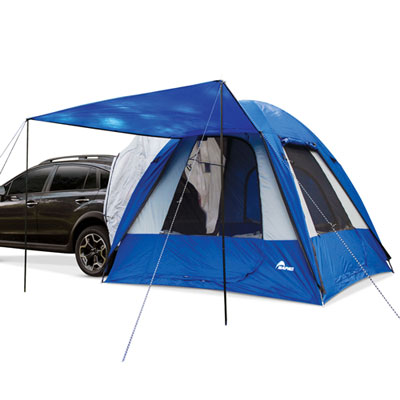
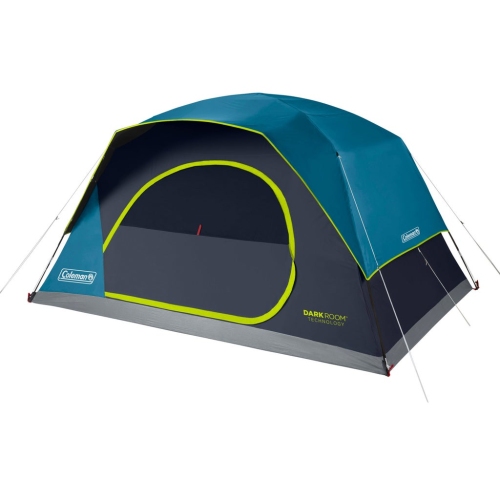
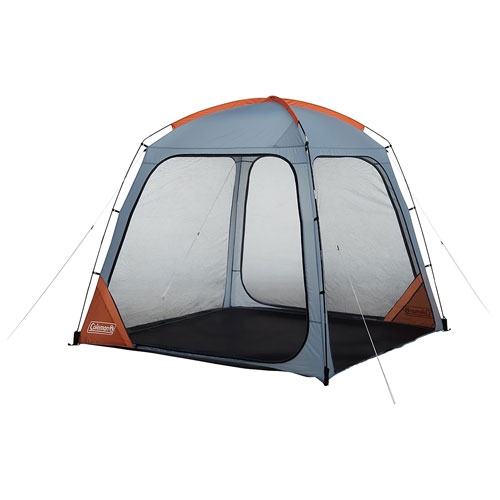
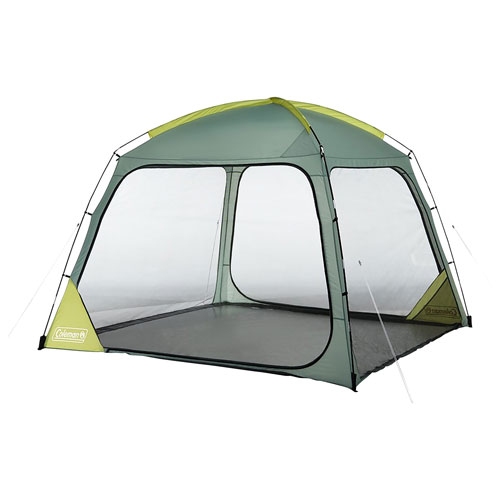
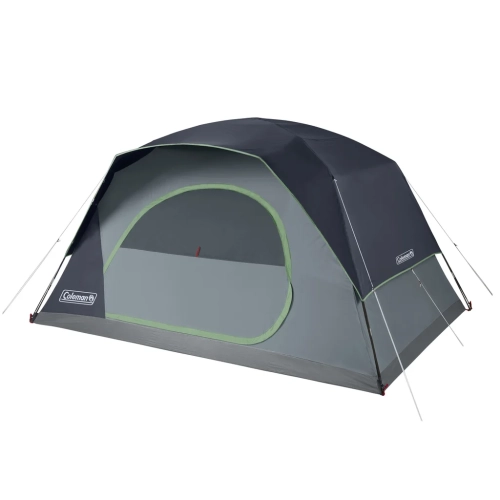
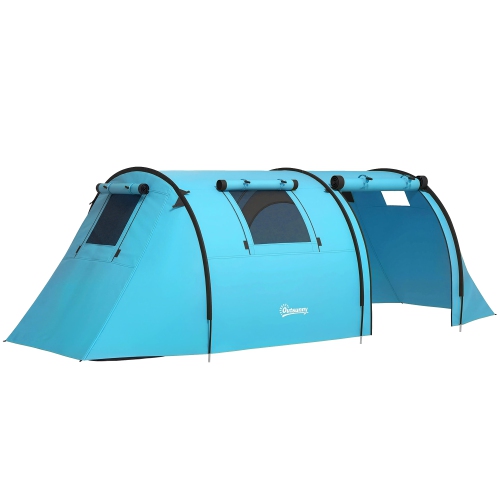
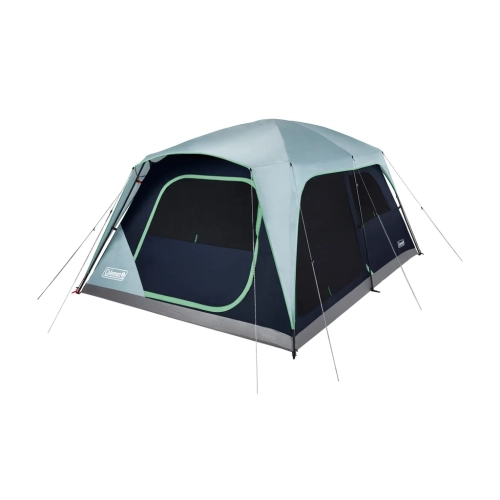
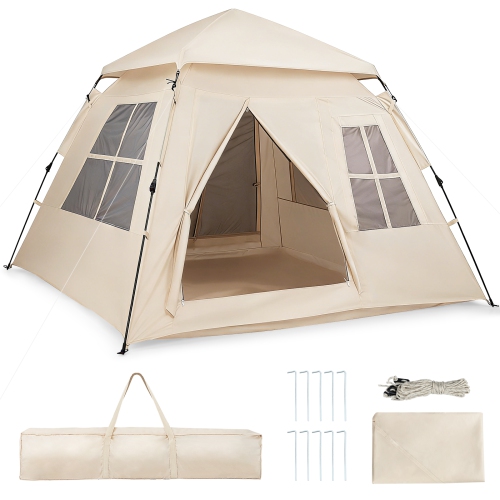
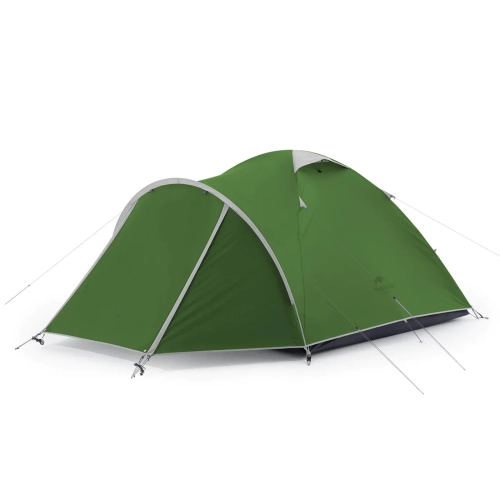
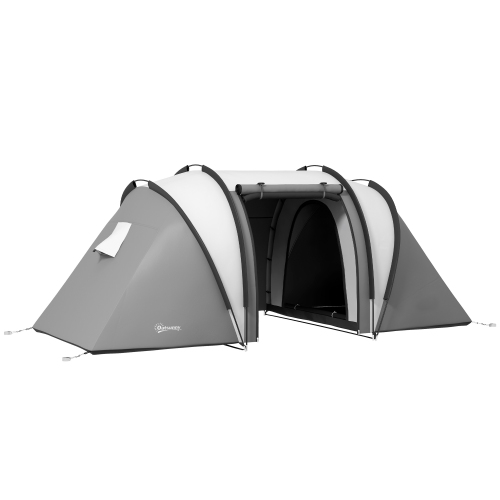
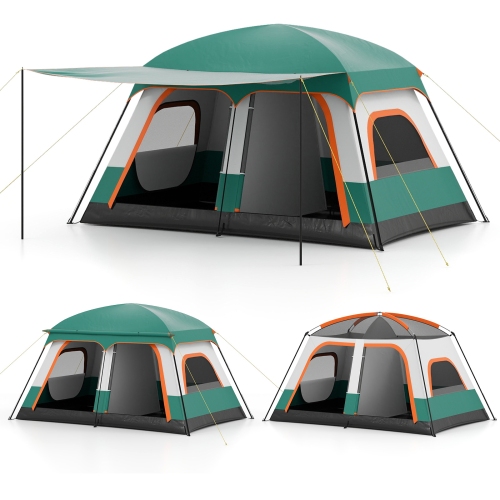
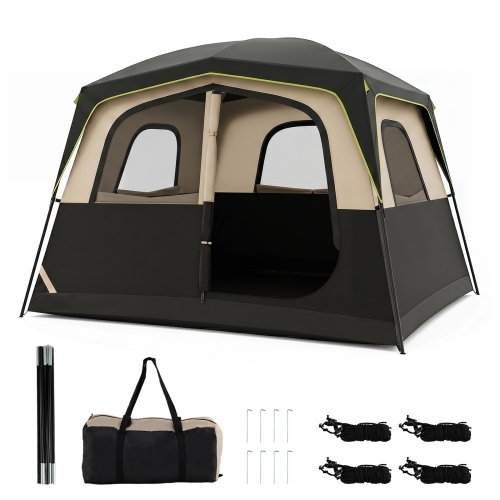
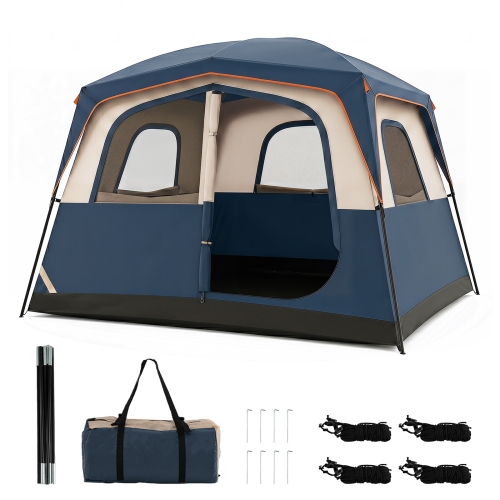
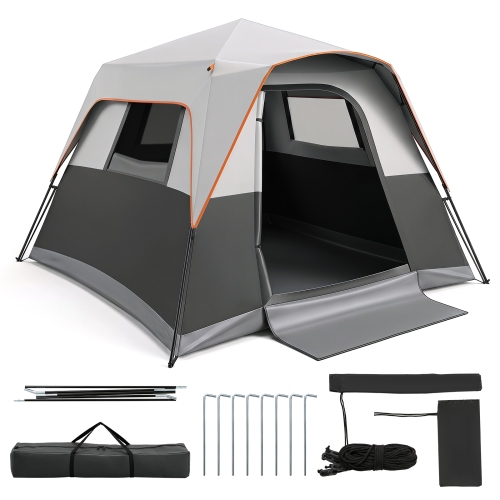
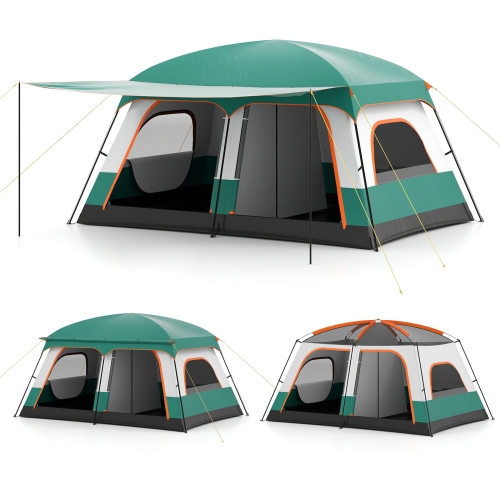
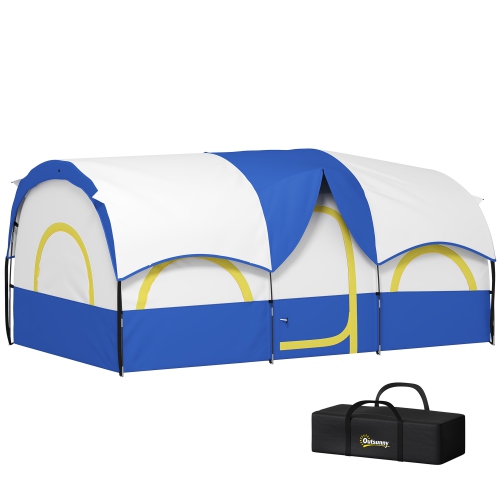
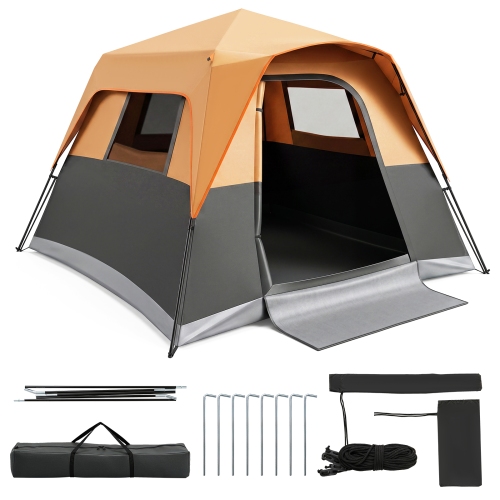
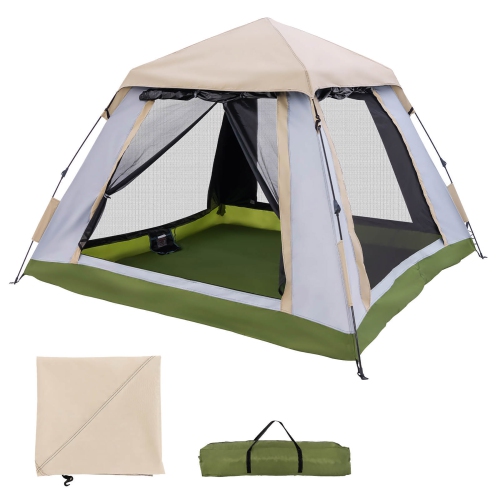
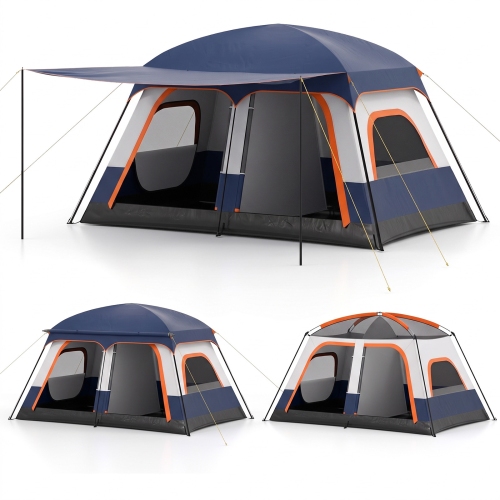
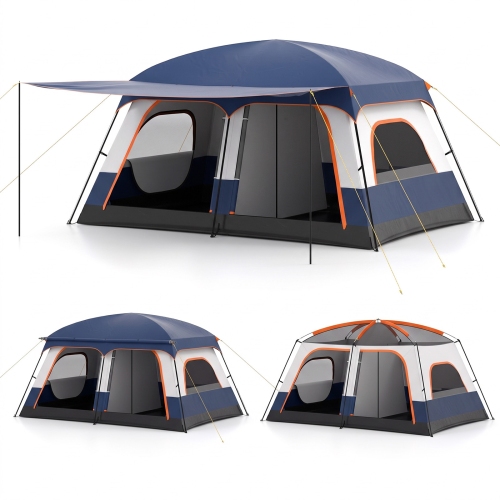
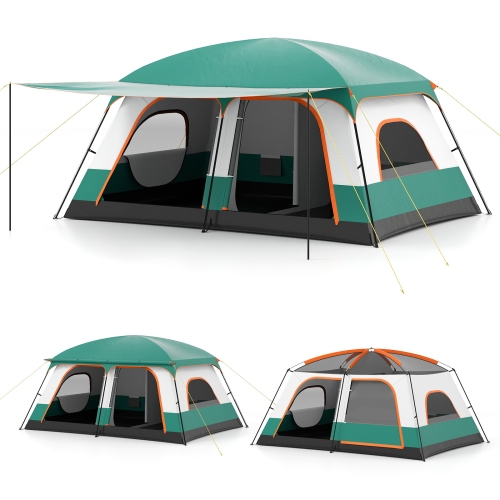
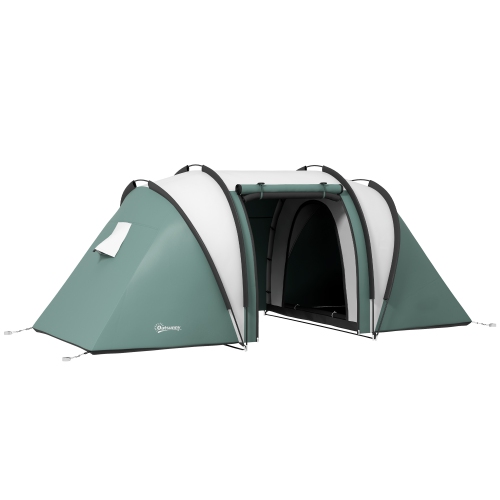
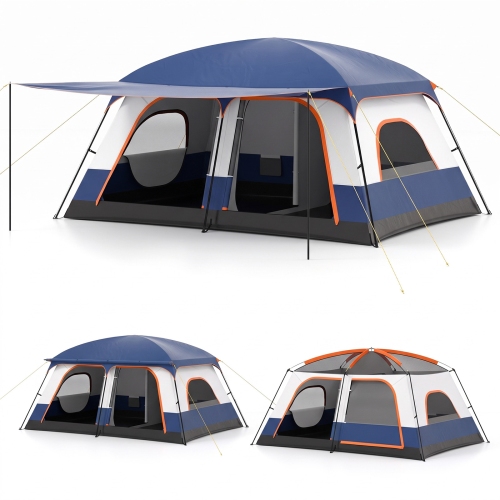
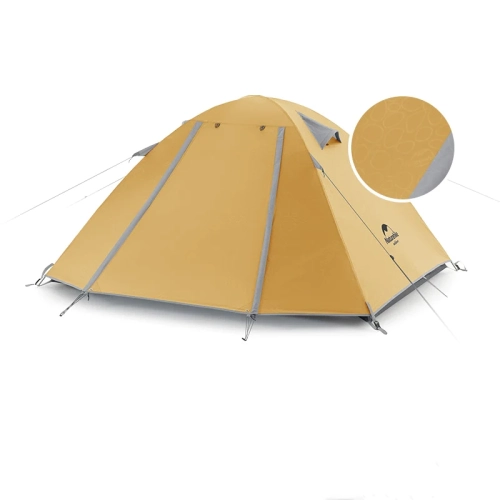
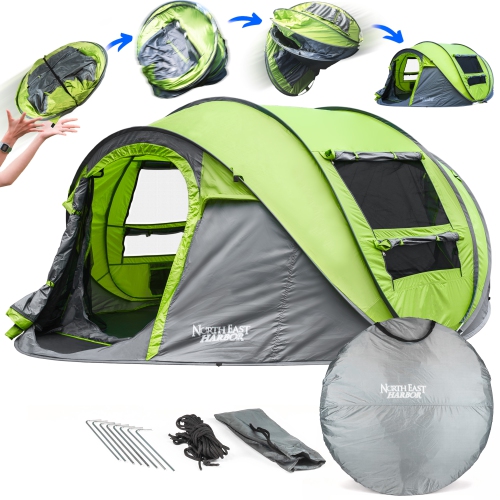
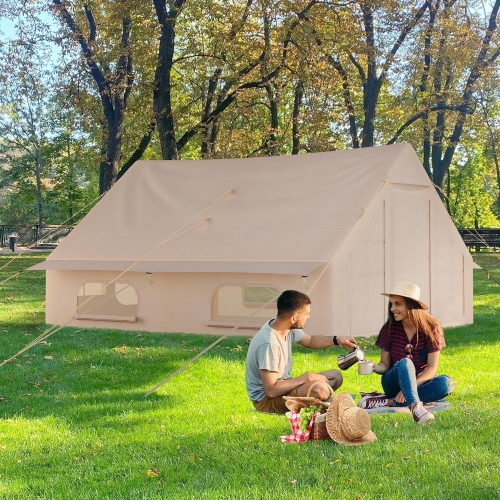
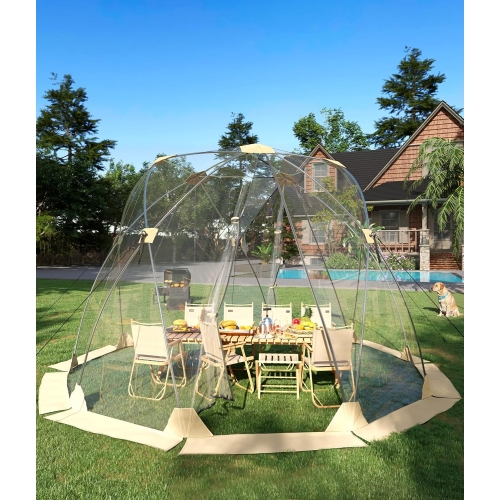
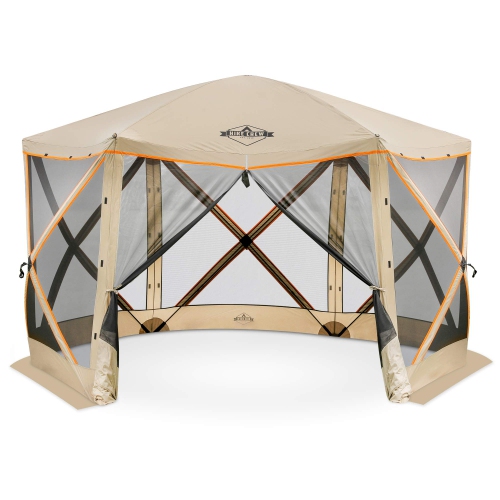
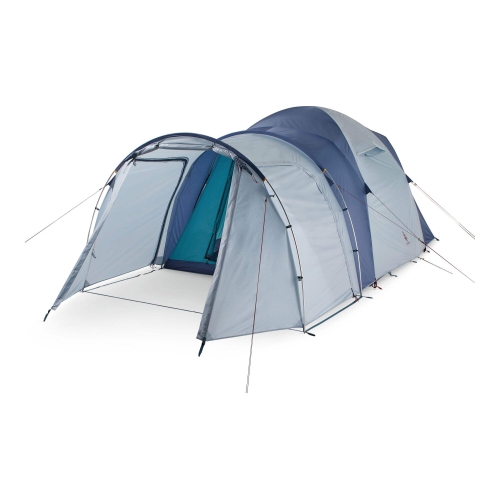
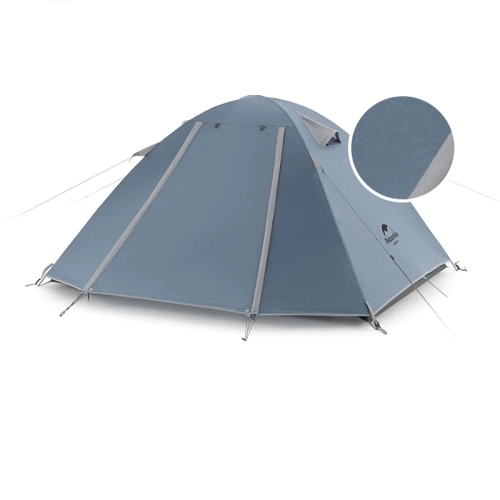
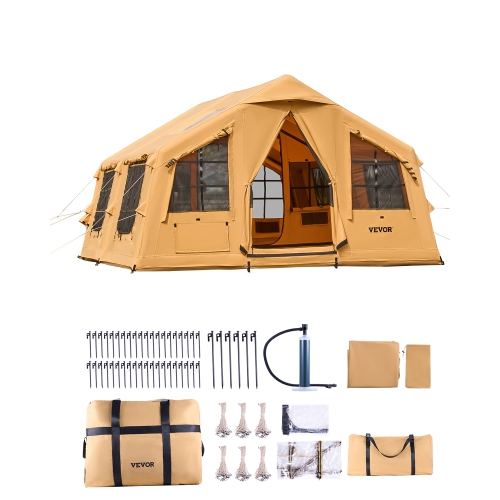
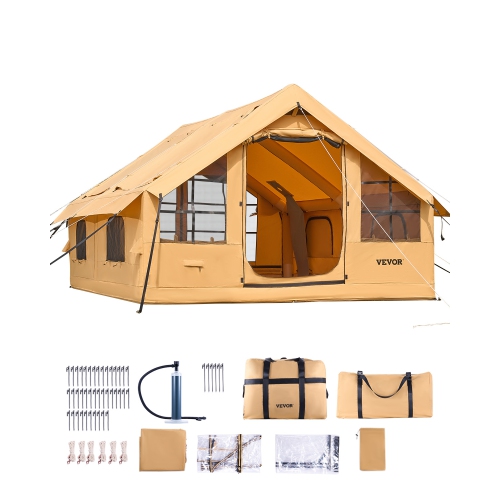
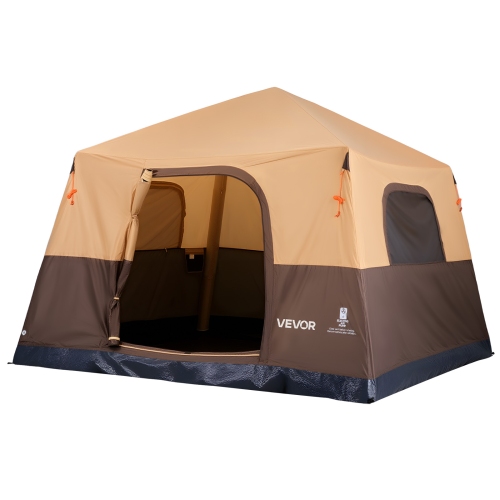
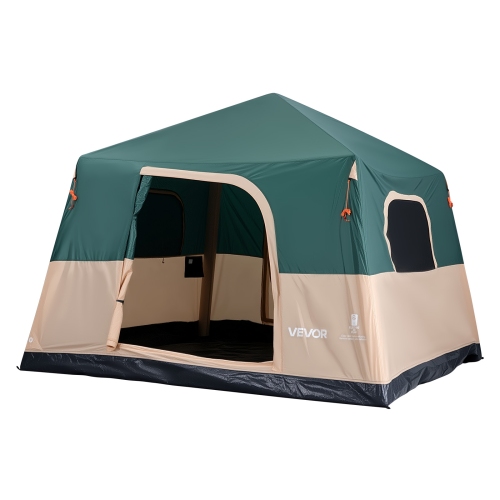
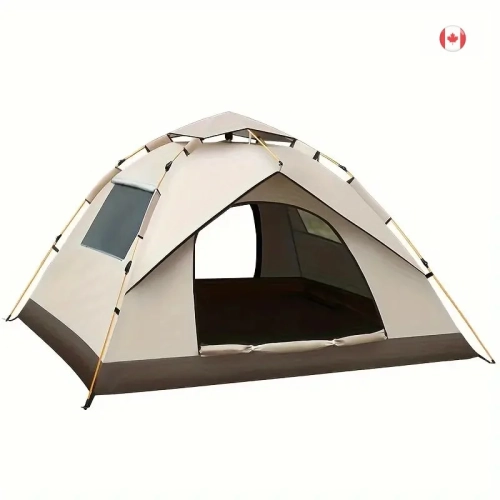
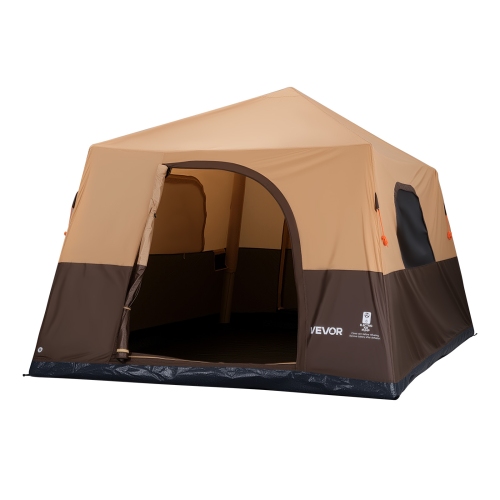
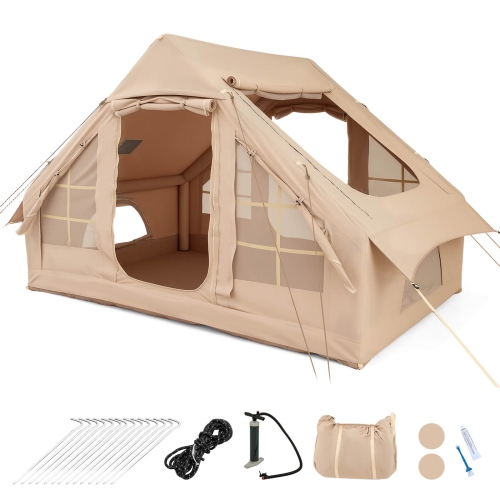
Dome tents are among the most versatile shelters for camping, backyard sleepovers, festivals, road trips, and weekend escapes. Their familiar rounded shape is created by flexible poles that cross near the top, forming a self-supporting frame with useful interior height and good stability in changing conditions. Unlike a simple ridge tent, a dome design gives campers more room to sit up, organize sleeping bags, and change clothes without pressing against the walls. The curved profile also helps wind move over the shelter rather than catching against a broad flat surface, making dome tents a practical choice for open campsites, wooded areas, and lakeside trips. Many models use fibreglass poles and straightforward sleeves or clips, allowing setup to feel manageable even when a campsite is being arranged after a long drive. A smaller two-person dome tent can create a comfortable base for solo campers or couples who prefer a compact sleeping area, while larger designs may include multiple rooms, extended vestibules, or divided sleeping spaces for families and groups. When choosing among dome tents, consider the number of people who will sleep inside, the amount of gear that needs to stay protected, and whether the tent will be used mainly for fair-weather camping or in more variable conditions. A tent rated for two people generally fits two sleeping bags closely, with little room for duffel bags, boots, or changing. Sizing up can make a noticeable difference, especially when a trip includes children, bulky mattresses, or rainy periods spent inside. A four-person tent may suit two adults who want extra elbow room, while a family-sized model can make shared camping more comfortable by providing space for sleeping, storing clothing, and keeping small essentials within reach.
The details around the main structure are just as important as the dome shape. Look for a rainfly that covers the upper tent body and extends over doors or windows, since these areas are common entry points for rain. A bathtub-style floor, sealed seams, and securely fastened guy lines can help limit moisture from damp ground and light precipitation. Mesh panels improve airflow and let campers enjoy a view of the trees or night sky when conditions are clear, while adjustable vents can reduce condensation when the temperature drops. Before selecting a tent, check the packed size and weight if it will be carried to a site rather than unloaded beside the vehicle. A compact tent may be convenient for hiking or canoe trips, whereas a roomier model with a larger carry bag can be better suited to drive-in campsites. Door design also affects everyday comfort: wide openings make it easier to move sleeping bags and camping chairs through the entrance, and dual doors can help people get in and out without climbing over one another. Storage pockets, gear lofts, vestibules, and electrical access points may seem like small features at home, but they become especially useful when the floor is covered with footwear, flashlights, water bottles, and maps. Practising the setup once before leaving can save time at the campsite, particularly when daylight is fading or a breeze is moving through the area. Lay out the footprint or groundsheet first, identify the door direction, and keep poles, stakes, and guylines together in a small bag. On a cool evening, these simple habits can turn a hurried campsite arrival into a calm routine: the frame goes up, the fly clips into place, and sleeping gear stays dry while the surrounding air becomes crisp.
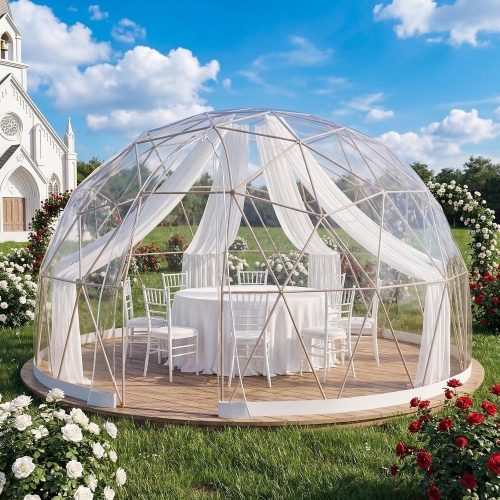
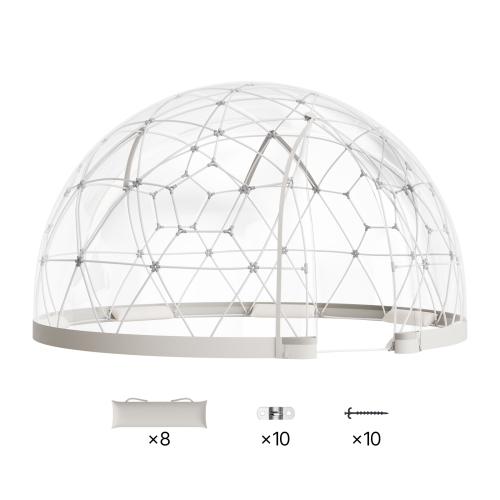
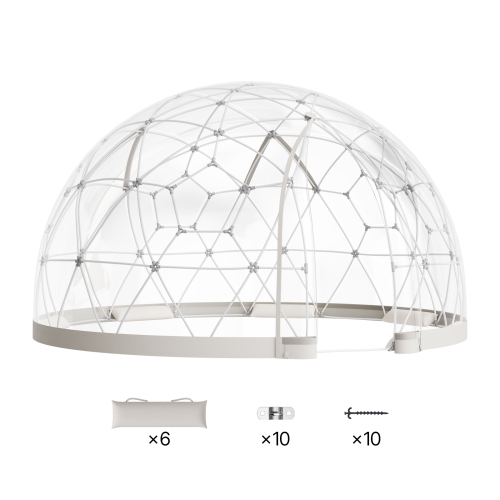
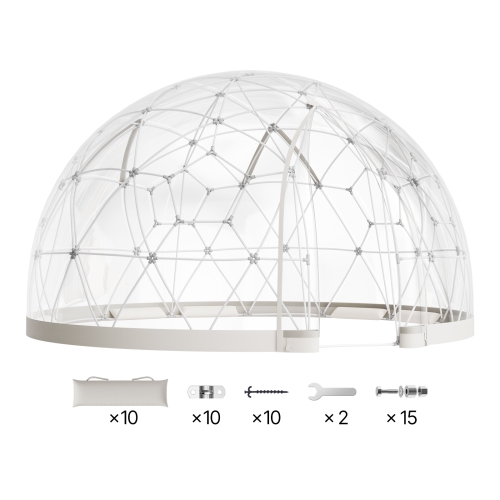
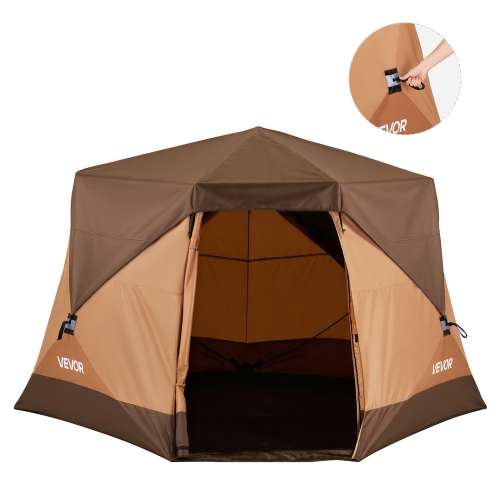
Dome tents suit a wide range of campers because they balance portability, headroom, and uncomplicated setup. They can be used for children’s first overnight adventure, a couple’s long weekend, a family camping trip, or as a convenient guest shelter during outdoor gatherings. They also make thoughtful gifts for new campers, students heading to a festival, families planning road trips, and anyone building a collection of outdoor gear. For gift selection, think about the recipient’s usual travel style rather than choosing by capacity alone. A frequent hiker may value a lighter, more compact shelter, while a family that camps near the car may appreciate larger dimensions, extra storage, and generous doors. Campers who expect colder or more exposed conditions may want a sturdier pole arrangement and a design with stronger weather coverage. Geodesic dome tents use additional intersecting poles to distribute weight across the structure, which can provide enhanced stability for demanding conditions such as heavy wind or snow; however, the right choice still depends on the intended location, forecast, experience level, and manufacturer’s specifications. For warmer outings, prioritize ventilation, mesh coverage, and a rainfly that can be adjusted for airflow. During the cooler months, a full-coverage fly, enclosed vestibule, and enough interior room for layered clothing can make mornings more comfortable. Accessories such as a footprint, mallet, extra stakes, lantern, sleeping pad, or compact camp chair can complement a new tent and make the entire setup more functional. Campers who want additional sheltered space for cooking, relaxing, or storing equipment may also wish to browse Awning Tents. With the right size, construction, ventilation, and weather features, a dome tent can serve as a dependable base for quiet nights among the trees, lively group trips, and memorable evenings when the last light fades beyond the tent door.
The details around the main structure are just as important as the dome shape. Look for a rainfly that covers the upper tent body and extends over doors or windows, since these areas are common entry points for rain. A bathtub-style floor, sealed seams, and securely fastened guy lines can help limit moisture from damp ground and light precipitation. Mesh panels improve airflow and let campers enjoy a view of the trees or night sky when conditions are clear, while adjustable vents can reduce condensation when the temperature drops. Before selecting a tent, check the packed size and weight if it will be carried to a site rather than unloaded beside the vehicle. A compact tent may be convenient for hiking or canoe trips, whereas a roomier model with a larger carry bag can be better suited to drive-in campsites. Door design also affects everyday comfort: wide openings make it easier to move sleeping bags and camping chairs through the entrance, and dual doors can help people get in and out without climbing over one another. Storage pockets, gear lofts, vestibules, and electrical access points may seem like small features at home, but they become especially useful when the floor is covered with footwear, flashlights, water bottles, and maps. Practising the setup once before leaving can save time at the campsite, particularly when daylight is fading or a breeze is moving through the area. Lay out the footprint or groundsheet first, identify the door direction, and keep poles, stakes, and guylines together in a small bag. On a cool evening, these simple habits can turn a hurried campsite arrival into a calm routine: the frame goes up, the fly clips into place, and sleeping gear stays dry while the surrounding air becomes crisp.
Dome tents suit a wide range of campers because they balance portability, headroom, and uncomplicated setup. They can be used for children’s first overnight adventure, a couple’s long weekend, a family camping trip, or as a convenient guest shelter during outdoor gatherings. They also make thoughtful gifts for new campers, students heading to a festival, families planning road trips, and anyone building a collection of outdoor gear. For gift selection, think about the recipient’s usual travel style rather than choosing by capacity alone. A frequent hiker may value a lighter, more compact shelter, while a family that camps near the car may appreciate larger dimensions, extra storage, and generous doors. Campers who expect colder or more exposed conditions may want a sturdier pole arrangement and a design with stronger weather coverage. Geodesic dome tents use additional intersecting poles to distribute weight across the structure, which can provide enhanced stability for demanding conditions such as heavy wind or snow; however, the right choice still depends on the intended location, forecast, experience level, and manufacturer’s specifications. For warmer outings, prioritize ventilation, mesh coverage, and a rainfly that can be adjusted for airflow. During the cooler months, a full-coverage fly, enclosed vestibule, and enough interior room for layered clothing can make mornings more comfortable. Accessories such as a footprint, mallet, extra stakes, lantern, sleeping pad, or compact camp chair can complement a new tent and make the entire setup more functional. Campers who want additional sheltered space for cooking, relaxing, or storing equipment may also wish to browse Awning Tents. With the right size, construction, ventilation, and weather features, a dome tent can serve as a dependable base for quiet nights among the trees, lively group trips, and memorable evenings when the last light fades beyond the tent door.
Top selling and popular products
-
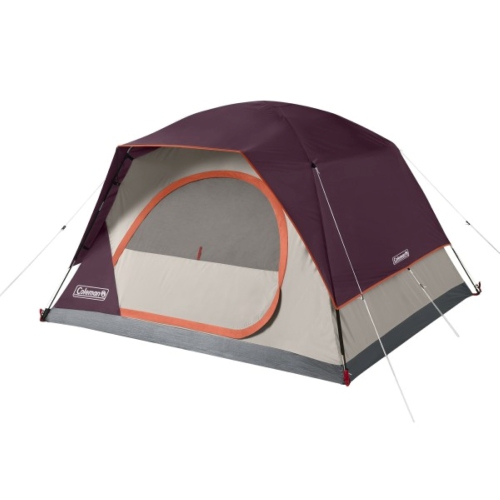 Your price for this item is $240.99
 -
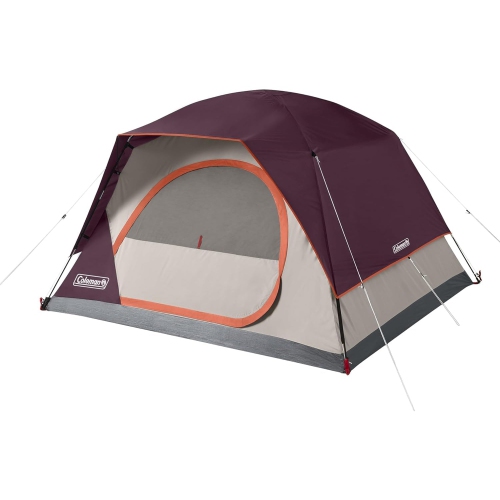 Your price for this item is $239.97
 -
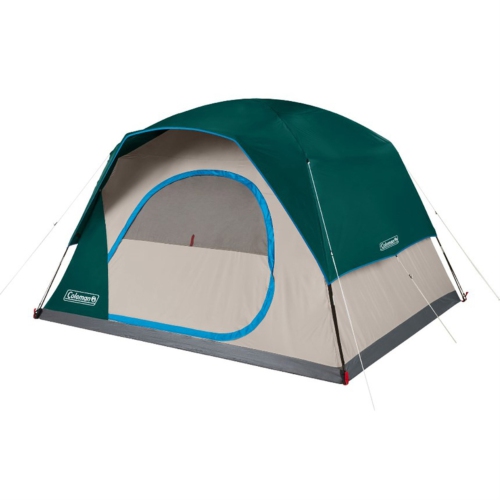 Your price for this item is $241.12
 -
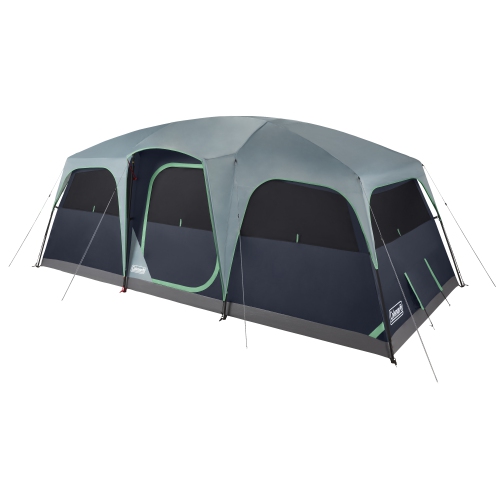 Your price for this item is $509.99
 -
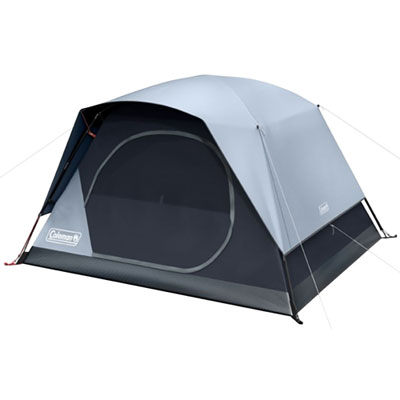 Your price for this item is $199.99
 -
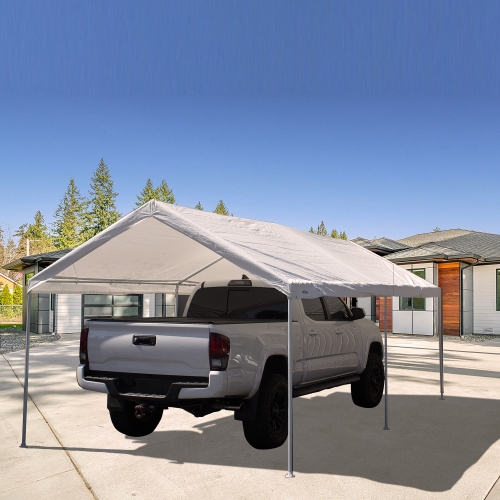 Your price for this item is $455.99
 -
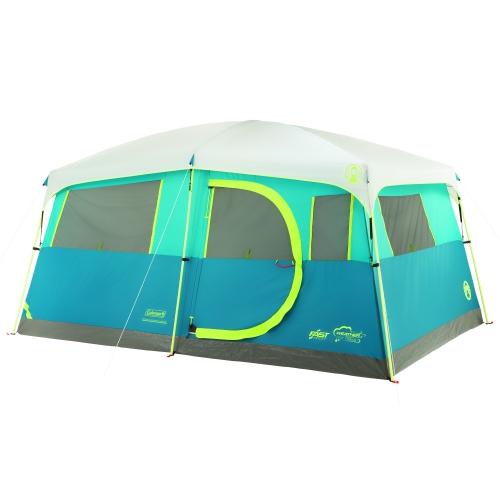 Your price for this item is $427.99
 -
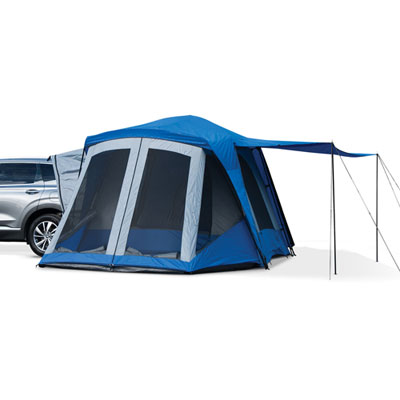 Your price for this item is $499.99
Discover more categories related to Dome Tents
Top Collections:
Pokemon Centers, Best Cameras for Sports Photography, Kindle Devices, Samsung Galaxy Phones, Canon G7X Cameras, Pokémon 30th Celebration Cards, Refurbished Apple Laptops, iPhone 15 Apple, Laptops for Students, Budget Smartphones
Some products may be subject to Environmental Handling Fees
(EHF) depending on your province.
Learn more about EHFs.