Dust Protection Goggles
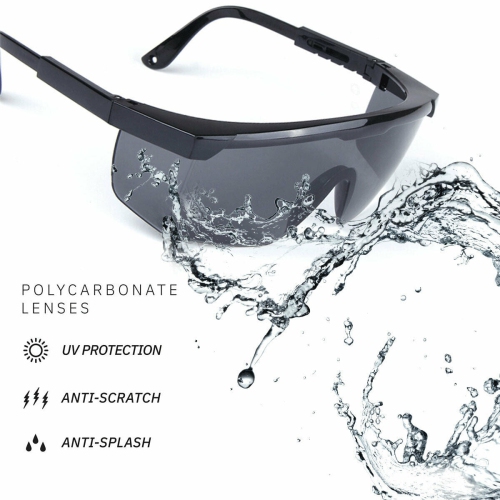
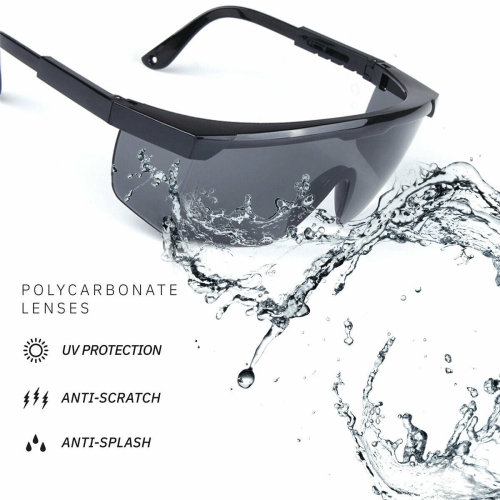
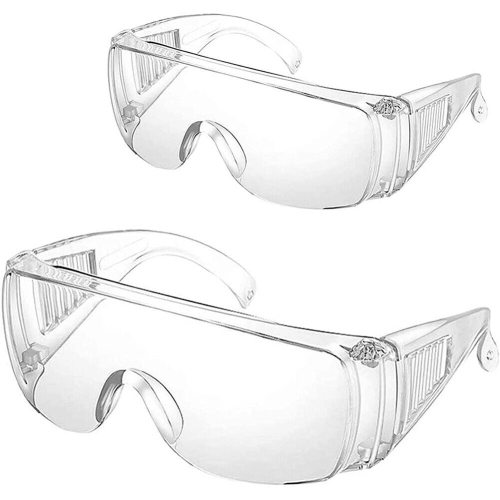
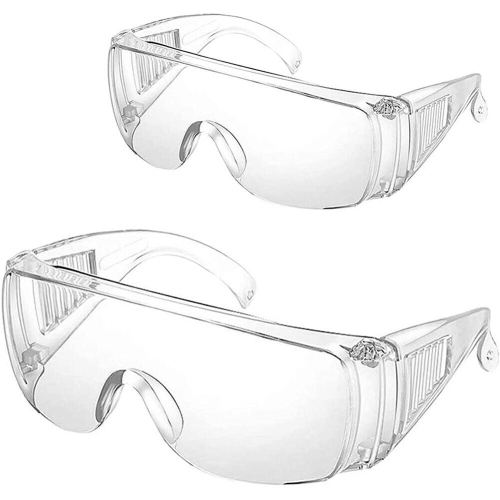
Shield your eyes from dust and debris with our collection of dust protection goggles. Whether you're working in a construction site, woodworking, or engaging in any other activity that poses potential eye hazards, these goggles are designed to provide maximum protection without compromising on comfort. With an array of styles and features to choose from, you can find the perfect pair to suit your needs. Stay safe and focused on the task at hand with our high-quality dust protection goggles.
Sort


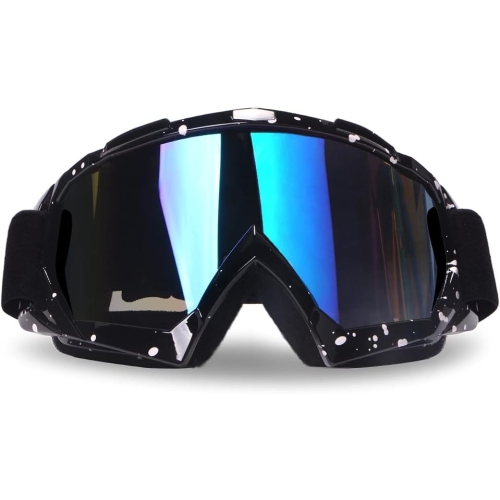
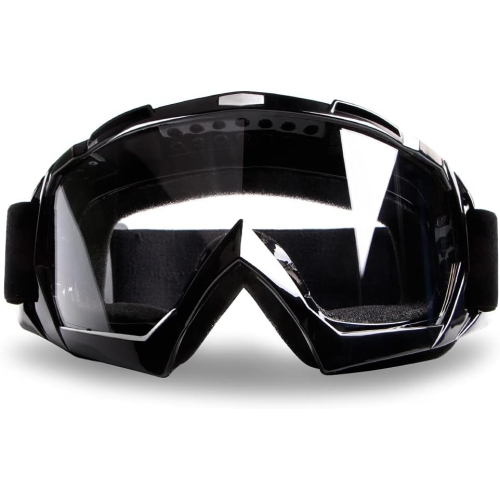
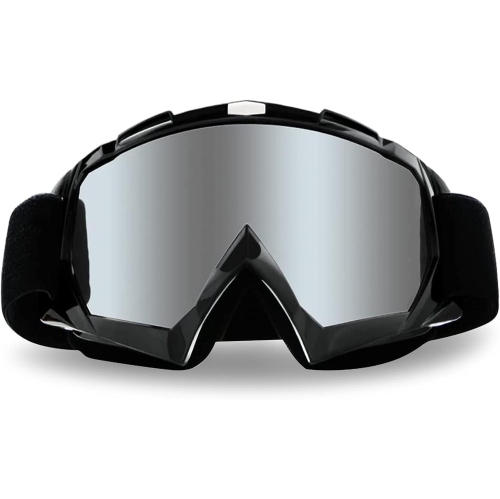
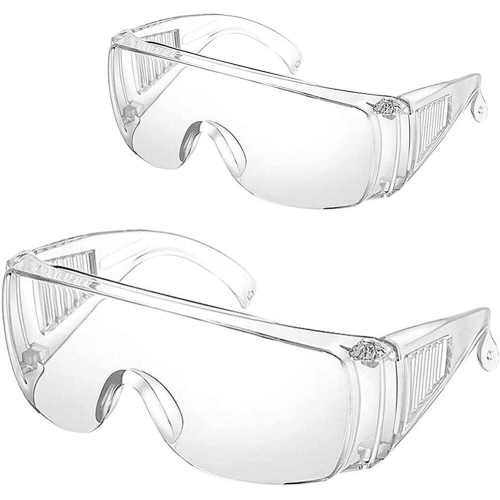
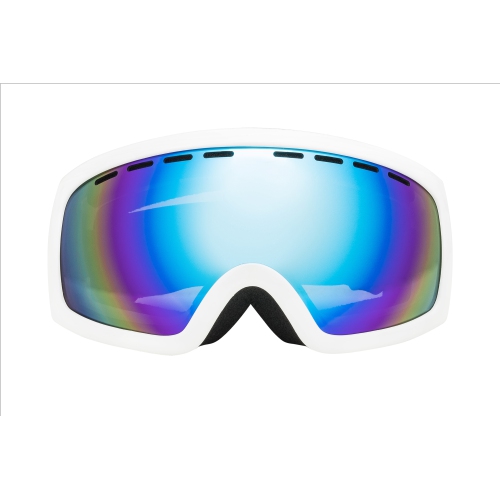
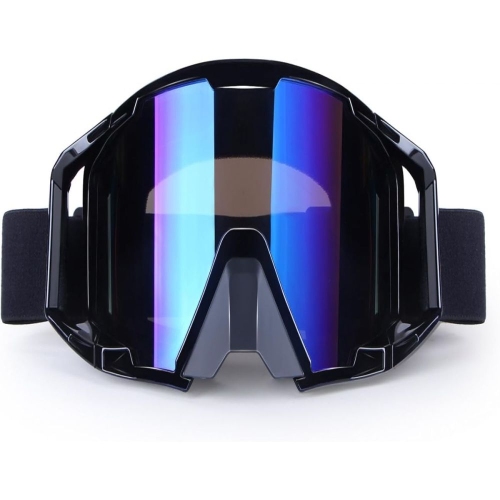
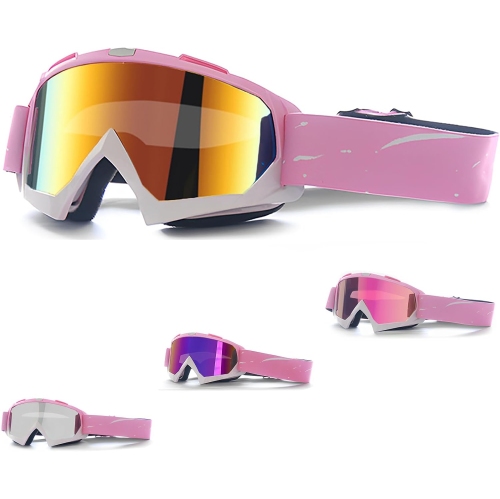
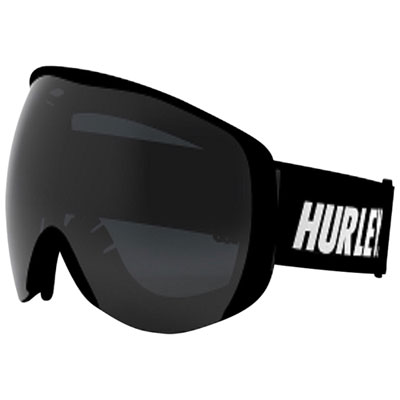
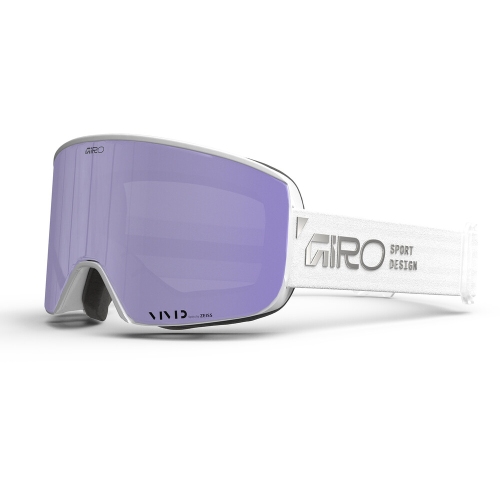
What to consider for a comfortable, protective fit
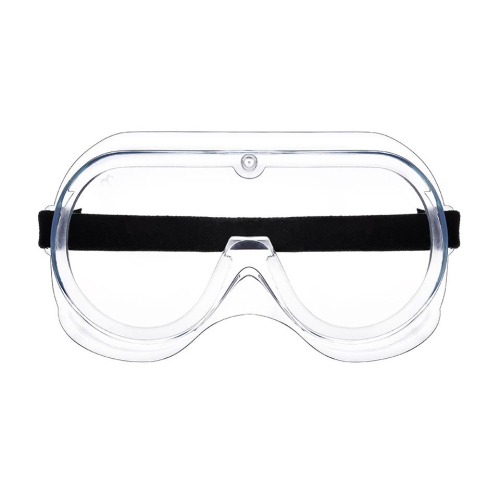
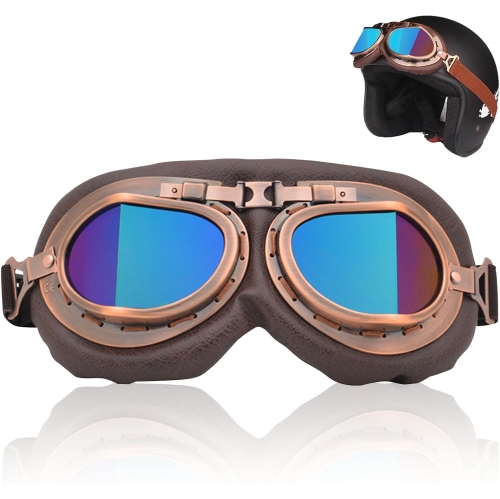
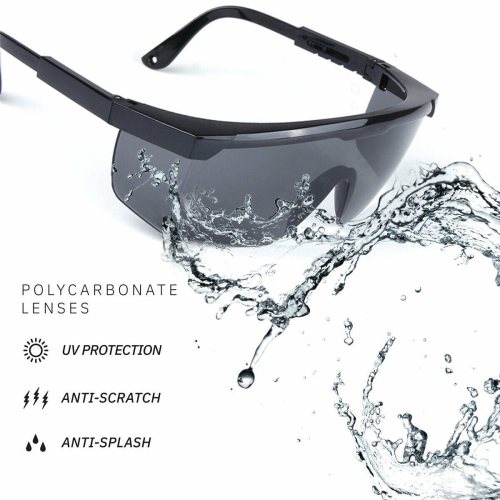
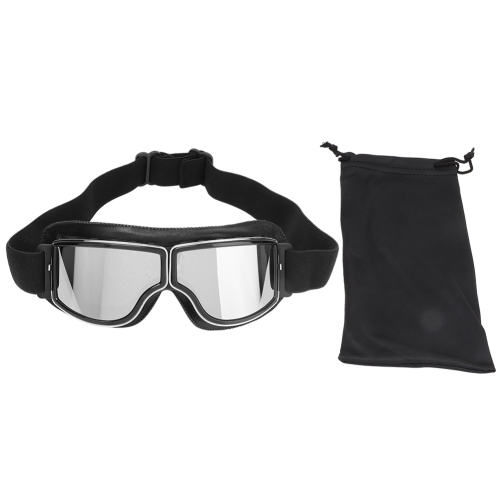
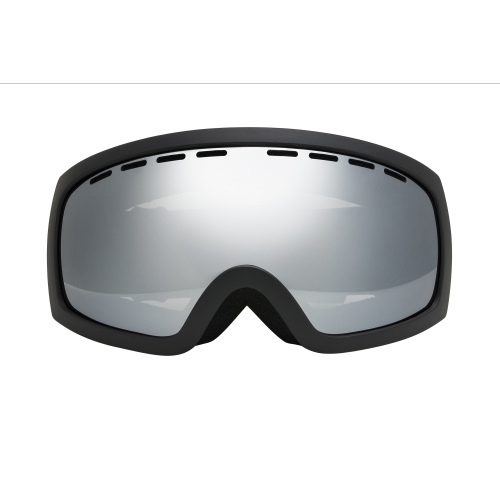
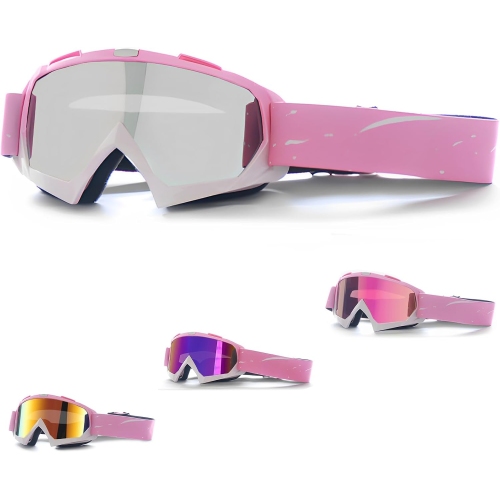
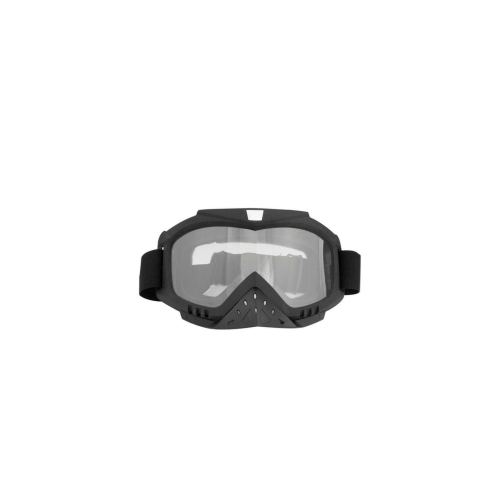
Dust protection goggles are designed to create a close-fitting barrier around the eyes, helping reduce exposure to fine dust, airborne particles, and small pieces of flying debris. They can be useful for woodworking, sanding, drilling, grinding, renovation, demolition, home repairs, workshop projects, gardening, and other tasks that disturb material. Unlike ordinary safety glasses, goggles typically use a soft foam or rubber gasket that rests against the face, helping limit the gaps through which dust can enter. This enclosed design is especially helpful when working with drywall, plaster, sawdust, insulation, soil, mulch, or other loose materials that can remain suspended in the air after a cut, impact, or movement. When selecting dust protection goggles, consider the type of work, the size and shape of the wearer’s face, and how long they will be worn at a time. A comfortable strap, flexible frame, and smooth gasket can make a noticeable difference during a lengthy project. Goggles that feel secure without pressing uncomfortably against the nose, temples, or cheekbones are more likely to be worn consistently. Clear lenses are a practical choice for indoor work and lower-light conditions, while tinted options may be useful where brighter light is also a concern. Look for clearly stated impact and safety information, including ANSI Z87.1 in North America or EN166 where applicable. These markings help indicate that the eyewear has been tested to relevant performance requirements, although users should always check the manufacturer’s instructions to confirm the protection provided for a particular task.
Ventilation is an important consideration when comparing dust protection goggles. Direct vents may improve airflow, but their openings can allow fine particles to pass through, making them less suitable for dusty work. Indirect-vent or sealed designs use covered ventilation channels or a closed construction to help limit the entry of airborne dust while allowing some air movement. Anti-fog coating or an anti-fog lens treatment can also be valuable, particularly during strenuous work, in warm indoor spaces, or when goggles are worn with a dust mask or respirator. Moisture from breathing and perspiration can collect on the inside of the lens, reducing visibility at the moment clear sight is most important. A well-fitting mask and goggles should work together rather than leave a gap between the two. Check that the strap and frame do not interfere with hearing protection, hard hats, face shields, or other equipment needed for the job. People who wear prescription glasses may prefer over-the-glass, or OTG, goggles that provide enough room for standard frames without pinching or distorting the view. Others may choose prescription-compatible protective eyewear if it is available and appropriate for their needs. Keep lenses clean with the method recommended by the manufacturer; wiping dry dust across the surface can create scratches, while harsh household cleaners may damage coatings. Store goggles in a clean location away from sharp tools, and replace them if the lens becomes deeply scratched, the gasket loses its shape, the strap no longer holds securely, or the frame shows signs of damage. For a broader look at eyewear intended to shield delicate surfaces from everyday marks and debris, explore Screen Protection Glasses, which serve a different purpose from personal protective eyewear.
Dust protection goggles can be a practical addition to a home workshop, tool kit, garage, craft area, or jobsite, and they can also make a thoughtful gift for someone who enjoys building, restoring, repairing, or maintaining their own space. They are useful for a first-time DIYer preparing for a renovation, a hobby woodworker refining a project, a gardener clearing dry soil and leaves, or a family member who spends cooler months working indoors on repairs and creative projects. For anyone who has ever finished sanding a shelf with grit around their eyes or opened a bag of potting mix in a cloud of dust, the value of a comfortable, protective fit is easy to appreciate. Goggles should be selected for the hazards involved rather than appearance alone: sealed or indirect-vent designs are generally better suited to fine dust, while impact-rated lenses are important when chips or fragments may be thrown from a tool. They are not a substitute for proper ventilation, safe work practices, or task-specific protection, and they should be used according to the instructions supplied with the product. Before beginning, clear the work area, secure loose materials, position lighting so the lens stays easy to see through, and check that the gasket sits evenly against the face. During the cooler months, indoor projects may bring more sanding, drilling, assembly, and maintenance into workshops and utility rooms, where good eye protection can help make those activities more comfortable and controlled. With the right lens, ventilation, fit, and safety rating, dust protection goggles can support clearer vision and added confidence through everyday tasks that create dust or airborne debris.
Ventilation is an important consideration when comparing dust protection goggles. Direct vents may improve airflow, but their openings can allow fine particles to pass through, making them less suitable for dusty work. Indirect-vent or sealed designs use covered ventilation channels or a closed construction to help limit the entry of airborne dust while allowing some air movement. Anti-fog coating or an anti-fog lens treatment can also be valuable, particularly during strenuous work, in warm indoor spaces, or when goggles are worn with a dust mask or respirator. Moisture from breathing and perspiration can collect on the inside of the lens, reducing visibility at the moment clear sight is most important. A well-fitting mask and goggles should work together rather than leave a gap between the two. Check that the strap and frame do not interfere with hearing protection, hard hats, face shields, or other equipment needed for the job. People who wear prescription glasses may prefer over-the-glass, or OTG, goggles that provide enough room for standard frames without pinching or distorting the view. Others may choose prescription-compatible protective eyewear if it is available and appropriate for their needs. Keep lenses clean with the method recommended by the manufacturer; wiping dry dust across the surface can create scratches, while harsh household cleaners may damage coatings. Store goggles in a clean location away from sharp tools, and replace them if the lens becomes deeply scratched, the gasket loses its shape, the strap no longer holds securely, or the frame shows signs of damage. For a broader look at eyewear intended to shield delicate surfaces from everyday marks and debris, explore Screen Protection Glasses, which serve a different purpose from personal protective eyewear.
Dust protection goggles can be a practical addition to a home workshop, tool kit, garage, craft area, or jobsite, and they can also make a thoughtful gift for someone who enjoys building, restoring, repairing, or maintaining their own space. They are useful for a first-time DIYer preparing for a renovation, a hobby woodworker refining a project, a gardener clearing dry soil and leaves, or a family member who spends cooler months working indoors on repairs and creative projects. For anyone who has ever finished sanding a shelf with grit around their eyes or opened a bag of potting mix in a cloud of dust, the value of a comfortable, protective fit is easy to appreciate. Goggles should be selected for the hazards involved rather than appearance alone: sealed or indirect-vent designs are generally better suited to fine dust, while impact-rated lenses are important when chips or fragments may be thrown from a tool. They are not a substitute for proper ventilation, safe work practices, or task-specific protection, and they should be used according to the instructions supplied with the product. Before beginning, clear the work area, secure loose materials, position lighting so the lens stays easy to see through, and check that the gasket sits evenly against the face. During the cooler months, indoor projects may bring more sanding, drilling, assembly, and maintenance into workshops and utility rooms, where good eye protection can help make those activities more comfortable and controlled. With the right lens, ventilation, fit, and safety rating, dust protection goggles can support clearer vision and added confidence through everyday tasks that create dust or airborne debris.
Top selling and popular products
-
 Your price for this item is $189.05
 -
 Your price for this item is $39.25
 -
 Your price for this item is $23.97
 -
 Your price for this item is $44.52
 -
 Your price for this item is $14.63
 -
 Your price for this item is $85.34
 -
 Your price for this item is $2.99
 -
 Your price for this item is $31.99
Discover more categories related to Dust Protection Goggles
Top Collections:
Pokemon Centers, Best Cameras for Sports Photography, Kindle Devices, Samsung Galaxy Phones, Canon G7X Cameras, Pokémon 30th Celebration Cards, Refurbished Apple Laptops, iPhone 15 Apple, Laptops for Students, Budget Smartphones
Some products may be subject to Environmental Handling Fees
(EHF) depending on your province.
Learn more about EHFs.