Energy Efficient Coolers
Energy Efficient Coolers are a smart choice for keeping your food and beverages chilled while minimizing power usage. Designed to offer reliable cooling performance, these coolers are ideal for home, office, or outdoor adventures. With a range of sizes and styles available, it's easy to find the perfect option to suit your needs. Explore the selection of Energy Efficient Coolers to enjoy convenience and comfort wherever you go.
Sort
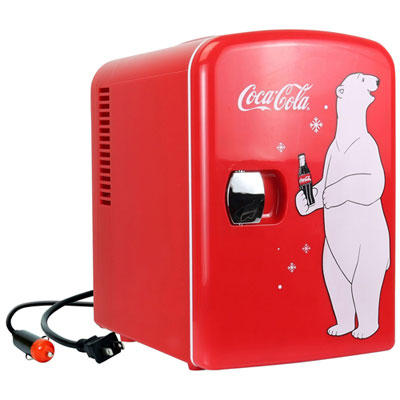
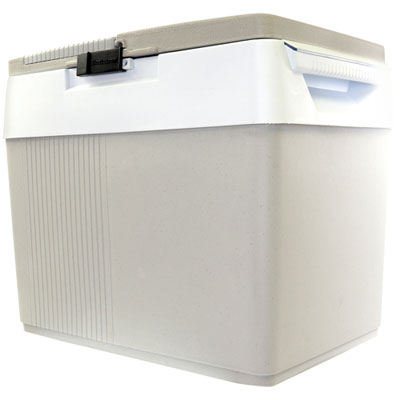

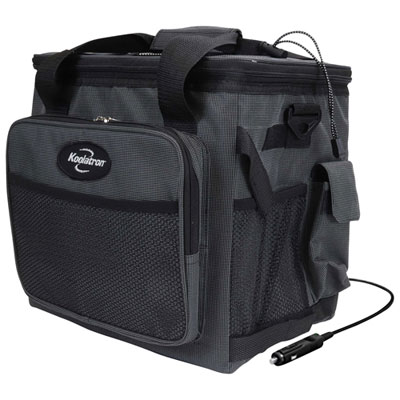
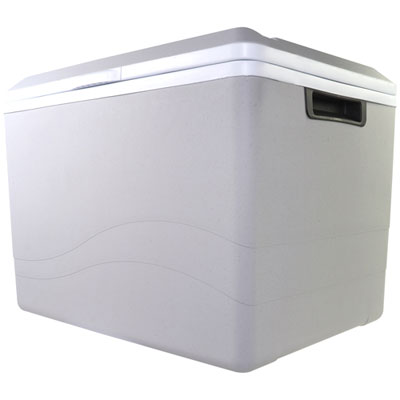





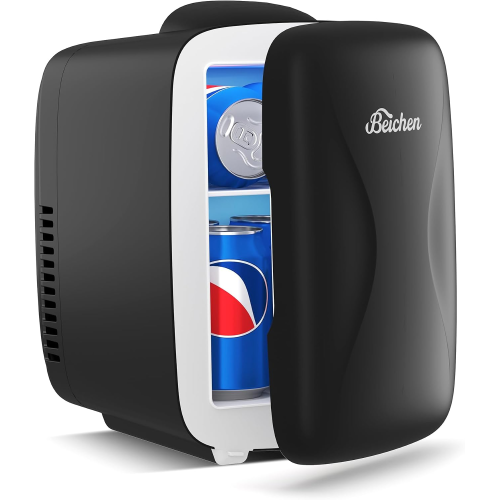
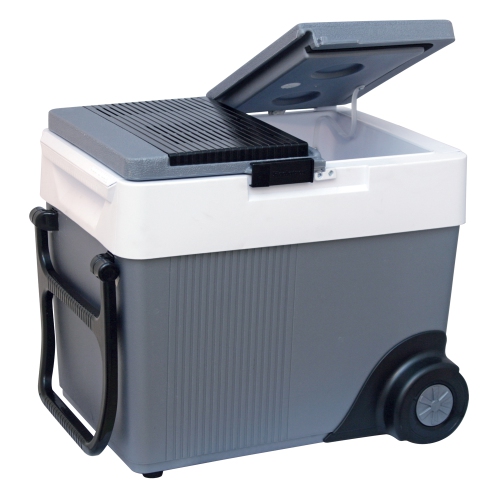
How insulation and power shape cooling on the go
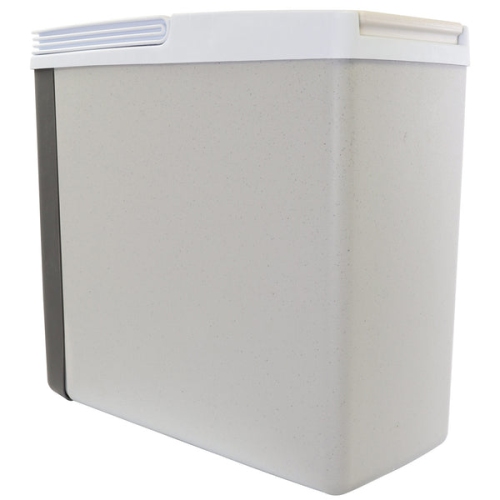
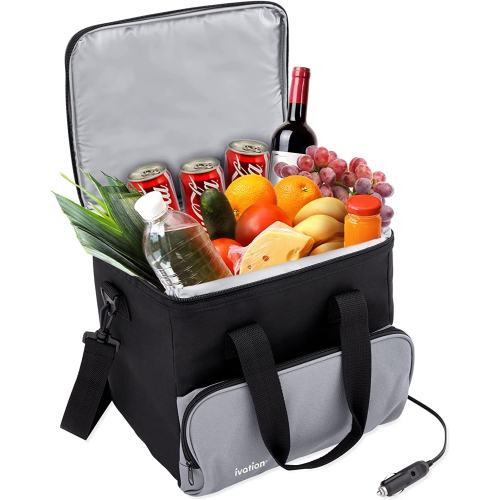
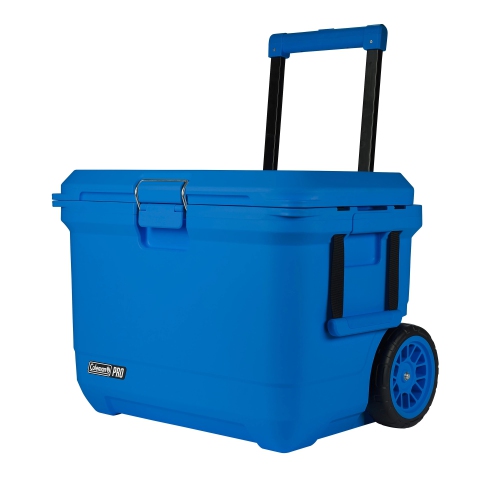
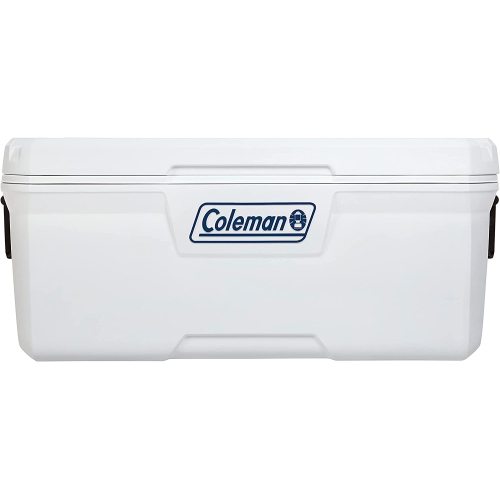
Energy-efficient coolers keep food and drinks cold through effective insulation, controlled electrical cooling, or a combination of both. Passive ice chests need no electrical connection, while powered coolers use electricity to maintain cooling during travel or at a destination. Their efficiency depends on different things: an insulated chest relies on ice retention and a well-sealed lid, whereas an electric cooler’s energy use also depends on its cooling system, settings, ventilation, and how often it is opened. For picnics, road trips, camping, and days spent away from a kitchen, the most useful design balances capacity with the effort needed to carry, pack, and maintain it. Hard-sided coolers typically combine a rigid plastic shell with insulation between the inner and outer walls. Rotomoulded construction can provide a sturdy, largely seamless body that stands up to repeated loading and transport, although construction alone does not determine how long the contents stay cold. Insulation thickness, lid fit, gasket condition, and secure latches all contribute to performance. Soft-sided coolers offer a different balance, with flexible shapes, carrying straps, and insulated compartments suited to lunches, short outings, or smaller loads. Their closures and liners deserve attention, particularly when loose ice or condensation may be present; a water-resistant exterior does not necessarily mean the entire bag is leakproof. Capacity is most meaningful when considered alongside what goes inside. A chest filled with ice has less room for food containers, while tall bottles, upright cartons, and prepared meals need usable interior dimensions rather than volume alone. Thick walls can also make a cooler larger outside than its storage space suggests. For passive designs, chilled contents, sufficient ice or frozen packs, and fewer lid openings help preserve cooling. Separate compartments or accessible baskets can make it easier to retrieve a snack without leaving the whole interior exposed while searching beneath drinks and containers.
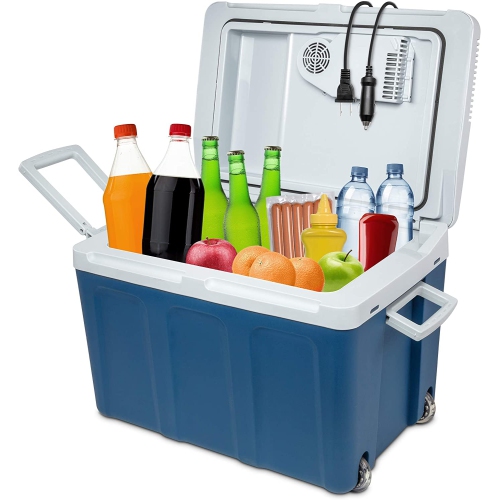
Electric Coolers provide powered cooling for situations where replenishing ice is inconvenient or where more controlled storage is useful. Two common technologies are thermoelectric and compressor cooling, and they behave differently. Thermoelectric coolers transfer heat using an electronic module and generally cool to a certain amount below the surrounding air temperature. Their ability to keep perishable food cold therefore depends on the conditions around them, the load inside, and the unit’s stated capabilities. They should not automatically be treated as a substitute for a refrigerator. Compressor coolers use a refrigeration cycle and can maintain a selected temperature within their operating limits; some designs also support frozen storage. A compressor may cycle on and off after reaching its setting, so its rated power draw does not necessarily represent continuous consumption throughout a journey. Neither technology is automatically the more efficient choice in every situation. Insulation, target temperature, surrounding conditions, and the amount of food being cooled all affect electricity use. Published energy-consumption figures are most useful when the test conditions resemble the intended use. Power compatibility matters just as much as cooling performance. A vehicle socket, household outlet, and portable power station may require different connections, and adapters are not necessarily included with every design. Cable reach, socket rating, and any low-voltage protection settings can influence how comfortably a powered cooler fits into a travel setup. Battery protection can reduce the risk of excessive vehicle battery discharge, but it does not guarantee that a vehicle will start after extended use. Ventilation space around the cooling components is also essential; tightly surrounding a powered cooler with luggage can restrict airflow and interfere with operation. Pre-chilled food reduces the initial cooling load, while organized packing limits time spent with the lid open. Where safe storage is important, an independent thermometer helps confirm the actual conditions around the food rather than relying only on a display. Perishable foods generally need to remain at 4°C or below, regardless of whether the cooling comes from ice, a thermoelectric system, or a compressor.
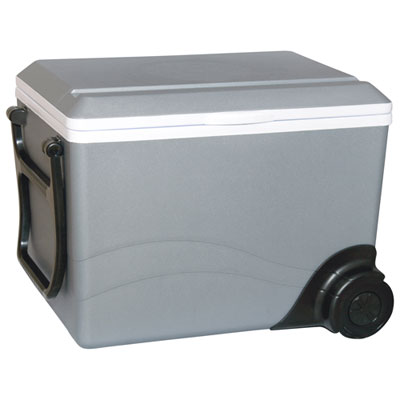
Everyday practicality often comes down to details that are easy to notice once a cooler is loaded. A compact footprint may suit a passenger footwell or a small vehicle’s cargo area, but the lid still needs enough clearance to open, and a powered unit needs the ventilation space specified by its manufacturer. Wheels can help move a heavier chest across firm surfaces, while broad handles and balanced carrying points make lifting more manageable. Empty weight matters too: a rugged shell, substantial insulation, food, drinks, and ice can add up to a load that is awkward for one person. For shared outings, a larger chest can keep supplies together; for packed lunches or short journeys, a smaller cooler may be easier to carry and keep organized. Removable baskets, dividers, and smooth interior surfaces help separate delicate food from heavier containers and make spills easier to clean. Durability depends on more than the main body. Hinges, latches, zippers, drain plugs, handles, and seals all receive repeated use, and their condition affects convenience as well as cooling performance. After use, food residue and standing water are best removed promptly, with cleaning carried out according to the care instructions. Many interiors can be wiped with mild soap and water, but electrical components, fabric liners, and specialized finishes may need different treatment. Thorough drying before storage helps prevent lingering odours, while an unobstructed gasket allows the lid to close properly. Powered models also benefit from clean, uncovered ventilation openings and protected cables during transport. These practical qualities make coolers useful for commuters carrying meals, families packing snacks, campers storing ingredients, and travellers managing longer drives. As a gift, a cooler is most personal when its size, carrying style, and power requirements match the recipient’s routine. A lightweight lunch companion and a substantial powered travel cooler serve different needs, even when both are chosen for efficient cooling. The strongest fit brings together dependable cold storage, manageable handling, straightforward care, and the right capacity for the food and drinks that actually travel along.
Top selling and popular products
-
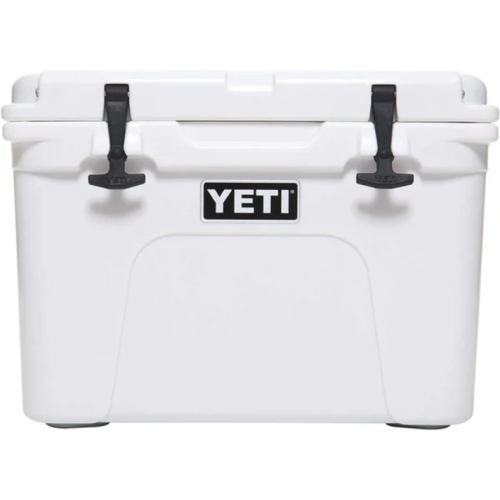 Your price for this item is $388.9
-
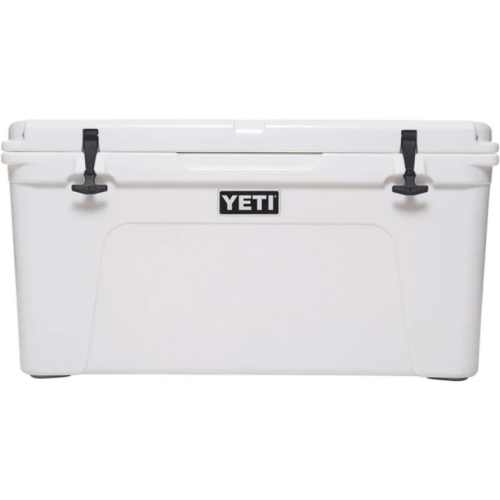 Your price for this item is $618.9
-
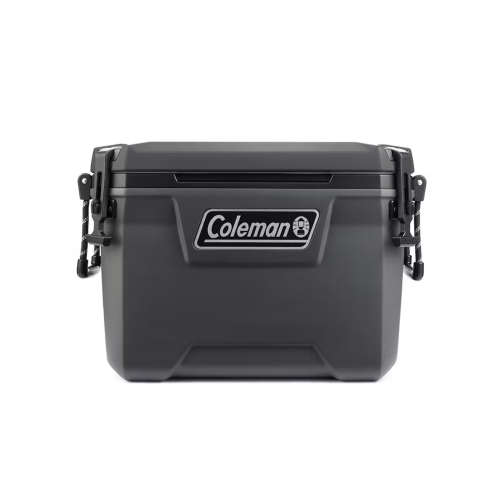 Your price for this item is $249.99
-
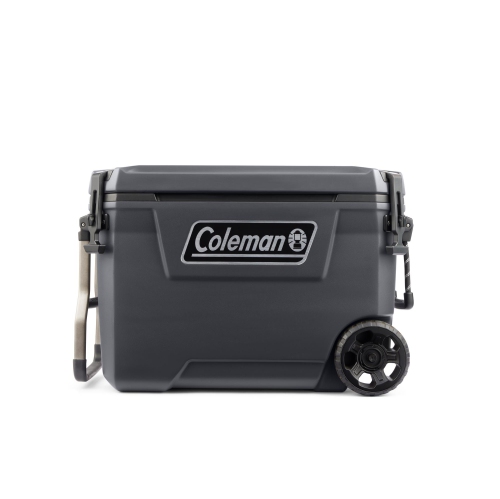 Your price for this item is $379.99
-
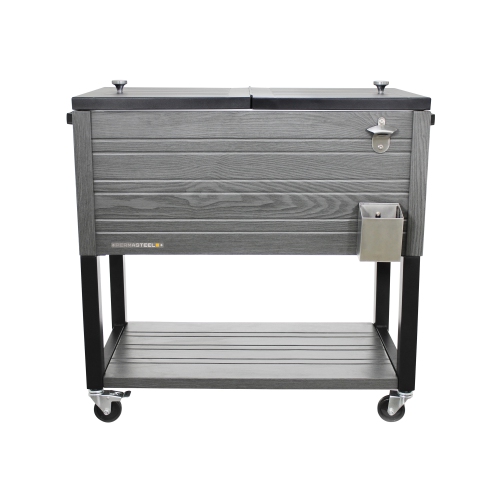 Your price for this item is $379.99
-
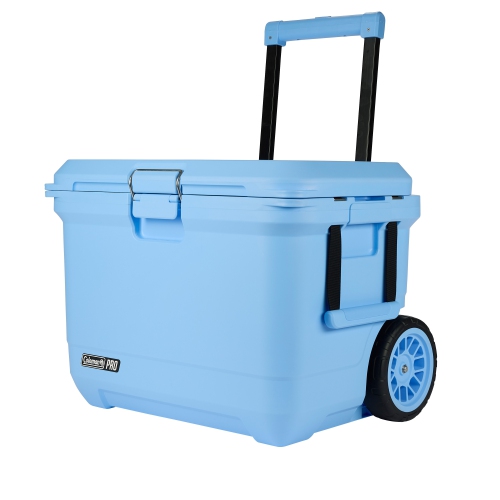 Your price for this item is $374.99
-
 Your price for this item is $374.99
-
 Your price for this item is $202.99
Discover more categories related to Energy Efficient Coolers

Top Collections:
Pokemon Centers, Kindle Devices, Best Cameras for Sports Photography, Pokémon 30th Celebration Cards, Canon G7X Cameras, Samsung Galaxy Phones, iPhone 15 Apple, Best Black Friday Deals On Electronics, Jackery Power Stations, Solar Generators for Home
Some products may be subject to Environmental Handling Fees
(EHF) depending on your province.
Learn more about EHFs.