Floating Pads
Whether you're looking to relax on the water or add some excitement to your next beach trip, floating pads are the perfect accessory for all your aquatic adventures. These versatile and durable pads provide a comfortable and stable surface for lounging, playing, or even practicing yoga on the water. With various sizes and designs available, you can find the ideal floating pad to suit your needs and enjoy endless hours of fun in the sun.
Sort
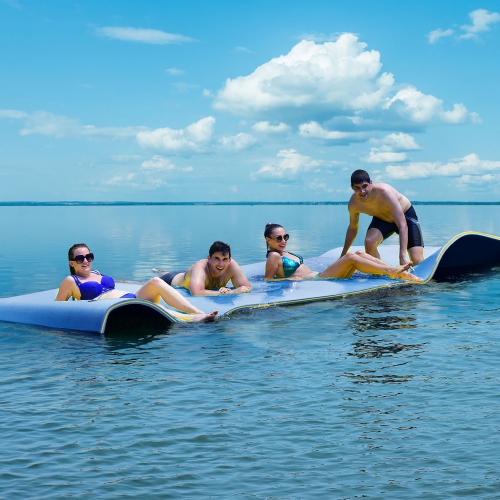
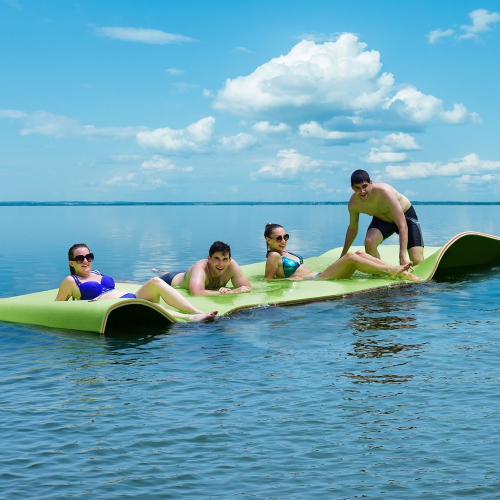

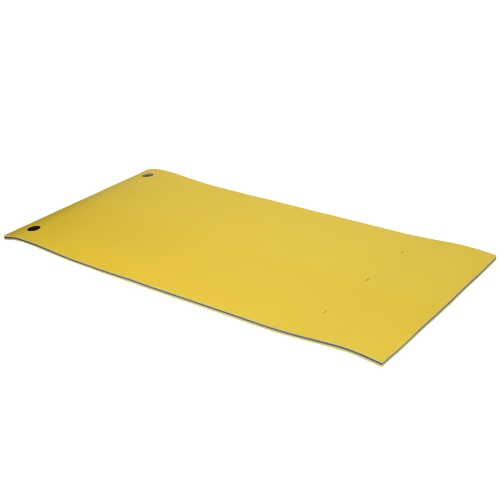
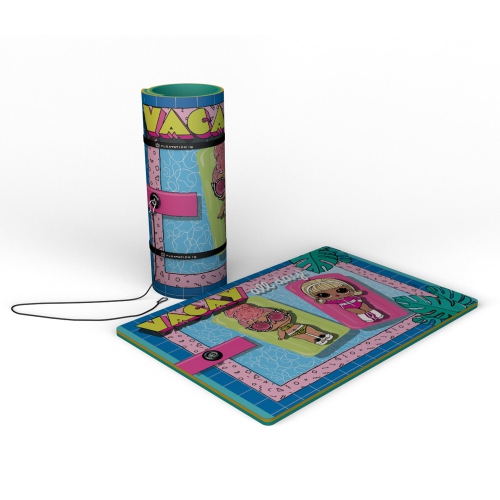
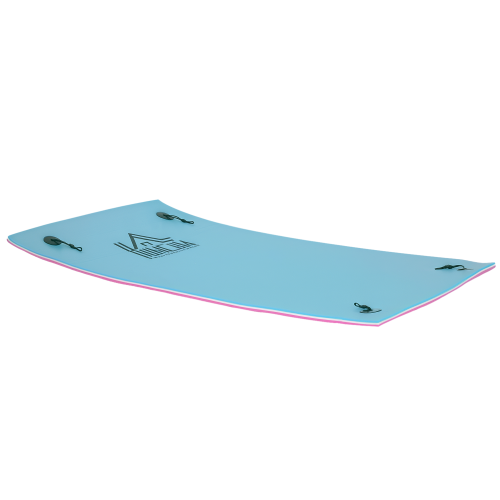
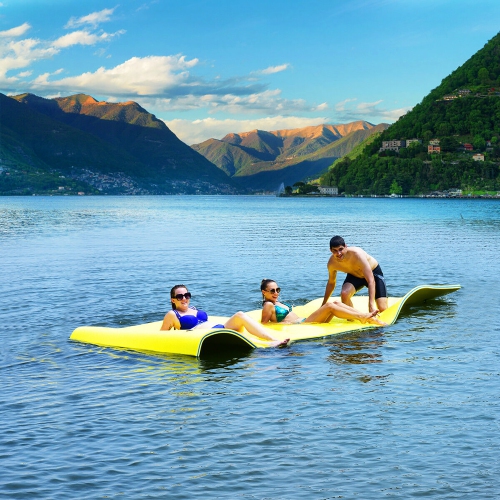
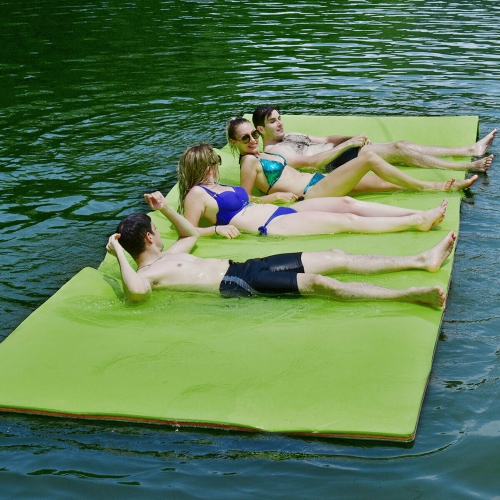
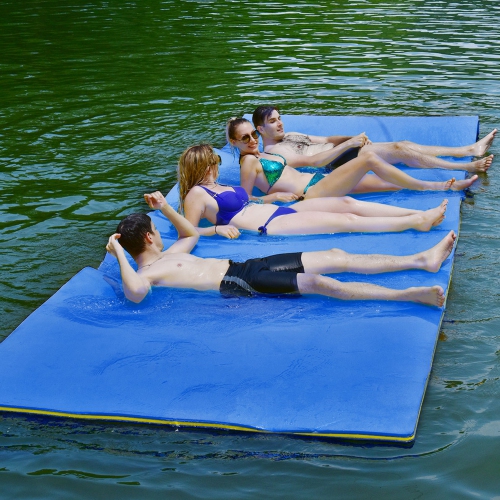
Roomy water platforms for lounging, play, and shared relaxation
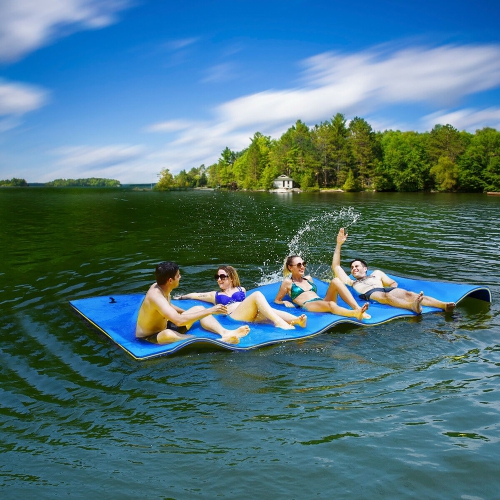
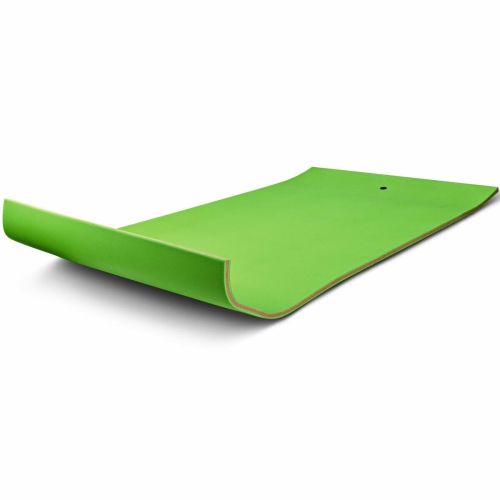
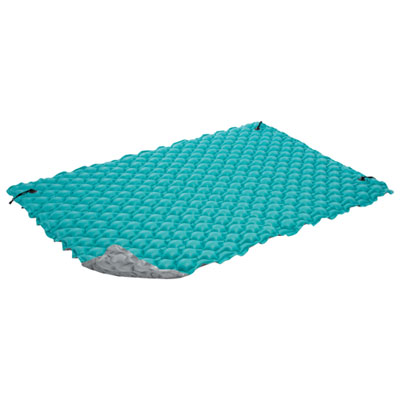
Floating pads, also called water mats or floating water platforms, create a broad, buoyant surface for relaxing, playing, and spending time on the water. Unlike a small inflatable float designed for one person, a floating pad typically offers a stable area where several people can sit, lie down, or carefully move around, depending on its size and rated capacity. They can be used in backyard pools, at cottages, on calm lakes, or alongside a boat dock, giving swimmers a comfortable place to take a break without leaving the water completely. Some people use them as a sunny lounge for reading, chatting, or stretching out after a swim, while families may use them as a central spot for supervised games and water activities. Their wide, low-profile design can also make it easier for children to climb onto the water from a nearby dock, although young swimmers should always be closely supervised and use appropriate flotation equipment. Floating pads are often made with durable, tear-resistant closed-cell foam, including cross-linked polyethylene or XPE, and may feature multiple bonded layers to improve buoyancy, resilience, and comfort. The foam surface is generally intended to provide a soft, grippy place to sit or lie down, while reinforced edges, handles, attachment points, and tether systems can make the pad easier to position and manage. When comparing floating pads, begin with the number of people who may use the pad at one time. A compact option may suit solo lounging or a couple, while a larger family-sized water mat can provide room for several users, pets, or additional space for changing positions. Always compare the listed weight capacity with the combined weight of everyone and everything on the pad, and leave a sensible margin rather than treating the maximum rating as a target. Dimensions matter as well: measure the intended pool, dock, shoreline, or storage area before choosing a size, and consider how much space will be needed around the pad for swimmers and boats. A larger mat may feel more comfortable for group use, but it can also be heavier to move, more difficult to roll, and harder to secure in wind or current. If the floating pad will be used near a boat, check whether it includes a suitable tether, attachment point, or compatible anchoring arrangement, and confirm that the connection is appropriate for the conditions and location. A tether can help keep the pad from drifting away from a dock or swimming area, but it should never be treated as a substitute for supervision or safe water practices. Before using any water mat, inspect the foam, seams, handles, connectors, and tether for visible wear or damage, and make sure the pad is positioned away from propellers, sharp rocks, strong currents, and other hazards.
A floating pad can be a thoughtful gift for cottage owners, families with access to a pool, boaters, or anyone who enjoys turning a quiet afternoon by the water into a more comfortable gathering. It is also a practical choice for shared recreational spaces because one roomy platform can accommodate different activities, from lounging in the sun to taking a break between swims. For a family, consider the ages and swimming abilities of the intended users, along with whether the pad will mainly be used for calm relaxation or active play. A thicker, multi-layer construction may offer extra support and durability for frequent group use, while a smaller, lighter design may be easier for one person to carry between the garage, dock, and water. Handles can be especially useful when moving a rolled mat, and straps or bungee-style fasteners may help keep it compact during transport and storage. Storage is an important part of ownership because even a durable floating pad can be affected by prolonged exposure to sunlight, heat, moisture, and rough surfaces. After use, rinse away chlorine, salt, sand, and lake debris according to the manufacturer’s care instructions, allow the pad to dry fully, and store it in a cool, dry place away from sharp objects. Rolling the mat evenly and securing it with its straps can help reduce clutter during the cooler months, when outdoor water equipment may spend more time in a shed, garage, or storage room. Avoid dragging the pad across concrete, gravel, or rough decking, since abrasion can damage the outer surface and edges. It is also wise to consider who will set up and put away the mat: a large model intended for several people may require two adults to carry safely, particularly when wet. For lake or waterfront use, check local rules and conditions before entering the water, and keep the pad within a designated swimming area whenever possible. Do not exceed the stated capacity, do not use a floating pad as a rescue device, and make sure children and inexperienced swimmers remain within direct reach or close supervision. For related ways to enjoy time in and around the water, explore [the Floating Toys collection]. With the right size, buoyancy, materials, storage features, and safety considerations, a floating pad can make pool days, dockside visits, and calm-water outings feel more spacious, social, and comfortable from the first warm days through the end of the outdoor season.
A floating pad can be a thoughtful gift for cottage owners, families with access to a pool, boaters, or anyone who enjoys turning a quiet afternoon by the water into a more comfortable gathering. It is also a practical choice for shared recreational spaces because one roomy platform can accommodate different activities, from lounging in the sun to taking a break between swims. For a family, consider the ages and swimming abilities of the intended users, along with whether the pad will mainly be used for calm relaxation or active play. A thicker, multi-layer construction may offer extra support and durability for frequent group use, while a smaller, lighter design may be easier for one person to carry between the garage, dock, and water. Handles can be especially useful when moving a rolled mat, and straps or bungee-style fasteners may help keep it compact during transport and storage. Storage is an important part of ownership because even a durable floating pad can be affected by prolonged exposure to sunlight, heat, moisture, and rough surfaces. After use, rinse away chlorine, salt, sand, and lake debris according to the manufacturer’s care instructions, allow the pad to dry fully, and store it in a cool, dry place away from sharp objects. Rolling the mat evenly and securing it with its straps can help reduce clutter during the cooler months, when outdoor water equipment may spend more time in a shed, garage, or storage room. Avoid dragging the pad across concrete, gravel, or rough decking, since abrasion can damage the outer surface and edges. It is also wise to consider who will set up and put away the mat: a large model intended for several people may require two adults to carry safely, particularly when wet. For lake or waterfront use, check local rules and conditions before entering the water, and keep the pad within a designated swimming area whenever possible. Do not exceed the stated capacity, do not use a floating pad as a rescue device, and make sure children and inexperienced swimmers remain within direct reach or close supervision. For related ways to enjoy time in and around the water, explore [the Floating Toys collection]. With the right size, buoyancy, materials, storage features, and safety considerations, a floating pad can make pool days, dockside visits, and calm-water outings feel more spacious, social, and comfortable from the first warm days through the end of the outdoor season.
Top selling and popular products
-
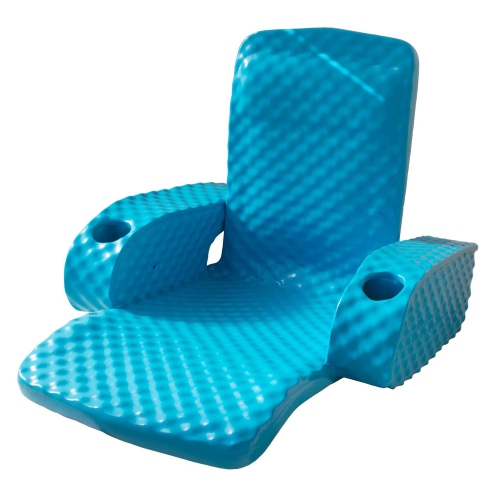 Your price for this item is $669.99
 -
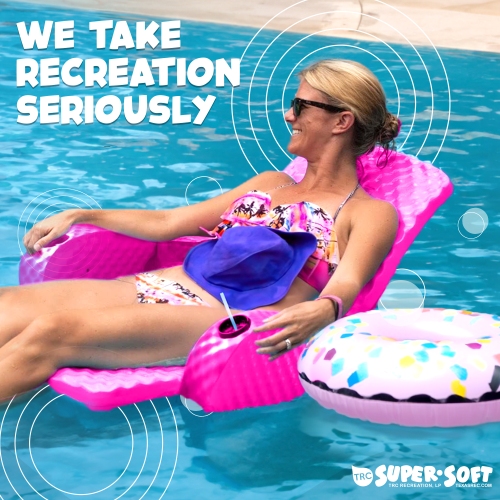 Your price for this item is $640.99
 -
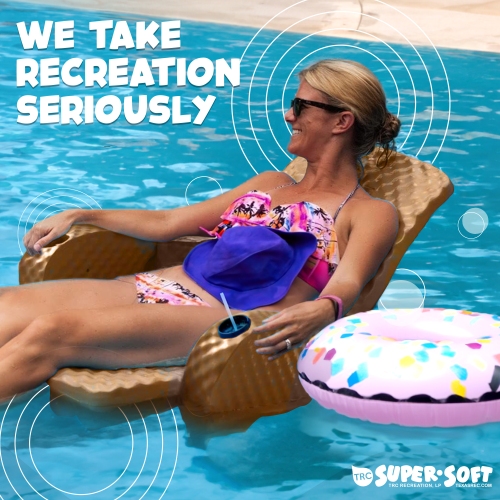 Your price for this item is $533.99
 -
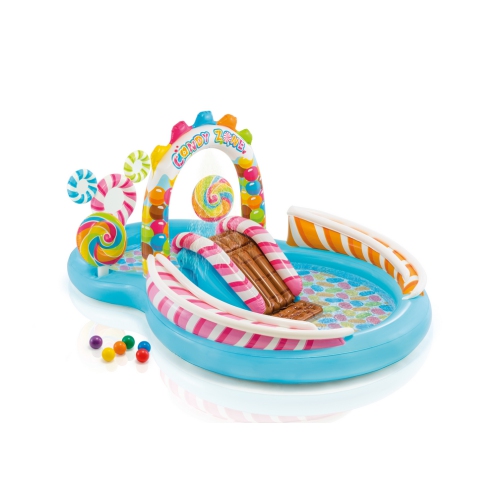 Your price for this item is $133.99
 -
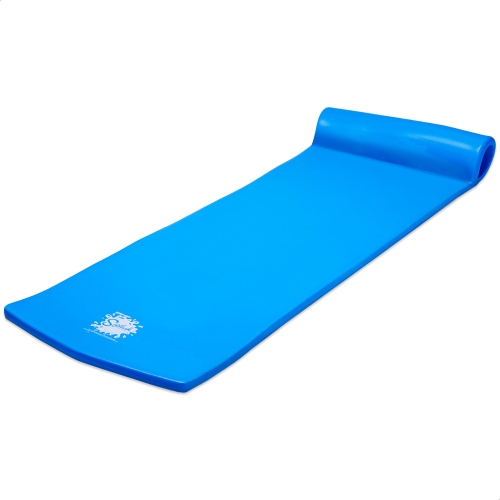 Your price for this item is $596.99
 -
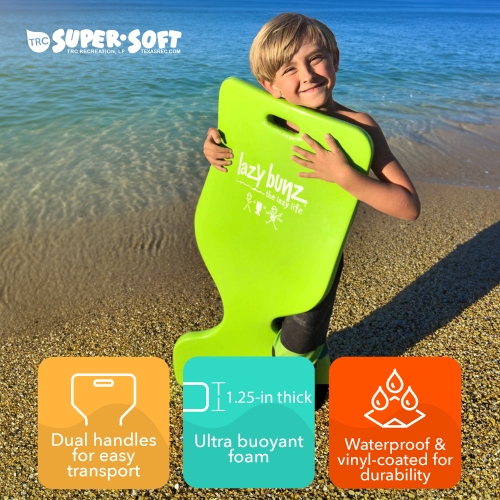 Your price for this item is $103.99
 -
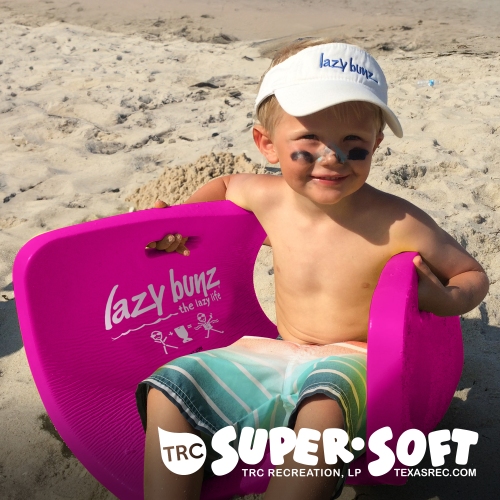 Your price for this item is $90.99
 -
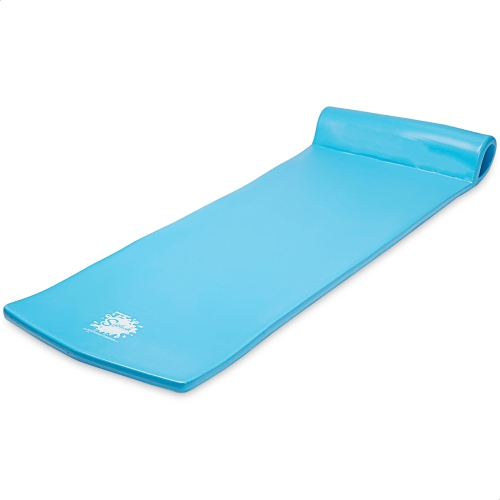 Your price for this item is $506.99
Discover more categories related to Floating Pads

Top Collections:
Pokemon Centers, Kindle Devices, Best Budget Office Chairs, Apple iPhones 16, Canon G7X Cameras, iPhone 15 Apple, Alarm Clock, Refurbished Apple Laptops, Flip Phones, Best Laptops for Writers
Some products may be subject to Environmental Handling Fees
(EHF) depending on your province.
Learn more about EHFs.