Foldable Bikes
If you're looking for a convenient and space-saving solution for your daily commute or weekend adventures, these folding bikes might just be the perfect choice for you. With their compact design and easy portability, folding bikes are ideal for urban dwellers, RV enthusiasts, and anyone looking for a versatile and efficient mode of transportation. Whether you're navigating city streets, exploring scenic trails, or simply looking to save on storage space at home, a folding bike offers the flexibility and convenience you need to stay active and mobile.
Sort





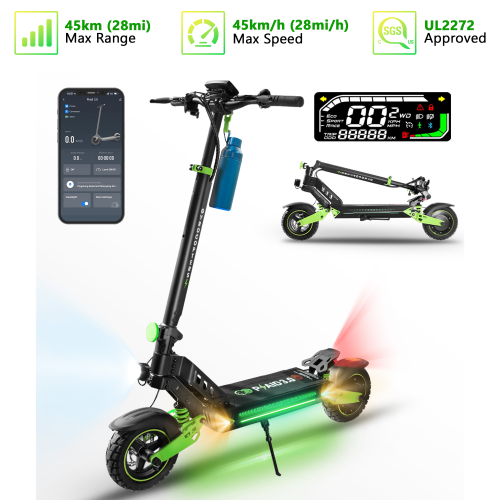

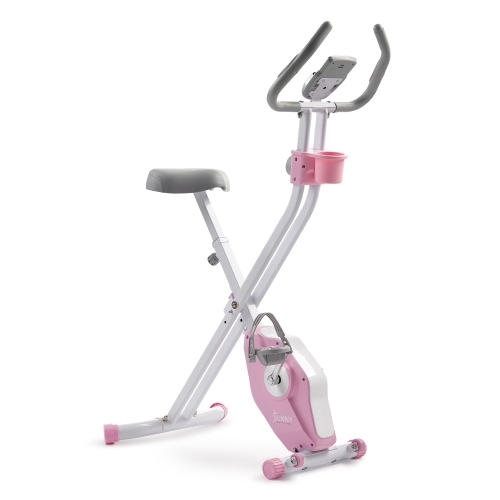


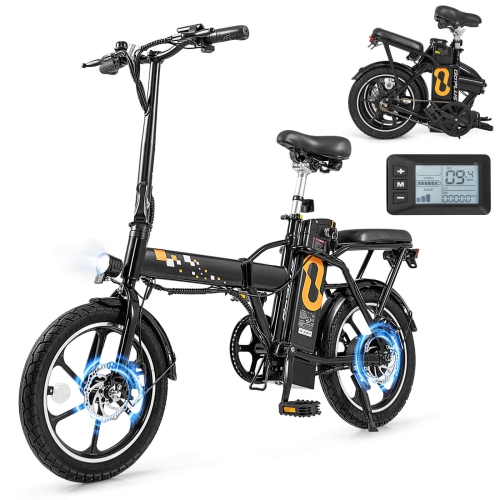
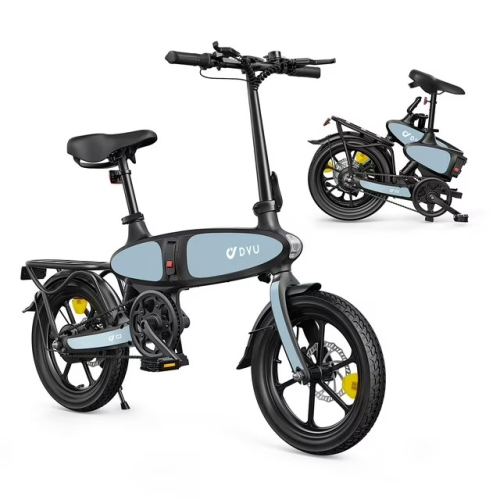




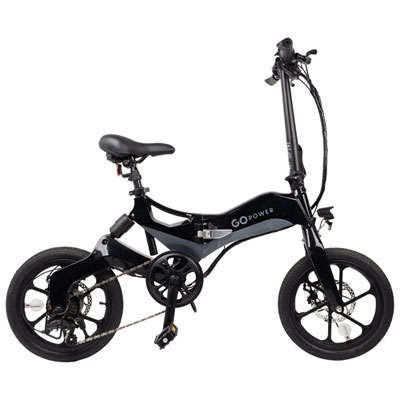
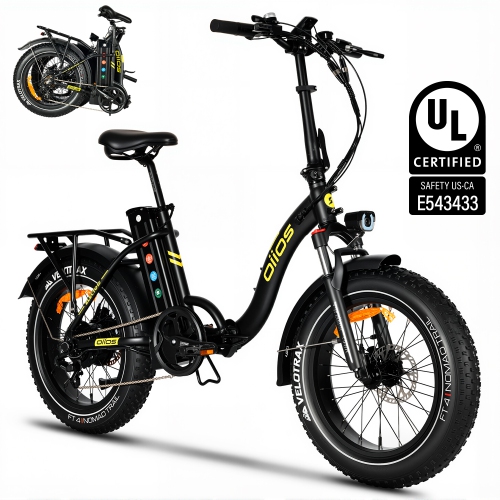


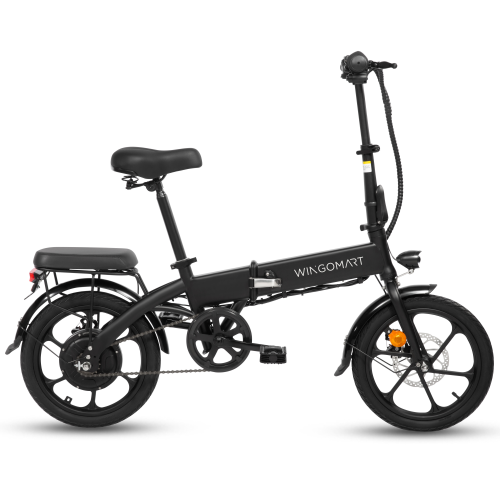
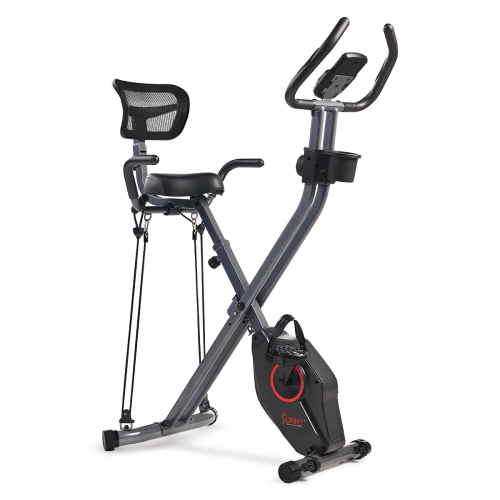
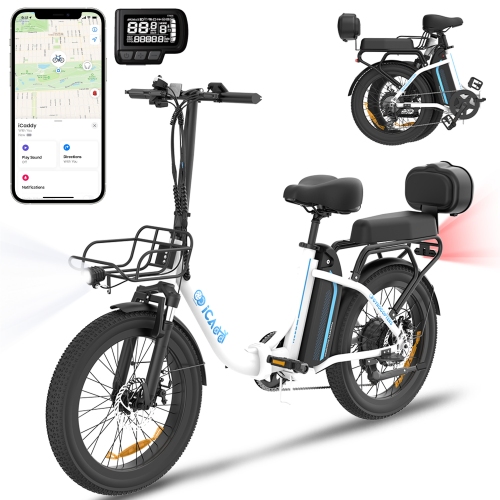

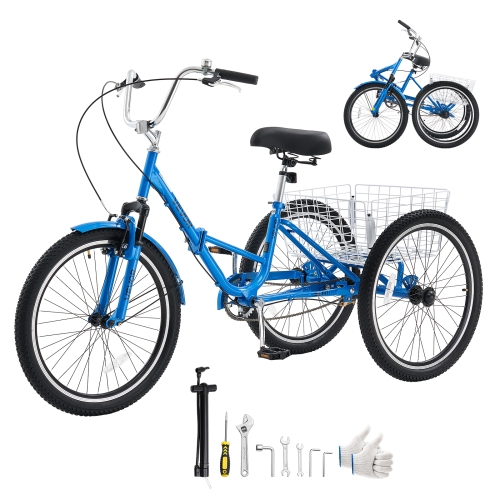
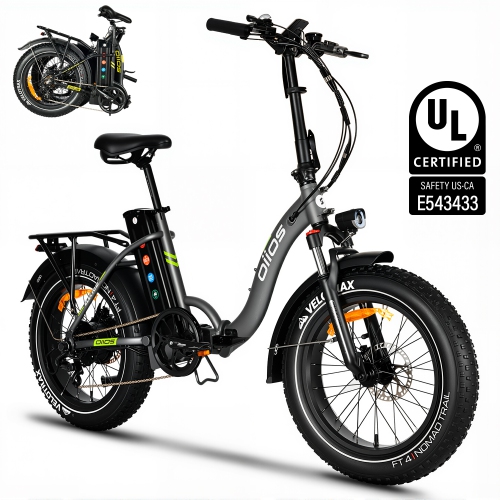







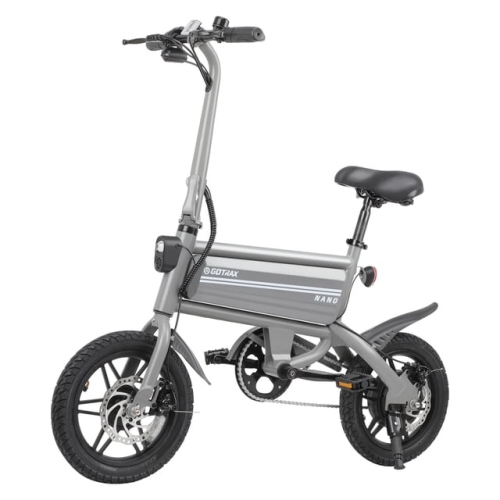
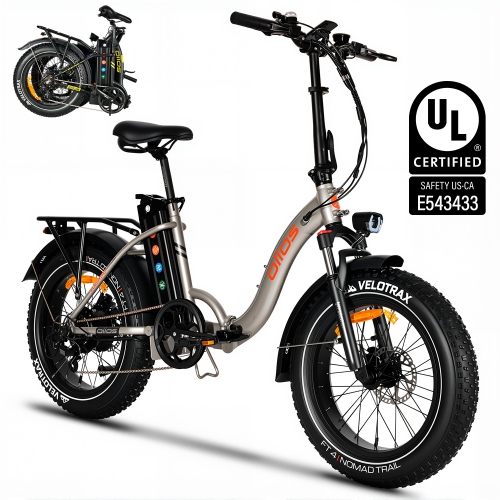
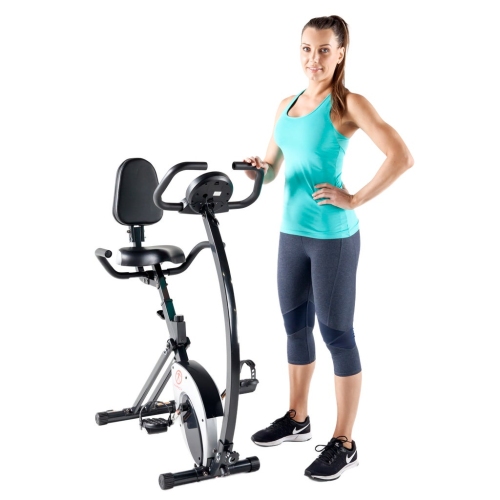
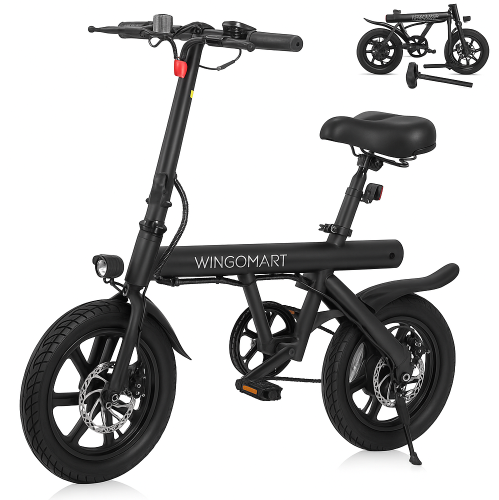



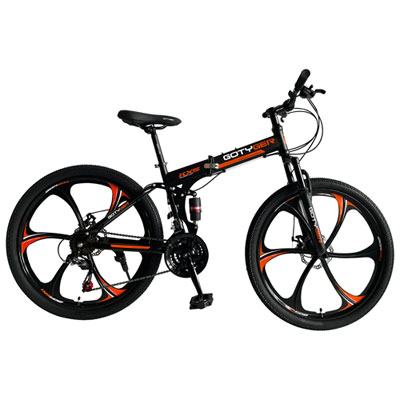


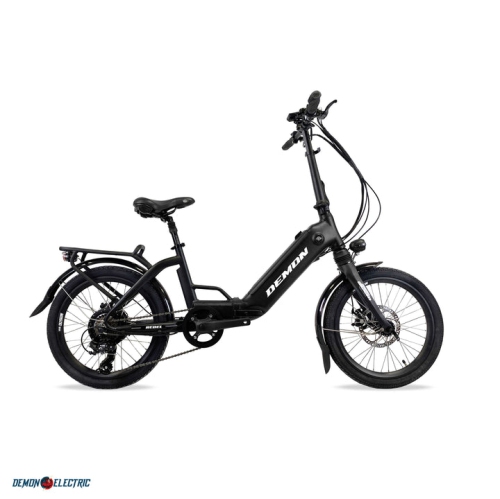
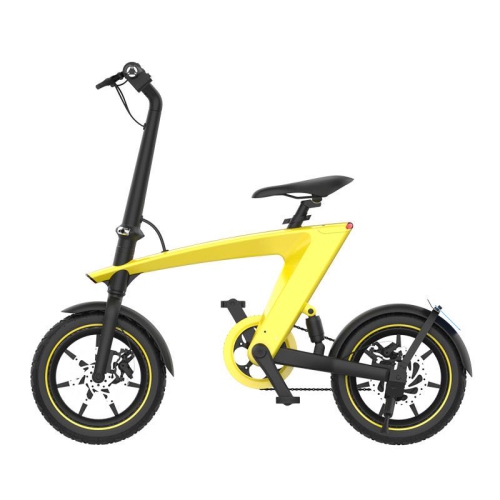

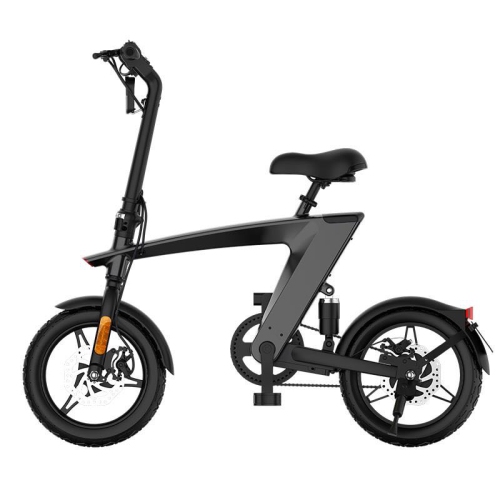


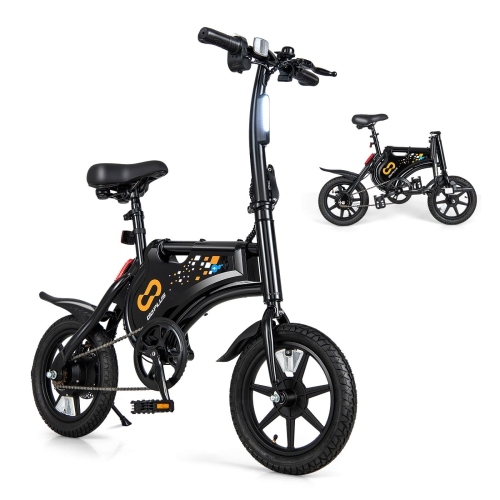
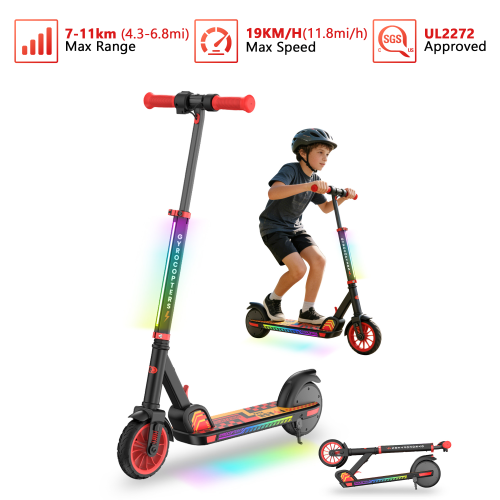
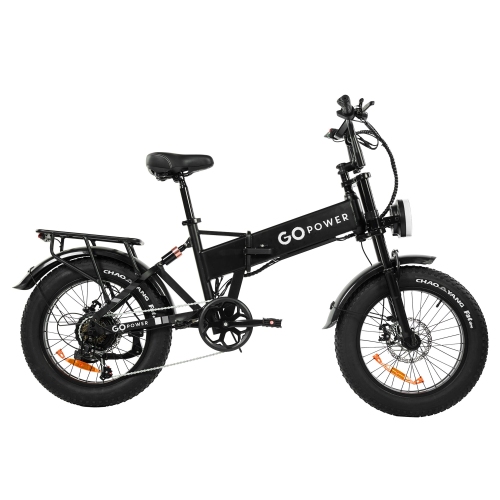
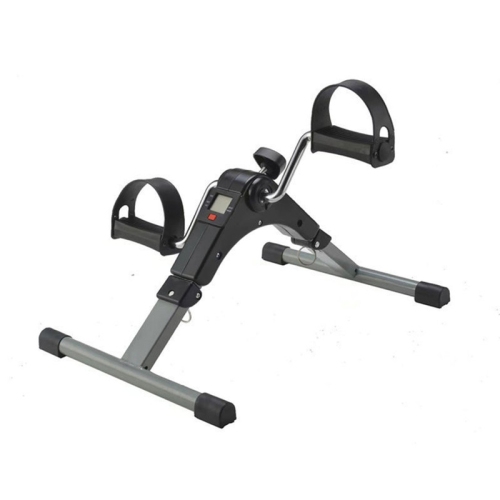


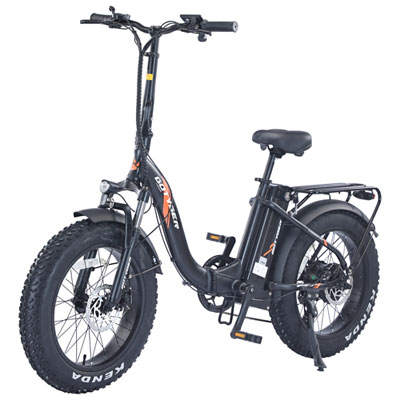


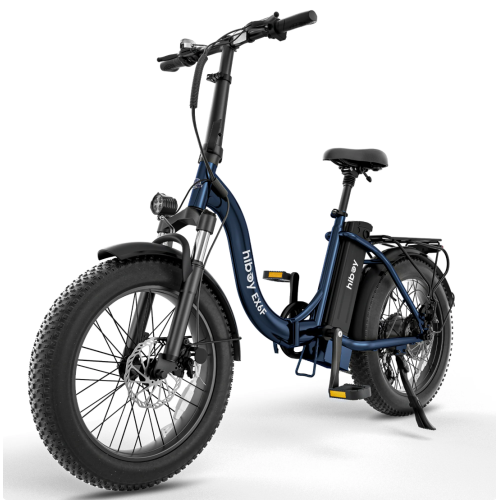















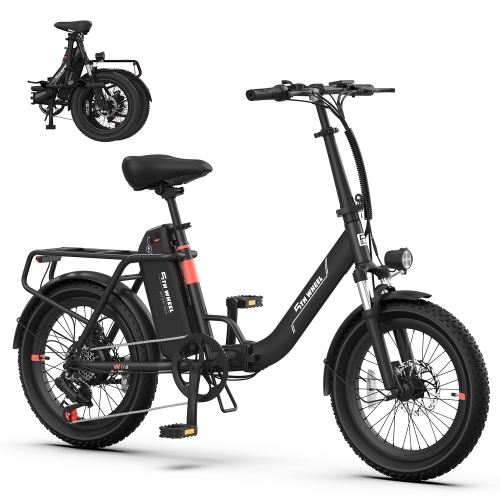








Portability takes more than a frame that folds
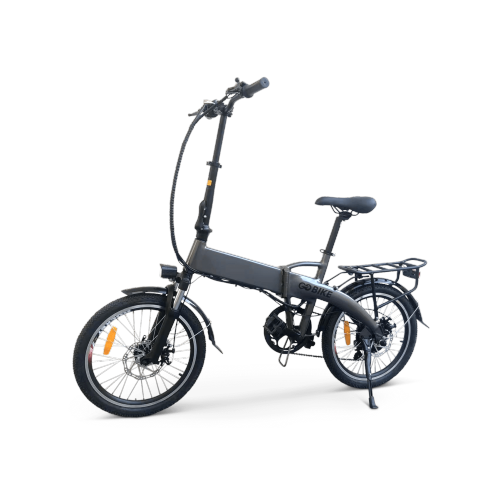
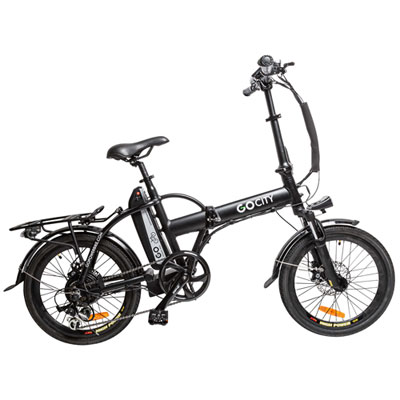
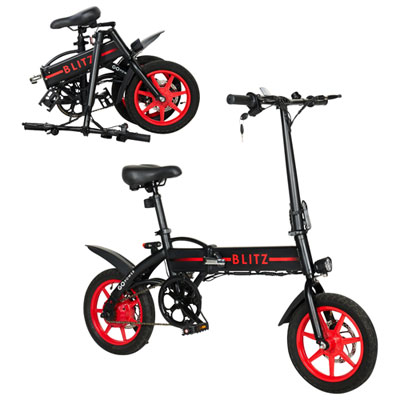
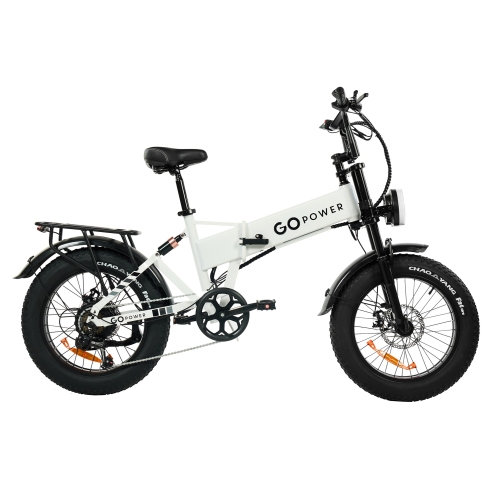
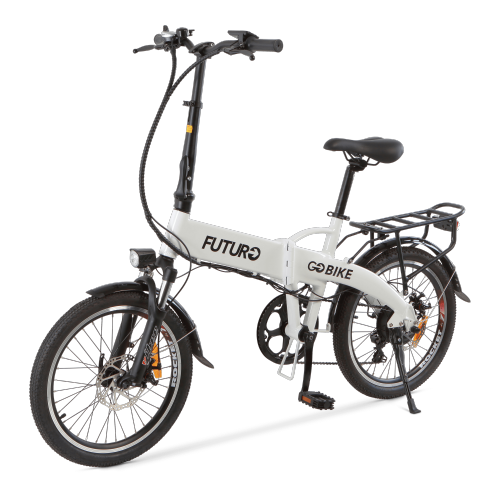
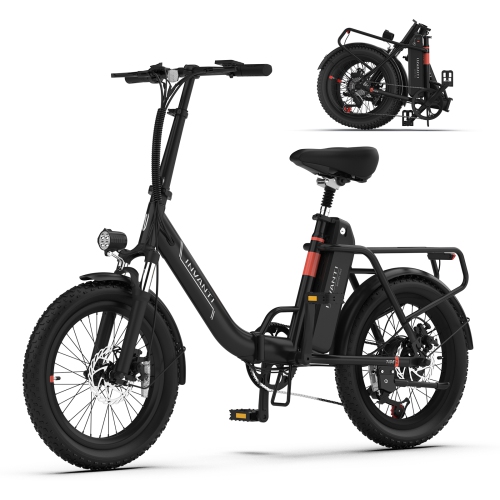
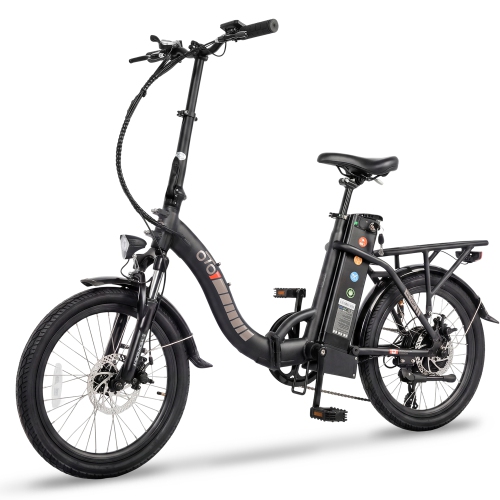
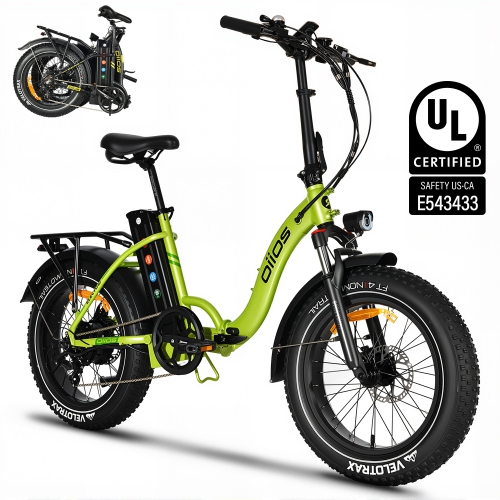
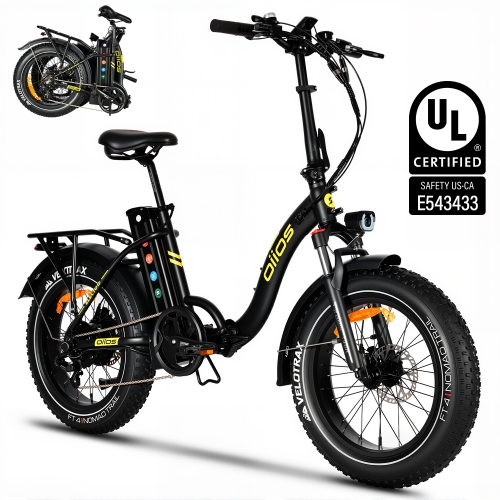
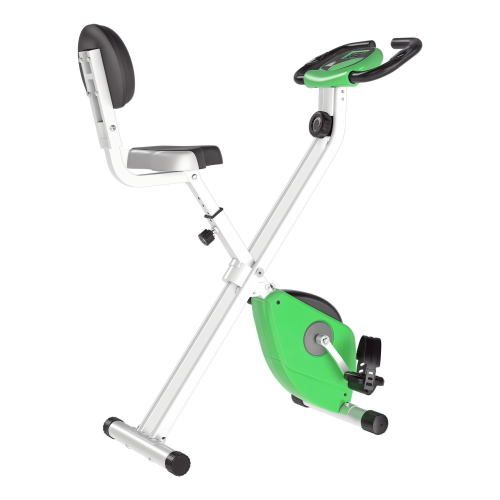
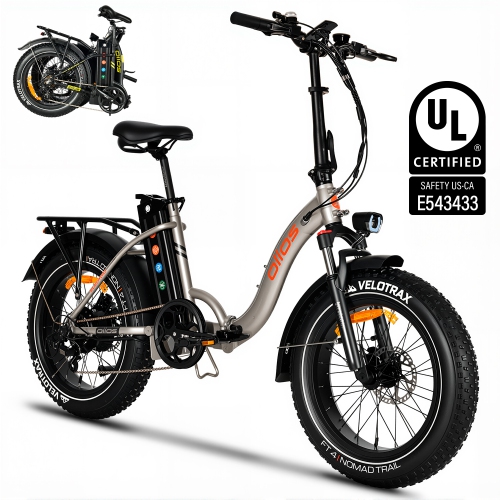
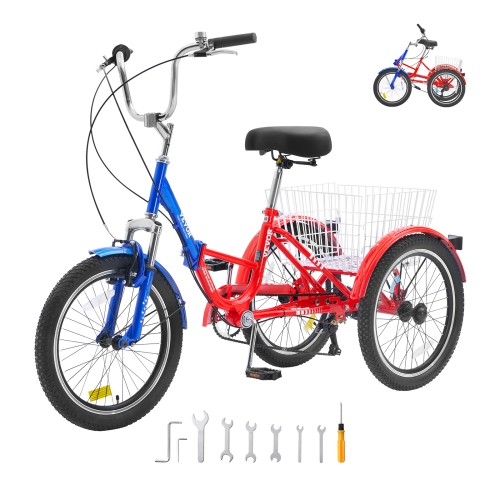
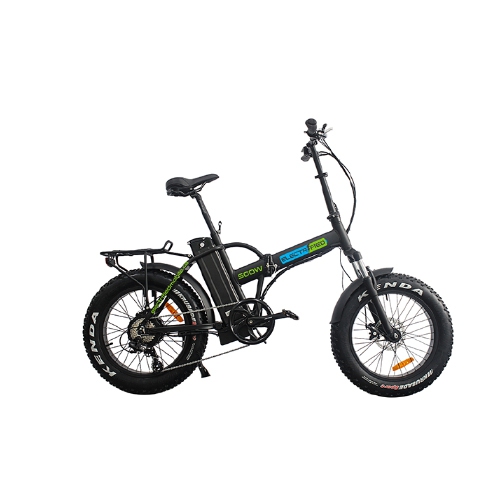
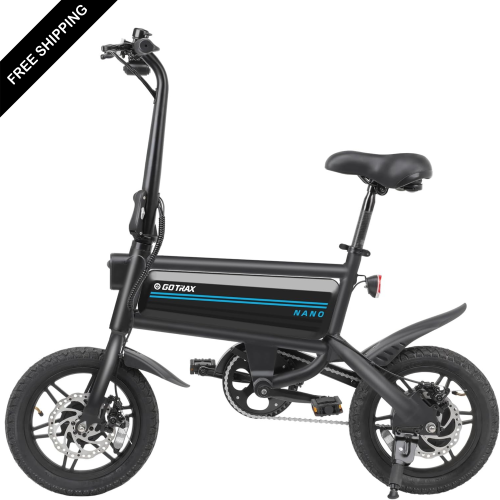
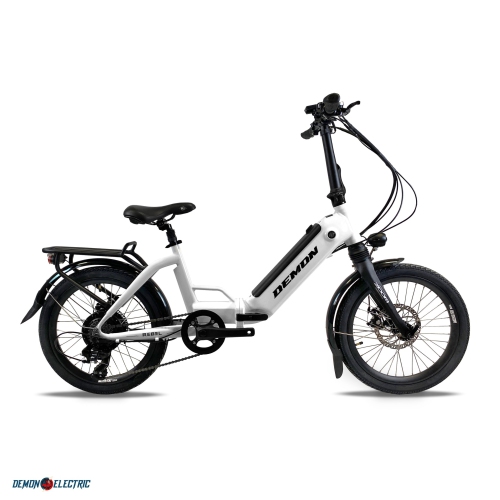
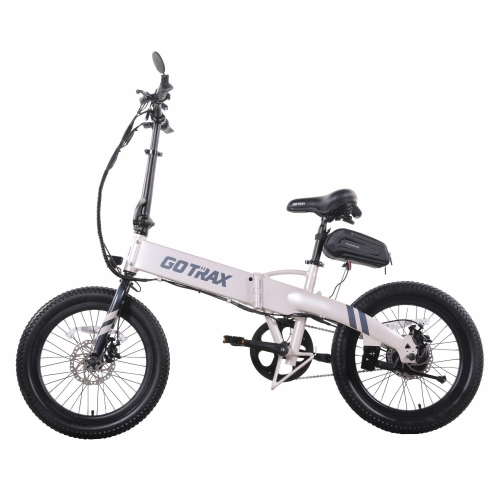
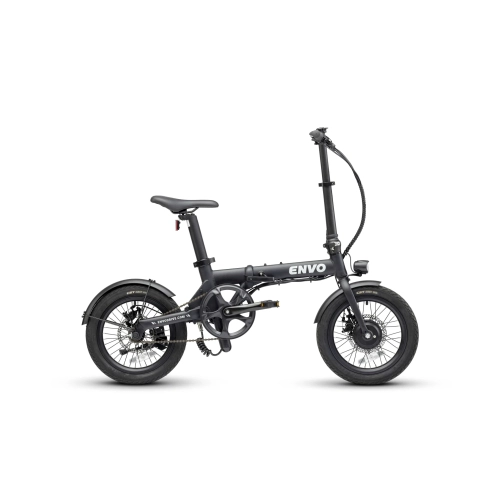
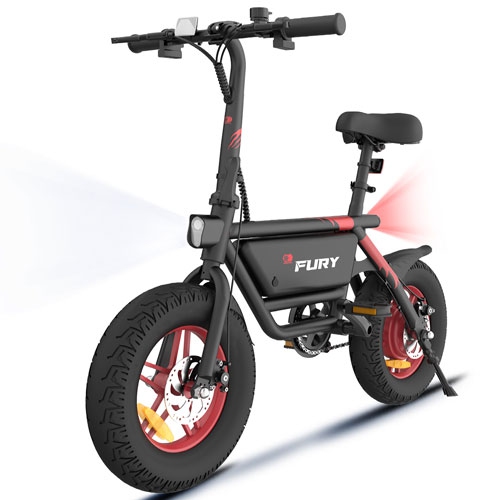
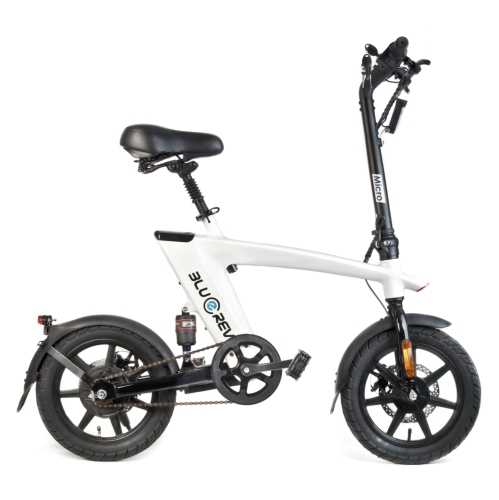
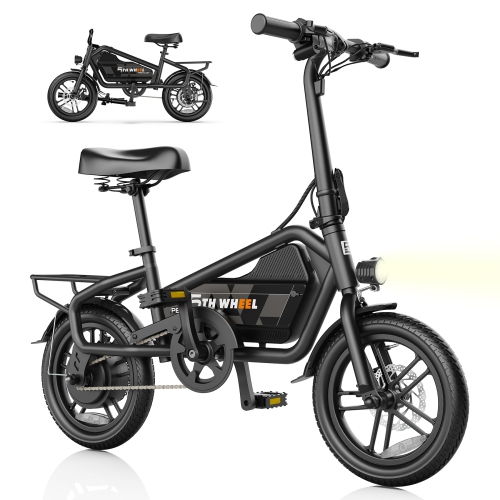
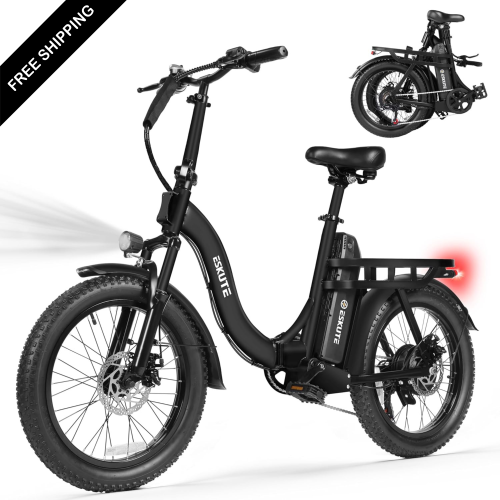
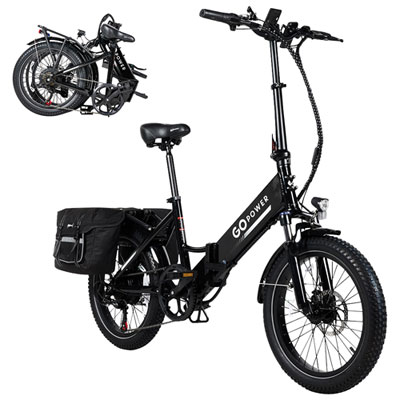
Foldable bikes combine everyday cycling with a frame that folds into a smaller shape for carrying, storage, or part of a longer journey. For a commuter, that can mean riding from home to a train station, folding the bike for the next leg, and continuing on two wheels at the other end, subject to the transit operator’s bicycle rules. For an apartment resident, it can mean keeping a bicycle in a closet rather than across a hallway. A folding bicycle can also fit into a vehicle’s cargo area without an external rack, provided its folded dimensions suit the space. The appeal extends beyond commuting: students travelling between buildings, occasional riders heading to a paved trail, and people with limited storage can all appreciate the smaller footprint. Portability depends on more than whether the frame folds, though. Folded length, width, and height determine where a bike will fit, while total weight and the position of a carrying handle affect how manageable it feels on stairs. A compact bike that is easy to lift across a doorstep may feel quite different when carried through a station. Some designs stand on their own when folded or roll on dedicated wheels; others need to be lifted or supported. Folding pedals and a collapsible handlebar stem can reduce protruding parts, which matters when sliding the bike beside luggage or beneath a desk. The sequence of the fold is another practical distinction. A straightforward mechanism with clearly engaged latches makes the transition between riding and carrying less fiddly, especially when there is a bag to manage as well. Secure retention in the folded position helps prevent the frame from opening unexpectedly while being carried. For someone receiving a foldable bike as a gift, the most useful match reflects their actual routine, including where they will ride, how much lifting they can comfortably manage, and where the bike will live between trips.
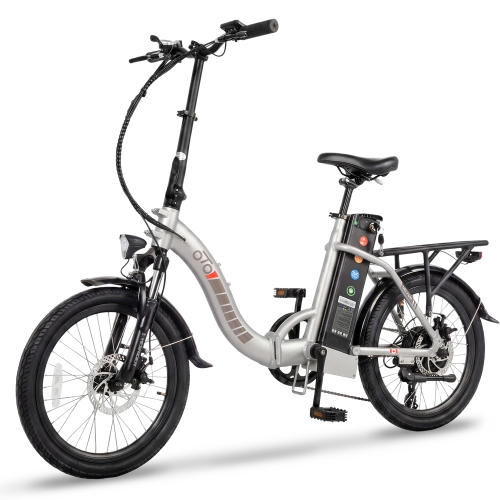
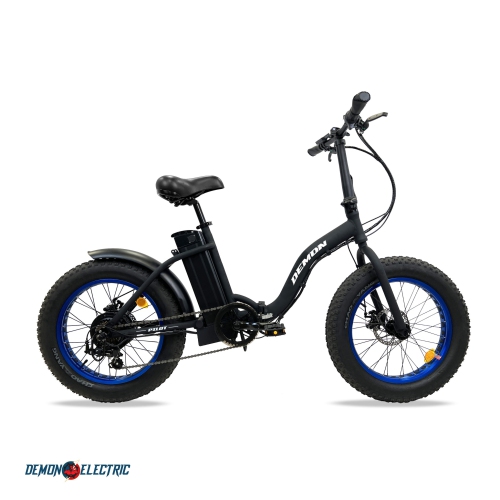
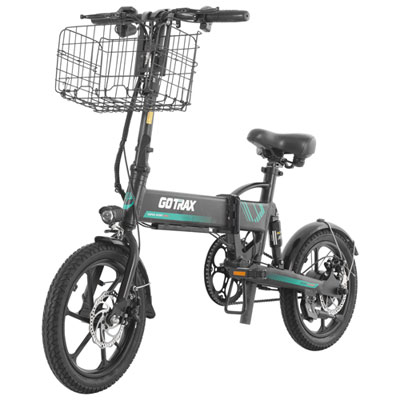
Wheel size, frame construction, and riding position shape how a folding bike feels once it is unfolded. Wheels measuring 16 to 20 inches are common on compact designs because they help keep the folded package small. Larger wheels generally roll over cracks and uneven surfaces more easily, but can require more storage space. Wheel diameter alone does not determine comfort or stability: tyre width, air pressure, frame geometry, and rider fit also play important roles. Wider tyres can provide some cushioning on imperfect pavement, while their recommended pressure range should be matched to the manufacturer’s guidance and the load being carried. Aluminium frames are common where low weight and resistance to rust are priorities. Steel frames can offer strength and durability, although overall weight varies with the design, and damaged protective finishes need attention to help limit corrosion. Neither material makes a bike automatically easier to carry; racks, gearing, suspension, and other components contribute to the finished weight. Fit deserves equal attention because an adjustable saddle and handlebar do not make every folding bike suitable for every rider. The stated rider-height range, maximum seatpost extension, handlebar reach, and permitted load are more useful than a general claim of universal fit. A comfortable position allows controlled steering and pedalling without an excessive stretch to the bars or cramped knees. Smaller wheels do not necessarily indicate a children’s bicycle, as many compact folding frames are designed for adults. Gearing should suit the route: a simple drivetrain can work well for mostly level trips, while a wider gear range can make climbs and longer rides more manageable. Brake performance depends on the system, its adjustment, and its condition, rather than the brake type alone. Intended use matters, too. A compact commuter is not automatically suitable for jumps, technical trails, or heavy cargo. Electric folding bikes add motor assistance for starts and hills, but their batteries and drive systems increase weight. Battery range varies with assistance level, terrain, rider load, and other operating factors, while local rules determine where a particular electric bicycle may be ridden.
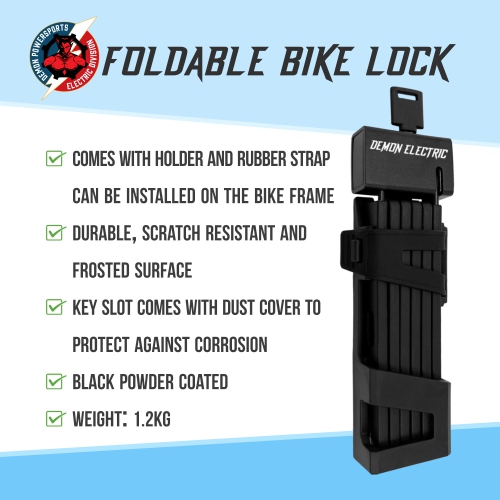
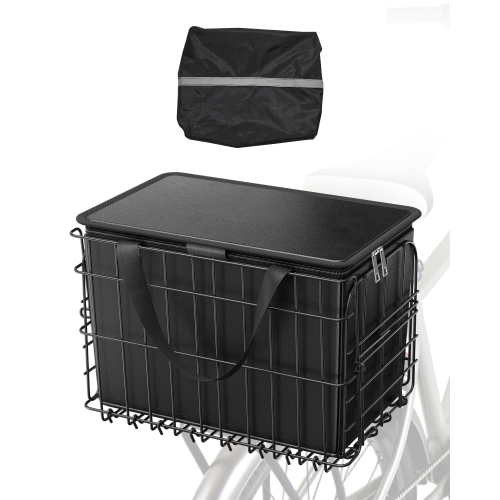
The details that support daily use often become most noticeable after several trips. A rack can take a work bag off the rider’s shoulders, but its load rating and compatibility with the folding mechanism matter. Panniers need enough clearance to avoid heel contact, and some bags must be removed before folding. Mudguards help limit splashes from the riding surface, while lights and reflectors support visibility; required equipment varies by location. A bell, a properly fitted cycling helmet, and a suitable lock are practical companions for everyday journeys. Accessories should not block hinges, interfere with cables, or prevent latches from closing fully. A carrying cover can help keep chain residue away from clothing or a vehicle interior, although it does not replace securing the bike during transport. Long-term durability depends on regular care as much as frame material. Folding joints, locking levers, and adjustable stems are additional connection points that need inspection according to the manufacturer’s schedule. Before riding, the frame hinge, handlebar mechanism, seatpost, and pedals should be fully secured, with cables routed freely rather than pinched in the fold. Any looseness, unusual movement, or difficulty engaging a latch warrants attention before the next trip. Routine bicycle care includes checking tyre pressure, monitoring brake pads, cleaning and lubricating the chain as directed, and replacing worn parts. Wiping away grit before folding helps keep debris from working into contact surfaces. Storage in a dry indoor space can protect components, and the folded bike should sit securely without leaning on vulnerable parts such as the derailleur. For electric versions, charging and battery storage should follow the manufacturer’s instructions, using the specified charger. Access to compatible tyres, tubes, hinge components, and qualified servicing also matters over the life of the bike. A well-matched folding bike balances the ride with everything that happens before and after it: lifting it out of a cupboard, unfolding it beside the front door, carrying a bag comfortably, and putting it away without taking over the room.
Top selling and popular products
-
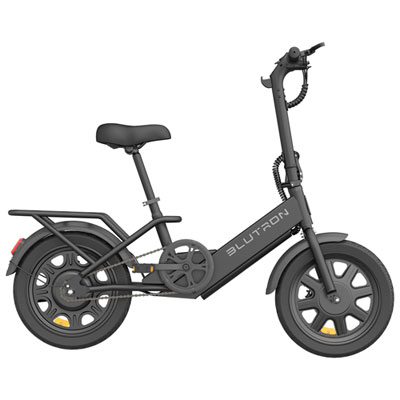 Your price for this item is $499.99
-
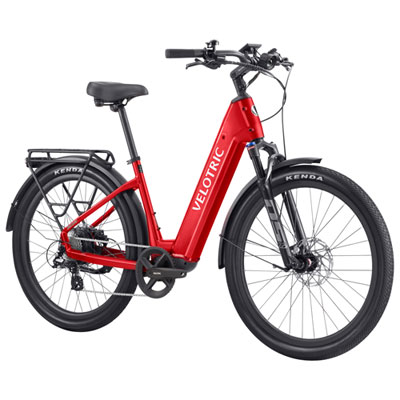 Your price for this item is $2499.99
-
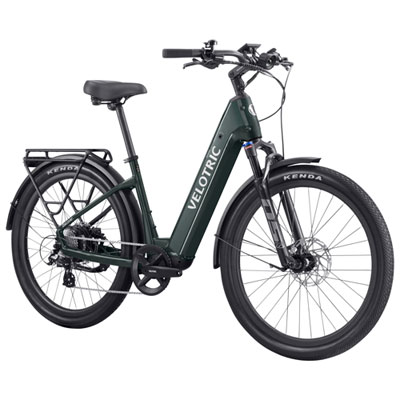 Your price for this item is $2499.99
-
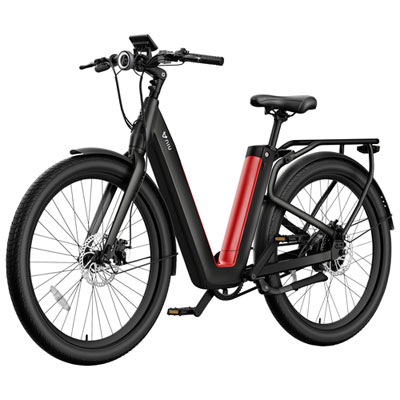 Your price for this item is $2699.99
-
 Your price for this item is $899.97
-
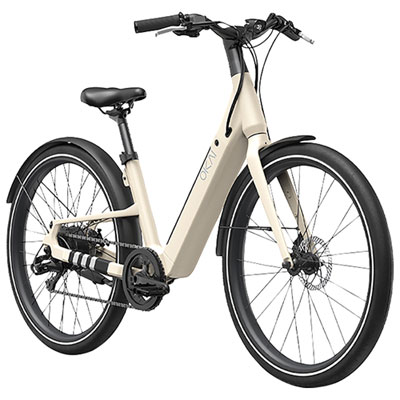 Your price for this item is $2199.99
-
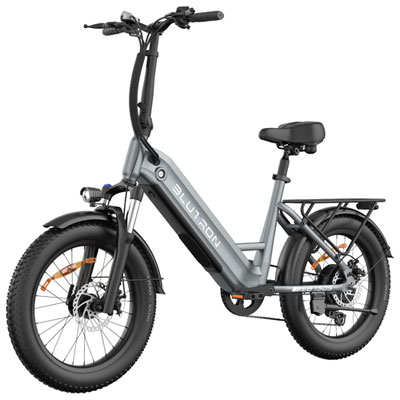 Your price for this item is $999.99
-
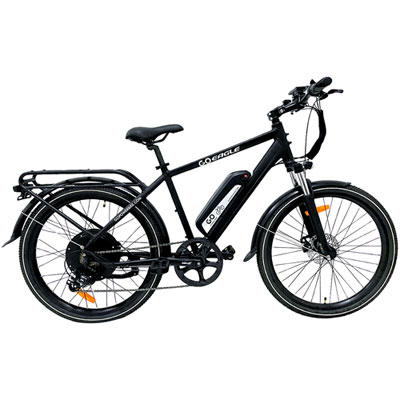 Your price for this item is $1399.97
Discover more categories related to Foldable Bikes

Top Collections:
Pokemon Centers, Best Cameras for Sports Photography, Kindle Devices, Samsung Galaxy Phones, Canon G7X Cameras, Pokémon 30th Celebration Cards, Refurbished Apple Laptops, iPhone 15 Apple, Laptops for Students, Budget Smartphones
Some products may be subject to Environmental Handling Fees
(EHF) depending on your province.
Learn more about EHFs.