Folding Bicycle
Explore the convenience and versatility of folding bicycles, the perfect solution for urban commuters, outdoor enthusiasts, and adventure seekers alike. With their compact design and easy portability, folding bikes offer a convenient way to navigate city streets, tackle off-road trails, or simply enjoy a leisurely ride in the great outdoors. Whether you're short on storage space or looking for a portable transportation option, a folding bike provides the flexibility and freedom to pedal your way to your next destination with ease.
Sort

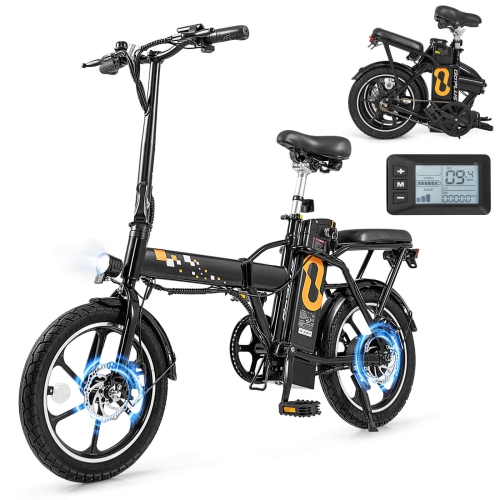
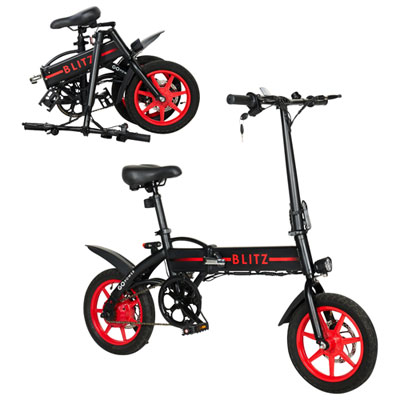
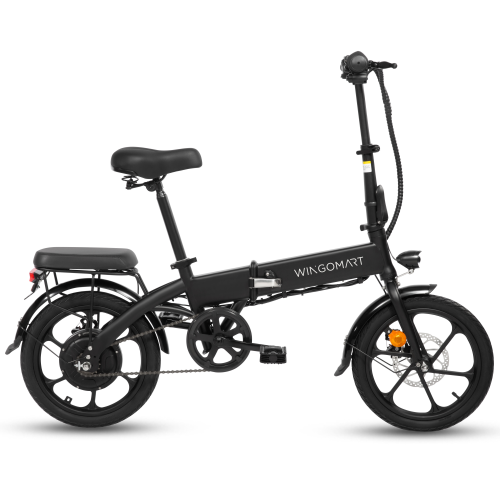

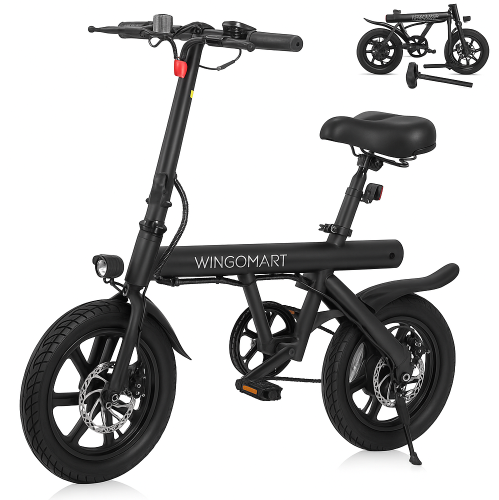










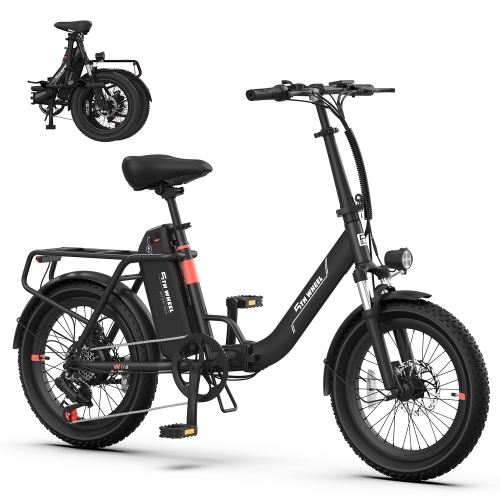

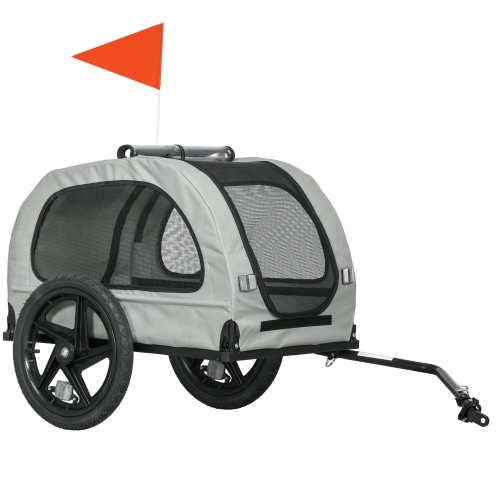

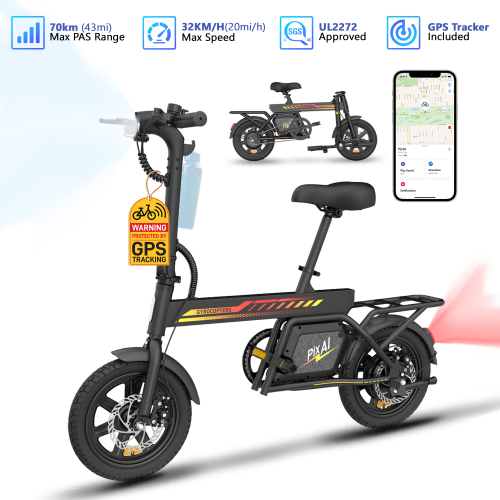
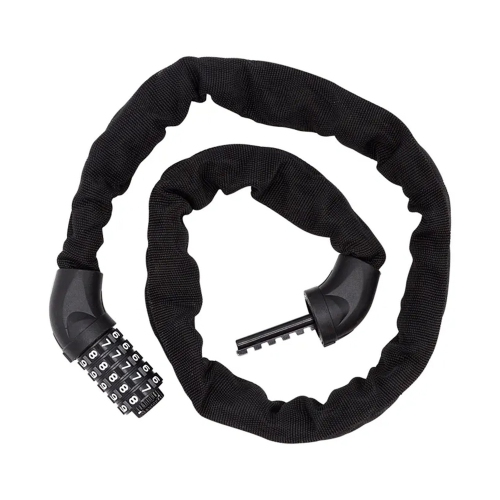









The freedom to ride without the storage squeeze
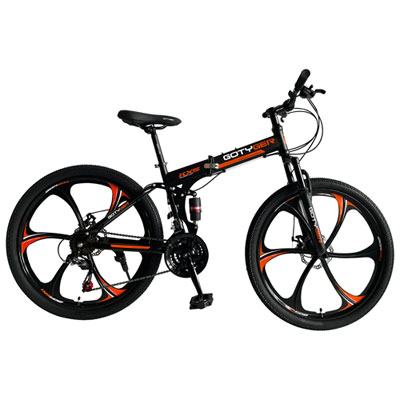
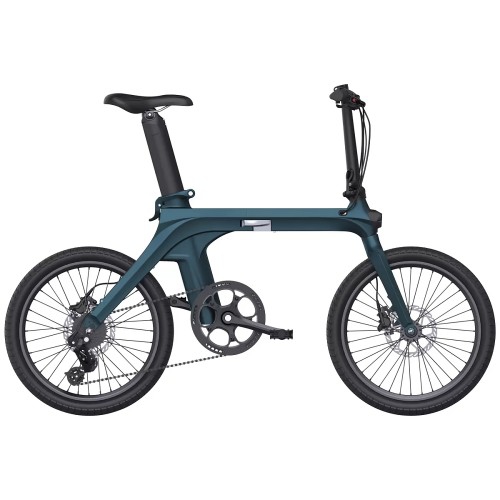
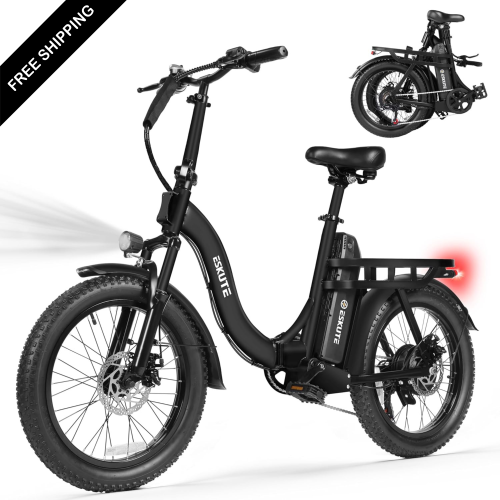
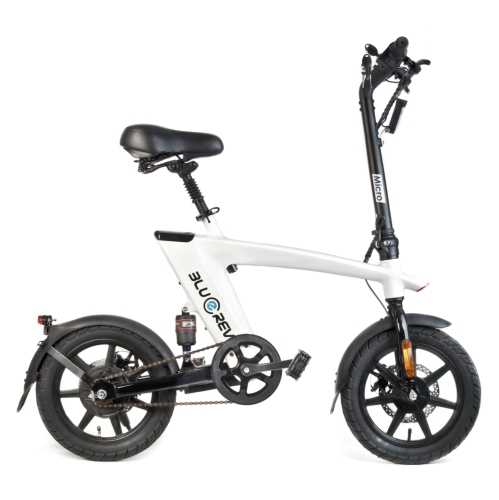
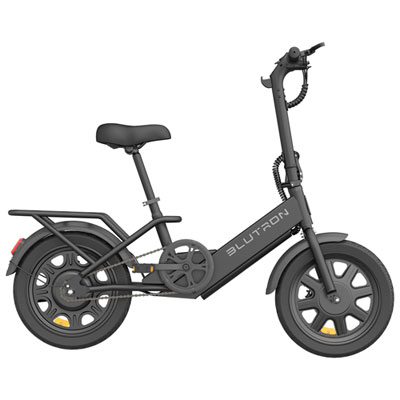
A folding bicycle is a pedal-powered bike with a frame, handlebar assembly, or other components designed to fold into a smaller shape for storage and transport. It offers the familiar freedom of cycling while taking up less space between rides, making it a practical option for apartment dwellers, commuters, students, and travellers. A bike that folds beside a desk or fits into a vehicle’s cargo area can make a short ride easier to work into an ordinary day. Folding bicycles are especially useful for trips that combine cycling with another form of transportation, such as riding to a train station and continuing on foot after arrival. Transit operators and buildings may have restrictions on bicycles, including folded ones, so the compact design does not automatically guarantee access. The terms folding bicycle and foldable bike generally describe the same product category, which includes both conventional pedal bikes and electric models with motor assistance. The range of Foldable Bikes reflects different priorities, from compact storage to comfortable everyday riding. Some designs focus on a small folded footprint, while others use larger wheels or wider tyres and retain more bulk after folding. For someone living up a flight of stairs, total weight and a secure carrying position can matter more than how small the bike looks in a photograph. For someone keeping a bicycle in a hatchback, folded length, width, and height help establish whether it will fit alongside bags and other belongings. A folding bike can also suit recreational riders who want to bring a bicycle along without using an exterior vehicle rack, provided it can be secured safely inside. Its appeal is not limited to short riders, small homes, or occasional use: the right design can serve as everyday transportation, a convenient companion for relaxed outings, or a thoughtful gift for a cyclist whose riding needs and fit preferences are already known.
Frame construction, folding hardware, and rider fit shape how a folding bicycle feels both on the road and in the hand. Aluminum frames are common where manageable weight is a priority, while steel frames may offer a different balance of weight, strength, and ride feel. Material alone does not establish durability or comfort; frame design, component quality, tyres, and proper adjustment all contribute. The hinges and locking mechanisms deserve particular attention because they must hold the bicycle securely in its riding position. A well-designed latch should have a clear closing procedure, and any secondary safety catch should be engaged as specified by the manufacturer. Folding steps vary: some bicycles fold at the main frame and handlebar stem, while others also use folding pedals or a seatpost that lowers into the frame. The number of steps, the placement of exposed cables, and whether the folded sections stay together all affect day-to-day convenience. A compact bike that is awkward to grip may be less comfortable to carry across a station than a slightly larger design with a useful handhold. Wheel size also influences the experience. Smaller wheels support a compact fold and can feel responsive when steering, but potholes and abrupt pavement edges still require care. Larger wheels generally reduce the storage advantage, though they may suit riders who prefer their handling characteristics. Tyre width, tread, and inflation pressure influence grip, cushioning, and rolling effort, with the correct pressure range determined by the tyre and bicycle specifications. Despite a small-looking frame, many folding bicycles offer substantial saddle-height adjustment; that does not mean every model fits every rider. Published height ranges, saddle adjustment limits, handlebar reach, and maximum load ratings are more useful than appearances. A comfortable riding position allows controlled steering and braking without cramped knees or an excessive stretch to the grips. Riders carrying a backpack, groceries, or work equipment also need to account for cargo within the relevant bicycle and rack limits.
Gearing, braking, accessories, and upkeep determine how well a folding bicycle suits its intended routes. A single-speed design can keep operation straightforward on relatively flat journeys, while multiple gears offer more flexibility for hills, longer distances, and riding with a load. Gear count alone tells only part of the story: the available gear range matters when starting on an incline or maintaining a comfortable pedalling rhythm. Electric folding bicycles add assistance that can make longer trips or repeated climbs more manageable, but their motor and battery usually increase carrying weight. Advertised range depends on factors such as assistance level, rider and cargo weight, terrain, tyre pressure, and stopping frequency, so it should not be treated as a guaranteed distance. Battery removability, charging arrangements, and the manufacturer’s handling instructions are useful considerations when a bicycle will be stored indoors. Local rules also determine where an electric bicycle may be ridden and what equipment or rider requirements apply. For either pedal or electric designs, responsive brakes and easy-to-reach levers are central to control. Disc and rim brakes have different adjustment and service needs, and both require routine inspection. Everyday accessories should complement rather than obstruct the fold: a rear rack, lights, bottle holder, or bag can alter folded dimensions or interfere with moving parts. A basket that works well during a grocery run may need to be removed before the bicycle fits into its storage space. Care is similar to that of other bicycles, with added attention to hinges, latches, and cables that move during folding. Regular cleaning, appropriate chain lubrication, tyre-pressure checks, and brake inspections help keep the bike ready for use. Folding joints should be maintained only as directed, and looseness, unusual movement, or difficulty securing a latch warrants attention before riding. During transport, secure the bicycle against movement and protect vulnerable components such as the derailleur and brake rotors. A properly fitted helmet, suitable lights and reflectors, and a dependable lock round out a practical setup. With a comfortable fit and a folding arrangement that suits the spaces it will occupy, a folding bicycle can make the transition from riding to carrying and storing feel like a natural part of the journey.
Top selling and popular products
-
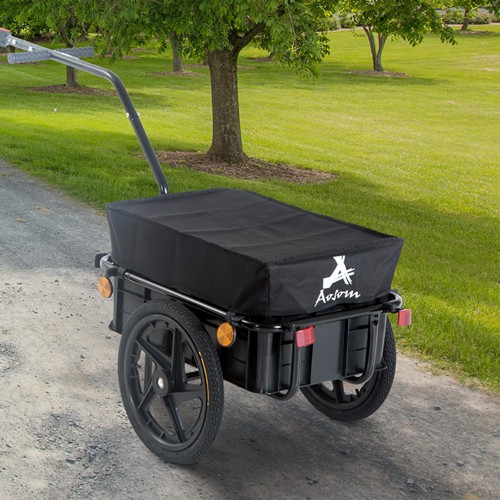 Your price for this item is $139.97
-
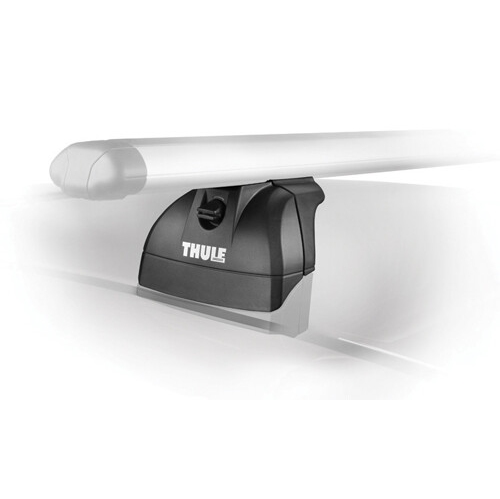 Your price for this item is $285
-
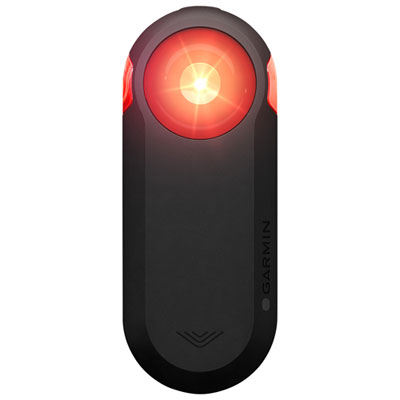 Your price for this item is $289.99
-
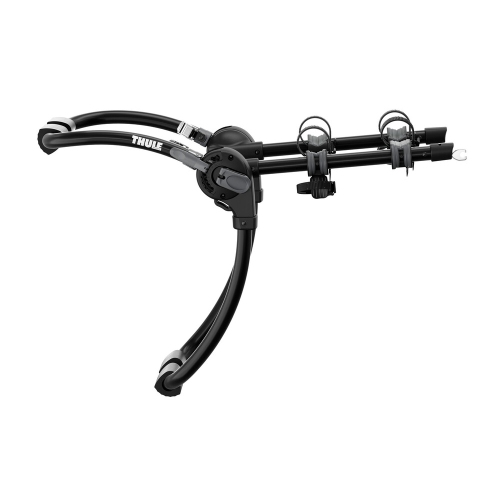 Your price for this item is $499
-
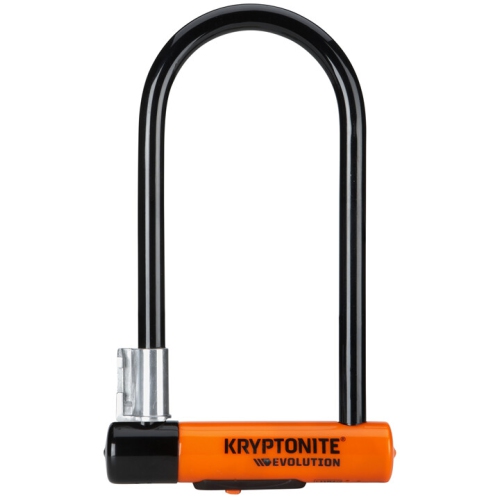 Your price for this item is $209.99
-
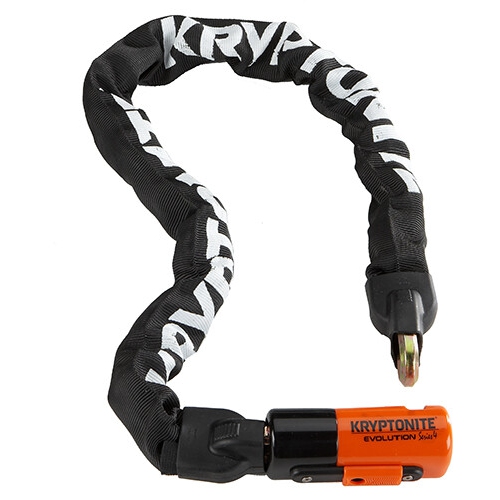 Your price for this item is $199.99
-
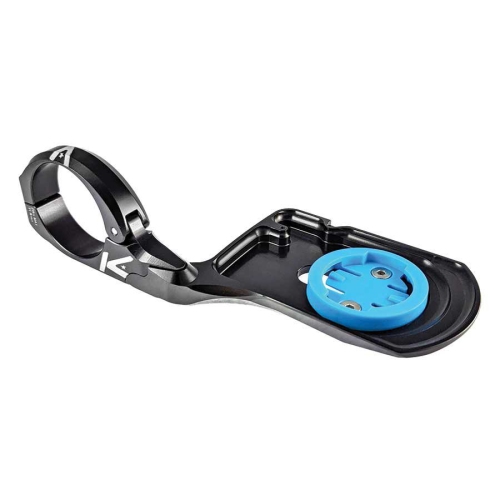 Your price for this item is $134.99
-
 Your price for this item is $96.99
Discover more categories related to Folding Bicycle

Top Collections:
Pokemon Centers, Best Cameras for Sports Photography, Kindle Devices, Samsung Galaxy Phones, Canon G7X Cameras, Pokémon 30th Celebration Cards, Refurbished Apple Laptops, iPhone 15 Apple, Laptops for Students, Budget Smartphones
Some products may be subject to Environmental Handling Fees
(EHF) depending on your province.
Learn more about EHFs.