Folding Bikes
Our selection of folding bikes offers the perfect solution for those seeking portability and versatility in their cycling adventures. Whether you're a city dweller in need of a compact transportation option or an avid traveler looking to bring along a bike on your next journey, these foldable bikes are designed to provide convenience without compromising on performance. Discover the freedom and flexibility that comes with owning a folding bike, making it easier than ever to pedal your way to new destinations.
Sort






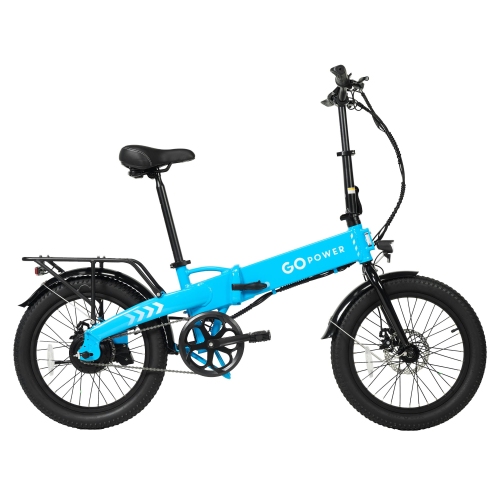
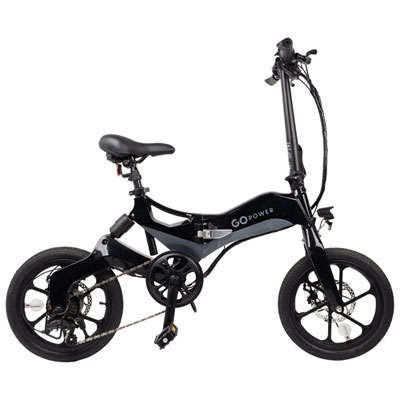
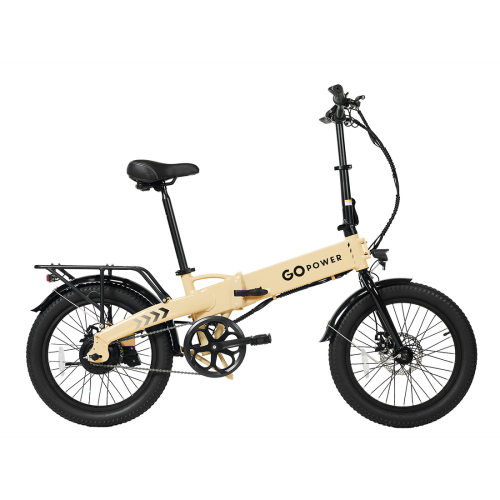
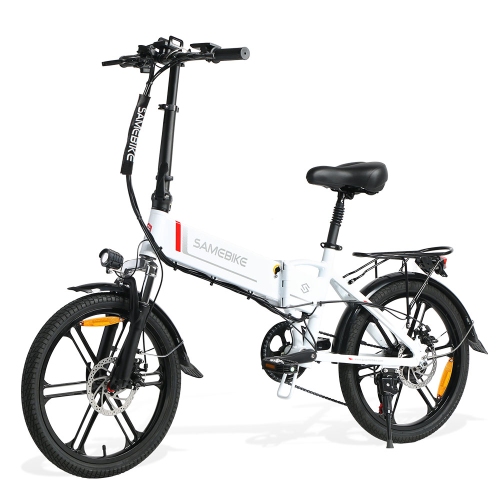

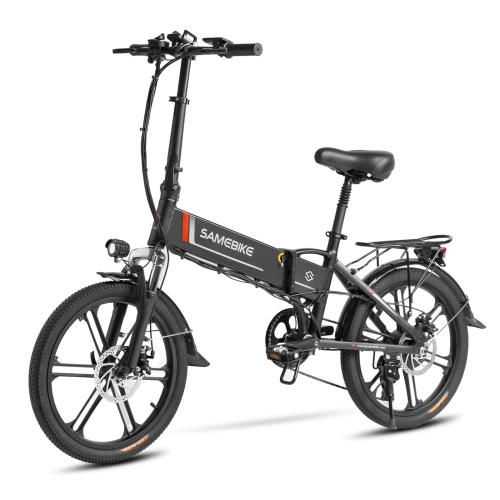
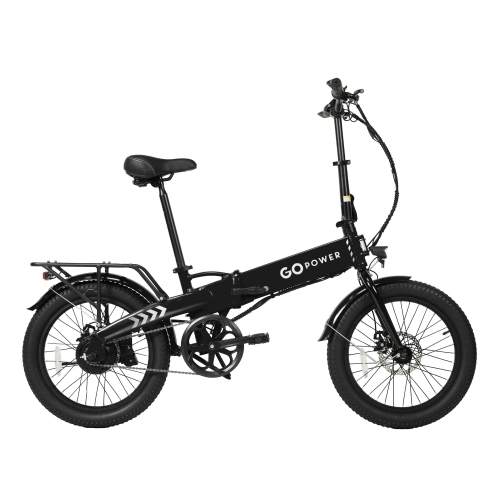
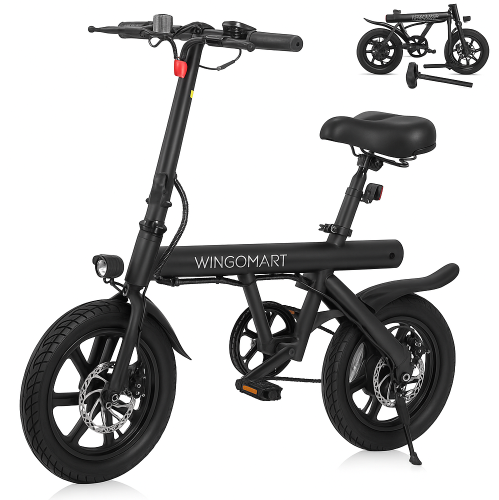

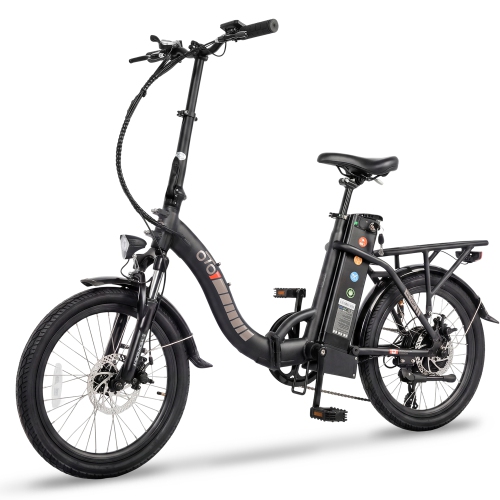






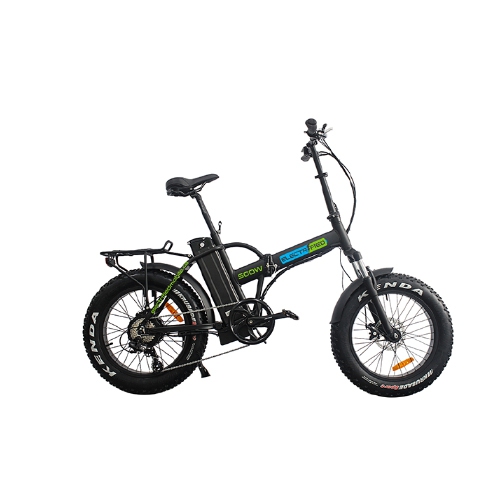
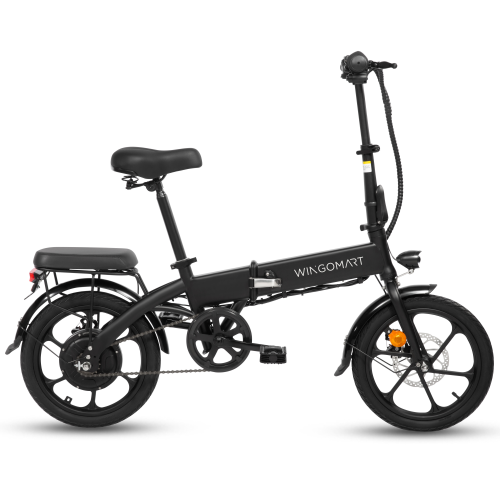
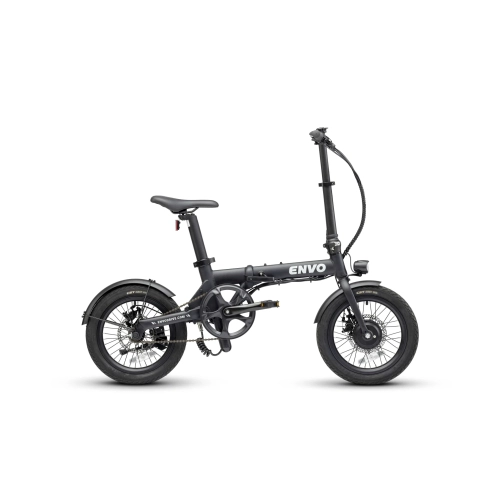
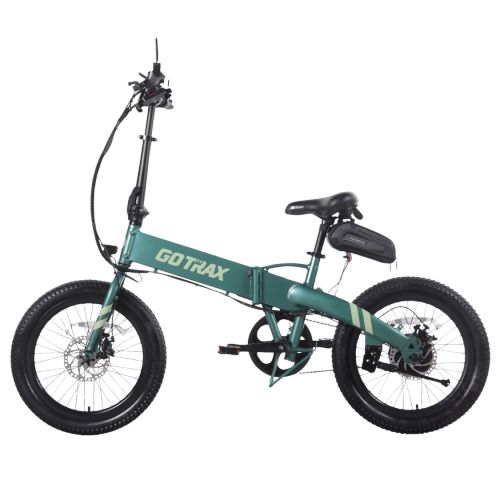


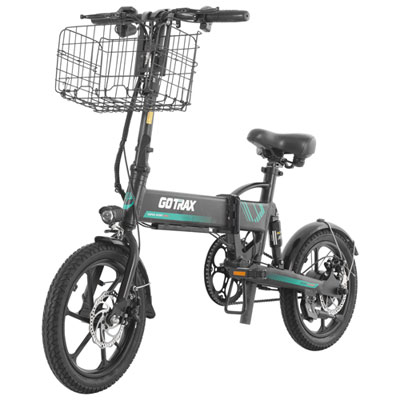
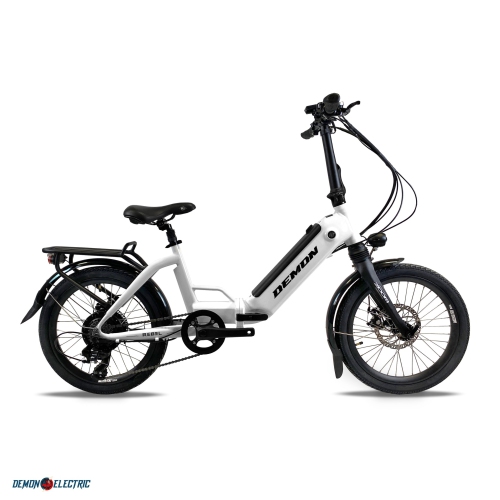
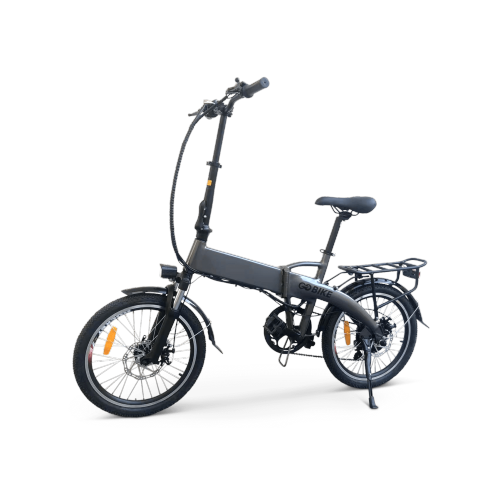
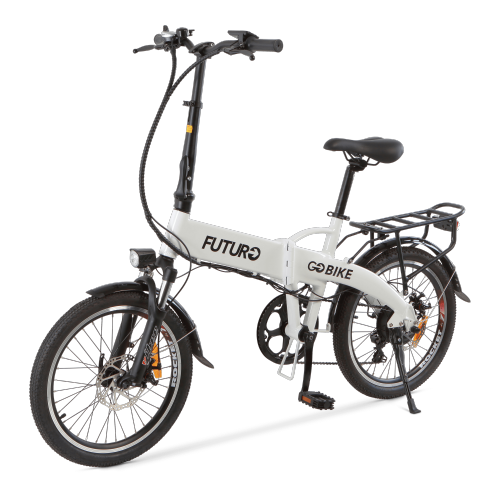
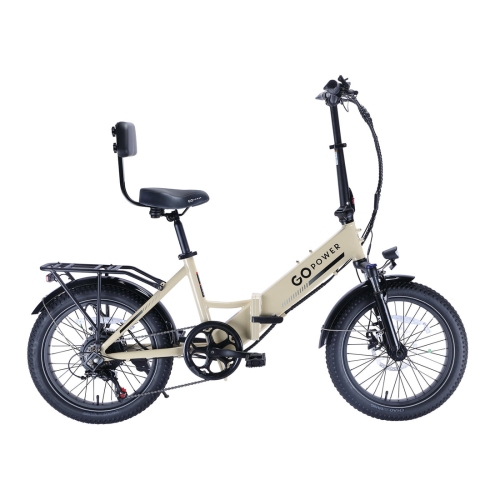
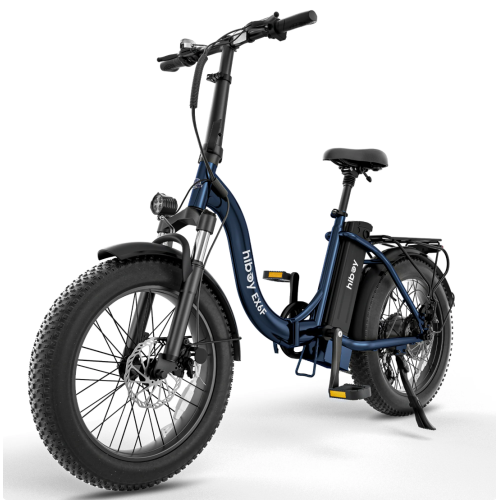
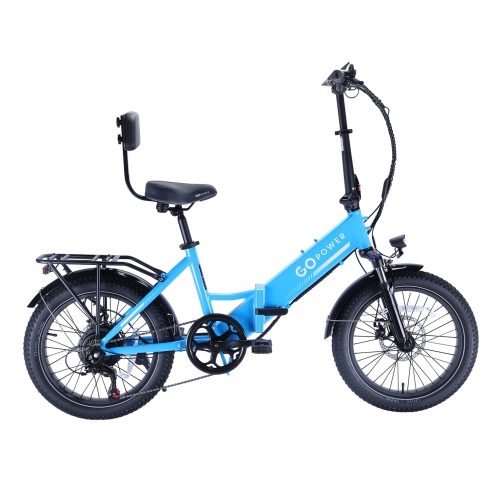
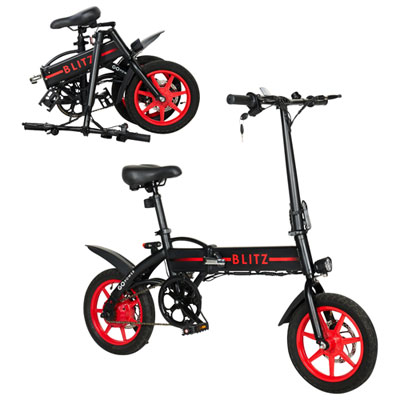
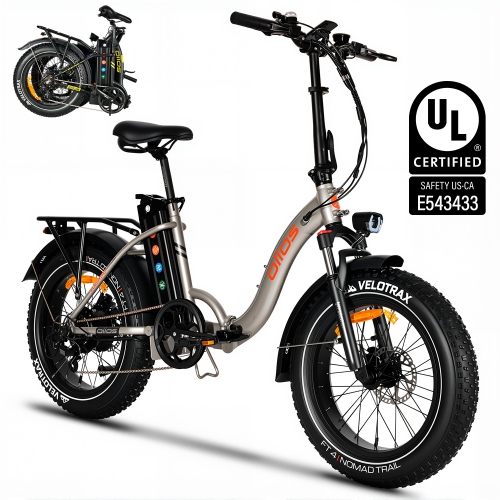

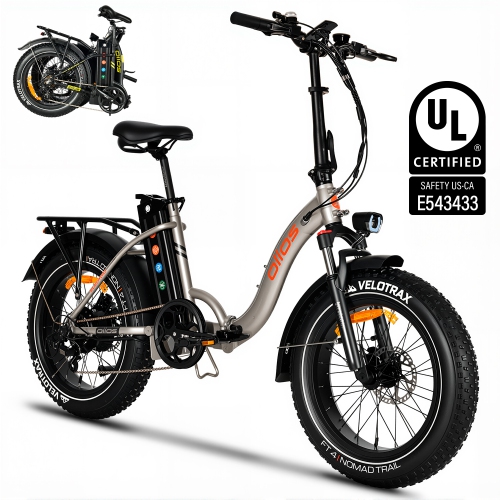
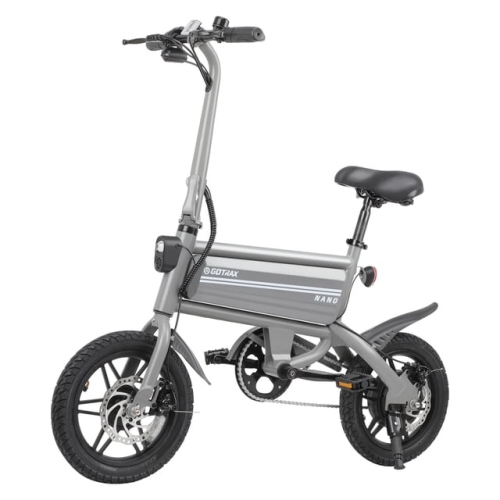
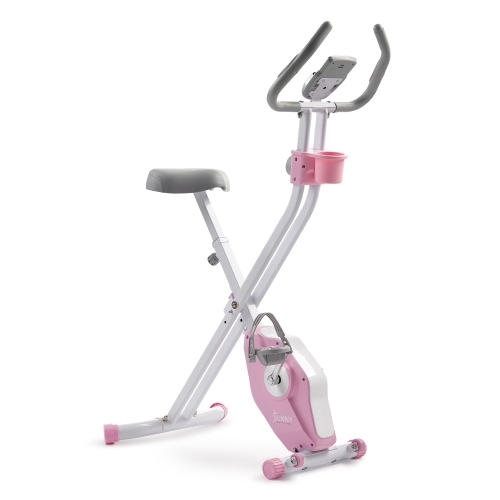


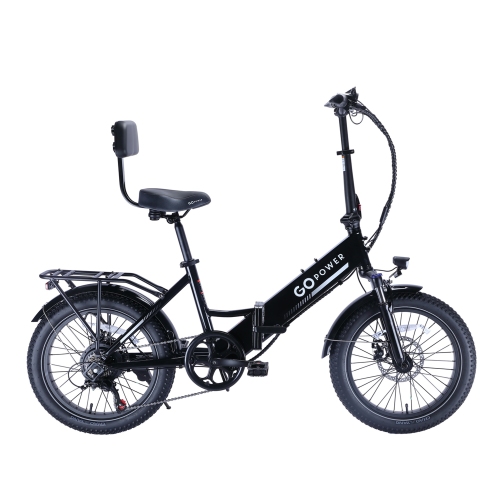


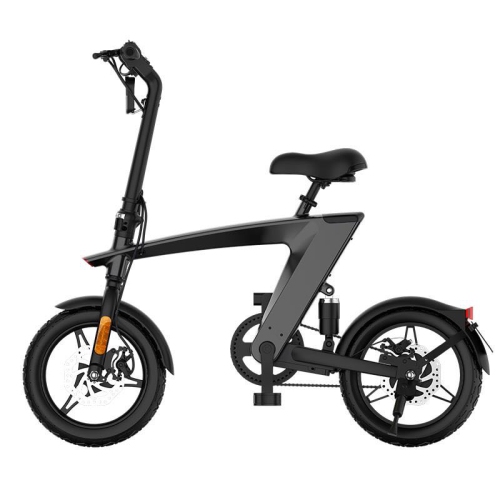
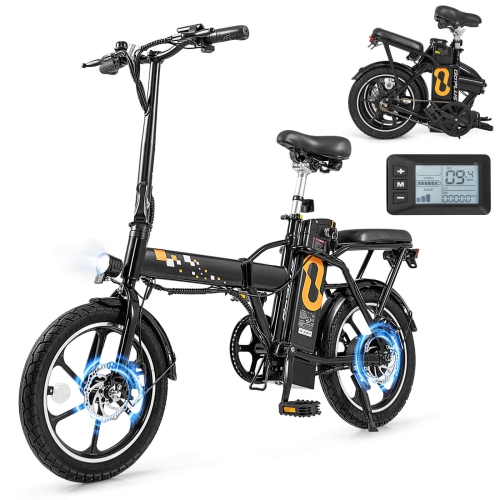


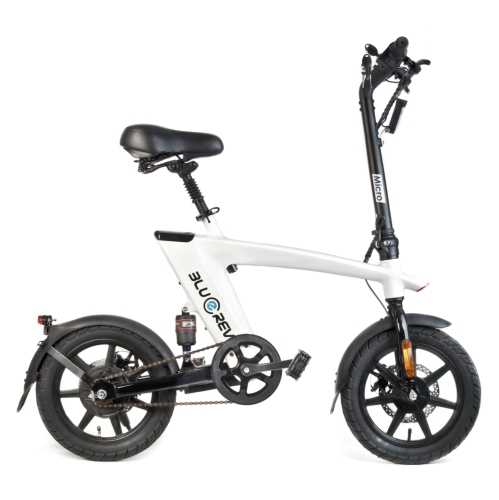
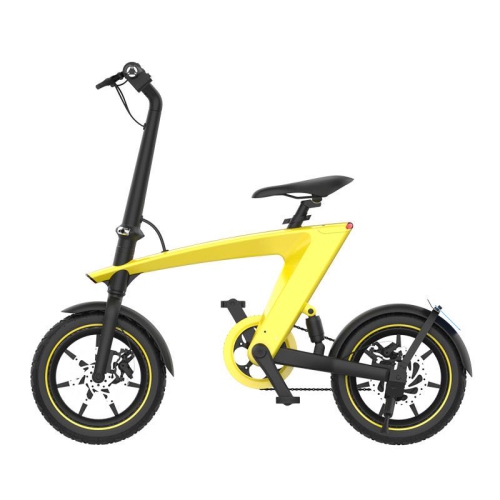

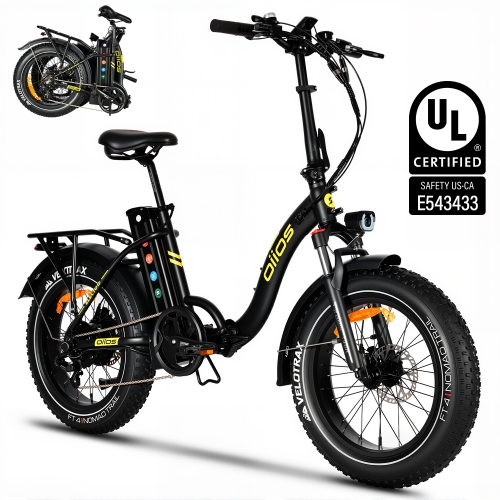
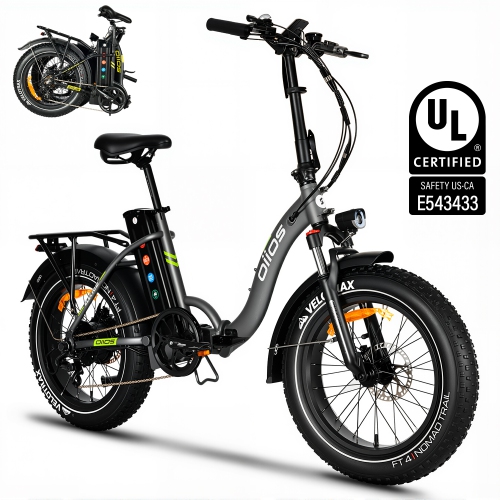
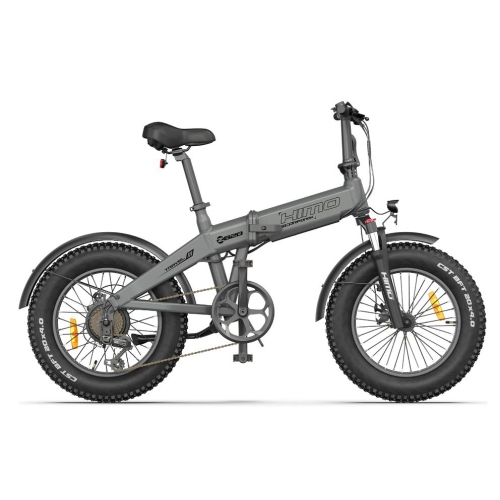
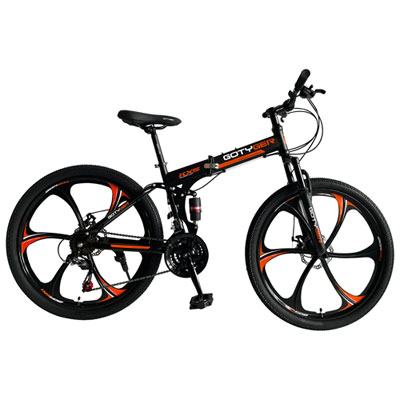


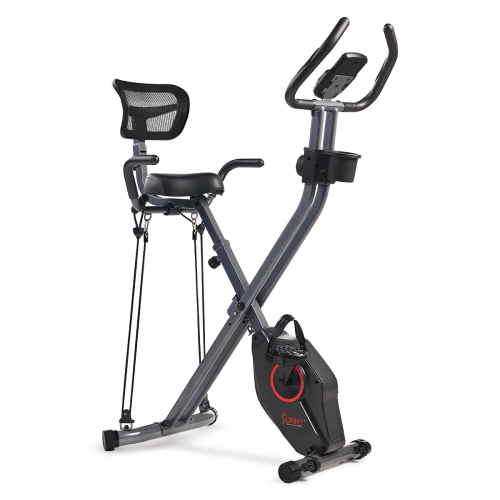


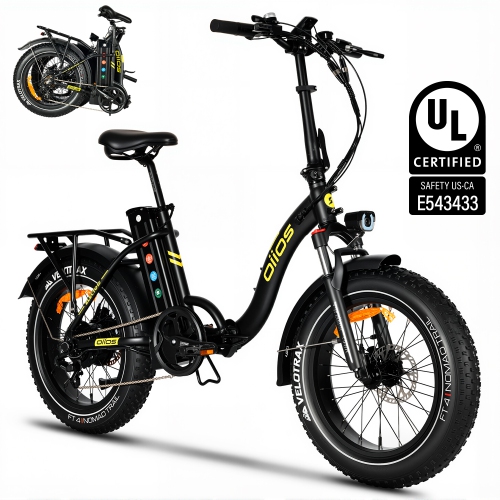
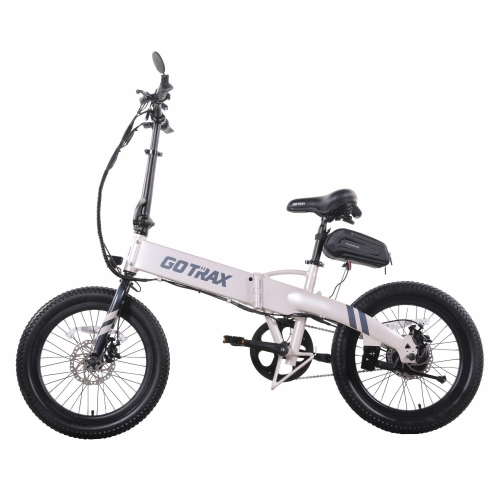



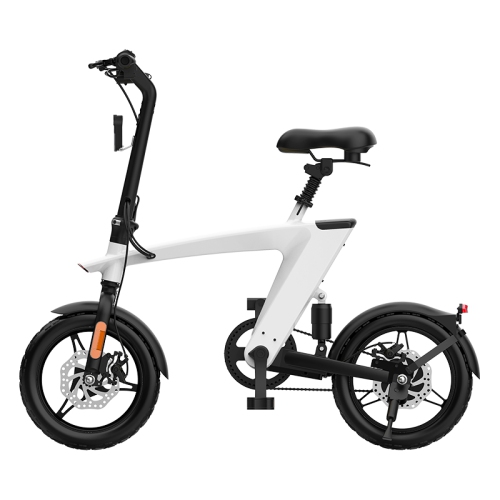
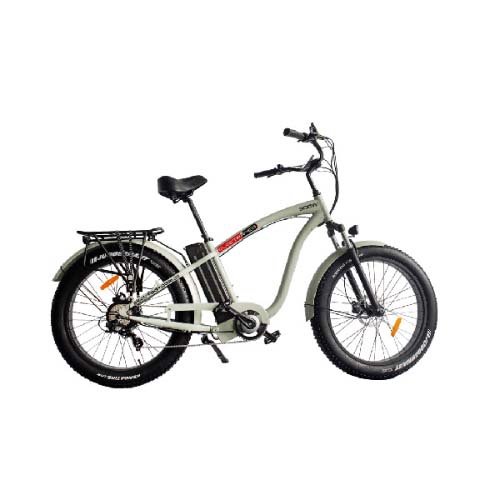
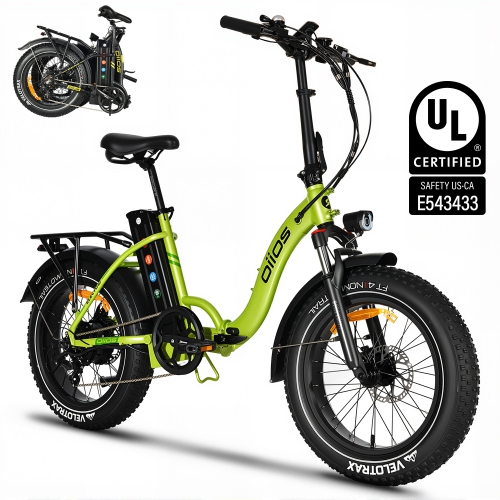
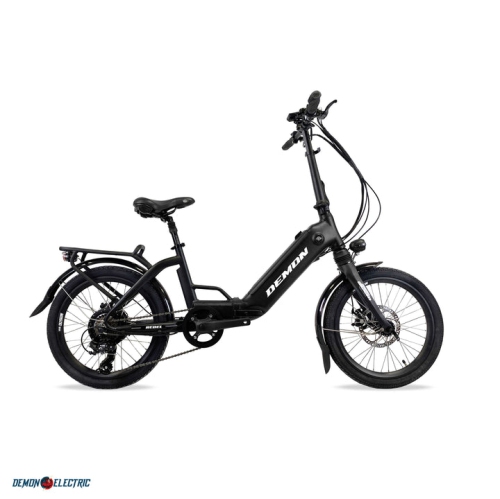




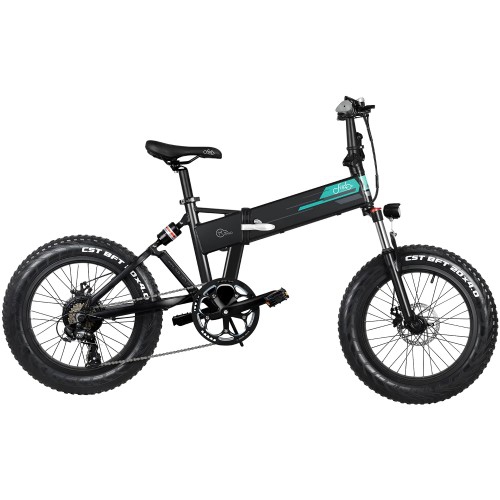

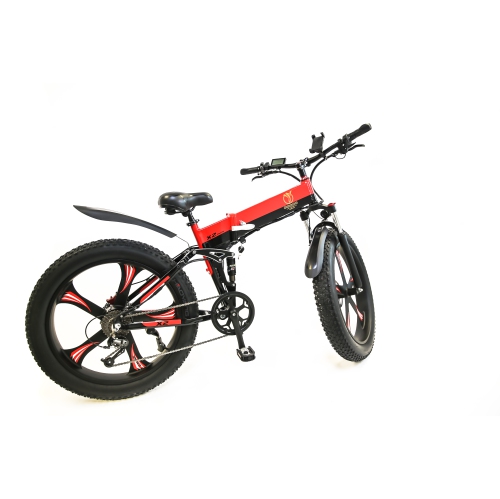
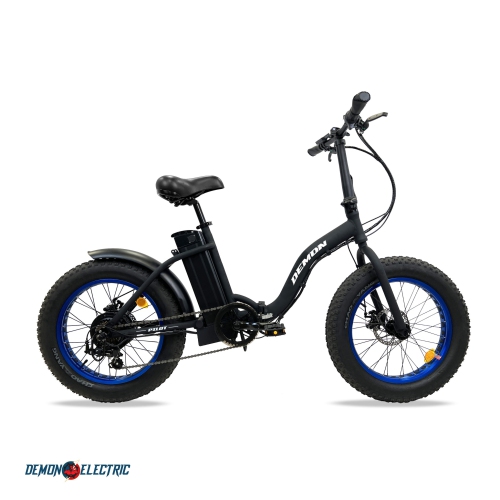
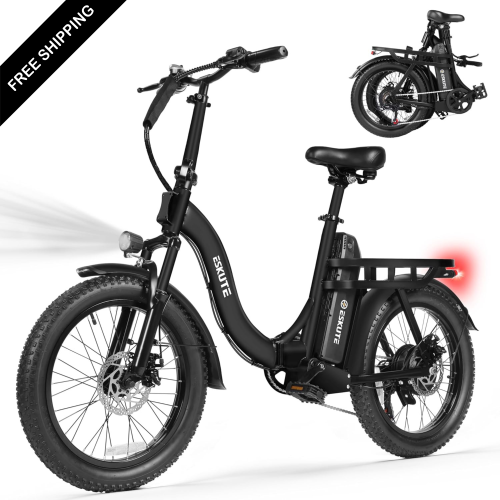
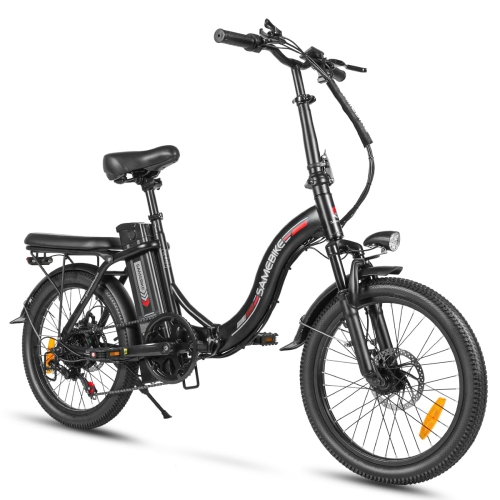
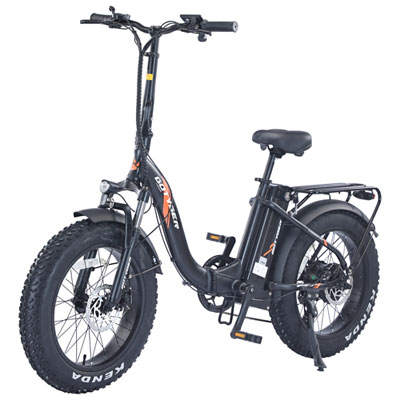
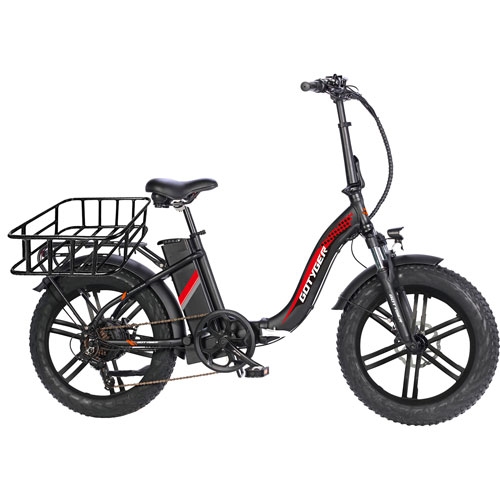
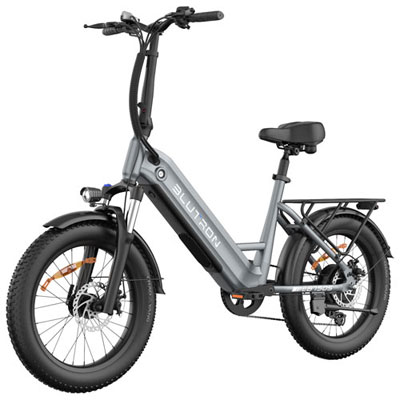
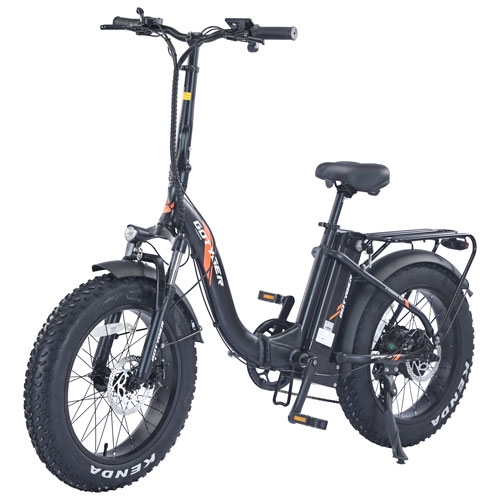
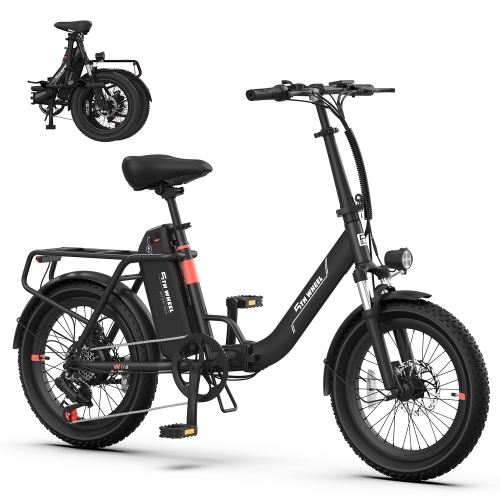
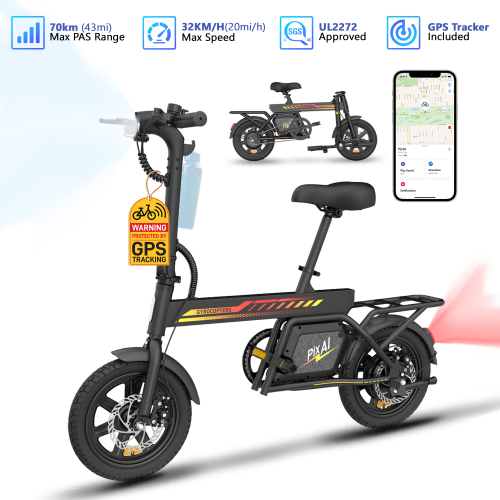
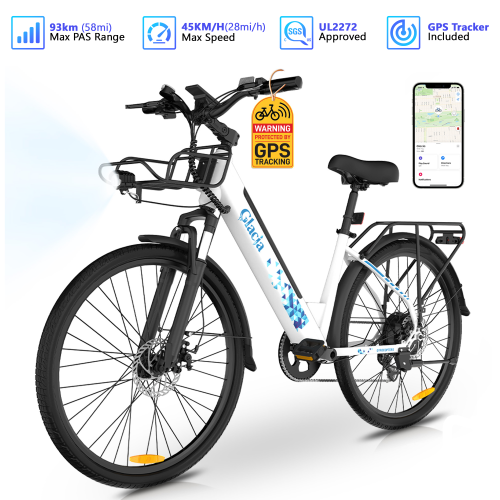
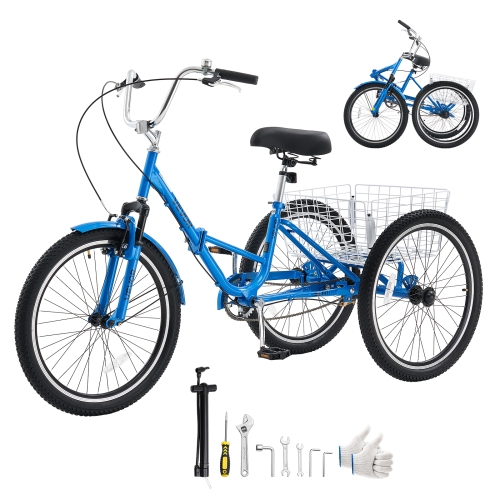
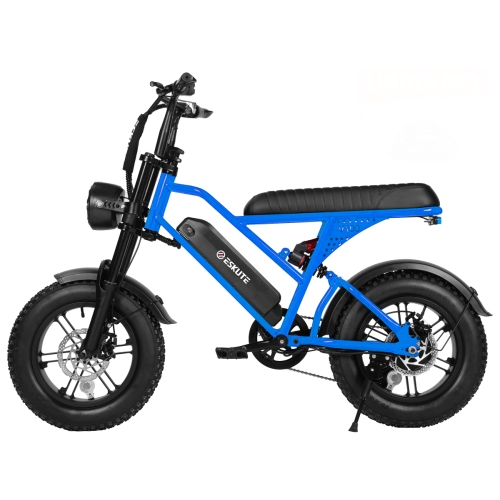
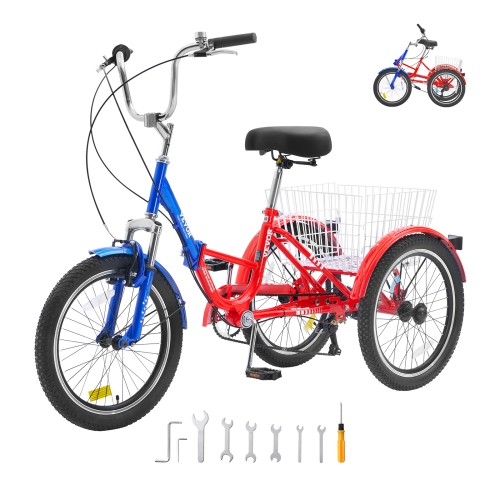


There’s more to portability than a compact fold
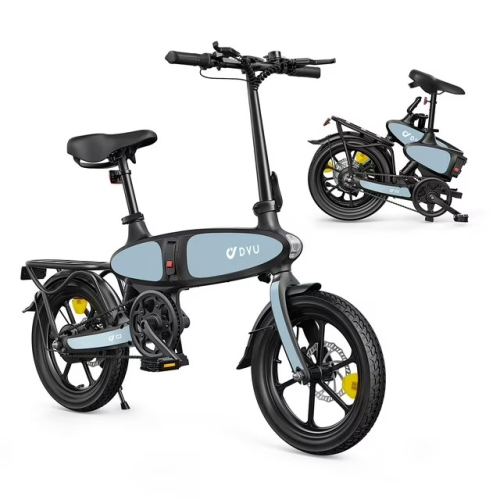
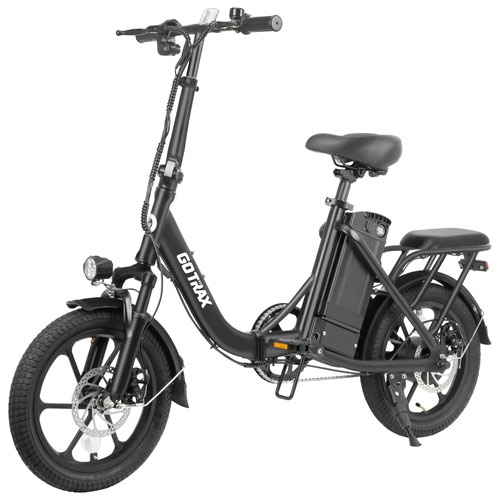
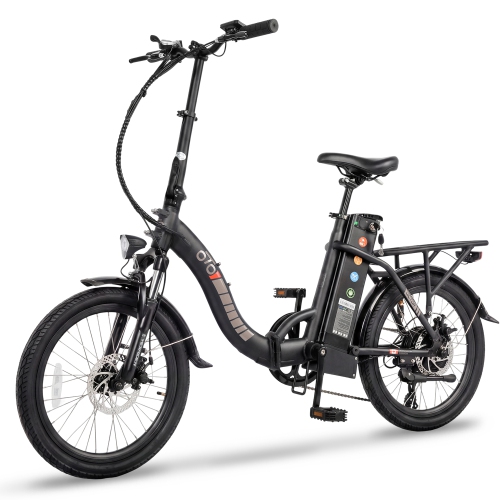
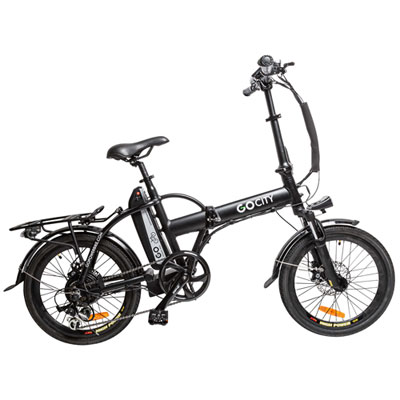
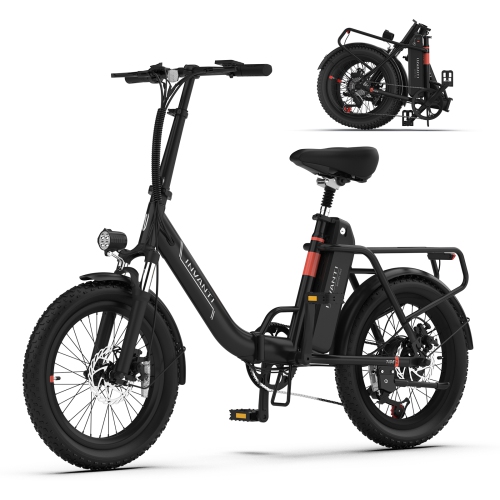
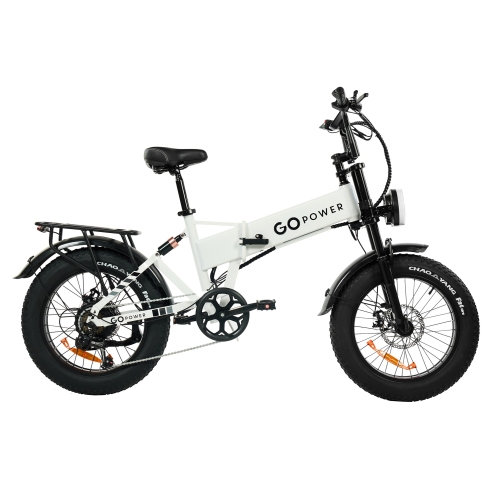
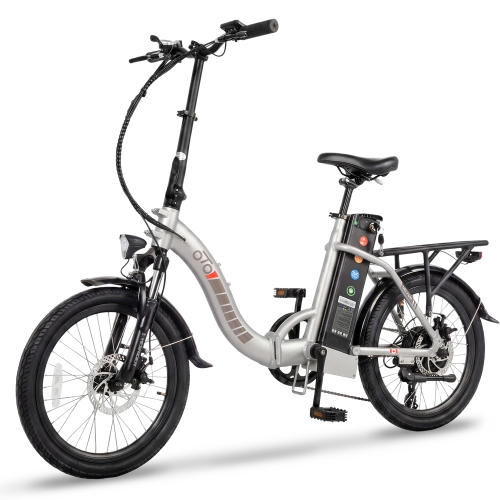
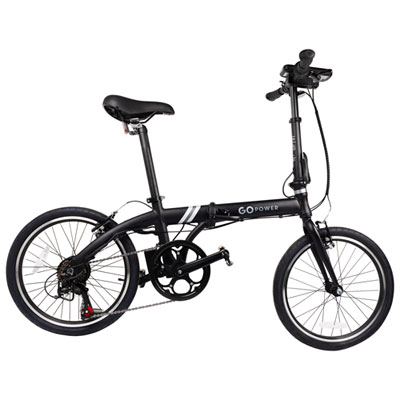
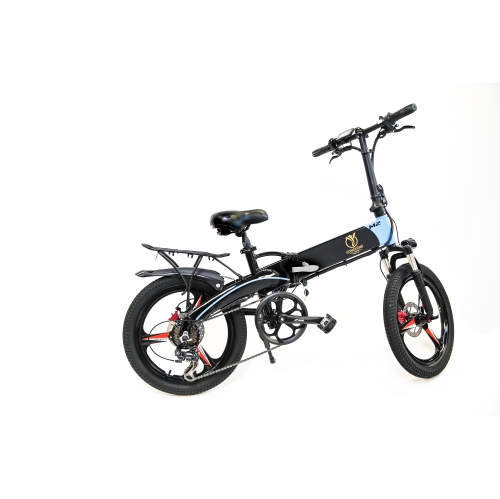
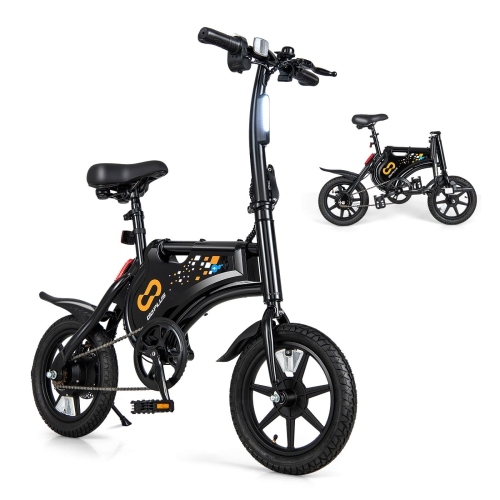
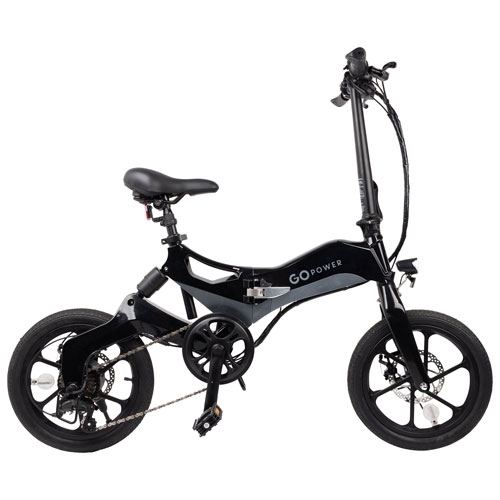
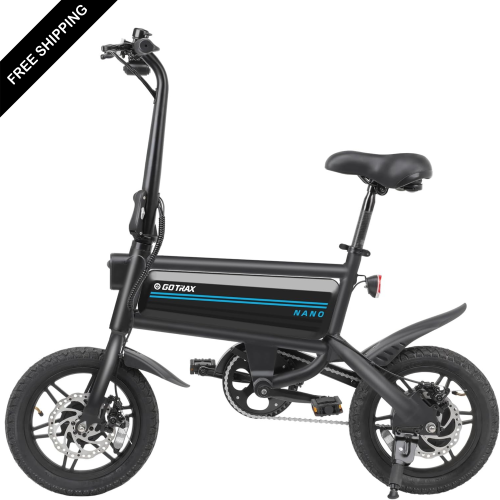
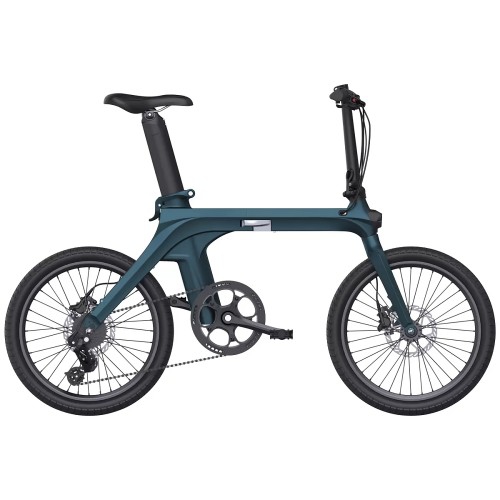
Folding bikes are bicycles designed to collapse into a smaller shape for storage, carrying, or transport without a full bike rack. Hinged frames, folding handlebar stems, and pedals that tuck inward can help turn a full riding setup into a compact package for a condo entrance, an office corner, or a vehicle’s cargo area. That combination makes them useful for commuters who ride part of the way to work, apartment dwellers with limited storage, and recreational riders who want to bring a bicycle along on a trip. The practical benefit depends on both the folded dimensions and the way the bike moves when folded. A compact frame may fit neatly beneath a desk yet still feel awkward to carry through a stairwell if the weight is unevenly distributed or there is no comfortable place to grip it. Some designs can roll while folded, while others are intended to be lifted, so the distance between the bike storage area and the start of a ride matters. A short lift into a car boot is different from carrying a bicycle through a station and up two flights of stairs. Transit operators and buildings may also have rules about bicycles, even when folded, making local requirements part of planning a mixed-mode commute. Folding speed is another consideration, but a secure, straightforward sequence is more useful than a quick fold that takes repeated adjustments to get right. Latches that are easy to reach, a folded shape that stays together, and a seatpost position that can be restored consistently all contribute to everyday convenience. For riders replacing a short walk between a transit stop and their destination, easy handling and manageable carrying weight may matter most. For longer rides, a comfortable position, suitable gearing, and the feel of the bike on the road become just as important as its ability to fit into a small space.
Wheel size, frame construction, and fit give foldable bikes different riding characteristics, even when their folded shapes look similar. Wheels in the 16-inch to 20-inch range are common on compact designs, while larger wheels generally need more storage space and can roll over surface irregularities more easily. Smaller wheels can feel responsive when steering around tight corners, though comfort and stability also depend on tyre width, pressure, frame geometry, and rider position. Wheel size alone does not determine how fast a bicycle can travel; gearing and rider effort also play a role. Wider tyres may soften the feel of uneven pavement, provided their pressure stays within the applicable manufacturer limits and suits the rider’s load. Aluminum frames are common where carrying weight is a priority, while steel frames can offer a sturdy construction with a different balance of weight and ride feel. Material alone is not a measure of quality: hinge design, welds, component choices, and the manufacturer’s total load rating are all relevant to durability. Fit deserves particular attention because an adjustable saddle and handlebar do not mean every folding bicycle fits every adult. The stated rider-height range, maximum seatpost extension, reach to the grips, and ability to stand over the frame help determine whether the riding position feels natural. A rider should be able to reach the brakes comfortably and pedal without excessive knee bend or stretching. Single-speed designs keep controls simple and can suit relatively flat routes, while multiple gears offer more flexibility for inclines, longer distances, and carrying a bag. Gear range matters as much as the number of speeds, especially when an easy climbing gear is needed. Braking systems vary, too, with differences in lever feel, adjustment, and maintenance. For a gift, knowing the recipient’s height, usual routes, storage space, and comfort with lifting a bicycle is far more useful than choosing by colour or folded appearance alone.
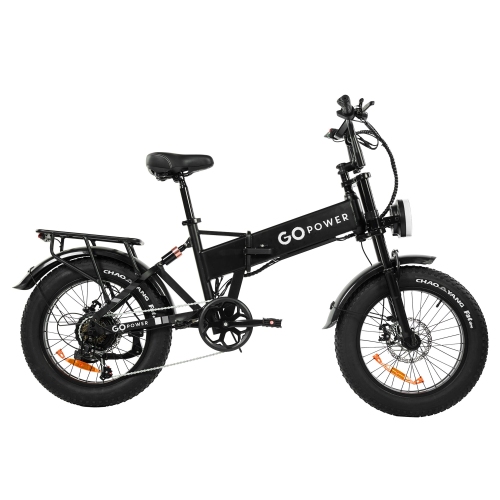
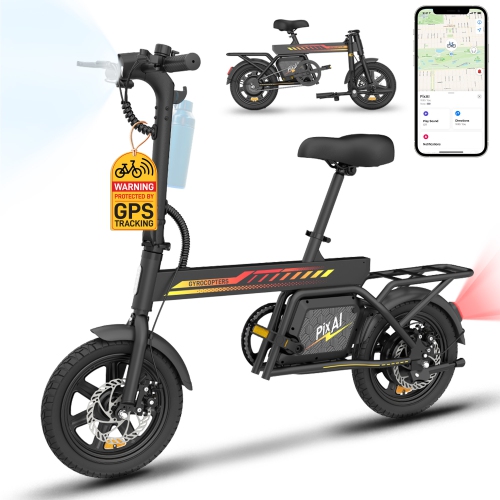
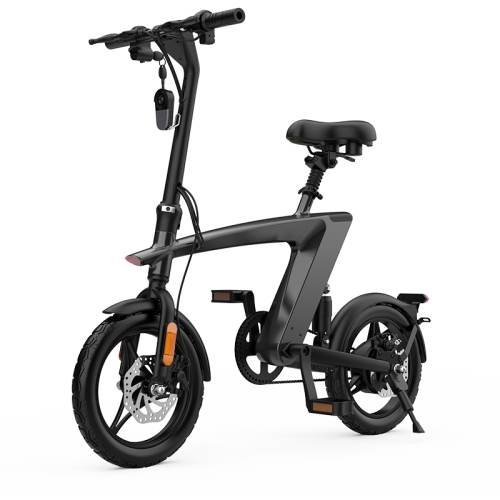
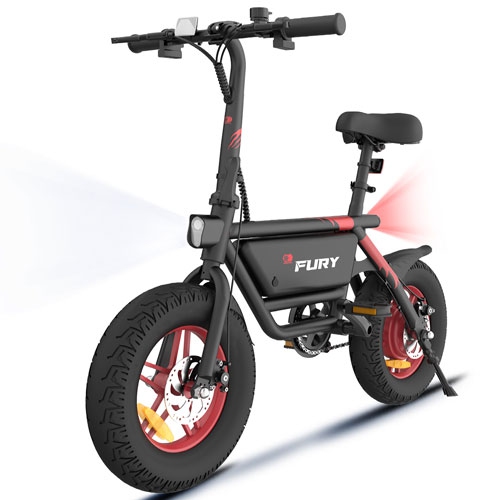
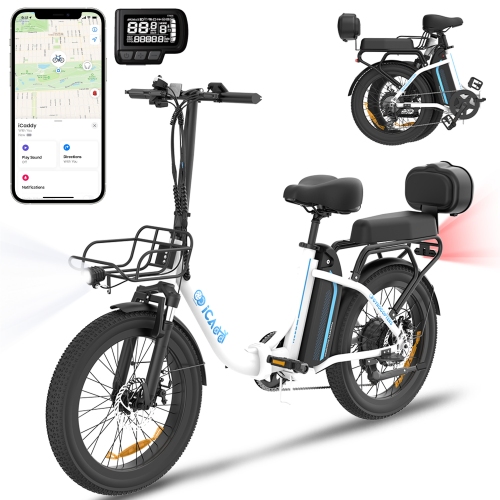
Everyday use also depends on the details that surround the folding mechanism. A rack can take the weight of a work bag off the rider’s shoulders, but its load limit and compatibility with the fold need to be checked. Bags should remain clear of the wheels, brakes, hinges, and the rider’s heels throughout the pedal stroke. Mudguards can help keep road debris off clothing, while lights, reflectors, a properly fitted helmet, and a suitable lock support a practical riding setup. Accessory placement matters on a compact bicycle: a handlebar light or bottle holder may need a particular mounting position so it does not interfere with folding. Electrically assisted folding bikes add motor support that can make longer routes or climbs more manageable, but the motor and battery increase the weight that must be lifted. Battery removal, approved charging equipment, storage requirements, and local rules for electric bicycles deserve attention alongside folded size. Whether the bicycle is electric or pedal-powered, it should be used on the surfaces and within the limits specified by its manufacturer; a compact fold does not imply suitability for trails, jumps, or heavy cargo. Regular care helps preserve both the ride and the folding action. Grit around hinges and latches should be removed gently, the chain needs appropriate cleaning and lubrication, and tyres and brakes need routine checks. Before riding, frame joints and handlebar mechanisms should be fully engaged, with seatposts and stems secured within their marked limits. Any new looseness, unusual noise, damaged cable, or difficulty closing a latch calls for inspection rather than extra force. A service technician familiar with folding mechanisms can assess wear and make adjustments according to the manufacturer’s instructions. During storage and transport, keeping the folded bicycle secure helps prevent it from tipping, shifting, or pressing against vulnerable components. With a suitable fit and a folding design that matches the rider’s routine, these bicycles can make everyday trips and recreational rides easier to accommodate without requiring a large dedicated storage area.
Top selling and popular products
-
 Your price for this item is $499.99
-
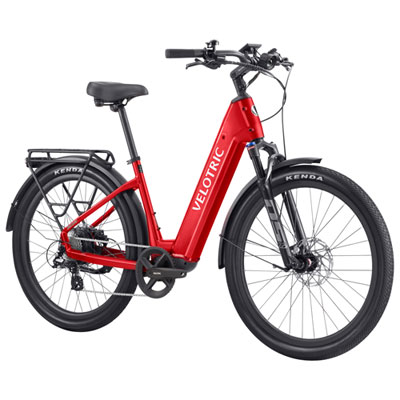 Your price for this item is $2499.99
-
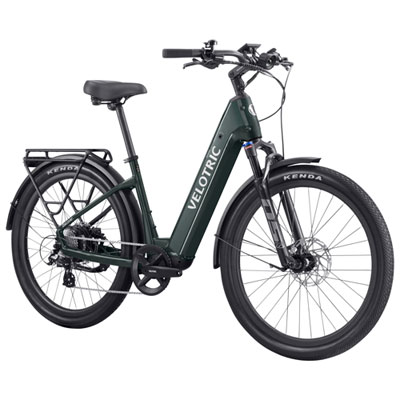 Your price for this item is $2499.99
-
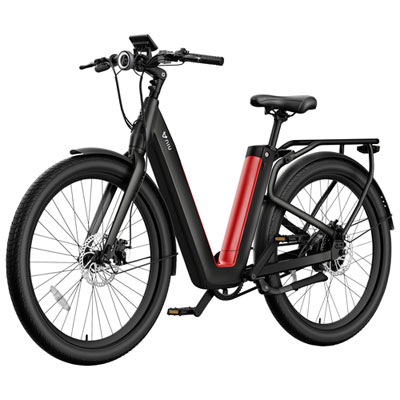 Your price for this item is $2699.99
-
 Your price for this item is $899.97
-
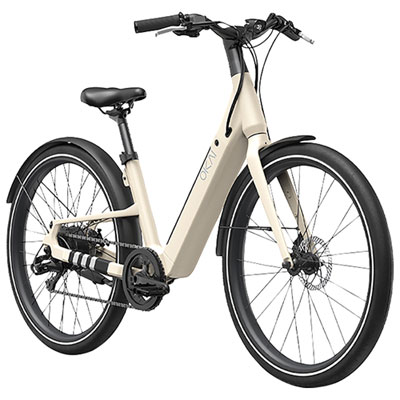 Your price for this item is $2199.99
-
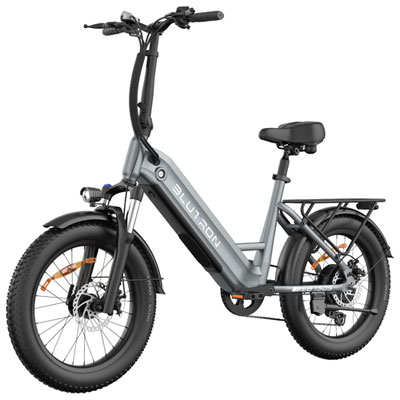 Your price for this item is $999.99
-
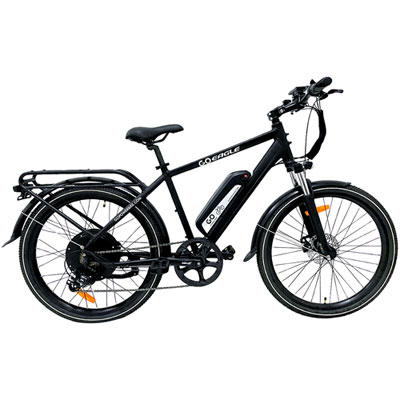 Your price for this item is $1399.97
Discover more categories related to Folding Bikes
Top Collections:
Pokemon Centers, Best Cameras for Sports Photography, Kindle Devices, Samsung Galaxy Phones, Canon G7X Cameras, Pokémon 30th Celebration Cards, Refurbished Apple Laptops, iPhone 15 Apple, Laptops for Students, Budget Smartphones
Some products may be subject to Environmental Handling Fees
(EHF) depending on your province.
Learn more about EHFs.