Foldable Solar Panels
Harness the power of the sun with this selection of foldable solar panels. Designed for on-the-go adventurers and outdoor enthusiasts, these portable solar panels are perfect for charging your devices while camping, hiking, or traveling. With their compact and lightweight design, you can easily pack them in your backpack or suitcase without taking up much space. Whether you're looking to stay connected during your outdoor adventures or simply want a sustainable way to charge your devices, these foldable solar panels are a must-have accessory.
Sort
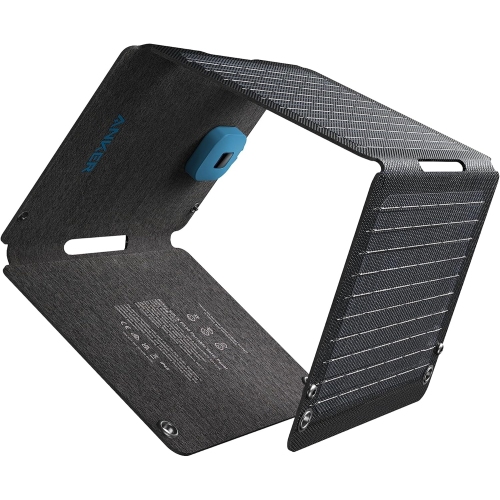
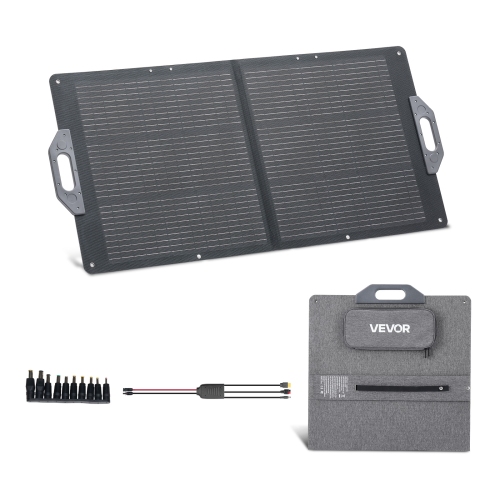
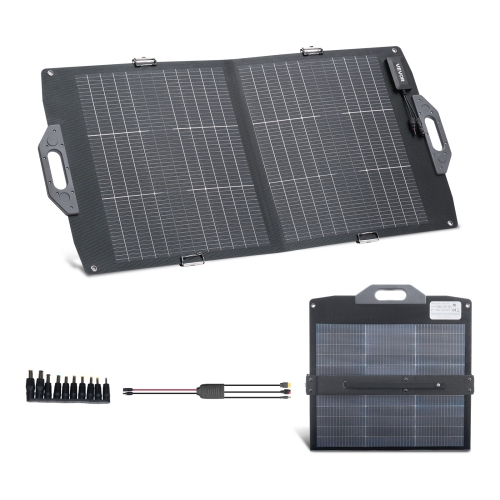
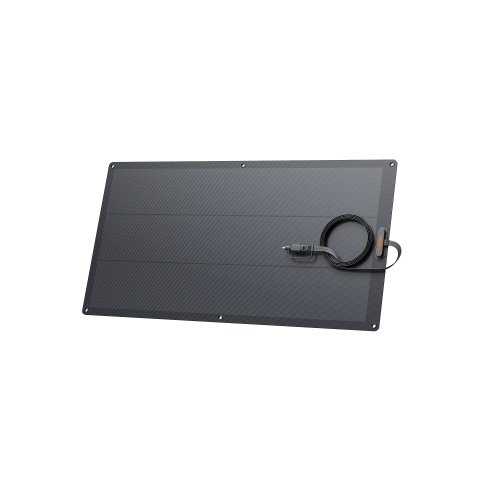
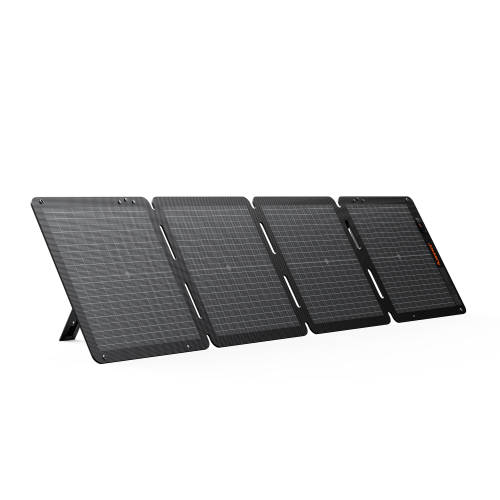

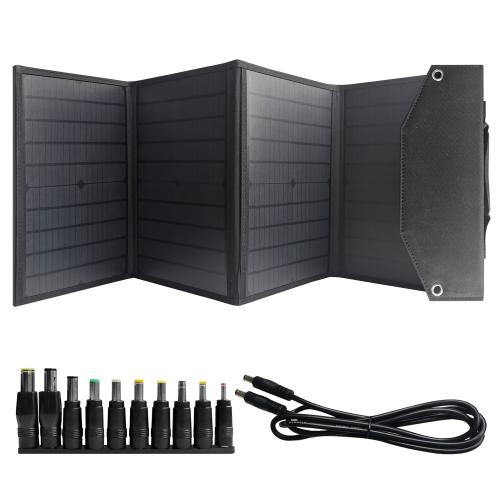
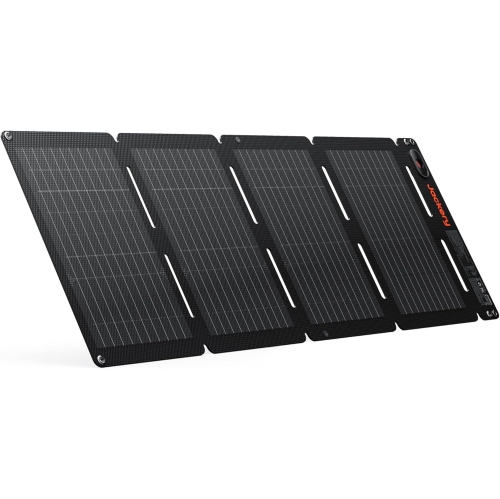
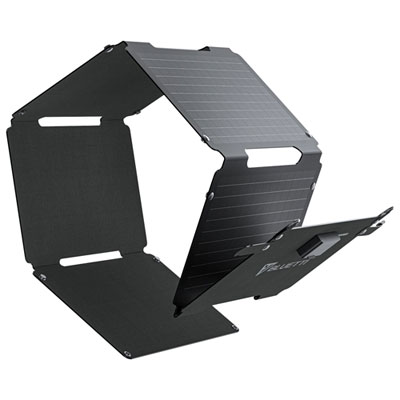
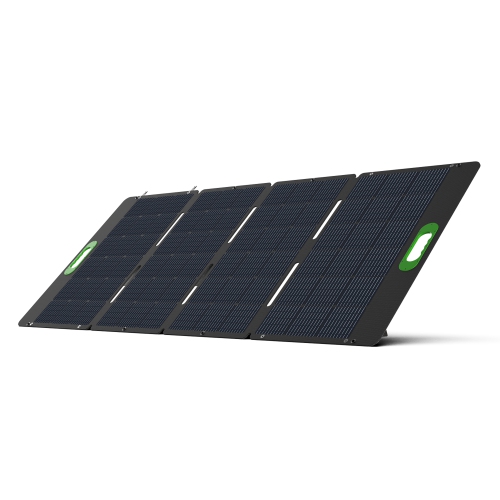
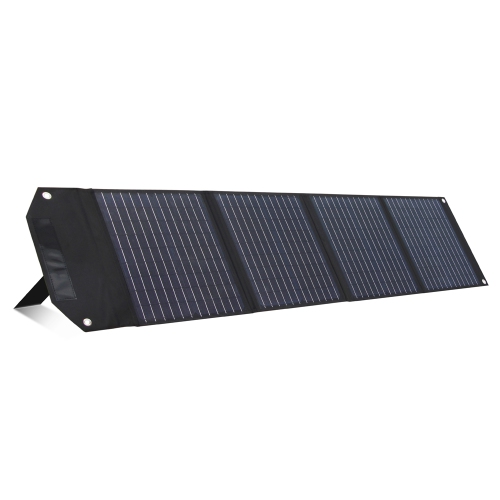
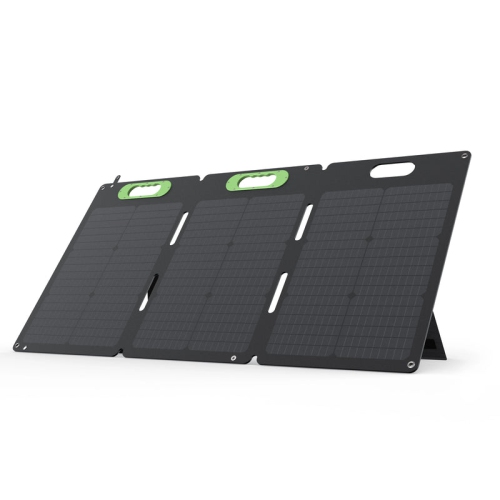
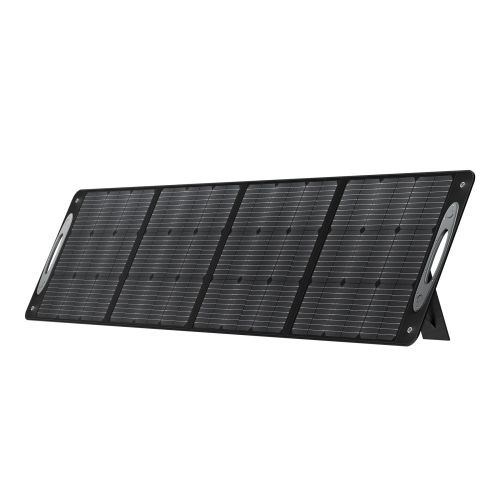
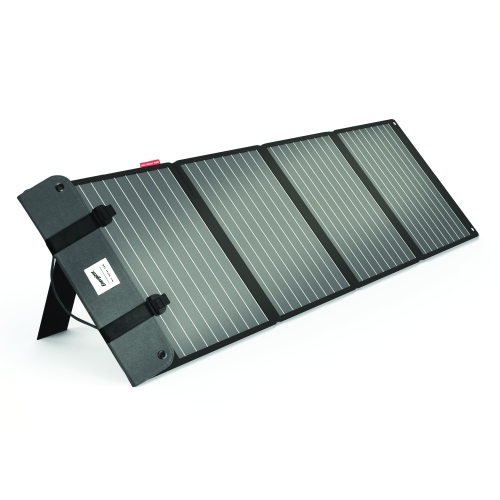
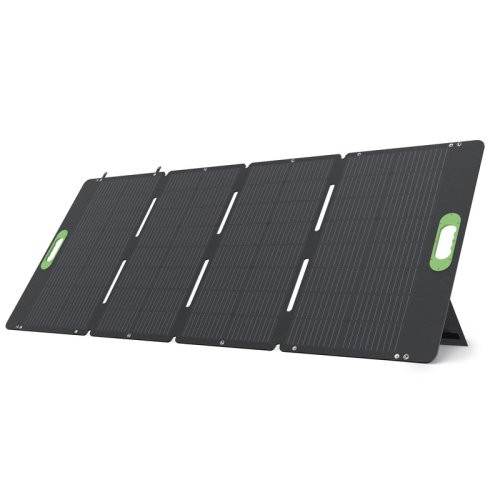
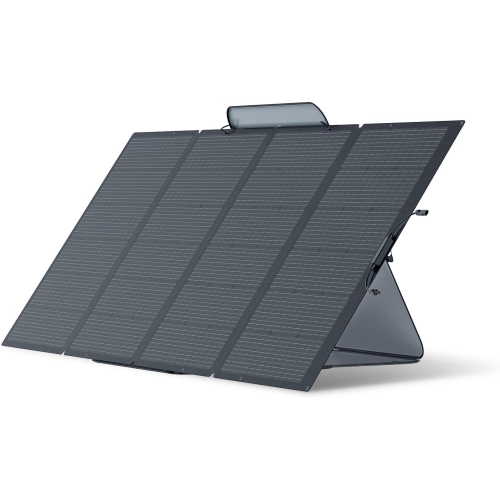
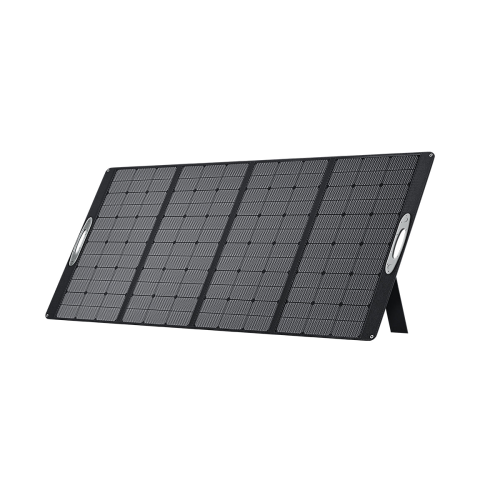
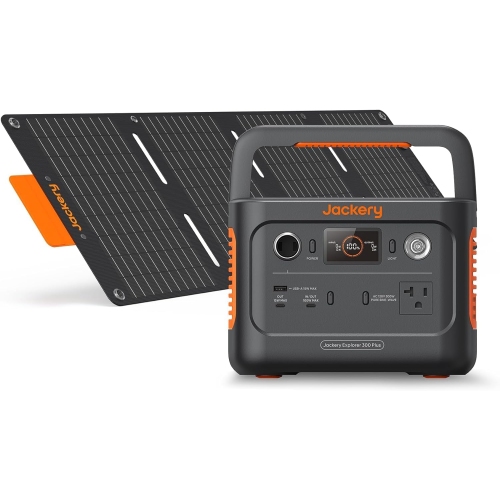
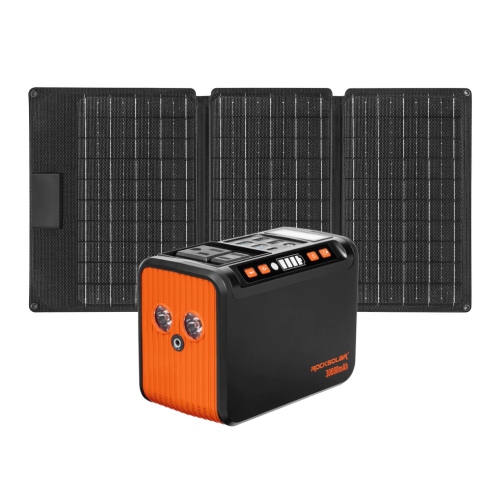
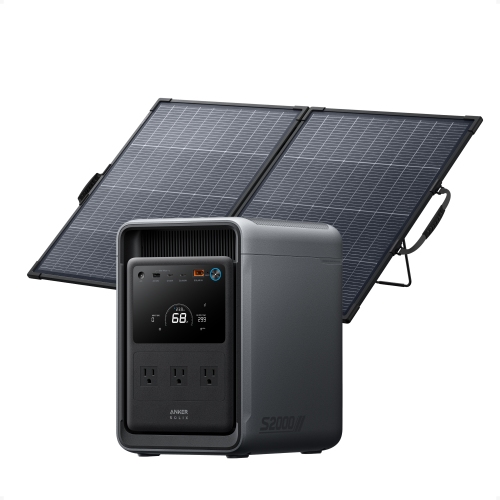
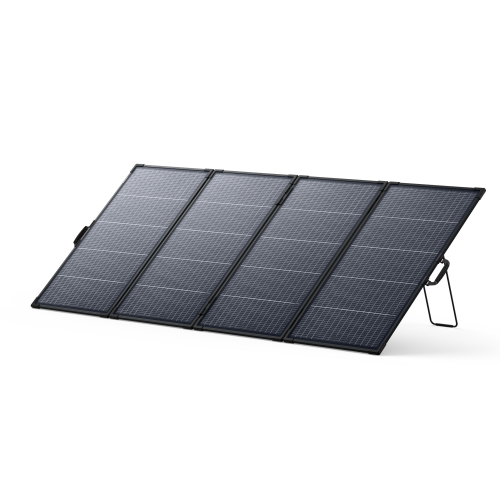

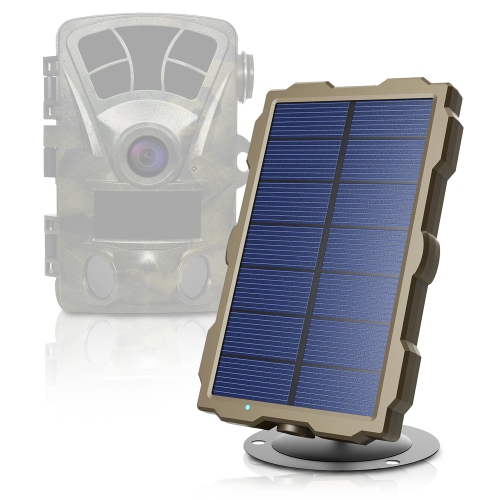
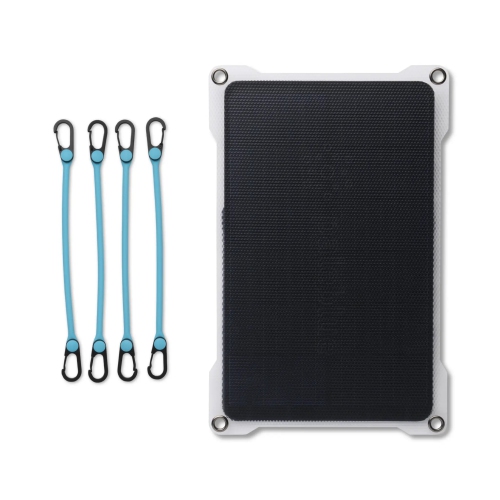

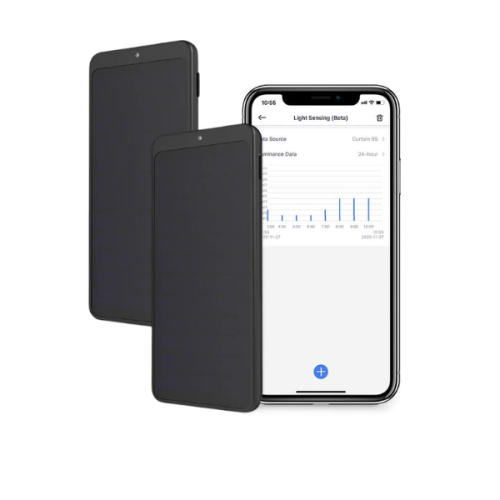
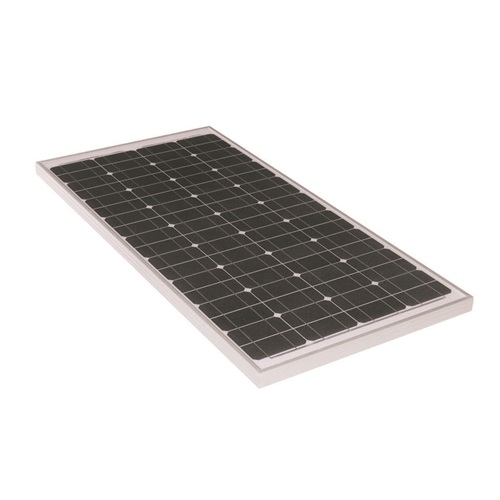
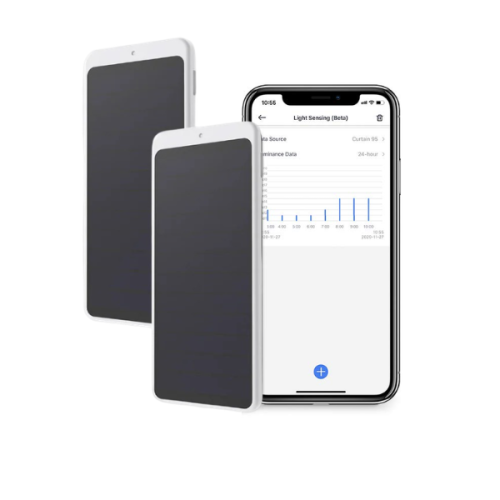
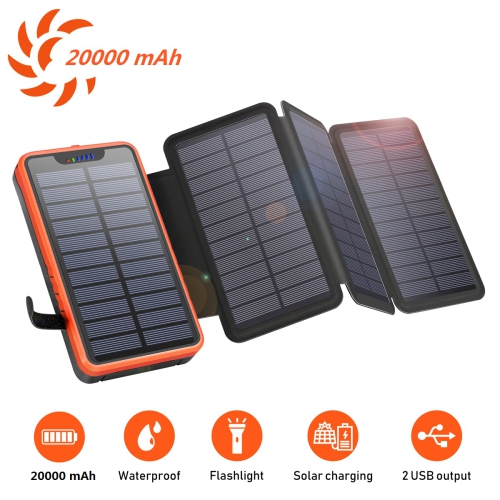
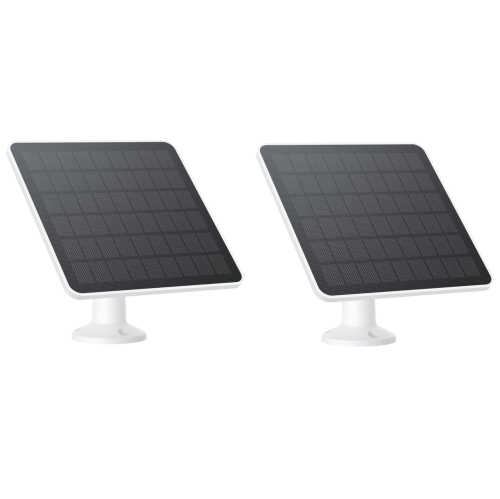
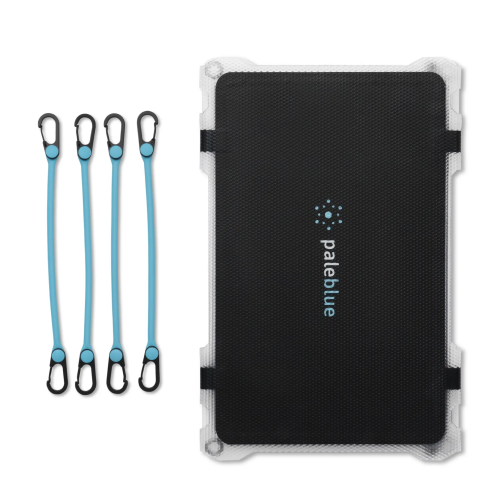

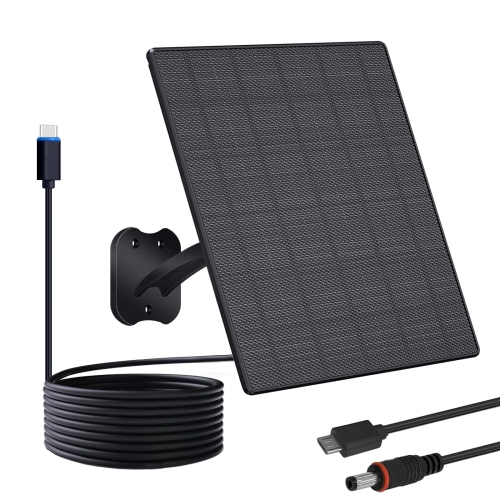
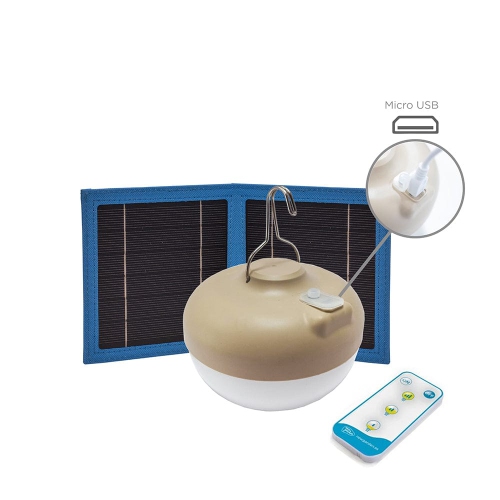
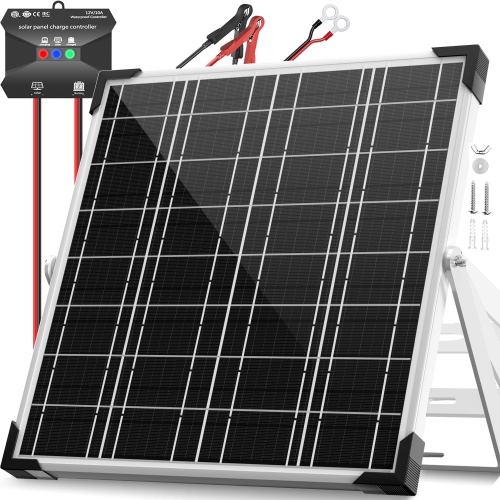
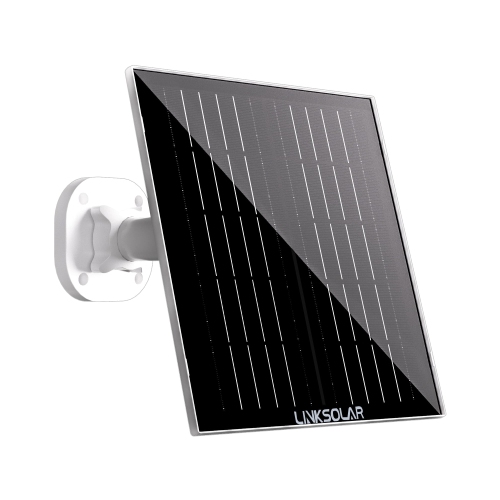
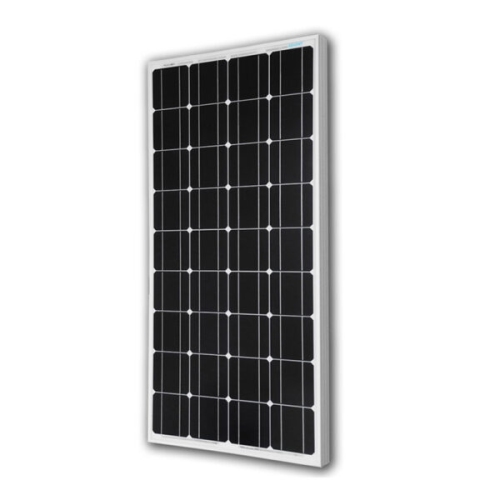
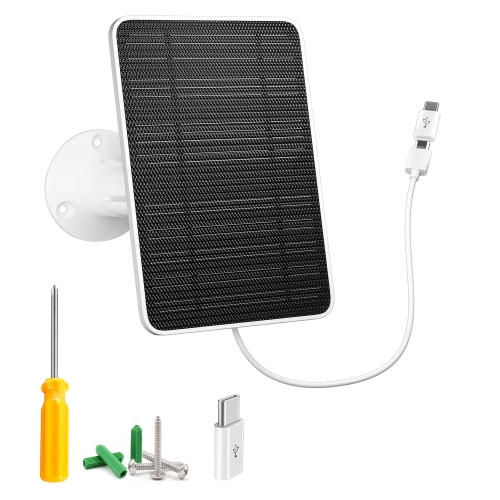
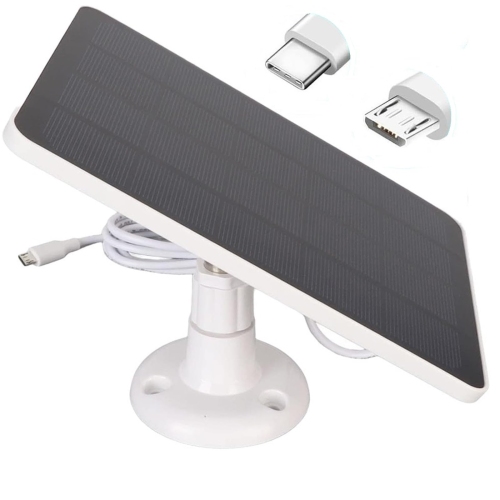
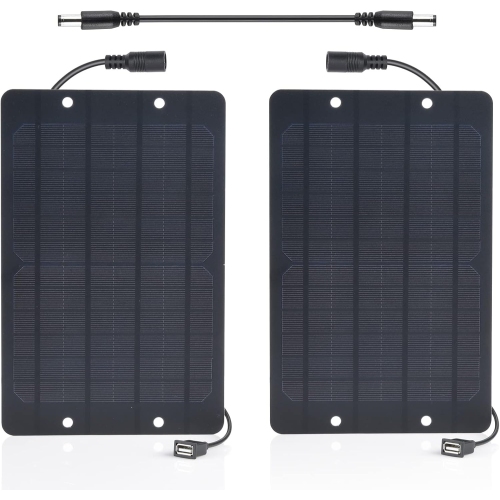
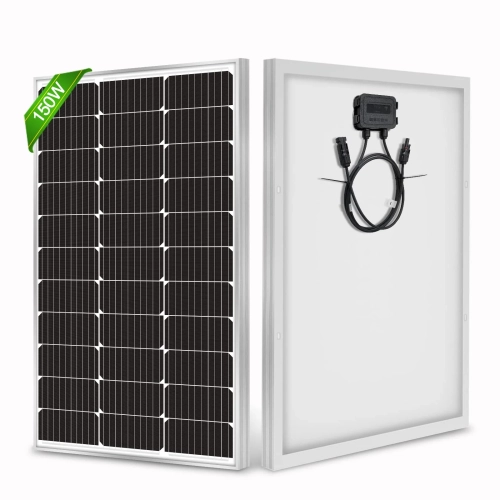
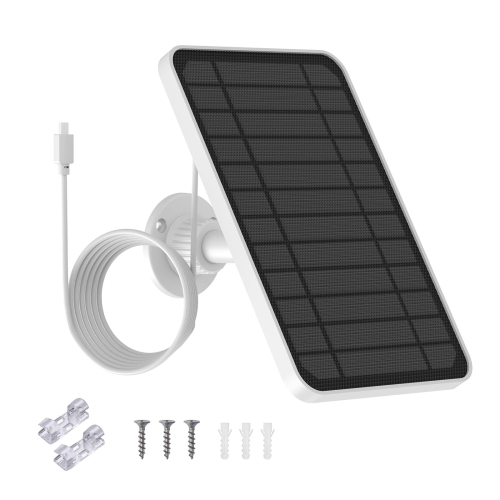
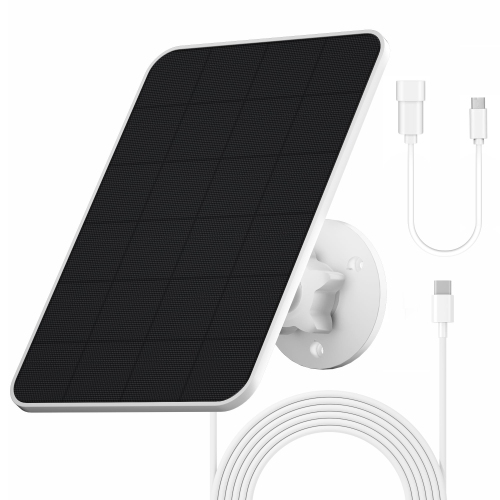
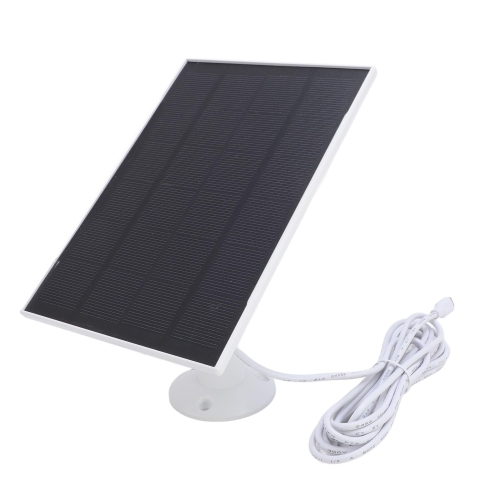
Portable solar charging that packs away between trips
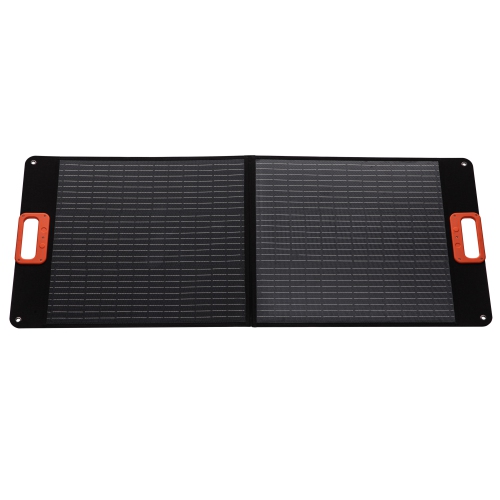
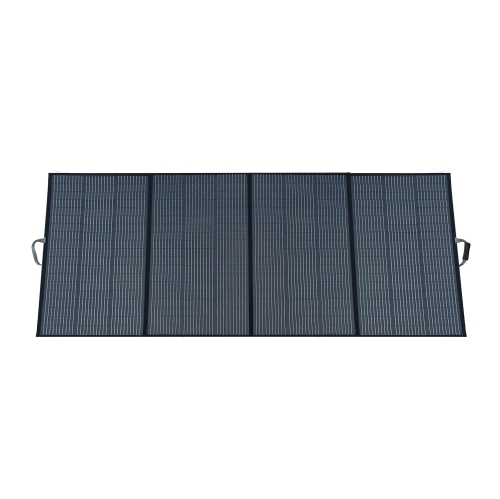
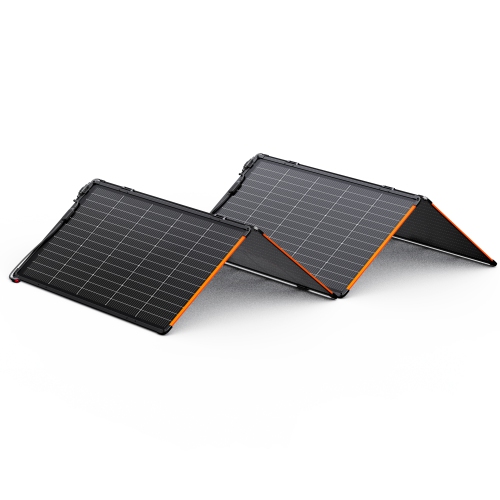
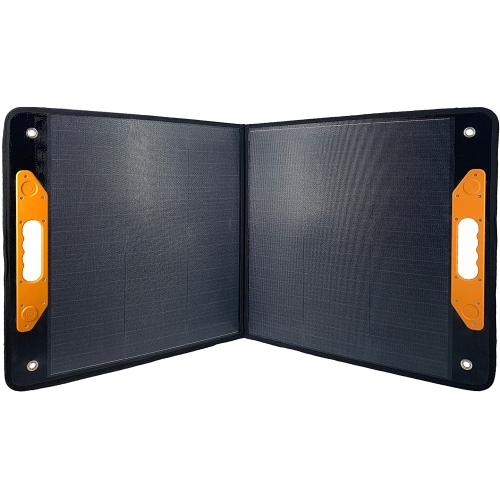
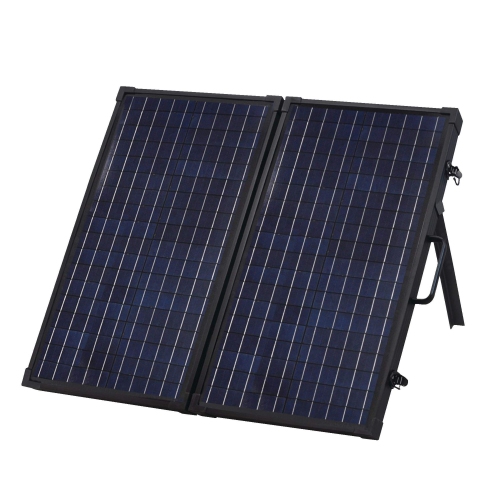
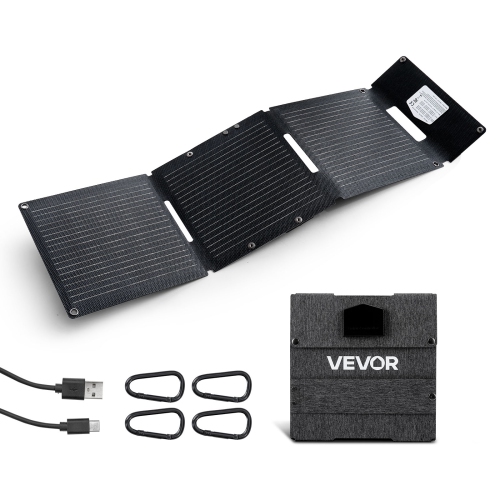
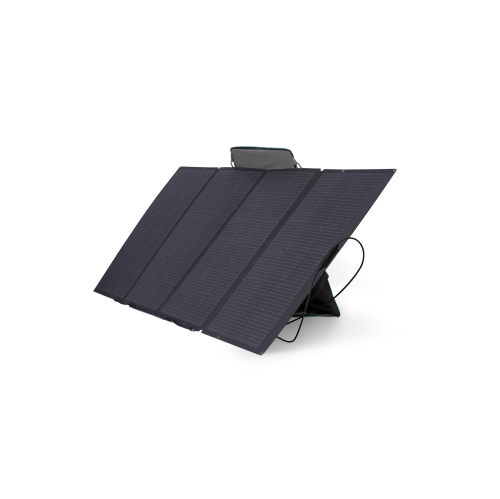
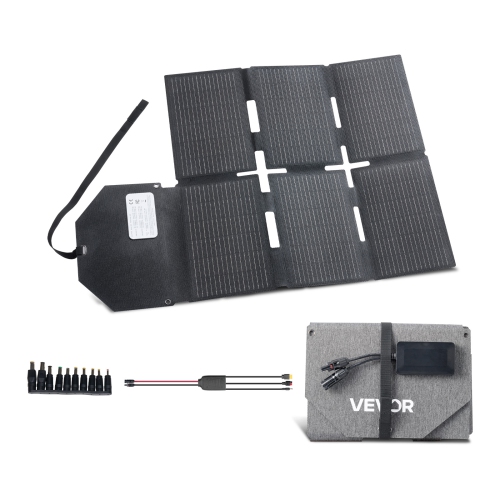
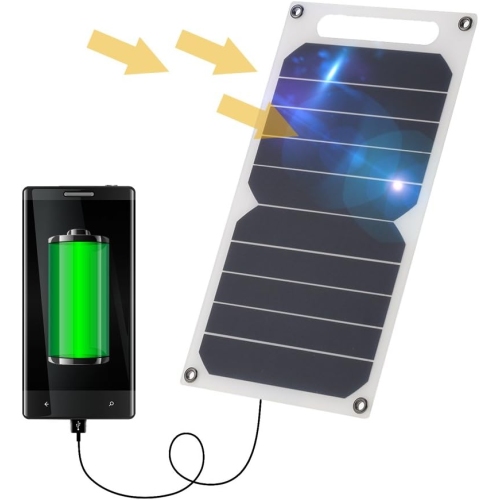
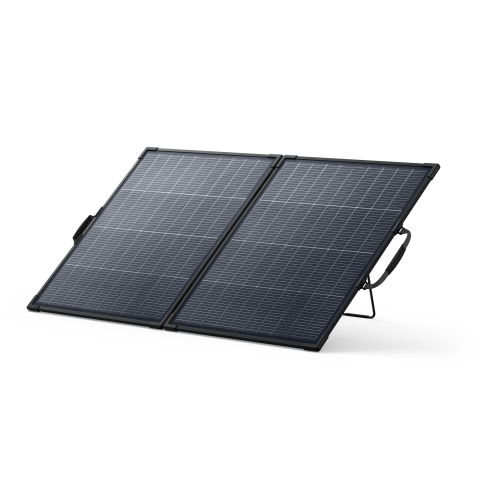
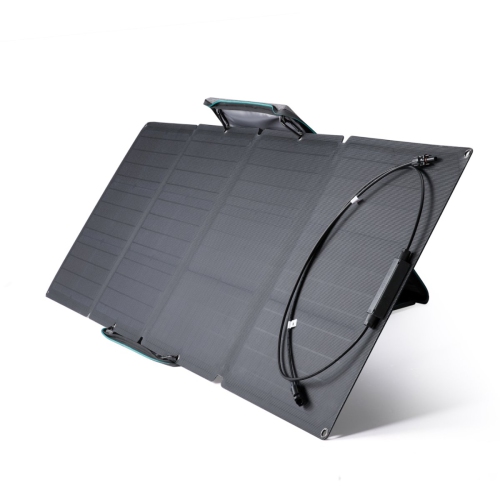
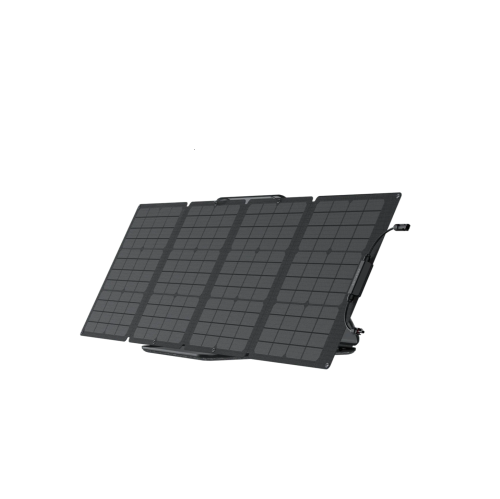
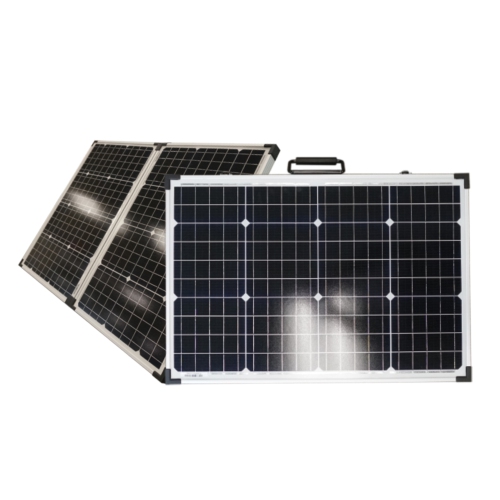
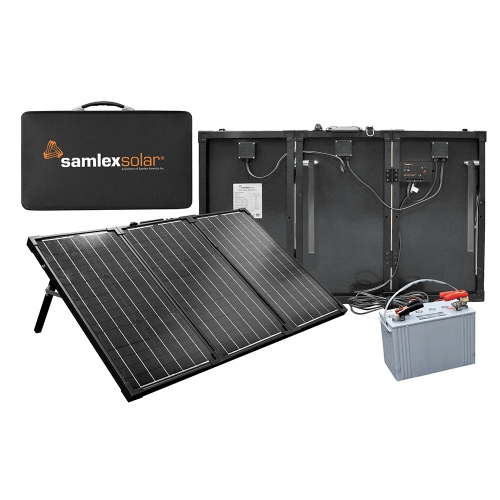
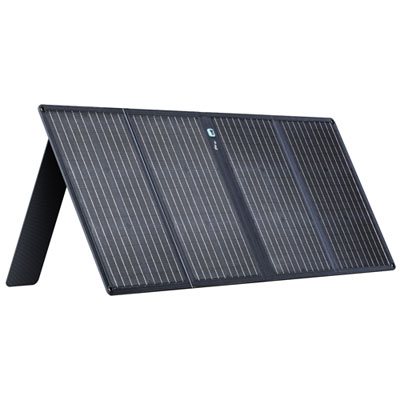
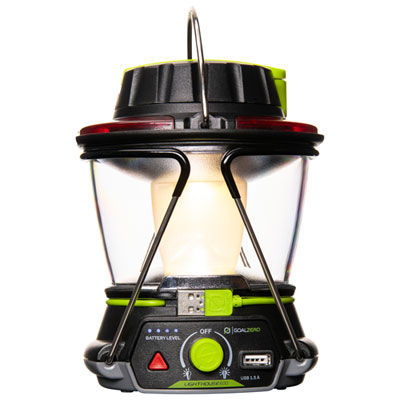
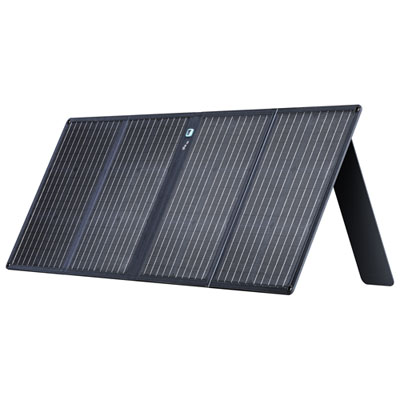
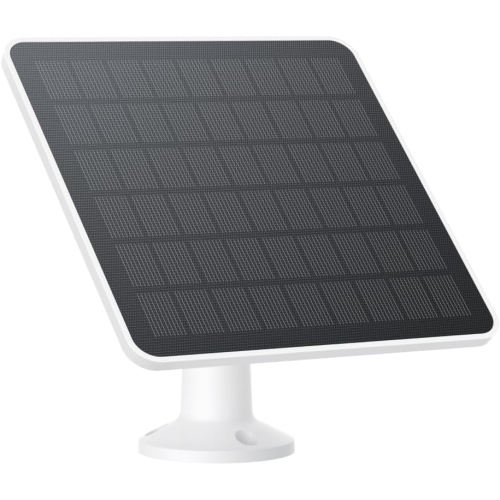
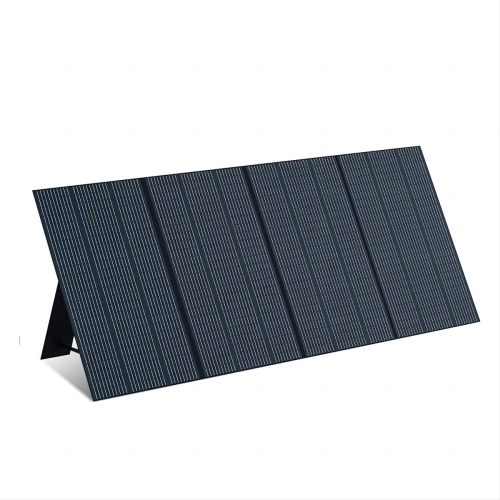
Foldable solar panels convert sunlight into electricity through photovoltaic cells arranged in sections that fold together for transport and storage. They bring portable charging to campsites, RV stops, cabins and other places where a wall outlet may be out of reach. Unlike a permanently mounted panel, a folding design can be packed away between uses and positioned separately from the equipment it powers. Some compact formats fold into a pouch, while larger designs close like a briefcase with a carrying handle. Their usefulness comes from balancing charging capacity with the space and effort needed to carry them: a panel for a backpack has different practical requirements from one stored in an RV compartment. Smaller panels may include USB outputs for compatible phones, lights and other personal electronics, while higher-output formats are often designed to connect to a portable power station or a battery system with suitable charging equipment. The panel itself usually does not store electricity. A separate battery or power station holds the energy for later use, such as running a campsite light after sunset or charging a camera away from an outlet. For someone travelling with a phone, camera and rechargeable lantern, a compact charging setup may cover modest needs without taking up much room. Longer stays with several devices generally call for more panel capacity and a suitably sized battery. Foldable solar panels can also form part of a home backup setup, provided there is a safe, suitable place to deploy them and compatible equipment to store their output. They are not a direct substitute for a household electrical supply, and a panel alone cannot keep ordinary household appliances running. As gifts, they are particularly relevant for campers, road-trip travellers and people who already use portable power stations, although matching the recipient’s charging connections and carrying needs matters more than choosing the largest panel.
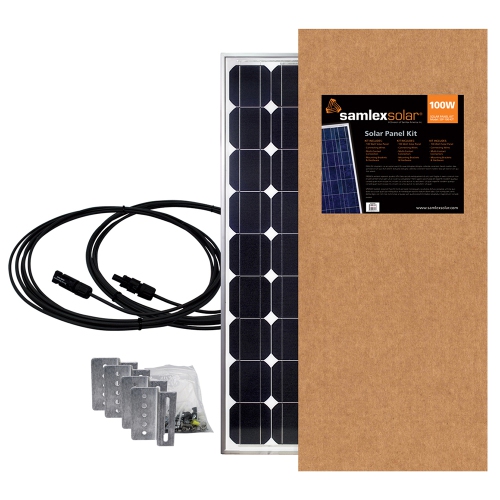
Rated wattage provides a useful starting point for comparing foldable solar panels, but it describes output under standardized test conditions rather than a constant amount of power delivered throughout the day. A 100 W panel will not necessarily supply 100 W continuously, and charging speed depends on sunlight, placement, shading, cable losses and the connected equipment’s input limits. Direct, unobstructed sunlight gives a panel the best opportunity to perform well. Even a narrow shadow from a branch or roof edge can reduce output, sometimes by more than the shaded area alone might suggest. Integrated kickstands can make it easier to aim the panel towards the sun, while enough cable length allows a power station to remain in a sheltered location within its operating requirements. Many portable panels use monocrystalline silicon cells, which can offer good conversion efficiency in a relatively compact area. Efficiency describes how much incoming sunlight becomes electricity; it is not the same as total charging capacity, so a smaller panel with a higher efficiency rating can still produce less power than a larger panel. Compatibility is equally important. A connector that physically fits does not, by itself, establish that a panel and power station work together. The panel’s open-circuit voltage, operating voltage, current and connector polarity must meet the receiving equipment’s specifications. Connections may include MC4-style plugs, DC barrel connectors or USB ports, but cable types and included adapters vary by design. USB-C charging also depends on the supported output profiles, not simply the presence of the port. For a standalone battery setup, an appropriate charge controller is generally needed between the panel and battery unless suitable control hardware is already integrated. Connecting multiple panels adds further requirements because series and parallel arrangements change voltage or current. Manufacturer-approved configurations help avoid exceeding input limits. In practical use, a power station’s display can show whether repositioning the panel improves charging, but an estimated charging time should still allow for variable output and any devices drawing power at the same time.
Materials and construction affect how comfortably a foldable solar panel travels and how well it stands up to repeated handling. Cell sections may be protected by laminated surface layers and supported by a fabric-backed folding structure, or housed in more rigid frames that close together. Some designs use ETFE, a protective polymer surface valued for its light weight and resistance to outdoor exposure. The complete assembly still matters: reinforced carrying points, tidy cable routing, secure closures and sturdy kickstands all contribute to everyday usability. Packed dimensions deserve as much attention as unfolded dimensions. A panel that sits neatly behind a vehicle seat may need a surprisingly wide, clear area when opened, and a higher-output design may be awkward to carry along a narrow trail. Weight includes the panel, cables, adapters and any separate case, while the full charging setup also includes the battery or power station. Foldable and flexible describe different characteristics. A foldable panel closes at designated joints, but its individual cell sections may remain rigid and should not be bent. Flexible Solar Panels are a separate option for applications that require a panel to follow a gentle curve within specified bending limits; flexibility does not necessarily mean the panel folds for storage. For folding designs, everyday care starts with keeping cell surfaces clear and following the manufacturer’s cleaning directions. A soft cloth and permitted cleaning method can remove dust without scratching protective layers. Avoid abrasive cleaners, pressure on the cell faces and closing grit or loose cables between sections. Water-resistance ratings also need careful reading, since the panel surface, junction box and exposed ports may have different protections. Keep connections clean and dry, allow the panel to dry before packing, and never assume that outdoor suitability means it can be submerged or left deployed indefinitely. Store it without heavy objects pressing against the cells, inspect cables for damage and fold only along the intended joints. A well-matched design combines manageable size, compatible electrical output and construction suited to the way it will be carried, set up and stored.
Top selling and popular products
-
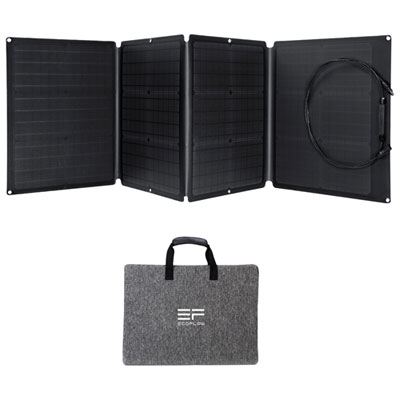 Your price for this item is $301.98
-
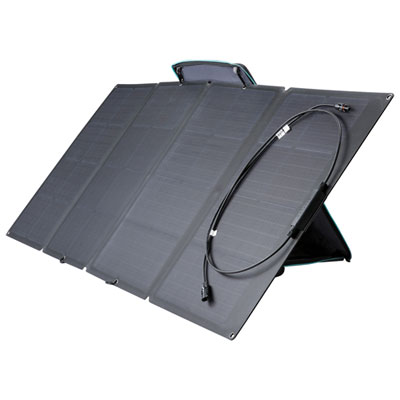 Your price for this item is $401.98
-
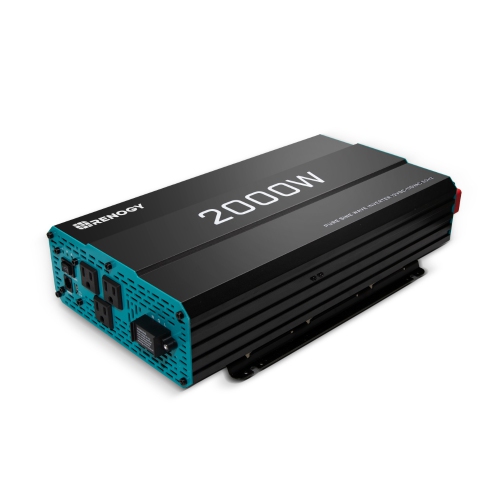 Your price for this item is $464.99
-
 Your price for this item is $399.99
-
 Your price for this item is $99.99
-
 Your price for this item is $439.99
-
 Your price for this item is $69.99
-
 Your price for this item is $999
Discover more categories related to Foldable Solar Panels
Top Collections:
Pokemon Centers, Best Cameras for Sports Photography, Kindle Devices, Samsung Galaxy Phones, Canon G7X Cameras, Pokémon 30th Celebration Cards, Refurbished Apple Laptops, iPhone 15 Apple, Laptops for Students, Budget Smartphones
Some products may be subject to Environmental Handling Fees
(EHF) depending on your province.
Learn more about EHFs.