Flexible Solar Panels
Harness the power of the sun with flexible solar panels, a versatile and innovative solution for eco-friendly energy needs. Perfect for adventurers and homeowners alike, these lightweight panels offer easy installation on a variety of surfaces, from RVs and boats to rooftops and camping gear. Designed to adapt to your lifestyle, flexible solar panels provide a reliable source of renewable energy, helping you reduce your carbon footprint while enjoying the great outdoors or enhancing your home’s energy efficiency. Explore a range of options that blend seamlessly into any environment, delivering sustainable power wherever you need it most.
Sort
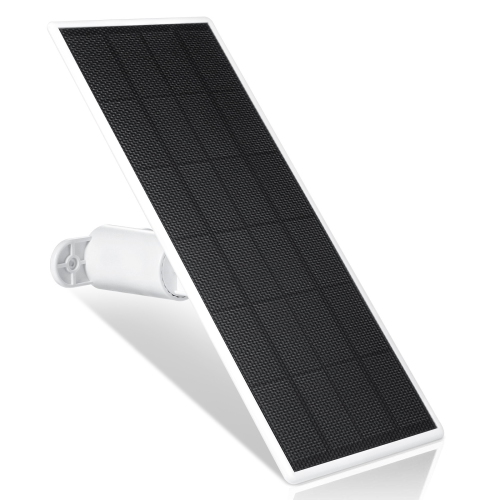
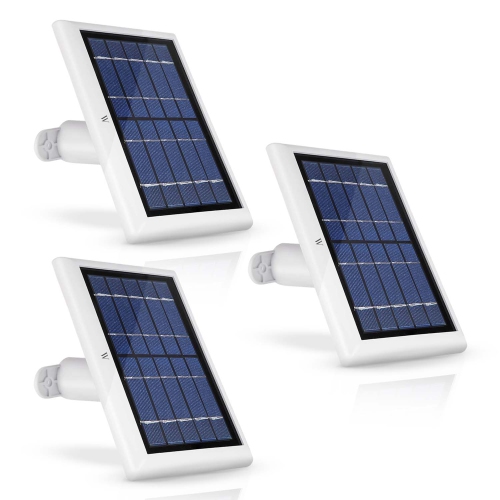

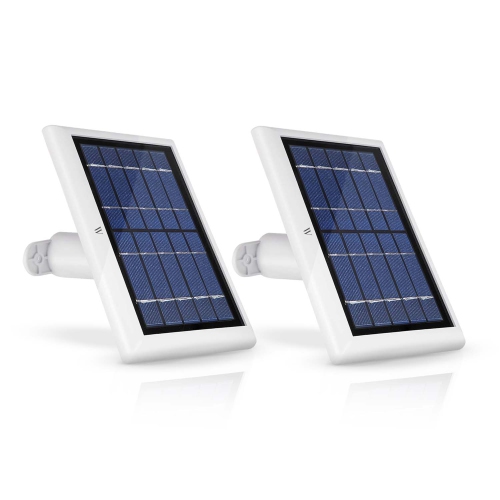
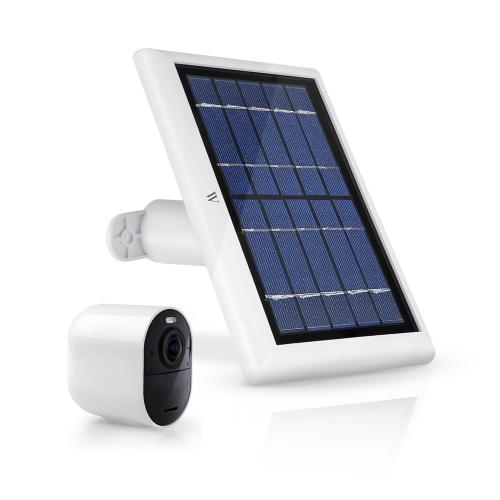

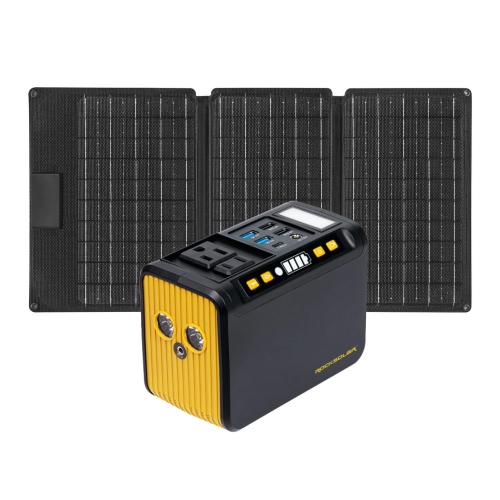
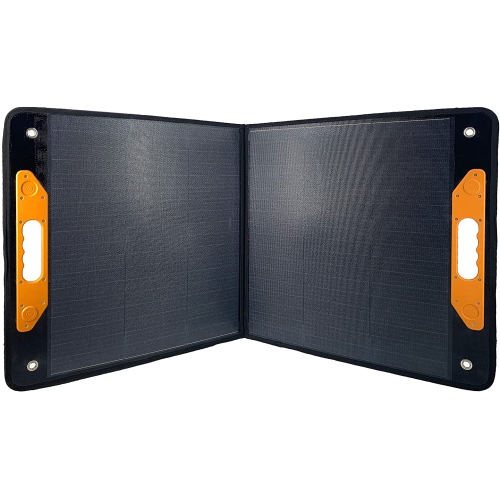
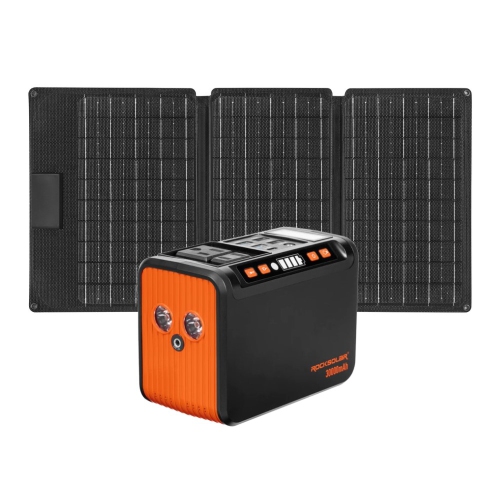
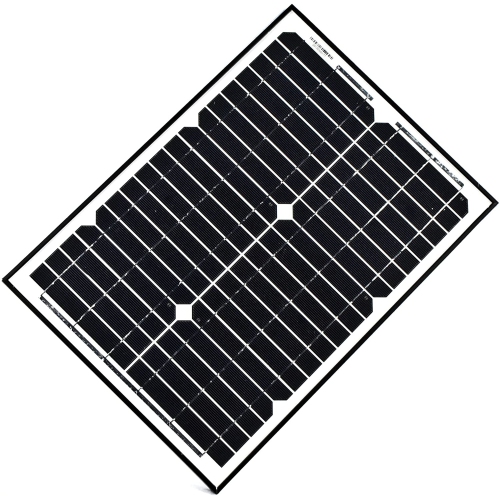
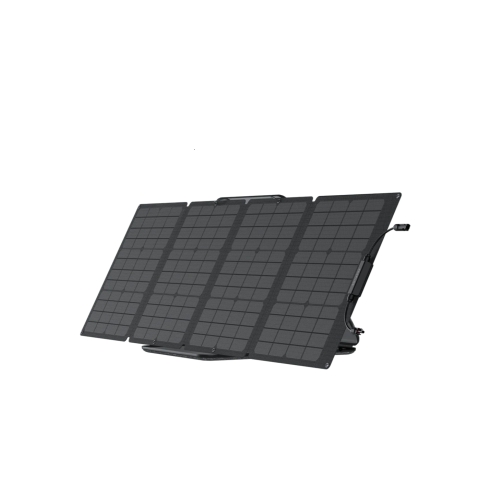
Lightweight power for curved roofs, decks and off-grid setups
Flexible solar panels are lightweight, bendable photovoltaic modules designed for installations where conventional rigid, glass-covered panels may not sit comfortably. Their low-profile construction can follow gently curved surfaces such as RV roofs, camper van tops, boat decks, trailers and compact off-grid structures, making them useful when roof shape, available space or added weight is a concern. Many flexible models are considerably lighter than rigid panels and may be easier to carry, position and install without heavy mounting rails. Some can be secured with adhesive, while others include grommets or mounting points for straps, screws or other hardware. This can reduce the need for drilling into a roof or deck, although the correct installation method depends on the surface material, the panel design and the manufacturer’s instructions. Flexible panels are often chosen by travellers who want to replenish a battery bank while camping, paddling or spending time away from electrical hookups, as well as by RV owners looking to keep essential devices charged during a stop. They may also suit anyone outfitting a van or boat where every kilogram and every millimetre of clearance matters. As a gift, a flexible solar panel can be a practical choice for someone who enjoys road trips, backcountry camping, marine recreation or building a portable power setup. Before selecting one, consider the panel’s rated wattage, operating voltage, dimensions, connector type and compatibility with the charge controller or portable power station you plan to use. A higher wattage rating does not automatically mean the panel will deliver that output in every situation; shade, cloud cover, panel angle, surface temperature, wiring and battery capacity all affect actual performance. Checking the required input range of the connected equipment is especially important, since an otherwise suitable-looking panel may not be compatible with a particular battery system.
The shape and construction of a flexible solar panel should guide where and how it is mounted. These panels can conform to curved surfaces, but they are generally intended for gradual curves rather than sharp bends, folded corners or repeated flexing. Measure the available mounting area carefully, allowing room for cable routing and connectors, and check whether the panel can extend beyond a roof edge or deck without support. A smooth, clean surface is important when using adhesive, and the selected tape, sealant or fasteners should be rated for outdoor exposure and compatible with the mounting material. Grommets can provide a secure attachment point, but drilling into an RV, van, boat or trailer may affect waterproofing and should be planned with care. Heat management is another key consideration. When a flexible panel is mounted flush against a surface with little or no airflow, heat can build up underneath it, and high temperatures may reduce electrical output and contribute to long-term wear. Where the design allows, a small air gap or ventilated mounting approach can help with heat dissipation. Follow the supplied installation guidance rather than pressing, creasing or sharply bending the panel to fit an unsuitable location. Flexible modules are typically lighter and less cumbersome than rigid glass panels, but that convenience can involve a trade-off in impact resistance and long-term durability. They may be more vulnerable to scratches, punctures, delamination or micro-cracks caused by rough handling, standing on the surface, frequent removal or stress around mounting points. Keep the panel flat or supported during transport, protect the connectors from water and dirt, and avoid dragging it across gravel, branches or unfinished surfaces. During cooler months, inspect adhesive edges, fasteners and cables after exposure to wind, rain, frost or road spray; during warmer weather, check that the surface is not trapping excessive heat and that the panel remains firmly secured.
A flexible solar panel is best viewed as one part of a complete charging system rather than a standalone power source. You may also need a compatible solar charge controller, battery, portable power station, extension cable or adapter, depending on the intended setup. A controller helps regulate the energy going to a battery, while a power station may provide built-in charging inputs and outlets for selected devices. Review the power requirements of the items you want to run, such as phones, cameras, lights, small fans or communication equipment, and compare those requirements with the panel’s expected daily production and the storage capacity of the battery. Positioning has a major effect: a panel generally performs best when its active surface has a clear view of the sky and is not shaded by roof racks, awnings, trees, masts or nearby buildings. Even a narrow shadow across part of a panel can reduce output, depending on its cell layout and electrical design. Portable panels can be repositioned as the sun moves, while permanently mounted panels offer convenience but may receive less consistent light because of the vehicle or vessel’s orientation. If you need a panel that can be carried between locations rather than attached to a curved roof or deck, explore Portable Solar Panels for a different style of setup. Flexible solar panels can be a useful fit for travel, recreation and backup charging when their weight, shape and installation requirements match the application. Comparing output specifications, mounting options, weather protection, cable compatibility and ventilation needs before purchase helps create a setup that is easier to use and better suited to life on the road, on the water or at a remote campsite.
The shape and construction of a flexible solar panel should guide where and how it is mounted. These panels can conform to curved surfaces, but they are generally intended for gradual curves rather than sharp bends, folded corners or repeated flexing. Measure the available mounting area carefully, allowing room for cable routing and connectors, and check whether the panel can extend beyond a roof edge or deck without support. A smooth, clean surface is important when using adhesive, and the selected tape, sealant or fasteners should be rated for outdoor exposure and compatible with the mounting material. Grommets can provide a secure attachment point, but drilling into an RV, van, boat or trailer may affect waterproofing and should be planned with care. Heat management is another key consideration. When a flexible panel is mounted flush against a surface with little or no airflow, heat can build up underneath it, and high temperatures may reduce electrical output and contribute to long-term wear. Where the design allows, a small air gap or ventilated mounting approach can help with heat dissipation. Follow the supplied installation guidance rather than pressing, creasing or sharply bending the panel to fit an unsuitable location. Flexible modules are typically lighter and less cumbersome than rigid glass panels, but that convenience can involve a trade-off in impact resistance and long-term durability. They may be more vulnerable to scratches, punctures, delamination or micro-cracks caused by rough handling, standing on the surface, frequent removal or stress around mounting points. Keep the panel flat or supported during transport, protect the connectors from water and dirt, and avoid dragging it across gravel, branches or unfinished surfaces. During cooler months, inspect adhesive edges, fasteners and cables after exposure to wind, rain, frost or road spray; during warmer weather, check that the surface is not trapping excessive heat and that the panel remains firmly secured.
A flexible solar panel is best viewed as one part of a complete charging system rather than a standalone power source. You may also need a compatible solar charge controller, battery, portable power station, extension cable or adapter, depending on the intended setup. A controller helps regulate the energy going to a battery, while a power station may provide built-in charging inputs and outlets for selected devices. Review the power requirements of the items you want to run, such as phones, cameras, lights, small fans or communication equipment, and compare those requirements with the panel’s expected daily production and the storage capacity of the battery. Positioning has a major effect: a panel generally performs best when its active surface has a clear view of the sky and is not shaded by roof racks, awnings, trees, masts or nearby buildings. Even a narrow shadow across part of a panel can reduce output, depending on its cell layout and electrical design. Portable panels can be repositioned as the sun moves, while permanently mounted panels offer convenience but may receive less consistent light because of the vehicle or vessel’s orientation. If you need a panel that can be carried between locations rather than attached to a curved roof or deck, explore Portable Solar Panels for a different style of setup. Flexible solar panels can be a useful fit for travel, recreation and backup charging when their weight, shape and installation requirements match the application. Comparing output specifications, mounting options, weather protection, cable compatibility and ventilation needs before purchase helps create a setup that is easier to use and better suited to life on the road, on the water or at a remote campsite.
Top selling and popular products
-
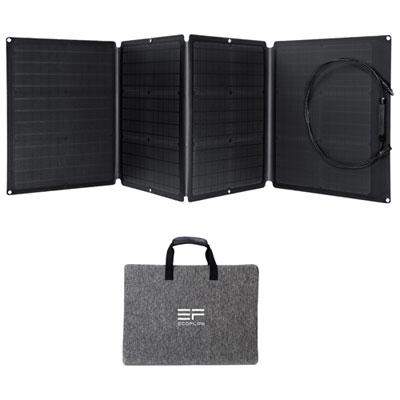 Your price for this item is $301.98
 -
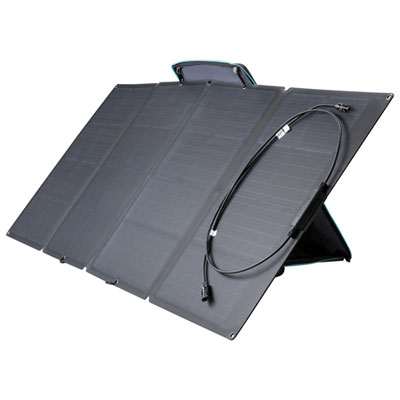 Your price for this item is $401.98
 -
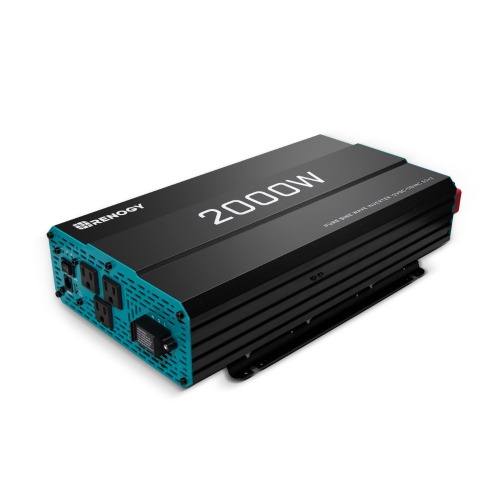 Your price for this item is $464.99
 -
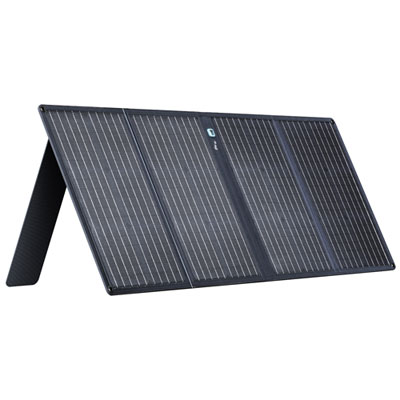 Your price for this item is $399.99
 -
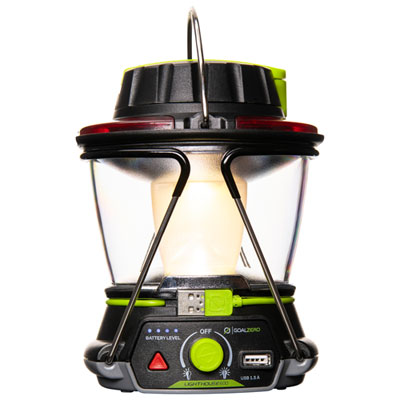 Your price for this item is $99.99
 -
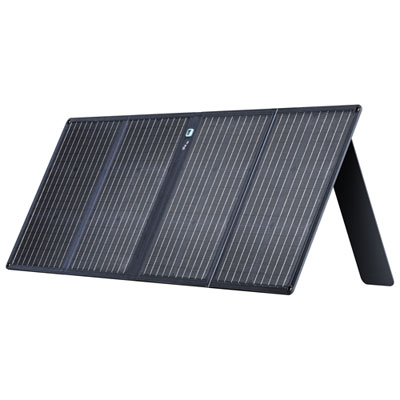 Your price for this item is $439.99
 -
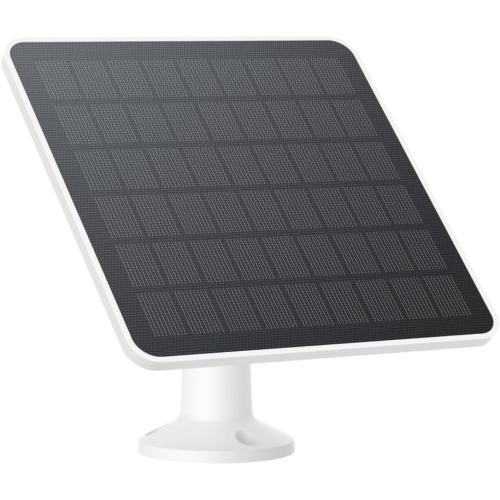 Your price for this item is $69.99
 -
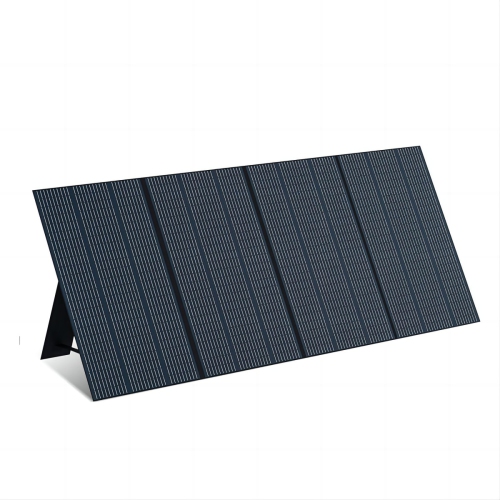 Your price for this item is $999
Discover more categories related to Flexible Solar Panels
Top Collections:
Pokemon Centers, Best Cameras for Sports Photography, Kindle Devices, Samsung Galaxy Phones, Canon G7X Cameras, Pokémon 30th Celebration Cards, Refurbished Apple Laptops, iPhone 15 Apple, Laptops for Students, Budget Smartphones
Some products may be subject to Environmental Handling Fees
(EHF) depending on your province.
Learn more about EHFs.