Portable Solar Panels
Looking to harness the power of the sun on the go? Our selection of portable solar panels is here to make your outdoor adventures more sustainable and convenient. Whether you're camping, hiking, or simply spending time off the grid, these compact and efficient solar panels are designed to keep your devices charged so you can stay connected wherever you roam. With easy setup and lightweight designs, you can enjoy eco-friendly energy wherever the sun shines.
Sort


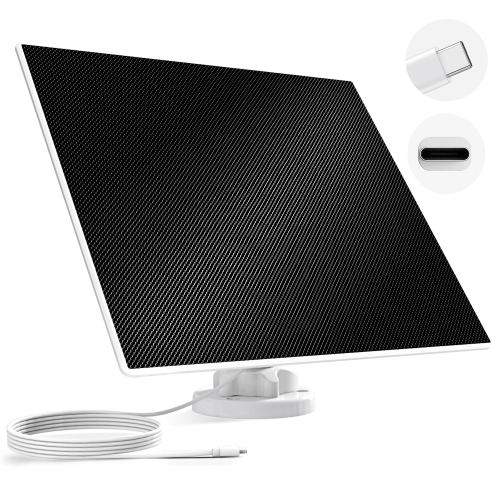
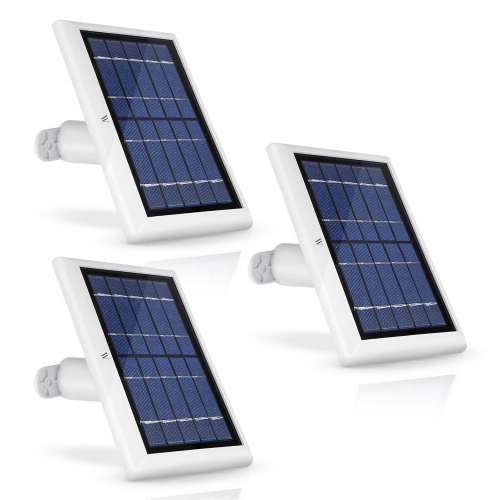
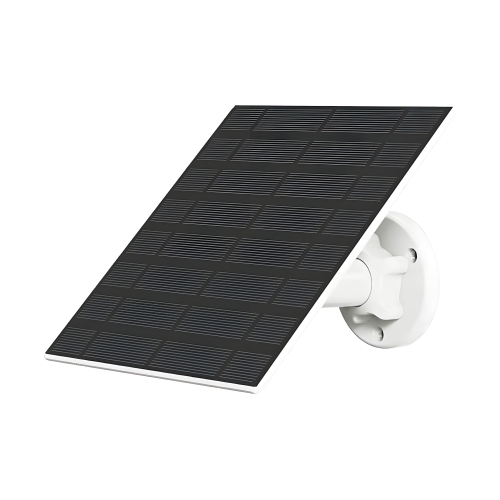
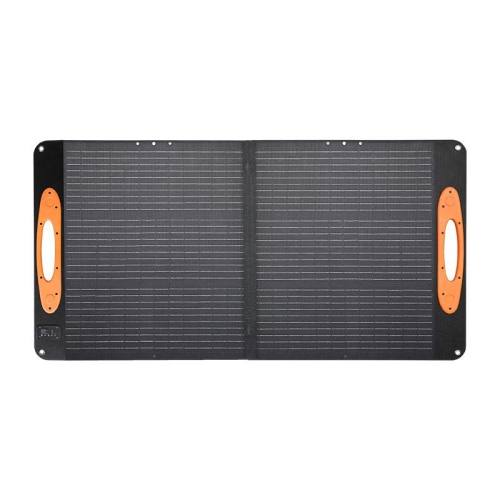
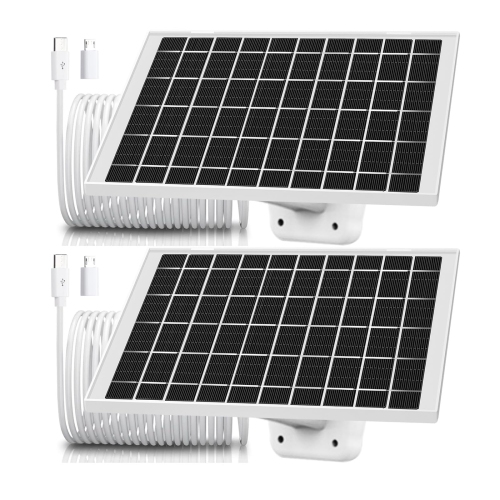
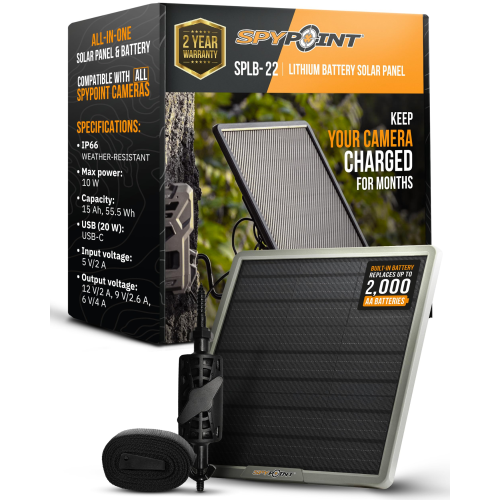
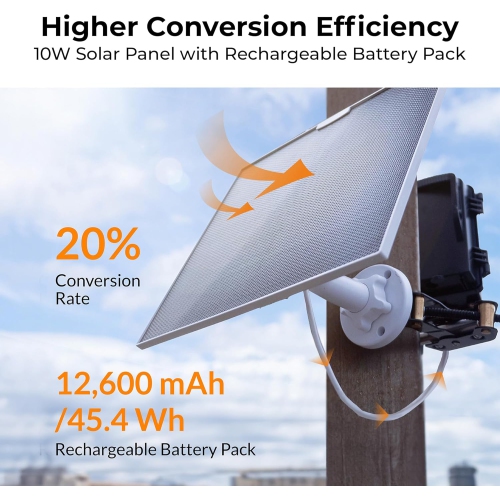
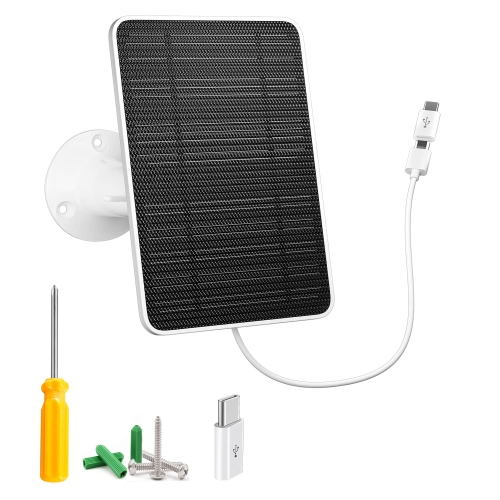
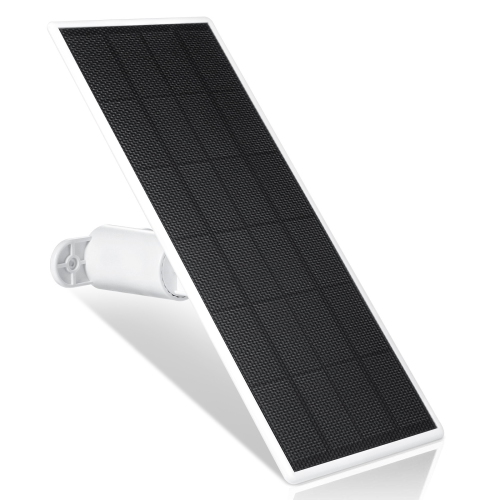
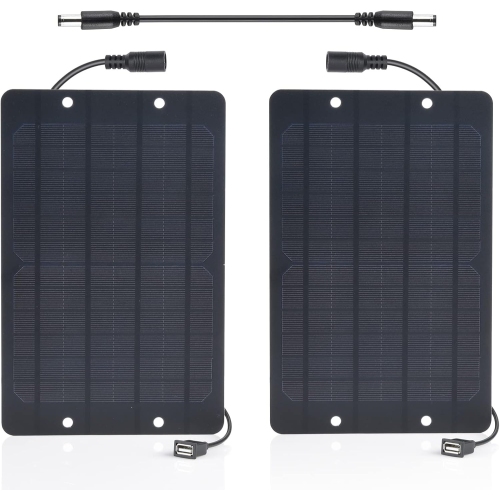
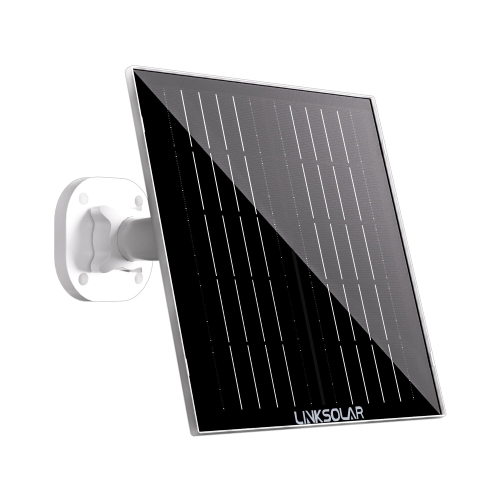
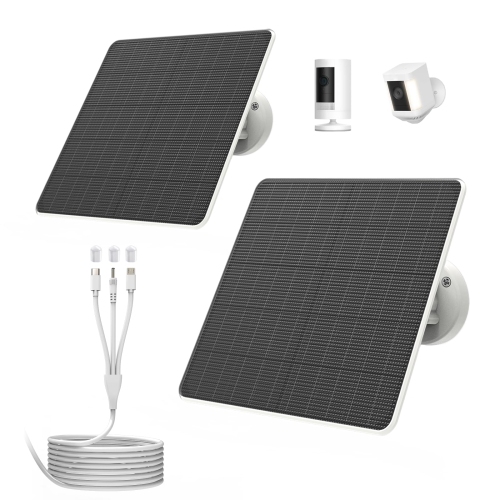
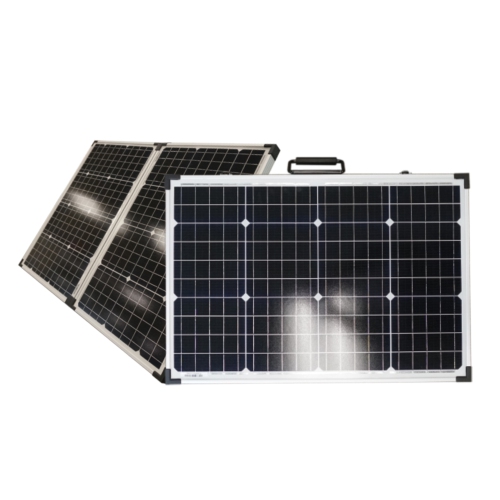
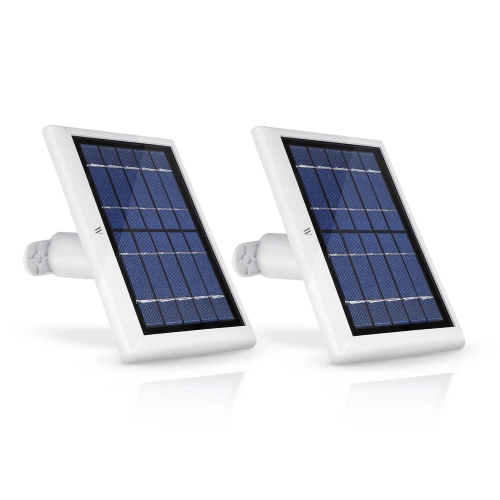
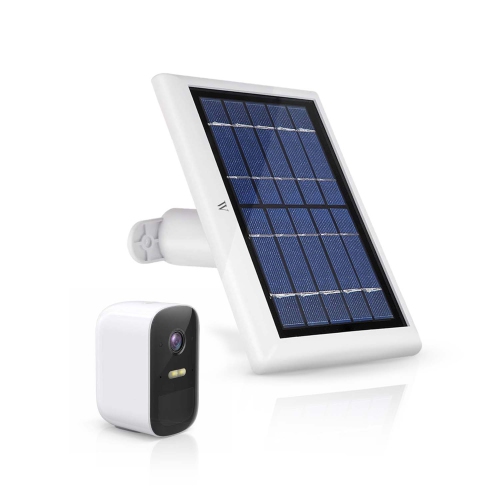
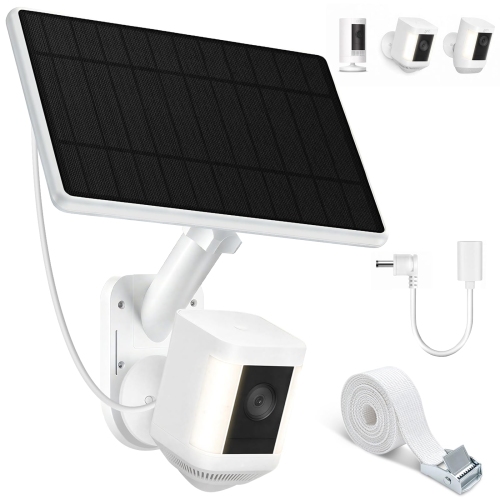
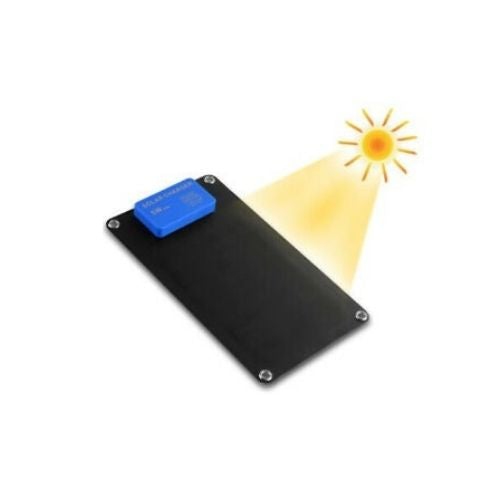
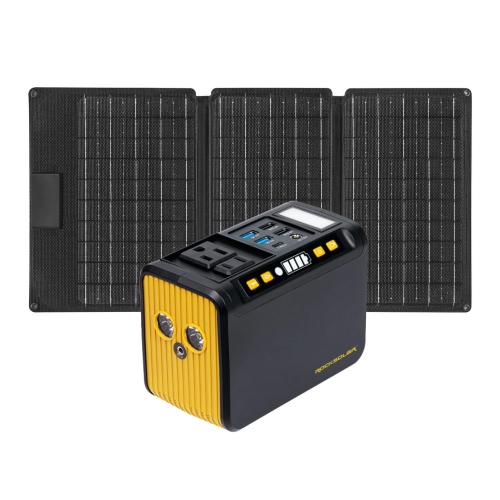
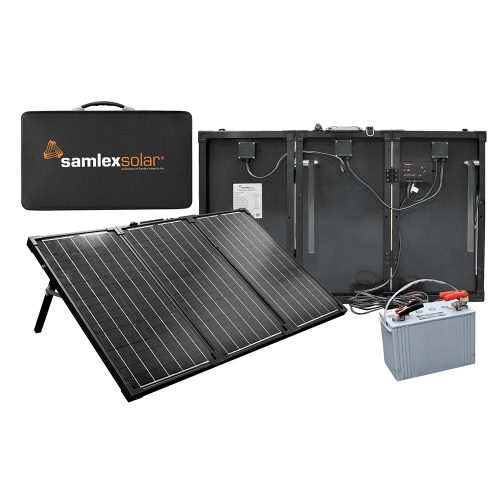
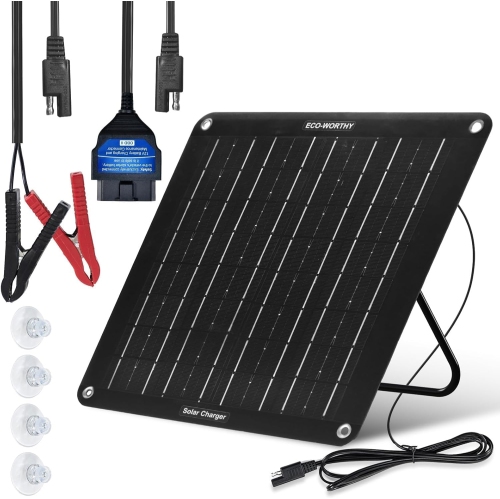
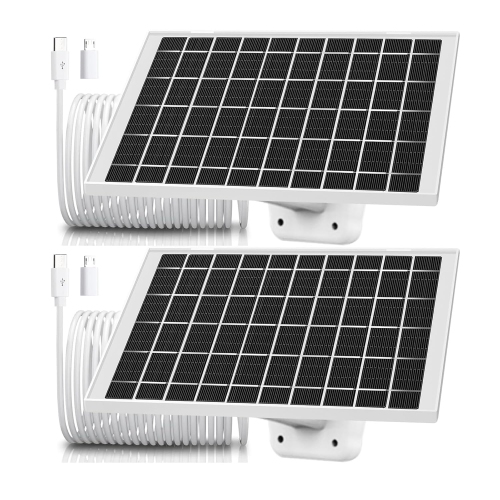
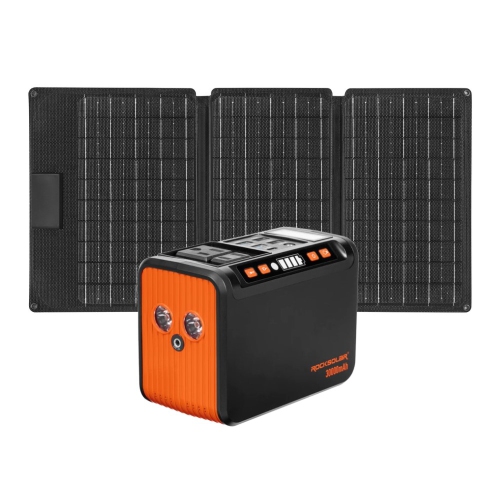
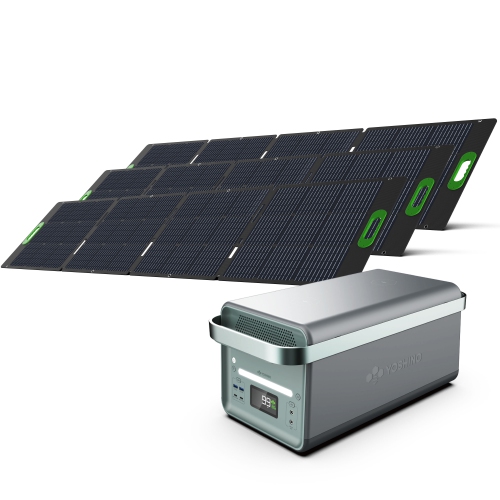
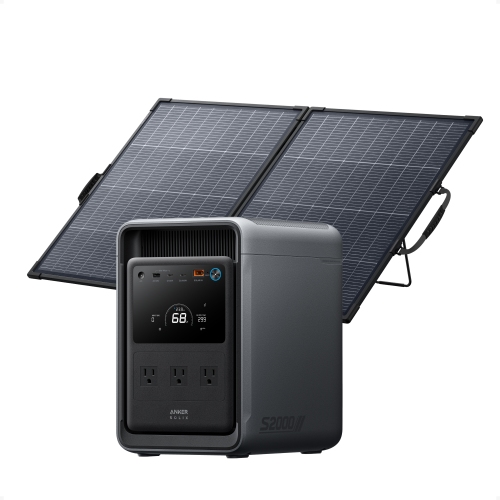
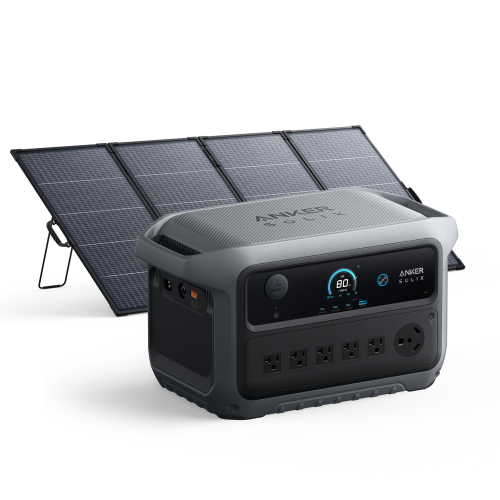
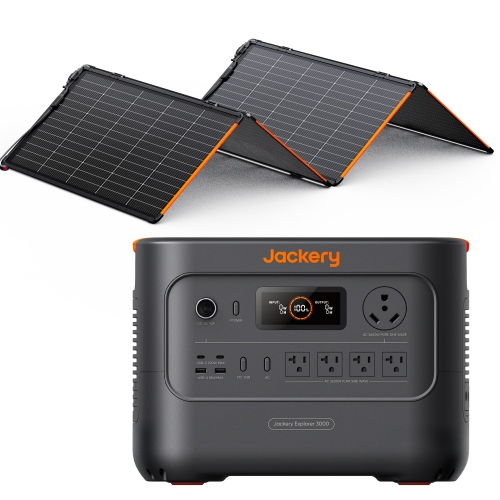
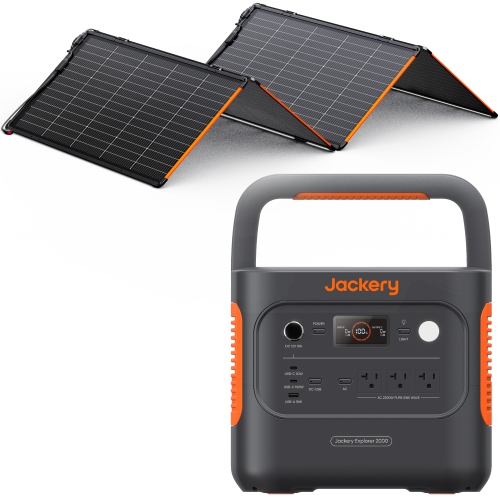
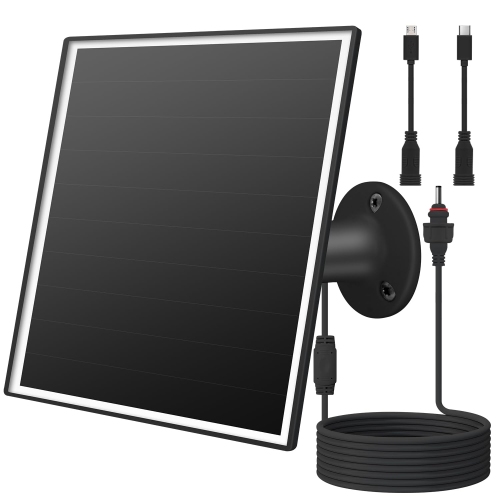
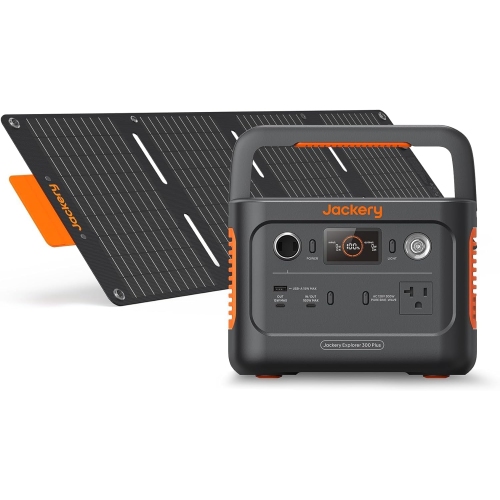
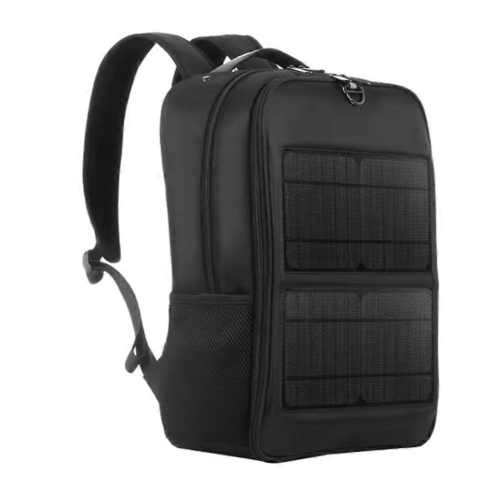
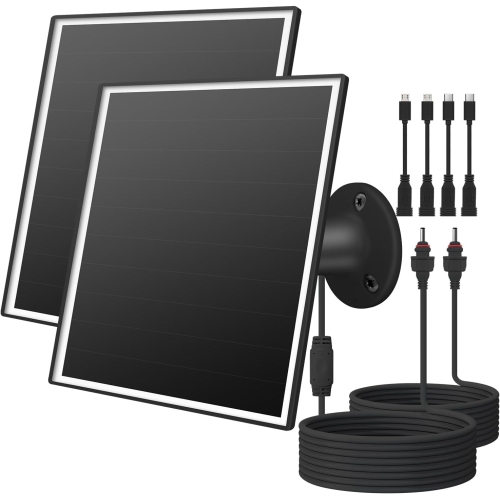

Flexible charging options for campsites, vehicles and travel
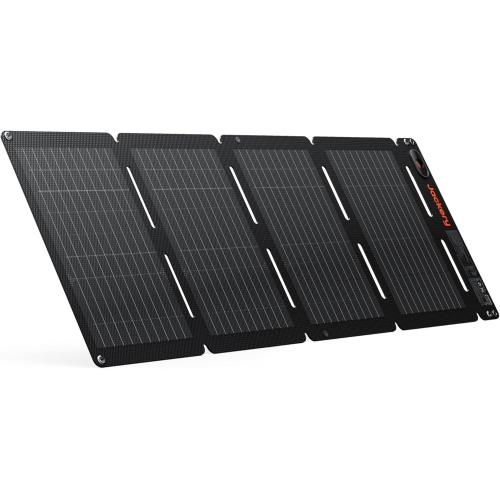
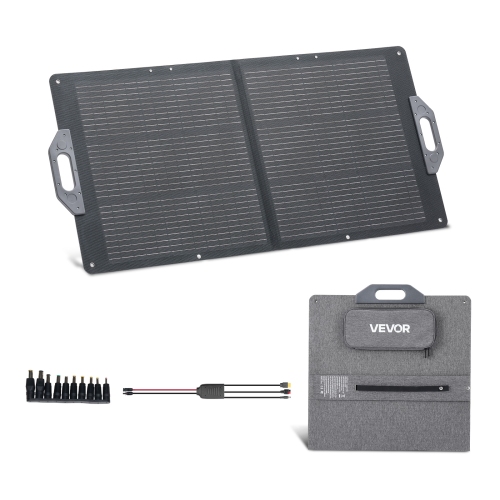
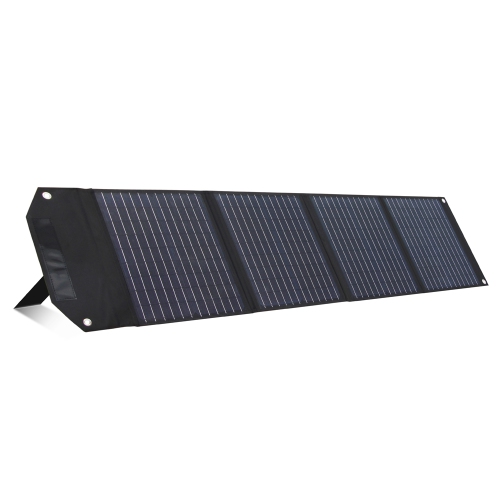
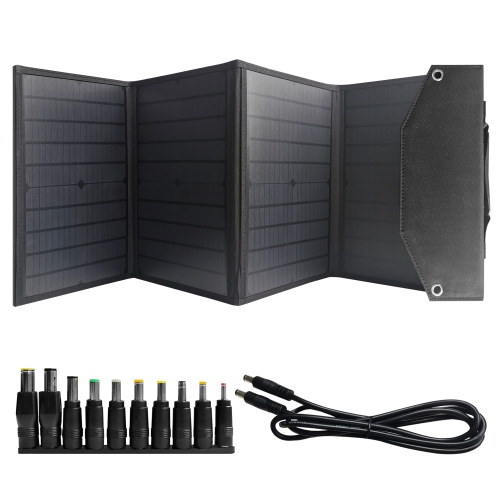
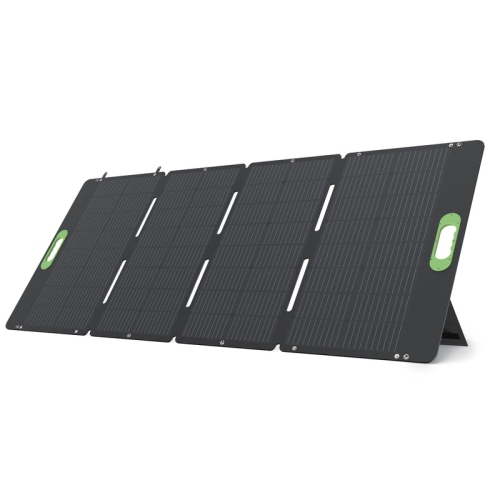
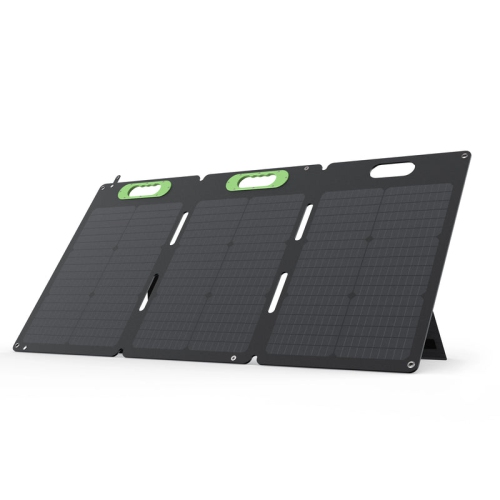
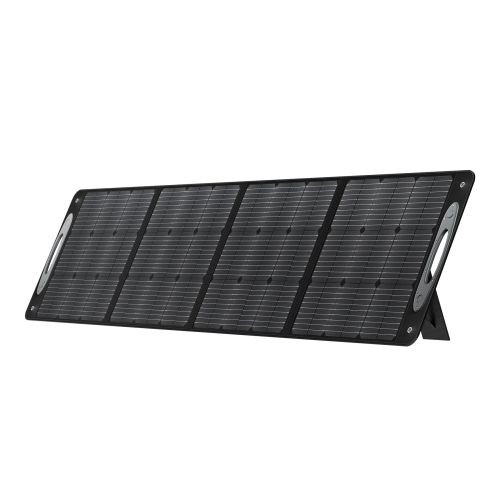
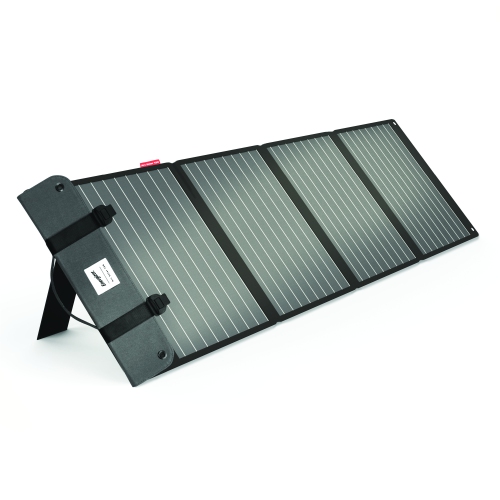
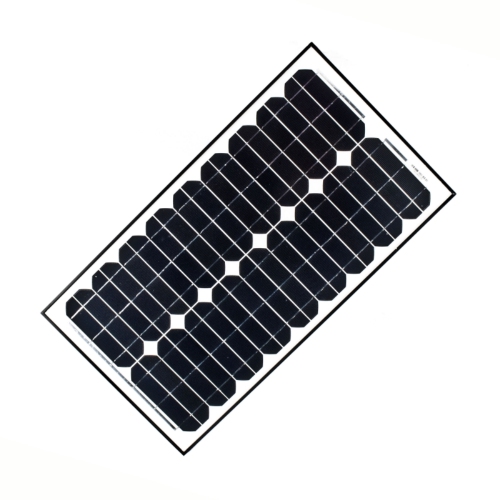
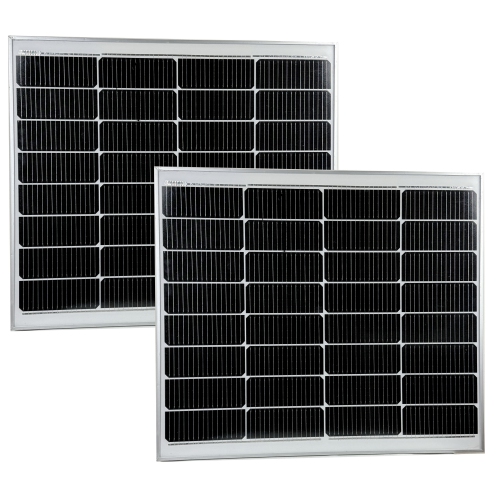
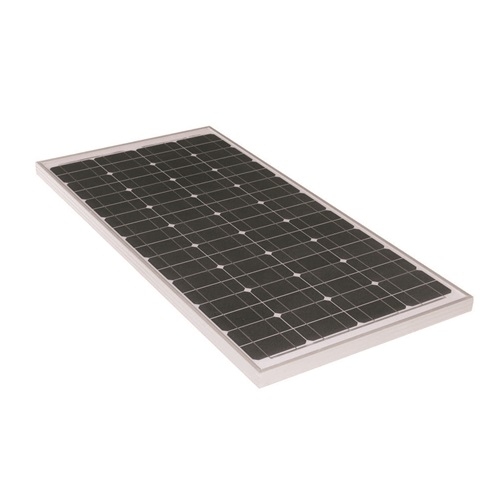
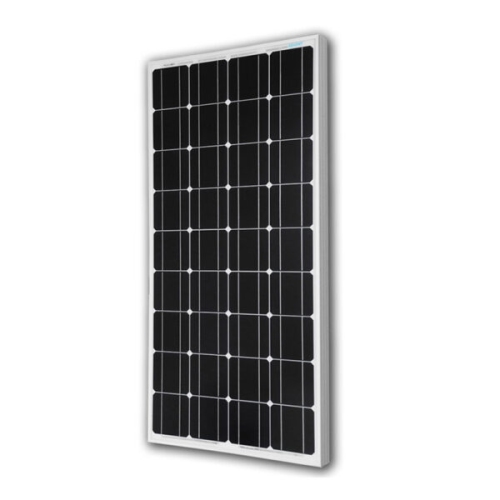
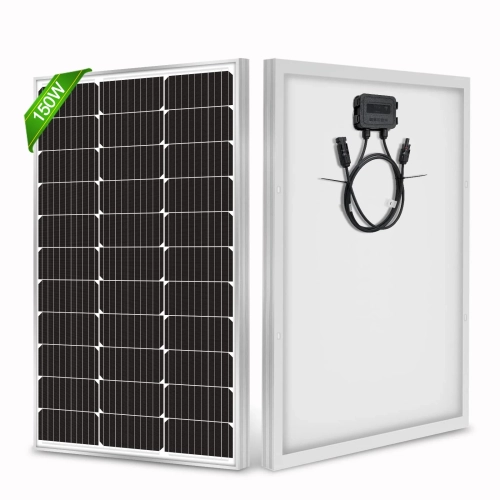
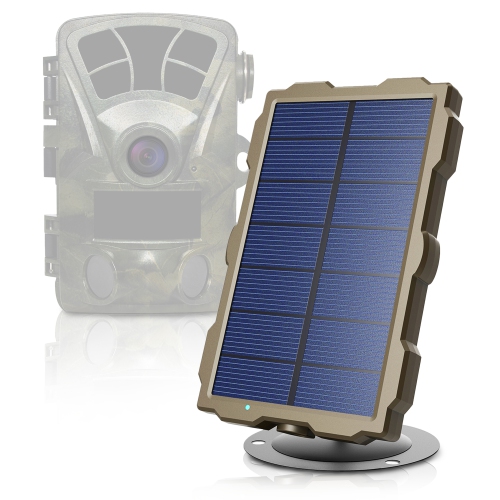
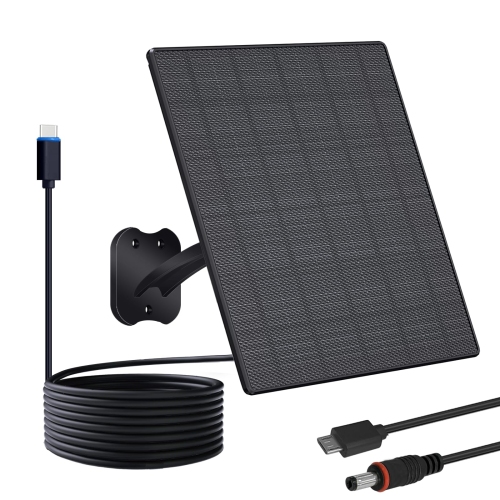
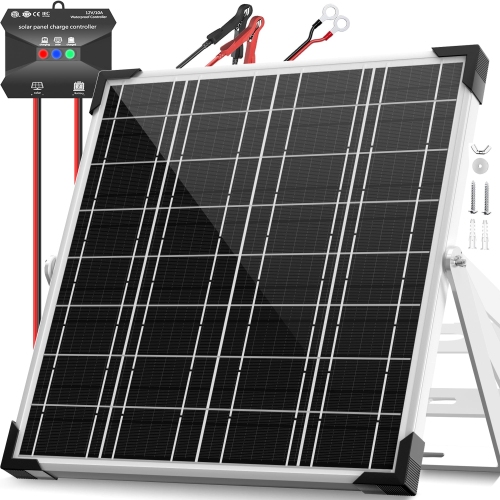
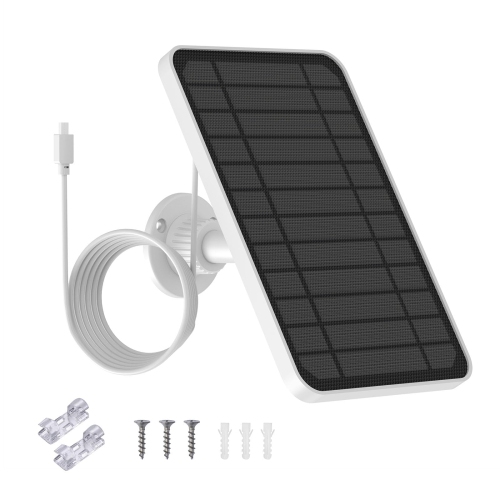
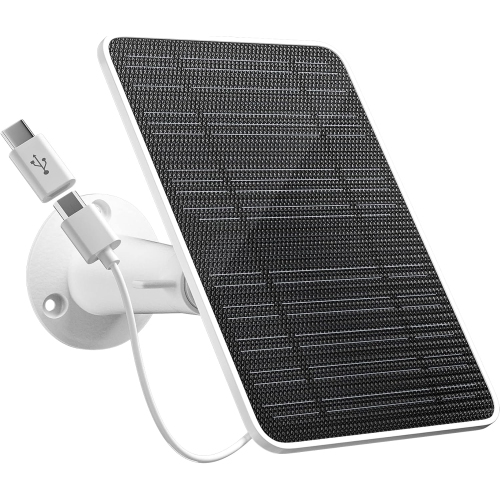
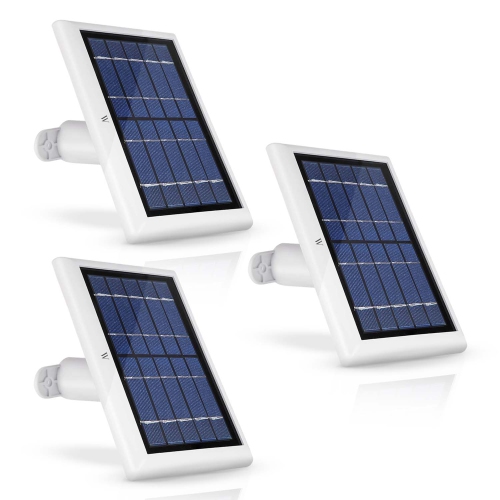
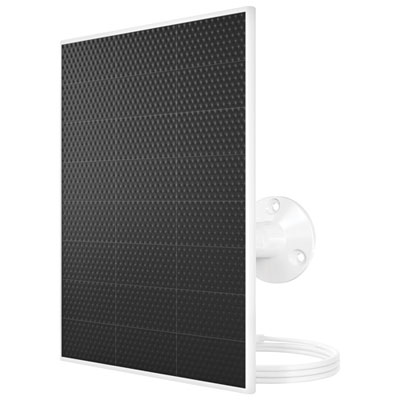
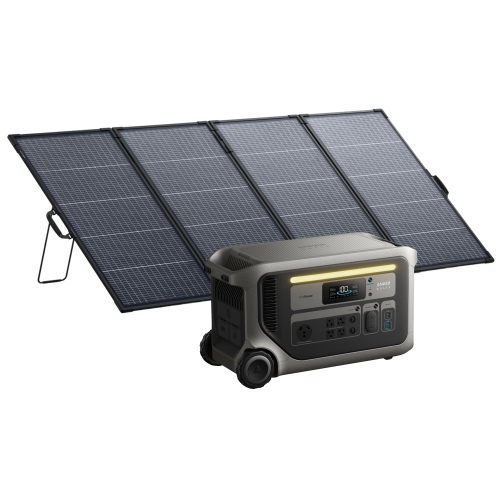
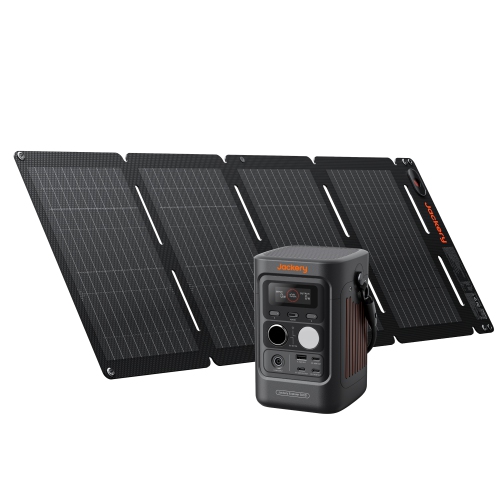
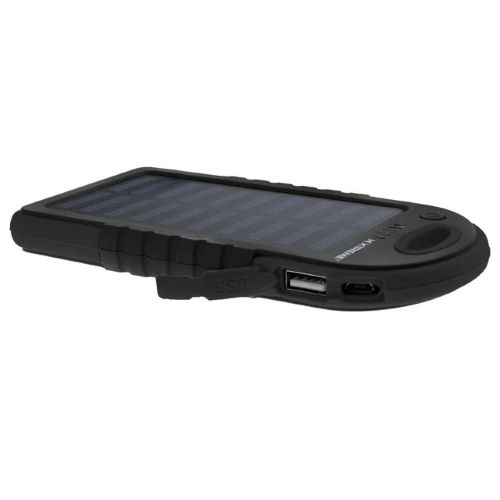
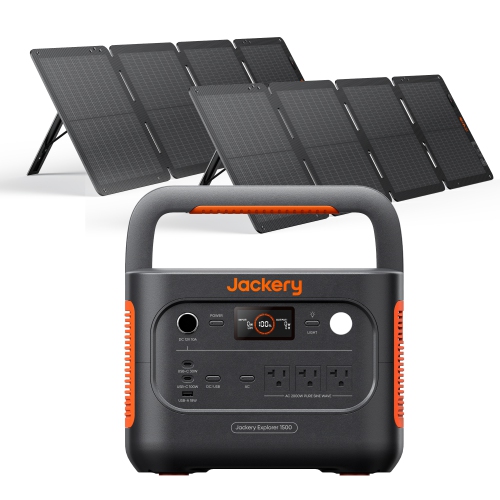
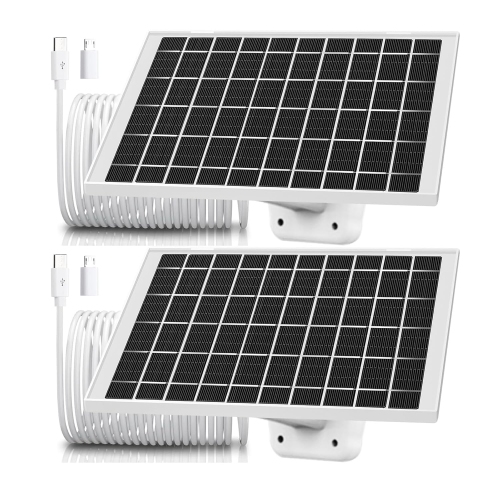
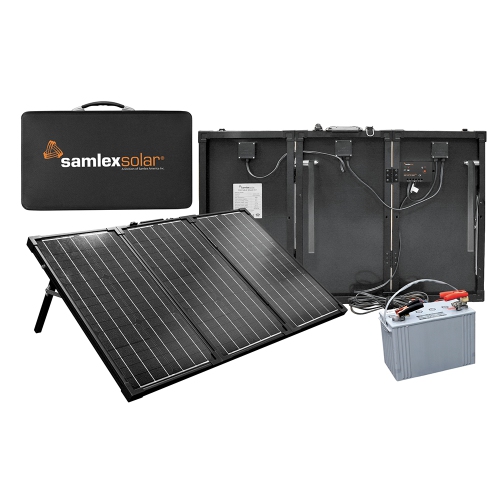
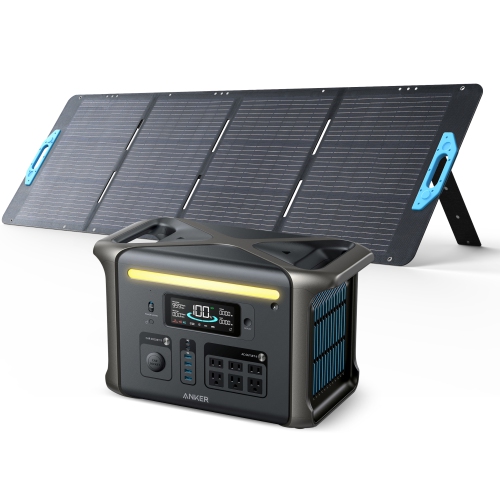
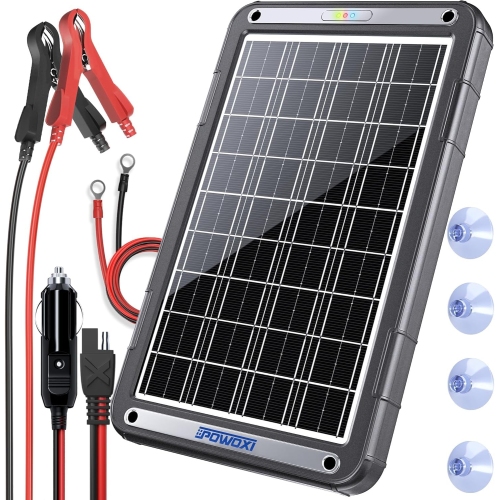
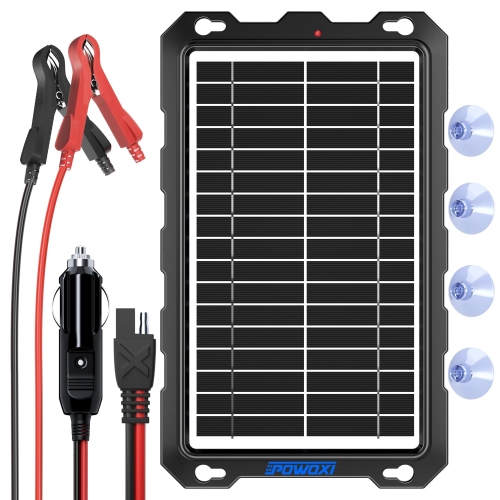
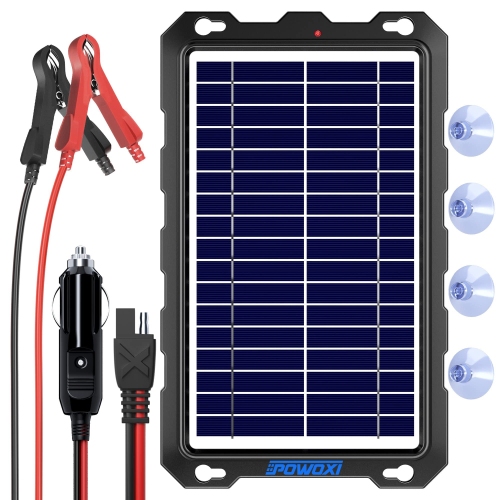
Portable solar panels offer a practical way to collect sunlight and turn it into usable power when you are away from a wall outlet. Designed for mobility, these panels are commonly used with portable power stations, battery packs, phones, tablets, lights, cameras and other compatible devices. Their foldable construction makes them easier to carry than fixed rooftop panels, while built-in stands, handles and protective cases can simplify setup at a campsite, beside an RV or on a cottage deck. Portable solar panels come in a range of output levels, from compact USB panels designed for smaller electronics to higher-wattage folding panels intended to recharge a power station over the course of a day. The right option depends on the equipment you plan to power, how much space you have for setup and how often you expect to move it. A small panel may be suitable for topping up a phone or battery bank during a hike or road trip, while a larger panel can provide more useful charging capacity for lights, laptops, camera batteries, small appliances and emergency equipment. When comparing models, check the rated wattage, connector type, voltage range and compatibility with your power station or other devices. Actual output can vary with the angle of the panel, cloud cover, shade, temperature and the time of day, so a panel with enough capacity for your needs gives you more flexibility when conditions are less than ideal. It is also worth considering the panel’s folded dimensions and weight, particularly if it will be stored in a vehicle, carried to a campsite or packed with other travel gear.
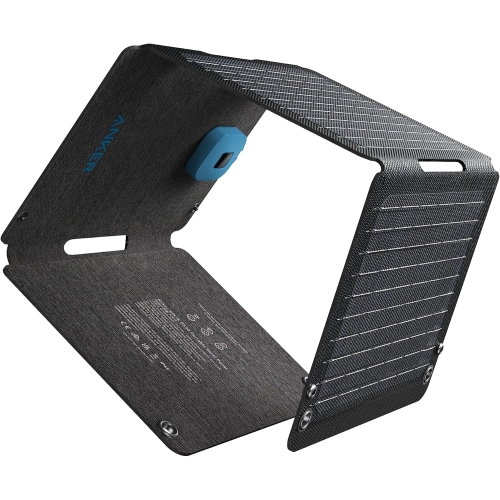
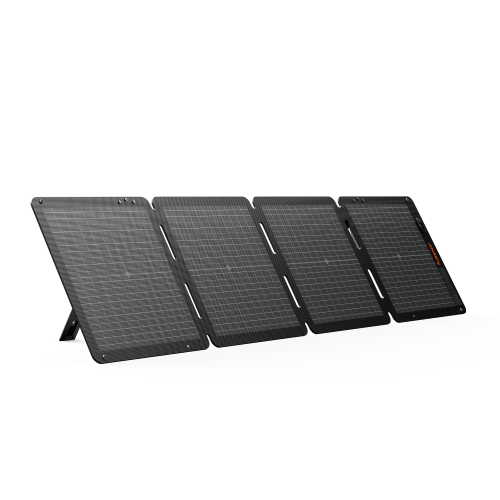
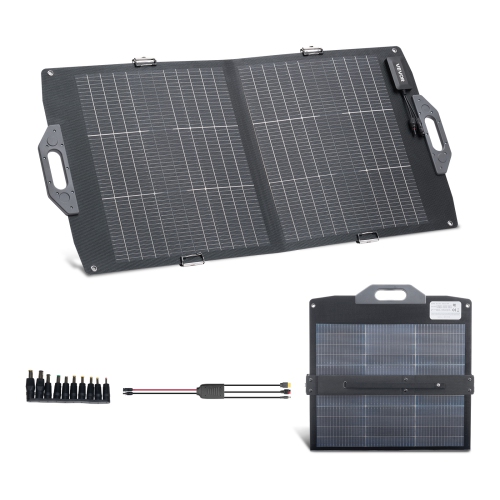
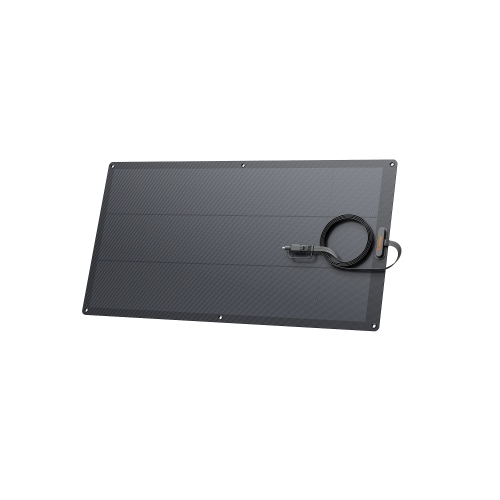
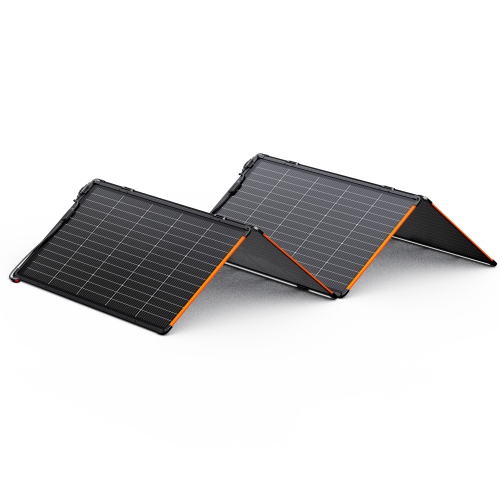
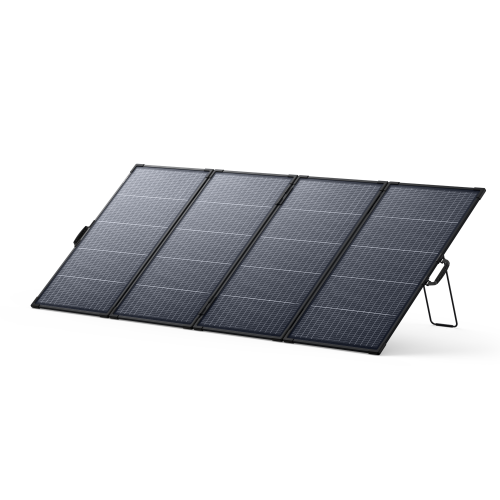
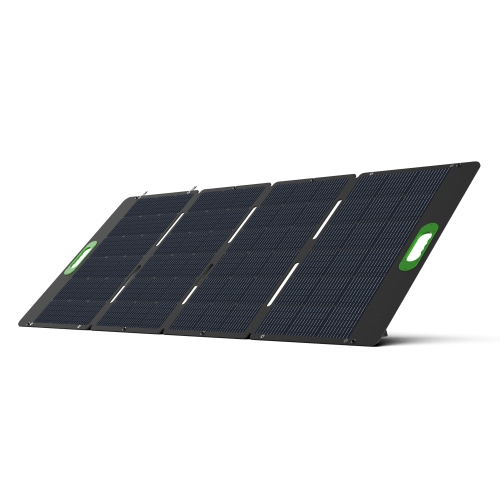
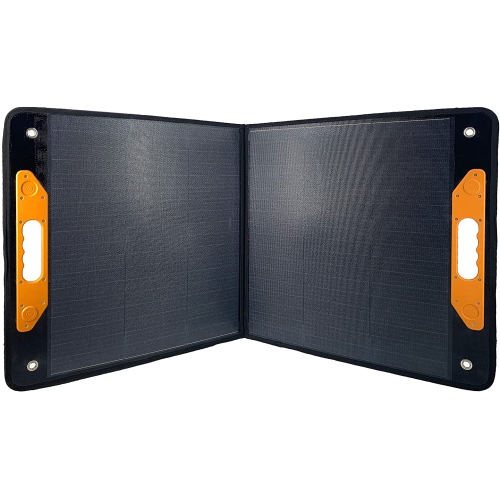
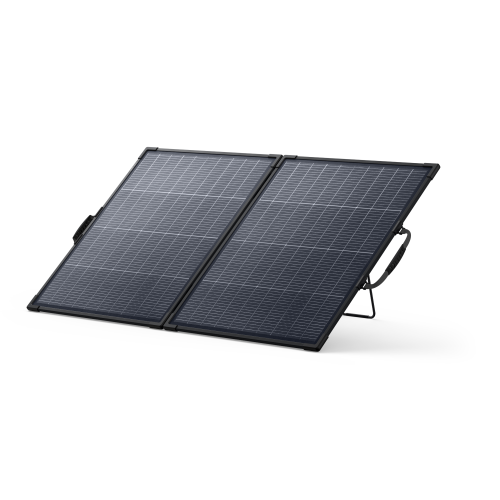
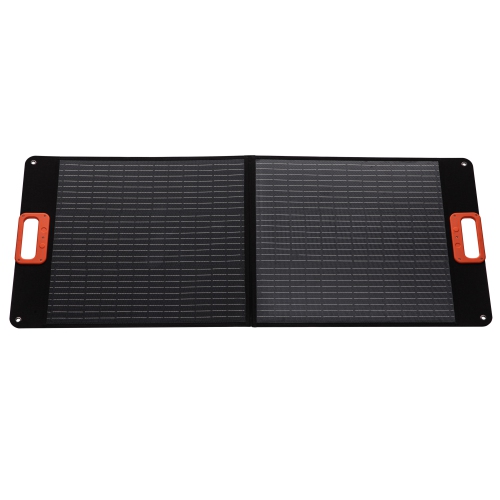
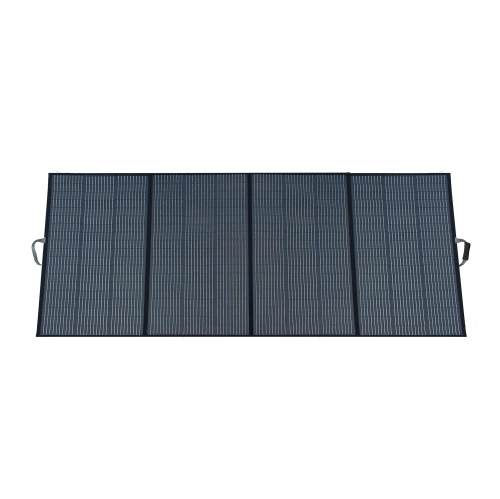
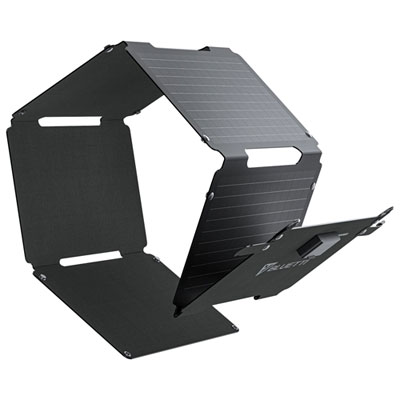
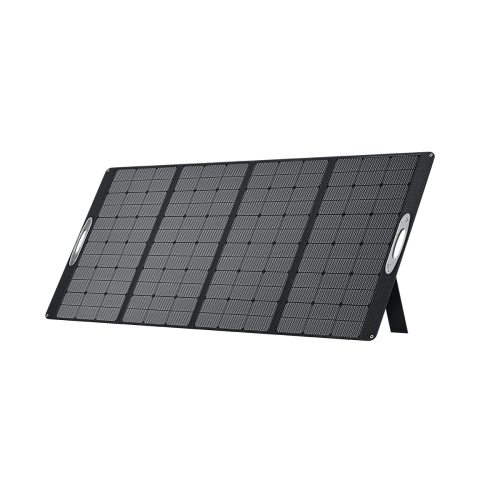
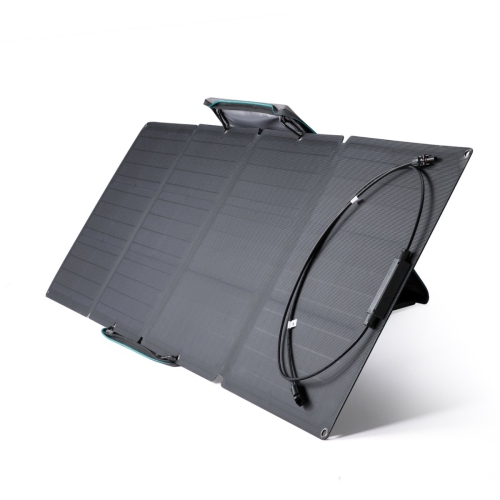
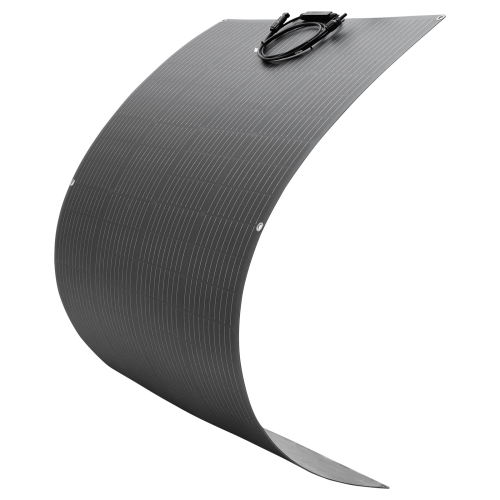
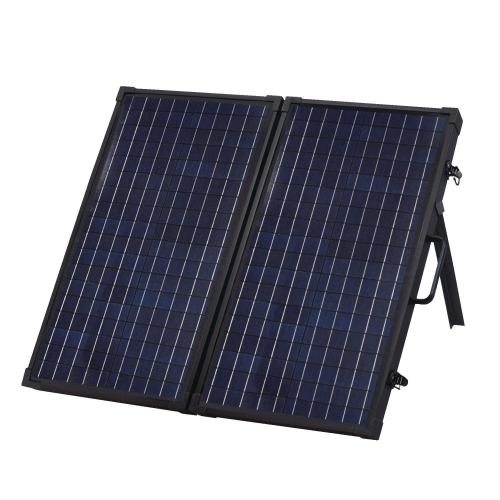
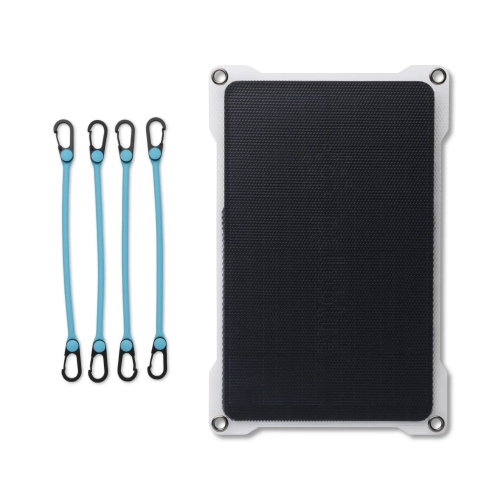
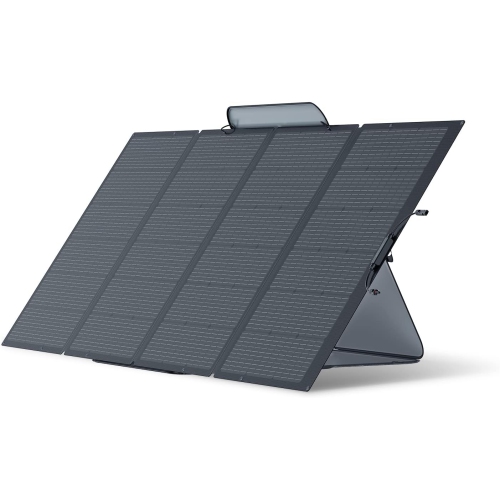
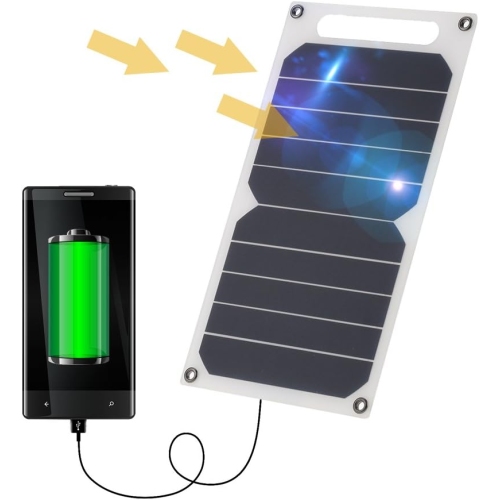
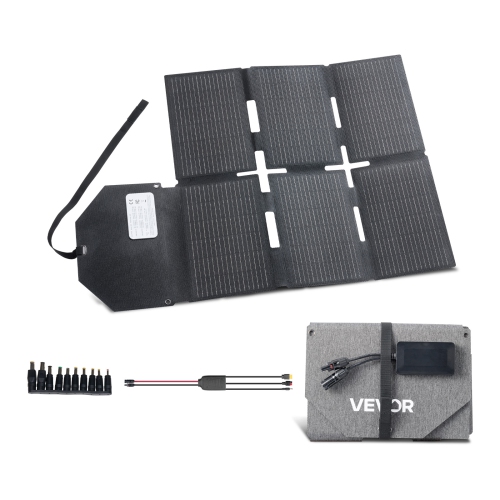
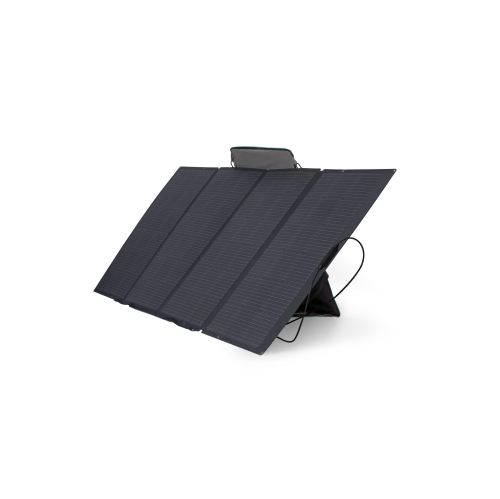
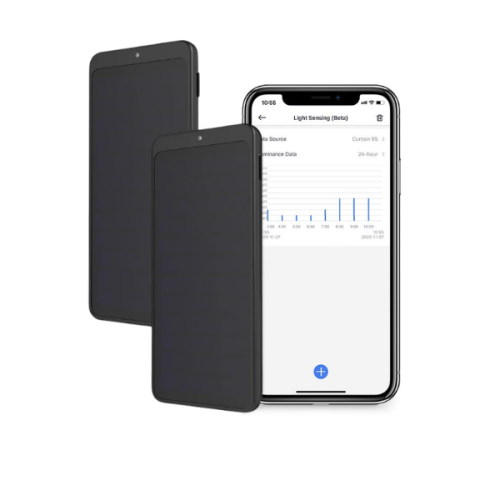
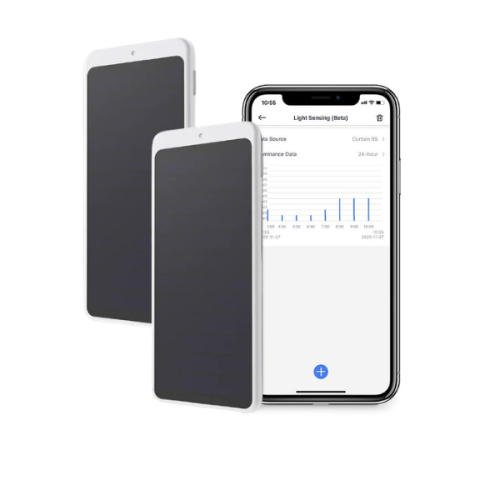
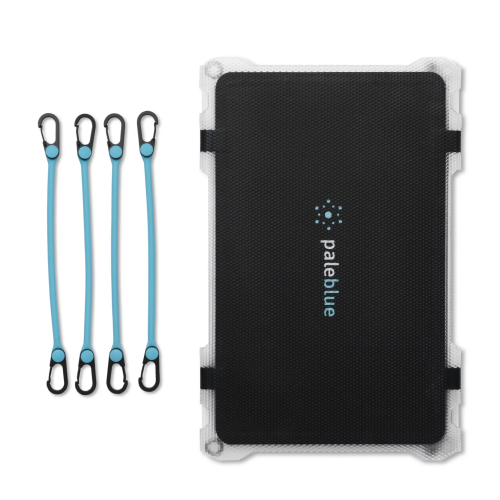
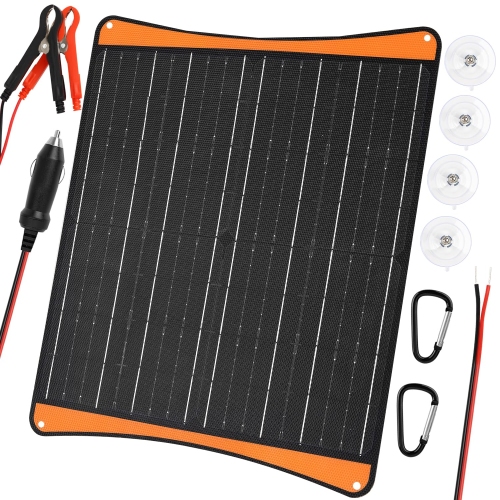
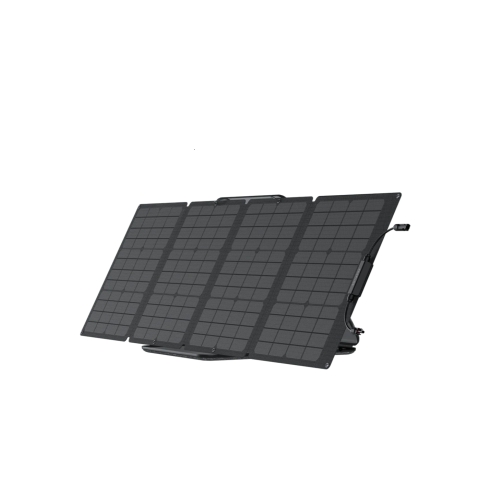
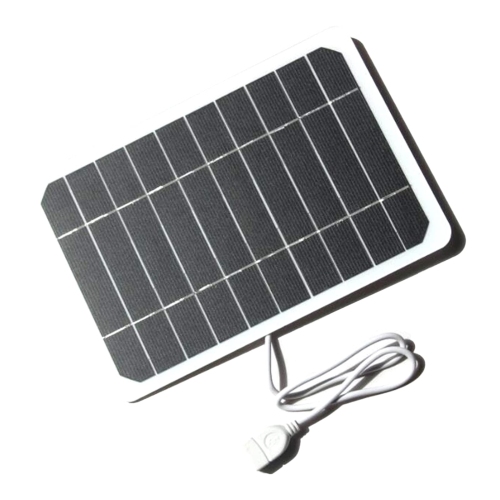
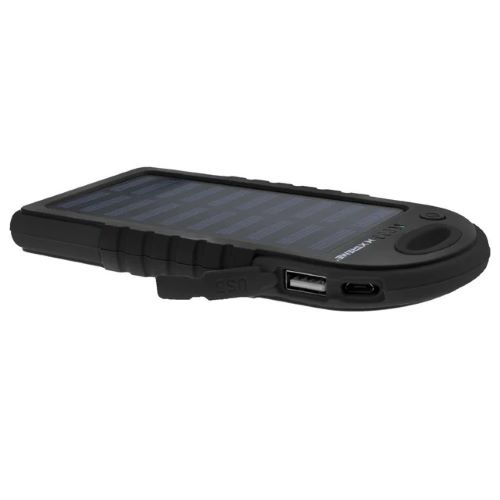
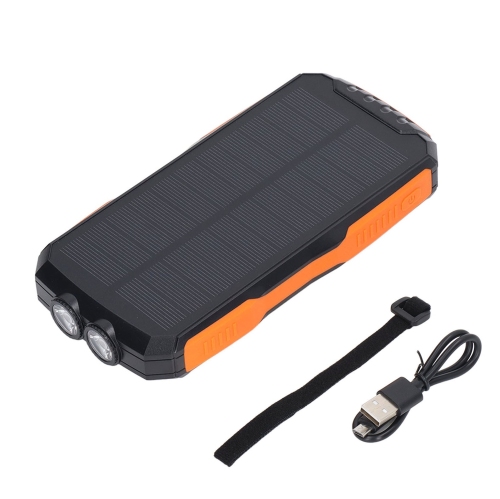
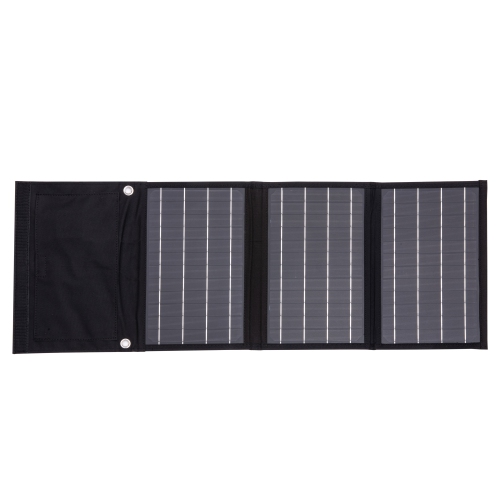
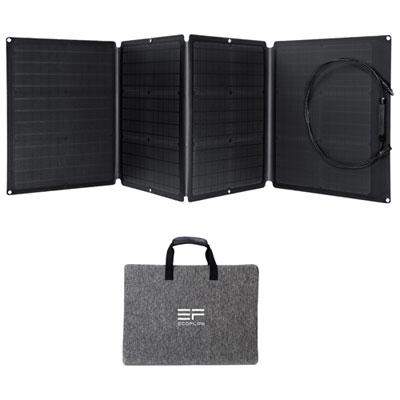
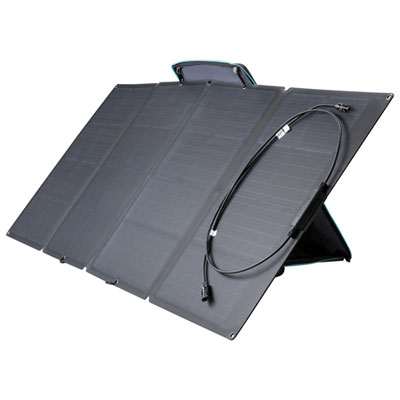
Several styles of portable solar panels are available to suit different types of use. Folding suitcase-style panels generally combine two or more rigid sections with hinges, a carrying handle and adjustable kickstands. They can be a good choice for RV owners, basecamps and backyard backup setups because they provide a stable surface and can be angled toward the sun without being permanently installed. Solar blankets and flexible panels are lighter and easier to pack, often folding or rolling into a compact bundle that fits naturally beside sleeping bags, outdoor clothing or other camping supplies. Their fabric construction can be convenient for hiking, overlanding and travel where every centimetre of storage matters, although you should follow the manufacturer’s instructions for placement, cleaning and storage. Small USB solar panels are designed for lower-power needs and may include integrated charging ports for phones or battery banks. These compact options can be helpful for day trips, festivals, fishing excursions and emergency kits, particularly when the goal is to maintain communication rather than operate larger equipment. For all types, look for durable materials, reinforced connection points and weather-resistant construction suited to outdoor handling. A kickstand or adjustable support can make it easier to find a productive angle, while eyelets or attachment points can help secure a blanket-style panel to a vehicle, table or pack. Keep cables organized and avoid placing panels where people may trip over them. If you are charging a power station, confirm whether the panel uses the right connector and whether the combined wattage of multiple panels falls within the station’s input limits. These details are easy to overlook, yet they can make the difference between a setup that works smoothly and one that needs adapters or additional equipment.
Portable solar panels can be useful for campers who want to recharge equipment between outings, RV travellers who spend time away from electrical hookups, and cottage owners who need an adaptable charging option for smaller electronics. They also suit photographers, anglers, hikers and road-trippers who carry rechargeable gear and prefer to have another way to top up batteries during extended time outdoors. During the warmer seasons, a panel can be set up beside a tent, trailer or picnic area while you spend the day nearby; during the cooler months, it can be kept in an emergency kit or vehicle for situations where access to power may be limited. Before purchasing, think through a typical day: list the devices you use, note their charging requirements and decide whether you need to recharge one item at a time or replenish a larger battery. A portable power station may be needed for AC plugs or higher-draw devices, while direct USB charging may be enough for a phone, headlamp or small fan. It is wise to choose a panel that is easy for you to carry and position, since a higher output rating is less useful if the unit is too heavy or awkward for your planned trips. Portable solar panels can also make a thoughtful gift for someone who enjoys camping, road travel, outdoor photography or prepared storage, especially when paired with a compatible battery pack, charging cables or a protective storage bag. For a broader look at compatible equipment and charging solutions, explore Portable Solar Power Systems. With the right balance of wattage, portability, connectors and outdoor durability, a portable solar panel can become a dependable part of a travel kit, campsite setup or household backup plan.
Several styles of portable solar panels are available to suit different types of use. Folding suitcase-style panels generally combine two or more rigid sections with hinges, a carrying handle and adjustable kickstands. They can be a good choice for RV owners, basecamps and backyard backup setups because they provide a stable surface and can be angled toward the sun without being permanently installed. Solar blankets and flexible panels are lighter and easier to pack, often folding or rolling into a compact bundle that fits naturally beside sleeping bags, outdoor clothing or other camping supplies. Their fabric construction can be convenient for hiking, overlanding and travel where every centimetre of storage matters, although you should follow the manufacturer’s instructions for placement, cleaning and storage. Small USB solar panels are designed for lower-power needs and may include integrated charging ports for phones or battery banks. These compact options can be helpful for day trips, festivals, fishing excursions and emergency kits, particularly when the goal is to maintain communication rather than operate larger equipment. For all types, look for durable materials, reinforced connection points and weather-resistant construction suited to outdoor handling. A kickstand or adjustable support can make it easier to find a productive angle, while eyelets or attachment points can help secure a blanket-style panel to a vehicle, table or pack. Keep cables organized and avoid placing panels where people may trip over them. If you are charging a power station, confirm whether the panel uses the right connector and whether the combined wattage of multiple panels falls within the station’s input limits. These details are easy to overlook, yet they can make the difference between a setup that works smoothly and one that needs adapters or additional equipment.
Portable solar panels can be useful for campers who want to recharge equipment between outings, RV travellers who spend time away from electrical hookups, and cottage owners who need an adaptable charging option for smaller electronics. They also suit photographers, anglers, hikers and road-trippers who carry rechargeable gear and prefer to have another way to top up batteries during extended time outdoors. During the warmer seasons, a panel can be set up beside a tent, trailer or picnic area while you spend the day nearby; during the cooler months, it can be kept in an emergency kit or vehicle for situations where access to power may be limited. Before purchasing, think through a typical day: list the devices you use, note their charging requirements and decide whether you need to recharge one item at a time or replenish a larger battery. A portable power station may be needed for AC plugs or higher-draw devices, while direct USB charging may be enough for a phone, headlamp or small fan. It is wise to choose a panel that is easy for you to carry and position, since a higher output rating is less useful if the unit is too heavy or awkward for your planned trips. Portable solar panels can also make a thoughtful gift for someone who enjoys camping, road travel, outdoor photography or prepared storage, especially when paired with a compatible battery pack, charging cables or a protective storage bag. For a broader look at compatible equipment and charging solutions, explore Portable Solar Power Systems. With the right balance of wattage, portability, connectors and outdoor durability, a portable solar panel can become a dependable part of a travel kit, campsite setup or household backup plan.
Top selling and popular products
-
 Your price for this item is $301.98
 -
 Your price for this item is $401.98
 -
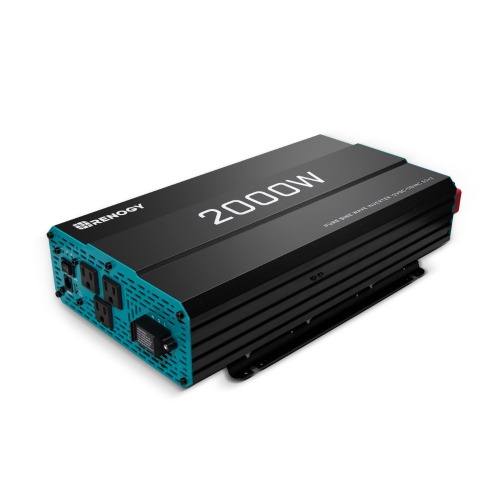 Your price for this item is $464.99
 -
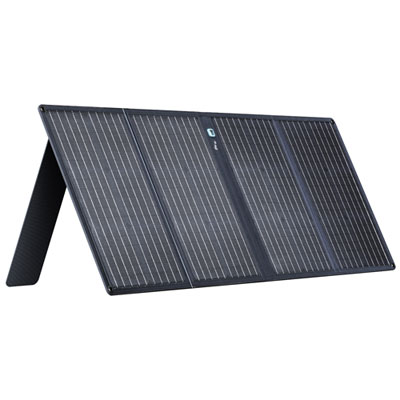 Your price for this item is $399.99
 -
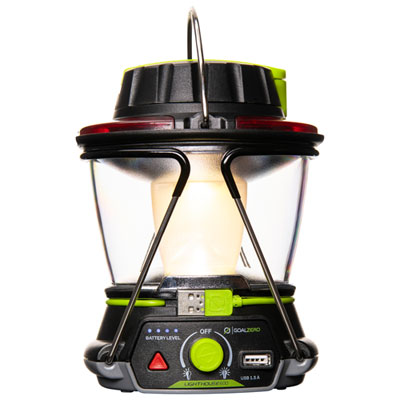 Your price for this item is $99.99
 -
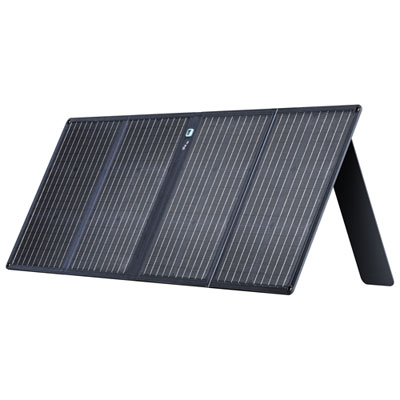 Your price for this item is $439.99
 -
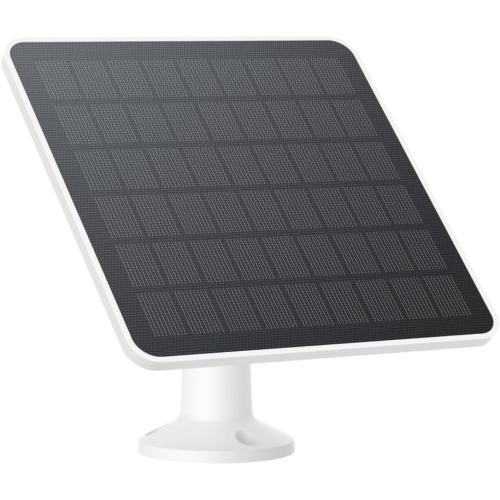 Your price for this item is $69.99
 -
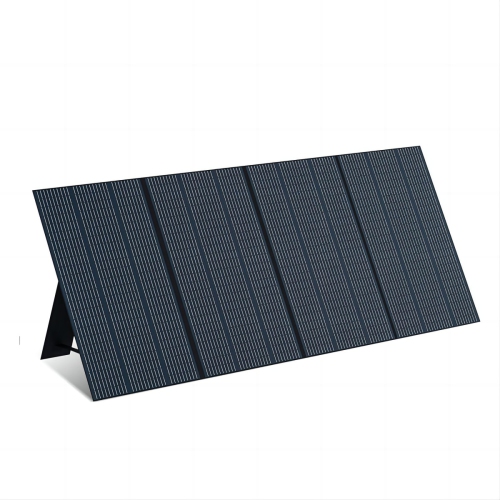 Your price for this item is $999
Discover more categories related to Portable Solar Panels
Top Collections:
Pokemon Centers, Best Cameras for Sports Photography, Kindle Devices, Samsung Galaxy Phones, Canon G7X Cameras, Pokémon 30th Celebration Cards, Refurbished Apple Laptops, iPhone 15 Apple, Laptops for Students, Budget Smartphones
Some products may be subject to Environmental Handling Fees
(EHF) depending on your province.
Learn more about EHFs.