Helmets for Biking
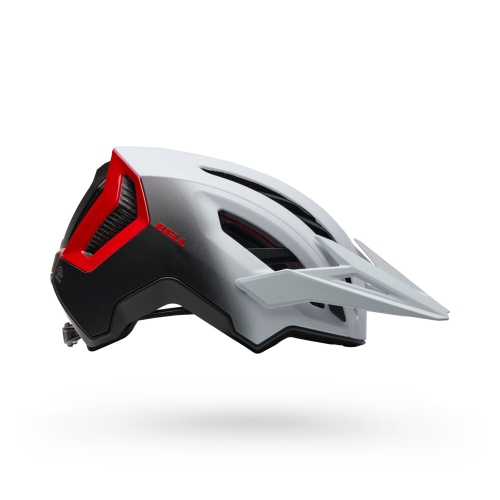
When it comes to biking, safety should always be a top priority. Whether you're an avid cyclist or just enjoy the occasional ride, having a reliable helmet is essential for protecting your head in case of any unexpected accidents. At Best Buy, we understand the importance of finding the perfect helmet that combines both style and functionality. That's why we offer a wide selection of helmets for biking, designed to meet the highest safety standards and cater to the unique needs of every cyclist. From sleek and aerodynamic designs to comfortable and adjustable fits, our collection has something for everyone. Explore our range of helmets today and ride with confidence knowing you're well-protected on your biking adventures.


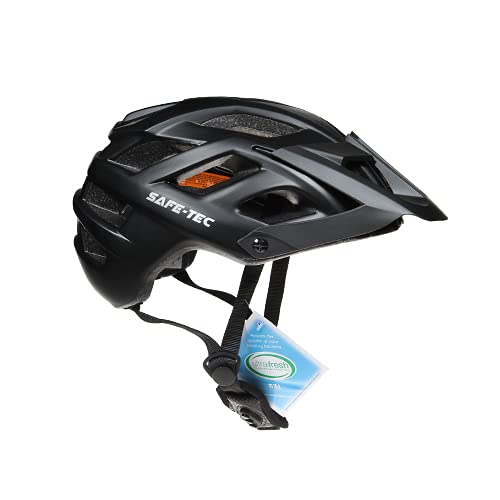
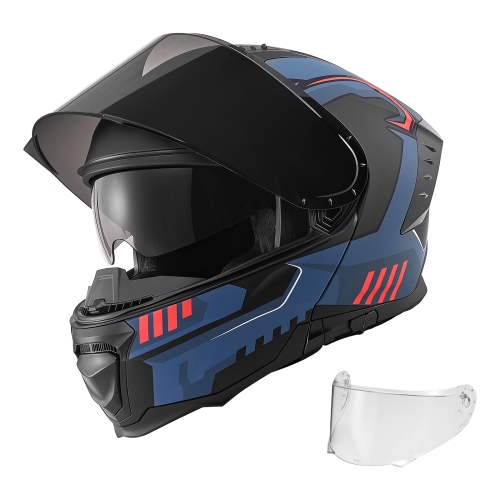


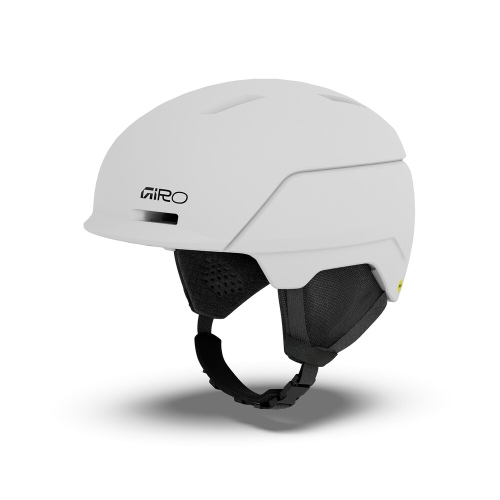
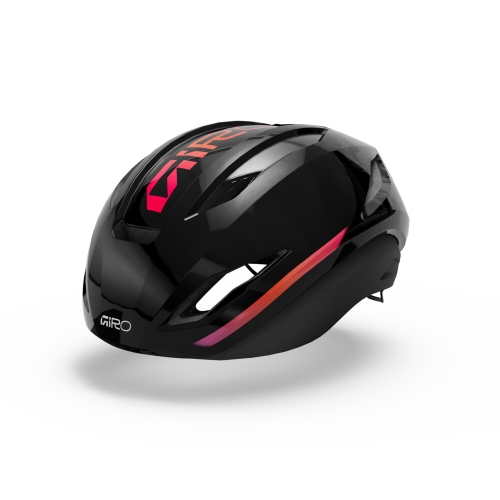
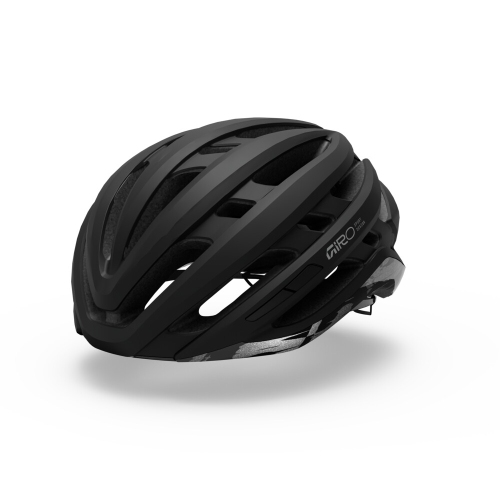
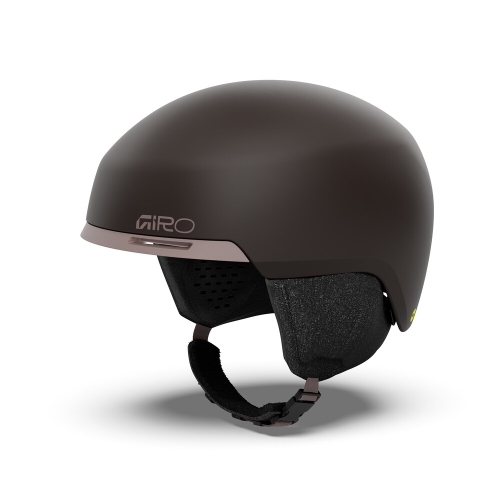
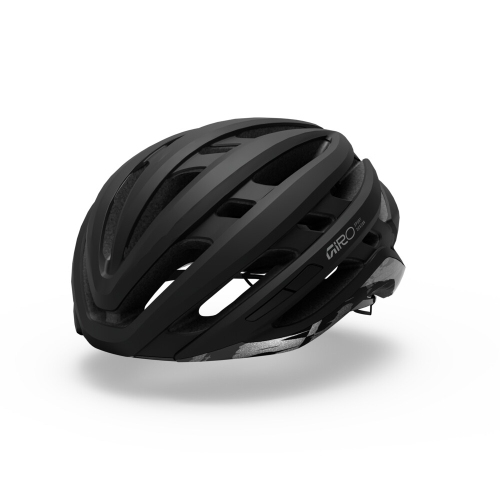
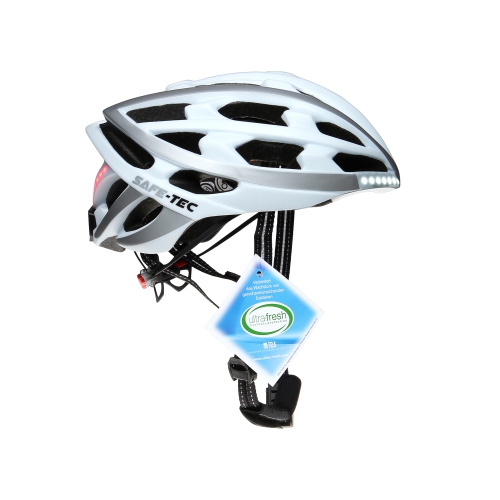
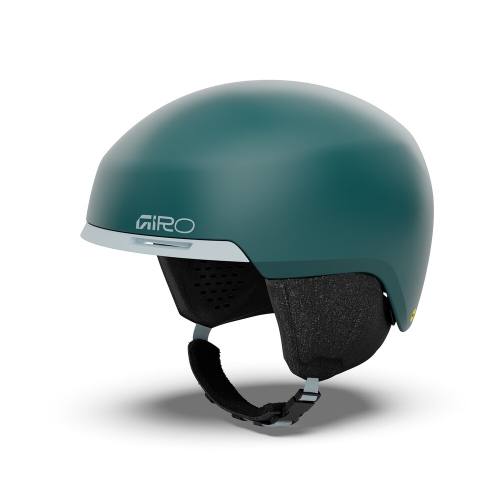
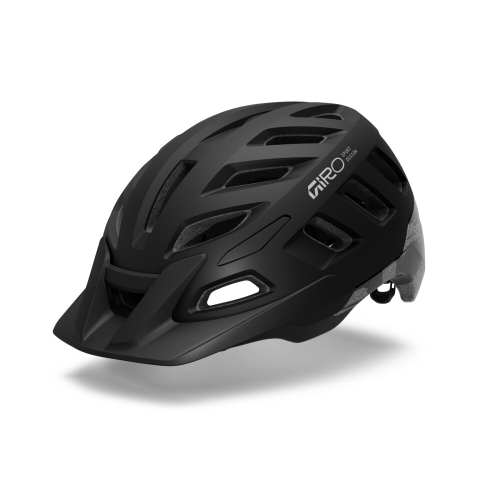
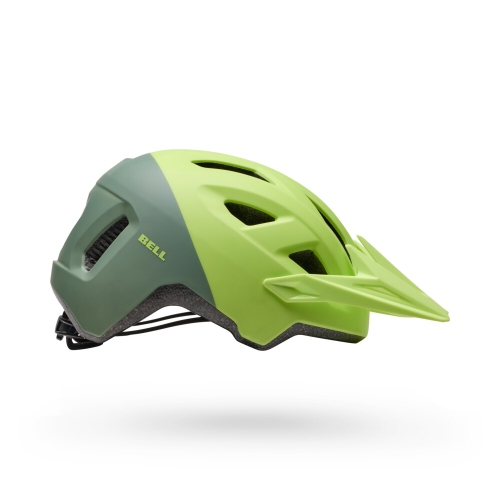
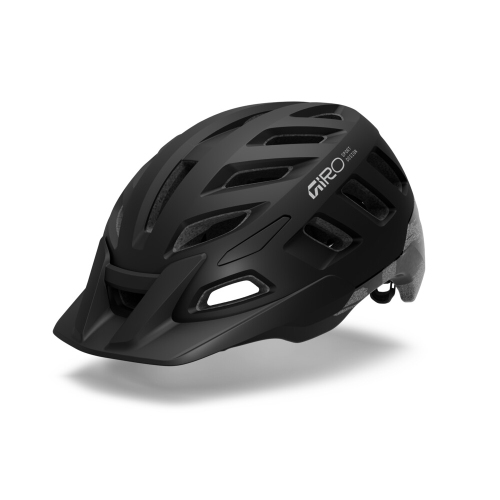
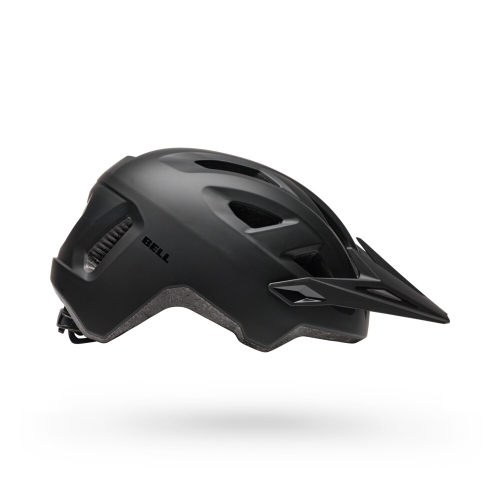
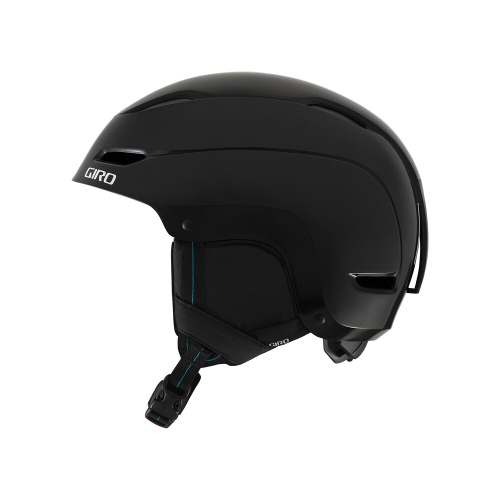
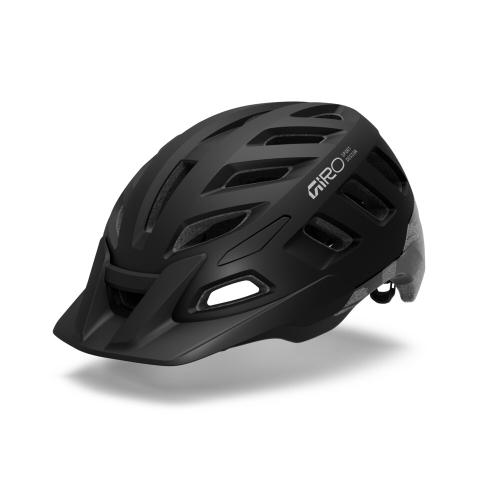
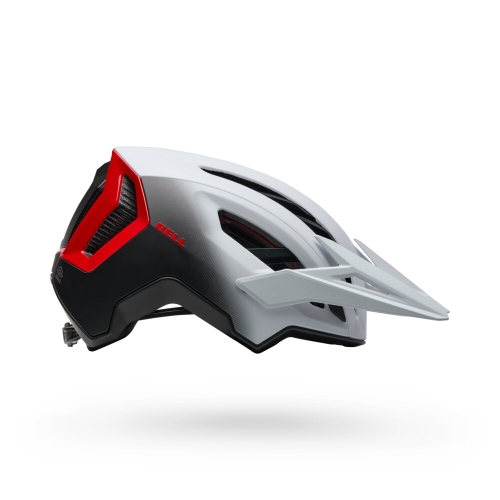
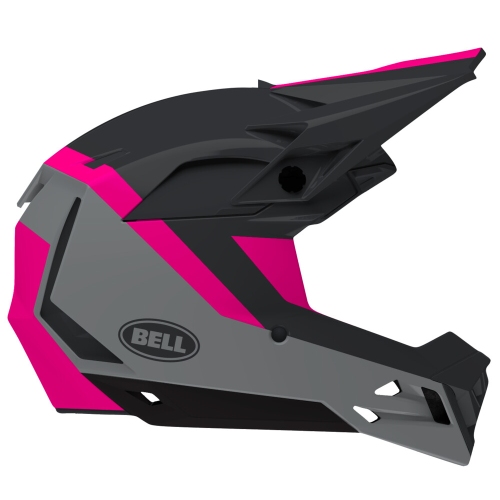
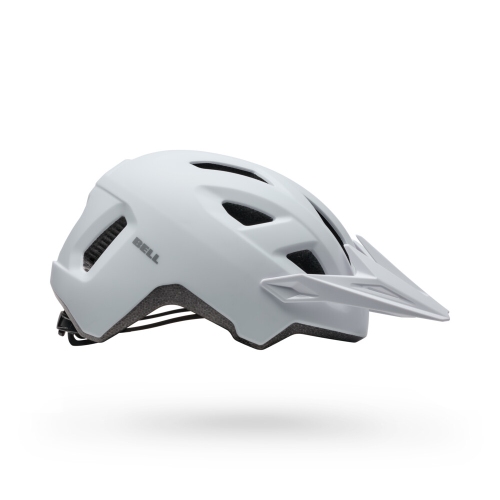
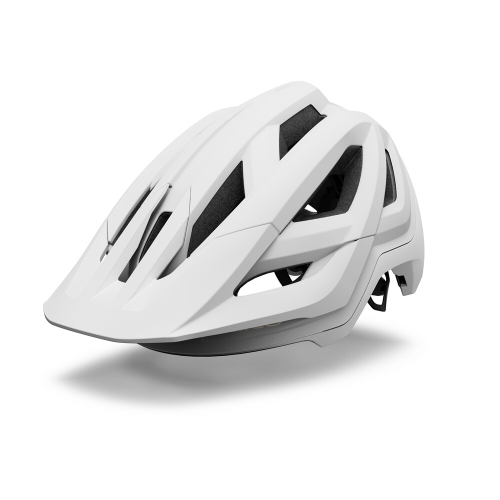
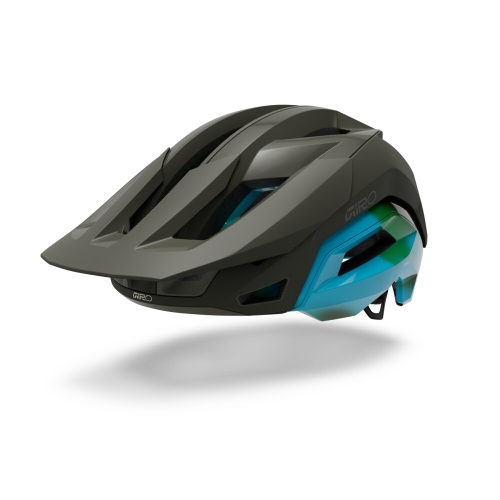
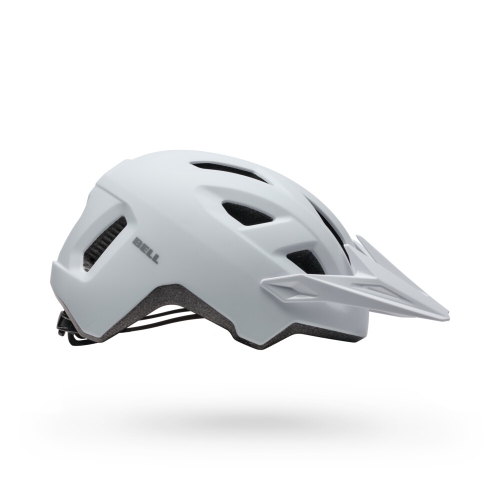
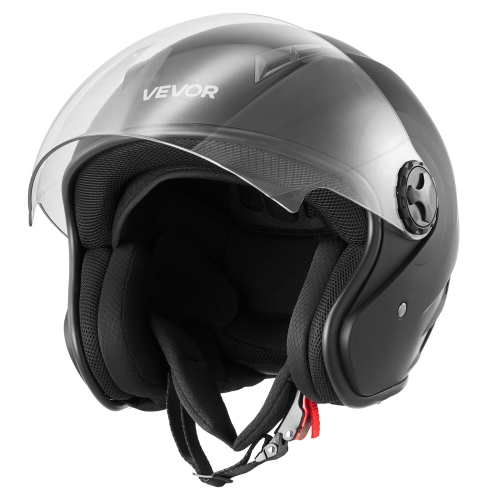
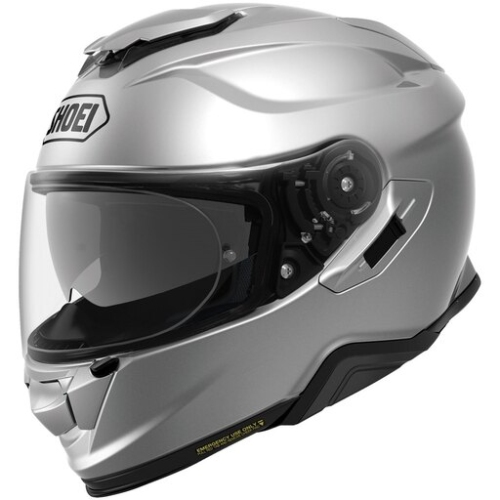
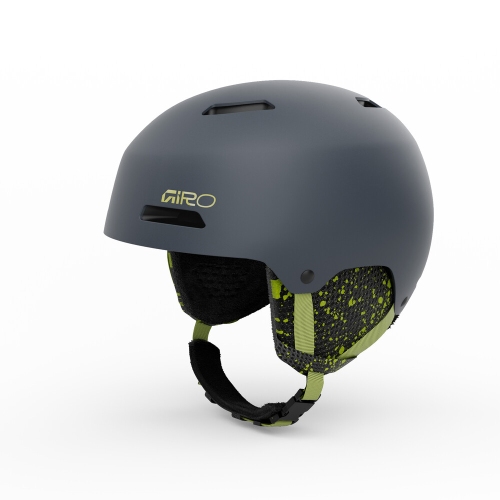
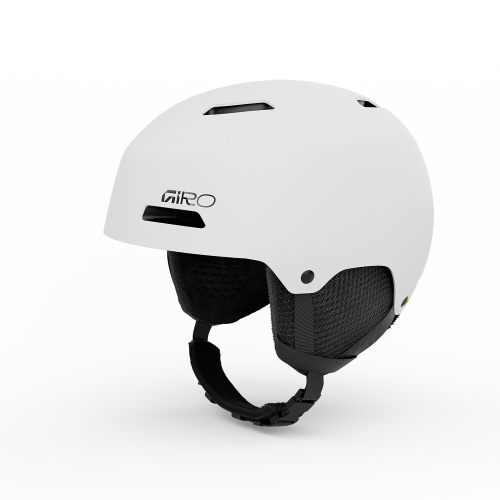
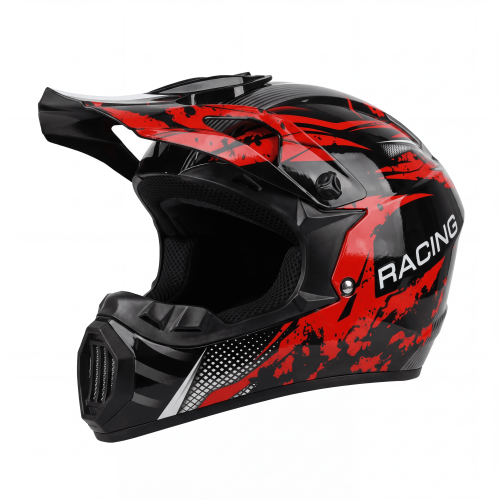
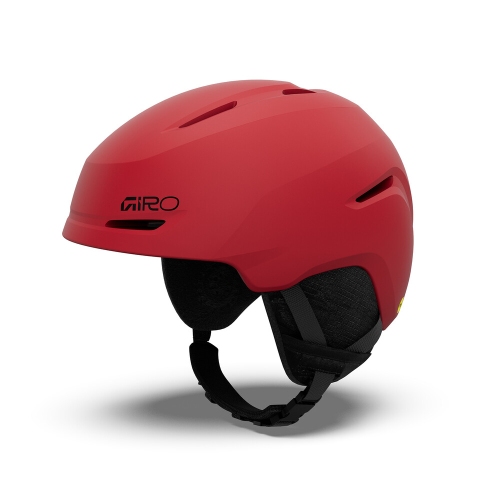
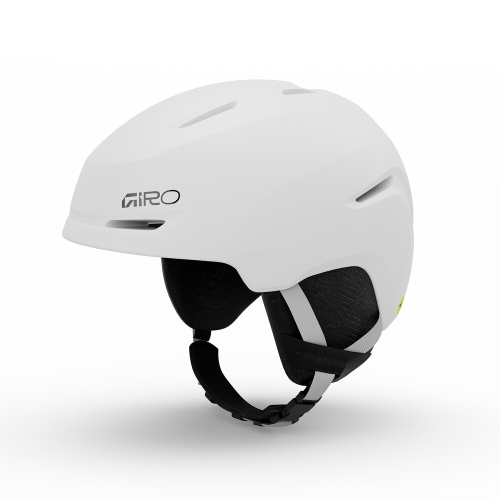
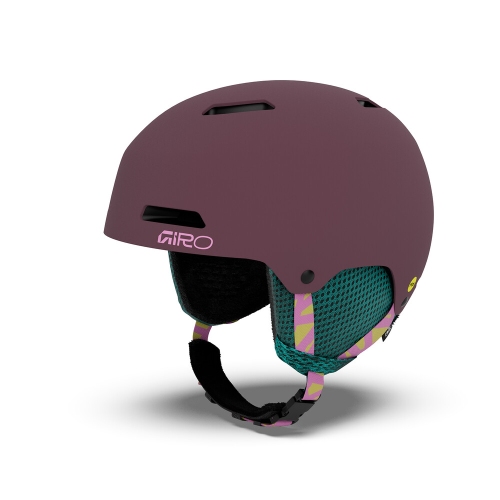


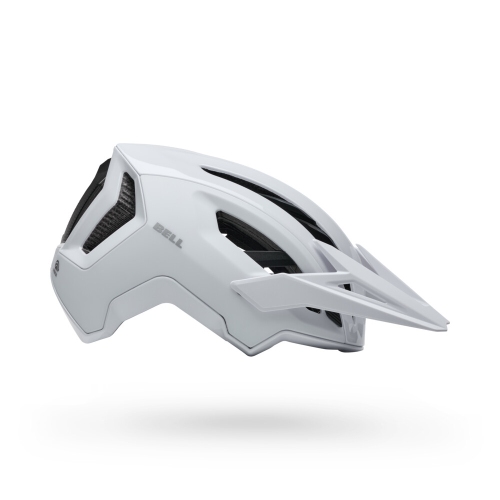
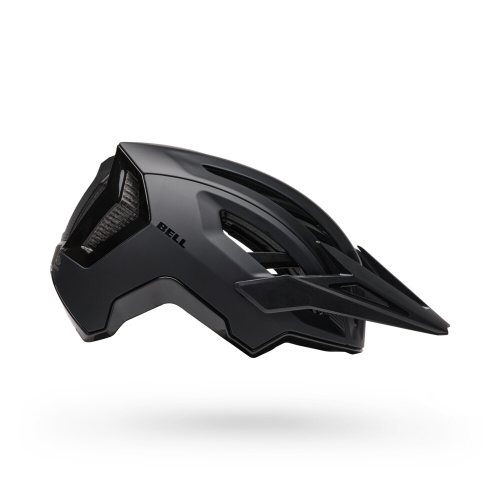
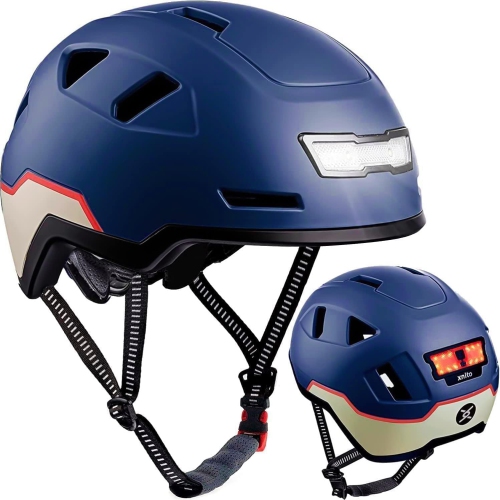
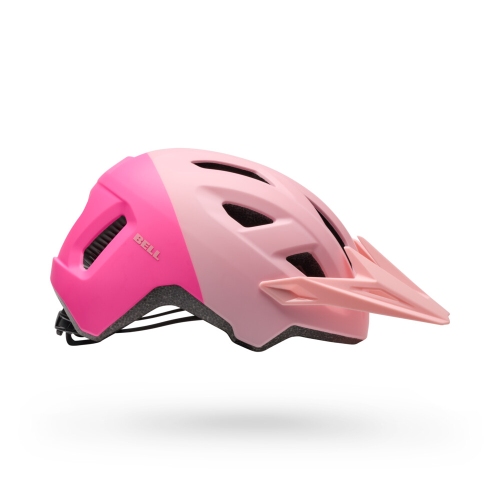
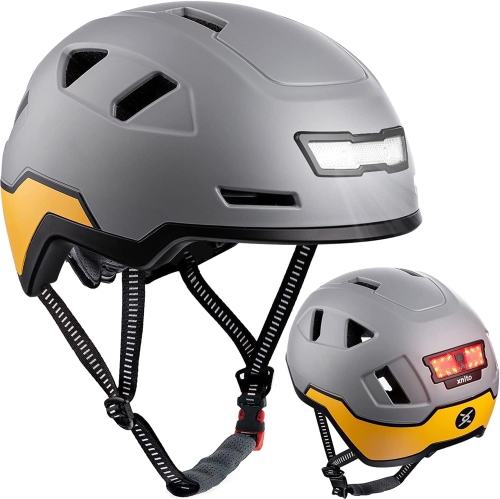
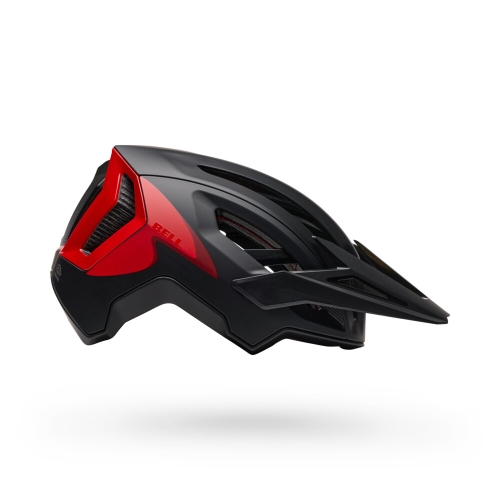

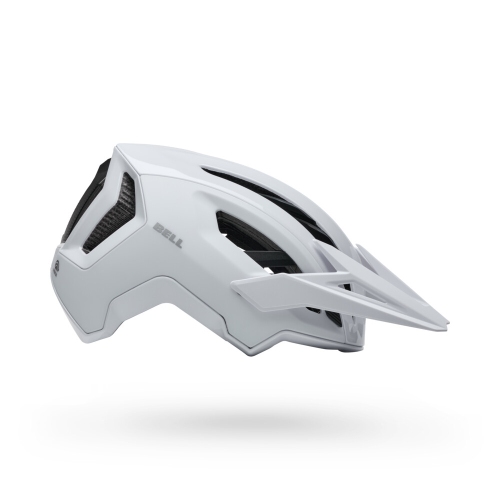


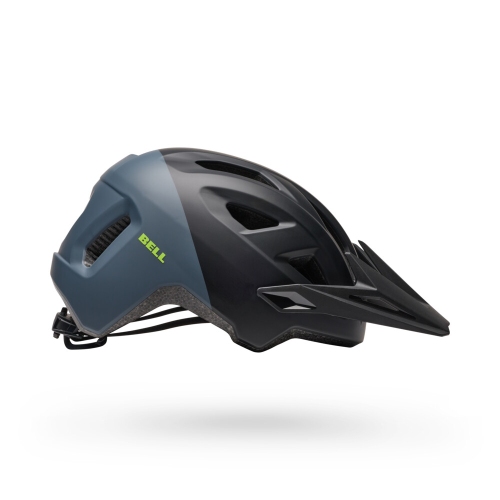
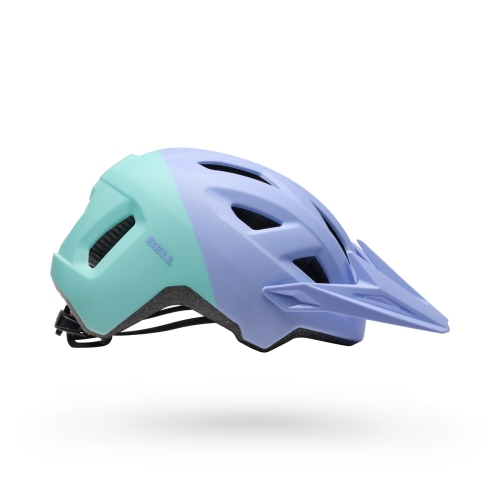

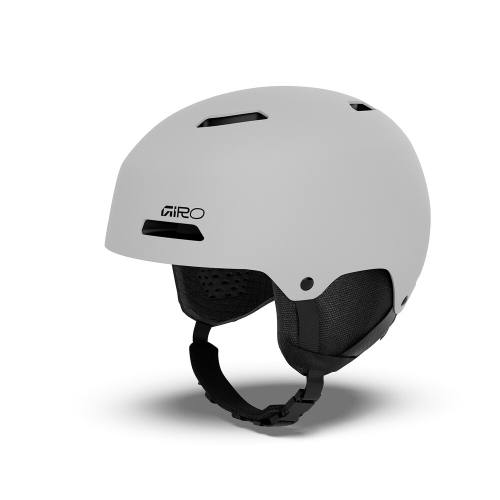
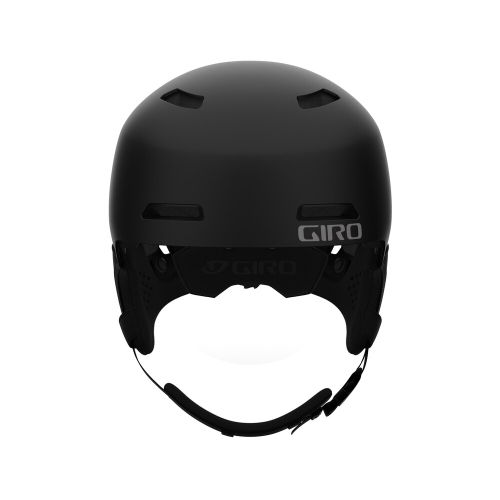
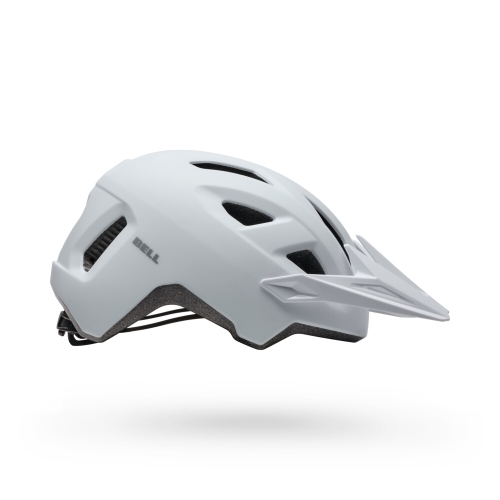

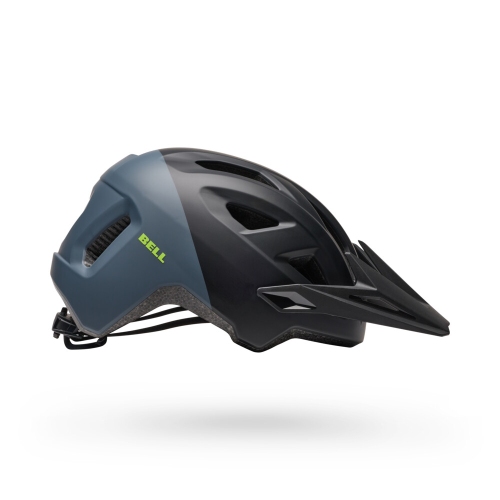
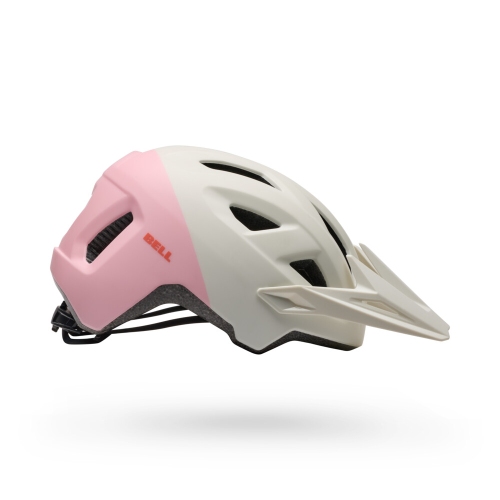
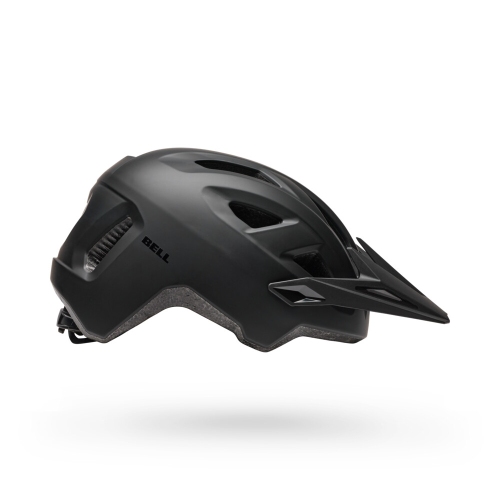
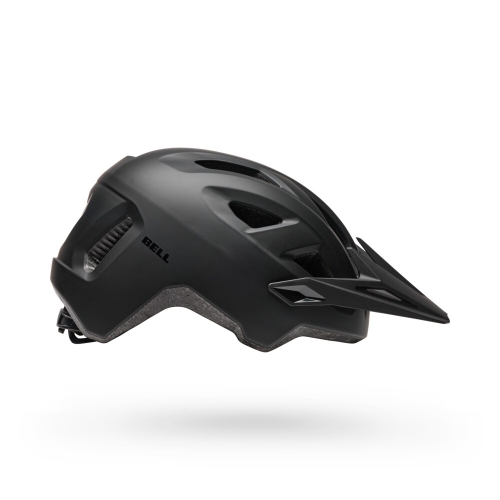
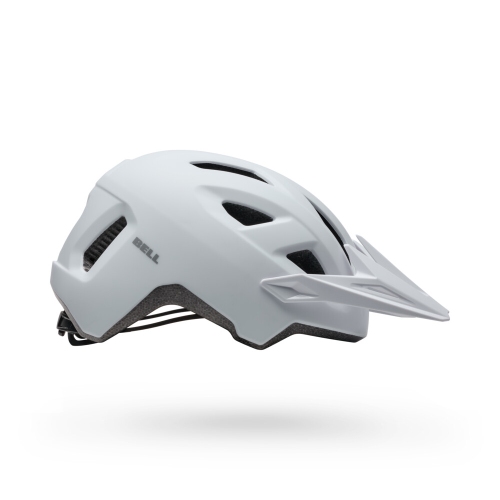
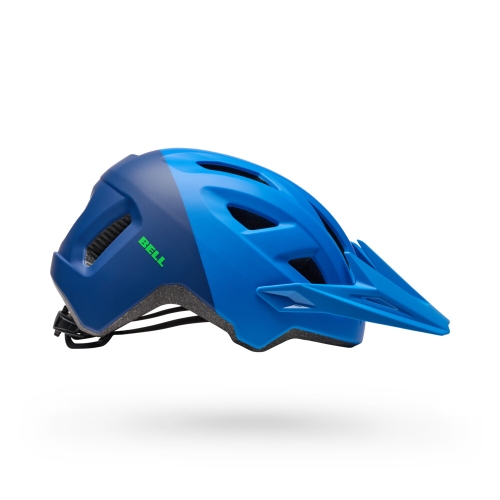



How fit, coverage and riding conditions shape your choice
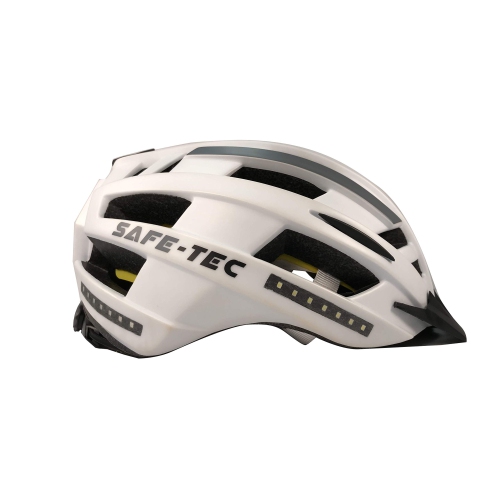
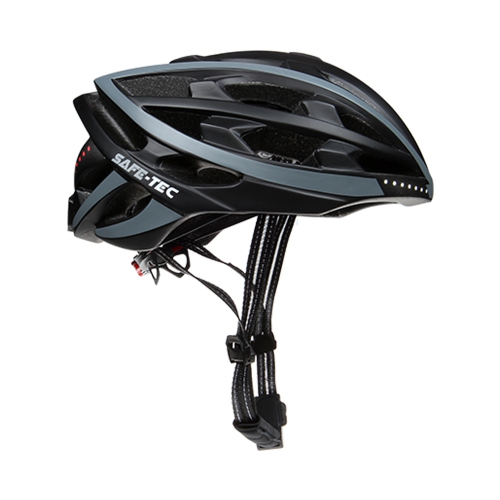
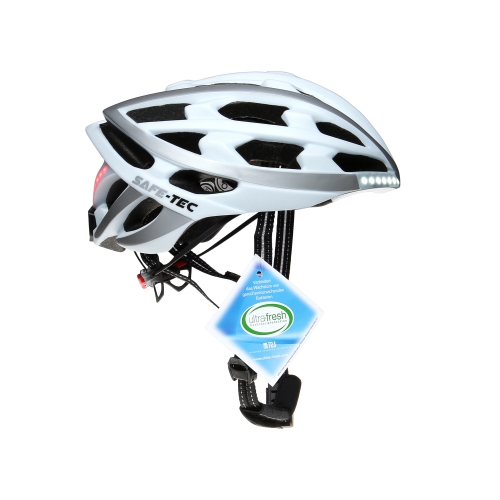
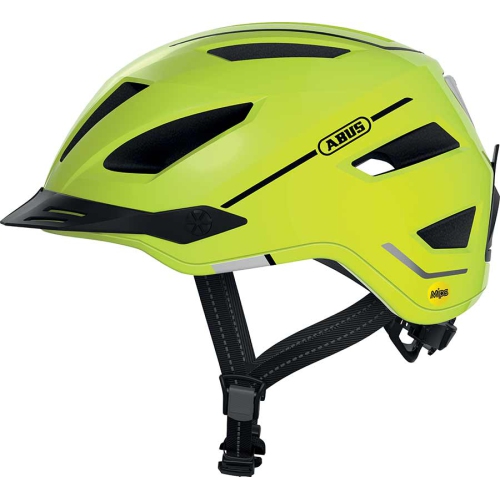
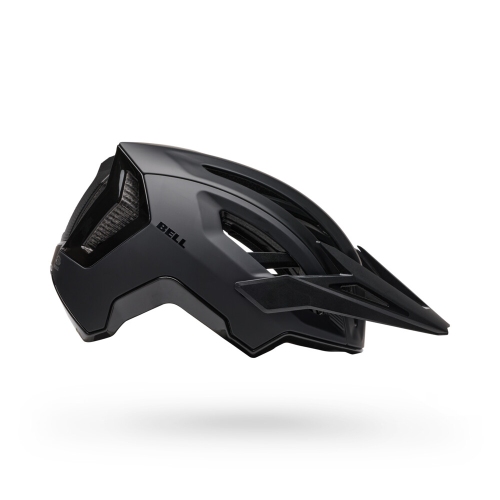
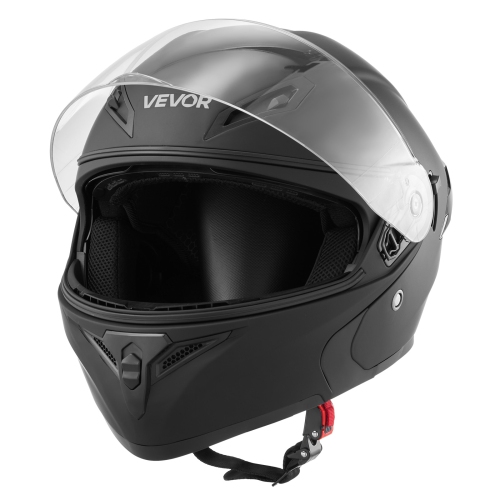
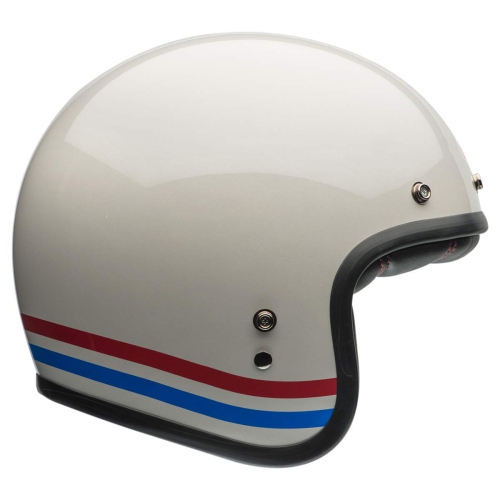
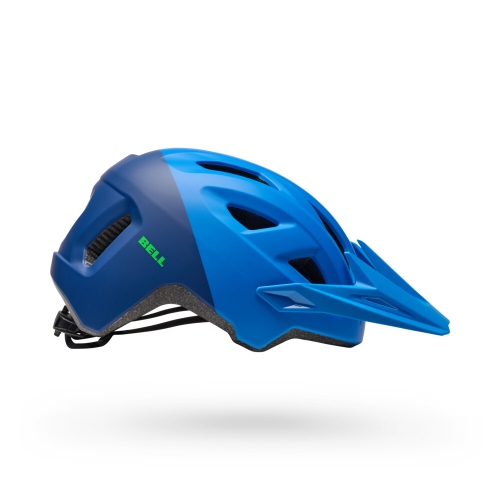
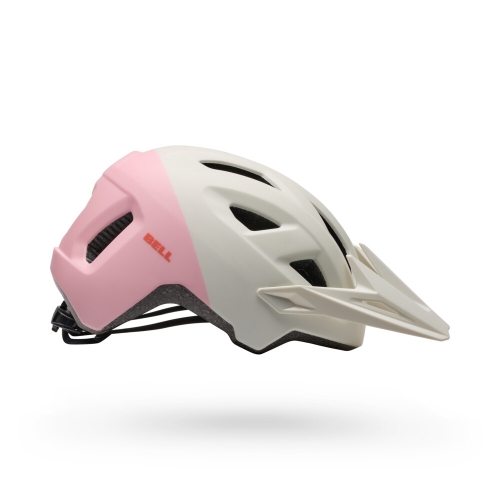
Fit is one of the most important considerations, because even a well-designed helmet cannot provide its intended level of protection if it shifts or sits incorrectly. Measure head circumference with a soft tape measure placed just above the eyebrows and around the widest part of the head, then compare that measurement with the manufacturer’s sizing chart. To put the helmet on, position it level on the head so the front edge sits just above the eyebrows; it should not be tipped far back or pulled low over the forehead. The side straps should meet in a “V” shape just below each ear, and the chin strap should feel comfortably snug without pressing into the skin. A useful check is to open the mouth widely: the strap should tighten slightly beneath the chin, while the helmet itself should remain secure when the rider gently moves the head from side to side. Hair, hats and winter accessories can affect the fit, so test the helmet with anything the rider normally wears underneath it. Avoid relying on a loose toque or bulky cap beneath a helmet if it prevents the shell from sitting level. Children should always be supervised while fitting their helmets, and their helmets should not be handed down without checking the size, condition and adjustment range. A short fitting check beside the front door can prevent discomfort later, whether the ride is a quick trip to the shops or a full afternoon on a winding trail. Riders shopping for adult sizing can also browse Cycling Helmets for Adults to compare options suited to different riding habits and preferences.
A helmet should be inspected regularly for cracks, dents, loose parts, damaged straps or a fit system that no longer holds its adjustment. Replace it immediately after a significant crash or hard impact, even when the outer shell appears unchanged, because internal materials may have absorbed force that is not visible. Many manufacturers also recommend replacing a helmet every three to five years, depending on use, storage and the care instructions for that model. Heat, moisture, repeated handling and exposure to rough surfaces can gradually affect materials, so store the helmet in a cool, dry place rather than leaving it in a hot vehicle or pressing it beneath heavy gear. Clean it with mild soap and water, and avoid solvents or harsh cleaners that may damage the shell, padding or straps. A helmet works best as part of a complete riding setup: lights and reflective details can improve visibility, gloves can make the handlebars more comfortable, and clothing suited to the conditions can help the rider stay focused on the route. During cooler months, check that added layers do not interfere with the straps or push the helmet out of position. For a family ride, confirm every rider’s fit before setting out; for commuting, leave enough time to adjust the helmet properly rather than putting it on while moving. With the right size, secure positioning and features suited to the route, a biking helmet can provide dependable head coverage and make regular cycling feel more comfortable and prepared.
Top selling and popular products
-
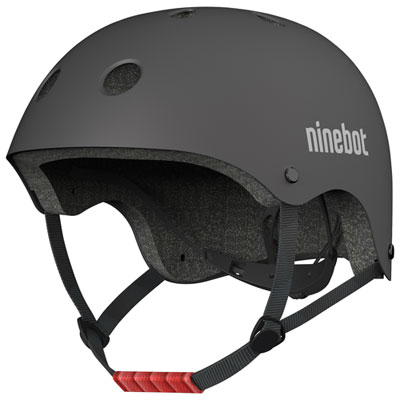 Your price for this item is $69.99
-
 Your price for this item is $19.99
-
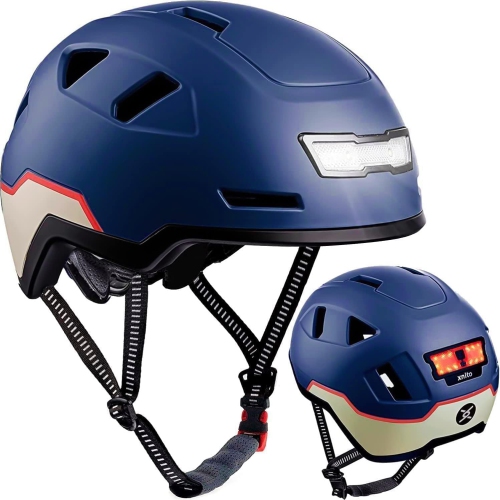 Your price for this item is $169
-
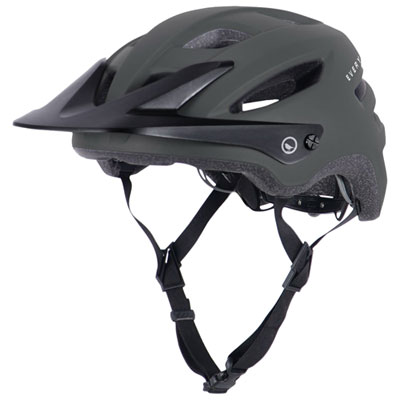 Your price for this item is $39.99
-
 Your price for this item is $199.99
-
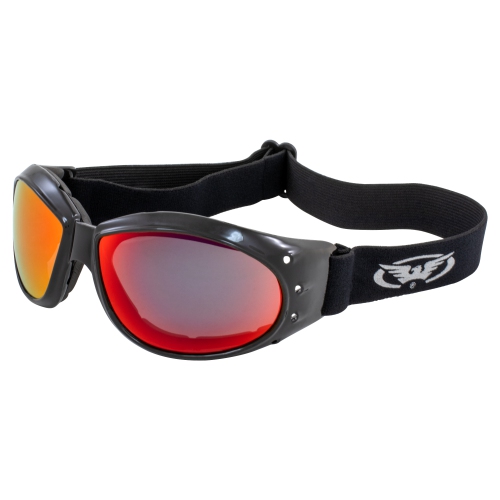 Your price for this item is $35.13
-
 Your price for this item is $169
-
 Your price for this item is $49.99