Hiking Poles
Whether you're a seasoned hiker or just starting out on your outdoor adventures, having the right gear can make all the difference. Hiking poles are essential equipment that can provide stability, support, and balance while trekking through various terrains. From navigating challenging trails to reducing strain on your joints, these versatile tools offer numerous benefits to enhance your hiking experience. Explore our selection of hiking poles designed to meet your needs and help you conquer any trail with confidence.
Sort
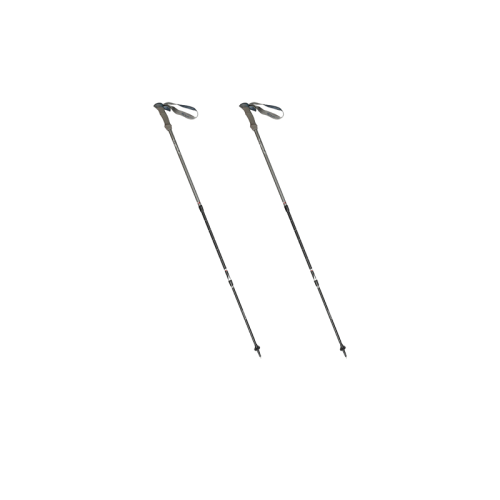
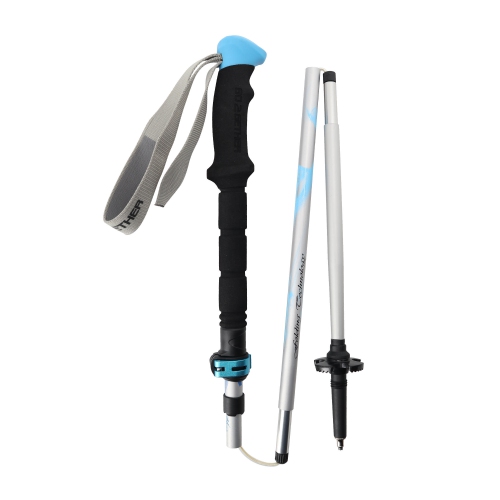
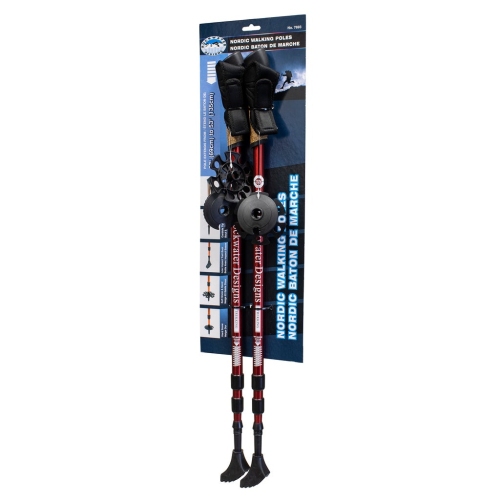
Extra support for uneven trails and rocky descents
Hiking poles add extra points of contact with the ground, helping walkers maintain balance, manage uneven footing, and share some of the effort of walking with the upper body. Often called trekking poles, they are useful on everything from gently rolling paths to long, rocky descents where each step requires a little more care. A pair can help establish a steady rhythm, while a single hiking staff may suit someone who wants occasional support on straightforward trails. On downhill sections, poles can help reduce the load carried through the legs, although the effect depends on technique, terrain, pack weight, and the individual. They do not eliminate knee discomfort or replace appropriate footwear, but they can make a loaded daypack feel more manageable when stepping down from a rock ledge or negotiating a stretch of exposed roots. Day hikers, backpackers, and travellers who spend hours exploring trails may all appreciate that added support. The differences between hiking poles become clearer when considering how far they will be carried, how frequently they will be adjusted, and how small they need to pack. A walker using broad, maintained paths may favour a straightforward design with comfortable handles, while someone covering varied terrain may place more importance on secure adjustment locks and low weight. For steeper routes with sustained climbs and descents, Trekking Poles for Alpine Hiking brings the focus to poles suited to more demanding terrain. Hiking poles can also make a thoughtful gift for someone who enjoys trail walking, provided their height, preferred activities, and packing habits are taken into account. Adjustable designs offer flexibility, but the stated length range still matters, particularly for taller or shorter users. These are trail accessories rather than medical mobility aids, and their usefulness comes from matching the design to the person and the route, not simply choosing the lightest or most compact option.
Shaft material and construction shape how hiking poles feel in the hand and how they stand up to repeated use. Aluminum is widely used because it offers a practical balance of strength and weight. Under excessive force, an aluminum shaft may bend rather than break suddenly, though a bent pole should not be assumed safe to keep using. Carbon fibre is often lighter and can help limit the effort of repeatedly lifting and planting poles over a long distance. It is stiff for its weight, but a hard sideways impact or a tip wedged between rocks can cause damage, including cracking or breakage. Neither material is immune to misuse, and overall durability also depends on shaft dimensions, joints, and locking hardware. Telescopic hiking poles use nested sections that slide to change length and shorten for storage. They often provide a broad adjustment range, making them useful when different sections of a walk call for different lengths. External lever locks make the adjustment mechanism easy to see and operate, while twist locks secure the sections through a rotating action. Both depend on correct engagement and maintenance; a lock that slips under pressure needs attention before the pole is relied on. Folding hiking poles break down into short, connected sections, making them convenient for smaller backpacks and luggage. Some combine folding construction with a telescopic section for height adjustment, while others have a fixed working length. Fixed-length poles avoid length-adjustment hardware but need to be sized carefully and may be less convenient to transport. Packed length deserves as much attention as weight when poles need to fit inside a bag rather than attach to its exterior. For frequent trail use, replaceable tips, straps, and baskets can help extend the useful life of a pair. Joint play, damaged sections, and worn locking parts are more consequential than cosmetic scratches, so construction quality is worth considering alongside the material name.
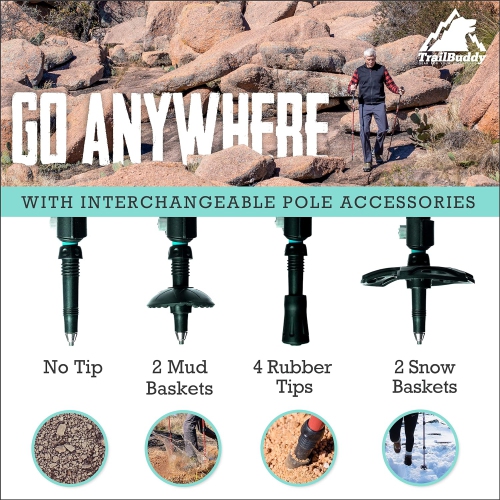
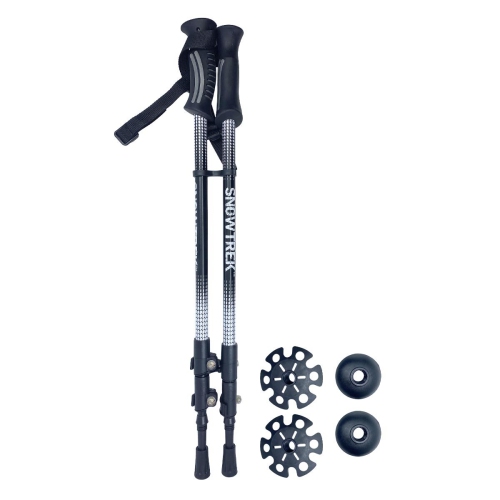
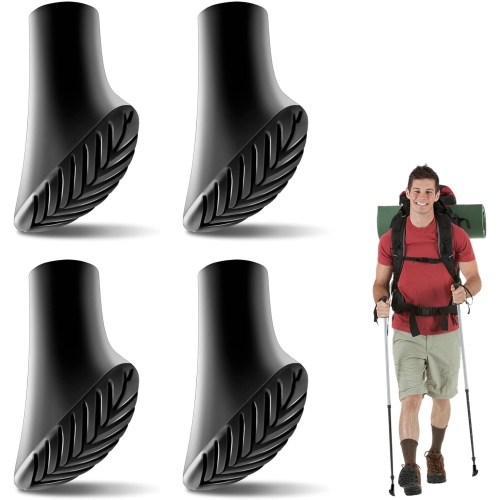
Fit and hand comfort have a noticeable effect once a short stroll becomes several hours on foot. On level ground, a common starting point is a pole length that allows the elbow to bend at roughly a right angle when the handle is held and the tip rests beside the foot. Personal proportions and walking style can affect the final setting. Adjustable poles allow a somewhat shorter length for climbing and a longer length for descending, within the manufacturer’s marked limits. Cork handles can develop a comfortable feel with use and help manage moisture at the palm. Foam grips offer cushioning and are often comfortable during extended use, while rubber grips provide a firm, resilient surface, though some walkers find them less comfortable against bare hands over long distances. Extended foam sections below the main handle let hikers briefly grip lower on a climb without changing the shaft length. Adjustable wrist straps can distribute pressure and reduce the need to squeeze the handle continuously. Their padding, edge finish, and adjustment range matter, especially where a strap sits against the hand for hours. Straps are not always appropriate: in situations where a pole could become trapped, being able to release it immediately is important. Hardened metal tips provide purchase on many trail surfaces, while compatible rubber covers can soften contact and reduce tapping on paved stretches. Small trekking baskets help limit how deeply poles sink into loose ground, but they do not prevent a tip from catching between stones. Shock-absorbing designs add cushioning that some walkers appreciate; others prefer the direct feedback and simpler construction of poles without it. Care is generally straightforward: remove grit, wipe down the shafts, and let damp components dry before storage, following the maker’s directions for disassembly and cleaning. Locks and joints deserve regular checks, and replacement parts need to match the pole’s fittings. For transport, secure collapsed sections and cover exposed tips to protect bags and nearby belongings. Comfortable grips, a suitable length range, dependable joints, and manageable packed dimensions are the details that make hiking poles easier to bring along and more pleasant to use.
Top selling and popular products
-
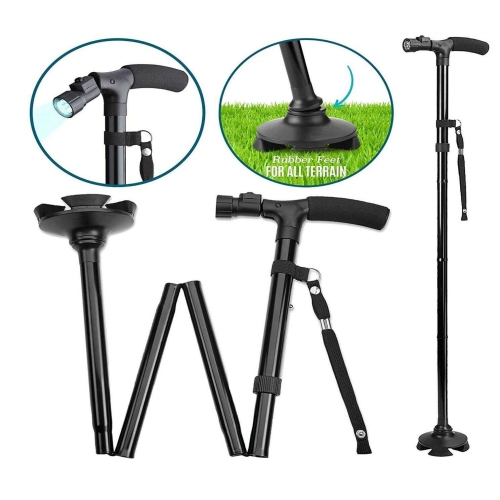 Your price for this item is $22.99
-
 Your price for this item is $33.99
-
 Your price for this item is $39.99
-
 Your price for this item is $69.99
-
 Your price for this item is $16.46
-
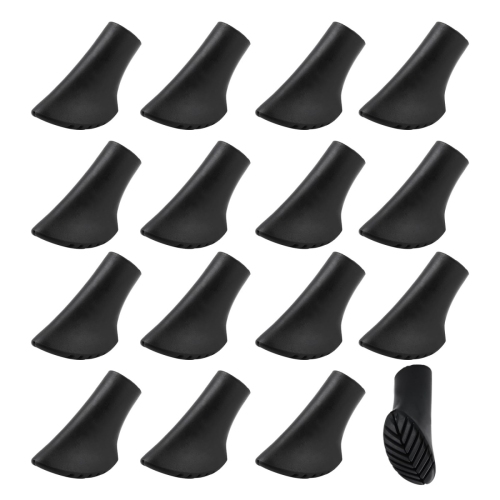 Your price for this item is $31.11
-
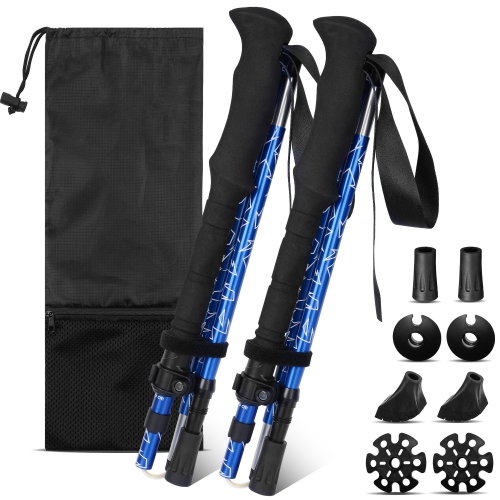 Your price for this item is $59.99
-
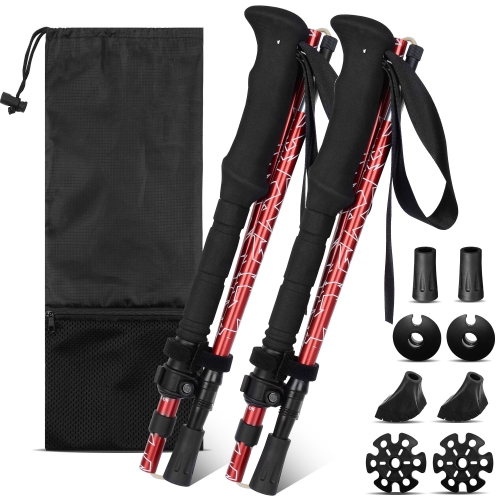 Your price for this item is $59.99
Discover more categories related to Hiking Poles
Top Collections:
Pokemon Centers, Best Cameras for Sports Photography, Kindle Devices, Samsung Galaxy Phones, Canon G7X Cameras, Pokémon 30th Celebration Cards, Refurbished Apple Laptops, iPhone 15 Apple, Laptops for Students, Budget Smartphones
Some products may be subject to Environmental Handling Fees
(EHF) depending on your province.
Learn more about EHFs.