Hiking Sticks
Discover the perfect companion for your outdoor adventures with our selection of hiking sticks. Whether you're tackling rugged trails or enjoying a leisurely walk in the park, a reliable hiking stick can enhance your stability and comfort on any terrain. Designed to support your journey, these essential tools help reduce strain on your joints and improve balance, making every step more enjoyable. Explore various styles and materials to find the hiking stick that suits your needs and elevates your trekking experience. Embrace the great outdoors with confidence and ease, knowing you have the right equipment by your side.
Sort
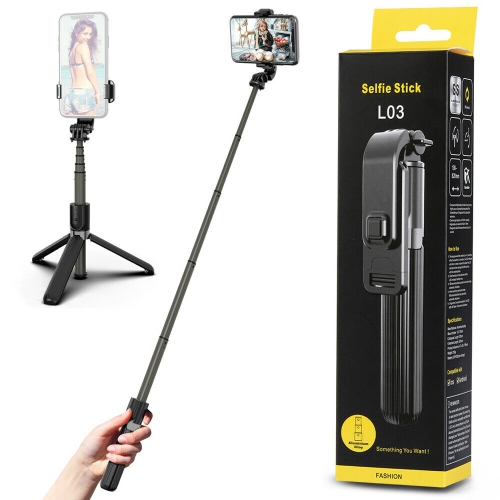

How poles support balance, comfort, and trail confidence
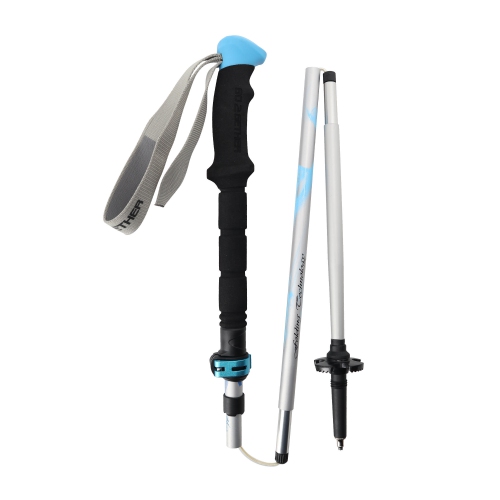
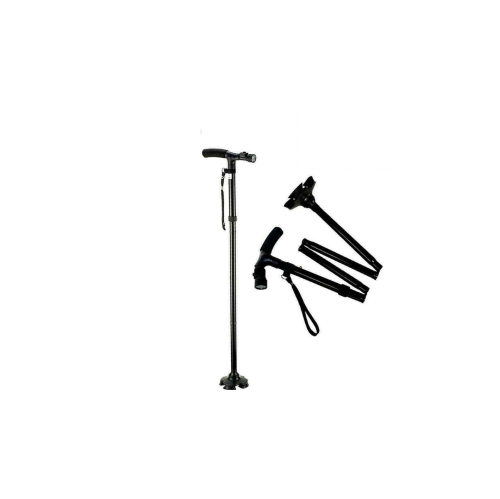
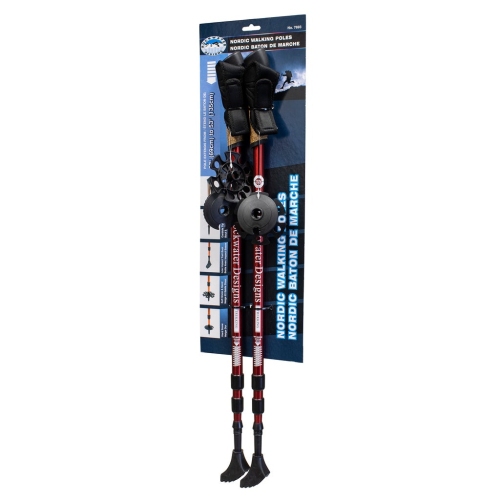
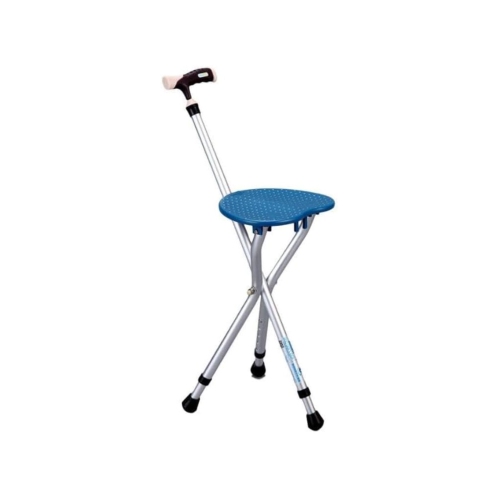
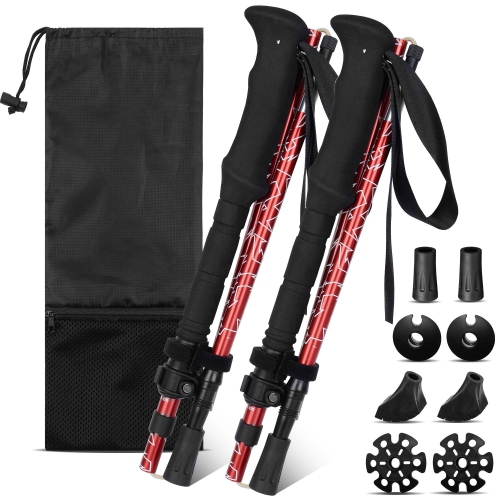
Hiking sticks, also called trekking poles, are practical companions for day hikes, backcountry routes, nature walks, and active travel. A pair can provide extra balance on uneven ground, improve confidence on rocky paths, and help distribute effort between the legs and upper body. They are especially useful on loose gravel, muddy sections, roots, steep climbs, and descents where a stable point of contact can make each step feel more controlled. During a downhill stretch, hiking sticks may help reduce some of the impact placed on the knees by allowing the arms to share the work. On an uphill trail, they can provide a steady rhythm and something to push against when the grade becomes demanding. They are suitable for experienced hikers who want dependable support as well as beginners learning to feel comfortable on natural terrain. Older adults, walkers recovering their confidence on uneven surfaces, and travellers exploring trails away from paved paths may also appreciate the added stability. Hiking sticks can make a thoughtful gift for someone who enjoys weekend walks, scenic trails, camping trips, travel, or spending time outdoors as the weather warms and during the cooler months. When choosing a pair, consider where and how often it will be used, the expected terrain, the amount of carrying involved, and the user’s preferred balance between weight, durability, and packability. A simple, sturdy design may suit casual park walks, while adjustable and collapsible features can be valuable for hikers who move between different routes or need to stow their poles in a backpack, vehicle, or luggage. For more outdoor gear to complement a trail setup, browse Hiking Accessories.
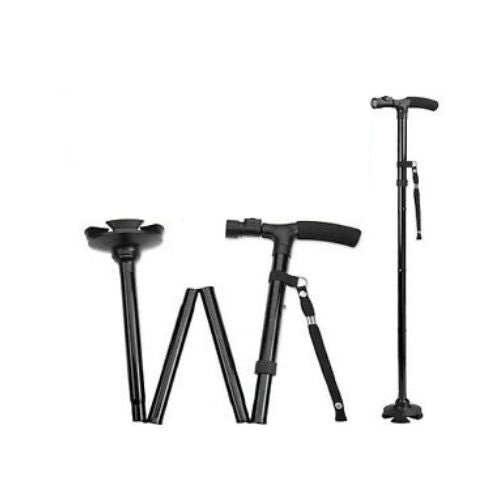
The construction and adjustment system have a noticeable effect on how hiking sticks feel in use. Telescopic poles slide into one another and can be adjusted for different heights, making them a versatile choice for changing terrain or for households where more than one person may use them. Twist-lock systems offer a streamlined appearance, while lever-lock systems are often quick to open, adjust, and secure with cold or wet hands. Folding poles use connected sections that collapse into a compact shape, which can be convenient when a hike includes stretches where poles are not needed or when storage space is limited. Aluminium is a durable and generally budget-friendly material that can withstand regular use and tends to feel dependable on demanding trails, though it may weigh slightly more. Carbon fibre is known for its light weight and ability to reduce vibration, making it appealing to hikers who spend long hours on the trail or are particularly attentive to pack weight. It can be less forgiving under sharp, heavy impacts, so the intended terrain and handling habits should be considered. Handles may be made from foam, cork, or other comfortable materials, with each option offering a different feel in the hand. Foam can be soft and lightweight, cork can mould comfortably to the hand over time, and textured surfaces can help maintain grip when palms become damp. Look for adjustable wrist straps that feel secure without being restrictive, along with interchangeable baskets or tips if the poles are intended for varied ground conditions. Rubber tips can be useful on hard surfaces, while pointed tips may provide traction on soil, packed trails, or rougher terrain. A broad basket can help prevent the tip from sinking too deeply into soft ground. The right combination depends on whether the intended use involves paved paths, forest trails, rocky slopes, or a mixture of surfaces.
Correct sizing and technique help hiking sticks feel natural rather than awkward. Begin by adjusting each pole so that, when the tip rests on level ground, the elbow bends to approximately 90 degrees. This position leaves enough room to move the arms comfortably while maintaining a supportive contact with the trail. Height may need a small adjustment for slopes: a slightly shorter setting can feel more manageable on an ascent, while a little extra length may be useful on a descent. Many hikers begin with the right pole moving forward with the left foot, followed by the left pole with the right foot. This opposite-arm, opposite-leg rhythm usually develops naturally after a few minutes and can create a steady cadence on level ground. On steep or uneven sections, place the poles where they provide a secure point of support rather than reaching too far ahead. The wrist straps are designed to help transfer pressure through the hand and wrist; slipping the hand up through the bottom of the strap before closing the grip can make it easier to push off without squeezing the handle tightly. A relaxed grip can reduce hand fatigue over a long walk. Before heading onto a demanding route, practise adjusting the locks, folding or extending the sections, and changing the tips at home or on an easy path. Check that every lock is firmly closed, that the tips are not excessively worn, and that the pole sections move smoothly. With the right fit, hiking sticks can become a natural part of a walking rhythm, offering reassurance over roots and stones, support on long descents, and a more balanced way to enjoy trails through changing conditions.
The construction and adjustment system have a noticeable effect on how hiking sticks feel in use. Telescopic poles slide into one another and can be adjusted for different heights, making them a versatile choice for changing terrain or for households where more than one person may use them. Twist-lock systems offer a streamlined appearance, while lever-lock systems are often quick to open, adjust, and secure with cold or wet hands. Folding poles use connected sections that collapse into a compact shape, which can be convenient when a hike includes stretches where poles are not needed or when storage space is limited. Aluminium is a durable and generally budget-friendly material that can withstand regular use and tends to feel dependable on demanding trails, though it may weigh slightly more. Carbon fibre is known for its light weight and ability to reduce vibration, making it appealing to hikers who spend long hours on the trail or are particularly attentive to pack weight. It can be less forgiving under sharp, heavy impacts, so the intended terrain and handling habits should be considered. Handles may be made from foam, cork, or other comfortable materials, with each option offering a different feel in the hand. Foam can be soft and lightweight, cork can mould comfortably to the hand over time, and textured surfaces can help maintain grip when palms become damp. Look for adjustable wrist straps that feel secure without being restrictive, along with interchangeable baskets or tips if the poles are intended for varied ground conditions. Rubber tips can be useful on hard surfaces, while pointed tips may provide traction on soil, packed trails, or rougher terrain. A broad basket can help prevent the tip from sinking too deeply into soft ground. The right combination depends on whether the intended use involves paved paths, forest trails, rocky slopes, or a mixture of surfaces.
Correct sizing and technique help hiking sticks feel natural rather than awkward. Begin by adjusting each pole so that, when the tip rests on level ground, the elbow bends to approximately 90 degrees. This position leaves enough room to move the arms comfortably while maintaining a supportive contact with the trail. Height may need a small adjustment for slopes: a slightly shorter setting can feel more manageable on an ascent, while a little extra length may be useful on a descent. Many hikers begin with the right pole moving forward with the left foot, followed by the left pole with the right foot. This opposite-arm, opposite-leg rhythm usually develops naturally after a few minutes and can create a steady cadence on level ground. On steep or uneven sections, place the poles where they provide a secure point of support rather than reaching too far ahead. The wrist straps are designed to help transfer pressure through the hand and wrist; slipping the hand up through the bottom of the strap before closing the grip can make it easier to push off without squeezing the handle tightly. A relaxed grip can reduce hand fatigue over a long walk. Before heading onto a demanding route, practise adjusting the locks, folding or extending the sections, and changing the tips at home or on an easy path. Check that every lock is firmly closed, that the tips are not excessively worn, and that the pole sections move smoothly. With the right fit, hiking sticks can become a natural part of a walking rhythm, offering reassurance over roots and stones, support on long descents, and a more balanced way to enjoy trails through changing conditions.
Top selling and popular products
-
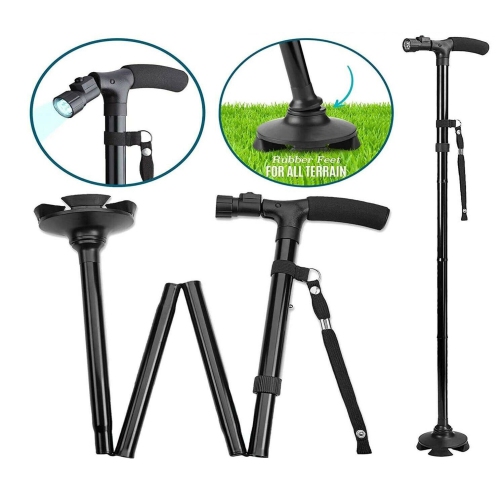 Your price for this item is $22.99
 -
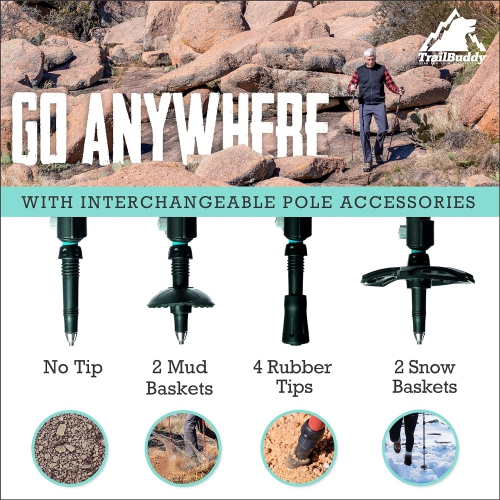 Your price for this item is $33.99
 -
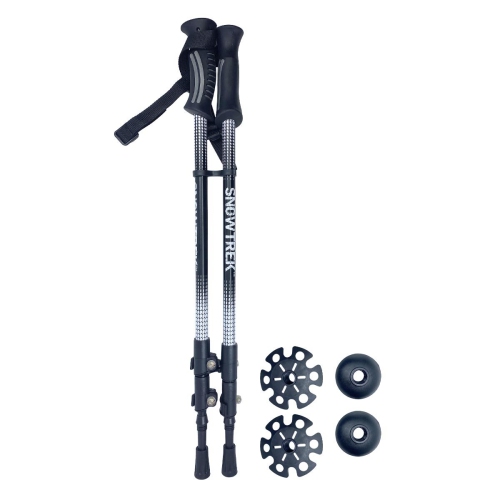 Your price for this item is $39.99
 -
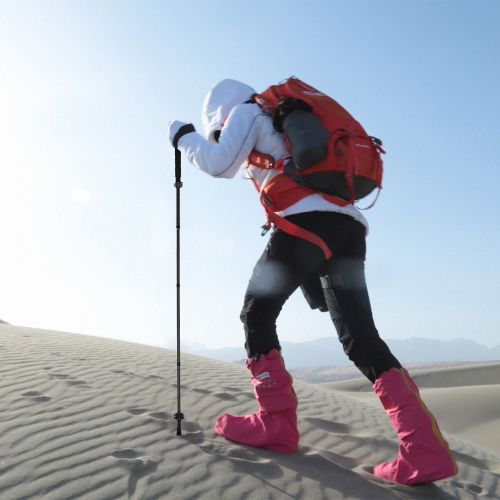 Your price for this item is $69.99
 -
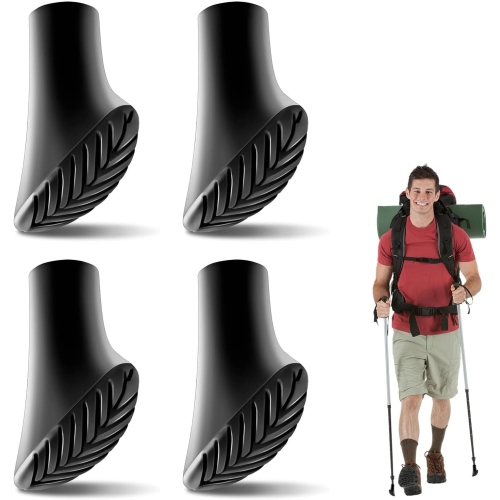 Your price for this item is $16.46
 -
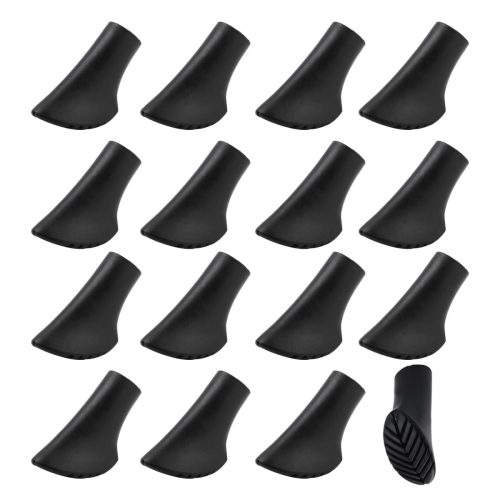 Your price for this item is $31.11
 -
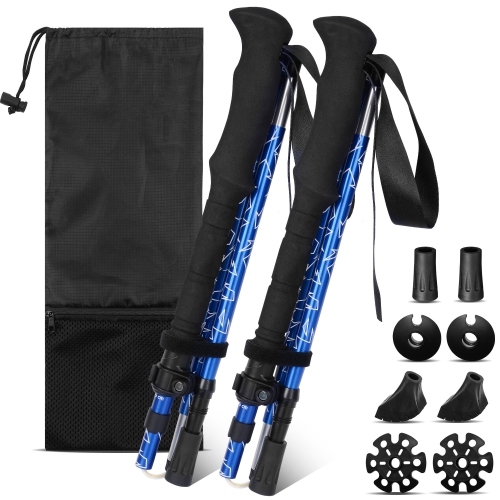 Your price for this item is $59.99
 -
 Your price for this item is $59.99
Discover more categories related to Hiking Sticks
Top Collections:
Pokemon Centers, Best Cameras for Sports Photography, Kindle Devices, Samsung Galaxy Phones, Canon G7X Cameras, Pokémon 30th Celebration Cards, Refurbished Apple Laptops, iPhone 15 Apple, Laptops for Students, Budget Smartphones
Some products may be subject to Environmental Handling Fees
(EHF) depending on your province.
Learn more about EHFs.