Insect Control Products
Our selection of insect control products offers a wide range of solutions to help you create a bug-free environment. From mosquito traps and citronella candles to fly swatters and insect repellents, we have everything you need to effectively manage and eliminate insects in and around your home. Whether you're hosting a backyard barbecue, camping in the great outdoors, or simply relaxing on your patio, our insect control products are designed to help you enjoy the outdoors without the nuisance of bugs.
Sort









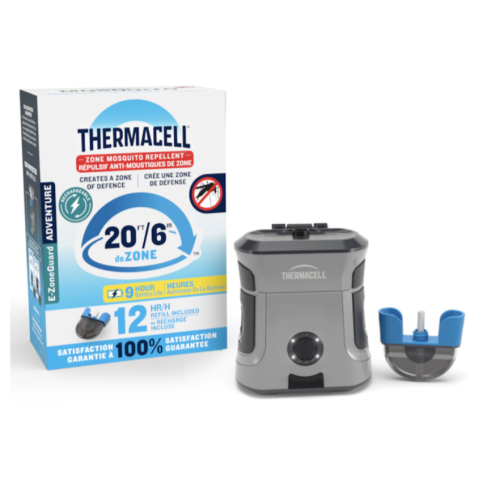
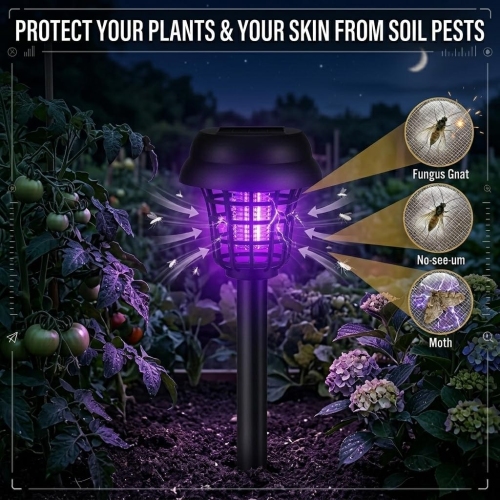



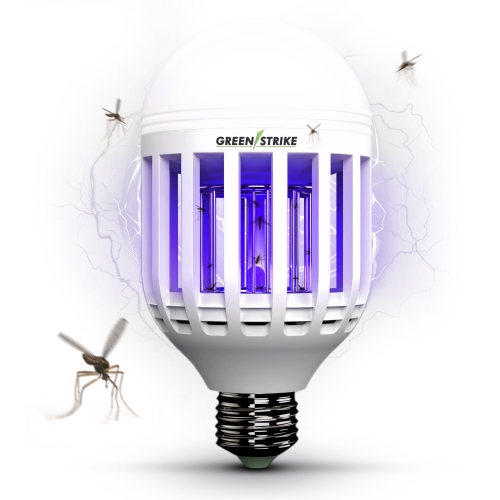


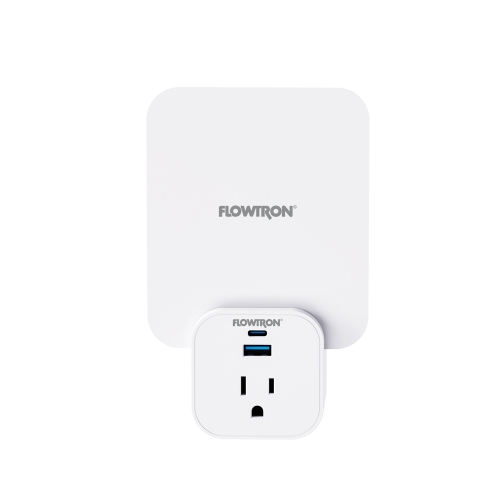


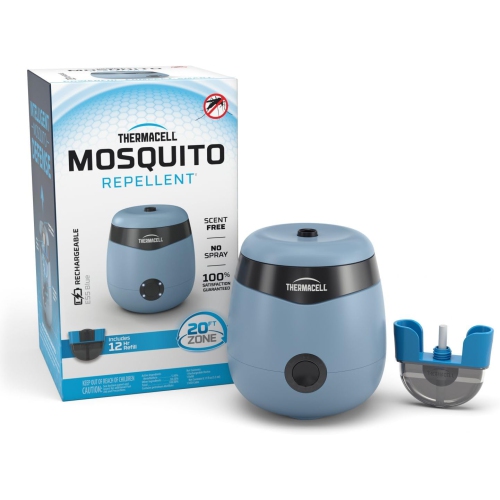


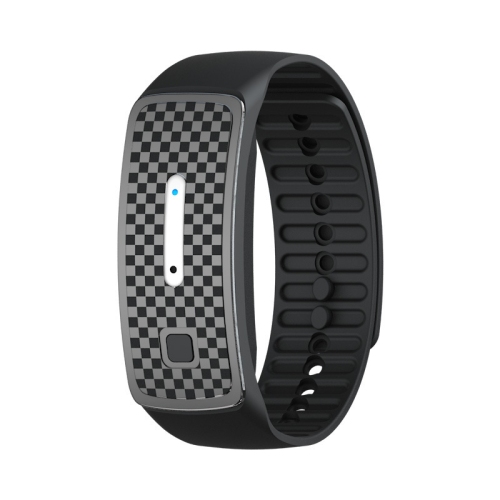

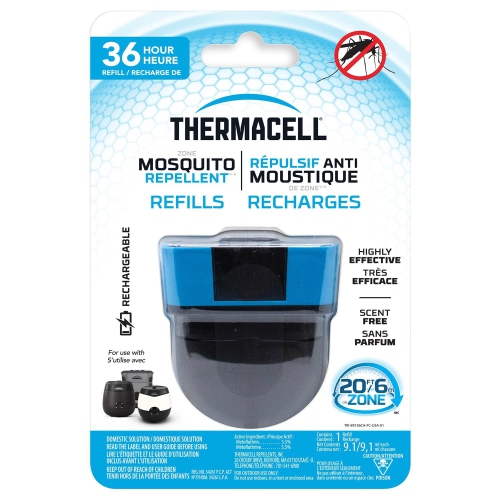


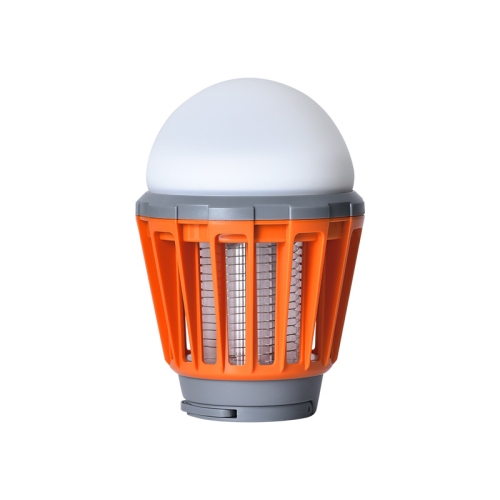


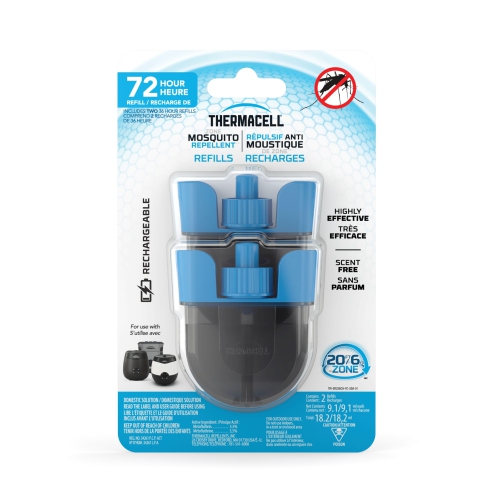
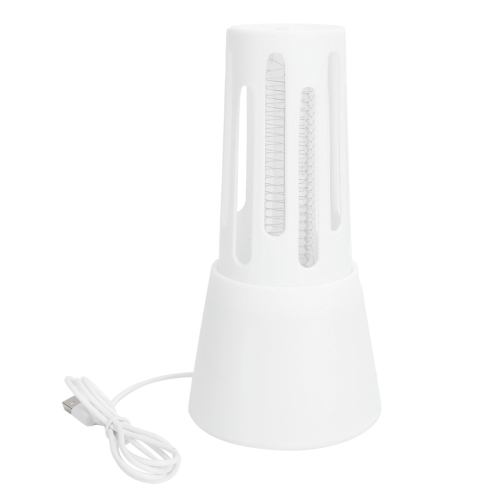


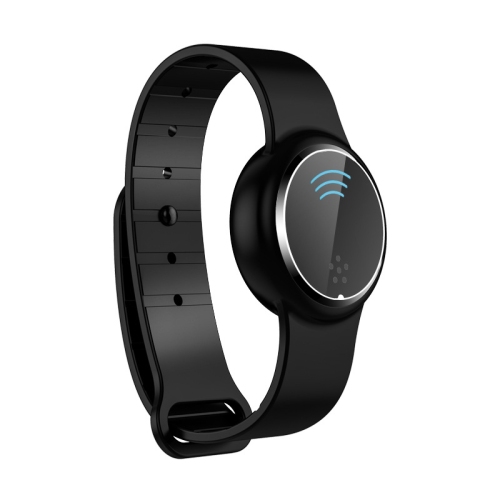

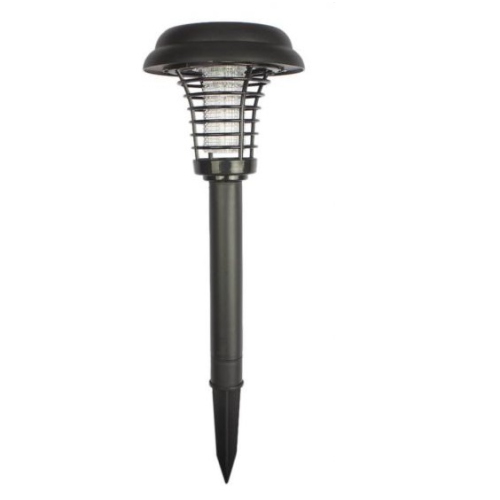
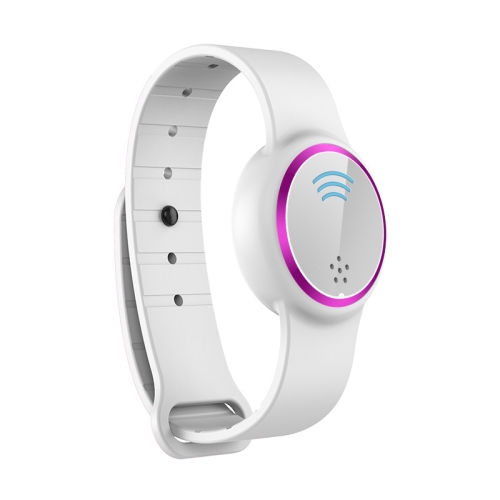

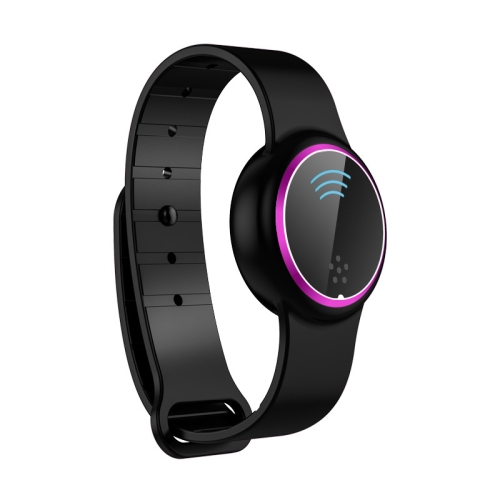
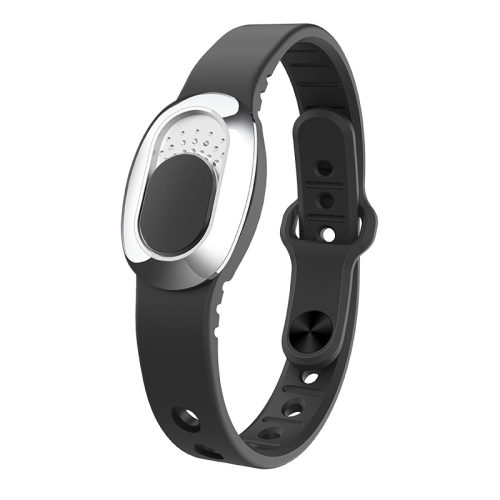







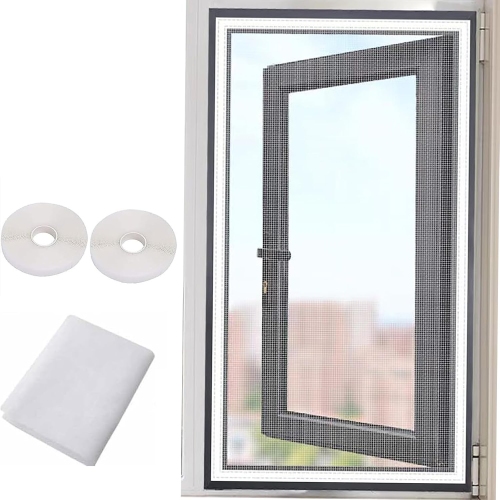

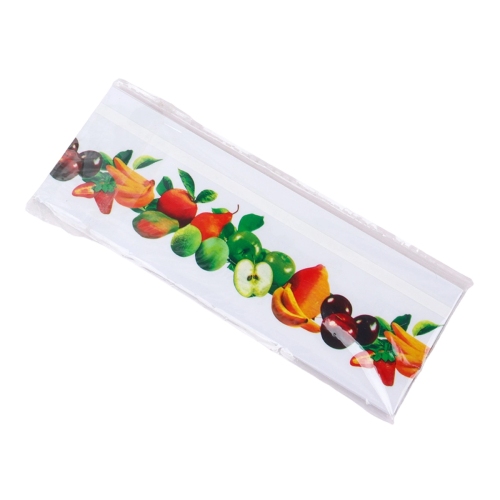

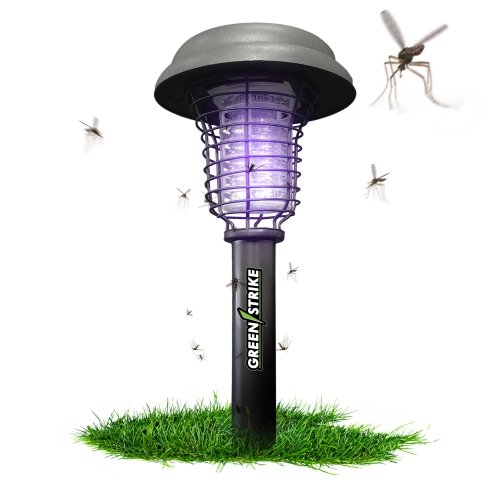





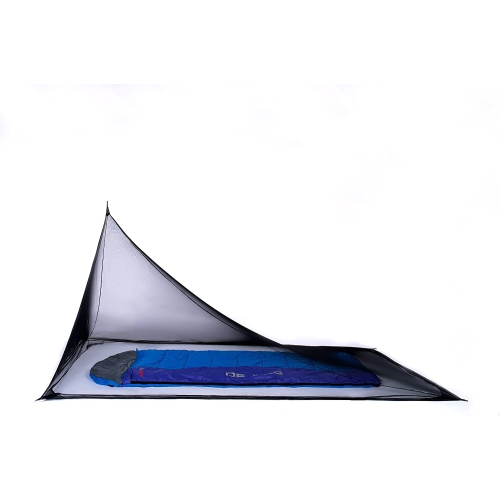
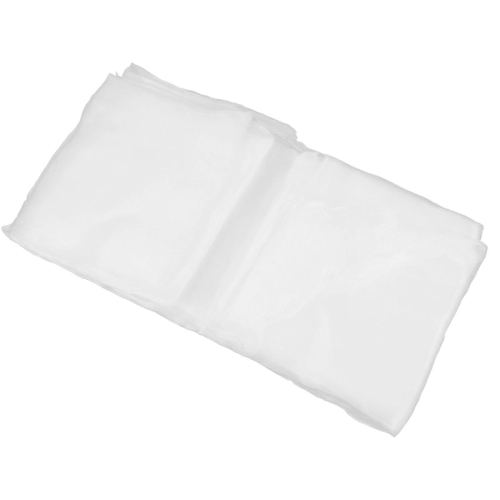
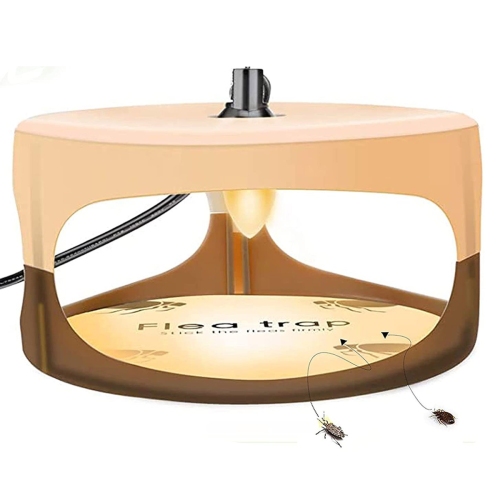
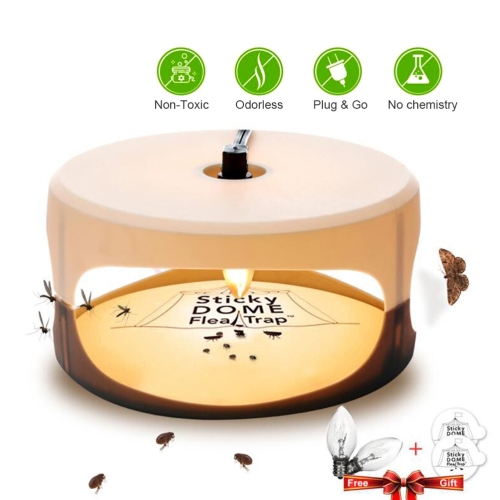
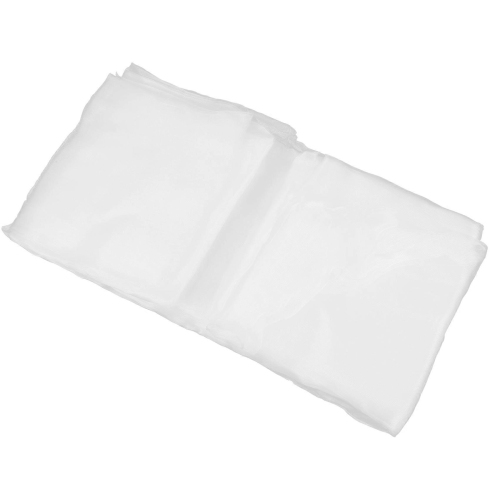





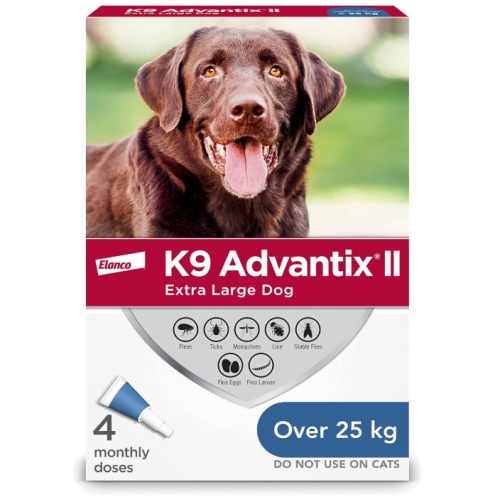



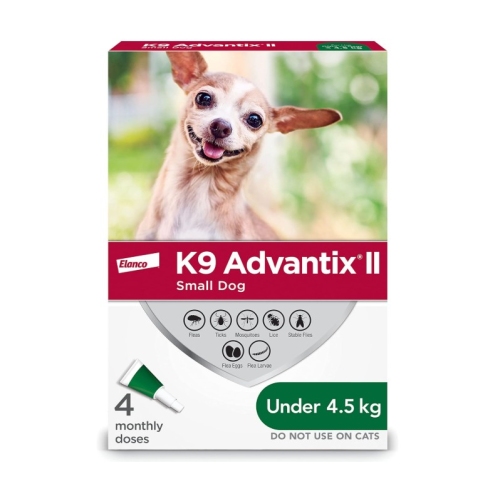
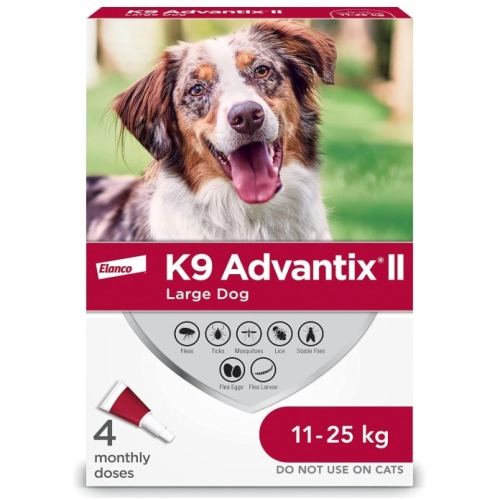



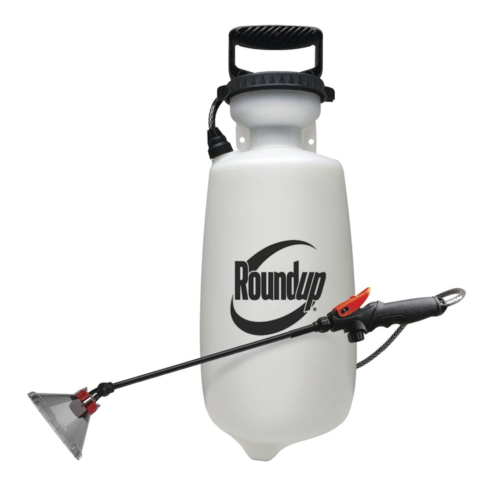
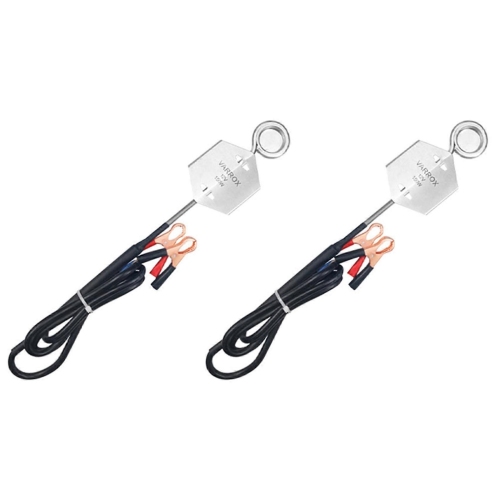


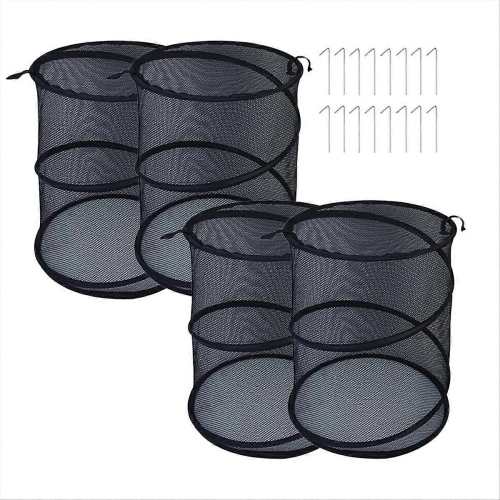

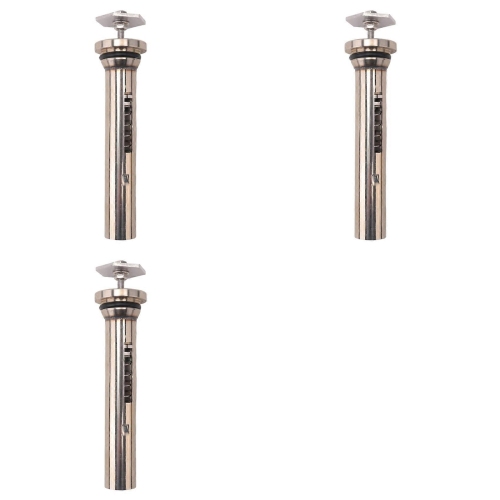


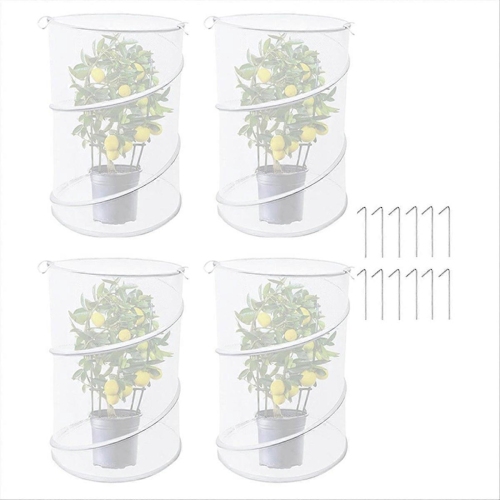



Why the right treatment depends on the insect
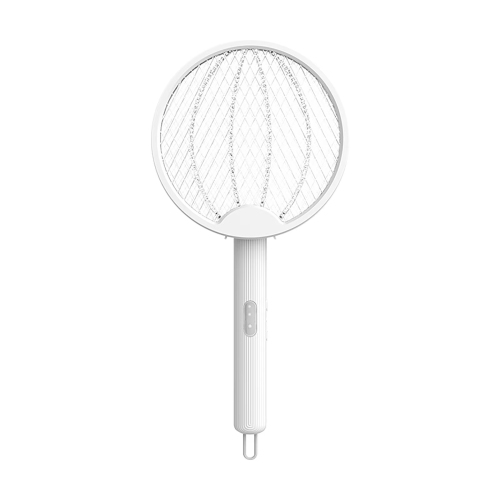
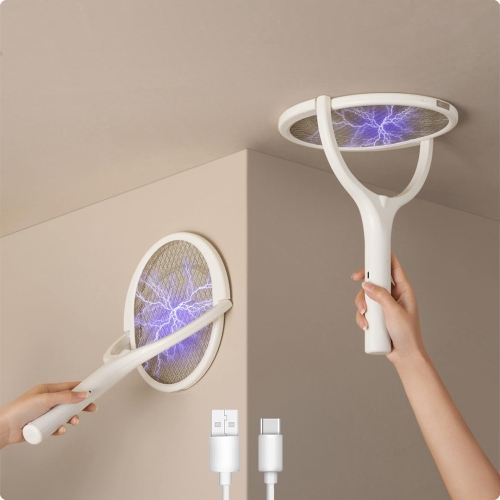
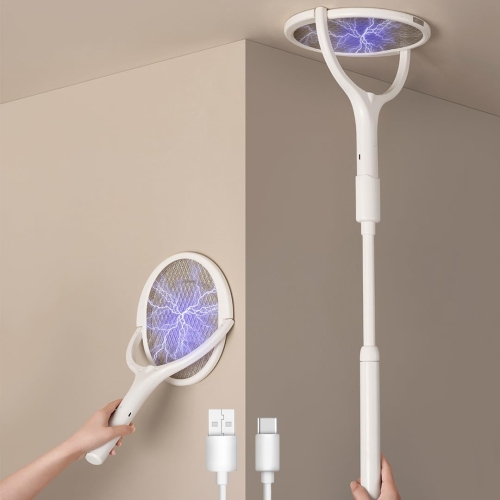
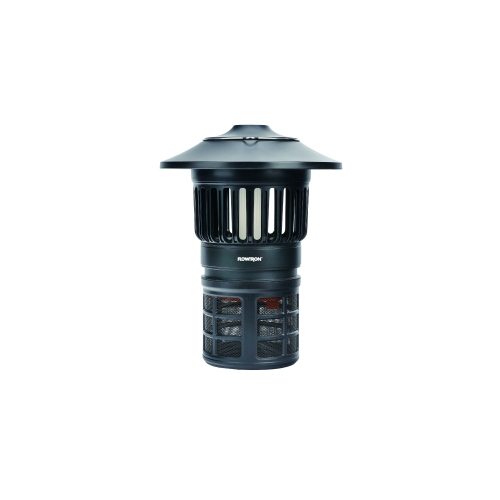
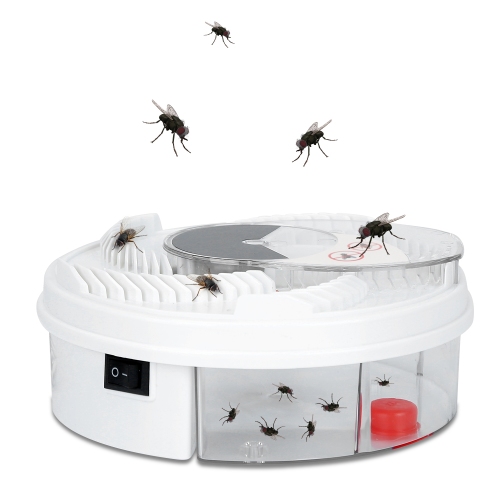
Insect control products help manage unwanted crawling and flying insects in and around the home, with different formats suited to different pests and locations. Common options include ready-to-use insect sprays, enclosed bait stations, adhesive traps, insecticidal powders, and electrically powered flying-insect traps. The most useful distinction is not simply the format, but the combination of the target insect, the permitted application area, and the way the product works. A spray labelled for direct contact with ants serves a different purpose from a bait designed for worker ants to carry back to their colony. Similarly, a trap intended for pantry moths is not interchangeable with one designed for fruit flies, even if both pests appear near food storage areas. Contact sprays can address visible insects when used as directed, while certain residual treatments remain active on approved surfaces for a period stated on the label. Baits depend on feeding behaviour, so results may take longer than an immediate contact treatment. Adhesive traps can capture insects and help reveal where activity is concentrated, such as behind an appliance or beside a cupboard, although trapping alone may not address the source of an infestation. Powders work differently according to their ingredients; some damage the protective outer layer of susceptible crawling insects, while others use a different insecticidal action. Light-based traps attract certain flying insects, but performance varies by insect species, placement, and competing light sources. An illuminated trap should not be assumed to control mosquitoes simply because it attracts other flying insects. These differences matter in everyday settings: a trail of ants beside a patio door, small flies around a kitchen bin, and moths near dry goods each call for a different match between pest and product. Clear labelling, an appropriate target-pest claim, and suitability for the intended location are more meaningful than broad promises about controlling every insect.
Construction and design also affect how comfortably insect control products fit into a household routine. Enclosed bait stations often use moulded plastic housings to contain the bait and limit direct contact, while adhesive traps may have folded cardboard covers or rigid shells that keep the trapping surface away from passing hands. Neither design should be treated as childproof or petproof unless that claim is specifically supported by the product’s labelling. A low-profile trap may fit beneath a cabinet edge, whereas a larger housing needs enough clearance to sit securely without being crushed or disturbed. For sprays, a comfortable trigger, a secure cap, and a clearly directed nozzle can make handling easier, but the permitted spray pattern and application method still depend on the label. Powders require particular care because loose particles can become airborne; application is appropriate only in the locations and quantities specified by the manufacturer. Electric insect traps may combine plastic or metal housings with a collection tray, an adhesive insert, or another capture mechanism. Useful design details include a stable base, guarded internal components, accessible replacement parts, and a tray that can be removed without spilling its contents. Cord length, outlet access, mounting requirements, and the space needed for servicing all influence placement. Plug-in, battery-powered, and rechargeable designs have different operating and maintenance needs, and suitability for outdoor use must be explicitly stated rather than inferred from appearance. Durable construction is especially useful for equipment that will be moved, mounted, or cleaned repeatedly, but even a sturdy housing needs regular inspection for cracks, loose fittings, or damaged cords. Care requirements can include replacing adhesive inserts, emptying collection trays, and cleaning permitted surfaces after disconnecting power. Consumable refills should match the device exactly, and cleaning methods should follow the manufacturer’s directions so that working components and trapping surfaces are not damaged.
The intended user and setting are just as important as the insect being targeted. A household with curious pets, a shared kitchen with limited counter space, and a workshop with infrequently opened storage cupboards present different placement and handling needs. Insect control for food preparation areas requires close attention to restrictions around utensils, dishes, exposed food, and food-contact surfaces. Products intended for use on people, such as personal insect repellents, belong to a different use category from treatments for floors, cracks, or building perimeters; a household insecticide should never be substituted for a skin-applied repellent. For pesticide products sold for use in Canada, look for a Health Canada Pest Control Product registration number and read the full label, including the target pests, permitted sites, precautions, and disposal directions. Ingredients described as plant-derived or naturally occurring still require careful handling and should not be assumed harmless to children, animals, or plants. Original containers keep essential directions and identification with the contents, and storage should follow the label in a place inaccessible to children and pets. Practical insect management also includes the surrounding household conditions: a tightly sealed container keeps pantry staples less accessible, a repaired screen helps block entry, and removing food residue reduces feeding opportunities. These measures complement targeted products rather than making every treatment interchangeable. Broader Pest Control Supplies can be relevant when insect control is part of a wider household maintenance need, but each product should still match the pest and task at hand. Persistent activity, insects spreading between rooms, or suspected bed bugs may require identification and assessment by a qualified pest management professional. For everyday household use, the strongest fit is a product with clear instructions, a manageable maintenance routine, and a design that can be placed correctly without disrupting normal use of the space.
Top selling and popular products
-
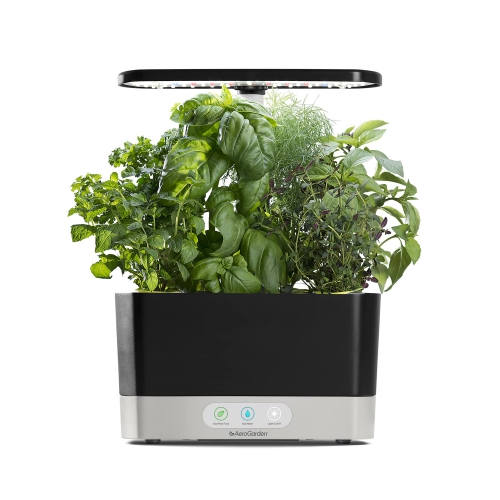 Your price for this item is $199
-
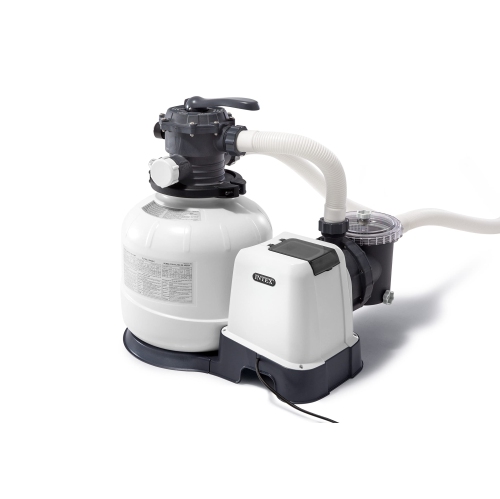 Your price for this item is $430.99
-
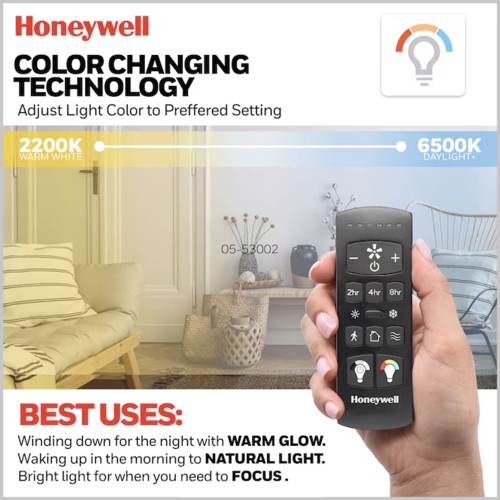 Your price for this item is $480.99
-
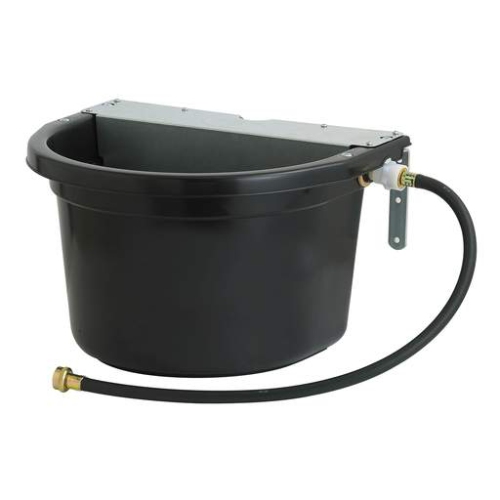 Your price for this item is $130.99
-
 Your price for this item is $221.99
-
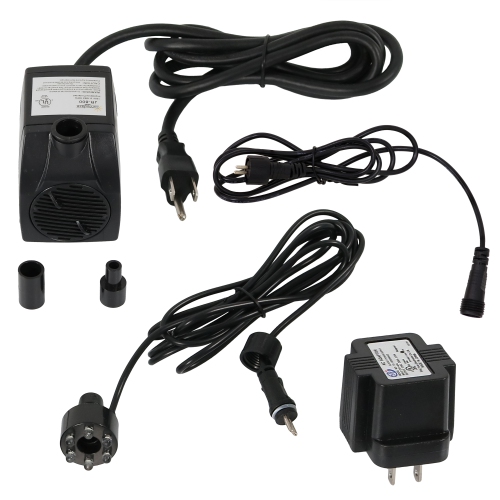 Your price for this item is $69.45
-
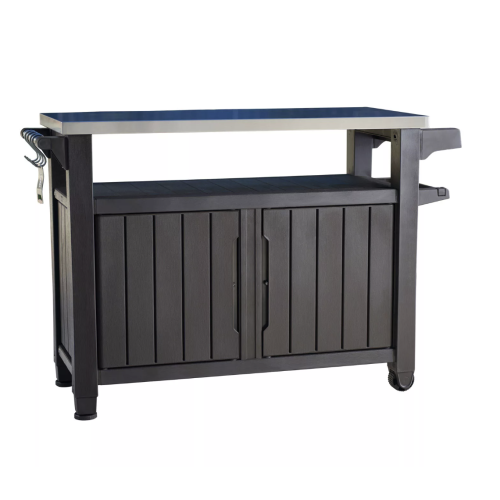 Your price for this item is $569.99
-
 Your price for this item is $249.99
Discover more categories related to Insect Control Products
Top Collections:
Pokemon Centers, Best Cameras for Sports Photography, Kindle Devices, Samsung Galaxy Phones, Canon G7X Cameras, Pokémon 30th Celebration Cards, Refurbished Apple Laptops, iPhone 15 Apple, Laptops for Students, Budget Smartphones
Some products may be subject to Environmental Handling Fees
(EHF) depending on your province.
Learn more about EHFs.