Insect Repellent Sprays
Whether you're planning a camping trip, enjoying a backyard barbecue, or simply taking a stroll in the park, keeping pesky insects at bay is essential for a comfortable outdoor experience. Our collection of insect repellent sprays offers a wide range of options to help you fend off mosquitoes, ticks, flies, and other bothersome bugs. With various formulations and strengths available, you can find the perfect insect repellent spray that suits your needs and provides long-lasting protection. Say goodbye to itchy bites and hello to worry-free outdoor adventures with our selection of effective insect repellent sprays.
Sort
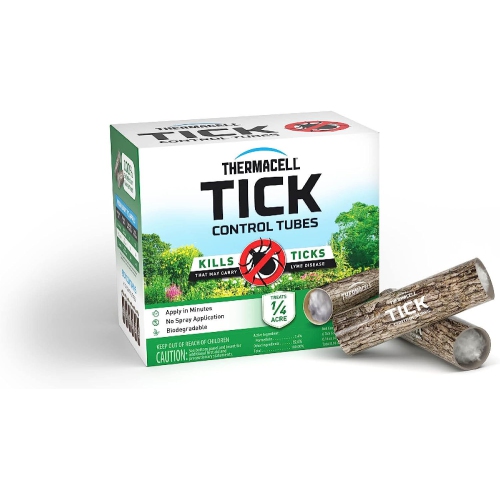
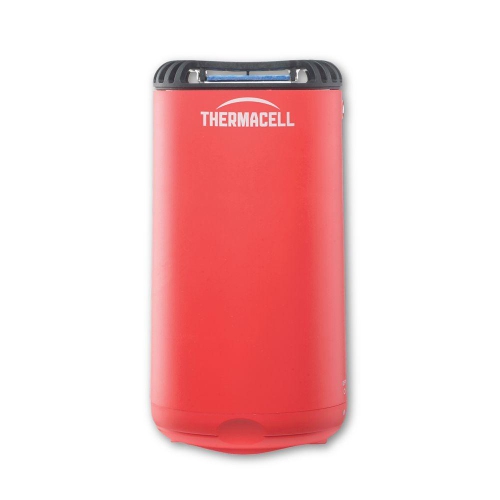
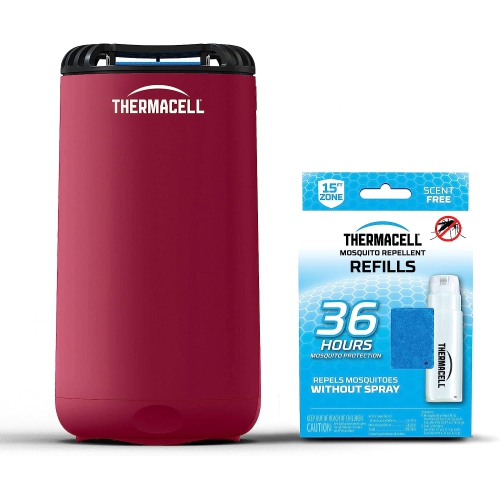
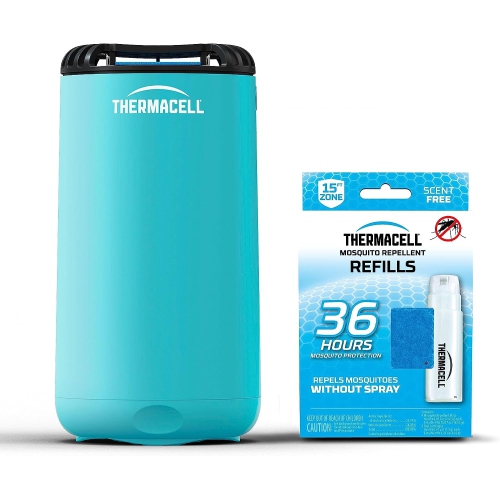

Why repellent labels matter for every outdoor outing
Insect repellent sprays provide personal protection against biting insects during activities such as hiking, camping, fishing, gardening, and spending time at a picnic table or campsite. Unlike insecticides intended to kill insects, personal repellents help discourage mosquitoes and other listed pests from landing on or biting treated skin. Some formulas also protect against ticks, black flies, and other biting pests, but coverage varies: the label identifies which pests a spray repels and how long its protection may last. For shoppers comparing insect repellent sprays in Canada, the most useful details are the active ingredient, its concentration, the permitted ages for use, and the labelled duration of protection. DEET and icaridin, also called picaridin, are common active ingredients in personal repellents. Both can offer protection against mosquitoes and ticks when used according to their labels. A higher concentration of a given active ingredient generally extends protection time rather than making every application more effective, and percentages are not directly comparable across different ingredients. The best fit for a short walk with the dog may differ from the best fit for a full day beside a lake, especially when the nearest place to wash up or change clothing is far away. Labelled protection times are useful for comparison, but perspiration, swimming, rubbing, and activity can affect how long a treatment lasts. Reapplication needs to follow the label rather than an assumed schedule, including any limits on the number of applications per day. Repellents authorized for sale in Canada carry a Pest Control Products registration number, along with directions and precautions that help establish their intended use. These details matter more than broad descriptions such as strong, gentle, or long-lasting. A formula suited to an adult angler is not automatically appropriate for a toddler, and a spray labelled for mosquitoes should not be assumed to provide tick protection unless ticks are also listed.
The spray format affects how a repellent fits into an outing, from treating exposed ankles before a trail walk to covering forearms before settling into a camp chair. Pump sprays dispense liquid through a manually operated nozzle, while aerosols use a pressurized container to deliver a mist. Neither format alone determines the length or range of protection; those depend on the formula and its approved directions. Bottle shape, cap security, and how easily the nozzle can be operated are practical considerations for anyone carrying repellent alongside water bottles, snacks, and spare clothing. A compact container can fit into a daypack pocket, while a larger container may suit repeated use at a campsite or cottage, provided it is stored as directed. Texture and scent also influence comfort. Some formulations feel lighter or dry more quickly than others, and an unscented description does not necessarily mean a spray has no detectable odour. Moisturizing ingredients may affect skin feel, but they do not establish how well a formula repels insects. Ingredient compatibility is particularly important around outdoor gear. DEET can damage some plastics, synthetic materials, and finishes, so contact with sunglasses, watch faces, fishing equipment, and coated surfaces deserves care. Icaridin is generally compatible with a wider range of these materials, although the product label and the equipment maker’s care directions still apply. Application to clothing is appropriate only when the repellent label permits it; a spray intended for skin is not interchangeable with a treatment intended only for fabric or equipment. Loose, tightly woven clothing can reduce the amount of exposed skin that needs treatment, while repellent can address exposed areas within the label’s directions. For a hiker wearing a technical shirt, a cyclist handling a helmet and glasses, or a photographer carrying a camera, material compatibility can be just as relevant as scent or bottle size. The useful choice is one that suits both the person wearing it and the belongings likely to come into contact with it.
Households with children, frequent travellers, and people who spend long stretches outdoors may have different requirements even when they are shopping within the same category. Age restrictions depend on the active ingredient and formulation, so family use starts with checking each label rather than relying on packaging language alone. An adult should apply repellent to a child, keeping it away from the child’s hands, eyes, and mouth. Sprays should not be directed onto the face; where facial use is permitted, an adult can spray their own hands first and then apply carefully, avoiding the eyes and mouth. Repellent belongs only on the areas allowed by the label, not on cuts, irritated skin, or skin beneath clothing. Applying more than directed does not provide a dependable shortcut to longer protection. When sunscreen is also needed, sunscreen goes on first, followed by insect repellent, with each reapplied according to its own directions. After returning indoors, treated skin can be washed with soap and water, and treated clothing should be washed before being worn again, following the label and garment care instructions. Storage is part of keeping a spray suitable for future use: containers should remain closed, in their original packaging, and out of children’s reach. Aerosol containers have additional heat and pressure precautions, and any flammability warnings matter around campfires, stoves, and other ignition sources. For travel, container limits and restrictions can vary by carrier and destination, particularly for aerosols. Personal sprays also serve a different purpose from Insect Repellent Devices, which may be designed for a defined area rather than protection that stays with someone moving along a trail. Neither approach replaces checking clothing and skin for ticks after exposure or using other appropriate bite-prevention measures. For destinations where insects can transmit illness, travel-health advice can help establish suitable precautions. Across everyday outings and longer trips, clear pest coverage, appropriate age permissions, comfortable application, and compatibility with clothing and gear are the details that make an insect repellent spray a practical part of an outdoor kit.
Top selling and popular products
-
 Your price for this item is $64.99
-
 Your price for this item is $119.89
-
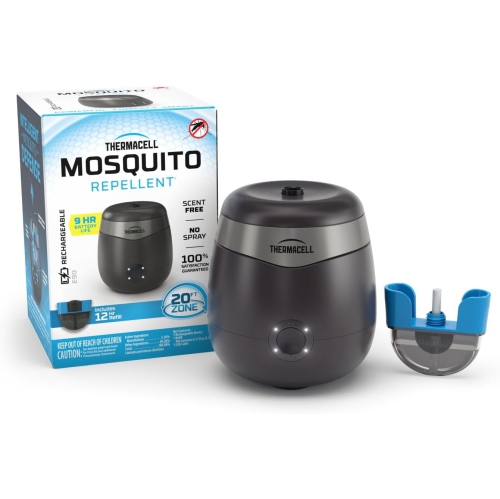 Your price for this item is $95.91
-
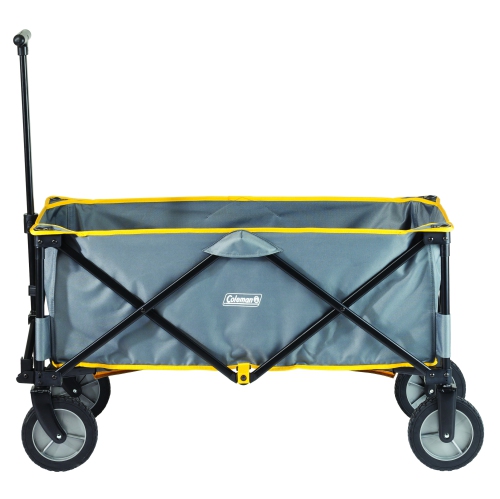 Your price for this item is $199
-
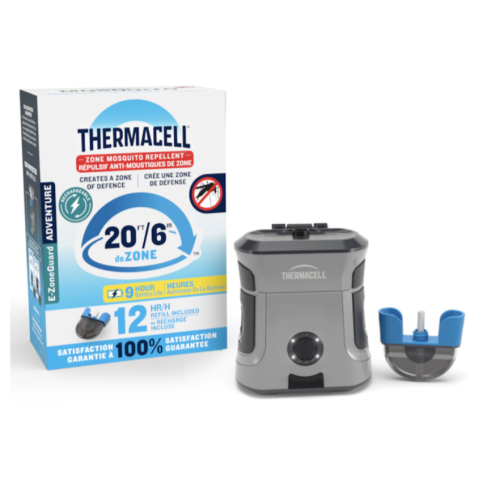 Your price for this item is $64.99
-
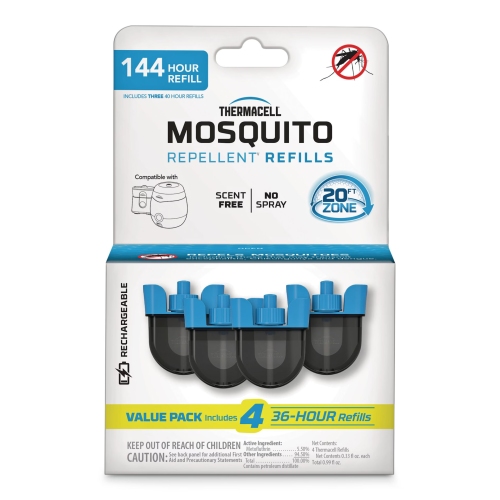 Your price for this item is $67
-
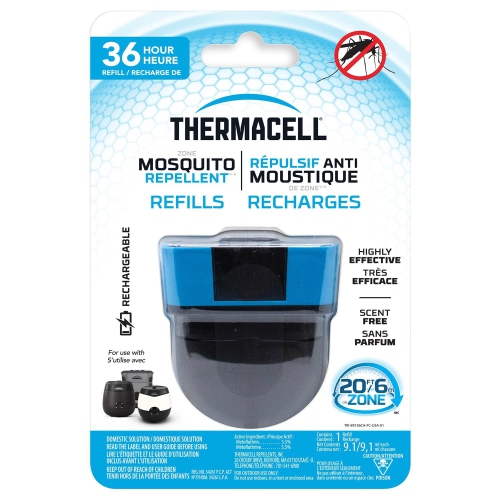 Your price for this item is $34.99
-
 Your price for this item is $90
Discover more categories related to Insect Repellent Sprays
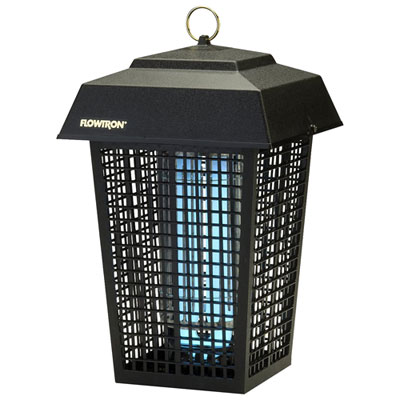
Top Collections:
Pokemon Centers, Best Cameras for Sports Photography, Kindle Devices, Samsung Galaxy Phones, Canon G7X Cameras, Pokémon 30th Celebration Cards, Refurbished Apple Laptops, iPhone 15 Apple, Laptops for Students, Budget Smartphones
Some products may be subject to Environmental Handling Fees
(EHF) depending on your province.
Learn more about EHFs.