Inverter Power Supplies
Looking for reliable and efficient power supplies? Look no further than our collection of inverter power supplies. Designed to convert direct current (DC) into alternating current (AC), these power supplies are essential for powering a wide range of electronic devices and appliances. Whether you need to power your laptop, charge your smartphone, or run household appliances during a power outage, our selection of inverter power supplies has got you covered. With various wattages and features available, you can find the perfect solution to meet your power needs. Browse our collection today and discover the convenience and versatility of inverter power supplies.
Sort
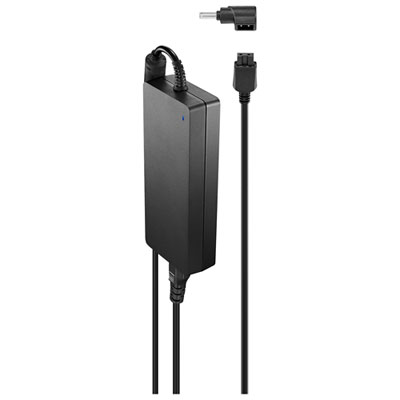
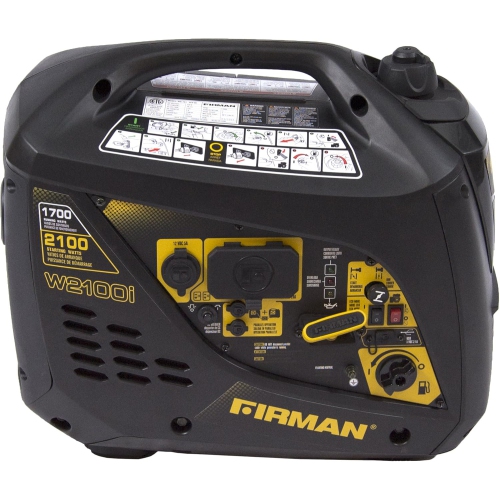
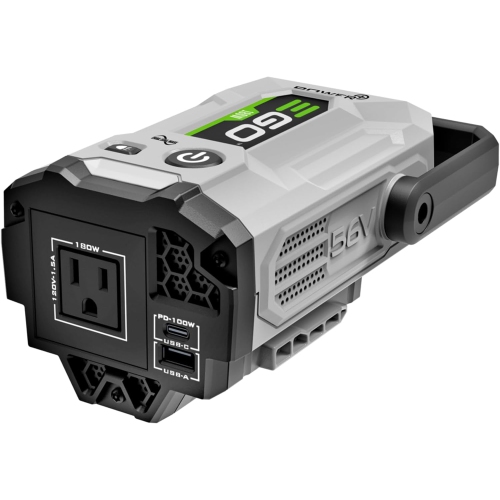
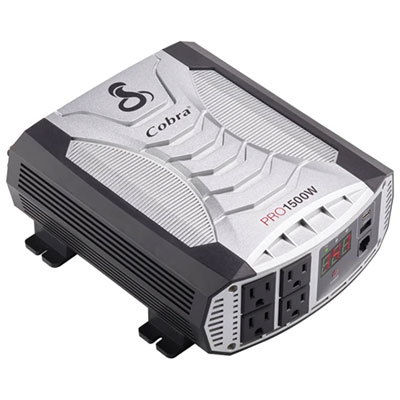
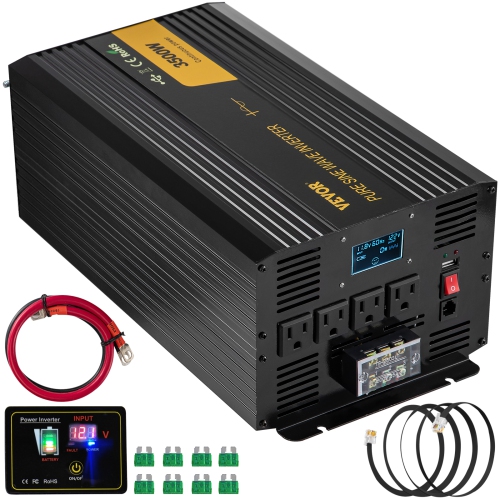
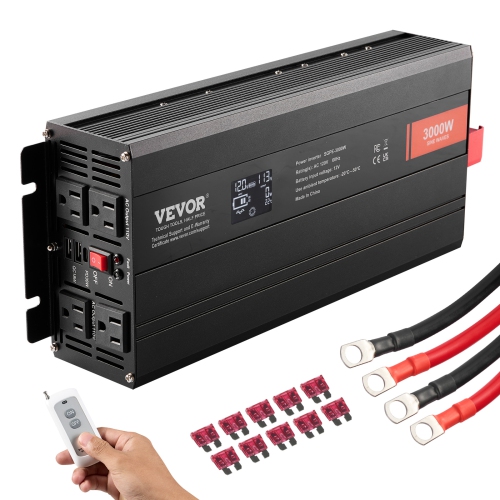
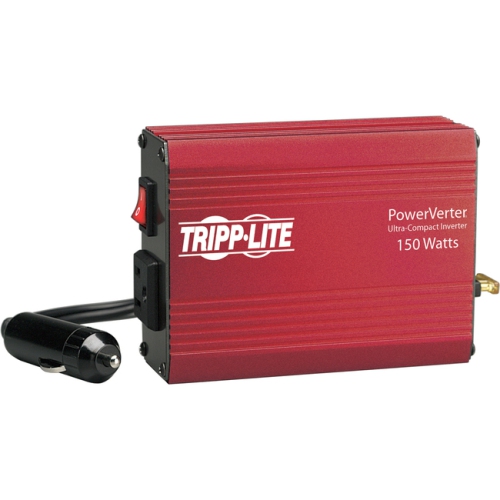
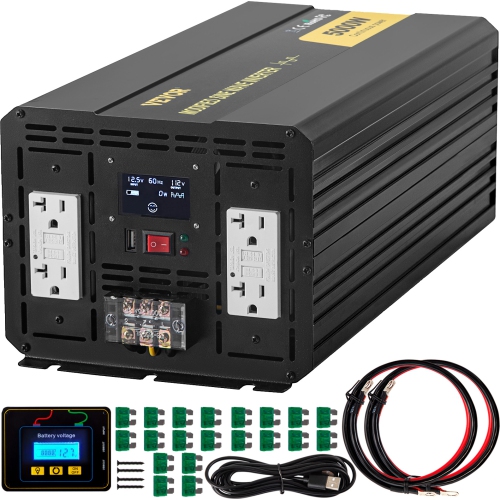
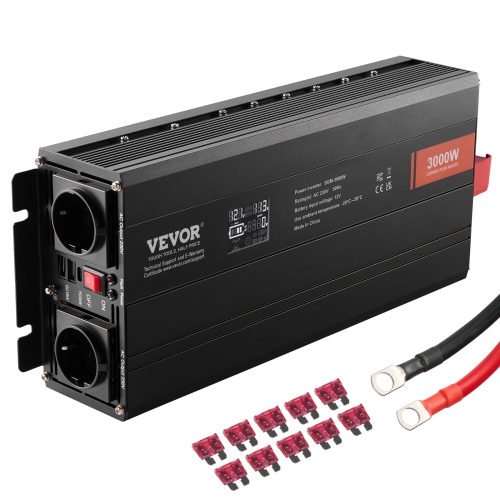
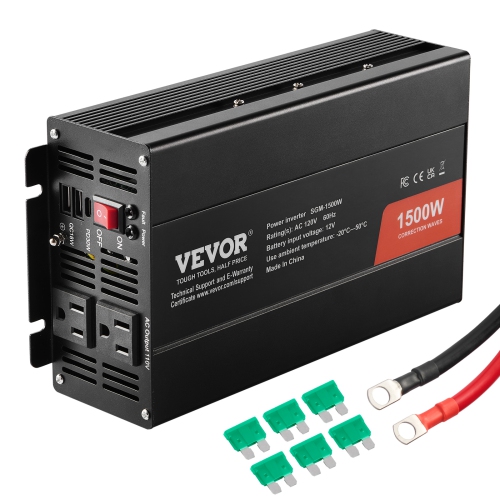
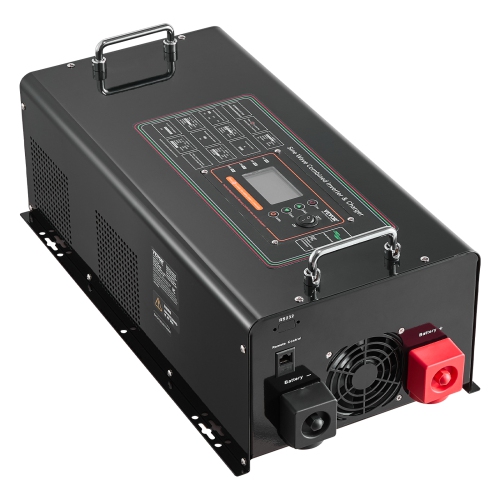
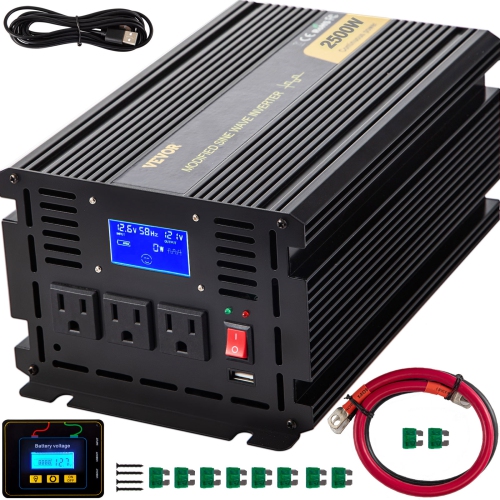
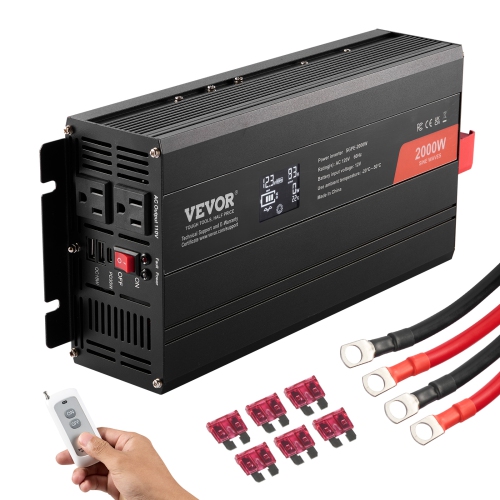
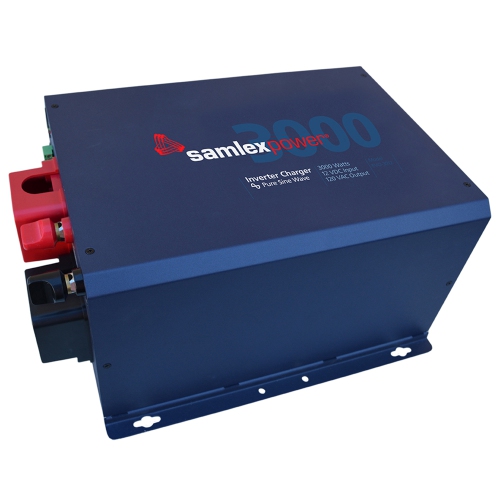
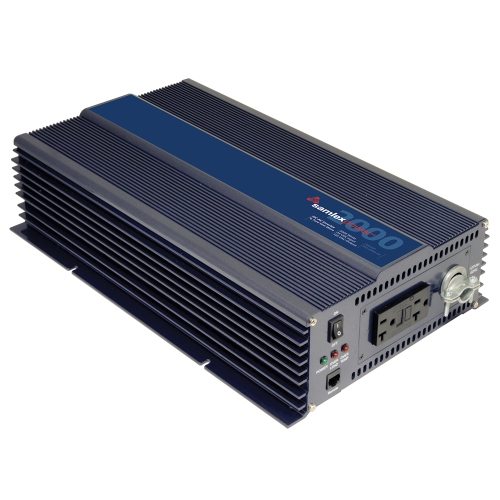
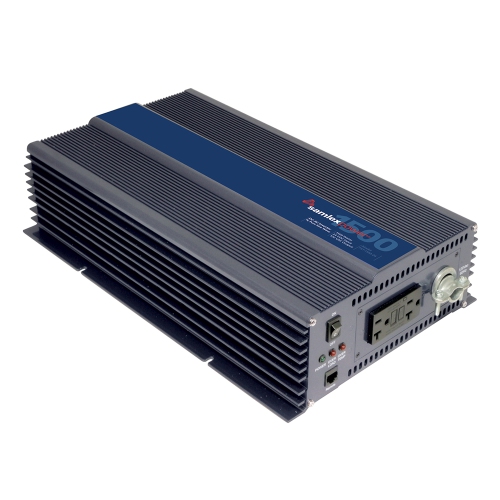
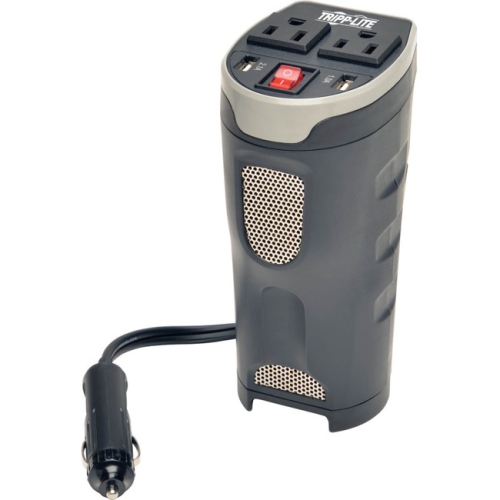
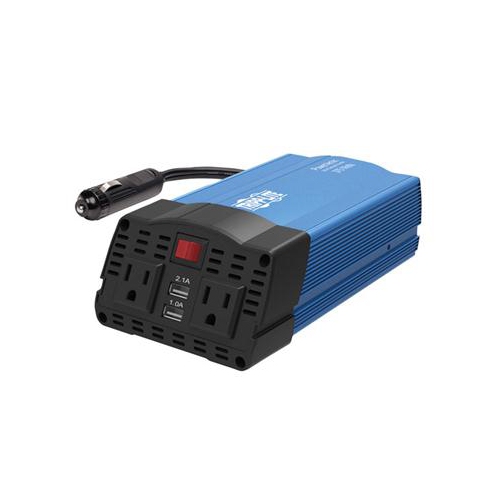
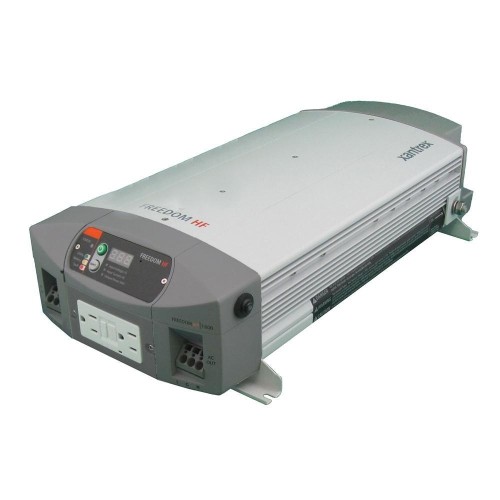
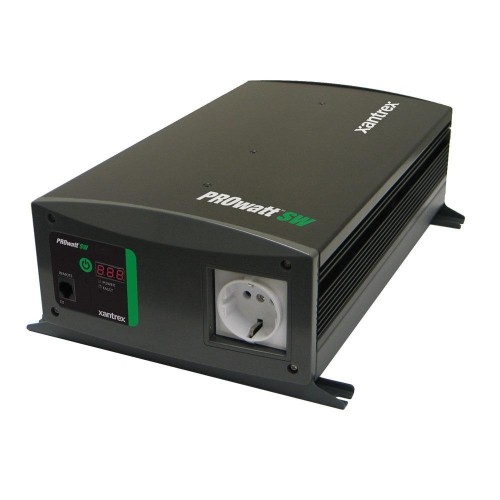
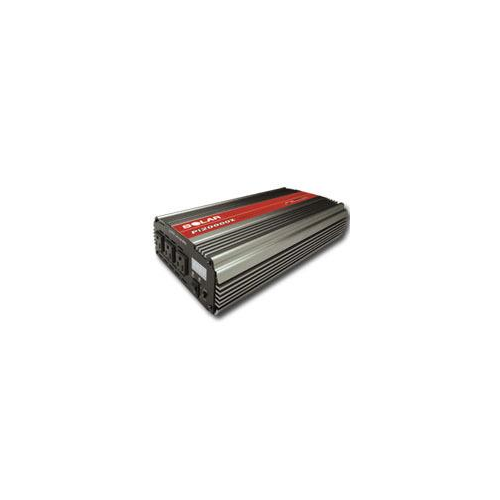
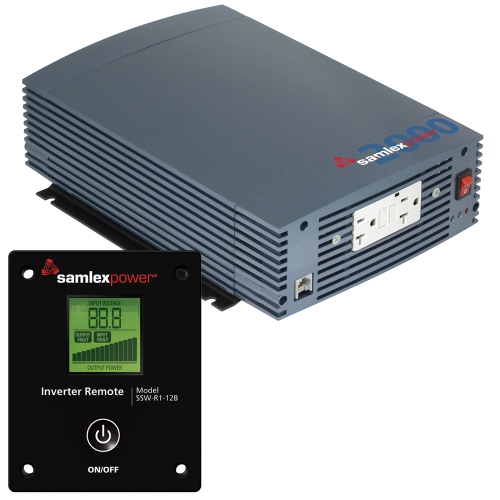

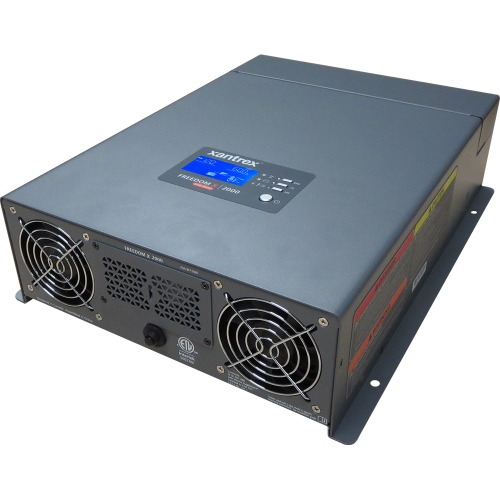
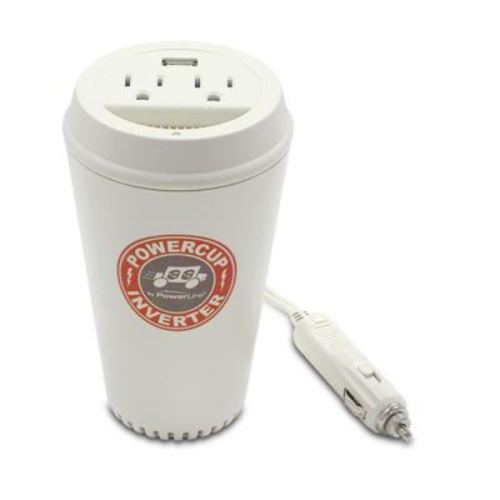


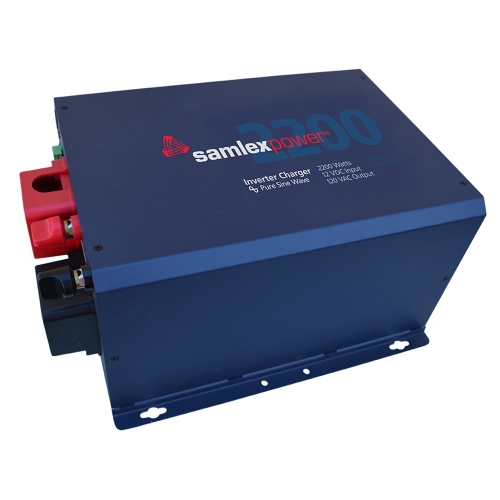

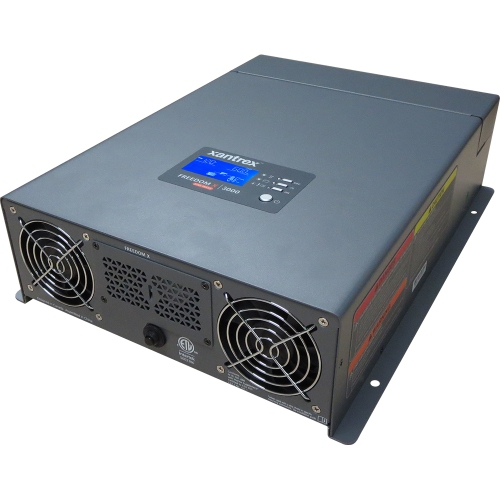
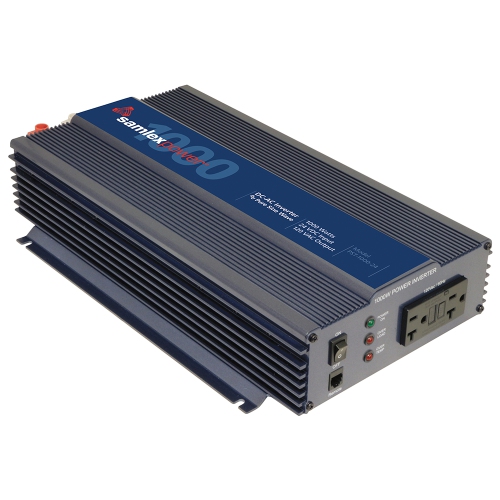
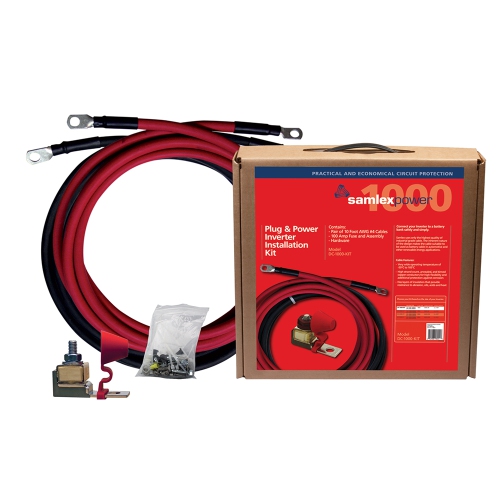

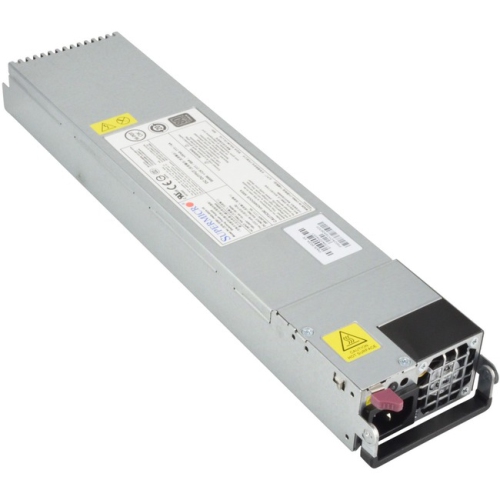
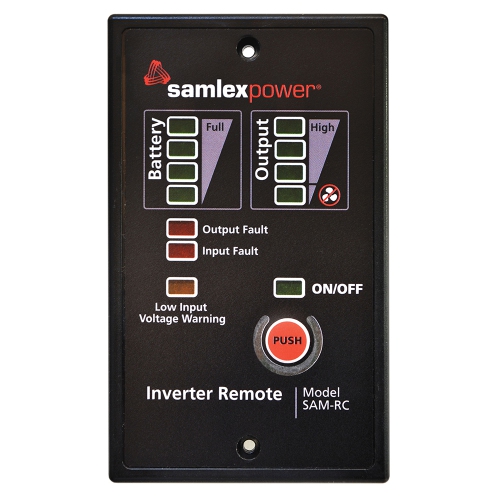
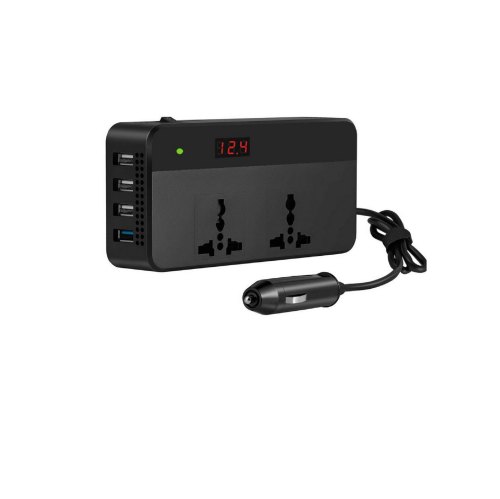
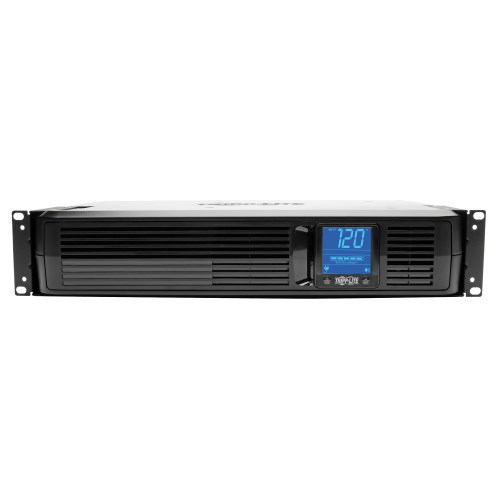
Understand wattage, battery compatibility and safe power conversion
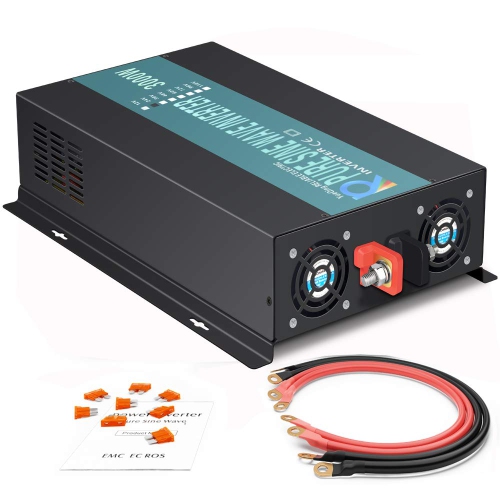
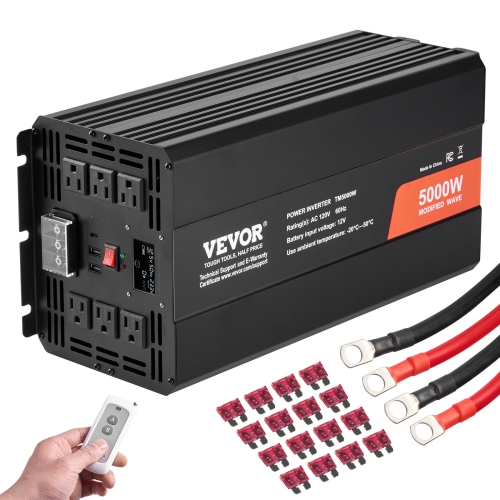
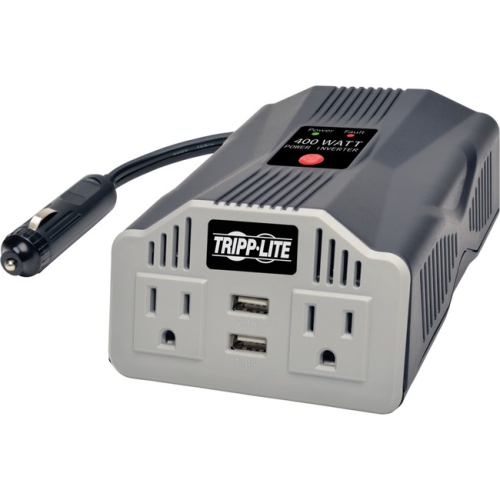
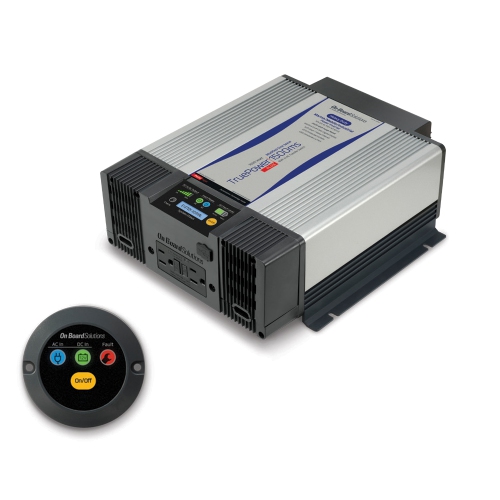
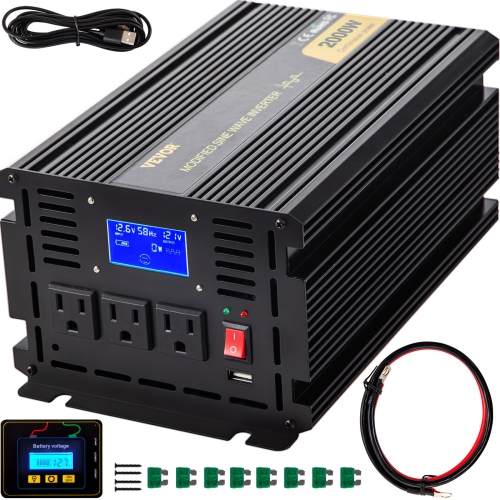
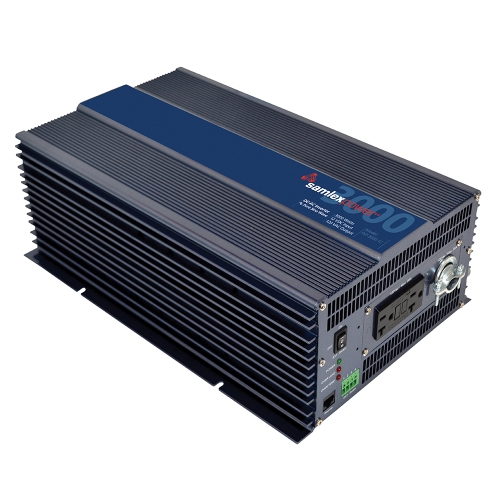
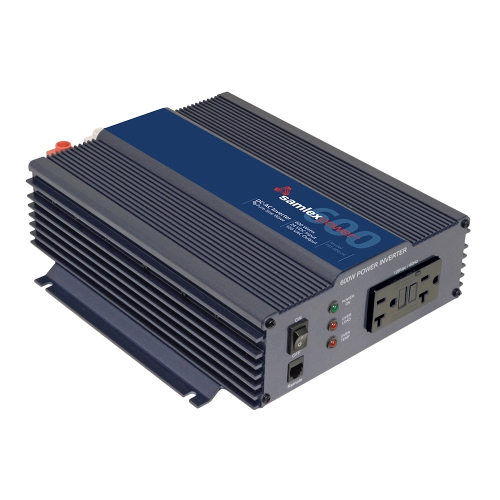
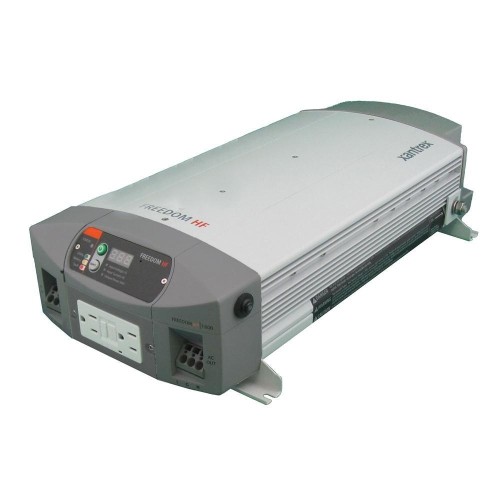
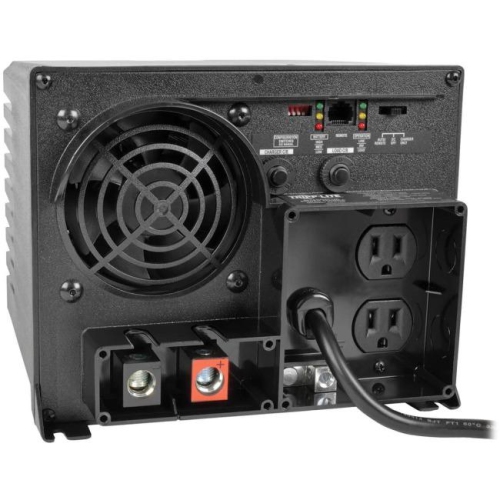
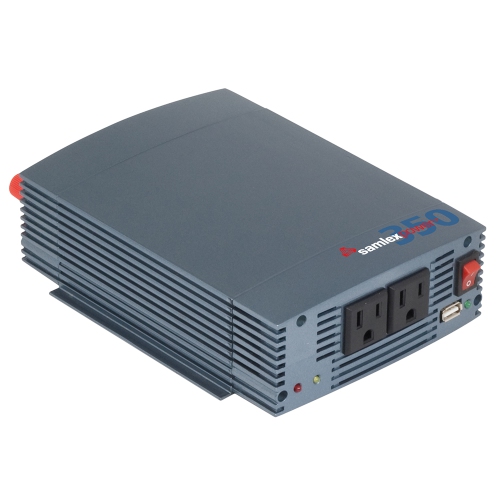
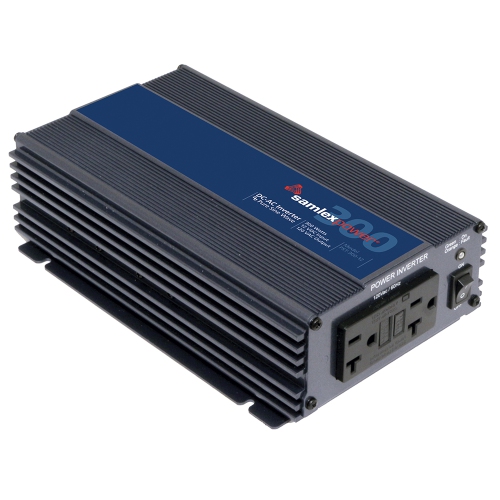
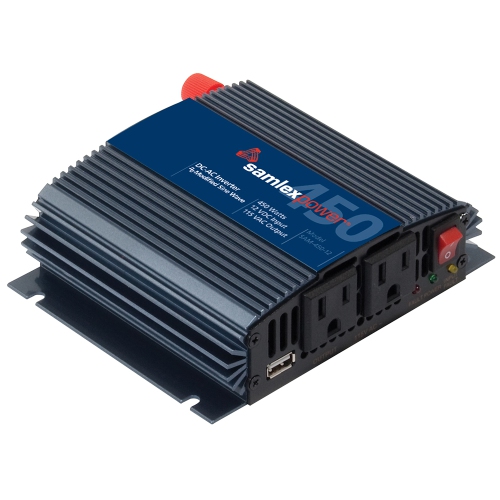
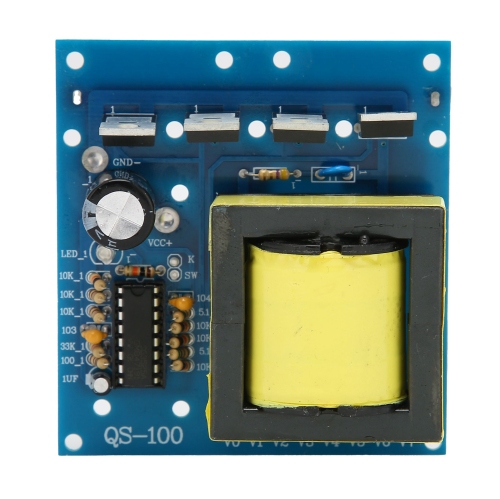
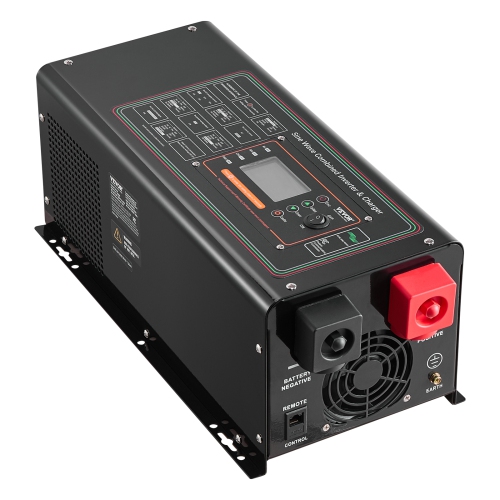
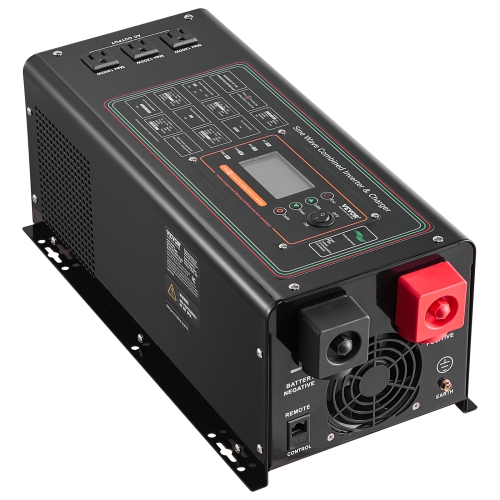
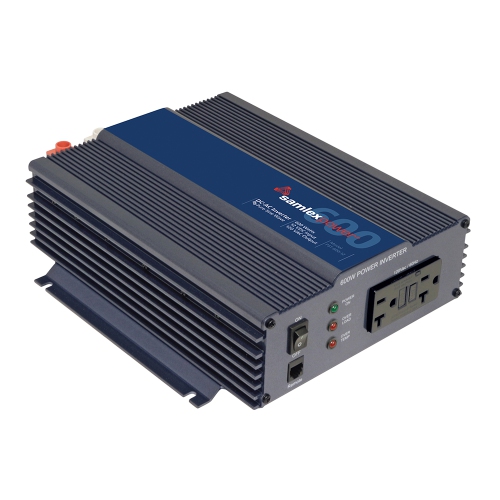
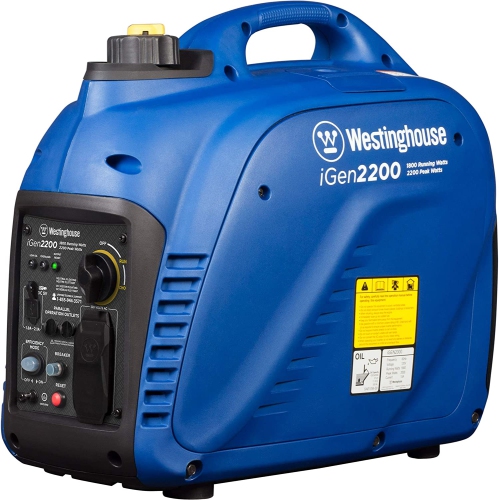
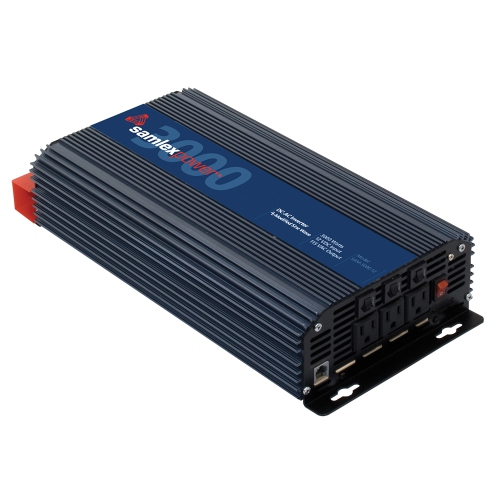
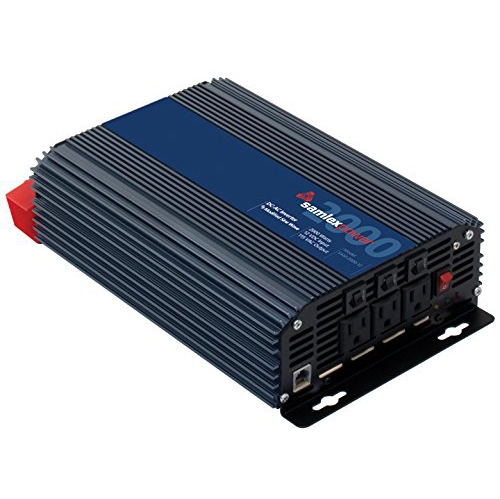
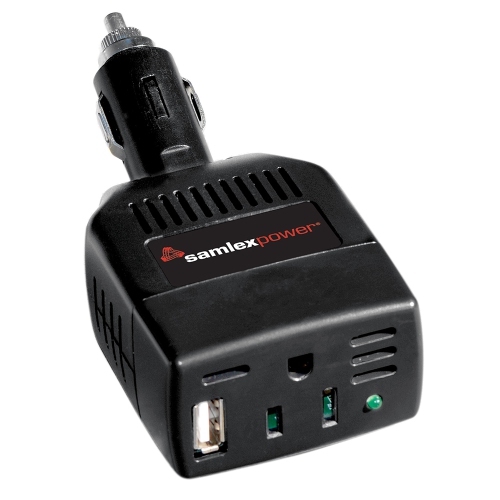
Inverter power supplies provide a practical way to use AC-powered electronics when a standard wall outlet is not available. They draw direct current (DC) from an external source, such as a vehicle battery, portable battery pack, deep-cycle battery or solar battery bank, and convert it into alternating current (AC) for compatible appliances and devices. Unlike a generator, an inverter does not create electricity or store energy on its own; its performance depends on the capacity, charge level and condition of the connected battery. This makes choosing a suitable power source just as important as choosing the inverter itself. A compact inverter can be useful for charging phones, powering a laptop, running a small television or keeping other personal electronics operating during a road trip, camping excursion or brief interruption at home. Larger inverter power supplies can support tools, kitchen appliances, medical equipment and other higher-demand devices when matched with an appropriately sized battery system. They can be helpful in an RV, workshop, cottage, vehicle or home utility area, particularly when equipment needs to be used away from a convenient outlet. During the cooler months, they may also be kept with emergency supplies so essential electronics can remain available if a power interruption affects the household. They can make a thoughtful gift for someone who spends time outdoors, travels by vehicle, works on remote projects or enjoys preparing a well-organized emergency kit.
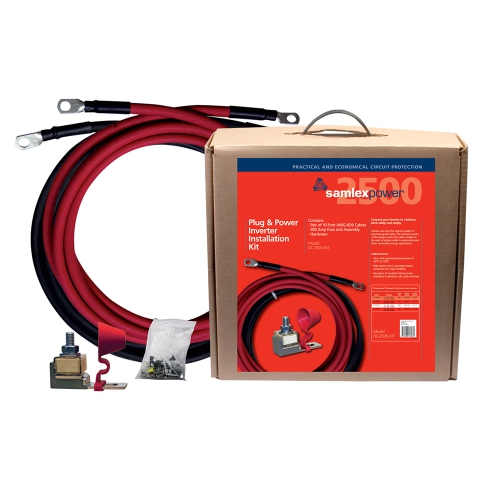
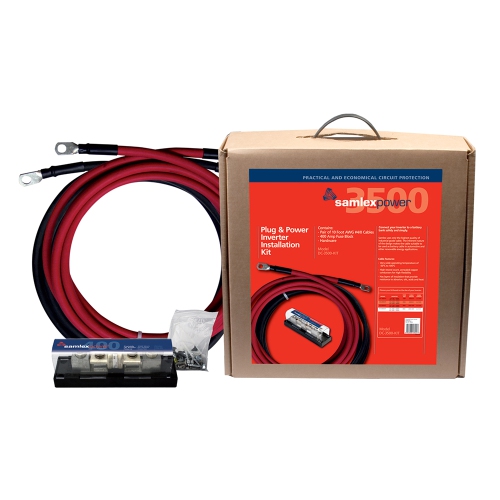
The most important purchasing consideration is wattage. Look at the running wattage of every device you plan to connect, then account for the higher starting or surge wattage required by equipment with motors, compressors or heating elements. A refrigerator, power tool, pump or coffee maker may briefly demand considerably more power when it starts than it uses during normal operation. An inverter that meets only the continuous rating may shut down, overheat or fail to start the appliance. Add the running wattages of devices that may operate at the same time, and choose a model with enough continuous capacity and surge headroom for those demands. It is also worth checking the input voltage so it matches the battery or vehicle system, commonly 12V, 24V or 48V. Connection style matters as well: smaller units may plug into a vehicle accessory outlet, while high-capacity models may require direct battery connections with properly sized cables, terminals and fuses. Cable length, ventilation and placement can affect performance, so an inverter should be installed or positioned where air can circulate and where it will remain dry and protected from accidental contact. Built-in safeguards such as overload, short-circuit, low-voltage, over-temperature and reverse-polarity protection add reassurance, but they do not replace correct installation or careful use. Always follow the manufacturer’s instructions, keep the inverter within its rated limits and avoid connecting it to household wiring unless the system has been installed with the appropriate transfer equipment by a qualified professional.
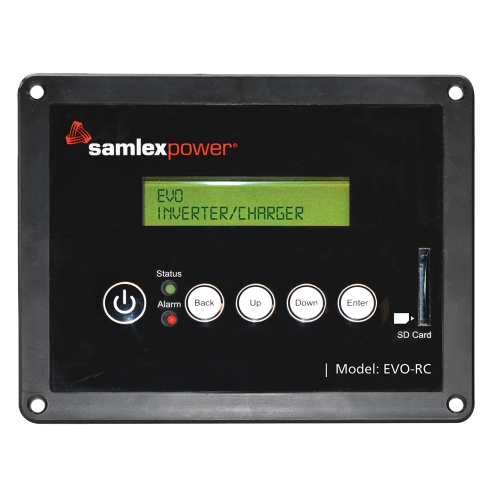
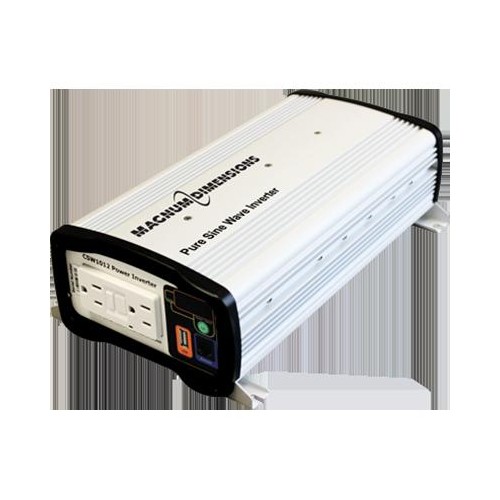
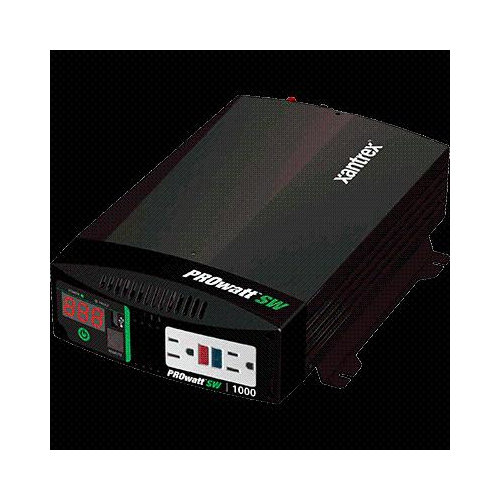
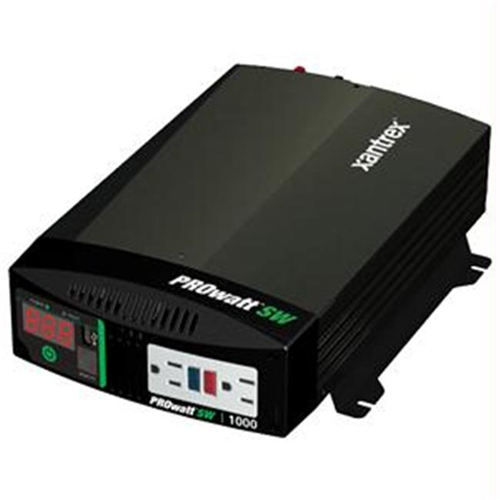
Sine wave output is another key distinction. Pure sine wave inverters produce smooth AC power that closely matches the electricity supplied by a household outlet. This type of output is a strong choice for sensitive electronics and equipment with internal power supplies, including laptops, televisions, audio systems, CPAP machines, variable-speed tools and certain medical devices. Modified sine wave models can be suitable for simpler loads such as some lights, basic chargers, fans and selected tools, but they may cause audible buzzing, extra heat, reduced efficiency or irregular operation with particular appliances. If compatibility is uncertain, choosing a pure sine wave model offers broader flexibility, especially when the inverter may be used with different equipment over time. You can browse Sine Power Inverters when smooth, consistent power is a priority. Other useful features include multiple AC outlets, USB-A or USB-C charging ports, a clear display for input voltage and output load, remote controls, battery monitoring and automatic shutdown. Think about how the inverter will be used in real conditions: a compact unit may be easiest to carry from a car to a campsite, while a heavier model with a larger capacity may be better suited to a fixed battery bank or workshop. Keep electronics within their recommended operating range, allow space around ventilation openings and disconnect the load before moving or servicing the setup. With the right wattage, output type, connection method and safety features, an inverter power supply can provide dependable access to familiar electronics wherever your available power source is located.
The most important purchasing consideration is wattage. Look at the running wattage of every device you plan to connect, then account for the higher starting or surge wattage required by equipment with motors, compressors or heating elements. A refrigerator, power tool, pump or coffee maker may briefly demand considerably more power when it starts than it uses during normal operation. An inverter that meets only the continuous rating may shut down, overheat or fail to start the appliance. Add the running wattages of devices that may operate at the same time, and choose a model with enough continuous capacity and surge headroom for those demands. It is also worth checking the input voltage so it matches the battery or vehicle system, commonly 12V, 24V or 48V. Connection style matters as well: smaller units may plug into a vehicle accessory outlet, while high-capacity models may require direct battery connections with properly sized cables, terminals and fuses. Cable length, ventilation and placement can affect performance, so an inverter should be installed or positioned where air can circulate and where it will remain dry and protected from accidental contact. Built-in safeguards such as overload, short-circuit, low-voltage, over-temperature and reverse-polarity protection add reassurance, but they do not replace correct installation or careful use. Always follow the manufacturer’s instructions, keep the inverter within its rated limits and avoid connecting it to household wiring unless the system has been installed with the appropriate transfer equipment by a qualified professional.
Sine wave output is another key distinction. Pure sine wave inverters produce smooth AC power that closely matches the electricity supplied by a household outlet. This type of output is a strong choice for sensitive electronics and equipment with internal power supplies, including laptops, televisions, audio systems, CPAP machines, variable-speed tools and certain medical devices. Modified sine wave models can be suitable for simpler loads such as some lights, basic chargers, fans and selected tools, but they may cause audible buzzing, extra heat, reduced efficiency or irregular operation with particular appliances. If compatibility is uncertain, choosing a pure sine wave model offers broader flexibility, especially when the inverter may be used with different equipment over time. You can browse Sine Power Inverters when smooth, consistent power is a priority. Other useful features include multiple AC outlets, USB-A or USB-C charging ports, a clear display for input voltage and output load, remote controls, battery monitoring and automatic shutdown. Think about how the inverter will be used in real conditions: a compact unit may be easiest to carry from a car to a campsite, while a heavier model with a larger capacity may be better suited to a fixed battery bank or workshop. Keep electronics within their recommended operating range, allow space around ventilation openings and disconnect the load before moving or servicing the setup. With the right wattage, output type, connection method and safety features, an inverter power supply can provide dependable access to familiar electronics wherever your available power source is located.
Top selling and popular products
-
 Your price for this item is $30.59
 -
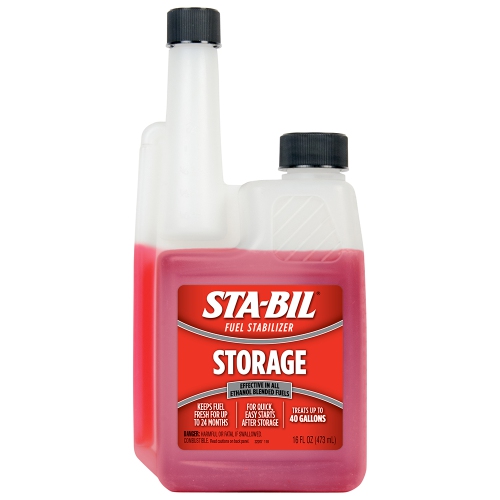 Your price for this item is $30.54
 -
 Your price for this item is $38.85
 -
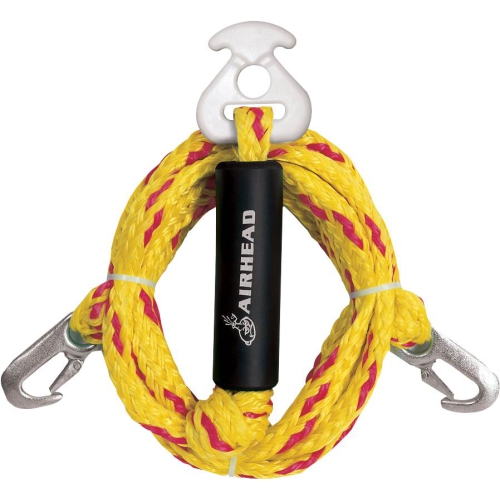 Your price for this item is $92.99
 -
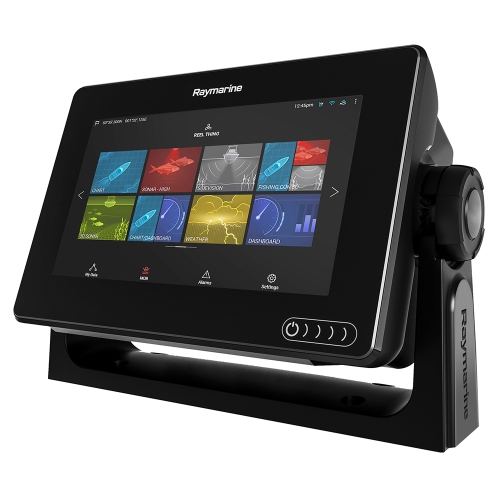 Your price for this item is $844.91
 -
 Your price for this item is $909.33
 -
 Your price for this item is $30.62
 -
 Your price for this item is $34.93
Discover more categories related to Inverter Power Supplies
Top Collections:
Pokemon Centers, Kindle Devices, Best Budget Office Chairs, Apple iPhones 16, Best Laptops for Writers, iPhone 15 Apple, Canon G7X Cameras, Refurbished Apple Laptops, Alarm Clock, Motorola Razr Phones
Some products may be subject to Environmental Handling Fees
(EHF) depending on your province.
Learn more about EHFs.