Dc To Ac Inverters
Power up your devices effortlessly with DC to AC inverters, the essential tools for converting direct current (DC) from sources like car batteries or solar panels into alternating current (AC) suitable for household electronics. Whether you're on a road trip, camping adventure, or simply need a reliable power backup at home, these inverters ensure your gadgets and appliances run smoothly. Explore our selection of DC to AC inverters to find the perfect solution for your energy needs, offering versatility and convenience wherever you go.
Sort
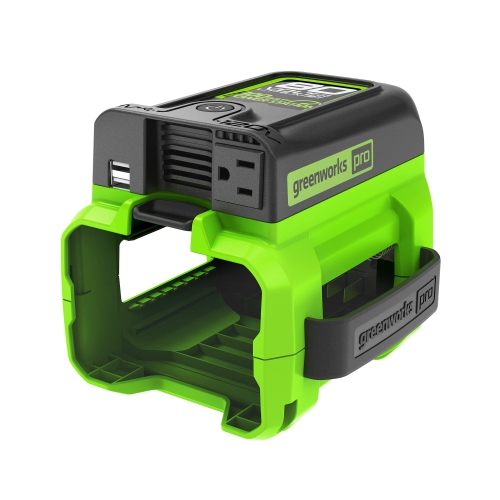
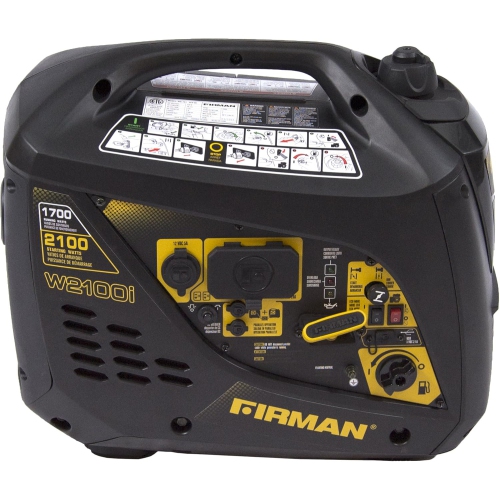
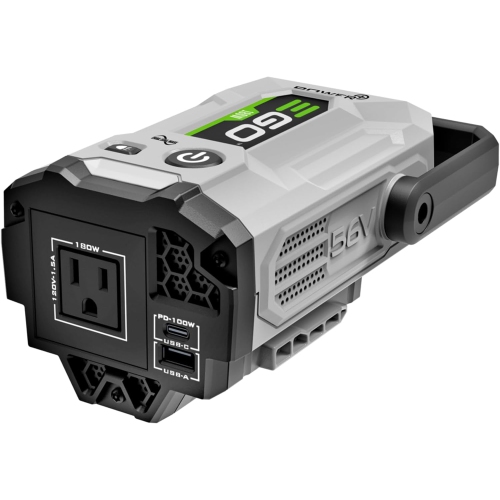
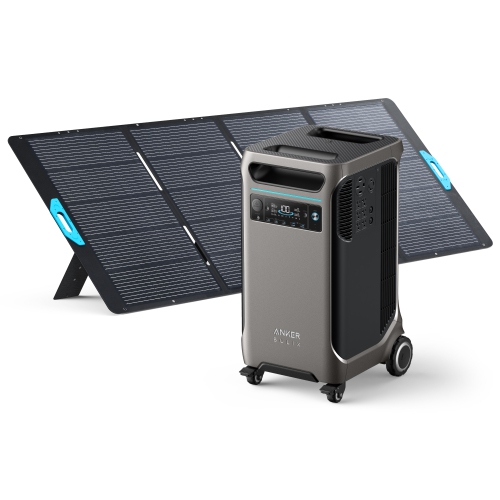
Household power beyond the wall outlet starts with compatibility
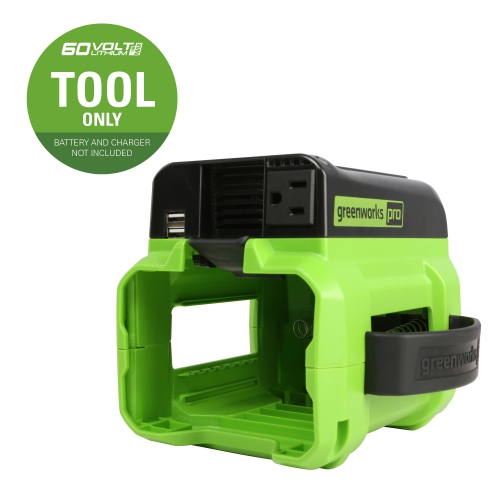
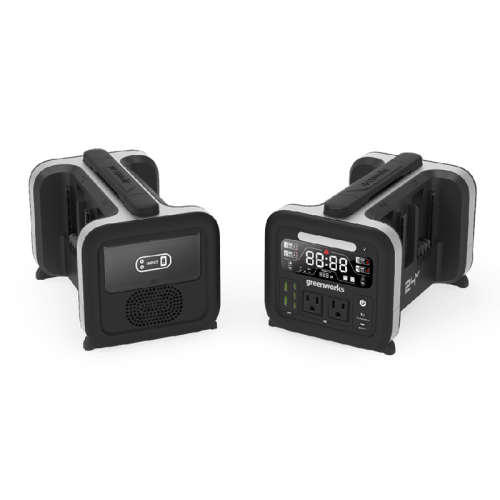
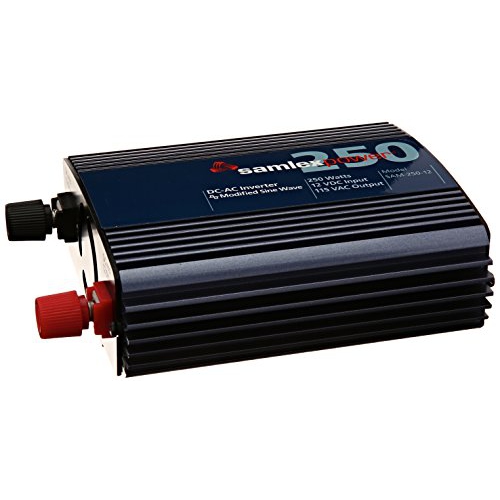
DC to AC inverters convert direct current from a compatible battery or other DC source into alternating current that can power household electronics and appliances. In Canada, many portable power inverters are designed to provide 120V AC at 60Hz, allowing equipment with a standard household plug to operate away from a wall outlet. An inverter does not store electricity or create additional energy; its operating time depends on the connected battery, the power drawn by the equipment, and conversion losses. This makes it different from a portable power station, which typically combines a battery, inverter, and charging components in one enclosure. DC to AC inverters serve a wide range of everyday purposes, from powering a laptop during a parked work session to supplying compatible equipment in an RV, workshop, or cabin. Compact designs may connect to a vehicle’s accessory socket, while higher-output units generally require a properly sized, fused connection directly to a suitable battery system. The distinction matters because an accessory socket and its wiring have a limited power capacity, regardless of the inverter’s advertised output. Input voltage is another defining characteristic: a unit designed for a 12V battery system is not interchangeable with one intended for a 24V or 48V system unless its specifications explicitly support those voltages. Output voltage, frequency, and outlet style also need to match the connected equipment. Inside the enclosure, electronic switching circuitry converts DC into an alternating waveform and regulates the output. Different circuit designs accomplish this in different ways, but the practical result is access to AC power from a compatible DC supply. For someone working between locations, travelling with an RV, or keeping selected devices running during a power interruption, the right combination of source compatibility, output capacity, and connection type is more important than size alone.
The two common output types are pure sine wave and modified sine wave. Pure sine wave inverters produce an output waveform similar to utility AC power and are generally the more broadly compatible choice for electronics, variable-speed equipment, and appliances with motors or sensitive controls. Modified sine wave inverters produce a stepped approximation of that waveform. They may suit some basic loads, but other devices can produce audible buzzing, run less efficiently, or fail to operate properly. The connected equipment’s manufacturer should confirm compatibility rather than assuming that any device with a household plug will work equally well with either type. Power ratings provide another useful distinction. Continuous output describes the load an inverter can support during ongoing operation, while surge output refers to a higher load it can handle briefly. Appliances with compressors or motors may require substantially more power to start than to keep running, and surge duration matters as well as the headline wattage. A small refrigerator in an RV, for example, presents a different electrical demand from a laptop charger, even if their running requirements appear modest. When several devices share an inverter, their combined demand must remain within its continuous rating, with sufficient starting capacity where needed. Devices that generate heat can draw considerable power and place a heavy load on a battery system. Battery capacity also affects the experience: an inverter with a higher wattage rating will not automatically provide longer runtime. A useful runtime estimate starts with the battery’s usable energy in watt-hours, allows for inverter losses and idle consumption, and divides that figure by the connected load in watts. Actual results vary with battery chemistry, condition, discharge limits, and operating demands. For vehicle use, a low-voltage shutdown feature can help limit excessive battery discharge, but it does not guarantee that enough charge remains to start the engine. A dedicated auxiliary battery system can be better suited to extended use than relying on a vehicle’s starting battery.
Physical design has a noticeable effect on how a DC to AC inverter fits into daily use. Enclosures may use metal, rigid plastic, or a combination of materials, with durability depending on construction, mounting, and the conditions permitted by the manufacturer. A compact housing can be convenient for occasional travel, while mounting points and accessible terminals are useful in a planned installation. The best fit leaves room for plugs, cable bends, and unobstructed ventilation, rather than simply fitting the enclosure into a narrow space. Cooling fans may become audible under load, which is worth considering when an inverter will sit near a desk or sleeping area. Outlet spacing affects whether bulky power adapters can sit side by side, and built-in USB connections, where provided, may offer a convenient separate charging option for compatible devices. Displays can show information such as input voltage, output load, or fault status, while remote controls can make a securely mounted unit easier to operate. Related Inverter Power Supplies offer another way to explore equipment within this power-conversion category. Features such as overload protection, short-circuit protection, and low-voltage shutdown are useful safeguards, but they do not replace correct installation. High-output inverters can draw substantial DC current, so cable gauge, cable length, terminal security, and fuse placement all require attention to the manufacturer’s specifications. Recognized electrical safety certification for use in Canada is another important consideration. Permanently installed systems, including connections to building wiring, require appropriate equipment and qualified installation; a portable inverter must never feed a household circuit through a wall receptacle. Routine care is straightforward: disconnect power before cleaning as directed, keep ventilation openings clear, protect the unit from moisture unless it is expressly rated for that exposure, and inspect cables and connectors for damage. Storage should prevent loose metal objects from contacting exposed terminals. For an RV traveller, mobile professional, or hands-on hobbyist, an inverter can be a practical addition to an existing battery setup. As a gift, it is most useful when the recipient’s battery voltage, intended loads, and installation needs are already known, so its capabilities match the equipment it will actually power.
The two common output types are pure sine wave and modified sine wave. Pure sine wave inverters produce an output waveform similar to utility AC power and are generally the more broadly compatible choice for electronics, variable-speed equipment, and appliances with motors or sensitive controls. Modified sine wave inverters produce a stepped approximation of that waveform. They may suit some basic loads, but other devices can produce audible buzzing, run less efficiently, or fail to operate properly. The connected equipment’s manufacturer should confirm compatibility rather than assuming that any device with a household plug will work equally well with either type. Power ratings provide another useful distinction. Continuous output describes the load an inverter can support during ongoing operation, while surge output refers to a higher load it can handle briefly. Appliances with compressors or motors may require substantially more power to start than to keep running, and surge duration matters as well as the headline wattage. A small refrigerator in an RV, for example, presents a different electrical demand from a laptop charger, even if their running requirements appear modest. When several devices share an inverter, their combined demand must remain within its continuous rating, with sufficient starting capacity where needed. Devices that generate heat can draw considerable power and place a heavy load on a battery system. Battery capacity also affects the experience: an inverter with a higher wattage rating will not automatically provide longer runtime. A useful runtime estimate starts with the battery’s usable energy in watt-hours, allows for inverter losses and idle consumption, and divides that figure by the connected load in watts. Actual results vary with battery chemistry, condition, discharge limits, and operating demands. For vehicle use, a low-voltage shutdown feature can help limit excessive battery discharge, but it does not guarantee that enough charge remains to start the engine. A dedicated auxiliary battery system can be better suited to extended use than relying on a vehicle’s starting battery.
Physical design has a noticeable effect on how a DC to AC inverter fits into daily use. Enclosures may use metal, rigid plastic, or a combination of materials, with durability depending on construction, mounting, and the conditions permitted by the manufacturer. A compact housing can be convenient for occasional travel, while mounting points and accessible terminals are useful in a planned installation. The best fit leaves room for plugs, cable bends, and unobstructed ventilation, rather than simply fitting the enclosure into a narrow space. Cooling fans may become audible under load, which is worth considering when an inverter will sit near a desk or sleeping area. Outlet spacing affects whether bulky power adapters can sit side by side, and built-in USB connections, where provided, may offer a convenient separate charging option for compatible devices. Displays can show information such as input voltage, output load, or fault status, while remote controls can make a securely mounted unit easier to operate. Related Inverter Power Supplies offer another way to explore equipment within this power-conversion category. Features such as overload protection, short-circuit protection, and low-voltage shutdown are useful safeguards, but they do not replace correct installation. High-output inverters can draw substantial DC current, so cable gauge, cable length, terminal security, and fuse placement all require attention to the manufacturer’s specifications. Recognized electrical safety certification for use in Canada is another important consideration. Permanently installed systems, including connections to building wiring, require appropriate equipment and qualified installation; a portable inverter must never feed a household circuit through a wall receptacle. Routine care is straightforward: disconnect power before cleaning as directed, keep ventilation openings clear, protect the unit from moisture unless it is expressly rated for that exposure, and inspect cables and connectors for damage. Storage should prevent loose metal objects from contacting exposed terminals. For an RV traveller, mobile professional, or hands-on hobbyist, an inverter can be a practical addition to an existing battery setup. As a gift, it is most useful when the recipient’s battery voltage, intended loads, and installation needs are already known, so its capabilities match the equipment it will actually power.
Top selling and popular products
-
 Your price for this item is $299.99
 -
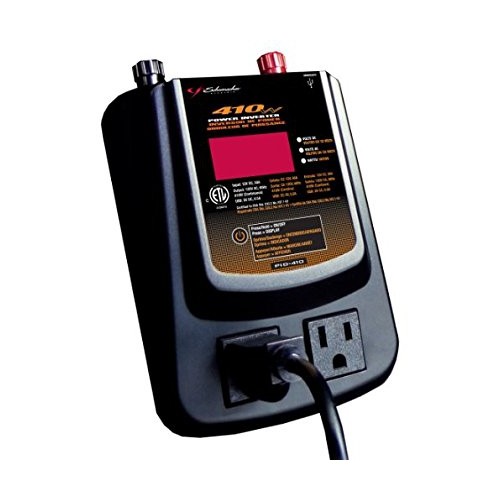 Your price for this item is $138.56
 -
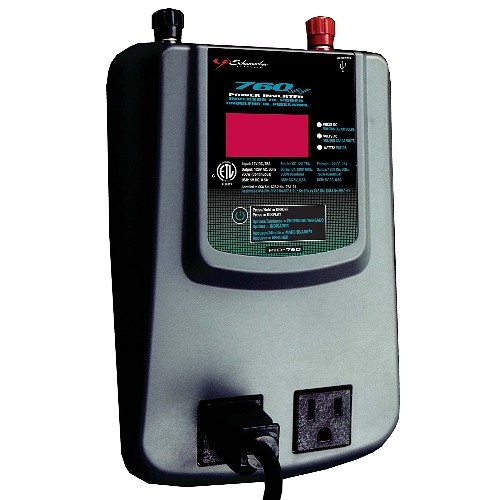 Your price for this item is $45
 -
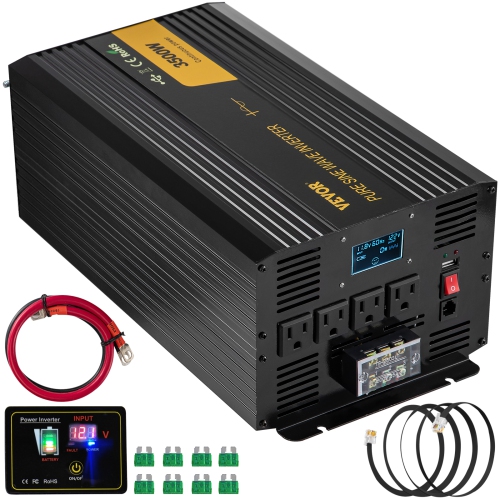 Your price for this item is $281.99
 -
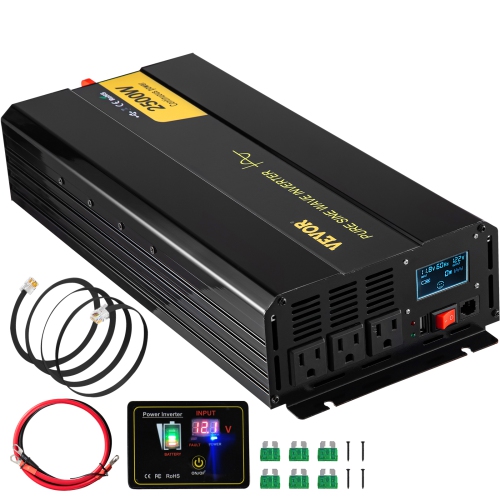 Your price for this item is $185.99
 -
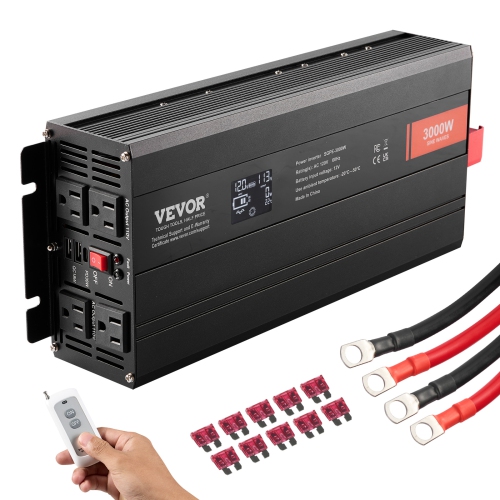 Your price for this item is $291.99
 -
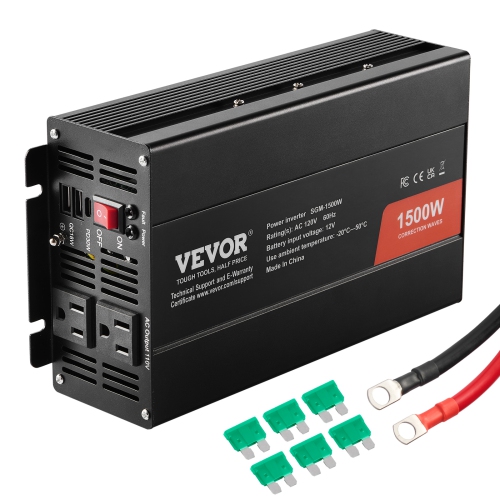 Your price for this item is $137.99
 -
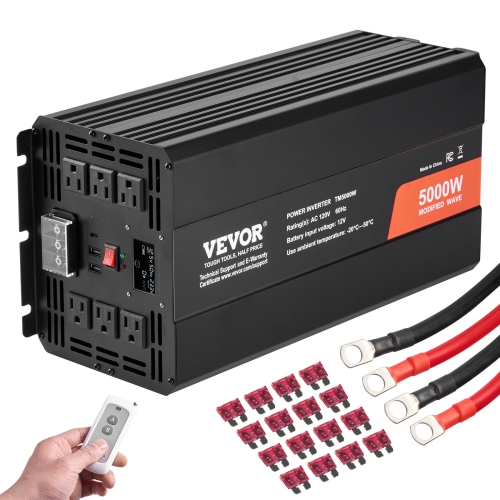 Your price for this item is $354.34
Discover more categories related to Dc To Ac Inverters
Top Collections:
Pokemon Centers, Kindle Devices, Best Budget Office Chairs, Apple iPhones 16, Best Laptops for Writers, iPhone 15 Apple, Canon G7X Cameras, Refurbished Apple Laptops, Alarm Clock, Motorola Razr Phones
Some products may be subject to Environmental Handling Fees
(EHF) depending on your province.
Learn more about EHFs.