Inverters With Chargers
Whether you're planning a road trip, camping adventure, or simply need a reliable power source during emergencies, these versatile devices are designed to provide you with the power you need, when you need it. With a range of options available, you can find the perfect inverter with charger to suit your needs and keep your devices powered up wherever you are. Say goodbye to dead batteries and hello to uninterrupted power with these innovative solutions.
Sort
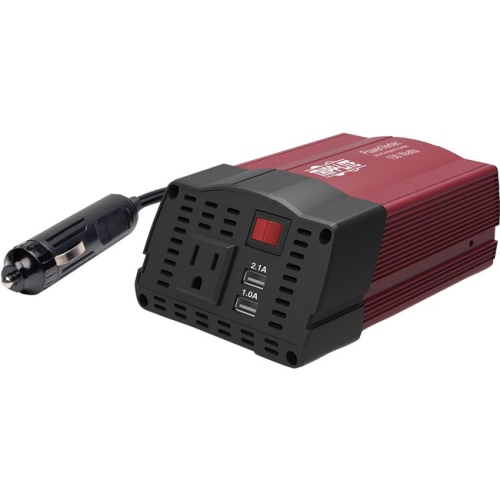
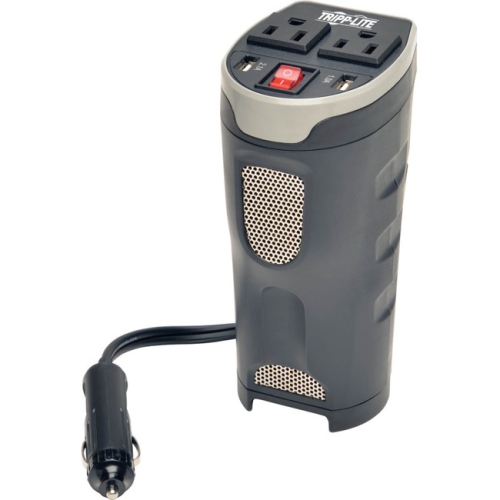
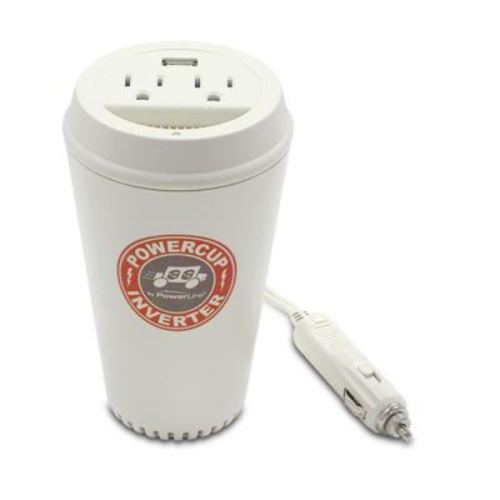
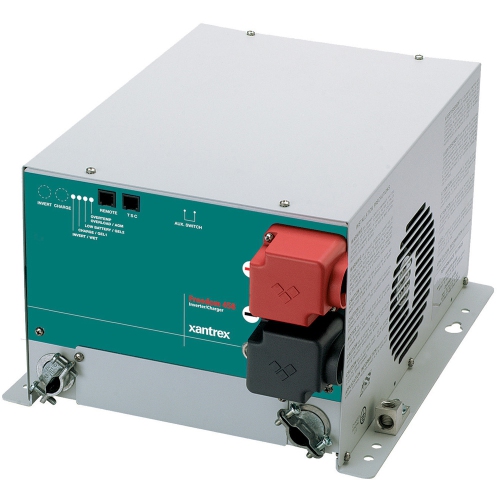
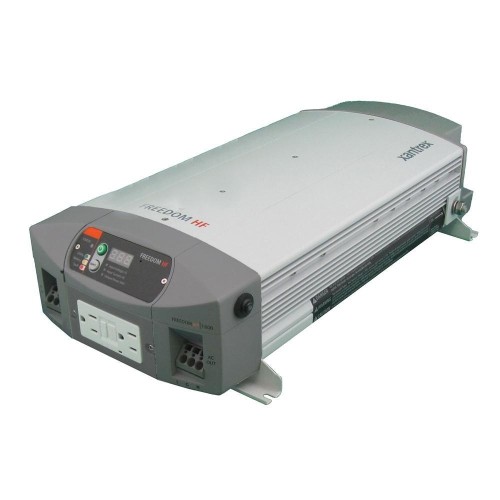
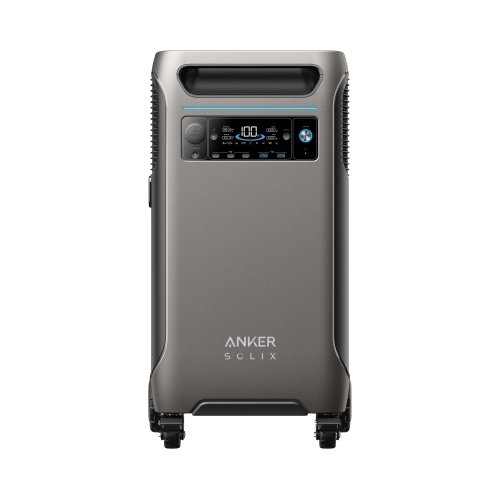
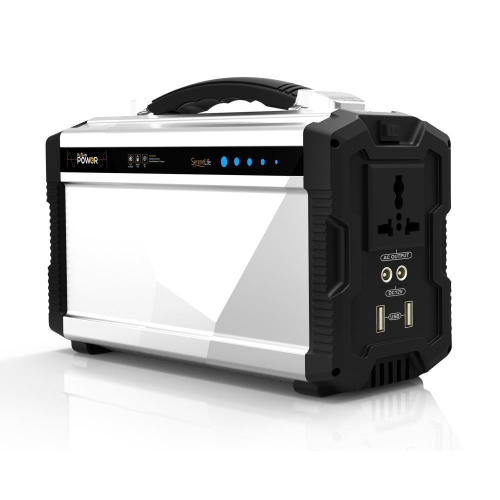
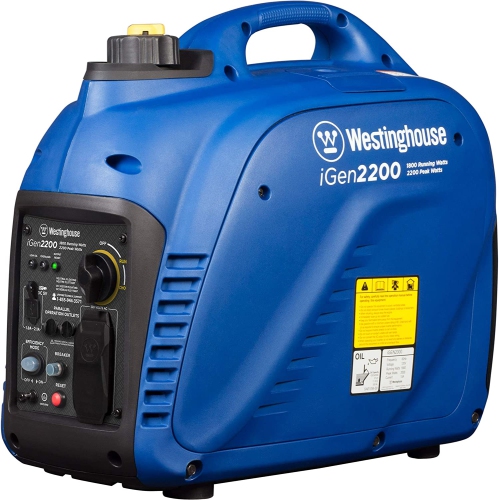
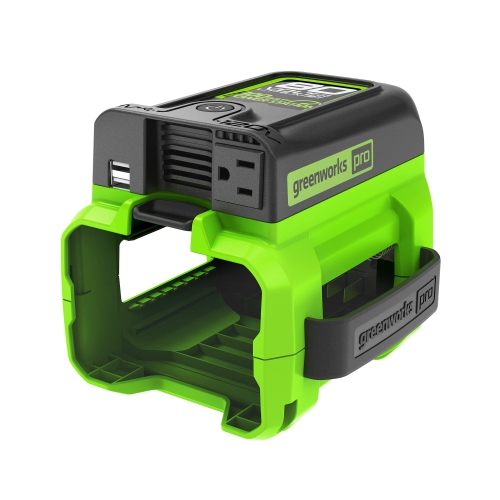
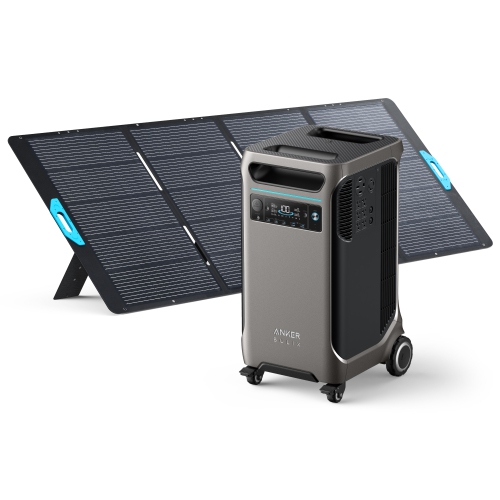
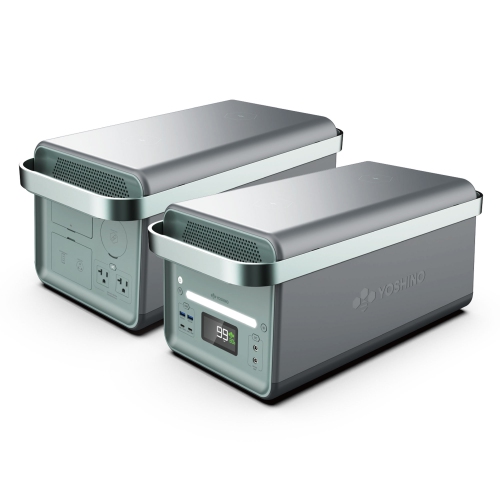
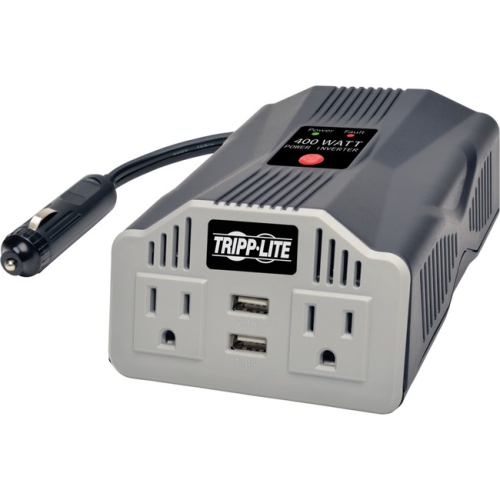
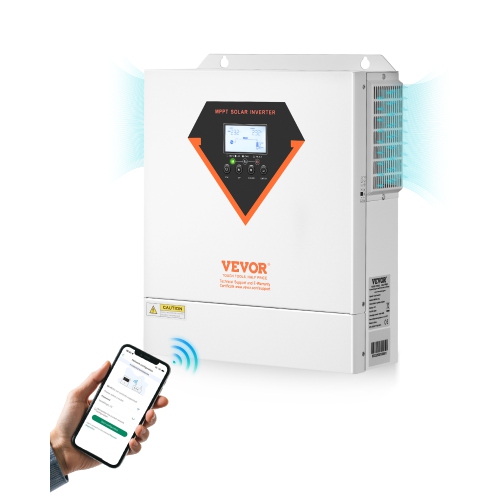
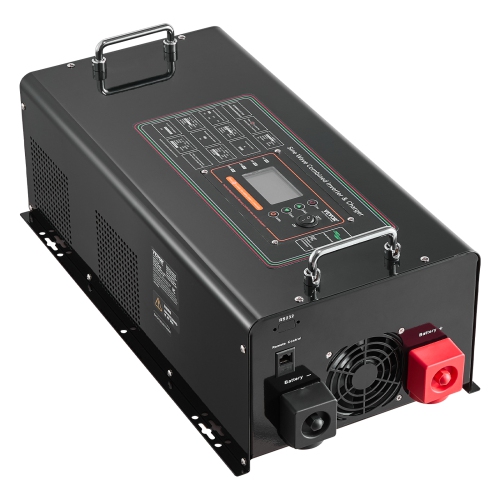
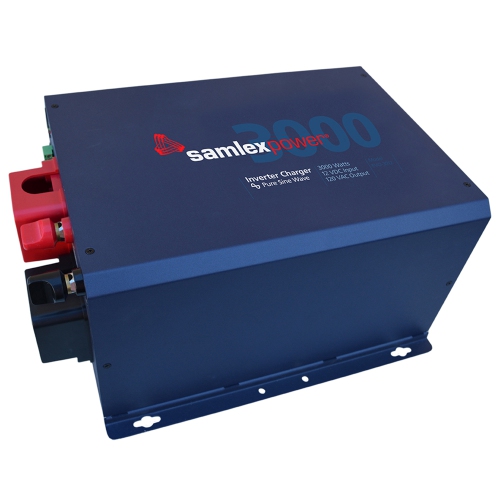
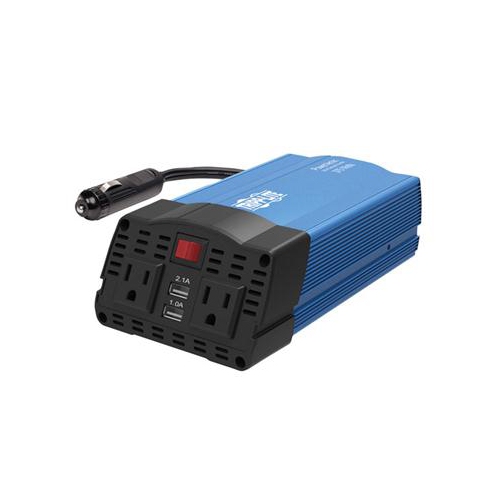

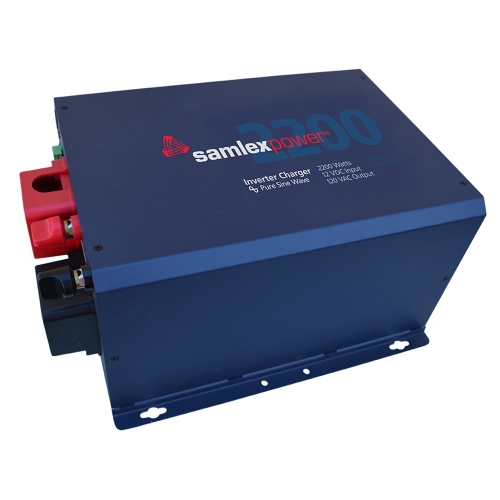
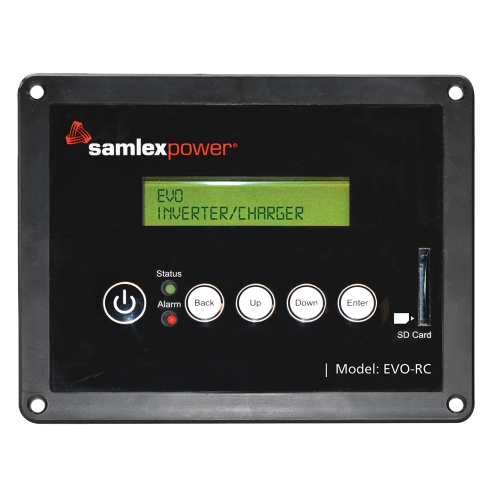
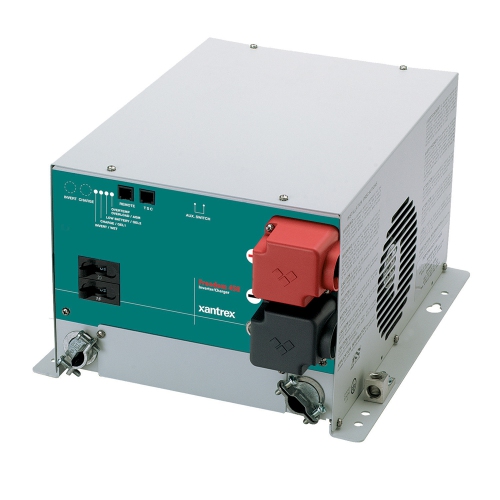
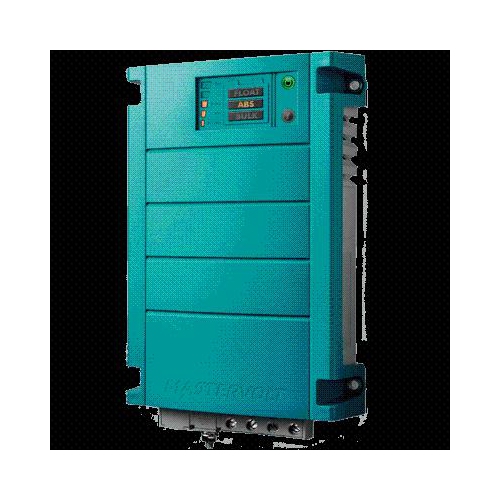
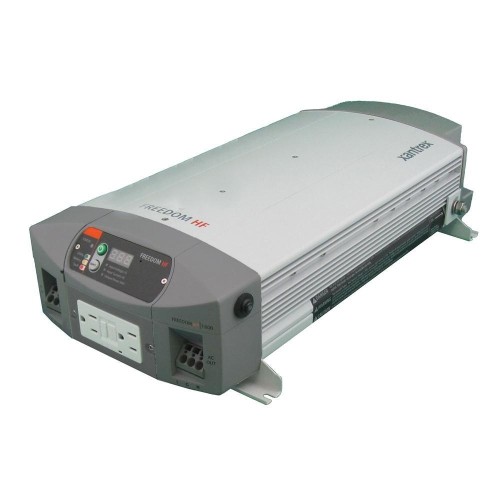
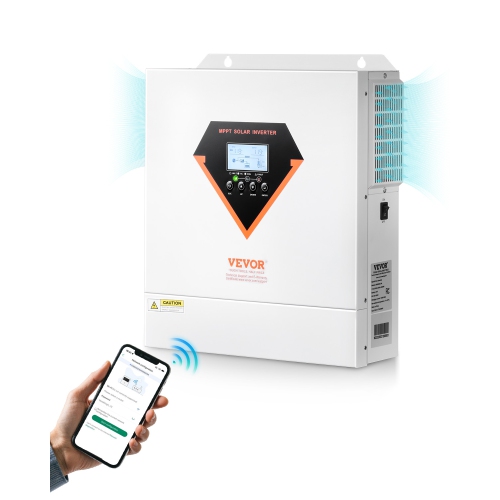
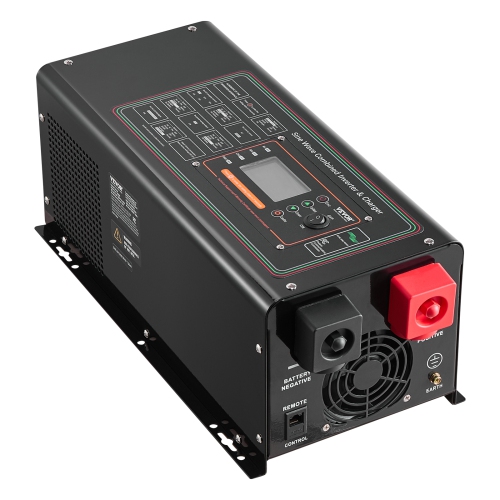
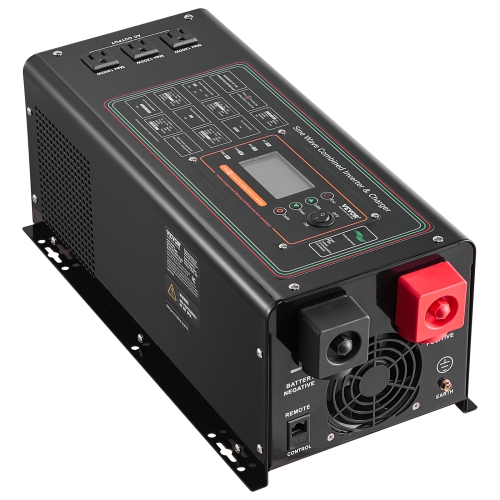
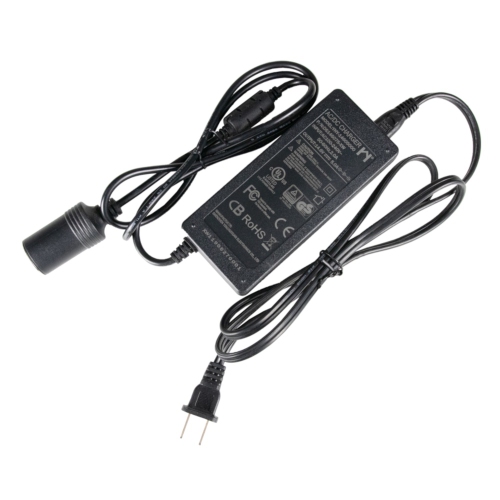
One unit for backup power, battery charging, and seamless switching
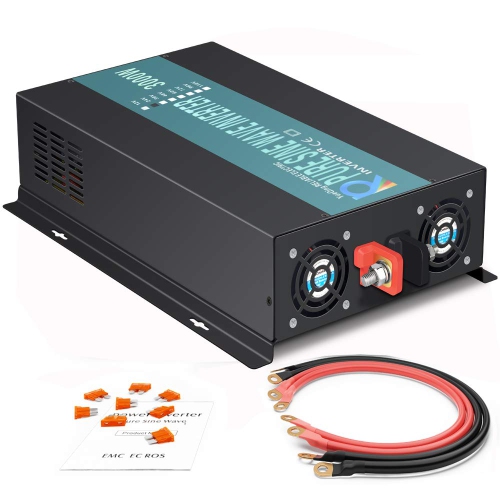
Inverters with chargers combine three useful functions in one power-management unit: they convert direct current (DC) from a battery bank into alternating current (AC) for household electronics, recharge the connected batteries from shore power or a generator, and transfer between available power sources when the incoming AC supply changes. This arrangement can simplify a backup-power system by reducing the number of separate components and helping manage power automatically. In inverter mode, the unit draws energy from a 12 V, 24 V, or 48 V battery system and supplies AC power for compatible devices, tools, appliances, lights, chargers, and electronics. In charger mode, it accepts AC power from a wall connection, campground hookup, marina shore power, or generator and replenishes the batteries using a controlled charging process. Many models also include an automatic transfer switch, allowing selected equipment to continue operating when shore power is interrupted. Depending on the design, the changeover may happen quickly enough to keep essential electronics running without a noticeable restart. For shoppers comparing inverters with chargers, the first step is matching the unit to the battery voltage and the electrical demands of the equipment it will support. A unit designed for a 12 V system is not interchangeable with one intended for a 24 V or 48 V setup, and the battery bank, wiring, fuses, and charging settings must all be compatible. Continuous wattage indicates how much power the inverter can provide over an extended period, while peak or surge wattage accounts for the brief increase drawn by equipment such as refrigerators, pumps, compressors, and power tools when their motors start. Checking both ratings helps avoid nuisance shutoffs and overloaded circuits. A pure sine wave output is often the preferred choice for sensitive electronics, medical equipment, audio systems, computers, and appliances with variable-speed motors because it more closely resembles utility power. Other output types may suit simpler loads, but compatibility should be confirmed before connecting valuable or specialized equipment. A built-in multi-stage charger can also be important, as it adjusts the charging process through stages to help maintain the battery bank and provide an appropriate recharge for the battery type being used.
These products are commonly selected for recreational vehicles, camper vans, boats, cabins, workshops, and home backup systems. In an RV or van, an inverter charger can use battery power to operate lights, a television, a coffee maker, a laptop, or other everyday equipment when the vehicle is parked away from a powered site. When shore power is available at a campground, the same unit can run connected loads and recharge the batteries without requiring a separate charger. A similar arrangement is useful on a boat, where dockside power can replenish the house battery bank while the inverter supplies AC power when the vessel is away from the marina. For a cabin or remote workspace, an inverter charger can help coordinate a battery-based electrical system for lighting, refrigeration, communications equipment, circulation pumps, and selected outlets. At home, it may form part of a backup setup for keeping essential devices available during a service interruption, although the loads supported will depend on the inverter’s capacity, battery storage, wiring, and installation. Anyone planning to connect an inverter charger to a household electrical panel should work with a qualified electrician and follow local electrical requirements; portable appliances should never be back-fed through a regular outlet. People also choose these units for mobile workshops and job sites where battery power needs to support chargers, lights, small tools, and electronics between generator runs or available electrical connections. They can be a practical gift for someone preparing a camper for longer trips, upgrading a boat’s onboard electrical system, building a remote office, or organizing a more dependable backup arrangement at home. For a closer look at standalone conversion options, browse Dc To Ac Inverters, while remembering that an inverter without an integrated charger may require separate battery-charging equipment.
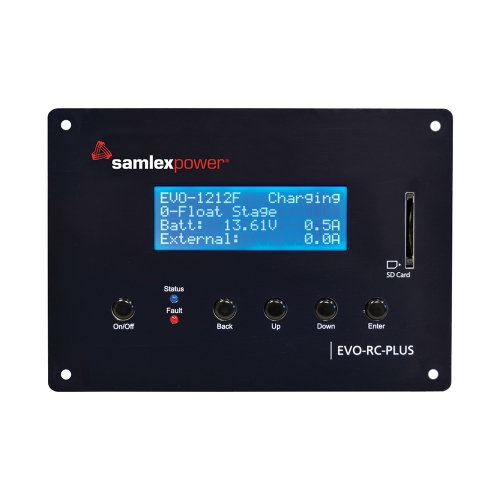
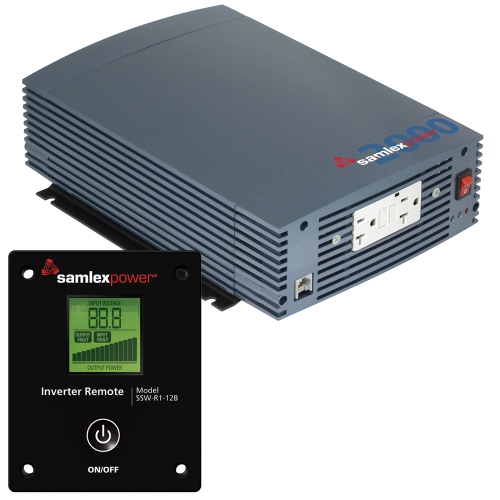
When comparing inverters with chargers, consider the total load rather than the wattage of only the largest appliance. Add the running requirements of the devices that may operate at the same time, then allow extra capacity for startup surges and future additions. The number and type of AC outlets, hardwired connections, DC terminals, remote-control options, display panels, and communication features can affect how easily the unit fits into a particular installation. A remote panel is especially convenient when the main inverter charger is mounted in a storage compartment, under a bed, inside a cabinet, or in another location that is difficult to reach. Look for charging profiles that match the battery chemistry, such as lead-acid, AGM, gel, or lithium, and confirm whether temperature compensation or adjustable charging parameters are available when appropriate. Efficiency matters because every conversion draws some energy from the battery, and idle consumption can affect how long a system operates when little equipment is connected. Built-in protections may include overload, short-circuit, over-temperature, low-voltage, and high-voltage shutoff, but these features do not replace correctly sized cables, ventilation, fusing, and installation. Batteries can produce substantial current, so connections should be secure and protected from accidental contact, moisture, heat, and abrasion. Keep the unit in a dry, adequately ventilated location and follow the manufacturer’s instructions for clearances, grounding, battery placement, and generator or shore-power connections. During the warmer part of the year, these systems can support a campsite, trailer, boat, or outdoor workspace; during cooler months, they can help maintain essential lighting, communications, refrigeration, and other selected loads when utility power is unavailable. Choosing an inverter charger with the right voltage, output waveform, continuous and surge capacity, charging features, transfer behaviour, and installation requirements makes it easier to build a system that suits the way power is actually used.
These products are commonly selected for recreational vehicles, camper vans, boats, cabins, workshops, and home backup systems. In an RV or van, an inverter charger can use battery power to operate lights, a television, a coffee maker, a laptop, or other everyday equipment when the vehicle is parked away from a powered site. When shore power is available at a campground, the same unit can run connected loads and recharge the batteries without requiring a separate charger. A similar arrangement is useful on a boat, where dockside power can replenish the house battery bank while the inverter supplies AC power when the vessel is away from the marina. For a cabin or remote workspace, an inverter charger can help coordinate a battery-based electrical system for lighting, refrigeration, communications equipment, circulation pumps, and selected outlets. At home, it may form part of a backup setup for keeping essential devices available during a service interruption, although the loads supported will depend on the inverter’s capacity, battery storage, wiring, and installation. Anyone planning to connect an inverter charger to a household electrical panel should work with a qualified electrician and follow local electrical requirements; portable appliances should never be back-fed through a regular outlet. People also choose these units for mobile workshops and job sites where battery power needs to support chargers, lights, small tools, and electronics between generator runs or available electrical connections. They can be a practical gift for someone preparing a camper for longer trips, upgrading a boat’s onboard electrical system, building a remote office, or organizing a more dependable backup arrangement at home. For a closer look at standalone conversion options, browse Dc To Ac Inverters, while remembering that an inverter without an integrated charger may require separate battery-charging equipment.
When comparing inverters with chargers, consider the total load rather than the wattage of only the largest appliance. Add the running requirements of the devices that may operate at the same time, then allow extra capacity for startup surges and future additions. The number and type of AC outlets, hardwired connections, DC terminals, remote-control options, display panels, and communication features can affect how easily the unit fits into a particular installation. A remote panel is especially convenient when the main inverter charger is mounted in a storage compartment, under a bed, inside a cabinet, or in another location that is difficult to reach. Look for charging profiles that match the battery chemistry, such as lead-acid, AGM, gel, or lithium, and confirm whether temperature compensation or adjustable charging parameters are available when appropriate. Efficiency matters because every conversion draws some energy from the battery, and idle consumption can affect how long a system operates when little equipment is connected. Built-in protections may include overload, short-circuit, over-temperature, low-voltage, and high-voltage shutoff, but these features do not replace correctly sized cables, ventilation, fusing, and installation. Batteries can produce substantial current, so connections should be secure and protected from accidental contact, moisture, heat, and abrasion. Keep the unit in a dry, adequately ventilated location and follow the manufacturer’s instructions for clearances, grounding, battery placement, and generator or shore-power connections. During the warmer part of the year, these systems can support a campsite, trailer, boat, or outdoor workspace; during cooler months, they can help maintain essential lighting, communications, refrigeration, and other selected loads when utility power is unavailable. Choosing an inverter charger with the right voltage, output waveform, continuous and surge capacity, charging features, transfer behaviour, and installation requirements makes it easier to build a system that suits the way power is actually used.
Top selling and popular products
-
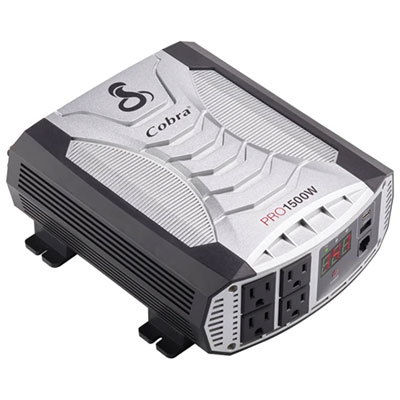 Your price for this item is $299.99
 -
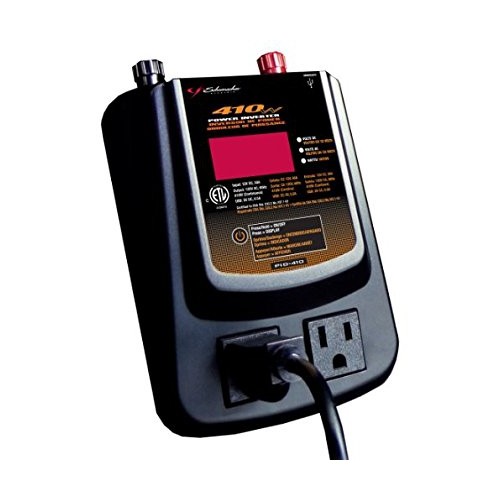 Your price for this item is $138.56
 -
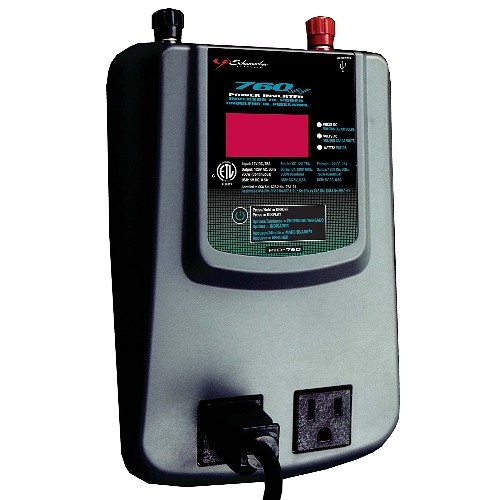 Your price for this item is $45
 -
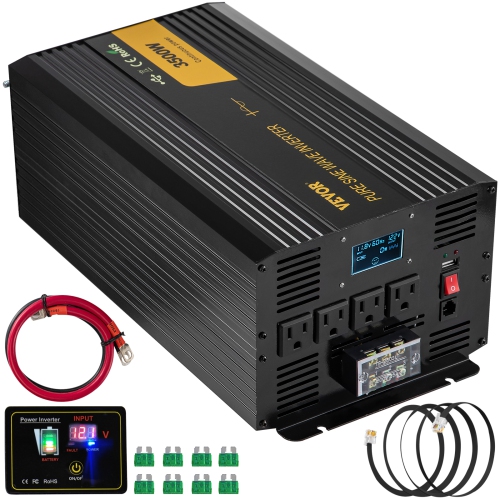 Your price for this item is $281.99
 -
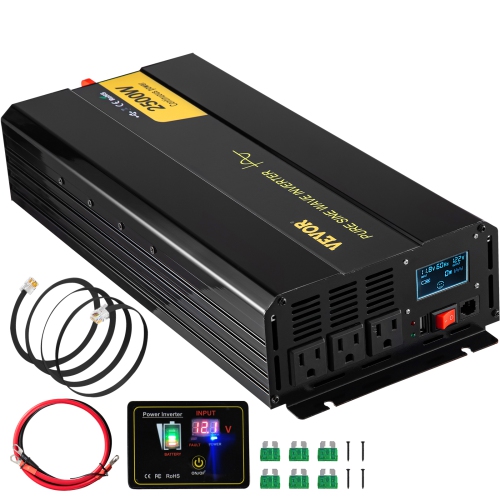 Your price for this item is $185.99
 -
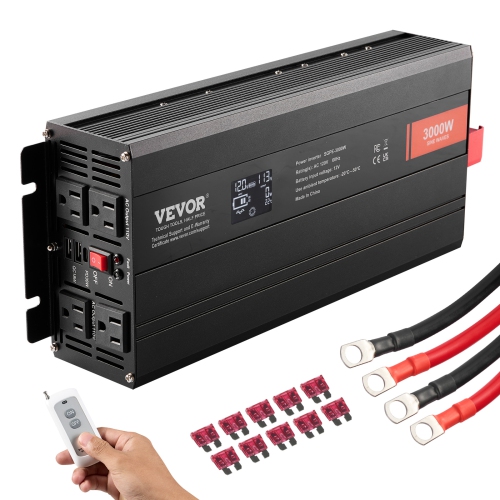 Your price for this item is $291.99
 -
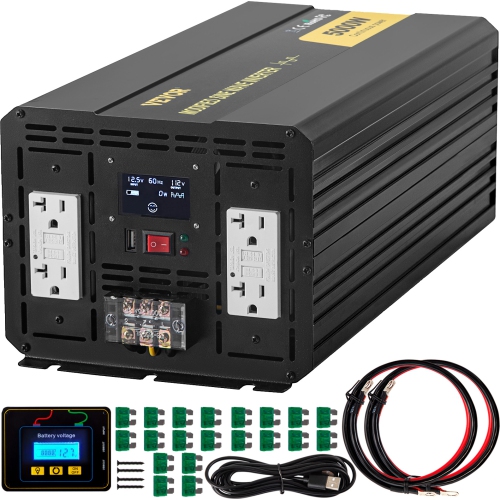 Your price for this item is $405.99
 -
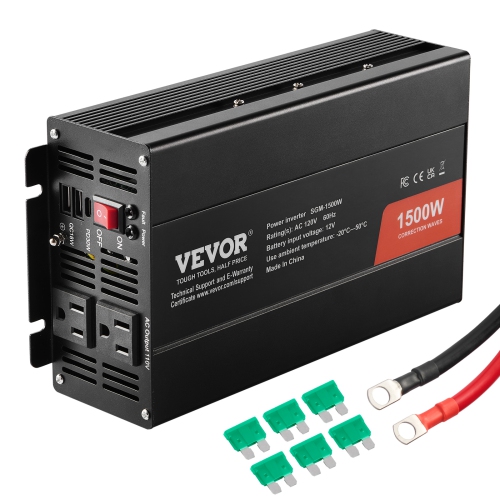 Your price for this item is $137.99
Discover more categories related to Inverters With Chargers
Top Collections:
Pokemon Centers, Kindle Devices, Best Budget Office Chairs, Apple iPhones 16, Best Laptops for Writers, iPhone 15 Apple, Canon G7X Cameras, Refurbished Apple Laptops, Alarm Clock, Motorola Razr Phones
Some products may be subject to Environmental Handling Fees
(EHF) depending on your province.
Learn more about EHFs.