Kayak Carriers
If you're an outdoor enthusiast looking to transport your kayak with ease, you've come to the right place. Our selection of kayak carriers is designed to make transporting your watercraft a breeze, whether you're heading to the nearest lake or embarking on a kayaking adventure further afield. With sturdy construction and easy installation, our kayak carriers ensure that your gear stays secure while you focus on enjoying the great outdoors. Browse through our range of kayak carriers to find the perfect solution for all your kayaking transportation needs.
Sort
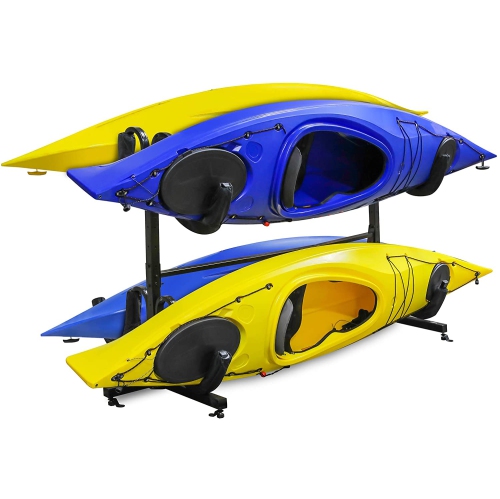
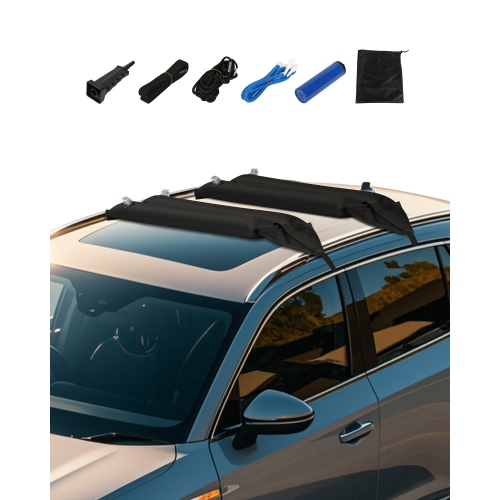
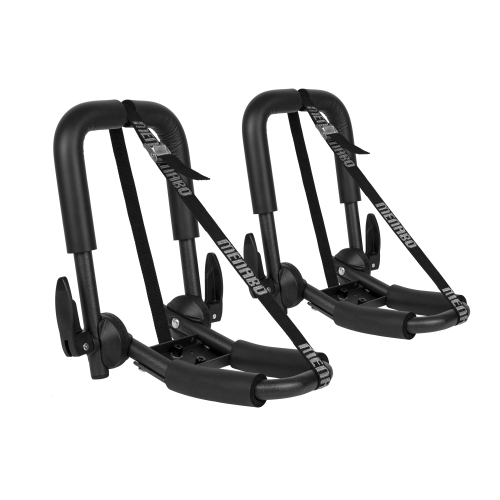
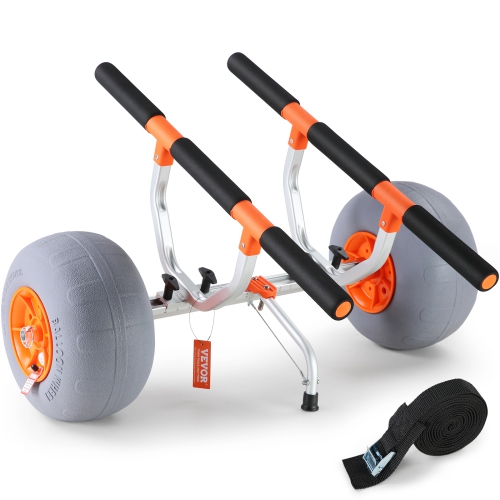

Roof racks and carts simplify transport from home to water
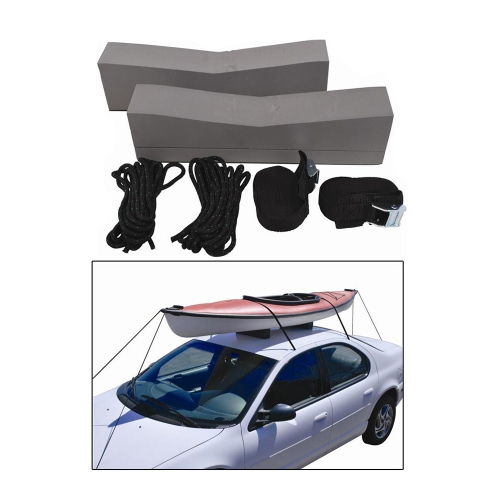
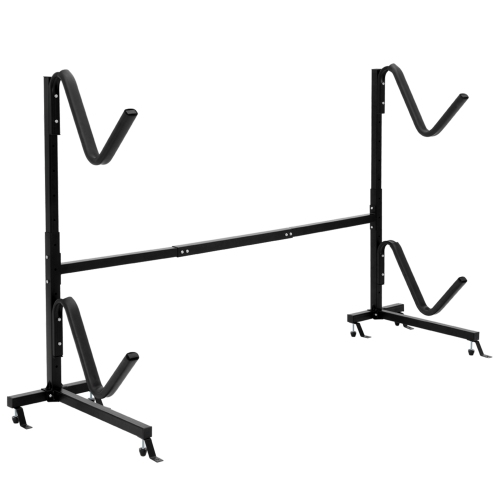
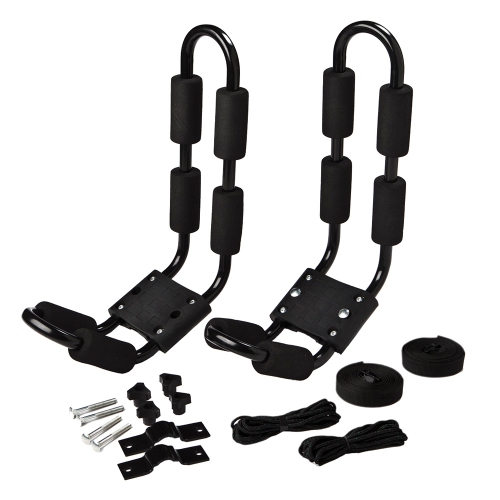
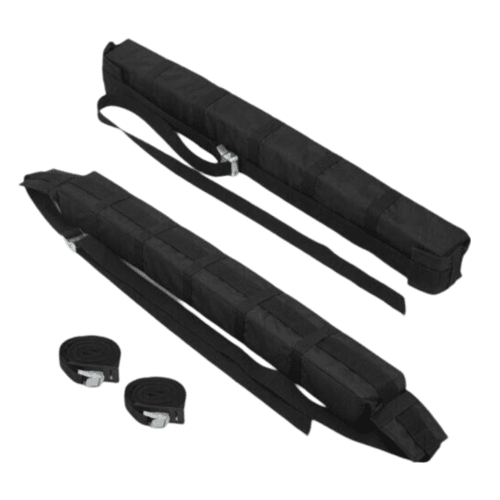
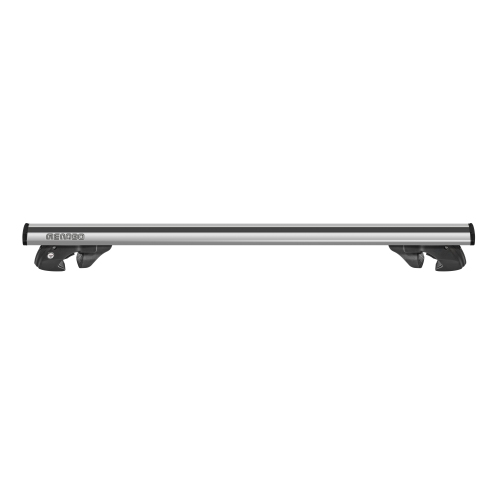
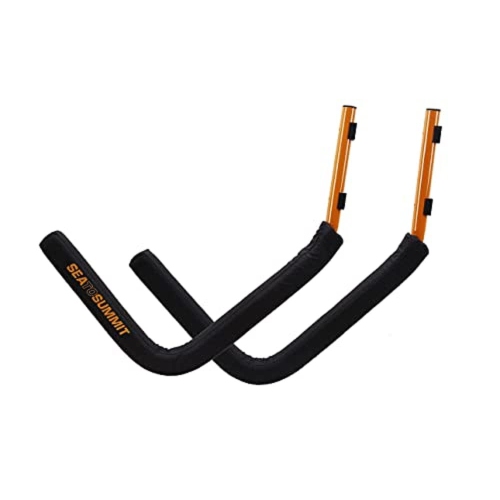
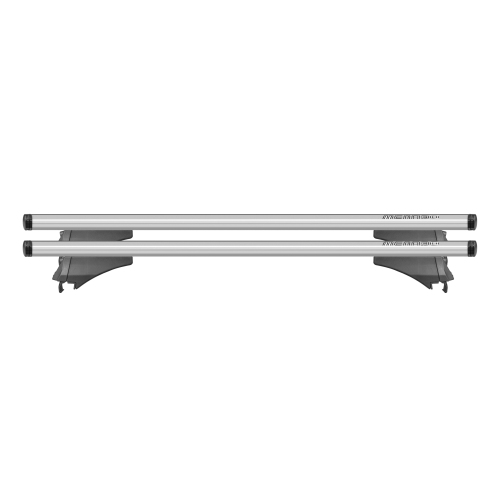
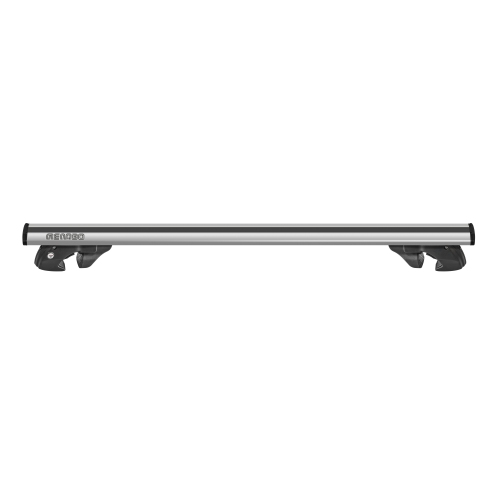
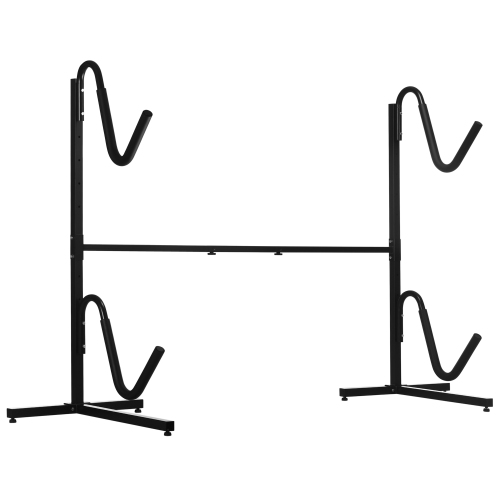
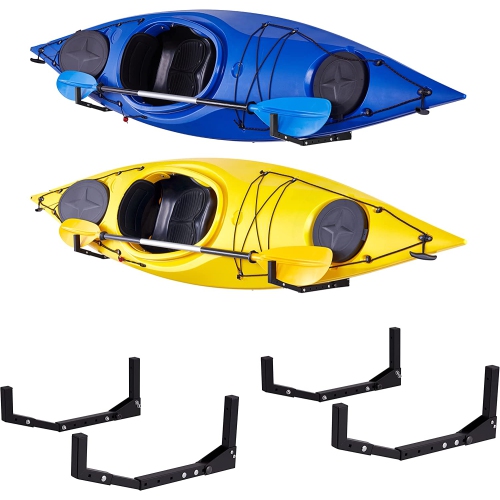
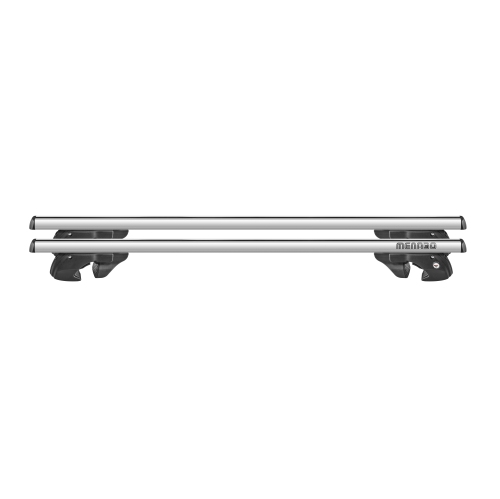
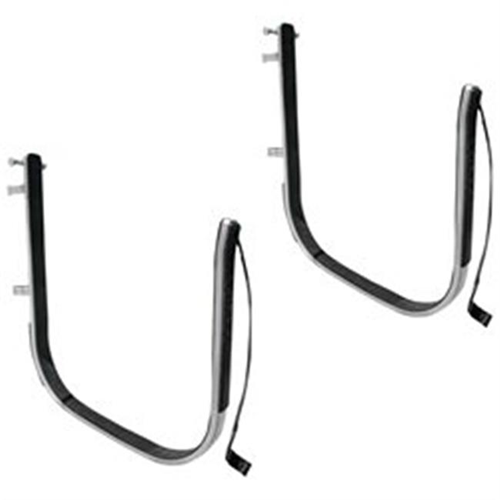
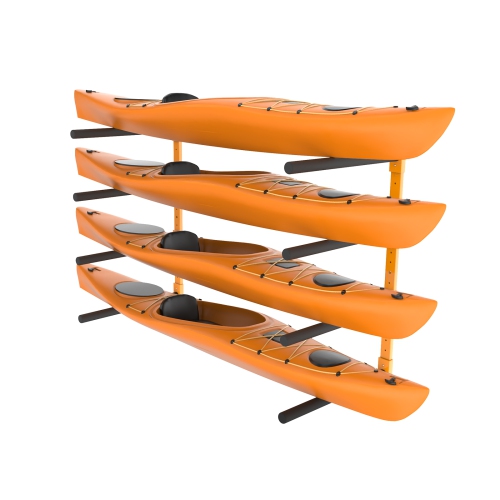
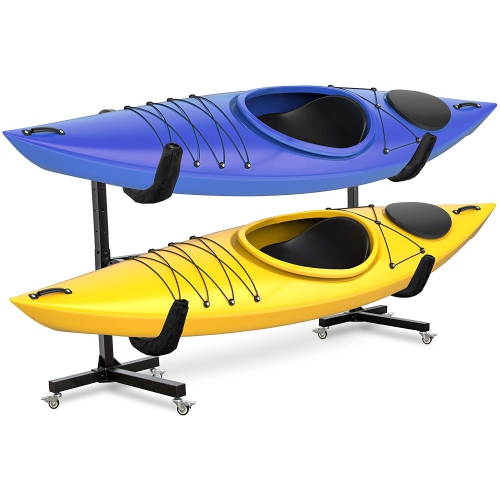
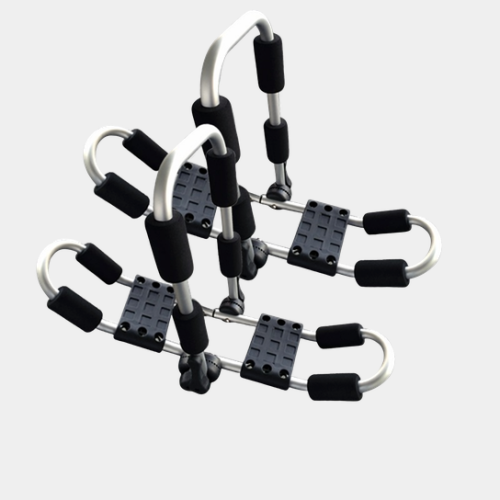
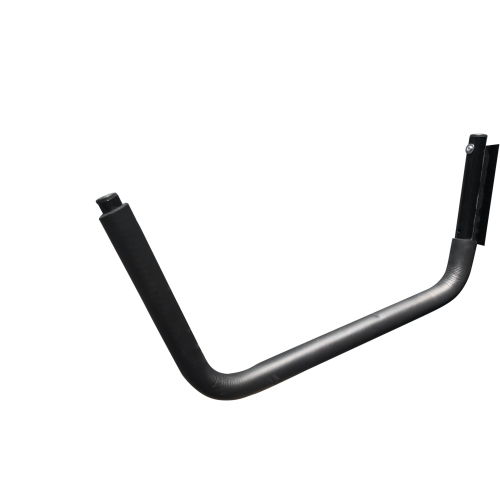
Kayak carriers make it easier to transport a kayak from home to the water while keeping the boat supported and your vehicle protected. The right carrier depends on the kayak’s size and shape, the vehicle being used, the available roof rack system, and how often the boat will be moved. Roof-mounted carriers are a popular choice for paddlers who drive to lakes, rivers, and coastal launch points. These systems attach to sturdy vehicle crossbars and hold the kayak above the roof, leaving the trunk or cargo area available for paddles, life jackets, dry bags, and other equipment. Before choosing a roof-mounted kayak carrier, confirm that your vehicle has compatible crossbars and check the manufacturer’s weight limits for the bars, carrier, and kayak together. The roof height also matters: loading a kayak onto a taller SUV or van can require more reach and careful positioning than loading one onto a lower car. For many paddlers, J-style cradles are a practical option because they hold the kayak on its side at an angle, using roof space efficiently and leaving room for another boat or additional rooftop gear. Saddle-style carriers support more of the kayak’s bottom and can be a comfortable fit for recreational boats with rounded or contoured hulls. Stackers hold kayaks vertically against a central support, making them useful for families, clubs, or groups carrying several boats on one vehicle, provided the crossbars and vehicle roof are rated for the combined load.
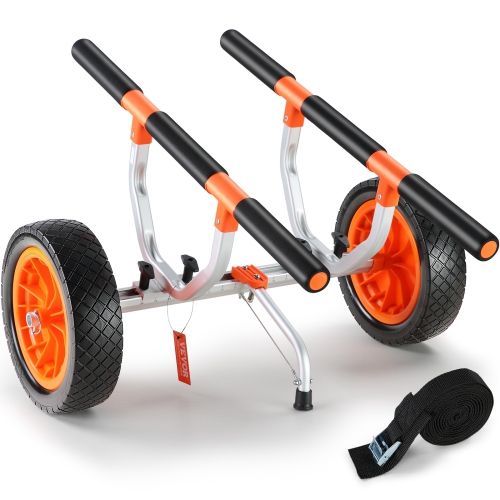
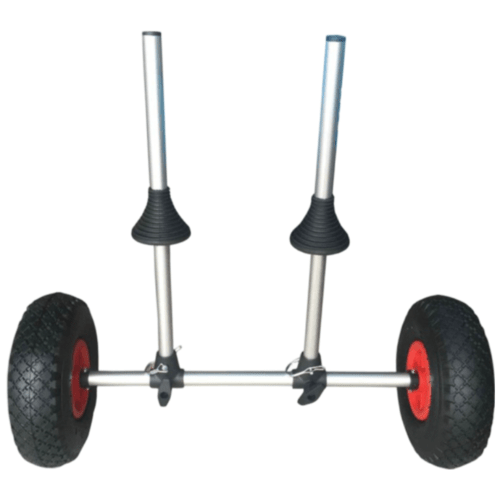
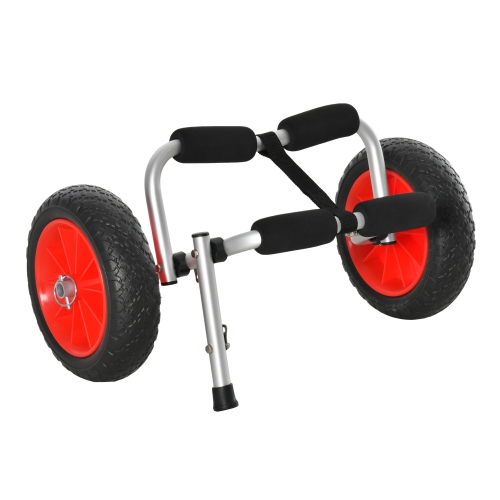
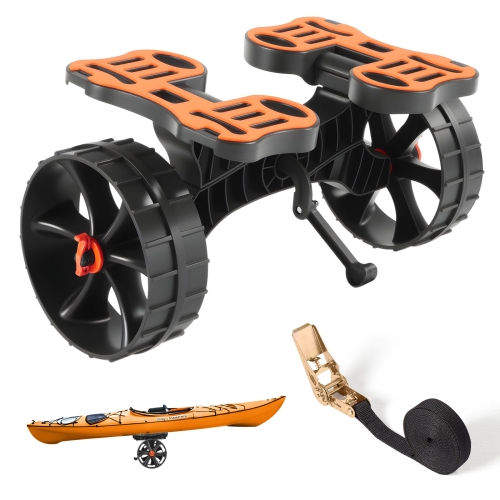
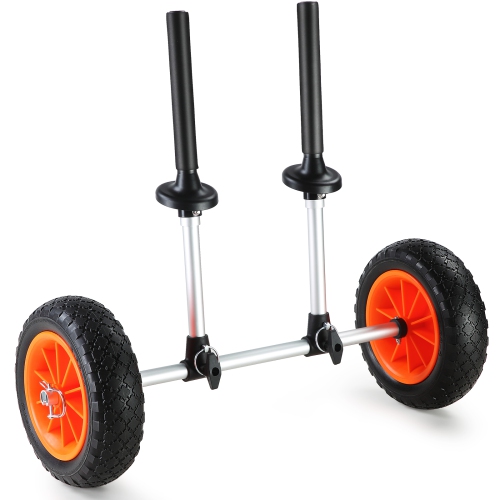
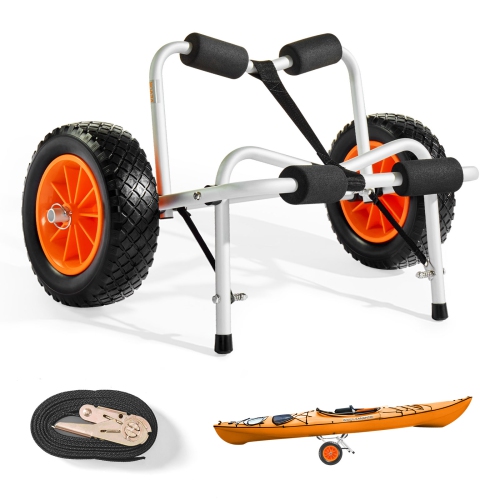
A ground-based kayak cart, sometimes called a shore cart or kayak dolly, serves a different purpose. Instead of carrying the kayak on the vehicle, it helps roll the boat from the parking area to the shoreline, which can be especially helpful when the launch is separated from the car by a long path, gravel, sand, or uneven grass. Detachable carts typically secure around the hull with straps, while other designs support the kayak at a convenient balance point for easier pulling. A cart can take much of the strain out of moving a loaded kayak, particularly when the boat contains fishing equipment, a seat, or a packed dry bag. When comparing options, look for a frame that suits the hull width, wheels suited to the terrain, and a secure strap system that keeps the kayak centred during movement. Roof carriers also benefit from the right tie-down accessories. Heavy-duty load straps should sit firmly around the kayak and crossbars without twisting, and buckle protectors can help prevent contact with the hull or vehicle finish. Bow and stern lines add stability by connecting the front and rear tips of the kayak to suitable vehicle anchor points. These lines help reduce movement and wind lift during highway travel, while the main straps hold the kayak against the carrier. Padding and shaped cradles can protect the hull from pressure points, but every strap should be snug rather than excessively tight. It is also worth checking that hatches, rudders, skegs, cockpit openings, and other kayak features are clear of the carrier before setting off. A quick inspection after the first short drive can reveal whether the boat has shifted or a strap needs to be adjusted.
Kayak carriers can suit experienced paddlers, casual weekend explorers, families, anglers, and anyone who wants a more convenient way to bring a boat on the road. They can also be a thoughtful gift for a person who has recently bought a kayak, joined a paddling group, or started planning trips to different waterways. A carrier is most useful when it matches the recipient’s vehicle and kayak, so details such as crossbar spacing, roof clearance, hull dimensions, and total load capacity are important before purchasing. Lift-assist racks may be appealing to paddlers who find it difficult to raise a full-size kayak overhead, as some designs lower part of the carrier down the side of the vehicle to make loading more manageable. Foldable or removable components can be helpful when the carrier will stay on the vehicle between outings, while corrosion-resistant hardware and durable padding are practical considerations for equipment exposed to water and changing weather. During the cooler months, inspect straps, buckles, cradles, and wheels for stiffness or wear before storing or transporting the kayak, and keep the carrier clean and dry when possible. Complementary items can be found among Kayaking Accessories, including equipment that helps organize a day on the water. With a properly matched carrier, secure tie-downs, and a sensible loading routine, transporting a kayak can feel far less cumbersome: the boat stays steady on the roof or rolls smoothly behind you, leaving more energy for the quiet launch, the first paddle stroke, and the route ahead.
A ground-based kayak cart, sometimes called a shore cart or kayak dolly, serves a different purpose. Instead of carrying the kayak on the vehicle, it helps roll the boat from the parking area to the shoreline, which can be especially helpful when the launch is separated from the car by a long path, gravel, sand, or uneven grass. Detachable carts typically secure around the hull with straps, while other designs support the kayak at a convenient balance point for easier pulling. A cart can take much of the strain out of moving a loaded kayak, particularly when the boat contains fishing equipment, a seat, or a packed dry bag. When comparing options, look for a frame that suits the hull width, wheels suited to the terrain, and a secure strap system that keeps the kayak centred during movement. Roof carriers also benefit from the right tie-down accessories. Heavy-duty load straps should sit firmly around the kayak and crossbars without twisting, and buckle protectors can help prevent contact with the hull or vehicle finish. Bow and stern lines add stability by connecting the front and rear tips of the kayak to suitable vehicle anchor points. These lines help reduce movement and wind lift during highway travel, while the main straps hold the kayak against the carrier. Padding and shaped cradles can protect the hull from pressure points, but every strap should be snug rather than excessively tight. It is also worth checking that hatches, rudders, skegs, cockpit openings, and other kayak features are clear of the carrier before setting off. A quick inspection after the first short drive can reveal whether the boat has shifted or a strap needs to be adjusted.
Kayak carriers can suit experienced paddlers, casual weekend explorers, families, anglers, and anyone who wants a more convenient way to bring a boat on the road. They can also be a thoughtful gift for a person who has recently bought a kayak, joined a paddling group, or started planning trips to different waterways. A carrier is most useful when it matches the recipient’s vehicle and kayak, so details such as crossbar spacing, roof clearance, hull dimensions, and total load capacity are important before purchasing. Lift-assist racks may be appealing to paddlers who find it difficult to raise a full-size kayak overhead, as some designs lower part of the carrier down the side of the vehicle to make loading more manageable. Foldable or removable components can be helpful when the carrier will stay on the vehicle between outings, while corrosion-resistant hardware and durable padding are practical considerations for equipment exposed to water and changing weather. During the cooler months, inspect straps, buckles, cradles, and wheels for stiffness or wear before storing or transporting the kayak, and keep the carrier clean and dry when possible. Complementary items can be found among Kayaking Accessories, including equipment that helps organize a day on the water. With a properly matched carrier, secure tie-downs, and a sensible loading routine, transporting a kayak can feel far less cumbersome: the boat stays steady on the roof or rolls smoothly behind you, leaving more energy for the quiet launch, the first paddle stroke, and the route ahead.
Top selling and popular products
-
 Your price for this item is $463.99
 -
 Your price for this item is $64.99
 -
 Your price for this item is $90.9
 -
 Your price for this item is $299.99
 -
 Your price for this item is $145.99
 -
 Your price for this item is $53.99
 -
 Your price for this item is $52.99
 -
 Your price for this item is $62.9
Discover more categories related to Kayak Carriers
Top Collections:
Pokemon Centers, Budget 4K TVs, Kindle Devices, Canon G7X Cameras, Apple iPhones 16, iPhone 15 Apple, Laptops for Business Work, Flip Phones, Xiaomi Phones, Refurbished Apple Laptops
Some products may be subject to Environmental Handling Fees
(EHF) depending on your province.
Learn more about EHFs.