Kids Balance Bikes
Get your little one ready to ride with our collection of kids' balance bikes. Designed to help children develop their balance and coordination skills, these bikes are the perfect first step towards independent cycling. With a wide range of sizes and styles available, you'll find the perfect fit for your child's age and height. Whether they're just starting or ready to hit the trails, our kids' balance bikes will have them cruising in no time. Shop now and watch your child's confidence soar as they embark on their biking adventures!
Sort




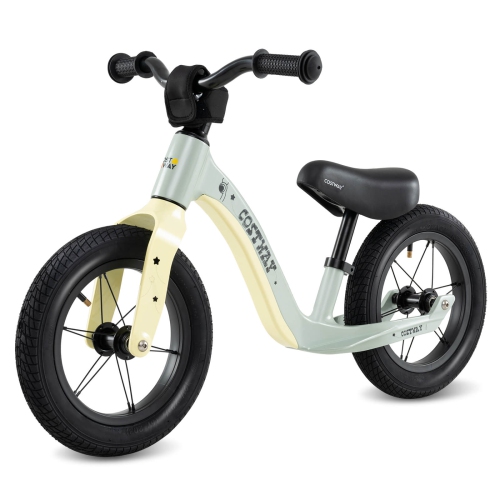
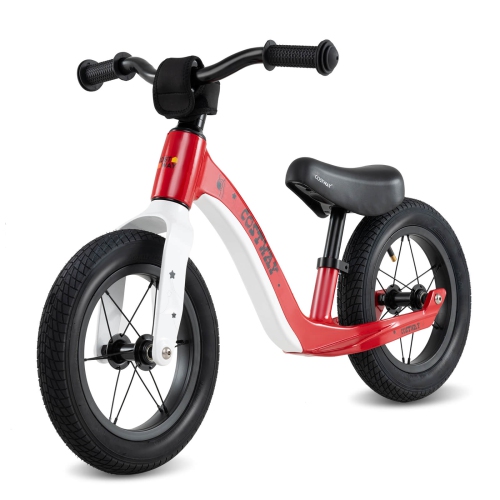
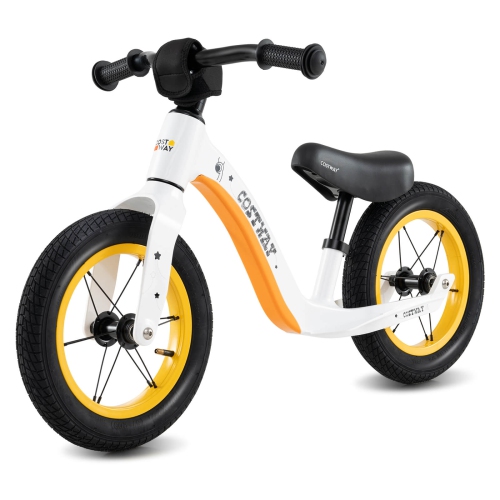
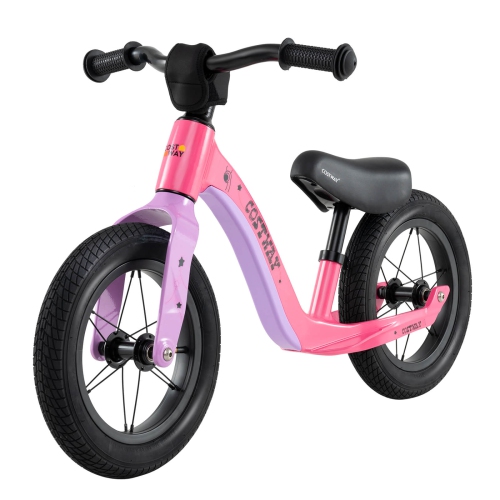


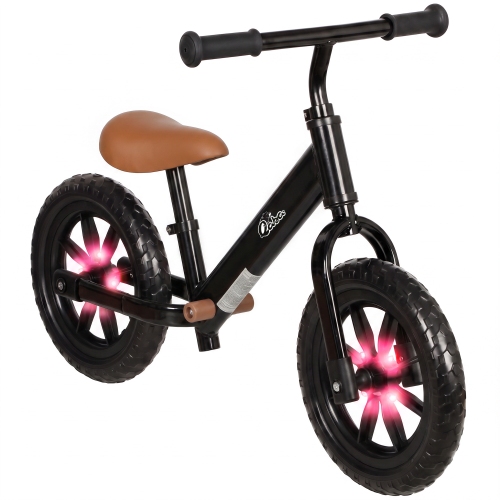
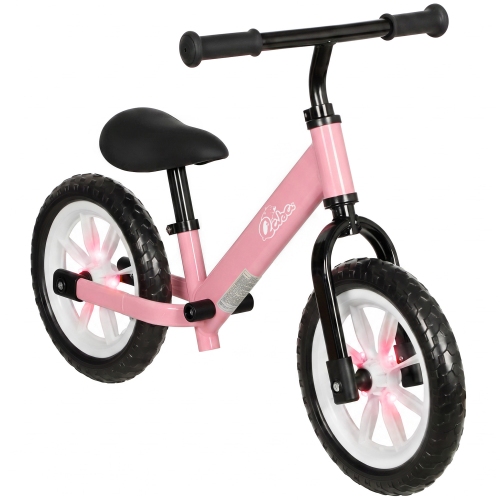
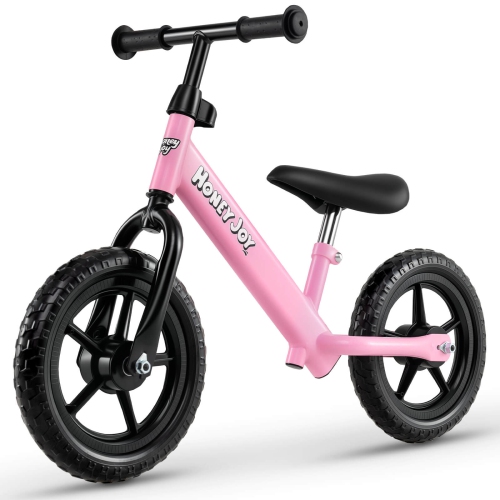


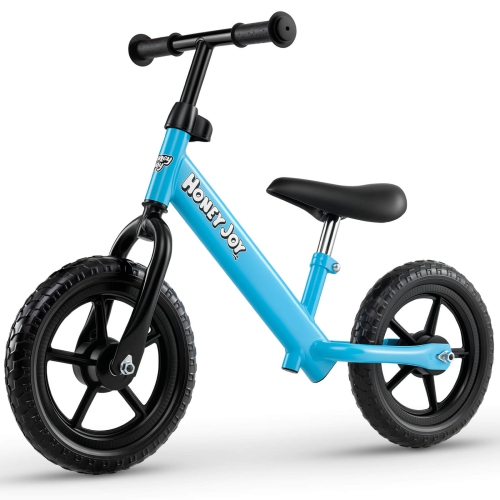
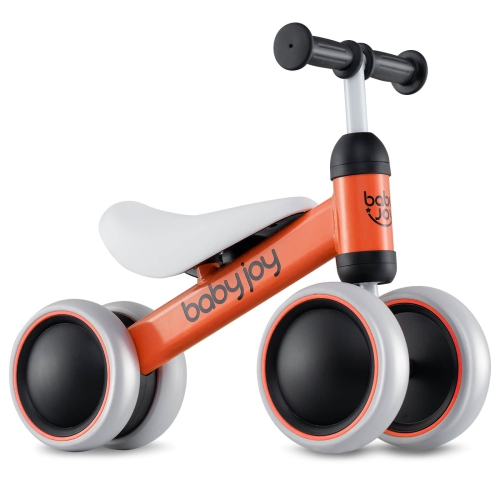
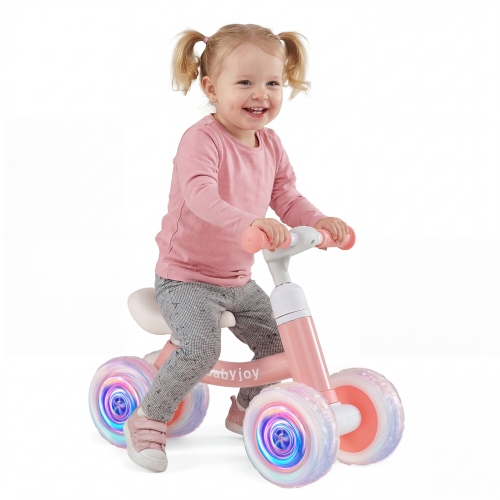
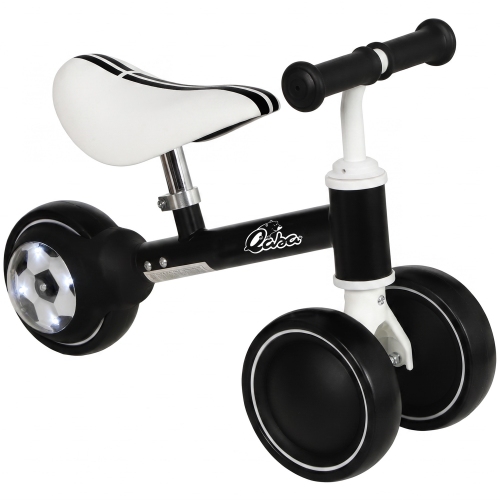
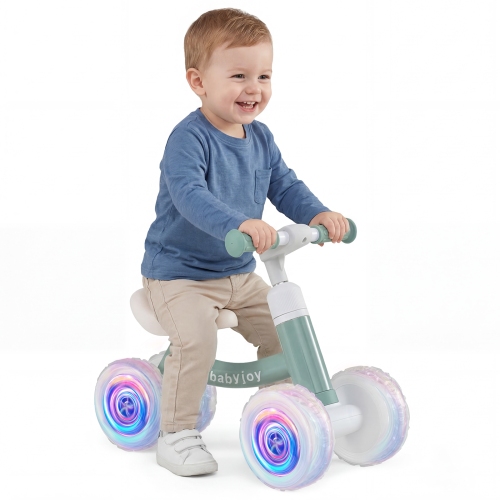
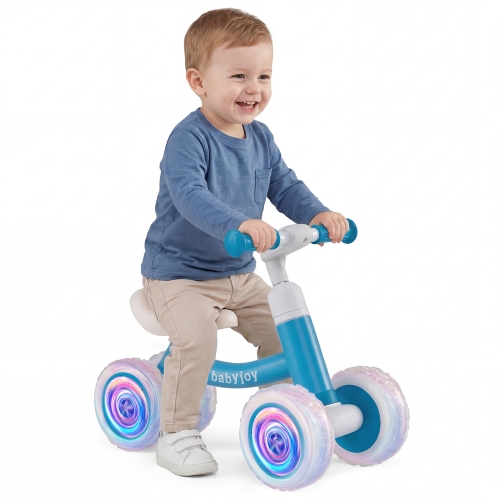

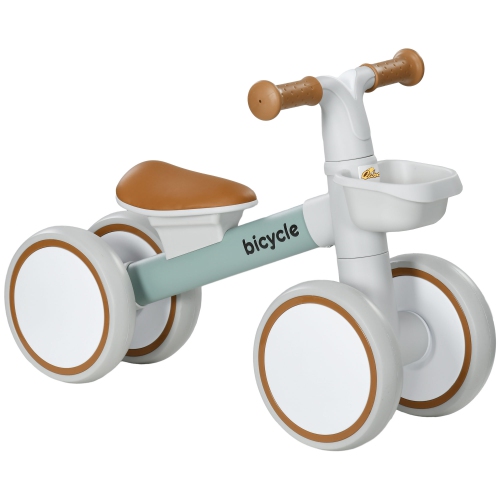


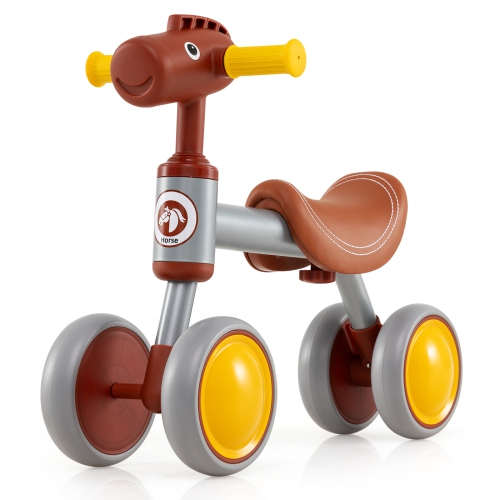

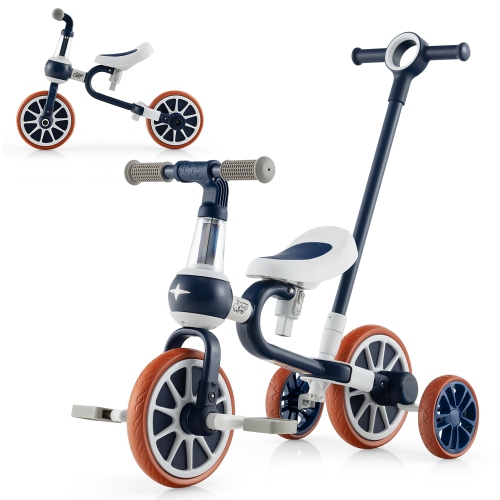


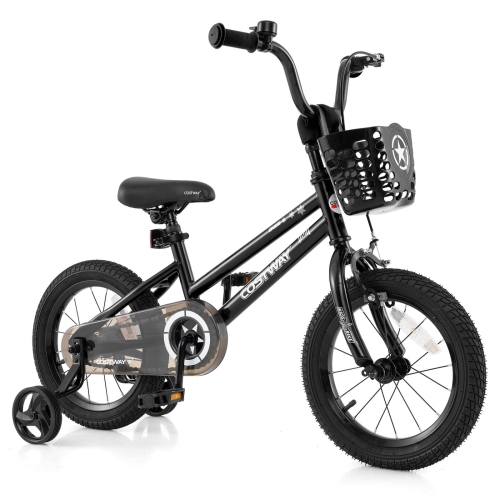
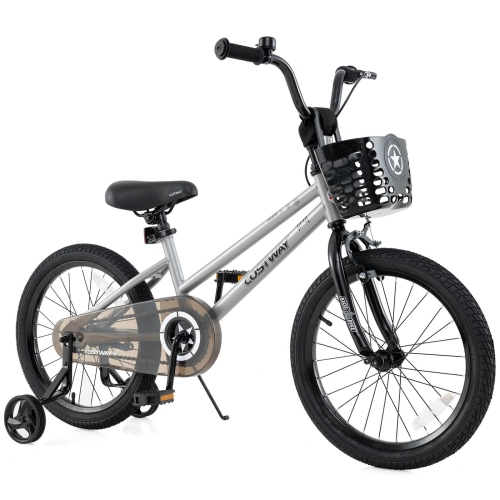
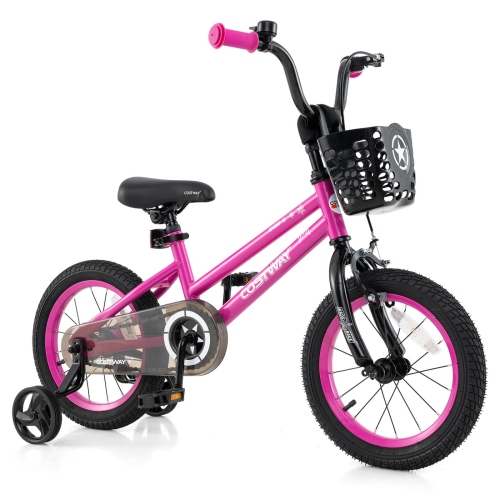
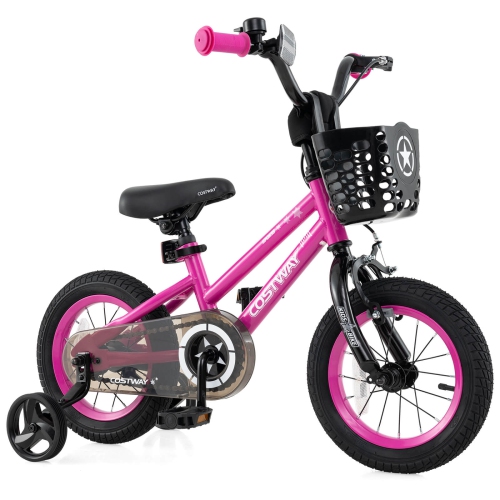
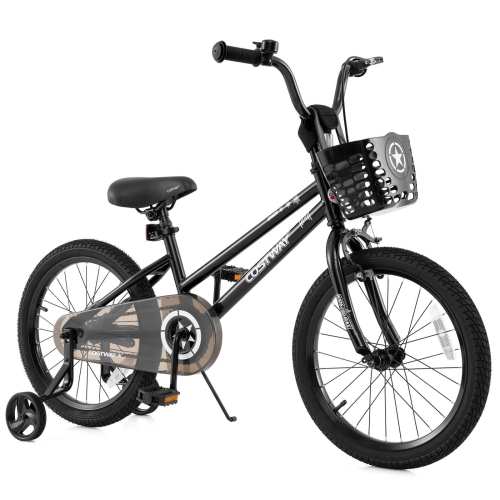
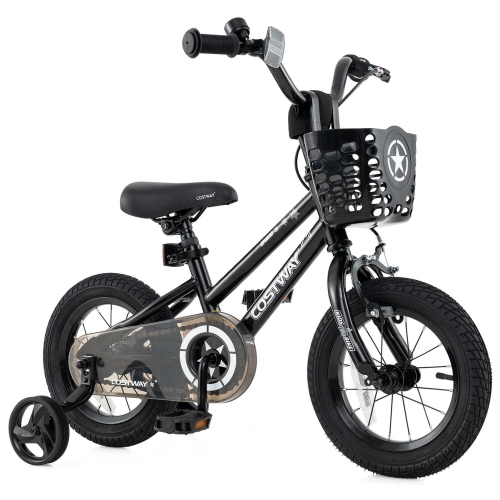
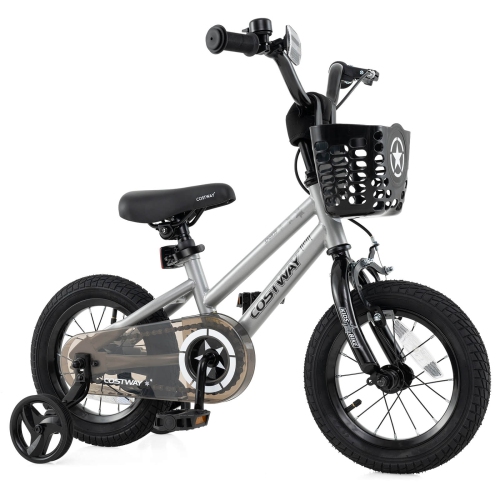

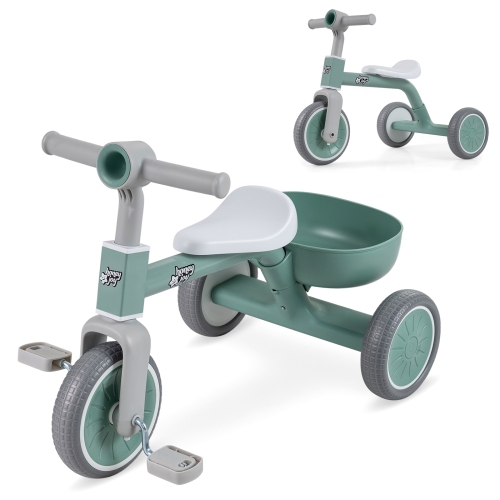
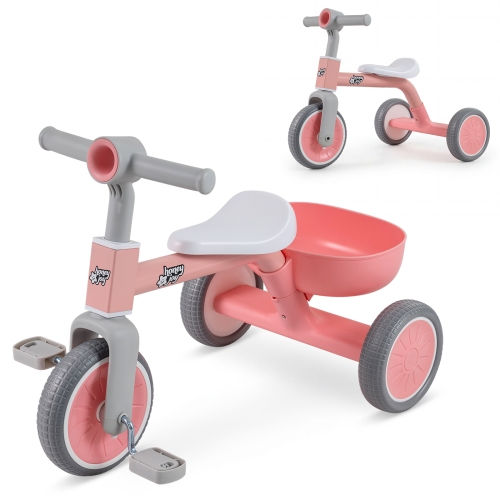
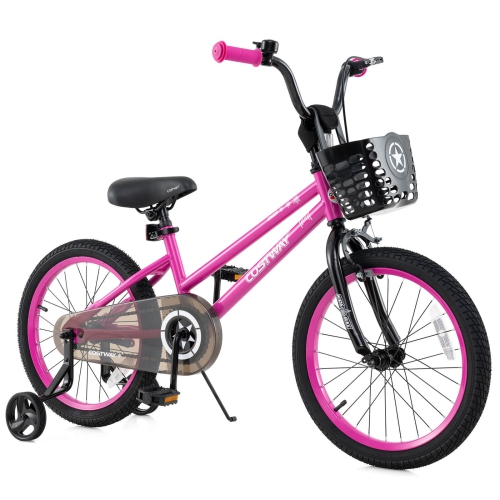
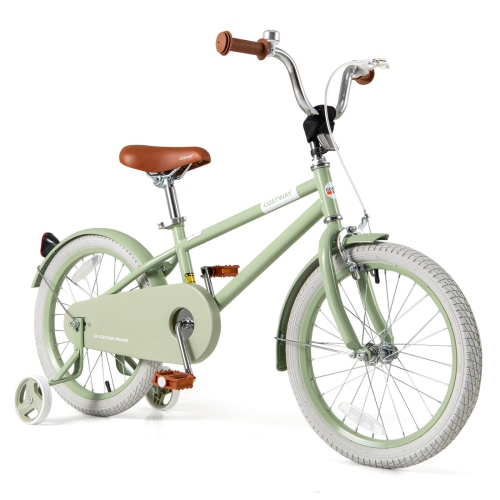
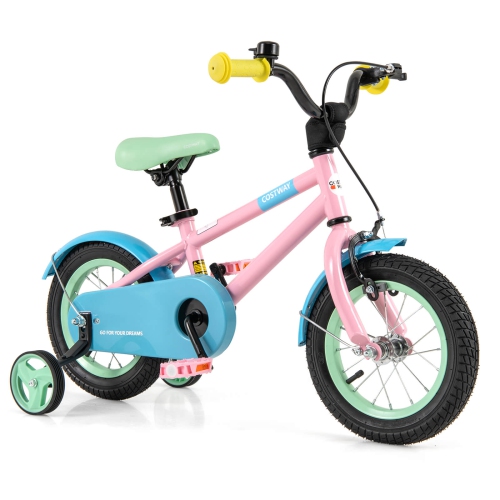

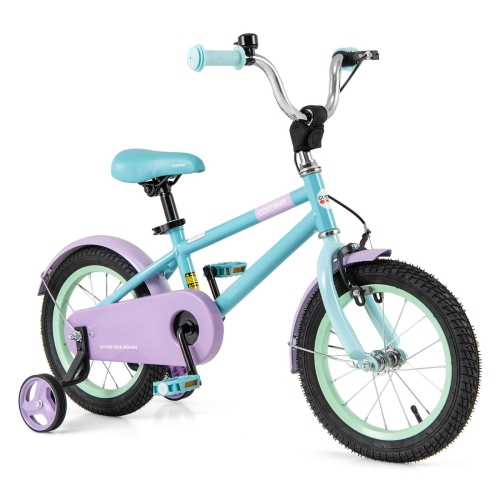
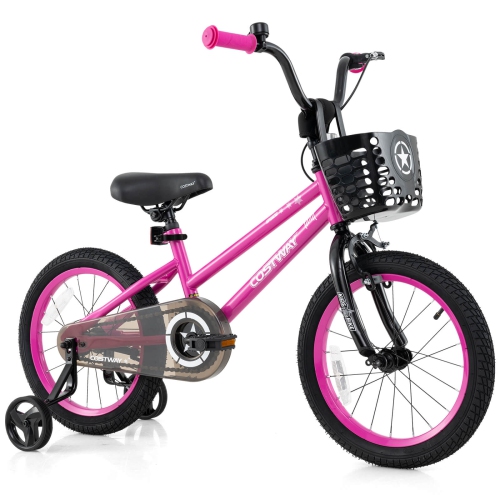
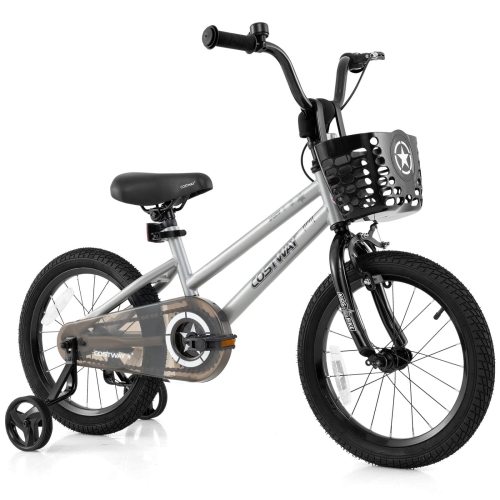
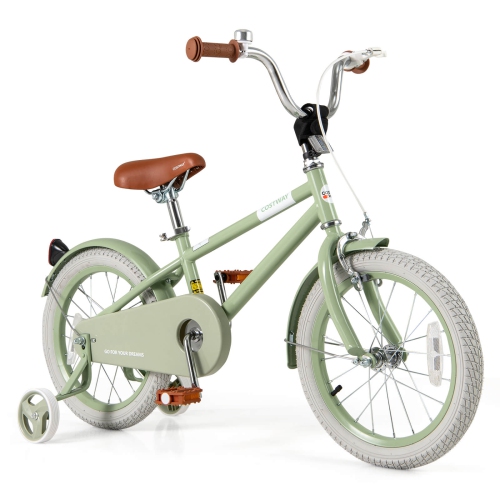
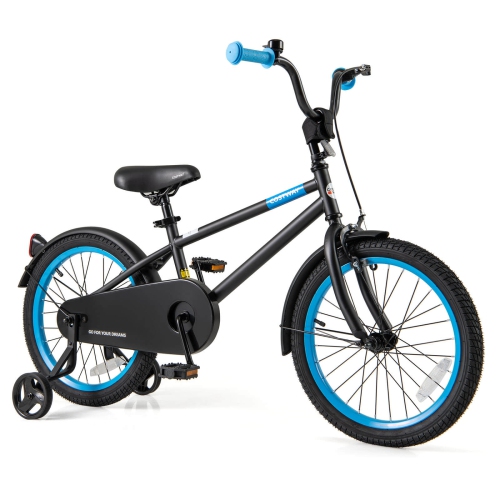
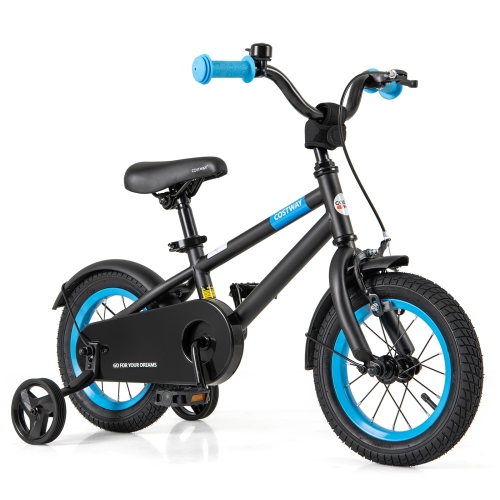
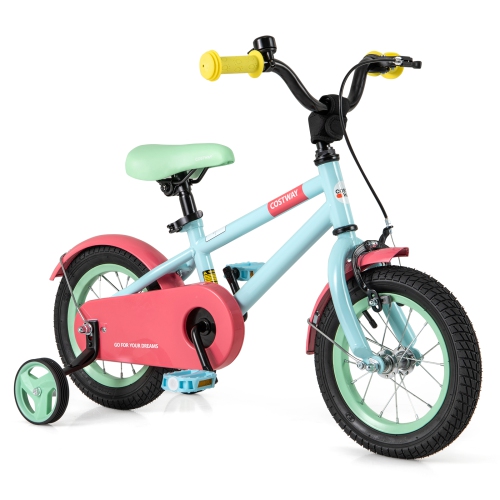
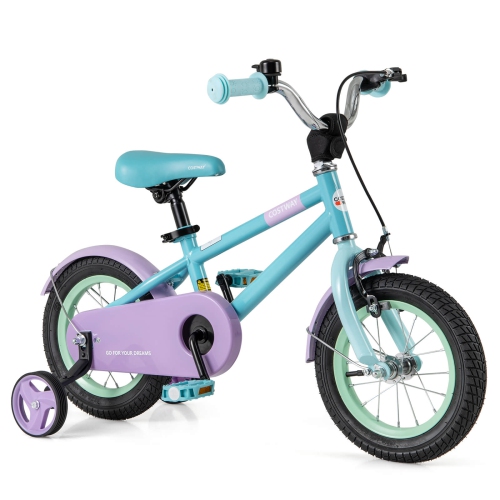



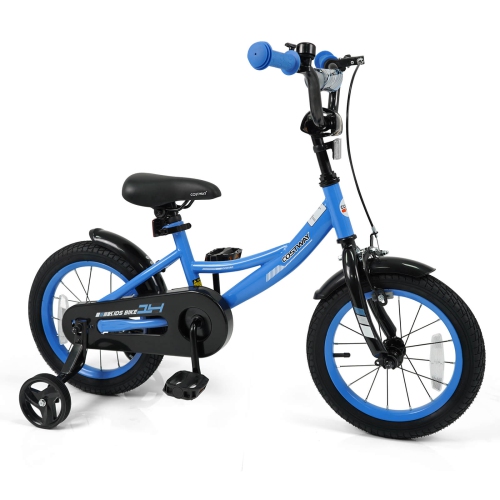
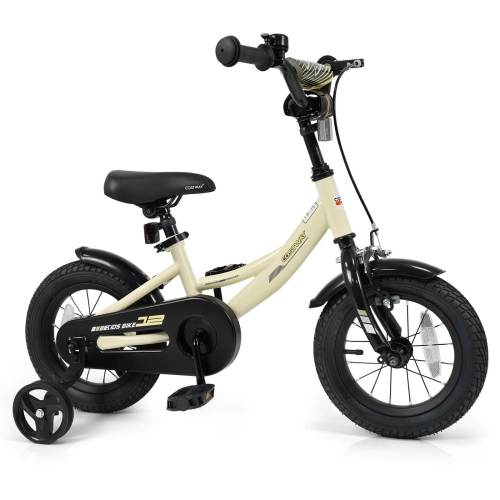

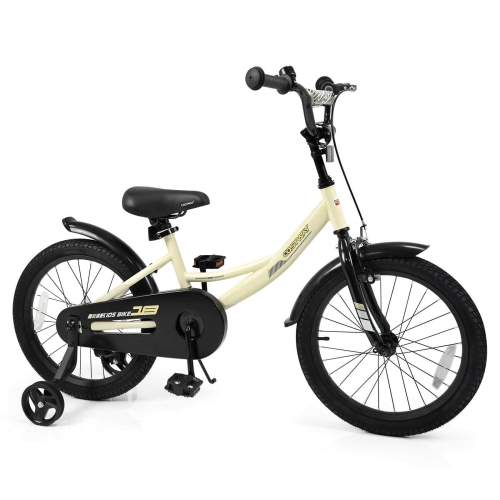


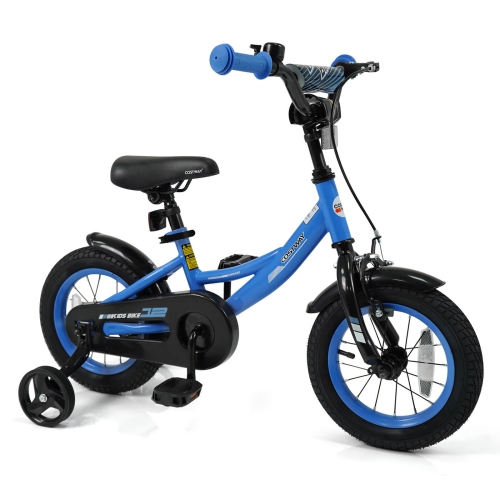
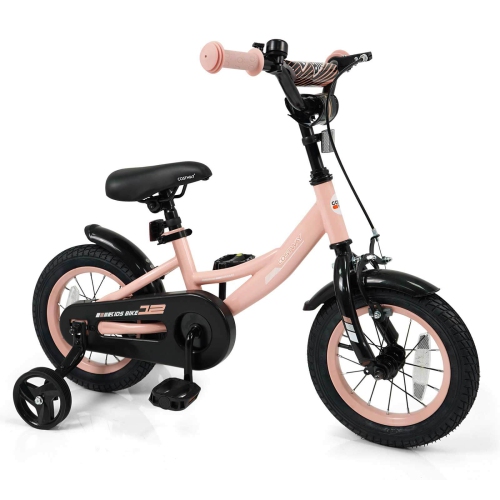
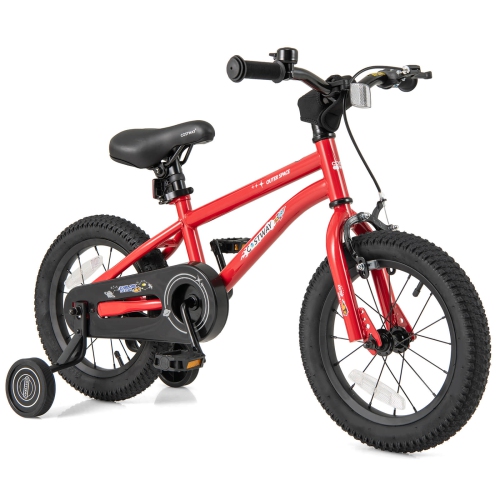
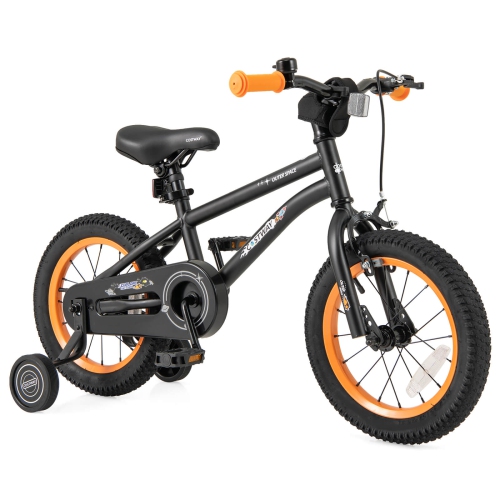


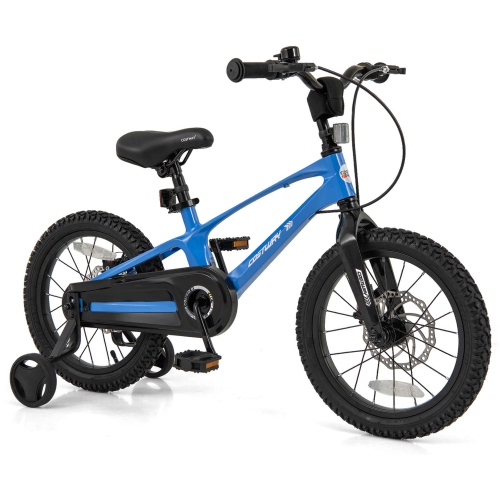

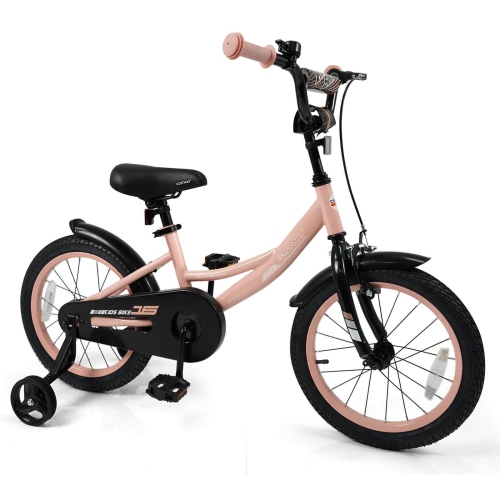
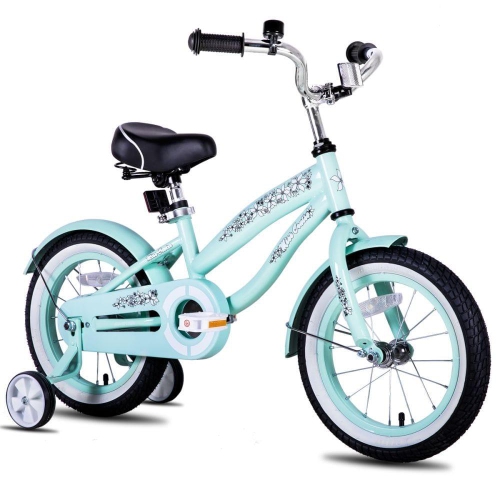
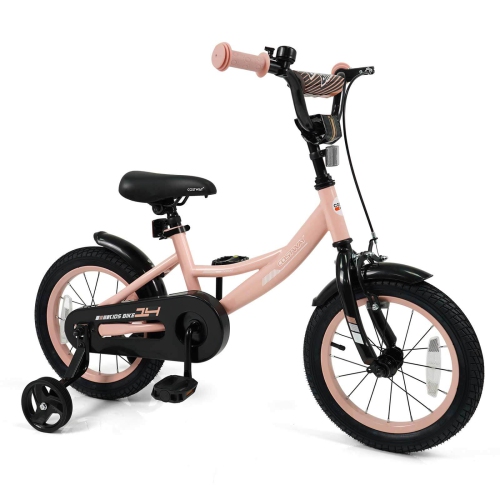
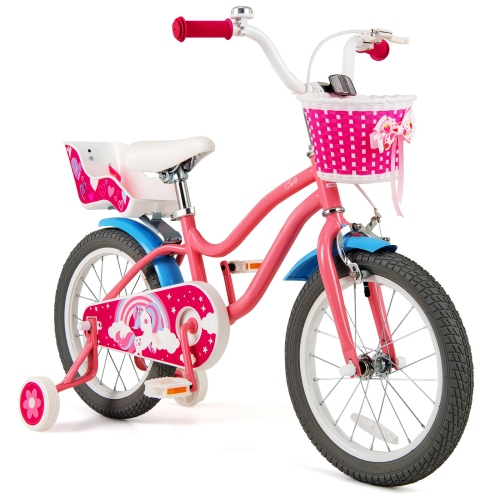


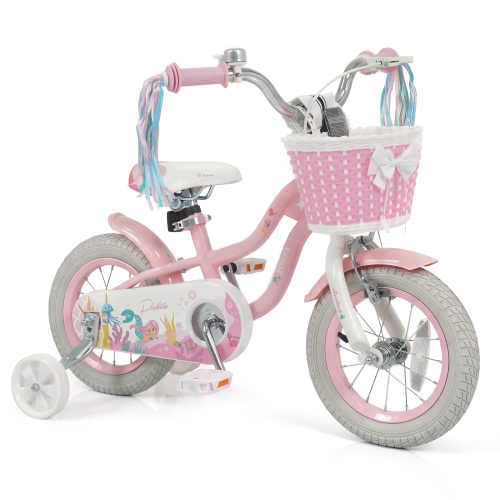

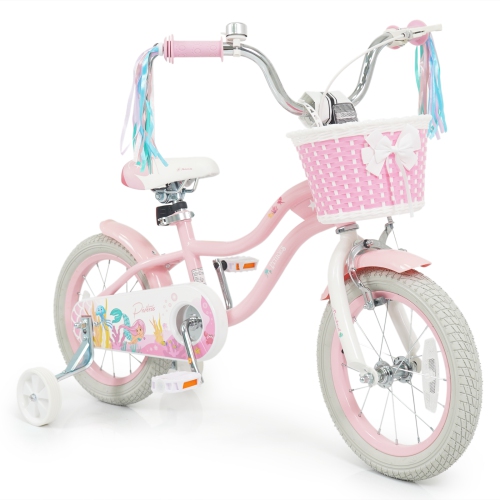


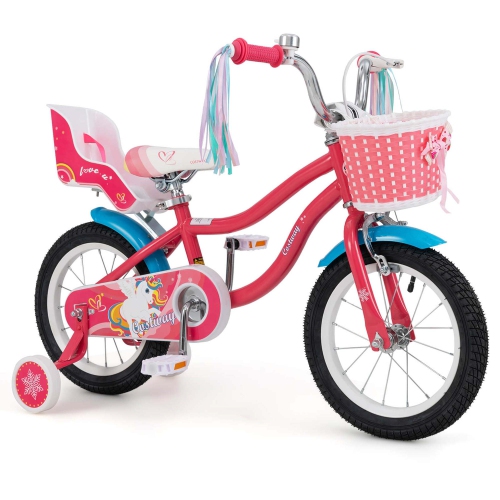


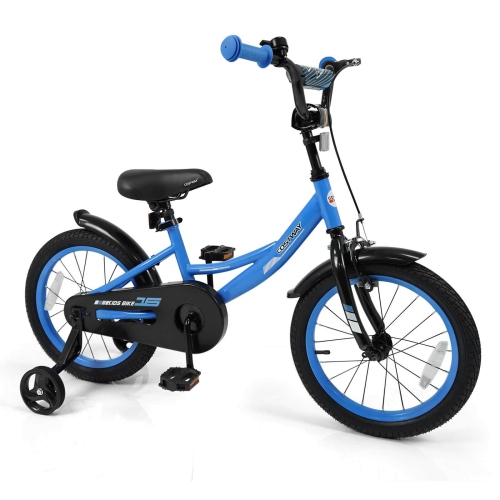



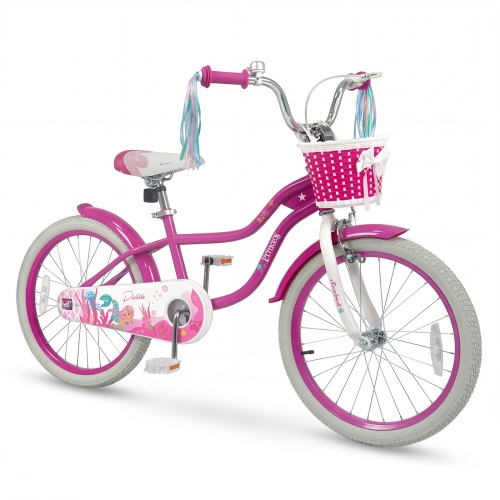
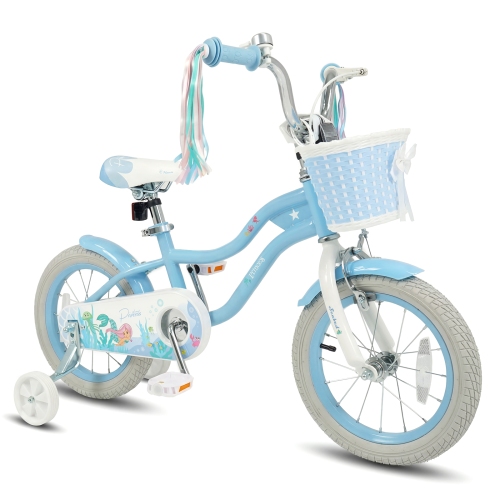
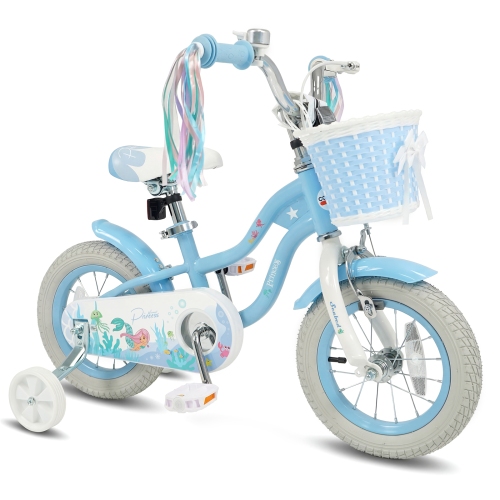
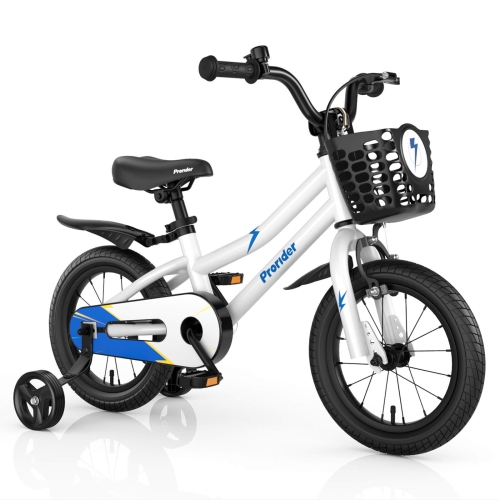
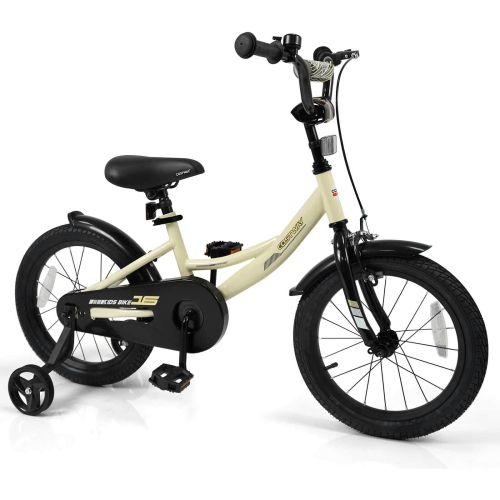


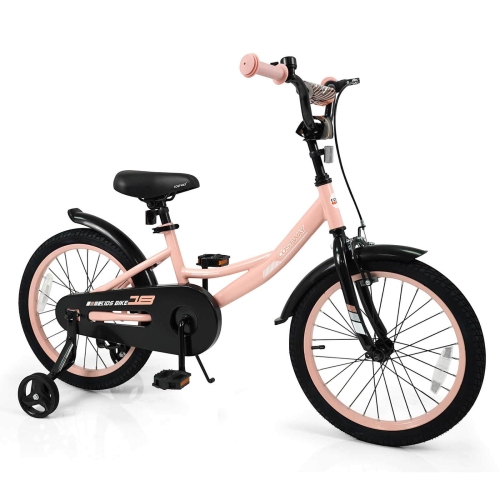


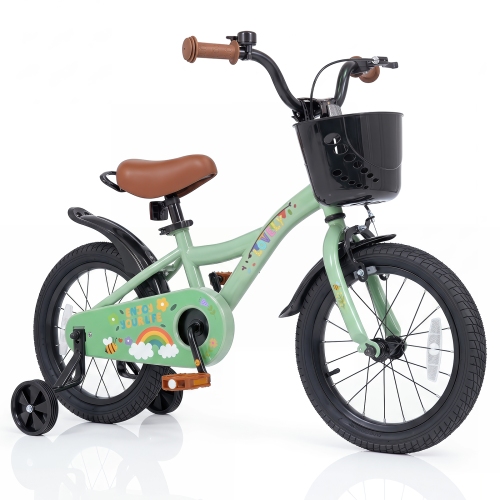
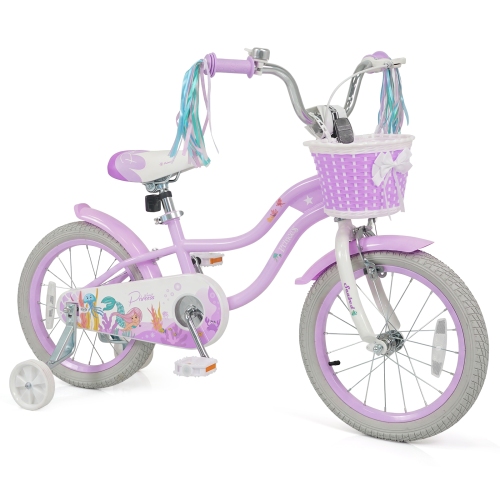
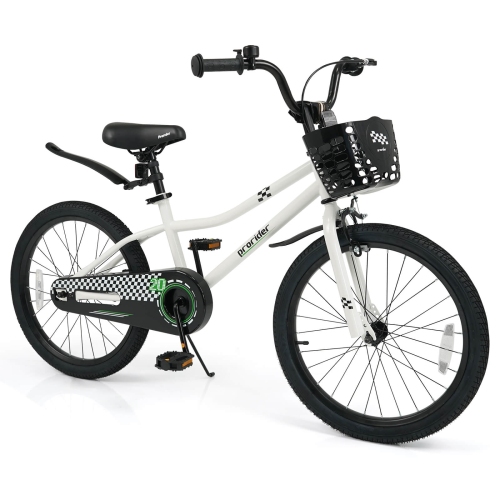
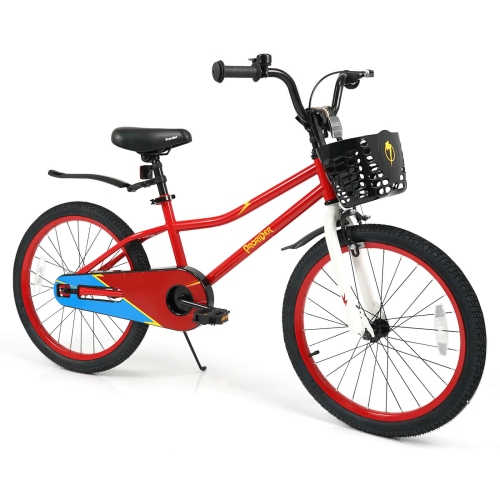
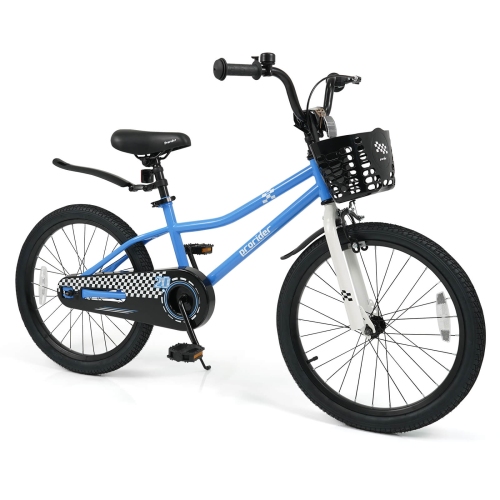

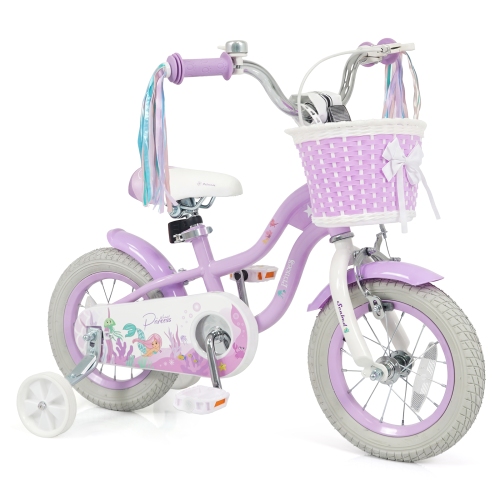

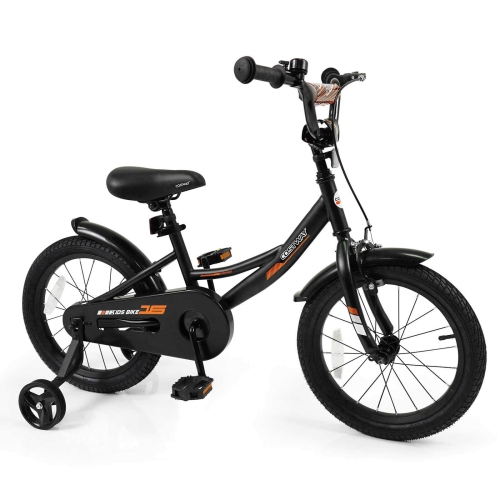
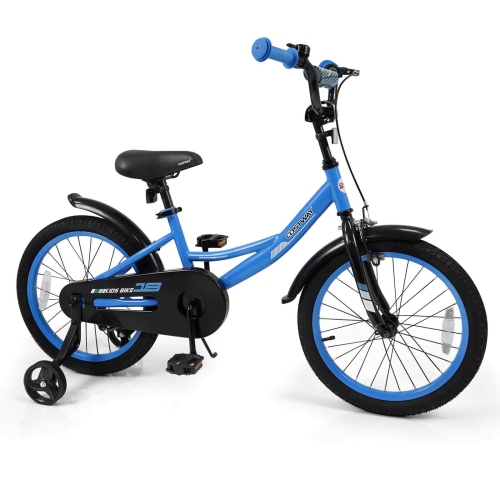
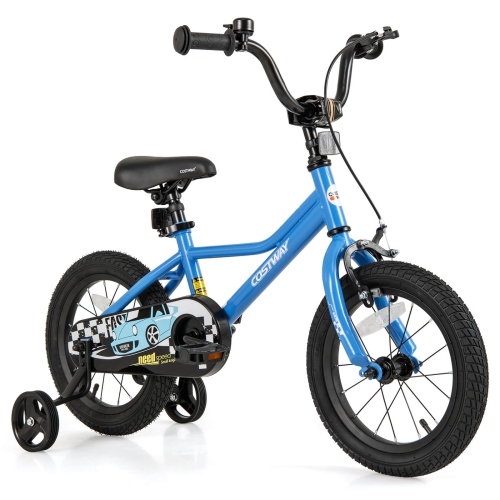
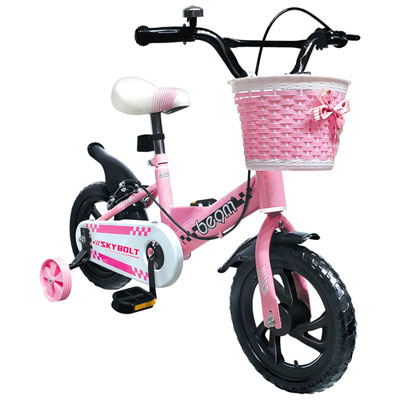

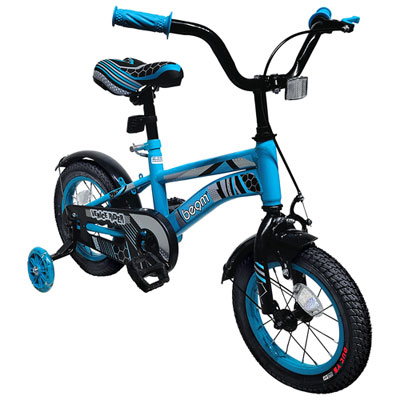
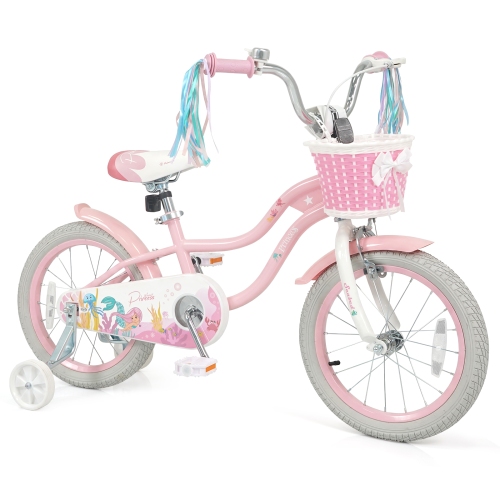
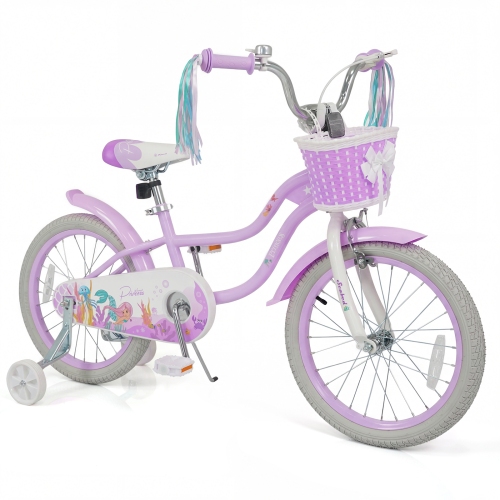


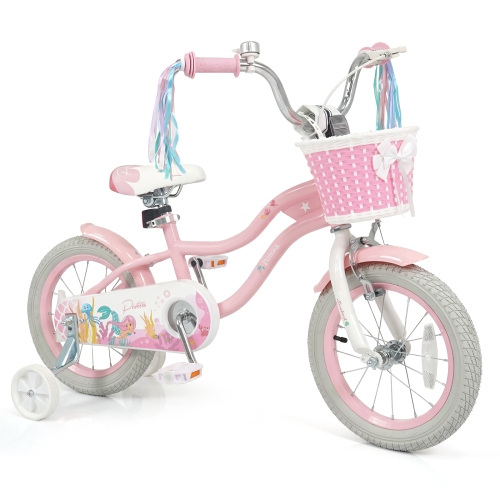



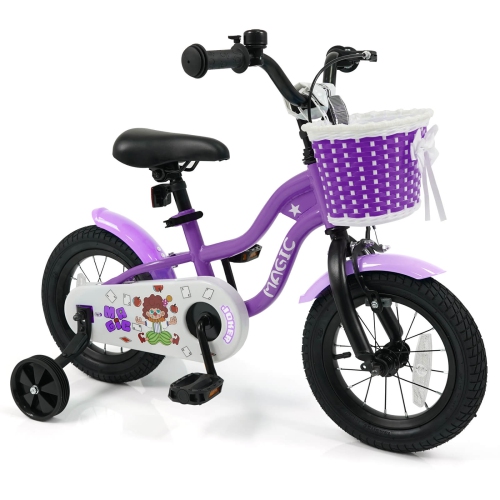

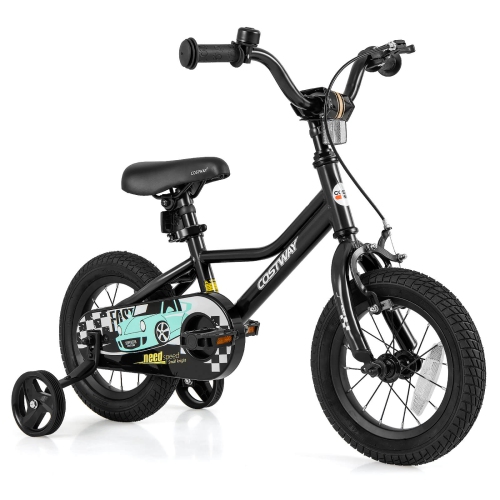
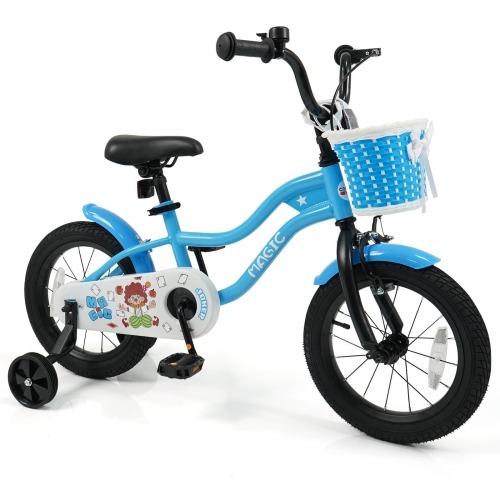
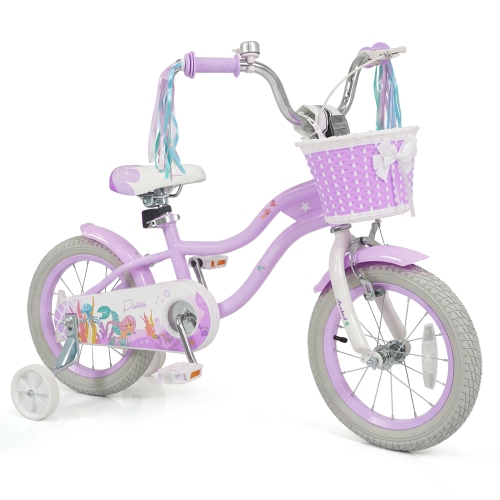


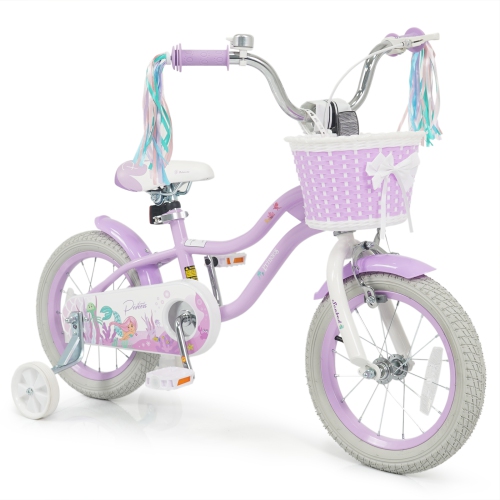

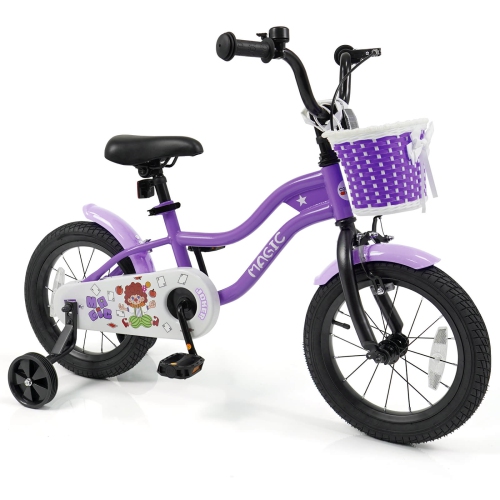
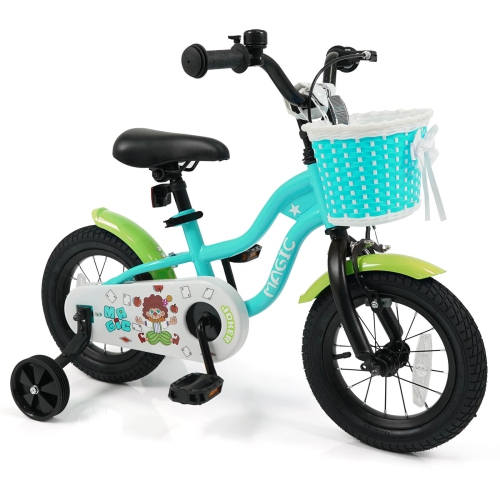
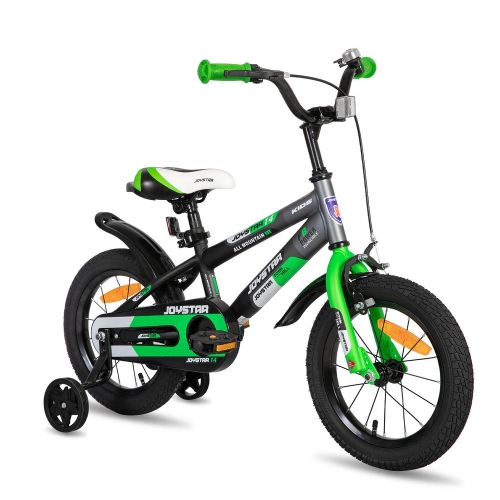
From first steps to confident coasting without pedals
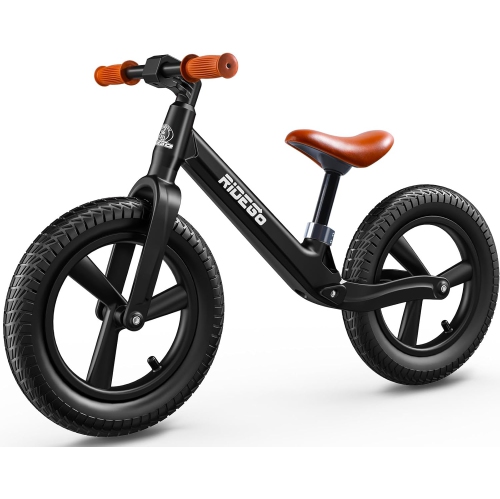
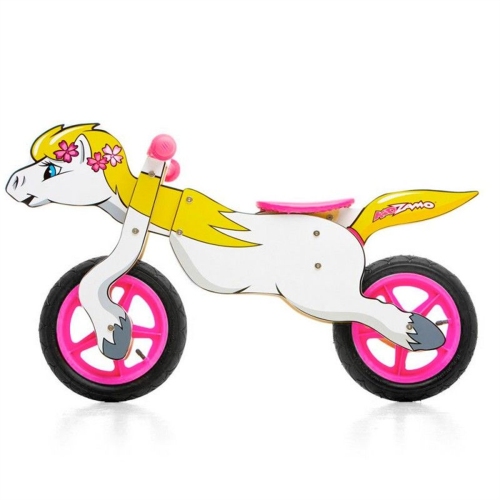
Kids balance bikes are pedal-free bicycles that help children practise balancing, steering, and controlling their speed before moving to a pedal bike. Riders sit on the saddle with their feet on the ground, push themselves forward, and gradually lift their feet for short stretches of coasting. Unlike a bicycle with training wheels, a two-wheeled balance bike lets a child experience the small shifts in body position that keep a bicycle upright. That learning can start with simply walking the bike between their legs, then progress to longer strides and gentle turns as confidence grows. These bikes are often associated with toddlers and preschoolers, but suitability depends more on a child’s size, coordination, and readiness than on age alone. Some older children also benefit from practising without pedals before tackling a conventional bicycle. Fit is especially important: with the child seated, both feet should rest flat on the ground and the knees should remain slightly bent, allowing comfortable pushing and stopping. The minimum saddle height is therefore a more useful starting point than an age label or wheel size by itself. A child’s inseam measurement, taken while wearing their usual riding shoes, helps establish whether that saddle height will allow secure ground contact. Handlebar reach matters, too. A relaxed riding position leaves the elbows gently bent, rather than requiring the child to stretch forward or hunch over the frame. Adjustable seats and handlebars can accommodate growth within the bike’s stated limits, although a bike should fit at the start rather than require a child to grow into it. For families exploring the broader Kids Bikes category, balance bikes offer a distinct starting point focused on movement and control rather than pedalling. They can also make thoughtful birthday gifts, especially when a parent or caregiver can confirm the recipient’s measurements and readiness beforehand. A well-matched bike gives the child room to learn at their own pace, whether the first outing involves a few careful steps or several enthusiastic laps of a permitted riding area.
Frame materials, overall weight, and wheel construction shape how a balance bike feels in everyday use. Aluminium frames are commonly chosen for their low weight and resistance to rust, while steel frames can provide a sturdy structure but may be heavier depending on the design. Wooden frames have a different look and construction, with joints and finishes that need care according to the manufacturer’s directions. Material alone does not determine durability; frame design, hardware, bearings, and assembly quality also contribute. For a small rider, a manageable bike is easier to steer, hold upright, and lift after setting it down. The difference becomes noticeable when a child needs to turn around in a narrow space or a caregiver carries the bike home after a short ride. Rather than relying on a single weight target for every toddler, it helps to consider the bike’s weight alongside the child’s size and ability to manoeuvre it. Tyres bring another practical distinction. Air-filled rubber tyres provide cushioning and can offer useful grip on suitable paved paths and firmly packed surfaces, but they need pressure checks and can puncture. Solid foam tyres do not require inflation and are often lightweight, though they generally provide less cushioning and may offer less traction than pneumatic tyres, depending on the surface and tyre design. Wheel size affects the bike’s proportions, but it does not replace checking saddle height, reach, and the manufacturer’s rider limits. Details such as secure handlebar grips with covered ends, a comfortable saddle, and adequate clearance for a walking stride can make a noticeable difference to small hands and legs. Some designs include a footrest for coasting; its placement should leave room for the child to push without catching their ankles. Steering limiters are another possible feature, intended to reduce excessive handlebar rotation, although their operation varies. These construction details are most useful when considered together, creating a bike that feels manageable rather than one chosen for a single feature or appearance alone.
Everyday use usually begins with short, closely supervised sessions on a level, traffic-free surface where riding is permitted. An open paved area gives a new rider space to push, pause, and turn without negotiating steep slopes, stairs, driveways, or crowds. A properly fitted bicycle helmet should be worn on every ride, and closed-toe shoes help protect feet during pushing and foot-assisted stopping. Loose laces and clothing should stay clear of moving parts. Many beginners slow down by placing their feet on the ground, so secure footing remains essential even when a bike has a brake. A hand brake can introduce braking skills, provided the lever is within reach and the child has enough hand strength and coordination to operate it reliably. Its presence does not mean a young rider is ready for hills or higher speeds. Practising controlled stops on flat ground gives caregivers a clearer sense of what the child can manage. Some children enjoy repeated loops around the same small area, while others prefer a short ride alongside a walking adult; both offer opportunities to become comfortable with steering and balance without pressure to progress quickly. Care is generally straightforward but should follow the bike’s instructions. Before riding, checking that the wheels turn freely, the grips are secure, and the saddle and handlebars do not twist helps catch problems early. Adjustable parts must stay within their marked insertion limits, and fasteners should be tightened to the specified settings. Air-filled tyres need the pressure stated by the manufacturer, while any fitted brake needs regular checks for effective operation. Wiping away dirt, drying the bike after cleaning, and storing it in a dry, sheltered place help protect the frame and components. Regular inspection is particularly useful when a bike is passed between siblings or handed down as a gift, since wear can affect grips, tyres, bearings, and adjustment hardware. With a suitable fit, sound construction, and attentive care, a balance bike can support plenty of small milestones: a steady start, a deliberate turn, a confident stop, and eventually a longer glide with both feet lifted clear of the ground.
Top selling and popular products
-
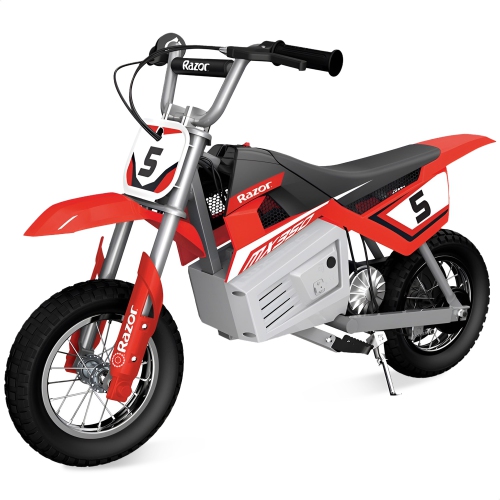 Your price for this item is $605.99
-
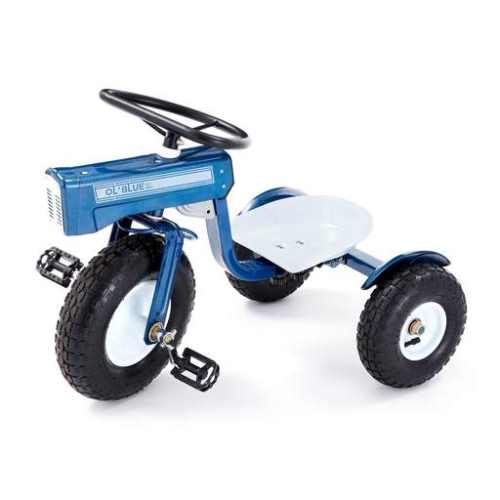 Your price for this item is $280.99
-
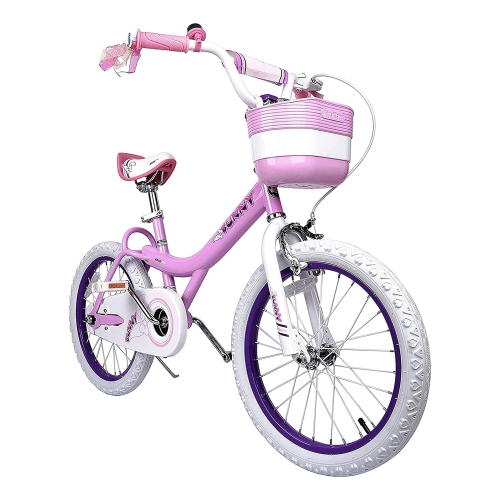 Your price for this item is $319.99
-
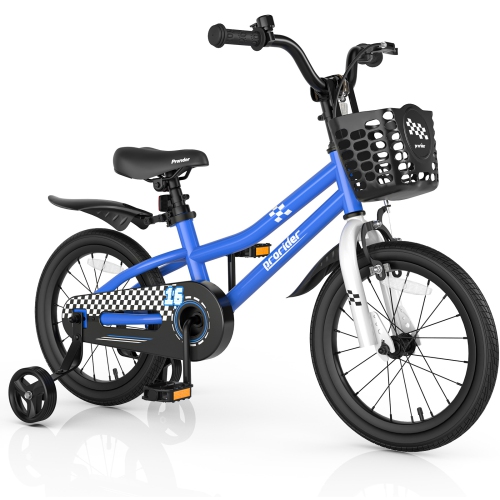 Your price for this item is $128.99
-
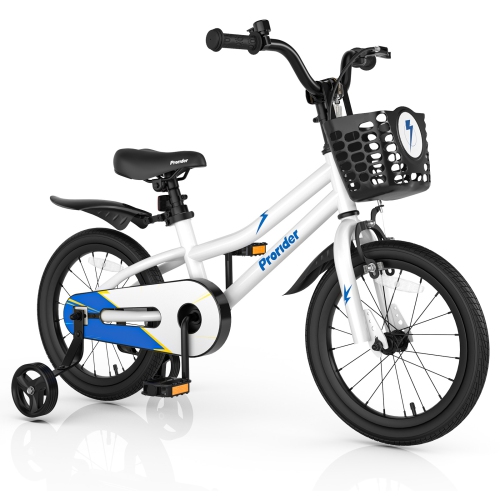 Your price for this item is $118.99
-
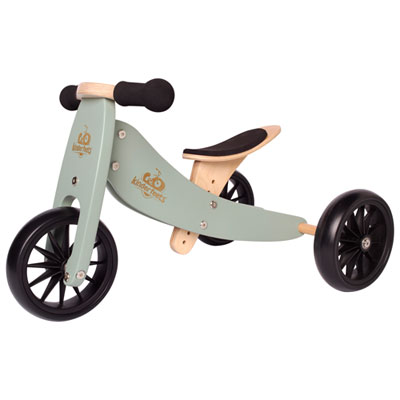 Your price for this item is $134.99
-
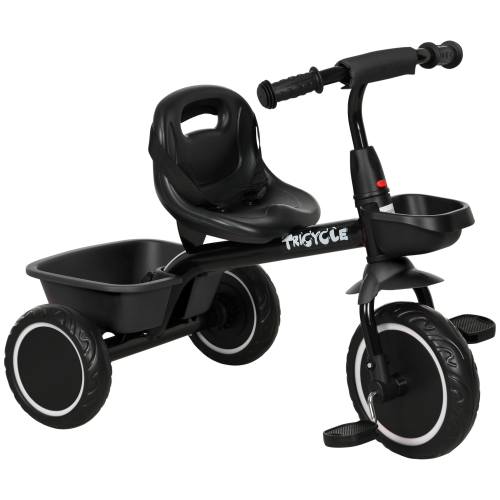 Your price for this item is $84.99
-
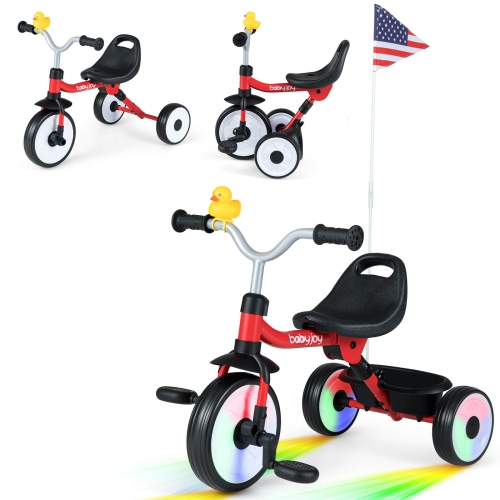 Your price for this item is $75.99
Discover more categories related to Kids Balance Bikes
Top Collections:
Pokemon Centers, Kindle Devices, Best Budget Office Chairs, Canon G7X Cameras, Apple iPhones 16, Samsung Galaxy Phones, Refurbished Apple Laptops, Laptops for Students, iPhone 15 Apple, Budget Smartphones
Some products may be subject to Environmental Handling Fees
(EHF) depending on your province.
Learn more about EHFs.