LifePO4 Power Stations
If you're looking for a reliable and portable power solution, look no further than these Lifepo4 power stations. These innovative devices are designed to provide you with a convenient source of power on the go. Whether you're camping in the great outdoors, embarking on a road trip, or simply needing backup power during an outage, Lifepo4 power stations have got you covered. With their advanced technology and impressive battery capacity, these power stations offer a versatile and sustainable way to keep your devices charged and running smoothly.
Sort


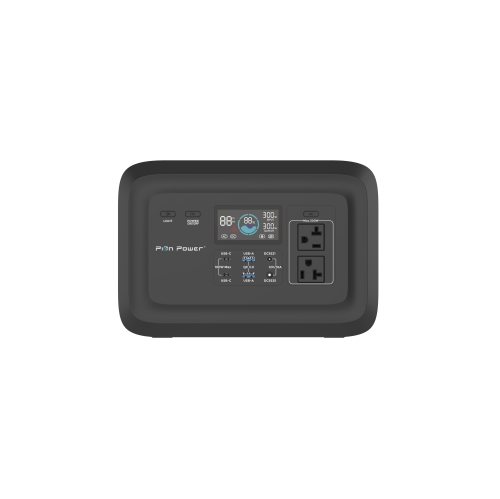
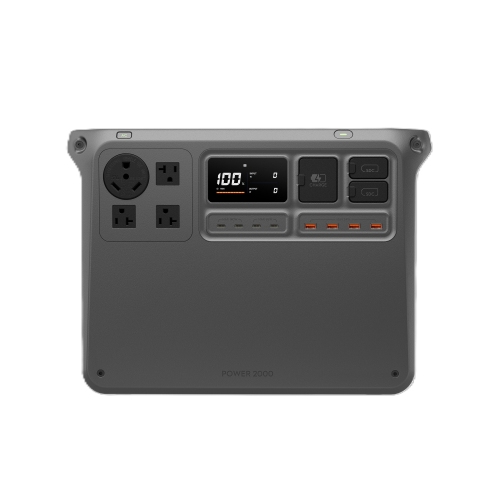
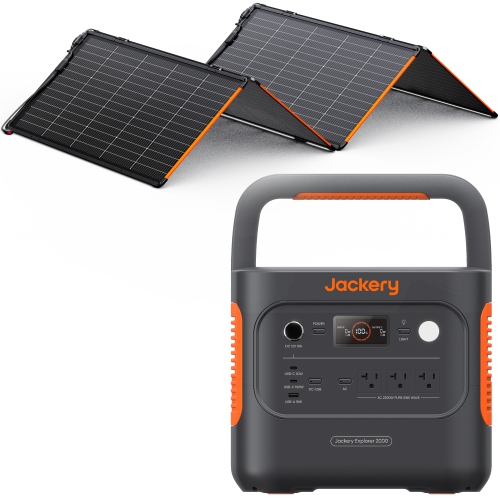
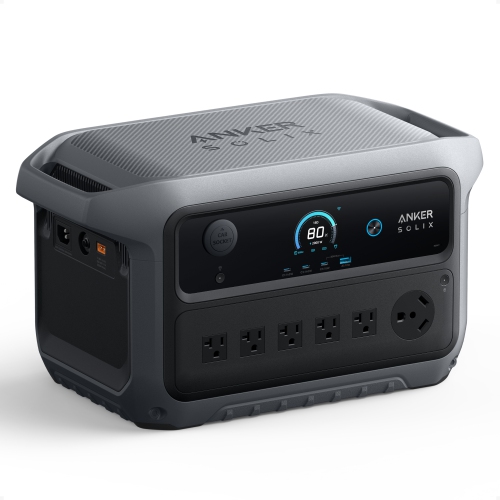
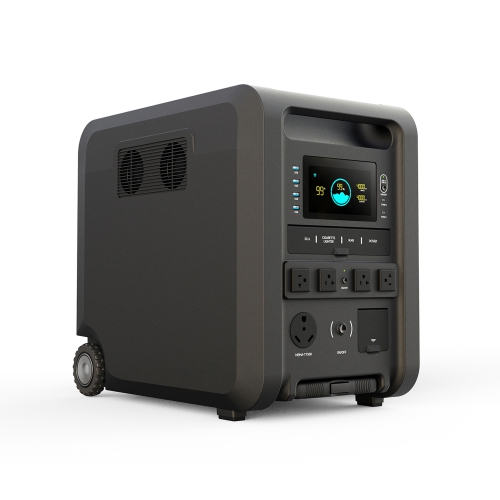
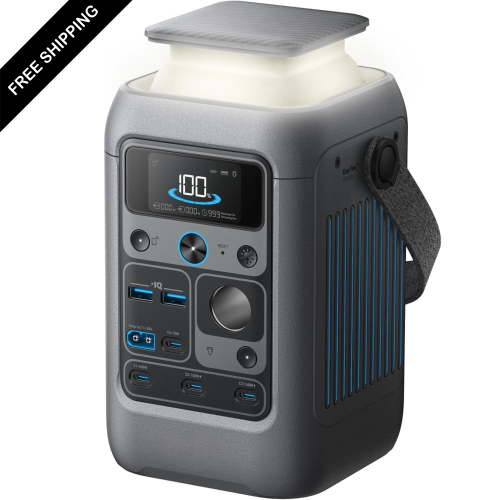
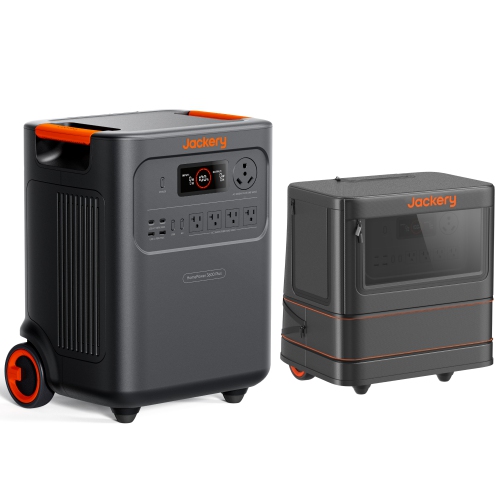
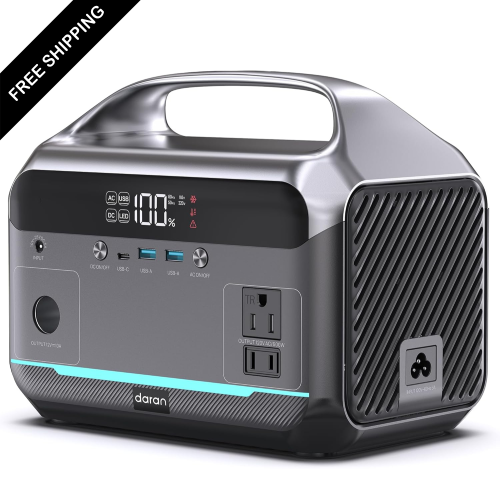
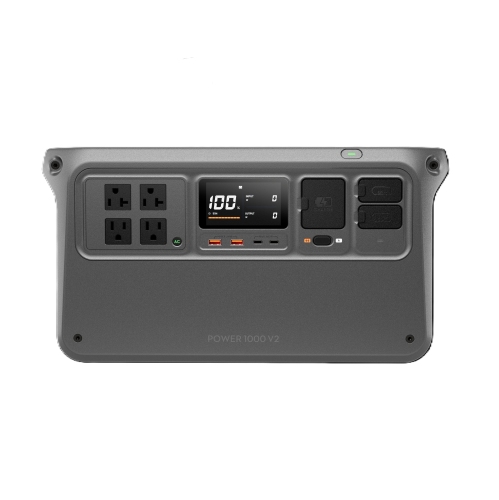
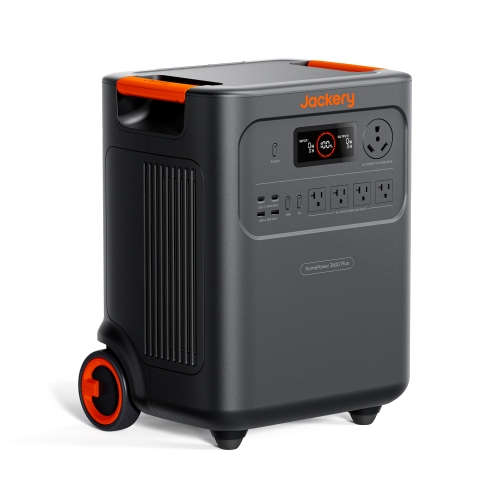
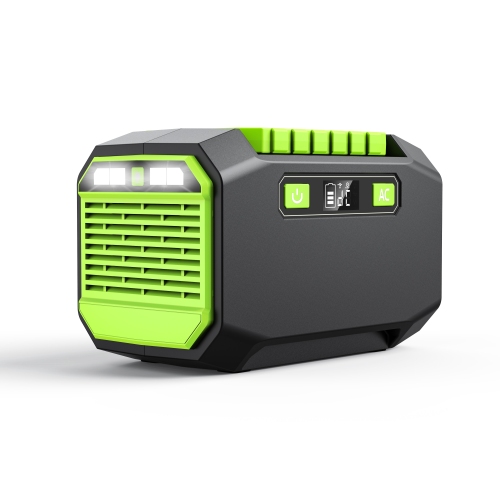
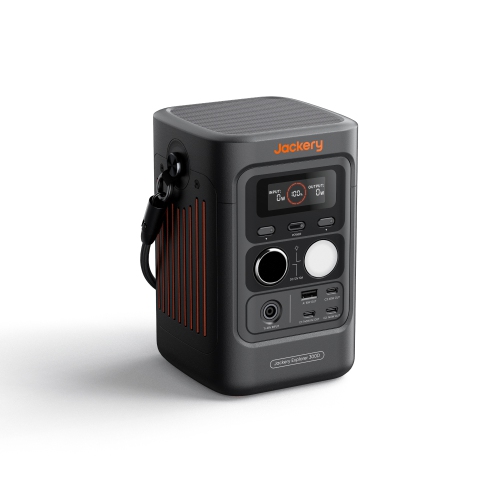
What thousands of charge cycles mean for portable power
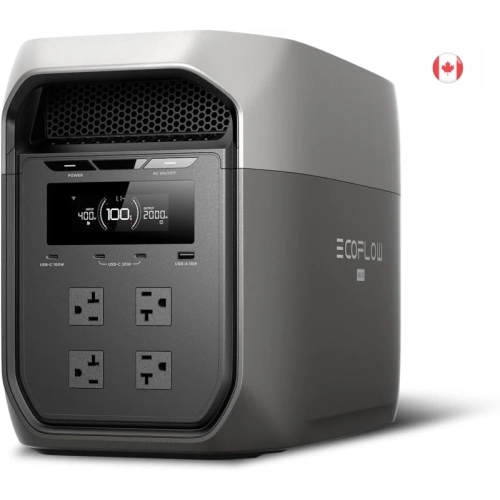
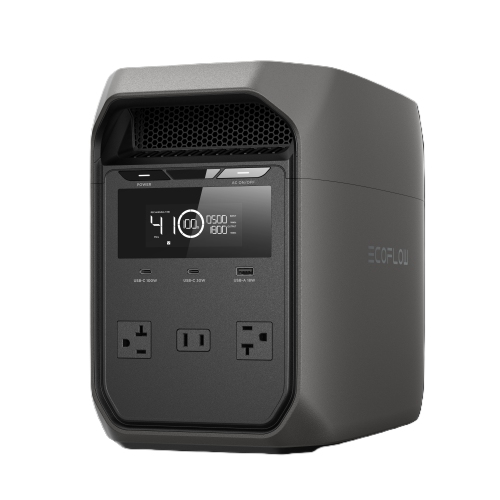
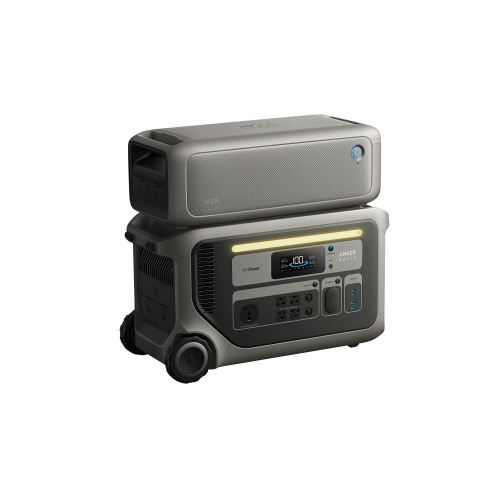
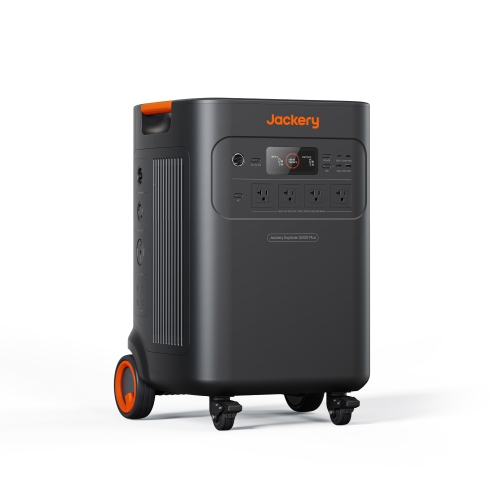
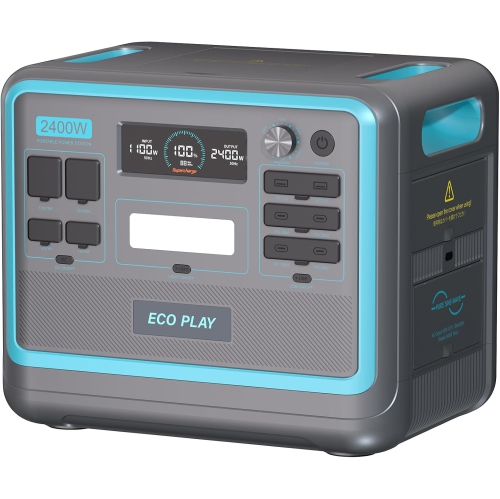
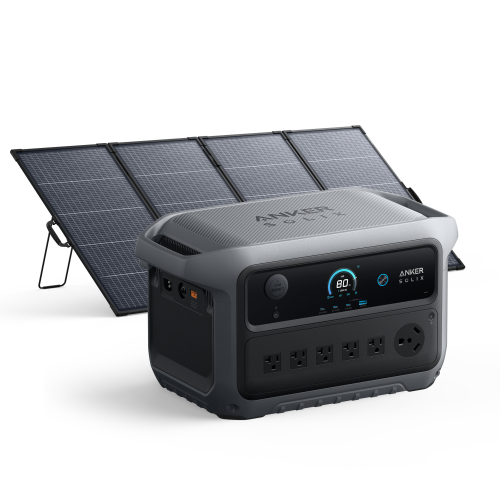
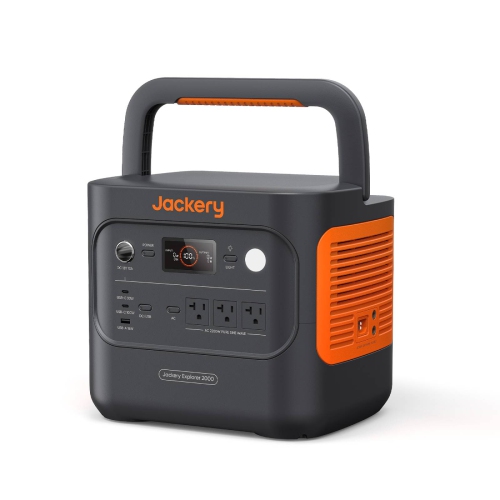
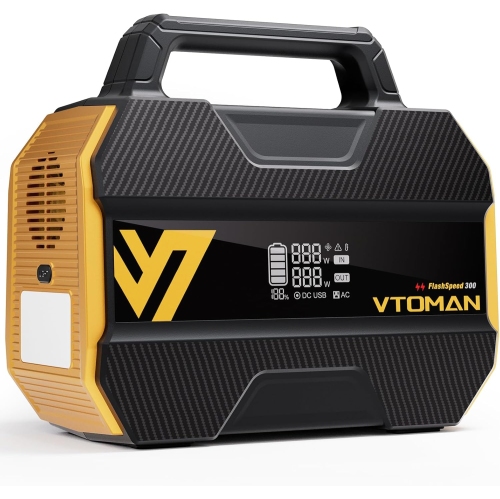
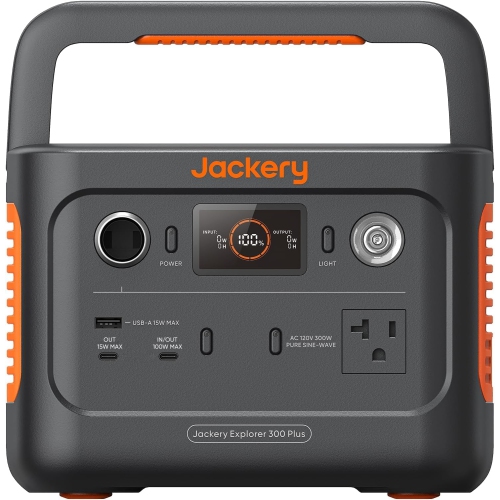
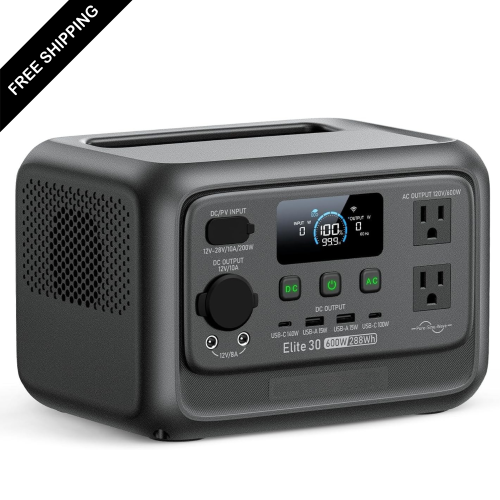
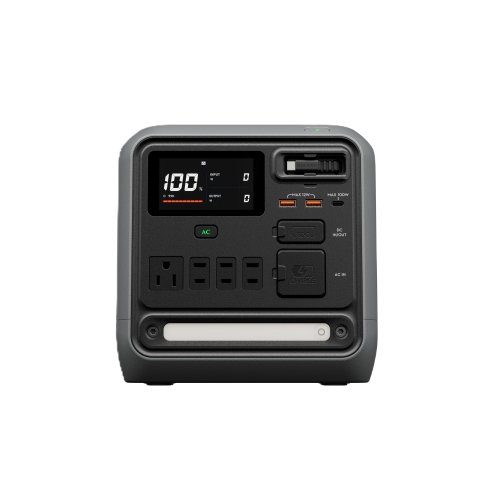
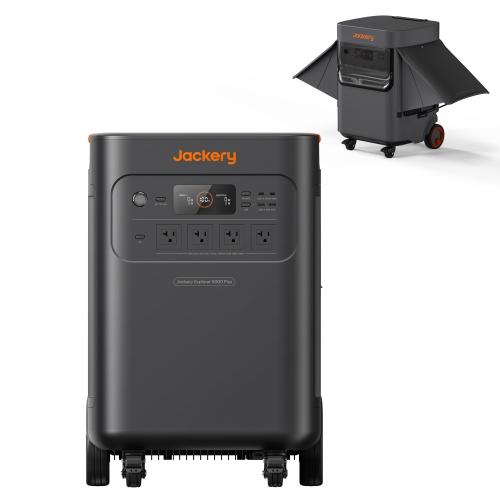
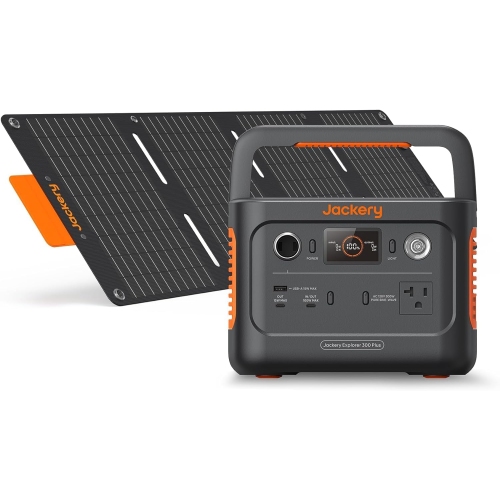
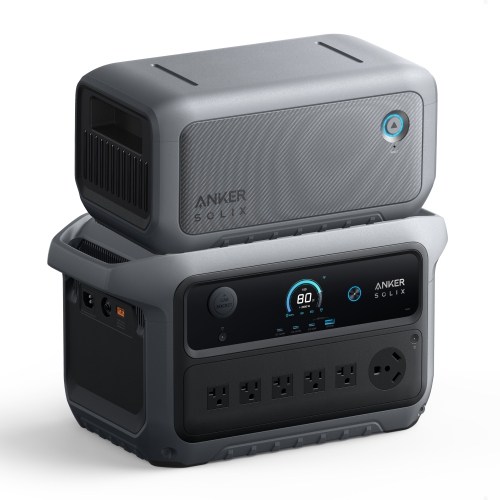
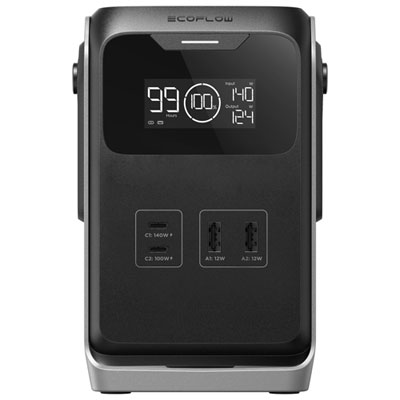
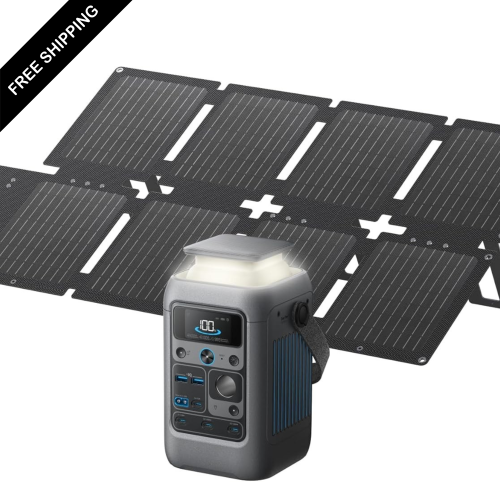
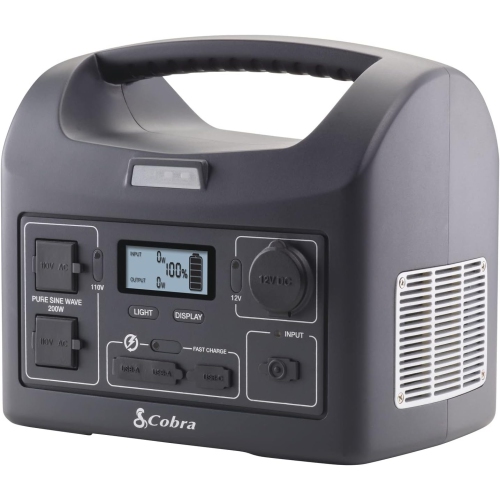
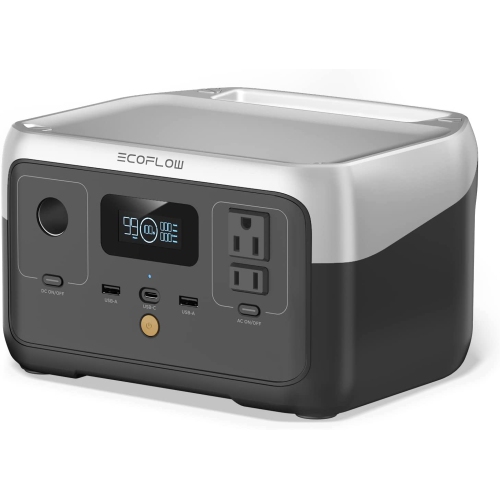
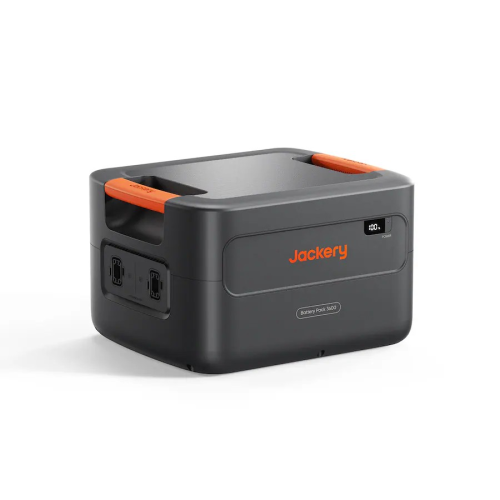
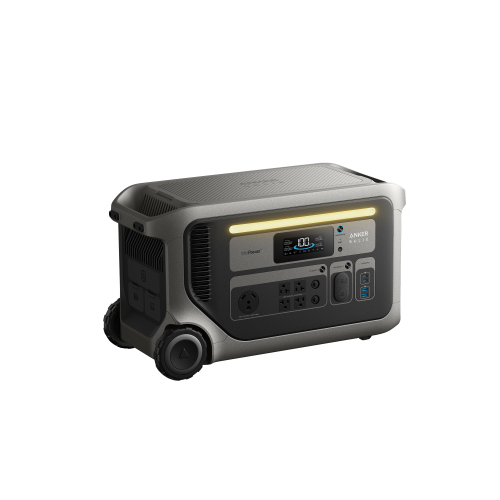
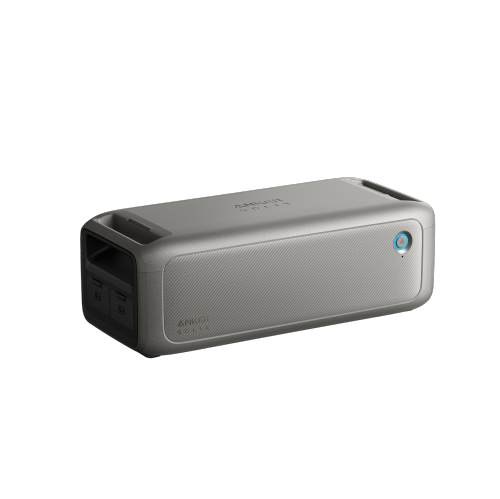
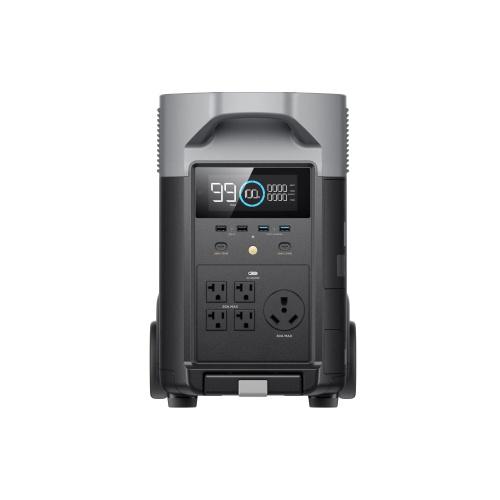
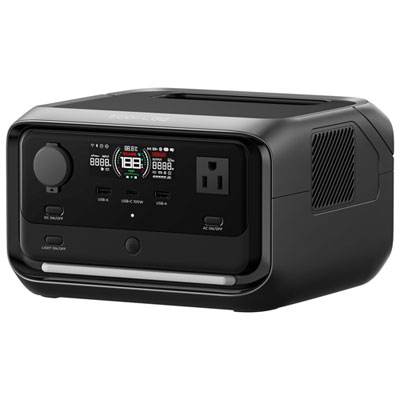
LiFePO4 power stations are rechargeable power systems that use lithium iron phosphate batteries to store electricity and deliver it through outlets and charging ports. Also called LFP power stations, they combine a battery, an inverter, charging electronics, and controls in a single housing, making stored power practical for camping, RV travel, mobile work, and backup use at home. Unlike fuel-powered generators, they do not burn fuel or produce exhaust during operation, although their cooling fans can make noise. Lithium iron phosphate chemistry is known for its thermal stability and long cycle life, but safe operation still depends on the unit’s design, condition, and correct use. Many LiFePO4 batteries are rated for roughly 2,000 to 4,000 full charge cycles before reaching about 80% of their original capacity; the stated rating and test conditions vary by manufacturer. Reaching that threshold does not mean the battery stops working. It means that a full charge holds less energy than it did when new. A cycle generally represents using an amount of energy equal to the battery’s full capacity, which can accumulate across several partial charges. This durability makes LiFePO4 portable power stations useful for people who expect to recharge frequently rather than keep a battery tucked away for occasional use. A compact unit can support a laptop and phone at a campsite or power a small light at a craft table without a nearby outlet. A larger unit may support selected household essentials during an outage, provided its capacity and output match those devices. For someone who travels by RV, works between job locations, or spends weekends away from electrical hookups, the appeal is straightforward: accessible electricity in a self-contained package. Within the broader range of Portable Power Stations, LiFePO4 models stand out primarily for their battery chemistry and charge-cycle durability, rather than one particular size, outlet arrangement, or intended setting.
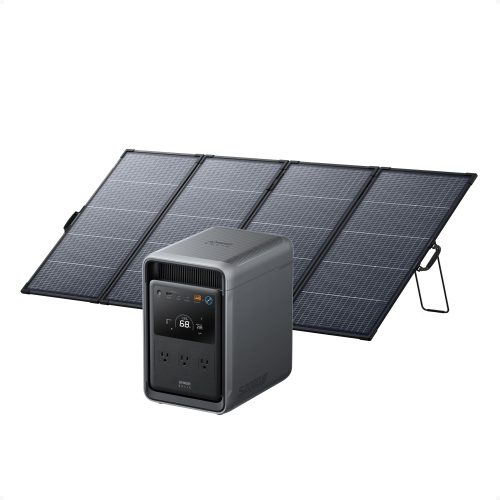
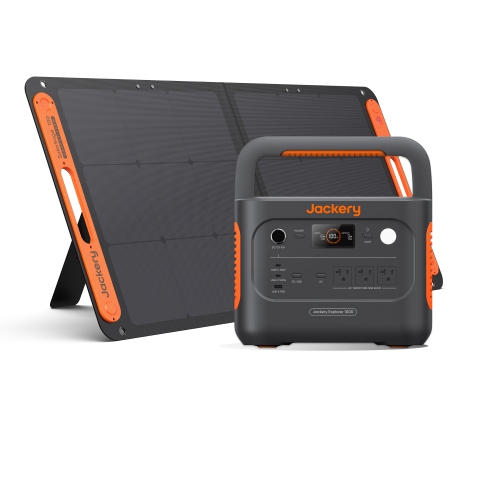
Battery capacity and power output describe different parts of a power station’s performance. Capacity, measured in watt-hours, indicates how much energy the battery stores; output, measured in watts, indicates how much power the station can supply at a given moment. A unit with a large battery is not automatically capable of starting a demanding appliance. Refrigerators, pumps, and some tools can briefly draw more power at startup than they use while running, so both continuous output and surge capability matter. Runtime also depends on inverter losses, the station’s own power consumption, and how the connected device operates. For example, a nominal 1,000-watt-hour battery supplying a steady 100-watt load has a theoretical runtime of 10 hours, but actual runtime will be shorter because not all stored energy reaches the device. Appliances that cycle on and off require a different estimate from equipment that draws power continuously. For a desk setup, the combined demand of a laptop, monitor, and router is more useful than the laptop’s rating alone. Outlet selection deserves the same attention as battery size. AC outlets accommodate many household devices, while USB-A, USB-C, and regulated DC connections can serve compatible electronics without separate wall adapters. USB-C wattage varies by port, and some stations share an output limit across multiple ports, which can affect simultaneous charging. A pure sine wave inverter is generally preferable for equipment that requires AC power closely resembling a household supply, though device compatibility still needs checking. Wall charging is convenient between trips, vehicle charging can replenish a battery while travelling when used as directed, and compatible solar panels offer another charging option where electrical outlets are absent. Solar input limits, connector types, and panel voltage must match the station’s specifications. Charging speed depends on the source and the station’s input limit, not simply the battery capacity. Expandable systems can add runtime through approved battery modules, but extra storage does not necessarily increase the inverter’s output.
The physical design of a LiFePO4 power station makes a noticeable difference when it moves from a hallway cupboard to a vehicle, campsite, or workbench. Smaller housings with a well-positioned handle are easier to carry, while higher-capacity units may need two-handed lifting or wheels. Weight and dimensions matter as much as the word portable: a station intended to sit beside an RV cabinet has different handling needs from one carried along a path. Housings may use moulded plastic, metal, or a combination of materials, with reinforced corners and protected ports on some designs. A sturdy casing does not by itself establish resistance to water or dust, so any stated ingress protection rating should match the intended use. Clear displays help show remaining charge, input power, and output demand, while accessible controls reduce the need to reach behind connected cables. Fan noise and display brightness can also matter beside a sleeping area or a shared workspace. For ongoing care, keep vents unobstructed, use approved charging equipment, and wipe the exterior with a soft, dry cloth rather than spraying cleaner into ports. Follow the manufacturer’s storage charge recommendations and inspection schedule, particularly when the unit is set aside for backup duty. Cables, plugs, and the housing should be checked for damage before use, and a battery that is swollen or visibly damaged should not be operated. Home backup use also has clear boundaries. Devices can connect directly to suitable outlets on the station within its ratings, but supplying household circuits requires compatible transfer equipment and installation by a qualified electrician; a power station must never feed electricity into a household wall outlet. Pass-through charging and automatic switchover are not universal features, and a backup mode is not necessarily equivalent to an uninterruptible power supply for sensitive equipment. For essential medical equipment, confirm compatibility and backup requirements with the equipment provider. As a practical gift for a camper, RV traveller, or mobile creator, a LiFePO4 power station is most useful when its carrying weight, connections, and usable runtime suit the recipient’s everyday equipment.
Top selling and popular products
-
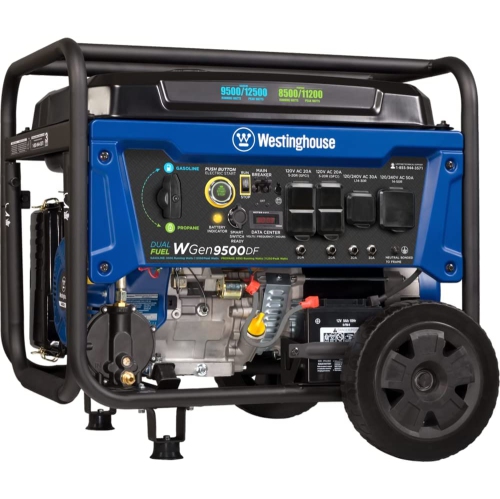 Your price for this item is $2799
-
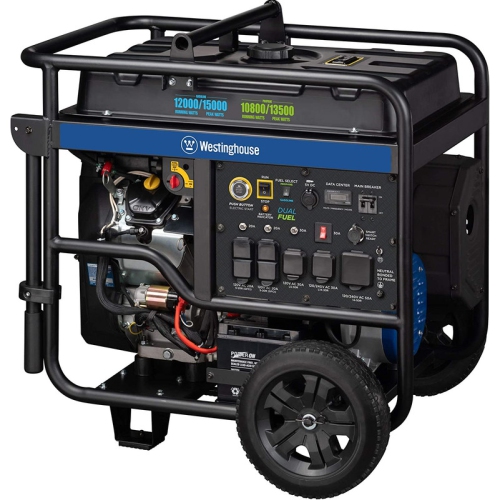 Your price for this item is $6199
-
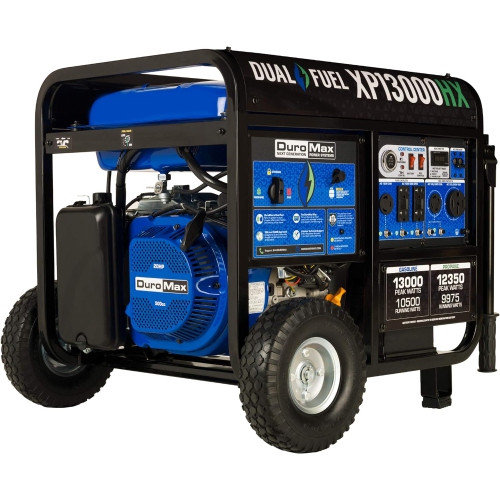 Your price for this item is $3499
-
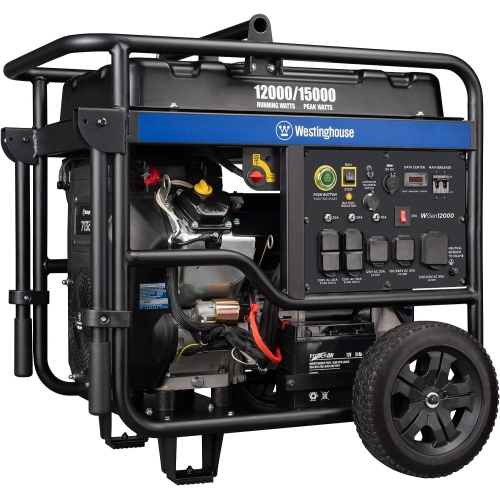 Your price for this item is $5499
-
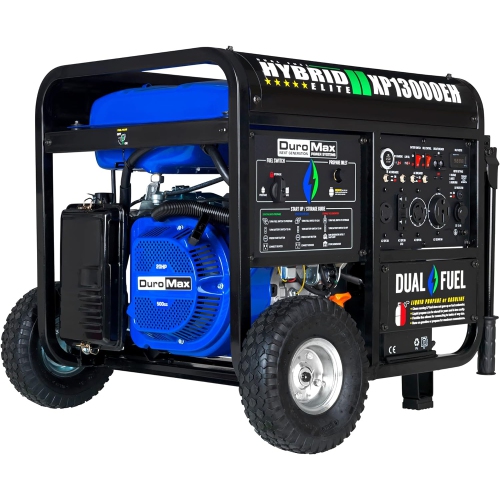 Your price for this item is $2899
-
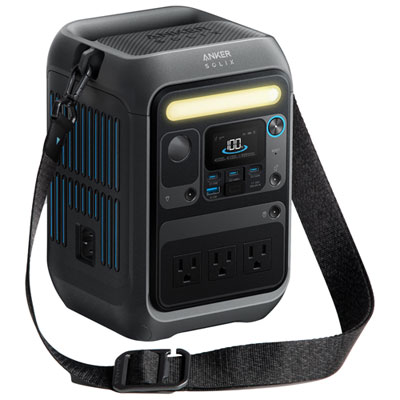 Your price for this item is $369.99
-
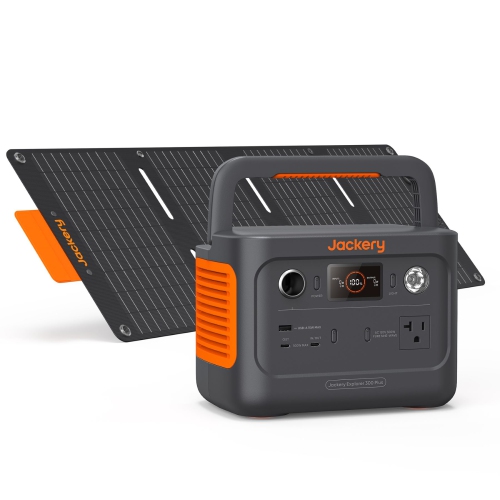 Your price for this item is $399
-
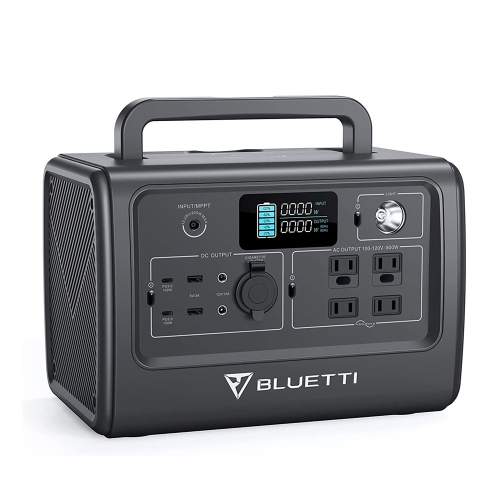 Your price for this item is $549
Discover more categories related to LifePO4 Power Stations
Top Collections:
Pokemon Centers, Best Cameras for Sports Photography, Kindle Devices, Samsung Galaxy Phones, Canon G7X Cameras, Pokémon 30th Celebration Cards, Refurbished Apple Laptops, iPhone 15 Apple, Laptops for Students, Budget Smartphones
Some products may be subject to Environmental Handling Fees
(EHF) depending on your province.
Learn more about EHFs.