Mechanical Tachometers
Looking to keep track of your vehicle's RPMs with precision and accuracy? Look no further than our collection of mechanical tachometers. These reliable and durable devices provide real-time RPM readings, allowing you to monitor your engine's performance with ease. Whether you're a car enthusiast, a professional mechanic, or simply someone who wants to stay on top of their vehicle's health, our range of mechanical tachometers has got you covered. Explore our selection today and find the perfect tachometer to suit your needs.
Sort








Why drive compatibility matters as much as RPM range
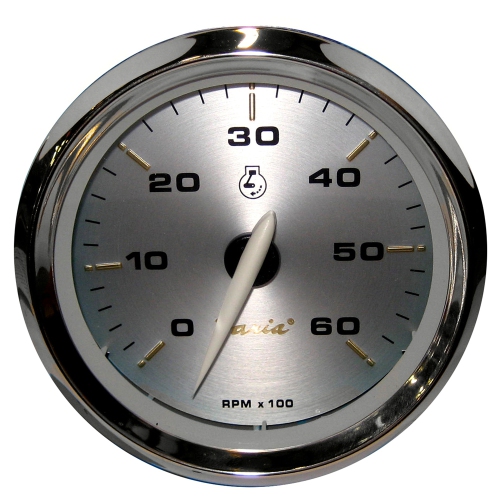
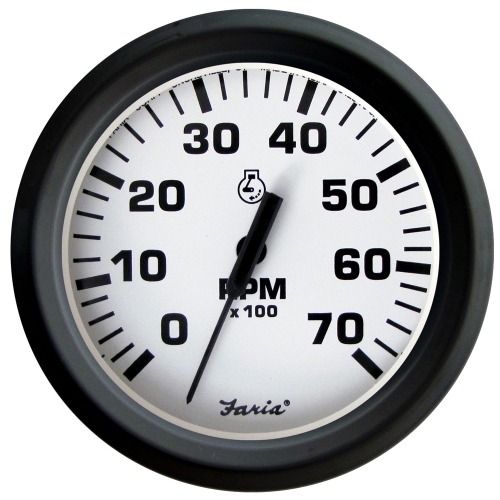
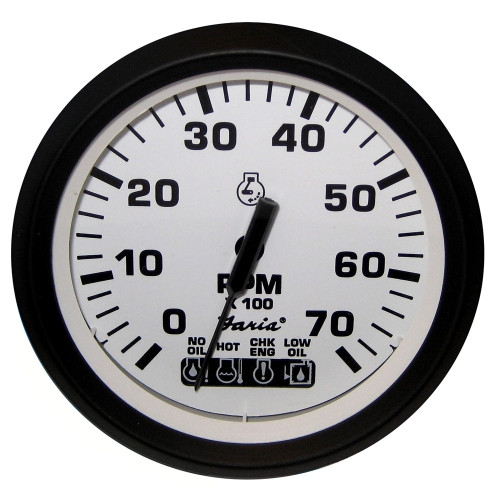
Mechanical tachometers measure the rotational speed of a shaft or other rotating component in revolutions per minute (RPM) through a physical drive connection rather than an electronic speed sensor. That connection may be a flexible drive cable attached to a machine or, on a suitable handheld instrument, a contact tip placed against a designated measuring point. Rotation passes into an internal mechanism that translates movement into a reading, often shown by a needle travelling across a numbered dial. The mechanism varies by design, so the term describes how the instrument receives its input rather than one identical construction. Unlike a non-contact optical tachometer, a mechanical model needs a compatible physical connection to the rotating equipment. This makes connection type just as important as the numbers printed on the face. These instruments have practical uses around compatible engines, workshop machinery, and older equipment designed with a mechanical tachometer drive. A permanently mounted gauge can keep operating speed visible during normal use, while a portable contact instrument may support occasional checks at an approved access point. For a machine operator, an RPM reading can help confirm that equipment is running within its specified speed range. For someone restoring an older vehicle, it may provide a period-appropriate display that works with an existing cable drive. Rotational speed is distinct from road speed, cutting speed, and power output: an RPM reading describes how quickly something turns, not how much work it produces. A larger cutting tool and a smaller one can therefore share the same RPM while having different speeds at their outer edges. That distinction matters when interpreting a reading against a machine manual or operating specification. The most useful instrument is one whose measurement range, drive arrangement, and intended application match the equipment, rather than simply one with the highest maximum number on its dial. A clear reading within the machine’s normal operating range is generally more valuable than extra scale markings that never come into use.
Fit involves several details that can be easy to overlook when two gauges look similar from the front. A cable-driven tachometer must match the required drive ratio, rotation direction, cable-end shape, and connection thread specified for the equipment. The drive ratio determines how the rotational input relates to the displayed engine or shaft speed; an otherwise tidy installation can still give an incorrect reading if that relationship is wrong. Cable length and routing also affect suitability. A cable that is stretched tight, sharply bent, or pressed against moving parts is not a sound substitute for the correct fit. For a dashboard or control-panel installation, case diameter, mounting depth, bracket arrangement, and space behind the panel all deserve attention. A gauge can fit the visible opening yet leave too little clearance for the cable connection at the rear. Riders comparing Motorcycle Tachometers should distinguish between mechanically driven instruments and models that obtain an electrical signal, since their connections are not interchangeable. Any lighting connection is another separate detail: a mechanically driven needle does not necessarily mean that every feature operates without electricity. On handheld contact instruments, the tip or adaptor must suit the approved measuring surface, and any contact wheel needs the correct scale or conversion for the measurement being taken. Materials influence everyday handling as well as appearance. Metal housings can offer a solid mounting structure, while engineering plastics can reduce weight; actual durability depends on construction and the stated application, not the material name alone. A securely retained lens, legible markings, a contrasting pointer, and a firmly supported case all contribute to usability. Dial size and viewing angle matter when the gauge sits below eye level or among other controls. Fine scale divisions may help with interpretation, but they do not establish accuracy by themselves. Stated accuracy, resolution, and any calibration information provide a better basis for judging whether an instrument suits a rough operating-speed check or a task requiring closer measurement.
Care and durability are closely tied to how a mechanical tachometer is installed and used. Flexible drive cables contain moving parts, and their maintenance requirements depend on their construction. Manufacturer-approved lubrication, where specified, is preferable to adding a general-purpose lubricant that may be unsuitable for the cable or gauge. A wavering pointer can be associated with cable wear, poor routing, an unsuitable connection, or a fault elsewhere in the drive system; it should not automatically be treated as proof that the engine speed is changing. Keeping connections secure and checking for visible damage can help identify problems before readings become unreliable. Cleaning usually calls for a soft cloth and a method compatible with the lens and housing finish, rather than abrasive polishing or unapproved solvents. Portable instruments benefit from protective storage that keeps contact tips, adaptors, and the dial from being knocked against heavier tools. Resistance to vibration, dust, or moisture should come from the instrument’s stated specifications, not from an assumption that every workshop gauge is built for the same conditions. For technicians and machinery owners, a dependable tachometer can support repeatable observations during maintenance, provided measurements follow the equipment maker’s procedures. For restoration enthusiasts, the appeal may include a familiar analogue face and compatibility with an established mechanical drive system. A replacement gauge can also be a thoughtful gift for a knowledgeable hobbyist when the exact fit requirements are known; an attractive dial alone is not enough to establish compatibility. Safety remains central whenever a reading involves rotating machinery. Installation, cable changes, and adjustments belong with equipment stopped and secured according to its instructions. A handheld contact tachometer should only be used where the machine and instrument permit that method, without removing required guards or improvising access to a shaft. With the correct connection, appropriate measuring range, and suitable construction, mechanical tachometers provide a direct way to monitor rotational speed while keeping the relationship between the machine’s movement and the displayed reading easy to understand.
Top selling and popular products
-
 Your price for this item is $31.34
-
 Your price for this item is $30.54
-
 Your price for this item is $38.85
-
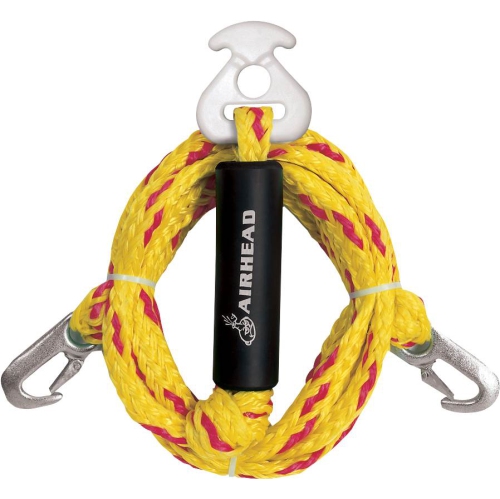 Your price for this item is $63.99
-
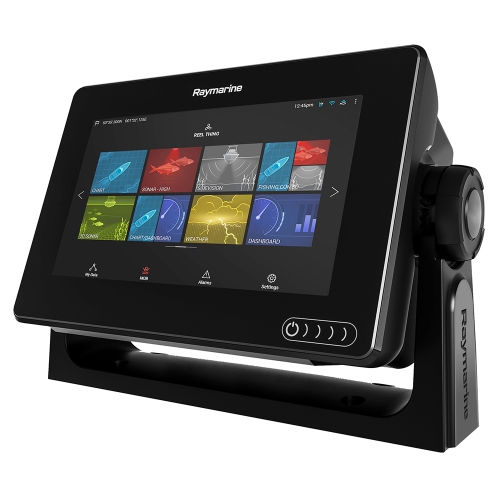 Your price for this item is $917.79
-
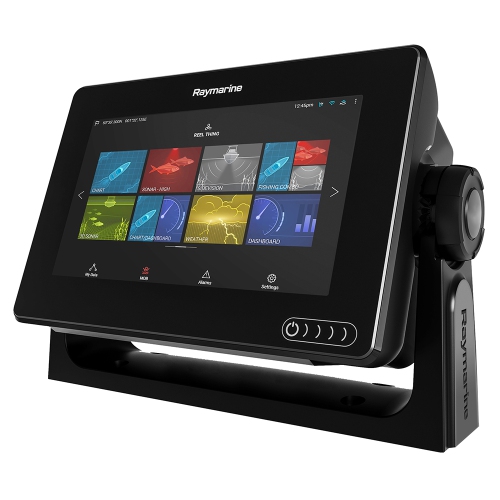 Your price for this item is $844.31
-
 Your price for this item is $31.38
-
 Your price for this item is $35.35
Discover more categories related to Mechanical Tachometers
Top Collections:
Pokemon Centers, Kindle Devices, Best Cameras for Sports Photography, Pokémon 30th Celebration Cards, Apple iPhones 16, Canon G7X Cameras, iPhone 15 Apple, Flip Phones, Samsung Galaxy Phones, Alarm Clock
Some products may be subject to Environmental Handling Fees
(EHF) depending on your province.
Learn more about EHFs.